卷三·第七章 论双生
两光与上升点落在双体星座则多生双胎;落在中天时母亲多怀多胎,四种三胎命式各以神话三人组为名。
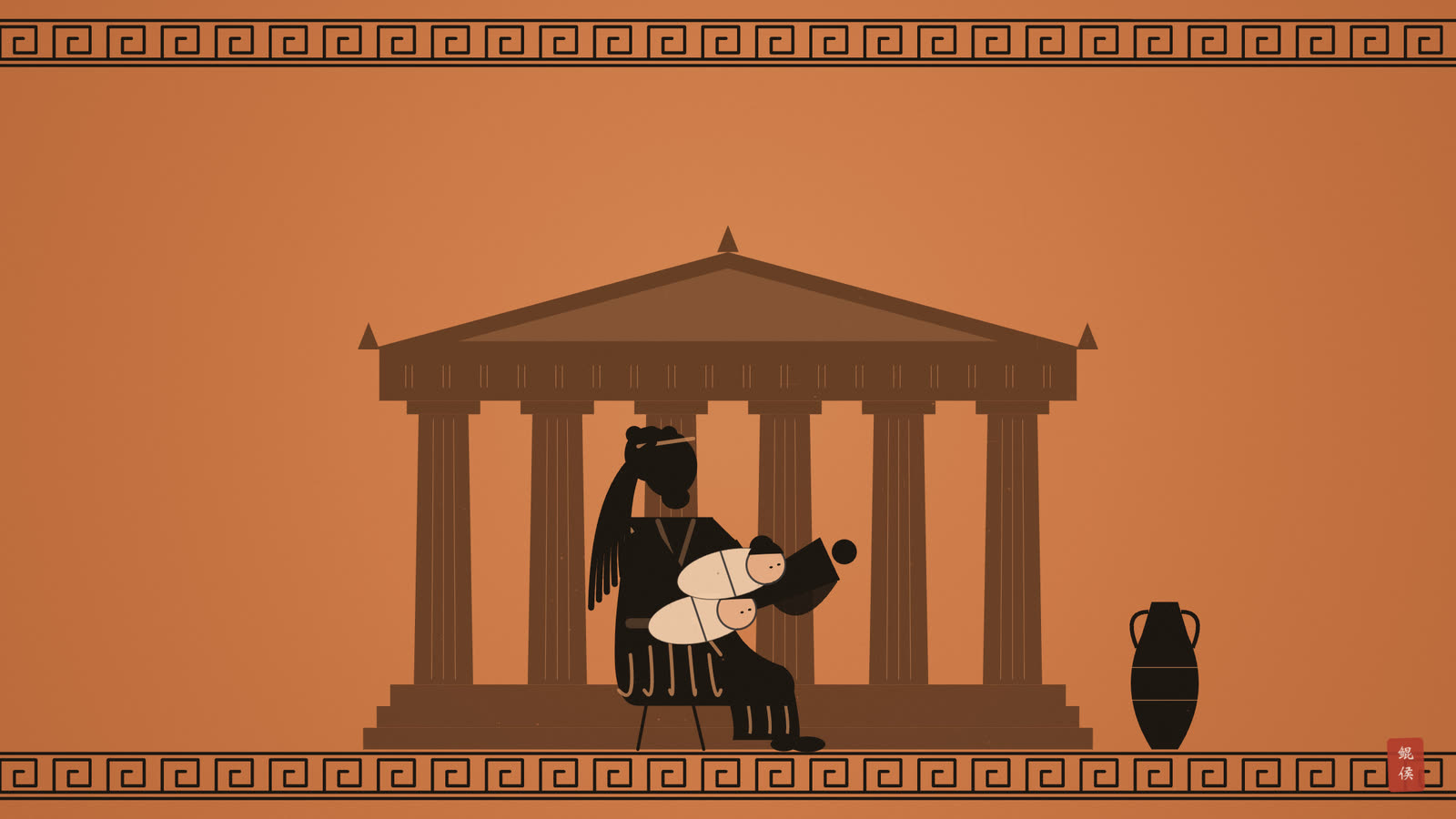
Likewise with regard to the births of two or even more, it is fitting to observe the same two places, that is, the two luminaries and the horoscope. For such an event is apt to attend the intermixture when either two or the three places cover bicorporeal signs, and particularly when the same is true of the planets that rule them, or when some are in bicorporeal signs, and some are disposed in pairs or in larger groups.
But when both the dominant places are in bicorporeal signs and most of the planets are similarly configurated, then it befalls that even more than two are conceived, for the number is conjectured from the star that causes the peculiar property of the number, and the sex from the aspects which the planets have with respect to the sun and the moon and the horoscope for the production of males or of females, in accordance with the ways stated above.
翻译点开
Likewise with regard to the births of two or even more, it is fitting to observe the same two places, that is, the two luminaries and the horoscope. For such an event is apt to attend the intermixture when either two or the three places cover bicorporeal signs, and particularly when the same is true of the planets that rule them, or when some are in bicorporeal signs, and some are disposed in pairs or in larger groups.
同样,关于双生乃至多胎的降生,也宜察看同样的两种位置,即两光与上升点。因为当这三处中有两处或三处落在双体星座时,这种事往往伴随着那种混合而发生,尤其是主宰它们的行星也是如此时;或者,当有些行星在双体星座,有些成双成对或成更大的群组排列时。
But when both the dominant places are in bicorporeal signs and most of the planets are similarly configurated, then it befalls that even more than two are conceived, for the number is conjectured from the star that causes the peculiar property of the number, and the sex from the aspects which the planets have with respect to the sun and the moon and the horoscope for the production of males or of females, in accordance with the ways stated above.
而当这两种主导之位都在双体星座,大多数行星也作同样的配置时,就会怀上两个以上;因为胎数要从造成这一数目特性的那颗星来推测,性别则按上面说过的方式,从诸行星对太阳、月亮与上升点的相位来推测,看是主生男还是主生女。
大意与图解点开
🔎 大意:同看两光与上升点:两三处及其主星落在双体星座,或诸星成双成群,主双生;主导之位与多数行星都如此,则多于两胎。
📖 术语
| 术语 | 英译原词 | 意思 |
|---|---|---|
| 双体星座 | bicorporeal signs | 双子、处女、射手、双鱼 |
| 混合 | intermixture | 诸种影响相混 |
| 成双成对 | in pairs | 两两相配排列 |
| 主导之位 | dominant places | 两光与上升点所在 |
🧭 图解与讲解
双生与多胎的推法,与上一章看的是同样的位置:两光与上升点。原文说「同样的两种位置」,大概是把两光算作一种、上升点算作一种,下文又说「这三处」,指的仍是太阳、月亮、上升点。条件是:这三处中有两处或三处落在双体星座,主宰它们的行星也在双体星座则更甚;或者诸星有的在双体星座,有的成双成对、成群排列。
〔图〕多胎之象:上升、太阳、月亮全落在双体星座,它们的主星水星、木星也在双体星座
| 条件 | 意义 |
|---|---|
| 三处中有两处或三处在双体星座 | 易生双胎 |
| 主宰三处的行星也在双体星座 | 更是如此 |
| 诸星有的在双体星座,有的成双成对、成群排列 | 同上 |
| 两种主导之位都在双体星座,大多数行星也如此 | 怀上两个以上 |
| 胎数 | 看主宰主导之位的那颗星 |
| 每一胎的男女 | 按第六章之法,看诸星对日、月、上升点的相位 |
双体星座是双子、处女、射手、双鱼。卷一第十一章说,它们紧跟在固定星座之后,位于固定星座与至点、分点星座之间,好比在一季之末、下一季之初,兼有两种天气的性质,所以叫「双体」。原文说这种事「伴随那种混合而发生」,Robbins 注解释为两光、星座等诸种影响的混合——双体星座本身就是两种性质的混合,用它来看「一胎多子」,正是同气相求。
数目怎么定:两种主导之位都在双体星座,大多数行星也如此时,就会怀上两个以上;胎数要从「造成这一数目特性」的那颗星来推测,Robbins 注说就是主宰那个主导之位的行星。性别则照上一章的办法,看诸星对太阳、月亮、上升点的相位定阴阳。表二把这些条件排在一起。
图一是一张示意盘:双子上升,太阳在第十位的双鱼,月亮在第四位的处女,三处全在双体星座,又恰好彼此成四分;三处的主星水星(双子、处女之主)在双鱼,木星(双鱼之主)在射手,也都在双体星座,火星也在双子。七颗星里有五颗在双体星座。照本章的规则,这已不止于双生,属于「两个以上」的一类。
📖 术语
| 术语 | 英译原词 | 意思 |
|---|---|---|
| 双体星座 | bicorporeal signs | 双子、处女、射手、双鱼 |
| 混合 | intermixture | 诸种影响相混 |
| 成双成对 | in pairs | 两两相配排列 |
| 主导之位 | dominant places | 两光与上升点所在 |
🧭 图解与讲解
双生与多胎的推法,与上一章看的是同样的位置:两光与上升点。原文说「同样的两种位置」,大概是把两光算作一种、上升点算作一种,下文又说「这三处」,指的仍是太阳、月亮、上升点。条件是:这三处中有两处或三处落在双体星座,主宰它们的行星也在双体星座则更甚;或者诸星有的在双体星座,有的成双成对、成群排列。
| 条件 | 意义 |
|---|---|
| 三处中有两处或三处在双体星座 | 易生双胎 |
| 主宰三处的行星也在双体星座 | 更是如此 |
| 诸星有的在双体星座,有的成双成对、成群排列 | 同上 |
| 两种主导之位都在双体星座,大多数行星也如此 | 怀上两个以上 |
| 胎数 | 看主宰主导之位的那颗星 |
| 每一胎的男女 | 按第六章之法,看诸星对日、月、上升点的相位 |
双体星座是双子、处女、射手、双鱼。卷一第十一章说,它们紧跟在固定星座之后,位于固定星座与至点、分点星座之间,好比在一季之末、下一季之初,兼有两种天气的性质,所以叫「双体」。原文说这种事「伴随那种混合而发生」,Robbins 注解释为两光、星座等诸种影响的混合——双体星座本身就是两种性质的混合,用它来看「一胎多子」,正是同气相求。
数目怎么定:两种主导之位都在双体星座,大多数行星也如此时,就会怀上两个以上;胎数要从「造成这一数目特性」的那颗星来推测,Robbins 注说就是主宰那个主导之位的行星。性别则照上一章的办法,看诸星对太阳、月亮、上升点的相位定阴阳。表二把这些条件排在一起。
图一是一张示意盘:双子上升,太阳在第十位的双鱼,月亮在第四位的处女,三处全在双体星座,又恰好彼此成四分;三处的主星水星(双子、处女之主)在双鱼,木星(双鱼之主)在射手,也都在双体星座,火星也在双子。七颗星里有五颗在双体星座。照本章的规则,这已不止于双生,属于「两个以上」的一类。
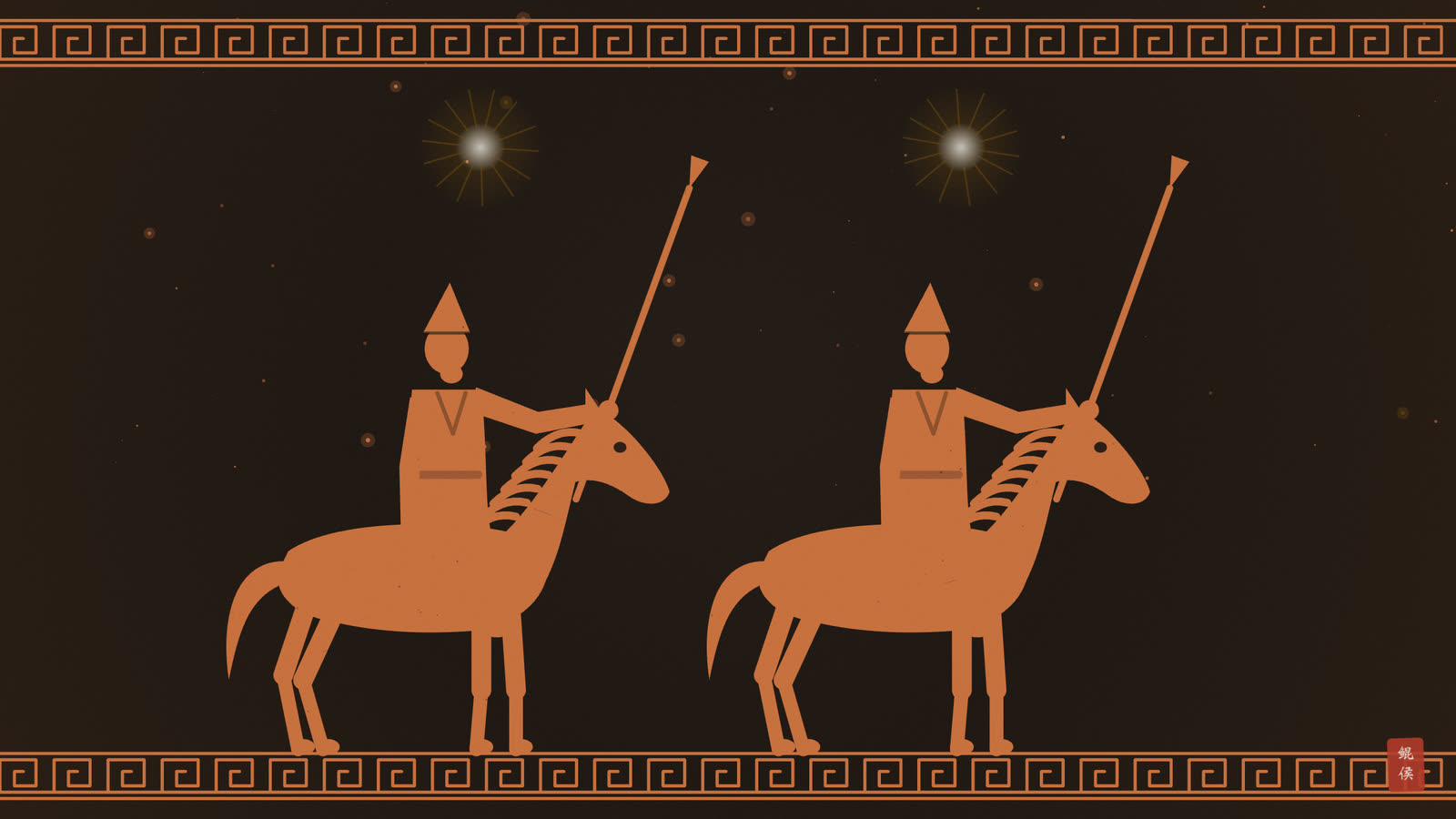
But whenever such an arrangement of the planets does not include the horoscopic angle with the luminaries, but rather that of the mid‑heaven, mothers with such genitures generally conceive twins or even more; and in particular, they give multiple birth, to three males, by the geniture of the Kings, when Saturn, Jupiter, and Mars are in bicorporeal signs and bear some aspect to the aforesaid places; and to three females, by the geniture of the Graces, when Venus and the moon, with Mercury made feminine, are so arranged; to two males and one female, by the geniture of the Dioscuri, when Saturn, Jupiter, and Venus are so ordered, and to two females and a male, by the geniture of Demeter and Korê, when Venus, the moon, and Mars are thus ordered.
In these cases it generally happens that the children are not completely developed and are born with certain bodily marks, and again the governing places may bear certain unusual and surprising marks by reason of the divine manifestation, as it were, of such portents.
翻译点开
But whenever such an arrangement of the planets does not include the horoscopic angle with the luminaries, but rather that of the mid‑heaven, mothers with such genitures generally conceive twins or even more; and in particular, they give multiple birth, to three males, by the geniture of the Kings, when Saturn, Jupiter, and Mars are in bicorporeal signs and bear some aspect to the aforesaid places; and to three females, by the geniture of the Graces, when Venus and the moon, with Mercury made feminine, are so arranged; to two males and one female, by the geniture of the Dioscuri, when Saturn, Jupiter, and Venus are so ordered, and to two females and a male, by the geniture of Demeter and Korê, when Venus, the moon, and Mars are thus ordered.
然而,若诸行星的这种排列与两光一同包含的不是上升之角,而是中天之角,命盘如此的母亲通常会怀上双胎乃至更多;具体说来:土星、木星、火星在双体星座,并与上述诸位成某种相位时,她们按“诸王之命”一胎生三个男孩;金星与月亮,连同阴性化的水星,这样排列时,按“美惠女神之命”生三个女孩;土星、木星与金星这样排列时,按“狄俄斯库里之命”生两男一女;金星、月亮与火星这样排列时,按“得墨忒耳与科瑞之命”生两女一男。
In these cases it generally happens that the children are not completely developed and are born with certain bodily marks, and again the governing places may bear certain unusual and surprising marks by reason of the divine manifestation, as it were, of such portents.
在这些情形下,孩子往往发育不全,生来带有某些身体上的印记;再者,主导之位也可能带有某些不寻常、令人惊异的标记,因为这类异兆好比是神意的显现。
大意与图解点开
🔎 大意:排列若含中天而非上升,主母亲多怀多胎:诸王之命三男,美惠女神之命三女,狄俄斯库里两男一女,得墨忒耳与科瑞两女一男。
📖 术语
| 术语 | 英译原词 | 意思 |
|---|---|---|
| 命盘 | geniture | 降生之时的天象 |
| 诸王 | the Kings | 所指哪组神祇不明 |
| 美惠女神 | the Graces | 希腊神话中三姊妹 |
| 狄俄斯库里 | the Dioscuri | 宙斯的孪生二子 |
| 得墨忒耳与科瑞 | Demeter and Korê | 谷物女神与其女儿 |
🧭 图解与讲解
这一段换了个角度:同样的配置,若与两光一同包含的不是上升之角,而是中天之角,说的就不是本人是否双生,而是母亲——命盘如此的女子,通常会怀上双胎乃至更多。中天在托勒密的本命占里与子女相关(卷四第六章论子女取中天及其续宫),这里用中天看母亲的生育,与此相合。
| 命式 | 在双体星座并照诸位的行星 | 所生 |
|---|---|---|
| 诸王之命 | 土星、木星、火星 | 三男 |
| 美惠女神之命 | 金星、月亮、阴性化的水星 | 三女 |
| 狄俄斯库里之命 | 土星、木星、金星 | 两男一女 |
| 得墨忒耳与科瑞之命 | 金星、月亮、火星 | 两女一男 |
〔图〕母亲的命盘·狄俄斯库里之命:中天在双子,土、木、金都在双体星座并照两光与中天
接着托勒密列出四种三胎的命式,各以神话中的三人组命名(表一):土星、木星、火星三颗阳性星在双体星座并照上述诸位,是「诸王之命」,三男;金星、月亮与阴性化的水星,是「美惠女神之命」,三女;土星、木星与金星,是「狄俄斯库里之命」,两男一女;金星、月亮与火星,是「得墨忒耳与科瑞之命」,两女一男。规律很清楚:几颗阳性星就几个男孩,几颗阴性星就几个女孩。水星两可,所以要「变为阴性」才能算作女孩。
这些名字都有来历。狄俄斯库里是宙斯的一对孪生子卡斯托耳与波吕丢刻斯,双子座即以他们为形;美惠女神是三位姊妹;得墨忒耳是谷物女神,科瑞(又名珀耳塞福涅)是她的女儿。两女一男的这一组里,男孩是谁?Robbins 注说,有一个抄本和坎梅拉里乌斯本在这里多出「与狄俄尼索斯」,但其余抄本都没有。
「诸王」所指更不清楚。Robbins 注引布谢-勒克莱尔的话:这个称号狄俄斯库里、卡比里、库瑞忒斯都用过,他不知道托勒密指的是哪一组,也许托勒密自己也不太清楚。图二是一张「狄俄斯库里之命」的示意盘:中天在双子,太阳、金星在中天,月亮在双鱼;射手的土星对冲太阳,处女的木星与太阳四分、与月亮对冲,三颗星都在双体星座。
末一行说,这些情形下孩子往往发育不全,生来带有身体上的印记;主导之位也可能带着不寻常的标记,仿佛这类异兆是神意的显现。Robbins 注引卡尔达诺的话:托勒密把一胎三个看作能活下来的最多之数。下一章论畸形,正接着这里的「异兆」往下讲。
📖 术语
| 术语 | 英译原词 | 意思 |
|---|---|---|
| 命盘 | geniture | 降生之时的天象 |
| 诸王 | the Kings | 所指哪组神祇不明 |
| 美惠女神 | the Graces | 希腊神话中三姊妹 |
| 狄俄斯库里 | the Dioscuri | 宙斯的孪生二子 |
| 得墨忒耳与科瑞 | Demeter and Korê | 谷物女神与其女儿 |
🧭 图解与讲解
这一段换了个角度:同样的配置,若与两光一同包含的不是上升之角,而是中天之角,说的就不是本人是否双生,而是母亲——命盘如此的女子,通常会怀上双胎乃至更多。中天在托勒密的本命占里与子女相关(卷四第六章论子女取中天及其续宫),这里用中天看母亲的生育,与此相合。
| 命式 | 在双体星座并照诸位的行星 | 所生 |
|---|---|---|
| 诸王之命 | 土星、木星、火星 | 三男 |
| 美惠女神之命 | 金星、月亮、阴性化的水星 | 三女 |
| 狄俄斯库里之命 | 土星、木星、金星 | 两男一女 |
| 得墨忒耳与科瑞之命 | 金星、月亮、火星 | 两女一男 |
接着托勒密列出四种三胎的命式,各以神话中的三人组命名(表一):土星、木星、火星三颗阳性星在双体星座并照上述诸位,是「诸王之命」,三男;金星、月亮与阴性化的水星,是「美惠女神之命」,三女;土星、木星与金星,是「狄俄斯库里之命」,两男一女;金星、月亮与火星,是「得墨忒耳与科瑞之命」,两女一男。规律很清楚:几颗阳性星就几个男孩,几颗阴性星就几个女孩。水星两可,所以要「变为阴性」才能算作女孩。
这些名字都有来历。狄俄斯库里是宙斯的一对孪生子卡斯托耳与波吕丢刻斯,双子座即以他们为形;美惠女神是三位姊妹;得墨忒耳是谷物女神,科瑞(又名珀耳塞福涅)是她的女儿。两女一男的这一组里,男孩是谁?Robbins 注说,有一个抄本和坎梅拉里乌斯本在这里多出「与狄俄尼索斯」,但其余抄本都没有。
「诸王」所指更不清楚。Robbins 注引布谢-勒克莱尔的话:这个称号狄俄斯库里、卡比里、库瑞忒斯都用过,他不知道托勒密指的是哪一组,也许托勒密自己也不太清楚。图二是一张「狄俄斯库里之命」的示意盘:中天在双子,太阳、金星在中天,月亮在双鱼;射手的土星对冲太阳,处女的木星与太阳四分、与月亮对冲,三颗星都在双体星座。
末一行说,这些情形下孩子往往发育不全,生来带有身体上的印记;主导之位也可能带着不寻常的标记,仿佛这类异兆是神意的显现。Robbins 注引卡尔达诺的话:托勒密把一胎三个看作能活下来的最多之数。下一章论畸形,正接着这里的「异兆」往下讲。
原文为公有领域古籍;翻译、印象画与图文解读由 AI 辅助生成,鲲侯审校。