卷三·第六章 论男女
生男生女看两光、上升点及其主星,多数为阳则男、为阴则女;星的阴阳要合星座、本性、象限与晨昏四者来判。
Now that the topic of brethren has been brought before our eyes in suitable and natural fashion, the next step would be to begin the discussion of matters directly concerned with the birth, and first to treat of the reckoning of males and females. This is determined by no simple theory based upon some one thing, but it depends upon the two luminaries, the horoscope, and the stars which bear some relation to them, particularly by their disposition at the time of conception, but more generally also by that at the time of the birth.
The whole situation must be observed, whether the aforesaid three places and the planets which rule them are either all or the most of them masculine, to produce males, or feminine, to produce females, and on this basis the decision must be made.
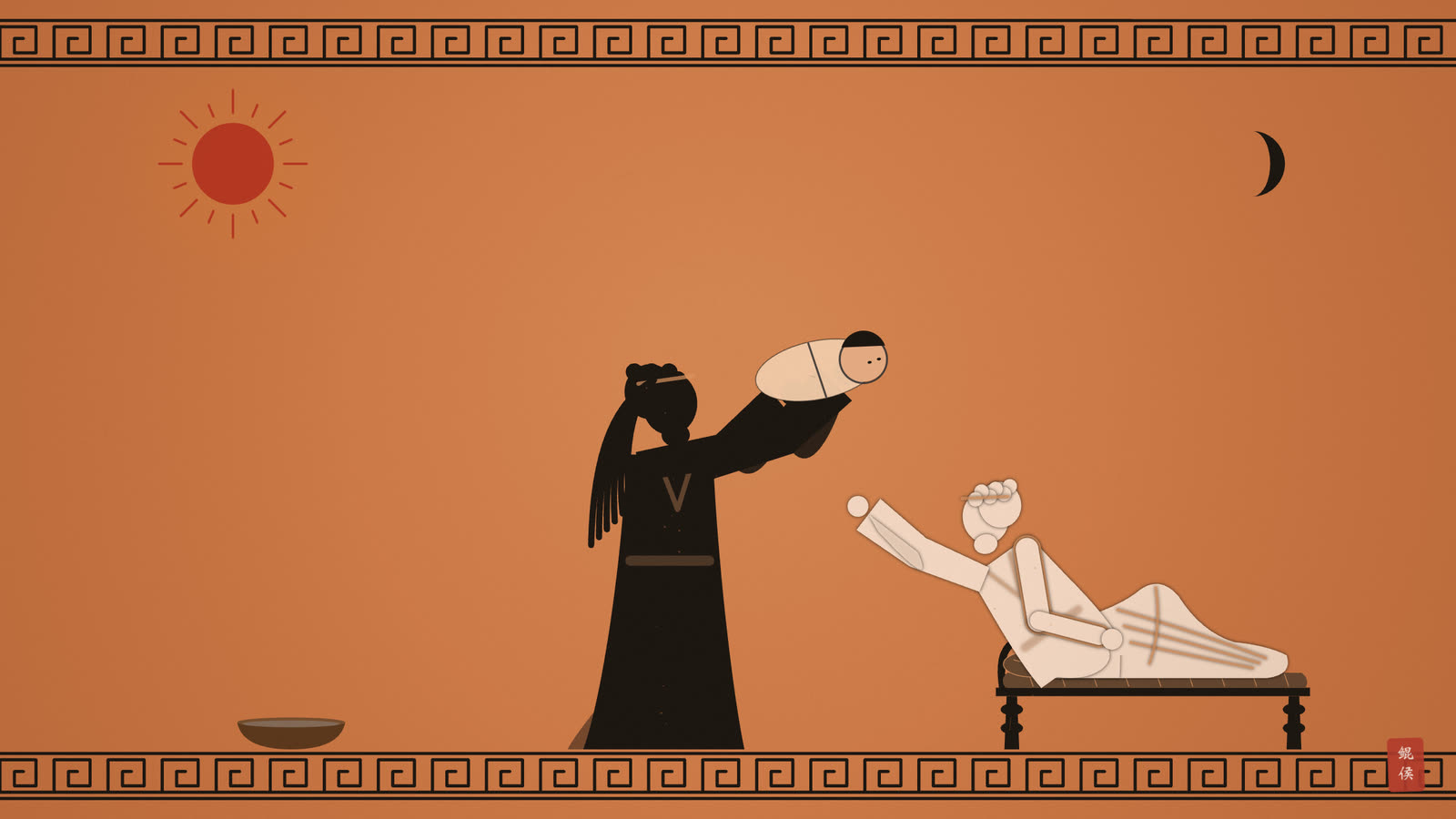
翻译点开
Now that the topic of brethren has been brought before our eyes in suitable and natural fashion, the next step would be to begin the discussion of matters directly concerned with the birth, and first to treat of the reckoning of males and females. This is determined by no simple theory based upon some one thing, but it depends upon the two luminaries, the horoscope, and the stars which bear some relation to them, particularly by their disposition at the time of conception, but more generally also by that at the time of the birth.
兄弟姊妹这一题目既已以适当而自然的方式呈现在眼前,下一步便该开始讨论与降生直接相关的事,首先是推算生男还是生女。这并非由某一样东西出发的简单理论所能决定,而要看两光、上升点,以及与它们有某种关联的诸星;尤其要看受孕之时它们的配置,但更普遍地,也要看降生之时的配置。
The whole situation must be observed, whether the aforesaid three places and the planets which rule them are either all or the most of them masculine, to produce males, or feminine, to produce females, and on this basis the decision must be made.
必须通观全局:上述三处以及主宰它们的行星,是全部或大多数为阳性,从而生男;还是为阴性,从而生女,并据此作出判断。
大意与图解点开
🔎 大意:性别不由一事决定,要看两光、上升点及与之相关的诸星,尤看受孕之时,也看降生之时;三处与其主星多数为阳则男,为阴则女。
📖 术语
| 术语 | 英译原词 | 意思 |
|---|---|---|
| 受孕 | conception | 怀胎的那一刻 |
| 三处 | three places | 两光与上升点 |
| 阳性 / 阴性 | masculine / feminine | 主生男 / 主生女 |
🧭 图解与讲解
从这一章起进入「降生之时」的四题,第一题是生男生女。托勒密先申明:这不是由某一样东西出发的简单理论,而要看两光、上升点,以及与它们相关的诸星。时间上,最好看受孕之时的配置,一般也可以看降生之时——这呼应卷三第一章:受孕之时是人的源头,知道受孕的时刻就用受孕,不知道就用降生。
〔图〕三处都在阳性星座:上升在射手,太阳在白羊,月亮在天秤
〔图〕判断的路数:先看三处,再看三处的主星,逐一定阴阳,多数为阳则生男
判断的办法是通观全局、合计多数:三处,即太阳、月亮、上升点,以及主宰它们的行星,全部或大多数为阳性就生男,为阴性就生女。所谓主宰,最直接的是庙主,即三处所在星座的主星(卷一第十七章);按卷三第三章的通则,也可以兼看旺、三方、界等其余几种方式。图二把这几步排成一条线。
图一是一张示意盘:射手上升,太阳在白羊,月亮在天秤,三处都在阳性星座——卷一第十二章说,从白羊起阴阳相间,白羊、双子、狮子、天秤、射手、水瓶为阳。三处的庙主是木星(射手)、火星(白羊)、金星(天秤),它们此刻是阳是阴,要按下一单元的四条标准来定。
📖 术语
| 术语 | 英译原词 | 意思 |
|---|---|---|
| 受孕 | conception | 怀胎的那一刻 |
| 三处 | three places | 两光与上升点 |
| 阳性 / 阴性 | masculine / feminine | 主生男 / 主生女 |
🧭 图解与讲解
从这一章起进入「降生之时」的四题,第一题是生男生女。托勒密先申明:这不是由某一样东西出发的简单理论,而要看两光、上升点,以及与它们相关的诸星。时间上,最好看受孕之时的配置,一般也可以看降生之时——这呼应卷三第一章:受孕之时是人的源头,知道受孕的时刻就用受孕,不知道就用降生。
判断的办法是通观全局、合计多数:三处,即太阳、月亮、上升点,以及主宰它们的行星,全部或大多数为阳性就生男,为阴性就生女。所谓主宰,最直接的是庙主,即三处所在星座的主星(卷一第十七章);按卷三第三章的通则,也可以兼看旺、三方、界等其余几种方式。图二把这几步排成一条线。
图一是一张示意盘:射手上升,太阳在白羊,月亮在天秤,三处都在阳性星座——卷一第十二章说,从白羊起阴阳相间,白羊、双子、狮子、天秤、射手、水瓶为阳。三处的庙主是木星(射手)、火星(白羊)、金星(天秤),它们此刻是阳是阴,要按下一单元的四条标准来定。
We must however distinguish the male and the female planets in the way set forth by us in the tabular series in the beginning of this compilation, from the nature of the signs in which they are, and from the nature of the planets themselves, and furthermore from their position with reference to the universe, since they become masculine when they are in the east and feminine in the west; and besides, from their relation to the sun, for again when they rise in the morning they are made masculine, and feminine when they rise in the evening. By means of all these criteria one must conjecture what planet exercises preponderating control over the sex.
翻译点开
We must however distinguish the male and the female planets in the way set forth by us in the tabular series in the beginning of this compilation, from the nature of the signs in which they are, and from the nature of the planets themselves, and furthermore from their position with reference to the universe, since they become masculine when they are in the east and feminine in the west; and besides, from their relation to the sun, for again when they rise in the morning they are made masculine, and feminine when they rise in the evening. By means of all these criteria one must conjecture what planet exercises preponderating control over the sex.
不过,行星的阴阳须按我们在本书开头分条列述的方式来辨别:看它们所在星座的本性,看行星本身的本性,再看它们相对于宇宙的位置——它们在东方时变为阳性,在西方时变为阴性;此外还看它们与太阳的关系——它们在早晨升起时也阳性化,在黄昏升起时阴性化。必须凭所有这些标准,来推测哪一颗行星对性别起主导作用。
大意与图解点开
🔎 大意:星的阴阳照卷一所列:看所在星座、星本身、在东方或西方、早晨或黄昏升起,合起来推测哪颗星主导性别。
📖 术语
| 术语 | 英译原词 | 意思 |
|---|---|---|
| 分条列述 | tabular series | 卷一前半的分类 |
| 东方 / 西方 | east / west | 相对地平的象限 |
| 早晨升起 | rise in the morning | 作晨星,先日而升 |
| 主导 | preponderating control | 在性别上占上风 |
🧭 图解与讲解
怎样判断一颗星此刻是阳是阴?托勒密说按「本书开头」分条列述的办法,Robbins 注指卷一第六章。他列了四条:所在星座的阴阳(卷一第十二章);行星本身的阴阳(卷一第六章:月亮、金星阴性,太阳、土星、木星、火星阳性,水星两可);相对于宇宙的位置,在东方为阳,在西方为阴;与太阳的关系,早晨升起为阳,黄昏升起为阴。
| 主星 | 本性 | 所在星座 | 象限 | 晨昏 | 合计 |
|---|---|---|---|---|---|
| 木星 | 阳 | 双子:阳 | 西方:阴 | 昏星:阴 | 二比二 |
| 火星 | 阳 | 狮子:阳 | 西方:阴 | 昏星:阴 | 二比二 |
| 金星 | 阴 | 白羊:阳 | 东方:阳 | 晨星:阳 | 三比一 |
| 三处 | 射手、白羊、天秤 | 皆阳 |
〔图〕四条标准里,阳与阴各有其据,合起来看哪一方占多数
第三条的「东方」「西方」,就是卷一第六章与卷三第三章讲的象限:上升点到中天、下降点到地底中天两块属东方,另两块属西方。第四条看晨昏:在太阳之西、先于太阳升起的是晨星,在太阳之东、随太阳落下的是昏星。四条常常互相矛盾,所以要「凭所有这些标准」,推测哪一颗星对性别起主导作用。
表一把上一单元那张盘的三颗主星逐条打分。木星本性阳、在阳性的双子,却落在第七位的西方象限,又在太阳之东作昏星,二比二;火星同样二比二;金星本性属阴,却在阳性的白羊、第五位的东方象限,又是先日而升的晨星,三比一转为阳。连同三处都在阳性星座,阳占多数——这就是「合起来推测」的意思,照本章的规则主生男。
这套标准在全书反复出现。卷四第六章论子女的性别,也说给予子女的星在阳性星座或与太阳成相位时给男孩,阴性则给女孩;下一章论双生,同样要按这里的办法定每一胎的男女。可见在托勒密这里,一颗星的阴阳不是一张固定的表,而是随所在星座、象限与晨昏随时变动、需要合计的结果。
📖 术语
| 术语 | 英译原词 | 意思 |
|---|---|---|
| 分条列述 | tabular series | 卷一前半的分类 |
| 东方 / 西方 | east / west | 相对地平的象限 |
| 早晨升起 | rise in the morning | 作晨星,先日而升 |
| 主导 | preponderating control | 在性别上占上风 |
🧭 图解与讲解
怎样判断一颗星此刻是阳是阴?托勒密说按「本书开头」分条列述的办法,Robbins 注指卷一第六章。他列了四条:所在星座的阴阳(卷一第十二章);行星本身的阴阳(卷一第六章:月亮、金星阴性,太阳、土星、木星、火星阳性,水星两可);相对于宇宙的位置,在东方为阳,在西方为阴;与太阳的关系,早晨升起为阳,黄昏升起为阴。
| 主星 | 本性 | 所在星座 | 象限 | 晨昏 | 合计 |
|---|---|---|---|---|---|
| 木星 | 阳 | 双子:阳 | 西方:阴 | 昏星:阴 | 二比二 |
| 火星 | 阳 | 狮子:阳 | 西方:阴 | 昏星:阴 | 二比二 |
| 金星 | 阴 | 白羊:阳 | 东方:阳 | 晨星:阳 | 三比一 |
| 三处 | 射手、白羊、天秤 | 皆阳 |
第三条的「东方」「西方」,就是卷一第六章与卷三第三章讲的象限:上升点到中天、下降点到地底中天两块属东方,另两块属西方。第四条看晨昏:在太阳之西、先于太阳升起的是晨星,在太阳之东、随太阳落下的是昏星。四条常常互相矛盾,所以要「凭所有这些标准」,推测哪一颗星对性别起主导作用。
表一把上一单元那张盘的三颗主星逐条打分。木星本性阳、在阳性的双子,却落在第七位的西方象限,又在太阳之东作昏星,二比二;火星同样二比二;金星本性属阴,却在阳性的白羊、第五位的东方象限,又是先日而升的晨星,三比一转为阳。连同三处都在阳性星座,阳占多数——这就是「合起来推测」的意思,照本章的规则主生男。
这套标准在全书反复出现。卷四第六章论子女的性别,也说给予子女的星在阳性星座或与太阳成相位时给男孩,阴性则给女孩;下一章论双生,同样要按这里的办法定每一胎的男女。可见在托勒密这里,一颗星的阴阳不是一张固定的表,而是随所在星座、象限与晨昏随时变动、需要合计的结果。
原文为公有领域古籍;翻译、印象画与图文解读由 AI 辅助生成,鲲侯审校。