卷二(一) 前人诗题、世界之魂与诸天的影响
卷二提要;历数荷马、赫西俄德以来的诗题,自许开辟新泉;论世界是生命体、神是其魂,星辰影响年成、潮汐与人心。
Manilius takes care frequently to tell his Reader, that He is the first who ventur'd on an Astrological Poem: He seems mightily pleas'd with his Vndertaking, hugs it as his First-born, and the Son of his Strength: He at large acquaints us with the Pains which He suffer'd in bringing it to Perfection, and then reckons up the Beauty of the Child, and what great Hopes He conceives of it: If ever he deserves Scaliger's Character, That he knew not when to leave off, it must be principally then when He speaks of himself and his own Performance.
We need look no further than the Beginning of this Book to be satisfied in this matter: He spends about Sixty Verses in reckoning up the chief Subjects of Homer, Hesiod, Theocritus, and other Poets, all which being laid aside, He declares his Design to be wholly new, and then begins, 1. To assert, that the whole World is Animate, and God the Soul of it 2. The Influence of the Heavens. 3. He reckons up the several kinds or sorts of Signs, as, 4. Male and Female Signs: 5. Human and Brute Signs. 6. Single and Double Signs. 7.
Pairs. 8. Double Signs made up of different Species. 9. Signs Double by Place, viz. Those that immediately precede the Four Tropick Signs. 10. Signs of Natural or Unnatural Postures. 11. Day and Night Signs. 12. Earth and Water Signs. 13. Fruitful and Barren Signs. 14. Signs of different Postures. 15. Maim'd and intire Signs. 16. Season Signs. 17. He sings the various Configurations or Aspects of the Signs: As, 18. Trines. 19. Quadrates or Squares; shews what are to be accounted Right and what Left in these Figures: And, 20. Adds several Cautions concerning Squares and Trines. 21.
He describes the Intercourse or Agreement of Trines and Quadrates. 22. Of Hexagons or Sextiles, of which he gives a particular Account. 23. Of Contiguous Signs. 24. Of Unequal Signs. 25. Of Opposites. 26. He shews what Gods are the Guardians of each Sign. 27. The Signs for the several parts of the Body. 28. What Signs See, Hear, Love, or Hate each other. 29. He makes a short Digression about Friendship. 30. He treats of the Friendly and Unfriendly Aspects. 31. Of the Dodecatemoria, or Twelfths. 32.
Of the Dodecatemoria of the Planets, and proposes two ways to find them. 33. He describes the Celestial Houses, assigning them their Proper Charges and their Titles, together with the Planets which presided in them; and then concludes this Second Book.
翻译点开
Manilius takes care frequently to tell his Reader, that He is the first who ventur'd on an Astrological Poem: He seems mightily pleas'd with his Vndertaking, hugs it as his First-born, and the Son of his Strength: He at large acquaints us with the Pains which He suffer'd in bringing it to Perfection, and then reckons up the Beauty of the Child, and what great Hopes He conceives of it: If ever he deserves Scaliger's Character, That he knew not when to leave off, it must be principally then when He speaks of himself and his own Performance.
曼尼利乌斯常常留意告诉读者,他是第一个敢写占星诗的人:他似乎对自己的事业极为得意,把它当作头生子、他力量所生的儿子抱在怀里;他详细告诉我们,他为使它完美所受的痛苦,然后数说这孩子的美处,以及他对它怀有多大的希望:如果他真配得上斯卡利杰的评语「不知道何时停笔」,那主要就是在他谈论自己和自己的作品的时候。
We need look no further than the Beginning of this Book to be satisfied in this matter: He spends about Sixty Verses in reckoning up the chief Subjects of Homer, Hesiod, Theocritus, and other Poets, all which being laid aside, He declares his Design to be wholly new, and then begins, 1. To assert, that the whole World is Animate, and God the Soul of it 2. The Influence of the Heavens. 3. He reckons up the several kinds or sorts of Signs, as, 4. Male and Female Signs: 5. Human and Brute Signs. 6. Single and Double Signs. 7.
我们只需看本卷的开头就能对此满意:他用约六十行诗列举荷马、赫西俄德、忒奥克里托斯和其他诗人的主要题材;把这些都放到一边之后,宣称自己的计划全然是新的;然后开讲:一、断言整个世界是有生命的,神是它的灵魂;二、诸天的影响;三、列举星座的各种类别,如:四、阳性与阴性星座;五、人形与兽形星座;六、单体与双体星座;七、
Pairs. 8. Double Signs made up of different Species. 9. Signs Double by Place, viz. Those that immediately precede the Four Tropick Signs. 10. Signs of Natural or Unnatural Postures. 11. Day and Night Signs. 12. Earth and Water Signs. 13. Fruitful and Barren Signs. 14. Signs of different Postures. 15. Maim'd and intire Signs. 16. Season Signs. 17. He sings the various Configurations or Aspects of the Signs: As, 18. Trines. 19. Quadrates or Squares; shews what are to be accounted Right and what Left in these Figures: And, 20. Adds several Cautions concerning Squares and Trines. 21.
成对的星座;八、由不同种类合成的双体星座;九、因位置而为双体的星座,即紧接在四个回归星座之前的星座;十、姿态自然或不自然的星座;十一、昼星座与夜星座;十二、陆地与水中的星座;十三、多产与不育的星座;十四、姿态各异的星座;十五、残缺与完整的星座;十六、季节星座;十七、他歌唱星座的种种格局或相位,如:十八、三分;十九、四分,并指出在这些图形中哪些算右方、哪些算左方;以及,二十、补充关于四分与三分的几条告诫;二十一、
He describes the Intercourse or Agreement of Trines and Quadrates. 22. Of Hexagons or Sextiles, of which he gives a particular Account. 23. Of Contiguous Signs. 24. Of Unequal Signs. 25. Of Opposites. 26. He shews what Gods are the Guardians of each Sign. 27. The Signs for the several parts of the Body. 28. What Signs See, Hear, Love, or Hate each other. 29. He makes a short Digression about Friendship. 30. He treats of the Friendly and Unfriendly Aspects. 31. Of the Dodecatemoria, or Twelfths. 32.
他描述三分与四分之间的往来或相合;二十二、六分,他对此作了详细的说明;二十三、相邻的星座;二十四、不等的星座;二十五、对冲的星座;二十六、他指出哪些神是各星座的守护者;二十七、主管人体各部分的星座;二十八、哪些星座彼此相望、相听、相爱或相恨;二十九、他关于友谊稍作离题;三十、他论述友好与不友好的相位;三十一、论十二分;三十二、
Of the Dodecatemoria of the Planets, and proposes two ways to find them. 33. He describes the Celestial Houses, assigning them their Proper Charges and their Titles, together with the Planets which presided in them; and then concludes this Second Book.
论行星的十二分,并提出两种求法;三十三、他描述天上的宫位,给它们分派各自的职掌与名号,以及主管各宫的行星;然后结束第二卷。
大意与图解点开
🔎 大意:克里奇评曼尼利乌斯好自夸;卷二提要列三十三项:世界之魂、诸天影响、星座诸类、三分四分六分、守护神、配身、十二分、宫位。
📖 术语
| 术语 | 英文原词 | 意思 |
|---|---|---|
| 提要 | Argument | 每卷之前的内容概要 |
| 斯卡利杰 | Scaliger | 校订本诗的学者 |
| 相位 | aspects / configurations | 星座间的几何关系 |
| 十二分 | Dodecatemoria | 一座再分十二份 |
| 宫位 | Celestial Houses | 天球的十二个区位 |
🧭 图解与讲解
克里奇在提要里先说了几句俏皮话:曼尼利乌斯总爱告诉读者,他是第一个写占星诗的人,把这部诗当作「头生子」抱在怀里,又不厌其烦地讲自己的辛苦;十六世纪的学者斯卡利杰(本诗的著名校订者)评他「不知道何时停笔」,克里奇说,这评语用在他自夸的时候最合适。
| 提要项目 | 内容 | 本站所在页 |
|---|---|---|
| 一、二 | 世界是生命体,神是其魂;诸天的影响 | 卷二(一) |
| 三至十六 | 星座的各种类别:阴阳、人兽、单双、昼夜、陆水、多产不育、残缺、季节 | 卷二(二) |
| 十七至二十 | 三分、四分,左右之分,关于三分四分的告诫 | 卷二(二) |
| 二十一至二十八 | 三分与四分相合、六分、相邻、不等、对冲;守护神、配身、相望相听 | 卷二(三) |
| 二十九至三十二 | 论友谊;友好与不友好的相位;星座与行星的十二分 | 卷二(四) |
| 三十三 | 十二宫位的职掌、名号与主管行星 | 卷二(五) |
提要把全卷分成三十三项(表一),可以看出卷二的结构:先讲世界是有灵魂的整体、诸天对下界有影响,这是占星学的哲学前提;然后是星座的种种分类,这是十二星座的「性质表」;再是星座之间的几何关系(三分、四分、六分、对冲等),以及守护神、配身;最后是十二分(dodecatemoria)与十二宫位。这些都是后世西方占星的基本概念,卷二因此是全诗最重要的一卷。
THE mighty Bard in lasting Numbers sings
Homer
Ilium's long Wars, the King of fifty Kings; / Brave Hector's Brand, the bloody dreadful Field, / And Troy secure behind the Hero's Shield.
He sings Vlysses, and his wandring Years / In Time and Glory equal to his Wars: / He sings how twice He conquering plough'd the Main / Whilst Scylla roar'd, and Neptune rag'd in vain, / And how at Home He fixt his tottering Throne, / Redeem'd his Honour, and secur'd his Son:
Usurping Woers felt his thundering Sword, / And willing Nations knew their Native Lord.
His Subjects these, from whose abundant Spring / Succeeding Poets draw the Songs they sing; / From Him they take, from Him adorn their Themes, / And into little Channels cut his Streams, / Rich in his store—
Hesiod
Next Hesiod sings the Gods Immortal Race, / He sings how Chaos bore the Earthy Mass; / How Light from Darkness struck did Beams display, / And Infant-Stars first stagger'd in their way: / How Name of Brother vail'd an Husband's Love, / And Iuno bore unaided by her Iove:
How twice-born Bacchus burst the Thunderer's Thigh, / And all the Gods that wander through the Sky.
Hence He to Fields descends, manures the Soil, / Instructs the Plowman, and rewards his Toil: / He sings how Corn in Plains, how Vines in Hills / Delight, how Both with vast Encrease the Olive fills: / How Foreign Graffs th' Adulterous Stock receives, / Bears stranger Fruit, and wonders at her Leaves:
An useful Work, when Peace and Plenty reign, / And Art joyns Nature to improve the Plain.
翻译点开
THE mighty Bard in lasting Numbers sings
伟大的诗人以不朽的诗律歌唱
Homer
[荷马]
Ilium's long Wars, the King of fifty Kings; / Brave Hector's Brand, the bloody dreadful Field, / And Troy secure behind the Hero's Shield.
伊利昂漫长的战争、五十位国王的王、勇敢的赫克托耳的火把、血腥可怕的战场,以及在英雄的盾牌后安然无恙的特洛伊。
He sings Vlysses, and his wandring Years / In Time and Glory equal to his Wars: / He sings how twice He conquering plough'd the Main / Whilst Scylla roar'd, and Neptune rag'd in vain, / And how at Home He fixt his tottering Throne, / Redeem'd his Honour, and secur'd his Son:
他歌唱尤利西斯和他漂泊的岁月,时间与荣耀都与他的战争相当:他歌唱他怎样两次以征服者的姿态犁过大海,任斯库拉咆哮、海神徒然发怒;又怎样在家乡稳住摇摇欲坠的王位,挽回自己的荣誉,保全了儿子:
Usurping Woers felt his thundering Sword, / And willing Nations knew their Native Lord.
篡位的求婚者尝到他雷霆般的剑,心甘情愿的百姓认出了他们本来的君主。
His Subjects these, from whose abundant Spring / Succeeding Poets draw the Songs they sing; / From Him they take, from Him adorn their Themes, / And into little Channels cut his Streams, / Rich in his store—
这些是他的题材;后来的诗人从他丰沛的泉源汲取他们所唱的歌,从他那里取材,借他来装点主题,把他的大河分成细小的渠道,靠他的宝藏而富有——
Hesiod
[赫西俄德]
Next Hesiod sings the Gods Immortal Race, / He sings how Chaos bore the Earthy Mass; / How Light from Darkness struck did Beams display, / And Infant-Stars first stagger'd in their way: / How Name of Brother vail'd an Husband's Love, / And Iuno bore unaided by her Iove:
其次,赫西俄德歌唱诸神不朽的世系;他歌唱混沌怎样生出土质的团块;光怎样从黑暗中迸出,放射光芒,初生的群星怎样在路上蹒跚:兄长的名分怎样遮掩了丈夫的爱,朱诺怎样不靠她的朱庇特而独自生育;
How twice-born Bacchus burst the Thunderer's Thigh, / And all the Gods that wander through the Sky.
两度出生的巴克斯怎样冲破雷神的大腿,以及在天上漫游的所有神。
Hence He to Fields descends, manures the Soil, / Instructs the Plowman, and rewards his Toil: / He sings how Corn in Plains, how Vines in Hills / Delight, how Both with vast Encrease the Olive fills: / How Foreign Graffs th' Adulterous Stock receives, / Bears stranger Fruit, and wonders at her Leaves:
他由此降到田间,耕作土地,教导农夫,酬报他的辛劳:他歌唱谷物怎样喜爱平原,葡萄怎样喜爱山丘,橄榄又怎样以丰收充满两处;外来的接穗怎样被那不贞的砧木接受,结出陌生的果实,并对自己的叶子感到惊奇:
An useful Work, when Peace and Plenty reign, / And Art joyns Nature to improve the Plain.
这是一部有用的作品,在和平与丰足的时代,技艺联合自然来改良平原。
大意与图解点开
🔎 大意:荷马唱特洛伊之战与尤利西斯的漂泊,后世诗人都从他取水;赫西俄德唱诸神世系与农事。
📖 术语
| 术语 | 英文原词 | 意思 |
|---|---|---|
| 伊利昂 | Ilium | 特洛伊的别名 |
| 斯库拉 | Scylla | 海峡中的女妖 |
| 混沌 | Chaos | 天地未分时的状态 |
| 巴克斯 | Bacchus | 酒神 |
🧭 图解与讲解
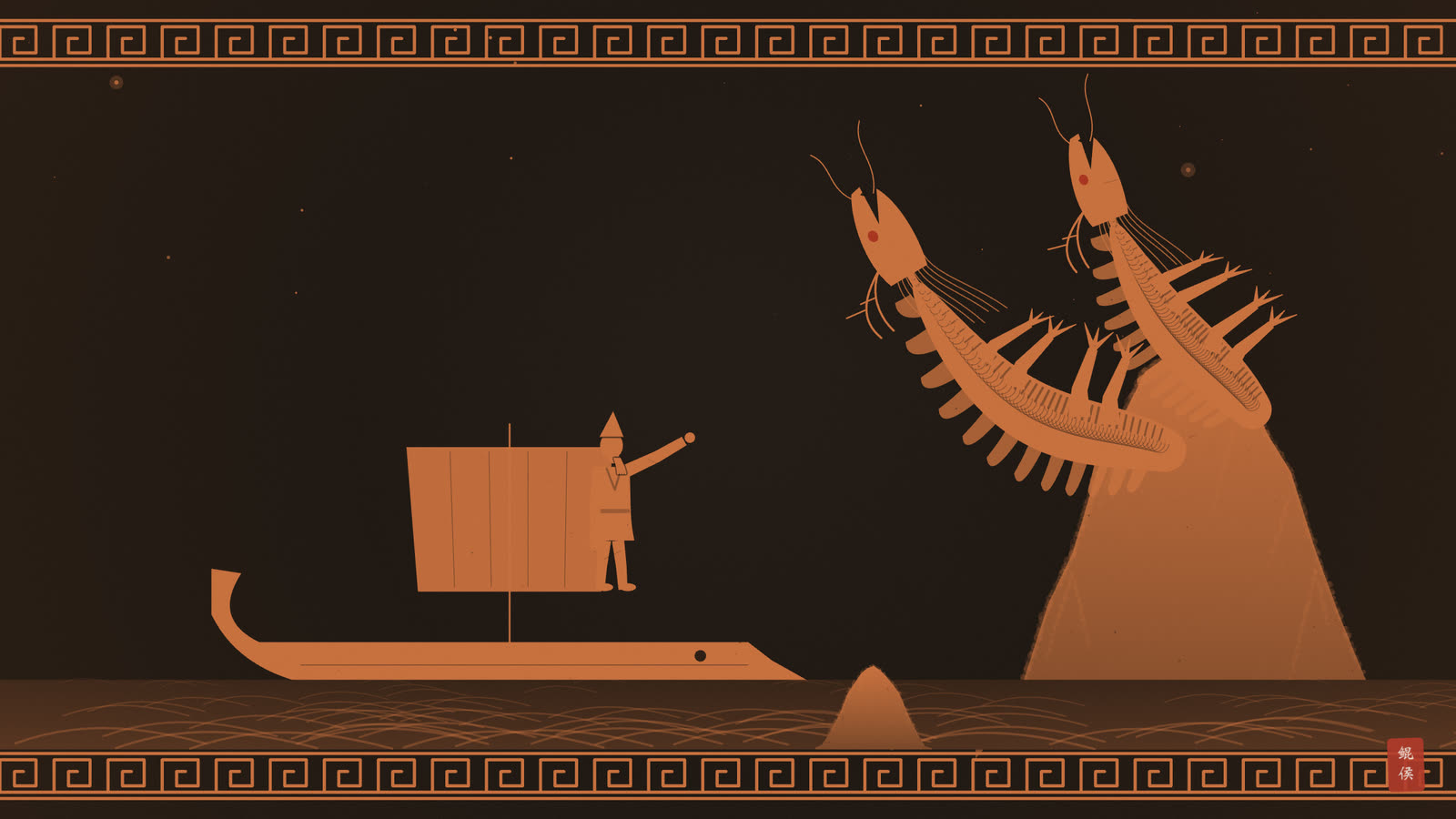
卷二以「前人写过什么」开场。先是荷马(图一):《伊利亚特》写特洛伊战争,「五十位国王的王」指特洛伊王普里阿摩斯,他有五十个儿子;赫克托耳曾举着火把冲向希腊人的船;「在英雄的盾牌后安然无恙的特洛伊」是说赫克托耳在世时特洛伊不会陷落。《奥德赛》写尤利西斯(奥德修斯)的漂泊,他经过女妖斯库拉的海峡、遭海神波塞冬阻挠,最后回乡杀死霸占王宫的求婚者,保全了儿子。
〔图〕荷马与赫西俄德:后世诗歌的两大泉源
诗人说后世诗人都从荷马这个「丰沛的泉源」汲水,把他的大河分成小渠。接着是赫西俄德:《神谱》讲混沌生出大地、光从黑暗中出现、诸神的世系,其中「兄长的名分遮掩了丈夫的爱」指朱庇特与朱诺本是兄妹又是夫妻,朱诺不靠丈夫独自生下火神;巴克斯(酒神)由于母亲早亡,被朱庇特缝在大腿里足月才出生,所以说「两度出生」。《工作与时日》则教人耕作、种葡萄与橄榄、嫁接果树。
这段列举与占星本身无关,它的用意在下一单元揭晓:前人的题目都已被唱尽,诗人要寻找「新的泉源」。
📖 术语
| 术语 | 英文原词 | 意思 |
|---|---|---|
| 伊利昂 | Ilium | 特洛伊的别名 |
| 斯库拉 | Scylla | 海峡中的女妖 |
| 混沌 | Chaos | 天地未分时的状态 |
| 巴克斯 | Bacchus | 酒神 |
🧭 图解与讲解
卷二以「前人写过什么」开场。先是荷马(图一):《伊利亚特》写特洛伊战争,「五十位国王的王」指特洛伊王普里阿摩斯,他有五十个儿子;赫克托耳曾举着火把冲向希腊人的船;「在英雄的盾牌后安然无恙的特洛伊」是说赫克托耳在世时特洛伊不会陷落。《奥德赛》写尤利西斯(奥德修斯)的漂泊,他经过女妖斯库拉的海峡、遭海神波塞冬阻挠,最后回乡杀死霸占王宫的求婚者,保全了儿子。
诗人说后世诗人都从荷马这个「丰沛的泉源」汲水,把他的大河分成小渠。接着是赫西俄德:《神谱》讲混沌生出大地、光从黑暗中出现、诸神的世系,其中「兄长的名分遮掩了丈夫的爱」指朱庇特与朱诺本是兄妹又是夫妻,朱诺不靠丈夫独自生下火神;巴克斯(酒神)由于母亲早亡,被朱庇特缝在大腿里足月才出生,所以说「两度出生」。《工作与时日》则教人耕作、种葡萄与橄榄、嫁接果树。
这段列举与占星本身无关,它的用意在下一单元揭晓:前人的题目都已被唱尽,诗人要寻找「新的泉源」。
Eratosthenes
The Constellation's Shapes some make their Themes, / Sing whence they came, and how adorn'd with Beams, / Andromeda enjoys kind Perseu's Aid, / The Sire unbinds, the Mother mourns the Maid: / Callisto ravisht now the Pole surveys, / Nor grieves to change her Honor for her Rays:
The Little Bear that rock'd the mighty Iove, / The Swan whose borrow'd Shape conceal'd his Love / Are grac'd with Light, the Nursing Goat's repaid / With Heaven, and Duty rais'd the Pious Maid; / The Lion for the Honors of his Skin, / The squeezing Crab, and stinging Scorpion shine / For aiding Heaven, when Giants dar'd to brave, / The threatned Stars; and Thunder fail'd to save:
And now the Fish ignoble Fates escape / Since Venus ow'd her Safety to their Shape: / The Ram having pass'd the Sea, serenely shines, / And leads the Year, the Prince of all the Signs.
Thus whilst by Fables They the Stars advance, / They vainly make the Heaven one large Romance; / Earth fills the Sky, the Mass ignobly reigns, / And Heaven's upheld by that which it sustains: / Fables absurd, which Nature's Laws reject, / To make the Cause depend on the Effect. / The sweet Theocritus with softest Strains
Theocritus
Makes piping Pan delight Sicilian Swains; / Thro' his smooth Reed no Rustick Numbers move, / But all is Tenderness, and all is Love; / As if the Muses sate in every Vale, / Inspir'd the Song, and told the melting Tale.
Macer
Some Birds, some Wars of Beasts, or Serpents write, / Snakes in their Poems hiss, and Lions fight:
Nicander
Some Fate in Herbs describe, some Sovereign Roots, / Or see gay Health spring up in saving Fruits: / One breaks thro' Nature's stubborn Bars, invades
Some old Poet who describ'd Hell
The rest, and sacred Silence of the Shades, / Turns up the inside of the World, and Night, / And brings Eternal Darkness into Light.
Of every Subject now the Muses sing, / And Floods confus'd come tumbling from their Spring, / Yet dry as fast, nor can Parnassian Streams / Suffice the Throngs that crowd to common Themes.
I seek new Springs which roul refreshing Waves / Thro' Plains untrod, and Purls in hidden Caves, / Kept pure for Me, which Birds did ne'er profane, / And thirsty Phoebus oft hath sought in vain: / My Verse shall be my Own, not stoln, but wrought;
Mine, not the Labor of Another's Thought. / My Vessel's trimm'd, tho' never launch'd before, / I spread my Sails, and boldly leave the Shore: / I'll sing how God the World's Almighty Mind
翻译点开
Eratosthenes
[厄拉托斯忒尼]
The Constellation's Shapes some make their Themes, / Sing whence they came, and how adorn'd with Beams, / Andromeda enjoys kind Perseu's Aid, / The Sire unbinds, the Mother mourns the Maid: / Callisto ravisht now the Pole surveys, / Nor grieves to change her Honor for her Rays:
有些人以星座的形象为题,歌唱它们从哪里来、怎样被光芒装点:安德洛墨达得到英仙仁慈的援助,父亲解开她的锁链,母亲为这少女哀伤;卡利斯托遭了强暴,如今俯视天极,不为以她的贞洁换来光芒而悲伤:
The Little Bear that rock'd the mighty Iove, / The Swan whose borrow'd Shape conceal'd his Love / Are grac'd with Light, the Nursing Goat's repaid / With Heaven, and Duty rais'd the Pious Maid; / The Lion for the Honors of his Skin, / The squeezing Crab, and stinging Scorpion shine / For aiding Heaven, when Giants dar'd to brave, / The threatned Stars; and Thunder fail'd to save:
哺育过伟大朱庇特的小熊、那以借来的形体掩藏他爱情的天鹅,都被饰以光芒;哺乳的山羊得到天界的酬报,孝心使那虔诚的少女升天;狮子因为它毛皮的荣耀,紧夹的巨蟹和蜇人的天蝎也闪耀着,因为当巨人们胆敢冒犯受威胁的群星、雷霆也救不了它们时,它们援助了天界:
And now the Fish ignoble Fates escape / Since Venus ow'd her Safety to their Shape: / The Ram having pass'd the Sea, serenely shines, / And leads the Year, the Prince of all the Signs.
如今双鱼逃过了卑贱的命运,因为维纳斯曾借它们的形体得救:白羊渡过大海后,宁静地闪耀,引领一年,是众星座之首。
Thus whilst by Fables They the Stars advance, / They vainly make the Heaven one large Romance; / Earth fills the Sky, the Mass ignobly reigns, / And Heaven's upheld by that which it sustains: / Fables absurd, which Nature's Laws reject, / To make the Cause depend on the Effect. / The sweet Theocritus with softest Strains
他们就这样用寓言抬高群星,徒然把天界变成一部大传奇;大地充满天空,那团物质卑贱地统治,天界反被它所支撑的东西托起:荒谬的寓言,为自然法则所拒,使原因依赖于结果。甜美的忒奥克里托斯以最柔和的曲调
Theocritus
[忒奥克里托斯]
Makes piping Pan delight Sicilian Swains; / Thro' his smooth Reed no Rustick Numbers move, / But all is Tenderness, and all is Love; / As if the Muses sate in every Vale, / Inspir'd the Song, and told the melting Tale.
使吹笛的潘神取悦西西里的牧人;他平滑的芦笛里没有粗野的音律,一切都是温柔,一切都是爱情;仿佛缪斯们坐在每一座山谷里,启发歌声,讲述动人的故事。
Macer
[马克尔]
Some Birds, some Wars of Beasts, or Serpents write, / Snakes in their Poems hiss, and Lions fight:
有人写鸟类,有人写野兽或蛇的争斗,蛇在他们的诗里嘶嘶作响,狮子在他们的诗里相斗:
Nicander
[尼坎德]
Some Fate in Herbs describe, some Sovereign Roots, / Or see gay Health spring up in saving Fruits: / One breaks thro' Nature's stubborn Bars, invades
有人描写草药中的命运、灵验的根,或者看见鲜活的健康从救命的果实中长出;有一个人冲破自然顽固的栅栏,侵入
Some old Poet who describ'd Hell
[某位描写冥府的古诗人]
The rest, and sacred Silence of the Shades, / Turns up the inside of the World, and Night, / And brings Eternal Darkness into Light.
阴魂的安息与神圣的寂静,翻出世界的内里与黑夜,把永恒的黑暗带到光明之中。
Of every Subject now the Muses sing, / And Floods confus'd come tumbling from their Spring, / Yet dry as fast, nor can Parnassian Streams / Suffice the Throngs that crowd to common Themes.
如今缪斯们歌唱每一个题目,洪流从她们的泉源乱纷纷地滚滚而下,却又同样快地干涸;帕那索斯的泉水也不够那些挤向寻常题目的人群取用。
I seek new Springs which roul refreshing Waves / Thro' Plains untrod, and Purls in hidden Caves, / Kept pure for Me, which Birds did ne'er profane, / And thirsty Phoebus oft hath sought in vain: / My Verse shall be my Own, not stoln, but wrought;
我寻找新的泉源,它们在无人走过的平原上滚动清新的波浪,在隐秘的洞穴里潺潺流淌,为我保持洁净,鸟儿从未玷污,口渴的福玻斯也常常寻找而不得:我的诗将是我自己的,不是偷来的,而是亲手造成的;
Mine, not the Labor of Another's Thought. / My Vessel's trimm'd, tho' never launch'd before, / I spread my Sails, and boldly leave the Shore: / I'll sing how God the World's Almighty Mind
是我的,不是别人思想的劳作。我的船已装备好,虽然从未下过水,我扬起帆,大胆离开海岸:我要歌唱神——世界全能的心智——怎样
大意与图解点开
🔎 大意:有人唱星座神话,诗人斥为以果为因的寓言;田园诗、鸟兽诗、药草诗、冥府诗都已有人写过,诗人要寻找无人到过的新泉。
📖 术语
| 术语 | 英文原词 | 意思 |
|---|---|---|
| 厄拉托斯忒尼 | Eratosthenes | 著《星座变形记》的学者 |
| 寓言 | Fables | 星座的神话来历 |
| 潘神 | Pan | 吹笛的牧神 |
| 帕那索斯 | Parnassian | 缪斯所居之山 |
🧭 图解与讲解
页边标的厄拉托斯忒尼是希腊化时代的学者,传有《星座变形记》,讲每个星座的神话来历(表一)。诗中依次提到:英仙救安德洛墨达(仙女、英仙、仙王、仙后四座);卡利斯托受朱庇特之辱、化为大熊;小熊曾哺育幼年的朱庇特;朱庇特化天鹅诱人;山羊哺乳朱庇特;处女是因孝心升天的少女;狮子因赫拉克勒斯杀之而荣耀;巨蟹、天蝎在巨人之战中援助天界;双鱼曾载维纳斯逃生;白羊(金羊毛之羊)渡海后居众星座之首。
| 星座 | 诗中提到的神话来历 |
|---|---|
| 仙女、英仙、仙王、仙后 | 英仙救下被锁的安德洛墨达,父亲解缚,母亲哀伤 |
| 大熊 | 卡利斯托受朱庇特之辱,化熊升天 |
| 小熊 | 曾哺育幼年的朱庇特 |
| 天鹅 | 朱庇特借天鹅之形掩藏爱情 |
| 御夫的山羊 | 哺乳朱庇特,得天界酬报 |
| 处女 | 因孝心升天的少女 |
| 狮子 | 为其毛皮的荣耀(赫拉克勒斯所杀之狮) |
| 巨蟹、天蝎 | 巨人冒犯群星时援助天界 |
| 双鱼 | 维纳斯曾借鱼形逃生 |
| 白羊 | 渡海之后居众星座之首,引领一年 |
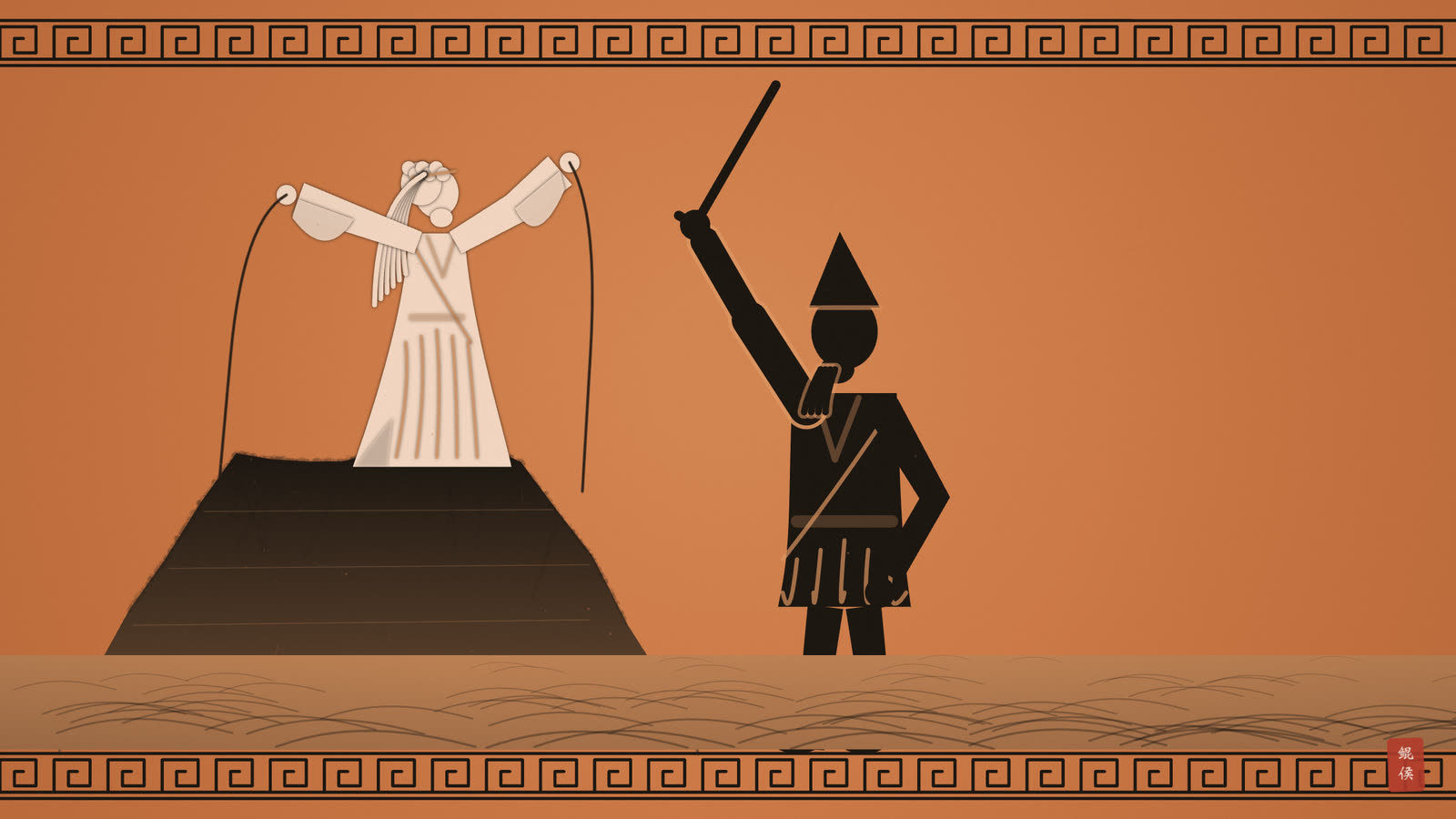
〔图〕前人的诗题都已唱尽,诗人另辟新泉:用诗讲星辰与命运
诗人对这些神话的评语很重:它们「把天界变成一部大传奇」,让天界被地上的事物托起,「使原因依赖于结果」。在他看来,星座本身是神圣、永恒的,是地上事物的原因,而不是凡人故事的结果。这也是本诗的基调:神话照讲,但星座的力量来自天意,不来自神话。
接着他列举其他诗题(图二):忒奥克里托斯的牧歌,马克尔写鸟、兽、蛇,尼坎德写毒物与解药,还有人写冥府。缪斯的泉水已被挤满,诗人要寻找「新的泉源」:一条连鸟儿都没有玷污过的清泉。他再次宣称自己的诗是原创的,扬帆离岸,去歌唱「神——世界全能的心智」。
📖 术语
| 术语 | 英文原词 | 意思 |
|---|---|---|
| 厄拉托斯忒尼 | Eratosthenes | 著《星座变形记》的学者 |
| 寓言 | Fables | 星座的神话来历 |
| 潘神 | Pan | 吹笛的牧神 |
| 帕那索斯 | Parnassian | 缪斯所居之山 |
🧭 图解与讲解
页边标的厄拉托斯忒尼是希腊化时代的学者,传有《星座变形记》,讲每个星座的神话来历(表一)。诗中依次提到:英仙救安德洛墨达(仙女、英仙、仙王、仙后四座);卡利斯托受朱庇特之辱、化为大熊;小熊曾哺育幼年的朱庇特;朱庇特化天鹅诱人;山羊哺乳朱庇特;处女是因孝心升天的少女;狮子因赫拉克勒斯杀之而荣耀;巨蟹、天蝎在巨人之战中援助天界;双鱼曾载维纳斯逃生;白羊(金羊毛之羊)渡海后居众星座之首。
| 星座 | 诗中提到的神话来历 |
|---|---|
| 仙女、英仙、仙王、仙后 | 英仙救下被锁的安德洛墨达,父亲解缚,母亲哀伤 |
| 大熊 | 卡利斯托受朱庇特之辱,化熊升天 |
| 小熊 | 曾哺育幼年的朱庇特 |
| 天鹅 | 朱庇特借天鹅之形掩藏爱情 |
| 御夫的山羊 | 哺乳朱庇特,得天界酬报 |
| 处女 | 因孝心升天的少女 |
| 狮子 | 为其毛皮的荣耀(赫拉克勒斯所杀之狮) |
| 巨蟹、天蝎 | 巨人冒犯群星时援助天界 |
| 双鱼 | 维纳斯曾借鱼形逃生 |
| 白羊 | 渡海之后居众星座之首,引领一年 |
诗人对这些神话的评语很重:它们「把天界变成一部大传奇」,让天界被地上的事物托起,「使原因依赖于结果」。在他看来,星座本身是神圣、永恒的,是地上事物的原因,而不是凡人故事的结果。这也是本诗的基调:神话照讲,但星座的力量来自天意,不来自神话。
接着他列举其他诗题(图二):忒奥克里托斯的牧歌,马克尔写鸟、兽、蛇,尼坎德写毒物与解药,还有人写冥府。缪斯的泉水已被挤满,诗人要寻找「新的泉源」:一条连鸟儿都没有玷污过的清泉。他再次宣称自己的诗是原创的,扬帆离岸,去歌唱「神——世界全能的心智」。
The World an Animal, and God the Soul of it
Thro' All infus'd, and to that All confin'd, / Directs the Parts, and with an equal Hand / Supports the whole, enjoying his Command: / How All agree, and how the Parts have made / Strict Leagues, subsisting by each others Aid; / How All by Reason move, because one Soul / Lives in the Parts, diffusing thro' the whole.
For did not all the Friendly Parts conspire / To make one Whole, and keep the Frame intire; / And did not Reason guide, and Sense controul / The vast stupendous Machine of the whole, / Earth would not keep its place, the Skies would fall, / And universal Stiffness deaden All;
Stars would not wheel their Round, nor Day, nor Night, / Their Course perform, be put, and put to flight: / Rains would not feed the Fields, and Earth deny / Mists to the Clouds, and Vapors to the Sky; / Seas would not fill the Springs, nor Springs return / Their grateful Tribute from their flowing Urn:
Nor would the All, unless contriv'd by Art, / So justly be proportion'd in each part, / That neither Seas, nor Skies, nor Stars exceed / Our Wants, nor are too scanty for our Need: / Thus stands the Frame, and the Almighty Soul / Thro' all diffus'd so turns, and guides the whole, / That nothing from its setled Station swerves, / And Motion alters not the Frame, but still preserves. / This God or Reason, which the Orbs doth move,
翻译点开
The World an Animal, and God the Soul of it
[世界是一个生命体,神是它的灵魂]
Thro' All infus'd, and to that All confin'd, / Directs the Parts, and with an equal Hand / Supports the whole, enjoying his Command: / How All agree, and how the Parts have made / Strict Leagues, subsisting by each others Aid; / How All by Reason move, because one Soul / Lives in the Parts, diffusing thro' the whole.
灌注于万物,又限于万物之中,指引各部分,以公平的手支撑整体,享有他的统辖:万物怎样协调,各部分怎样订立严格的盟约,彼此相助而存续;万物怎样依理性而运动,因为一个灵魂活在各部分之中,遍布整体。
For did not all the Friendly Parts conspire / To make one Whole, and keep the Frame intire; / And did not Reason guide, and Sense controul / The vast stupendous Machine of the whole, / Earth would not keep its place, the Skies would fall, / And universal Stiffness deaden All;
因为假如各个友好的部分不协力构成一个整体、保持框架完整,假如没有理性引导、没有感知控制这台宏大惊人的整体机器,大地就不会守住它的位置,天空就会坍落,普遍的僵死就会使万物麻木;
Stars would not wheel their Round, nor Day, nor Night, / Their Course perform, be put, and put to flight: / Rains would not feed the Fields, and Earth deny / Mists to the Clouds, and Vapors to the Sky; / Seas would not fill the Springs, nor Springs return / Their grateful Tribute from their flowing Urn:
星辰不会绕行它们的圆周,白昼与黑夜也不会完成它们的行程,彼此驱逐又被驱逐:雨水不会滋养田野,大地不会把雾气给云、把蒸气给天空;海洋不会充满泉源,泉源也不会从流淌的瓮里归还它们感恩的贡赋:
Nor would the All, unless contriv'd by Art, / So justly be proportion'd in each part, / That neither Seas, nor Skies, nor Stars exceed / Our Wants, nor are too scanty for our Need: / Thus stands the Frame, and the Almighty Soul / Thro' all diffus'd so turns, and guides the whole, / That nothing from its setled Station swerves, / And Motion alters not the Frame, but still preserves. / This God or Reason, which the Orbs doth move,
万有若非由技艺设计,也不会每一部分都比例恰当,使海洋、天空、星辰既不超出我们的需要,也不短缺:框架就这样立着,全能的灵魂遍布万物,这样转动并引导整体,使没有什么偏离它固定的位置,运动不改变框架,反而始终保持它。这位推动诸天球的神或理性,
大意与图解点开
🔎 大意:神是世界全能的心智,遍布万物;各部分订立盟约、彼此相助,依理性运行;否则大地移位、天空坍落、雨泉断绝。
📖 术语
| 术语 | 英文原词 | 意思 |
|---|---|---|
| 世界之魂 | Soul | 遍布万物的神 |
| 理性 | Reason | 即神,推动诸天 |
| 盟约 | Leagues | 各部分的相互依存 |
| 机器 | Machine | 指宇宙整体 |
🧭 图解与讲解
这是提要第一项:世界是一个生命体,神是它的灵魂。上一单元末句「我要歌唱神——世界全能的心智——怎样」在这里接上:神「灌注于万物,又限于万物之中」,即斯多亚派的泛神论,神不在世界之外,而是贯通世界的理性与生命(图一)。卷一(二)已提过「神是世界之魂」,这里正式展开。
〔图〕世界是一个生命体:一个灵魂遍布各部分,所以万物协调
论证用反证法:若没有一个灵魂使各部分「订立严格的盟约」,大地就不会居中,天空会坍落,昼夜不再交替,雨水、雾气、泉水与海洋之间的循环也会断绝。世界各部分的比例恰到好处,既不超出、也不短缺我们的需要,这说明它出于「技艺」的设计。
这一点对占星学是根本的:正因为天与地同属一个生命体,彼此「感应」,天上星辰的运动才会在地上产生影响。本单元最后一句「这位推动诸天球的神或理性」直接引出下一单元:诸天的影响。
📖 术语
| 术语 | 英文原词 | 意思 |
|---|---|---|
| 世界之魂 | Soul | 遍布万物的神 |
| 理性 | Reason | 即神,推动诸天 |
| 盟约 | Leagues | 各部分的相互依存 |
| 机器 | Machine | 指宇宙整体 |
🧭 图解与讲解
这是提要第一项:世界是一个生命体,神是它的灵魂。上一单元末句「我要歌唱神——世界全能的心智——怎样」在这里接上:神「灌注于万物,又限于万物之中」,即斯多亚派的泛神论,神不在世界之外,而是贯通世界的理性与生命(图一)。卷一(二)已提过「神是世界之魂」,这里正式展开。
论证用反证法:若没有一个灵魂使各部分「订立严格的盟约」,大地就不会居中,天空会坍落,昼夜不再交替,雨水、雾气、泉水与海洋之间的循环也会断绝。世界各部分的比例恰到好处,既不超出、也不短缺我们的需要,这说明它出于「技艺」的设计。
这一点对占星学是根本的:正因为天与地同属一个生命体,彼此「感应」,天上星辰的运动才会在地上产生影响。本单元最后一句「这位推动诸天球的神或理性」直接引出下一单元:诸天的影响。
The Influence of the Heavens
Makes Things below depend on Signs above; / Tho' far remov'd, tho' hid in Shades of Night, / And scarce to be descry'd by their own Light; / Yet Nations own, and Men their Influence feel; / They rule the Publick, and the Private Will:
The Proofs are plain. Thus from a different Star / We find a fruitful, or a barren Year; / Now Grains encrease, and now refuse to grow; / Now quickly ripen, now their growth is slow: / The Moon commands the Seas, she drives the Main / To pass the Shores, then drives it back again:
And this Sedition chiefly swells the Streams, / When opposite she views her Brother's Beams; / Or when she neer in close Conjunction rides / She rears the Flood, and swells the flowing Tides; / Or when attending on his yearly Race / The Equinoctial sees her borrow'd Face.
Her Power sinks deep, it searches all the Main, / Testaceous Fish, as she her Light regains, / Increase, and still diminish in her Wains: / For as the Moon in deepest Darkness mourns, / Then Rays receives, and points her borrow'd Horns, / Then turns her Face, and with a Smile invites / The full Effusions of her Brother's Lights;
They to her Changes due proportion keep, / And shew her various Phases in the Deep.
So Brutes, whom Nature did in sport create, / Ignorant both of themselves, and of their Fate, / A secret Instinct still erects their Eyes / To Parent Heaven, and seems to make them wise: / One at the New Moons' rise to distant Shores / Retires, his Body sprinkles, and adores:
Some see Storms gathering, or Serenes foretel, / And scarce our Reason guides us half so well.
Then who can doubt that Man, the glorious Pride / Of All, is nearer to the Skies ally'd?
Nature in Man capacious Souls hath wrought, / And given them Voice expressive of their Thought; / In Man the God descends, and joys to find / The narrow Image of his greater Mind.
翻译点开
The Influence of the Heavens
[诸天的影响]
Makes Things below depend on Signs above; / Tho' far remov'd, tho' hid in Shades of Night, / And scarce to be descry'd by their own Light; / Yet Nations own, and Men their Influence feel; / They rule the Publick, and the Private Will:
使下界万物依赖于上方的星座;它们虽然遥远,虽然隐在夜的阴影里,几乎凭自己的光也难以看清,各民族却承认、人们却感受到它们的影响;它们统辖公众,也统辖私人的意志:
The Proofs are plain. Thus from a different Star / We find a fruitful, or a barren Year; / Now Grains encrease, and now refuse to grow; / Now quickly ripen, now their growth is slow: / The Moon commands the Seas, she drives the Main / To pass the Shores, then drives it back again:
证据很明显。我们看到,因星辰不同,年成有丰有歉;谷物时而增长,时而不肯生长;时而很快成熟,时而长得很慢;月亮统辖海洋,她驱赶大海越过海岸,又把它赶回去:
And this Sedition chiefly swells the Streams, / When opposite she views her Brother's Beams; / Or when she neer in close Conjunction rides / She rears the Flood, and swells the flowing Tides; / Or when attending on his yearly Race / The Equinoctial sees her borrow'd Face.
这场骚动尤其在她对冲、望着她兄长的光芒时使水流高涨;或者当她靠近、与他紧紧会合而行时,她也掀起海水,使潮水上涨;或者当她随着他一年的行程,在分点被看见她借来的面容时。
Her Power sinks deep, it searches all the Main, / Testaceous Fish, as she her Light regains, / Increase, and still diminish in her Wains: / For as the Moon in deepest Darkness mourns, / Then Rays receives, and points her borrow'd Horns, / Then turns her Face, and with a Smile invites / The full Effusions of her Brother's Lights;
她的力量深入,探遍整个大海:带壳的鱼类随着她重新得光而增长,又随她亏缺而减少:因为当月亮在最深的黑暗中哀伤,然后接受光线,尖起她借来的角,然后转过脸来,含笑邀请她兄长的光倾泻无遗时,
They to her Changes due proportion keep, / And shew her various Phases in the Deep.
它们与她的变化保持相应的比例,在深海中显出她的种种相态。
So Brutes, whom Nature did in sport create, / Ignorant both of themselves, and of their Fate, / A secret Instinct still erects their Eyes / To Parent Heaven, and seems to make them wise: / One at the New Moons' rise to distant Shores / Retires, his Body sprinkles, and adores:
野兽也是这样:自然仿佛游戏般创造了它们,它们既不认识自己,也不认识自己的命运,一种隐秘的本能却总是让它们的眼睛向父亲般的天空仰起,似乎使它们有了智慧:有一种在新月升起时退到远方的海岸,洒水于身,加以崇拜:
Some see Storms gathering, or Serenes foretel, / And scarce our Reason guides us half so well.
有的看出风暴在聚集,或预报晴天,我们的理性指引我们还不及它们一半好。
Then who can doubt that Man, the glorious Pride / Of All, is nearer to the Skies ally'd?
那么,谁能怀疑,人这万物中光荣的骄傲,与天空的亲缘更近?
Nature in Man capacious Souls hath wrought, / And given them Voice expressive of their Thought; / In Man the God descends, and joys to find / The narrow Image of his greater Mind.
自然在人身上造出宽广的灵魂,又给了他们能表达思想的声音;神降临在人身上,乐于在那里找到他更伟大心智的缩小的形象。
大意与图解点开
🔎 大意:星辰统辖公私:年成丰歉随星;月亮在朔、望与分点时潮水最高,贝类随月盈亏;野兽也仰天感应,人更与天同类。
📖 术语
| 术语 | 英文原词 | 意思 |
|---|---|---|
| 影响 | Influence | 星辰作用于下界 |
| 对冲 | opposite | 月与日相对,即望 |
| 会合 | Conjunction | 月与日同度,即朔 |
| 带壳的鱼类 | Testaceous Fish | 贝类、牡蛎之属 |
| 相态 | Phases | 月的盈亏形状 |
🧭 图解与讲解
提要第二项是「诸天的影响」:星辰虽远,却「统辖公众,也统辖私人的意志」。诗人列出一串证据(表二),由物到人,层层推进:年成的丰歉随星辰而变;月亮驱赶海水进退,形成潮汐。
〔图〕月亮统辖潮汐:朔、望之时潮水最高
| 证据 | 诗中所说 | 所示的道理 |
|---|---|---|
| 年成 | 因星辰不同,谷物有丰有歉、熟有迟早 | 星辰主农事 |
| 潮汐 | 月驱海水进退;朔、望与分点时潮水最高 | 月主水 |
| 贝类 | 随月盈而长、随月亏而减 | 月的相态见于海中 |
| 野兽 | 仰望天空,预知风暴与晴天;有兽在新月时洗身礼拜 | 本能感应天 |
| 人 | 有宽广的灵魂与语言,是神的缩影 | 人与天同类,最能感应 |
潮汐的规律写得很准确(图一):月亮与太阳对冲(望)、或与太阳会合(朔)时潮水最高,即今日所说的大潮;分点前后潮差又更大。月亮的力量还「深入整个大海」:贝类随月盈而肥、随月亏而瘦,这是古人的普遍看法,托勒密《四书》卷一第二章论星辰影响时,也以月亮与潮汐、动植物随月盈亏为例。
野兽也有感应天的本能:有的能预知风暴或晴天;「有一种在新月升起时退到远方的海岸,洒水于身,加以崇拜」,古人说的是大象,传说它们在新月时到河边以水洒身。最后推到人:人有宽广的灵魂与语言,「神降临在人身上」,人是神心智的缩影,与天的亲缘最近。这是下一单元「人能认识天」的前提。
📖 术语
| 术语 | 英文原词 | 意思 |
|---|---|---|
| 影响 | Influence | 星辰作用于下界 |
| 对冲 | opposite | 月与日相对,即望 |
| 会合 | Conjunction | 月与日同度,即朔 |
| 带壳的鱼类 | Testaceous Fish | 贝类、牡蛎之属 |
| 相态 | Phases | 月的盈亏形状 |
🧭 图解与讲解
提要第二项是「诸天的影响」:星辰虽远,却「统辖公众,也统辖私人的意志」。诗人列出一串证据(表二),由物到人,层层推进:年成的丰歉随星辰而变;月亮驱赶海水进退,形成潮汐。
| 证据 | 诗中所说 | 所示的道理 |
|---|---|---|
| 年成 | 因星辰不同,谷物有丰有歉、熟有迟早 | 星辰主农事 |
| 潮汐 | 月驱海水进退;朔、望与分点时潮水最高 | 月主水 |
| 贝类 | 随月盈而长、随月亏而减 | 月的相态见于海中 |
| 野兽 | 仰望天空,预知风暴与晴天;有兽在新月时洗身礼拜 | 本能感应天 |
| 人 | 有宽广的灵魂与语言,是神的缩影 | 人与天同类,最能感应 |
潮汐的规律写得很准确(图一):月亮与太阳对冲(望)、或与太阳会合(朔)时潮水最高,即今日所说的大潮;分点前后潮差又更大。月亮的力量还「深入整个大海」:贝类随月盈而肥、随月亏而瘦,这是古人的普遍看法,托勒密《四书》卷一第二章论星辰影响时,也以月亮与潮汐、动植物随月盈亏为例。
野兽也有感应天的本能:有的能预知风暴或晴天;「有一种在新月升起时退到远方的海岸,洒水于身,加以崇拜」,古人说的是大象,传说它们在新月时到河边以水洒身。最后推到人:人有宽广的灵魂与语言,「神降临在人身上」,人是神心智的缩影,与天的亲缘最近。这是下一单元「人能认识天」的前提。
But why should all the other Arts be shown, / Too various for Productions of our own?
Why should I sing how different Tempers fall, / And Inequality is seen in All?
How many strive with equal Care to gain / The highest Prize, and yet how few obtain?
Which proves not Matter sways, but Wisdom rules, / And measures out the Bigness of our Souls: / Sure Fate stands fixt, nor can its Laws decay, / 'Tis Heaven's to rule, and Matter's Essence to obey.
Who could know Heaven, unless that Heaven bestow'd / The Knowledge? or find God, but part of God?
How could the Space immense be e're confin'd / Within the compass of a narrow Mind?
How could the Skies, the Dances of the Stars, / Their Motions adverse, and eternal Wars, / Unless kind Nature in our Breasts had wrought / Proportion'd Souls, be subject to our Thought?
Were Heaven not interessed to advance our Mind, / To know Fate's Laws, and teach the way to find, / Did not the Skies their kindred Souls improve, / Direct, and lead them thro' the Maze above; / Discover Nature, shew its secret Springs, / And tell the Sacred Intercourse of things, / How impious were our Search, how bold our Course, / Thus to assault, and take the Skies by force?
But to insist on tedious Proofs is vain, / The Art defends it self, the Art is plain; / For Art well grounded forces to believe, / It cannot be deceived, nor can deceive; / Events foretold fulfil the Prophesie, / What Fortune seconds, how can Man deny?
The Proofs are Sacred, and to doubt would be / Not Reason's Action, but Impiety.
Whilst on these Themes my Songs sublimely soar, / And take their Flight, where Wing ne're beat before; / Where none will meet, none guide my first Essay, / Partake my Labors, or direct my way, / I rise above the Crowd, I leave the Rude, / Nor are my Poems for the Multitude.
Heaven shall rejoyce, nor shall my Praise refuse, / But see the Subject equall'd by the Muse; / At least those favour'd few, whose Minds it shows, / The Sacred Maze, but ah! how few are Those!
Gold, Power, soft Luxury, vain Sports, and Ease / Possess the World, and have the luck to please: / Few study Heaven, unmindful of their state, / Vain stupid Man! but this it self is Fate.
My Subject this, and I must this pursue, / This wondrous Theme, tho read, and prais'd by few; / And first the Signs in various Ranks dispose, / As Nature prompts, or their Position shows:
翻译点开
But why should all the other Arts be shown, / Too various for Productions of our own?
可我何必展示其他一切技艺?它们太多样,不是我们自己能造出来的。
Why should I sing how different Tempers fall, / And Inequality is seen in All?
我何必歌唱不同的性情怎样落在人身上,不平等又怎样处处可见?
How many strive with equal Care to gain / The highest Prize, and yet how few obtain?
多少人以同样的用心力争最高的奖赏,得到的却何其少?
Which proves not Matter sways, but Wisdom rules, / And measures out the Bigness of our Souls: / Sure Fate stands fixt, nor can its Laws decay, / 'Tis Heaven's to rule, and Matter's Essence to obey.
这证明支配一切的不是物质,而是智慧在统治,量出我们灵魂的大小:命运必定坚定不移,它的法则不会衰败;统治是天的事,服从是物质的本性。
Who could know Heaven, unless that Heaven bestow'd / The Knowledge? or find God, but part of God?
若不是天赐予知识,谁能认识天?若不是神的一部分,谁能找到神?
How could the Space immense be e're confin'd / Within the compass of a narrow Mind?
无边的空间怎能被限制在狭小心智的范围之内?
How could the Skies, the Dances of the Stars, / Their Motions adverse, and eternal Wars, / Unless kind Nature in our Breasts had wrought / Proportion'd Souls, be subject to our Thought?
若不是仁慈的自然在我们胸中造出相称的灵魂,天空、群星的舞蹈、它们相反的运动与永恒的争战,怎能为我们的思想所掌握?
Were Heaven not interessed to advance our Mind, / To know Fate's Laws, and teach the way to find, / Did not the Skies their kindred Souls improve, / Direct, and lead them thro' the Maze above; / Discover Nature, shew its secret Springs, / And tell the Sacred Intercourse of things, / How impious were our Search, how bold our Course, / Thus to assault, and take the Skies by force?
假如天界不关心提升我们的心智,使它认识命运的法则,并教它寻找的方法;假如诸天不提升与它们同类的灵魂,指引它们穿过上方的迷宫,揭示自然,显出它隐秘的泉源,讲述万物神圣的往来,那么我们的探求何其不敬,我们的路何其大胆,竟这样强攻、以武力夺取天空?
But to insist on tedious Proofs is vain, / The Art defends it self, the Art is plain; / For Art well grounded forces to believe, / It cannot be deceived, nor can deceive; / Events foretold fulfil the Prophesie, / What Fortune seconds, how can Man deny?
但坚持冗长的证明是徒劳的,这门技艺自己会辩护,这门技艺是明白的;因为根基稳固的技艺迫使人相信,它不会受骗,也不会骗人;预言的事件应验了预言,命运所支持的,人怎能否认?
The Proofs are Sacred, and to doubt would be / Not Reason's Action, but Impiety.
这些证明是神圣的,怀疑它们不是理性的行为,而是不敬。
Whilst on these Themes my Songs sublimely soar, / And take their Flight, where Wing ne're beat before; / Where none will meet, none guide my first Essay, / Partake my Labors, or direct my way, / I rise above the Crowd, I leave the Rude, / Nor are my Poems for the Multitude.
当我的诗歌在这些主题上高高翱翔,飞到从未有翅膀拍击过的地方;那里没有人会遇见我,没有人引导我的初次尝试,分担我的劳苦,或指引我的道路;我升到众人之上,离开粗俗的人,我的诗不是为大众写的。
Heaven shall rejoyce, nor shall my Praise refuse, / But see the Subject equall'd by the Muse; / At least those favour'd few, whose Minds it shows, / The Sacred Maze, but ah! how few are Those!
天界将会欢喜,不会拒绝赞美我,而会看到题材与诗神相称;至少那蒙恩的少数人会如此——这神圣的迷宫向他们的心智显现——可是啊,这样的人多么少!
Gold, Power, soft Luxury, vain Sports, and Ease / Possess the World, and have the luck to please: / Few study Heaven, unmindful of their state, / Vain stupid Man! but this it self is Fate.
黄金、权力、柔靡的奢华、空虚的娱乐与安逸占据世界,而且幸运地讨人喜欢:很少有人研究天,不顾自己的处境——虚荣愚蠢的人啊!但这本身也是命运。
My Subject this, and I must this pursue, / This wondrous Theme, tho read, and prais'd by few; / And first the Signs in various Ranks dispose, / As Nature prompts, or their Position shows:
这是我的题材,我必须追随它,这奇妙的主题,哪怕读者与称赞者寥寥;首先,我要按自然的提示或它们的位置所显示的,把星座分成种种类别:
大意与图解点开
🔎 大意:人生不等,证明命运由智慧主宰;人能知天,因天赐人以同类之魂;预言应验,疑之即不敬。诗人自言曲高和寡,转入星座分类。
📖 术语
| 术语 | 英文原词 | 意思 |
|---|---|---|
| 命运 | Fate | 天所定的法则 |
| 物质 | Matter | 服从天的被动者 |
| 技艺 | Art | 此指占星之学 |
| 预言 | Prophesie | 据星辰预先断言 |
🧭 图解与讲解
这一单元为占星学作哲学辩护(图二)。第一层:人的性情各不相同,许多人同样努力,得到最高奖赏的却很少,可见支配人生的不是物质,而是「智慧」;「命运必定坚定不移」,统治是天的事,服从是物质的本性。
〔图〕人为什么能认识天:因为人的灵魂本是神的一部分
〔图〕占星之学的三重证明:命运、知天、应验
第二层(图一):人为什么能认识天?因为「若不是天赐予知识,谁能认识天?若不是神的一部分,谁能找到神?」人的灵魂是神的一部分,与天同类,所以狭小的心智能容下无边的空间,能掌握群星的运动。若不是天有意提升人的心智,人去探求天的秘密就成了「以武力夺取天空」的不敬之举。这与卷一(一)所说星学出于神的启示一脉相承。
第三层最简单:预言应验了,「命运所支持的,人怎能否认?」怀疑它不是理性,而是不敬。随后诗人又一次自述孤高:他的诗不是为大众写的,世人追逐黄金、权力、享乐,很少有人研究天——「但这本身也是命运」。最后一句宣布正题:按自然与位置,把十二星座分成种种类别,这就是下一页卷二(二)的内容。
📖 术语
| 术语 | 英文原词 | 意思 |
|---|---|---|
| 命运 | Fate | 天所定的法则 |
| 物质 | Matter | 服从天的被动者 |
| 技艺 | Art | 此指占星之学 |
| 预言 | Prophesie | 据星辰预先断言 |
🧭 图解与讲解
这一单元为占星学作哲学辩护(图二)。第一层:人的性情各不相同,许多人同样努力,得到最高奖赏的却很少,可见支配人生的不是物质,而是「智慧」;「命运必定坚定不移」,统治是天的事,服从是物质的本性。
第二层(图一):人为什么能认识天?因为「若不是天赐予知识,谁能认识天?若不是神的一部分,谁能找到神?」人的灵魂是神的一部分,与天同类,所以狭小的心智能容下无边的空间,能掌握群星的运动。若不是天有意提升人的心智,人去探求天的秘密就成了「以武力夺取天空」的不敬之举。这与卷一(一)所说星学出于神的启示一脉相承。
第三层最简单:预言应验了,「命运所支持的,人怎能否认?」怀疑它不是理性,而是不敬。随后诗人又一次自述孤高:他的诗不是为大众写的,世人追逐黄金、权力、享乐,很少有人研究天——「但这本身也是命运」。最后一句宣布正题:按自然与位置,把十二星座分成种种类别,这就是下一页卷二(二)的内容。
原文为公有领域古籍;翻译、印象画与图文解读由 AI 辅助生成,鲲侯审校。