卷一(五) 黄道、银河、行星与彗星
两个斜行的圆:黄道与银河;银河成因诸说与英灵所居;七行星逆天而行;彗星的成因、种类与所兆的瘟疫和战争。
The Zodiack
Two more Oblique, and which in adverse Lines / Surround the Globe, Observe: One bears the Signs / Where Phoebus drives and guides his fiery Horse / And varying Luna follows in her Course.
Where Planets err as Nature leads the Dance, / Keep various measures undisturb'd by Chance; / Its highest Arch with Cancer's beams do glow, / Whilst Caper lies, and freezes in the low: / Twice it divides the Equinoctial line, / Where fleecy Aries, and where Libra shine.
Three Lines compose it, and th' Eclyptick's found / Ith' midst; and all decline into a Round.
Nor is it hid, nor is it hard to find, / Like others open onely to the Mind; / For like a Belt with studs of Stars the Skies / It girds and graces; and invites the Eyes: / To twelve Degrees its Breadth, to thrice sixscore / Its Length extends, and comprehends no more:
within these bounds the wandring Planets rove, / Make Seasons here, and settle Fate above. / The other Round from Bears oppos'd begun
The Milky way
Runs adverse to the Chariot of the Sun, / It leaves the Pole, and from its Round retires, / And cuts inverted Casiopeia's Fires: / Thence still descending and obliquely drawn / It passes through the Body of the Swan, / Then Cancer's fires, the headlong Bird of Iove, / The Line and Zodiack where the Planets rove:
And thence in various windings turns to meet / The other Centaur, and entwines his feet: / And thence to mount through Argo's Sails begins, / The Line, and lowest portion of the Twins; / Then joyns the Driver, and from thence ascends / O'er Perseus, and to Cassiopeia tends, / There 'tis receiv'd in her inverted Chair, / In her the Round begins, and ends in Her.
Twice cuts the Tropicks, Zodiack and the Line, / And is as often cut by those agen.
翻译点开
The Zodiack
[黄道]
Two more Oblique, and which in adverse Lines / Surround the Globe, Observe: One bears the Signs / Where Phoebus drives and guides his fiery Horse / And varying Luna follows in her Course.
再看两个斜行的圆,它们以相反的方向环绕天球:一个承载着星座,福玻斯在那里驾驭他火热的马,盈亏多变的月亮随着他运行。
Where Planets err as Nature leads the Dance, / Keep various measures undisturb'd by Chance; / Its highest Arch with Cancer's beams do glow, / Whilst Caper lies, and freezes in the low: / Twice it divides the Equinoctial line, / Where fleecy Aries, and where Libra shine.
行星在那里漫游,随着自然引领的舞步,各守不同的节拍,不受偶然扰乱;它最高的拱弧在巨蟹的光芒中闪耀,摩羯则躺在低处冻僵;它两次切过赤道,就在毛茸茸的白羊与天秤闪耀的地方。
Three Lines compose it, and th' Eclyptick's found / Ith' midst; and all decline into a Round.
它由三条线组成,黄道线在正中;三条线都斜斜地弯成一个圆。
Nor is it hid, nor is it hard to find, / Like others open onely to the Mind; / For like a Belt with studs of Stars the Skies / It girds and graces; and invites the Eyes: / To twelve Degrees its Breadth, to thrice sixscore / Its Length extends, and comprehends no more:
它既不隐蔽,也不难找,不像别的圆只向心智敞开;它像一条缀着星钉的腰带,环束并装点天空,引人注目:它的宽是十二度,长是三个一百二十度,再没有更多。
within these bounds the wandring Planets rove, / Make Seasons here, and settle Fate above. / The other Round from Bears oppos'd begun
漫游的行星就在这些界限之内运行,在这里造成季节,在上方定下命运。另一个圆从两熊的对面开始,
The Milky way
[银河]
Runs adverse to the Chariot of the Sun, / It leaves the Pole, and from its Round retires, / And cuts inverted Casiopeia's Fires: / Thence still descending and obliquely drawn / It passes through the Body of the Swan, / Then Cancer's fires, the headlong Bird of Iove, / The Line and Zodiack where the Planets rove:
与太阳的车道方向相反;它离开天极,从那个圆圈退开,切过倒置的仙后的火光;然后继续下降,斜斜地穿过天鹅的身体,再经过巨蟹的火光、朱庇特那头朝下的鸟、赤道和行星漫游的黄道:
And thence in various windings turns to meet / The other Centaur, and entwines his feet: / And thence to mount through Argo's Sails begins, / The Line, and lowest portion of the Twins; / Then joyns the Driver, and from thence ascends / O'er Perseus, and to Cassiopeia tends, / There 'tis receiv'd in her inverted Chair, / In her the Round begins, and ends in Her.
又从那里曲折回转,去与另一个半人马相会,缠绕他的双足;再从那里经南船的帆升起,穿过赤道和双子最低的部分;然后与御夫相接,从那里向上越过英仙,趋向仙后;在她倒置的宝座里被接住,这个圆从她开始,也在她那里结束。
Twice cuts the Tropicks, Zodiack and the Line, / And is as often cut by those agen.
它两次切过两条回归线、黄道和赤道,也同样多次被它们切过。
大意与图解点开
🔎 大意:黄道是斜行的星座之带,宽十二度,日月五星行于其中;银河是另一个斜圆,从仙后起,经天鹅、天鹰、半人马、南船、御夫回到仙后。
📖 术语
| 术语 | 英文原词 | 意思 |
|---|---|---|
| 黄道 | Zodiack | 十二星座所在的斜带 |
| 黄道线 | th' Eclyptick | 黄道带正中的线 |
| 银河 | Milky way | 天上乳白色的光带 |
| 赤道 | Line / Equinoctial line | 昼夜平分之圈 |
| 另一个半人马 | the other Centaur | 半人马座,别于射手 |
🧭 图解与讲解
卷一(四)讲完七个不动的圆与两个可动的圆,这一页讲两个「斜行」的圆:黄道与银河。黄道是太阳、月亮与五行星所走的路,诗人说它「由三条线组成,黄道线在正中」,即一条宽带,两边是边界,中间一线是太阳所行的黄道线。它宽十二度,长「三个一百二十度」即三百六十度。
〔图〕黄道最高在巨蟹、最低在摩羯,在白羊与天秤两次切过赤道
〔图〕银河绕天一周:从仙后出发,经南北诸星群,回到仙后
黄道是斜的(图一):最高处在巨蟹,即夏至;最低处在摩羯,即冬至;它在白羊与天秤两处切过赤道,即春分、秋分。这与卷一(四)的两道分至圈正好对应。诗人说行星「在这里造成季节,在上方定下命运」:季节是太阳在黄道上的位置造成的,命运则由行星在星座中的位置决定,这是全诗占星学的出发点。
银河则是天上唯一不靠想象就能看见的大圆(图二)。诗人沿着它绕天一周:从倒置的仙后出发,经天鹅、夏至线(「巨蟹的火光」)、朱庇特的鸟天鹰,切过赤道与黄道,到南天的半人马、南船,再经双子下部、御夫、英仙,回到仙后。「另一个半人马」是半人马座,与同为半人马形象的射手相区别。银河与黄道交叉,两次切过回归线、黄道和赤道。
📖 术语
| 术语 | 英文原词 | 意思 |
|---|---|---|
| 黄道 | Zodiack | 十二星座所在的斜带 |
| 黄道线 | th' Eclyptick | 黄道带正中的线 |
| 银河 | Milky way | 天上乳白色的光带 |
| 赤道 | Line / Equinoctial line | 昼夜平分之圈 |
| 另一个半人马 | the other Centaur | 半人马座,别于射手 |
🧭 图解与讲解
卷一(四)讲完七个不动的圆与两个可动的圆,这一页讲两个「斜行」的圆:黄道与银河。黄道是太阳、月亮与五行星所走的路,诗人说它「由三条线组成,黄道线在正中」,即一条宽带,两边是边界,中间一线是太阳所行的黄道线。它宽十二度,长「三个一百二十度」即三百六十度。
黄道是斜的(图一):最高处在巨蟹,即夏至;最低处在摩羯,即冬至;它在白羊与天秤两处切过赤道,即春分、秋分。这与卷一(四)的两道分至圈正好对应。诗人说行星「在这里造成季节,在上方定下命运」:季节是太阳在黄道上的位置造成的,命运则由行星在星座中的位置决定,这是全诗占星学的出发点。
银河则是天上唯一不靠想象就能看见的大圆(图二)。诗人沿着它绕天一周:从倒置的仙后出发,经天鹅、夏至线(「巨蟹的火光」)、朱庇特的鸟天鹰,切过赤道与黄道,到南天的半人马、南船,再经双子下部、御夫、英仙,回到仙后。「另一个半人马」是半人马座,与同为半人马形象的射手相区别。银河与黄道交叉,两次切过回归线、黄道和赤道。
Nor need we with a prying Eye survey / The distant Skies to find the Milky way, / It must be seen by All, for every night / It forcibly intrudes upon our sight, / And will be mark'd for shining streaks adorn / The Skies as opening to let forth the Morn.
And as a beaten Path that spreads between / A troden Meadow, and divides the Green.
Or as when Seas are plow'd behind the Ship, / Foam curls on the green surface of the Deep.
In Heaven's dark surface such this Circle lies, / And parts with various Light the Azure Skies.
Or as when Iris draws her radiant Bow / Such seems this Circle to the World below.
It all surpriseth, our inquiring sight / It upward draws, when through the Shades of Night / It spreads its Rays, and darts amazing Light.
Fond Men the sacred Causes strive to find, / And vainly measure with a feeble Mind: / And yet they strive, they madly whirl about / Through various Causes, still condemn'd to Doubt.
Various Opinions about the Milky way
Whether the Skies grown old, here shrink their Frame, / And through the Chinks admit an upper Flame.
Or whether here the Heavens two Halves are joyn'd / But odly clos'd, still leave a Seam behind: / Or here the parts in Wedges closely prest, / To fix the Frame, are thicker than the Rest, / Like Clouds condens'd appear, and bound the Sight, / The Azure being thickned into White.
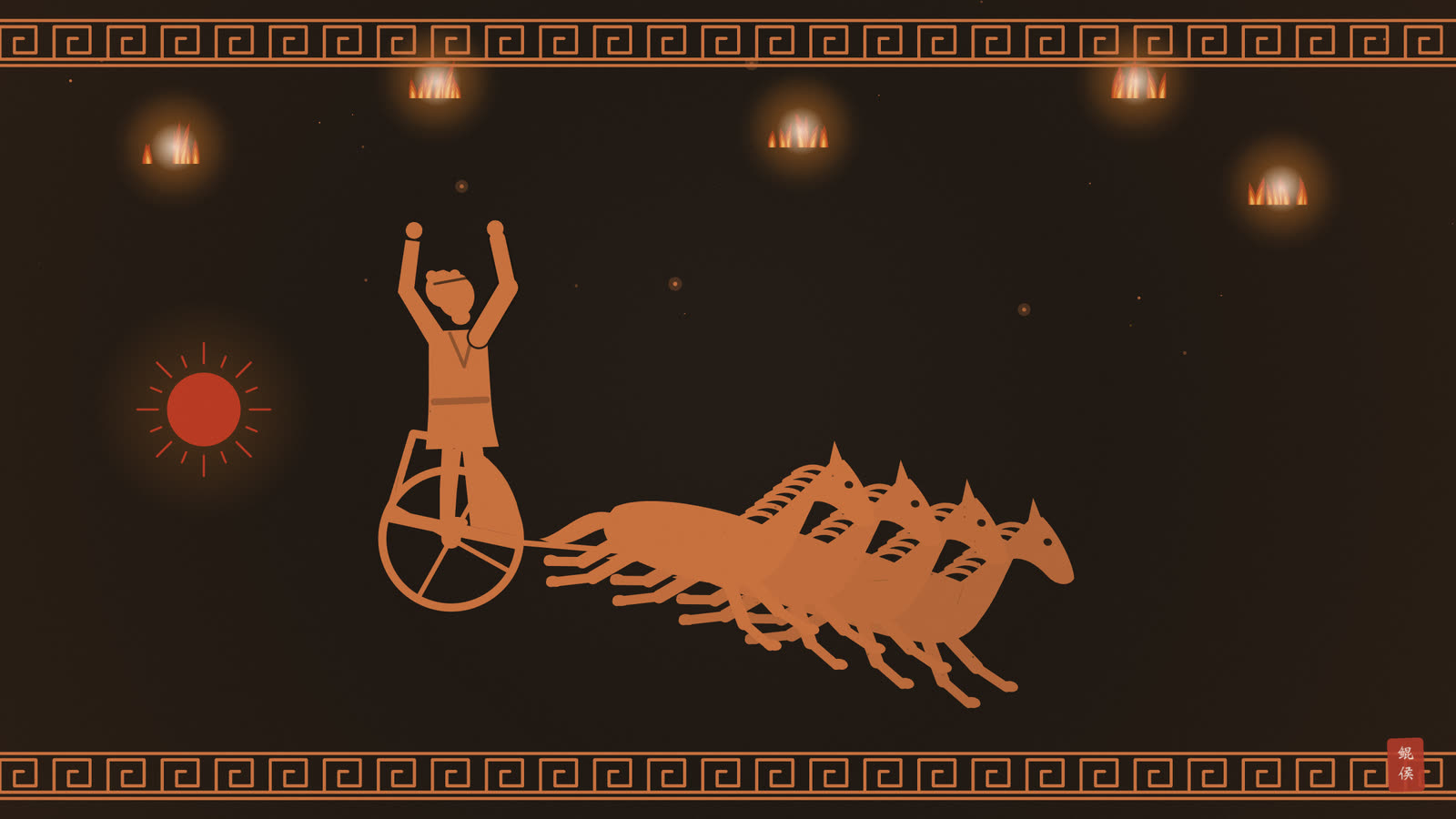
Or whether that old Tale deserves our Faith, / Which boldly says, that this was once the Path / Where Phoebus drove; and that in length of Years / The heated track took Fire and burnt the Stars.
The Colour chang'd, the Ashes strew'd the Way, / And still preserve the marks of the Decay: / Besides, Fame tells, by Age Fame reverend grown, / That Phoebus gave his Chariot to his Son, / And whilst the Youngster from the Path declines / Admiring the strange Beauty of the Signs;
Proud of his Charge, He drove the fiery Horse, / And would outdoe his Father in his Course.
The North grew warm, and the unusual Fire / Dissolv'd its Snow, and made the Bears retire; / Nor was the Earth secure, each Countrey mourn'd / The Common Fate, and in its City's burn'd.
Then from the scatter'd Chariot Lightning came, / And the whole Skies were one continued Flame.
The World took Fire, and in new kindled Stars / The bright remembrance of its Fate it bears.
Thus Fame, nor must the softer Fable die / That Iuno's Breast o'erflowing stain'd the Skie, / And made that Milky way, which justly draws / Its Name, the Milky Circle from its Cause.
翻译点开
Nor need we with a prying Eye survey / The distant Skies to find the Milky way, / It must be seen by All, for every night / It forcibly intrudes upon our sight, / And will be mark'd for shining streaks adorn / The Skies as opening to let forth the Morn.
我们不必用窥探的眼睛审视遥远的天空去寻找银河,人人都必定看得见:因为每一夜它都强行闯入我们的视线,必定引人注意;一道道闪光的条纹装点天空,仿佛天空正要裂开,放出清晨。
And as a beaten Path that spreads between / A troden Meadow, and divides the Green.
好像一条踩出来的小路,伸展在被践踏的草地中间,把绿草分开。
Or as when Seas are plow'd behind the Ship, / Foam curls on the green surface of the Deep.
又好像船在海上犁过,船后的泡沫在深海碧绿的水面上卷起。
In Heaven's dark surface such this Circle lies, / And parts with various Light the Azure Skies.
这个圆就这样躺在天的暗面上,以不同的光把蔚蓝的天空分开。
Or as when Iris draws her radiant Bow / Such seems this Circle to the World below.
又像伊里斯拉开她光芒四射的弓,这个圆在下界看来就是这样。
It all surpriseth, our inquiring sight / It upward draws, when through the Shades of Night / It spreads its Rays, and darts amazing Light.
它令所有人惊奇;当它在夜的阴影中铺开光线、射出惊人的光时,便把我们探询的目光引向上方。
Fond Men the sacred Causes strive to find, / And vainly measure with a feeble Mind: / And yet they strive, they madly whirl about / Through various Causes, still condemn'd to Doubt.
痴愚的人们努力寻找那神圣的原因,用软弱的心智徒然测度;可他们仍在努力,疯狂地在种种原因中打转,始终被判定陷于怀疑。
Various Opinions about the Milky way
[关于银河的种种见解]
Whether the Skies grown old, here shrink their Frame, / And through the Chinks admit an upper Flame.
或者是天空老了,在这里收缩了框架,从裂缝中放进上方的火焰。
Or whether here the Heavens two Halves are joyn'd / But odly clos'd, still leave a Seam behind: / Or here the parts in Wedges closely prest, / To fix the Frame, are thicker than the Rest, / Like Clouds condens'd appear, and bound the Sight, / The Azure being thickned into White.
或者是诸天的两半在这里相接,却合得古怪,仍留下一道接缝;或者是这里的部分像楔子一样紧紧压在一起,为了固定框架,比其余部分更厚,像凝聚的云,挡住视线,蔚蓝被加厚而成了白色。
Or whether that old Tale deserves our Faith, / Which boldly says, that this was once the Path / Where Phoebus drove; and that in length of Years / The heated track took Fire and burnt the Stars.
或者那个古老的传说值得我们相信:它大胆地说,这曾是福玻斯驾车的道路,年深日久,被烤热的车辙着了火,烧焦了群星。
The Colour chang'd, the Ashes strew'd the Way, / And still preserve the marks of the Decay: / Besides, Fame tells, by Age Fame reverend grown, / That Phoebus gave his Chariot to his Son, / And whilst the Youngster from the Path declines / Admiring the strange Beauty of the Signs;
颜色变了,灰烬撒满路上,至今还保留着毁坏的痕迹。此外,传闻——因年代久远而受人尊崇的传闻——说福玻斯把车交给了他的儿子,那少年赞叹星座奇异的美,离开了道路;
Proud of his Charge, He drove the fiery Horse, / And would outdoe his Father in his Course.
他为自己的职责而骄傲,驱赶着火热的马,想在行程上胜过父亲。
The North grew warm, and the unusual Fire / Dissolv'd its Snow, and made the Bears retire; / Nor was the Earth secure, each Countrey mourn'd / The Common Fate, and in its City's burn'd.
北方变暖,那不寻常的火融化了它的雪,使两熊退避;大地也不安全,每个国家都为共同的命运哀悼,它们的城市都在燃烧。
Then from the scatter'd Chariot Lightning came, / And the whole Skies were one continued Flame.
接着,从破散的车上发出闪电,整个天空成了一片连绵的火焰。
The World took Fire, and in new kindled Stars / The bright remembrance of its Fate it bears.
世界着了火,在新燃起的群星中,留着它这场劫数的鲜明纪念。
Thus Fame, nor must the softer Fable die / That Iuno's Breast o'erflowing stain'd the Skie, / And made that Milky way, which justly draws / Its Name, the Milky Circle from its Cause.
传闻如此;那个较温柔的故事也不该湮没:朱诺的乳房溢出乳汁,染白了天空,造成了这条乳白之路;它因此得名,正是由于这个缘故叫作「乳白之圈」。
大意与图解点开
🔎 大意:银河人人可见,像草地小径、船后浪花、彩虹。成因有四说:天空老裂、两半接缝、楔压加厚、法厄同烧焦旧道,又有朱诺溢乳之说。
📖 术语
| 术语 | 英文原词 | 意思 |
|---|---|---|
| 伊里斯 | Iris | 彩虹女神 |
| 福玻斯之子 | his Son | 日神之子法厄同 |
| 朱诺 | Iuno | 朱庇特之妻 |
| 乳白之圈 | the Milky Circle | 银河的本名 |
🧭 图解与讲解
诗人先描绘银河的样子:它不像其他天圈只存在于心智之中,而是夜夜都能看见,像被践踏的草地中间的小路、船后翻起的白沫、伊里斯(彩虹女神)的弓。接着承认,人们寻找它的原因,众说纷纭,「始终被判定陷于怀疑」。
| 见解 | 诗中所说 | 性质 |
|---|---|---|
| 天空老裂 | 天老了收缩框架,裂缝里透进上方的火 | 自然学 |
| 两半接缝 | 天球两半在此相接,合得不齐,留下接缝 | 自然学 |
| 楔压加厚 | 此处压得更紧更厚,蔚蓝加厚成白 | 自然学 |
| 法厄同之火 | 本是太阳旧道,日神之子驾车出轨,烧焦群星 | 神话 |
| 朱诺之乳 | 天后乳汁溢出,染白天空,故名乳白之圈 | 神话 |
〔图〕法厄同的故事:少年驾日车出轨,银河是烧焦的旧道
表一列出本单元的五种见解。前三种是自然学的猜测:天空老了出现裂缝、天球两半的接缝、楔压加厚的部分。后两种是神话。第一个神话见图二:福玻斯(太阳神)的儿子法厄同求得父亲的日车,却贪看星座、离开道路,又想跑得比父亲快,结果北方的雪被融化,两熊退避,大地上的城市燃烧,最后车毁、天空一片大火;银河就是那条被烧焦的旧道。第二个神话更温柔:天后朱诺的乳汁溢出,染白了天空,所以叫「乳白之圈」。
这一节没有占星规则,诗人的态度却值得留意:他把自然学的解释与神话并列,不作武断的取舍,让读者看到各家的猜想;下一单元又补上两说,其中「众多小星汇聚」与今日的认识相合。这种「列举诸说」的写法,在本页后面讲彗星的成因时还会再用一次。
📖 术语
| 术语 | 英文原词 | 意思 |
|---|---|---|
| 伊里斯 | Iris | 彩虹女神 |
| 福玻斯之子 | his Son | 日神之子法厄同 |
| 朱诺 | Iuno | 朱庇特之妻 |
| 乳白之圈 | the Milky Circle | 银河的本名 |
🧭 图解与讲解
诗人先描绘银河的样子:它不像其他天圈只存在于心智之中,而是夜夜都能看见,像被践踏的草地中间的小路、船后翻起的白沫、伊里斯(彩虹女神)的弓。接着承认,人们寻找它的原因,众说纷纭,「始终被判定陷于怀疑」。
| 见解 | 诗中所说 | 性质 |
|---|---|---|
| 天空老裂 | 天老了收缩框架,裂缝里透进上方的火 | 自然学 |
| 两半接缝 | 天球两半在此相接,合得不齐,留下接缝 | 自然学 |
| 楔压加厚 | 此处压得更紧更厚,蔚蓝加厚成白 | 自然学 |
| 法厄同之火 | 本是太阳旧道,日神之子驾车出轨,烧焦群星 | 神话 |
| 朱诺之乳 | 天后乳汁溢出,染白天空,故名乳白之圈 | 神话 |
表一列出本单元的五种见解。前三种是自然学的猜测:天空老了出现裂缝、天球两半的接缝、楔压加厚的部分。后两种是神话。第一个神话见图二:福玻斯(太阳神)的儿子法厄同求得父亲的日车,却贪看星座、离开道路,又想跑得比父亲快,结果北方的雪被融化,两熊退避,大地上的城市燃烧,最后车毁、天空一片大火;银河就是那条被烧焦的旧道。第二个神话更温柔:天后朱诺的乳汁溢出,染白了天空,所以叫「乳白之圈」。
这一节没有占星规则,诗人的态度却值得留意:他把自然学的解释与神话并列,不作武断的取舍,让读者看到各家的猜想;下一单元又补上两说,其中「众多小星汇聚」与今日的认识相合。这种「列举诸说」的写法,在本页后面讲彗星的成因时还会再用一次。
Or is the spatious Bend serenely bright / From little Stars, which there their Beams unite, / And make one solid and continued Light?
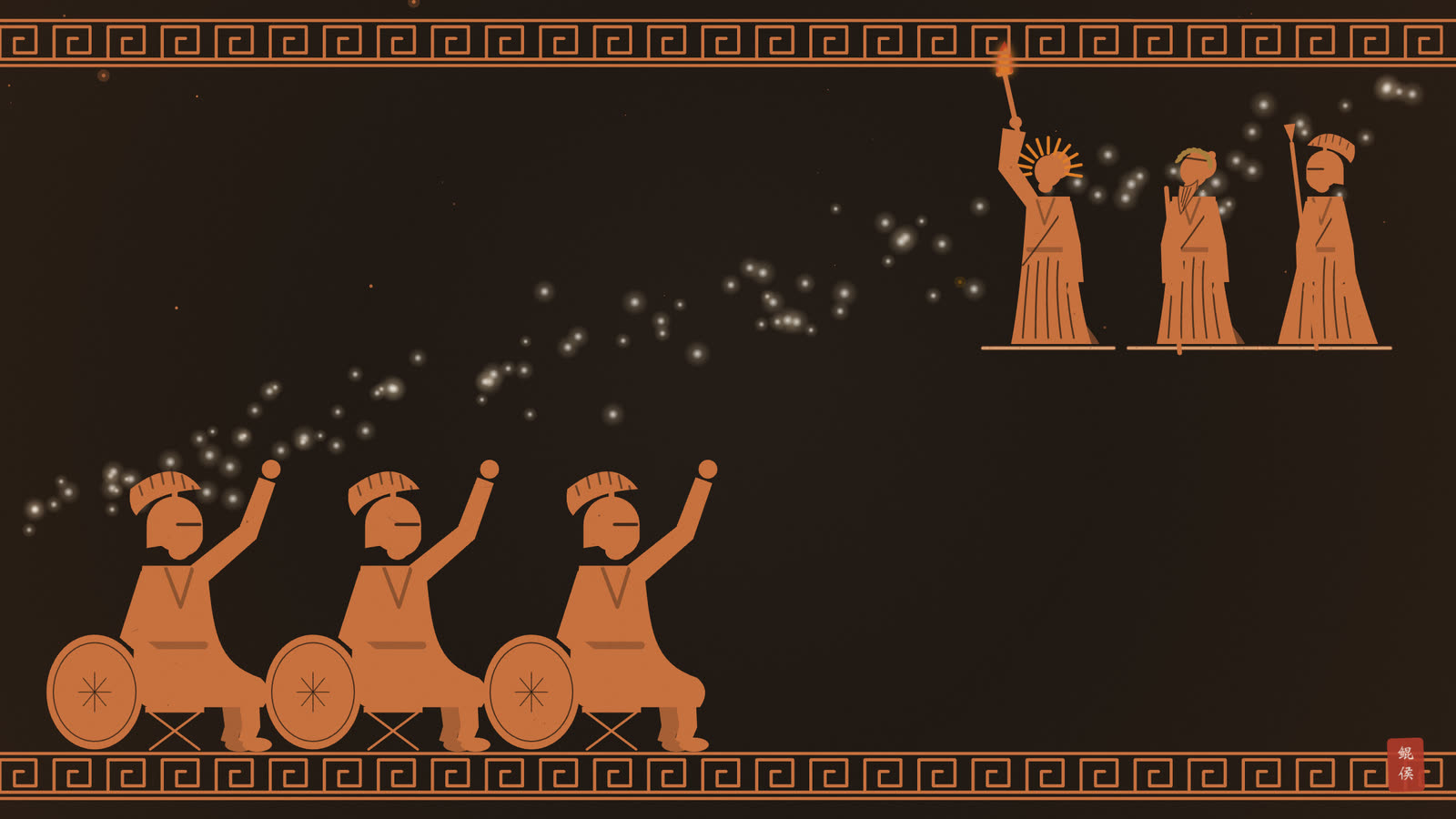
Or Souls which loos'd from the ignoble Chain / Of Clay, and sent to their own Heaven again, / Purg'd from all dross by Vertue, nobly rise / In Aether wanton, and enjoy the Skies.
Great Atreus Sons, Tydides fixt above, / And stout Achilles equal to our Iove; / With three-ag'd Nestor: He that bravely stood / The Dangers of the Land and of the Floud.
Vlysses, Nature's Conquerour, enjoy / The Skies deserv'd; with all the Chiefs at Troy.
Iove's Son Sarpedon, He that Lycia sway'd: / The black Merione, the Martial Maid, / Had Fate stood Neuter, Troy's securest Aid.
With all those Kings that Greece or Asia bore, / Or Pella greatest in her Conquerour.
Next these the grave and prudent Heroes rise, / Whose solid Riches lay in being Wise; / There good Zeleucus, stout Lycurgus shine, / Solon the just, and Plato the Divine.
His Master next, whose Bloud unjustly spilt / On Athens still reflects a real Guilt.
Next Persia's Scourge who strew'd the joyfull Floud / With Xerxes fleet, and check'd the growing God: / Who broke his Force, when Neptune bore the chain, / And prov'd his juster Title o'er the Main.
Here Romans joyn'd, the greatest Croud, reside, / The Kings, e'er Tarquin stain'd the Throne with Pride.
The Horaces our Army in our Wars, / The Town which he defended, Cocles bears; / Next Clelia rides, the brightest Maid in Fame, / And Scevola more glorious by his Maim.
Then He on whom the Helping Crow bestow'd / A Name, and in the Figure brought in a God.
Camillus who the Stars deserv'd to gain / For saving Iove, when Thunder roar'd in vain; / Patient of wrongs, and whilst alive ador'd, / The Founder of that Rome that He restor'd.
Next Brutus sits, and next, unlearn'd in Fear, / The fierce Revenger of the Pyrrick War, / Papyrius shines; The Decii, o'er their Foes / In Triumphs Equal, Rivals in their Vows.
Fabritius, Curius, for their Country bold, / Alike in Courage, and too great for Gold.
Marcellus, Sword of Rome, the third that bore / A Royal spoyl, and Cossus grac'd before: / Next Fabius sits, who left the Common way / To Victory, and Conquer'd by Delay.
Livy and Nero glorious for the fall / Of haughty Carthage in her Asdrubal.
The Scipio's Africks Fate both joyn'd in One, / The latter ending what the first begun.
Pompey by Thrice the Conquer'd World ador'd, / Before God Caesar stoopt to be our Lord: / The fam'd Metelli; Tully, Rome's defence, / Deserving Heaven for pretious Eloquence.
The Claudian Race, and the Emilian Line / With Fortune's Conquerour great Cato shine.
But Venus Iulian race, who drew their rise / From Heaven, return again and fill the Skies; / Where great Augustus, with his partner Iove / Presides, and views his Father fixt above.
Quirinus joyns him, and is pleas'd to see / The Caesars grow Rome's Founders more than He.
The highest Arch contains the greater Gods, / The Godlike Heroes fill these next Abodes; / Those generous Souls, that ran an equal race / In Vertues Paths, and claim a second place.
Thus far my Muse hath with success been crown'd, / Or found no stops, or vanquisht those she found.
And thus incourag'd now she boldly dares / To sing the Fatal compacts of the Stars.
But stop thy flight, sing all the Fires that shine / And influence too, and finish thy design.
翻译点开
Or is the spatious Bend serenely bright / From little Stars, which there their Beams unite, / And make one solid and continued Light?
或者这宽阔的弯带之所以宁静明亮,是因为众多小星在那里汇聚光芒,造成一道连成一片、连绵不断的光?
Or Souls which loos'd from the ignoble Chain / Of Clay, and sent to their own Heaven again, / Purg'd from all dross by Vertue, nobly rise / In Aether wanton, and enjoy the Skies.
或者是灵魂:它们摆脱了泥土那卑贱的锁链,被送回自己的天上,凭德行洗净一切渣滓,高贵地升起,在以太中自在徜徉,享受天空。
Great Atreus Sons, Tydides fixt above, / And stout Achilles equal to our Iove; / With three-ag'd Nestor: He that bravely stood / The Dangers of the Land and of the Floud.
伟大的阿特柔斯的两个儿子、被定在上方的堤丢斯之子,还有可与朱庇特相比的勇猛的阿喀琉斯,以及活过三代人的涅斯托耳;还有那个勇敢经受了陆上与海上种种危难的人,
Vlysses, Nature's Conquerour, enjoy / The Skies deserv'd; with all the Chiefs at Troy.
自然的征服者尤利西斯,也享有他应得的天空;还有特洛伊城下的所有首领。
Iove's Son Sarpedon, He that Lycia sway'd: / The black Merione, the Martial Maid, / Had Fate stood Neuter, Troy's securest Aid.
朱庇特之子萨耳珀冬,统治吕西亚的那位;黝黑的墨里俄涅;还有那位尚武的少女,假如命运保持中立,她本是特洛伊最可靠的援助。
With all those Kings that Greece or Asia bore, / Or Pella greatest in her Conquerour.
还有希腊或亚细亚所生的所有君王,以及因她的征服者而最为伟大的佩拉。
Next these the grave and prudent Heroes rise, / Whose solid Riches lay in being Wise; / There good Zeleucus, stout Lycurgus shine, / Solon the just, and Plato the Divine.
其后升起庄重审慎的英雄们,他们实在的财富就在于有智慧:善良的扎琉库斯、刚毅的吕库古在那里闪耀,还有公正的梭伦、神圣的柏拉图。
His Master next, whose Bloud unjustly spilt / On Athens still reflects a real Guilt.
接着是他的老师,他的血被不公正地洒下,至今仍让雅典背负着真实的罪责。
Next Persia's Scourge who strew'd the joyfull Floud / With Xerxes fleet, and check'd the growing God: / Who broke his Force, when Neptune bore the chain, / And prov'd his juster Title o'er the Main.
再其后是波斯的克星:他用薛西斯的舰队铺满欢腾的海潮,遏止了那位日益膨胀的神;当海神被套上锁链时,他击破了那人的兵力,证明了自己统治大海的名分更为正当。
Here Romans joyn'd, the greatest Croud, reside, / The Kings, e'er Tarquin stain'd the Throne with Pride.
这里汇聚着罗马人,人数最多:有塔克文以骄横玷污王位之前的诸王。
The Horaces our Army in our Wars, / The Town which he defended, Cocles bears; / Next Clelia rides, the brightest Maid in Fame, / And Scevola more glorious by his Maim.
有贺拉提乌斯兄弟,他们在战争中就是我们的一支军队;有科克勒斯,他以一身撑住了自己保卫的城;其次是克洛埃利亚,名声最光彩的少女;还有斯凯沃拉,因残肢而更加荣耀。
Then He on whom the Helping Crow bestow'd / A Name, and in the Figure brought in a God.
然后是那个人:相助的乌鸦赐给他一个名字,在那形象里带来了一位神。
Camillus who the Stars deserv'd to gain / For saving Iove, when Thunder roar'd in vain; / Patient of wrongs, and whilst alive ador'd, / The Founder of that Rome that He restor'd.
卡米卢斯,他在雷霆徒然轰鸣时拯救了朱庇特,因而配得上群星;他忍受冤屈,生前受人崇敬,是他所恢复的那个罗马的缔造者。
Next Brutus sits, and next, unlearn'd in Fear, / The fierce Revenger of the Pyrrick War, / Papyrius shines; The Decii, o'er their Foes / In Triumphs Equal, Rivals in their Vows.
其次坐着布鲁图斯;其次是不知恐惧、对皮洛士战争施以凶猛报复的帕皮里乌斯在闪耀;德西乌斯父子,战胜敌人的凯旋不相上下,献身的誓愿也彼此争先。
Fabritius, Curius, for their Country bold, / Alike in Courage, and too great for Gold.
法布里修斯、库里乌斯,为国家而勇敢,同样英勇,伟大到黄金也无法收买。
Marcellus, Sword of Rome, the third that bore / A Royal spoyl, and Cossus grac'd before: / Next Fabius sits, who left the Common way / To Victory, and Conquer'd by Delay.
马塞卢斯,罗马之剑,第三位夺得王者战利品的人,科苏斯在他之前已获此荣;其次坐着法比乌斯,他离开通常的取胜之路,以拖延征服了敌人。
Livy and Nero glorious for the fall / Of haughty Carthage in her Asdrubal.
李维乌斯与尼禄,因在哈斯德鲁巴身上击败骄横的迦太基而荣耀。
The Scipio's Africks Fate both joyn'd in One, / The latter ending what the first begun.
两位西庇阿,合起来就是阿非利加的劫数,后一位完成了前一位开始的事业。
Pompey by Thrice the Conquer'd World ador'd, / Before God Caesar stoopt to be our Lord: / The fam'd Metelli; Tully, Rome's defence, / Deserving Heaven for pretious Eloquence.
庞培,被他三次征服的世界所崇敬,那是在神圣的恺撒屈尊做我们的主人之前;著名的梅特卢斯家族;还有图利乌斯,罗马的捍卫者,以宝贵的雄辩配得上天界。
The Claudian Race, and the Emilian Line / With Fortune's Conquerour great Cato shine.
克劳狄家族、埃米利乌斯一脉,与征服了命运的伟大加图一同闪耀。
But Venus Iulian race, who drew their rise / From Heaven, return again and fill the Skies; / Where great Augustus, with his partner Iove / Presides, and views his Father fixt above.
而维纳斯的尤利乌斯一族,从天上兴起,又回到天上,充满天空;伟大的奥古斯都在那里与他的伙伴朱庇特一同主持,看着他的父亲被定在上方。
Quirinus joyns him, and is pleas'd to see / The Caesars grow Rome's Founders more than He.
奎里努斯与他相伴,乐于看见恺撒们成长为比他更伟大的罗马缔造者。
The highest Arch contains the greater Gods, / The Godlike Heroes fill these next Abodes; / Those generous Souls, that ran an equal race / In Vertues Paths, and claim a second place.
最高的拱顶容纳着较大的诸神,其次的居所住满神一般的英雄:那些慷慨的灵魂,在德行之路上跑完同样的赛程,要求居于第二等的位置。
Thus far my Muse hath with success been crown'd, / Or found no stops, or vanquisht those she found.
到这里,我的诗神已戴上成功的冠冕,要么没遇到阻碍,要么战胜了所遇的阻碍。
And thus incourag'd now she boldly dares / To sing the Fatal compacts of the Stars.
受此鼓舞,她如今敢于大胆歌唱群星注定的约定。
But stop thy flight, sing all the Fires that shine / And influence too, and finish thy design.
但请止住你的飞翔,先歌唱一切闪耀的火光及其影响,完成你的计划。
大意与图解点开
🔎 大意:银河或是众多小星汇聚之光,或是有德之魂升天的居所:特洛伊英雄、希腊贤人、罗马历代名将,尤利乌斯一族与奥古斯都也在其中。
📖 术语
| 术语 | 英文原词 | 意思 |
|---|---|---|
| 以太 | Aether | 天上纯净的上层物质 |
| 阿特柔斯之子 | Atreus Sons | 阿伽门农与墨涅拉俄斯 |
| 堤丢斯之子 | Tydides | 狄俄墨得斯 |
| 波斯的克星 | Persia's Scourge | 地米斯托克利 |
| 奎里努斯 | Quirinus | 神化的罗慕路斯 |
🧭 图解与讲解
本单元先给出另外两种解释:一是银河由众多小星汇聚而成,光连成一片,这与今日的认识相符;二是斯多亚派与毕达哥拉斯派都有的「灵魂升天」之说:有德的灵魂摆脱肉身(「泥土的锁链」)后,回到天上,居于银河。诗人顺势排出一份长长的名单(表二)。
〔图〕天上的等次:诸神在最高的拱顶,有德的英雄居其次的银河
| 群组 | 诗中列举(照诗中次序) |
|---|---|
| 特洛伊战争的英雄 | 阿特柔斯二子、狄俄墨得斯、阿喀琉斯、涅斯托耳、尤利西斯;萨耳珀冬、墨里俄涅、尚武的少女(亚马逊女王) |
| 希腊与亚细亚 | 诸王;佩拉(亚历山大的故乡) |
| 智者与立法者 | 扎琉库斯、吕库古、梭伦、柏拉图、苏格拉底(「他的老师」)、地米斯托克利 |
| 罗马王政与共和 | 诸王、贺拉提乌斯兄弟、科克勒斯、克洛埃利亚、斯凯沃拉、科尔维努斯、卡米卢斯、布鲁图斯、帕皮里乌斯、德西乌斯父子、法布里修斯、库里乌斯、马塞卢斯、科苏斯、法比乌斯 |
| 罗马后期 | 李维乌斯与尼禄、两位西庇阿、庞培、梅特卢斯家族、西塞罗、克劳狄与埃米利乌斯家族、小加图 |
| 尤利乌斯一族 | 恺撒(「他的父亲」)、奥古斯都、奎里努斯(罗慕路斯) |
名单从特洛伊战争的英雄开始:阿特柔斯的两个儿子阿伽门农与墨涅拉俄斯、堤丢斯之子狄俄墨得斯、阿喀琉斯、老将涅斯托耳、尤利西斯(即奥德修斯),特洛伊一方有萨耳珀冬与「尚武的少女」,即亚马逊女王彭忒西勒亚。接着是佩拉(马其顿王都,亚历山大的出生地)、希腊的立法者与哲人:扎琉库斯、吕库古、梭伦、柏拉图,以及被雅典处死的苏格拉底;「波斯的克星」是在萨拉米斯海战击败薛西斯的地米斯托克利。
罗马人「人数最多」:从塔克文之前的诸王、独守桥头的科克勒斯、以乌鸦得名的科尔维努斯(「乌鸦」在拉丁语里叫 corvus),到在高卢人围城时保住卡皮托利山朱庇特神庙的卡米卢斯、以拖延战术拖垮汉尼拔的法比乌斯、两位西庇阿,直到庞培、西塞罗与小加图。最后是尤利乌斯一族:他们自称是维纳斯的后裔,「从天上兴起,又回到天上」,恺撒已被定在天上,奥古斯都将来也要在那里与朱庇特同列。
图一是诗人给出的天上等次:诸神在最高的拱顶,英雄居其次。本单元末尾,诗人收住离题,说要「歌唱群星注定的约定」,即星辰与命运的关系,并先把余下的「火光」——行星与彗星——唱完。
📖 术语
| 术语 | 英文原词 | 意思 |
|---|---|---|
| 以太 | Aether | 天上纯净的上层物质 |
| 阿特柔斯之子 | Atreus Sons | 阿伽门农与墨涅拉俄斯 |
| 堤丢斯之子 | Tydides | 狄俄墨得斯 |
| 波斯的克星 | Persia's Scourge | 地米斯托克利 |
| 奎里努斯 | Quirinus | 神化的罗慕路斯 |
🧭 图解与讲解
本单元先给出另外两种解释:一是银河由众多小星汇聚而成,光连成一片,这与今日的认识相符;二是斯多亚派与毕达哥拉斯派都有的「灵魂升天」之说:有德的灵魂摆脱肉身(「泥土的锁链」)后,回到天上,居于银河。诗人顺势排出一份长长的名单(表二)。
| 群组 | 诗中列举(照诗中次序) |
|---|---|
| 特洛伊战争的英雄 | 阿特柔斯二子、狄俄墨得斯、阿喀琉斯、涅斯托耳、尤利西斯;萨耳珀冬、墨里俄涅、尚武的少女(亚马逊女王) |
| 希腊与亚细亚 | 诸王;佩拉(亚历山大的故乡) |
| 智者与立法者 | 扎琉库斯、吕库古、梭伦、柏拉图、苏格拉底(「他的老师」)、地米斯托克利 |
| 罗马王政与共和 | 诸王、贺拉提乌斯兄弟、科克勒斯、克洛埃利亚、斯凯沃拉、科尔维努斯、卡米卢斯、布鲁图斯、帕皮里乌斯、德西乌斯父子、法布里修斯、库里乌斯、马塞卢斯、科苏斯、法比乌斯 |
| 罗马后期 | 李维乌斯与尼禄、两位西庇阿、庞培、梅特卢斯家族、西塞罗、克劳狄与埃米利乌斯家族、小加图 |
| 尤利乌斯一族 | 恺撒(「他的父亲」)、奥古斯都、奎里努斯(罗慕路斯) |
名单从特洛伊战争的英雄开始:阿特柔斯的两个儿子阿伽门农与墨涅拉俄斯、堤丢斯之子狄俄墨得斯、阿喀琉斯、老将涅斯托耳、尤利西斯(即奥德修斯),特洛伊一方有萨耳珀冬与「尚武的少女」,即亚马逊女王彭忒西勒亚。接着是佩拉(马其顿王都,亚历山大的出生地)、希腊的立法者与哲人:扎琉库斯、吕库古、梭伦、柏拉图,以及被雅典处死的苏格拉底;「波斯的克星」是在萨拉米斯海战击败薛西斯的地米斯托克利。
罗马人「人数最多」:从塔克文之前的诸王、独守桥头的科克勒斯、以乌鸦得名的科尔维努斯(「乌鸦」在拉丁语里叫 corvus),到在高卢人围城时保住卡皮托利山朱庇特神庙的卡米卢斯、以拖延战术拖垮汉尼拔的法比乌斯、两位西庇阿,直到庞培、西塞罗与小加图。最后是尤利乌斯一族:他们自称是维纳斯的后裔,「从天上兴起,又回到天上」,恺撒已被定在天上,奥古斯都将来也要在那里与朱庇特同列。
图一是诗人给出的天上等次:诸神在最高的拱顶,英雄居其次。本单元末尾,诗人收住离题,说要「歌唱群星注定的约定」,即星辰与命运的关系,并先把余下的「火光」——行星与彗星——唱完。
The Planets
Seven Fires refuse the Worlds Diurnal force, / From West to East they roll their proper Course.
Cold Saturn, Iove, fierce Mars, the fiery Sun, / With Mercury 'twixt Venus and the Moon.
Some swift. some slow, they measure different Years, / And make the wondrous Musick of the Spheres. / But these are constant, these adorn the Night,
Meteors
Whilst Others seldom shine and then affright. / For few have view'd a Comet's dreadfull train, / Which Wars foretells, and never shines in vain, / Soon catch on Fire, and die as soon again.
The Reason's this; when days serenely fair / Have chas'd the Clouds, and cleans'd the lower Air, / And mists breath'd out from Earth rise through the Sky, / The moister parts are conquer'd by the Dry.
And Fire entic'd by the Convenient Mass / Descends, and lights it with a sudden blaze: / But since the Body's thin, the Parts are rare / And Mists, like smoak, lie scattered through the Air; / As soon as e'er begun, the feeble fire / Must waste, and with the blazing Mass expire.
For did they long exist, their constant Light / Would seem to bring new Day upon the Night; / Whole Nature's Course would change, and from the Deep / The Sun would rise, and find the World a-sleep.
Several sorts of Meteors
But since in various Forms the Mists must rise, / And shine in the same Figures o'er the Skies, / These sudden Flames thus born by Chance at Night, / Must shew as much variety of Light.
翻译点开
The Planets
[行星]
Seven Fires refuse the Worlds Diurnal force, / From West to East they roll their proper Course.
有七团火抗拒世界每日的推动力,从西向东运行它们自己的轨道。
Cold Saturn, Iove, fierce Mars, the fiery Sun, / With Mercury 'twixt Venus and the Moon.
寒冷的土星、木星、猛烈的火星、火热的太阳,还有介于金星与月亮之间的水星。
Some swift. some slow, they measure different Years, / And make the wondrous Musick of the Spheres. / But these are constant, these adorn the Night,
有的快,有的慢,它们量出长短不同的年,奏出天球奇妙的音乐。这些都是恒常的,它们装点着夜晚,
Meteors
[流星]
Whilst Others seldom shine and then affright. / For few have view'd a Comet's dreadfull train, / Which Wars foretells, and never shines in vain, / Soon catch on Fire, and die as soon again.
而另一些很少闪耀,一闪耀就令人惊恐。因为很少有人见过彗星可怕的长尾,它预告战争,从不白白闪耀;它们很快着火,又很快熄灭。
The Reason's this; when days serenely fair / Have chas'd the Clouds, and cleans'd the lower Air, / And mists breath'd out from Earth rise through the Sky, / The moister parts are conquer'd by the Dry.
原因是这样的:当晴朗的日子赶走云彩、清洗了低处的空气,从大地呼出的雾气升上天空时,较湿的部分被较干的部分制服。
And Fire entic'd by the Convenient Mass / Descends, and lights it with a sudden blaze: / But since the Body's thin, the Parts are rare / And Mists, like smoak, lie scattered through the Air; / As soon as e'er begun, the feeble fire / Must waste, and with the blazing Mass expire.
于是火被这合宜的物质引来,降下来,突然把它点燃成一团烈焰;但因为这物体稀薄,各部分疏散,雾气像烟一样散布在空中,那微弱的火刚一开始就必定耗尽,随着燃烧的物质一同熄灭。
For did they long exist, their constant Light / Would seem to bring new Day upon the Night; / Whole Nature's Course would change, and from the Deep / The Sun would rise, and find the World a-sleep.
因为假如它们长久存在,它们持续的光就会像在夜里带来新的白天;整个自然的进程都会改变,太阳会从深海升起,却发现世界还在沉睡。
Several sorts of Meteors
[流星的种类]
But since in various Forms the Mists must rise, / And shine in the same Figures o'er the Skies, / These sudden Flames thus born by Chance at Night, / Must shew as much variety of Light.
但既然雾气升起时形态各异,在天空闪耀时也显出同样的形状,那么这些夜里偶然生成的突然的火焰,也必定显出同样多样的光。
大意与图解点开
🔎 大意:七行星抗拒周天的东升西落,自西向东而行,快慢不同;彗星少见而可怖,是大地干燥的雾气被火点燃,物稀故速灭。
📖 术语
| 术语 | 英文原词 | 意思 |
|---|---|---|
| 行星 | Planets | 七颗游走的星 |
| 周日运动 | the World's Diurnal force | 天球每日东升西落 |
| 天球的音乐 | Musick of the Spheres | 毕达哥拉斯之说 |
| 彗星 | Comet | 拖着长尾的火光 |
| 流星 | Meteors | 古指空中一切火象 |
🧭 图解与讲解
诗人终于讲到行星。七团「火」(土、木、火、日、金、水、月)抗拒「世界每日的推动力」:整个天球每天自东向西转一周,行星却在黄道上自西向东缓缓运行,这就是图一的动画。它们快慢不同,「量出长短不同的年」:月亮约一月一周,太阳一年,土星约三十年。「天球的音乐」是毕达哥拉斯派之说,认为各天球运转的速度构成和谐的音程。
〔图〕七行星自西向东逆天而行,快慢不同:月亮最快,土星最慢
| 序 | 行星 | 诗中所说 |
|---|---|---|
| 一 | 土星 | 寒冷 |
| 二 | 木星 | — |
| 三 | 火星 | 猛烈 |
| 四 | 太阳 | 火热 |
| 五至七 | 金星、水星、月亮 | 水星介于金星与月亮之间 |
〔图〕彗星的成因:干燥的雾气被火点燃,物稀故速灭
诗中的次序(表二)由远及近:土星、木星、火星、太阳、金星、水星、月亮,即后世所称的「迦勒底次序」,也是行星时、行星日(星期)的排列依据。诗人只用一个形容词点出各星之性:土星寒冷、火星猛烈、太阳火热;这与托勒密《四书》卷一第四章的说法一致:土星致冷致燥,火星致燥生热。
然后讲「另一些很少闪耀」的火:彗星。成因(图三)是亚里士多德《天象论》以来的通说:晴朗的日子里,大地呼出的干燥雾气升到高处,被上方的火引燃;物质稀薄,所以很快烧完熄灭。诗人还补了一个反证:假如它们长存,夜里就会像白天一样亮,自然的进程就会被打乱。下一单元列举这些火象的种种形状。
📖 术语
| 术语 | 英文原词 | 意思 |
|---|---|---|
| 行星 | Planets | 七颗游走的星 |
| 周日运动 | the World's Diurnal force | 天球每日东升西落 |
| 天球的音乐 | Musick of the Spheres | 毕达哥拉斯之说 |
| 彗星 | Comet | 拖着长尾的火光 |
| 流星 | Meteors | 古指空中一切火象 |
🧭 图解与讲解
诗人终于讲到行星。七团「火」(土、木、火、日、金、水、月)抗拒「世界每日的推动力」:整个天球每天自东向西转一周,行星却在黄道上自西向东缓缓运行,这就是图一的动画。它们快慢不同,「量出长短不同的年」:月亮约一月一周,太阳一年,土星约三十年。「天球的音乐」是毕达哥拉斯派之说,认为各天球运转的速度构成和谐的音程。
| 序 | 行星 | 诗中所说 |
|---|---|---|
| 一 | 土星 | 寒冷 |
| 二 | 木星 | — |
| 三 | 火星 | 猛烈 |
| 四 | 太阳 | 火热 |
| 五至七 | 金星、水星、月亮 | 水星介于金星与月亮之间 |
诗中的次序(表二)由远及近:土星、木星、火星、太阳、金星、水星、月亮,即后世所称的「迦勒底次序」,也是行星时、行星日(星期)的排列依据。诗人只用一个形容词点出各星之性:土星寒冷、火星猛烈、太阳火热;这与托勒密《四书》卷一第四章的说法一致:土星致冷致燥,火星致燥生热。
然后讲「另一些很少闪耀」的火:彗星。成因(图三)是亚里士多德《天象论》以来的通说:晴朗的日子里,大地呼出的干燥雾气升到高处,被上方的火引燃;物质稀薄,所以很快烧完熄灭。诗人还补了一个反证:假如它们长存,夜里就会像白天一样亮,自然的进程就会被打乱。下一单元列举这些火象的种种形状。
Stella Crinita
Some equally diffus'd, like flaming Hair, / Draw fiery Tresses through the Liquid Air. / And streight the Mass that fiery Locks appear'd
Barbata
Grows short, and is contracted to a Beard. / Whilst some in even and continu'd streams,
Trabs
Are round like Pillars, or are squar'd like Beams.
Pithetes
And some with Belly'd Flames large Tuns present, / Alike in shape, and equal in extent.
Bostruchias
Some ty'd in knots like hairy Curls are spread, / A narrow Covering o'er the Comets Head.
Lampadias
The Meteor Lamp in parted Flames appears, / The Sheaf uneven shakes her bended Ears.
Stipulae ardentes
But still when wandring Stars adorn the Night,
Stella cadens
The falling Meteors draw long trains of Light. / Like Arrows shot from the Celestial Bow,
Acontiae
They cut the Air, and strike our Eyes below: / Fire lies in every thing, in Clouds it forms / The frightfull Thunder, and descends in storms.
It passes through the Earth, in Aetna raves, / And imitates Heaven's Thunder in its Caves.
In hollow vales it boyls the rising Flouds, / In Flints 'tis found, and lodges in the Woods, / For tost by storms, the Trees in Flames expire, / So warm are Nature's parts, so fill'd with Fire.
Therefore when Mists, which wandring Flames retain, / Pursue and catch, and leave as soon again, / Blaze o'er the Skies when through the parted Frame / The Meteors break in one continued Flame, / Or when midst Rain, or through a Watry Cloud / Quick Lightning flies, or Thunder roars aloud, / Wonder no more; for o'er the spatious All / Is fire diffus'd, and must consume the Ball.
When eating Time shall waste confining Clay, / And fret the feeble Body to decay.
Thus far through paths untrod my Muse has gone, / Found different Causes, but not fixt on One, / Such various Flowers in Nature's field invite / Her gathering Hand, and tempt her greedy sight; / That drawn by many she scarce one enjoys, / Lost in the great Variety of Choice. / For Earthy Mists involving Seeds of Flame
Different Opinions about Meteors
May rise on high, and fiery Comets frame; / Or little Stars by Nature joyn'd in One / May shine, though undiscover'd when alone.
Or they are constant Stars, whose Natural Course / The Sun o'er powers by his prevailing Force, / Draws from their Orbs, and shadows by his Light.
Then frees again, and opens to our sight. / Thus Mercury, thus Venus disappears, / Then shines again, and leads the Evening Stars. / Or God in pity to our Mortal state
翻译点开
Stella Crinita
[长发星]
Some equally diffus'd, like flaming Hair, / Draw fiery Tresses through the Liquid Air. / And streight the Mass that fiery Locks appear'd
有的均匀散开,像燃烧的头发,在流动的空气中拖着火的发辫。紧接着,那显出火焰卷发的一团
Barbata
[胡须星]
Grows short, and is contracted to a Beard. / Whilst some in even and continu'd streams,
变短,收缩成胡须。而有的成为均匀连续的光流,
Trabs
[梁]
Are round like Pillars, or are squar'd like Beams.
圆的像柱子,方的像横梁。
Pithetes
[瓮]
And some with Belly'd Flames large Tuns present, / Alike in shape, and equal in extent.
有的带着鼓腹的火焰,呈现大桶的样子,形状相仿,大小相等。
Bostruchias
[卷发星]
Some ty'd in knots like hairy Curls are spread, / A narrow Covering o'er the Comets Head.
有的像打结的卷发一样铺开,在彗星的头上形成窄窄的覆盖。
Lampadias
[火炬]
The Meteor Lamp in parted Flames appears, / The Sheaf uneven shakes her bended Ears.
流星之灯显出分开的火焰;那捆麦束参差不齐,摇动着弯垂的麦穗。
Stipulae ardentes
[燃烧的麦秆]
But still when wandring Stars adorn the Night,
但每当漫游的星装点夜晚时,
Stella cadens
[坠星]
The falling Meteors draw long trains of Light. / Like Arrows shot from the Celestial Bow,
坠落的流星拖出长长的光迹。它们像从天上的弓射出的箭,
Acontiae
[标枪星]
They cut the Air, and strike our Eyes below: / Fire lies in every thing, in Clouds it forms / The frightfull Thunder, and descends in storms.
划破空气,射中我们下界的眼睛。万物之中都藏着火:在云中它形成可怕的雷,又在风暴中降下。
It passes through the Earth, in Aetna raves, / And imitates Heaven's Thunder in its Caves.
它穿过大地,在埃特纳火山里狂怒,在洞穴中模仿天上的雷霆。
In hollow vales it boyls the rising Flouds, / In Flints 'tis found, and lodges in the Woods, / For tost by storms, the Trees in Flames expire, / So warm are Nature's parts, so fill'd with Fire.
在空洞的山谷里,它使涌出的泉水沸腾;在燧石里能找到它,它也藏身在树林中;因为被风暴摇撼的树木会在火焰中死去:自然的各部分如此温暖,如此充满了火。
Therefore when Mists, which wandring Flames retain, / Pursue and catch, and leave as soon again, / Blaze o'er the Skies when through the parted Frame / The Meteors break in one continued Flame, / Or when midst Rain, or through a Watry Cloud / Quick Lightning flies, or Thunder roars aloud, / Wonder no more; for o'er the spatious All / Is fire diffus'd, and must consume the Ball.
所以,当含着游荡火焰的雾气追逐、捕捉火焰,又很快把它放开,在天空闪耀;当流星穿过裂开的天体,成为一道连绵的火焰;或者当雨中、水汽的云中有闪电疾飞、雷声大作时,不要再惊奇了;因为火遍布在广大的万有之中,终必焚毁这个世界,
When eating Time shall waste confining Clay, / And fret the feeble Body to decay.
那是在吞噬的时间耗尽了约束它的泥土、把这虚弱的躯体磨损到朽坏的时候。
Thus far through paths untrod my Muse has gone, / Found different Causes, but not fixt on One, / Such various Flowers in Nature's field invite / Her gathering Hand, and tempt her greedy sight; / That drawn by many she scarce one enjoys, / Lost in the great Variety of Choice. / For Earthy Mists involving Seeds of Flame
我的诗神沿着无人走过的小路走到这里,找到了种种不同的原因,却没有确定其中一个;自然的田野里有如此多样的花朵,诱引她采集的手、诱惑她贪看的眼;被许多花吸引,她几乎一朵也没享受到,迷失在选择的繁多之中。因为含着火种的土质雾气
Different Opinions about Meteors
[关于彗星的不同见解]
May rise on high, and fiery Comets frame; / Or little Stars by Nature joyn'd in One / May shine, though undiscover'd when alone.
也许升到高处,形成火热的彗星;或者是小星被自然合成一体,便能闪耀,尽管单独时看不见。
Or they are constant Stars, whose Natural Course / The Sun o'er powers by his prevailing Force, / Draws from their Orbs, and shadows by his Light.
或者它们是恒常的星,太阳以压倒的力量胜过它们的自然运行,把它们从轨道上拉过来,用他的光遮住它们,
Then frees again, and opens to our sight. / Thus Mercury, thus Venus disappears, / Then shines again, and leads the Evening Stars. / Or God in pity to our Mortal state
然后又放开,让我们重新看见。水星就是这样,金星也这样隐没,然后又闪耀,领着昏星出来。或者是神怜悯我们凡人的境况,
大意与图解点开
🔎 大意:火象有长发、胡须、梁、瓮、卷发、火炬、麦秆、坠星、标枪诸形;万物皆藏火。彗星或是燃雾,或是小星合体,或是被日光掩藏的星。
📖 术语
| 术语 | 英文原词 | 意思 |
|---|---|---|
| 长发星 | Stella Crinita | 拖长发的彗星 |
| 胡须星 | Barbata | 短须状的彗星 |
| 梁 | Trabs | 柱状、梁状的火光 |
| 坠星 | Stella cadens | 划过的流星 |
| 埃特纳 | Aetna | 西西里的火山 |
🧭 图解与讲解
表一按克里奇的页边标注,列出九种火象:拖着长发的、收缩成胡须的、像柱子横梁的、像大桶的、像卷发的、像火炬的、像燃烧的麦秆的,以及划过天空的坠星、像标枪的流星。古人把彗星与流星都归入大气中的「火象」,只按形状分类,并不区分天体与大气现象;托勒密《四书》卷二第九章也照形状把彗星分作「梁」「号角」「瓮」等。
| 页边原名 | 中文 | 诗中的形状 |
|---|---|---|
| Stella Crinita | 长发星 | 均匀散开,像燃烧的头发拖着发辫 |
| Barbata | 胡须星 | 火发收缩变短,成为胡须 |
| Trabs | 梁 | 连续的光流,圆如柱、方如梁 |
| Pithetes | 瓮 | 鼓腹的火焰,像大桶 |
| Bostruchias | 卷发星 | 打结的卷发,盖在彗头上 |
| Lampadias | 火炬 | 分叉的火焰,像灯 |
| Stipulae ardentes | 燃烧的麦秆 | 参差的麦束,摇动弯垂的麦穗 |
| Stella cadens | 坠星 | 坠落时拖出长长的光迹 |
| Acontiae | 标枪星 | 像天弓射出的箭划破空气 |
〔图〕彗星是什么:诗人并列三说,不作取舍
诗人接着说「万物之中都藏着火」:云中的雷电、埃特纳火山、山谷的温泉、燧石、被风暴摩擦而起火的树林。既然火无处不在,雾气中偶然燃起火光也就不足为奇。他还顺带提出斯多亚派的「宇宙大火」:世界终有一天会被遍布其中的火焚毁,这呼应了卷一(二)所说世界由四元素构成。
对彗星的本质,诗人说他「找到了种种不同的原因,却没有确定其中一个」(图二):或是燃烧的土质雾气,或是众多小星合为一体,或是本来恒常存在的星,平时被太阳的光芒遮住,就像水星、金星会隐没在日光中又重新出现。最后一个分句「或者是神怜悯我们凡人」没有说完,引出下一单元:彗星是神示警的预兆。
📖 术语
| 术语 | 英文原词 | 意思 |
|---|---|---|
| 长发星 | Stella Crinita | 拖长发的彗星 |
| 胡须星 | Barbata | 短须状的彗星 |
| 梁 | Trabs | 柱状、梁状的火光 |
| 坠星 | Stella cadens | 划过的流星 |
| 埃特纳 | Aetna | 西西里的火山 |
🧭 图解与讲解
表一按克里奇的页边标注,列出九种火象:拖着长发的、收缩成胡须的、像柱子横梁的、像大桶的、像卷发的、像火炬的、像燃烧的麦秆的,以及划过天空的坠星、像标枪的流星。古人把彗星与流星都归入大气中的「火象」,只按形状分类,并不区分天体与大气现象;托勒密《四书》卷二第九章也照形状把彗星分作「梁」「号角」「瓮」等。
| 页边原名 | 中文 | 诗中的形状 |
|---|---|---|
| Stella Crinita | 长发星 | 均匀散开,像燃烧的头发拖着发辫 |
| Barbata | 胡须星 | 火发收缩变短,成为胡须 |
| Trabs | 梁 | 连续的光流,圆如柱、方如梁 |
| Pithetes | 瓮 | 鼓腹的火焰,像大桶 |
| Bostruchias | 卷发星 | 打结的卷发,盖在彗头上 |
| Lampadias | 火炬 | 分叉的火焰,像灯 |
| Stipulae ardentes | 燃烧的麦秆 | 参差的麦束,摇动弯垂的麦穗 |
| Stella cadens | 坠星 | 坠落时拖出长长的光迹 |
| Acontiae | 标枪星 | 像天弓射出的箭划破空气 |
诗人接着说「万物之中都藏着火」:云中的雷电、埃特纳火山、山谷的温泉、燧石、被风暴摩擦而起火的树林。既然火无处不在,雾气中偶然燃起火光也就不足为奇。他还顺带提出斯多亚派的「宇宙大火」:世界终有一天会被遍布其中的火焚毁,这呼应了卷一(二)所说世界由四元素构成。
对彗星的本质,诗人说他「找到了种种不同的原因,却没有确定其中一个」(图二):或是燃烧的土质雾气,或是众多小星合为一体,或是本来恒常存在的星,平时被太阳的光芒遮住,就像水星、金星会隐没在日光中又重新出现。最后一个分句「或者是神怜悯我们凡人」没有说完,引出下一单元:彗星是神示警的预兆。
Comets presage
Hangs out these Lights to shew approaching Fate; / They never idly blaze, but still presage / Some coming Plague on the unhappy Age.
No Crop rewards the cheated Farmer's toil, / He mourns, and curses the ungratefull Soil; / The meagre Ox to the successless Plow / He yoaks, and scarce dares make another Vow.
Or wasting Plagues their deadly Poisons spread, / Encreasing the large Empire of the Dead.
Men die by Numbers, and by heaps they fall, / And mighty Cities make one Funeral.
On groaning Piles whole huddled Nations burn, / And Towns lie blended in one Common Urn.
The Plague of Athens
Such Plagues Achaia felt, the fierce Disease / Laid Athens waste, and spoil'd the Town in Peace.
It bore the helpless Nation to the Grave, / No Physick could assist, no Vows could save; / Heaps fell on Heaps, and whilst they gasp'd for Breath, / Heaps fell on those, and finisht half their Death.
None nurst the Sick, the nearest Kinsmen fled; / None stay'd to bury, or to mourn the Dead.
The Fires grown weary dy'd beneath their Spoils, / And heapt-up Limbs supply'd the place of Piles.
Vast Emptiness and Desolation reign'd, / And to so great a People scarce one Heir remain'd.
Such are the Plagues that blazing Stars proclaim, / They light to Funerals their unlucky Flame.
They shew not onely private Plagues to come, / But threaten Mortals with the Day of Doom.
When Piles Eternal Heaven and Earth shall burn, / And sickly Nature fall into her Urn.
翻译点开
Comets presage
[彗星是预兆]
Hangs out these Lights to shew approaching Fate; / They never idly blaze, but still presage / Some coming Plague on the unhappy Age.
挂出这些灯,来显示将临的命运;它们从不白白闪耀,总是预示不幸的时代即将来到的灾祸。
No Crop rewards the cheated Farmer's toil, / He mourns, and curses the ungratefull Soil; / The meagre Ox to the successless Plow / He yoaks, and scarce dares make another Vow.
庄稼不报答受骗农夫的辛劳,他哀叹,诅咒那忘恩的土地;他把瘦弱的牛套上徒劳的犁,几乎不敢再许一个愿。
Or wasting Plagues their deadly Poisons spread, / Encreasing the large Empire of the Dead.
或者致命的瘟疫散布毒害,扩大死者的广大帝国。
Men die by Numbers, and by heaps they fall, / And mighty Cities make one Funeral.
人们成批死去,成堆倒下,强大的城市办成同一场葬礼。
On groaning Piles whole huddled Nations burn, / And Towns lie blended in one Common Urn.
整个整个的民族挤在呻吟的柴堆上焚烧,城镇混在同一个公共的骨灰瓮里。
The Plague of Athens
[雅典大疫]
Such Plagues Achaia felt, the fierce Disease / Laid Athens waste, and spoil'd the Town in Peace.
亚该亚感受过这样的瘟疫:凶猛的疾病使雅典荒芜,在和平之中毁坏了这座城。
It bore the helpless Nation to the Grave, / No Physick could assist, no Vows could save; / Heaps fell on Heaps, and whilst they gasp'd for Breath, / Heaps fell on those, and finisht half their Death.
它把无助的民族送进坟墓,没有医药能救,没有誓愿能挽回;尸堆压在尸堆上,人们还在喘息之时,又有尸堆压在他们身上,替他们完成了一半的死亡。
None nurst the Sick, the nearest Kinsmen fled; / None stay'd to bury, or to mourn the Dead.
没有人照料病人,最亲的亲人也逃走了;没有人留下埋葬或哀悼死者。
The Fires grown weary dy'd beneath their Spoils, / And heapt-up Limbs supply'd the place of Piles.
火也烧累了,熄灭在它的掠物之下;堆起的肢体代替了柴堆。
Vast Emptiness and Desolation reign'd, / And to so great a People scarce one Heir remain'd.
广大的空旷与荒凉统治一切,如此众多的人民,几乎没留下一个继承人。
Such are the Plagues that blazing Stars proclaim, / They light to Funerals their unlucky Flame.
燃烧的星宣告的就是这样的瘟疫,它们为葬礼点亮不祥的火焰。
They shew not onely private Plagues to come, / But threaten Mortals with the Day of Doom.
它们不只显示将来的个别灾祸,还以末日威胁凡人:
When Piles Eternal Heaven and Earth shall burn, / And sickly Nature fall into her Urn.
那时永恒的诸天与大地将化为火葬的柴堆燃烧,病弱的自然将倒进她的骨灰瓮。
大意与图解点开
🔎 大意:彗星是神悬挂的示警之灯,从不白亮:预示歉收、瘟疫,雅典大疫即其例;更大者预示天地焚毁的末日。
📖 术语
| 术语 | 英文原词 | 意思 |
|---|---|---|
| 预兆 | presage | 预先显示将来 |
| 亚该亚 | Achaia | 此指希腊 |
| 骨灰瓮 | Urn | 盛火葬骨灰的瓮 |
| 柴堆 | Piles | 火葬所用 |
🧭 图解与讲解
上一单元末尾留下的分句在这里完成:或者是神怜悯凡人,挂出这些灯来预示将临的命运。诗人肯定彗星「从不白白闪耀」,所兆的灾祸由小到大(图一):先是歉收,农夫徒劳无获;再是瘟疫,人成批死去,城市只剩一场葬礼。
〔图〕彗星所兆之灾由小到大:歉收、瘟疫、末日
| 所兆 | 诗中的景象 |
|---|---|
| 饥荒 | 庄稼不报答农夫,瘦牛拉着徒劳的犁 |
| 瘟疫 | 人成批死去,城市同一场葬礼,民族同一个骨灰瓮 |
| 雅典大疫 | 和平之中城荒;医药誓愿皆无效;亲人逃散,无人埋葬 |
| 宇宙末日 | 永恒的诸天与大地化为柴堆,自然倒进骨灰瓮 |
历史上的例子是雅典大疫:伯罗奔尼撒战争初年,雅典城内爆发瘟疫,修昔底德有详细记载,卢克莱修《物性论》卷末也有诗体描写,曼尼利乌斯这一段显然受其影响。诗中的景象(表二)十分惨烈:医药无效,亲人逃走,死者无人埋葬,火葬的柴堆都不够用。「在和平之中」是说这场灾祸并非来自敌人。
对占星学而言,这一段是「世俗占」(普遍预言)的早期诗体文献:彗星、交食之类天象被看作关乎整个城邦与民族的征兆,而不针对个人。托勒密《四书》卷二第九章同样讲彗星所兆,但他按彗星出现的星座、方位与彗尾指向来定灾祸的地区与性质,比本诗更有系统。诗人最后把彗星与斯多亚派的宇宙大火相连:它们甚至以「末日」威胁凡人。
📖 术语
| 术语 | 英文原词 | 意思 |
|---|---|---|
| 预兆 | presage | 预先显示将来 |
| 亚该亚 | Achaia | 此指希腊 |
| 骨灰瓮 | Urn | 盛火葬骨灰的瓮 |
| 柴堆 | Piles | 火葬所用 |
🧭 图解与讲解
上一单元末尾留下的分句在这里完成:或者是神怜悯凡人,挂出这些灯来预示将临的命运。诗人肯定彗星「从不白白闪耀」,所兆的灾祸由小到大(图一):先是歉收,农夫徒劳无获;再是瘟疫,人成批死去,城市只剩一场葬礼。
| 所兆 | 诗中的景象 |
|---|---|
| 饥荒 | 庄稼不报答农夫,瘦牛拉着徒劳的犁 |
| 瘟疫 | 人成批死去,城市同一场葬礼,民族同一个骨灰瓮 |
| 雅典大疫 | 和平之中城荒;医药誓愿皆无效;亲人逃散,无人埋葬 |
| 宇宙末日 | 永恒的诸天与大地化为柴堆,自然倒进骨灰瓮 |
历史上的例子是雅典大疫:伯罗奔尼撒战争初年,雅典城内爆发瘟疫,修昔底德有详细记载,卢克莱修《物性论》卷末也有诗体描写,曼尼利乌斯这一段显然受其影响。诗中的景象(表二)十分惨烈:医药无效,亲人逃走,死者无人埋葬,火葬的柴堆都不够用。「在和平之中」是说这场灾祸并非来自敌人。
对占星学而言,这一段是「世俗占」(普遍预言)的早期诗体文献:彗星、交食之类天象被看作关乎整个城邦与民族的征兆,而不针对个人。托勒密《四书》卷二第九章同样讲彗星所兆,但他按彗星出现的星座、方位与彗尾指向来定灾祸的地区与性质,比本诗更有系统。诗人最后把彗星与斯多亚派的宇宙大火相连:它们甚至以「末日」威胁凡人。
Wars
They sudden Tumults, and strange Arms declare, / And when close Treach'ry shall start up to War.
When faithless Germans did of late rebell, / And tempt their Fate, when Generous Varus fell, / And three brave Legions bloud the Plains did drown, / O'er all the Skies the threatning Comets shone.
E'en Nature seem'd at War, and Fire was hurld / At Fire, and Ruin threatned to the World.
These things are strange, but why should these / surprize, / The Fault is Ours, since we with heedless Eyes / View Heaven, and want the Faith to trust the Skies.
They Civil-Wars foretell, and Brothers rage, / The Curse and the disgraces of an Age.
Never more Comets drew their dreadfull Hair / Than when Philippi saw the World at War.
Scarce had the Plains drunk up the former Bloud, / On scatter'd Bones and Limbs the Romans stood / And fought again; disdaining meaner Foes, / (A wretched Conquest where the Victors lose) / Our Empire's power did its own self oppose; / And great Augustus o'er the slaughter'd Heaps / Pursu'd bright Victory in his Father's steps.
Nor did the Rage end here, the Actian fight, / That bloudy dowry of a wanton Night, / Remain'd, and rais'd by Cleopatra's Charms / The headlong Nations ran again to Arms.
The Chance for the whole World was thrown again, / And the Skies Ruler sought upon the Main, / Then War obey'd a Woman, Timbrels strove / With Thunder, Isis with the Roman Iove.
Nor stopt it here, but the degenerate Son / Stain'd all the Glory that his Father won.
The Seas great Pompey freed He seiz'd again, / His Pirates lay like Tempests on the Main.
The Relicks of the Wars, the Impious Slaves / Were arm'd for fight, and ravag'd o'er the Waves.
Till the torn fleet di'd all the Seas with Bloud, / And Asia's Chains reveng'd the injur'd Floud.
Let this, O Fates! suffice; Let Discord cease, / And raging Tumults be confin'd by Peace.
Let Caesar triumph, let the World obey, / And long let Rome be happy in his Sway.
Long have him here, and when she shall bestow / A God on Heaven enjoy his Aid below.
翻译点开
Wars
[战争]
They sudden Tumults, and strange Arms declare, / And when close Treach'ry shall start up to War.
它们宣告突然的骚乱和奇异的兵戈,宣告隐秘的背叛何时会突然兴起为战争。
When faithless Germans did of late rebell, / And tempt their Fate, when Generous Varus fell, / And three brave Legions bloud the Plains did drown, / O'er all the Skies the threatning Comets shone.
不久前,背信的日耳曼人反叛,冒犯他们的命运,慷慨的瓦卢斯战死,三个勇敢军团的血淹没了平原,那时满天都闪耀着凶兆的彗星。
E'en Nature seem'd at War, and Fire was hurld / At Fire, and Ruin threatned to the World.
连自然也似乎在交战,火向火投掷,毁灭威胁着世界。
These things are strange, but why should these / surprize, / The Fault is Ours, since we with heedless Eyes / View Heaven, and want the Faith to trust the Skies.
这些事很奇异,可为什么要让人惊奇呢?错在我们,因为我们用漫不经心的眼睛看天,缺乏信赖天空的信心。
They Civil-Wars foretell, and Brothers rage, / The Curse and the disgraces of an Age.
它们预告内战和兄弟的狂怒,那是一个时代的诅咒与耻辱。
Never more Comets drew their dreadfull Hair / Than when Philippi saw the World at War.
彗星拖出可怕的长发,从没有比腓立比看见世界交战的时候更多。
Scarce had the Plains drunk up the former Bloud, / On scatter'd Bones and Limbs the Romans stood / And fought again; disdaining meaner Foes, / (A wretched Conquest where the Victors lose) / Our Empire's power did its own self oppose; / And great Augustus o'er the slaughter'd Heaps / Pursu'd bright Victory in his Father's steps.
平原刚刚饮干先前的血,罗马人就站在散落的骨骸与肢体上再次交战,不屑于较低贱的敌人(可悲的胜利,胜者也是输家),我们帝国的力量反对它自己;伟大的奥古斯都踏过成堆的尸体,循着父亲的脚步追逐光辉的胜利。
Nor did the Rage end here, the Actian fight, / That bloudy dowry of a wanton Night, / Remain'd, and rais'd by Cleopatra's Charms / The headlong Nations ran again to Arms.
狂怒也没有到此为止:亚克兴之战——一个放荡之夜的血腥嫁妆——还在后面;被克娄巴特拉的魅力激起,各民族又一头冲向兵戈。
The Chance for the whole World was thrown again, / And the Skies Ruler sought upon the Main, / Then War obey'd a Woman, Timbrels strove / With Thunder, Isis with the Roman Iove.
整个世界的机运被再掷一次,天空的统治者要在海上寻求;那时战争听命于一个女人,铜铃鼓与雷霆相争,伊西斯与罗马的朱庇特相争。
Nor stopt it here, but the degenerate Son / Stain'd all the Glory that his Father won.
也没有停在这里:那堕落的儿子玷污了他父亲赢得的全部荣耀。
The Seas great Pompey freed He seiz'd again, / His Pirates lay like Tempests on the Main.
伟大的庞培解放了的海,他又夺了回去,他的海盗像风暴一样盘踞海上。
The Relicks of the Wars, the Impious Slaves / Were arm'd for fight, and ravag'd o'er the Waves.
战争的残余、不虔敬的奴隶被武装起来作战,在波涛上劫掠。
Till the torn fleet di'd all the Seas with Bloud, / And Asia's Chains reveng'd the injur'd Floud.
直到破碎的舰队用血染红了整个海,亚细亚的锁链为受害的海潮报了仇。
Let this, O Fates! suffice; Let Discord cease, / And raging Tumults be confin'd by Peace.
命运女神们啊,这就够了;让纷争停止,让狂暴的骚乱被和平束缚。
Let Caesar triumph, let the World obey, / And long let Rome be happy in his Sway.
让恺撒凯旋,让世界服从,让罗马在他的统治下长久幸福。
Long have him here, and when she shall bestow / A God on Heaven enjoy his Aid below.
让她长久拥有他在世间;当她终于把一位神献给天界时,仍在下界享受他的佑助。
大意与图解点开
🔎 大意:彗星也兆兵戈:瓦卢斯三军团覆没、腓立比的内战、亚克兴海战、小庞培的海上之乱;诗人以祈愿和平、颂扬恺撒结束卷一。
📖 术语
| 术语 | 英文原词 | 意思 |
|---|---|---|
| 瓦卢斯 | Varus | 条顿堡林战败的罗马将 |
| 腓立比 | Philippi | 内战决战之地 |
| 亚克兴 | Actian fight | 奥古斯都胜安东尼之战 |
| 伊西斯 | Isis | 埃及女神 |
| 堕落的儿子 | degenerate Son | 塞克斯图斯·庞培 |
🧭 图解与讲解
彗星的第二类征兆是兵戈。诗人举最近的例子:公元九年,日耳曼人在条顿堡林伏击罗马军,统帅瓦卢斯与三个军团覆没,这是奥古斯都晚年最大的惨败,也是推定本诗写作年代的重要依据。诗人说那时「满天都闪耀着凶兆的彗星」,并责备世人「缺乏信赖天空的信心」。
| 战事 | 时间 | 诗中所说 |
|---|---|---|
| 条顿堡林之战 | 公元九年 | 日耳曼人反叛,瓦卢斯与三个军团覆没,满天彗星 |
| 腓立比之战 | 公元前四十二年 | 彗星最多;罗马人自相残杀,奥古斯都为父复仇 |
| 亚克兴海战 | 公元前三十一年 | 克娄巴特拉激起各族;伊西斯与朱庇特相争 |
| 讨伐小庞培 | 公元前三十六年 | 庞培之子以奴隶为兵,海盗横行;舰队覆没 |
| 诗人的祈愿 | — | 让纷争止于和平,让恺撒久居人间 |
〔图〕卷一收束:从彗星之兆到颂扬恺撒
接着是罗马的内战(表一):腓立比之战,奥古斯都与安东尼击败刺杀恺撒的布鲁图斯、卡西乌斯,「循着父亲的脚步」是说为养父恺撒复仇;亚克兴海战,奥古斯都击败安东尼与埃及女王克娄巴特拉,诗人把它写成埃及神与罗马神之争(铜铃鼓是伊西斯崇拜所用的乐器);最后是庞培之子塞克斯图斯,他以逃奴为兵、在海上劫掠,败后逃往亚细亚被杀。
对占星学来说,这一段与上一单元合起来,就是古代世俗占里彗星的两大主题:天灾(饥荒、瘟疫)与人祸(战乱、内战)。卷一以祈愿和平、颂扬恺撒收束(图二),回应卷一(一)开篇的献诗。卷二从下一页开始,进入真正的占星学说:十二星座的性质与相互关系。
📖 术语
| 术语 | 英文原词 | 意思 |
|---|---|---|
| 瓦卢斯 | Varus | 条顿堡林战败的罗马将 |
| 腓立比 | Philippi | 内战决战之地 |
| 亚克兴 | Actian fight | 奥古斯都胜安东尼之战 |
| 伊西斯 | Isis | 埃及女神 |
| 堕落的儿子 | degenerate Son | 塞克斯图斯·庞培 |
🧭 图解与讲解
彗星的第二类征兆是兵戈。诗人举最近的例子:公元九年,日耳曼人在条顿堡林伏击罗马军,统帅瓦卢斯与三个军团覆没,这是奥古斯都晚年最大的惨败,也是推定本诗写作年代的重要依据。诗人说那时「满天都闪耀着凶兆的彗星」,并责备世人「缺乏信赖天空的信心」。
| 战事 | 时间 | 诗中所说 |
|---|---|---|
| 条顿堡林之战 | 公元九年 | 日耳曼人反叛,瓦卢斯与三个军团覆没,满天彗星 |
| 腓立比之战 | 公元前四十二年 | 彗星最多;罗马人自相残杀,奥古斯都为父复仇 |
| 亚克兴海战 | 公元前三十一年 | 克娄巴特拉激起各族;伊西斯与朱庇特相争 |
| 讨伐小庞培 | 公元前三十六年 | 庞培之子以奴隶为兵,海盗横行;舰队覆没 |
| 诗人的祈愿 | — | 让纷争止于和平,让恺撒久居人间 |
接着是罗马的内战(表一):腓立比之战,奥古斯都与安东尼击败刺杀恺撒的布鲁图斯、卡西乌斯,「循着父亲的脚步」是说为养父恺撒复仇;亚克兴海战,奥古斯都击败安东尼与埃及女王克娄巴特拉,诗人把它写成埃及神与罗马神之争(铜铃鼓是伊西斯崇拜所用的乐器);最后是庞培之子塞克斯图斯,他以逃奴为兵、在海上劫掠,败后逃往亚细亚被杀。
对占星学来说,这一段与上一单元合起来,就是古代世俗占里彗星的两大主题:天灾(饥荒、瘟疫)与人祸(战乱、内战)。卷一以祈愿和平、颂扬恺撒收束(图二),回应卷一(一)开篇的献诗。卷二从下一页开始,进入真正的占星学说:十二星座的性质与相互关系。
原文为公有领域古籍;翻译、印象画与图文解读由 AI 辅助生成,鲲侯审校。