卷一(四) 天意、世界之大与天球诸圈
以星辰恒常驳伊壁鸠鲁的偶然说;量世界之大,地到天是两个星座之长;再讲五道平行圈、两道分至圈与子午、地平。
Providence against the Epicureans
That this vast Frame is mov'd by Providence. / Which like the Soul doth every Whirl advance; / It must be God, nor was it made by Chance; / As Epicurus dreamt, He madly thought / This beauteous Frame of heedless Atoms wrought, / That Seas and Earth, the Stars and spacious Air / Which forms New Worlds, or doth the Old repair, / First rose from these, and still supply'd remain, / And All must be, when Chance shall break the Chain,
Dissolv'd to these wild Principles again. / Absurd and Nonsense! Atheist use thine Eyes, / And having view'd the order of the Skies, / Think, if Thou canst, that Matter blindly hurld, / Without a Guide should frame this wonderous World.
But did Chance make, and Chance still rule the Whole / Why do the Signs in constant order roll?
Observe set Times to shut and open Day, / Nor meet, and justle, and mistake their Way?
Perform their Course as if by Laws confin'd, / None hasten on, and leave the rest behind.
Why every Day doth the discovering Flame, / Show the same World, and leave it still the same?
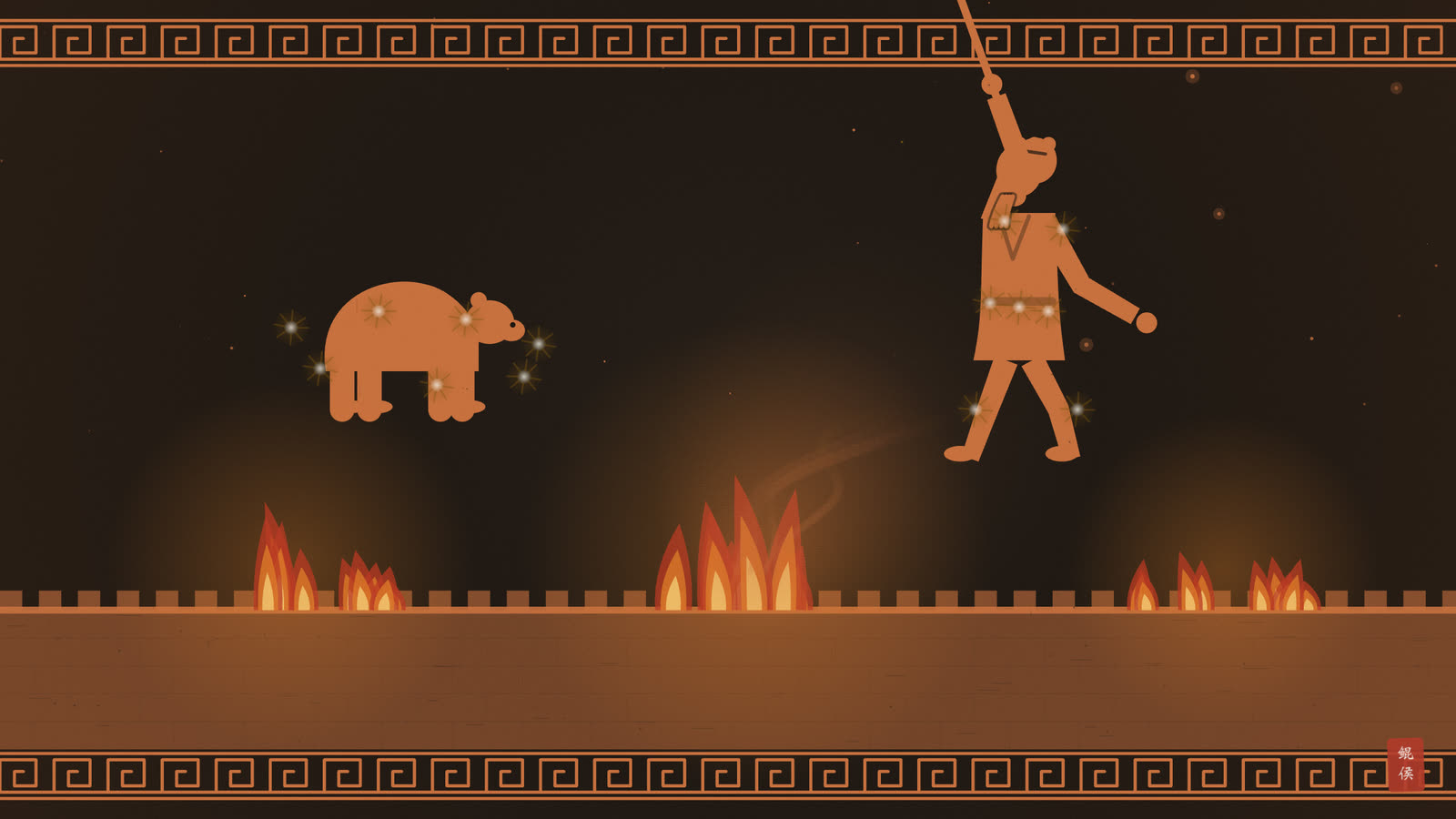
E'en then when Troy was by the Greeks o'erthrown, / The Bear oppos'd to bright Orion shone; / She near the Pole in narrow Rounds did move, / He fac'd her then, and measur'd the vast space above.
And e'en at Night when Time in secret flies, / And veils himself in Shades from humane Eyes; / They by the Signs could know how fast He fled, / And in the Skies the hasty Minutes read.
翻译点开
Providence against the Epicureans
[驳伊壁鸠鲁派,论天意]
That this vast Frame is mov'd by Providence. / Which like the Soul doth every Whirl advance; / It must be God, nor was it made by Chance; / As Epicurus dreamt, He madly thought / This beauteous Frame of heedless Atoms wrought, / That Seas and Earth, the Stars and spacious Air / Which forms New Worlds, or doth the Old repair, / First rose from these, and still supply'd remain, / And All must be, when Chance shall break the Chain,
这证明了这个浩大的框架是由天意推动的;天意像灵魂一样推动每一次旋转;这必定是神,世界不是偶然造成的;伊壁鸠鲁却这样梦想,他疯狂地以为,这美丽的框架是由盲目的原子造成的,以为海洋与大地、群星与广阔的空气——它们形成新的世界,或修补旧的世界——最初都由原子产生,一直由原子补充存续;而当偶然打断这条链子时,一切都必定
Dissolv'd to these wild Principles again. / Absurd and Nonsense! Atheist use thine Eyes, / And having view'd the order of the Skies, / Think, if Thou canst, that Matter blindly hurld, / Without a Guide should frame this wonderous World.
解体,回到这些狂野的本原。荒谬,胡说!无神论者啊,用你的眼睛吧,看看诸天的秩序,然后想一想,如果你想得出的话:盲目抛撒的物质,没有向导,竟能造出这个奇妙的世界。
But did Chance make, and Chance still rule the Whole / Why do the Signs in constant order roll?
但如果是偶然造成了整体,又是偶然在统治它,为什么星座会依恒常的次序旋转?
Observe set Times to shut and open Day, / Nor meet, and justle, and mistake their Way?
为什么它们遵守固定的时刻关闭和开启白昼,而不相撞、推挤、走错路?
Perform their Course as if by Laws confin'd, / None hasten on, and leave the rest behind.
为什么它们运行时像受法则约束,没有一个抢先,把其余的抛在后面?
Why every Day doth the discovering Flame, / Show the same World, and leave it still the same?
为什么每天揭示万物的火光,照出的都是同一个世界,并让它始终保持原样?
E'en then when Troy was by the Greeks o'erthrown, / The Bear oppos'd to bright Orion shone; / She near the Pole in narrow Rounds did move, / He fac'd her then, and measur'd the vast space above.
即使在特洛伊被希腊人攻陷的时候,大熊也正与明亮的猎户相对闪耀;她在天极附近绕着窄小的圆圈运行,他那时就面对着她,量着上方广大的空间。
And e'en at Night when Time in secret flies, / And veils himself in Shades from humane Eyes; / They by the Signs could know how fast He fled, / And in the Skies the hasty Minutes read.
甚至在夜里,当时间悄悄飞逝,在黑暗中遮住自己、不让人眼看见时,人们凭着星座就能知道它飞得多快,在天上读出匆匆流逝的分秒。
大意与图解点开
🔎 大意:伊壁鸠鲁说世界由原子偶然造成,诗人驳之:星座次序恒常、按时开闭白昼、互不相撞,特洛伊陷落时的星空与今日相同。
📖 术语
| 术语 | 英文原词 | 意思 |
|---|---|---|
| 伊壁鸠鲁 | Epicurus | 主张原子论的哲学家 |
| 天意 | Providence | 神对世界的安排 |
| 原子 | Atoms | 不可再分的微粒 |
| 无神论者 | Atheist | 否认神统治世界者 |
| 特洛伊 | Troy | 为希腊人所攻陷的古城 |
🧭 图解与讲解
上一页末尾说群星运行恒常「像是受理性推动」,这一页开头便下结论:世界由天意推动,天意像灵魂一样推动每一次旋转。对立面是伊壁鸠鲁(图一):他认为世界由无数原子盲目碰撞聚合而成,也会在偶然中解体,回到原子;神即使存在,也不过问世界。诗人斥之为「荒谬,胡说」。
〔图〕偶然说与天意说:星辰恒常有序,证明世界由天意统治
〔图〕诗人的四问:若出于偶然,星辰为何如此有序
诗人的论证是一连串反问(图二):若是偶然,为什么星座依恒常的次序旋转,按固定时刻开闭白昼,彼此不相撞、不抢先、不落后?为什么每天照出的都是同一个世界?最有力的例子是特洛伊:希腊人攻陷特洛伊的那一夜,大熊与猎户在天上的相对位置,正与今天一样。诗中的特洛伊之战是神话史诗的题材,诗人用它来代表遥远的古代。
本单元最后一句很实用:夜里没有日影,人们凭星座的位置就能知道时间过了多少。这正是古人用恒星升落计时的方法,也是星占学定出生时刻、求上升点的基础。
对占星学来说,这场论辩是根本问题:如果世界由偶然支配,星辰就不可能预示什么;只有世界由天意统一安排,天上的秩序才会对应地上的命运。卷一(二)所说「神是世界之魂」,在这里得到了反面的证明。
📖 术语
| 术语 | 英文原词 | 意思 |
|---|---|---|
| 伊壁鸠鲁 | Epicurus | 主张原子论的哲学家 |
| 天意 | Providence | 神对世界的安排 |
| 原子 | Atoms | 不可再分的微粒 |
| 无神论者 | Atheist | 否认神统治世界者 |
| 特洛伊 | Troy | 为希腊人所攻陷的古城 |
🧭 图解与讲解
上一页末尾说群星运行恒常「像是受理性推动」,这一页开头便下结论:世界由天意推动,天意像灵魂一样推动每一次旋转。对立面是伊壁鸠鲁(图一):他认为世界由无数原子盲目碰撞聚合而成,也会在偶然中解体,回到原子;神即使存在,也不过问世界。诗人斥之为「荒谬,胡说」。
诗人的论证是一连串反问(图二):若是偶然,为什么星座依恒常的次序旋转,按固定时刻开闭白昼,彼此不相撞、不抢先、不落后?为什么每天照出的都是同一个世界?最有力的例子是特洛伊:希腊人攻陷特洛伊的那一夜,大熊与猎户在天上的相对位置,正与今天一样。诗中的特洛伊之战是神话史诗的题材,诗人用它来代表遥远的古代。
本单元最后一句很实用:夜里没有日影,人们凭星座的位置就能知道时间过了多少。这正是古人用恒星升落计时的方法,也是星占学定出生时刻、求上升点的基础。
对占星学来说,这场论辩是根本问题:如果世界由偶然支配,星辰就不可能预示什么;只有世界由天意统一安排,天上的秩序才会对应地上的命运。卷一(二)所说「神是世界之魂」,在这里得到了反面的证明。
How many Towns have fall'n, what well-built States, / Since Troy, have sunk below oppressing Fates?
How many Times hath sporting Fortune hurld / The Chance of Rule and Slavery through the World?
How hath she now reverst Troy's ancient Doom, / And built her Relicks greater up in Rome?
Reviv'd old Ilium doth new Spoyls enjoy, / And Greece now bends beneath the Fate of Troy.
Why should I count how oft the Earth hath mourn'd / The Sun's retreat, and smil'd when he return'd?
How oft he doth his various Course divide / 'Twixt Winter's Nakedness and Summer's Pride?
All Mortal Things must change. The fruitfull Plain, / As Seasons turn, scarce knows her self again; / Such various forms she bears: large Empires too / Put off their former Face, and take a new.
Yet safe the World, and free from Change doth last, / No Years encrease it, and no Years can waste; / Its Course it urges on, and keeps its Frame, / And still will be, because 'twas still the same.
It stands secure from Time's devouring Rage, / For 'tis a God, nor can it change with Age.
And that the Sun ne'er drives the rising Day / From North to South, nor leaves the beaten way; / That weary grown He still falls down the West / At Night, nor turns his Horses to the East; / That Light by just Degrees the Moon adorns, / First shews, then bends, then fills her borrow'd Horns, / And that the Stars in constant order roll, / Hang there, nor fall, and leave the liquid Pole;
'Tis not from Chance; The Motion speaks aloud / The wise and steddy conduct of the God.
These equally dispos'd in Order lye, / Make various Shapes, and chequer all the Skie.
Above them nought; To the World's Top they rose, / Painting the Roof of Natures Common House; / Which in a wide Embrace doth all contain, / The spatious Air, the Earth, and raging Main; / These Set in order, and in order Rise, / As West drives down, or East brings up the Skies. / But now how vast the Arch, how next immense
翻译点开
How many Towns have fall'n, what well-built States, / Since Troy, have sunk below oppressing Fates?
自从特洛伊以来,有多少城镇倾覆,有多少完善的国家沉没在压迫的命运之下?
How many Times hath sporting Fortune hurld / The Chance of Rule and Slavery through the World?
嬉戏的命运女神多少次把统治与奴役的机运抛遍世界?
How hath she now reverst Troy's ancient Doom, / And built her Relicks greater up in Rome?
她又怎样扭转了特洛伊古老的劫数,用它的遗民在罗马建起更伟大的城?
Reviv'd old Ilium doth new Spoyls enjoy, / And Greece now bends beneath the Fate of Troy.
复活的伊利昂享有新的战利品,希腊如今屈服于特洛伊的命运之下。
Why should I count how oft the Earth hath mourn'd / The Sun's retreat, and smil'd when he return'd?
我何必细数大地有多少次为太阳的离去而哀伤,又为他的回归而欢笑?
How oft he doth his various Course divide / 'Twixt Winter's Nakedness and Summer's Pride?
他有多少次把多变的行程分配在冬天的萧瑟与夏天的繁盛之间?
All Mortal Things must change. The fruitfull Plain, / As Seasons turn, scarce knows her self again; / Such various forms she bears: large Empires too / Put off their former Face, and take a new.
一切凡物都必定变化。肥沃的平原随着季节轮转,几乎认不出自己,她呈现出如此多样的形貌;庞大的帝国也脱去旧日的面容,换上新的。
Yet safe the World, and free from Change doth last, / No Years encrease it, and no Years can waste; / Its Course it urges on, and keeps its Frame, / And still will be, because 'twas still the same.
然而世界安然无恙,不受变化,长存不灭;岁月不使它增大,岁月也不能使它损耗;它推进自己的行程,保持自己的框架,将来始终如此,因为它一向如此。
It stands secure from Time's devouring Rage, / For 'tis a God, nor can it change with Age.
它安然立于时间吞噬一切的狂暴之外,因为它是一位神,不会随着年岁而改变。
And that the Sun ne'er drives the rising Day / From North to South, nor leaves the beaten way; / That weary grown He still falls down the West / At Night, nor turns his Horses to the East; / That Light by just Degrees the Moon adorns, / First shews, then bends, then fills her borrow'd Horns, / And that the Stars in constant order roll, / Hang there, nor fall, and leave the liquid Pole;
太阳从不把升起的白昼从北驱向南,从不离开走惯的道路;他疲倦了总是在夜里落向西方,从不调转马头回到东方;月亮按着一定的度数得到光彩,先露出、再弯曲、再盈满她借来的角;群星依恒常的次序旋转,悬在那里,不坠落,不离开流动的天极;
'Tis not from Chance; The Motion speaks aloud / The wise and steddy conduct of the God.
这都不是出于偶然;运动本身就在高声宣告神的明智而稳定的引导。
These equally dispos'd in Order lye, / Make various Shapes, and chequer all the Skie.
这些星井然有序地排列,组成种种形象,把天空装点得斑斓多彩。
Above them nought; To the World's Top they rose, / Painting the Roof of Natures Common House; / Which in a wide Embrace doth all contain, / The spatious Air, the Earth, and raging Main; / These Set in order, and in order Rise, / As West drives down, or East brings up the Skies. / But now how vast the Arch, how next immense
它们之上再没有什么;它们升到世界的顶端,描画出自然这座公共居所的屋顶;这屋顶以宽广的怀抱包容一切:广阔的空气、大地和汹涌的海洋;这些星依次落下,依次升起,随着西方把天空驱下、东方把天空带上。可是,那拱顶多么广大,紧接着的
大意与图解点开
🔎 大意:城邦兴亡、季节盈枯,凡物皆变;世界本身却是神,不增不减,日月星辰各循常道,恒星天是包容万物的屋顶。
📖 术语
| 术语 | 英文原词 | 意思 |
|---|---|---|
| 伊利昂 | Ilium | 特洛伊的别名 |
| 遗民 | Relicks | 指埃涅阿斯一族 |
| 命运女神 | Fortune | 罗马的福尔图娜 |
| 屋顶 | Roof | 恒星天,宇宙最外层 |
🧭 图解与讲解
这一段先讲神话与历史:特洛伊陷落后,遗民(神话中以埃涅阿斯为首)辗转来到意大利,罗马人奉他为祖先,所以诗人说命运女神「扭转了特洛伊古老的劫数」,用它的遗民在罗马建起更伟大的城;罗马征服希腊,于是「希腊如今屈服于特洛伊的命运之下」。伊利昂是特洛伊的别名。
〔图〕下界万物皆变,天上的世界不变:变与常的对照
| 天体 | 诗中所说的恒常 |
|---|---|
| 太阳 | 不从北驱向南,不离常道;总在西方落下,不回头东转 |
| 月亮 | 按一定度数得光:先露出、再弯曲、再盈满 |
| 群星 | 依恒常次序旋转,悬而不坠,不离天极 |
| 恒星天 | 在万物之上,是自然这座公共居所的屋顶 |
诗人借此对照「变」与「常」(图一):城邦兴亡、季节盈枯、帝国更替,下界一切凡物都在变化;世界本身却不增不减,「因为它是一位神」,不受时间侵蚀。这正是斯多亚派的宇宙观,与卷一(二)「神是世界之魂」一脉相承。
诗人随后列举天上的恒常(表二):太阳总从东方升起、西方落下,不离常道;月亮的盈亏按一定的度数;群星依次升落,悬而不坠。最外层是恒星,它们「升到世界的顶端」,是自然这座「公共居所」的屋顶,包容空气、大地与海洋。最后一句没有说完,「那拱顶多么广大」引出下一单元:量一量世界有多大。
📖 术语
| 术语 | 英文原词 | 意思 |
|---|---|---|
| 伊利昂 | Ilium | 特洛伊的别名 |
| 遗民 | Relicks | 指埃涅阿斯一族 |
| 命运女神 | Fortune | 罗马的福尔图娜 |
| 屋顶 | Roof | 恒星天,宇宙最外层 |
🧭 图解与讲解
这一段先讲神话与历史:特洛伊陷落后,遗民(神话中以埃涅阿斯为首)辗转来到意大利,罗马人奉他为祖先,所以诗人说命运女神「扭转了特洛伊古老的劫数」,用它的遗民在罗马建起更伟大的城;罗马征服希腊,于是「希腊如今屈服于特洛伊的命运之下」。伊利昂是特洛伊的别名。
| 天体 | 诗中所说的恒常 |
|---|---|
| 太阳 | 不从北驱向南,不离常道;总在西方落下,不回头东转 |
| 月亮 | 按一定度数得光:先露出、再弯曲、再盈满 |
| 群星 | 依恒常次序旋转,悬而不坠,不离天极 |
| 恒星天 | 在万物之上,是自然这座公共居所的屋顶 |
诗人借此对照「变」与「常」(图一):城邦兴亡、季节盈枯、帝国更替,下界一切凡物都在变化;世界本身却不增不减,「因为它是一位神」,不受时间侵蚀。这正是斯多亚派的宇宙观,与卷一(二)「神是世界之魂」一脉相承。
诗人随后列举天上的恒常(表二):太阳总从东方升起、西方落下,不离常道;月亮的盈亏按一定的度数;群星依次升落,悬而不坠。最外层是恒星,它们「升到世界的顶端」,是自然这座「公共居所」的屋顶,包容空气、大地与海洋。最后一句没有说完,「那拱顶多么广大」引出下一单元:量一量世界有多大。
The bigness of the World
The Zodiack's Round, though far remov'd from Sense, / Plain Reason shews; whose Active Force can pierce, / The deep Recesses of the Universe.
No Bars can stop it, through the World it flies, / And Heaven it self lies open to its Eyes.
As great a space as Earth, and humble Seas / From Heaven divide, so great two Signs possess.
The World's Diameter by Art is found, / Almost the third Division of the Round.
Therefore as far as four bright Signs comprize, / The distant Zenith from the Nadir lies.
And two thirds more almost surround the Pole, / The Twelve Signs measure, and complete the Whole.
But since the Earth hangs midst the spacious All, / The Solid Centre of the Liquid Ball, / Therefore as far as e'er our Eyes can pass / Upward, or downward, could they pierce the Mass, / Till bounding Sky the wearied Sight confines, / Is equal to the distance of two Signs.
And six such spaces the vast Round complete / Where All the Signs their constant Whirls repeat, / And each lies distant in an equal Seat.
Nor must you wonder such Varieties / Of different Fates from the same Stars should rise.
Since great their Empire, and unlike their force, / Their Seats so large. and so immense their Course.
翻译点开
The bigness of the World
[世界之大]
The Zodiack's Round, though far remov'd from Sense, / Plain Reason shews; whose Active Force can pierce, / The deep Recesses of the Universe.
黄道的圆周又多么巨大,虽然远离感官,朴素的理性却能显示出来;理性的活跃之力能够穿透宇宙深深的隐秘之处。
No Bars can stop it, through the World it flies, / And Heaven it self lies open to its Eyes.
没有任何栅栏能阻挡它,它飞过整个世界,天空本身也向它的眼睛敞开。
As great a space as Earth, and humble Seas / From Heaven divide, so great two Signs possess.
大地与低处的海洋离天有多远,两个星座就占有多大的空间。
The World's Diameter by Art is found, / Almost the third Division of the Round.
世界的直径凭技艺可以求出,差不多是圆周的三分之一。
Therefore as far as four bright Signs comprize, / The distant Zenith from the Nadir lies.
所以,天顶与天底之间的距离,相当于四个明亮的星座所占的长度。
And two thirds more almost surround the Pole, / The Twelve Signs measure, and complete the Whole.
另外大约三分之二则环绕天极,十二个星座量完,整个圆周就完成了。
But since the Earth hangs midst the spacious All, / The Solid Centre of the Liquid Ball, / Therefore as far as e'er our Eyes can pass / Upward, or downward, could they pierce the Mass, / Till bounding Sky the wearied Sight confines, / Is equal to the distance of two Signs.
但既然大地悬在广大宇宙的正中,是流动的球体里坚实的中心,那么我们的眼睛向上或向下所能达到的距离——假如它们能穿透这一团物质——直到边界的天空使疲倦的视线停下,就等于两个星座的距离。
And six such spaces the vast Round complete / Where All the Signs their constant Whirls repeat, / And each lies distant in an equal Seat.
六个这样的距离就完成了这个浩大的圆周,所有的星座在那里重复它们恒常的旋转,每一个都隔着相等的距离。
Nor must you wonder such Varieties / Of different Fates from the same Stars should rise.
因此,你不必惊奇,同一些星竟会生出如此多样的不同命运。
Since great their Empire, and unlike their force, / Their Seats so large. and so immense their Course.
因为它们的统辖辽阔,力量各异,它们的座位如此宽大,它们的行程如此无边。
大意与图解点开
🔎 大意:理性能量天:地到天的距离等于两个星座之长,直径约是圆周三分之一,即四个星座;星座既如此广大,所生的命运自然多样。
📖 术语
| 术语 | 英文原词 | 意思 |
|---|---|---|
| 黄道 | Zodiack | 十二星座所在的大圆 |
| 直径 | Diameter | 穿过地心的长度 |
| 天顶 / 天底 | Zenith / Nadir | 头顶与脚下的天点 |
| 圆周 | Round | 黄道一周 |
🧭 图解与讲解
这一单元用「星座」当尺子来量世界(图一)。诗人说:从大地到天的距离,等于两个星座所占的空间;世界的直径「差不多是圆周的三分之一」,所以天顶到天底相当于四个星座的长度;其余约三分之二绕着天极,十二个星座正好量完一周。换句话说,半径约合两个星座,直径约合四个,圆周十二个(表二)。
〔图〕世界之大:地到天等于两个星座之长,天顶到天底等于四个星座之长
| 量 | 诗中所说 | 折合 |
|---|---|---|
| 地到天(半径) | 两个星座所占的空间 | 黄道一周的六分之一 |
| 天顶到天底(直径) | 四个星座的长度 | 约为圆周的三分之一 |
| 黄道一周(圆周) | 十二个星座 | 六个半径 |
这里用的是「圆周约为直径的三倍」的古老近似。按今日的圆周率,直径只合黄道的三点八分之一左右,但诗人原文已说「差不多」,并不要求精确。重要的是,诗人认为这种量度不靠肉眼,而靠「理性」:理性能穿透宇宙的隐秘,天空本身也向它敞开。这是对卷一(一)「心智登天」的呼应。
本单元最后两行点出了占星学的意义:星座的「统辖辽阔,力量各异,座位宽大,行程无边」,所以同一些星能生出多样的命运。每个星座占黄道三十度,这三十度里每一度、每一刻升起的情况都不同,后面卷二的十二分、卷四的十度区间,都是在一个星座之内再细分,正是从这个「座位宽大」的想法出发的。
📖 术语
| 术语 | 英文原词 | 意思 |
|---|---|---|
| 黄道 | Zodiack | 十二星座所在的大圆 |
| 直径 | Diameter | 穿过地心的长度 |
| 天顶 / 天底 | Zenith / Nadir | 头顶与脚下的天点 |
| 圆周 | Round | 黄道一周 |
🧭 图解与讲解
这一单元用「星座」当尺子来量世界(图一)。诗人说:从大地到天的距离,等于两个星座所占的空间;世界的直径「差不多是圆周的三分之一」,所以天顶到天底相当于四个星座的长度;其余约三分之二绕着天极,十二个星座正好量完一周。换句话说,半径约合两个星座,直径约合四个,圆周十二个(表二)。
| 量 | 诗中所说 | 折合 |
|---|---|---|
| 地到天(半径) | 两个星座所占的空间 | 黄道一周的六分之一 |
| 天顶到天底(直径) | 四个星座的长度 | 约为圆周的三分之一 |
| 黄道一周(圆周) | 十二个星座 | 六个半径 |
这里用的是「圆周约为直径的三倍」的古老近似。按今日的圆周率,直径只合黄道的三点八分之一左右,但诗人原文已说「差不多」,并不要求精确。重要的是,诗人认为这种量度不靠肉眼,而靠「理性」:理性能穿透宇宙的隐秘,天空本身也向它敞开。这是对卷一(一)「心智登天」的呼应。
本单元最后两行点出了占星学的意义:星座的「统辖辽阔,力量各异,座位宽大,行程无边」,所以同一些星能生出多样的命运。每个星座占黄道三十度,这三十度里每一度、每一刻升起的情况都不同,后面卷二的十二分、卷四的十度区间,都是在一个星座之内再细分,正是从这个「座位宽大」的想法出发的。
Thus far advanc't my towring Muse must rise, / And sing the Circles that confine the Skies, / Describe the track, and mark the shining Way, / Where Planets Err, and Phoebus bears the Day. / One towards the North sustains the Shining Bear
The Northern Polar Circle
And lies divided from the Polar Star; / Exactly six divisions of the Sphere.
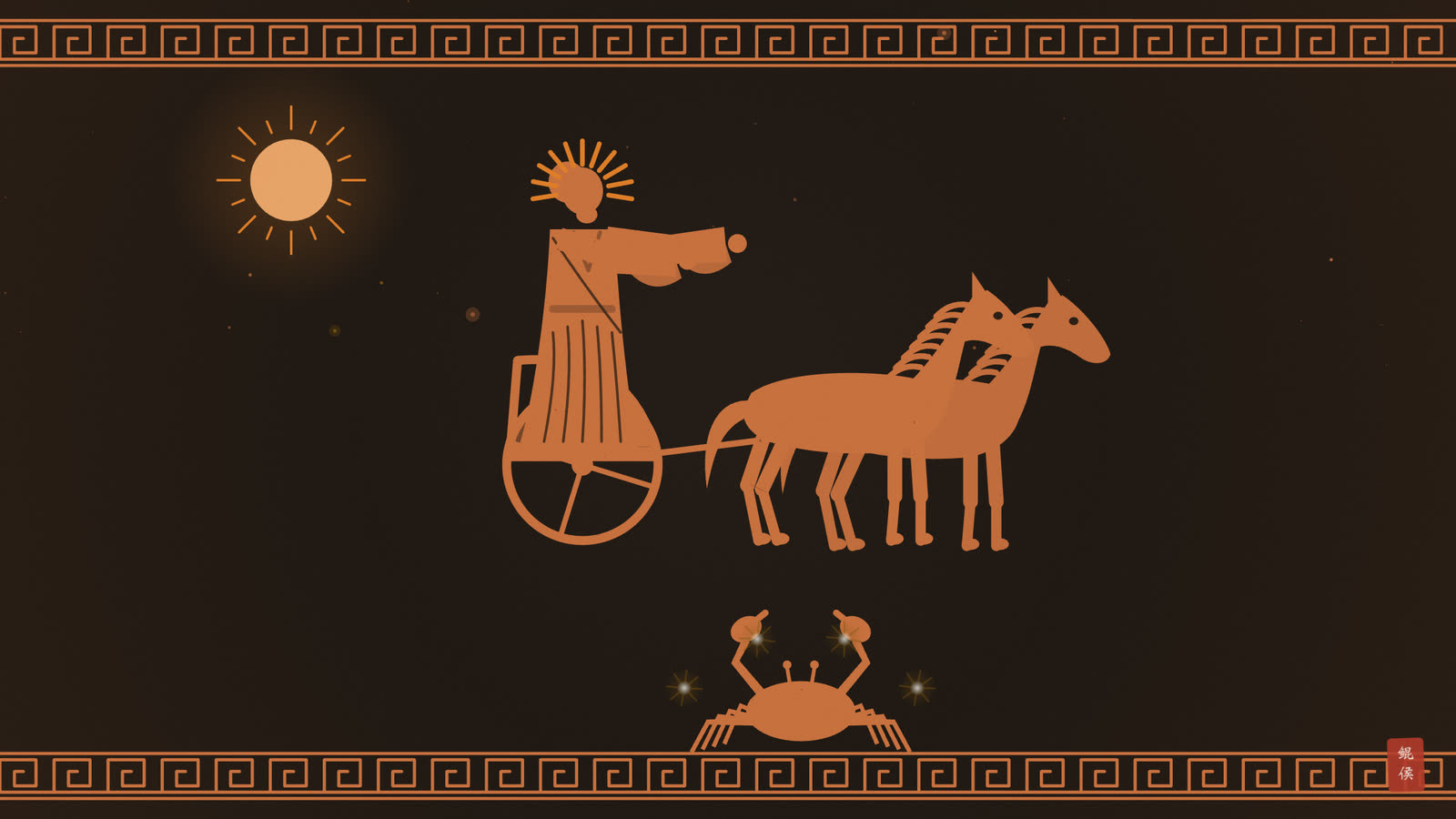
Another drawn through Cancer's Claws confines, / The utmost Limits of the Fatal Signs; / There when the Sun ascends his greatest height / In largest Rounds He whirls the lazy Night.
Pleas'd with his Station there He seems to stay, / And neither lengthens nor contracts the Day.
The Tropical Circle of Cancer, or Summer Solstice
The Summer's Tropick call'd.— / It lies the fiery Sun's remotest Bound, / Just five Divisions from the other Round.
The Equinoctial
A third twines round, and in the midst divides / The Sphere, and see the Pole on both its sides.
And there when Phoebus drives, He spreads his Light, / On All alike, and equals Day and Night.
For in the midst, He doth the Skies divide, / And chears the Spring, and warms the Autumn's Pride, / And this large Circle drawn from Cancer's Flame, / Just four Divisions parts the Starry Frame. / Another Southward drawn exactly sets
The Tropick of Capricorn
The Utmost Limits to the Sun's retreats; / When hoary Winter calls his Beams away, / Obliquely warms us with a feeble Ray, / And whirls in narrow Rounds the freezing Day.
To Us his Journey's short, but where He stands / With Rays direct, He burns the barren Sands.
To wisht-for Night he scarce resigns the Day, / But in vast Heats extends his hated Sway.
The Southern Polar Circle
The last drawn round the Southern point confines / Those Bears, and lies the Utmost of the Lines.
Wise Nature constant in her Work is found: / As five Divisions part the Northern Round; / From the North point, This Southern Round appears / Just five Divisions distant from its Bears.
Thus Heaven's divided, and from Pole to Pole / Four Quadrants are the Measure of the Whole.
The Circles five, by these are justly shown, / The Frigid, Temperate and the Torrid Zone.
翻译点开
Thus far advanc't my towring Muse must rise, / And sing the Circles that confine the Skies, / Describe the track, and mark the shining Way, / Where Planets Err, and Phoebus bears the Day. / One towards the North sustains the Shining Bear
到这里,我高飞的诗神必须再往上升,歌唱那些限定诸天的圆圈,描绘那轨迹,标出那条闪亮的道路——行星在那里漫游,福玻斯在那里带来白昼。一个圆向着北方,承托着闪亮的熊,
The Northern Polar Circle
[北极圈]
And lies divided from the Polar Star; / Exactly six divisions of the Sphere.
它与北极星相隔,正好是天球的六份。
Another drawn through Cancer's Claws confines, / The utmost Limits of the Fatal Signs; / There when the Sun ascends his greatest height / In largest Rounds He whirls the lazy Night.
另一个圆穿过巨蟹的螯,限定那些主宰命运的星座的最远界限;当太阳升到最高处时,他就在这里以最大的圆圈转动慵懒的夜。
Pleas'd with his Station there He seems to stay, / And neither lengthens nor contracts the Day.
他喜爱他在那里的位置,似乎停留了下来,既不加长也不缩短白昼。
The Tropical Circle of Cancer, or Summer Solstice
[巨蟹回归线,即夏至线]
The Summer's Tropick call'd.— / It lies the fiery Sun's remotest Bound, / Just five Divisions from the other Round.
它被称为夏至的回归线。——它是炽热的太阳最远的界限,与另一个圆正好相隔五份。
The Equinoctial
[赤道]
A third twines round, and in the midst divides / The Sphere, and see the Pole on both its sides.
第三个圆在中间环绕,把天球分成两半,从它的两边都能看见天极。
And there when Phoebus drives, He spreads his Light, / On All alike, and equals Day and Night.
当福玻斯驱车到那里时,他把光均匀地洒给万物,使昼夜相等。
For in the midst, He doth the Skies divide, / And chears the Spring, and warms the Autumn's Pride, / And this large Circle drawn from Cancer's Flame, / Just four Divisions parts the Starry Frame. / Another Southward drawn exactly sets
因为他在中间把诸天分开,使春天欢欣,使秋天的繁盛得到温暖;这个大圆与巨蟹的火焰处画起的那个圆,正好相隔星空的四份。另一个圆向南画出,正好定下
The Tropick of Capricorn
[摩羯回归线]
The Utmost Limits to the Sun's retreats; / When hoary Winter calls his Beams away, / Obliquely warms us with a feeble Ray, / And whirls in narrow Rounds the freezing Day.
太阳退去的最远界限:那时白发的冬天召走他的光芒,他以微弱的光线斜斜地温暖我们,在窄小的圆圈里转动冰冷的白昼。
To Us his Journey's short, but where He stands / With Rays direct, He burns the barren Sands.
对我们来说,他的行程很短,但在他直射的地方,他烤焦了不毛的沙地。
To wisht-for Night he scarce resigns the Day, / But in vast Heats extends his hated Sway.
他几乎不肯把白昼让给人们盼望的黑夜,而以巨大的热力延长他令人憎恶的统治。
The Southern Polar Circle
[南极圈]
The last drawn round the Southern point confines / Those Bears, and lies the Utmost of the Lines.
最后一个圆环绕着南方的极点,围住那里的两熊,是诸线中最远的一条。
Wise Nature constant in her Work is found: / As five Divisions part the Northern Round; / From the North point, This Southern Round appears / Just five Divisions distant from its Bears.
明智的自然在她的工作中始终如一:正如北方的圆以五份相隔,这个南方的圆,从北方那一点数来,也正好与它那里的两熊相隔五份。
Thus Heaven's divided, and from Pole to Pole / Four Quadrants are the Measure of the Whole.
诸天就这样被划分,从一极到另一极,四个象限构成整体的尺度。
The Circles five, by these are justly shown, / The Frigid, Temperate and the Torrid Zone.
这五个圆恰好划出寒带、温带和热带。
大意与图解点开
🔎 大意:五道平行圈:北极圈距北极六份,夏至线再隔五份,赤道再隔四份,冬至线、南极圈对称;分出寒带、温带、热带。
📖 术语
| 术语 | 英文原词 | 意思 |
|---|---|---|
| 北极圈 | Northern Polar Circle | 常显圈,熊在其内 |
| 回归线 | Tropick | 太阳南北的极限 |
| 赤道 | Equinoctial | 昼夜平分之圈 |
| 份 | divisions | 一周六十份,每份六度 |
| 寒带、温带、热带 | Frigid, Temperate, Torrid Zone | 五圈分出的天带 |
🧭 图解与讲解
本单元先有一个小小的神话画面:太阳神福玻斯驾车,夏至时到巨蟹,「喜爱他在那里的位置,似乎停留了下来」,冬至时被「白发的冬天」召走光芒。「至」的意思正是太阳停住:夏至前后,太阳正午的高度几天里几乎不变,日出日落的方位也停在最北,古人就说太阳在这里驻足。
〔图〕五道平行圈由南到北:六、五、四、四、五、六份,南北对称
| 圆 | 诗中所说 | 距北天极(份) | 折合度数 | 太阳在此时 |
|---|---|---|---|---|
| 北极圈 | 承托熊星,与北极星相隔六份 | 6 | 36° | — |
| 夏至线(巨蟹回归线) | 穿过巨蟹的螯;距北极圈五份 | 11 | 66°(赤纬 24°) | 白昼最长,似乎驻足 |
| 赤道 | 把天球分成两半;距夏至线四份 | 15 | 90° | 昼夜相等:春分、秋分 |
| 冬至线(摩羯回归线) | 太阳退去的最远界限 | 19 | 114°(赤纬 −24°) | 白昼最短,光线斜照 |
| 南极圈 | 围住南方的两熊 | 24 | 144° | — |
五道平行圈(图一)是天球上与赤道平行的五个圆。曼尼利乌斯把一周分成六十份,一份六度(表二):北极圈距北天极六份(三十六度),即罗马纬度上终年不落的「常显圈」,熊星都在其内;再隔五份是夏至线(巨蟹回归线);再隔四份是赤道;南方对称,再隔四份是冬至线(摩羯回归线),再隔五份是南极圈,南极圈距南天极也是六份。
回归线距赤道四份,即二十四度,这就是古人所取的黄道与赤道的交角,太阳一年里在两条回归线之间往返。太阳到赤道时昼夜相等,即春分与秋分;到夏至线时白昼最长,到冬至线时最短。英译「南极圈从北方那一点数来与它那里的两熊相隔五份」一句说得含混,按前后文的对称,应指南极圈与冬至线相隔五份。
五圈分出天上的五带,对应地上的寒带、温带、热带。诗中所说「主宰命运的星座的最远界限」,就是黄道的最北点:太阳与行星只在两回归线之间运行,所以占星学所用的十二星座都夹在这两圈之间。
📖 术语
| 术语 | 英文原词 | 意思 |
|---|---|---|
| 北极圈 | Northern Polar Circle | 常显圈,熊在其内 |
| 回归线 | Tropick | 太阳南北的极限 |
| 赤道 | Equinoctial | 昼夜平分之圈 |
| 份 | divisions | 一周六十份,每份六度 |
| 寒带、温带、热带 | Frigid, Temperate, Torrid Zone | 五圈分出的天带 |
🧭 图解与讲解
本单元先有一个小小的神话画面:太阳神福玻斯驾车,夏至时到巨蟹,「喜爱他在那里的位置,似乎停留了下来」,冬至时被「白发的冬天」召走光芒。「至」的意思正是太阳停住:夏至前后,太阳正午的高度几天里几乎不变,日出日落的方位也停在最北,古人就说太阳在这里驻足。
| 圆 | 诗中所说 | 距北天极(份) | 折合度数 | 太阳在此时 |
|---|---|---|---|---|
| 北极圈 | 承托熊星,与北极星相隔六份 | 6 | 36° | — |
| 夏至线(巨蟹回归线) | 穿过巨蟹的螯;距北极圈五份 | 11 | 66°(赤纬 24°) | 白昼最长,似乎驻足 |
| 赤道 | 把天球分成两半;距夏至线四份 | 15 | 90° | 昼夜相等:春分、秋分 |
| 冬至线(摩羯回归线) | 太阳退去的最远界限 | 19 | 114°(赤纬 −24°) | 白昼最短,光线斜照 |
| 南极圈 | 围住南方的两熊 | 24 | 144° | — |
五道平行圈(图一)是天球上与赤道平行的五个圆。曼尼利乌斯把一周分成六十份,一份六度(表二):北极圈距北天极六份(三十六度),即罗马纬度上终年不落的「常显圈」,熊星都在其内;再隔五份是夏至线(巨蟹回归线);再隔四份是赤道;南方对称,再隔四份是冬至线(摩羯回归线),再隔五份是南极圈,南极圈距南天极也是六份。
回归线距赤道四份,即二十四度,这就是古人所取的黄道与赤道的交角,太阳一年里在两条回归线之间往返。太阳到赤道时昼夜相等,即春分与秋分;到夏至线时白昼最长,到冬至线时最短。英译「南极圈从北方那一点数来与它那里的两熊相隔五份」一句说得含混,按前后文的对称,应指南极圈与冬至线相隔五份。
五圈分出天上的五带,对应地上的寒带、温带、热带。诗中所说「主宰命运的星座的最远界限」,就是黄道的最北点:太阳与行星只在两回归线之间运行,所以占星学所用的十二星座都夹在这两圈之间。
All these move Parallel, they set, they rise, / At equal Distance moving with the Skies; / Turn'd with the Orbs the common Whirl repeat, / Are fixt, nor vary their allotted Seat. / From Pole all round to Pole two Lines exprest,
The Colure
Adversely drawn, which intersect the rest / And one another; They surround the Whole, / And crossing make right Angles at each Pole: / These into four just parts, by Signs, the Sphere / Divide, and mark the Seasons of the Year.
The Aequinoctial Colure
One drawn from Heaven's high top descends from far, / And cuts the Serpent's Tail, and the dry Bear: / The Equinoctial Scales, the Snake's Extremes, / And next the Southern Centaur's middle Beams; / Then thwarts the Adverse Pole, and next divides / The mighty Whale, and parts its scaly sides;
Bright Aries point, and splendid Trigon past, / The fair Andromeda below the Waste, / And next her Mother's Head it cuts, and then / The Pole, and closeth in it self agen.
The Solsticial Colure
Cross this, and from the Pole doth first appear / The Other, through the forefeet of the Bear, / And through its Neck; (which when the Sun retires / First shines, and spreads black Night with feeble Fires) / Then parts the Twins and Crab, the Dog divides, / And Argo's keel that broke the frothy tides.
And then the Pole and other Circle crost / To Caper turns contracted in his Frost: / The Eagle cuts, and the inverted Lyre, / Black Draco's folds— / The hinder Paws o'th' Bear, and near the Pole / It's Tail, and closing there compleats the Whole.
These Rounds immovable, their site the same, / Here Seasons fix, nor vary in the frame.
翻译点开
All these move Parallel, they set, they rise, / At equal Distance moving with the Skies; / Turn'd with the Orbs the common Whirl repeat, / Are fixt, nor vary their allotted Seat. / From Pole all round to Pole two Lines exprest,
它们都彼此平行,随诸天一同沉落、升起,相隔相等的距离而运动;它们随天球转动,重复共同的旋转,固定不动,不改变所分配的位置。从一极到另一极,环绕一周,画出两条线,
The Colure
[分至圈]
Adversely drawn, which intersect the rest / And one another; They surround the Whole, / And crossing make right Angles at each Pole: / These into four just parts, by Signs, the Sphere / Divide, and mark the Seasons of the Year.
方向相交,它们与其余诸圈相交,也彼此相交;它们环绕整体,在每个天极交成直角:它们借着星座把天球分成四等份,标出一年的四季。
The Aequinoctial Colure
[二分圈]
One drawn from Heaven's high top descends from far, / And cuts the Serpent's Tail, and the dry Bear: / The Equinoctial Scales, the Snake's Extremes, / And next the Southern Centaur's middle Beams; / Then thwarts the Adverse Pole, and next divides / The mighty Whale, and parts its scaly sides;
一条从天的高顶上远远降下,切过天龙的尾巴和干燥的熊:穿过二分的天秤、长蛇的末端,接着穿过南方半人马的中部;然后横过相对的天极,接着分开巨大的鲸鱼,切开它带鳞的两侧;
Bright Aries point, and splendid Trigon past, / The fair Andromeda below the Waste, / And next her Mother's Head it cuts, and then / The Pole, and closeth in it self agen.
越过白羊明亮的那一点和闪亮的三角,切过美丽的仙女腰部以下,接着切过她母亲的头,然后是天极,在那里与自身闭合。
The Solsticial Colure
[二至圈]
Cross this, and from the Pole doth first appear / The Other, through the forefeet of the Bear, / And through its Neck; (which when the Sun retires / First shines, and spreads black Night with feeble Fires) / Then parts the Twins and Crab, the Dog divides, / And Argo's keel that broke the frothy tides.
另一条与此相交,首先从天极出现,穿过熊的前足与颈部(太阳退去时,它最先闪耀,以微弱的火光铺开黑夜),然后从双子与巨蟹之间穿过,分开犬星,以及那冲破泡沫翻涌的潮水的南船的龙骨。
And then the Pole and other Circle crost / To Caper turns contracted in his Frost: / The Eagle cuts, and the inverted Lyre, / Black Draco's folds— / The hinder Paws o'th' Bear, and near the Pole / It's Tail, and closing there compleats the Whole.
然后越过天极与另一个圆,转到在严寒中蜷缩的摩羯:它切过天鹰与倒置的天琴、天龙的盘曲——熊的后爪,以及靠近天极的熊尾,在那里闭合,完成整体。
These Rounds immovable, their site the same, / Here Seasons fix, nor vary in the frame.
这些圆是不动的,位置不变,在这里定下季节,在天球的框架里不会改变。
大意与图解点开
🔎 大意:两道分至圈经过两极、互成直角:二分圈过天秤与白羊,二至圈过巨蟹与摩羯,把天球分成四份,标出四季。
📖 术语
| 术语 | 英文原词 | 意思 |
|---|---|---|
| 分至圈 | Colure | 过两极与分至点的大圆 |
| 二分圈 | Aequinoctial Colure | 过春分、秋分点 |
| 二至圈 | Solsticial Colure | 过夏至、冬至点 |
| 干燥的熊 | the dry Bear | 永不没入海中 |
🧭 图解与讲解
五道平行圈之后是两道「分至圈」:都经过南北两极,在天极交成直角,借着星座把天球分成四等份,标出一年的四季(图一)。一道经过春分点(白羊)与秋分点(天秤),叫二分圈;一道经过夏至点(巨蟹)与冬至点(摩羯),叫二至圈。
〔图〕两道分至圈把黄道分成四份:二分圈过白羊、天秤,二至圈过巨蟹、摩羯
| 分至圈 | 诗中依次经过的星群 |
|---|---|
| 二分圈 | 天龙尾、大熊 → 天秤 → 长蛇末端 → 半人马中部 → 南天极 → 鲸鱼 → 白羊 → 三角 → 仙女腰下 → 仙后之头 → 北天极 |
| 二至圈 | 大熊前足与颈 → 双子与巨蟹之间 → 犬星 → 南船龙骨 → 南天极 → 摩羯 → 天鹰 → 天琴 → 天龙 → 大熊后爪与尾 → 北天极 |
诗人沿着两条线绕天一周,一路点出它们经过的星群(表二),等于把卷一(三)讲过的星群串成两条线:二分圈从天龙尾、大熊起,经天秤、长蛇末端、半人马,过南天极,再经鲸鱼、白羊、三角、仙女、仙后回到北天极;二至圈经大熊前足、双子与巨蟹之间、犬星、南船,过南天极,再经摩羯、天鹰、天琴、天龙、大熊后爪回到北天极。「干燥的熊」是说大熊终年不落,从不没入海中。
对占星学来说,这两道圈定下了黄道上最重要的四个点:白羊、天秤是分点星座,巨蟹、摩羯是至点(回归)星座,四座合称启动星座,太阳一进入,季节就转换。后世以白羊零度为黄道起点,四季、三方、四正的划分都从这四点出发。诗人说这些圆「不动」,是说它们相对于星座位置不变,与下一单元随观测者而变的子午圈、地平圈不同。
📖 术语
| 术语 | 英文原词 | 意思 |
|---|---|---|
| 分至圈 | Colure | 过两极与分至点的大圆 |
| 二分圈 | Aequinoctial Colure | 过春分、秋分点 |
| 二至圈 | Solsticial Colure | 过夏至、冬至点 |
| 干燥的熊 | the dry Bear | 永不没入海中 |
🧭 图解与讲解
五道平行圈之后是两道「分至圈」:都经过南北两极,在天极交成直角,借着星座把天球分成四等份,标出一年的四季(图一)。一道经过春分点(白羊)与秋分点(天秤),叫二分圈;一道经过夏至点(巨蟹)与冬至点(摩羯),叫二至圈。
| 分至圈 | 诗中依次经过的星群 |
|---|---|
| 二分圈 | 天龙尾、大熊 → 天秤 → 长蛇末端 → 半人马中部 → 南天极 → 鲸鱼 → 白羊 → 三角 → 仙女腰下 → 仙后之头 → 北天极 |
| 二至圈 | 大熊前足与颈 → 双子与巨蟹之间 → 犬星 → 南船龙骨 → 南天极 → 摩羯 → 天鹰 → 天琴 → 天龙 → 大熊后爪与尾 → 北天极 |
诗人沿着两条线绕天一周,一路点出它们经过的星群(表二),等于把卷一(三)讲过的星群串成两条线:二分圈从天龙尾、大熊起,经天秤、长蛇末端、半人马,过南天极,再经鲸鱼、白羊、三角、仙女、仙后回到北天极;二至圈经大熊前足、双子与巨蟹之间、犬星、南船,过南天极,再经摩羯、天鹰、天琴、天龙、大熊后爪回到北天极。「干燥的熊」是说大熊终年不落,从不没入海中。
对占星学来说,这两道圈定下了黄道上最重要的四个点:白羊、天秤是分点星座,巨蟹、摩羯是至点(回归)星座,四座合称启动星座,太阳一进入,季节就转换。后世以白羊零度为黄道起点,四季、三方、四正的划分都从这四点出发。诗人说这些圆「不动」,是说它们相对于星座位置不变,与下一单元随观测者而变的子午圈、地平圈不同。
The Meridian
Two more are movable: one from the Bear / Describ'd surrounds the middle of the Sphere, / Divides the Day, and marks exactly Noon / Betwixt the rising and the setting Sun: / The Signs it changes as we move below, / Run East or West, it varies as You go;
For 'tis that Line, which way soe'er we tread, / That cuts the Heaven exactly o'er our head, / And marks the Vertex; which doth plainly prove / That it must change as often as we move.
Not one Meridian can the World suffice, / It passes through each portion of the Skies; / Thus when the Sun is dawning o'er the East / 'Tis their sixth hour, and sets their sixth at West: / Though those two hours we count our days extremes, / Which feebly warm us with their distant Beams.
The Horizon
To find the other Line cast round thine Eyes, / And where the Earth's high surface joyns the Skies, / Where Stars first set, and first begin to shine, / There draw the fancy'd Image of this Line: / Which way soe'er you move 'twill still be new, / Another Circle opening to the view;
For now this half, and now that half of Sky / It shews, its Bounds still varying with the Eye.
This Round's Terrestrial, for it bounds contains / That Globe, and cut the middle with a Plain; / 'Tis call'd the Horizon, the Round's design, / (For 'tis to bound) gives title to the Line.
翻译点开
The Meridian
[子午圈]
Two more are movable: one from the Bear / Describ'd surrounds the middle of the Sphere, / Divides the Day, and marks exactly Noon / Betwixt the rising and the setting Sun: / The Signs it changes as we move below, / Run East or West, it varies as You go;
还有两个是可动的:一个从熊那里画下来,环绕天球的中部,分开白昼,在日出与日落之间正好标出正午:我们在下界移动,它所经过的星座就随之改变,向东或向西走,它都随你而变;
For 'tis that Line, which way soe'er we tread, / That cuts the Heaven exactly o'er our head, / And marks the Vertex; which doth plainly prove / That it must change as often as we move.
因为不论我们走向哪里,那条线都正好切过我们头顶的天空,标出天顶;这就清楚地证明,我们每移动一次,它就必定改变一次。
Not one Meridian can the World suffice, / It passes through each portion of the Skies; / Thus when the Sun is dawning o'er the East / 'Tis their sixth hour, and sets their sixth at West: / Though those two hours we count our days extremes, / Which feebly warm us with their distant Beams.
一条子午线不能满足整个世界,它穿过天空的每一部分;所以当太阳在我们东方破晓时,对那里的人是第六时,在西方落下时,对西方的人也是第六时:虽然那两个时辰,我们算作一天的两端,它们以遥远的光线微弱地温暖着我们。
The Horizon
[地平圈]
To find the other Line cast round thine Eyes, / And where the Earth's high surface joyns the Skies, / Where Stars first set, and first begin to shine, / There draw the fancy'd Image of this Line: / Which way soe'er you move 'twill still be new, / Another Circle opening to the view;
要找到另一条线,就环顾四周,在大地高起的表面与天空相接之处,在群星最先沉落、最先开始闪耀的地方,就在那里画出这条线的想象之形:不论你向哪里移动,它总是新的,另一个圆圈在眼前展开;
For now this half, and now that half of Sky / It shews, its Bounds still varying with the Eye.
因为它时而显出这半边天空,时而显出那半边,它的界限总随着眼睛而变化。
This Round's Terrestrial, for it bounds contains / That Globe, and cut the middle with a Plain; / 'Tis call'd the Horizon, the Round's design, / (For 'tis to bound) gives title to the Line.
这个圆是属于地上的,因为它的界限包含着这个球,以一个平面切过它的中部;它被称为地平圈,这个圆的用途——因为它是用来作界限的——给这条线定了名称。
大意与图解点开
🔎 大意:子午圈过天顶,标出正午,随东西移动而变;地平圈是天地相接之线,星从这里升落,随人所在而变;两者都是可动的圆。
📖 术语
| 术语 | 英文原词 | 意思 |
|---|---|---|
| 子午圈 | Meridian | 过天顶与两极,标正午 |
| 地平圈 | Horizon | 天地相接之圆 |
| 天顶 | Vertex | 头顶正上方的天点 |
| 第六时 | sixth hour | 罗马计时的正午 |
🧭 图解与讲解
最后两个圆是「可动的」:子午圈与地平圈。子午圈从北天极经过头顶画下来,太阳到这条线上就是正午。它随观测者而变:向东或向西走,头顶的天空不同,子午圈经过的星座也就不同。诗人举例说,太阳在我们东方破晓时,东方远处的人正是「第六时」——罗马人把白昼分十二时,第六时即正午;太阳在西方落下时,西方远处的人也正是正午。这与卷一(二)各地时辰不同的论证一致。
〔图〕地平圈定上升与下降,子午圈定中天与天底:占星的四个角由此而来
〔图〕不动的圆与可动的圆:前者属天,后者随观测者而变
地平圈是天与地相接的圆,群星在这里「最先沉落、最先开始闪耀」,也随人所在而变,走到哪里,眼前就展开另一个圆。它把天球切成看得见、看不见的两半。诗人说这个圆因其用途而得名:英语 Horizon 出自希腊语「划界」一词。
这两个圆对占星学最为要紧(图一)。地平圈与黄道相交的东方一点就是上升点,西方一点是下降点;子午圈与黄道相交的上方一点是中天,下方一点是天底。这四点合称「四角」,是一切本命盘、卜卦盘的骨架;正因为它们随时间与地点而变,同一天出生的人,出生的时刻与地点不同,命盘就不同。曼尼利乌斯在卷二讲十二宫位时会正式用到它们。
至此,卷一讲完了七个不动的圆和两个可动的圆(图二)。下一页卷一(五)接着讲两个「斜行」的圆:一个是太阳、月亮与行星所行的黄道,一个是银河,然后列举诸行星,最后讲彗星。
📖 术语
| 术语 | 英文原词 | 意思 |
|---|---|---|
| 子午圈 | Meridian | 过天顶与两极,标正午 |
| 地平圈 | Horizon | 天地相接之圆 |
| 天顶 | Vertex | 头顶正上方的天点 |
| 第六时 | sixth hour | 罗马计时的正午 |
🧭 图解与讲解
最后两个圆是「可动的」:子午圈与地平圈。子午圈从北天极经过头顶画下来,太阳到这条线上就是正午。它随观测者而变:向东或向西走,头顶的天空不同,子午圈经过的星座也就不同。诗人举例说,太阳在我们东方破晓时,东方远处的人正是「第六时」——罗马人把白昼分十二时,第六时即正午;太阳在西方落下时,西方远处的人也正是正午。这与卷一(二)各地时辰不同的论证一致。
地平圈是天与地相接的圆,群星在这里「最先沉落、最先开始闪耀」,也随人所在而变,走到哪里,眼前就展开另一个圆。它把天球切成看得见、看不见的两半。诗人说这个圆因其用途而得名:英语 Horizon 出自希腊语「划界」一词。
这两个圆对占星学最为要紧(图一)。地平圈与黄道相交的东方一点就是上升点,西方一点是下降点;子午圈与黄道相交的上方一点是中天,下方一点是天底。这四点合称「四角」,是一切本命盘、卜卦盘的骨架;正因为它们随时间与地点而变,同一天出生的人,出生的时刻与地点不同,命盘就不同。曼尼利乌斯在卷二讲十二宫位时会正式用到它们。
至此,卷一讲完了七个不动的圆和两个可动的圆(图二)。下一页卷一(五)接着讲两个「斜行」的圆:一个是太阳、月亮与行星所行的黄道,一个是银河,然后列举诸行星,最后讲彗星。
原文为公有领域古籍;翻译、印象画与图文解读由 AI 辅助生成,鲲侯审校。