卷二·序言与第一至四章 星座、诸星之庙、旺与落、十度区
卷二是入门之卷:先说为何要从基础教起,再讲十二星座的阴阳、七曜之庙、旺与落的度数,以及三十六个十度区。
BOOK II
PREFACE.
[1] In setting out to write books of mathesis, we must first instruct those who wish to learn it, so that, shaped by correct beginnings, they may more easily attain the knowledge of making pronouncements; for no one can attain the true knowledge of it unless he has been trained in its first instructions.
[2] For our Fronto, following the antiscia of Hipparchus, set out his pronouncements on effects as though he were speaking to those already accomplished and expert, prescribing nothing about instruction, nothing about teaching. Nor, indeed, has almost any of the Latins written books of instruction on this art, except Julius Caesar, a few verses, and even those borrowed from another's work; while Marcus Tullius, the chief and glory of Roman eloquence, so as to leave untried nothing that his divine genius could attain, himself also gave a few answers on instruction in heroic verse.
[3] Hence we shall carry over everything the Egyptians and Babylonians said about this art, by way of instruction in a discourse easy to learn, so that those who are being trained to unfold the fates of men may, steeped in it step by step, attain the whole knowledge of the divine.
[4] But since we have made mention of the antiscia, we ought not to pass over this point in silence. Fronto followed the antiscia of Hipparchus, which have no force and no substance; and in Fronto there are indeed true statements about pronouncements and effects, but his study of the antiscia is ineffectual, for he followed one who had not attained the true method. For those antiscia are the true ones, as our Navigius also proves, which Ptolemy too showed by a definition based on true inquiry; what they are like we shall show in the later parts of this book, demonstrating which degree casts its ray into which degree. For as to the effects, Fronto both wrote of them most truly, and they are contained in great abundance in the books and records of the Greeks. Setting this discussion aside for the present, then, let us return to the beginnings of instruction.
翻译点开
BOOK II
卷二
PREFACE.
序言
[1] In setting out to write books of mathesis, we must first instruct those who wish to learn it, so that, shaped by correct beginnings, they may more easily attain the knowledge of making pronouncements; for no one can attain the true knowledge of it unless he has been trained in its first instructions.
〔一〕我们着手撰写数学之书,首先必须教导那些想学它的人,好让他们由正确的开端塑造出来,更容易得到作出断语的学识;因为一个人若没有受过它最初的教导,就不能得到对它真正的认识。
[2] For our Fronto, following the antiscia of Hipparchus, set out his pronouncements on effects as though he were speaking to those already accomplished and expert, prescribing nothing about instruction, nothing about teaching. Nor, indeed, has almost any of the Latins written books of instruction on this art, except Julius Caesar, a few verses, and even those borrowed from another's work; while Marcus Tullius, the chief and glory of Roman eloquence, so as to leave untried nothing that his divine genius could attain, himself also gave a few answers on instruction in heroic verse.
〔二〕因为我们的弗朗托,追随希帕克斯的映点,陈述他关于效验的断语时,就好像在同已经学成而老练的人说话,关于入门、关于教授,什么也没有规定。而且拉丁人中几乎没有谁写过这门技艺的入门书,只有尤利乌斯·凯撒写过几行诗,而且那几行也是从别人的著作里借来的;至于马尔库斯·图利乌斯,罗马雄辩的魁首与荣耀,为了不留下任何他那神圣的天才所能达到而未曾尝试的东西,他自己也用英雄体的诗句,就入门之事作过几条答语。
[3] Hence we shall carry over everything the Egyptians and Babylonians said about this art, by way of instruction in a discourse easy to learn, so that those who are being trained to unfold the fates of men may, steeped in it step by step, attain the whole knowledge of the divine.
〔三〕因此,埃及人与巴比伦人关于这门技艺所说的一切,我们都将以易学的论述、用入门的方式移译过来,好让那些正受训练去展开人之命运的人,一步一步浸润其中,得到关于神圣者的全部学识。
[4] But since we have made mention of the antiscia, we ought not to pass over this point in silence. Fronto followed the antiscia of Hipparchus, which have no force and no substance; and in Fronto there are indeed true statements about pronouncements and effects, but his study of the antiscia is ineffectual, for he followed one who had not attained the true method. For those antiscia are the true ones, as our Navigius also proves, which Ptolemy too showed by a definition based on true inquiry; what they are like we shall show in the later parts of this book, demonstrating which degree casts its ray into which degree. For as to the effects, Fronto both wrote of them most truly, and they are contained in great abundance in the books and records of the Greeks. Setting this discussion aside for the present, then, let us return to the beginnings of instruction.
〔四〕不过既然我们提到了映点,就不应对这一点默不作声地略过。弗朗托追随的是希帕克斯的映点,那些映点既无效力,也无实质;在弗朗托那里,关于断语与效验确有真实的论述,但他对映点的研究是徒劳的,因为他追随了一个没有得到真正方法的人。真正的映点,正如我们的纳维吉乌斯也证明的,是托勒密也凭着基于真实探究的定义所显示的那些;它们是怎样的,我们将在本卷后面的部分说明,指出哪一度把光线投向哪一度。至于效验,弗朗托写得极为真实,而且它们大量载于希腊人的书籍与记录之中。那么,暂且把这番讨论搁在一边,让我们回到入门的开端。
大意与图解点开
🔎 大意:卷二开篇说明:弗朗托只对行家说话,拉丁人几无入门书,作者要把埃及、巴比伦之学由浅入深教给初学者;映点之法以托勒密为准。
📖 术语
| 术语 | 英文原词 | 意思 |
|---|---|---|
| 入门 | instruction | 为初学者讲基础 |
| 断语 | pronouncements | 星占家下的判断 |
| 效验 | effects | 星象所主的人事结果 |
| 映点 | antiscia | 以至点轴对称的度数 |
| 英雄体 | heroic verse | 史诗所用的六音步诗 |
🧭 图解与讲解
卷一是为星学辩护,卷二起才正式教这门学问。作者开宗明义:学数学(mathesis,作者对星学的总称)的人必须先受「入门」的教导,由正确的开端塑造出来,才能得到下断语的学识。这一卷因此被他自己称为「入门书」(liber institutionis),讲星座、庙、旺、界、十度区、宫位、相位这些后面各卷都要用的基础。
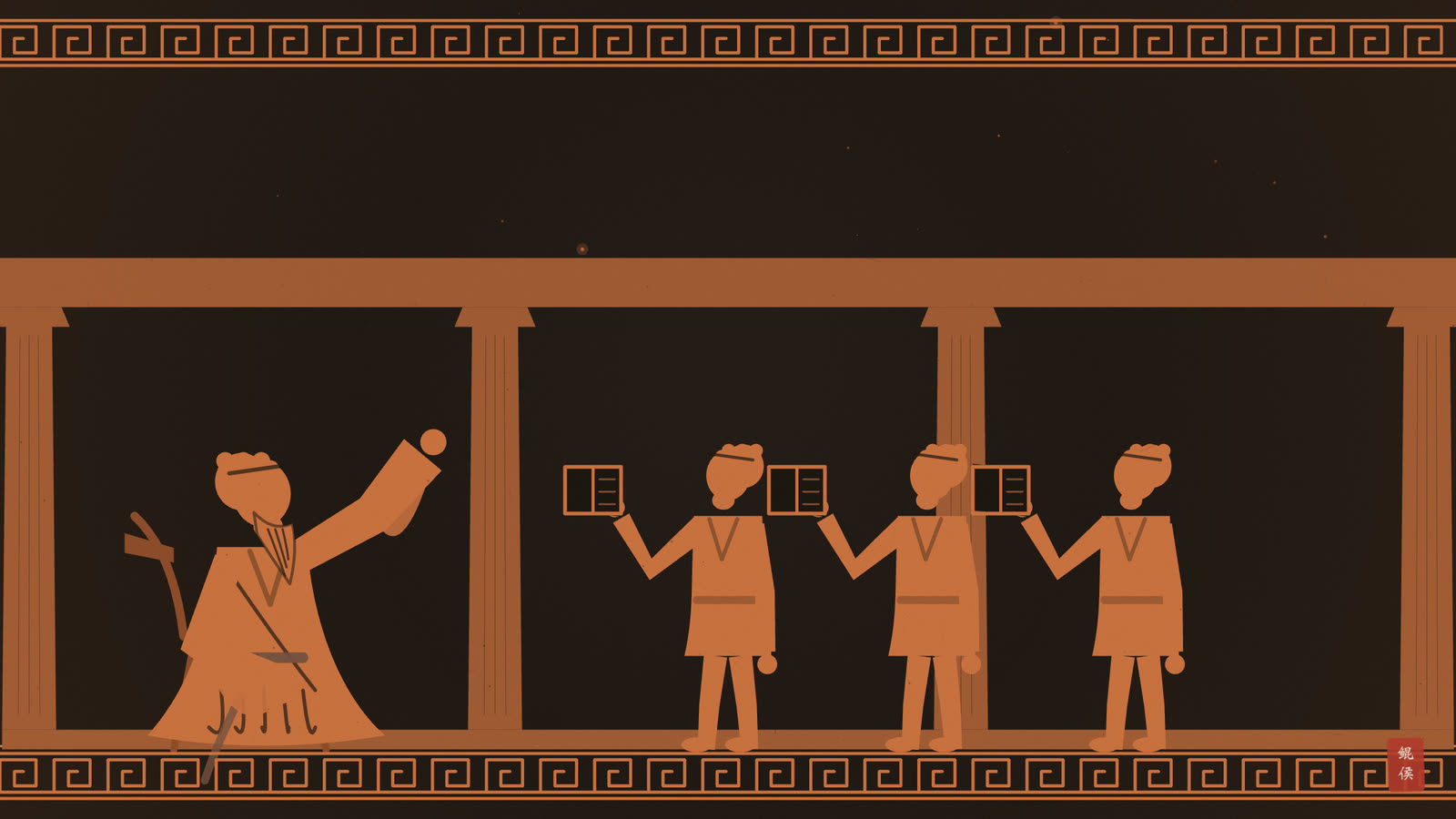
〔图〕卷二从入门讲起:前人只写给行家,作者要写给初学者
〔图〕映点有真有假:弗朗托所从的希帕克斯之法无效,托勒密之法为真
他交代了动笔的理由(图一):弗朗托的书只对行家说话,不讲入门;拉丁人里只有尤利乌斯·凯撒写过几行(还是借来的),西塞罗(马尔库斯·图利乌斯)用诗体作过几条答语。所以他要把埃及人、巴比伦人的学说,用易学的方式移译成拉丁文,让学的人「一步一步浸润其中」。
序言后半顺带交代了映点(antiscia)问题(图二):弗朗托追随的是希帕克斯的映点,作者说那套方法既无效力也无实质;真正的映点是托勒密所定、纳维吉乌斯也证明过的那一套,本卷后面会讲「哪一度把光线投向哪一度」。这几位人物的生平,原书没有交代,本站不作推测。
📖 术语
| 术语 | 英文原词 | 意思 |
|---|---|---|
| 入门 | instruction | 为初学者讲基础 |
| 断语 | pronouncements | 星占家下的判断 |
| 效验 | effects | 星象所主的人事结果 |
| 映点 | antiscia | 以至点轴对称的度数 |
| 英雄体 | heroic verse | 史诗所用的六音步诗 |
🧭 图解与讲解
卷一是为星学辩护,卷二起才正式教这门学问。作者开宗明义:学数学(mathesis,作者对星学的总称)的人必须先受「入门」的教导,由正确的开端塑造出来,才能得到下断语的学识。这一卷因此被他自己称为「入门书」(liber institutionis),讲星座、庙、旺、界、十度区、宫位、相位这些后面各卷都要用的基础。
他交代了动笔的理由(图一):弗朗托的书只对行家说话,不讲入门;拉丁人里只有尤利乌斯·凯撒写过几行(还是借来的),西塞罗(马尔库斯·图利乌斯)用诗体作过几条答语。所以他要把埃及人、巴比伦人的学说,用易学的方式移译成拉丁文,让学的人「一步一步浸润其中」。
序言后半顺带交代了映点(antiscia)问题(图二):弗朗托追随的是希帕克斯的映点,作者说那套方法既无效力也无实质;真正的映点是托勒密所定、纳维吉乌斯也证明过的那一套,本卷后面会讲「哪一度把光线投向哪一度」。这几位人物的生平,原书没有交代,本站不作推测。
I. On the Twelve Signs.
[1] The circle of the zodiac, in which the twelve signs are fixed, and through which the five planets, and the Sun too and the Moon, direct their courses, is always turned in an oblique motion.
[2] The twelve signs themselves are called by these names: Aries, Taurus, Gemini, Cancer, Leo, Virgo, Libra, Scorpio, Sagittarius, Capricorn, Aquarius, and Pisces.
[3] These signs are of different kinds, for some of them are masculine and others feminine. The masculine are Aries, Gemini, Leo, Libra, Sagittarius, Aquarius; the feminine, Taurus, Cancer, Virgo, Scorpio, Capricorn, Pisces.
II. On the Houses of the Planets.
[1] Of these twelve signs the Sun and the Moon have each been allotted a single sign, but the other five planets, that is, Saturn, Jupiter, Mars, Venus, Mercury, two each, in which each of them holds command and has its established domicile.
[2] But the Egyptians do not call these planets by the same name as we do or as the Greeks do. For the one we call Saturn is called Phaenon by the Egyptians; the one we call Jupiter the Egyptians call Phaethon; the one we call Mars they call Pyrois; the one we call Venus they call Phosphorus; the one we call Mercury they call Stilbon.
[3] The Sun's house, then, is Leo, and in this sign it has its domicile and power; the Moon's is Cancer. See how fittingly, how favorably it is arranged that the Sun should be lord of a masculine sign and the Moon of a feminine one, so that each, according to the quality of its own kind, might claim domiciles like itself in sex.
[4] But the other five planets, as we said above, have two signs each, in which they exercise the power of their command; and of the two signs each possesses, one is masculine, the other feminine. So that this may be understood more clearly, let us explain everything in detail.
[5] Saturn has its domicile in Aquarius and Capricorn, of which Aquarius is masculine and Capricorn feminine. Jupiter has its domicile in Sagittarius and Pisces, and of these one, Sagittarius, is masculine, while Pisces is feminine. Mars has set its domicile in Aries and in Scorpio, of which Aries is masculine and Scorpio feminine. The houses of Venus are Taurus and Libra, of which Libra is a masculine sign and Taurus a feminine one. Mercury has its domicile in Gemini and Virgo, of which the sign of Gemini is masculine and that of Virgo feminine.
翻译点开
I. On the Twelve Signs.
第一章 论十二星座
[1] The circle of the zodiac, in which the twelve signs are fixed, and through which the five planets, and the Sun too and the Moon, direct their courses, is always turned in an oblique motion.
〔一〕黄道之圈,十二星座固定在其中,五颗行星以及太阳和月亮都经由它引导自己的行程,它总是以一种斜行的运动转动。
[2] The twelve signs themselves are called by these names: Aries, Taurus, Gemini, Cancer, Leo, Virgo, Libra, Scorpio, Sagittarius, Capricorn, Aquarius, and Pisces.
〔二〕十二星座本身以这些名字称呼:白羊、金牛、双子、巨蟹、狮子、处女、天秤、天蝎、射手、摩羯、水瓶和双鱼。
[3] These signs are of different kinds, for some of them are masculine and others feminine. The masculine are Aries, Gemini, Leo, Libra, Sagittarius, Aquarius; the feminine, Taurus, Cancer, Virgo, Scorpio, Capricorn, Pisces.
〔三〕这些星座种类不同,有的是阳性,有的是阴性。阳性的是白羊、双子、狮子、天秤、射手、水瓶;阴性的是金牛、巨蟹、处女、天蝎、摩羯、双鱼。
II. On the Houses of the Planets.
第二章 论诸星之庙
[1] Of these twelve signs the Sun and the Moon have each been allotted a single sign, but the other five planets, that is, Saturn, Jupiter, Mars, Venus, Mercury, two each, in which each of them holds command and has its established domicile.
〔一〕在这十二星座中,太阳和月亮各分得一个星座,其余五颗行星,即土星、木星、火星、金星、水星,则各分得两个,它们各自在其中执掌号令,并有固定的庙。
[2] But the Egyptians do not call these planets by the same name as we do or as the Greeks do. For the one we call Saturn is called Phaenon by the Egyptians; the one we call Jupiter the Egyptians call Phaethon; the one we call Mars they call Pyrois; the one we call Venus they call Phosphorus; the one we call Mercury they call Stilbon.
〔二〕但埃及人称呼这些行星,用的名字与我们或希腊人所用的不同。我们称为土星的,埃及人称为法伊农;我们称为木星的,埃及人称为法厄同;我们称为火星的,他们称为皮罗伊斯;我们称为金星的,他们称为福斯福罗斯;我们称为水星的,他们称为斯提尔邦。
[3] The Sun's house, then, is Leo, and in this sign it has its domicile and power; the Moon's is Cancer. See how fittingly, how favorably it is arranged that the Sun should be lord of a masculine sign and the Moon of a feminine one, so that each, according to the quality of its own kind, might claim domiciles like itself in sex.
〔三〕于是狮子是太阳的庙,太阳在这个星座里有它的居所与权力;巨蟹是月亮的庙。看这安排得多么恰当、多么吉利:太阳做阳性星座的主,月亮做阴性星座的主,好让它们各依自己种类的性质,认领与自己性别相同的庙。
[4] But the other five planets, as we said above, have two signs each, in which they exercise the power of their command; and of the two signs each possesses, one is masculine, the other feminine. So that this may be understood more clearly, let us explain everything in detail.
〔四〕而其余五颗行星,如上所说,各有两个星座,在其中施展号令之权;每颗所拥有的两个星座中,一个是阳性,另一个是阴性。为了把这一点理解得更清楚,让我们一一详加说明。
[5] Saturn has its domicile in Aquarius and Capricorn, of which Aquarius is masculine and Capricorn feminine. Jupiter has its domicile in Sagittarius and Pisces, and of these one, Sagittarius, is masculine, while Pisces is feminine. Mars has set its domicile in Aries and in Scorpio, of which Aries is masculine and Scorpio feminine. The houses of Venus are Taurus and Libra, of which Libra is a masculine sign and Taurus a feminine one. Mercury has its domicile in Gemini and Virgo, of which the sign of Gemini is masculine and that of Virgo feminine.
〔五〕土星的庙在水瓶和摩羯,其中水瓶是阳性,摩羯是阴性。木星的庙在射手和双鱼,其中射手是阳性,双鱼是阴性。火星把庙设在白羊和天蝎,其中白羊是阳性,天蝎是阴性。金星的庙是金牛和天秤,其中天秤是阳性星座,金牛是阴性。水星的庙在双子和处女,其中双子座是阳性,处女座是阴性。
大意与图解点开
🔎 大意:黄道十二星座阴阳相间;日月各主一座,日主阳性的狮子,月主阴性的巨蟹;五星各主两座,一阳一阴。
📖 术语
| 术语 | 英文原词 | 意思 |
|---|---|---|
| 黄道 | the circle of the zodiac | 日月五星运行的环带 |
| 阳性星座 | masculine signs | 白羊起隔一座一个 |
| 阴性星座 | feminine signs | 金牛起隔一座一个 |
| 庙 | domicile | 行星的本宫 |
| 号令 | command | 行星在庙中的主权 |
🧭 图解与讲解
第一章极短,只交代三件事:黄道是日月五星运行的斜环,十二星座固定在其中;十二星座的名字;以及阴阳之分。阴阳从白羊起一阳一阴相间(图一),白羊、双子、狮子、天秤、射手、水瓶为阳,其余六座为阴。
〔图〕七曜之庙:日月各主一座,五星各主一阳一阴两座
| 行星 | 作者所记的埃及叫法 | 阳性之庙 | 阴性之庙 |
|---|---|---|---|
| 太阳 | (未记) | 狮子 | — |
| 月亮 | (未记) | — | 巨蟹 |
| 土星 | 法伊农 | 水瓶 | 摩羯 |
| 木星 | 法厄同 | 射手 | 双鱼 |
| 火星 | 皮罗伊斯 | 白羊 | 天蝎 |
| 金星 | 福斯福罗斯 | 天秤 | 金牛 |
| 水星 | 斯提尔邦 | 双子 | 处女 |
第二章讲「庙」(domicile,行星的本宫,今多称守护)。日月各得一座,五星各得两座(表二)。作者特别指出这分配的「恰当」:太阳属阳,得阳性的狮子;月亮属阴,得阴性的巨蟹;五星的两庙则必定一阳一阴。这和托勒密《四书》卷一第十七章的分配完全相同,只是托勒密讲的是冷热与天球远近的理由,作者讲的是阴阳相配。
作者还记下埃及人对五星的另一套叫法:法伊农、法厄同、皮罗伊斯、福斯福罗斯、斯提尔邦。这几个名字其实是希腊语的形容(大意是「发光的」「燃烧的」「火红的」「带来光的」「闪烁的」),在希腊化时代的天文书里常见,作者把它们归于埃及人。原文第三节太阳与月亮那一句传本有讹,本站据1497年首刊本读作「太阳的庙是狮子」。另一读法:其余传本作「太阳与狮子」,语不成句;同句「月亮」一语,校者又疑当作「月亮在巨蟹」。
📖 术语
| 术语 | 英文原词 | 意思 |
|---|---|---|
| 黄道 | the circle of the zodiac | 日月五星运行的环带 |
| 阳性星座 | masculine signs | 白羊起隔一座一个 |
| 阴性星座 | feminine signs | 金牛起隔一座一个 |
| 庙 | domicile | 行星的本宫 |
| 号令 | command | 行星在庙中的主权 |
🧭 图解与讲解
第一章极短,只交代三件事:黄道是日月五星运行的斜环,十二星座固定在其中;十二星座的名字;以及阴阳之分。阴阳从白羊起一阳一阴相间(图一),白羊、双子、狮子、天秤、射手、水瓶为阳,其余六座为阴。
| 行星 | 作者所记的埃及叫法 | 阳性之庙 | 阴性之庙 |
|---|---|---|---|
| 太阳 | (未记) | 狮子 | — |
| 月亮 | (未记) | — | 巨蟹 |
| 土星 | 法伊农 | 水瓶 | 摩羯 |
| 木星 | 法厄同 | 射手 | 双鱼 |
| 火星 | 皮罗伊斯 | 白羊 | 天蝎 |
| 金星 | 福斯福罗斯 | 天秤 | 金牛 |
| 水星 | 斯提尔邦 | 双子 | 处女 |
第二章讲「庙」(domicile,行星的本宫,今多称守护)。日月各得一座,五星各得两座(表二)。作者特别指出这分配的「恰当」:太阳属阳,得阳性的狮子;月亮属阴,得阴性的巨蟹;五星的两庙则必定一阳一阴。这和托勒密《四书》卷一第十七章的分配完全相同,只是托勒密讲的是冷热与天球远近的理由,作者讲的是阴阳相配。
作者还记下埃及人对五星的另一套叫法:法伊农、法厄同、皮罗伊斯、福斯福罗斯、斯提尔邦。这几个名字其实是希腊语的形容(大意是「发光的」「燃烧的」「火红的」「带来光的」「闪烁的」),在希腊化时代的天文书里常见,作者把它们归于埃及人。原文第三节太阳与月亮那一句传本有讹,本站据1497年首刊本读作「太阳的庙是狮子」。另一读法:其余传本作「太阳与狮子」,语不成句;同句「月亮」一语,校者又疑当作「月亮在巨蟹」。
III. On the Exaltations and Falls of the Planets.
[1] We must also know exaltation and depression: which are the exaltations of the individual planets, in which they are raised up by a certain natural loftiness of greatness, and which are their falls, in which, when placed there, they are diminished, the power of their authority being crushed.
[2] Placed in their exaltations, then, they rejoice, and the marks of the greatest felicity are decreed whenever, in the nativities of men, the greatest part of the planets have partilely occupied the signs of their exaltations. But men are crushed by the misfortunes of unhappiness whenever the greatest part of the planets has been placed partilely in those signs in which, by a lowly fall, they give up much of their power.
[3] They are called exaltations for this reason: that when the planets are in the very degree in which they are exalted, in suitable places of the nativity, of course, they make [probably: the natives fortunate; but placed in the degree of their fall they make them] [lacuna] wretched, poor, ignoble, and men upon whom unhappiness bestows itself in unbroken succession.
[4] For this reason the Babylonians would have the signs in which the planets are exalted be their domiciles; but we, trained by this instruction, must know that all the planets [lacuna] better in their exaltations than in their domiciles.
[5] The Sun is exalted in the 19th degree of Aries and falls in the 19th degree of Libra; the Moon is exalted in the 3rd degree of Taurus and falls in the 3rd of Scorpio; Saturn is exalted in the 21st degree of Libra and falls, conversely, in the 21st degree of Aries; Jupiter is exalted in the 15th degree of Cancer and falls in the 15th degree of Capricorn; Mars is exalted in the 28th degree of Capricorn and falls in the 28th degree of Cancer; Venus is exalted in the 27th degree of Pisces and falls in the 27th degree of Virgo; Mercury is exalted in the 15th degree of Virgo and falls in the 15th degree of Pisces.
[6] For this reason the Babylonians would have these signs, in which the individual planets are exalted, be their houses, saying that the domicile of Saturn is Libra, of Jupiter Cancer, of Mars Capricorn, of the Sun Aries, of the Moon Taurus, of Venus Pisces, of Mercury Virgo.
翻译点开
III. On the Exaltations and Falls of the Planets.
第三章 论诸星的旺与落
[1] We must also know exaltation and depression: which are the exaltations of the individual planets, in which they are raised up by a certain natural loftiness of greatness, and which are their falls, in which, when placed there, they are diminished, the power of their authority being crushed.
〔一〕我们还必须知道旺与低落:各颗行星的旺是哪些星座——它们在那里凭某种天然的崇高伟大而被举起;它们的落又是哪些——落在那里,它们号令的权力被压住,便衰减下去。
[2] Placed in their exaltations, then, they rejoice, and the marks of the greatest felicity are decreed whenever, in the nativities of men, the greatest part of the planets have partilely occupied the signs of their exaltations. But men are crushed by the misfortunes of unhappiness whenever the greatest part of the planets has been placed partilely in those signs in which, by a lowly fall, they give up much of their power.
〔二〕所以,行星落在自己的旺,便喜乐;每当在人的本命盘里,大部分行星精确到度地占据各自旺的星座时,便判定有最大幸福的标志。而每当大部分行星精确到度地落在那些它们以卑下的落而失去许多权力的星座里时,人就被不幸的厄运所压倒。
[3] They are called exaltations for this reason: that when the planets are in the very degree in which they are exalted, in suitable places of the nativity, of course, they make [probably: the natives fortunate; but placed in the degree of their fall they make them] [lacuna] wretched, poor, ignoble, and men upon whom unhappiness bestows itself in unbroken succession.
〔三〕之所以称为旺,是因为当行星正在它得旺的那一度时——当然是在本命盘合宜的宫位里——它们就造成〔推测:命主幸运;落在落的度数上,则造成〕〔此处原文有缺〕困苦、贫穷、卑贱、被不幸接连不断缠上的人。
[4] For this reason the Babylonians would have the signs in which the planets are exalted be their domiciles; but we, trained by this instruction, must know that all the planets [lacuna] better in their exaltations than in their domiciles.
〔四〕由于这个缘故,巴比伦人主张行星得旺的星座就是它们的庙;但我们受过这种教导,必须知道一切行星〔此处原文有缺〕在旺比在庙更好。
[5] The Sun is exalted in the 19th degree of Aries and falls in the 19th degree of Libra; the Moon is exalted in the 3rd degree of Taurus and falls in the 3rd of Scorpio; Saturn is exalted in the 21st degree of Libra and falls, conversely, in the 21st degree of Aries; Jupiter is exalted in the 15th degree of Cancer and falls in the 15th degree of Capricorn; Mars is exalted in the 28th degree of Capricorn and falls in the 28th degree of Cancer; Venus is exalted in the 27th degree of Pisces and falls in the 27th degree of Virgo; Mercury is exalted in the 15th degree of Virgo and falls in the 15th degree of Pisces.
〔五〕太阳旺于白羊第十九度,落于天秤第十九度;月亮旺于金牛第三度,落于天蝎第三度;土星旺于天秤第二十一度,反过来落于白羊第二十一度;木星旺于巨蟹第十五度,落于摩羯第十五度;火星旺于摩羯第二十八度,落于巨蟹第二十八度;金星旺于双鱼第二十七度,落于处女第二十七度;水星旺于处女第十五度,落于双鱼第十五度。
[6] For this reason the Babylonians would have these signs, in which the individual planets are exalted, be their houses, saying that the domicile of Saturn is Libra, of Jupiter Cancer, of Mars Capricorn, of the Sun Aries, of the Moon Taurus, of Venus Pisces, of Mercury Virgo.
〔六〕由于这个缘故,巴比伦人主张各行星得旺的这些星座就是它们的庙,说土星的庙是天秤,木星的是巨蟹,火星的是摩羯,太阳的是白羊,月亮的是金牛,金星的是双鱼,水星的是处女。
大意与图解点开
🔎 大意:行星在旺被举起而喜乐,在落被压而衰减;七曜旺落各有定度,落与旺恰在对面;巴比伦人甚至把旺当作庙。
📖 术语
| 术语 | 英文原词 | 意思 |
|---|---|---|
| 旺 | exaltation | 行星被举起的星座与度 |
| 落 | fall | 旺的对面,力量衰减 |
| 低落 | depression | 与旺对举,即落 |
| 精确到度 | partilely | 正当某一度上 |
| 喜乐 | rejoice | 行星得其所而有力 |
🧭 图解与讲解
第三章讲旺(exaltation)与落(fall)。旺是行星「被举起」的地方,在那里喜乐有力;落是行星「被压低」的地方,权力衰减。作者的说法很直接:本命盘里大部分行星精确地落在旺上,主大幸福;大部分落在落上,主大不幸。原文第三节、第四节各有一处缺文,本站照英译标出,第三节所缺当是「在旺则吉,在落则贫贱」的转折,此据上下文推测。
〔图〕七曜之旺:每星一个旺度,它的落就在正对面同一度
| 行星 | 旺 | 落 | 巴比伦人所谓的「庙」 |
|---|---|---|---|
| 太阳 | 白羊 19° | 天秤 19° | 白羊 |
| 月亮 | 金牛 3° | 天蝎 3° | 金牛 |
| 土星 | 天秤 21° | 白羊 21° | 天秤 |
| 木星 | 巨蟹 15° | 摩羯 15° | 巨蟹 |
| 火星 | 摩羯 28° | 巨蟹 28° | 摩羯 |
| 金星 | 双鱼 27° | 处女 27° | 双鱼 |
| 水星 | 处女 15° | 双鱼 15° | 处女 |
七曜的旺落度数见表二。规律是一目了然的(图一):每颗行星的落都在它旺的正对面、同一度上,例如太阳旺于白羊十九度,落于天秤十九度。这些度数与托勒密《四书》卷一第十九章所给的旺宫一致,只是托勒密只说星座,这里给出了具体的度。
作者两次提到巴比伦人把旺当作庙,并说受过教导的人要知道,行星在旺比在庙更好。这说明在作者的体系里,旺的力量甚至高于庙。下文论星座性质(卷二第十章)时,他又会在每个星座下面重提「某星之旺约在某度」,届时可与此表对照。
📖 术语
| 术语 | 英文原词 | 意思 |
|---|---|---|
| 旺 | exaltation | 行星被举起的星座与度 |
| 落 | fall | 旺的对面,力量衰减 |
| 低落 | depression | 与旺对举,即落 |
| 精确到度 | partilely | 正当某一度上 |
| 喜乐 | rejoice | 行星得其所而有力 |
🧭 图解与讲解
第三章讲旺(exaltation)与落(fall)。旺是行星「被举起」的地方,在那里喜乐有力;落是行星「被压低」的地方,权力衰减。作者的说法很直接:本命盘里大部分行星精确地落在旺上,主大幸福;大部分落在落上,主大不幸。原文第三节、第四节各有一处缺文,本站照英译标出,第三节所缺当是「在旺则吉,在落则贫贱」的转折,此据上下文推测。
| 行星 | 旺 | 落 | 巴比伦人所谓的「庙」 |
|---|---|---|---|
| 太阳 | 白羊 19° | 天秤 19° | 白羊 |
| 月亮 | 金牛 3° | 天蝎 3° | 金牛 |
| 土星 | 天秤 21° | 白羊 21° | 天秤 |
| 木星 | 巨蟹 15° | 摩羯 15° | 巨蟹 |
| 火星 | 摩羯 28° | 巨蟹 28° | 摩羯 |
| 金星 | 双鱼 27° | 处女 27° | 双鱼 |
| 水星 | 处女 15° | 双鱼 15° | 处女 |
七曜的旺落度数见表二。规律是一目了然的(图一):每颗行星的落都在它旺的正对面、同一度上,例如太阳旺于白羊十九度,落于天秤十九度。这些度数与托勒密《四书》卷一第十九章所给的旺宫一致,只是托勒密只说星座,这里给出了具体的度。
作者两次提到巴比伦人把旺当作庙,并说受过教导的人要知道,行星在旺比在庙更好。这说明在作者的体系里,旺的力量甚至高于庙。下文论星座性质(卷二第十章)时,他又会在每个星座下面重提「某星之旺约在某度」,届时可与此表对照。
IV. On the Decans.
[1] Each sign is divided into three parts, and each part has its own decan, so that there are three decans in each sign; each of them possesses ten of the thirty degrees and exercises its dominion and power over ten degrees. They are of unlimited power and unlimited license, and they mark out the fates of men by the authority of their power.
[2] These decans are also assigned to the individual planets; and if a planet is in its own decan, even though it is in another's domicile, it must be regarded as if it were placed in its own domicile; for placed in its own decan it accomplishes the same things that it decrees when placed in its own sign.
[3] In Aries the first decan is that of Mars, the second of the Sun, the third of Venus; of Taurus the first decan is Mercury's, the second the Moon's, the third Saturn's; of Gemini the first decan is Jupiter's, the second Mars', the third the Sun's; of Cancer the first decan is Venus', the second Mercury's, the third the Moon's; of Leo the first decan is Saturn's, the second Jupiter's, the third Mars'; in Virgo the first decan is the Sun's, the second Venus', the third Mercury's; of Libra the first decan is the Moon's, the second Saturn's, the third Jupiter's; of Scorpio the first decan is Mars', the second the Sun's, the third Venus'; of Sagittarius the first decan is Mercury's, the second the Moon's, the third Saturn's; of Capricorn the first decan is Jupiter's, the second Mars', the third the Sun's; of Aquarius the first decan is Venus', the second Mercury's, the third the Moon's; in Pisces the first decan is Saturn's, the second Jupiter's, the third Mars'.
[4] Some, wishing to explain this point more subtly, have attached three divinities to each decan, whom they would have called ministers, that is, liturgi, so that nine ministers can be found in each sign, so that
[5] each decan is set over three ministers. Again, the nine ministers whom they say are placed in each sign they divide among unlimited powers of divinities; for by these, they say, sudden accidents, pains, sicknesses, chills, and fevers are decreed, and whatever usually befalls people who neither expect nor know of it; through these they would have monstrous births brought forth by human beings.
[6] But this part we necessarily pass over in this book of instruction; for even the Greeks, who attempted to touch the secrets of this discussion, stopping at its first traces, abandoned this treatise with a certain distaste and reticence. But now let the order of instruction return to where it had departed from.
翻译点开
IV. On the Decans.
第四章 论十度区
[1] Each sign is divided into three parts, and each part has its own decan, so that there are three decans in each sign; each of them possesses ten of the thirty degrees and exercises its dominion and power over ten degrees. They are of unlimited power and unlimited license, and they mark out the fates of men by the authority of their power.
〔一〕每个星座分为三份,每份有它自己的十度区,所以每个星座有三个十度区;每个十度区占有三十度中的十度,并在这十度上施行它的统辖与权力。它们有无限的权力、无限的放任,以它们权力的威势标定人的命运。
[2] These decans are also assigned to the individual planets; and if a planet is in its own decan, even though it is in another's domicile, it must be regarded as if it were placed in its own domicile; for placed in its own decan it accomplishes the same things that it decrees when placed in its own sign.
〔二〕这些十度区也分派给各颗行星;一颗行星若在自己的十度区里,即使身在别星的庙中,也必须看作如同落在自己的庙里;因为落在自己的十度区,它所成就的,与它落在自己星座时所判定的相同。
[3] In Aries the first decan is that of Mars, the second of the Sun, the third of Venus; of Taurus the first decan is Mercury's, the second the Moon's, the third Saturn's; of Gemini the first decan is Jupiter's, the second Mars', the third the Sun's; of Cancer the first decan is Venus', the second Mercury's, the third the Moon's; of Leo the first decan is Saturn's, the second Jupiter's, the third Mars'; in Virgo the first decan is the Sun's, the second Venus', the third Mercury's; of Libra the first decan is the Moon's, the second Saturn's, the third Jupiter's; of Scorpio the first decan is Mars', the second the Sun's, the third Venus'; of Sagittarius the first decan is Mercury's, the second the Moon's, the third Saturn's; of Capricorn the first decan is Jupiter's, the second Mars', the third the Sun's; of Aquarius the first decan is Venus', the second Mercury's, the third the Moon's; in Pisces the first decan is Saturn's, the second Jupiter's, the third Mars'.
〔三〕白羊的第一个十度区属火星,第二个属太阳,第三个属金星;金牛的第一个十度区属水星,第二个属月亮,第三个属土星;双子的第一个十度区属木星,第二个属火星,第三个属太阳;巨蟹的第一个十度区属金星,第二个属水星,第三个属月亮;狮子的第一个十度区属土星,第二个属木星,第三个属火星;处女的第一个十度区属太阳,第二个属金星,第三个属水星;天秤的第一个十度区属月亮,第二个属土星,第三个属木星;天蝎的第一个十度区属火星,第二个属太阳,第三个属金星;射手的第一个十度区属水星,第二个属月亮,第三个属土星;摩羯的第一个十度区属木星,第二个属火星,第三个属太阳;水瓶的第一个十度区属金星,第二个属水星,第三个属月亮;双鱼的第一个十度区属土星,第二个属木星,第三个属火星。
[4] Some, wishing to explain this point more subtly, have attached three divinities to each decan, whom they would have called ministers, that is, liturgi, so that nine ministers can be found in each sign, so that
〔四〕有些人想把这一点讲得更精细,给每个十度区配上三位神灵,主张称之为辅臣,也就是「利图尔戈伊」,这样每个星座里可以找到九位辅臣,以致
[5] each decan is set over three ministers. Again, the nine ministers whom they say are placed in each sign they divide among unlimited powers of divinities; for by these, they say, sudden accidents, pains, sicknesses, chills, and fevers are decreed, and whatever usually befalls people who neither expect nor know of it; through these they would have monstrous births brought forth by human beings.
〔五〕每个十度区统领三位辅臣。他们又把据说设在每个星座里的九位辅臣,分给神灵们无限的权能;因为他们说,突发的意外、疼痛、疾病、寒战与热病,以及一切通常降临到既不料想也不知情的人身上的事,都由这些辅臣判定;他们还主张,怪胎也是经由这些辅臣由人生出来的。
[6] But this part we necessarily pass over in this book of instruction; for even the Greeks, who attempted to touch the secrets of this discussion, stopping at its first traces, abandoned this treatise with a certain distaste and reticence. But now let the order of instruction return to where it had departed from.
〔六〕但这一部分,在这本入门书里我们只得略过;因为连那些试图触及这番讨论之秘奥的希腊人,也停在它最初的痕迹上,带着某种厌恶与讳莫如深,放弃了这篇论述。现在让入门的次序回到它离开的地方。
大意与图解点开
🔎 大意:每座分三个十度区,共三十六区,各有主星;行星在自己的十度区如同在庙。另有每区三位辅臣之说,作者略过不讲。
📖 术语
| 术语 | 英文原词 | 意思 |
|---|---|---|
| 十度区 | decan | 每座三分之一,十度 |
| 统辖 | dominion | 十度区的主权 |
| 辅臣 | ministers (liturgi) | 十度区下属的神灵 |
| 利图尔戈伊 | liturgi | 希腊语「服役者」 |
| 怪胎 | monstrous births | 畸形的婴儿 |
🧭 图解与讲解
第四章讲十度区(decan)。每个星座三十度,均分三段,每段十度,各有一位主星,十二星座共三十六个十度区。作者说十度区有「无限的权力」,能标定人的命运;又说一颗行星落在自己的十度区,即使身在别星的庙中,也当作在自己的庙里看待。
| 星座 | 第一个十度区(0–10°) | 第二个(10–20°) | 第三个(20–30°) |
|---|---|---|---|
| 白羊 | 火星 | 太阳 | 金星 |
| 金牛 | 水星 | 月亮 | 土星 |
| 双子 | 木星 | 火星 | 太阳 |
| 巨蟹 | 金星 | 水星 | 月亮 |
| 狮子 | 土星 | 木星 | 火星 |
| 处女 | 太阳 | 金星 | 水星 |
| 天秤 | 月亮 | 土星 | 木星 |
| 天蝎 | 火星 | 太阳 | 金星 |
| 射手 | 水星 | 月亮 | 土星 |
| 摩羯 | 木星 | 火星 | 太阳 |
| 水瓶 | 金星 | 水星 | 月亮 |
| 双鱼 | 土星 | 木星 | 火星 |
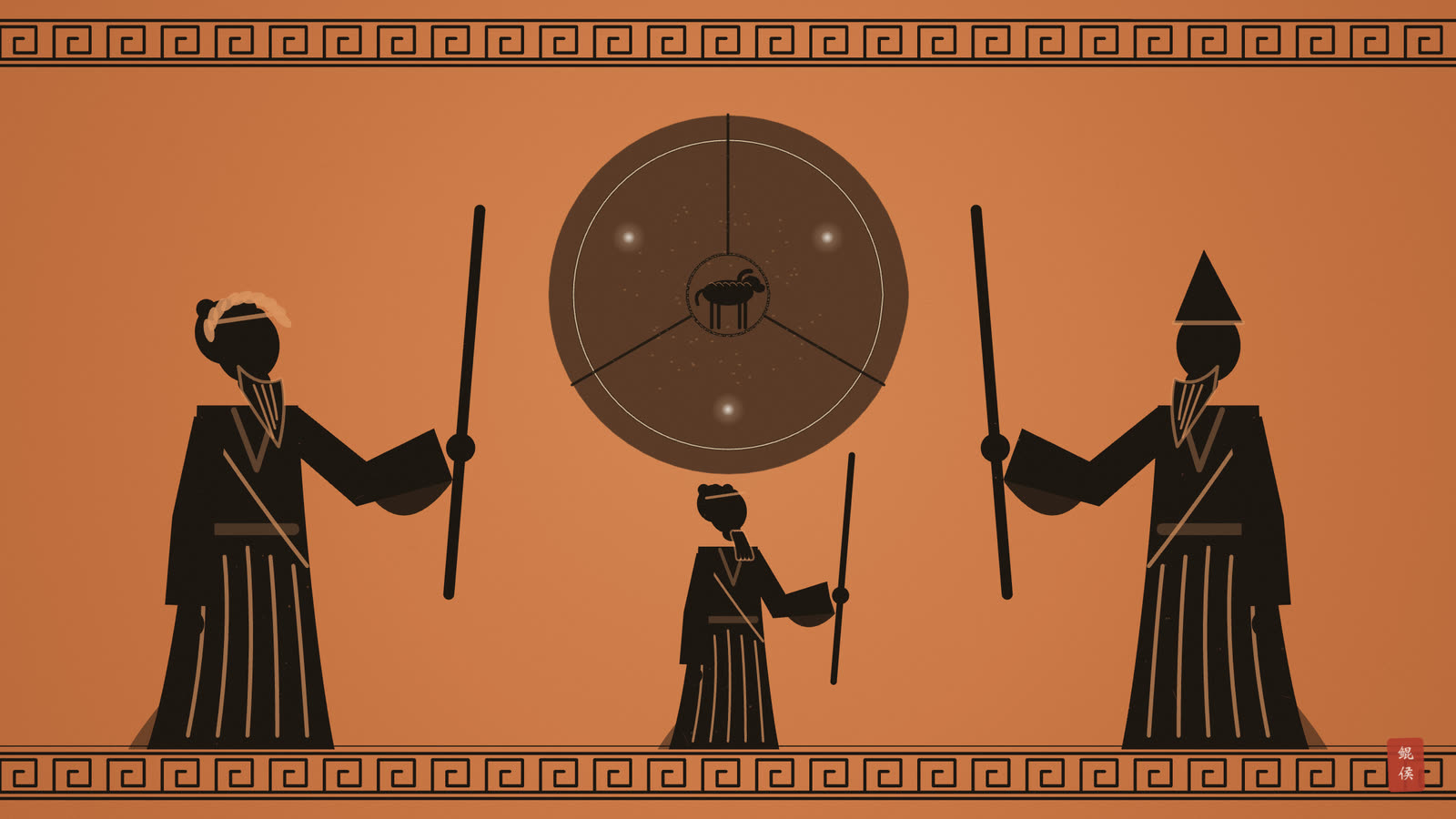
〔图〕十度区的主星按「火日金水月土木」循环,三十六区排满一圈
表一照原文列出三十六个十度区的主星。看似杂乱,其实有简单的规律(图二):从白羊第一区的火星起,按「火、日、金、水、月、土、木」的次序一路轮下去。这正是古代行星天球由外到内的次序(土、木、火、日、金、水、月)从火星起数的结果;三十六区轮完五周还多一区,所以双鱼最后一区又回到火星。
最后作者提到一种更细的说法:每个十度区下面再配三位「辅臣」(liturgi,希腊语「服役者」),每座九位,主管突发的意外、疼痛、寒热之病,乃至怪胎之生。作者说这一部分连希腊人都讳莫如深,入门书里就略过不讲。本站照原文译出,不作补充。
📖 术语
| 术语 | 英文原词 | 意思 |
|---|---|---|
| 十度区 | decan | 每座三分之一,十度 |
| 统辖 | dominion | 十度区的主权 |
| 辅臣 | ministers (liturgi) | 十度区下属的神灵 |
| 利图尔戈伊 | liturgi | 希腊语「服役者」 |
| 怪胎 | monstrous births | 畸形的婴儿 |
🧭 图解与讲解
第四章讲十度区(decan)。每个星座三十度,均分三段,每段十度,各有一位主星,十二星座共三十六个十度区。作者说十度区有「无限的权力」,能标定人的命运;又说一颗行星落在自己的十度区,即使身在别星的庙中,也当作在自己的庙里看待。
| 星座 | 第一个十度区(0–10°) | 第二个(10–20°) | 第三个(20–30°) |
|---|---|---|---|
| 白羊 | 火星 | 太阳 | 金星 |
| 金牛 | 水星 | 月亮 | 土星 |
| 双子 | 木星 | 火星 | 太阳 |
| 巨蟹 | 金星 | 水星 | 月亮 |
| 狮子 | 土星 | 木星 | 火星 |
| 处女 | 太阳 | 金星 | 水星 |
| 天秤 | 月亮 | 土星 | 木星 |
| 天蝎 | 火星 | 太阳 | 金星 |
| 射手 | 水星 | 月亮 | 土星 |
| 摩羯 | 木星 | 火星 | 太阳 |
| 水瓶 | 金星 | 水星 | 月亮 |
| 双鱼 | 土星 | 木星 | 火星 |
表一照原文列出三十六个十度区的主星。看似杂乱,其实有简单的规律(图二):从白羊第一区的火星起,按「火、日、金、水、月、土、木」的次序一路轮下去。这正是古代行星天球由外到内的次序(土、木、火、日、金、水、月)从火星起数的结果;三十六区轮完五周还多一区,所以双鱼最后一区又回到火星。
最后作者提到一种更细的说法:每个十度区下面再配三位「辅臣」(liturgi,希腊语「服役者」),每座九位,主管突发的意外、疼痛、寒热之病,乃至怪胎之生。作者说这一部分连希腊人都讳莫如深,入门书里就略过不讲。本站照原文译出,不作补充。
原文为公有领域古籍;翻译、印象画与图文解读由 AI 辅助生成,鲲侯审校。