卷一·第八至十章 生死皆由命运;五带定肤色;七曜祷辞
只认死亡由命的人自相矛盾;生死与一切行为都在命运掌中。肤色由五带而定,相貌由星辰而分;卷末颂君士坦丁、祷告七曜。
VIII.
[1] All these things are brought upon us by the courses of the stars; through these vicissitudes Fortune wears us down. Hence, admonished and instructed by so many examples and so many arguments, let us establish the law of fatal necessity not by license of argument or abundance of words, but by the credible and upright judgment of truth.
[2] But now even those who used to contradict agree in part with this plea of ours, saying that there is indeed a certain force of fortune and fate, which they call heimarmene; yet by the license of their disputation they grant some things to this necessity, while the law and necessity of the fates contradicts others, so that it seems both unable and able to do something [text uncertain].
[3] For this heimarmene, as they call it, they would have joined in a kind of fellowship with the nature of men and of the other living creatures; and because we have been made and begotten in such a way that, living for a fixed time, once the course of life is completed and the frailty of the body dissolved, we are carried back to that divine spirit which sustains us, they hold that we are subject to fate and lot alike only for the completing of this end, so that by this fatal law one and the same limit of dissolution should finish both us and all living creatures. But everything that pertains to the course of life they would have placed in our own power, so that it is our own doing that we live, while it seems to belong to fate and lot only that we die.
[4] I do not know what this inconsistency of conclusion achieves; I do not know whom what they say could persuade. Someone admits that fate exists and says that the end of all things is subject to fatal necessities, and although by this admission he in a way prejudges his own disputations, he diminishes its power in the lesser matters and increases it in the greater, conceding many and weightier things: he says that our actions are placed in our own power, but refers the end of life to the license of fatal lot. And in so inept a disputation the license of argumentation exalts itself to the point that, while he grants fate in a way the license to punish and concedes to it the command of all power, he denies it the lesser thing, namely the power of governing a human being.
翻译点开
VIII.
第八章
[1] All these things are brought upon us by the courses of the stars; through these vicissitudes Fortune wears us down. Hence, admonished and instructed by so many examples and so many arguments, let us establish the law of fatal necessity not by license of argument or abundance of words, but by the credible and upright judgment of truth.
〔一〕这一切都是由星辰的运行加到我们身上的;命运女神就借这些变迁磨损我们。所以,既然有这么多实例、这么多论证告诫并教导了我们,就让我们不凭论辩的放纵或言辞的充沛,而凭真实那可信而正直的判断,来确立命定之必然的法则。
[2] But now even those who used to contradict agree in part with this plea of ours, saying that there is indeed a certain force of fortune and fate, which they call heimarmene; yet by the license of their disputation they grant some things to this necessity, while the law and necessity of the fates contradicts others, so that it seems both unable and able to do something [text uncertain].
〔二〕不过现在,连那些从前反驳的人,也在一定程度上同意我们的这番申辩了,他们说确实有某种时运与命运之力,他们称之为黑玛门尼;可是凭着他们辩论的放纵,他们把某些事归给这种必然,而命运的法则与必然又与另一些事相抵触,以致它似乎既不能做某事,又能做某事〔原文疑有讹误〕。
[3] For this heimarmene, as they call it, they would have joined in a kind of fellowship with the nature of men and of the other living creatures; and because we have been made and begotten in such a way that, living for a fixed time, once the course of life is completed and the frailty of the body dissolved, we are carried back to that divine spirit which sustains us, they hold that we are subject to fate and lot alike only for the completing of this end, so that by this fatal law one and the same limit of dissolution should finish both us and all living creatures. But everything that pertains to the course of life they would have placed in our own power, so that it is our own doing that we live, while it seems to belong to fate and lot only that we die.
〔三〕因为他们要这个所谓的黑玛门尼,以某种交谊与人类以及其他生物的本性结合在一起;又因为我们被造成、被生成为这样:活过一段固定的时间,生命的行程走完、身体的脆弱消解之后,就被带回那维持我们的神圣之气,所以他们主张,我们只是为了完成这个终点,才同样地受命运与命数支配,好让同一个消解的界限,凭这条命定的法则终结我们和一切生物。至于一切与生命的行程有关的事,他们却要放在我们自己的权能之中,以致我们活着是我们自己的事,只有我们死去才似乎属于命运与命数。
[4] I do not know what this inconsistency of conclusion achieves; I do not know whom what they say could persuade. Someone admits that fate exists and says that the end of all things is subject to fatal necessities, and although by this admission he in a way prejudges his own disputations, he diminishes its power in the lesser matters and increases it in the greater, conceding many and weightier things: he says that our actions are placed in our own power, but refers the end of life to the license of fatal lot. And in so inept a disputation the license of argumentation exalts itself to the point that, while he grants fate in a way the license to punish and concedes to it the command of all power, he denies it the lesser thing, namely the power of governing a human being.
〔四〕我不知道这种结论的不一致能成就什么;我不知道他们所说的话能说服谁。有人承认命运存在,说万物的终点都受命定的必然支配,尽管凭这一承认,他某种程度上已经预先判定了自己的辩论,他却在较小的事上削减它的权能,在较大的事上增加它的权能,把许多更重要的事让给了它:他说我们的行为放在我们自己的权能之中,却把生命的终结归于命定之数的放任。在这样笨拙的辩论里,论辩的放纵竟抬高自己到这种地步:他一面在某种程度上把惩罚的放任之权给了命运,把一切权能的统辖让给它,一面却拒绝给它较小的东西,也就是治理一个人的权能。
大意与图解点开
🔎 大意:有些论敌半承认命运,称之为黑玛门尼,却只让它管死亡,生前行为仍归自己;作者说这是给了大权却不给小权,自相矛盾。
📖 术语
| 术语 | 英文原词 | 意思 |
|---|---|---|
| 黑玛门尼 | heimarmene | 希腊语的命定 |
| 命数 | lot | 分派给人的定分 |
| 神圣之气 | divine spirit | 人死后所归之处 |
| 消解 | dissolution | 身体死亡分解 |
🧭 图解与讲解
第八章作者从实例转回论理。他先把上一章的结论定下来:这一切都是星辰的运行加给我们的,命运女神借这些变迁磨损我们。现在要凭「真实的判断」确立命定之必然的法则。
〔图〕半承认命运的人:生前归自己,死亡归命运
〔图〕作者指出的矛盾:既认命运主宰终点,就不能否认它主宰过程
他面对的是一种折中的立场(图一)。有些从前反驳的人现在也承认有一种命运之力,用希腊语叫它「黑玛门尼」(heimarmene,意为命定)。但他们只让它管一件事:人和一切生物活过一段固定时间之后必然死去,回到那维持我们的神圣之气;至于生前的所作所为,都在我们自己的权能之中。用他们的话说:活着是我们自己的事,死去才属于命运。
作者认为这是自相矛盾(图二)。在他看来,决定一个人何时死去,是比治理一个人的日常行为更大的权力;论敌既把生杀大权交给了命运,却又不肯把较小的治理之权给它,这是「笨拙的辩论」。下一单元,他要证明连生与死本身也各不相同,都由命运分配。
📖 术语
| 术语 | 英文原词 | 意思 |
|---|---|---|
| 黑玛门尼 | heimarmene | 希腊语的命定 |
| 命数 | lot | 分派给人的定分 |
| 神圣之气 | divine spirit | 人死后所归之处 |
| 消解 | dissolution | 身体死亡分解 |
🧭 图解与讲解
第八章作者从实例转回论理。他先把上一章的结论定下来:这一切都是星辰的运行加给我们的,命运女神借这些变迁磨损我们。现在要凭「真实的判断」确立命定之必然的法则。
他面对的是一种折中的立场(图一)。有些从前反驳的人现在也承认有一种命运之力,用希腊语叫它「黑玛门尼」(heimarmene,意为命定)。但他们只让它管一件事:人和一切生物活过一段固定时间之后必然死去,回到那维持我们的神圣之气;至于生前的所作所为,都在我们自己的权能之中。用他们的话说:活着是我们自己的事,死去才属于命运。
作者认为这是自相矛盾(图二)。在他看来,决定一个人何时死去,是比治理一个人的日常行为更大的权力;论敌既把生杀大权交给了命运,却又不肯把较小的治理之权给它,这是「笨拙的辩论」。下一单元,他要证明连生与死本身也各不相同,都由命运分配。
[5] If fate brings us forth into the light once we are begotten, and opens the doors of life to men as they come into earthly society; if, as they themselves admit, whatever is exacted from us by the necessity of death when the course of life is completed belongs to fate; if the necessity of fatal law has established for us the beginning and the end of living, what else is there that is not placed in its power, since both the beginnings of life are conferred on those being born through fate, and the day of death and the end of living are fixed by its decrees and judgments?
[6] See: one dies before his time, in untimely haste, in his mother's womb, before the forming of his body has been completed; another, though the forming of his body has been completed and he has already been freed from the narrow confines of his mother's womb, is not quickened by the breath of the vital spirit; another, set in the first cradle of life, is deserted by the life of his fleeing soul amid the beginnings of wailing infancy; this boy is undone by his frailty; that one, already of adolescent age and already fitted by a complete course of instruction for all the actions of life which a little earlier my opponent said were placed in our power, is snatched away by the sudden chance of death; while another, through the long duration of his life lacking almost all feeling and will, and now feeble with declining years and infirm old age, bears unwillingly the long and wearisome burden of the light.
[7] Who is it that brings to death one man before he is born, another on the first day of his birth, another a little later, another as a young man, another as an old man? Let him find something we may follow; let him find something that can instruct us and show us, as we toil, the reasoning of truth: he will certainly say it is fate and the necessity of human death, which by the disposition of its own judgment distributes the time of living to all living creatures begotten from earthly matter, so that it denies to some and lavishes on others a longer substance of life.
[8] It is absurd for one who has made an admission about fatal necessity afterwards to detract from fate, and it is most unfair that what had been strengthened by the declaration of an earlier admission should be refuted by the same man in the following parts of his discourse.
翻译点开
[5] If fate brings us forth into the light once we are begotten, and opens the doors of life to men as they come into earthly society; if, as they themselves admit, whatever is exacted from us by the necessity of death when the course of life is completed belongs to fate; if the necessity of fatal law has established for us the beginning and the end of living, what else is there that is not placed in its power, since both the beginnings of life are conferred on those being born through fate, and the day of death and the end of living are fixed by its decrees and judgments?
〔五〕倘若命运在我们受孕之后把我们带到光明里,在人们来到尘世社会时为他们打开生命之门;倘若,正如他们自己承认的,生命行程走完时死亡的必然向我们索取的一切,都属于命运;倘若命定之法的必然为我们确立了生存的开始与终结,那么,既然生命的开始是借命运赐给降生者的,死亡之日与生存的终结也是由它的判定与裁断确定的,还有什么不在它的权能之中呢?
[6] See: one dies before his time, in untimely haste, in his mother's womb, before the forming of his body has been completed; another, though the forming of his body has been completed and he has already been freed from the narrow confines of his mother's womb, is not quickened by the breath of the vital spirit; another, set in the first cradle of life, is deserted by the life of his fleeing soul amid the beginnings of wailing infancy; this boy is undone by his frailty; that one, already of adolescent age and already fitted by a complete course of instruction for all the actions of life which a little earlier my opponent said were placed in our power, is snatched away by the sudden chance of death; while another, through the long duration of his life lacking almost all feeling and will, and now feeble with declining years and infirm old age, bears unwillingly the long and wearisome burden of the light.
〔六〕看:一个人在母腹中、身体尚未成形之前,就过早地、不合时宜地匆匆死去;另一个人,身体已经成形,也已经从母腹的窄处被释放出来,却没有被生命之气的气息激活;另一个人,才置身于生命最初的摇篮,在啼哭的婴儿期的开端,就被逃离的灵魂之生命所遗弃;这个男孩被他的脆弱毁掉;那一个,已到青春之年,已被完整的教育培养得适合生活中的一切行为——我的论敌不久前还说这些行为放在我们的权能之中——却被死亡的突然机缘夺走;而另一个人,因生命的漫长持续而几乎失去了一切感觉与意愿,如今因衰颓之年与虚弱的老迈而孱弱,不情愿地背负着光阴那漫长而令人厌倦的重担。
[7] Who is it that brings to death one man before he is born, another on the first day of his birth, another a little later, another as a young man, another as an old man? Let him find something we may follow; let him find something that can instruct us and show us, as we toil, the reasoning of truth: he will certainly say it is fate and the necessity of human death, which by the disposition of its own judgment distributes the time of living to all living creatures begotten from earthly matter, so that it denies to some and lavishes on others a longer substance of life.
〔七〕是谁使一个人还没出生就死去,另一个人在出生的第一天死去,另一个人稍后死去,另一个人在年轻时死去,另一个人在年老时死去?让他找出一点我们可以遵循的东西;让他找出一点能够教导我们、向辛劳的我们显示真理之理的东西:他必定会说,那是命运和人类死亡的必然,它凭自己判定的安排,把生存的时间分配给一切由尘世物质生成的生物,以致它拒绝给某些人、却慷慨地给另一些人较长的生命实质。
[8] It is absurd for one who has made an admission about fatal necessity afterwards to detract from fate, and it is most unfair that what had been strengthened by the declaration of an earlier admission should be refuted by the same man in the following parts of his discourse.
〔八〕一个对命定的必然作了承认的人,之后又去贬低命运,这是荒谬的;同一个人在他论述的后面部分,去驳倒他先前的承认所宣示而加强了的东西,这是最不公平的。
大意与图解点开
🔎 大意:生的开始、死的终结都由命运;有人未生即死,有人初生即死,有人少年夭折,有人老而不死:寿数长短,只能归于命运。
📖 术语
| 术语 | 英文原词 | 意思 |
|---|---|---|
| 受孕 | begotten | 在母腹中成胎 |
| 生命之气 | vital spirit | 使胎儿活起来的气息 |
| 婴儿期 | infancy | 人生最初阶段 |
| 生命实质 | substance of life | 指寿命 |
🧭 图解与讲解
作者先用一个条件推理(图二):如果命运把我们带到世上,如果死亡也属于命运,如果生存的开始与终结都由命运确立,那么中间还有什么不在它的权能之中?这一推理针对的就是上一单元「只认死亡由命」的人。
〔图〕寿数各不相同:从未生先死到老而不死,都由命运分配
〔图〕作者的推论:开始与终结都归命运,中间就没有不归它的
接着他举出寿数的种种不同(图一):有的胎儿在母腹中未成形就死了,有的生下来却没有活过来,有的婴儿在啼哭之年就夭折,有的男孩因体弱而亡,有的少年受完了教育、正要进入人生,却突然死去;也有人活得太久,失去感觉与意愿,不情愿地背负光阴的重担。
这里有一处针对论敌的讽刺:那个受完教育的少年,正「适合生活中的一切行为」,也就是论敌说放在我们权能中的那些行为,可他连做这些行为的机会都被死亡夺走了。作者说,谁使人死于不同的年纪?论敌只能回答:是命运。既然先前承认了,后面又去贬低它,就是荒谬而不公平的。
📖 术语
| 术语 | 英文原词 | 意思 |
|---|---|---|
| 受孕 | begotten | 在母腹中成胎 |
| 生命之气 | vital spirit | 使胎儿活起来的气息 |
| 婴儿期 | infancy | 人生最初阶段 |
| 生命实质 | substance of life | 指寿命 |
🧭 图解与讲解
作者先用一个条件推理(图二):如果命运把我们带到世上,如果死亡也属于命运,如果生存的开始与终结都由命运确立,那么中间还有什么不在它的权能之中?这一推理针对的就是上一单元「只认死亡由命」的人。
接着他举出寿数的种种不同(图一):有的胎儿在母腹中未成形就死了,有的生下来却没有活过来,有的婴儿在啼哭之年就夭折,有的男孩因体弱而亡,有的少年受完了教育、正要进入人生,却突然死去;也有人活得太久,失去感觉与意愿,不情愿地背负光阴的重担。
这里有一处针对论敌的讽刺:那个受完教育的少年,正「适合生活中的一切行为」,也就是论敌说放在我们权能中的那些行为,可他连做这些行为的机会都被死亡夺走了。作者说,谁使人死于不同的年纪?论敌只能回答:是命运。既然先前承认了,后面又去贬低它,就是荒谬而不公平的。
IX.
[1] What shall we say about the varied manner of deaths? One man, under the compulsion of fate, is hanged with a noose; another is struck by the sword; another is drowned in the sea or in rivers; another, handed over to raging flames and fire, is turned into ash and embers; another is hurled over precipices; another is crushed by the collapse of falling roofs; the deadly virus of poison has shut out the soul of another; another is slowly consumed by the lingering heat of fevers; another, seething with a swift conflagration of burning veins, boils over with the violence of sudden heat; the reckless rage of savage beasts feeds on another; another meets his end unwounded; the bite of a venomous serpent constricts the veins of another unto death.
[2] This variety of deaths the fates mark out for us; these are those decrees of the stars which we set forth a little earlier. From this come those pitiable ends of illustrious men and the happy ends of the wicked and guilty; from this the life of men passes through a varied course, with fortune always deciding. From this it is evident that the beginning and end of life, and all our actions as well, our pursuits and desires and whatever else pertains to the conduct of the human race, are held fast by the inescapable sentence of fatal necessity.
[3] Let us therefore yield, overcome by the credibility of truth, and, following the judgments of true reason, let us confess that nothing is placed in our power, but everything in the power of the fates, so that whatever we either do or suffer is all brought upon us by the judgment of Fortune.
翻译点开
IX.
第九章
[1] What shall we say about the varied manner of deaths? One man, under the compulsion of fate, is hanged with a noose; another is struck by the sword; another is drowned in the sea or in rivers; another, handed over to raging flames and fire, is turned into ash and embers; another is hurled over precipices; another is crushed by the collapse of falling roofs; the deadly virus of poison has shut out the soul of another; another is slowly consumed by the lingering heat of fevers; another, seething with a swift conflagration of burning veins, boils over with the violence of sudden heat; the reckless rage of savage beasts feeds on another; another meets his end unwounded; the bite of a venomous serpent constricts the veins of another unto death.
〔一〕对于死法的多种多样,我们说什么呢?一个人在命运的逼迫下被绳套吊死;另一个人被剑击中;另一个人淹死在海里或河里;另一个人被交给狂暴的火焰与火,化为灰烬余烬;另一个人被抛下悬崖;另一个人被坠落的屋顶倒塌压死;毒药致命的毒质封住了另一个人的灵魂;另一个人被热病持久的热慢慢耗尽;另一个人因血脉燃烧的迅猛大火而沸腾,在骤然之热的猛烈中翻滚;野兽鲁莽的狂怒以另一个人为食;另一个人未受伤而终;毒蛇的咬啮把另一个人的血脉收紧至死。
[2] This variety of deaths the fates mark out for us; these are those decrees of the stars which we set forth a little earlier. From this come those pitiable ends of illustrious men and the happy ends of the wicked and guilty; from this the life of men passes through a varied course, with fortune always deciding. From this it is evident that the beginning and end of life, and all our actions as well, our pursuits and desires and whatever else pertains to the conduct of the human race, are held fast by the inescapable sentence of fatal necessity.
〔二〕这种死法的多样,是命运为我们标明的;这些就是我们不久前陈述的星辰的判定。由此而有那些显赫之人可悲的结局,恶人与有罪之人幸福的结局;由此人的生命总在时运的裁决之下,走过多变的行程。由此可见,生命的开始与终结,还有我们所有的行为,我们的追求与欲望,以及其他一切与人类行事有关的事,都被命定之必然那无可逃避的判决所牢牢掌握。
[3] Let us therefore yield, overcome by the credibility of truth, and, following the judgments of true reason, let us confess that nothing is placed in our power, but everything in the power of the fates, so that whatever we either do or suffer is all brought upon us by the judgment of Fortune.
〔三〕所以,让我们被真实的可信所折服而让步吧,顺从真正理性的判断,承认没有任何东西放在我们的权能之中,一切都在命运的权能之中,以致我们所做的、所受的一切,全是由命运女神的判断加到我们身上的。
大意与图解点开
🔎 大意:死法千差万别,都是命运与星辰所定;生死、行为、追求与欲望都在命定的必然掌中;人所做所受,无一在我,全由命运。
📖 术语
| 术语 | 英文原词 | 意思 |
|---|---|---|
| 死法 | manner of deaths | 死亡的方式 |
| 热病 | fevers | 发热之病 |
| 判决 | sentence | 命运的裁定 |
| 无可逃避 | inescapable | 躲不开 |
🧭 图解与讲解
第九章很短,先列举死法的多种多样(表一):缢死、剑击、溺水、火焚、坠崖、屋塌、中毒、热病、野兽、毒蛇,还有未受伤而终的。本站按类别列出,只说明作者的论证,不作任何推断。作者的用意是:死亡不但时间各不相同,方式也各不相同,这种多样只能由命运标明,这就是前面所说的「星辰的判定」。
| 死法的类别 | 原文所举 |
|---|---|
| 他人或器物所致 | 绳套、剑、坠落的屋顶 |
| 水火所致 | 溺于海河、焚于烈火 |
| 自身或意外 | 坠崖 |
| 疾病所致 | 毒药、持久的热病、骤起的高热 |
| 动物所致 | 野兽、毒蛇 |
| 无伤而终 | 未受伤而死 |
〔图〕作者的结论走到极端:一切在命运,无一在我
第二段把论证推到最远:生命的开始与终结,我们的行为、追求、欲望,以及一切人事,都被「命定之必然那无可逃避的判决」所掌握。显赫之人的悲惨结局和恶人的幸福结局,也由此而来。
第三段是全卷论战的结论(图二):没有任何东西在我们的权能之中,一切都在命运的权能之中。这与第六章「敬神能使灵魂在某种程度上抵抗星辰」的说法明显有张力,原文并没有调和二者,本站照文说明。下一章作者回到第二章搁下的肤色问题,并以对皇帝的颂词和对七曜的祷辞结束卷一。
📖 术语
| 术语 | 英文原词 | 意思 |
|---|---|---|
| 死法 | manner of deaths | 死亡的方式 |
| 热病 | fevers | 发热之病 |
| 判决 | sentence | 命运的裁定 |
| 无可逃避 | inescapable | 躲不开 |
🧭 图解与讲解
第九章很短,先列举死法的多种多样(表一):缢死、剑击、溺水、火焚、坠崖、屋塌、中毒、热病、野兽、毒蛇,还有未受伤而终的。本站按类别列出,只说明作者的论证,不作任何推断。作者的用意是:死亡不但时间各不相同,方式也各不相同,这种多样只能由命运标明,这就是前面所说的「星辰的判定」。
| 死法的类别 | 原文所举 |
|---|---|
| 他人或器物所致 | 绳套、剑、坠落的屋顶 |
| 水火所致 | 溺于海河、焚于烈火 |
| 自身或意外 | 坠崖 |
| 疾病所致 | 毒药、持久的热病、骤起的高热 |
| 动物所致 | 野兽、毒蛇 |
| 无伤而终 | 未受伤而死 |
第二段把论证推到最远:生命的开始与终结,我们的行为、追求、欲望,以及一切人事,都被「命定之必然那无可逃避的判决」所掌握。显赫之人的悲惨结局和恶人的幸福结局,也由此而来。
第三段是全卷论战的结论(图二):没有任何东西在我们的权能之中,一切都在命运的权能之中。这与第六章「敬神能使灵魂在某种程度上抵抗星辰」的说法明显有张力,原文并没有调和二者,本站照文说明。下一章作者回到第二章搁下的肤色问题,并以对皇帝的颂词和对七曜的祷辞结束卷一。
X.
[1] Now that all these matters have been set out and treated, which have shown, by a disputation of true reason, the force of fate and the laws of the decreeing stars, let us return to the question which we left in the first part of this discourse, namely the complexions and characters of men, so that, once this question has been cleared up in every respect, we may, secure and strengthened by confidence in our constancy, explain to you, Lollianus, the whole of what we promised concerning this study.
[2] To the man who asks why in some regions the bodies of men are always dark with black color, while elsewhere they shine with the pure brilliance of fairness, to the man who asks for these causes, I shall reply in a brief discussion, especially since on this point the instructive opinions of many sages are put forward.
[3] Throughout the whole heaven, whose form is round and which embraces the lands, the seas, and all the other things within it in an encircling flow of fiery spirit, [lacuna] there is one and the same substance of the five zones themselves [text uncertain]; for some of them are uniform and have no foreign admixture, while others are composed with the moderation of a mixed temperature.
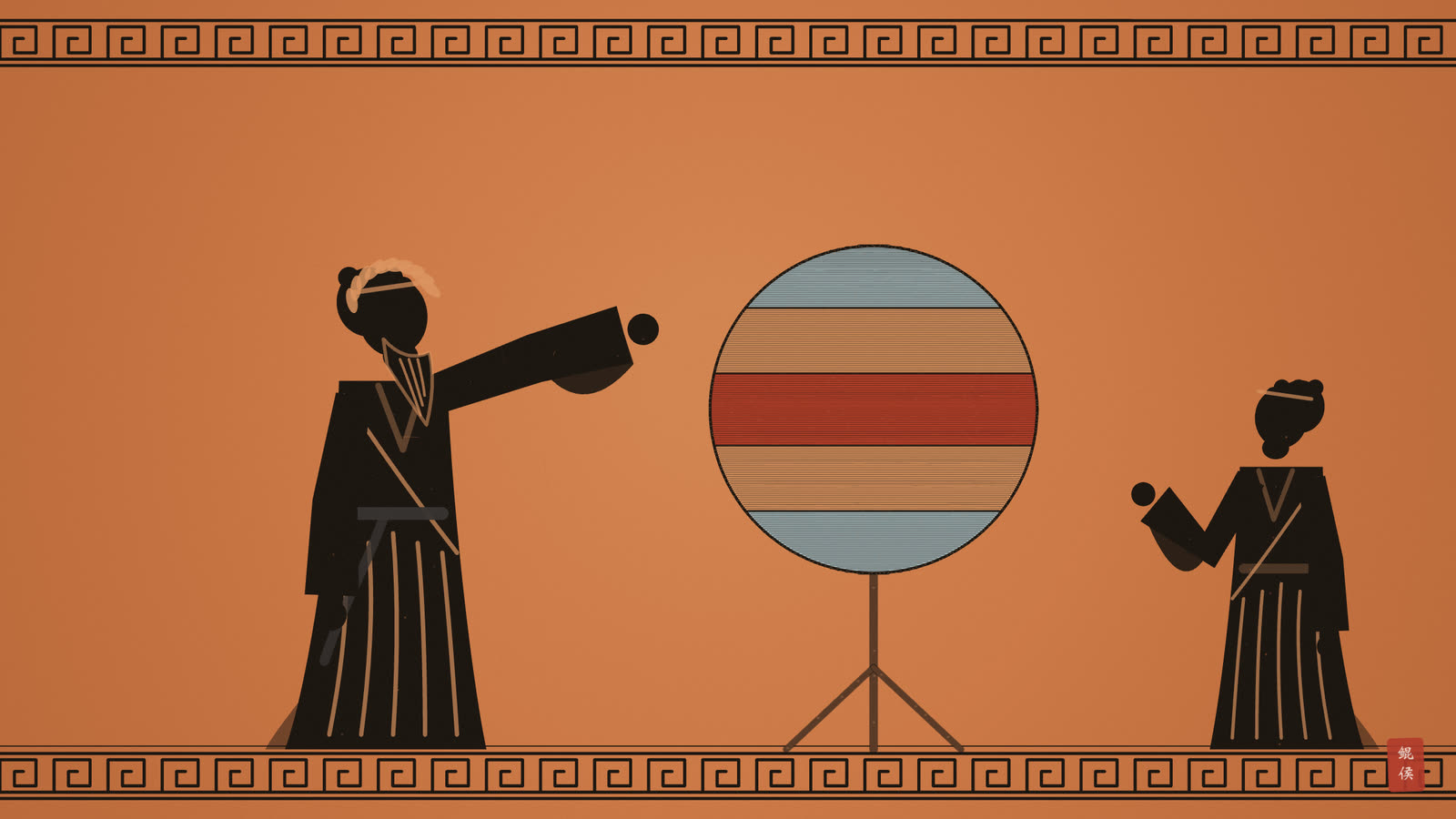
[4] Of these five zones, the one that is in the middle, set ablaze by the lights of the flashing Sun and scorched by the burning of everlasting heat, is stained with the fiery color of perpetual redness. The two that hold the farthest parts of the world, clinging to its right and left sides, marked with a blue-gray color, are always flooded with black rains and, congealed with ice, are beset by everlasting frosts and by snows hardened with cold.
[5] Between these two cold zones and the fiery one, which is drawn through the middle part of the world, two remaining zones are set, which a mixed temperateness of cold and heat has formed with mild moderation. These are the two zones that, from that tranquil moderation of mixture, beget every kind of living creature within the bounds of the earth; through them, for the risings and settings of all things that are begotten, the oblique order of the signs revolves through all time, in which the Sun and the Moon, and the five wandering stars as well, which the Greeks call planets, run their courses in ever fixed and defined motion; and in accordance with the course of these stars every kind of living creature succeeds itself in the perpetual propagation of its kind.
翻译点开
X.
第十章
[1] Now that all these matters have been set out and treated, which have shown, by a disputation of true reason, the force of fate and the laws of the decreeing stars, let us return to the question which we left in the first part of this discourse, namely the complexions and characters of men, so that, once this question has been cleared up in every respect, we may, secure and strengthened by confidence in our constancy, explain to you, Lollianus, the whole of what we promised concerning this study.
〔一〕既然这一切问题都已陈述、论过,它们凭真正理性的辩论显明了命运的力量和判定之星辰的法则,那就让我们回到在这篇论述的第一部分搁下的问题,即人的肤色与性情,好在这个问题从各方面澄清之后,我们能安然地、凭对我们坚定的信心加强了,向你,洛利亚努斯,讲明我们就这项研究所许诺的全部。
[2] To the man who asks why in some regions the bodies of men are always dark with black color, while elsewhere they shine with the pure brilliance of fairness, to the man who asks for these causes, I shall reply in a brief discussion, especially since on this point the instructive opinions of many sages are put forward.
〔二〕对于那个问为什么在某些地区人的身体总是因黑色而黝黑,而在别处却以纯粹的白皙光辉闪耀的人,对于那个追问这些原因的人,我将以简短的讨论作答,尤其因为在这一点上,许多贤人富有教益的见解都已提出。
[3] Throughout the whole heaven, whose form is round and which embraces the lands, the seas, and all the other things within it in an encircling flow of fiery spirit, [lacuna] there is one and the same substance of the five zones themselves [text uncertain]; for some of them are uniform and have no foreign admixture, while others are composed with the moderation of a mixed temperature.
〔三〕整个天是圆形的,它以火热之气的环流拥抱着大地、海洋和它里面的其他一切,〔此处原文有缺〕五带本身是同一种相似的实质〔原文疑有讹误〕;因为它们有些是均一的,没有外来的混杂,另一些则以混合温度的调和组成。
[4] Of these five zones, the one that is in the middle, set ablaze by the lights of the flashing Sun and scorched by the burning of everlasting heat, is stained with the fiery color of perpetual redness. The two that hold the farthest parts of the world, clinging to its right and left sides, marked with a blue-gray color, are always flooded with black rains and, congealed with ice, are beset by everlasting frosts and by snows hardened with cold.
〔四〕在这五带之中,居中的那一带,被闪耀的太阳的光点燃,被永恒之热的燃烧烤焦,染上永久赤红的火色。占据世界最远部分、附着在它左右两侧的两带,标着蓝灰色,总被黑雨淹没,又因冰而凝冻,被永恒的霜和被寒冷冻硬的雪所围困。
[5] Between these two cold zones and the fiery one, which is drawn through the middle part of the world, two remaining zones are set, which a mixed temperateness of cold and heat has formed with mild moderation. These are the two zones that, from that tranquil moderation of mixture, beget every kind of living creature within the bounds of the earth; through them, for the risings and settings of all things that are begotten, the oblique order of the signs revolves through all time, in which the Sun and the Moon, and the five wandering stars as well, which the Greeks call planets, run their courses in ever fixed and defined motion; and in accordance with the course of these stars every kind of living creature succeeds itself in the perpetual propagation of its kind.
〔五〕在这两个寒带与那条穿过世界中部的火带之间,设有剩下的两带,寒与热的混合温和以宽和的调和塑造了它们。正是这两带,凭那种混合的宁静调和,在大地的疆界之内生出各种生物;星座的斜行次序为了一切被生成之物的升起与沉没,经由它们永世旋转,太阳与月亮,还有五颗游星——希腊人称之为行星——在其中以永远固定而确定的运动奔行;各种生物也依照这些星辰的运行,以其种类的永续繁衍彼此相继。
大意与图解点开
🔎 大意:第十章回到肤色问题:天上分五带,中间火热赤红,两极冰冻蓝灰,其间两带寒热调和,生养万物,七曜也在其中运行。
📖 术语
| 术语 | 英文原词 | 意思 |
|---|---|---|
| 五带 | five zones | 天地分成的五个区域 |
| 火带 | fiery zone | 中间炎热的一带 |
| 寒带 | cold zones | 两极冰冻的两带 |
| 温和 | temperateness | 寒热调和 |
| 星座的斜行次序 | the oblique order of the signs | 即黄道 |
🧭 图解与讲解
第十章终于回到第二章搁下的问题:为什么某些地区的人总是黑,某些地区的人总是白?作者说要「简短讨论」,并说这一点许多贤人早已有过见解。序言里马沃尔提乌斯在阿基米德天球前问过的「五带」,在这里派上了用场。
| 带 | 位置 | 性质 | 颜色 | 能否生养 |
|---|---|---|---|---|
| 寒带(一) | 世界最远的一侧 | 黑雨、冰、霜、冻雪 | 蓝灰 | 原文未说 |
| 温带(一) | 寒带与火带之间 | 寒热混合,宽和 | 原文未说 | 生出各种生物 |
| 火带 | 世界中部 | 被太阳烤焦,永恒之热 | 赤红 | 原文未说 |
| 温带(二) | 火带与寒带之间 | 寒热混合,宽和 | 原文未说 | 生出各种生物 |
| 寒带(二) | 世界最远的另一侧 | 黑雨、冰、霜、冻雪 | 蓝灰 | 原文未说 |
〔图〕作者答肤色之难的第一步:先把天地分成五带
五带的说法是古代地理与天文的通说(表一):中间一带被太阳烤焦,赤红炎热;两端两带冰冻,蓝灰色,终年霜雪;两者之间各有一带,寒热调和,最适于生物繁衍。原文第三段开头有缺文,又有疑讹,大意是说五带有的性质均一,有的是混合而成。
作者还加了一句与占星相关的话:星座的「斜行次序」,即黄道,经由温和的两带旋转,太阳、月亮和五颗行星在其中按固定的运动奔行,各种生物也依照这些星辰的运行世代相继。这一句为下文铺路:一族的肤色由所近的「带」决定,但每个人的面貌,仍由在温带中运行的星辰来分派(图二)。
📖 术语
| 术语 | 英文原词 | 意思 |
|---|---|---|
| 五带 | five zones | 天地分成的五个区域 |
| 火带 | fiery zone | 中间炎热的一带 |
| 寒带 | cold zones | 两极冰冻的两带 |
| 温和 | temperateness | 寒热调和 |
| 星座的斜行次序 | the oblique order of the signs | 即黄道 |
🧭 图解与讲解
第十章终于回到第二章搁下的问题:为什么某些地区的人总是黑,某些地区的人总是白?作者说要「简短讨论」,并说这一点许多贤人早已有过见解。序言里马沃尔提乌斯在阿基米德天球前问过的「五带」,在这里派上了用场。
| 带 | 位置 | 性质 | 颜色 | 能否生养 |
|---|---|---|---|---|
| 寒带(一) | 世界最远的一侧 | 黑雨、冰、霜、冻雪 | 蓝灰 | 原文未说 |
| 温带(一) | 寒带与火带之间 | 寒热混合,宽和 | 原文未说 | 生出各种生物 |
| 火带 | 世界中部 | 被太阳烤焦,永恒之热 | 赤红 | 原文未说 |
| 温带(二) | 火带与寒带之间 | 寒热混合,宽和 | 原文未说 | 生出各种生物 |
| 寒带(二) | 世界最远的另一侧 | 黑雨、冰、霜、冻雪 | 蓝灰 | 原文未说 |
五带的说法是古代地理与天文的通说(表一):中间一带被太阳烤焦,赤红炎热;两端两带冰冻,蓝灰色,终年霜雪;两者之间各有一带,寒热调和,最适于生物繁衍。原文第三段开头有缺文,又有疑讹,大意是说五带有的性质均一,有的是混合而成。
作者还加了一句与占星相关的话:星座的「斜行次序」,即黄道,经由温和的两带旋转,太阳、月亮和五颗行星在其中按固定的运动奔行,各种生物也依照这些星辰的运行世代相继。这一句为下文铺路:一族的肤色由所近的「带」决定,但每个人的面貌,仍由在温带中运行的星辰来分派(图二)。
[6] The force and nature of these five zones beget the people of certain nations with a uniform color, yet in such a way that, within that very uniformity of appearance, the bodies of men are varied to whatever extent by the rays of the stars.
[7] Whatever nation of men, then, lies next to the zone that is ablaze with the everlasting burning of fire, even though it is situated under parts of the zone that is formed with balanced moderation, nevertheless borrows fire from its association with the neighboring zone to fashion the complexions of men, so that it always darkens men with a black form of color, in imitation of things that have been scorched.
[8] But the parts that lie next to the glacial zones, which, bereft and deserted by the heat of the Sun, are weighed down by the perpetual snows of frost, cause those nations of men which the zone set nearby begets to be adorned with the gleaming light of brilliant fairness. Yet both in these regions which produce fair men and again in those which produce black men, the power of the stars works most of all to vary the forms of men, and assigns to each individual, though the substance of color is one, nevertheless a different appearance of form.
[9] For how else do individuals recognize themselves by the particular lineaments of their bodies? How else do they know their sons, brothers, and relatives, how else their fellow citizens, strangers, neighbors, friends, and guests, if the power of the stars does not assign varied and different faces to each person?
[10] Let us consider, then, the society of the human race, and on reflection we shall find what wicked and impious crimes could be committed there if one face for all confounded those peoples with a form of equal likeness: a brother, deceived by the likeness, might go in to his sister as her husband, and another, with the shamelessness of contact, might carry off a wife belonging to another; some would fight over a son in an erratic clash of contention; others would not know who those were who a little before had served them; another, born of freeborn parents, would be dragged off as a slave on account of confused likeness by the obstinate error of the one leading him away, if the greatest dissimilarity of faces did not vary this uniform likeness of color; and all these things are tempered by the combined mixtures and rays of the stars.
[11] See: one man's fairness is in some part darkened by a faint shading of black color, and the brilliance of a moderate fairness lights up another's black face. What shall I say now about the hair of the head, into which a varied color secretly creeps? What about the keenness of the eyes, which are always colored with different lights? See: the bodies themselves, among those nations and all the others, are now tall, now short, now slender with thin leanness, now broader with stout thickness; hence it is proved by manifest reasons that it belongs to the zones that men are black or fair, but to the stars that, within that uniformity of color, they are embodied in the varieties of dissimilar forms.
翻译点开
[6] The force and nature of these five zones beget the people of certain nations with a uniform color, yet in such a way that, within that very uniformity of appearance, the bodies of men are varied to whatever extent by the rays of the stars.
〔六〕这五带的力量与性质,使某些民族的人生来肤色一律,但又是这样:就在那种外貌的一律之中,人的身体又按星辰光线的作用而有种种变化。
[7] Whatever nation of men, then, lies next to the zone that is ablaze with the everlasting burning of fire, even though it is situated under parts of the zone that is formed with balanced moderation, nevertheless borrows fire from its association with the neighboring zone to fashion the complexions of men, so that it always darkens men with a black form of color, in imitation of things that have been scorched.
〔七〕所以,凡是紧挨着那条燃着永恒之火的带的民族,即使它位于那条以平衡调和造成的带的某些部分之下,也会从与邻带的交往中借来火,去塑造人的肤色,以致它总是仿照被烤焦之物,用一种黑色的形色使人变黑。
[8] But the parts that lie next to the glacial zones, which, bereft and deserted by the heat of the Sun, are weighed down by the perpetual snows of frost, cause those nations of men which the zone set nearby begets to be adorned with the gleaming light of brilliant fairness. Yet both in these regions which produce fair men and again in those which produce black men, the power of the stars works most of all to vary the forms of men, and assigns to each individual, though the substance of color is one, nevertheless a different appearance of form.
〔八〕而那些紧挨着冰带的地区——冰带被太阳的热所遗弃、抛下,被永恒的霜雪所压——则使邻近之带所生的那些民族,饰以明亮白皙的闪耀光辉。可是,无论在这些出产白人的地区,还是在那些出产黑人的地区,星辰的权能都极大地作用于使人的形貌各异,并给每一个人——尽管肤色的实质是同一种——分派一种不同的形貌。
[9] For how else do individuals recognize themselves by the particular lineaments of their bodies? How else do they know their sons, brothers, and relatives, how else their fellow citizens, strangers, neighbors, friends, and guests, if the power of the stars does not assign varied and different faces to each person?
〔九〕否则,个人怎样凭自己身体特有的轮廓认出自己?否则,他们怎样认得自己的儿子、兄弟和亲属,怎样认得他们的同胞、陌生人、邻居、朋友和客人,倘若星辰的权能不给每个人分派多样而不同的面容?
[10] Let us consider, then, the society of the human race, and on reflection we shall find what wicked and impious crimes could be committed there if one face for all confounded those peoples with a form of equal likeness: a brother, deceived by the likeness, might go in to his sister as her husband, and another, with the shamelessness of contact, might carry off a wife belonging to another; some would fight over a son in an erratic clash of contention; others would not know who those were who a little before had served them; another, born of freeborn parents, would be dragged off as a slave on account of confused likeness by the obstinate error of the one leading him away, if the greatest dissimilarity of faces did not vary this uniform likeness of color; and all these things are tempered by the combined mixtures and rays of the stars.
〔十〕那么,让我们想想人类的社会,思量之后我们就会发现,倘若所有人只有一张脸,以同等相似的形状使那些民族混淆不清,会在那里犯下何等邪恶不敬的罪:一个兄弟被相似所欺,可能作为丈夫进到他姊妹那里;另一个人可能以无耻的接触,带走别人的妻子;有些人会在争执的错乱冲突里争夺一个儿子;另一些人会不认得不久前服侍过他们的是谁;另一个人,生于自由的父母,会因相似的混淆,被带走他的人以顽固的错误当作奴隶拖走——倘若面容的极大不同不使这种一律的肤色相似有所变化的话;而这一切,都由星辰合在一起的混合与光线来调和。
[11] See: one man's fairness is in some part darkened by a faint shading of black color, and the brilliance of a moderate fairness lights up another's black face. What shall I say now about the hair of the head, into which a varied color secretly creeps? What about the keenness of the eyes, which are always colored with different lights? See: the bodies themselves, among those nations and all the others, are now tall, now short, now slender with thin leanness, now broader with stout thickness; hence it is proved by manifest reasons that it belongs to the zones that men are black or fair, but to the stars that, within that uniformity of color, they are embodied in the varieties of dissimilar forms.
〔十一〕看:一个人的白皙在某一部分被淡淡的黑色阴影所遮暗,而适中的白皙的光辉,又照亮了另一个人的黑脸。我现在该怎么说头发呢?多样的颜色悄悄潜入其中。又该怎么说眼睛的锐利呢?它们总被不同的光彩所染。看:在那些民族和所有其他民族中,身体本身时而高,时而矮,时而因清瘦而纤细,时而因粗壮而宽阔;由此以明显的理由证明:人是黑是白,属于诸带;而在那种肤色的一律之中,他们被赋予形形色色不相似的形貌,则属于星辰。
大意与图解点开
🔎 大意:近火带者黑,近冰带者白,这是带的作用;同一肤色之中人人面容、发色、眼神、高矮各异,这是星辰的作用;否则人伦将大乱。
📖 术语
| 术语 | 英文原词 | 意思 |
|---|---|---|
| 冰带 | glacial zones | 即两极寒带 |
| 形貌 | form | 人的模样 |
| 轮廓 | lineaments | 面容身体的线条 |
| 面容 | faces | 脸 |
🧭 图解与讲解
这一单元正式回答第二章的肤色之难(图一)。作者的答案分两层:一族之人的肤色由所近的「带」决定,紧挨火带的民族,即使住在温带的一部分里,也从邻带借来了火,皮肤像烤焦之物一样黑;紧挨冰带的民族,则白皙明亮。这一层是带的作用,与星辰无关,所以埃塞俄比亚人全黑、日耳曼人全白并不能驳倒星学。
〔图〕带定肤色,星定相貌:两种力量各管一层
| 倘若人人同一张脸 | 会出什么乱子(照原文) |
|---|---|
| 兄弟姊妹 | 兄弟误把姊妹当妻 |
| 夫妻 | 别人的妻子被带走 |
| 父子 | 为争一个儿子而起冲突 |
| 主仆 | 不认得服侍过自己的人 |
| 自由人 | 被错当奴隶拖走 |
第二层是星辰的作用:在同一种肤色之内,每个人的面容、发色、眼神、身材高矮胖瘦都各不相同,这是星辰光线的混合分派的。这就接上了第五章「同族之人相貌各异」的论证,两章合起来,论敌的第一难才算答完。
作者还给出一个社会伦理上的理由(表二):倘若人人同一张脸,人类社会就会大乱,兄弟会误认姊妹为妻,别人的妻子会被带走,父子会被争夺,主人不认得仆人,自由人会被当作奴隶拖走。面容各异,正是星辰的安排使人伦有序。这些例子本站照原文列出。
📖 术语
| 术语 | 英文原词 | 意思 |
|---|---|---|
| 冰带 | glacial zones | 即两极寒带 |
| 形貌 | form | 人的模样 |
| 轮廓 | lineaments | 面容身体的线条 |
| 面容 | faces | 脸 |
🧭 图解与讲解
这一单元正式回答第二章的肤色之难(图一)。作者的答案分两层:一族之人的肤色由所近的「带」决定,紧挨火带的民族,即使住在温带的一部分里,也从邻带借来了火,皮肤像烤焦之物一样黑;紧挨冰带的民族,则白皙明亮。这一层是带的作用,与星辰无关,所以埃塞俄比亚人全黑、日耳曼人全白并不能驳倒星学。
| 倘若人人同一张脸 | 会出什么乱子(照原文) |
|---|---|
| 兄弟姊妹 | 兄弟误把姊妹当妻 |
| 夫妻 | 别人的妻子被带走 |
| 父子 | 为争一个儿子而起冲突 |
| 主仆 | 不认得服侍过自己的人 |
| 自由人 | 被错当奴隶拖走 |
第二层是星辰的作用:在同一种肤色之内,每个人的面容、发色、眼神、身材高矮胖瘦都各不相同,这是星辰光线的混合分派的。这就接上了第五章「同族之人相貌各异」的论证,两章合起来,论敌的第一难才算答完。
作者还给出一个社会伦理上的理由(表二):倘若人人同一张脸,人类社会就会大乱,兄弟会误认姊妹为妻,别人的妻子会被带走,父子会被争夺,主人不认得仆人,自由人会被当作奴隶拖走。面容各异,正是星辰的安排使人伦有序。这些例子本站照原文列出。
[12] As for the characters of nations, the discussion is superfluous; for we see a great many Asians, indeed almost all of them, displaying the marks of sobriety; the fickleness of the Greeks has often taken on the weight of modest gravity; the unbridled rage of the Scythians is softened by some mildness of humanity; within the borders of the Gauls the people grow strong in the prudence of wisdom; the ornaments of honorable good faith adorn the cunning minds of the Africans; the vice of boastfulness is abandoned by a great many Spaniards; sudden lavishness has changed the greed of the Syrians; among those sharp Sicilians it is not hard to find fools; and dominion and command have often been transferred away from the Italians.
[13] Nor shall I bring you examples of this from far off or from ancient books: our lord and Augustus, emperor of the whole world, the pious, fortunate, and provident prince, Constantine the Greatest, son of the deified Constantine, a prince of august and venerable memory, who was chosen by the favor of his own majesty to free the world from tyrannical rule and to suppress domestic evils, so that through him the squalor of slavery might be wiped away and the gifts of secure liberty restored to us, and so that we might lay down the yokes of captivity from necks already weary and oppressed; he, whom the fortune of war, the most uncertain thing among human affairs, has never deceived as he fights always for our liberty; he, born at Naissus, holding from the first stage of his life the helm of empire, which he had obtained under prosperous auspices, sustains the Roman world, by the wholesome moderation of his government, to the increase of everlasting happiness.
翻译点开
[12] As for the characters of nations, the discussion is superfluous; for we see a great many Asians, indeed almost all of them, displaying the marks of sobriety; the fickleness of the Greeks has often taken on the weight of modest gravity; the unbridled rage of the Scythians is softened by some mildness of humanity; within the borders of the Gauls the people grow strong in the prudence of wisdom; the ornaments of honorable good faith adorn the cunning minds of the Africans; the vice of boastfulness is abandoned by a great many Spaniards; sudden lavishness has changed the greed of the Syrians; among those sharp Sicilians it is not hard to find fools; and dominion and command have often been transferred away from the Italians.
〔十二〕至于民族的性情,讨论是多余的;因为我们看到很多亚细亚人,甚至几乎所有亚细亚人,都显出清醒节制的标志;希腊人的轻浮常常带上了谦逊庄重的分量;斯基泰人那不受约束的狂暴,被某种人道的温和所软化;在高卢人的疆域里,人民在智慧的明智中强健起来;体面信义的装饰点缀着阿非利加人狡诈的心;许许多多的西班牙人抛弃了自夸的恶习;骤然的挥霍改变了叙利亚人的贪婪;在那些敏锐的西西里人中间,找到愚人并不难;统治与号令之权也常常从意大利人那里转移出去。
[13] Nor shall I bring you examples of this from far off or from ancient books: our lord and Augustus, emperor of the whole world, the pious, fortunate, and provident prince, Constantine the Greatest, son of the deified Constantine, a prince of august and venerable memory, who was chosen by the favor of his own majesty to free the world from tyrannical rule and to suppress domestic evils, so that through him the squalor of slavery might be wiped away and the gifts of secure liberty restored to us, and so that we might lay down the yokes of captivity from necks already weary and oppressed; he, whom the fortune of war, the most uncertain thing among human affairs, has never deceived as he fights always for our liberty; he, born at Naissus, holding from the first stage of his life the helm of empire, which he had obtained under prosperous auspices, sustains the Roman world, by the wholesome moderation of his government, to the increase of everlasting happiness.
〔十三〕我也不从远处或古书里给你举这事的实例:我们的主上、奥古斯都、全世界的皇帝,虔敬、幸运、有远见的君主,也就是最伟大的君士坦丁,神圣的君士坦丁之子,一位有着尊严可敬之记忆的君主,他凭他自身威严所得的眷顾被选中,来把世界从暴君的统治下解放出来,压制国内的祸患,好让奴役的污秽借他而被拭去,安稳自由的恩赐归还给我们,好让我们从已经疲惫受压的颈上卸下俘虏的轭;他为我们的自由始终作战,战争的时运——人间诸事中最无定的东西——从未欺骗过他;他生于奈苏斯,从人生最初的阶段起就掌握着帝国之舵,那是他在吉祥的征兆下获得的,他以有益的治理之调和,维持着罗马世界,以增进永恒的幸福。
大意与图解点开
🔎 大意:民族性情并非一成不变:亚细亚人多清醒,希腊人也庄重,西西里人也有愚者,统治权也离开过意大利人;作者以颂君士坦丁为例。
📖 术语
| 术语 | 英文原词 | 意思 |
|---|---|---|
| 奥古斯都 | Augustus | 罗马皇帝的尊号 |
| 君士坦丁 | Constantine | 本书写作时的皇帝 |
| 奈苏斯 | Naissus | 巴尔干的城市 |
| 帝国之舵 | helm of empire | 喻帝国的统治 |
🧭 图解与讲解
作者用一句话打发了论敌的第二难:民族的性情,讨论起来是多余的。他把第二章论敌的那张民族单子原样翻过来(表一):亚细亚人多半清醒节制,希腊人常常庄重,斯基泰人也有温和的一面,高卢境内也有明智之民,西班牙人许多已不再自夸,西西里人里也不难找到愚人,统治权也常常从意大利人手中转移出去。
| 民族 | 第二章论敌所说的「定型」 | 第十章作者举的反面 |
|---|---|---|
| 亚细亚人 | 奢华享乐 | 几乎所有人都显出清醒节制 |
| 希腊人 | 轻浮 | 常常带上谦逊庄重 |
| 斯基泰人 | 野蛮凶残 | 被人道的温和所软化 |
| 高卢人 | 愚钝 | 在智慧的明智中强健 |
| 阿非利加人 | 狡诈 | 有体面信义的装饰 |
| 西班牙人 | 自夸傲慢 | 许多人抛弃了自夸 |
| 叙利亚人 | 贪婪 | 骤然的挥霍改变了贪婪 |
| 西西里人 | 敏锐 | 找到愚人并不难 |
| 意大利人 | 生来高贵、握有统治 | 统治权常常转移出去 |
〔图〕君士坦丁颂:作者举当今皇帝,说明统治权并非意大利人所专有
最后一条,作者说不用到远处或古书里找实例,当今的皇帝就是。接着是一段对君士坦丁的颂词(图二):他把世界从暴君统治下解放出来,为人民的自由作战,战无不胜;他生于奈苏斯,从年轻时就掌握帝国之舵。奈苏斯在巴尔干,作者举他为例,正是要说明统治世界的人并非都出自意大利。
颂词里称君士坦丁为「神圣的君士坦丁之子」,拉丁原文作 divi Constantini filius,英译与之一致,本站照译。按通行史书,君士坦丁大帝之父名君士坦提乌斯,与此不同;这位受颂的皇帝究竟是谁,本站不作判断。颂词的口吻是当时献给皇帝的官样文字,本站照译,不作评论。
📖 术语
| 术语 | 英文原词 | 意思 |
|---|---|---|
| 奥古斯都 | Augustus | 罗马皇帝的尊号 |
| 君士坦丁 | Constantine | 本书写作时的皇帝 |
| 奈苏斯 | Naissus | 巴尔干的城市 |
| 帝国之舵 | helm of empire | 喻帝国的统治 |
🧭 图解与讲解
作者用一句话打发了论敌的第二难:民族的性情,讨论起来是多余的。他把第二章论敌的那张民族单子原样翻过来(表一):亚细亚人多半清醒节制,希腊人常常庄重,斯基泰人也有温和的一面,高卢境内也有明智之民,西班牙人许多已不再自夸,西西里人里也不难找到愚人,统治权也常常从意大利人手中转移出去。
| 民族 | 第二章论敌所说的「定型」 | 第十章作者举的反面 |
|---|---|---|
| 亚细亚人 | 奢华享乐 | 几乎所有人都显出清醒节制 |
| 希腊人 | 轻浮 | 常常带上谦逊庄重 |
| 斯基泰人 | 野蛮凶残 | 被人道的温和所软化 |
| 高卢人 | 愚钝 | 在智慧的明智中强健 |
| 阿非利加人 | 狡诈 | 有体面信义的装饰 |
| 西班牙人 | 自夸傲慢 | 许多人抛弃了自夸 |
| 叙利亚人 | 贪婪 | 骤然的挥霍改变了贪婪 |
| 西西里人 | 敏锐 | 找到愚人并不难 |
| 意大利人 | 生来高贵、握有统治 | 统治权常常转移出去 |
最后一条,作者说不用到远处或古书里找实例,当今的皇帝就是。接着是一段对君士坦丁的颂词(图二):他把世界从暴君统治下解放出来,为人民的自由作战,战无不胜;他生于奈苏斯,从年轻时就掌握帝国之舵。奈苏斯在巴尔干,作者举他为例,正是要说明统治世界的人并非都出自意大利。
颂词里称君士坦丁为「神圣的君士坦丁之子」,拉丁原文作 divi Constantini filius,英译与之一致,本站照译。按通行史书,君士坦丁大帝之父名君士坦提乌斯,与此不同;这位受颂的皇帝究竟是谁,本站不作判断。颂词的口吻是当时献给皇帝的官样文字,本站照译,不作评论。
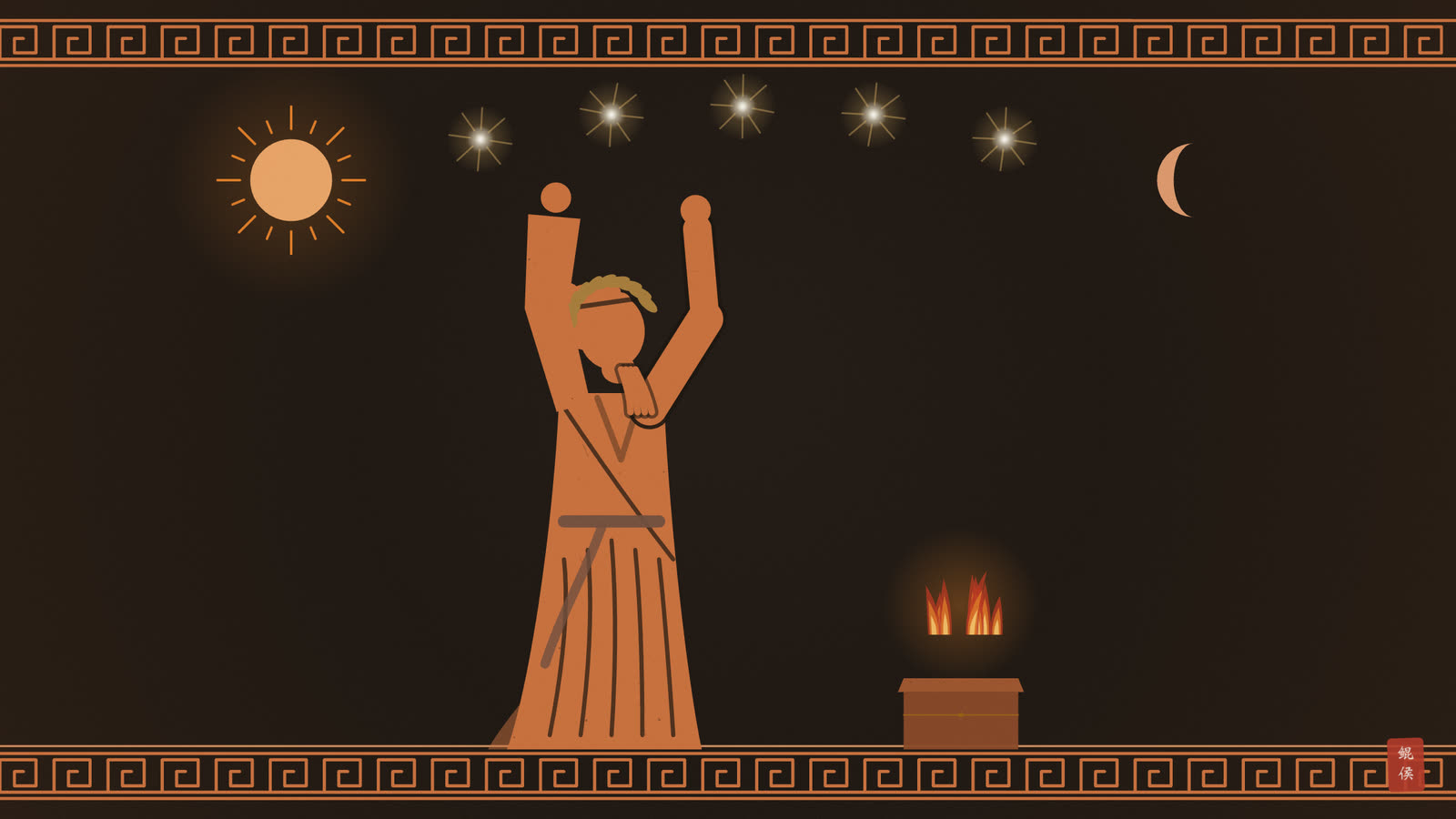
[14] O Sun, best and greatest, who hold the middle part of the heavens, mind and tempering of the world, leader and chief of all things, who by the flame-bearing moderation of your light make perpetual the fires of the other stars; and you, Moon, who, set in the lowest regions of the heavens, shine for the perpetuation of the seeds of generation, ever increased in your monthly lights by the august radiance of the Sun; and you, Saturn, who, established at the highest summit of the heavens, carry forward the leaden hue of your star with a sluggish course and slow motions; and you, Jupiter, dweller on the Tarpeian Rock, who always gladden the world and the lands with your saving and kindly majesty and hold the primacy of the second sphere; and you, Mars Gradivus, ever to be feared for your ruddy dread, who are contained in the third regions of the heavens; you too, Mercury and Venus, faithful companions of the Sun:
grant that Constantine, the greatest prince, and his most invincible children, our lords and Caesars, by the consent of your moderation and following the judgment of the highest god, who decrees perpetual empire for them, may rule also over our descendants and the descendants of our descendants through the endless succession of the ages, so that, with all the bitterness of evils driven away, the human race may obtain the gifts of a quiet and perpetual happiness.
[15] But breathe into us a slender substance of talent, so that, supported by your protection, we may easily fulfill what we promised Lollianus, and explain, with true definitions of doctrine, whatever we have conceived through the divine teaching of the sages.
翻译点开
[14] O Sun, best and greatest, who hold the middle part of the heavens, mind and tempering of the world, leader and chief of all things, who by the flame-bearing moderation of your light make perpetual the fires of the other stars; and you, Moon, who, set in the lowest regions of the heavens, shine for the perpetuation of the seeds of generation, ever increased in your monthly lights by the august radiance of the Sun; and you, Saturn, who, established at the highest summit of the heavens, carry forward the leaden hue of your star with a sluggish course and slow motions; and you, Jupiter, dweller on the Tarpeian Rock, who always gladden the world and the lands with your saving and kindly majesty and hold the primacy of the second sphere; and you, Mars Gradivus, ever to be feared for your ruddy dread, who are contained in the third regions of the heavens; you too, Mercury and Venus, faithful companions of the Sun:
〔十四〕太阳啊,至善至大者,你据有诸天的中部,是世界的心智与调和,万物的领袖与君王,你以你光芒那带火的调和使其他星辰的火永续不灭;还有你,月亮,你被安置在诸天最低的区域,为生殖种子的永续而发光,总以月月增长的光,借太阳威严的光辉而闪耀;还有你,土星,你被安置在诸天最高的顶端,以迟缓的行程和缓慢的运动,推送你那颗星的铅色;还有你,木星,塔尔佩亚岩的居住者,你总以你救助而慈善的威严使世界与大地喜乐,据有第二重天球的首位;还有你,格拉狄乌斯·马尔斯,总因你赤红的威慑而令人畏惧,你被容纳在诸天的第三区域;还有你们,水星与金星,太阳忠实的伴侣:
grant that Constantine, the greatest prince, and his most invincible children, our lords and Caesars, by the consent of your moderation and following the judgment of the highest god, who decrees perpetual empire for them, may rule also over our descendants and the descendants of our descendants through the endless succession of the ages, so that, with all the bitterness of evils driven away, the human race may obtain the gifts of a quiet and perpetual happiness.
请你们以你们调和的同意,并顺从那位为他们判定永久帝国的至高之神的判断,使最伟大的君主君士坦丁和他那最不可战胜的子女,我们的主上与凯撒们,也统治我们的后代,以及我们后代的后代,经过世代无尽的延续,好让一切恶的苦楚被驱走,人类得到安宁而永久的幸福之恩赐。
[15] But breathe into us a slender substance of talent, so that, supported by your protection, we may easily fulfill what we promised Lollianus, and explain, with true definitions of doctrine, whatever we have conceived through the divine teaching of the sages.
〔十五〕也请向我们吹入一点单薄的才力实质,好让我们在你们的护佑支撑之下,轻易完成我们向洛利亚努斯所许诺的,以学说的真实界定,讲明我们借贤人神圣的教导所领会的一切。
大意与图解点开
🔎 大意:卷一以祷辞作结:依次呼告太阳、月亮、土星、木星、火星、水星、金星,求保佑君士坦丁父子世代统治,并赐作者才力写完此书。
📖 术语
| 术语 | 英文原词 | 意思 |
|---|---|---|
| 塔尔佩亚岩 | Tarpeian Rock | 罗马卡庇托山上的崖 |
| 格拉狄乌斯 | Gradivus | 战神马尔斯的称号 |
| 凯撒 | Caesars | 此指皇帝的储君 |
| 至高之神 | the highest god | 诸神之上的神 |
| 天球 | sphere | 承载行星的天层 |
🧭 图解与讲解
卷一以一段祷辞结束,本站照原文完整译出。作者依次呼告七曜:太阳居诸天之中,是世界的心智与调和;月亮居最低处,借太阳之光为生殖的种子发光;土星居最高顶端,行程迟缓;木星是「塔尔佩亚岩的居住者」,据第二重天球之首;火星以「格拉狄乌斯」之号称呼,居第三区域;水星与金星是太阳忠实的伴侣(表一)。
| 祷辞中的星 | 位置(照原文) | 称号与职能 |
|---|---|---|
| 土星 | 诸天最高的顶端 | 行程迟缓,推送铅色之光 |
| 木星 | 第二重天球 | 塔尔佩亚岩的居住者,使世界喜乐 |
| 火星 | 诸天的第三区域 | 格拉狄乌斯,赤红而令人畏惧 |
| 太阳 | 诸天的中部 | 世界的心智与调和,万物的君王 |
| 金星、水星 | (原文未说) | 太阳忠实的伴侣 |
| 月亮 | 诸天最低的区域 | 借太阳之光,为种子的永续发光 |
〔图〕祷辞的结构:先呼七曜,再为皇帝祈福,最后为自己祈求才力
表一按原文所说的位置由高到低排列,正是古代通行的行星天球次序:土、木、火、日、金、水、月,太阳居中。「塔尔佩亚岩」在罗马卡庇托山,那里有罗马最尊崇的朱庇特神庙,所以称木星为它的居住者;「格拉狄乌斯」是战神马尔斯的称号之一。这几个称号把七曜与罗马的神祇连在一起。
祷辞的请求有两层(图二):先为皇帝祈福,求七曜在至高之神的判断之下,使君士坦丁和他的儿子们(原文称「我们的主上与凯撒们」)世代统治,使人类得享安宁;再为自己祈求,求七曜吹入一点才力,好完成对洛利亚努斯的许诺。
这样,卷一从序言里的诺言开始,又以兑现诺言的祈求结束。中间十章的论战确立了全书的前提:星辰的运行决定人事,星学可以学、可以算准。下一卷,作者就开始讲授这门学问的基础。
📖 术语
| 术语 | 英文原词 | 意思 |
|---|---|---|
| 塔尔佩亚岩 | Tarpeian Rock | 罗马卡庇托山上的崖 |
| 格拉狄乌斯 | Gradivus | 战神马尔斯的称号 |
| 凯撒 | Caesars | 此指皇帝的储君 |
| 至高之神 | the highest god | 诸神之上的神 |
| 天球 | sphere | 承载行星的天层 |
🧭 图解与讲解
卷一以一段祷辞结束,本站照原文完整译出。作者依次呼告七曜:太阳居诸天之中,是世界的心智与调和;月亮居最低处,借太阳之光为生殖的种子发光;土星居最高顶端,行程迟缓;木星是「塔尔佩亚岩的居住者」,据第二重天球之首;火星以「格拉狄乌斯」之号称呼,居第三区域;水星与金星是太阳忠实的伴侣(表一)。
| 祷辞中的星 | 位置(照原文) | 称号与职能 |
|---|---|---|
| 土星 | 诸天最高的顶端 | 行程迟缓,推送铅色之光 |
| 木星 | 第二重天球 | 塔尔佩亚岩的居住者,使世界喜乐 |
| 火星 | 诸天的第三区域 | 格拉狄乌斯,赤红而令人畏惧 |
| 太阳 | 诸天的中部 | 世界的心智与调和,万物的君王 |
| 金星、水星 | (原文未说) | 太阳忠实的伴侣 |
| 月亮 | 诸天最低的区域 | 借太阳之光,为种子的永续发光 |
表一按原文所说的位置由高到低排列,正是古代通行的行星天球次序:土、木、火、日、金、水、月,太阳居中。「塔尔佩亚岩」在罗马卡庇托山,那里有罗马最尊崇的朱庇特神庙,所以称木星为它的居住者;「格拉狄乌斯」是战神马尔斯的称号之一。这几个称号把七曜与罗马的神祇连在一起。
祷辞的请求有两层(图二):先为皇帝祈福,求七曜在至高之神的判断之下,使君士坦丁和他的儿子们(原文称「我们的主上与凯撒们」)世代统治,使人类得享安宁;再为自己祈求,求七曜吹入一点才力,好完成对洛利亚努斯的许诺。
这样,卷一从序言里的诺言开始,又以兑现诺言的祈求结束。中间十章的论战确立了全书的前提:星辰的运行决定人事,星学可以学、可以算准。下一卷,作者就开始讲授这门学问的基础。
原文为公有领域古籍;翻译、印象画与图文解读由 AI 辅助生成,鲲侯审校。