卷一·第七章 律法也是命运之仆:古今名人的遭遇
善人受难,恶人得福:从希腊贤哲、普罗提诺到苏拉与马略,作者一一列举,证明律法与人事都听命于命运。
VII.
[1] But now, since he has brought us to this necessity of the question, let us put off the reply that was being prepared about characters and complexions, whose foundations have already been laid in part, and show that the laws, too, are servants of the power and necessity of the fates, and always do what the authority of the fates has decreed.
[2] To prove this, we must recall examples from further back. Look: that young man, in full strength, rich, innocent, and modest, driven by no impulse of crime in his household and compelled by no trembling fear, hanged himself with a noose and so destroyed himself. An enemy broke the noose of another man who was already in his death throes [text uncertain]. And he who, for the disgrace of his life, had given himself over to death by his own punishment, once the noose was loosed, is set free by the sentence of the judge. What else but the force and necessity of fate brought it about that the agents of death, who had been appointed to produce the accused in court, should rescue from the very midst of the peril of imminent death a man crushed by his own evils and condemned by the punishment of his own conscience?
翻译点开
VII.
第七章
[1] But now, since he has brought us to this necessity of the question, let us put off the reply that was being prepared about characters and complexions, whose foundations have already been laid in part, and show that the laws, too, are servants of the power and necessity of the fates, and always do what the authority of the fates has decreed.
〔一〕不过现在,既然他把我们逼到这个问题的必然之处,就让我们把正在准备的、关于性情与肤色的答复往后推——它的基础已经部分打下——来证明:律法也是命运的力量与必然的仆人,总是做命运的权威所判定的事。
[2] To prove this, we must recall examples from further back. Look: that young man, in full strength, rich, innocent, and modest, driven by no impulse of crime in his household and compelled by no trembling fear, hanged himself with a noose and so destroyed himself. An enemy broke the noose of another man who was already in his death throes [text uncertain]. And he who, for the disgrace of his life, had given himself over to death by his own punishment, once the noose was loosed, is set free by the sentence of the judge. What else but the force and necessity of fate brought it about that the agents of death, who had been appointed to produce the accused in court, should rescue from the very midst of the peril of imminent death a man crushed by his own evils and condemned by the punishment of his own conscience?
〔二〕为证明这一点,我们必须从较远处追溯实例。看:那个年轻人,身强力壮、富有、清白而谦逊,家中没有任何罪行的冲动驱使他,也没有任何战栗的恐惧逼迫他,却用绳套吊起自己,就此毁了自己。另一个人已在临死的抽搐之中,一个仇人却割断了他的绳套〔原文疑有讹误〕。这个人因生活的耻辱而以自己的惩罚把自己交给了死亡,绳套一松开,却被法官的判决释放了。若不是命运的力量与必然,还有什么能促成这样的事:那些被派去把被告押上法庭的死亡执行人,竟把一个被自己的恶所压倒、被自己良心的惩罚所定罪的人,从迫在眉睫的死亡危险的正中救了出来?
大意与图解点开
🔎 大意:作者先搁下肤色问题,要证明律法也听命于命运:一个清白青年无故自缢而死,一个负罪之人自缢却被救下又被判无罪。
📖 术语
| 术语 | 英文原词 | 意思 |
|---|---|---|
| 命运 | fate | 决定人一生的力量 |
| 必然 | necessity | 不可违抗的定数 |
| 绳套 | noose | 自缢所用 |
| 执行人 | agents of death | 负责押解行刑的差役 |
🧭 图解与讲解
第七章是全卷最长的一章。作者说,论敌把他逼到了问题的「必然之处」:上一章他刚说律法能帮助灵魂抵抗恶习,这一章就要证明,律法本身也是命运的仆人,总是做命运所判定的事。原定对肤色与性情的答复,就此推到第十章。
〔图〕同样自缢,结局相反:清白者死,负罪者被救又被释放
〔图〕第七章的论证思路:先举实例,再追问「若非命运,又是什么」
第一个实例是两个自缢的人(图一)。一个年轻人身强力壮、富有清白,没有任何理由,却自缢而死;另一个因生活耻辱而自缢的人,绳套被割断,后来还被法官判决释放,救他的竟是被派去押他上法庭的差役。原文这一句有疑讹,「仇人割断绳套」的细节照英译保留。
作者的追问是本章的固定句式(图二):「若不是命运的力量与必然,还有什么能促成这样的事?」接下来他会一口气举出一长串名人的遭遇,每一例都以这样的追问收尾。死亡与刑罚的细节,本站照原文译出,讲解只说明其论证作用。
📖 术语
| 术语 | 英文原词 | 意思 |
|---|---|---|
| 命运 | fate | 决定人一生的力量 |
| 必然 | necessity | 不可违抗的定数 |
| 绳套 | noose | 自缢所用 |
| 执行人 | agents of death | 负责押解行刑的差役 |
🧭 图解与讲解
第七章是全卷最长的一章。作者说,论敌把他逼到了问题的「必然之处」:上一章他刚说律法能帮助灵魂抵抗恶习,这一章就要证明,律法本身也是命运的仆人,总是做命运所判定的事。原定对肤色与性情的答复,就此推到第十章。
第一个实例是两个自缢的人(图一)。一个年轻人身强力壮、富有清白,没有任何理由,却自缢而死;另一个因生活耻辱而自缢的人,绳套被割断,后来还被法官判决释放,救他的竟是被派去押他上法庭的差役。原文这一句有疑讹,「仇人割断绳套」的细节照英译保留。
作者的追问是本章的固定句式(图二):「若不是命运的力量与必然,还有什么能促成这样的事?」接下来他会一口气举出一长串名人的遭遇,每一例都以这样的追问收尾。死亡与刑罚的细节,本站照原文译出,讲解只说明其论证作用。
[3] Again, that man, to whose innocence everyone bears witness, fell upon his drawn sword as if compelled, and buried the menacing point of the blade in his innocent ribs. That man, upright, sober, and chaste, whose life and conduct we always admired, see: he hurled his body over a precipice and scattered it in pitiable mangling. That just man sustains his life by miserable begging; while that one, stained by the infamy of a notorious crime, is raised up by happy increases of fortune and heaped with the greatest insignia of office. See: a pirate, after countless murders of innocent people, takes up happy sons into his bloody lap; that innocent man [lacuna] is kept apart from all the odium of crime.
[4] To whom do you attribute these things? Who permits them to happen? Who was granted such license over us? Give in, and at last free us from these clashes of contention, so that by your own confession, too, you may confirm that all these things which frail and perishable mortality is accustomed to bear are decreed by the fortuitous courses of the stars.
[5] What shall we say about the honors of the wicked [text uncertain], and about the flight and exile of the good? Do you see that man, stained with the marks of slavery, covering the filth and blemish of his birth with the nobility of the consular fasces? That one, who bears the ornaments of freeborn blood, is deprived of the insignia of office that are his due. That one, set at the first stage of life and displaying no ornaments of virtue, holds all the offices one after another with headlong speed; that one, already worn out by the old age of his failing years and [lacuna] the testimony of an excellent life in its course, only now makes his first start in seeking office.
[6] What reason held that old man back? And yet the merit of his life promised him all the ornaments of office. Who drove that young man, of whom we could as yet hope for nothing of the sort, to such a heap of honors on a course of sudden good fortune, unless that force of fate of which we speak, which is accomplished by the motion of the stars, worked to compel the one and to hold back the other?
[7] What shall I now say about condemnations, which, as you were saying a little earlier, are imposed as the desert of wicked sins or crimes [text uncertain]? We have often seen injuries of this kind inflicted on the innocent with the consenting judgment of all.
翻译点开
[3] Again, that man, to whose innocence everyone bears witness, fell upon his drawn sword as if compelled, and buried the menacing point of the blade in his innocent ribs. That man, upright, sober, and chaste, whose life and conduct we always admired, see: he hurled his body over a precipice and scattered it in pitiable mangling. That just man sustains his life by miserable begging; while that one, stained by the infamy of a notorious crime, is raised up by happy increases of fortune and heaped with the greatest insignia of office. See: a pirate, after countless murders of innocent people, takes up happy sons into his bloody lap; that innocent man [lacuna] is kept apart from all the odium of crime.
〔三〕又如那个人,人人都为他的清白作证,却仿佛被逼着似的扑在拔出的剑上,把锋刃那威吓的尖端埋进他无辜的肋间。那个正直、清醒而贞洁的人,我们一向赞叹他的生活与操守,看:他把身体从悬崖上抛下,摔得惨不忍睹。那个正义的人靠可怜的乞讨维持生命;而那个被臭名昭著的罪行玷污了名声的人,却因时运的幸福增长而被抬举,被堆上最高的官职标志。看:一个海盗,在无数次杀害无辜之后,把幸福的儿子们抱进他沾血的怀里;那个无辜的人〔此处原文有缺〕与一切罪行的恶名隔绝。
[4] To whom do you attribute these things? Who permits them to happen? Who was granted such license over us? Give in, and at last free us from these clashes of contention, so that by your own confession, too, you may confirm that all these things which frail and perishable mortality is accustomed to bear are decreed by the fortuitous courses of the stars.
〔四〕你把这些事归于谁?是谁允许它们发生?是谁被赋予了对我们如此的放任之权?认输吧,终于把我们从这些争论的冲突里解放出来吧,好让你凭自己的承认也证实:脆弱而易朽的凡人惯于承受的这一切,都是由星辰偶然的运行判定的。
[5] What shall we say about the honors of the wicked [text uncertain], and about the flight and exile of the good? Do you see that man, stained with the marks of slavery, covering the filth and blemish of his birth with the nobility of the consular fasces? That one, who bears the ornaments of freeborn blood, is deprived of the insignia of office that are his due. That one, set at the first stage of life and displaying no ornaments of virtue, holds all the offices one after another with headlong speed; that one, already worn out by the old age of his failing years and [lacuna] the testimony of an excellent life in its course, only now makes his first start in seeking office.
〔五〕我们对恶人的荣耀〔原文疑有讹误〕,对好人的逃亡与流放,又说什么呢?你看见那个人吗?他带着奴隶的烙印,却用执政官束棒的高贵遮盖他出身的污秽与瑕疵。那个人带着自由人血统的装饰,却被剥夺了他应得的官职标志。那个人才在人生的最初阶段,没有显出任何德行的装饰,却以飞快的速度一个接一个地担任所有官职;那个人已被衰颓之年的老迈耗尽,并且〔此处原文有缺〕一生出色的见证在其行程中,现在才第一次开始谋求官职。
[6] What reason held that old man back? And yet the merit of his life promised him all the ornaments of office. Who drove that young man, of whom we could as yet hope for nothing of the sort, to such a heap of honors on a course of sudden good fortune, unless that force of fate of which we speak, which is accomplished by the motion of the stars, worked to compel the one and to hold back the other?
〔六〕是什么道理拖住了那位老人?他一生的功绩本已向他许诺了所有官职的装饰。是谁驱使那个年轻人——我们对他还不能指望这类事情——沿着骤然好运的道路,得到如此成堆的荣誉,若不是我们所说的那命运之力,那由星辰的运动完成的力量,起作用逼迫一个、拖住另一个?
[7] What shall I now say about condemnations, which, as you were saying a little earlier, are imposed as the desert of wicked sins or crimes [text uncertain]? We have often seen injuries of this kind inflicted on the innocent with the consenting judgment of all.
〔七〕至于定罪,我现在该说什么呢?你刚才说,定罪是作为邪恶罪过或罪行的应得而施加的〔原文疑有讹误〕;我们却常常看到这类冤屈,在众人一致的判断下加到无辜者身上。
大意与图解点开
🔎 大意:清白者自尽,义人乞讨,罪人显贵,海盗儿孙满堂;奴隶出身者做执政官,贤老迟迟不得官,无辜者被定罪:皆由星辰判定。
📖 术语
| 术语 | 英文原词 | 意思 |
|---|---|---|
| 官职标志 | insignia of office | 官员的服饰仪仗 |
| 束棒 | fasces | 高官权力的标志 |
| 自由人 | freeborn | 生而非奴之人 |
| 定罪 | condemnations | 法庭判人有罪 |
🧭 图解与讲解
这一单元是一连串对照(表一):清白的人扑剑自尽,正直的人投崖,正义的人乞讨,罪人显贵,海盗儿孙满堂;奴隶出身的人做到执政官,自由人得不到应得的官职,无德的少年飞快遍历诸官,一生出色的老人到了暮年才开始求官。原文这里有缺字与疑讹之处,本站照英译标出。
| 应得的 | 实际遭遇 |
|---|---|
| 人人作证清白的人 | 扑剑自尽 |
| 正直清醒贞洁的人 | 投崖而死 |
| 正义的人 | 乞讨度日 |
| 声名狼藉的罪人 | 高官厚禄 |
| 杀人无数的海盗 | 儿孙满堂 |
| 奴隶出身的人 | 做到执政官 |
| 自由人血统的人 | 得不到应得的官职 |
| 无德的少年 | 飞快遍历诸官 |
| 一生出色的老人 | 垂老才开始求官 |
〔图〕作者的推论:既然不按德行分配,就只能是星辰判定
每举一组,作者就追问论敌:你把这些归于谁?是谁允许它们发生?他要论敌「认输」,凭自己的承认证实:凡人所受的这一切,都由「星辰偶然的运行」判定。这里的「偶然」是从人的角度说的,人看不出其中的道理,并不是说星辰的运行本身无序。
最后一段落到本章主题(图二):论敌刚才说定罪是罪行的应得,可是无辜者被冤枉定罪的事常常发生,而且是在众人一致的判断之下。既然律法也会冤及无辜,律法就不是公正的最后保证,而只是命运所用的工具。下一单元,作者用希腊历史上最著名的几位贤哲来证明这一点。
📖 术语
| 术语 | 英文原词 | 意思 |
|---|---|---|
| 官职标志 | insignia of office | 官员的服饰仪仗 |
| 束棒 | fasces | 高官权力的标志 |
| 自由人 | freeborn | 生而非奴之人 |
| 定罪 | condemnations | 法庭判人有罪 |
🧭 图解与讲解
这一单元是一连串对照(表一):清白的人扑剑自尽,正直的人投崖,正义的人乞讨,罪人显贵,海盗儿孙满堂;奴隶出身的人做到执政官,自由人得不到应得的官职,无德的少年飞快遍历诸官,一生出色的老人到了暮年才开始求官。原文这里有缺字与疑讹之处,本站照英译标出。
| 应得的 | 实际遭遇 |
|---|---|
| 人人作证清白的人 | 扑剑自尽 |
| 正直清醒贞洁的人 | 投崖而死 |
| 正义的人 | 乞讨度日 |
| 声名狼藉的罪人 | 高官厚禄 |
| 杀人无数的海盗 | 儿孙满堂 |
| 奴隶出身的人 | 做到执政官 |
| 自由人血统的人 | 得不到应得的官职 |
| 无德的少年 | 飞快遍历诸官 |
| 一生出色的老人 | 垂老才开始求官 |
每举一组,作者就追问论敌:你把这些归于谁?是谁允许它们发生?他要论敌「认输」,凭自己的承认证实:凡人所受的这一切,都由「星辰偶然的运行」判定。这里的「偶然」是从人的角度说的,人看不出其中的道理,并不是说星辰的运行本身无序。
最后一段落到本章主题(图二):论敌刚才说定罪是罪行的应得,可是无辜者被冤枉定罪的事常常发生,而且是在众人一致的判断之下。既然律法也会冤及无辜,律法就不是公正的最后保证,而只是命运所用的工具。下一单元,作者用希腊历史上最著名的几位贤哲来证明这一点。
[8] That most prudent man of the Athenians, of singular justice, who by the merit of his life and his virtues had received the surname of "the Wise," was driven out by the cast of the infamous potsherd. Socrates, whose wisdom is adorned by the testimony of the deity, after he had formed the characters of men and ordered them by divine instruction, was overwhelmed by false accusations and, burdened with the odium of a bitter denunciation, undefended and betrayed, succumbed to the power of severe punishers. How often did fortune make Alcibiades a general, and how often an exile?
[9] What shall we say about this variety of lot? Alcibiades suffered these things, though he had been trained in the civic manner of command by the divine teaching of Socrates; and although he had always and everywhere led his army successfully, he could not escape the ill will of fortune raging against him. But perhaps, as some would have it (far be it from me to affirm this in my speech), the longings of depraved desires had seized him, and the unforeseen force of heedless rashness deceived him. Let us therefore bring forward another example, so that in this way at least you may be forced into the narrow straits of confession.
[10] Plato, with those virtues of soul and that teaching of wisdom, fate sold, and it handed over that discipline of a divine soul to the tyrannical cruelties and mocking power of Dionysius. If these things are not enough, let us return to the shipwrecks of Pythagoras. What kind of man he was is known to all; the judgments of both men and gods approved his virtue, wisdom, and prudence, and the divine conceptions of his mind.
[11] See: he learned everything to the highest degree, and, so that nothing might be lacking to his divine talent, imbued also with foreign teachings, he penetrated all the secrets of wisdom; and, to speak more truly, by the striving of his divine soul he was the first, or rather the only one, while placed in this earthly frailty, to discover the nature and origin of the provident deity and the divine majesty. That saving and provident deity, as some would have it, attended him every day. Yet him, whose soul had been purged of its filth by that deity's admonitions and precepts for all the ornaments of virtue, the most severe decrees of his fellow citizens made a banished man and an exile [text uncertain].
[12] Fleeing his fatherland and the whole of Greece, he first crossed over to foreign dominions; as an exile he lived at Sybaris and at Croton. But not even there did fortune keep him long; for he wandered as a fugitive now through Locri, now through Tarentum, and through almost all the shores of Italy. See: at last he is surrounded by raging flame, and together with him a crowd of wretched people is consumed as the fire spreads.
[13] What are you doing? Do you still detract from fate and despise the force of the stars with obstinate animosity, when you see evil ends for the good, prosperous careers for the wicked, [lacuna] for the innocent, and security for the guilty? To whom do you attribute these things? By whose decrees do you think they come about? We are unjust if, when the commands of the fates decree all these things for us, we still fight back with the animosity of rigid contradiction. In sum, I must answer you, since the present examples urge us to do so: both the man who is guilty sinned under the compulsion of fate, and the man who is condemned though innocent suffered the severe sentence of punishment under the compulsion of fatal necessity.
翻译点开
[8] That most prudent man of the Athenians, of singular justice, who by the merit of his life and his virtues had received the surname of "the Wise," was driven out by the cast of the infamous potsherd. Socrates, whose wisdom is adorned by the testimony of the deity, after he had formed the characters of men and ordered them by divine instruction, was overwhelmed by false accusations and, burdened with the odium of a bitter denunciation, undefended and betrayed, succumbed to the power of severe punishers. How often did fortune make Alcibiades a general, and how often an exile?
〔八〕那位雅典人中最明智、正义无双、因生平与德行的功绩而得了「智者」之称的人,被那可耻的陶片一投就放逐了。苏格拉底,他的智慧有神灵的见证为饰,在他以神圣的教导塑造、整顿了人们的性情之后,却被诬告所压倒,背负着刻毒告发的恶名,无人辩护、遭人出卖,屈服于严厉惩罚者的权力。命运多少次使亚西比德成为统帅,又多少次使他成为流亡者?
[9] What shall we say about this variety of lot? Alcibiades suffered these things, though he had been trained in the civic manner of command by the divine teaching of Socrates; and although he had always and everywhere led his army successfully, he could not escape the ill will of fortune raging against him. But perhaps, as some would have it (far be it from me to affirm this in my speech), the longings of depraved desires had seized him, and the unforeseen force of heedless rashness deceived him. Let us therefore bring forward another example, so that in this way at least you may be forced into the narrow straits of confession.
〔九〕对于这种命运的变幻,我们说什么呢?亚西比德遭受了这些,尽管他曾受苏格拉底神圣的教导,学会了治理城邦式的统兵之道;尽管他无论何时何地都率军得胜,却躲不过对他发怒的命运的嫉恨。但也许,正如有些人所说(我绝不在我的言辞里肯定这一点),是邪恶欲望的渴求攫住了他,是轻率鲁莽那意料不到的力量欺骗了他。那么我们就再举一个实例,好让你至少这样被逼进承认的窄路。
[10] Plato, with those virtues of soul and that teaching of wisdom, fate sold, and it handed over that discipline of a divine soul to the tyrannical cruelties and mocking power of Dionysius. If these things are not enough, let us return to the shipwrecks of Pythagoras. What kind of man he was is known to all; the judgments of both men and gods approved his virtue, wisdom, and prudence, and the divine conceptions of his mind.
〔十〕柏拉图,带着那样的灵魂德行,带着那样的智慧学说,命运把他卖了,把那神圣灵魂的修养交给了狄奥尼修斯的暴虐残酷和戏弄人的权力。倘若这些还不够,我们就回到毕达哥拉斯的船难。他是怎样一个人,众所周知;人与神的判断都认可了他的德行、智慧与明智,以及他心智神圣的构想。
[11] See: he learned everything to the highest degree, and, so that nothing might be lacking to his divine talent, imbued also with foreign teachings, he penetrated all the secrets of wisdom; and, to speak more truly, by the striving of his divine soul he was the first, or rather the only one, while placed in this earthly frailty, to discover the nature and origin of the provident deity and the divine majesty. That saving and provident deity, as some would have it, attended him every day. Yet him, whose soul had been purged of its filth by that deity's admonitions and precepts for all the ornaments of virtue, the most severe decrees of his fellow citizens made a banished man and an exile [text uncertain].
〔十一〕看:他把一切都学到了极致,为了使他神圣的才智一无所缺,他还浸染了外邦的教导,深入智慧的一切奥秘;说得更真切些,他凭神圣灵魂的努力,是置身于这尘世脆弱中的第一个人,甚至可以说是唯一的一个人,发现了有远见的神灵和神圣威严的本性与来源。照有些人的说法,那救助而有远见的神灵每天都随伴着他。然而,他的灵魂已凭那神灵的劝诫与教训涤除了污秽,具备了一切德行的装饰,他同胞们最严厉的决议却使他成了被逐之人、流亡者〔原文疑有讹误〕。
[12] Fleeing his fatherland and the whole of Greece, he first crossed over to foreign dominions; as an exile he lived at Sybaris and at Croton. But not even there did fortune keep him long; for he wandered as a fugitive now through Locri, now through Tarentum, and through almost all the shores of Italy. See: at last he is surrounded by raging flame, and together with him a crowd of wretched people is consumed as the fire spreads.
〔十二〕他逃离祖国和整个希腊,先渡海到了外邦的疆域;他作为流亡者住在叙巴里斯和克罗顿。但即便在那里,命运也没有让他久留;因为他作为逃亡者,时而流落到洛克里,时而到塔兰托,几乎走遍了意大利的所有海岸。看:最后他被凶猛的火焰包围,一群可怜的人随着火势蔓延,和他一同被烧死。
[13] What are you doing? Do you still detract from fate and despise the force of the stars with obstinate animosity, when you see evil ends for the good, prosperous careers for the wicked, [lacuna] for the innocent, and security for the guilty? To whom do you attribute these things? By whose decrees do you think they come about? We are unjust if, when the commands of the fates decree all these things for us, we still fight back with the animosity of rigid contradiction. In sum, I must answer you, since the present examples urge us to do so: both the man who is guilty sinned under the compulsion of fate, and the man who is condemned though innocent suffered the severe sentence of punishment under the compulsion of fatal necessity.
〔十三〕你在做什么?你看见好人有坏的结局,恶人有顺遂的际遇,无辜者〔此处原文有缺〕,有罪者安然无事,你还要贬低命运,以顽固的敌意蔑视星辰之力吗?你把这些归于谁?你以为这些是凭谁的判定发生的?倘若命运的命令为我们判定了这一切,我们却还以僵硬的反驳敌意抗拒,那我们就是不公正的。总之,既然眼前的实例催促我们这样做,我必须回答你:那个有罪的人,是在命运的逼迫下犯了罪;那个无辜而被定罪的人,是在命定的必然逼迫下,承受了严厉的惩罚判决。
大意与图解点开
🔎 大意:雅典的贤人遭陶片放逐,苏格拉底被诬受刑,亚西比德屡起屡逐,柏拉图被卖,毕达哥拉斯流亡而葬身火中:有罪无罪都由命运逼迫。
📖 术语
| 术语 | 英文原词 | 意思 |
|---|---|---|
| 陶片 | potsherd | 雅典放逐投票所用 |
| 亚西比德 | Alcibiades | 雅典将领,苏格拉底弟子 |
| 狄奥尼修斯 | Dionysius | 叙拉古僭主 |
| 毕达哥拉斯 | Pythagoras | 希腊哲人 |
| 克罗顿 | Croton | 南意大利希腊城邦 |
🧭 图解与讲解
作者先举希腊的贤哲(表一)。第一位原文没有点名,只说他是「雅典人中最明智、正义无双」,得了「智者」之称,却被「可耻的陶片」放逐。陶片放逐是雅典的一种公民投票,把名字写在陶片上,票多者被逐出城邦十年。接着是苏格拉底:他的智慧有神灵为证,却被诬告,无人辩护,受了刑罚。
| 贤哲 | 德行 | 遭遇 |
|---|---|---|
| 雅典的「智者」 | 正义无双 | 被陶片放逐 |
| 苏格拉底 | 智慧有神灵见证 | 被诬告,无人辩护而受刑 |
| 亚西比德 | 受苏格拉底教导,战无不胜 | 屡为统帅,屡遭流亡 |
| 柏拉图 | 灵魂德行与智慧学说 | 被卖,落入狄奥尼修斯之手 |
| 毕达哥拉斯 | 第一个发现神灵本性的人 | 被逐,流亡意大利,葬身火中 |
〔图〕毕达哥拉斯的流亡路线:离开希腊,在南意大利各地辗转
亚西比德的例子作者处理得很小心。他是苏格拉底的弟子,战无不胜,却屡次被城邦流放。作者承认有人说他是被欲望和鲁莽所误,并声明「我绝不肯定这一点」,但为了堵住论敌的嘴,还是换一个更无可挑剔的例子。
柏拉图被叙拉古僭主狄奥尼修斯卖为奴隶;毕达哥拉斯则是作者最推崇的一位:学尽一切,还吸收了外邦的学问,是「第一个、甚至唯一一个」发现神灵本性的人,每天有神灵相伴。可他还是被同胞驱逐,在南意大利各地流亡,最后被火焰包围而死(图二)。
最后一段是本单元的结论:好人坏结局,恶人好际遇,若不归于命运,又归于谁?作者索性把话说透:有罪的人是被命运逼着犯罪,无辜被定罪的人也是被命定的必然逼着受刑。这正回应了第二章论敌的诘难:如果罪由星定,刑罚有何正当?作者的回答是,刑罚本身也是命定的。
📖 术语
| 术语 | 英文原词 | 意思 |
|---|---|---|
| 陶片 | potsherd | 雅典放逐投票所用 |
| 亚西比德 | Alcibiades | 雅典将领,苏格拉底弟子 |
| 狄奥尼修斯 | Dionysius | 叙拉古僭主 |
| 毕达哥拉斯 | Pythagoras | 希腊哲人 |
| 克罗顿 | Croton | 南意大利希腊城邦 |
🧭 图解与讲解
作者先举希腊的贤哲(表一)。第一位原文没有点名,只说他是「雅典人中最明智、正义无双」,得了「智者」之称,却被「可耻的陶片」放逐。陶片放逐是雅典的一种公民投票,把名字写在陶片上,票多者被逐出城邦十年。接着是苏格拉底:他的智慧有神灵为证,却被诬告,无人辩护,受了刑罚。
| 贤哲 | 德行 | 遭遇 |
|---|---|---|
| 雅典的「智者」 | 正义无双 | 被陶片放逐 |
| 苏格拉底 | 智慧有神灵见证 | 被诬告,无人辩护而受刑 |
| 亚西比德 | 受苏格拉底教导,战无不胜 | 屡为统帅,屡遭流亡 |
| 柏拉图 | 灵魂德行与智慧学说 | 被卖,落入狄奥尼修斯之手 |
| 毕达哥拉斯 | 第一个发现神灵本性的人 | 被逐,流亡意大利,葬身火中 |
亚西比德的例子作者处理得很小心。他是苏格拉底的弟子,战无不胜,却屡次被城邦流放。作者承认有人说他是被欲望和鲁莽所误,并声明「我绝不肯定这一点」,但为了堵住论敌的嘴,还是换一个更无可挑剔的例子。
柏拉图被叙拉古僭主狄奥尼修斯卖为奴隶;毕达哥拉斯则是作者最推崇的一位:学尽一切,还吸收了外邦的学问,是「第一个、甚至唯一一个」发现神灵本性的人,每天有神灵相伴。可他还是被同胞驱逐,在南意大利各地流亡,最后被火焰包围而死(图二)。
最后一段是本单元的结论:好人坏结局,恶人好际遇,若不归于命运,又归于谁?作者索性把话说透:有罪的人是被命运逼着犯罪,无辜被定罪的人也是被命定的必然逼着受刑。这正回应了第二章论敌的诘难:如果罪由星定,刑罚有何正当?作者的回答是,刑罚本身也是命定的。
[14] Now I shall come to you, Plotinus, singular man, so that I may fortify my pleadings with the support of recent examples. What parts of philosophy did he not touch, since his teaching followed the distinctions of his life, and since he showed what he taught not by another's example but by his own example of virtue? From his mouth, as from some inner sanctuary, divine sayings were brought forth. For he was a man fitted for all the ornaments of virtue and formed by every study of the divine dispositions: just, brave, provident, temperate, and one who believed that he could overcome the assaults of Fortune by the reasoning of providence.
[15] And so, first, he chose for himself a place of quiet residence, so that, separated from all the din of human society, he might free himself from the ill will of Fortune, intending to devote himself solely to the distinctions of divine instruction, so that against all the threats of fortune he might arm himself with the whole and incorrupt protection of virtue.
[16] Uplifted, then, by this confidence of mind, he also undertook the care and protection of his body, and, so as to leave nothing empty and bare where the license of raging Fortune might exercise itself, he settled in a healthful and pure part of the region; for he is said to have chosen for the location of his residence the pleasant soil of a Campanian city, where the calm temperateness of the air always sustains all the inhabitants in healthful vigor, where neither the force of winter nor the approach of the blazing sun prevails, but a balanced temperature drawn from both, and where for people suffering from any illness health, won by the heat of great springs and the healing warmth of boiling waters, flows in abundance.
[17] Settled there, he first despised the insignia of office, thinking those to be true honors which the divine teaching of wisdom had conferred on him. No desire for riches had seized him; rather, he thought those to be riches by which the soul, adorned, might find the author of its own origin.
[18] See: in a certain part of his discourse, improvident and incautious, as it seems to me, he attacks the force of fatal necessity and chastises with the severe rebuke of his speech those who fear the decrees of Fortune, attributing nothing to the power of the stars and reserving nothing for the necessities of the fates, but saying that everything is placed in our own power.
[19] It would be long to enumerate what he thought about individual matters, by what reasoning he withdrew himself from his fated lot, and how he unsettled this force, that is, the force of the stars and of fate, with the argumentation of his opinions. But he said these things while he was still whole and unharmed; he never turned his eyes or his mind to the end of Socrates or the death of Plato, ascribing much, no doubt, as one may suspect, to their minds and much to their vices.
[20] See: upon him, secure in this animosity of confidence, the whole power of the fates fell. First his limbs stiffened with a cold torpor of the blood, and the keenness of his eyes gradually lost the brilliance of its dwindling light; then over his whole skin a plague nourished by malignant humors broke out, so that his rotting body, as its limbs failed, wasted away in the death of corrupted blood; every day and every hour, as the disease crept on, small parts of his inner organs fell away, and whatever you had seen whole a little before, the ulceration of the ravaged body at once disfigured.
[21] Thus, with his face corrupted and dissolved, the whole shape of the body departed from him, and in a body that was, so to speak, dead, the soul alone was retained as survivor, so that, worn out by the continuation of this grave disease, compelled by his own torments, and convicted by the authority of true reason, he might feel the force and power of fate, and, shaken by the laceration of his ravaged body, might receive the sentence of Fortune as she pronounced it.
[22] What shall we say now of his notorious death? Why could his virtues, that is, prudence, temperance, fortitude, and justice, not free him from these punishments of Fortune? So he too felt the force of fate and received the end which the fiery judgments of the stars had decreed for him, and, worn out by the bitterness of this illness, he taught all men, by his own example and not by license of speech, that the power of the fates can by no reasoning be despised.
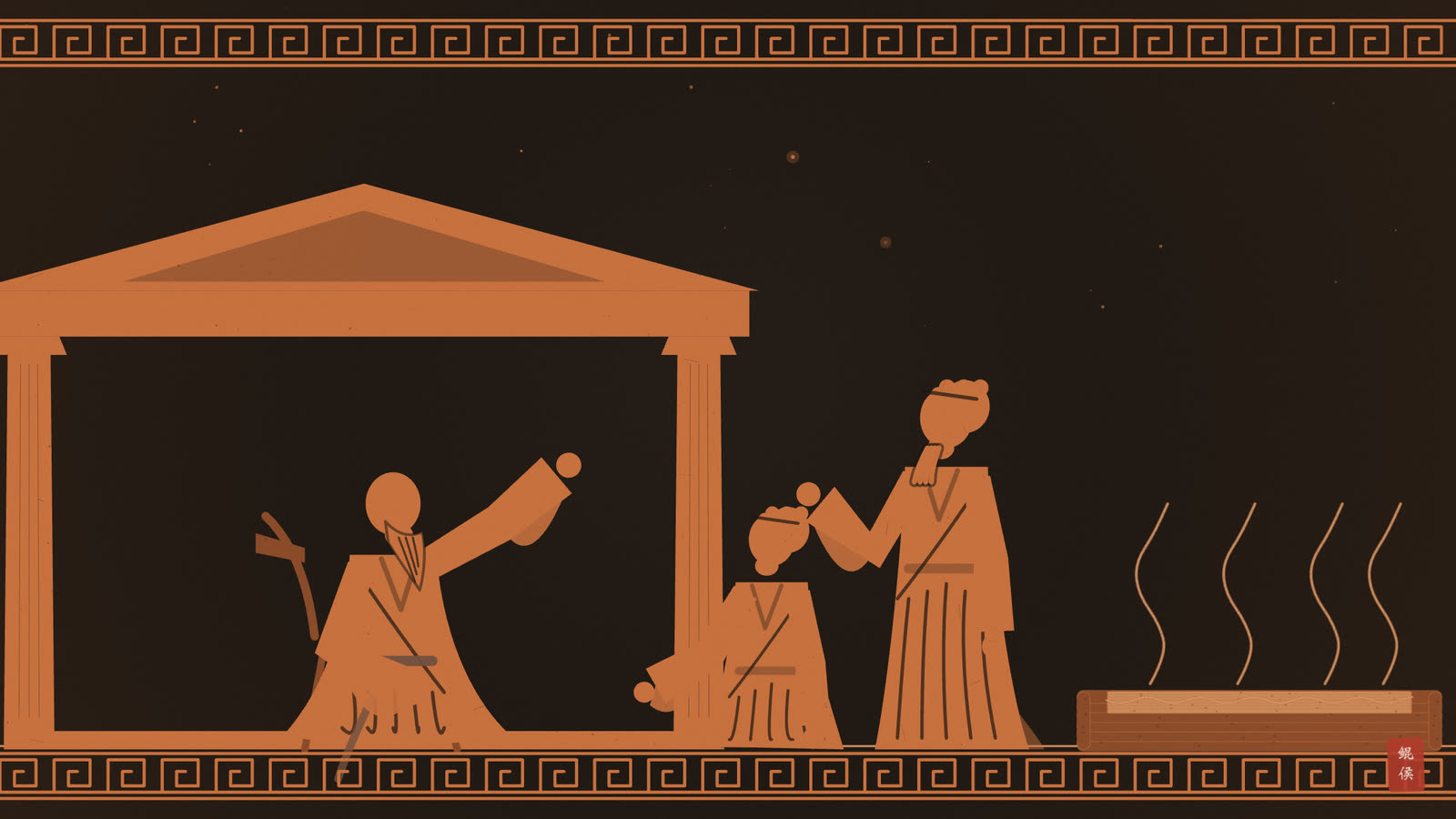
翻译点开
[14] Now I shall come to you, Plotinus, singular man, so that I may fortify my pleadings with the support of recent examples. What parts of philosophy did he not touch, since his teaching followed the distinctions of his life, and since he showed what he taught not by another's example but by his own example of virtue? From his mouth, as from some inner sanctuary, divine sayings were brought forth. For he was a man fitted for all the ornaments of virtue and formed by every study of the divine dispositions: just, brave, provident, temperate, and one who believed that he could overcome the assaults of Fortune by the reasoning of providence.
〔十四〕现在我要说到你,普罗提诺,非凡的人,好用近来的实例来加固我的申辩。哲学有哪一部分他没有触及?因为他的教导随着他生平的分际而行,他所教的,不是借别人的榜样,而是以他自己的德行为榜样来显明的。从他口中,像从某个内殿里,传出神圣的言论。因为他是一个适于一切德行装饰的人,经由对神圣安排的每一种研习塑造而成:正义、勇敢、有远见、有节制,并且相信他能凭远见的推理战胜命运女神的袭击。
[15] And so, first, he chose for himself a place of quiet residence, so that, separated from all the din of human society, he might free himself from the ill will of Fortune, intending to devote himself solely to the distinctions of divine instruction, so that against all the threats of fortune he might arm himself with the whole and incorrupt protection of virtue.
〔十五〕所以,他首先为自己选了一个安静居住的地方,好远离人类社会的一切喧嚣,使自己摆脱命运女神的嫉恨,打算专心致志于神圣教导的分际,好以德行完整而不朽坏的护卫,武装自己抵御时运的一切威胁。
[16] Uplifted, then, by this confidence of mind, he also undertook the care and protection of his body, and, so as to leave nothing empty and bare where the license of raging Fortune might exercise itself, he settled in a healthful and pure part of the region; for he is said to have chosen for the location of his residence the pleasant soil of a Campanian city, where the calm temperateness of the air always sustains all the inhabitants in healthful vigor, where neither the force of winter nor the approach of the blazing sun prevails, but a balanced temperature drawn from both, and where for people suffering from any illness health, won by the heat of great springs and the healing warmth of boiling waters, flows in abundance.
〔十六〕于是,他被这种心中的信心鼓舞,也承担起照料和保护自己身体的事,为了不留下任何空虚赤裸之处,让狂怒的命运女神可以在那里施展她的放肆,他便定居在那一带一个有益健康、洁净的地方;因为据说他为居所的位置,选了坎帕尼亚一座城市宜人的土地,那里空气安静的调和,总以有益健康的活力维持所有居民,那里既没有冬天的威力占上风,也没有炎热太阳的逼近占上风,而是从两者取得的一种平衡的温度;对于患有任何疾病的人,那里有大泉的热力和沸腾之水的疗愈温暖所赢得的健康,源源不绝地流淌。
[17] Settled there, he first despised the insignia of office, thinking those to be true honors which the divine teaching of wisdom had conferred on him. No desire for riches had seized him; rather, he thought those to be riches by which the soul, adorned, might find the author of its own origin.
〔十七〕他在那里定居下来,首先就蔑视官职的标志,认为真正的荣誉,是智慧的神圣教导授予他的那些。对财富的欲望也从未攫住他;他反而认为,真正的财富,是那些使灵魂得到装饰、能找到自己来源的创造者的东西。
[18] See: in a certain part of his discourse, improvident and incautious, as it seems to me, he attacks the force of fatal necessity and chastises with the severe rebuke of his speech those who fear the decrees of Fortune, attributing nothing to the power of the stars and reserving nothing for the necessities of the fates, but saying that everything is placed in our own power.
〔十八〕看:在他论述的某一部分,在我看来,他欠缺远见、不够谨慎,攻击命定之必然的力量,以严厉的言辞斥责那些畏惧命运女神判定的人,不把任何东西归于星辰的权能,也不给命运的必然保留任何东西,却说一切都在我们自己的权能之中。
[19] It would be long to enumerate what he thought about individual matters, by what reasoning he withdrew himself from his fated lot, and how he unsettled this force, that is, the force of the stars and of fate, with the argumentation of his opinions. But he said these things while he was still whole and unharmed; he never turned his eyes or his mind to the end of Socrates or the death of Plato, ascribing much, no doubt, as one may suspect, to their minds and much to their vices.
〔十九〕要一一列举他对各个问题怎样想,他凭什么道理使自己脱离命定的命数,他怎样用他见解的论辩动摇这种力量,也就是星辰与命运的力量,那就太长了。但他说这些话的时候,还是完好无损的;他从不把眼睛或心思转向苏格拉底的结局或柏拉图的死,无疑——正如人们可以推测的——把很多归于他们的心智,把很多归于他们的过失。
[20] See: upon him, secure in this animosity of confidence, the whole power of the fates fell. First his limbs stiffened with a cold torpor of the blood, and the keenness of his eyes gradually lost the brilliance of its dwindling light; then over his whole skin a plague nourished by malignant humors broke out, so that his rotting body, as its limbs failed, wasted away in the death of corrupted blood; every day and every hour, as the disease crept on, small parts of his inner organs fell away, and whatever you had seen whole a little before, the ulceration of the ravaged body at once disfigured.
〔二十〕看:正当他在这种自信的敌意中安然无忧时,命运的全部权能落到了他身上。先是他的四肢因血液冰冷的麻木而僵硬,他眼睛的锐利也逐渐失去了它日渐微弱的光芒;接着,一种由恶性体液滋养的瘟病在他整个皮肤上爆发,使他腐烂的身体随着肢体衰败,在败坏之血的死亡中消瘦下去;每一天、每一小时,随着病势蔓延,他内脏的小块不断脱落,凡是你不久前还看见完好的部分,被毁的身体的溃烂立刻就使它变了形。
[21] Thus, with his face corrupted and dissolved, the whole shape of the body departed from him, and in a body that was, so to speak, dead, the soul alone was retained as survivor, so that, worn out by the continuation of this grave disease, compelled by his own torments, and convicted by the authority of true reason, he might feel the force and power of fate, and, shaken by the laceration of his ravaged body, might receive the sentence of Fortune as she pronounced it.
〔二十一〕就这样,他的脸败坏消散了,身体的整个形状离他而去,在一个可以说已经死去的身体里,只有灵魂作为幸存者被留住,好让他被这场重病的延续耗尽,被他自己的痛苦逼迫,被真正理性的权威说服,去感受命运的力量与权能,并在被毁身体的撕裂中受着震撼,接受命运女神宣告的判决。
[22] What shall we say now of his notorious death? Why could his virtues, that is, prudence, temperance, fortitude, and justice, not free him from these punishments of Fortune? So he too felt the force of fate and received the end which the fiery judgments of the stars had decreed for him, and, worn out by the bitterness of this illness, he taught all men, by his own example and not by license of speech, that the power of the fates can by no reasoning be despised.
〔二十二〕对他那众所周知的死,我们现在说什么呢?为什么他的德行,即明智、节制、勇敢与正义,不能使他摆脱命运女神的这些惩罚?所以,他也感受到了命运的力量,接受了星辰火热的判定为他定下的结局;他被这场病的痛苦耗尽,不是凭言辞的放纵,而是凭他自己的榜样,教导了所有的人:命运的权能是任何道理都不能蔑视的。
大意与图解点开
🔎 大意:普罗提诺德行完备,隐居坎帕尼亚,鄙弃官职财富,主张一切在我;却身染重病,形体溃败而死,以亲身之例证明命运不可蔑视。
📖 术语
| 术语 | 英文原词 | 意思 |
|---|---|---|
| 普罗提诺 | Plotinus | 新柏拉图派哲人 |
| 命运女神 | Fortune | 拟人化的命运 |
| 护卫 | protection | 保护自身之物 |
| 体液 | humors | 古医学的身体液质 |
| 四主德 | prudence, temperance… | 明智节制勇敢正义 |
🧭 图解与讲解
从希腊转到「近来的实例」:新柏拉图派哲学家普罗提诺。作者对他推崇备至:哲学无所不通,以身作则,口出神言,正义、勇敢、有远见、有节制,自信能凭远见胜过命运女神的袭击。这里的「命运女神」是拟人化的 Fortune,本站与非拟人的「时运」分开译。
〔图〕普罗提诺的防线一道道布好,命运还是落到他身上
〔图〕普罗提诺的言辞与他自己的榜样,教给人的正好相反
图一的上一行,是普罗提诺布下的四道防线:以德行武装自己;隐居远离人群;选坎帕尼亚一座温泉之城养身,那里冬不严寒、夏不酷热,病人可得温泉之疗;鄙弃官职与财富。作者特意说他「不留下任何空虚赤裸之处」,让命运无从下手。
然后是作者认为的「失算」:普罗提诺在他的论述中攻击命运的必然,不给星辰与命运留任何余地,说一切都在我们自己的权能之中;他说这话时自己还安然无恙,也不去想苏格拉底与柏拉图的结局,大概把他们的不幸归于他们自己。
图一的下一行就是命运的回击:四肢僵冷、视力衰退,皮肤溃烂,形体逐渐离散,只剩灵魂留在几乎已死的身体里。作者的结论是:他的四主德都不能使他免于命运的惩罚,他最后是以自己的身体,而不是以言辞,教人知道命运不可蔑视(图二)。病状的描写本站照原文译出,不作发挥。
📖 术语
| 术语 | 英文原词 | 意思 |
|---|---|---|
| 普罗提诺 | Plotinus | 新柏拉图派哲人 |
| 命运女神 | Fortune | 拟人化的命运 |
| 护卫 | protection | 保护自身之物 |
| 体液 | humors | 古医学的身体液质 |
| 四主德 | prudence, temperance… | 明智节制勇敢正义 |
🧭 图解与讲解
从希腊转到「近来的实例」:新柏拉图派哲学家普罗提诺。作者对他推崇备至:哲学无所不通,以身作则,口出神言,正义、勇敢、有远见、有节制,自信能凭远见胜过命运女神的袭击。这里的「命运女神」是拟人化的 Fortune,本站与非拟人的「时运」分开译。
图一的上一行,是普罗提诺布下的四道防线:以德行武装自己;隐居远离人群;选坎帕尼亚一座温泉之城养身,那里冬不严寒、夏不酷热,病人可得温泉之疗;鄙弃官职与财富。作者特意说他「不留下任何空虚赤裸之处」,让命运无从下手。
然后是作者认为的「失算」:普罗提诺在他的论述中攻击命运的必然,不给星辰与命运留任何余地,说一切都在我们自己的权能之中;他说这话时自己还安然无恙,也不去想苏格拉底与柏拉图的结局,大概把他们的不幸归于他们自己。
图一的下一行就是命运的回击:四肢僵冷、视力衰退,皮肤溃烂,形体逐渐离散,只剩灵魂留在几乎已死的身体里。作者的结论是:他的四主德都不能使他免于命运的惩罚,他最后是以自己的身体,而不是以言辞,教人知道命运不可蔑视(图二)。病状的描写本站照原文译出,不作发挥。
[23] You also know, to return again to more ancient examples, what Miltiades suffered after his victory and what Themistocles endured after his triumphs; in what calamities of hardship they were entangled, and that at the hands of those to whom, through them, both liberty and fatherland seemed to have been restored!
[24] Who stirred up the madness of the raging people against them, and who kindled the ill will? Who proclaimed so bitter a hatred that, forgetful of benefits and of the liberty restored to them, in a grave impulse of fury and the errors of unbridled fickleness, they struck down innocent and energetic men with the bitterness of popular punishment, if not the force and necessity of fate, which always rules with untiring power?
[25] Let us now, if you please, return to Roman examples. See that worthless man, polluted with every stain of infamy (Sulla, I mean), who from the very first trace of youth grew up in the laps of buffoons through the losses of his trafficked chastity: so many times he led an army successfully, and countless shipwrecks of the republic caused him to be called "the Fortunate."
[26] Look how often he is bloodied with civil blood as the vitals of the fatherland are torn. See: he posts countless lists of proscription and is enriched by a parricidal collection of bloody money; but now, though it is difficult to enumerate all his crimes, we shall nevertheless enumerate a few, so that from these you may recognize the force of fatal necessity.
[27] Seven thousand of our citizens fell in the middle of the forum of the city of Rome by Sulla's punishment; believe me: no other force, no desert of sins, no will of the gods, but the necessity of the fates thrust that multitude into Sulla's hands.
[28] What judgment, what order of reason do you now think it was, that he who was never mindful of his sex, who, beyond the allure of boyish charm, as an aged debauchee still kept up the vices of the body at an age unsuited to them, should, beset with vices, govern the Roman empire? This man, whom we knew to have been defeated in his candidacy for the praetorship; against whom the most grave Censorinus brought, with true and firm accusations, the charge of plundering a province; who as legate in the Cimbric war, prostrated by the fear of a degenerate mind, abandoned the general Marius and the Roman army: this man, though polluted with such great infamies, was afterwards adorned with the authority of regal majesty and turned our army to our own ruin.
[29] Permit me to unfold in a longer discourse the perils of Sulla's crimes; for all these things will contribute to the merit of my argument, if the necessity of the fates has been explained wholly and most truly through a great many kinds of misfortune.
翻译点开
[23] You also know, to return again to more ancient examples, what Miltiades suffered after his victory and what Themistocles endured after his triumphs; in what calamities of hardship they were entangled, and that at the hands of those to whom, through them, both liberty and fatherland seemed to have been restored!
〔二十三〕你也知道——再回到更古老的实例——米太亚德在胜利之后遭受了什么,地米斯托克利在凯旋之后忍受了什么;他们陷入了怎样的艰难灾祸,而且是在那些人手里,那些人借着他们,似乎才重新得到了自由与祖国!
[24] Who stirred up the madness of the raging people against them, and who kindled the ill will? Who proclaimed so bitter a hatred that, forgetful of benefits and of the liberty restored to them, in a grave impulse of fury and the errors of unbridled fickleness, they struck down innocent and energetic men with the bitterness of popular punishment, if not the force and necessity of fate, which always rules with untiring power?
〔二十四〕是谁激起了狂怒民众的疯狂来反对他们,是谁点燃了嫉恨?是谁宣布了如此刻毒的仇恨,使人们忘记了恩惠和失而复得的自由,在狂怒的猛烈冲动和放纵无常的错误中,以民众惩罚的刻毒打倒了无辜而能干的人,若不是那总以不倦的权能统治着的命运的力量与必然?
[25] Let us now, if you please, return to Roman examples. See that worthless man, polluted with every stain of infamy (Sulla, I mean), who from the very first trace of youth grew up in the laps of buffoons through the losses of his trafficked chastity: so many times he led an army successfully, and countless shipwrecks of the republic caused him to be called "the Fortunate."
〔二十五〕现在,你若愿意,我们回到罗马的实例。看那个卑劣无用、沾满一切耻辱污点的人(我说的是苏拉),他从青春期最初的踪迹起,就在丑角们的怀里,靠出卖贞操的损失长大:他那么多次率军得胜,共和国无数的船难使他被称为「幸运者」。
[26] Look how often he is bloodied with civil blood as the vitals of the fatherland are torn. See: he posts countless lists of proscription and is enriched by a parricidal collection of bloody money; but now, though it is difficult to enumerate all his crimes, we shall nevertheless enumerate a few, so that from these you may recognize the force of fatal necessity.
〔二十六〕看他多少次在祖国的脏腑被撕裂时沾满同胞的血。看:他张贴了无数的公敌名单,靠弑亲般搜刮来的血腥钱财发家;不过现在,尽管要列举他的一切罪行很难,我们还是要列举其中几桩,好让你从中认出命定之必然的力量。
[27] Seven thousand of our citizens fell in the middle of the forum of the city of Rome by Sulla's punishment; believe me: no other force, no desert of sins, no will of the gods, but the necessity of the fates thrust that multitude into Sulla's hands.
〔二十七〕七千名我们的公民,在罗马城广场的正中,死于苏拉的惩处;相信我:不是别的力量,不是罪过的应得,不是诸神的意志,而是命运的必然,把这一大群人推进了苏拉的手里。
[28] What judgment, what order of reason do you now think it was, that he who was never mindful of his sex, who, beyond the allure of boyish charm, as an aged debauchee still kept up the vices of the body at an age unsuited to them, should, beset with vices, govern the Roman empire? This man, whom we knew to have been defeated in his candidacy for the praetorship; against whom the most grave Censorinus brought, with true and firm accusations, the charge of plundering a province; who as legate in the Cimbric war, prostrated by the fear of a degenerate mind, abandoned the general Marius and the Roman army: this man, though polluted with such great infamies, was afterwards adorned with the authority of regal majesty and turned our army to our own ruin.
〔二十八〕你现在认为,这是什么样的裁断、什么样的理性秩序:那个从不记得自己性别的人,那个过了少年姿色可夸的年纪,作为一个年老的娈宠,还在不合适的年纪保持着身体的恶习的人,竟被恶习缠身地统治罗马帝国?这个人,我们知道他竞选裁判官落选;极庄重的肯索里努斯以真实而坚实的控告,指控他劫掠行省;他在辛布里战争中当副将时,被堕落之心的恐惧所压倒,抛弃了统帅马略和罗马军队:这个人,尽管被如此巨大的耻辱玷污,后来却被饰以王者威严的权威,把我们的军队转向我们自己的毁灭。
[29] Permit me to unfold in a longer discourse the perils of Sulla's crimes; for all these things will contribute to the merit of my argument, if the necessity of the fates has been explained wholly and most truly through a great many kinds of misfortune.
〔二十九〕请允许我用较长的论述展开苏拉罪行的种种危害;因为倘若命运的必然通过许许多多种不幸被完整、极其真实地解释清楚,这一切都会有助于我论证的分量。
大意与图解点开
🔎 大意:米太亚德、地米斯托克利救国反遭民众惩罚;苏拉出身卑污、劣迹累累,竟以「幸运者」之名执掌大权,屠戮同胞:皆是命运使然。
📖 术语
| 术语 | 英文原词 | 意思 |
|---|---|---|
| 米太亚德 | Miltiades | 马拉松之战的雅典统帅 |
| 地米斯托克利 | Themistocles | 萨拉米斯之战的雅典统帅 |
| 苏拉 | Sulla | 罗马独裁官 |
| 公敌名单 | lists of proscription | 悬赏捕杀者名单 |
| 辛布里战争 | Cimbric war | 罗马抗日耳曼部族之战 |
🧭 图解与讲解
作者先回到希腊,举雅典的两位救国英雄(图一):米太亚德在马拉松获胜之后,地米斯托克利在萨拉米斯凯旋之后,都遭到他们所拯救的同胞的惩罚。作者追问:是谁让民众忘恩负义、打倒无辜而能干的人?答案仍是命运的必然。
〔图〕救国者受罚,祸国者得势:作者说都是命运的必然
| 作者列举的苏拉劣迹(本单元) | 作者的意思 |
|---|---|
| 少年时品行卑污 | 出身与德行都不配大位 |
| 竞选裁判官落选 | 才具平庸 |
| 被肯索里努斯指控劫掠行省 | 贪婪 |
| 辛布里战争中抛弃统帅马略 | 怯懦 |
| 张贴公敌名单,广场上七千公民死于其手 | 残暴 |
| 后来却握有王者般的权威 | 可见不是德行决定际遇 |
然后进入罗马,主角是苏拉。作者对他的贬斥极其激烈(表二):少年时品行卑污,竞选裁判官落选,被控劫掠行省,在辛布里战争中抛弃统帅马略;后来却张贴公敌名单,在罗马广场上让七千公民死于其手,最终握有王者般的大权,还被称为「幸运者」。
作者特别强调,那七千人之死「不是别的力量,不是罪过的应得,不是诸神的意志,而是命运的必然」。这句话把命运放在神意之上,与第六章「敬神可略抗星辰」的口吻已大不相同。作者说要用较长的篇幅展开苏拉的罪行,因为不幸的种类越多,命运的必然就越显得完整。这些对苏拉的评语是作者的修辞,本站照译,不作史实考辨。
📖 术语
| 术语 | 英文原词 | 意思 |
|---|---|---|
| 米太亚德 | Miltiades | 马拉松之战的雅典统帅 |
| 地米斯托克利 | Themistocles | 萨拉米斯之战的雅典统帅 |
| 苏拉 | Sulla | 罗马独裁官 |
| 公敌名单 | lists of proscription | 悬赏捕杀者名单 |
| 辛布里战争 | Cimbric war | 罗马抗日耳曼部族之战 |
🧭 图解与讲解
作者先回到希腊,举雅典的两位救国英雄(图一):米太亚德在马拉松获胜之后,地米斯托克利在萨拉米斯凯旋之后,都遭到他们所拯救的同胞的惩罚。作者追问:是谁让民众忘恩负义、打倒无辜而能干的人?答案仍是命运的必然。
| 作者列举的苏拉劣迹(本单元) | 作者的意思 |
|---|---|
| 少年时品行卑污 | 出身与德行都不配大位 |
| 竞选裁判官落选 | 才具平庸 |
| 被肯索里努斯指控劫掠行省 | 贪婪 |
| 辛布里战争中抛弃统帅马略 | 怯懦 |
| 张贴公敌名单,广场上七千公民死于其手 | 残暴 |
| 后来却握有王者般的权威 | 可见不是德行决定际遇 |
然后进入罗马,主角是苏拉。作者对他的贬斥极其激烈(表二):少年时品行卑污,竞选裁判官落选,被控劫掠行省,在辛布里战争中抛弃统帅马略;后来却张贴公敌名单,在罗马广场上让七千公民死于其手,最终握有王者般的大权,还被称为「幸运者」。
作者特别强调,那七千人之死「不是别的力量,不是罪过的应得,不是诸神的意志,而是命运的必然」。这句话把命运放在神意之上,与第六章「敬神可略抗星辰」的口吻已大不相同。作者说要用较长的篇幅展开苏拉的罪行,因为不幸的种类越多,命运的必然就越显得完整。这些对苏拉的评语是作者的修辞,本站照译,不作史实考辨。
[30] By Sulla's order Sulpicius, tribune of the plebs, was struck down by the abominable punishment of a parricidal command; and Sulla's tyrannical and wicked desire, initiated by this outrage, at once exercised every kind of cruelty without any hesitation, so as to sate the unbridled desires of his mind every day by the shedding of civil blood.
[31] A man of praetorian rank, the younger Marius, who in the judgment of all seemed to have deserved well of the republic, by Sulla's order first had his legs broken; then his arms, struck from the frame of his body, were severed at the shoulders and fell; third, his tongue was cut out and left his voice in his throat; finally, when every part of his body had been mutilated, his eyes, which had been spectators and survivors, were gouged out; in so narrow a body so many punishments were devised by the wicked butcher of the fatherland, and the life was barely drained out by so many wounds, as the breath was plucked away bit by bit with losses flowing from this side and from that.
[32] But perhaps he raged with such atrocious savagery against men alone? See: he even inscribed on the proscription lists the names of women and matrons, so that he might exercise the bloody power of the sword over the whole human race. Bloody desire has no limit and is not sated by the endless slaughter of citizens.
[33] That Roman people, after subduing all nations, after the world had been traversed and possessed and even the farthest shore of Ocean discovered, was compelled to serve the wicked command of Sulla's power, the minds of all having been weakened by dread and seized by the trembling of wretched fear. Amid the Porcian laws and the Sempronian laws, to the groans of all the citizens, he posted even a third list of proscription; and, not content with this evil, so as to leave no period of his life free of crimes, he killed Lucretius when he was already a private citizen; and though he had laid down his kingly power, the pernicious cruelty of his mind still persisted in him.
[34] Do you want me, since we are lingering on Sulla's times, to tell you something about the Servilian Lake, where the heads of many senators, their necks cut through, hung as the display of a most monstrous crime? Sulla, placed amid the very couches of the gods and set amid the sacred ceremonies, always looked upon the wounds of the republic, secure and proud. What can be done more cruelly? He heaped wretched bereavements upon children and wives under the title of public calamity; nothing was permitted to piety, nothing to good faith, nothing to courage, nothing to foresight against Sulla.
翻译点开
[30] By Sulla's order Sulpicius, tribune of the plebs, was struck down by the abominable punishment of a parricidal command; and Sulla's tyrannical and wicked desire, initiated by this outrage, at once exercised every kind of cruelty without any hesitation, so as to sate the unbridled desires of his mind every day by the shedding of civil blood.
〔三十〕奉苏拉的命令,平民保民官苏尔皮基乌斯被一道弑亲般的命令以可憎的刑罚打倒;苏拉暴虐邪恶的欲望由这桩暴行开了头,立刻毫不犹豫地施展了各种残忍,以便每天用同胞的流血来满足他心中放纵的欲望。
[31] A man of praetorian rank, the younger Marius, who in the judgment of all seemed to have deserved well of the republic, by Sulla's order first had his legs broken; then his arms, struck from the frame of his body, were severed at the shoulders and fell; third, his tongue was cut out and left his voice in his throat; finally, when every part of his body had been mutilated, his eyes, which had been spectators and survivors, were gouged out; in so narrow a body so many punishments were devised by the wicked butcher of the fatherland, and the life was barely drained out by so many wounds, as the breath was plucked away bit by bit with losses flowing from this side and from that.
〔三十一〕一位有裁判官级别的人,即小马略,在众人的判断里似乎有功于共和国,奉苏拉的命令,先被打断双腿;然后他的双臂被从身躯上砍下,齐肩断落;第三,他的舌头被割掉,把声音留在喉咙里;最后,在他身体的每一部分都被残毁之后,那两只做过见证、幸存下来的眼睛也被挖出;在这样窄小的身体里,那祖国邪恶的屠夫竟想出了这么多刑罚,生命被这么多伤口几乎耗尽,随着这边那边流失的损伤,气息一点一点被夺走。
[32] But perhaps he raged with such atrocious savagery against men alone? See: he even inscribed on the proscription lists the names of women and matrons, so that he might exercise the bloody power of the sword over the whole human race. Bloody desire has no limit and is not sated by the endless slaughter of citizens.
〔三十二〕但他也许只对男人施展如此残暴的凶狠?看:他甚至把妇女和主妇的名字也写上公敌名单,好对整个人类施展刀剑的血腥权力。血腥的欲望没有止境,无尽地屠杀同胞也不能使它满足。
[33] That Roman people, after subduing all nations, after the world had been traversed and possessed and even the farthest shore of Ocean discovered, was compelled to serve the wicked command of Sulla's power, the minds of all having been weakened by dread and seized by the trembling of wretched fear. Amid the Porcian laws and the Sempronian laws, to the groans of all the citizens, he posted even a third list of proscription; and, not content with this evil, so as to leave no period of his life free of crimes, he killed Lucretius when he was already a private citizen; and though he had laid down his kingly power, the pernicious cruelty of his mind still persisted in him.
〔三十三〕那罗马人民,在征服了所有民族之后,在走遍并占有了世界、甚至发现了大洋最远的海岸之后,竟被迫服从苏拉权力的邪恶号令,所有人的心都被恐惧削弱,被可怜的惊惶所攫住。在波尔基乌斯诸法与森普罗尼乌斯诸法之间,在全体公民的呻吟声中,他甚至张贴了第三份公敌名单;他还不满足于这桩恶行,为了不让他一生中任何一段时间没有罪行,在他已成为平民之后,又杀了卢克莱修;他虽然放下了王者的权力,心中那有害的残忍却仍在他身上持续。
[34] Do you want me, since we are lingering on Sulla's times, to tell you something about the Servilian Lake, where the heads of many senators, their necks cut through, hung as the display of a most monstrous crime? Sulla, placed amid the very couches of the gods and set amid the sacred ceremonies, always looked upon the wounds of the republic, secure and proud. What can be done more cruelly? He heaped wretched bereavements upon children and wives under the title of public calamity; nothing was permitted to piety, nothing to good faith, nothing to courage, nothing to foresight against Sulla.
〔三十四〕既然我们在苏拉的时代停留,你要我给你讲讲塞维利乌斯湖吗?在那里,许多元老的头颅,脖子被砍断,悬挂着展示一桩极其骇人的罪行。苏拉置身于诸神的坐榻之间,置身于神圣的仪式之中,总是安然而骄傲地看着共和国的伤口。还有什么能做得更残忍?他以公共灾难的名义,把悲惨的丧亲之痛堆到孩子和妻子身上;对付苏拉,虔诚无可为,信义无可为,勇敢无可为,远见也无可为。
大意与图解点开
🔎 大意:苏拉杀保民官苏尔皮基乌斯,酷刑处死小马略,把妇女列入公敌名单,三次张贴名单,退位后仍杀人,元老头颅悬于塞维利乌斯湖。
📖 术语
| 术语 | 英文原词 | 意思 |
|---|---|---|
| 平民保民官 | tribune of the plebs | 护卫平民的罗马官职 |
| 裁判官级别 | praetorian rank | 做过裁判官的人 |
| 波尔基乌斯诸法 | Porcian laws | 保护公民免受体刑之法 |
| 森普罗尼乌斯诸法 | Sempronian laws | 保护公民生命之法 |
| 塞维利乌斯湖 | Servilian Lake | 罗马广场旁一处水池 |
🧭 图解与讲解
这一单元是对苏拉暴行的集中列举(表一)。作者依次说到:处死平民保民官苏尔皮基乌斯;对小马略施以种种酷刑;把妇女也列入公敌名单;在保护公民的波尔基乌斯诸法、森普罗尼乌斯诸法之下,竟张贴了第三份公敌名单;退位成为平民之后,还杀了卢克莱修;许多元老的头颅悬挂在塞维利乌斯湖示众。
| 作者列举的暴行 | 受害者 | 作者强调之处 |
|---|---|---|
| 以命令处死 | 平民保民官苏尔皮基乌斯 | 残忍由此开头 |
| 酷刑处死 | 有裁判官级别的小马略 | 一身受尽诸刑 |
| 列入公敌名单 | 妇女与主妇 | 刀剑及于全人类 |
| 张贴第三份名单 | 全体公民 | 无视保护公民的诸法 |
| 退位后仍杀人 | 卢克莱修 | 一生无一刻无罪 |
| 悬首示众 | 许多元老 | 在神圣仪式中安然旁观 |
〔图〕苏拉的暴行步步升级,没有任何力量能阻止
小马略受刑的一段描写极为细致,本站照原文译出,不作渲染。作者写得这样细,用意在于对比:征服了所有民族、走到大洋尽头的罗马人民,竟被一人的恐怖所制服;一个有功于共和国的人,竟在众目睽睽之下受尽诸刑。
本单元的落点在末句(图二):「对付苏拉,虔诚无可为,信义无可为,勇敢无可为,远见也无可为。」这四样正是人们以为能左右祸福的德行。作者还特意写苏拉「置身于诸神的坐榻之间」,在神圣仪式中安然旁观共和国的伤口,暗示诸神也没有出手干预。下一单元就由此追问:法律与神意究竟在哪里?
📖 术语
| 术语 | 英文原词 | 意思 |
|---|---|---|
| 平民保民官 | tribune of the plebs | 护卫平民的罗马官职 |
| 裁判官级别 | praetorian rank | 做过裁判官的人 |
| 波尔基乌斯诸法 | Porcian laws | 保护公民免受体刑之法 |
| 森普罗尼乌斯诸法 | Sempronian laws | 保护公民生命之法 |
| 塞维利乌斯湖 | Servilian Lake | 罗马广场旁一处水池 |
🧭 图解与讲解
这一单元是对苏拉暴行的集中列举(表一)。作者依次说到:处死平民保民官苏尔皮基乌斯;对小马略施以种种酷刑;把妇女也列入公敌名单;在保护公民的波尔基乌斯诸法、森普罗尼乌斯诸法之下,竟张贴了第三份公敌名单;退位成为平民之后,还杀了卢克莱修;许多元老的头颅悬挂在塞维利乌斯湖示众。
| 作者列举的暴行 | 受害者 | 作者强调之处 |
|---|---|---|
| 以命令处死 | 平民保民官苏尔皮基乌斯 | 残忍由此开头 |
| 酷刑处死 | 有裁判官级别的小马略 | 一身受尽诸刑 |
| 列入公敌名单 | 妇女与主妇 | 刀剑及于全人类 |
| 张贴第三份名单 | 全体公民 | 无视保护公民的诸法 |
| 退位后仍杀人 | 卢克莱修 | 一生无一刻无罪 |
| 悬首示众 | 许多元老 | 在神圣仪式中安然旁观 |
小马略受刑的一段描写极为细致,本站照原文译出,不作渲染。作者写得这样细,用意在于对比:征服了所有民族、走到大洋尽头的罗马人民,竟被一人的恐怖所制服;一个有功于共和国的人,竟在众目睽睽之下受尽诸刑。
本单元的落点在末句(图二):「对付苏拉,虔诚无可为,信义无可为,勇敢无可为,远见也无可为。」这四样正是人们以为能左右祸福的德行。作者还特意写苏拉「置身于诸神的坐榻之间」,在神圣仪式中安然旁观共和国的伤口,暗示诸神也没有出手干预。下一单元就由此追问:法律与神意究竟在哪里?
[35] Where now are those who believe that our sins can be punished by human and divine law? See: Sulla feeds on wicked slaughters; see: he runs riot with tyrannical command, and no power of divinity opposes his desires. What do you think? What is your judgment? Refute what we say! Show us the order of things! Where are the laws, where the courts? We are always bereft of human and divine judgment, since Sulla committed all these things that we have mentioned with impunity. So do no lashes of the avenging gods chastise his crimes, though they fed on such slaughters? [lacuna] commands, and is there no one to reveal his grief in words and tears? Even the final fire is snatched from those who perished through him: and could Justice look upon this?
[36] You say that the sins of men are reported day by day to the avenging gods; all these things, as you see, were done with impunity, and Fortune did what she wished with all of them, and whatever the fates had decreed for each person was fulfilled through the punishments of Sulla's savagery. And so that you may know that we have declared this with true reason, a prosperous outcome followed him after these evils. He is heaped with the insignia of a perpetual dictatorship and lays down his command at his own discretion; the limbs of the mangled republic and the bloody money are, by his order, transferred to the wealth of baser men; after these evils he enjoys quiet security, and, fattened on an abundance of crimes, he is honored by decree of the most distinguished Senate and in the name of the Roman people with the title of prosperous and perpetual felicity.
[37] Where now are those who deny that our actions are governed by the fortuitous courses of the stars? That cruel and most treacherous man, whom we know to have run riot through every kind of cruelty, securely attains all the ornaments of rank; but Marius, after his triumph over Jugurtha and the other nations he subdued, after he had freed the city of Rome from both foreign and domestic dangers, after the triumphal purple, after the embroidered and gilded palm-tunics, is bound with the iron fetters of chains. See: as an exile he hides in the marshes of Minturnae; see: he is crushed by the squalor of prison; do you see how as a fugitive he comes to the edge of ruined Carthage?
[38] What god had made Marius an exile or Sulla fortunate? The general Paullus promised commands to Marius when he was a soldier; Sulla as legate was deserting the Roman army; and yet afterwards, by the judgment of Fortune, the one was made an exile and the other fortunate. At too great length, the force and necessity of fate and the powers of the stars as well [lacuna], we have lamented in this discourse the cruel deeds of Sulla's domination.
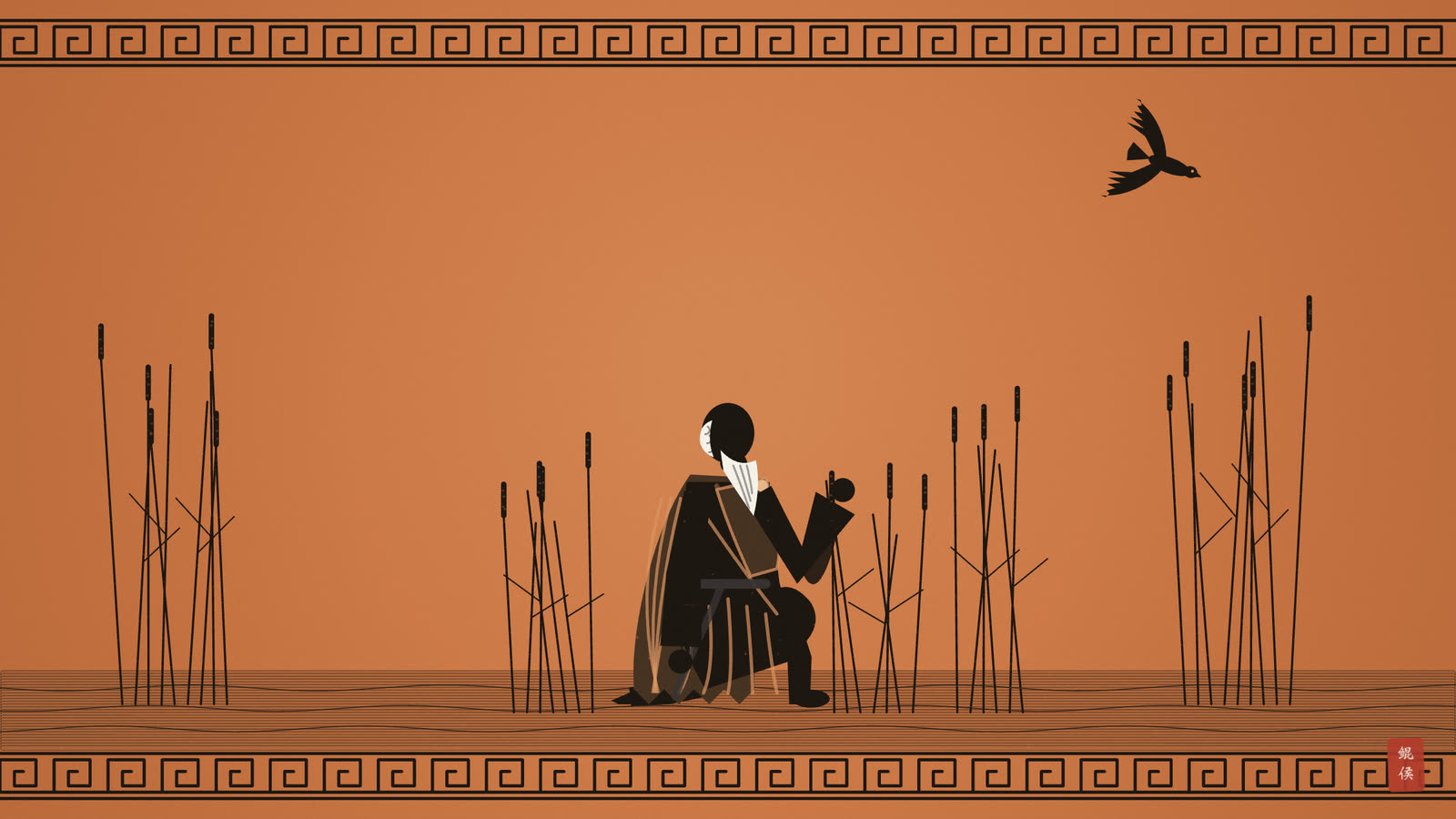
翻译点开
[35] Where now are those who believe that our sins can be punished by human and divine law? See: Sulla feeds on wicked slaughters; see: he runs riot with tyrannical command, and no power of divinity opposes his desires. What do you think? What is your judgment? Refute what we say! Show us the order of things! Where are the laws, where the courts? We are always bereft of human and divine judgment, since Sulla committed all these things that we have mentioned with impunity. So do no lashes of the avenging gods chastise his crimes, though they fed on such slaughters? [lacuna] commands, and is there no one to reveal his grief in words and tears? Even the final fire is snatched from those who perished through him: and could Justice look upon this?
〔三十五〕那些相信我们的罪过能被人法与神法惩罚的人,现在在哪里?看:苏拉以邪恶的屠杀为食;看:他以暴虐的号令横行,而神性的任何权能都不反对他的欲望。你怎么想?你怎么判断?驳倒我们所说的吧!把事物的秩序指给我们看!法律在哪里,法庭在哪里?我们总是被剥夺了人的与神的裁判,因为我们所说的这一切,苏拉都犯下而未受惩罚。那么,他的罪行以如此多的屠杀为食,复仇诸神就没有一记鞭子惩治它们吗?〔此处原文有缺〕号令,也没有一个人用言辞和眼泪吐露他的悲痛吗?连那些因他而死的人,最后的火葬之火都被夺走:正义女神能眼看着这事吗?
[36] You say that the sins of men are reported day by day to the avenging gods; all these things, as you see, were done with impunity, and Fortune did what she wished with all of them, and whatever the fates had decreed for each person was fulfilled through the punishments of Sulla's savagery. And so that you may know that we have declared this with true reason, a prosperous outcome followed him after these evils. He is heaped with the insignia of a perpetual dictatorship and lays down his command at his own discretion; the limbs of the mangled republic and the bloody money are, by his order, transferred to the wealth of baser men; after these evils he enjoys quiet security, and, fattened on an abundance of crimes, he is honored by decree of the most distinguished Senate and in the name of the Roman people with the title of prosperous and perpetual felicity.
〔三十六〕你说人的罪过每天都被报告给复仇诸神;可是你看,这一切都做了而未受惩罚,命运女神对这一切人随心所欲,命数为每个人判定的一切,都借苏拉凶残的惩处而得以完成。为了让你知道我们是凭真正的理性宣告这一点的,在这些恶行之后,跟随他的竟是顺遂的结果。他被堆上终身独裁官的标志,又按自己的意愿放下了权柄;被撕裂的共和国的肢体与血腥的钱财,奉他的命令转入更卑贱之人的财富;在这些恶行之后,他享受着安静的安全,饱餍于大量的罪行,却由极其显赫的元老院的决议、以罗马人民的名义,被授予顺遂而永久的幸福之号。
[37] Where now are those who deny that our actions are governed by the fortuitous courses of the stars? That cruel and most treacherous man, whom we know to have run riot through every kind of cruelty, securely attains all the ornaments of rank; but Marius, after his triumph over Jugurtha and the other nations he subdued, after he had freed the city of Rome from both foreign and domestic dangers, after the triumphal purple, after the embroidered and gilded palm-tunics, is bound with the iron fetters of chains. See: as an exile he hides in the marshes of Minturnae; see: he is crushed by the squalor of prison; do you see how as a fugitive he comes to the edge of ruined Carthage?
〔三十七〕那些否认我们的行为由星辰偶然的运行所治理的人,现在在哪里?那个残忍而极其背信的人,我们知道他以各种残忍横行,却安然得到了一切尊位的装饰;而马略,在战胜朱古达和他所征服的其他民族而凯旋之后,在他把罗马城从外患与内忧中解救出来之后,在穿过凯旋的紫袍之后,在穿过绣金的棕叶纹长袍之后,却被铁链锁住。看:他作为流亡者藏身在明图尔奈的沼泽里;看:他被牢狱的污秽所压;你看见他怎样作为逃亡者来到已成废墟的迦太基的边缘吗?
[38] What god had made Marius an exile or Sulla fortunate? The general Paullus promised commands to Marius when he was a soldier; Sulla as legate was deserting the Roman army; and yet afterwards, by the judgment of Fortune, the one was made an exile and the other fortunate. At too great length, the force and necessity of fate and the powers of the stars as well [lacuna], we have lamented in this discourse the cruel deeds of Sulla's domination.
〔三十八〕是哪位神使马略成为流亡者,又使苏拉成为幸运者?统帅保卢斯曾在马略还是士兵时向他许诺统帅之权;苏拉作为副将却抛弃了罗马军队;然而后来,凭着命运女神的判断,一个成了流亡者,另一个成了幸运者。我们已在这番论述里用太长的言辞〔此处原文有缺〕命运的力量与必然,还有星辰的权能,哀叹了苏拉统治的残酷行径。
大意与图解点开
🔎 大意:苏拉作恶无数却未受惩罚,以终身独裁官之尊安然退位,受封「幸福」之号;救国的马略却身陷锁链、流亡沼泽:神意何在?
📖 术语
| 术语 | 英文原词 | 意思 |
|---|---|---|
| 复仇诸神 | avenging gods | 惩罚罪人的神祇 |
| 正义女神 | Justice | 拟人化的正义 |
| 终身独裁官 | perpetual dictatorship | 苏拉所任的非常之职 |
| 朱古达 | Jugurtha | 努米底亚国王 |
| 明图尔奈 | Minturnae | 意大利中部沿海城镇 |
🧭 图解与讲解
这一单元是对论敌最直接的诘问:那些相信罪过能被人法神法惩罚的人在哪里?苏拉的罪行一件也没有受罚,复仇诸神没有挥过一鞭,连死者应有的火葬都被剥夺,正义女神就这样看着?原文中间有缺字,本站照英译标出。
〔图〕是哪位神使马略流亡、苏拉幸运:作者答,是命运女神
| 苏拉 | 马略 | |
|---|---|---|
| 早年 | 副将,抛弃军队 | 士兵,统帅许以大权 |
| 功业 | 屠戮同胞,三张公敌名单 | 战胜朱古达,解救罗马 |
| 后来 | 终身独裁官,自愿退位 | 铁链、牢狱、藏身沼泽 |
| 结局 | 受封顺遂永久的幸福 | 逃到迦太基废墟 |
更刺眼的是苏拉的结局:他被授予终身独裁官,又按自己的意愿放下权柄,安然度日,元老院还以罗马人民的名义授予他「顺遂而永久的幸福」之号。作者说,这正证明了命数为每个人定下的一切,都借苏拉之手完成了。
与之对照的是马略(表二)。他战胜努米底亚国王朱古达,解救罗马于内忧外患,穿过凯旋的紫袍与绣金长袍,后来却被铁链锁住,藏身明图尔奈的沼泽,坐牢,流亡到迦太基废墟。作者问:是哪位神使马略流亡、苏拉幸运?(图一)早年统帅保卢斯看好士兵马略,苏拉做副将时却抛弃军队,结局却完全颠倒。
末句作者自己收住话头:为了这番论述,已经用太长的篇幅哀叹苏拉的暴行了。原文这一句中间有缺字,句末据早期刊本校定,大意是:这么长的篇幅,都是为了说明命运与星辰的力量。另一读法:其余传本作 ad istum sermonem(为了这番论述),意思相近。下一单元再列几位罗马名人的结局,本章就告结束。
📖 术语
| 术语 | 英文原词 | 意思 |
|---|---|---|
| 复仇诸神 | avenging gods | 惩罚罪人的神祇 |
| 正义女神 | Justice | 拟人化的正义 |
| 终身独裁官 | perpetual dictatorship | 苏拉所任的非常之职 |
| 朱古达 | Jugurtha | 努米底亚国王 |
| 明图尔奈 | Minturnae | 意大利中部沿海城镇 |
🧭 图解与讲解
这一单元是对论敌最直接的诘问:那些相信罪过能被人法神法惩罚的人在哪里?苏拉的罪行一件也没有受罚,复仇诸神没有挥过一鞭,连死者应有的火葬都被剥夺,正义女神就这样看着?原文中间有缺字,本站照英译标出。
| 苏拉 | 马略 | |
|---|---|---|
| 早年 | 副将,抛弃军队 | 士兵,统帅许以大权 |
| 功业 | 屠戮同胞,三张公敌名单 | 战胜朱古达,解救罗马 |
| 后来 | 终身独裁官,自愿退位 | 铁链、牢狱、藏身沼泽 |
| 结局 | 受封顺遂永久的幸福 | 逃到迦太基废墟 |
更刺眼的是苏拉的结局:他被授予终身独裁官,又按自己的意愿放下权柄,安然度日,元老院还以罗马人民的名义授予他「顺遂而永久的幸福」之号。作者说,这正证明了命数为每个人定下的一切,都借苏拉之手完成了。
与之对照的是马略(表二)。他战胜努米底亚国王朱古达,解救罗马于内忧外患,穿过凯旋的紫袍与绣金长袍,后来却被铁链锁住,藏身明图尔奈的沼泽,坐牢,流亡到迦太基废墟。作者问:是哪位神使马略流亡、苏拉幸运?(图一)早年统帅保卢斯看好士兵马略,苏拉做副将时却抛弃军队,结局却完全颠倒。
末句作者自己收住话头:为了这番论述,已经用太长的篇幅哀叹苏拉的暴行了。原文这一句中间有缺字,句末据早期刊本校定,大意是:这么长的篇幅,都是为了说明命运与星辰的力量。另一读法:其余传本作 ad istum sermonem(为了这番论述),意思相近。下一单元再列几位罗马名人的结局,本章就告结束。
[39] Scipio, after so many triumphs, after Carthage destroyed and Numantia overthrown, after traversing Greece and surveying Asia, Bithynia, and Syria, after the irreproachable acts of his dictatorship, was overpowered within his own private walls by the plots of his household, with the bitter torment of death and by the wicked hands of those who strangled him, and so was destroyed, as it were, by a private execution.
[40] What did his good faith profit Regulus, that the force of fate, after the infamy of a wretched captivity, should lay him low among hostile hands with the sleepless atrocity of cruelty? What other force handed Crassus over as a captive, together with the Roman fasces, to the effete kings of the Persians? And yet he had been a vigorous man, and the Roman army protected his virtues, which shone in their own display.
[41] After his fifth consulship, after so many and such distinguished triumphs, on the bank of the river Nile, the sword of a half-man severed, by a wicked kind of death, the unconquered and royal neck of Pompey, which the triumphal purple had so often encircled. Who armed Cato's hands for his own death? Who handed over the venerable blood of Cicero to the impure and effeminate desires of Antony, amid the mournful and wretched weeping of all? Caesar armed for the ruin of his own life those whom his clemency had freed from all fear.
[42] Do you see how fortune always and everywhere holds sway? Do you see how varied and ever changeable are the fortunes of men? The brave man is overcome by the coward, an inferior has laid low the good man, justice did not profit the just, foresight has often deceived the cautious, and the unchaste and dissolute man is preferred to the chaste and sober in seeking office. The energetic lie low, the wicked are praised, and whatever helped this man deceived that one through heedless imitation.
翻译点开
[39] Scipio, after so many triumphs, after Carthage destroyed and Numantia overthrown, after traversing Greece and surveying Asia, Bithynia, and Syria, after the irreproachable acts of his dictatorship, was overpowered within his own private walls by the plots of his household, with the bitter torment of death and by the wicked hands of those who strangled him, and so was destroyed, as it were, by a private execution.
〔三十九〕西庇阿,在那么多次凯旋之后,在毁灭迦太基、推倒努曼提亚之后,在走遍希腊、巡视亚细亚、比提尼亚与叙利亚之后,在独裁官任内无可指摘的作为之后,却在自家私宅的墙内被家人的阴谋所制服,在死亡的痛苦折磨中,被扼他喉咙的邪恶之手所害,就这样仿佛被一种私刑处死了。
[40] What did his good faith profit Regulus, that the force of fate, after the infamy of a wretched captivity, should lay him low among hostile hands with the sleepless atrocity of cruelty? What other force handed Crassus over as a captive, together with the Roman fasces, to the effete kings of the Persians? And yet he had been a vigorous man, and the Roman army protected his virtues, which shone in their own display.
〔四十〕雷古卢斯的信义对他有什么益处?命运的力量在他遭受悲惨被俘的耻辱之后,又在敌人手中以不眠的残酷暴行将他打倒。还有什么别的力量,把克拉苏连同罗马的束棒,作为俘虏交给了柔弱的波斯国王?而他本是一个刚强的人,罗马军队曾护卫着他那以自身光彩闪耀的德行。
[41] After his fifth consulship, after so many and such distinguished triumphs, on the bank of the river Nile, the sword of a half-man severed, by a wicked kind of death, the unconquered and royal neck of Pompey, which the triumphal purple had so often encircled. Who armed Cato's hands for his own death? Who handed over the venerable blood of Cicero to the impure and effeminate desires of Antony, amid the mournful and wretched weeping of all? Caesar armed for the ruin of his own life those whom his clemency had freed from all fear.
〔四十一〕在他第五次任执政官之后,在那么多那么显赫的凯旋之后,在尼罗河岸边,一个半男之人的剑,以一种邪恶的死法,砍断了庞培那未被征服的、王者般的脖颈,那脖颈曾多少次被凯旋的紫袍环绕。是谁武装了加图的手去杀死自己?是谁在众人悲伤可怜的哭泣中,把西塞罗可敬的血交给了安东尼那不洁而柔靡的欲望?凯撒以他的宽厚使一些人摆脱了一切恐惧,后来却把他们武装起来,毁了他自己的性命。
[42] Do you see how fortune always and everywhere holds sway? Do you see how varied and ever changeable are the fortunes of men? The brave man is overcome by the coward, an inferior has laid low the good man, justice did not profit the just, foresight has often deceived the cautious, and the unchaste and dissolute man is preferred to the chaste and sober in seeking office. The energetic lie low, the wicked are praised, and whatever helped this man deceived that one through heedless imitation.
〔四十二〕你看见时运怎样无时无处不在支配吗?你看见人的际遇多么纷繁、永远变动吗?勇敢的人被懦夫战胜,低劣的人打倒了好人,正义对正义的人没有益处,远见常常欺骗谨慎的人,在谋求官职时,不贞放荡的人比贞洁清醒的人更受青睐。能干的人倒下,邪恶的人受称赞,凡是帮助了这个人的东西,都因不经心的效仿而欺骗了那个人。
大意与图解点开
🔎 大意:西庇阿被家人害死,雷古卢斯守信而受酷刑,克拉苏被俘,庞培死于尼罗河岸,加图自尽,西塞罗遇害,凯撒被他赦免的人所杀。
📖 术语
| 术语 | 英文原词 | 意思 |
|---|---|---|
| 西庇阿 | Scipio | 毁灭迦太基的罗马统帅 |
| 雷古卢斯 | Regulus | 守信赴死的罗马执政官 |
| 克拉苏 | Crassus | 败于东方被俘的罗马统帅 |
| 庞培 | Pompey | 罗马统帅,死于埃及 |
| 半男之人 | half-man | 指宦官 |
🧭 图解与讲解
第七章的最后一组实例,都是罗马史上最显赫的人物(表一)。西庇阿毁灭迦太基、平定努曼提亚,却在自家宅中被家人害死;雷古卢斯守信返回敌营,在敌人手中受酷刑而死;克拉苏连同罗马的束棒被俘,交给了东方的国王,原文称「波斯国王」,本站照译。
| 人物 | 功业或德行 | 结局(照原文) |
|---|---|---|
| 西庇阿 | 毁迦太基,平努曼提亚 | 被家人阴谋扼死于私宅 |
| 雷古卢斯 | 信义 | 被俘后在敌手中受酷刑而死 |
| 克拉苏 | 刚强,有罗马军队护卫 | 连同束棒被俘,交给波斯国王 |
| 庞培 | 五任执政官,屡次凯旋 | 在尼罗河岸被宦官之剑所杀 |
| 加图 | (原文未述) | 亲手自尽 |
| 西塞罗 | 可敬之人 | 被交给安东尼而遇害 |
| 凯撒 | 宽厚 | 被他赦免的人所杀 |
〔图〕本章的总结:时运无处不在支配,人的际遇永远变动
接着是内战时代的人物:庞培五任执政官、屡次凯旋,在尼罗河岸被「半男之人」,即宦官手下之剑所杀;加图自尽;西塞罗被交给安东尼而遇害;凯撒宽赦了一些人,后来却被他们所杀。作者对每一位都只用一两句话,用意不在叙史,而在累积:越是功业显赫、德行出众的人,越逃不过命运。
最后一段是全章的总结(图二):勇者被懦夫战胜,义人得不到正义的好处,谨慎的人被远见所误,放荡的人比清醒的人更易得官。「凡是帮助了这个人的东西,都因不经心的效仿而欺骗了那个人」,意思是别人靠它成功的办法,你照样学来却未必有用,因为成败本不在办法,而在时运。下一章,作者从实例转向论理,回应那些「半承认命运」的论敌。
📖 术语
| 术语 | 英文原词 | 意思 |
|---|---|---|
| 西庇阿 | Scipio | 毁灭迦太基的罗马统帅 |
| 雷古卢斯 | Regulus | 守信赴死的罗马执政官 |
| 克拉苏 | Crassus | 败于东方被俘的罗马统帅 |
| 庞培 | Pompey | 罗马统帅,死于埃及 |
| 半男之人 | half-man | 指宦官 |
🧭 图解与讲解
第七章的最后一组实例,都是罗马史上最显赫的人物(表一)。西庇阿毁灭迦太基、平定努曼提亚,却在自家宅中被家人害死;雷古卢斯守信返回敌营,在敌人手中受酷刑而死;克拉苏连同罗马的束棒被俘,交给了东方的国王,原文称「波斯国王」,本站照译。
| 人物 | 功业或德行 | 结局(照原文) |
|---|---|---|
| 西庇阿 | 毁迦太基,平努曼提亚 | 被家人阴谋扼死于私宅 |
| 雷古卢斯 | 信义 | 被俘后在敌手中受酷刑而死 |
| 克拉苏 | 刚强,有罗马军队护卫 | 连同束棒被俘,交给波斯国王 |
| 庞培 | 五任执政官,屡次凯旋 | 在尼罗河岸被宦官之剑所杀 |
| 加图 | (原文未述) | 亲手自尽 |
| 西塞罗 | 可敬之人 | 被交给安东尼而遇害 |
| 凯撒 | 宽厚 | 被他赦免的人所杀 |
接着是内战时代的人物:庞培五任执政官、屡次凯旋,在尼罗河岸被「半男之人」,即宦官手下之剑所杀;加图自尽;西塞罗被交给安东尼而遇害;凯撒宽赦了一些人,后来却被他们所杀。作者对每一位都只用一两句话,用意不在叙史,而在累积:越是功业显赫、德行出众的人,越逃不过命运。
最后一段是全章的总结(图二):勇者被懦夫战胜,义人得不到正义的好处,谨慎的人被远见所误,放荡的人比清醒的人更易得官。「凡是帮助了这个人的东西,都因不经心的效仿而欺骗了那个人」,意思是别人靠它成功的办法,你照样学来却未必有用,因为成败本不在办法,而在时运。下一章,作者从实例转向论理,回应那些「半承认命运」的论敌。
原文为公有领域古籍;翻译、印象画与图文解读由 AI 辅助生成,鲲侯审校。