卷二·第五至八章 度与界;昼夜阵营;晨星与昏星
一座三十度、一度六十分;每座的度又分给五星为界。日、木、土昼间喜乐;行星先日而升为晨星,随日而出为昏星。
V. On the Degrees of the Signs.
[1] Each sign has thirty degrees; and a degree in a sign is as great a space as the disk of the Sun or of the Moon takes in around its circumference. One degree, moreover, is divided into sixty minutes.
VI. On the Terms.
[1] Although the sign itself is under another's power and is the domicile of another planet, its degrees are nevertheless divided among the individual planets as though they were their own, and these degrees are called the terms of the planets; the Greeks call these terms horia. This too we must gather by careful inquiry; for when a planet is found in its own terms, it is as if it were placed in its own domicile. So that all this may be understood more clearly, we must explain it in detail, so that the secrets of nativities may be known from these terms.
翻译点开
V. On the Degrees of the Signs.
第五章 论星座的度
[1] Each sign has thirty degrees; and a degree in a sign is as great a space as the disk of the Sun or of the Moon takes in around its circumference. One degree, moreover, is divided into sixty minutes.
〔一〕每个星座有三十度;星座里的一度,就是太阳或月亮的圆盘在其周界之内所占的那么大一块空间。而一度又分为六十分。
VI. On the Terms.
第六章 论界
[1] Although the sign itself is under another's power and is the domicile of another planet, its degrees are nevertheless divided among the individual planets as though they were their own, and these degrees are called the terms of the planets; the Greeks call these terms horia. This too we must gather by careful inquiry; for when a planet is found in its own terms, it is as if it were placed in its own domicile. So that all this may be understood more clearly, we must explain it in detail, so that the secrets of nativities may be known from these terms.
〔一〕尽管星座本身归别的权力管辖,是另一颗行星的庙,它的各度却仍像是各星自己的那样分给各颗行星,这些度称为诸星的界;希腊人称这些界为「霍里亚」。这一点我们也必须仔细探究来掌握;因为一颗行星被发现在自己的界里时,就如同落在自己的庙里。为了把这一切理解得更清楚,我们必须详细说明,好从这些界里认识本命的秘奥。
大意与图解点开
🔎 大意:一座三十度,一度约合日月圆盘之大,一度六十分。星座虽属某星之庙,其度又分给五星为界;行星在本界如在本庙。
📖 术语
| 术语 | 英文原词 | 意思 |
|---|---|---|
| 度 | degree | 星座的三十分之一 |
| 分 | minutes | 一度的六十分之一 |
| 界 | terms | 分给五星的几段度数 |
| 霍里亚 | horia | 希腊语「边界」 |
🧭 图解与讲解
第五章只有一句:每个星座三十度,一度约等于日月圆盘的大小,一度又分六十分。用日月圆盘来比一度,是一种直观的说法(图一);实际上日月的视径只有半度左右,作者说的是约略之数。
〔图〕度的大小:一度约等于日月圆盘的视径
〔图〕庙管整座,界管几度:行星在本界,如同在本庙
第六章讲界(terms,希腊语 horia,意为「边界」)。庙是整个星座归某一星,界则把每座的三十度再切成五段,分给土、木、火、金、水五星,日月不得界(图二)。作者说,行星落在自己的界里,就如同落在自己的庙里;这和上一卷说十度区的话一样,都是在「庙」之外另给行星一层归属。
作者说要「从这些界里认识本命的秘奥」,所以下面把十二星座的界逐一列出。本站把原文整理成两张表,原文的句子则逐句译出,方便对照。
📖 术语
| 术语 | 英文原词 | 意思 |
|---|---|---|
| 度 | degree | 星座的三十分之一 |
| 分 | minutes | 一度的六十分之一 |
| 界 | terms | 分给五星的几段度数 |
| 霍里亚 | horia | 希腊语「边界」 |
🧭 图解与讲解
第五章只有一句:每个星座三十度,一度约等于日月圆盘的大小,一度又分六十分。用日月圆盘来比一度,是一种直观的说法(图一);实际上日月的视径只有半度左右,作者说的是约略之数。
第六章讲界(terms,希腊语 horia,意为「边界」)。庙是整个星座归某一星,界则把每座的三十度再切成五段,分给土、木、火、金、水五星,日月不得界(图二)。作者说,行星落在自己的界里,就如同落在自己的庙里;这和上一卷说十度区的话一样,都是在「庙」之外另给行星一层归属。
作者说要「从这些界里认识本命的秘奥」,所以下面把十二星座的界逐一列出。本站把原文整理成两张表,原文的句子则逐句译出,方便对照。
[2] The lord of Aries, as we have said, is Mars; but its terms are divided among the individual planets as follows: from the 1st to the 6th degree Jupiter possesses the terms, from the 7th to the 12th Venus, from the 13th to the 20th Mercury, from the 21st to the 25th Mars, from the 26th to the 30th Saturn. On this principle the degrees of Aries are divided.
[3] The lady of Taurus is Venus; the terms of this sign are divided as follows: from the 1st degree to the 8th Venus possesses them, from the 9th degree to the 14th Mercury, from the 15th to the 22nd Jupiter, from the 23rd to the 27th Saturn, from the 28th to the 30th Mars. These are the terms the planets possess in Taurus.
[4] The lord of Gemini is Mercury; the terms of this sign are divided as follows: from the 1st degree to the 6th Mercury possesses them, from the 7th to the 12th Jupiter, from the 13th to the 18th Venus, from the 19th to the 24th Mars, from the 25th to the 30th Saturn.
[5] The lady of Cancer is the Moon; but the terms of this sign are divided as follows: from the 1st degree to the 7th Mars possesses them, from the 8th to the 13th Venus, from the 14th to the 20th Mercury, from the 21st to the 27th Jupiter, from the 28th to the 30th Saturn. These are the terms the planets possess in this sign.
[6] The Sun is the lord of Leo, but its terms are divided as follows: from the 1st degree to the 6th Jupiter possesses the terms, from the 7th to the 11th Venus, from the 12th to the 18th Saturn, from the 19th to the 24th Mercury, from the 25th to the 30th Mars. Thus are the terms of this sign divided among the individual planets.
[7] Mercury is the lord of Virgo, but its terms are divided as follows: from the 1st degree to the 7th Mercury possesses the terms, from the 8th to the 17th Venus, from the 18th to the 21st Jupiter, from the 22nd to the 28th Mars, from the 29th to the 30th Saturn.
翻译点开
[2] The lord of Aries, as we have said, is Mars; but its terms are divided among the individual planets as follows: from the 1st to the 6th degree Jupiter possesses the terms, from the 7th to the 12th Venus, from the 13th to the 20th Mercury, from the 21st to the 25th Mars, from the 26th to the 30th Saturn. On this principle the degrees of Aries are divided.
〔二〕白羊的主,如我们所说,是火星;但它的界是这样分给各颗行星的:从第一度到第六度木星占有界,从第七度到第十二度是金星,从第十三度到第二十度是水星,从第二十一度到第二十五度是火星,从第二十六度到第三十度是土星。白羊的各度就按这个道理分配。
[3] The lady of Taurus is Venus; the terms of this sign are divided as follows: from the 1st degree to the 8th Venus possesses them, from the 9th degree to the 14th Mercury, from the 15th to the 22nd Jupiter, from the 23rd to the 27th Saturn, from the 28th to the 30th Mars. These are the terms the planets possess in Taurus.
〔三〕金牛的女主是金星;这个星座的界分配如下:从第一度到第八度金星占有,从第九度到第十四度是水星,从第十五度到第二十二度是木星,从第二十三度到第二十七度是土星,从第二十八度到第三十度是火星。这些就是诸星在金牛占有的界。
[4] The lord of Gemini is Mercury; the terms of this sign are divided as follows: from the 1st degree to the 6th Mercury possesses them, from the 7th to the 12th Jupiter, from the 13th to the 18th Venus, from the 19th to the 24th Mars, from the 25th to the 30th Saturn.
〔四〕双子的主是水星;这个星座的界分配如下:从第一度到第六度水星占有,从第七度到第十二度是木星,从第十三度到第十八度是金星,从第十九度到第二十四度是火星,从第二十五度到第三十度是土星。
[5] The lady of Cancer is the Moon; but the terms of this sign are divided as follows: from the 1st degree to the 7th Mars possesses them, from the 8th to the 13th Venus, from the 14th to the 20th Mercury, from the 21st to the 27th Jupiter, from the 28th to the 30th Saturn. These are the terms the planets possess in this sign.
〔五〕巨蟹的女主是月亮;但这个星座的界分配如下:从第一度到第七度火星占有,从第八度到第十三度是金星,从第十四度到第二十度是水星,从第二十一度到第二十七度是木星,从第二十八度到第三十度是土星。这些就是诸星在这个星座占有的界。
[6] The Sun is the lord of Leo, but its terms are divided as follows: from the 1st degree to the 6th Jupiter possesses the terms, from the 7th to the 11th Venus, from the 12th to the 18th Saturn, from the 19th to the 24th Mercury, from the 25th to the 30th Mars. Thus are the terms of this sign divided among the individual planets.
〔六〕太阳是狮子的主,但它的界分配如下:从第一度到第六度木星占有界,从第七度到第十一度是金星,从第十二度到第十八度是土星,从第十九度到第二十四度是水星,从第二十五度到第三十度是火星。这个星座的界就这样分给各颗行星。
[7] Mercury is the lord of Virgo, but its terms are divided as follows: from the 1st degree to the 7th Mercury possesses the terms, from the 8th to the 17th Venus, from the 18th to the 21st Jupiter, from the 22nd to the 28th Mars, from the 29th to the 30th Saturn.
〔七〕水星是处女的主,但它的界分配如下:从第一度到第七度水星占有界,从第八度到第十七度是金星,从第十八度到第二十一度是木星,从第二十二度到第二十八度是火星,从第二十九度到第三十度是土星。
大意与图解点开
🔎 大意:白羊至处女六座的界:每座分五段给五星,段长四至十度不等;庙主未必占第一段,土星多落在每座末尾。
📖 术语
| 术语 | 英文原词 | 意思 |
|---|---|---|
| 主 | lord | 星座的庙主 |
| 女主 | lady | 阴性行星为庙主时 |
🧭 图解与讲解
这一单元是前六座的界(表一)。读法很简单:例如白羊,第一到第六度是木星的界,第七到第十二度是金星的界,以此类推。原文用「从第几度到第几度」的序数,每座五段,加起来正好三十度。
| 星座(庙主) | 第一段 | 第二段 | 第三段 | 第四段 | 第五段 |
|---|---|---|---|---|---|
| 白羊(火星) | 木 1–6 | 金 7–12 | 水 13–20 | 火 21–25 | 土 26–30 |
| 金牛(金星) | 金 1–8 | 水 9–14 | 木 15–22 | 土 23–27 | 火 28–30 |
| 双子(水星) | 水 1–6 | 木 7–12 | 金 13–18 | 火 19–24 | 土 25–30 |
| 巨蟹(月亮) | 火 1–7 | 金 8–13 | 水 14–20 | 木 21–27 | 土 28–30 |
| 狮子(太阳) | 木 1–6 | 金 7–11 | 土 12–18 | 水 19–24 | 火 25–30 |
| 处女(水星) | 水 1–7 | 金 8–17 | 木 18–21 | 火 22–28 | 土 29–30 |
有两点值得留意。其一,庙主不一定占第一段:金牛、双子、处女的庙主占第一段,白羊的庙主火星却只在第四段,巨蟹、狮子的庙主是日月,日月不分界。其二,土星的界在这六座里有四座排在末段,金牛在第四段,狮子在第三段。
原文称金星、月亮为「女主」(lady),称其余行星为「主」(lord),这是拉丁文阴阳性的自然表现,本站照译。界在后面各卷用处很多,作者论某星落在某度时,常要问它在谁的界里。
[8] The lady of Libra is Venus, but the terms of this sign are divided as follows: from the 1st degree to the 6th Saturn possesses the terms, from the 7th to the 14th Mercury, from the 15th to the 21st Jupiter, from the 22nd to the 28th Venus, from the 29th to the 30th Mars.
[9] The lord of Scorpio is Mars; but its terms are divided as follows: from the 1st degree to the 7th Mars possesses the terms, from the 8th to the 11th Venus, from the 12th to the 19th Mercury, from the 20th to the 24th Jupiter, from the 25th to the 30th Saturn.
[10] The lord of Sagittarius is Jupiter; the terms of this sign are divided as follows: from the 1st degree to the 12th Jupiter possesses the terms, from the 13th to the 17th Venus, from the 18th to the 23rd Mercury, from the 24th to the 27th Saturn, from the 28th to the 30th Mars.
[11] The lord of Capricorn is Saturn; but the terms of this sign are divided as follows: from the 1st degree to the 7th Mercury possesses the terms, from the 8th to the 14th Jupiter, from the 15th to the 22nd Venus, from the 23rd to the 26th Saturn, from the 27th to the 30th Mars.
[12] The lord of Aquarius is Saturn; but the terms of this sign are divided as follows: from the 1st degree to the 7th Mercury possesses the terms, from the 8th to the 13th Venus, from the 14th to the 20th Jupiter, from the 21st to the 25th Mars, from the 26th to the 30th Saturn.
[13] The lord of Pisces is Jupiter; but the terms of this sign are divided as follows: from the 1st degree to the 12th Venus possesses the terms, from the 13th to the 16th Jupiter, from the 17th to the 19th Mercury, from the 20th to the 28th Mars, from the 29th to the 30th Saturn.
翻译点开
[8] The lady of Libra is Venus, but the terms of this sign are divided as follows: from the 1st degree to the 6th Saturn possesses the terms, from the 7th to the 14th Mercury, from the 15th to the 21st Jupiter, from the 22nd to the 28th Venus, from the 29th to the 30th Mars.
〔八〕天秤的女主是金星,但这个星座的界分配如下:从第一度到第六度土星占有界,从第七度到第十四度是水星,从第十五度到第二十一度是木星,从第二十二度到第二十八度是金星,从第二十九度到第三十度是火星。
[9] The lord of Scorpio is Mars; but its terms are divided as follows: from the 1st degree to the 7th Mars possesses the terms, from the 8th to the 11th Venus, from the 12th to the 19th Mercury, from the 20th to the 24th Jupiter, from the 25th to the 30th Saturn.
〔九〕天蝎的主是火星;但它的界分配如下:从第一度到第七度火星占有界,从第八度到第十一度是金星,从第十二度到第十九度是水星,从第二十度到第二十四度是木星,从第二十五度到第三十度是土星。
[10] The lord of Sagittarius is Jupiter; the terms of this sign are divided as follows: from the 1st degree to the 12th Jupiter possesses the terms, from the 13th to the 17th Venus, from the 18th to the 23rd Mercury, from the 24th to the 27th Saturn, from the 28th to the 30th Mars.
〔十〕射手的主是木星;这个星座的界分配如下:从第一度到第十二度木星占有界,从第十三度到第十七度是金星,从第十八度到第二十三度是水星,从第二十四度到第二十七度是土星,从第二十八度到第三十度是火星。
[11] The lord of Capricorn is Saturn; but the terms of this sign are divided as follows: from the 1st degree to the 7th Mercury possesses the terms, from the 8th to the 14th Jupiter, from the 15th to the 22nd Venus, from the 23rd to the 26th Saturn, from the 27th to the 30th Mars.
〔十一〕摩羯的主是土星;但这个星座的界分配如下:从第一度到第七度水星占有界,从第八度到第十四度是木星,从第十五度到第二十二度是金星,从第二十三度到第二十六度是土星,从第二十七度到第三十度是火星。
[12] The lord of Aquarius is Saturn; but the terms of this sign are divided as follows: from the 1st degree to the 7th Mercury possesses the terms, from the 8th to the 13th Venus, from the 14th to the 20th Jupiter, from the 21st to the 25th Mars, from the 26th to the 30th Saturn.
〔十二〕水瓶的主是土星;但这个星座的界分配如下:从第一度到第七度水星占有界,从第八度到第十三度是金星,从第十四度到第二十度是木星,从第二十一度到第二十五度是火星,从第二十六度到第三十度是土星。
[13] The lord of Pisces is Jupiter; but the terms of this sign are divided as follows: from the 1st degree to the 12th Venus possesses the terms, from the 13th to the 16th Jupiter, from the 17th to the 19th Mercury, from the 20th to the 28th Mars, from the 29th to the 30th Saturn.
〔十三〕双鱼的主是木星;但这个星座的界分配如下:从第一度到第十二度金星占有界,从第十三度到第十六度是木星,从第十七度到第十九度是水星,从第二十度到第二十八度是火星,从第二十九度到第三十度是土星。
大意与图解点开
🔎 大意:天秤至双鱼六座的界;全表加总,金星界最多,土星最少;木星界合计七十九度,与本卷所记木星吉时年数相同。
📖 术语
| 术语 | 英文原词 | 意思 |
|---|---|---|
| 界主 | lord of the terms | 占有该段度数的行星 |
| 度数 | degrees | 界的长短 |
🧭 图解与讲解
后六座的界见表一。射手的庙主木星、双鱼的金星都独占开头整整十二度,是全表最长的两段;天秤的土星、天蝎的火星、射手的木星、摩羯的水星也都占第一段。土星在后六座里有五座排在末段或倒数第二段。
| 星座(庙主) | 第一段 | 第二段 | 第三段 | 第四段 | 第五段 |
|---|---|---|---|---|---|
| 天秤(金星) | 土 1–6 | 水 7–14 | 木 15–21 | 金 22–28 | 火 29–30 |
| 天蝎(火星) | 火 1–7 | 金 8–11 | 水 12–19 | 木 20–24 | 土 25–30 |
| 射手(木星) | 木 1–12 | 金 13–17 | 水 18–23 | 土 24–27 | 火 28–30 |
| 摩羯(土星) | 水 1–7 | 木 8–14 | 金 15–22 | 土 23–26 | 火 27–30 |
| 水瓶(土星) | 水 1–7 | 金 8–13 | 木 14–20 | 火 21–25 | 土 26–30 |
| 双鱼(木星) | 金 1–12 | 木 13–16 | 水 17–19 | 火 20–28 | 土 29–30 |
| 行星 | 十二座界的度数合计(本站据原文加总) |
|---|---|
| 金星 | 83 |
| 木星 | 79 |
| 水星 | 79 |
| 火星 | 64 |
| 土星 | 55 |
| 合计 | 360 |
本站把十二座的界按行星加总(表二):金星八十三度最多,木星、水星各七十九度,火星六十四度,土星五十五度最少,合计正好三百六十度。吉星的界多、凶星的界少,与吉凶之分大致相应。这是本站的加总,原文没有给出合计。
木星合计七十九度,恰与本卷第二十五章「木星为赐命星而吉,判定七十九年」的数相同。两者是否出于同一来源,作者没有说明,本站只作提示,不作推断。
VII. On the Condition of the Planets.
[1] Now that the terms have been set out and shown, we must explain which planets rejoice by day and whose condition they follow, and which rejoice by night and, in the same way, whose condition they follow.
[2] By day the Sun, Jupiter, and Saturn rejoice; Jupiter and Saturn therefore follow the condition of the Sun; hence in day nativities, placed in suitable places, [lacuna]
[lacuna]
and decree evil things.
[3] For if a waning Venus or Mars has received a waning Moon in a night nativity, then the waning Moon decrees all prosperous things and felicities; but if the Moon, full of light or waxing, has joined itself to Venus or Mars by any aspect, it causes the greatest calamities and the greatest misfortunes to be stirred up. And Venus is contrary to the waxing Moon for this reason, that they are at odds with each other through a certain natural grating of envy.
[4] Let it suffice for us to have said these things in summary in this book of instruction; for we shall explain everything most fully, both about the Moon and about the other planets, in detail in the other books.
翻译点开
VII. On the Condition of the Planets.
第七章 论诸星的阵营
[1] Now that the terms have been set out and shown, we must explain which planets rejoice by day and whose condition they follow, and which rejoice by night and, in the same way, whose condition they follow.
〔一〕界既已列出说明,我们就必须讲清:哪些行星在白天喜乐,随从谁的阵营;哪些在夜里喜乐,同样又随从谁的阵营。
[2] By day the Sun, Jupiter, and Saturn rejoice; Jupiter and Saturn therefore follow the condition of the Sun; hence in day nativities, placed in suitable places, [lacuna]
〔二〕白天喜乐的是太阳、木星和土星;所以木星和土星随从太阳的阵营;因此在白天的本命盘里,落在合宜的宫位,〔此处原文有缺〕
[lacuna]
〔此处原文有缺〕
and decree evil things.
并判定凶事。
[3] For if a waning Venus or Mars has received a waning Moon in a night nativity, then the waning Moon decrees all prosperous things and felicities; but if the Moon, full of light or waxing, has joined itself to Venus or Mars by any aspect, it causes the greatest calamities and the greatest misfortunes to be stirred up. And Venus is contrary to the waxing Moon for this reason, that they are at odds with each other through a certain natural grating of envy.
〔三〕因为在夜间的本命盘里,倘若亏缺的金星或火星接纳了亏缺的月亮,那么亏缺的月亮就判定一切顺遂与幸福;但倘若光满的或正盈的月亮以任何相位与金星或火星相结合,就会招来最大的灾祸与最大的不幸。金星之所以与正盈的月亮相反,是因为二者凭着某种天生的嫉妒相摩擦而彼此不和。
[4] Let it suffice for us to have said these things in summary in this book of instruction; for we shall explain everything most fully, both about the Moon and about the other planets, in detail in the other books.
〔四〕在这本入门书里,我们把这些概略地说到就够了;因为关于月亮和其他行星的一切,我们都会在其他各卷里极详尽地逐一说明。
大意与图解点开
🔎 大意:太阳、木星、土星白天喜乐,木土随太阳的阵营;夜间部分有缺文。夜生之人,亏月遇金火主吉,盈月遇金火主大凶。
📖 术语
| 术语 | 英文原词 | 意思 |
|---|---|---|
| 阵营 | condition | 行星随从日或月的一方 |
| 白天的本命盘 | day nativity | 太阳在地平之上出生 |
| 亏缺 | waning | 月亮由满转缺 |
| 正盈 | waxing | 月亮由缺转满 |
| 接纳 | received | 此指与之相会 |
🧭 图解与讲解
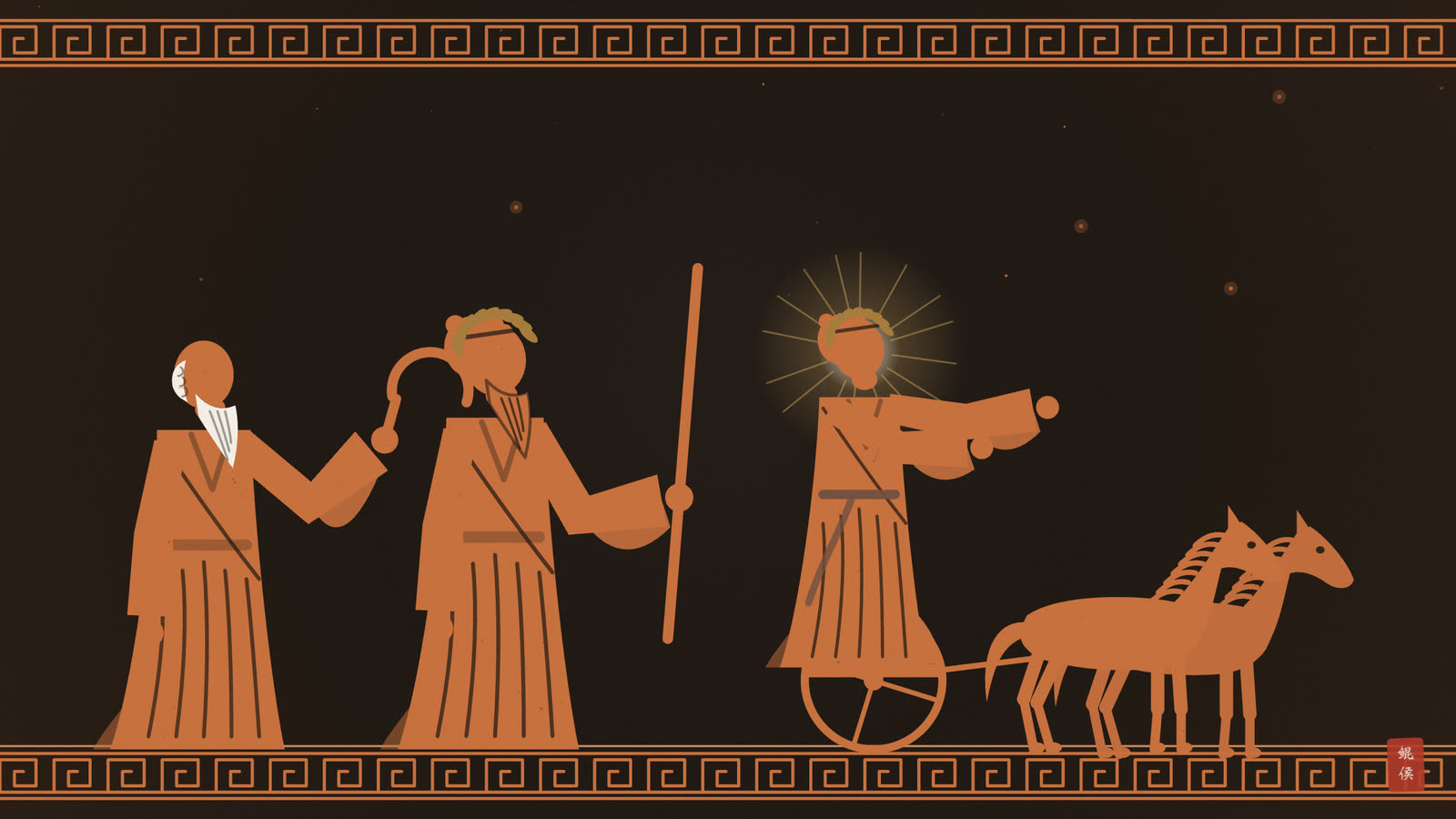
第七章讲行星的「阵营」(condition,即后世所说的昼夜之分)。行星分成两组:一组在白天喜乐,以太阳为首;一组在夜里喜乐。原文明说白天一组是太阳、木星、土星,木星和土星「随从太阳的阵营」(图一)。
〔图〕昼间阵营以太阳为首:木星、土星随从太阳
| 夜间本命盘 | 月亮的状态 | 遇金星或火星 | 原文的判断 |
|---|---|---|---|
| 情形一 | 亏缺 | 被亏缺的金星或火星接纳 | 一切顺遂与幸福 |
| 情形二 | 光满或正盈 | 以任何相位与之结合 | 最大的灾祸与不幸 |
可惜接下来有两处缺文,夜间一组是谁、各在什么情形下吉凶,都缺失了,只剩一句「并判定凶事」。下一节举的夜间例子是月亮与金星、火星,与希腊化占星通行的「夜间以月亮为首,金星、火星随从」一致,但本站不据此补文。
保留下来的例子是这样的(表二):夜间出生,若亏缺的月亮与亏缺的金星或火星相会,主一切顺遂;若光满或正盈的月亮以任何相位与金星或火星结合,主大灾祸。作者给的理由是金星与正盈的月亮「天生相妒」。他说这里只概略地讲,详细的放到后面各卷。
📖 术语
| 术语 | 英文原词 | 意思 |
|---|---|---|
| 阵营 | condition | 行星随从日或月的一方 |
| 白天的本命盘 | day nativity | 太阳在地平之上出生 |
| 亏缺 | waning | 月亮由满转缺 |
| 正盈 | waxing | 月亮由缺转满 |
| 接纳 | received | 此指与之相会 |
🧭 图解与讲解
第七章讲行星的「阵营」(condition,即后世所说的昼夜之分)。行星分成两组:一组在白天喜乐,以太阳为首;一组在夜里喜乐。原文明说白天一组是太阳、木星、土星,木星和土星「随从太阳的阵营」(图一)。
| 夜间本命盘 | 月亮的状态 | 遇金星或火星 | 原文的判断 |
|---|---|---|---|
| 情形一 | 亏缺 | 被亏缺的金星或火星接纳 | 一切顺遂与幸福 |
| 情形二 | 光满或正盈 | 以任何相位与之结合 | 最大的灾祸与不幸 |
可惜接下来有两处缺文,夜间一组是谁、各在什么情形下吉凶,都缺失了,只剩一句「并判定凶事」。下一节举的夜间例子是月亮与金星、火星,与希腊化占星通行的「夜间以月亮为首,金星、火星随从」一致,但本站不据此补文。
保留下来的例子是这样的(表二):夜间出生,若亏缺的月亮与亏缺的金星或火星相会,主一切顺遂;若光满或正盈的月亮以任何相位与金星或火星结合,主大灾祸。作者给的理由是金星与正盈的月亮「天生相妒」。他说这里只概略地讲,详细的放到后面各卷。
VIII. On When the Planets Are Morning and When Evening.
[1] The five planets, that is, Saturn, Jupiter, Mars, Venus, Mercury, are either morning, or evening, or setting, or hidden, which the Greeks call aphaneis and synodic, or acronychal. Let us explain on what principle they become such, and for what reason they receive these names. Morning stars, in their rising, are those that rise ahead of the disk of the Sun; evening stars, in their rising, are those that follow the rising Sun; hidden are those that the disk of the Sun covers; acronychal are those that rise just when the Sun sets.
[2] When these configurations of the planets help and when they harm we shall explain in later books; for it is not without reason that we have mentioned this. In sum, however, it must be said that nearness to the Sun harms all the planets. Some, though, would have it that Mars falls out favorably when it has been overwhelmed by the rays of the Sun; for in reverence to the Sun it lays aside its natural malice.
[3] We ought also to know with whom planets rejoice when morning and with whom when evening; for they are protected whenever they have gone before with a suitable aspect. The other planets placed in morning rising rejoice with the Sun; then the divine power of the Sun is protected by the best aspect, whenever it has been adorned by the morning rising of the planets. But the planets become ineffectual whenever they have followed the disk of the Sun in evening rising. Placed in the light of the Moon, they are protected by its greatest rays when they have gone before its disk by some aspect.
[4] But what the mixture of planets brings about in the nativities of those being born, when the planets become morning and when evening, [lacuna] we must also show at how many degrees of distance from the Sun the planets become morning stars.
翻译点开
VIII. On When the Planets Are Morning and When Evening.
第八章 论诸星何时为晨星、何时为昏星
[1] The five planets, that is, Saturn, Jupiter, Mars, Venus, Mercury, are either morning, or evening, or setting, or hidden, which the Greeks call aphaneis and synodic, or acronychal. Let us explain on what principle they become such, and for what reason they receive these names. Morning stars, in their rising, are those that rise ahead of the disk of the Sun; evening stars, in their rising, are those that follow the rising Sun; hidden are those that the disk of the Sun covers; acronychal are those that rise just when the Sun sets.
〔一〕五颗行星,即土星、木星、火星、金星、水星,或是晨星,或是昏星,或是西没,或是隐没——希腊人称之为「阿法内斯」与「会合」——或是暮升。让我们说明它们按什么道理成为这样,又因什么缘故得到这些名字。晨星在升起时,是那些先于太阳圆盘升起的;昏星在升起时,是那些跟随升起的太阳的;隐没的是被太阳圆盘遮住的;暮升的是恰在太阳落下时升起的。
[2] When these configurations of the planets help and when they harm we shall explain in later books; for it is not without reason that we have mentioned this. In sum, however, it must be said that nearness to the Sun harms all the planets. Some, though, would have it that Mars falls out favorably when it has been overwhelmed by the rays of the Sun; for in reverence to the Sun it lays aside its natural malice.
〔二〕行星的这些形态何时有助、何时有害,我们将在后面各卷说明;因为我们提到这一点并非无故。不过总而言之,必须说:靠近太阳对一切行星都有害。但有些人主张,火星被太阳的光线压倒时,反而结果吉利;因为它出于对太阳的敬畏,放下了自己天生的恶意。
[3] We ought also to know with whom planets rejoice when morning and with whom when evening; for they are protected whenever they have gone before with a suitable aspect. The other planets placed in morning rising rejoice with the Sun; then the divine power of the Sun is protected by the best aspect, whenever it has been adorned by the morning rising of the planets. But the planets become ineffectual whenever they have followed the disk of the Sun in evening rising. Placed in the light of the Moon, they are protected by its greatest rays when they have gone before its disk by some aspect.
〔三〕我们还应当知道,行星作为晨星时与谁同喜,作为昏星时与谁同喜;因为每当它们以合宜的相位走在前面时,它们就受到保护。其余行星处在晨升时,与太阳同喜;每当太阳因诸星的晨升而得到装点时,太阳神圣的权能就受到最好的相位保护。但每当行星以昏升跟随太阳的圆盘时,它们就变得无力。处在月亮的光里,当它们以某种相位走在月亮圆盘之前时,就受到它最大的光线的保护。
[4] But what the mixture of planets brings about in the nativities of those being born, when the planets become morning and when evening, [lacuna] we must also show at how many degrees of distance from the Sun the planets become morning stars.
〔四〕但当行星成为晨星、成为昏星时,诸星的混合在出生者的本命盘里造成什么,〔此处原文有缺〕我们还必须说明,行星离开太阳多少度时成为晨星。
大意与图解点开
🔎 大意:先于太阳升起为晨星,随日而升为昏星,被日盘遮住为隐没,日落时升起为暮升;近日皆有害,晨星与太阳同喜。
📖 术语
| 术语 | 英文原词 | 意思 |
|---|---|---|
| 晨星 | morning star | 先于太阳升起 |
| 昏星 | evening star | 跟在太阳后面升起 |
| 隐没 | hidden | 被太阳光遮住不见 |
| 暮升 | acronychal | 太阳落下时升起 |
| 阿法内斯 | aphaneis | 希腊语「不可见」 |
🧭 图解与讲解
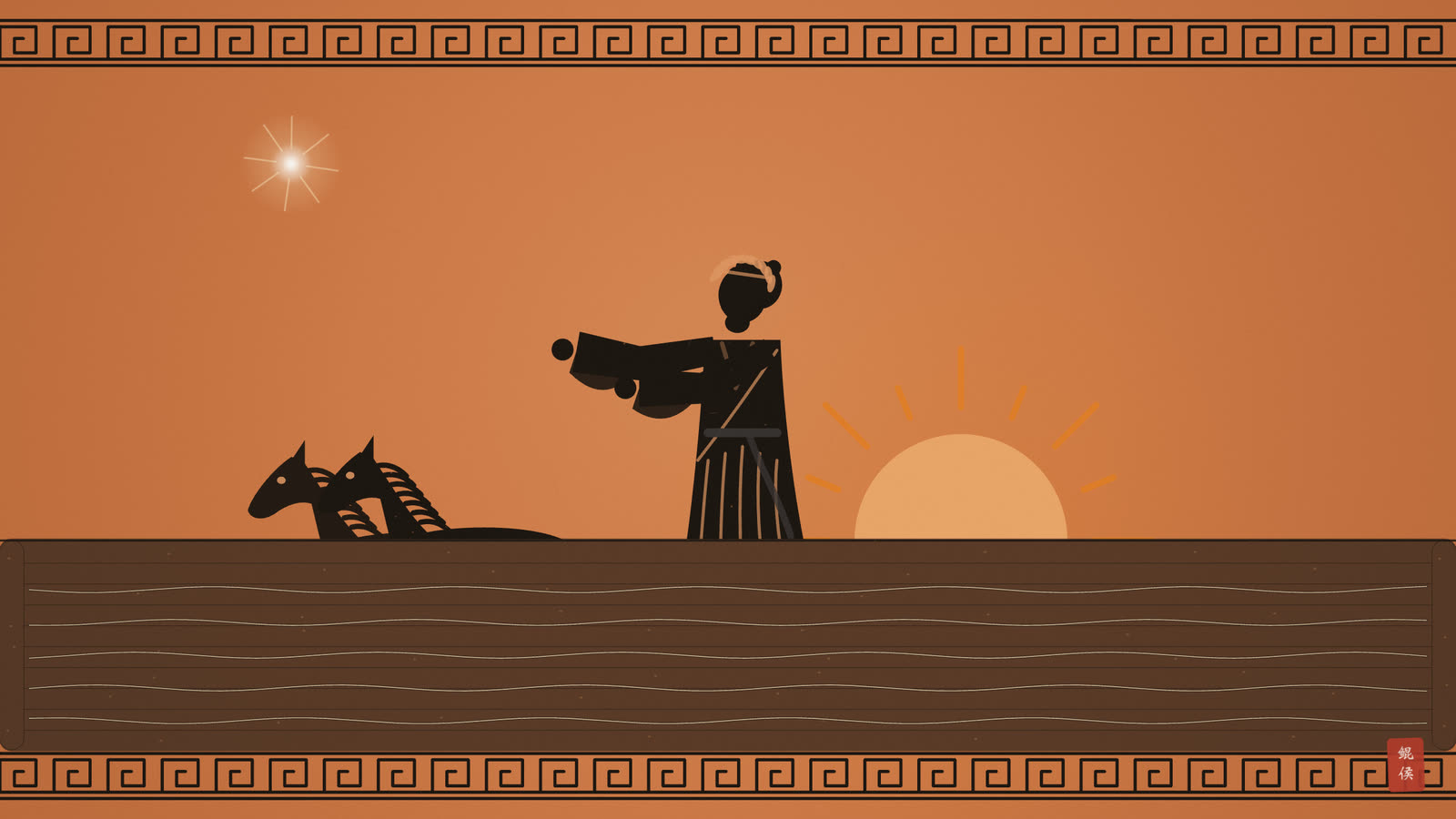
第八章讲五星与太阳的相对位置。行星每天随天球东升西落,太阳也一样;所以一颗行星可以先于太阳升起(晨星),也可以跟在太阳之后升起(昏星),也可以离太阳太近、被日光遮住(隐没,希腊语叫「阿法内斯」或「会合」),还可以在太阳落下时正好升起(暮升),也就是与太阳遥遥相对。图一用示意盘画出这几种位置。
〔图〕晨星在太阳之前升起,昏星在太阳之后升起(示意)
| 名称 | 原文定义 | 原文所说的吉凶 |
|---|---|---|
| 晨星 | 先于太阳圆盘升起 | 与太阳同喜,受保护 |
| 昏星 | 跟随升起的太阳 | 随日盘之后,变得无力 |
| 隐没(阿法内斯、会合) | 被太阳圆盘遮住 | 近日对一切行星都有害 |
| 暮升 | 恰在太阳落下时升起 | (原文此处未说) |
| 西没 | (原文只列名) | (未说) |
作者的总原则是:靠近太阳对一切行星都有害。唯一的例外是火星,有人说它被日光压倒时反而吉利,因为它「出于对太阳的敬畏,放下了天生的恶意」(表二)。行星作晨星时与太阳同喜,太阳也因诸星的晨升而得到装点;作昏星时则变得无力。对月亮也一样,走在月亮之前、以相位照它的行星受到月光的保护。
末节有缺文,只留下一个预告:行星离太阳多少度才成为晨星。这正是下一章(卷二第九章)的内容,本站在下一页接着讲。
📖 术语
| 术语 | 英文原词 | 意思 |
|---|---|---|
| 晨星 | morning star | 先于太阳升起 |
| 昏星 | evening star | 跟在太阳后面升起 |
| 隐没 | hidden | 被太阳光遮住不见 |
| 暮升 | acronychal | 太阳落下时升起 |
| 阿法内斯 | aphaneis | 希腊语「不可见」 |
🧭 图解与讲解
第八章讲五星与太阳的相对位置。行星每天随天球东升西落,太阳也一样;所以一颗行星可以先于太阳升起(晨星),也可以跟在太阳之后升起(昏星),也可以离太阳太近、被日光遮住(隐没,希腊语叫「阿法内斯」或「会合」),还可以在太阳落下时正好升起(暮升),也就是与太阳遥遥相对。图一用示意盘画出这几种位置。
| 名称 | 原文定义 | 原文所说的吉凶 |
|---|---|---|
| 晨星 | 先于太阳圆盘升起 | 与太阳同喜,受保护 |
| 昏星 | 跟随升起的太阳 | 随日盘之后,变得无力 |
| 隐没(阿法内斯、会合) | 被太阳圆盘遮住 | 近日对一切行星都有害 |
| 暮升 | 恰在太阳落下时升起 | (原文此处未说) |
| 西没 | (原文只列名) | (未说) |
作者的总原则是:靠近太阳对一切行星都有害。唯一的例外是火星,有人说它被日光压倒时反而吉利,因为它「出于对太阳的敬畏,放下了天生的恶意」(表二)。行星作晨星时与太阳同喜,太阳也因诸星的晨升而得到装点;作昏星时则变得无力。对月亮也一样,走在月亮之前、以相位照它的行星受到月光的保护。
末节有缺文,只留下一个预告:行星离太阳多少度才成为晨星。这正是下一章(卷二第九章)的内容,本站在下一页接着讲。
原文为公有领域古籍;翻译、印象画与图文解读由 AI 辅助生成,鲲侯审校。