卷五·第三十三章 两造相争,谁胜谁败
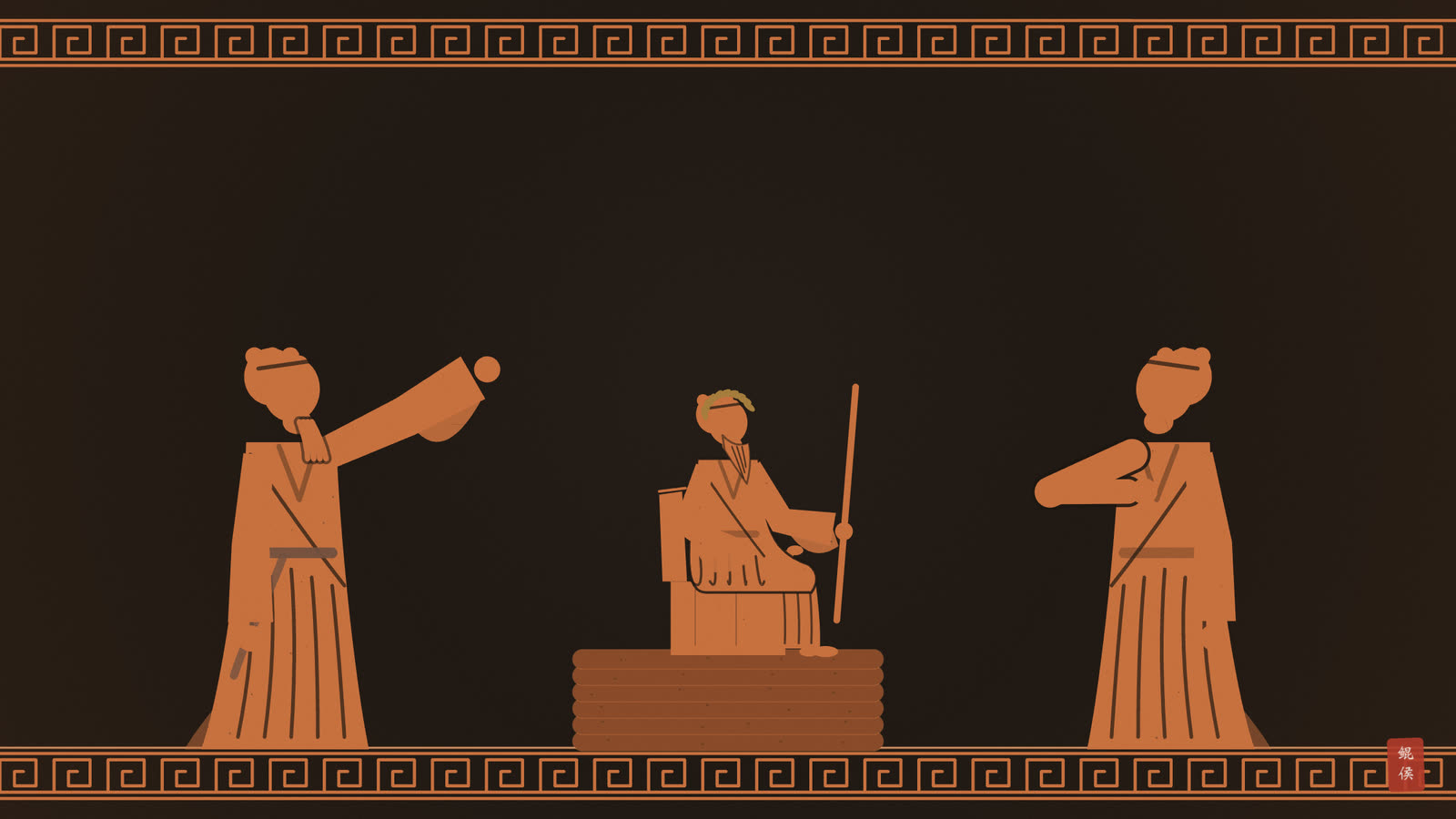
诉讼的四角:上升是原告,中天是法官,下降是被告,天底是结局;再看月亮、债务的日月之分、福点,以及争执为谁而起。
XXXIII. Chapter: Explaining the Matter of Two Adversaries When They Dispute or Go Up to the Judge, Which of Them Will Prevail and Which Will Be Defeated.
Indeed, to those who rush into contentious lawsuits and have need of it, you will thus speak the truth.
[1] If you want to know this, look at the Ascendant at the hour at which you are asked: take the accuser from the rising sign, for the Ascendant signifies the matter of the plaintiff, the one who begins the dispute.
[2] If you find the Ascendant a solid sign, he will keep the resolve he had: the one seeking his right is keen in his claim and will not turn away from his dispute.
[3] If the Ascendant is one of the signs called bicorporeal, he will turn about from repentance and go another way: the one seeking his right is of two minds and will regret his dispute.
[4] In the tropical signs his impulse will be unfulfilled: that dispute will not be completed and will have no outcome.
[5] If Mars regards the Ascendant, harming it, or is with it, it signifies that grief, shame, and disgrace will befall the plaintiff on account of that dispute.
[6] If Mercury is with the benefics in the Ascendant, or regards the Ascendant, it signifies that the one seeking his right will get dirhams and goods from his adversary and will fall silent, turning away from his dispute with the defendant.
[7] If it is Saturn that regards the Ascendant, harming it, or is with it, harm will enter upon the plaintiff on that account and in that dispute, and the accuser will be penalized.
翻译点开
XXXIII. Chapter: Explaining the Matter of Two Adversaries When They Dispute or Go Up to the Judge, Which of Them Will Prevail and Which Will Be Defeated.
第三十三章 论两造相争或告到官长面前时,哪一方胜、哪一方败。
Indeed, to those who rush into contentious lawsuits and have need of it, you will thus speak the truth.
对那些急于打官司、有此需要的人,你可以这样说出真相。
[1] If you want to know this, look at the Ascendant at the hour at which you are asked: take the accuser from the rising sign, for the Ascendant signifies the matter of the plaintiff, the one who begins the dispute.
[1] 若你想知道这件事,就看你被问的那个时刻的上升:原告要从正在上升的星座取,因为上升主起诉者、即挑起争讼一方的事。
[2] If you find the Ascendant a solid sign, he will keep the resolve he had: the one seeking his right is keen in his claim and will not turn away from his dispute.
[2] 若见上升是固定星座,他会坚持原来的主意:讨公道的一方追索得紧,不会放弃这场争讼。
[3] If the Ascendant is one of the signs called bicorporeal, he will turn about from repentance and go another way: the one seeking his right is of two minds and will regret his dispute.
[3] 若上升是所谓双体星座之一,他会因后悔而回头,改走别的路:讨公道的一方心意不定,会对这场争讼后悔。
[4] In the tropical signs his impulse will be unfulfilled: that dispute will not be completed and will have no outcome.
[4] 在回归星座,他的冲劲落空:这场争讼办不完,没有结果。
[5] If Mars regards the Ascendant, harming it, or is with it, it signifies that grief, shame, and disgrace will befall the plaintiff on account of that dispute.
[5] 若火星照见上升、伤害它,或与它同在,表示原告会因这场争讼而忧伤、蒙羞、受辱。
[6] If Mercury is with the benefics in the Ascendant, or regards the Ascendant, it signifies that the one seeking his right will get dirhams and goods from his adversary and will fall silent, turning away from his dispute with the defendant.
[6] 若水星与吉星同在上升,或照见上升,表示讨公道的一方会从对手那里得到银钱与财物,从此不再作声,放弃与被告的争讼。
[7] If it is Saturn that regards the Ascendant, harming it, or is with it, harm will enter upon the plaintiff on that account and in that dispute, and the accuser will be penalized.
[7] 若是土星照见上升、伤害它,或与它同在,原告就会因此、在这场争讼中受损,控告的一方会遭罚。
大意与图解点开
🔎 大意:原告看被问时刻的上升:固定星座坚持到底,双体星座中途后悔,回归星座半途而废;火星伤上升主受辱,土星主受罚。
📖 术语
| 术语 | 英文原词 | 意思 |
|---|---|---|
| 原告 | plaintiff | 挑起争讼的一方 |
| 固定星座 | fixed sign | 四季居中的星座 |
| 双体星座 | bicorporeal sign | 一座两身的星座 |
| 回归星座 | tropical sign | 四季开头的星座 |
| 争讼 | lawsuit | 告到官长面前 |
🧭 图解与讲解
本章讲两造相争、告到官长面前,谁胜谁败。第二行「对那些急于打官司的人,你可以这样说出真相」是赫菲斯提翁卷三第三十八章引下的诗,此句是传世希腊原诗,与卷五第二十五章的开头一行同一口吻(表一)。第三至六行也是诗,阿拉伯文与诗句逐条相应,融合本以诗的措辞为主。
| 句 | 依据 | 主要异文 | 裁定 |
|---|---|---|---|
| 引子 | 诗 10 | 只诗有 | 收作章首一行 |
| §1–4 | 诗 11 + 阿拉伯文 | 固定、双体、回归三种星座的判断全同 | 诗句措辞为主 |
| §5–7 | 阿拉伯文 + 散文 12 | 同 | 并入希腊细节 |
〔图〕上升星座的模式,决定原告的决心
| 照见或同在上升的星 | 原告 |
|---|---|
| 火星,伤害上升 | 忧伤、蒙羞、受辱 |
| 水星与吉星 | 从对手得银钱财物,不再作声 |
| 土星,伤害上升 | 受损,遭罚 |
原告从被问那一刻正在上升的星座取,因为上升主挑起争讼的一方。上升是固定星座,原告咬住不放;双体星座,心意不定,会后悔回头;回归星座,冲劲落空,官司办不完(图二)。这是用星座的三种模式来断「意志能否持久」,本站《四书》卷一第十一章论至点、分点、固定与双体星座,给的是同一分法的自然学理由。
第五至七节看谁照见上升:火星伤上升,原告受辱;水星与吉星在上升或照见,原告得了对方的银钱,就此罢手;土星伤上升,原告反遭罚(表三)。这三节阿拉伯文与赫菲斯提翁第十二节的散文相同,并入希腊细节。
📖 术语
| 术语 | 英文原词 | 意思 |
|---|---|---|
| 原告 | plaintiff | 挑起争讼的一方 |
| 固定星座 | fixed sign | 四季居中的星座 |
| 双体星座 | bicorporeal sign | 一座两身的星座 |
| 回归星座 | tropical sign | 四季开头的星座 |
| 争讼 | lawsuit | 告到官长面前 |
🧭 图解与讲解
本章讲两造相争、告到官长面前,谁胜谁败。第二行「对那些急于打官司的人,你可以这样说出真相」是赫菲斯提翁卷三第三十八章引下的诗,此句是传世希腊原诗,与卷五第二十五章的开头一行同一口吻(表一)。第三至六行也是诗,阿拉伯文与诗句逐条相应,融合本以诗的措辞为主。
| 句 | 依据 | 主要异文 | 裁定 |
|---|---|---|---|
| 引子 | 诗 10 | 只诗有 | 收作章首一行 |
| §1–4 | 诗 11 + 阿拉伯文 | 固定、双体、回归三种星座的判断全同 | 诗句措辞为主 |
| §5–7 | 阿拉伯文 + 散文 12 | 同 | 并入希腊细节 |
| 照见或同在上升的星 | 原告 |
|---|---|
| 火星,伤害上升 | 忧伤、蒙羞、受辱 |
| 水星与吉星 | 从对手得银钱财物,不再作声 |
| 土星,伤害上升 | 受损,遭罚 |
原告从被问那一刻正在上升的星座取,因为上升主挑起争讼的一方。上升是固定星座,原告咬住不放;双体星座,心意不定,会后悔回头;回归星座,冲劲落空,官司办不完(图二)。这是用星座的三种模式来断「意志能否持久」,本站《四书》卷一第十一章论至点、分点、固定与双体星座,给的是同一分法的自然学理由。
第五至七节看谁照见上升:火星伤上升,原告受辱;水星与吉星在上升或照见,原告得了对方的银钱,就此罢手;土星伤上升,原告反遭罚(表三)。这三节阿拉伯文与赫菲斯提翁第十二节的散文相同,并入希腊细节。
[8] Let the Midheaven be the judge. If at the hour about which you are asked the malefics regard the Midheaven, harming it, it signifies that the dispute will not be cut short: the judges will disagree with one another and the case will be put off, and it will pass to another judge than the first; even if the judges agree, their judgement will be unstable and overturned; blame, ill report, and disgrace will come upon the judges on account of that dispute, and the two adversaries will agree on defiance and on turning away from the judges.
[9] If Saturn is in the angle of the Midheaven, it signifies that the judges will suffer blame, harm, and what is hateful for their injustice in judging; for Saturn culminating is the cause of unjust judgement.
[10] If the benefics are in the Midheaven, it signifies that the judge is just and does not wrong anyone in his judgement.
[11] Look at the seventh sign for the condition of the defendant: let the setting be the one accused, and judge the same for the setting and the accused, by analogy, from the configurations of the planets described for the Ascendant.
[12] If the malefics regard that sign or are in it, harm, hardship, and injury will enter upon him.
[13] If Mercury is with the malefics in that sign, or regards it, it signifies that the defendant will be assailed with injustice and false testimony: he will be slandered, or a witness will come and testify against him.
[14] Look from the house of the fathers, which is the IC, to the end of that dispute and what it will come to.
[15] If the lord of the Ascendant, or the lord of the Midheaven, or the lord of the seventh sign is oriental and is with the lord of the fathers in one sign, it signifies that the victory belongs to the one who has the better claim to that angle whose lord is oriental and is with the lord of the house of the fathers in one sign.
[16] If the lord of that angle is under the beams of the Sun with the lord of the house of the fathers, while the other is oriental, the one to whom that angle belongs will be defeated and overcome, because it is under the beams of the Sun with the lord of the house of the fathers; for it signifies evil for its own person.
[17] If the lord of the Ascendant and the lord of the seventh sign are both oriental and are with the lord of the house of the fathers, it signifies that the two adversaries will be reconciled and make peace between them.
[18] If the lord of the Ascendant and the lord of the sign opposite the Ascendant are both under the beams with the lord of the house of the fathers, their dispute will be long and delayed and will have no end: there will be a suspension of the case for a time, and afterwards it will be tried again.
[19] The benefics, to whomever they are associated, signify success, victory, and just judgement.
[20] The malefics, if they are occidental and not in their own houses, in the angles, being increasing, even if they are out of the beams, signify that the one to whom that angle belongs will be defeated and overcome; but if they are in their own houses, in the angles, increasing and oriental, they signify that the one to whom that angle belongs will gain success through the injustice of the judge, or by means of a bribe, or by force, or by favouritism: an unjust victory for their own person.
[21] The second sign signifies the allies of the plaintiff, and the second from the seventh, which is the eighth, signifies help for the defendant.
Those to whose places the benefics are succedent will come off better, and those to whose places the malefics are succedent, worse.
翻译点开
[8] Let the Midheaven be the judge. If at the hour about which you are asked the malefics regard the Midheaven, harming it, it signifies that the dispute will not be cut short: the judges will disagree with one another and the case will be put off, and it will pass to another judge than the first; even if the judges agree, their judgement will be unstable and overturned; blame, ill report, and disgrace will come upon the judges on account of that dispute, and the two adversaries will agree on defiance and on turning away from the judges.
[8] 让中天代表法官。若你被问的那个时刻有凶星照见中天、伤害它,表示这场争讼了结不了:法官们意见不合,案子被推延,会转到另一位法官手上;即便法官们意见一致,判决也不稳、会被推翻;法官们会因这场争讼招来责难、恶名与羞辱,而两造会一致抗拒、背弃法官。
[9] If Saturn is in the angle of the Midheaven, it signifies that the judges will suffer blame, harm, and what is hateful for their injustice in judging; for Saturn culminating is the cause of unjust judgement.
[9] 若土星在中天之角,表示法官们会因判决不公而受责、受损、遭遇可憎之事;因为在中天的土星是不公判决的根源。
[10] If the benefics are in the Midheaven, it signifies that the judge is just and does not wrong anyone in his judgement.
[10] 若吉星在中天,表示法官公正,判决不偏不倚。
[11] Look at the seventh sign for the condition of the defendant: let the setting be the one accused, and judge the same for the setting and the accused, by analogy, from the configurations of the planets described for the Ascendant.
[11] 被告的情形看第七个星座:让下降代表被控告的一方,按上升那里讲过的行星配置,类推下降与被告。
[12] If the malefics regard that sign or are in it, harm, hardship, and injury will enter upon him.
[12] 若凶星照见那个星座或在其中,他会受损、受难、受伤。
[13] If Mercury is with the malefics in that sign, or regards it, it signifies that the defendant will be assailed with injustice and false testimony: he will be slandered, or a witness will come and testify against him.
[13] 若水星与凶星同在那个星座,或照见它,表示被告会遭不公与伪证:他会被诬告,或有证人前来作证不利于他。
[14] Look from the house of the fathers, which is the IC, to the end of that dispute and what it will come to.
[14] 从父母宫,即天底,看这场争讼的结局、会走到哪一步。
[15] If the lord of the Ascendant, or the lord of the Midheaven, or the lord of the seventh sign is oriental and is with the lord of the fathers in one sign, it signifies that the victory belongs to the one who has the better claim to that angle whose lord is oriental and is with the lord of the house of the fathers in one sign.
[15] 若上升之主、中天之主或第七宫之主东出,并与父母宫之主同在一个星座,表示胜利归于与那个角关系更近的一方——那个角的主星东出,又与父母宫之主同在一个星座。
[16] If the lord of that angle is under the beams of the Sun with the lord of the house of the fathers, while the other is oriental, the one to whom that angle belongs will be defeated and overcome, because it is under the beams of the Sun with the lord of the house of the fathers; for it signifies evil for its own person.
[16] 若那个角的主星与父母宫之主一同在太阳光束之下,而另一方东出,那个角所属的一方就会败北、被压倒,因为它与父母宫之主一同在太阳光束之下;它对自己所代表的人主凶。
[17] If the lord of the Ascendant and the lord of the seventh sign are both oriental and are with the lord of the house of the fathers, it signifies that the two adversaries will be reconciled and make peace between them.
[17] 若上升之主与第七宫之主都东出,并与父母宫之主同在,表示两造会和解,彼此言归于好。
[18] If the lord of the Ascendant and the lord of the sign opposite the Ascendant are both under the beams with the lord of the house of the fathers, their dispute will be long and delayed and will have no end: there will be a suspension of the case for a time, and afterwards it will be tried again.
[18] 若上升之主与上升对宫之主都与父母宫之主一同在光束之下,他们的争讼会拖长、延宕,没有了结:案子会暂时搁置,过后再审。
[19] The benefics, to whomever they are associated, signify success, victory, and just judgement.
[19] 吉星与哪一方相亲,就主那一方成功、胜诉、得公正判决。
[20] The malefics, if they are occidental and not in their own houses, in the angles, being increasing, even if they are out of the beams, signify that the one to whom that angle belongs will be defeated and overcome; but if they are in their own houses, in the angles, increasing and oriental, they signify that the one to whom that angle belongs will gain success through the injustice of the judge, or by means of a bribe, or by force, or by favouritism: an unjust victory for their own person.
[20] 凶星若西入、不在自己的庙、在角上、数值正增——即便已出光束——表示那个角所属的一方会败北、被压倒;但若它们在自己的庙、在角上、数值正增又东出,表示那个角所属的一方会靠法官不公、靠贿赂、靠强力或偏袒而得胜:为自己所代表的人赢得不义之胜。
[21] The second sign signifies the allies of the plaintiff, and the second from the seventh, which is the eighth, signifies help for the defendant.
[21] 第二个星座主原告的帮手,第七宫起算的第二个、即第八个星座,主被告得到的援助。
Those to whose places the benefics are succedent will come off better, and those to whose places the malefics are succedent, worse.
吉星落在哪一方的续宫,那一方结果较好;凶星落在哪一方的续宫,那一方结果较坏。
大意与图解点开
🔎 大意:中天是法官:凶星伤中天主案不能了,土星在中天主判决不公;下降是被告;天底看结局,各角之主东出或在光束下定胜负。
📖 术语
| 术语 | 英文原词 | 意思 |
|---|---|---|
| 被告 | defendant | 被控告的一方 |
| 东出 | oriental | 先于太阳从东方升起 |
| 西入 | occidental | 在太阳之后隐没 |
| 续宫 | succedent | 紧随角的宫位 |
| 伪证 | false testimony | 不实的证词 |
🧭 图解与讲解
本章最有条理的是四角分配:上升原告,中天法官,下降被告,天底结局(图二)。两本完全一致,阿拉伯文与赫菲斯提翁的散文逐节对应。中天被凶星伤,案子了结不了;阿拉伯文说案子会转到另一位法官手上、两造一齐背弃法官,希腊说法官意见不合、判决不稳,两说并收(表一)。土星在中天,是不公判决的根源;吉星在中天,法官公正。
| 句 | 依据 | 主要异文 | 裁定 |
|---|---|---|---|
| §8 | 阿拉伯文 + 13 | 阿拉伯文「转到另一法官、两造背弃法官」,希腊「法官不合、判决不稳」 | 并收 |
| §13 | 阿拉伯文 + 16 | 阿拉伯文句意含糊 | 依希腊说清:被告遭诬告、伪证 |
| §21 | 阿拉伯文 + 22 | 阿拉伯文缺原告的第二宫 | 依希腊补 |
| §21 后 | 23 | 只希腊有「吉凶星落在续宫」 | 增文收入 |
〔图〕诉讼四角:上升原告、中天法官、下降被告、天底结局
| 各角之主的情形 | 判断 |
|---|---|
| 某角之主东出,与天底之主同宫 | 那一方胜 |
| 某角之主与天底之主同在光束下,另一方东出 | 那一方败 |
| 上升之主、下降之主都东出,与天底之主同在 | 两造和解 |
| 上升之主、下降之主都与天底之主在光束下 | 拖延搁置,过后再审 |
| 凶星西入、不在自宫、在角上 | 那一角的一方败 |
| 凶星在自宫、在角上、东出 | 那一方靠贿赂偏袒得不义之胜 |
下降按上升的办法类推。第十三节阿拉伯文句意含糊,依希腊说清:水星与凶星同在或照见下降,被告会遭诬告、伪证。天底主结局:哪一角的主星东出、又与天底之主同在一个星座,胜利归那一方;与天底之主一同在太阳光束下的那一方败(表三)。这一条把「东出有力、在光束下无力」用在了诉讼上。
第二十一节说第二庙主原告的帮手,第八宫(下降起算第二个)主被告得到的援助;阿拉伯文缺了原告的第二宫,依希腊补。第二十四行只见于希腊:吉星落在哪一方的续宫,那一方结果较好,凶星则较坏,作为增文收入。第二十节凶星在自宫、在角上又东出,那一方「靠法官不公、贿赂、强力或偏袒」得胜,是本章少见的冷峻之语:凶星得势时也能帮人赢,只是赢得不义。
📖 术语
| 术语 | 英文原词 | 意思 |
|---|---|---|
| 被告 | defendant | 被控告的一方 |
| 东出 | oriental | 先于太阳从东方升起 |
| 西入 | occidental | 在太阳之后隐没 |
| 续宫 | succedent | 紧随角的宫位 |
| 伪证 | false testimony | 不实的证词 |
🧭 图解与讲解
本章最有条理的是四角分配:上升原告,中天法官,下降被告,天底结局(图二)。两本完全一致,阿拉伯文与赫菲斯提翁的散文逐节对应。中天被凶星伤,案子了结不了;阿拉伯文说案子会转到另一位法官手上、两造一齐背弃法官,希腊说法官意见不合、判决不稳,两说并收(表一)。土星在中天,是不公判决的根源;吉星在中天,法官公正。
| 句 | 依据 | 主要异文 | 裁定 |
|---|---|---|---|
| §8 | 阿拉伯文 + 13 | 阿拉伯文「转到另一法官、两造背弃法官」,希腊「法官不合、判决不稳」 | 并收 |
| §13 | 阿拉伯文 + 16 | 阿拉伯文句意含糊 | 依希腊说清:被告遭诬告、伪证 |
| §21 | 阿拉伯文 + 22 | 阿拉伯文缺原告的第二宫 | 依希腊补 |
| §21 后 | 23 | 只希腊有「吉凶星落在续宫」 | 增文收入 |
| 各角之主的情形 | 判断 |
|---|---|
| 某角之主东出,与天底之主同宫 | 那一方胜 |
| 某角之主与天底之主同在光束下,另一方东出 | 那一方败 |
| 上升之主、下降之主都东出,与天底之主同在 | 两造和解 |
| 上升之主、下降之主都与天底之主在光束下 | 拖延搁置,过后再审 |
| 凶星西入、不在自宫、在角上 | 那一角的一方败 |
| 凶星在自宫、在角上、东出 | 那一方靠贿赂偏袒得不义之胜 |
下降按上升的办法类推。第十三节阿拉伯文句意含糊,依希腊说清:水星与凶星同在或照见下降,被告会遭诬告、伪证。天底主结局:哪一角的主星东出、又与天底之主同在一个星座,胜利归那一方;与天底之主一同在太阳光束下的那一方败(表三)。这一条把「东出有力、在光束下无力」用在了诉讼上。
第二十一节说第二庙主原告的帮手,第八宫(下降起算第二个)主被告得到的援助;阿拉伯文缺了原告的第二宫,依希腊补。第二十四行只见于希腊:吉星落在哪一方的续宫,那一方结果较好,凶星则较坏,作为增文收入。第二十节凶星在自宫、在角上又东出,那一方「靠法官不公、贿赂、强力或偏袒」得胜,是本章少见的冷峻之语:凶星得势时也能帮人赢,只是赢得不义。
[22] If the lord of the Midheaven and the lord of the Ascendant are in one place, gathered in one sign, or are in the Ascendant, or the lord of the Midheaven regards the Ascendant or the lord of the Ascendant, it signifies that the judge will help the plaintiff, and his leaning will be with him.
[23] If the lord of the Midheaven and the lord of the sign opposite the Ascendant are as I described for the Ascendant and its lord — or they exchange places, or both are ruled by one planet, or it is in its places — the judge's leaning and help will be for the defendant, and he will prevail on that account.
[24] In all these chapters — the condition of the plaintiff and the defendant, the matter of the judges, the dispute, the dealings, who will prevail and who will be defeated, and all else I have described in these chapters — look also at the Moon, at how she is disposed, and at her separations and applications; for one should not judge such things from the four angles alone.
[25] If you find her afflicted by the calamities I described at the beginning of this book, or if the Moon, before entering under the beams of the Sun, applies to the malefics and is in one of those angles or in one of the fashārshīnāt, which are the signs second to the angles, it signifies that the one whose condition is attributed to that angle, or to the sign second to it, will be defeated and overcome, and calamity and regret will befall him on account of that dispute: he will not only be defeated but also insulted and harmed.
When the Moon is in conjunction, under the beams of the Sun, then the stronger will defeat the humbler.
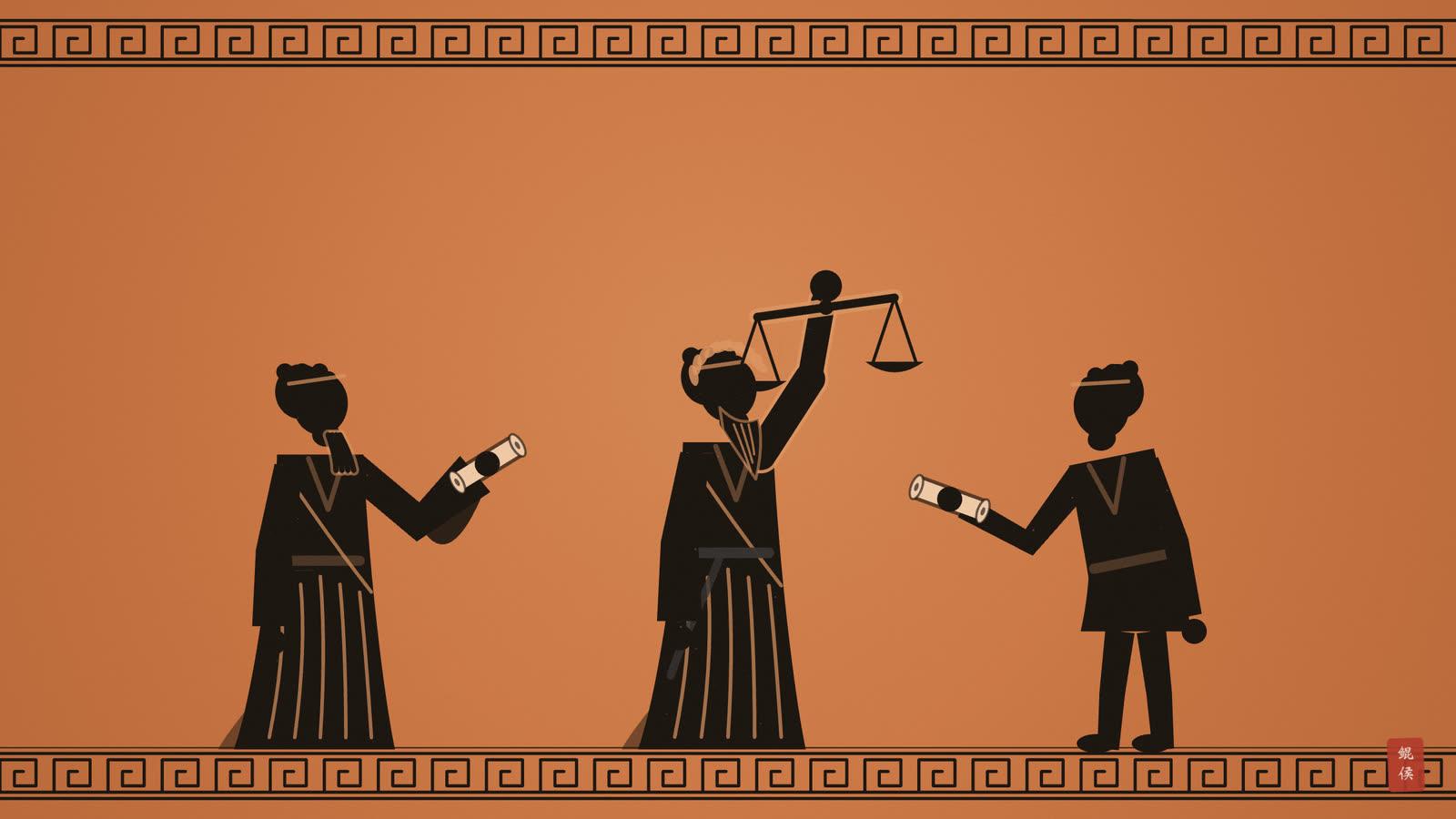
[26] If two adversaries dispute over a debt or property and go up to the judges, and the Moon is increasing in her light, the Moon is the indicator of the matter of the one who lent the property, that is, who gave it, and the Sun signifies the matter of the one who borrowed, who owes the debt.
[27] If the Moon is decreasing in her light, this description is reversed: she becomes the indicator of the borrower, and the Sun signifies the lender.
[28] Then look at the Sun and the Moon, at which of them is the stronger and better in condition and strength, the better placed and more at home in its place, and the nearer in regard to the Ascendant.
[29] If the indicator of the one who lent is the stronger of them, the success belongs to the one who lent.
[30] If it is the indicator of the one who borrowed, the success belongs to the one who borrowed.
[31] In all these matters look also at the Lot of Fortune and its ruler: if it falls in the Ascendant or in the second sign from the Ascendant, inclining toward the Ascendant, it signifies that the success belongs to the plaintiff.
[32] If the Lot of Fortune falls in the sign opposite the Ascendant, or in the sign that is second from the seventh, inclining toward the setting, the success belongs to the defendant.
[33] If the lord of the Lot of Fortune is in the angle of the fathers and regards the Ascendant and the sign opposite the Ascendant, the two adversaries will be reconciled of their own accord.
[34] If the lord of the Lot of Fortune is in the Midheaven and regards the Ascendant and the sign opposite the Ascendant, it signifies a reconciliation of the two adversaries, but their reconciliation will be by the will and the command of the judges.
翻译点开
[22] If the lord of the Midheaven and the lord of the Ascendant are in one place, gathered in one sign, or are in the Ascendant, or the lord of the Midheaven regards the Ascendant or the lord of the Ascendant, it signifies that the judge will help the plaintiff, and his leaning will be with him.
[22] 若中天之主与上升之主同处一地、聚在一个星座,或都在上升,或中天之主照见上升或上升之主,表示法官会帮原告,偏向他那一边。
[23] If the lord of the Midheaven and the lord of the sign opposite the Ascendant are as I described for the Ascendant and its lord — or they exchange places, or both are ruled by one planet, or it is in its places — the judge's leaning and help will be for the defendant, and he will prevail on that account.
[23] 若中天之主与上升对宫之主的关系,如我讲上升与其主星时所说——或互换位置,或同受一颗行星主管,或它在对方的位置——法官的偏向与援助就归被告,被告因此得胜。
[24] In all these chapters — the condition of the plaintiff and the defendant, the matter of the judges, the dispute, the dealings, who will prevail and who will be defeated, and all else I have described in these chapters — look also at the Moon, at how she is disposed, and at her separations and applications; for one should not judge such things from the four angles alone.
[24] 在所有这些门类里——原告与被告的情形、法官的事、争讼与周旋、谁胜谁败,以及我在这些门类里说过的一切——还要看月亮,看她的处境、她的离相位与入相位;因为这类事不能只凭四角来推断。
[25] If you find her afflicted by the calamities I described at the beginning of this book, or if the Moon, before entering under the beams of the Sun, applies to the malefics and is in one of those angles or in one of the fashārshīnāt, which are the signs second to the angles, it signifies that the one whose condition is attributed to that angle, or to the sign second to it, will be defeated and overcome, and calamity and regret will befall him on account of that dispute: he will not only be defeated but also insulted and harmed.
[25] 若见她受到我在本书开头所说的那些灾害,或月亮在进入太阳光束之前入相位于凶星,而她在那些角之一或在某个「法沙尔欣」——即角之后的第二个星座——表示那个角或其后一宫所属的一方会败北、被压倒,并因这场争讼遭灾、懊悔:他不只会输,还会受辱、受损。
When the Moon is in conjunction, under the beams of the Sun, then the stronger will defeat the humbler.
当月亮与太阳相合、在其光束之下时,强的一方会胜过弱的一方。
[26] If two adversaries dispute over a debt or property and go up to the judges, and the Moon is increasing in her light, the Moon is the indicator of the matter of the one who lent the property, that is, who gave it, and the Sun signifies the matter of the one who borrowed, who owes the debt.
[26] 若两造为债务或财产相争、告到法官那里,而月亮的光正在增长,月亮就是出借财物、即付出财物一方的征象星,太阳主借入、欠债的一方。
[27] If the Moon is decreasing in her light, this description is reversed: she becomes the indicator of the borrower, and the Sun signifies the lender.
[27] 若月亮的光正在减少,情形就反过来:她成为借方的征象星,太阳主贷方。
[28] Then look at the Sun and the Moon, at which of them is the stronger and better in condition and strength, the better placed and more at home in its place, and the nearer in regard to the Ascendant.
[28] 然后看太阳与月亮,哪一个更有力、处境与力量更好,所处的位置更好、更合自己的地方,对上升的照见也更近。
[29] If the indicator of the one who lent is the stronger of them, the success belongs to the one who lent.
[29] 若贷方的征象星更强,胜诉归贷方。
[30] If it is the indicator of the one who borrowed, the success belongs to the one who borrowed.
[30] 若是借方的征象星更强,胜诉归借方。
[31] In all these matters look also at the Lot of Fortune and its ruler: if it falls in the Ascendant or in the second sign from the Ascendant, inclining toward the Ascendant, it signifies that the success belongs to the plaintiff.
[31] 在所有这些事里,还要看福点及其主星:若它落在上升或上升起算的第二个星座,偏向上升,表示胜诉归原告。
[32] If the Lot of Fortune falls in the sign opposite the Ascendant, or in the sign that is second from the seventh, inclining toward the setting, the success belongs to the defendant.
[32] 若福点落在上升的对宫,或第七宫起算的第二个星座,偏向下降,胜诉归被告。
[33] If the lord of the Lot of Fortune is in the angle of the fathers and regards the Ascendant and the sign opposite the Ascendant, the two adversaries will be reconciled of their own accord.
[33] 若福点之主在父母宫之角,并照见上升与上升对宫,两造会自行和解。
[34] If the lord of the Lot of Fortune is in the Midheaven and regards the Ascendant and the sign opposite the Ascendant, it signifies a reconciliation of the two adversaries, but their reconciliation will be by the will and the command of the judges.
[34] 若福点之主在中天,并照见上升与上升对宫,表示两造会和解,但这和解出自法官的意愿与命令。
大意与图解点开
🔎 大意:中天之主与哪一方的主星相会,法官就偏向哪一方;月亮受克在哪一角,哪一方败;债务看日月盈亏;福点偏向哪一方,哪一方胜。
📖 术语
| 术语 | 英文原词 | 意思 |
|---|---|---|
| 征象星 | significator | 代表某方的星 |
| 贷方 | lender | 出借财物的一方 |
| 借方 | borrower | 欠债的一方 |
| 福点 | Lot of Fortune | 由日月上升推出之点 |
| 法沙尔欣 | fashārshīnāt | 角之后第二个星座 |
🧭 图解与讲解
第二十二、二十三节看中天之主:它与上升之主同在一处、或照见上升,法官偏向原告;它与下降之主有同样的关系,或互换位置、或同受一星主管,法官就偏向被告。第二十四节提醒,这些事不能只凭四角推断,还要看月亮的处境与离合。
| 句 | 依据 | 主要异文 | 裁定 |
|---|---|---|---|
| §25 | 阿拉伯文 + 26 | 希腊说对原告不利,阿拉伯文说月亮所在之角的一方 | 依阿拉伯文 |
| §25 后 | 27 | 只希腊有「月合日在光束下,强者胜」 | 增文收入 |
| §33–34 | 阿拉伯文 + 32 | 阿拉伯文看福点之主,希腊看福点本身 | 依阿拉伯文,讲解并提 |
〔图〕债务之争以日月分两造,月亮盈亏定谁代表谁
| 福点及其主星 | 判断 |
|---|---|
| 福点在上升或第二宫,偏向上升 | 原告胜 |
| 福点在下降或第八宫,偏向下降 | 被告胜 |
| 福点之主在天底,照见上升与下降 | 两造自行和解 |
| 福点之主在中天,照见上升与下降 | 奉法官之命和解 |
第二十五节一处异文:希腊说月亮受克对原告不利,阿拉伯文说月亮所在之角的那一方败,依阿拉伯文,因为本章一贯以角分两造(表一)。「法沙尔欣」是阿拉伯文传本里的外来术语,当出自巴列维文,指角之后的第二个星座。第二十九行只见于希腊:月合日、在光束下时,强的一方胜过弱的一方,作为增文收入。
第二十六至三十节讲债务之争:月亮光增时,她代表出借财物的贷方,太阳代表欠债的借方;月亮光减就反过来(图二)。再比日月谁更有力、位置更合、对上升的照见更近,谁代表的一方就胜。光增的月亮像是在「给出」光,所以代表付出财物的人,这是一种取象。
第三十一至三十四节看福点:福点偏向上升,原告胜;偏向下降,被告胜(表三)。福点之主在天底而照见两造,两造自行和解;在中天,则奉法官之命和解。这两节阿拉伯文看福点之主,赫菲斯提翁看福点本身,依阿拉伯文;两说其实相通,福点之主本来就代表福点所主之事。
📖 术语
| 术语 | 英文原词 | 意思 |
|---|---|---|
| 征象星 | significator | 代表某方的星 |
| 贷方 | lender | 出借财物的一方 |
| 借方 | borrower | 欠债的一方 |
| 福点 | Lot of Fortune | 由日月上升推出之点 |
| 法沙尔欣 | fashārshīnāt | 角之后第二个星座 |
🧭 图解与讲解
第二十二、二十三节看中天之主:它与上升之主同在一处、或照见上升,法官偏向原告;它与下降之主有同样的关系,或互换位置、或同受一星主管,法官就偏向被告。第二十四节提醒,这些事不能只凭四角推断,还要看月亮的处境与离合。
| 句 | 依据 | 主要异文 | 裁定 |
|---|---|---|---|
| §25 | 阿拉伯文 + 26 | 希腊说对原告不利,阿拉伯文说月亮所在之角的一方 | 依阿拉伯文 |
| §25 后 | 27 | 只希腊有「月合日在光束下,强者胜」 | 增文收入 |
| §33–34 | 阿拉伯文 + 32 | 阿拉伯文看福点之主,希腊看福点本身 | 依阿拉伯文,讲解并提 |
| 福点及其主星 | 判断 |
|---|---|
| 福点在上升或第二宫,偏向上升 | 原告胜 |
| 福点在下降或第八宫,偏向下降 | 被告胜 |
| 福点之主在天底,照见上升与下降 | 两造自行和解 |
| 福点之主在中天,照见上升与下降 | 奉法官之命和解 |
第二十五节一处异文:希腊说月亮受克对原告不利,阿拉伯文说月亮所在之角的那一方败,依阿拉伯文,因为本章一贯以角分两造(表一)。「法沙尔欣」是阿拉伯文传本里的外来术语,当出自巴列维文,指角之后的第二个星座。第二十九行只见于希腊:月合日、在光束下时,强的一方胜过弱的一方,作为增文收入。
第二十六至三十节讲债务之争:月亮光增时,她代表出借财物的贷方,太阳代表欠债的借方;月亮光减就反过来(图二)。再比日月谁更有力、位置更合、对上升的照见更近,谁代表的一方就胜。光增的月亮像是在「给出」光,所以代表付出财物的人,这是一种取象。
第三十一至三十四节看福点:福点偏向上升,原告胜;偏向下降,被告胜(表三)。福点之主在天底而照见两造,两造自行和解;在中天,则奉法官之命和解。这两节阿拉伯文看福点之主,赫菲斯提翁看福点本身,依阿拉伯文;两说其实相通,福点之主本来就代表福点所主之事。
[35] When both kings, of the Hour and of the Setting, come into one sign, in their own faces, it signifies that the two adversaries are at enmity; consider these quarrels as follows.
[36] If the sign in which the lord of the Ascendant and the lord of its opposite are is one of the houses of Mercury, the dispute has arisen between them over a child, or one who stands in the place of a child.
[37] If that sign is one of the houses of Venus, the dispute is over women — a sister dear to them, or a daughter, or a woman who has shared a common bed — or those who stand in their place.
[38] If that sign is one of the houses of Mars, it signifies that the dispute is of brothers with one another, or over the children of brothers and sisters, cousins, and the like.
[39] If it is one of the houses of Saturn, you would find that the dispute is over parents or grandfathers, or those who resemble them in age and in kin; and the like in the place of the Sun.
[40] If it is the house of the Moon, the dispute is over mothers or stepmothers, or over a relative on the mother's side.
[41] When it is the place of the Aegis-bearer, they quarrel with older kinsmen of their own blood or with uncles, or it comes from the side of brethren and friends.
翻译点开
[35] When both kings, of the Hour and of the Setting, come into one sign, in their own faces, it signifies that the two adversaries are at enmity; consider these quarrels as follows.
[35] 当上升与下降这两位「王」同入一个星座、处在各自的面时,表示两造彼此为敌;这样的争执,要照下面来推断。
[36] If the sign in which the lord of the Ascendant and the lord of its opposite are is one of the houses of Mercury, the dispute has arisen between them over a child, or one who stands in the place of a child.
[36] 若上升之主与其对宫之主所在的星座是水星的庙,争执是为了孩子,或居于孩子地位的人而起。
[37] If that sign is one of the houses of Venus, the dispute is over women — a sister dear to them, or a daughter, or a woman who has shared a common bed — or those who stand in their place.
[37] 若那个星座是金星的庙,争执是为了女人——亲近的姐妹、女儿,或同床共枕的女人——或居于她们地位的人。
[38] If that sign is one of the houses of Mars, it signifies that the dispute is of brothers with one another, or over the children of brothers and sisters, cousins, and the like.
[38] 若那个星座是火星的庙,表示是兄弟之间的争执,或为兄弟姐妹的子女、堂表亲之类而起。
[39] If it is one of the houses of Saturn, you would find that the dispute is over parents or grandfathers, or those who resemble them in age and in kin; and the like in the place of the Sun.
[39] 若是土星的庙,你会看到争执是为了父母或祖父,或在年纪与亲属关系上与他们相仿的人;在太阳的位置也一样。
[40] If it is the house of the Moon, the dispute is over mothers or stepmothers, or over a relative on the mother's side.
[40] 若是月亮的庙,争执是为了母亲或继母,或母系的亲属。
[41] When it is the place of the Aegis-bearer, they quarrel with older kinsmen of their own blood or with uncles, or it comes from the side of brethren and friends.
[41] 若是执盾者的位置,他们是与年长的同宗血亲或叔伯舅父相争,或事出于兄弟朋友一方。
大意与图解点开
🔎 大意:上升、下降两主同入一座,看那座归谁管:水星为孩子,金星为女人,火星为兄弟,土星太阳为父祖,月亮为母,木星为长辈。
📖 术语
| 术语 | 英文原词 | 意思 |
|---|---|---|
| 面 | face | 十度一分的单位 |
| 执盾者 | aegis-bearer | 指木星 |
| 继母 | stepmother | 父亲续娶之妻 |
| 同宗血亲 | kinsmen | 同一宗族的人 |
🧭 图解与讲解
末段又是诗,赫菲斯提翁卷三第三十八章第三十三、三十四节引下,此句起是传世希腊原诗。上升与下降这两位「王」同入一个星座、各在自己的面,两造是同一家里的人;争执为谁而起,看那星座归哪颗星主管(表二)。诗比阿拉伯文多出「继母」「同床共枕的女人」「叔伯舅父」,都以诗为主收入(表一)。
| 句 | 依据 | 主要异文 | 裁定 |
|---|---|---|---|
| §35–41 | 诗 33–34 + 阿拉伯文 | 诗多「继母」「同床的女人」「叔伯舅父」 | 诗句措辞为主 |
| §38 | 散文补注 + 阿拉伯文 | 阿拉伯文「姐妹」,希腊「兄弟」 | 依希腊(姐妹已归金星,الاخوات/الاخوة 一字之差) |
| 两主同在的星座属 | 争执为谁而起 |
|---|---|
| 水星的庙 | 孩子,或居于孩子地位的人 |
| 金星的庙 | 女人:亲近的姐妹、女儿、同床的女人 |
| 火星的庙 | 兄弟、兄弟姐妹的子女、堂表亲 |
| 土星的庙,或太阳的位置 | 父母、祖父,或年纪亲属相仿的人 |
| 月亮的庙 | 母亲、继母、母系亲属 |
| 木星的位置 | 年长的同宗血亲、叔伯舅父,或兄弟朋友 |
第三十八节一处异文:阿拉伯文作火星的庙主「姐妹」之争,希腊作「兄弟」。姐妹已经在金星一条里说过,阿拉伯文「姐妹」与「兄弟」两字只差一个字母,当是传抄之误,依希腊作兄弟。七星各配一种亲属:水星配孩子,金星配女人,火星配兄弟,土星与太阳配父祖,月亮配母亲,木星配长辈,与卷一论父母兄弟各章用星的路数相通。
原文为公有领域古籍;翻译、印象画与图文解读由 AI 辅助生成,鲲侯审校。