卷二·第 74–91 问 数的种类
算术卷开篇:数与自然数,奇偶及其细分,素数合数,平面数与补数,共度、互素,完全、盈亏、亲和数,立体数。
BOOK II. ARITHMETIC
§74. What is number?
It is a multitude composed of units. For this reason one is excluded from among them and is not called a number.
§75. What are the natural numbers?
They are the numbers that start from one and increase by one. They are also called successive, as 1 2 3 4 5.
§76. What is an even number?
It is a number divisible into two like parts, that is, two halves. The first of the even numbers is 2, and the successive even numbers are 2 4 6 8 10.
§77. What is an odd number?
It is a number that cannot be divided into two halves without a fraction. The first of the odd numbers is 3, and the successive odd numbers are 3 5 7 9 11.
§78. What is an even-times-even number?
It is one that can be divided into two halves, and its half into two halves, and so on continually until one is reached.
§79. What is an even-times-odd number?
It is one that admits halving once only and does not come down by it to one, such as 10.
§80. What is an even-times-even-and-odd number?
It is one that admits halving more than once but does not come down to one, such as 12.
§81. What is an odd-times-odd number?
It is one that an odd number measures an odd number of times, such as 9, for 3 measures it 3 times; and such as 15, for 5 measures it 3 times and 3 measures it 5 times.
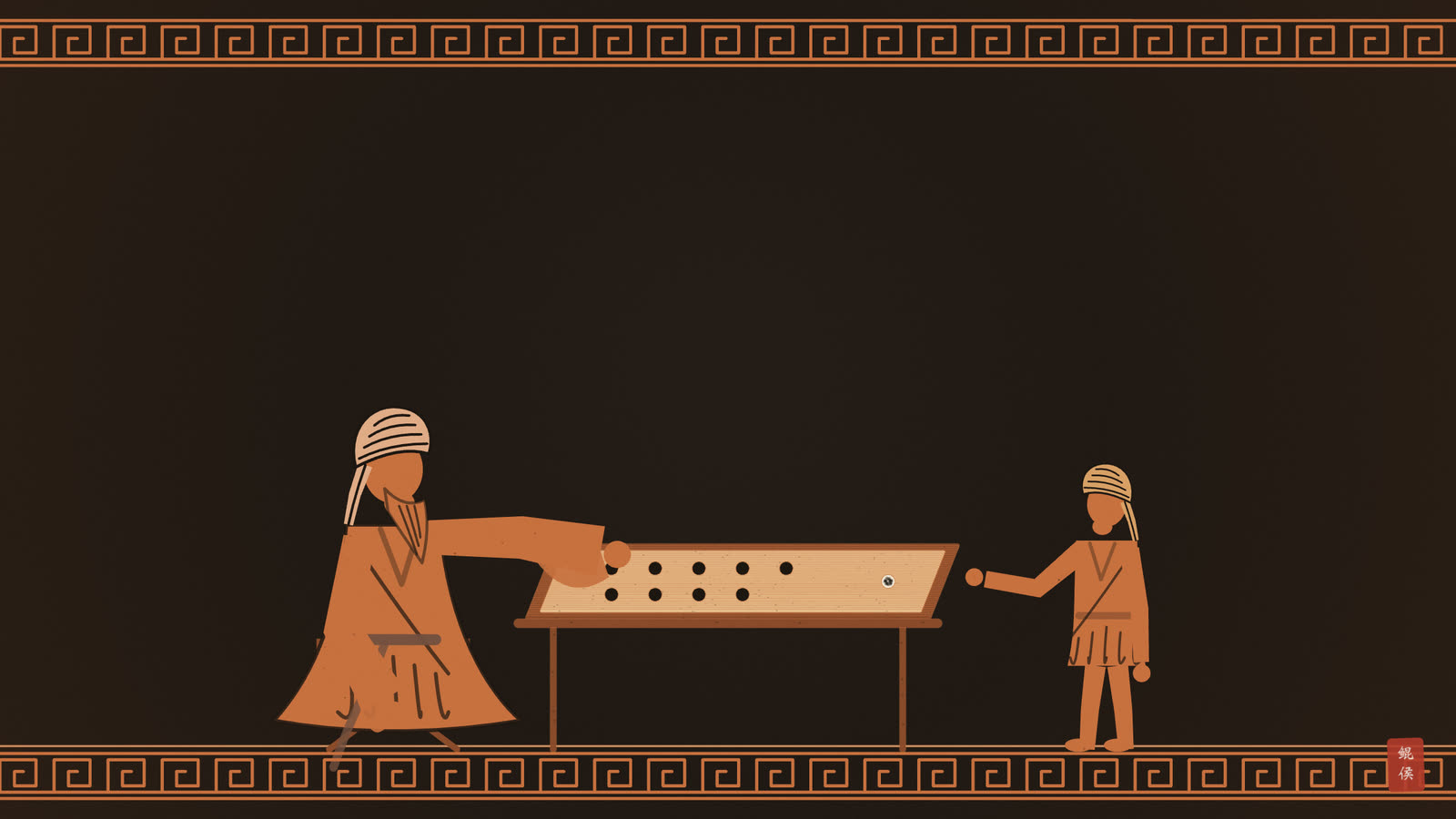
翻译点开
BOOK II. ARITHMETIC
卷二 算术
§74. What is number?
第七十四问 何谓数?
It is a multitude composed of units. For this reason one is excluded from among them and is not called a number.
数是由若干单位组成的多。因此,一被排除在数之外,不称为数。
§75. What are the natural numbers?
第七十五问 何谓自然数?
They are the numbers that start from one and increase by one. They are also called successive, as 1 2 3 4 5.
就是从一开始、每次增加一的那些数。它们也称为连续数,如一、二、三、四、五。
§76. What is an even number?
第七十六问 何谓偶数?
It is a number divisible into two like parts, that is, two halves. The first of the even numbers is 2, and the successive even numbers are 2 4 6 8 10.
偶数是能分成两个相同部分,也就是两个一半的数。偶数中第一个是二,连续的偶数是二、四、六、八、十。
§77. What is an odd number?
第七十七问 何谓奇数?
It is a number that cannot be divided into two halves without a fraction. The first of the odd numbers is 3, and the successive odd numbers are 3 5 7 9 11.
奇数是不带分数就不能分成两半的数。奇数中第一个是三,连续的奇数是三、五、七、九、十一。
§78. What is an even-times-even number?
第七十八问 何谓偶偶数?
It is one that can be divided into two halves, and its half into two halves, and so on continually until one is reached.
偶偶数是能分成两半,它的一半又能分成两半,如此一直下去,直到得到一的数。
§79. What is an even-times-odd number?
第七十九问 何谓偶奇数?
It is one that admits halving once only and does not come down by it to one, such as 10.
偶奇数是只容许折半一次,而且折半后到不了一的数,如十。
§80. What is an even-times-even-and-odd number?
第八十问 何谓偶偶奇数?
It is one that admits halving more than once but does not come down to one, such as 12.
偶偶奇数是容许折半不止一次,却到不了一的数,如十二。
§81. What is an odd-times-odd number?
第八十一问 何谓奇奇数?
It is one that an odd number measures an odd number of times, such as 9, for 3 measures it 3 times; and such as 15, for 5 measures it 3 times and 3 measures it 5 times.
奇奇数是有一个奇数可以量尽它奇数次的数,如九,因为三量它三次;又如十五,因为五量它三次,三量它五次。
大意与图解点开
🔎 大意:数是若干单位合成的多,一不算数;能平分为二的是偶数,否则为奇数。偶数按能折半几次、能否折到一,再分三类;另有奇奇数。
📖 术语
| 术语 | 英文原词 | 意思 |
|---|---|---|
| 自然数 | natural numbers | 从一起逐一递增 |
| 偶偶数 | even-times-even | 一直折半可到一 |
| 偶奇数 | even-times-odd | 只能折半一次 |
| 偶偶奇数 | even-times-even-and-odd | 折半多次到不了一 |
| 量尽 | measure | 整除,无余 |
🧭 图解与讲解
卷二《算术》从“何谓数”讲起。比鲁尼承接上一章第七十二问:数是“由若干单位组成的多”,所以一不算数,只是数的本原。自然数是从一起每次加一的连续数;能分成两个相同一半的是偶数,第一个偶数是二;分不成两半的是奇数,因为一不算数,所以第一个奇数是三(图一)。
〔图〕六能排成相同的两半,是偶数;七分成两排总多出一个,是奇数
| 类别 | 判别 | 原书例 | 折半或量尽的过程 |
|---|---|---|---|
| 偶偶数 | 一直折半,最后得一 | (原文未举例) | 如 16 → 8 → 4 → 2 → 1 |
| 偶奇数 | 只能折半一次,到不了一 | 10 | 10 → 5(奇,停) |
| 偶偶奇数 | 能折半不止一次,到不了一 | 12 | 12 → 6 → 3(奇,停) |
| 奇奇数 | 某奇数量尽它奇数次 | 9、15 | 9 = 3 × 3;15 = 5 × 3 = 3 × 5 |
接着他按“能折半几次”把偶数再细分(表二):一路折半最后得一的是偶偶数,如十六、六十四;只能折半一次、得出奇数就停的是偶奇数,如十;能折半不止一次、却仍停在奇数上的是偶偶奇数,如十二折为六、再折为三。奇数中,能被某个奇数量尽奇数次的叫奇奇数,如九、十五。
这一套分类出自希腊算术传统,经阿拉伯译本传到比鲁尼手里;他用的“量尽”(一数整除另一数而无余)也是欧几里得《几何原本》论数各卷的说法。这些名目在今日看来有些繁琐,但古人以为数各有“性情”,奇偶之分尤其要紧:占星里阳性星座与阴性星座交替排列,奇数位为阳、偶数位为阴,与此思路相通。
📖 术语
| 术语 | 英文原词 | 意思 |
|---|---|---|
| 自然数 | natural numbers | 从一起逐一递增 |
| 偶偶数 | even-times-even | 一直折半可到一 |
| 偶奇数 | even-times-odd | 只能折半一次 |
| 偶偶奇数 | even-times-even-and-odd | 折半多次到不了一 |
| 量尽 | measure | 整除,无余 |
🧭 图解与讲解
卷二《算术》从“何谓数”讲起。比鲁尼承接上一章第七十二问:数是“由若干单位组成的多”,所以一不算数,只是数的本原。自然数是从一起每次加一的连续数;能分成两个相同一半的是偶数,第一个偶数是二;分不成两半的是奇数,因为一不算数,所以第一个奇数是三(图一)。
| 类别 | 判别 | 原书例 | 折半或量尽的过程 |
|---|---|---|---|
| 偶偶数 | 一直折半,最后得一 | (原文未举例) | 如 16 → 8 → 4 → 2 → 1 |
| 偶奇数 | 只能折半一次,到不了一 | 10 | 10 → 5(奇,停) |
| 偶偶奇数 | 能折半不止一次,到不了一 | 12 | 12 → 6 → 3(奇,停) |
| 奇奇数 | 某奇数量尽它奇数次 | 9、15 | 9 = 3 × 3;15 = 5 × 3 = 3 × 5 |
接着他按“能折半几次”把偶数再细分(表二):一路折半最后得一的是偶偶数,如十六、六十四;只能折半一次、得出奇数就停的是偶奇数,如十;能折半不止一次、却仍停在奇数上的是偶偶奇数,如十二折为六、再折为三。奇数中,能被某个奇数量尽奇数次的叫奇奇数,如九、十五。
这一套分类出自希腊算术传统,经阿拉伯译本传到比鲁尼手里;他用的“量尽”(一数整除另一数而无余)也是欧几里得《几何原本》论数各卷的说法。这些名目在今日看来有些繁琐,但古人以为数各有“性情”,奇偶之分尤其要紧:占星里阳性星座与阴性星座交替排列,奇数位为阳、偶数位为阴,与此思路相通。
§82. What is a prime number?
It is one that nothing but one measures, and that has no part other than the part named after it. Such is 5: no number measures it except one, 5 times, which is the part named after it, namely a fifth, and it has no part other than the fifth. Likewise 7: one is its seventh, the part named after it, and nothing else measures it, so it has no part except the seventh.
§83. What is a composite number?
It is one that two or more numbers measure, and that has parts other than the one named after it. Such is 6: one measures it 6 times and so is its sixth; 2 measures it 3 times and is its third; and 3 measures it twice and is its half.
§84. What is a plane number?
It is the product of multiplying one number by another. If the two are equal it is a square, and either of those two numbers is called its root: for instance, 3 multiplied by 3 makes 9, so 9 is a square and 3 its root. If the two numbers differ by one, their product is called heteromecic, such as 12, which is the product of 3 by 4, and between them is 1. If the two numbers differ by more than one, their product is called oblong, such as 12, which is the product of 2 by 6, and between them is 4; so 12 is in one respect heteromecic and in another oblong.
§85. What is a complementary number?
It is the product of the root of one square multiplied by the root of another square. For the sum of these two squares is completed by twice the complementary number into a third square, whose root is the sum of the roots of the two squares. For example, 4 is a square whose root is 2, and 9 a square whose root is 3. If 2 is multiplied by 3, the product is 6, and this is the complementary number, because its double, 12, together with the sum of the squares, 13, makes 25, which is a square whose root is 5.
翻译点开
§82. What is a prime number?
第八十二问 何谓素数?
It is one that nothing but one measures, and that has no part other than the part named after it. Such is 5: no number measures it except one, 5 times, which is the part named after it, namely a fifth, and it has no part other than the fifth. Likewise 7: one is its seventh, the part named after it, and nothing else measures it, so it has no part except the seventh.
素数是除了一以外没有别的数能量尽它、而且除了以它自身命名的那个分之外没有别的分的数。如五:除了一以外没有数能量尽它,一量它五次,就是以它命名的那个分,即五分之一,它除了五分之一以外没有别的分。七也是这样:一是它的七分之一,即以它命名的分,别的都量不尽它,所以它除了七分之一以外没有别的分。
§83. What is a composite number?
第八十三问 何谓合数?
It is one that two or more numbers measure, and that has parts other than the one named after it. Such is 6: one measures it 6 times and so is its sixth; 2 measures it 3 times and is its third; and 3 measures it twice and is its half.
合数是两个或更多的数能量尽它、而且除了以它命名的分之外还有别的分的数。如六:一量它六次,所以是它的六分之一;二量它三次,是它的三分之一;三量它两次,是它的一半。
§84. What is a plane number?
第八十四问 何谓平面数?
It is the product of multiplying one number by another. If the two are equal it is a square, and either of those two numbers is called its root: for instance, 3 multiplied by 3 makes 9, so 9 is a square and 3 its root. If the two numbers differ by one, their product is called heteromecic, such as 12, which is the product of 3 by 4, and between them is 1. If the two numbers differ by more than one, their product is called oblong, such as 12, which is the product of 2 by 6, and between them is 4; so 12 is in one respect heteromecic and in another oblong.
平面数是一个数乘另一个数所得之积。若两数相等,积就是平方数,两数中任一个都称为它的根:例如三乘三得九,所以九是平方数,三是它的根。若两数相差一,其积称为异长数,如十二,它是三乘四之积,二者之间相差一。若两数相差不止一,其积称为长方数,如十二,它是二乘六之积,二者之间相差四;所以十二从一方面说是异长数,从另一方面说是长方数。
§85. What is a complementary number?
第八十五问 何谓补数?
It is the product of the root of one square multiplied by the root of another square. For the sum of these two squares is completed by twice the complementary number into a third square, whose root is the sum of the roots of the two squares. For example, 4 is a square whose root is 2, and 9 a square whose root is 3. If 2 is multiplied by 3, the product is 6, and this is the complementary number, because its double, 12, together with the sum of the squares, 13, makes 25, which is a square whose root is 5.
补数是一个平方数的根乘另一个平方数的根所得之积。因为这两个平方数之和,加上补数的两倍,就补足成第三个平方数,其根是那两个平方数之根的和。例如四是平方数,根为二;九是平方数,根为三。二乘三得六,这就是补数,因为它的两倍十二,加上两平方数之和十三,得二十五,这是一个平方数,其根为五。
大意与图解点开
🔎 大意:只有一能量尽的是素数,还有别的数能量尽的是合数;两数之积为平面数,分平方、异长、长方三种;两根之积为补数。
📖 术语
| 术语 | 英文原词 | 意思 |
|---|---|---|
| 素数 | prime number | 只有一能量尽 |
| 合数 | composite number | 另有数能量尽 |
| 以它命名的分 | the part named after it | 如五之于五分之一 |
| 异长数 | heteromecic | 相差一的两数之积 |
| 补数 | complementary number | 两根之积 |
🧭 图解与讲解
素数阿拉伯语原称“第一数”,比鲁尼的定义有两层:只有一能量尽它;除了“以它命名的那个分”外别无他分。所谓“以它命名的分”,是说五的五分之一、七的七分之一,都是一,所以素数唯一的分就是一。合数则另有数能量尽它,如六,除六分之一外还有三分之一(二)与一半(三)(表一)。
| 名称 | 定义 | 原书例 |
|---|---|---|
| 素数 | 只有一能量尽它,只有以它命名的那个分 | 5(只有五分之一)、7(只有七分之一) |
| 合数 | 另有数能量尽它,还有别的分 | 6:六分之一是 1,三分之一是 2,一半是 3 |
| 平方数 | 两个相等的数相乘 | 3 × 3 = 9,根为 3 |
| 异长数 | 相差一的两数相乘 | 3 × 4 = 12 |
| 长方数 | 相差不止一的两数相乘 | 2 × 6 = 12(相差 4) |
| 补数 | 两个平方数之根相乘 | 2 × 3 = 6(四与九的补数) |
〔图〕二与三之积六是补数:两平方数四与九,加上两个六,补成以五为边的平方数二十五
平面数是两数之积,按两个因数的关系分三种:相等的是平方数,因数称为根;相差一的是异长数;相差更多的是长方数。同一个数可以兼属两类,十二由三乘四得是异长数,由二乘六得是长方数。“根”这个词在下一章讲开方、在第八章讲代数时还要大量用到。
补数一问最能看出几何与算术相通(图二):边长为二的正方形(四)与边长为三的正方形(九)对角相接,再补上两块二乘三的长方形(各六),正好拼成边长为五的大正方形(二十五)。这正是卷一第三十、三十一问讲的余形与磬折形在数上的翻版:两块二乘三的长方形就是余形,连同一个小正方形便成磬折形;今人写作“两数和的平方等于两数平方和加两数积的两倍”。
这些名目并非只是算术游戏。本站《选集》论关键年的部分,也用到“平方数”与“长方数”之分,可见希腊化时代的占星家本就借数的种类来立说;比鲁尼在这里只讲数的性质与求法,不涉占断,读者日后读到那些章节时,可回头对照这几问。
📖 术语
| 术语 | 英文原词 | 意思 |
|---|---|---|
| 素数 | prime number | 只有一能量尽 |
| 合数 | composite number | 另有数能量尽 |
| 以它命名的分 | the part named after it | 如五之于五分之一 |
| 异长数 | heteromecic | 相差一的两数之积 |
| 补数 | complementary number | 两根之积 |
🧭 图解与讲解
素数阿拉伯语原称“第一数”,比鲁尼的定义有两层:只有一能量尽它;除了“以它命名的那个分”外别无他分。所谓“以它命名的分”,是说五的五分之一、七的七分之一,都是一,所以素数唯一的分就是一。合数则另有数能量尽它,如六,除六分之一外还有三分之一(二)与一半(三)(表一)。
| 名称 | 定义 | 原书例 |
|---|---|---|
| 素数 | 只有一能量尽它,只有以它命名的那个分 | 5(只有五分之一)、7(只有七分之一) |
| 合数 | 另有数能量尽它,还有别的分 | 6:六分之一是 1,三分之一是 2,一半是 3 |
| 平方数 | 两个相等的数相乘 | 3 × 3 = 9,根为 3 |
| 异长数 | 相差一的两数相乘 | 3 × 4 = 12 |
| 长方数 | 相差不止一的两数相乘 | 2 × 6 = 12(相差 4) |
| 补数 | 两个平方数之根相乘 | 2 × 3 = 6(四与九的补数) |
平面数是两数之积,按两个因数的关系分三种:相等的是平方数,因数称为根;相差一的是异长数;相差更多的是长方数。同一个数可以兼属两类,十二由三乘四得是异长数,由二乘六得是长方数。“根”这个词在下一章讲开方、在第八章讲代数时还要大量用到。
补数一问最能看出几何与算术相通(图二):边长为二的正方形(四)与边长为三的正方形(九)对角相接,再补上两块二乘三的长方形(各六),正好拼成边长为五的大正方形(二十五)。这正是卷一第三十、三十一问讲的余形与磬折形在数上的翻版:两块二乘三的长方形就是余形,连同一个小正方形便成磬折形;今人写作“两数和的平方等于两数平方和加两数积的两倍”。
这些名目并非只是算术游戏。本站《选集》论关键年的部分,也用到“平方数”与“长方数”之分,可见希腊化时代的占星家本就借数的种类来立说;比鲁尼在这里只讲数的性质与求法,不涉占断,读者日后读到那些章节时,可回头对照这几问。
§86. What are common numbers?
Common numbers are those that one and the same number other than one measures, such as 15 25 30, for 5 measures each of them. So they share in the part named after 5, which is the fifth: that is, each of them has a fifth, and their fifths stand in the same relation to one another as the numbers themselves. For the fifth of 15 is three-fifths of the fifth of 25, and the fifth of 25 is five-sixths of the fifth of 30. The common number that measures them is called their common measure, and when each of them is divided by it, the quotients are called reduced.
§87. What are numbers prime to one another?
They are numbers that no number measures together, such as 7 and 10, for nothing but one measures both, and they share no part.
§88. What is a perfect number?
It is one equal to the sum of its parts, such as 6, for it has a half, 3, a third, 2, and a sixth, 1, and their sum is 6.
§89. What are abundant and deficient numbers?
A deficient number is one that the sum of its parts falls short of, such as 8, for it has a half, 4, a quarter, 2, and an eighth, 1, and their sum is 7, less than 8 itself. An abundant number is one that the sum of its parts exceeds, such as 12, for it has a half, 6, a quarter, 3, a third, 4, a sixth, 2, and a twelfth, 1, and their sum is 16, more than 12 itself.
§90. What are amicable numbers?
They are any two numbers such that the sum of the parts of each equals the other; one of them is always abundant and the other deficient. An example is 220, an abundant number, whose parts are a half, 110, a quarter, 55, a fifth, 44, a tenth, 22, half a tenth, 11, a 110th, 2, a 55th, 4, a 44th, 5, a 22nd, 10, an 11th, 20, and a 220th, 1. The sum of these parts is 284, which is the other number, the deficient one; for it has a half, 142, a quarter, 71, a 142nd, 2, a 71st, 4, and a 284th, 1, and the sum of these parts is 220. These two numbers, then, are amicable.
翻译点开
§86. What are common numbers?
第八十六问 何谓共度数?
Common numbers are those that one and the same number other than one measures, such as 15 25 30, for 5 measures each of them. So they share in the part named after 5, which is the fifth: that is, each of them has a fifth, and their fifths stand in the same relation to one another as the numbers themselves. For the fifth of 15 is three-fifths of the fifth of 25, and the fifth of 25 is five-sixths of the fifth of 30. The common number that measures them is called their common measure, and when each of them is divided by it, the quotients are called reduced.
共度数是除了一以外有同一个数能量尽它们的那些数,如十五、二十五、三十,因为五能量尽其中每一个。所以它们共有以五命名的那个分,即五分之一:也就是说,它们每一个都有五分之一,而它们的五分之一彼此之比,与这些数本身彼此之比相同。十五的五分之一,是二十五的五分之一的五分之三;二十五的五分之一,是三十的五分之一的六分之五。量尽它们的那个共同的数,称为它们的公度;它们每一个被公度除后所得的商,称为约后之数。
§87. What are numbers prime to one another?
第八十七问 何谓互素数?
They are numbers that no number measures together, such as 7 and 10, for nothing but one measures both, and they share no part.
互素数是没有一个数能同时量尽它们的那些数,如七与十,因为除了一以外没有数能同时量尽二者,它们也没有共同的分。
§88. What is a perfect number?
第八十八问 何谓完全数?
It is one equal to the sum of its parts, such as 6, for it has a half, 3, a third, 2, and a sixth, 1, and their sum is 6.
完全数是等于其各分之和的数,如六,因为它有一半,即三;三分之一,即二;六分之一,即一;三者之和是六。
§89. What are abundant and deficient numbers?
第八十九问 何谓盈数与亏数?
A deficient number is one that the sum of its parts falls short of, such as 8, for it has a half, 4, a quarter, 2, and an eighth, 1, and their sum is 7, less than 8 itself. An abundant number is one that the sum of its parts exceeds, such as 12, for it has a half, 6, a quarter, 3, a third, 4, a sixth, 2, and a twelfth, 1, and their sum is 16, more than 12 itself.
亏数是其各分之和不及它的数,如八,因为它有一半,即四;四分之一,即二;八分之一,即一;三者之和是七,比八本身少。盈数是其各分之和超过它的数,如十二,因为它有一半,即六;四分之一,即三;三分之一,即四;六分之一,即二;十二分之一,即一;这些之和是十六,比十二本身多。
§90. What are amicable numbers?
第九十问 何谓亲和数?
They are any two numbers such that the sum of the parts of each equals the other; one of them is always abundant and the other deficient. An example is 220, an abundant number, whose parts are a half, 110, a quarter, 55, a fifth, 44, a tenth, 22, half a tenth, 11, a 110th, 2, a 55th, 4, a 44th, 5, a 22nd, 10, an 11th, 20, and a 220th, 1. The sum of these parts is 284, which is the other number, the deficient one; for it has a half, 142, a quarter, 71, a 142nd, 2, a 71st, 4, and a 284th, 1, and the sum of these parts is 220. These two numbers, then, are amicable.
亲和数是这样的任意两个数:每一个的各分之和都等于另一个;其中一个总是盈数,另一个总是亏数。例如二百二十,是盈数,它的分有:一半,一百一十;四分之一,五十五;五分之一,四十四;十分之一,二十二;十分之一的一半,十一;一百一十分之一,二;五十五分之一,四;四十四分之一,五;二十二分之一,十;十一分之一,二十;二百二十分之一,一。这些分之和是二百八十四,就是另一个数,即那个亏数;因为它有一半,一百四十二;四分之一,七十一;一百四十二分之一,二;七十一分之一,四;二百八十四分之一,一;这些分之和是二百二十。所以这两个数是亲和数。
大意与图解点开
🔎 大意:有公度的是共度数,无公度的是互素数;各分之和等于本数为完全数,少则亏、多则盈;二百二十与二百八十四互为亲和数。
📖 术语
| 术语 | 英文原词 | 意思 |
|---|---|---|
| 共度数 | common numbers | 有同一个数量尽 |
| 公度 | common measure | 共同的量尽之数 |
| 互素数 | numbers prime to one another | 除一外无公度 |
| 完全数 | perfect number | 等于各分之和 |
| 亲和数 | amicable numbers | 各分之和互为对方 |
🧭 图解与讲解
共度数是有同一个数(一除外)能量尽的几个数,如十五、二十五、三十都能被五量尽。比鲁尼指出,这些数的五分之一(三、五、六)彼此之比,与原数彼此之比相同;所以用公度去除,得到的“约后之数”三、五、六,可以代替原数来比较。下一章第一百零六问的“约简”就靠这一层。互素数则除一外没有公度,如七与十。
| 数 | 它的各分(真因数) | 各分之和 | 归类 |
|---|---|---|---|
| 6 | 3、2、1 | 6 | 完全数(相等) |
| 8 | 4、2、1 | 7 | 亏数(不及) |
| 12 | 6、4、3、2、1 | 16 | 盈数(超过) |
| 220 | 110、55、44、22、20、11、10、5、4、2、1 | 284 | 盈数 |
| 284 | 142、71、4、2、1 | 220 | 亏数 |
| 15、25、30 | 公度 5 | — | 共度数;约后为 3、5、6 |
| 7、10 | 只有 1 能同时量尽 | — | 互素数 |
〔图〕二百二十与二百八十四:各自的分之和恰是对方,故称亲和
完全数、盈数、亏数是按“各分之和”来分的(表一):六的各分三、二、一,合起来正好是六,是完全数;八的各分合为七,不及八,是亏数;十二的各分合为十六,超过十二,是盈数。这里的“分”指除本数以外能量尽它的各数,今人称为真因数。
亲和数是一对数,各自的分之和恰等于对方(图二)。比鲁尼把二百二十的十一个分、二百八十四的五个分逐一列出,读者可以自行相加验算:前者合为二百八十四,后者合为二百二十。这是自古相传最小的一对亲和数。阿拉伯数学家对亲和数很感兴趣,九世纪的萨比特·伊本·库拉还给出过求亲和数的法则;比鲁尼在入门书里只举例,不讲求法。
📖 术语
| 术语 | 英文原词 | 意思 |
|---|---|---|
| 共度数 | common numbers | 有同一个数量尽 |
| 公度 | common measure | 共同的量尽之数 |
| 互素数 | numbers prime to one another | 除一外无公度 |
| 完全数 | perfect number | 等于各分之和 |
| 亲和数 | amicable numbers | 各分之和互为对方 |
🧭 图解与讲解
共度数是有同一个数(一除外)能量尽的几个数,如十五、二十五、三十都能被五量尽。比鲁尼指出,这些数的五分之一(三、五、六)彼此之比,与原数彼此之比相同;所以用公度去除,得到的“约后之数”三、五、六,可以代替原数来比较。下一章第一百零六问的“约简”就靠这一层。互素数则除一外没有公度,如七与十。
| 数 | 它的各分(真因数) | 各分之和 | 归类 |
|---|---|---|---|
| 6 | 3、2、1 | 6 | 完全数(相等) |
| 8 | 4、2、1 | 7 | 亏数(不及) |
| 12 | 6、4、3、2、1 | 16 | 盈数(超过) |
| 220 | 110、55、44、22、20、11、10、5、4、2、1 | 284 | 盈数 |
| 284 | 142、71、4、2、1 | 220 | 亏数 |
| 15、25、30 | 公度 5 | — | 共度数;约后为 3、5、6 |
| 7、10 | 只有 1 能同时量尽 | — | 互素数 |
完全数、盈数、亏数是按“各分之和”来分的(表一):六的各分三、二、一,合起来正好是六,是完全数;八的各分合为七,不及八,是亏数;十二的各分合为十六,超过十二,是盈数。这里的“分”指除本数以外能量尽它的各数,今人称为真因数。
亲和数是一对数,各自的分之和恰等于对方(图二)。比鲁尼把二百二十的十一个分、二百八十四的五个分逐一列出,读者可以自行相加验算:前者合为二百八十四,后者合为二百二十。这是自古相传最小的一对亲和数。阿拉伯数学家对亲和数很感兴趣,九世纪的萨比特·伊本·库拉还给出过求亲和数的法则;比鲁尼在入门书里只举例,不讲求法。
§91. What are solid numbers?
They are the numbers that result from multiplying one number by another and the product by a third number. If these three numbers are equal, their product is called a cube (mukaʿʿab), and any one of the three its kaʿb ('cube'); sometimes the product is called a kaʿb and one of the three its side. For example, 3 multiplied by 3 makes 9, and multiplied a second time by 3 makes 27, which is a mukaʿʿab whose kaʿb is 3, or a kaʿb whose side is 3. If two of the three numbers are equal and the third smaller, the product is called a brick number, resembling a brick: for example, we multiply 3 by 3 and then the 9 by 2, which makes 18, a brick number. If the third is greater, the product is called a beam number, resembling roof-beams: for example, if we multiply 3 by 3 and the 9 by 4, the result is 36, a beam number. If the three numbers are all different, their product is called a tablet number: for example, if we multiply 3 by 4, making 12, and then multiply that by 5, it comes to 60, a tablet number.
翻译点开
§91. What are solid numbers?
第九十一问 何谓立体数?
They are the numbers that result from multiplying one number by another and the product by a third number. If these three numbers are equal, their product is called a cube (mukaʿʿab), and any one of the three its kaʿb ('cube'); sometimes the product is called a kaʿb and one of the three its side. For example, 3 multiplied by 3 makes 9, and multiplied a second time by 3 makes 27, which is a mukaʿʿab whose kaʿb is 3, or a kaʿb whose side is 3. If two of the three numbers are equal and the third smaller, the product is called a brick number, resembling a brick: for example, we multiply 3 by 3 and then the 9 by 2, which makes 18, a brick number. If the third is greater, the product is called a beam number, resembling roof-beams: for example, if we multiply 3 by 3 and the 9 by 4, the result is 36, a beam number. If the three numbers are all different, their product is called a tablet number: for example, if we multiply 3 by 4, making 12, and then multiply that by 5, it comes to 60, a tablet number.
立体数是一个数乘另一个数、再以其积乘第三个数所得的那些数。若这三个数相等,其积称为“穆卡阿卜”(立方数),三数中任一个称为它的“卡阿卜”(立方);有时又把积称为卡阿卜,而把三数中的一个称为它的边。例如三乘三得九,再乘一次三得二十七,这是一个穆卡阿卜,其卡阿卜为三;或者说是一个卡阿卜,其边为三。若三数中有两个相等、第三个较小,其积称为砖数,形似砖块:例如我们以三乘三,再以九乘二,得十八,是砖数。若第三个较大,其积称为梁数,形似屋梁:例如我们以三乘三,再以九乘四,结果是三十六,是梁数。若三个数各不相同,其积称为板数:例如我们以三乘四得十二,再以之乘五,得六十,是板数。
大意与图解点开
🔎 大意:三数连乘得立体数:三数相等为立方数,其一称立方或边;两等一小为砖数,两等一大为梁数,三数各异为板数。
📖 术语
| 术语 | 英文原词 | 意思 |
|---|---|---|
| 立体数 | solid numbers | 三数连乘之积 |
| 穆卡阿卜 | mukaʿʿab | 立方数 |
| 卡阿卜 | kaʿb | 立方根,有时指立方 |
| 砖数 | brick number | 两等一小 |
| 梁数 | beam number | 两等一大 |
🧭 图解与讲解
立体数是三个数连乘之积,按三个因数的关系分四种(图一、表二)。三数相等的是立方数,阿拉伯语称“穆卡阿卜”,三数中任一个称为它的“卡阿卜”。比鲁尼提醒读者,名称用法并不统一:有人把积本身叫卡阿卜,于是只好把因数改称“边”。下一章第一百零一问讲开立方时,他又重提这一点。
〔图〕三数相乘得立体数:三数相等为立方,两等一小为砖,两等一大为梁,三数各异为板
| 名称 | 三个因数 | 原书例 |
|---|---|---|
| 立方数(穆卡阿卜) | 三数相等 | 3 × 3 × 3 = 27,边(卡阿卜)为 3 |
| 砖数 | 两数相等,第三数较小 | 3 × 3 × 2 = 18 |
| 梁数 | 两数相等,第三数较大 | 3 × 3 × 4 = 36 |
| 板数 | 三数各不相同 | 3 × 4 × 5 = 60 |
其余三种以形取名:两数相等而第三数较小,像扁平的砖块,叫砖数(三乘三乘二得十八);第三数较大,像细长的屋梁,叫梁数(三乘三乘四得三十六);三数各不相同,叫板数(三乘四乘五得六十)。这些名称在希腊算术书里也有对应的说法,比鲁尼照阿拉伯通行的叫法记下。
平面数配平面图形,立体数配立体图形,这是古代算术与几何互相照应的老传统。比鲁尼把数的种类讲到这里,下一章再讲三角数、平方数、锥数、塔数这些“有形之数”,并转入加减乘除、开方与分数等实际运算,为天文与占星计算作准备。
📖 术语
| 术语 | 英文原词 | 意思 |
|---|---|---|
| 立体数 | solid numbers | 三数连乘之积 |
| 穆卡阿卜 | mukaʿʿab | 立方数 |
| 卡阿卜 | kaʿb | 立方根,有时指立方 |
| 砖数 | brick number | 两等一小 |
| 梁数 | beam number | 两等一大 |
🧭 图解与讲解
立体数是三个数连乘之积,按三个因数的关系分四种(图一、表二)。三数相等的是立方数,阿拉伯语称“穆卡阿卜”,三数中任一个称为它的“卡阿卜”。比鲁尼提醒读者,名称用法并不统一:有人把积本身叫卡阿卜,于是只好把因数改称“边”。下一章第一百零一问讲开立方时,他又重提这一点。
| 名称 | 三个因数 | 原书例 |
|---|---|---|
| 立方数(穆卡阿卜) | 三数相等 | 3 × 3 × 3 = 27,边(卡阿卜)为 3 |
| 砖数 | 两数相等,第三数较小 | 3 × 3 × 2 = 18 |
| 梁数 | 两数相等,第三数较大 | 3 × 3 × 4 = 36 |
| 板数 | 三数各不相同 | 3 × 4 × 5 = 60 |
其余三种以形取名:两数相等而第三数较小,像扁平的砖块,叫砖数(三乘三乘二得十八);第三数较大,像细长的屋梁,叫梁数(三乘三乘四得三十六);三数各不相同,叫板数(三乘四乘五得六十)。这些名称在希腊算术书里也有对应的说法,比鲁尼照阿拉伯通行的叫法记下。
平面数配平面图形,立体数配立体图形,这是古代算术与几何互相照应的老传统。比鲁尼把数的种类讲到这里,下一章再讲三角数、平方数、锥数、塔数这些“有形之数”,并转入加减乘除、开方与分数等实际运算,为天文与占星计算作准备。
原文为公有领域古籍;翻译、印象画与图文解读由 AI 辅助生成,鲲侯审校。