卷八·第 518–523 问 周期四分、年主、本命的海勒格与推运
三百六十年周期的四分;世运的回归与年主;本命两起点;养育之年、海勒格、给寿星、截命者、终点、周主与推运。
§518. What are the cycles mentioned in connection with the conjunctions, and their quarters?
Each of the cycles is 360 years, and the quarters are its quarters. Some make the quarters equal, making each of them 90 years, because they put the cycle in place of the zodiac. Others make them differ, making the first quarter 90 years, the second 85 years and 3 months, the third 90 years and the fourth 94 years and 9 months, because they put the cycle in place of a year and its quarters in place of its seasons.
翻译点开
§518. What are the cycles mentioned in connection with the conjunctions, and their quarters?
第五百一十八问 与会合一起提到的诸周期及其四分是什么?
Each of the cycles is 360 years, and the quarters are its quarters. Some make the quarters equal, making each of them 90 years, because they put the cycle in place of the zodiac. Others make them differ, making the first quarter 90 years, the second 85 years and 3 months, the third 90 years and the fourth 94 years and 9 months, because they put the cycle in place of a year and its quarters in place of its seasons.
每一个周期是三百六十年,四分就是它的四分之一。有些人让四分相等,每分九十年,因为他们把周期当作黄道。另一些人让它们不等:第一分九十年,第二分八十五年又三个月,第三分九十年,第四分九十四年又九个月,因为他们把周期当作一年,把它的四分当作一年的四季。
大意与图解点开
🔎 大意:与会合同用的周期是三百六十年;四分或等分为各九十年,或仿四季长短不齐,九十、八十五年三月、九十、九十四年九月。
📖 术语
| 术语 | 英文原词 | 意思 |
|---|---|---|
| 周期 | cycle | 三百六十年一周 |
| 四分 | quarters | 周期的四段 |
| 四季 | seasons | 一年的四段 |
🧭 图解与讲解
第五百一十八问解释上一章末提到的「四分」。与会合一起说的周期,每一个是三百六十年,四分就是它的四段。上一章阿布·马谢尔的诸级里,「每度一年」的最小划分正好三百六十年走满黄道,可见这个周期就是把一年配一度(图二)。
| 第一分 | 第二分 | 第三分 | 第四分 | 依据 | |
|---|---|---|---|---|---|
| 相等之说 | 九十年 | 九十年 | 九十年 | 九十年 | 把周期当作黄道,四分如四象限 |
| 不等之说 | 九十年 | 八十五年三个月 | 九十年 | 九十四年九个月 | 把周期当作一年,四分如四季 |
〔图〕四分两说:把周期比作黄道则四段相等,比作一年则四段如四季不齐
四分有两说(表一)。一说四段相等,各九十年,因为把周期当作黄道,四分就像黄道的四个象限。另一说四段不等:九十年、八十五年三个月、九十年、九十四年九个月,因为把周期当作一年,四分就像四季。校勘核算过,四段合计正好三百六十年。
四季长短不齐,是卷三讲太阳远地点与均差时说过的事:太阳在远地点一侧走得慢,那一季就长。第二种说法把这个天文事实搬到了历史年代上,让一个三百六十年的周期也有长短不一的「春夏秋冬」。比鲁尼只并列两说,没有表示取舍。
托勒密《四书》卷二第十章论一年之事,主张「四个起点都用」,从白羊、巨蟹、天秤、摩羯四点分别推春夏秋冬。世运周期的四分,可以看作把这一年四分的思路放大到三百六十年上:周期之首与各分之首,都要像岁首一样立盘来看。
📖 术语
| 术语 | 英文原词 | 意思 |
|---|---|---|
| 周期 | cycle | 三百六十年一周 |
| 四分 | quarters | 周期的四段 |
| 四季 | seasons | 一年的四段 |
🧭 图解与讲解
第五百一十八问解释上一章末提到的「四分」。与会合一起说的周期,每一个是三百六十年,四分就是它的四段。上一章阿布·马谢尔的诸级里,「每度一年」的最小划分正好三百六十年走满黄道,可见这个周期就是把一年配一度(图二)。
| 第一分 | 第二分 | 第三分 | 第四分 | 依据 | |
|---|---|---|---|---|---|
| 相等之说 | 九十年 | 九十年 | 九十年 | 九十年 | 把周期当作黄道,四分如四象限 |
| 不等之说 | 九十年 | 八十五年三个月 | 九十年 | 九十四年九个月 | 把周期当作一年,四分如四季 |
四分有两说(表一)。一说四段相等,各九十年,因为把周期当作黄道,四分就像黄道的四个象限。另一说四段不等:九十年、八十五年三个月、九十年、九十四年九个月,因为把周期当作一年,四分就像四季。校勘核算过,四段合计正好三百六十年。
四季长短不齐,是卷三讲太阳远地点与均差时说过的事:太阳在远地点一侧走得慢,那一季就长。第二种说法把这个天文事实搬到了历史年代上,让一个三百六十年的周期也有长短不一的「春夏秋冬」。比鲁尼只并列两说,没有表示取舍。
托勒密《四书》卷二第十章论一年之事,主张「四个起点都用」,从白羊、巨蟹、天秤、摩羯四点分别推春夏秋冬。世运周期的四分,可以看作把这一年四分的思路放大到三百六十年上:周期之首与各分之首,都要像岁首一样立盘来看。
§519. What are the beginnings by which the second division is distinguished and set apart from the first?
They are the revolutions of the years, taken in relation to the beginnings of the first division; then the revolutions of their quarters, and the conjunctions, oppositions and quarters between them, and the fāsīsāt; and the anwāʾ mentioned for the days of the year from the experience of the people of each region; then the eclipses, combustions, applications and retrogradations that occur in the years. Some of the practitioners of the art compute the ascendants for the passage of each of the Sun and the Moon through the signs, and go on from them to the five planets; but that is arbitrary and of no real use.
§520. What is the sālkhudāh?
In the revolutions of the years of the world it is the planet that is in the ascendant, or in one of its angles, having testimonies from its place; if there is none, then in what follows an angle; if there is none, then one that is not fallen away from the aspect of the ascendant and its lord. Among the Indians it is the planet that has the turn, in the order of the lords of the days, a year to each planet, by procedures of theirs for this which would take long to mention.
翻译点开
§519. What are the beginnings by which the second division is distinguished and set apart from the first?
第五百一十九问 第二部借以与第一部区分开来的起点是什么?
They are the revolutions of the years, taken in relation to the beginnings of the first division; then the revolutions of their quarters, and the conjunctions, oppositions and quarters between them, and the fāsīsāt; and the anwāʾ mentioned for the days of the year from the experience of the people of each region; then the eclipses, combustions, applications and retrogradations that occur in the years. Some of the practitioners of the art compute the ascendants for the passage of each of the Sun and the Moon through the signs, and go on from them to the five planets; but that is arbitrary and of no real use.
它们是诸年的回归,与第一部的起点相参照;然后是四分的回归,以及其间的合、望与弦,还有法西萨特;以及各地之人凭经验为一年中的诸日所记的安瓦;然后是诸年中发生的交食、焦伤、入相与逆行。有些从业者为太阳与月亮各自经过诸星座之时推算上升点,再由此推到五星;但那是任意的,没有真正的用处。
§520. What is the sālkhudāh?
第五百二十问 何谓萨尔胡达?
In the revolutions of the years of the world it is the planet that is in the ascendant, or in one of its angles, having testimonies from its place; if there is none, then in what follows an angle; if there is none, then one that is not fallen away from the aspect of the ascendant and its lord. Among the Indians it is the planet that has the turn, in the order of the lords of the days, a year to each planet, by procedures of theirs for this which would take long to mention.
在世界之年的回归中,它是在上升点或在其某个角里、从所在之处得到见证的那颗行星;若没有,就取在随角之宫里的;若也没有,就取不从上升点及其主星的照中落空的那一颗。在印度人那里,它是按日主的次序轮到当值的行星,每颗行星一年,其推法很长,提起来要费许多时间。
大意与图解点开
🔎 大意:世运另以诸年与四分的回归、合望弦、法西萨特、安瓦、交食逆行为起点;年主萨尔胡达取在角而有见证之星,印度则按日主轮。
📖 术语
| 术语 | 英文原词 | 意思 |
|---|---|---|
| 回归 | revolution | 太阳回到原处之时 |
| 法西萨特 | fāsīsāt | 日月间的关键距离 |
| 安瓦 | anwāʾ | 阿拉伯雨星书 |
| 萨尔胡达 | sālkhudāh | 世界之年的年主 |
| 随角之宫 | what follows an angle | 即续宫 |
🧭 图解与讲解
第五百一十九问讲第二部(世运)怎样与第一部(天象地变)区别。第二部的起点首先是诸年的回归,也就是太阳每年回到白羊之首时立的盘(卷五第二百四十九问),并要与第一部的会合、终点诸起点相参照;然后是四分的回归,以及其间的合、望与弦,法西萨特(卷五第二百五十四问的日月关键距离),各地凭经验记下的安瓦(雨星),和年中的交食、焦伤、入相与逆行(图一)。
〔图〕第二部的起点:在第一部的会合诸法之上,再加逐年、逐季、逐月的天象
〔图〕萨尔胡达的取法:先看角,次看随角,再退一步取照上升者
最后一句是批评:有些从业者在太阳、月亮每经过一个星座时都推一次上升点,再推到五星,比鲁尼说「那是任意的,没有真正的用处」。托勒密《四书》卷二第十章讲一年之事,只取四季的起点与其前的朔望,以及各星座里的新月满月,同样不主张逐座立盘。
第五百二十问讲萨尔胡达(sālkhudāh),波斯语意为「年主」,是世界之年回归盘里主管这一年的行星。取法有先后(图二):先取在上升点或某个角里、从所在之处得到见证的行星;没有,就取在随角之宫里的;再没有,就取不从上升点及其主星的照中落空的那一颗。托勒密《四书》卷二第七章取世运主星,也是看哪颗行星与交食之处及其后的角「关系最多」,原则相同。
印度人的年主另按日主次序轮流,每星一年,比鲁尼说推法太长,不细说。瓦伦斯《选集》卷一第十一章也有按七日一周推「年主」的办法:把积年积日去掉整星期,「把余数从太阳数起」,并说古人从托特月初一定「年主与世运之主」。可见按日主轮年,是希腊与印度共有的古法。
📖 术语
| 术语 | 英文原词 | 意思 |
|---|---|---|
| 回归 | revolution | 太阳回到原处之时 |
| 法西萨特 | fāsīsāt | 日月间的关键距离 |
| 安瓦 | anwāʾ | 阿拉伯雨星书 |
| 萨尔胡达 | sālkhudāh | 世界之年的年主 |
| 随角之宫 | what follows an angle | 即续宫 |
🧭 图解与讲解
第五百一十九问讲第二部(世运)怎样与第一部(天象地变)区别。第二部的起点首先是诸年的回归,也就是太阳每年回到白羊之首时立的盘(卷五第二百四十九问),并要与第一部的会合、终点诸起点相参照;然后是四分的回归,以及其间的合、望与弦,法西萨特(卷五第二百五十四问的日月关键距离),各地凭经验记下的安瓦(雨星),和年中的交食、焦伤、入相与逆行(图一)。
最后一句是批评:有些从业者在太阳、月亮每经过一个星座时都推一次上升点,再推到五星,比鲁尼说「那是任意的,没有真正的用处」。托勒密《四书》卷二第十章讲一年之事,只取四季的起点与其前的朔望,以及各星座里的新月满月,同样不主张逐座立盘。
第五百二十问讲萨尔胡达(sālkhudāh),波斯语意为「年主」,是世界之年回归盘里主管这一年的行星。取法有先后(图二):先取在上升点或某个角里、从所在之处得到见证的行星;没有,就取在随角之宫里的;再没有,就取不从上升点及其主星的照中落空的那一颗。托勒密《四书》卷二第七章取世运主星,也是看哪颗行星与交食之处及其后的角「关系最多」,原则相同。
印度人的年主另按日主次序轮流,每星一年,比鲁尼说推法太长,不细说。瓦伦斯《选集》卷一第十一章也有按七日一周推「年主」的办法:把积年积日去掉整星期,「把余数从太阳数起」,并说古人从托特月初一定「年主与世运之主」。可见按日主轮年,是希腊与印度共有的古法。
§521. What are the beginnings by which the third division is known?
Every thing that comes into being has a time by which the first of its being is fixed, and from the ascendant and the figures of the planets at it its circumstances are inferred. The like of this is not used for plants and crops, nor for animals other than man. Man has two beginnings: one of them is the time of sowing, known as the fall of the seed (masqaṭ al-nuṭfa), and the other the time of coming forth, which is the birth. From the planets and their figures at these two are known the hīlāj, the kadkhudāh, the mubtazzes, the gifts, the additions, the subtractions and the cutters; and from the revolutions of the years of nativities, the ends, the directions, the lord of the cycle, the jānbakhtār, that is, the divider, the managers of the weeks, and the firdārs.
翻译点开
§521. What are the beginnings by which the third division is known?
第五百二十一问 借以知道第三部的起点是什么?
Every thing that comes into being has a time by which the first of its being is fixed, and from the ascendant and the figures of the planets at it its circumstances are inferred. The like of this is not used for plants and crops, nor for animals other than man. Man has two beginnings: one of them is the time of sowing, known as the fall of the seed (masqaṭ al-nuṭfa), and the other the time of coming forth, which is the birth. From the planets and their figures at these two are known the hīlāj, the kadkhudāh, the mubtazzes, the gifts, the additions, the subtractions and the cutters; and from the revolutions of the years of nativities, the ends, the directions, the lord of the cycle, the jānbakhtār, that is, the divider, the managers of the weeks, and the firdārs.
每一个生成之物都有一个时刻,它存在之初由此确定;从那时的上升点与诸行星的格局,推知它的境况。像这样的做法,不用于草木庄稼,也不用于人以外的动物。人有两个起点:一个是播种之时,称为落种(马斯卡特·努特法);另一个是出来之时,即降生。从这两个时刻的诸行星及其格局,可知海勒格、给寿星(卡德胡达)、诸胜星(穆卜塔兹)、赐予、增益、减损与截命者;从本命诸年的回归,可知终点、推运、周期之主、詹巴赫塔尔即分配者、诸周的管理者,以及法达。
大意与图解点开
🔎 大意:生成之物以始生之时为起点,只用于人:一是落种之时,一是降生之时;由此求海勒格、给寿星等,由年的回归求终点、推运等。
📖 术语
| 术语 | 英文原词 | 意思 |
|---|---|---|
| 落种 | the fall of the seed | 受孕之时 |
| 海勒格 | hīlāj | 生命征象点 |
| 给寿星 | kadkhudāh | 给予寿数之星 |
| 胜星 | mubtazz | 某处尊贵最多之星 |
| 截命者 | the cutters | 截断寿数者 |
🧭 图解与讲解
第五百二十一问讲第三部(本命)的起点。比鲁尼先立一个普遍原则:凡生成之物,存在之初都有一个时刻,由那时的上升点与诸星格局推知它的境况。但这只用于人,不用于草木庄稼,也不用于人以外的动物。人又有两个起点:播种之时,称为落种(masqaṭ al-nuṭfa);出来之时,即降生(图一)。
〔图〕人有两个起点:落种是时间上的开端,降生是常用的起点
| 从哪里求 | 所求诸项 | 后文讲解 |
|---|---|---|
| 两个起点时的诸星格局 | 海勒格、给寿星、诸胜星、赐予、增益、减损、截命者 | 第五百二十二、五百二十三问 |
| 本命诸年的回归 | 终点、推运、周期之主、分配者(詹巴赫塔尔)、诸周的管理者、法达 | 同上 |
托勒密《四书》卷三第一章说得几乎一样:「人的本命,在时间上的起点自然是受孕的那一刻,而在潜能上、在偶然的意义上,则是降生的那一刻」;又说前者可称「源头」,后者可称「开端」,但受孕的时间「通常」不知道,所以多用降生。比鲁尼在第五百二十六问专讲怎样求落种之时,正是为了补上这一层。
这一问的后半是本命占的总目(表二)。从两个起点的格局求的,是关乎寿数与一生的诸项:海勒格(hīlāj)、给寿星(kadkhudāh)、胜星(mubtazz)、赐予、增益、减损、截命者;从每年的回归求的,是关乎逐年运程的诸项:终点、推运、周期之主、分配者(jānbakhtār)、诸周的管理者与法达。这些名目多是波斯语,下两问逐一解释。
这套名目后来全部进入拉丁传统。莉莉《基督教占星学》卷三第一百零四章的「海勒格」「给寿星」「杀星」,第一百零五章的「命主」,第一百六十六至一百七十一章的小限与法达,都可以在这一行里找到源头;《四书译名表》也照莉莉的译名,把截命者对应为「杀星(截命星)」。
📖 术语
| 术语 | 英文原词 | 意思 |
|---|---|---|
| 落种 | the fall of the seed | 受孕之时 |
| 海勒格 | hīlāj | 生命征象点 |
| 给寿星 | kadkhudāh | 给予寿数之星 |
| 胜星 | mubtazz | 某处尊贵最多之星 |
| 截命者 | the cutters | 截断寿数者 |
🧭 图解与讲解
第五百二十一问讲第三部(本命)的起点。比鲁尼先立一个普遍原则:凡生成之物,存在之初都有一个时刻,由那时的上升点与诸星格局推知它的境况。但这只用于人,不用于草木庄稼,也不用于人以外的动物。人又有两个起点:播种之时,称为落种(masqaṭ al-nuṭfa);出来之时,即降生(图一)。
| 从哪里求 | 所求诸项 | 后文讲解 |
|---|---|---|
| 两个起点时的诸星格局 | 海勒格、给寿星、诸胜星、赐予、增益、减损、截命者 | 第五百二十二、五百二十三问 |
| 本命诸年的回归 | 终点、推运、周期之主、分配者(詹巴赫塔尔)、诸周的管理者、法达 | 同上 |
托勒密《四书》卷三第一章说得几乎一样:「人的本命,在时间上的起点自然是受孕的那一刻,而在潜能上、在偶然的意义上,则是降生的那一刻」;又说前者可称「源头」,后者可称「开端」,但受孕的时间「通常」不知道,所以多用降生。比鲁尼在第五百二十六问专讲怎样求落种之时,正是为了补上这一层。
这一问的后半是本命占的总目(表二)。从两个起点的格局求的,是关乎寿数与一生的诸项:海勒格(hīlāj)、给寿星(kadkhudāh)、胜星(mubtazz)、赐予、增益、减损、截命者;从每年的回归求的,是关乎逐年运程的诸项:终点、推运、周期之主、分配者(jānbakhtār)、诸周的管理者与法达。这些名目多是波斯语,下两问逐一解释。
这套名目后来全部进入拉丁传统。莉莉《基督教占星学》卷三第一百零四章的「海勒格」「给寿星」「杀星」,第一百零五章的「命主」,第一百六十六至一百七十一章的小限与法达,都可以在这一行里找到源头;《四书译名表》也照莉莉的译名,把截命者对应为「杀星(截命星)」。
§522. What is the detail of that and its explanation?
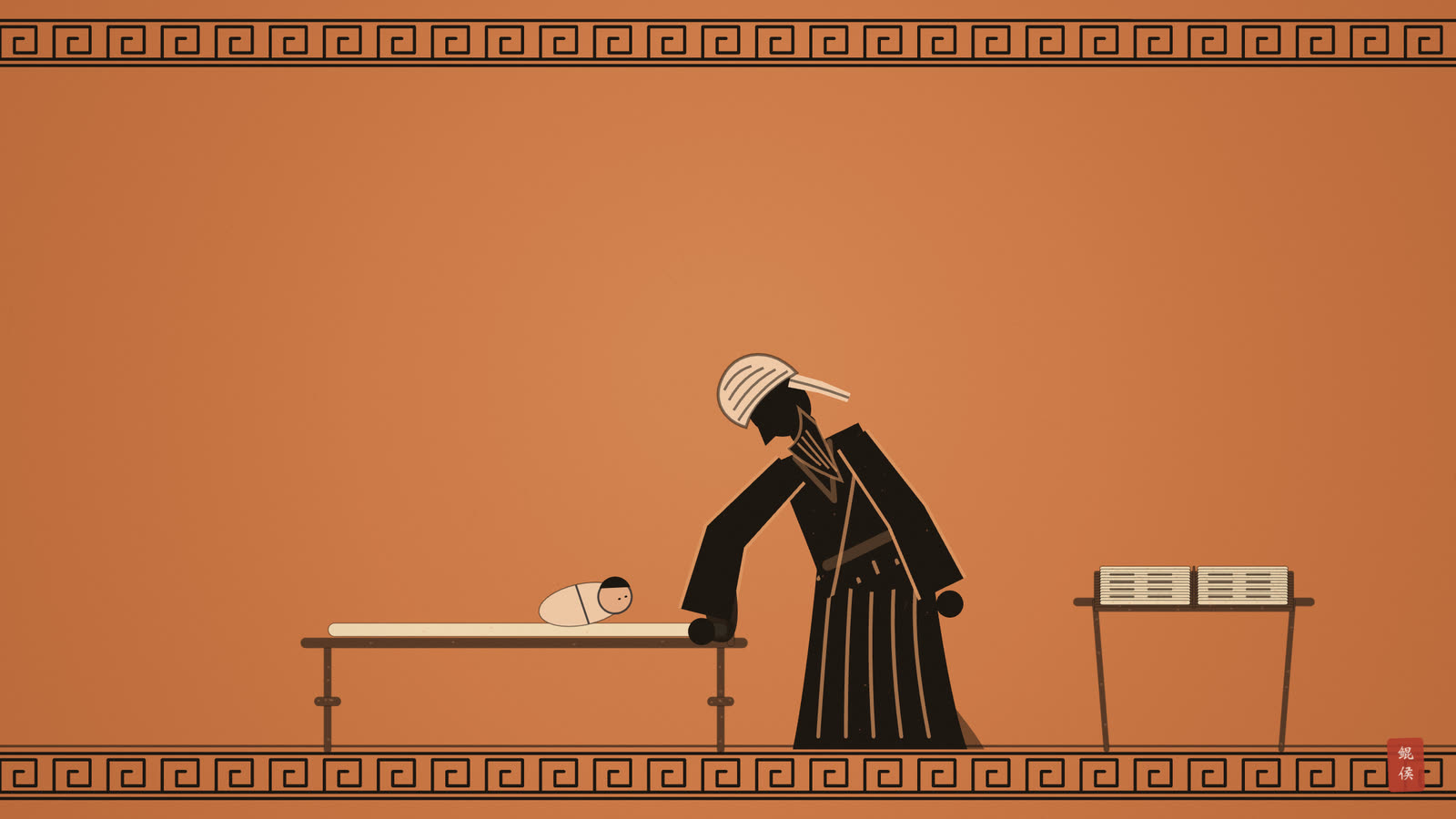
When the child is born it is weak in strength and is altered by the least cause, so that it is not safe, and this lasts until it has completed 4 years; these are called the years of nurture. The astrologers therefore first consider, regarding these years, whether it will get through them in nurture or be cut off before completing them. When they are assured that it has nurture, they then look to the hīlāj, whether there is a hīlāj or not. It is looked for in five places: the first is the luminary that is lord of the turn, the second the other luminary, the third the degree of the ascendant, the fourth the Lot of Fortune, and the fifth the degree of the preceding conjunction or opposition. The hīlāj is one of these when its conditions hold for it. The strongest of its claimants aspecting it is the kadkhudāh. In the angles it gives its greater number, in those that follow them the middle, and in the cadents the least, meaning by these numbers what we have mentioned among their years. Then the number goes according to its state of strength and weakness, so that it becomes years, then months, then days, then hours; and sometimes, through the malefics and weakness, some of it falls away. This is the gift of the kadkhudāh. Then every benefic aspecting it with love and reception adds to it its least number, according to its strength and weakness, and every malefic aspecting it with hatred subtracts from it its least number likewise; and what results after that is the utmost the native reaches of life, unless a cutter cuts him off from it. Sometimes there is no hīlāj in the nativity, and the native lives for a period according to the number of a benefic in it. As for the cutters, they are the bodies of the malefics and their disliked rays, and the bodies of the fixed stars known for cutting, when the direction reaches them at a time when the gift is at its half or at the places of its quarters, and the revolution is corrupted, and there is no benefic there or fortunes sufficient against the misfortunes. The practitioners of the art use the places of the thirds in the gift rather than the places of the quarters. The cutters are many: among them are the degrees of the ascendant and of the Moon, for each of them cuts the other; and among them are the degrees of the fourth, the seventh and the eighth; and there are books devoted to the mention of them. Then for each year its ascendant is computed when the Sun reaches the minute in which it was at the root of the nativity; and for each month its ascendant, when the Sun has traversed in each sign as many degrees and minutes as it had in the sign in which it was at the root and in the revolution. As for the lord of the cycle, it is that you give the first year to the lord of the ascendant and the second year to the one below it, as in working out the lords of the hours, until you reach, for your year, the lord of the cycle. The people of Babylon give the first year to the lord of the hour of the native, and the second to the one below it, and that is the lord of the cycle. As for the ends of the years, when a year is given to each sign, the end in the second year is the second sign from the ascendant at its degrees, and in the third the third sign likewise. When the sign of the end for the years and its degrees are known, one starts from it for the ends of the months, a sign for every 28 days, 1 hour and 51 minutes, so that the sign of the end is moved to it at the degrees of the root; and in the ends of the days a sign is taken for every 2 days, 3 hours and 50 minutes, and the degrees of the end of the months are moved to it.
翻译点开
§522. What is the detail of that and its explanation?
第五百二十二问 其细节与解说如何?
When the child is born it is weak in strength and is altered by the least cause, so that it is not safe, and this lasts until it has completed 4 years; these are called the years of nurture. The astrologers therefore first consider, regarding these years, whether it will get through them in nurture or be cut off before completing them. When they are assured that it has nurture, they then look to the hīlāj, whether there is a hīlāj or not. It is looked for in five places: the first is the luminary that is lord of the turn, the second the other luminary, the third the degree of the ascendant, the fourth the Lot of Fortune, and the fifth the degree of the preceding conjunction or opposition. The hīlāj is one of these when its conditions hold for it. The strongest of its claimants aspecting it is the kadkhudāh. In the angles it gives its greater number, in those that follow them the middle, and in the cadents the least, meaning by these numbers what we have mentioned among their years. Then the number goes according to its state of strength and weakness, so that it becomes years, then months, then days, then hours; and sometimes, through the malefics and weakness, some of it falls away. This is the gift of the kadkhudāh. Then every benefic aspecting it with love and reception adds to it its least number, according to its strength and weakness, and every malefic aspecting it with hatred subtracts from it its least number likewise; and what results after that is the utmost the native reaches of life, unless a cutter cuts him off from it. Sometimes there is no hīlāj in the nativity, and the native lives for a period according to the number of a benefic in it. As for the cutters, they are the bodies of the malefics and their disliked rays, and the bodies of the fixed stars known for cutting, when the direction reaches them at a time when the gift is at its half or at the places of its quarters, and the revolution is corrupted, and there is no benefic there or fortunes sufficient against the misfortunes. The practitioners of the art use the places of the thirds in the gift rather than the places of the quarters. The cutters are many: among them are the degrees of the ascendant and of the Moon, for each of them cuts the other; and among them are the degrees of the fourth, the seventh and the eighth; and there are books devoted to the mention of them. Then for each year its ascendant is computed when the Sun reaches the minute in which it was at the root of the nativity; and for each month its ascendant, when the Sun has traversed in each sign as many degrees and minutes as it had in the sign in which it was at the root and in the revolution. As for the lord of the cycle, it is that you give the first year to the lord of the ascendant and the second year to the one below it, as in working out the lords of the hours, until you reach, for your year, the lord of the cycle. The people of Babylon give the first year to the lord of the hour of the native, and the second to the one below it, and that is the lord of the cycle. As for the ends of the years, when a year is given to each sign, the end in the second year is the second sign from the ascendant at its degrees, and in the third the third sign likewise. When the sign of the end for the years and its degrees are known, one starts from it for the ends of the months, a sign for every 28 days, 1 hour and 51 minutes, so that the sign of the end is moved to it at the degrees of the root; and in the ends of the days a sign is taken for every 2 days, 3 hours and 50 minutes, and the degrees of the end of the months are moved to it.
孩子生下时力量微弱,最小的原因也会改变他,所以并不安稳,这要持续到他满四岁;这几年称为养育之年。所以星占家首先就这几年考察:他能否在养育中度过,还是在满期之前就被截断。确知他得到养育之后,他们才看海勒格,看有没有海勒格。海勒格要在五处找:第一处是当值的光,第二处是另一颗光,第三处是上升点的度数,第四处是福点,第五处是之前那次合或望的度数。其中某一处条件具备,它就是海勒格。照它的诸主张者中最强的那一颗,就是给寿星。它在角上给出它的大数,在随角之宫给出中数,在果宫给出最小数,这些数指的是我们在诸星之年中提到的。然后这个数随它强弱的状况而定,成为年,或成为月,或成为日,或成为小时;有时因为凶星与衰弱,其中一部分会脱落。这就是给寿星的赐予。然后,每一颗以爱与接纳照它的吉星,按自己的强弱给它加上自己的最小数;每一颗以憎恨照它的凶星,也同样从中减去自己的最小数;此后所得,就是本命者寿命所能达到的极限,除非有截命者把他截断。有时本命中没有海勒格,本命者就按其中某颗吉星的数活一段时间。至于截命者,它们是凶星的星体及其可憎的光线,以及以截命著称的恒星的星体:当推运到达它们,而那时赐予正当一半或在其四分之处,回归盘又败坏,那里也没有吉星、没有足以抵挡不幸的幸运时。本术的从业者在赐予中用三分之处,而不用四分之处。截命者很多:其中有上升点与月亮的度数,因为二者互相截断;其中有第四宫、第七宫与第八宫的度数;还有专书列举它们。然后,每一年在太阳到达它在本命根盘里所在的那一分时,推算该年的上升点;每一月也推算其上升点,即太阳在每个星座里走过与它在根盘和回归中所在星座里同样多的度与分时。至于周期之主,就是把第一年给上升主星,第二年给它下面的那一颗,就像推算时辰主星那样,直到数到你那一年,就得周期之主。巴比伦人把第一年给本命者出生那一时辰的主星,第二年给它下面的那一颗,那就是周期之主。至于诸年的终点:每一个星座给一年,第二年的终点就是从上升点起的第二个星座、同样的度数,第三年是第三个星座,依此类推。知道了诸年终点的星座及其度数,就从它起推诸月的终点,每二十八日一小时五十一分一个星座,于是终点的星座就按根盘的度数移到那里;在诸日的终点里,每二日三小时五十分取一个星座,把诸月终点的度数移过去。
大意与图解点开
🔎 大意:先看能否度过四年养育;再从五处找海勒格,取最强照者为给寿星,按角、随角、果宫给年,吉加凶减;又讲回归、周期之主与终点。
📖 术语
| 术语 | 英文原词 | 意思 |
|---|---|---|
| 养育之年 | the years of nurture | 出生后头四年 |
| 赐予 | the gift | 给寿星所给之数 |
| 增益与减损 | additions and subtractions | 吉星加、凶星减 |
| 周期之主 | the lord of the cycle | 逐年轮管之星 |
| 根盘 | the root | 本命原盘 |
🧭 图解与讲解
第五百二十二问是本命寿数的一整套程序(表一)。先看养育之年:孩子生下时最小的原因也能改变他,到满四岁才算安稳,所以首先要看他能否度过这四年。托勒密《四书》卷三第九章专论「不得养育的孩子」,把它与寿数之问分开,说那是「根本达不到」一年这样「时间」的孩子;比鲁尼的四年之说更宽,但先问养育、再问寿数的次序相同。
| 步骤 | 做法 | 说明 |
|---|---|---|
| 一 | 看养育之年:能否活过头四年 | 不能则不必再论寿数 |
| 二 | 在五处找海勒格 | 当值之光、另一光、上升度数、福点、之前的合或望 |
| 三 | 照海勒格的诸星中最强者为给寿星 | 在角给大年,随角给中年,果宫给小年 |
| 四 | 按给寿星的强弱折成年、月、日或时 | 受凶星与衰弱时有所脱落;这就是「赐予」 |
| 五 | 吉星以爱与接纳照它,加上自己的小年 | 如木星加十二、金星加八 |
| 六 | 凶星以憎恨照它,减去自己的小年 | 如土星减三十、火星减十五 |
| 七 | 所得为寿数的极限,除非截命者截断 | 推运到截命者,又逢赐予的半数或四分处 |
| 比鲁尼(第五百二十二问) | 托勒密《四书》卷三第十章 | 莉莉《基督教占星学》卷三第一百零四章 | |
|---|---|---|---|
| 候选之处 | 当值之光、另一光、上升度数、福点、之前的合或望 | 太阳、月亮、上升点、福点,并看对前一次朔望主宰最多之星 | 昼取太阳、夜取月亮;不行则取对前次朔望等处尊贵最多之星,或上升、福点 |
| 给寿之星 | 照海勒格的诸主张者中最强者 | (只说释放与杀星,不立给寿星) | 在海勒格之位尊贵最多又照它者,即给寿星 |
| 截命 | 凶星星体与光线、截命恒星,逢赐予之半或四分处 | 凶星的会合与四分、对冲光线 | 杀星;莉莉自言对两者都不够满意 |
| 推进 | 比鲁尼(第五百二十二问) | 托勒密《四书》卷四第十章 |
|---|---|---|
| 诸年的终点 | 每年一个星座 | 每一年一个星座 |
| 诸月的终点 | 每二十八日一小时五十一分一个星座 | 每一个星座二十八日 |
| 诸日的终点 | 每二日三小时五十分一个星座 | 每一个星座二又三分之一日 |
确知有养育,才找海勒格(生命征象点)。五处候选:当值之光(昼日夜月)、另一光、上升度数、福点、之前那次合或望的度数(表二)。托勒密《四书》卷三第十章取「太阳、月亮、上升点、福点」,再看对「前一次的朔」主宰关系最多的行星;莉莉卷三第一百零四章的取法与此一脉相承。照海勒格的诸主张者中最强者是给寿星(kadkhudāh,莉莉作「给寿星」,阿拉伯名 Alcocoden),在角给大年、随角给中年、果宫给小年,诸星之年见第四十六章表。
给寿星的数按强弱折成年、月、日或时,这叫「赐予」;以爱与接纳照它的吉星加上自己的小年,以憎恨照它的凶星减去自己的小年,所得就是寿数的极限,除非推运到截命者。截命者是凶星的星体与光线、以截命著称的恒星,又有上升点与月亮的度数互相截断,第四、七、八宫的度数;应期在赐予的一半或四分之处,一般从业者改用三分之处。莉莉卷三第一百零四章也说他对海勒格与杀星「都不够满意」,可见这套算法历来众说纷纭。
后半讲逐年的工具。每年太阳回到根盘的那一分时立年的回归盘;每月太阳在每个星座走到同样度分时立月盘。周期之主是把第一年给上升主星,以后按时辰主星的次序往下轮,七年一周;巴比伦人则从出生时辰主星起。诸年终点每年进一座;诸月终点每二十八日一小时五十一分进一座,诸日终点每二日三小时五十分进一座(表三)。
托勒密《四书》卷四第十章是月「每一个星座二十八日」、日「每一个星座二又三分之一日」。比鲁尼的两个数,校勘核算正是三百六十五日除以十三、再除以十三:月终点一年走十三座,正好比年终点多走一座,与来年的年终点相接;日终点一月走十三座,也与下一个月终点相接。托勒密的二十八日只差一点,而比鲁尼的数让三层推进严丝合缝。
As for the lord of the week: when the days that have passed since the birth of the native are cast out by weeks, the number of castings kept and counted from the ascendant of the root, the sign it reaches belongs to the lord of the week. Then go round with what remains, which is not more than seven, from the lord of the ascendant, then the one before it, against the order of the signs, in the root places; and the planet reached is the lord of the day of the week of that sign. Some go round with the remainder among the planets in the order of the signs.
翻译点开
As for the lord of the week: when the days that have passed since the birth of the native are cast out by weeks, the number of castings kept and counted from the ascendant of the root, the sign it reaches belongs to the lord of the week. Then go round with what remains, which is not more than seven, from the lord of the ascendant, then the one before it, against the order of the signs, in the root places; and the planet reached is the lord of the day of the week of that sign. Some go round with the remainder among the planets in the order of the signs.
至于周主:把本命者出生以来所过的日数按七日一周去掉,把去掉的次数记住,从根盘的上升点起数,所到的星座属于周主。然后用剩下的、不超过七的数去轮,从上升主星起,然后是它之前的那一颗,逆着星座次序,在根盘的诸位置上;所到的行星,就是那个星座的周日之主。有些人用余数在诸行星间按星座次序去轮。
大意与图解点开
🔎 大意:周主:出生以来的日数按七日一周去掉,周数从上升点起数到某座;余下不足七的日数从上升主星起,逆星座次序轮到某星。
📖 术语
| 术语 | 英文原词 | 意思 |
|---|---|---|
| 周主 | the lord of the week | 主管某一周之星 |
| 去掉 | cast out | 除去整数倍 |
| 周日之主 | lord of the day of the week | 主管那一日之星 |
🧭 图解与讲解
这一行补讲「诸周的管理者」,即周主。办法分两步(图一)。第一步,把本命者出生以来所过的日数按七日一周去掉,记下去掉了多少周,从根盘的上升点起每周数一座,所到的星座属于周主。第二步,用剩下不足七的日数,从上升主星起,逆着星座次序在根盘诸星的位置上轮,所到的行星就是那一日之主。
〔图〕周主分两步:先以整周数定星座,再以余日数定行星
〔图〕比鲁尼的周主与瓦伦斯的年主,都用「去掉整星期」的算法
原文极简,「然后是它之前的那一颗,逆着星座次序」只能理解为:在根盘里按黄道位置往回找前一颗行星。另有一些人用余数按星座次序去轮。比鲁尼只并列两种做法,不加评论,也没有举例;本站的图一只按字面画出步骤,不替他补算例。
用七日之周来推运程,与「去掉整星期」求余数的算法,在瓦伦斯《选集》卷一第十一章已经有了:「取从奥古斯都起的满年与闰日,以及从托特月到出生之日的天数,去掉整星期,把余数从太阳数起」,数到哪颗行星就是年主(图二)。不同的是,瓦伦斯用日数求年主、月主、日主,比鲁尼的周主则把整周与余日分作两用。
周主属于本命逐年推运里最细的一层:年有终点与周期之主,月有月终点,周有周主,日有日终点。托勒密《四书》卷四第十章只讲到日,没有周这一层;以七日为单位来分管人生,是星期制度通行之后才有的做法。
📖 术语
| 术语 | 英文原词 | 意思 |
|---|---|---|
| 周主 | the lord of the week | 主管某一周之星 |
| 去掉 | cast out | 除去整数倍 |
| 周日之主 | lord of the day of the week | 主管那一日之星 |
🧭 图解与讲解
这一行补讲「诸周的管理者」,即周主。办法分两步(图一)。第一步,把本命者出生以来所过的日数按七日一周去掉,记下去掉了多少周,从根盘的上升点起每周数一座,所到的星座属于周主。第二步,用剩下不足七的日数,从上升主星起,逆着星座次序在根盘诸星的位置上轮,所到的行星就是那一日之主。
原文极简,「然后是它之前的那一颗,逆着星座次序」只能理解为:在根盘里按黄道位置往回找前一颗行星。另有一些人用余数按星座次序去轮。比鲁尼只并列两种做法,不加评论,也没有举例;本站的图一只按字面画出步骤,不替他补算例。
用七日之周来推运程,与「去掉整星期」求余数的算法,在瓦伦斯《选集》卷一第十一章已经有了:「取从奥古斯都起的满年与闰日,以及从托特月到出生之日的天数,去掉整星期,把余数从太阳数起」,数到哪颗行星就是年主(图二)。不同的是,瓦伦斯用日数求年主、月主、日主,比鲁尼的周主则把整周与余日分作两用。
周主属于本命逐年推运里最细的一层:年有终点与周期之主,月有月终点,周有周主,日有日终点。托勒密《四书》卷四第十章只讲到日,没有周这一层;以七日为单位来分管人生,是星期制度通行之后才有的做法。
§523. What is the direction of the counted ones among them?
What has been said before of direction in the ends, the thousands and the cycles is well known, and makes explanation needless here. In nativities it is not by the degrees of equality but by the degrees of the ascensions. The degree of the ascendant and the planets that are in it are directed by the ascensions of the town, a year to each degree; the degree of the setting and the planets that are in it by the descensions of the town, which are the ascensions of the opposite of the ascendant and the signs that follow it, because the descensions of each sign in the town are equal to the ascensions of its opposite. Each of the degrees of mid-heaven and of the angle of the earth, and the planets lying in them, is directed in all dwelling-places by the ascensions of the right orb. If the planet being directed is not at these four degrees, but between two angles, its direction is by ascensions mixed from the ascensions of the two angles, by a long procedure and a difficult computation. They direct only the hīlāj, because it is the indicator of life, and they direct nothing else except for a particular matter; the kadkhudāh gives the quantity of life; and the degree of the ascendant is directed in every case, whether it is the hīlāj or not. When the place that the hīlāj reaches is known, in the revolution or at any time desired, the lord of the term of that place is the divider called the jānbakhtār, because life, when it runs from the place of the hīlāj to the place of the cutter, is divided by the terms in between, and their lords are the lords of the division; and whatever planet is in that term or casts its rays upon it, the management of the division is ascribed to it. As for the mubtazzes, for each house the planet whose testimonies in it are many is ascribed the prevailing over it; and the absolute mubtazz, which has mastery over the nativity, is the planet whose testimonies are many in the ascendant and its lord and the five hīlājes, at the root of the nativity or in its revolution. As for the firdārs, we have mentioned them for each of the years of the world and of nativities.
翻译点开
§523. What is the direction of the counted ones among them?
第五百二十三问 其中诸计数之项如何推运?
What has been said before of direction in the ends, the thousands and the cycles is well known, and makes explanation needless here. In nativities it is not by the degrees of equality but by the degrees of the ascensions. The degree of the ascendant and the planets that are in it are directed by the ascensions of the town, a year to each degree; the degree of the setting and the planets that are in it by the descensions of the town, which are the ascensions of the opposite of the ascendant and the signs that follow it, because the descensions of each sign in the town are equal to the ascensions of its opposite. Each of the degrees of mid-heaven and of the angle of the earth, and the planets lying in them, is directed in all dwelling-places by the ascensions of the right orb. If the planet being directed is not at these four degrees, but between two angles, its direction is by ascensions mixed from the ascensions of the two angles, by a long procedure and a difficult computation. They direct only the hīlāj, because it is the indicator of life, and they direct nothing else except for a particular matter; the kadkhudāh gives the quantity of life; and the degree of the ascendant is directed in every case, whether it is the hīlāj or not. When the place that the hīlāj reaches is known, in the revolution or at any time desired, the lord of the term of that place is the divider called the jānbakhtār, because life, when it runs from the place of the hīlāj to the place of the cutter, is divided by the terms in between, and their lords are the lords of the division; and whatever planet is in that term or casts its rays upon it, the management of the division is ascribed to it. As for the mubtazzes, for each house the planet whose testimonies in it are many is ascribed the prevailing over it; and the absolute mubtazz, which has mastery over the nativity, is the planet whose testimonies are many in the ascendant and its lord and the five hīlājes, at the root of the nativity or in its revolution. As for the firdārs, we have mentioned them for each of the years of the world and of nativities.
前面讲过的终点、千年与周期中的推运,是众所周知的,无须在这里解释。在本命中,推运不用均等的度数,而用上升时间的度数。上升点的度数与在其中的诸行星,按该城的上升时间推运,每度一年;下降点的度数与在其中的诸行星,按该城的沉没时间推运,也就是上升点对宫及其后诸星座的上升时间,因为每个星座在该城的沉没时间等于其对宫的上升时间。中天与地之角的度数、以及位于其中的诸行星,在一切居住之地都按正球的上升时间推运。若被推运的行星不在这四度上,而在两个角之间,它的推运就按由两个角的上升时间混合而成的上升时间来算,步骤很长,计算很难。他们只推运海勒格,因为它是生命的征象;除非为某件特定的事,别的都不推运;给寿星给出寿命的长短;上升点的度数无论是不是海勒格,一律推运。知道了海勒格在回归中或任何想要的时候所到之处,那一处的界主就是分配者,称为詹巴赫塔尔,因为生命从海勒格之处走到截命者之处时,被其间的诸界分开,诸界之主就是分配之主;凡在那一界中或把光线投到它上面的行星,分配的管理也归于它。至于胜星:就每一宫而言,在其中见证多的那颗行星,被认为胜过它;而绝对的胜星,掌握整个本命的,是在上升点及其主星与五个海勒格之处——在本命根盘或其回归中——见证多的那颗行星。至于法达,我们已为世界诸年与本命诸年都讲过了。
大意与图解点开
🔎 大意:本命推运用上升时间:上升用本城上升时间,下降用对宫上升时间,中天地角用正球,其间混合;界主为分配者;见证最多者为胜星。
📖 术语
| 术语 | 英文原词 | 意思 |
|---|---|---|
| 推运 | direction | 按赤道时度推年 |
| 沉没时间 | descensions | 星座落下所需时度 |
| 正球 | the right orb | 赤道上所见的天球 |
| 分配者 | jānbakhtār, the divider | 海勒格所到之界主 |
| 绝对的胜星 | the absolute mubtazz | 掌握全命之星 |
🧭 图解与讲解
第五百二十三问讲推运。终点、千年与周期里的推运前面已讲,众所周知;本命里的推运则不用均等的度数,而用上升时间,每度一年。上升点按本城的上升时间推;下降点按本城的沉没时间推,也就是对宫的上升时间;中天与地之角在一切地方都按正球的上升时间推;在两角之间的,用两角的上升时间混合推算,步骤很长(表一)。
| 被推运之点 | 所用的时度 | 理由 | 托勒密《四书》卷三第十章 |
|---|---|---|---|
| 上升点及其中诸星 | 本城的上升时间,每度一年 | 在东方地平上 | 取到会合之处为止各度的上升时间 |
| 下降点及其中诸星 | 本城的沉没时间,即对宫的上升时间 | 每座沉没时间等于其对宫的上升时间 | 取这段间隔各度沉没所需的时间数 |
| 中天、地之角及其中诸星 | 正球的上升时间,各地皆同 | 子午线上 | 取正球上的上升时间 |
| 两角之间 | 两角上升时间的混合 | 步骤长,计算难 | 按位置成比例地定 |
〔图〕分配者:海勒格推到哪一界,那一界的界主就分管这一段生命
这正是托勒密《四书》卷三第十章的规定:在东方地平时取上升时间,「当它正好在中天时,就应取正球上的上升时间」,在西方地平时取沉没时间,「也就是与它们正相对的各度升起所需的时间数」;在其间的,按位置成比例地定。比鲁尼在卷四第二百四十二问讲星座的上升时间与正球、斜球,在这里才见出用处:没有这些表,推运无从算起。
推运的对象主要是海勒格,因为它是生命的征象;上升点无论是不是海勒格都一律推;其余的只为特定之事才推。给寿星不推运,它只给出寿命的长短。海勒格推到某处,那一处的界主就是分配者(jānbakhtār),生命从海勒格走向截命者,一路被诸界分段,每段由界主与在界中或投光之星共管(图二)。托勒密《四书》卷四第十章讲「总时主」时也说「主管界的行星也要分得一部分主宰之权」。
末尾讲胜星(mubtazz):每一宫里见证最多的行星胜过这一宫;在上升点及其主星与五个海勒格之处见证最多的,是绝对的胜星,掌握整个本命。莉莉《基督教占星学》卷三第一百零五章列举诸家取「命主」之法,其中一说正是在上升、中天、太阳、月亮与福点「必然尊贵最多的那颗行星」,与比鲁尼的绝对胜星同出一源。
📖 术语
| 术语 | 英文原词 | 意思 |
|---|---|---|
| 推运 | direction | 按赤道时度推年 |
| 沉没时间 | descensions | 星座落下所需时度 |
| 正球 | the right orb | 赤道上所见的天球 |
| 分配者 | jānbakhtār, the divider | 海勒格所到之界主 |
| 绝对的胜星 | the absolute mubtazz | 掌握全命之星 |
🧭 图解与讲解
第五百二十三问讲推运。终点、千年与周期里的推运前面已讲,众所周知;本命里的推运则不用均等的度数,而用上升时间,每度一年。上升点按本城的上升时间推;下降点按本城的沉没时间推,也就是对宫的上升时间;中天与地之角在一切地方都按正球的上升时间推;在两角之间的,用两角的上升时间混合推算,步骤很长(表一)。
| 被推运之点 | 所用的时度 | 理由 | 托勒密《四书》卷三第十章 |
|---|---|---|---|
| 上升点及其中诸星 | 本城的上升时间,每度一年 | 在东方地平上 | 取到会合之处为止各度的上升时间 |
| 下降点及其中诸星 | 本城的沉没时间,即对宫的上升时间 | 每座沉没时间等于其对宫的上升时间 | 取这段间隔各度沉没所需的时间数 |
| 中天、地之角及其中诸星 | 正球的上升时间,各地皆同 | 子午线上 | 取正球上的上升时间 |
| 两角之间 | 两角上升时间的混合 | 步骤长,计算难 | 按位置成比例地定 |
这正是托勒密《四书》卷三第十章的规定:在东方地平时取上升时间,「当它正好在中天时,就应取正球上的上升时间」,在西方地平时取沉没时间,「也就是与它们正相对的各度升起所需的时间数」;在其间的,按位置成比例地定。比鲁尼在卷四第二百四十二问讲星座的上升时间与正球、斜球,在这里才见出用处:没有这些表,推运无从算起。
推运的对象主要是海勒格,因为它是生命的征象;上升点无论是不是海勒格都一律推;其余的只为特定之事才推。给寿星不推运,它只给出寿命的长短。海勒格推到某处,那一处的界主就是分配者(jānbakhtār),生命从海勒格走向截命者,一路被诸界分段,每段由界主与在界中或投光之星共管(图二)。托勒密《四书》卷四第十章讲「总时主」时也说「主管界的行星也要分得一部分主宰之权」。
末尾讲胜星(mubtazz):每一宫里见证最多的行星胜过这一宫;在上升点及其主星与五个海勒格之处见证最多的,是绝对的胜星,掌握整个本命。莉莉《基督教占星学》卷三第一百零五章列举诸家取「命主」之法,其中一说正是在上升、中天、太阳、月亮与福点「必然尊贵最多的那颗行星」,与比鲁尼的绝对胜星同出一源。
原文为公有领域古籍;翻译、印象画与图文解读由 AI 辅助生成,鲲侯审校。