卷八·第 513–517 问 两光强弱、焦伤之路、星占五部与世运起点
两光的强弱与月亮独有的不幸;焦伤之路;星的判断分五部;世运的起点:会合、终点、千年与法达。
§513. Do the luminaries surpass the planets in this?
That must be so. If the luminaries aspect each other, and are with the benefics or in their aspect, and are in their own portions or the portions of the benefics, they are strong. If they are in places that do not suit them, and the malefics are hostile to them and rise above them, and the benefics are fallen away from them, and they are eclipsed, or are near to one of the nodes of the jawzahr by less than 12 degrees, especially the Tail, they are weak. Then the Moon has as her own the muḥāq, the opposition, the decrease of light, being beneath the earth at the time of her turn, and alighting in the burnt path; these are misfortunes adding to weakness. Some have counted among her misfortunes her being in the last parts of the signs, in the twelfth-parts of the two malefics, in the south descending, and in the ninth from the ascendant. But not all of that is peculiar to the Moon rather than the others: the last parts of all the signs are terms of the malefics, and, as with the state of the twelfth-parts, these apply to the Moon and to all the planets. As for the ninth from the ascendant, it is opposite the joy of the Moon, and that does pertain to her.
翻译点开
§513. Do the luminaries surpass the planets in this?
第五百一十三问 在这件事上,两光胜过诸行星吗?
That must be so. If the luminaries aspect each other, and are with the benefics or in their aspect, and are in their own portions or the portions of the benefics, they are strong. If they are in places that do not suit them, and the malefics are hostile to them and rise above them, and the benefics are fallen away from them, and they are eclipsed, or are near to one of the nodes of the jawzahr by less than 12 degrees, especially the Tail, they are weak. Then the Moon has as her own the muḥāq, the opposition, the decrease of light, being beneath the earth at the time of her turn, and alighting in the burnt path; these are misfortunes adding to weakness. Some have counted among her misfortunes her being in the last parts of the signs, in the twelfth-parts of the two malefics, in the south descending, and in the ninth from the ascendant. But not all of that is peculiar to the Moon rather than the others: the last parts of all the signs are terms of the malefics, and, as with the state of the twelfth-parts, these apply to the Moon and to all the planets. As for the ninth from the ascendant, it is opposite the joy of the Moon, and that does pertain to her.
必然如此。两光若彼此相照,又与吉星同在或在吉星的照中,又在自己的份额或吉星的份额里,它们就强。若在不相宜的位置,凶星与它们为敌、凌驾其上,吉星从它们落空,它们又被食,或离焦扎赫尔的某个交点不到十二度,尤其是龙尾,它们就弱。此外,月亮还有她独有的:穆哈格、对冲、光的亏减、轮到她当值时在地下,以及落入焦伤之路;这些都是加重衰弱的不幸。有些人把月亮在星座的末几度、在两颗凶星的十二分部里、在南方下降、在从上升起数的第九宫,也算作她的不幸。但这些并不全是月亮独有而别星没有的:一切星座的末几度都是凶星的界;与十二分部的情形一样,这些对月亮与一切行星都适用。至于从上升起数的第九宫,它与月亮的喜乐之处相对,那确实关乎她。
大意与图解点开
🔎 大意:两光彼此相照、近吉星、在自己或吉星的份额里就强;被凶星凌驾、被食、近交点就弱。月亮另有穆哈格、焦伤之路等不幸。
📖 术语
| 术语 | 英文原词 | 意思 |
|---|---|---|
| 两光 | the luminaries | 太阳与月亮 |
| 份额 | portions | 庙旺三方界面之分 |
| 凌驾其上 | rise above them | 凶星居上压制 |
| 穆哈格 | muḥāq | 月隐之期 |
| 十二分部 | twelfth-parts | 每座十二等分 |
🧭 图解与讲解
上一章末讲诸星的强弱,第五百一十三问接着问:两光(太阳与月亮)在这件事上是否胜过诸行星?比鲁尼说必然如此。强的条件有三:两光彼此相照;与吉星同在或在吉星的照中;在自己的份额(庙、旺、三方、界、面)或吉星的份额里。弱的条件是:处在不相宜之处,凶星与之为敌又凌驾其上,吉星落空不照,被食,或离交点不到十二度,尤以龙尾为甚(图一)。
〔图〕两光的强弱:相照、近吉星、得份额为强;被凶星凌驾、被食、近交点为弱
| 所列之不幸 | 谁所列 | 比鲁尼的辨析 |
|---|---|---|
| 穆哈格、对冲、光亏、当值时在地下、落入焦伤之路 | 比鲁尼本人 | 月亮独有,加重衰弱 |
| 在星座的末几度 | 有些人 | 诸座末几度都是凶星之界,诸星皆然 |
| 在两颗凶星的十二分部里 | 有些人 | 十二分部对诸星都适用 |
| 在南方下降 | 有些人 | 未加辨析 |
| 在从上升起数的第九宫 | 有些人 | 与月亮喜乐之处第三宫相对,确关月亮 |
月亮另有独有的不幸:穆哈格(月隐之期,见卷三第一百五十四问)、与太阳对冲、光在亏减、轮到她当值的夜里却在地下,以及落入下一问要讲的焦伤之路。这一串说法,到了莉莉《基督教占星学》卷一第十九章讲判断前的考量时,几乎原样保留:月亮渐亏、在太阳光下、在焦伤之途,都是月亮受损之象。
比鲁尼随即替别人所列的几条做了辨析(表二)。有人把月亮在星座末几度、在凶星的十二分部、在南方下降、在第九宫都算作她的不幸。他说前两条并非月亮独有:各座最后一段界都属凶星,这在第四十七章的埃及界里看得很清楚,所以诸星落在末几度都受损;十二分部也对诸星一律适用。只有第九宫确实关乎月亮,因为月亮的喜乐在第三宫(第四十九章表三),第九宫正与之相对。
这一问把前面几章分散讲过的东西收拢起来:份额、界、十二分部、喜乐之宫、交点、穆哈格,都在这里当作判断强弱的砝码。比鲁尼的习惯是先列众说,再逐条看它是否站得住,不因为前人说过就照收。
📖 术语
| 术语 | 英文原词 | 意思 |
|---|---|---|
| 两光 | the luminaries | 太阳与月亮 |
| 份额 | portions | 庙旺三方界面之分 |
| 凌驾其上 | rise above them | 凶星居上压制 |
| 穆哈格 | muḥāq | 月隐之期 |
| 十二分部 | twelfth-parts | 每座十二等分 |
🧭 图解与讲解
上一章末讲诸星的强弱,第五百一十三问接着问:两光(太阳与月亮)在这件事上是否胜过诸行星?比鲁尼说必然如此。强的条件有三:两光彼此相照;与吉星同在或在吉星的照中;在自己的份额(庙、旺、三方、界、面)或吉星的份额里。弱的条件是:处在不相宜之处,凶星与之为敌又凌驾其上,吉星落空不照,被食,或离交点不到十二度,尤以龙尾为甚(图一)。
| 所列之不幸 | 谁所列 | 比鲁尼的辨析 |
|---|---|---|
| 穆哈格、对冲、光亏、当值时在地下、落入焦伤之路 | 比鲁尼本人 | 月亮独有,加重衰弱 |
| 在星座的末几度 | 有些人 | 诸座末几度都是凶星之界,诸星皆然 |
| 在两颗凶星的十二分部里 | 有些人 | 十二分部对诸星都适用 |
| 在南方下降 | 有些人 | 未加辨析 |
| 在从上升起数的第九宫 | 有些人 | 与月亮喜乐之处第三宫相对,确关月亮 |
月亮另有独有的不幸:穆哈格(月隐之期,见卷三第一百五十四问)、与太阳对冲、光在亏减、轮到她当值的夜里却在地下,以及落入下一问要讲的焦伤之路。这一串说法,到了莉莉《基督教占星学》卷一第十九章讲判断前的考量时,几乎原样保留:月亮渐亏、在太阳光下、在焦伤之途,都是月亮受损之象。
比鲁尼随即替别人所列的几条做了辨析(表二)。有人把月亮在星座末几度、在凶星的十二分部、在南方下降、在第九宫都算作她的不幸。他说前两条并非月亮独有:各座最后一段界都属凶星,这在第四十七章的埃及界里看得很清楚,所以诸星落在末几度都受损;十二分部也对诸星一律适用。只有第九宫确实关乎月亮,因为月亮的喜乐在第三宫(第四十九章表三),第九宫正与之相对。
这一问把前面几章分散讲过的东西收拢起来:份额、界、十二分部、喜乐之宫、交点、穆哈格,都在这里当作判断强弱的砝码。比鲁尼的习惯是先列众说,再逐条看它是否站得住,不因为前人说过就照收。
§514. What is the burnt path?
It is the end of Libra and the beginning of Scorpio. Both of these signs are unsuited to the luminaries, because of their darkness and their retreating, and because they are their falls; and the two malefics are bound up with them, one by the house and the other by the exaltation. That place in particular has been singled out for it because of the nearness to it of the exaltation of Saturn and the fall of the Sun on one side, and the fall of the Moon on the other side, behind it, so that the two malefics are present, and it belongs to Mars between these two signs. [text uncertain]
翻译点开
§514. What is the burnt path?
第五百一十四问 何谓焦伤之路?
It is the end of Libra and the beginning of Scorpio. Both of these signs are unsuited to the luminaries, because of their darkness and their retreating, and because they are their falls; and the two malefics are bound up with them, one by the house and the other by the exaltation. That place in particular has been singled out for it because of the nearness to it of the exaltation of Saturn and the fall of the Sun on one side, and the fall of the Moon on the other side, behind it, so that the two malefics are present, and it belongs to Mars between these two signs. [text uncertain]
它是天秤的末尾与天蝎的开头。这两个星座都不宜于两光,因为它们的幽暗与后退,又因为它们是两光的落;两颗凶星又都与它们相系,一颗凭庙,一颗凭旺。特别挑出这一处来,是因为它一边靠近土星的旺与太阳的落,另一边、在它后面是月亮的落,于是两颗凶星都在场,而在这两个星座之间,它归于火星。〔原文疑有讹误〕
大意与图解点开
🔎 大意:焦伤之路在天秤末、天蝎初:两座是日月之落,土星旺于天秤、火星庙在天蝎,两凶星都在场,故不宜两光。
📖 术语
| 术语 | 英文原词 | 意思 |
|---|---|---|
| 焦伤之路 | the burnt path | 天秤末至天蝎初 |
| 落 | fall | 旺的对冲 |
| 后退 | retreating | 昼短夜长之季 |
🧭 图解与讲解
第五百一十四问说焦伤之路(字面是「焚烧之路」,与「焦伤」同出一词)在天秤的末尾与天蝎的开头。理由有两层。一层是这两个星座本身:秋分之后昼短夜长,所以说它们「幽暗而后退」;天秤是太阳的落(太阳旺于白羊,对冲天秤),天蝎是月亮的落(月亮旺于金牛,对冲天蝎)。另一层是两颗凶星都与它们相系:火星以天蝎为庙,土星以天秤为旺(图一)。
〔图〕焦伤之路夹在天秤末与天蝎初:一边是土星之旺、太阳之落,一边是月亮之落与火星之庙
| 比鲁尼(第五百一十四问) | 莉莉《基督教占星学》卷一第十九章 | |
|---|---|---|
| 名称 | 焦伤之路 | 焦伤之途 |
| 范围 | 天秤的末尾与天蝎的开头,不给度数 | 天秤后十五度至天蝎前十五度 |
| 理由 | 日月之落;土星之旺、火星之庙;幽暗后退 | 未说理由,只说「有人所说」 |
| 用处 | 月亮落入则加重衰弱 | 月亮在此,卜卦判断不安全 |
为什么偏偏挑出两座交界这一段?比鲁尼说,它一边靠近土星的旺度与太阳的落度,另一边、在它后面是月亮的落度。校勘核对过:土星旺在天秤二十一度、太阳落在天秤十九度,月亮落在天蝎三度,正好把交界夹在中间。末句「在这两个星座之间,它归于火星」句法不全,英译加了「原文疑有讹误」,大意似说这一段落在火星的势力范围里。
这个名目后来进入拉丁传统,就是莉莉《基督教占星学》卷一第十九章的「焦伤之途」(Via Combusta):「月亮在焦伤之途时也不安全,即她在天秤的后十五度或天蝎的前十五度时」(表二)。莉莉给了确切的度数,却说这是「有人所说」,没有讲来由;比鲁尼不给度数,却把为什么是这一段讲清楚了,两书正好互补。
托勒密《四书》与瓦伦斯《选集》都没有这个名目。它在本书里只作为月亮的一种不幸出现,与上一问相连:月亮落入焦伤之路,和被食、近交点一样,都是「加重衰弱的不幸」。
📖 术语
| 术语 | 英文原词 | 意思 |
|---|---|---|
| 焦伤之路 | the burnt path | 天秤末至天蝎初 |
| 落 | fall | 旺的对冲 |
| 后退 | retreating | 昼短夜长之季 |
🧭 图解与讲解
第五百一十四问说焦伤之路(字面是「焚烧之路」,与「焦伤」同出一词)在天秤的末尾与天蝎的开头。理由有两层。一层是这两个星座本身:秋分之后昼短夜长,所以说它们「幽暗而后退」;天秤是太阳的落(太阳旺于白羊,对冲天秤),天蝎是月亮的落(月亮旺于金牛,对冲天蝎)。另一层是两颗凶星都与它们相系:火星以天蝎为庙,土星以天秤为旺(图一)。
| 比鲁尼(第五百一十四问) | 莉莉《基督教占星学》卷一第十九章 | |
|---|---|---|
| 名称 | 焦伤之路 | 焦伤之途 |
| 范围 | 天秤的末尾与天蝎的开头,不给度数 | 天秤后十五度至天蝎前十五度 |
| 理由 | 日月之落;土星之旺、火星之庙;幽暗后退 | 未说理由,只说「有人所说」 |
| 用处 | 月亮落入则加重衰弱 | 月亮在此,卜卦判断不安全 |
为什么偏偏挑出两座交界这一段?比鲁尼说,它一边靠近土星的旺度与太阳的落度,另一边、在它后面是月亮的落度。校勘核对过:土星旺在天秤二十一度、太阳落在天秤十九度,月亮落在天蝎三度,正好把交界夹在中间。末句「在这两个星座之间,它归于火星」句法不全,英译加了「原文疑有讹误」,大意似说这一段落在火星的势力范围里。
这个名目后来进入拉丁传统,就是莉莉《基督教占星学》卷一第十九章的「焦伤之途」(Via Combusta):「月亮在焦伤之途时也不安全,即她在天秤的后十五度或天蝎的前十五度时」(表二)。莉莉给了确切的度数,却说这是「有人所说」,没有讲来由;比鲁尼不给度数,却把为什么是这一段讲清楚了,两书正好互补。
托勒密《四书》与瓦伦斯《选集》都没有这个名目。它在本书里只作为月亮的一种不幸出现,与上一问相连:月亮落入焦伤之路,和被食、近交点一样,都是「加重衰弱的不幸」。
§515. Into how many kinds are the judgements of the stars divided?
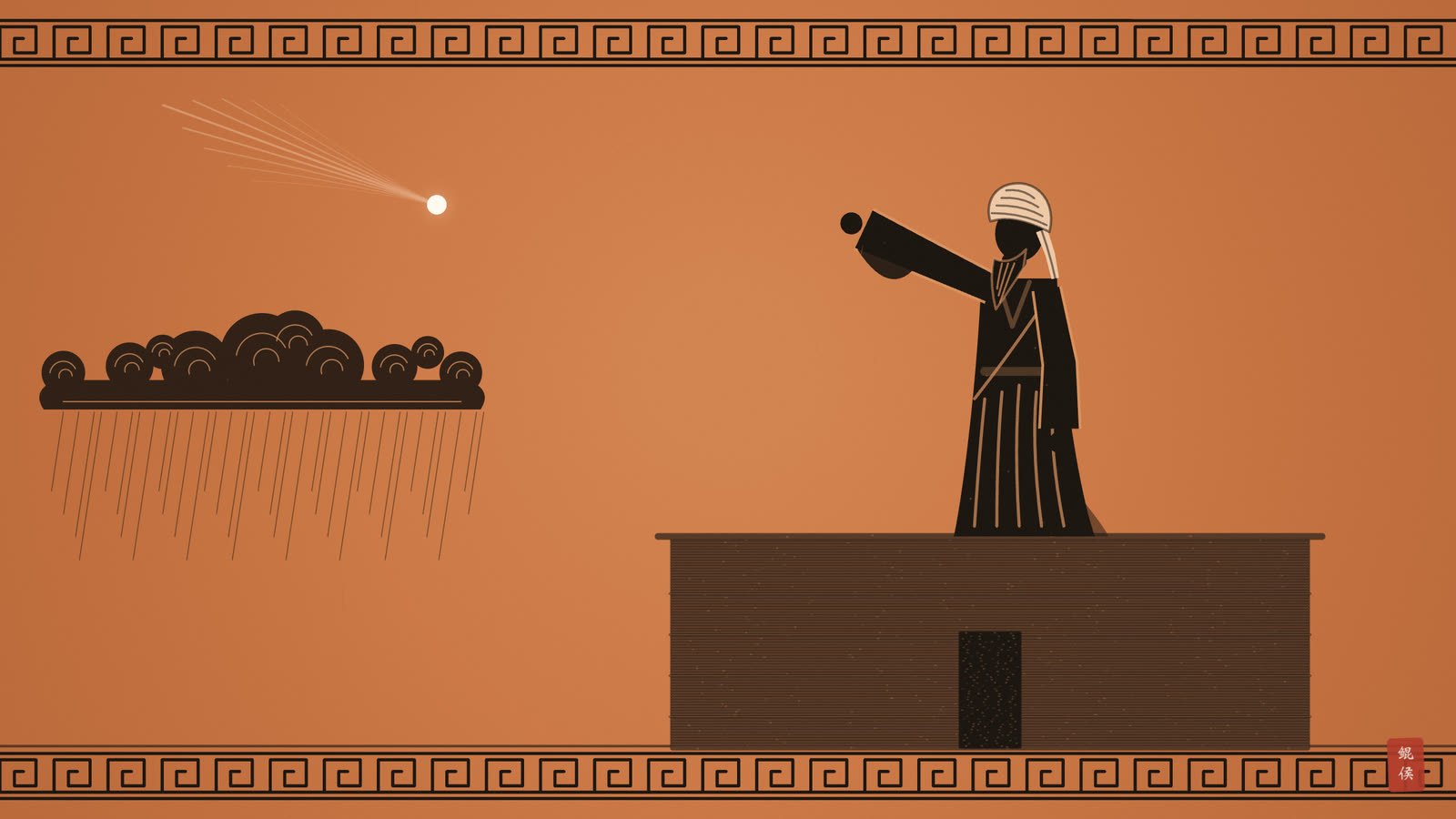
Within the orb there are only the four elements, either simple or, in combination, producing other things; and in both ways they are affected by the planets and the motions. The simple ones do not admit changes in their wholes; only their touching extremities admit it, because of the contrariety that calls them to alteration in act, and that happens to them on the face of the earth. Their mixing is completed by the effects of the rays reaching them, and by this the four natures are perfected. So the surface of the earth is the place laid down for coming-into-being, according to the figures of the planets toward it, as far as the warm ray penetrates into it or into the water, according to their porosity; then it is reflected, and what has evaporated from the water and smoked from the earth rises to where its reflection becomes weak. These motions are thus the causes of generation and corruption in the world. What comes about in this way is either lasting or quick to pass away and perish. What goes round in the air, of the qualities of heat, cold and temperateness, and what arises in it through moisture and dryness, of the motions of the winds and the things moved by them, clouds, rains, snows, hail and the kinds of dew; what is heard in it, of thunder, crashes and the thunderclap; and what is seen in it, of lightning and thunderbolts, then rainbows, haloes and meteors, then shooting stars and comets, and all that is called the events of the atmosphere; and what is in the earth, of earthquakes and subsidences, and in the water, of tides, floods and torrents: this is one division comprising these kinds. They are not very lasting; the longest of them in time are rains, snows, comets and earthquakes, for although they do not endure, they sometimes press with their force upon a place and destroy it. Next comes the matter of what is compounded of the elements, I mean plants and animals and what befalls them. It has two aspects, the universal, which covers the genus and the species, and the particular, which strikes some and not others; and of it again some is more lasting and some quicker to perish. The universal is like a famine arising from blights on the crops and the failure of yields, covering a kingdom or kingdoms, and like a sweeping plague that comes upon a town or towns; the particular is that of it which strikes particular places and few individuals. Connected with this are the accidents of wars, the contention of dynasties and their transfer, the rising of rebels and of kings, and the appearance of sects and religions; for this is a field of great duration and severe force. This is a second division, which follows it. What is particular to each individual, human or other, in his time and place, and the circumstances that surround him for the extent of his life, or what remains after him of his works and offspring: this is a third division. After it come the circumstances of the actions of men and the things done by them, and that is a fourth division. All of that is built on beginnings belonging to it; if these are unknown, there follows a fifth division, for knowing those circumstances when their beginnings are unknown. With it the art comes near to going out of its bounds, and bears what it cannot bear, because the matter ends up moving from the great universals to the minute particulars. Therefore it resembles the preceding divisions on one side, and is like the ways of soothsaying on the other; and when it oversteps its bounds, by its affiliation it belongs to the field of augury, not of astrology, even if the stars are mentioned in it.
翻译点开
§515. Into how many kinds are the judgements of the stars divided?
第五百一十五问 星的判断分为几类?
Within the orb there are only the four elements, either simple or, in combination, producing other things; and in both ways they are affected by the planets and the motions. The simple ones do not admit changes in their wholes; only their touching extremities admit it, because of the contrariety that calls them to alteration in act, and that happens to them on the face of the earth. Their mixing is completed by the effects of the rays reaching them, and by this the four natures are perfected. So the surface of the earth is the place laid down for coming-into-being, according to the figures of the planets toward it, as far as the warm ray penetrates into it or into the water, according to their porosity; then it is reflected, and what has evaporated from the water and smoked from the earth rises to where its reflection becomes weak. These motions are thus the causes of generation and corruption in the world. What comes about in this way is either lasting or quick to pass away and perish. What goes round in the air, of the qualities of heat, cold and temperateness, and what arises in it through moisture and dryness, of the motions of the winds and the things moved by them, clouds, rains, snows, hail and the kinds of dew; what is heard in it, of thunder, crashes and the thunderclap; and what is seen in it, of lightning and thunderbolts, then rainbows, haloes and meteors, then shooting stars and comets, and all that is called the events of the atmosphere; and what is in the earth, of earthquakes and subsidences, and in the water, of tides, floods and torrents: this is one division comprising these kinds. They are not very lasting; the longest of them in time are rains, snows, comets and earthquakes, for although they do not endure, they sometimes press with their force upon a place and destroy it. Next comes the matter of what is compounded of the elements, I mean plants and animals and what befalls them. It has two aspects, the universal, which covers the genus and the species, and the particular, which strikes some and not others; and of it again some is more lasting and some quicker to perish. The universal is like a famine arising from blights on the crops and the failure of yields, covering a kingdom or kingdoms, and like a sweeping plague that comes upon a town or towns; the particular is that of it which strikes particular places and few individuals. Connected with this are the accidents of wars, the contention of dynasties and their transfer, the rising of rebels and of kings, and the appearance of sects and religions; for this is a field of great duration and severe force. This is a second division, which follows it. What is particular to each individual, human or other, in his time and place, and the circumstances that surround him for the extent of his life, or what remains after him of his works and offspring: this is a third division. After it come the circumstances of the actions of men and the things done by them, and that is a fourth division. All of that is built on beginnings belonging to it; if these are unknown, there follows a fifth division, for knowing those circumstances when their beginnings are unknown. With it the art comes near to going out of its bounds, and bears what it cannot bear, because the matter ends up moving from the great universals to the minute particulars. Therefore it resembles the preceding divisions on one side, and is like the ways of soothsaying on the other; and when it oversteps its bounds, by its affiliation it belongs to the field of augury, not of astrology, even if the stars are mentioned in it.
在天球之内只有四元素,或是单纯的,或是相互组合而生出别的东西;在这两种情形下,它们都受诸行星与诸运动的作用。单纯的元素,就其整体而言不接受变化;只有它们相接的边缘接受变化,因为相反之性召唤它们实际地转化,而这发生在地面上。它们的混合,由到达它们的光线之效而完成,四种本性由此得以完满。所以,地面是为生成而设的处所,依照诸行星对它所成的格局,看那温热的光线按其疏松程度深入大地或水中多远;然后它被反射回来,从水中蒸发、从地里冒烟的东西就上升,直到它的反射变弱之处。这些运动于是成为世间生成与败坏的原因。由此而生的东西,或是持久的,或是迅速消逝、毁灭的。在空气中流转的冷、热与温和诸性质,以及空气中因湿与干而起的风的运动与被风推动之物——云、雨、雪、冰雹与各种露;在其中听到的雷、霹雳与雷鸣;在其中看到的闪电与雷火,然后是虹、晕与流火,然后是流星与彗星,以及一切被称为大气之事的东西;还有在地中的地震与地陷,在水中的潮汐、洪水与急流:这是包含这几类的一部。它们不很持久;其中时间最长的是雨、雪、彗星与地震,因为它们虽不长存,有时却以其力量压在一个地方并毁掉它。其次是由元素组合而成之物的事,我是说草木与动物以及降临到它们身上的事。它有两面:普遍的,涵盖属与种;个别的,打击一些而不打击另一些;其中又有较持久的与较快消逝的。普遍的,如因庄稼受害、收成落空而起、遍及一国或数国的饥荒,又如降临一城或数城、横扫一切的瘟疫;个别的,是其中打击个别地方与少数个人的。与此相连的,是战争的变故、诸王朝的争夺与更替、叛乱者与君王的崛起、教派与宗教的出现;因为这是一个持续极久、力量猛烈的领域。这是紧随其后的第二部。为每一个体所特有的——人或别的——在他的时与地,以及他一生所处的种种境况,或他死后所留下的作为与子孙:这是第三部。其后是人的行动及其所做之事的境况,这是第四部。这一切都建立在属于它的起点之上;若起点不可知,就有第五部,用来在起点不可知时知道那些境况。到了这里,这门技艺几乎要越出它的边界,承担它承担不了的东西,因为事情最后从大的普遍之事转到了细微的个别之事。所以它一面与前几部相似,另一面又像巫卜之道;当它越出边界时,按其归属,它属于卜兆之学的领域,而不属于占星,即使其中提到了星。
大意与图解点开
🔎 大意:光线作用于四元素而有生成败坏,星的判断由此分五部:大气地变、世运、本命、人的作为、起点不明者;第五部近于卜兆。
📖 术语
| 术语 | 英文原词 | 意思 |
|---|---|---|
| 四元素 | the four elements | 火、气、水、土 |
| 生成与败坏 | generation and corruption | 万物的生与灭 |
| 大气之事 | events of the atmosphere | 风雨雷电虹晕彗星 |
| 巫卜之道 | soothsaying | 凭灵感的卜算 |
| 卜兆之学 | augury | 看兆头断事 |
🧭 图解与讲解
第五百一十五问是卷八末尾的一个总纲。比鲁尼先讲自然学的道理:天球之内只有四元素;单纯的元素整体不变,只在相接的边缘因冷热干湿相反而互相转化,这发生在地面上。诸星的光线照到地面,温热的光线深入土与水,再反射回来,把水汽、地烟往上带,于是有生成与败坏。这与托勒密《四书》卷一第二章讲太阳「供给热、湿、燥、冷」、月亮使「河流随她的光而增减水量」是同一种思路。
| 部 | 所论之事 | 持久与否 | 起点(见后文) |
|---|---|---|---|
| 第一部 | 大气之事:冷热、风云雨雪、雷电虹晕、流星彗星;地震地陷;潮汐洪水 | 不很持久,雨雪彗星地震最长 | 会合、终点、千年、法达(第五百一十六问) |
| 第二部 | 草木动物的普遍之事:饥荒、瘟疫;连带战争、王朝更替、教派兴起 | 持续极久,力量猛烈 | 与第一部同,再加诸年的回归(第五百一十九问) |
| 第三部 | 个体一生的境况,以及身后的作为与子孙 | 随其一生 | 落种之时与降生(第五百二十一问) |
| 第四部 | 人的行动及其所做之事 | 随其事 | 诸开端的上升点,含择时(第五百二十七问) |
| 第五部 | 起点不可知时求知那些境况 | — | 问事之时的上升点(第五百二十八问) |
〔图〕托勒密分两支,比鲁尼分五部:前两部即托勒密的世俗占,第三部即本命占
由此他把星的判断分为五部(表一)。第一部是大气与地变:风云雨雪、雷电虹晕、流星彗星、地震地陷、潮汐洪水,都不很持久。第二部是草木动物的普遍之事,如遍及一国的饥荒、横扫数城的瘟疫,连带战争、王朝更替、叛乱与教派兴起,持续极久。第三部是个人一生。第四部是人的行动。第五部是起点不可知时求知诸事。
托勒密《四书》卷二第一章只分两支:「第一部分较为普遍,关乎整个种族、国家与城市,称为世俗占;第二部分较为具体,关乎个人,称为本命占」(图二)。比鲁尼的第一、二部合起来就是托勒密的世俗占,第三部是本命占;第四部择时、第五部卜问,托勒密都不讲,是阿拉伯时代才成套的学问。
最值得注意的是第五部的评语:到这里,这门技艺「几乎要越出它的边界」,从大的普遍之事转到细微的个别之事,一面像前几部,一面像巫卜;越界时就属于卜兆之学,「即使其中提到了星」。托勒密在《四书》卷一第二章也批评有人借这门学问的名义,号称能预言「那些按自然无法预知的事」。比鲁尼的保留,到本书最后一问还会再说一次。
📖 术语
| 术语 | 英文原词 | 意思 |
|---|---|---|
| 四元素 | the four elements | 火、气、水、土 |
| 生成与败坏 | generation and corruption | 万物的生与灭 |
| 大气之事 | events of the atmosphere | 风雨雷电虹晕彗星 |
| 巫卜之道 | soothsaying | 凭灵感的卜算 |
| 卜兆之学 | augury | 看兆头断事 |
🧭 图解与讲解
第五百一十五问是卷八末尾的一个总纲。比鲁尼先讲自然学的道理:天球之内只有四元素;单纯的元素整体不变,只在相接的边缘因冷热干湿相反而互相转化,这发生在地面上。诸星的光线照到地面,温热的光线深入土与水,再反射回来,把水汽、地烟往上带,于是有生成与败坏。这与托勒密《四书》卷一第二章讲太阳「供给热、湿、燥、冷」、月亮使「河流随她的光而增减水量」是同一种思路。
| 部 | 所论之事 | 持久与否 | 起点(见后文) |
|---|---|---|---|
| 第一部 | 大气之事:冷热、风云雨雪、雷电虹晕、流星彗星;地震地陷;潮汐洪水 | 不很持久,雨雪彗星地震最长 | 会合、终点、千年、法达(第五百一十六问) |
| 第二部 | 草木动物的普遍之事:饥荒、瘟疫;连带战争、王朝更替、教派兴起 | 持续极久,力量猛烈 | 与第一部同,再加诸年的回归(第五百一十九问) |
| 第三部 | 个体一生的境况,以及身后的作为与子孙 | 随其一生 | 落种之时与降生(第五百二十一问) |
| 第四部 | 人的行动及其所做之事 | 随其事 | 诸开端的上升点,含择时(第五百二十七问) |
| 第五部 | 起点不可知时求知那些境况 | — | 问事之时的上升点(第五百二十八问) |
由此他把星的判断分为五部(表一)。第一部是大气与地变:风云雨雪、雷电虹晕、流星彗星、地震地陷、潮汐洪水,都不很持久。第二部是草木动物的普遍之事,如遍及一国的饥荒、横扫数城的瘟疫,连带战争、王朝更替、叛乱与教派兴起,持续极久。第三部是个人一生。第四部是人的行动。第五部是起点不可知时求知诸事。
托勒密《四书》卷二第一章只分两支:「第一部分较为普遍,关乎整个种族、国家与城市,称为世俗占;第二部分较为具体,关乎个人,称为本命占」(图二)。比鲁尼的第一、二部合起来就是托勒密的世俗占,第三部是本命占;第四部择时、第五部卜问,托勒密都不讲,是阿拉伯时代才成套的学问。
最值得注意的是第五部的评语:到这里,这门技艺「几乎要越出它的边界」,从大的普遍之事转到细微的个别之事,一面像前几部,一面像巫卜;越界时就属于卜兆之学,「即使其中提到了星」。托勒密在《四书》卷一第二章也批评有人借这门学问的名义,号称能预言「那些按自然无法预知的事」。比鲁尼的保留,到本书最后一问还会再说一次。
§516. What, then, are the beginnings by which the sorts of the first division are known?
This and the second division share in their beginnings. These are the greatest, middle and lesser conjunctions, and the places where the turn ends up in the years after them, from the places of the conjunctions and from their ascendants; from the thousands known as the hazārāt; from the hundreds and the tens; and from the firdārs. Some take them by the conjunction or opposition preceding them, and make it stand in their place; and some take the eclipses near to them, before or after, and assign the greater merit to them because of their attachment to them, especially those of great magnitude.
翻译点开
§516. What, then, are the beginnings by which the sorts of the first division are known?
第五百一十六问 那么,借以知道第一部诸类的起点是什么?
This and the second division share in their beginnings. These are the greatest, middle and lesser conjunctions, and the places where the turn ends up in the years after them, from the places of the conjunctions and from their ascendants; from the thousands known as the hazārāt; from the hundreds and the tens; and from the firdārs. Some take them by the conjunction or opposition preceding them, and make it stand in their place; and some take the eclipses near to them, before or after, and assign the greater merit to them because of their attachment to them, especially those of great magnitude.
这一部与第二部共用其起点。它们是最大、中、小会合,以及会合之后各年里轮值所到之处——从会合的位置与其上升点起算;还有被称为哈扎拉特的诸千年、诸百年与诸十年;以及法达。有些人取它们之前的合或望,以之代替会合;有些人取它们前后临近的交食,因为交食与它们相连而给予更大的分量,尤其是食分大的。
大意与图解点开
🔎 大意:天象与世运共用起点:土木三种会合,会合后逐年轮值的终点,诸千年、百年、十年,以及法达;也有人用合望或交食代替。
📖 术语
| 术语 | 英文原词 | 意思 |
|---|---|---|
| 会合 | conjunctions | 土星木星之会 |
| 轮值 | the turn | 轮到某处当值 |
| 哈扎拉特 | hazārāt | 波斯的千年纪 |
| 法达 | firdār | 波斯的分期法 |
🧭 图解与讲解
第五百一十六问说第一部(天象地变)与第二部(世运)共用起点,这与托勒密《四书》卷三第一章的说法一致:普遍之事「我们必须取许多起点,因为对于宇宙,我们没有单一的起点」,个人则以受孕或降生为一个起点。比鲁尼开列的许多起点,第一是最大、中、小三种会合,也就是卷五第二百五十问讲过的土星木星之会:二十年一次为小会合,二百四十年转入下一三方为中会合,九百六十年走遍四个三方为最大会合(图一)。
〔图〕世运的起点:先取土木会合,再由会合逐年、逐千年推出所到之处,配以法达
第二是会合之后逐年轮值所到之处,下一问叫它「终点」;第三是波斯的千年、百年、十年诸级;第四是法达。这几项都从会合的位置或会合时的上升点起算,所以会合是根本。《四书》附卷《托勒密金言百则》第六十五则说:「在最小的会合里,看中等会合的差别;在中等会合里,看最大会合的差别」,也是层层统摄的意思。
末句是两种替代办法。有人取会合之前的合或望(日月之会与日月相对)来代替;有人取会合前后临近的交食,因为交食「与它们相连」,分量更重,尤其是食分大的。托勒密《四书》卷二第四至六章正是以交食作世俗占的主要起点,所以第二种说法在比鲁尼看来有希腊的根据。
📖 术语
| 术语 | 英文原词 | 意思 |
|---|---|---|
| 会合 | conjunctions | 土星木星之会 |
| 轮值 | the turn | 轮到某处当值 |
| 哈扎拉特 | hazārāt | 波斯的千年纪 |
| 法达 | firdār | 波斯的分期法 |
🧭 图解与讲解
第五百一十六问说第一部(天象地变)与第二部(世运)共用起点,这与托勒密《四书》卷三第一章的说法一致:普遍之事「我们必须取许多起点,因为对于宇宙,我们没有单一的起点」,个人则以受孕或降生为一个起点。比鲁尼开列的许多起点,第一是最大、中、小三种会合,也就是卷五第二百五十问讲过的土星木星之会:二十年一次为小会合,二百四十年转入下一三方为中会合,九百六十年走遍四个三方为最大会合(图一)。
第二是会合之后逐年轮值所到之处,下一问叫它「终点」;第三是波斯的千年、百年、十年诸级;第四是法达。这几项都从会合的位置或会合时的上升点起算,所以会合是根本。《四书》附卷《托勒密金言百则》第六十五则说:「在最小的会合里,看中等会合的差别;在中等会合里,看最大会合的差别」,也是层层统摄的意思。
末句是两种替代办法。有人取会合之前的合或望(日月之会与日月相对)来代替;有人取会合前后临近的交食,因为交食「与它们相连」,分量更重,尤其是食分大的。托勒密《四书》卷二第四至六章正是以交食作世俗占的主要起点,所以第二种说法在比鲁尼看来有希腊的根据。
§517. What is the detail of that and its explanation?
The degrees of the conjunctions, their ascendants and the ascendants of their years move the turn in the order of the signs, with a movement that runs through the signs in a complete solar year; and the place it reaches is called the end (intihāʾ). For the end in each following year falls in the second sign, at the same degrees as the first. For example, if the first end in some year is in 10 degrees of the sign of Cancer, then the first end for the coming year is in 10 degrees of Leo. The matter of the thousands and what follows them is close to that, and differs from it only in the amounts of time, for these differ for them in the degrees and the signs. They are among the works of the Persians, and that is why their name is famous in Persian. We have said before that the years of the world according to Abū Maʿshar are 360,000 years, with the Flood in the middle of them. He has a book on them called The Thousands. In it he first made the thousands correspond to the degrees of the orb, a thousand years to each degree, so that the share of a year became 3 seconds and three-fifths of a second; and he called this the greatest. Then, secondly, he made the thousands correspond to the signs, a thousand years to each sign, and called this the thousands. Then, thirdly, he made the single years correspond to the signs, one year to each, and from this came the ends of the years, as we have said before. Then also he made the single years correspond to the degrees, a year to each degree, and from this came the least division. Between the units and the thousands there remain two orders, for which the ends are driven, a hundred years to each sign in one of them and ten years to each sign in the other; and for the tens and the hundreds he mentioned nothing with the degrees, on the analogy of what went before.
翻译点开
§517. What is the detail of that and its explanation?
第五百一十七问 其细节与解说如何?
The degrees of the conjunctions, their ascendants and the ascendants of their years move the turn in the order of the signs, with a movement that runs through the signs in a complete solar year; and the place it reaches is called the end (intihāʾ). For the end in each following year falls in the second sign, at the same degrees as the first. For example, if the first end in some year is in 10 degrees of the sign of Cancer, then the first end for the coming year is in 10 degrees of Leo. The matter of the thousands and what follows them is close to that, and differs from it only in the amounts of time, for these differ for them in the degrees and the signs. They are among the works of the Persians, and that is why their name is famous in Persian. We have said before that the years of the world according to Abū Maʿshar are 360,000 years, with the Flood in the middle of them. He has a book on them called The Thousands. In it he first made the thousands correspond to the degrees of the orb, a thousand years to each degree, so that the share of a year became 3 seconds and three-fifths of a second; and he called this the greatest. Then, secondly, he made the thousands correspond to the signs, a thousand years to each sign, and called this the thousands. Then, thirdly, he made the single years correspond to the signs, one year to each, and from this came the ends of the years, as we have said before. Then also he made the single years correspond to the degrees, a year to each degree, and from this came the least division. Between the units and the thousands there remain two orders, for which the ends are driven, a hundred years to each sign in one of them and ten years to each sign in the other; and for the tens and the hundreds he mentioned nothing with the degrees, on the analogy of what went before.
诸会合的度数、它们的上升点以及它们各年的上升点,按星座次序推动轮值,其运动在一整个太阳年里走过一个星座;它所到之处称为终点(因提哈)。因为每一个后续之年的终点都落在下一个星座,与前一个的度数相同。例如,某年第一个终点若在巨蟹十度,来年的第一个终点就在狮子十度。诸千年及其后诸项的事与此相近,只在时间的长短上不同,因为这些对它们而言在度数与星座上各不相同。它们是波斯人的作品之一,所以它们的名称以波斯语闻名。我们前面说过,按阿布·马谢尔,世界之年是三十六万年,洪水在其正中。他有一本论此的书,名为《千年之书》。书中他先让千年与天球的度数相对应,每度一千年,于是一年的份额成了三秒又五分之三秒;他称之为最大的。其次,他让千年与星座相对应,每星座一千年,称之为千年。再次,他让单个的年与星座相对应,每星座一年,由此生出诸年的终点,如我们前面所说。然后他又让单个的年与度数相对应,每度一年,由此生出最小的划分。在个位与千位之间,还剩下两个等级,为之推动终点:一个是每星座一百年,另一个是每星座十年;至于十年与百年,按前面的类推,他没有提到与度数相配的。
大意与图解点开
🔎 大意:会合度数与上升点每年前进一座,所到为终点;阿布·马谢尔又按每度千年、每座千年、每座一年、每度一年等级推之。
📖 术语
| 术语 | 英文原词 | 意思 |
|---|---|---|
| 终点 | the end (intihāʾ) | 每年推到之处 |
| 世界之年 | the years of the world | 世界的总年数 |
| 千年之书 | The Thousands | 阿布·马谢尔之书 |
| 最小的划分 | the least division | 每度一年 |
🧭 图解与讲解
第五百一十七问先讲「终点」(因提哈):从会合的度数、会合的上升点、或各年回归的上升点起,每年按星座次序前进一个星座,度数不变;某年第一个终点在巨蟹十度,来年就在狮子十度(图一)。这和托勒密《四书》卷四第十章讲本命的推年是同一个办法:「数出自降生以来的年数,每一年一个星座,取最后那个星座的主星」,只是这里用在世界之年上。
〔图〕终点每年前进一个星座,度数不变:巨蟹十度、狮子十度、处女十度
| 等级 | 配法 | 走满一周 | 每年前进 |
|---|---|---|---|
| 最大的 | 每度千年 | 三十六万年 | 三秒又五分之三秒 |
| 千年 | 每座千年 | 一万二千年 | 一分四十八秒 |
| 百年 | 每座百年 | 一千二百年 | 十八分 |
| 十年 | 每座十年 | 一百二十年 | 三度 |
| 诸年的终点 | 每座一年 | 十二年 | 一个星座 |
| 最小的划分 | 每度一年 | 三百六十年 | 一度 |
「千年」等级是同一办法放大了尺度。比鲁尼提到前面说过的:阿布·马谢尔(Abū Maʿshar)以世界之年为三十六万年,洪水在正中,这在卷三第二百零四问的周数表里已见(第二十二章,太阳三十六万周)。阿布·马谢尔的《千年之书》把千年配到度数上,每度一千年,三百六十度正好三十六万年,一年只走三秒又五分之三秒,称为「最大的」。
其次每座一千年,称为「千年」,一万二千年走满一周;每座一年就是上面的逐年终点,十二年一周;每度一年是「最小的划分」,三百六十年一周。个位与千位之间再补两级:每座一百年、每座十年(表二)。比鲁尼特别注明,百年与十年两级阿布·马谢尔没有配到度数上。这些名目是波斯人的,所以都以波斯语出名。
每度一年、三百六十年一周,与下一章第五百一十八问「每一个周期是三百六十年」正好相同;可见这套等级不是随意的数,而是让同一张黄道,在一年、十年、百年、千年各种尺度上都可以转动。托勒密《四书》不讲这种千年纪,《金言百则》第五十则只说「一百一十九种会合一种也不要忽略」,世运的尺度到阿拉伯时代才这样大为扩张。
📖 术语
| 术语 | 英文原词 | 意思 |
|---|---|---|
| 终点 | the end (intihāʾ) | 每年推到之处 |
| 世界之年 | the years of the world | 世界的总年数 |
| 千年之书 | The Thousands | 阿布·马谢尔之书 |
| 最小的划分 | the least division | 每度一年 |
🧭 图解与讲解
第五百一十七问先讲「终点」(因提哈):从会合的度数、会合的上升点、或各年回归的上升点起,每年按星座次序前进一个星座,度数不变;某年第一个终点在巨蟹十度,来年就在狮子十度(图一)。这和托勒密《四书》卷四第十章讲本命的推年是同一个办法:「数出自降生以来的年数,每一年一个星座,取最后那个星座的主星」,只是这里用在世界之年上。
| 等级 | 配法 | 走满一周 | 每年前进 |
|---|---|---|---|
| 最大的 | 每度千年 | 三十六万年 | 三秒又五分之三秒 |
| 千年 | 每座千年 | 一万二千年 | 一分四十八秒 |
| 百年 | 每座百年 | 一千二百年 | 十八分 |
| 十年 | 每座十年 | 一百二十年 | 三度 |
| 诸年的终点 | 每座一年 | 十二年 | 一个星座 |
| 最小的划分 | 每度一年 | 三百六十年 | 一度 |
「千年」等级是同一办法放大了尺度。比鲁尼提到前面说过的:阿布·马谢尔(Abū Maʿshar)以世界之年为三十六万年,洪水在正中,这在卷三第二百零四问的周数表里已见(第二十二章,太阳三十六万周)。阿布·马谢尔的《千年之书》把千年配到度数上,每度一千年,三百六十度正好三十六万年,一年只走三秒又五分之三秒,称为「最大的」。
其次每座一千年,称为「千年」,一万二千年走满一周;每座一年就是上面的逐年终点,十二年一周;每度一年是「最小的划分」,三百六十年一周。个位与千位之间再补两级:每座一百年、每座十年(表二)。比鲁尼特别注明,百年与十年两级阿布·马谢尔没有配到度数上。这些名目是波斯人的,所以都以波斯语出名。
每度一年、三百六十年一周,与下一章第五百一十八问「每一个周期是三百六十年」正好相同;可见这套等级不是随意的数,而是让同一张黄道,在一年、十年、百年、千年各种尺度上都可以转动。托勒密《四书》不讲这种千年纪,《金言百则》第五十则只说「一百一十九种会合一种也不要忽略」,世运的尺度到阿拉伯时代才这样大为扩张。
As for the firdārs, their amounts and their order for nativities have been given before; but in this subject their order is altered, and follows the order of the signs of the exaltations. Thus the firdār is, for example, first the Sun's, the lord of the exaltation of Aries; then the Moon, lord of the exaltation of Taurus; then the Head, lord of the exaltation of Gemini; then Jupiter, lord of the exaltation of Cancer; then Mercury's; then Saturn's; then the Tail; then Mars's; then Venus's; and it returns to the Sun. The division among the partners is in equal parts, as before, among the lords of the exaltations in it: the lord of the firdār is alone in management in its division, and then the partners share with it afterward in their turns, except the Head and the Tail, for they do not enter into partnership but are alone in their firdārs, and no planet shares with them.
These, then, are the universal beginnings that must be ascertained in the revolution of the years of the world and of their quarters, and in all the conjunctions and oppositions, especially the one of them that precedes the revolution and the quarters.
翻译点开
As for the firdārs, their amounts and their order for nativities have been given before; but in this subject their order is altered, and follows the order of the signs of the exaltations. Thus the firdār is, for example, first the Sun's, the lord of the exaltation of Aries; then the Moon, lord of the exaltation of Taurus; then the Head, lord of the exaltation of Gemini; then Jupiter, lord of the exaltation of Cancer; then Mercury's; then Saturn's; then the Tail; then Mars's; then Venus's; and it returns to the Sun. The division among the partners is in equal parts, as before, among the lords of the exaltations in it: the lord of the firdār is alone in management in its division, and then the partners share with it afterward in their turns, except the Head and the Tail, for they do not enter into partnership but are alone in their firdārs, and no planet shares with them.
至于法达,它们在本命中的数量与次序前面已经讲过;但在这个题目里,它们的次序改变了,照诸旺所在星座的次序。所以法达例如:先是太阳的,白羊的旺主;然后月亮,金牛的旺主;然后龙头,双子的旺主;然后木星,巨蟹的旺主;然后水星的;然后土星的;然后龙尾;然后火星的;然后金星的;再回到太阳。在伙伴之间的划分是等分的,如前,分给其中诸旺之主:法达之主在它那一分里独自掌管,然后伙伴轮流在它之后与它分享,只有龙头与龙尾例外,因为它们不入合伙,在自己的法达里独处,没有一颗行星与它们分享。
These, then, are the universal beginnings that must be ascertained in the revolution of the years of the world and of their quarters, and in all the conjunctions and oppositions, especially the one of them that precedes the revolution and the quarters.
这些就是在世界之年及其四分的回归中、在一切合与望中——尤其是在回归与四分之前的那一次——必须查明的普遍起点。
大意与图解点开
🔎 大意:世运的法达改照旺座次序:日、月、龙头、木、水、土、龙尾、火、金;每段均分给伙伴,龙头龙尾独处不分。
📖 术语
| 术语 | 英文原词 | 意思 |
|---|---|---|
| 旺主 | lord of the exaltation | 在该座得旺之星 |
| 伙伴 | the partners | 分管法达之星 |
| 龙头 | the Head | 月亮北交点 |
| 龙尾 | the Tail | 月亮南交点 |
🧭 图解与讲解
法达在本命里的次序,第四十六章(第三百九十五问)讲过:昼生从太阳起、夜生从月亮起,按天球次序往下轮。第五百一十七问后半说,用在世运上时次序改了,照诸旺所在星座的次序:白羊的旺主太阳,金牛的旺主月亮,双子的旺主龙头,巨蟹的旺主木星,处女的旺主水星,天秤的旺主土星,射手的旺主龙尾,摩羯的旺主火星,双鱼的旺主金星,再回到太阳(图一)。
〔图〕世运的法达照旺座的星座次序轮转:从白羊的旺主太阳起,到双鱼的旺主金星,再回到太阳
| 本命的法达(第三百九十五问) | 世运的法达(第五百一十七问) | |
|---|---|---|
| 次序依据 | 天球次序往下,昼从太阳、夜从月亮起 | 诸旺所在星座的次序 |
| 次序 | 太阳、金星、水星、月亮、土星、木星、火星(昼生) | 太阳、月亮、龙头、木星、水星、土星、龙尾、火星、金星 |
| 合伙 | 每段均分七份,从法达之主起轮 | 同样均分,法达之主先独管一份 |
| 龙头龙尾 | — | 不入合伙,在自己的法达里独处 |
校勘按旺座核对过这个次序,抄本完全相合。狮子、天蝎、水瓶三座没有旺主,所以只有九段。龙头旺于双子、龙尾旺于射手,是阿拉伯时代的说法,托勒密《四书》卷一第十九章论旺只讲日月五星,不及交点。
每段法达内部的划分与本命相同:等分给伙伴,法达之主先独管一份,其余诸星轮流与它分享(表二)。唯一的例外是龙头与龙尾:它们不入合伙,在自己那段法达里独处。莉莉《基督教占星学》卷三第一百七十一章讲本命的「七年期之主,俗称法达之主」,只用于本命,没有世运的这一种。
最后一行收束本章:会合、终点、千年、法达,就是推世界之年及其四分的回归、推一切合与望时必须查明的普遍起点,尤其是回归与四分之前的那一次合或望。下一章接着讲四分是什么,以及第二部世运怎样与第一部区别。
📖 术语
| 术语 | 英文原词 | 意思 |
|---|---|---|
| 旺主 | lord of the exaltation | 在该座得旺之星 |
| 伙伴 | the partners | 分管法达之星 |
| 龙头 | the Head | 月亮北交点 |
| 龙尾 | the Tail | 月亮南交点 |
🧭 图解与讲解
法达在本命里的次序,第四十六章(第三百九十五问)讲过:昼生从太阳起、夜生从月亮起,按天球次序往下轮。第五百一十七问后半说,用在世运上时次序改了,照诸旺所在星座的次序:白羊的旺主太阳,金牛的旺主月亮,双子的旺主龙头,巨蟹的旺主木星,处女的旺主水星,天秤的旺主土星,射手的旺主龙尾,摩羯的旺主火星,双鱼的旺主金星,再回到太阳(图一)。
| 本命的法达(第三百九十五问) | 世运的法达(第五百一十七问) | |
|---|---|---|
| 次序依据 | 天球次序往下,昼从太阳、夜从月亮起 | 诸旺所在星座的次序 |
| 次序 | 太阳、金星、水星、月亮、土星、木星、火星(昼生) | 太阳、月亮、龙头、木星、水星、土星、龙尾、火星、金星 |
| 合伙 | 每段均分七份,从法达之主起轮 | 同样均分,法达之主先独管一份 |
| 龙头龙尾 | — | 不入合伙,在自己的法达里独处 |
校勘按旺座核对过这个次序,抄本完全相合。狮子、天蝎、水瓶三座没有旺主,所以只有九段。龙头旺于双子、龙尾旺于射手,是阿拉伯时代的说法,托勒密《四书》卷一第十九章论旺只讲日月五星,不及交点。
每段法达内部的划分与本命相同:等分给伙伴,法达之主先独管一份,其余诸星轮流与它分享(表二)。唯一的例外是龙头与龙尾:它们不入合伙,在自己那段法达里独处。莉莉《基督教占星学》卷三第一百七十一章讲本命的「七年期之主,俗称法达之主」,只用于本命,没有世运的这一种。
最后一行收束本章:会合、终点、千年、法达,就是推世界之年及其四分的回归、推一切合与望时必须查明的普遍起点,尤其是回归与四分之前的那一次合或望。下一章接着讲四分是什么,以及第二部世运怎样与第一部区别。
原文为公有领域古籍;翻译、印象画与图文解读由 AI 辅助生成,鲲侯审校。