卷八·第 524–526 问 本命的推算、纳穆达尔与落种之时
降生时测太阳或恒星高度求上升,阴天用漏器计时;时刻不准用托勒密的纳穆达尔;由怀胎月数与月亮反推落种之时。
§524. How are nativities fixed and worked out?
When the foetus comes out of its mother's belly, the altitude of the Sun is obtained, if it is daytime, and the ascendant with its degrees is computed from it, and that is the ascendant of that native. If it is night, take the altitude of one of the known fixed stars that are marked on the astrolabe and compute the ascendant from it. Do not use the wandering planets, for working with them is impracticable, nor the Moon, for working with her does not hit the mark, unless necessity calls for it. If something prevents taking the altitude, such as dust, cloud or the like, there is nothing for it but to know the hour and what has passed of the daytime or the night, and to compute the ascendant from that, as has been said before. Knowing what has passed is done in two ways. Either the knowledge and notice of the birth come beforehand, so that one watches for it and sets the bowl of the hours on the water, or one of the instruments by whose motions time is measured, at a known moment of sunrise or sunset or the like; then, when the birth takes place, one knows from the instruments how many hours have passed. The other way is that notice does not come beforehand: one sets the instrument going at the time of the birth and watches it until a time at which one can take the altitude of the Sun or of the star, and ascertains that time; then one goes back from it by the amount of the hours that were known by the instrument, and so arrives at the place of the birth in time and its moment. If no instrument is at hand, take any vessel that happens to be there at the time, of whatever substance, and pierce it at its bottom with a hole of any size you wish. When the child is born you have two courses: letting the water into it, or the other, letting it out of it. For letting it in, you set it on clear water; that is the first time. Whenever it fills and sinks in the water, take it out of it empty and set it on again, and count the sinkings and keep them in mind until the Sun or the stars become clear to you. Then measure, and know how many sinkings the vessel has sunk and the fraction of a sinking, and mark the level the water has reached. Then find what has passed of the daytime or the night, at whatever time it happens, set the vessel on the water again and watch it until it completes the like of the number of those first sinkings and the water reaches the mark of the fraction; then measure the altitude of the Sun and find what has passed between that time and the time when you set the vessel on the second time. When you know the hours, go back by the like of them from the time at which the Sun or the star became clear to you, and you arrive at the time of the birth. For letting the water out, you set the vessel on something like a trivet, take a jug, fill it with water and pour it into the vessel, so that it drips or runs out from it; when it has run out and is about to stop, pour that water into it again, and keep doing this, counting the number of pourings, until the Sun or the star becomes clear to you. If water remains in the vessel, note where it stands in it; then repeat the work in the manner described before.
翻译点开
§524. How are nativities fixed and worked out?
第五百二十四问 本命如何确定、如何推算?
When the foetus comes out of its mother's belly, the altitude of the Sun is obtained, if it is daytime, and the ascendant with its degrees is computed from it, and that is the ascendant of that native. If it is night, take the altitude of one of the known fixed stars that are marked on the astrolabe and compute the ascendant from it. Do not use the wandering planets, for working with them is impracticable, nor the Moon, for working with her does not hit the mark, unless necessity calls for it. If something prevents taking the altitude, such as dust, cloud or the like, there is nothing for it but to know the hour and what has passed of the daytime or the night, and to compute the ascendant from that, as has been said before. Knowing what has passed is done in two ways. Either the knowledge and notice of the birth come beforehand, so that one watches for it and sets the bowl of the hours on the water, or one of the instruments by whose motions time is measured, at a known moment of sunrise or sunset or the like; then, when the birth takes place, one knows from the instruments how many hours have passed. The other way is that notice does not come beforehand: one sets the instrument going at the time of the birth and watches it until a time at which one can take the altitude of the Sun or of the star, and ascertains that time; then one goes back from it by the amount of the hours that were known by the instrument, and so arrives at the place of the birth in time and its moment. If no instrument is at hand, take any vessel that happens to be there at the time, of whatever substance, and pierce it at its bottom with a hole of any size you wish. When the child is born you have two courses: letting the water into it, or the other, letting it out of it. For letting it in, you set it on clear water; that is the first time. Whenever it fills and sinks in the water, take it out of it empty and set it on again, and count the sinkings and keep them in mind until the Sun or the stars become clear to you. Then measure, and know how many sinkings the vessel has sunk and the fraction of a sinking, and mark the level the water has reached. Then find what has passed of the daytime or the night, at whatever time it happens, set the vessel on the water again and watch it until it completes the like of the number of those first sinkings and the water reaches the mark of the fraction; then measure the altitude of the Sun and find what has passed between that time and the time when you set the vessel on the second time. When you know the hours, go back by the like of them from the time at which the Sun or the star became clear to you, and you arrive at the time of the birth. For letting the water out, you set the vessel on something like a trivet, take a jug, fill it with water and pour it into the vessel, so that it drips or runs out from it; when it has run out and is about to stop, pour that water into it again, and keep doing this, counting the number of pourings, until the Sun or the star becomes clear to you. If water remains in the vessel, note where it stands in it; then repeat the work in the manner described before.
胎儿从母腹出来时,若是白天,就取太阳的高度,由此算出上升点及其度数,那就是这个本命者的上升点。若是夜里,就取星盘上标出的某颗已知恒星的高度,由此推算上升点。不要用游星,因为用它们来做行不通;也不要用月亮,因为用她来做射不中目标,除非迫不得已。若有尘土、云或诸如此类的东西妨碍取高度,就只能知道时辰以及昼或夜已过去多少,由此推算上升点,如前面所说。知道已过去多少,有两种办法。一种是降生的消息与预兆事先已到,于是人守候着它,在已知的日出或日落之类的时刻,把计时之碗放到水上,或放上某种以其运动量度时间的仪器;然后降生发生时,就从仪器知道已过去几个小时。另一种是消息没有事先到来:人在降生之时启动仪器,守着它,直到可以取太阳或星的高度的时候,查明那个时刻;然后从那里按仪器所知的小时数往回推,就到达降生在时间中的位置与其时刻。若手边没有仪器,就取当时碰巧在那里的任何器皿,不论什么材料,在它的底部凿一个孔,大小随你。孩子生下时你有两条路:让水进去,或另一条,让水出来。若让水进去,你就把它放在清水上;那是第一次。每当它注满而沉入水中,就把它从水里取出、倒空,再放上去,数着沉没的次数记在心里,直到太阳或星对你显明。然后测量,知道器皿沉了几次以及一次沉没的零头,并标出水所到的高度。然后求出昼或夜已过去多少,不论碰上什么时候,再把器皿放到水上,守着它,直到它完成与先前同样次数的沉没,水也到达零头的标记;然后量太阳的高度,求出那一时刻与你第二次放上器皿之时之间过了多少。知道了小时数,就从太阳或星对你显明的那个时刻往回推同样多,就到达降生的时刻。若让水出来,你就把器皿放在三脚架之类的东西上,取一只罐,装满水倒进器皿,让水从中滴出或流出;水流尽、快要停时,就把那水再倒进去,一直这样做,数着倒水的次数,直到太阳或星对你显明。若器皿里还剩下水,就记下水在其中的位置;然后照前面所说的方式重复这番工作。
大意与图解点开
🔎 大意:降生时白天测太阳、夜里测恒星的高度求上升;不用行星与月亮。遇云尘就靠计时,没有仪器可用穿孔器皿的沉没或滴漏计数。
📖 术语
| 术语 | 英文原词 | 意思 |
|---|---|---|
| 高度 | altitude | 星在地平上的角度 |
| 计时之碗 | the bowl of the hours | 底穿小孔的漏碗 |
| 游星 | the wandering planets | 五星 |
| 三脚架 | trivet | 支器皿的架子 |
🧭 图解与讲解
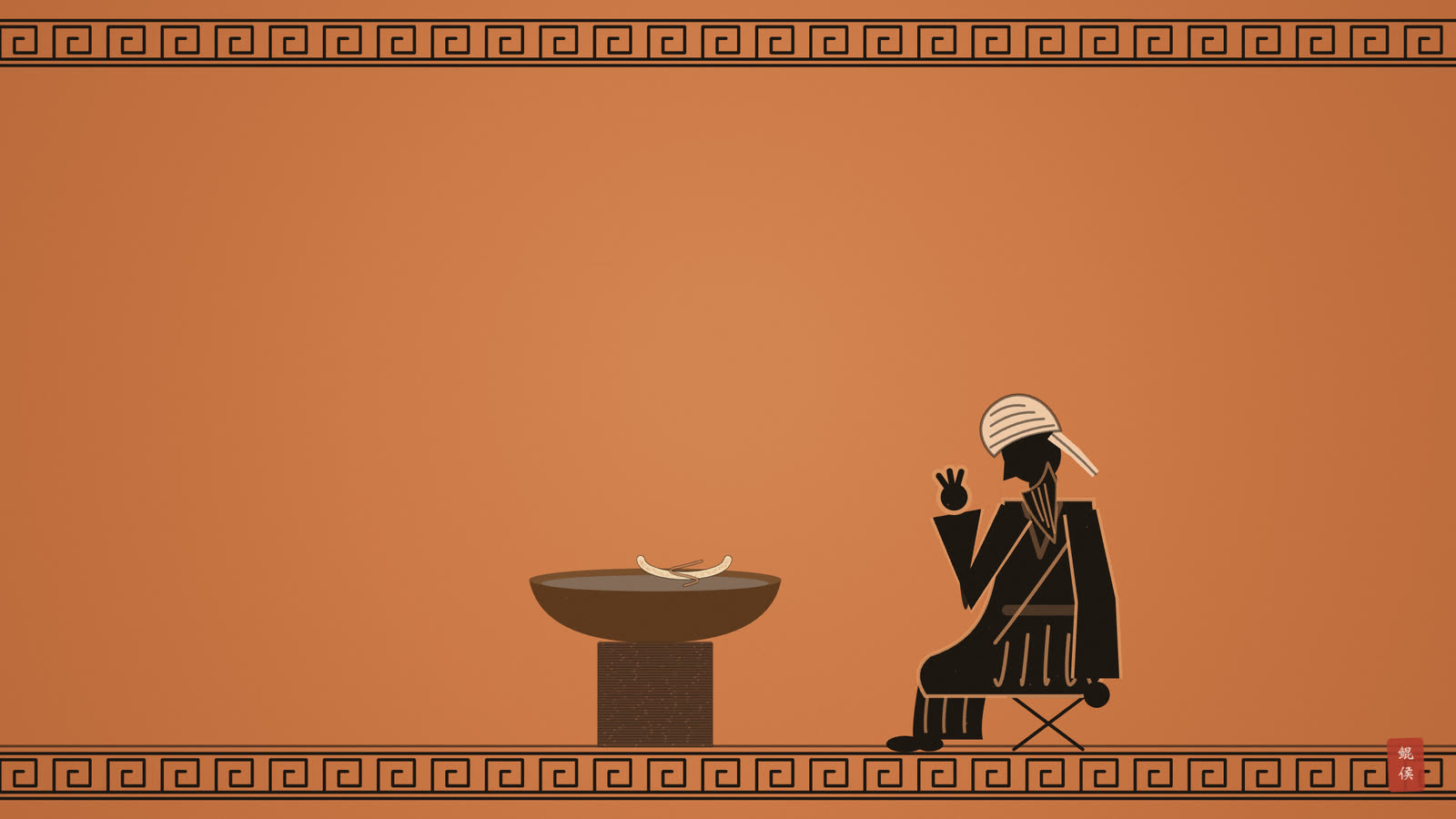
第五百二十四问讲本命的第一步:定降生的时刻与上升点。最好的办法是降生当时测高:白天测太阳的高度,夜里测星盘网板上标出的某颗恒星,由此算出上升点及其度数,这正是卷七第三百三十二问起所讲的星盘用法(图一)。比鲁尼特别说不要用五星,也不要用月亮,因为用它们算「行不通」「射不中」,除非迫不得已。
〔图〕求降生时刻:能测高就测高,测不了就计时,事后再用测高把时刻对回去
| 让水进去(漂碗) | 让水出来(滴漏) | |
|---|---|---|
| 器具 | 任意器皿,底部凿孔,放在清水上 | 同一器皿放在三脚架上,另取一只罐 |
| 计数 | 每注满沉没一次,取出倒空再放,数沉没次数 | 每流尽一次,把水倒回,数倒水次数 |
| 到天晴 | 记下沉没次数与零头,标出水位 | 记下次数与器中余水的位置 |
| 校准 | 另找时刻重放,沉同样次数到标记,测太阳高度得其时长 | 照前法重复 |
| 结果 | 从天晴测高之时往回推同样小时,即降生之时 | 同左 |
托勒密《四书》卷三第二章说:只有「在出生之时用测定上升点的星盘仪观测」,才能精确到分,而「日晷会因位置或晷针偶尔移动而出错,漏壶则会因……水流停滞与不匀」而出错。比鲁尼的看法相同,测高第一;但他更进一步,教人在测不了高时怎样把计时器与测高结合起来,把漏壶的误差消掉。
有云或尘土时只能计时。一种是事先得到消息,在日出、日落等已知时刻起动漏碗,降生时读数;另一种是没有预信,降生时才起动,一直守到天晴能测太阳或星的高度,再往回推。若手边没有仪器,任何器皿在底部凿一个孔都行(表二):或放在水上让它注满沉没,数沉没的次数;或放在三脚架上让水滴出,数倒水的次数。
妙处在校准。漂碗沉一次要多久,事先不知道,也不必知道:天晴后测高,记下沉了几次、零头到哪里;再在任意时刻重放,沉同样多次到同样的标记,测太阳高度,就知道这一段等于几小时,然后从天晴之时往回推,就得降生之时。这是卷一几何、卷二算术里「比例」的用法:未知的器皿,用一次测量把它变成可用的钟。
📖 术语
| 术语 | 英文原词 | 意思 |
|---|---|---|
| 高度 | altitude | 星在地平上的角度 |
| 计时之碗 | the bowl of the hours | 底穿小孔的漏碗 |
| 游星 | the wandering planets | 五星 |
| 三脚架 | trivet | 支器皿的架子 |
🧭 图解与讲解
第五百二十四问讲本命的第一步:定降生的时刻与上升点。最好的办法是降生当时测高:白天测太阳的高度,夜里测星盘网板上标出的某颗恒星,由此算出上升点及其度数,这正是卷七第三百三十二问起所讲的星盘用法(图一)。比鲁尼特别说不要用五星,也不要用月亮,因为用它们算「行不通」「射不中」,除非迫不得已。
| 让水进去(漂碗) | 让水出来(滴漏) | |
|---|---|---|
| 器具 | 任意器皿,底部凿孔,放在清水上 | 同一器皿放在三脚架上,另取一只罐 |
| 计数 | 每注满沉没一次,取出倒空再放,数沉没次数 | 每流尽一次,把水倒回,数倒水次数 |
| 到天晴 | 记下沉没次数与零头,标出水位 | 记下次数与器中余水的位置 |
| 校准 | 另找时刻重放,沉同样次数到标记,测太阳高度得其时长 | 照前法重复 |
| 结果 | 从天晴测高之时往回推同样小时,即降生之时 | 同左 |
托勒密《四书》卷三第二章说:只有「在出生之时用测定上升点的星盘仪观测」,才能精确到分,而「日晷会因位置或晷针偶尔移动而出错,漏壶则会因……水流停滞与不匀」而出错。比鲁尼的看法相同,测高第一;但他更进一步,教人在测不了高时怎样把计时器与测高结合起来,把漏壶的误差消掉。
有云或尘土时只能计时。一种是事先得到消息,在日出、日落等已知时刻起动漏碗,降生时读数;另一种是没有预信,降生时才起动,一直守到天晴能测太阳或星的高度,再往回推。若手边没有仪器,任何器皿在底部凿一个孔都行(表二):或放在水上让它注满沉没,数沉没的次数;或放在三脚架上让水滴出,数倒水的次数。
妙处在校准。漂碗沉一次要多久,事先不知道,也不必知道:天晴后测高,记下沉了几次、零头到哪里;再在任意时刻重放,沉同样多次到同样的标记,测太阳高度,就知道这一段等于几小时,然后从天晴之时往回推,就得降生之时。这是卷一几何、卷二算术里「比例」的用法:未知的器皿,用一次测量把它变成可用的钟。
§525. If the observation of the time has not been ascertained, what is to be done?
In truth, such a time has then passed into the knowledge of the unseen, to which there is no way of attaining. But the astrologers, since their conjecture seldom goes wrong about the sign of the ascendant when they grope for it, while they need the degree, have devised a method known as the namūdārs, which leads to some degree that they take as the degree of the ascendant. The one most used is the namūdār of Ptolemy, of which they say that if the degree of the ascendant does not come out of it, the degree that does come out is the first of the degrees after the degree of the ascendant, by inference. The method of this namūdār is that you strive to make exact the time that the informant reports, and set up the ascendant and the angles for it, and the places of the seven planets. Then you go to the degree of the conjunction preceding the birth, in the first half of the month, and seek the planet with most claim and testimony in it, then the one that follows it in this, one after another, and keep them in mind; and its aspect to the degree, and the best of the testimonies, is what puts one of two planets first when they are equal in portions. Then one looks at the degrees of the true position of the claimant of the degree, which of the angles is nearest to it and most in agreement with its degrees, and makes that angle equal in degrees to its degrees, and computes the ascendant from it. If its degrees are very far from the degrees of all the angles, one leaves it and takes the planet that follows it in claim, and considers in it too what we have mentioned, until the most suitable is obtained. Some astrologers in this matter take nearness of place, and make the degrees of the angle nearest in place to the claimant, not in agreement, like its degrees; but the learned hold to what we have set out.
翻译点开
§525. If the observation of the time has not been ascertained, what is to be done?
第五百二十五问 若时刻的观测没有查实,该怎么办?
In truth, such a time has then passed into the knowledge of the unseen, to which there is no way of attaining. But the astrologers, since their conjecture seldom goes wrong about the sign of the ascendant when they grope for it, while they need the degree, have devised a method known as the namūdārs, which leads to some degree that they take as the degree of the ascendant. The one most used is the namūdār of Ptolemy, of which they say that if the degree of the ascendant does not come out of it, the degree that does come out is the first of the degrees after the degree of the ascendant, by inference. The method of this namūdār is that you strive to make exact the time that the informant reports, and set up the ascendant and the angles for it, and the places of the seven planets. Then you go to the degree of the conjunction preceding the birth, in the first half of the month, and seek the planet with most claim and testimony in it, then the one that follows it in this, one after another, and keep them in mind; and its aspect to the degree, and the best of the testimonies, is what puts one of two planets first when they are equal in portions. Then one looks at the degrees of the true position of the claimant of the degree, which of the angles is nearest to it and most in agreement with its degrees, and makes that angle equal in degrees to its degrees, and computes the ascendant from it. If its degrees are very far from the degrees of all the angles, one leaves it and takes the planet that follows it in claim, and considers in it too what we have mentioned, until the most suitable is obtained. Some astrologers in this matter take nearness of place, and make the degrees of the angle nearest in place to the claimant, not in agreement, like its degrees; but the learned hold to what we have set out.
说实话,这样的时刻那时已经落入隐秘之知,没有通往它的路。但星占家们,因为他们摸索上升星座时揣测很少出错,而他们需要的是度数,就设计了一种方法,称为纳穆达尔,它引出某一度,他们就取作上升点的度数。最常用的是托勒密的纳穆达尔,关于它他们说:若由它得不出上升点的度数,那么得出的那一度,按推断,是上升点那一度之后的第一度。这个纳穆达尔的方法是:你尽力把报信人所报的时刻弄准,为它立起上升点与诸角,以及七颗行星的位置。然后你到出生之前那次合的度数——在月的前半——去,找在其中最有主张与见证的行星,然后是在这方面紧随其后的,一颗接一颗,记在心里;它对那一度的照,以及见证中最好的,是当两颗行星份额相等时使其中一颗居先的。然后看这颗对该度有主张之星真位置的度数,四角之中哪一角离它最近、在度数上与它最相合,就让那一角的度数与它的度数相等,由此推算上升点。若它的度数离一切角的度数都很远,就舍弃它,取在主张上紧随其后的行星,也照我们所说的考察,直到得出最合适的。有些星占家在这件事上取位置的远近,让在位置上离那主张者最近的角——而不是在度数上相合的角——的度数像它的度数;但有学问的人坚持我们所陈述的。
大意与图解点开
🔎 大意:时刻不明本属隐秘,星占家只能凭纳穆达尔取度:找主管出生前合朔度数之星,以它的度数校正度数最相近的角,再定上升。
📖 术语
| 术语 | 英文原词 | 意思 |
|---|---|---|
| 纳穆达尔 | namūdār | 以朔望定上升度之法 |
| 隐秘之知 | the knowledge of the unseen | 人所不能知者 |
| 报信人 | the informant | 报出生时刻的人 |
| 主张者 | the claimant | 对某度有主张之星 |
🧭 图解与讲解
第五百二十五问一开口就很坦白:时刻没有查实,「那时已经落入隐秘之知,没有通往它的路」。星占家摸索上升星座很少出错,难的是度数,于是设计了纳穆达尔(namūdār,波斯语,大意是「显示」)来引出一个度数。最常用的是托勒密的纳穆达尔,据说即使得不出确切的上升度,得出的也是它后面的第一度。
〔图〕纳穆达尔:主管合朔度数之星在第几度,就把度数最相近的那个角定在第几度
| 比鲁尼(第五百二十五问) | 托勒密《四书》卷三第二章 | 莉莉《基督教占星学》卷三第九十九章 | |
|---|---|---|---|
| 取哪一次朔望 | 出生前那次合(在月的前半) | 出生前最近的朔或望;望取在地平上的那一光 | 出生前最近的新月;若是满月取地平上那一光 |
| 找哪颗星 | 对该度主张与见证最多之星,份额相等看照与见证 | 以三方、庙、旺、界、相位五种方式主宰最多之星 | 在那一度必然尊贵最多之星 |
| 改哪个角 | 度数最相合、最近的角 | 主星度数近上升则改上升,远则改中天 | 近上升改上升,近中天改中天 |
| 评价 | 时刻本属隐秘;有学问的人取度数相合 | 「理应正在上升的黄道度数」 | 不如用事件校正可靠 |
做法是(图一):先把报来的时刻尽量弄准,立起上升、诸角与七星;再到出生前那次合(日月之会)的度数,找在那一度上主张与见证最多的行星;看这颗星在自己星座里是第几度,四个角里哪一个在度数上离它最近,就把那个角改成同样的度数,由此推算上升点。若差得太远,就换下一颗主张次多的星。有人取「位置」最近的角而不取「度数」相合的角,比鲁尼说有学问的人不这样做。
这正是托勒密《四书》卷三第二章:「我们须取出生之前最近的一次朔望……再看出生之时,哪些星主宰这个度数」,主宰的方式「分为这五种:三方、庙、旺、界,以及相态或相位」;主星所在的度数,就判定为「相同的度数正在上升」,若它离中天更近,就「用这同一个数来定中天」(表二)。比鲁尼说取「出生之前那次合,在月的前半」,只讲了合,没讲望,是简略的说法。
这个方法经阿拉伯传入拉丁世界,名字也跟着波斯语一路走:莉莉《基督教占星学》卷三第九十九章写作「阿尼莫达尔」(Animodar),一般认为就是 namūdār 的转音。莉莉的结论是,赫密斯之秤与阿尼莫达尔「都不如用事件所作的校正根基稳固」;比鲁尼更早一步说时刻本属隐秘,两人都不把它当作可靠的方法。
📖 术语
| 术语 | 英文原词 | 意思 |
|---|---|---|
| 纳穆达尔 | namūdār | 以朔望定上升度之法 |
| 隐秘之知 | the knowledge of the unseen | 人所不能知者 |
| 报信人 | the informant | 报出生时刻的人 |
| 主张者 | the claimant | 对某度有主张之星 |
🧭 图解与讲解
第五百二十五问一开口就很坦白:时刻没有查实,「那时已经落入隐秘之知,没有通往它的路」。星占家摸索上升星座很少出错,难的是度数,于是设计了纳穆达尔(namūdār,波斯语,大意是「显示」)来引出一个度数。最常用的是托勒密的纳穆达尔,据说即使得不出确切的上升度,得出的也是它后面的第一度。
| 比鲁尼(第五百二十五问) | 托勒密《四书》卷三第二章 | 莉莉《基督教占星学》卷三第九十九章 | |
|---|---|---|---|
| 取哪一次朔望 | 出生前那次合(在月的前半) | 出生前最近的朔或望;望取在地平上的那一光 | 出生前最近的新月;若是满月取地平上那一光 |
| 找哪颗星 | 对该度主张与见证最多之星,份额相等看照与见证 | 以三方、庙、旺、界、相位五种方式主宰最多之星 | 在那一度必然尊贵最多之星 |
| 改哪个角 | 度数最相合、最近的角 | 主星度数近上升则改上升,远则改中天 | 近上升改上升,近中天改中天 |
| 评价 | 时刻本属隐秘;有学问的人取度数相合 | 「理应正在上升的黄道度数」 | 不如用事件校正可靠 |
做法是(图一):先把报来的时刻尽量弄准,立起上升、诸角与七星;再到出生前那次合(日月之会)的度数,找在那一度上主张与见证最多的行星;看这颗星在自己星座里是第几度,四个角里哪一个在度数上离它最近,就把那个角改成同样的度数,由此推算上升点。若差得太远,就换下一颗主张次多的星。有人取「位置」最近的角而不取「度数」相合的角,比鲁尼说有学问的人不这样做。
这正是托勒密《四书》卷三第二章:「我们须取出生之前最近的一次朔望……再看出生之时,哪些星主宰这个度数」,主宰的方式「分为这五种:三方、庙、旺、界,以及相态或相位」;主星所在的度数,就判定为「相同的度数正在上升」,若它离中天更近,就「用这同一个数来定中天」(表二)。比鲁尼说取「出生之前那次合,在月的前半」,只讲了合,没讲望,是简略的说法。
这个方法经阿拉伯传入拉丁世界,名字也跟着波斯语一路走:莉莉《基督教占星学》卷三第九十九章写作「阿尼莫达尔」(Animodar),一般认为就是 namūdār 的转音。莉莉的结论是,赫密斯之秤与阿尼莫达尔「都不如用事件所作的校正根基稳固」;比鲁尼更早一步说时刻本属隐秘,两人都不把它当作可靠的方法。
§526. How is the fall of the seed known?
It is a first beginning for man, from which are known his temperament, his build, his form and his circumstances while he is a foetus. The excellent have ordered that it be used, but only on the word of the father or the mother, if they knew of it. They have made the beginning of management in pregnancy belong to Saturn, then Jupiter, following the course of the orbs, sometimes a month at a time and sometimes a week. What the astrologers use is built on two principles that are interchangeable, so that if one of them holds, the work holds. One of them is that the degree of the ascendant of the birth is the place of the Moon at the time of sowing; the other is its converse, I mean that the ascendant of the fall is the place of the Moon at the birth. If you want what they use, learn first from the mother whether it was of seven, eight, nine or ten months of pregnancy. If the Moon is at the degree of the ascendant that you set by estimate, make the degree of the ascendant the degree of the Moon; the native has completed whole revolutions of the Moon, and was born, if of seven months [corrected: MS has 'nine months'], in 191 days and 6 hours; if of eight months, in 218 days and 13 hours (and never mind here that a child of eight months does not live); if of nine months, in 245 days and 21 hours [corrected: MS has 20 hours]; and if of ten months, in 273 days and 5 hours. If the Moon is not at the degree of the ascendant, she is either above the earth or below it. If she is above the earth, take the degrees from the degree of the Moon to the degree of the ascendant, and reckon one day for every 12 degrees and 11 minutes, and take for each one degree an hour and five-sixths of an hour, and for each minute of a degree a minute of an hour and five-sixths of it [sic]. Whatever days and hours you collect, subtract them from the days we have mentioned for the month they reported. If the Moon is below the earth, take the degrees from the degree of the ascendant to the Moon and do with them as we have set out; whatever days and hours you collect, add them to the days we have mentioned for the month they reported. What results after the addition and subtraction is the stay of that native as a foetus; go back by it from the time of the birth until you reach the time of the fall of the seed, and ascertain the place of the Moon. Then make the degrees of the ascendant of the native like the degrees of the Moon; and it has then been ascertained, according to what we have related of their principles.
翻译点开
§526. How is the fall of the seed known?
第五百二十六问 落种之时如何得知?
It is a first beginning for man, from which are known his temperament, his build, his form and his circumstances while he is a foetus. The excellent have ordered that it be used, but only on the word of the father or the mother, if they knew of it. They have made the beginning of management in pregnancy belong to Saturn, then Jupiter, following the course of the orbs, sometimes a month at a time and sometimes a week. What the astrologers use is built on two principles that are interchangeable, so that if one of them holds, the work holds. One of them is that the degree of the ascendant of the birth is the place of the Moon at the time of sowing; the other is its converse, I mean that the ascendant of the fall is the place of the Moon at the birth. If you want what they use, learn first from the mother whether it was of seven, eight, nine or ten months of pregnancy. If the Moon is at the degree of the ascendant that you set by estimate, make the degree of the ascendant the degree of the Moon; the native has completed whole revolutions of the Moon, and was born, if of seven months [corrected: MS has 'nine months'], in 191 days and 6 hours; if of eight months, in 218 days and 13 hours (and never mind here that a child of eight months does not live); if of nine months, in 245 days and 21 hours [corrected: MS has 20 hours]; and if of ten months, in 273 days and 5 hours. If the Moon is not at the degree of the ascendant, she is either above the earth or below it. If she is above the earth, take the degrees from the degree of the Moon to the degree of the ascendant, and reckon one day for every 12 degrees and 11 minutes, and take for each one degree an hour and five-sixths of an hour, and for each minute of a degree a minute of an hour and five-sixths of it [sic]. Whatever days and hours you collect, subtract them from the days we have mentioned for the month they reported. If the Moon is below the earth, take the degrees from the degree of the ascendant to the Moon and do with them as we have set out; whatever days and hours you collect, add them to the days we have mentioned for the month they reported. What results after the addition and subtraction is the stay of that native as a foetus; go back by it from the time of the birth until you reach the time of the fall of the seed, and ascertain the place of the Moon. Then make the degrees of the ascendant of the native like the degrees of the Moon; and it has then been ascertained, according to what we have related of their principles.
它是人的第一个起点,由它可知他的气质、体格、形貌,以及他还是胎儿时的境况。贤达者曾吩咐使用它,但只凭父亲或母亲的话,如果他们知道的话。他们把怀胎中的管理之始归于土星,然后是木星,依循诸天球的次序,有时一月一换,有时一周一换。星占家所用的,建立在两条可以互换的原则上,所以其中一条成立,这番工作就成立。其一是:降生时上升点的度数,就是播种之时月亮的位置;另一条是它的反面,我是说:落种时的上升点就是降生时月亮的位置。你若想要他们所用的,先从母亲那里问明怀胎是七个月、八个月、九个月还是十个月。若月亮正在你按估计所定的上升点度数上,就让上升点的度数等于月亮的度数;本命者已满了整数个月亮的周转而出生:若是七个月〔抄本作九个月,据算改正〕,在一百九十一日又六小时;若是八个月,在二百一十八日又十三小时(这里且不管八个月的孩子活不成);若是九个月,在二百四十五日又二十一小时〔抄本作二十小时,据算改正〕;若是十个月,在二百七十三日又五小时。若月亮不在上升点的度数上,她就或在地上,或在地下。若在地上,就取从月亮的度数到上升点度数的度数,每十二度十一分算一日,每一度取一小时又六分之五小时,每一度的一分取一小时的一分又它的六分之五〔原书如此〕。所集得的日与时,从他们所报那个月数的日数中减去。若月亮在地下,就取从上升点度数到月亮的度数,照我们所说的去做;所集得的日与时,加到他们所报那个月数的日数上。加减之后所得,就是本命者作为胎儿的停留;从降生之时按它往回推,直到落种之时,查明月亮的位置。然后让本命者上升点的度数像月亮的度数;按我们所述他们的原则,它就查明了。
大意与图解点开
🔎 大意:降生上升即受孕时月亮,受孕上升即降生时月亮;按七至十个月的整月亮周转定日数,月在地上减、地下加,反推落种。
📖 术语
| 术语 | 英文原词 | 意思 |
|---|---|---|
| 落种之时 | the fall of the seed | 受孕之时 |
| 互换 | interchangeable | 两条原则可对调 |
| 月亮的周转 | revolutions of the Moon | 月回恒星原处一周 |
| 停留 | stay | 在母腹中的日数 |
🧭 图解与讲解
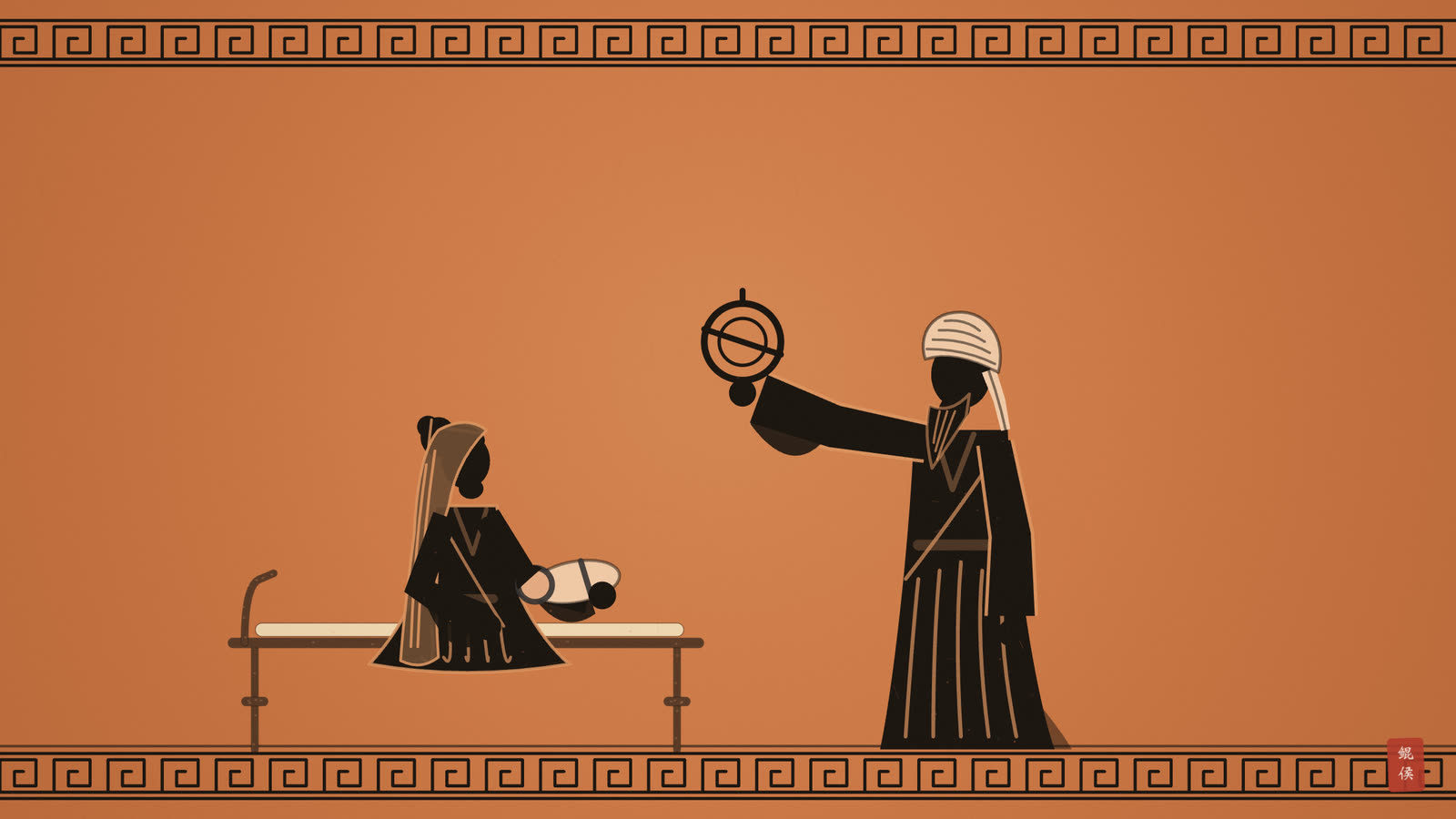
第五百二十六问讲人的第一个起点:落种之时,由它可知气质、体格、形貌与胎中的境况。但比鲁尼说贤达者只许凭父母的话来用它。胎中的管理从土星起,然后木星,依天球次序往下,一月或一周一换;星占家实际用的,则是两条可以互换的原则:降生时的上升度就是受孕时月亮的位置,受孕时的上升度就是降生时月亮的位置(图一)。
〔图〕落种与降生互为镜像:一时的上升,就是另一时的月亮
| 怀胎 | 本命者已满整数个月亮周转(比鲁尼的数) | 说明 |
|---|---|---|
| 七个月 | 一百九十一日又六小时 | 抄本作「九个月」,据算改为七个月 |
| 八个月 | 二百一十八日又十三小时 | 原文附注:八个月之子活不成 |
| 九个月 | 二百四十五日又二十一小时 | 抄本作二十小时,据算改为二十一小时 |
| 十个月 | 二百七十三日又五小时 | 与瓦伦斯「中等的限」二百七十三日相合 |
| 原文的两个数 | 折算 | 与什么相近 |
|---|---|---|
| 每十二度十一分算一日 | 每一度约一小时又五十八分 | 日月每日平均相离之数(三百六十度除以朔望月) |
| 每一度取一小时又六分之五小时 | 每一日约十三度五分 | 月亮每日平均行度(莉莉作十三度十分) |
| 瓦伦斯《选集》卷一第二十三章 | 每三十度二日半,即每日十二度 | 与第一个数相近 |
这两条原则在本站几部书里都有。《四书》附卷《托勒密金言百则》第五十一则:「把降生时月亮所在的星座作为受孕时的上升星座;并把受孕时月亮所在的星座,或其对面的星座,作为降生时的上升星座」。瓦伦斯《选集》卷一第二十三章说「月亮在分娩时有多少度,受孕时的上升点就有多少度」,卷九第十四章也说把分娩时的月亮当作受孕的上升。莉莉《基督教占星学》卷三第九十八章称之为「赫密斯之秤」。
做法是先问母亲怀胎几个月。若月亮正在估计的上升度上,胎中日数就是整数个月亮周转(表二):七个月一百九十一日六小时,八个月二百一十八日十三小时,九个月二百四十五日二十一小时,十个月二百七十三日五小时。校勘用月亮恒星周二十七日七时四十三分去乘,四个数全合。抄本把第一处写成「九个月」,但按次序与算数都应是七个月;九个月的二十一小时抄本作二十小时,也据算改正,英译都注明了。
十个月的二百七十三日,正是瓦伦斯《选集》卷一第二十三章「中等的限是二百七十三日,在月亮在上升点时显明」;瓦伦斯也说月亮在地上就从中减、在地下就加,与比鲁尼方向一致。八个月一条,比鲁尼顺手插了一句「这里且不管八个月的孩子活不成」,那是古人的通说,瓦伦斯卷一第二十四章另有《论七月之子》一章。
月亮不在上升度上时,按她离上升的度数折成日时来加减。原文给了两个折算率:每十二度十一分一日,又每度一又六分之五小时,二者自相矛盾(表三),英译加了「原书如此」。前者折算每度约一小时五十八分,恰是日月每日平均相离之数;后者折成每日约十三度五分,近于月亮每日的行度。校勘对图确认抄本如此,不知何者有误,本站照录。
📖 术语
| 术语 | 英文原词 | 意思 |
|---|---|---|
| 落种之时 | the fall of the seed | 受孕之时 |
| 互换 | interchangeable | 两条原则可对调 |
| 月亮的周转 | revolutions of the Moon | 月回恒星原处一周 |
| 停留 | stay | 在母腹中的日数 |
🧭 图解与讲解
第五百二十六问讲人的第一个起点:落种之时,由它可知气质、体格、形貌与胎中的境况。但比鲁尼说贤达者只许凭父母的话来用它。胎中的管理从土星起,然后木星,依天球次序往下,一月或一周一换;星占家实际用的,则是两条可以互换的原则:降生时的上升度就是受孕时月亮的位置,受孕时的上升度就是降生时月亮的位置(图一)。
| 怀胎 | 本命者已满整数个月亮周转(比鲁尼的数) | 说明 |
|---|---|---|
| 七个月 | 一百九十一日又六小时 | 抄本作「九个月」,据算改为七个月 |
| 八个月 | 二百一十八日又十三小时 | 原文附注:八个月之子活不成 |
| 九个月 | 二百四十五日又二十一小时 | 抄本作二十小时,据算改为二十一小时 |
| 十个月 | 二百七十三日又五小时 | 与瓦伦斯「中等的限」二百七十三日相合 |
| 原文的两个数 | 折算 | 与什么相近 |
|---|---|---|
| 每十二度十一分算一日 | 每一度约一小时又五十八分 | 日月每日平均相离之数(三百六十度除以朔望月) |
| 每一度取一小时又六分之五小时 | 每一日约十三度五分 | 月亮每日平均行度(莉莉作十三度十分) |
| 瓦伦斯《选集》卷一第二十三章 | 每三十度二日半,即每日十二度 | 与第一个数相近 |
这两条原则在本站几部书里都有。《四书》附卷《托勒密金言百则》第五十一则:「把降生时月亮所在的星座作为受孕时的上升星座;并把受孕时月亮所在的星座,或其对面的星座,作为降生时的上升星座」。瓦伦斯《选集》卷一第二十三章说「月亮在分娩时有多少度,受孕时的上升点就有多少度」,卷九第十四章也说把分娩时的月亮当作受孕的上升。莉莉《基督教占星学》卷三第九十八章称之为「赫密斯之秤」。
做法是先问母亲怀胎几个月。若月亮正在估计的上升度上,胎中日数就是整数个月亮周转(表二):七个月一百九十一日六小时,八个月二百一十八日十三小时,九个月二百四十五日二十一小时,十个月二百七十三日五小时。校勘用月亮恒星周二十七日七时四十三分去乘,四个数全合。抄本把第一处写成「九个月」,但按次序与算数都应是七个月;九个月的二十一小时抄本作二十小时,也据算改正,英译都注明了。
十个月的二百七十三日,正是瓦伦斯《选集》卷一第二十三章「中等的限是二百七十三日,在月亮在上升点时显明」;瓦伦斯也说月亮在地上就从中减、在地下就加,与比鲁尼方向一致。八个月一条,比鲁尼顺手插了一句「这里且不管八个月的孩子活不成」,那是古人的通说,瓦伦斯卷一第二十四章另有《论七月之子》一章。
月亮不在上升度上时,按她离上升的度数折成日时来加减。原文给了两个折算率:每十二度十一分一日,又每度一又六分之五小时,二者自相矛盾(表三),英译加了「原书如此」。前者折算每度约一小时五十八分,恰是日月每日平均相离之数;后者折成每日约十三度五分,近于月亮每日的行度。校勘对图确认抄本如此,不知何者有误,本站照录。
原文为公有领域古籍;翻译、印象画与图文解读由 AI 辅助生成,鲲侯审校。