卷八·第 495–505 问 胜星、海兹、喜乐、被围、空亡与入相的成败
胜星;哈勒卜、海兹与穆马卡拉;喜乐与进退;被围、嫌疑、施恩;左右手;空亡与野行;入相的六种败坏。
§495. What is the mubtazz?
The mubtazz is the victor, and it is either absolute or restricted. The absolute is the strongest of the planets at the time and the one with most testimonies in its place with respect to the horizon and the planets. The restricted is the strongest of them, the best in condition and the one with most testimony over one of the assigned matters that are ascribed to the twelve houses.
翻译点开
§495. What is the mubtazz?
第四百九十五问 何谓胜星?
The mubtazz is the victor, and it is either absolute or restricted. The absolute is the strongest of the planets at the time and the one with most testimonies in its place with respect to the horizon and the planets. The restricted is the strongest of them, the best in condition and the one with most testimony over one of the assigned matters that are ascribed to the twelve houses.
胜星就是得胜者,它或是绝对的,或是有限定的。绝对的胜星是当时诸行星中最强的,在相对于地平与诸行星的本位上见证最多的那颗。有限定的胜星,是对归于十二宫的某一件指定之事最强、状态最好、见证最多的那颗。
大意与图解点开
🔎 大意:胜星即得胜者:绝对的胜星是当时最强、本位见证最多之星;有限定的胜星是对十二宫中某一件事最强、见证最多之星。
📖 术语
| 术语 | 英文原词 | 意思 |
|---|---|---|
| 胜星 | mubtazz | 见证最多的得胜之星 |
| 绝对的 | absolute | 就整盘而言 |
| 有限定的 | restricted | 就某一事而言 |
🧭 图解与讲解
第四百九十五问讲「胜星」,阿拉伯语「穆卜塔兹」(mubtazz),意为得胜者,后来拉丁译本音译为 almuten。它直接承接上一问的计分:把各星在某处的庙、旺、界、三方、面的分数加起来,见证最多的就是胜星。
〔图〕胜星有两种:绝对的看整盘最强者,有限定的看某一宫之事最强者
胜星分两种(图一)。绝对的胜星就整张盘而言,是当时最强、在相对于地平与诸行星的位置上见证最多的那颗,可以代表全盘。有限定的胜星只就某一件事而言,如问钱财就看第二宫,在那里见证最多、状态最好的就是钱财之事的胜星。
托勒密《四书》卷三第二章取主星的办法与此同源:哪颗星以「三方、庙、旺、界,以及相态或相位」中的一种或几种与所论之位相关联,就取哪颗。本站译名表把 Almuten 定为「胜星」,比鲁尼的穆卜塔兹也照此译。
📖 术语
| 术语 | 英文原词 | 意思 |
|---|---|---|
| 胜星 | mubtazz | 见证最多的得胜之星 |
| 绝对的 | absolute | 就整盘而言 |
| 有限定的 | restricted | 就某一事而言 |
🧭 图解与讲解
第四百九十五问讲「胜星」,阿拉伯语「穆卜塔兹」(mubtazz),意为得胜者,后来拉丁译本音译为 almuten。它直接承接上一问的计分:把各星在某处的庙、旺、界、三方、面的分数加起来,见证最多的就是胜星。
胜星分两种(图一)。绝对的胜星就整张盘而言,是当时最强、在相对于地平与诸行星的位置上见证最多的那颗,可以代表全盘。有限定的胜星只就某一件事而言,如问钱财就看第二宫,在那里见证最多、状态最好的就是钱财之事的胜星。
托勒密《四书》卷三第二章取主星的办法与此同源:哪颗星以「三方、庙、旺、界,以及相态或相位」中的一种或几种与所论之位相关联,就取哪颗。本站译名表把 Almuten 定为「胜星」,比鲁尼的穆卜塔兹也照此译。
§[495a]. What are the ḥayyiz and the ḥalb?
They are close in meaning and share it. A diurnal planet being above the earth by day and beneath it by night, and a nocturnal planet the reverse of that, above the earth by night and beneath it by day: this is the ḥalb. When to this is added a masculine planet being in a masculine sign and a feminine planet in a feminine one, that is the ḥayyiz, which is more general than the ḥalb. Abū Maʿshar added to it the matter of the masculine and feminine degrees. Mars differs from the planets in the matter of the ḥayyiz, because he is both masculine and nocturnal: so when he is above the earth by night and beneath it by day, in a masculine sign, he is in his ḥayyiz.
§496. What is the mumākara?
It is close to the opposite of the ḥayyiz. It is a diurnal planet being in the sign of a nocturnal planet while that planet is in the sign of a diurnal planet; or a nocturnal planet being in the sign of a diurnal planet while that one is in the sign of a nocturnal planet.
翻译点开
§[495a]. What are the ḥayyiz and the ḥalb?
第[四百九十五附]问 何谓海兹与哈勒卜?
They are close in meaning and share it. A diurnal planet being above the earth by day and beneath it by night, and a nocturnal planet the reverse of that, above the earth by night and beneath it by day: this is the ḥalb. When to this is added a masculine planet being in a masculine sign and a feminine planet in a feminine one, that is the ḥayyiz, which is more general than the ḥalb. Abū Maʿshar added to it the matter of the masculine and feminine degrees. Mars differs from the planets in the matter of the ḥayyiz, because he is both masculine and nocturnal: so when he is above the earth by night and beneath it by day, in a masculine sign, he is in his ḥayyiz.
它们意思相近而相通。昼星白天在地上、夜里在地下,夜星与此相反,夜里在地上、白天在地下:这就是哈勒卜。若再加上阳性行星在阳性星座、阴性行星在阴性星座,那就是海兹,它比哈勒卜更宽。阿布·马谢尔又给它加上阳性度数与阴性度数之事。火星在海兹之事上与诸行星不同,因为他既是阳性的又是夜性的:所以他夜里在地上、白天在地下,又在阳性星座时,就在他的海兹之中。
§496. What is the mumākara?
第四百九十六问 何谓穆马卡拉?
It is close to the opposite of the ḥayyiz. It is a diurnal planet being in the sign of a nocturnal planet while that planet is in the sign of a diurnal planet; or a nocturnal planet being in the sign of a diurnal planet while that one is in the sign of a nocturnal planet.
它近似于海兹的反面。它是一颗昼星在一颗夜星的星座里,而那颗夜星又在一颗昼星的星座里;或者一颗夜星在一颗昼星的星座里,而那颗又在一颗夜星的星座里。
大意与图解点开
🔎 大意:昼星昼在地上、夜在地下,夜星反之,为哈勒卜;再加阴阳星座相合为海兹,火星特例。穆马卡拉是昼星夜星互落对方一类之座。
📖 术语
| 术语 | 英文原词 | 意思 |
|---|---|---|
| 哈勒卜 | ḥalb | 昼夜与地上地下相合 |
| 海兹 | ḥayyiz | 哈勒卜加阴阳相合 |
| 穆马卡拉 | mumākara | 昼夜二星互落 |
| 昼星 | diurnal planet | 日木土 |
| 夜星 | nocturnal planet | 月金火 |
🧭 图解与讲解
这一问讲行星与昼夜的配合(表一)。昼星(太阳、木星、土星)白天在地上、夜里在地下,夜星(月亮、金星、火星)夜里在地上、白天在地下,叫「哈勒卜」(ḥalb)。再加上阴阳相合,阳性星在阳性星座、阴性星在阴性星座,叫「海兹」(ḥayyiz),条件更多。火星特别:他是夜星却属阳,所以夜里在地上、又在阳性星座,才算在海兹中。阿布·马谢尔还把度数的阴阳也算进去。
| 行星 | 昼夜 | 阴阳 | 哈勒卜 | 海兹(哈勒卜之外再加) |
|---|---|---|---|---|
| 太阳、木星、土星 | 昼 | 阳 | 白天在地上,夜里在地下 | 在阳性星座 |
| 月亮、金星 | 夜 | 阴 | 夜里在地上,白天在地下 | 在阴性星座 |
| 火星 | 夜 | 阳 | 夜里在地上,白天在地下 | 在阳性星座(与诸星不同) |
| 水星 | — | — | 正文未及 | 正文未及 |
| 昼星 | 夜星 | |
|---|---|---|
| 比鲁尼(哈勒卜) | 白天在地上,夜里在地下 | 夜里在地上,白天在地下 |
| 瓦伦斯《选集》卷三第五章 | 「白天喜在地上,夜里喜在地下」 | 「夜里喜在地上,白天喜在地下」 |
| 莉莉《基督教占星学》卷一第十九章(海兹) | 白天在地平线之上,又在阳性星座 | 夜里在阴性星座、在地平线之下 |
瓦伦斯《选集》卷三第五章说的正是哈勒卜:「太阳、木星与土星,白天喜在地上,夜里喜在地下;月亮、火星与金星,夜里喜在地上,白天喜在地下」。莉莉《基督教占星学》卷一第十九章的海兹却是:昼星「在白天位于地平线之上,又在阳性星座」,夜星「在夜里位于阴性星座、在地平线之下」。夜星一条,莉莉与比鲁尼、瓦伦斯正好相反(表二),本站照各书原文,不作调和。
第四百九十六问的「穆马卡拉」(mumākara),比鲁尼说「近似于海兹的反面」:一颗昼星落在夜星的星座,而那颗夜星又落在昼星的星座;或者反过来。比如木星落在金星的金牛,金星又落在土星的摩羯:两类之星都离开了本类,像是互相设计、互换了地盘。这个名称照转写。
昼夜之分是托勒密以来的老规矩,《四书》卷一第七章说「月亮与金星为夜星,太阳与木星为昼星」,又把土星配给白昼、火星配给黑夜;比鲁尼的哈勒卜与海兹,就是把这昼夜之分落实到地平上下与星座阴阳。
§497. What is the joy of a planet?
The planets rejoice in strength and authority, and are glad at being in their portions. They rejoice in whichever of their two houses they like better, which we have mentioned; they rejoice in being in their ḥalb or their ḥayyiz; they rejoice in distance from the Sun together with advancing, as the upper planets when eastern and the lower when western, in direct motion; they rejoice in the quarters that belong to them, of east and west, north and south; they rejoice in certain houses, as we have set out before in the tables of the houses; and they rejoice in the quarters reckoned from the horizon, the upper planets rejoicing in the two increasing quarters and the two lower planets in the two decreasing quarters.
翻译点开
§497. What is the joy of a planet?
第四百九十七问 何谓行星的喜乐?
The planets rejoice in strength and authority, and are glad at being in their portions. They rejoice in whichever of their two houses they like better, which we have mentioned; they rejoice in being in their ḥalb or their ḥayyiz; they rejoice in distance from the Sun together with advancing, as the upper planets when eastern and the lower when western, in direct motion; they rejoice in the quarters that belong to them, of east and west, north and south; they rejoice in certain houses, as we have set out before in the tables of the houses; and they rejoice in the quarters reckoned from the horizon, the upper planets rejoicing in the two increasing quarters and the two lower planets in the two decreasing quarters.
行星以力量与权柄为乐,以在自己的份额之中为喜。它们喜在两个庙中较中意的那一个,这我们已经提过;喜在自己的哈勒卜或海兹之中;喜在离开太阳并且前进之时,如上行星东出、下行星西入,都在顺行中;喜在属于它们的东西南北诸方;喜在某些宫中,如我们先前在诸宫之表里所列的;也喜在从地平量起的诸象限中:上行星喜在两个增长的象限,两颗下行星喜在两个减损的象限。
大意与图解点开
🔎 大意:行星喜力量与权柄:喜在较中意的庙、哈勒卜海兹、离日而前进、本方、某些宫,以及合宜的象限。
📖 术语
| 术语 | 英文原词 | 意思 |
|---|---|---|
| 喜乐 | joy | 行星得意之处 |
| 增长的象限 | increasing quarters | 上行星所喜 |
| 减损的象限 | decreasing quarters | 下行星所喜 |
🧭 图解与讲解
第四百九十七问把行星的「喜乐」扩大成一切得意之处(表一):较中意的那个庙、哈勒卜与海兹、离开太阳而前进、本方、某些宫、合宜的象限。比鲁尼一句话总括:行星「以力量与权柄为乐,以在自己的份额之中为喜」。
| 行星喜在 | 说明 |
|---|---|
| 两个庙中较中意的一个 | 见前面论庙的诸问 |
| 自己的哈勒卜或海兹 | 见上一单元 |
| 离开太阳而前进 | 上行星东出、下行星西入,都在顺行中 |
| 属于它们的方位 | 东西南北诸方 |
| 某些宫 | 见上一章诸宫之表:水星第一宫、月亮第三宫、金星第五宫等 |
| 从地平量起的象限 | 上行星喜在两个增长象限,下行星喜在两个减损象限 |
其中「离开太阳并且前进」一条,上行星要东出、下行星要西入,都在顺行中,正是上一章第四百八十六问的结论;莉莉的强弱表「土木火东出」「水金西入」各加二分,也是这个意思。「某些宫」指上一章诸宫之表的喜乐之星:水星喜第一宫,月亮第三宫,金星第五宫,火星第六宫,太阳第九宫,木星第十一宫,土星第十二宫。
托勒密《四书》卷一第二十三章也讲「喜乐」,意思窄得多:行星所在的星座「虽与这些星本身没有亲缘,却与同一派的星有亲缘」,就说它们喜乐,因为同派相助。比鲁尼的喜乐包罗广泛,宫中之喜则是希腊化时期诸宫之名的遗留。
§498. What are advancing and retreating?
Advancing is being in the angles, for they are the indicators of coming-into-being and resemble balance in nature; retreating is being in the cadents, for they are the indicators of corruption and of departure from balance. Being in those that follow the angles passes beyond the limit of the middle between the two states toward advancing, for they are like one making his way toward it from retreating. The state of advancing and of retreating varies according to the difference of the angles and of what follows them in honour and excellence, and the difference of the cadents in obscurity and baseness. Thus the third and the ninth are cadent, while the sixth and the twelfth, besides being cadent, are fallen away from the ascendant.
翻译点开
§498. What are advancing and retreating?
第四百九十八问 何谓前进与后退?
Advancing is being in the angles, for they are the indicators of coming-into-being and resemble balance in nature; retreating is being in the cadents, for they are the indicators of corruption and of departure from balance. Being in those that follow the angles passes beyond the limit of the middle between the two states toward advancing, for they are like one making his way toward it from retreating. The state of advancing and of retreating varies according to the difference of the angles and of what follows them in honour and excellence, and the difference of the cadents in obscurity and baseness. Thus the third and the ninth are cadent, while the sixth and the twelfth, besides being cadent, are fallen away from the ascendant.
前进是在四角,因为它们是生成的象征,近似于自然中的均衡;后退是在果宫,因为它们是败坏与偏离均衡的象征。在随角之宫里,超过了两种状态之间的中点而偏向前进,因为它们像是从后退朝它走去的人。前进与后退的状态,随四角与随其后诸宫在尊荣与优劣上的不同、以及果宫在幽暗与卑下上的不同而变化。所以第三宫与第九宫是果宫,而第六宫与第十二宫除了是果宫之外,还与上升点落空。
大意与图解点开
🔎 大意:在四角为前进,近于自然的均衡;在果宫为后退;随角之宫偏向前进。第六、十二宫既是果宫又与上升落空,最下。
📖 术语
| 术语 | 英文原词 | 意思 |
|---|---|---|
| 前进 | advancing | 在四角 |
| 后退 | retreating | 在果宫 |
| 随角之宫 | those that follow the angles | 随角之宫 |
| 果宫 | cadents | 四角之前的宫 |
🧭 图解与讲解
第四百九十八问讲行星在宫中的「前进」与「后退」。四角是生成的象征,近于自然的均衡,在其中为前进;果宫是败坏与偏离均衡的象征,在其中为后退;随角之宫居中而偏向前进,像是从后退朝前进走去的人(图一)。
〔图〕四角为前进,随其后之宫偏向前进,果宫为后退;第六、十二宫最下
各宫之间还有等差。同是果宫,第三、第九宫只是果宫,第六、第十二宫却又与上升点落空,即不成任何相位,所以最为卑下。托勒密《四书》卷一第二十四章论强弱也说:行星「在中天或趋近中天时最为有力,其次是恰在地平线上或在随角之宫时」,「如果与东方毫无相位,就完全无力」,与比鲁尼看重是否照上升相合。
莉莉《基督教占星学》强弱表把这一层量化:在中天或上升加五分,第七、第四、第十一宫加四分,第二、第五宫三分,第九宫二分,第三宫一分;第十二宫减五分,第八、第六宫减二分。第三、九宫仍得正分,第六、十二宫是负分,正是比鲁尼所说的分别。
📖 术语
| 术语 | 英文原词 | 意思 |
|---|---|---|
| 前进 | advancing | 在四角 |
| 后退 | retreating | 在果宫 |
| 随角之宫 | those that follow the angles | 随角之宫 |
| 果宫 | cadents | 四角之前的宫 |
🧭 图解与讲解
第四百九十八问讲行星在宫中的「前进」与「后退」。四角是生成的象征,近于自然的均衡,在其中为前进;果宫是败坏与偏离均衡的象征,在其中为后退;随角之宫居中而偏向前进,像是从后退朝前进走去的人(图一)。
各宫之间还有等差。同是果宫,第三、第九宫只是果宫,第六、第十二宫却又与上升点落空,即不成任何相位,所以最为卑下。托勒密《四书》卷一第二十四章论强弱也说:行星「在中天或趋近中天时最为有力,其次是恰在地平线上或在随角之宫时」,「如果与东方毫无相位,就完全无力」,与比鲁尼看重是否照上升相合。
莉莉《基督教占星学》强弱表把这一层量化:在中天或上升加五分,第七、第四、第十一宫加四分,第二、第五宫三分,第九宫二分,第三宫一分;第十二宫减五分,第八、第六宫减二分。第三、九宫仍得正分,第六、十二宫是负分,正是比鲁尼所说的分别。
§499. What is besieging?
It happens by the two sides: a planet is besieged between two planets when one of them is in its second and the other in its twelfth. It happens by body in one sign, which is that the planet is between two planets in its own sign, one of them with fewer degrees than it and the other with more degrees than it. And it happens by rays, in that the planet is in its sign with the ray of one planet before it and the ray of another planet behind it. Besieging between two malefics is the utmost of badness, and between two benefics the utmost of goodness.
§500. What is suspicion?
Every planet upon which the misfortunes have gathered, and badness of condition through combustion, retrogradation, detriment, fall, being cadent and being fallen away, with the malefics opposed to it and aspecting it with hatred, is suspect in indication and failing in privation. [text uncertain]
§501. What are favour and recompense?
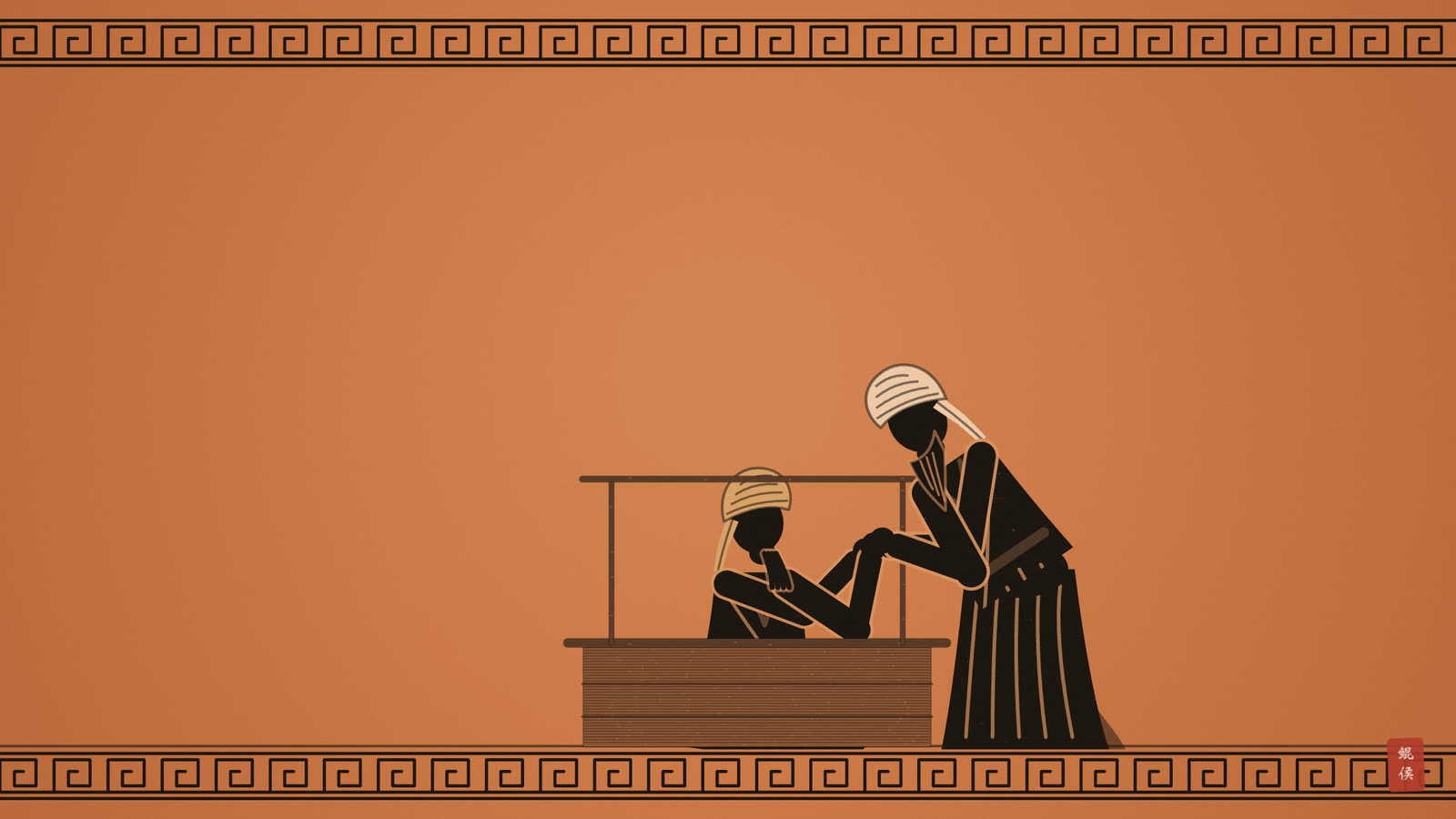
When a planet is in fall, or in one of the wells, especially in signs in which it has no portion, it is like one imprisoned in dungeons and pits. If one of its friends, or its claimant, applies to it, takes it by the hand and helps it out of what it has fallen into, it is called one upon whom favour has been bestowed; until there happens to this benefactor the like of what had befallen the first, and the other comes upon it, so that it has recompensed it for its favour.
翻译点开
§499. What is besieging?
第四百九十九问 何谓被围?
It happens by the two sides: a planet is besieged between two planets when one of them is in its second and the other in its twelfth. It happens by body in one sign, which is that the planet is between two planets in its own sign, one of them with fewer degrees than it and the other with more degrees than it. And it happens by rays, in that the planet is in its sign with the ray of one planet before it and the ray of another planet behind it. Besieging between two malefics is the utmost of badness, and between two benefics the utmost of goodness.
它凭两侧发生:一颗行星被围在两颗行星之间,其中一颗在它的第二宫,另一颗在它的第十二宫。它也凭星体在同一星座里发生,即这颗行星在自己所在的星座里处在两颗行星之间,一颗度数比它少,另一颗度数比它多。它也凭光线发生,即这颗行星在它的星座里,前面有一颗行星的光线,后面有另一颗行星的光线。被围在两颗凶星之间是坏的极致,在两颗吉星之间是好的极致。
§500. What is suspicion?
第五百问 何谓嫌疑?
Every planet upon which the misfortunes have gathered, and badness of condition through combustion, retrogradation, detriment, fall, being cadent and being fallen away, with the malefics opposed to it and aspecting it with hatred, is suspect in indication and failing in privation. [text uncertain]
每一颗诸凶聚集其身、又因焦伤、逆行、陷、落、在果宫、落空而状态不佳,凶星又与它对冲、以敌意相照它的行星,在象征上可疑,在缺失上有亏。〔原文疑有讹误〕
§501. What are favour and recompense?
第五百零一问 何谓施恩与报恩?
When a planet is in fall, or in one of the wells, especially in signs in which it has no portion, it is like one imprisoned in dungeons and pits. If one of its friends, or its claimant, applies to it, takes it by the hand and helps it out of what it has fallen into, it is called one upon whom favour has been bestowed; until there happens to this benefactor the like of what had befallen the first, and the other comes upon it, so that it has recompensed it for its favour.
一颗行星在落中,或在某个井度之中,尤其在它毫无份额的星座里,就像被关在地牢与坑里的人。若它的某位朋友,或它的主张者,入相于它,拉住它的手,帮它从所落之处出来,它就被称为受了恩惠的那一颗;直到这位施恩者遭遇了先前那一颗所遭遇的同样之事,而另一颗来到它身上,于是它就报答了它的恩惠。
大意与图解点开
🔎 大意:被围凭两侧、星体或光线,夹在两凶最坏、两吉最好;诸凶聚身的星可疑;受困之星被朋友拉出为施恩,日后回救为报恩。
📖 术语
| 术语 | 英文原词 | 意思 |
|---|---|---|
| 被围 | besieging | 夹在两星之间 |
| 嫌疑 | suspicion | 诸凶聚身 |
| 井度 | wells | 使星受困的度数 |
| 施恩 | favour | 朋友入相相救 |
| 报恩 | recompense | 日后回救 |
🧭 图解与讲解
第四百九十九问的「被围」有三种(表一):凭两侧,左右两邻宫各有一星;凭星体,同一星座里前后各有一星;凭光线,前后各有一星的光线投来。夹在两凶星之间坏到极点,夹在两吉星之间好到极点。莉莉《基督教占星学》卷一第十九章只讲一种:「被围是任何行星位于两颗凶星土星与火星的星体之间」,并在强弱表里减五分。瓦伦斯《选集》卷一第一章也把「包围」列为行星相互作用的方式之一。
| 被围的方式 | 情形 |
|---|---|
| 凭两侧 | 一星在它的第二宫,另一星在它的第十二宫 |
| 凭星体 | 同一星座内,一星度数比它少,另一星度数比它多 |
| 凭光线 | 在它的星座里,前有一星的光线,后有另一星的光线 |
| 结果 | 夹在两凶星之间坏到极点,夹在两吉星之间好到极点 |
〔图〕施恩与报恩:受困之星被朋友拉出,日后施恩者落难,它再回来相救
第五百问的「嫌疑」是诸凶聚于一身的星:焦伤、逆行、陷、落、果宫、落空,凶星又对冲或敌意相照,它的象征就靠不住。末句「在缺失上有亏」抄本读不通,英译标「原文疑有讹误」。
第五百零一问是一个动人的比喻(图二)。行星在落中,或在「井度」之中,尤其在毫无份额的星座里,就像被关在地牢与坑里的人;若它的朋友或对它有主张的星入相于它,拉住它的手把它带出来,它就「受了恩惠」。日后施恩者自己落难,而受过恩的那颗来到它身上相救,就是「报恩」。
井度见第四百五十九问的诸度之表。莉莉《基督教占星学》卷一第十九章讲「深陷或坑陷的度数」也说:「正如一个人被丢进沟里,没人帮忙就不容易出来」,与比鲁尼的比喻如出一辙。施恩与报恩本质上是接纳与入相的组合,下一章讲接纳时可以对照。
📖 术语
| 术语 | 英文原词 | 意思 |
|---|---|---|
| 被围 | besieging | 夹在两星之间 |
| 嫌疑 | suspicion | 诸凶聚身 |
| 井度 | wells | 使星受困的度数 |
| 施恩 | favour | 朋友入相相救 |
| 报恩 | recompense | 日后回救 |
🧭 图解与讲解
第四百九十九问的「被围」有三种(表一):凭两侧,左右两邻宫各有一星;凭星体,同一星座里前后各有一星;凭光线,前后各有一星的光线投来。夹在两凶星之间坏到极点,夹在两吉星之间好到极点。莉莉《基督教占星学》卷一第十九章只讲一种:「被围是任何行星位于两颗凶星土星与火星的星体之间」,并在强弱表里减五分。瓦伦斯《选集》卷一第一章也把「包围」列为行星相互作用的方式之一。
| 被围的方式 | 情形 |
|---|---|
| 凭两侧 | 一星在它的第二宫,另一星在它的第十二宫 |
| 凭星体 | 同一星座内,一星度数比它少,另一星度数比它多 |
| 凭光线 | 在它的星座里,前有一星的光线,后有另一星的光线 |
| 结果 | 夹在两凶星之间坏到极点,夹在两吉星之间好到极点 |
第五百问的「嫌疑」是诸凶聚于一身的星:焦伤、逆行、陷、落、果宫、落空,凶星又对冲或敌意相照,它的象征就靠不住。末句「在缺失上有亏」抄本读不通,英译标「原文疑有讹误」。
第五百零一问是一个动人的比喻(图二)。行星在落中,或在「井度」之中,尤其在毫无份额的星座里,就像被关在地牢与坑里的人;若它的朋友或对它有主张的星入相于它,拉住它的手把它带出来,它就「受了恩惠」。日后施恩者自己落难,而受过恩的那颗来到它身上相救,就是「报恩」。
井度见第四百五十九问的诸度之表。莉莉《基督教占星学》卷一第十九章讲「深陷或坑陷的度数」也说:「正如一个人被丢进沟里,没人帮忙就不容易出来」,与比鲁尼的比喻如出一辙。施恩与报恩本质上是接纳与入相的组合,下一章讲接纳时可以对照。
§502. What are the one of the right hand and the one of the left hand?
The one of the right hand is the planet that is in the angle of the sky, with its sextile and its square both falling above the earth, and victory is ascribed to it. It has been said about the reason why Ṭāhir was surnamed Dhū al-Yamīnayn ('the one of the two right hands') that his indicator was so. The one of the left hand is the one that is in the sky, or whose sextile and square are both beneath the earth. [text uncertain]
翻译点开
§502. What are the one of the right hand and the one of the left hand?
第五百零二问 何谓右手者与左手者?
The one of the right hand is the planet that is in the angle of the sky, with its sextile and its square both falling above the earth, and victory is ascribed to it. It has been said about the reason why Ṭāhir was surnamed Dhū al-Yamīnayn ('the one of the two right hands') that his indicator was so. The one of the left hand is the one that is in the sky, or whose sextile and square are both beneath the earth. [text uncertain]
右手者是在中天之角的行星,它的六分与四分都落在地上,胜利归于它。据说塔希尔号为「双右手者」的原因,就是他的征象星是这样。左手者是在天上的,或它的六分与四分都在地下的那一颗。〔原文疑有讹误〕
大意与图解点开
🔎 大意:右手者在中天之角,六分与四分都落在地上,主胜利;塔希尔号「双右手者」即因此。左手者的定义抄本似有脱误。
📖 术语
| 术语 | 英文原词 | 意思 |
|---|---|---|
| 右手者 | the one of the right hand | 在中天、主胜利 |
| 左手者 | the one of the left hand | 与之相对 |
| 征象星 | indicator | 代表本人之星 |
🧭 图解与讲解
第五百零二问讲「右手者」:在中天之角的行星,它的六分与四分都落在地平之上,胜利归于它(图一)。比鲁尼举了一个当时人人皆知的例子:塔希尔(Ṭāhir)号「双右手者」(Dhū al-Yamīnayn),据说就因为他的征象星是这样。
〔图〕右手者在中天,六分与四分都落在地上;胜利归于它
「左手者」本当与右手者对举,抄本却写「在天上的,或六分与四分都在地下的」,「在天上」与「或」都不通,疑有脱字,英译照字面译并标「原文疑有讹误」,中文照译。
右与左在占星里另有一义,即相位的方向。莉莉《基督教占星学》卷一第十九章说,逆着星座次序的是右方相位,顺着次序的是左方相位,并说「右方相位比左方相位更有力」。比鲁尼这里的右手者、左手者是一个人物的称号与一种星位,不要与相位的左右混同。
📖 术语
| 术语 | 英文原词 | 意思 |
|---|---|---|
| 右手者 | the one of the right hand | 在中天、主胜利 |
| 左手者 | the one of the left hand | 与之相对 |
| 征象星 | indicator | 代表本人之星 |
🧭 图解与讲解
第五百零二问讲「右手者」:在中天之角的行星,它的六分与四分都落在地平之上,胜利归于它(图一)。比鲁尼举了一个当时人人皆知的例子:塔希尔(Ṭāhir)号「双右手者」(Dhū al-Yamīnayn),据说就因为他的征象星是这样。
「左手者」本当与右手者对举,抄本却写「在天上的,或六分与四分都在地下的」,「在天上」与「或」都不通,疑有脱字,英译照字面译并标「原文疑有讹误」,中文照译。
右与左在占星里另有一义,即相位的方向。莉莉《基督教占星学》卷一第十九章说,逆着星座次序的是右方相位,顺着次序的是左方相位,并说「右方相位比左方相位更有力」。比鲁尼这里的右手者、左手者是一个人物的称号与一种星位,不要与相位的左右混同。
§503. What is emptiness of course?
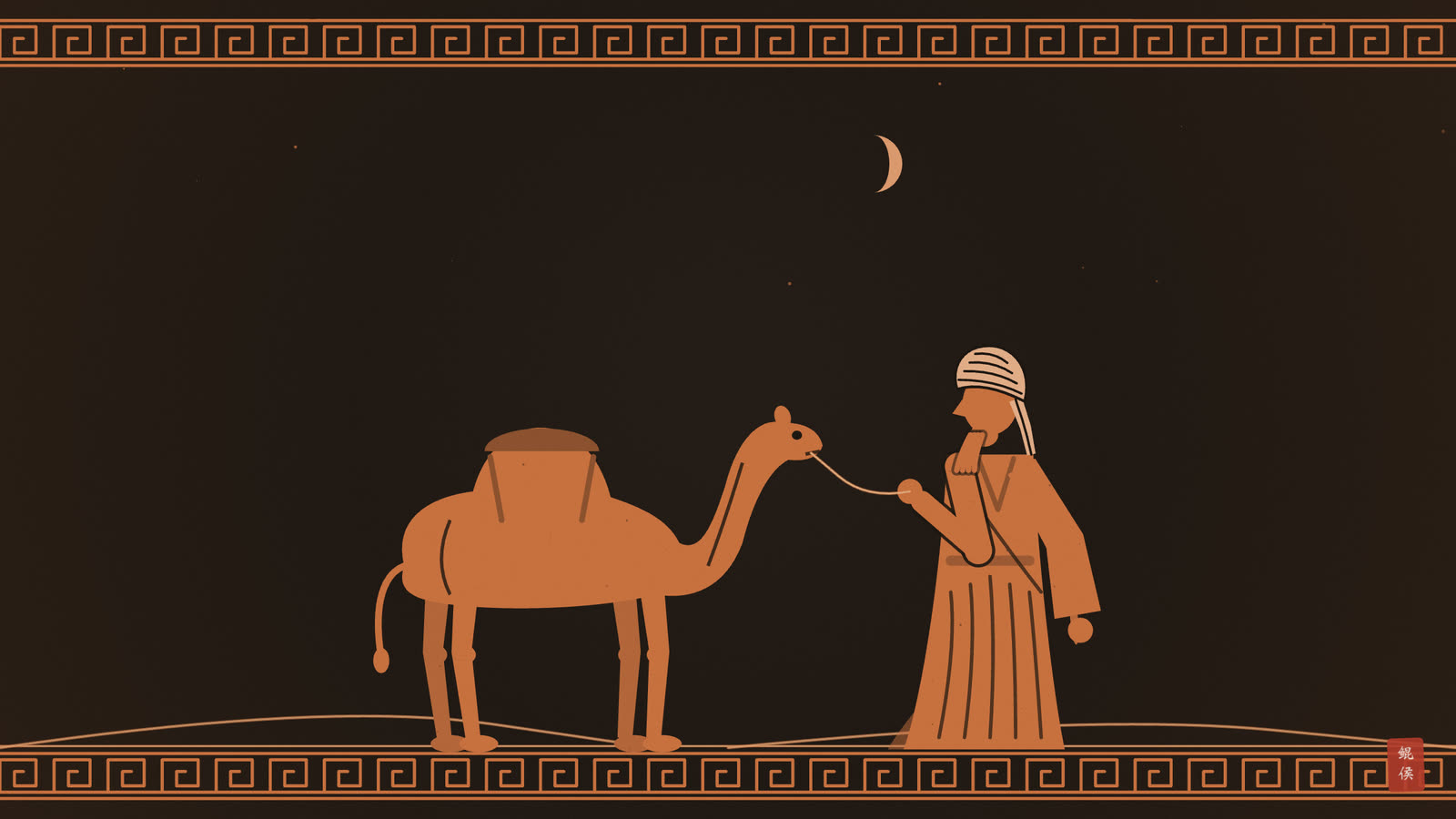
It is a planet that, while not fallen away from the aspect of the planets, does not apply to any planet so long as it is in its sign; so it is empty in course, whether or not it has had in that sign an application from which it has become free. It is called empty in course of application.
§504. What is wildness of course?
It is a planet being fallen away from the aspect of all the planets from the first of its entering the sign until its leaving it, or from an assigned time until its leaving the sign. For the upper planets and the Sun this is altogether impossible, unless it is from an assigned time near to the leaving of the sign; for the Moon, among the lower planets, it is to be expected and frequent in occurrence. Were it not for the Moon, swift in course, it would be possible for Venus and Mercury to be wild in course when one of them is slow and the other fast. Some people make the Moon's being in the terms of the planets, when she is wild in course, stand in place of her application to them; but this is a flimsy opinion, doubtful and not established.
翻译点开
§503. What is emptiness of course?
第五百零三问 何谓行程空亡?
It is a planet that, while not fallen away from the aspect of the planets, does not apply to any planet so long as it is in its sign; so it is empty in course, whether or not it has had in that sign an application from which it has become free. It is called empty in course of application.
那是一颗行星虽未与诸行星的相照落空,但它在自己的星座里时不入相于任何行星;所以它在行程上是空的,无论它在那个星座里是否曾有一次已经脱离的入相。它被称为入相行程空亡。
§504. What is wildness of course?
第五百零四问 何谓行程野行?
It is a planet being fallen away from the aspect of all the planets from the first of its entering the sign until its leaving it, or from an assigned time until its leaving the sign. For the upper planets and the Sun this is altogether impossible, unless it is from an assigned time near to the leaving of the sign; for the Moon, among the lower planets, it is to be expected and frequent in occurrence. Were it not for the Moon, swift in course, it would be possible for Venus and Mercury to be wild in course when one of them is slow and the other fast. Some people make the Moon's being in the terms of the planets, when she is wild in course, stand in place of her application to them; but this is a flimsy opinion, doubtful and not established.
那是一颗行星从进入星座之初直到离开,或从某一指定时刻直到离开星座,与所有行星的相照都落空。对上行星与太阳来说,这完全不可能,除非是从临近离开星座的某一指定时刻起;对月亮——下行星中的她——来说,这是可以预期而且常常发生的。若不是有行程迅速的月亮,金星与水星在其中一颗慢、另一颗快时,也可能野行。有些人在月亮野行时,让她在诸行星的界中来代替她对它们的入相;但这是一个单薄的意见,可疑而不成立。
大意与图解点开
🔎 大意:空亡是星在本座内不再入相于任何星;野行是与所有行星的相照都落空,多见于月亮。以月亮所在之界代替入相,比鲁尼斥为单薄。
📖 术语
| 术语 | 英文原词 | 意思 |
|---|---|---|
| 空亡 | emptiness of course | 本座内不再入相 |
| 野行 | wildness of course | 与诸星相照全落空 |
🧭 图解与讲解
第五百零三问的「空亡」:行星并未与诸星落空,却在本座之内不再入相于任何行星,行程是空的(图一)。比鲁尼特意说,不论它在这一座里先前有没有过一次已经离开的入相,都算。莉莉《基督教占星学》卷一第十九章的定义稍窄:「一颗行星离开了另一颗行星,在他留在那个星座期间又不随即入相于其他任何行星,就是空亡:这最常见于月亮」。
〔图〕空亡是不再入相,野行是连相照都没有
第五百零四问的「野行」更进一步:与所有行星的相照都落空,像在荒野里独行。上行星与太阳走得慢,一座之内总会与别星成某种相照,所以只有在将出星座时才可能;月亮行速最快,一座只走两天多,野行是「可以预期而且常常发生的」。比鲁尼还设想:要不是有月亮,金星与水星一慢一快时也可能野行。
有人在月亮野行时,用她所经过的诸星之界来代替入相,比鲁尼斥为「单薄的意见,可疑而不成立」。莉莉在判断前的考量里说:「月亮空亡时,一切事情都进展艰难(除非主要征象星非常有力)」,可见空亡在卜问里的分量;比鲁尼这里只讲定义,用法要到后面论判断时再说。
📖 术语
| 术语 | 英文原词 | 意思 |
|---|---|---|
| 空亡 | emptiness of course | 本座内不再入相 |
| 野行 | wildness of course | 与诸星相照全落空 |
🧭 图解与讲解
第五百零三问的「空亡」:行星并未与诸星落空,却在本座之内不再入相于任何行星,行程是空的(图一)。比鲁尼特意说,不论它在这一座里先前有没有过一次已经离开的入相,都算。莉莉《基督教占星学》卷一第十九章的定义稍窄:「一颗行星离开了另一颗行星,在他留在那个星座期间又不随即入相于其他任何行星,就是空亡:这最常见于月亮」。
第五百零四问的「野行」更进一步:与所有行星的相照都落空,像在荒野里独行。上行星与太阳走得慢,一座之内总会与别星成某种相照,所以只有在将出星座时才可能;月亮行速最快,一座只走两天多,野行是「可以预期而且常常发生的」。比鲁尼还设想:要不是有月亮,金星与水星一慢一快时也可能野行。
有人在月亮野行时,用她所经过的诸星之界来代替入相,比鲁尼斥为「单薄的意见,可疑而不成立」。莉莉在判断前的考量里说:「月亮空亡时,一切事情都进展艰难(除非主要征象星非常有力)」,可见空亡在卜问里的分量;比鲁尼这里只讲定义,用法要到后面论判断时再说。
§505. By what is application made complete?
By there being, between the lower that pushes and the upper to which it is pushed, within the application that we have mentioned, no return, no escape, no obstruction, no relapse, no cutting off and no prevention. Return comes from the upper when it is weak through retrogradation or being under the rays, so that it is unable to hold what is pushed to it and returns it. If there is reception between them, or the lower is in an angle, or both are in the angles or in those that follow them, the outcome of the corruption of this return is put right; but if the weakness mentioned is in the lower while the upper is in an angle or in what follows it, the outcome is corrupted, even though the beginning is hopeful; and if both are so, corruption covers the whole matter. Escape is a lower planet going toward application with a higher one, and the higher happens to move out of its sign before the application is complete; then the lower afterwards has an application with another planet, either in the sign in which it is or on its moving out of it, before the application with that first one, so that what it was first engaged in escapes it. Obstruction is that a lower planet goes toward application with an upper one together with it, while at the end of the sign there is an intermediate planet, I mean one higher than the lower and lower than the upper, and before that application is complete it happens that the intermediate hastens toward the upper and passes it, as if obstructing; then the lower's application is with it and not with the first. If the intermediate was following the upper and then came in upon it by retrogradation, that is more fitting; and this is the cutting off of light. [text uncertain] The second of them is that the lower's application is with the intermediate, and before it is complete the intermediate passes the upper, so that the lower's application becomes one with that upper, not with the first intermediate. Relapse is the lower going toward application with an upper one, and being turned away from it by a retrogradation that happens to it before that is complete. Prevention is an intermediate being between a lower and an upper planet, for it prevents the lower from applying to the upper rather than to itself. Further, application by bodily union prevents application by aspect when they are at one time and the degrees of the one in union and of the one aspecting are equal; but if the degrees of the one aspecting are nearer to application, it has the better claim to it. If the degrees of two aspecting planets are equal and they both apply together to a third planet, the application belongs to the one that wins by reception or its preponderance. Analogy would require that aspects differ in rank and that the stronger prevent the weaker, as bodily union prevents aspect; but the practitioners of the art have mentioned nothing on this point.
翻译点开
§505. By what is application made complete?
第五百零五问 入相凭什么才完成?
By there being, between the lower that pushes and the upper to which it is pushed, within the application that we have mentioned, no return, no escape, no obstruction, no relapse, no cutting off and no prevention. Return comes from the upper when it is weak through retrogradation or being under the rays, so that it is unable to hold what is pushed to it and returns it. If there is reception between them, or the lower is in an angle, or both are in the angles or in those that follow them, the outcome of the corruption of this return is put right; but if the weakness mentioned is in the lower while the upper is in an angle or in what follows it, the outcome is corrupted, even though the beginning is hopeful; and if both are so, corruption covers the whole matter. Escape is a lower planet going toward application with a higher one, and the higher happens to move out of its sign before the application is complete; then the lower afterwards has an application with another planet, either in the sign in which it is or on its moving out of it, before the application with that first one, so that what it was first engaged in escapes it. Obstruction is that a lower planet goes toward application with an upper one together with it, while at the end of the sign there is an intermediate planet, I mean one higher than the lower and lower than the upper, and before that application is complete it happens that the intermediate hastens toward the upper and passes it, as if obstructing; then the lower's application is with it and not with the first. If the intermediate was following the upper and then came in upon it by retrogradation, that is more fitting; and this is the cutting off of light. [text uncertain] The second of them is that the lower's application is with the intermediate, and before it is complete the intermediate passes the upper, so that the lower's application becomes one with that upper, not with the first intermediate. Relapse is the lower going toward application with an upper one, and being turned away from it by a retrogradation that happens to it before that is complete. Prevention is an intermediate being between a lower and an upper planet, for it prevents the lower from applying to the upper rather than to itself. Further, application by bodily union prevents application by aspect when they are at one time and the degrees of the one in union and of the one aspecting are equal; but if the degrees of the one aspecting are nearer to application, it has the better claim to it. If the degrees of two aspecting planets are equal and they both apply together to a third planet, the application belongs to the one that wins by reception or its preponderance. Analogy would require that aspects differ in rank and that the stronger prevent the weaker, as bodily union prevents aspect; but the practitioners of the art have mentioned nothing on this point.
凭推付的较低者与受推的较高者之间,在我们所说的入相之内,没有退还、没有错失、没有阻截、没有退缩、没有截断、也没有阻止。退还来自较高者,当它因逆行或在日光之下而弱,无力持住推给它的东西,就把它退回。若它们之间有接纳,或较低者在角上,或两者都在角上或随其后之宫,这种退还之败坏的结局就得到匡正;但若所说的弱在较低者,而较高者在角上或随其后之宫,结局就败坏,尽管开头有希望;若两者都如此,败坏就笼罩整件事。错失是一颗较低的行星走向与一颗较高的入相,而较高者恰好在入相完成之前移出它的星座;然后较低者此后与另一颗行星入相,或在它所在的星座里,或在它移出之时,先于与那第一颗的入相,于是它最初所从事的就错失了。阻截是一颗较低的行星与一颗较高的行星同在,走向与它入相,而在星座的末端有一颗居间的行星,我是说比较低者高、比较高者低的一颗,在那次入相完成之前,那颗居间者恰好赶向较高者并越过它,好像在阻截;于是较低者的入相是与它,而不是与第一颗。若那居间者原本跟在较高者后面,然后以逆行插到它上面,那就更恰当;这就是截光。〔原文疑有讹误〕其中第二种是,较低者的入相是与那居间者,在完成之前居间者越过了较高者,于是较低者的入相变成与那较高者,而不是与第一颗居间者。退缩是较低者走向与一颗较高者入相,而在完成之前因发生的逆行而从它转开。阻止是一颗居间者在一颗较低者与一颗较高者之间,因为它阻止较低者入相于较高者而不是入相于它自己。再者,星体结合的入相,在同一时刻、结合者与相照者的度数相等时,阻止相照的入相;但若相照者的度数更接近入相,它就更有资格。若两颗相照行星的度数相等,而它们一起入相于第三颗行星,入相就归于凭接纳或凭其优势而胜出的那一颗。按类推,相照应在等级上有别,较强的阻止较弱的,正如星体结合阻止相照;但这门技艺的从业者在这一点上什么也没有提到。
大意与图解点开
🔎 大意:入相要成全,须无退还、错失、阻截、退缩、截断与阻止;星体结合先于相照,度数相等者看接纳与优势。
📖 术语
| 术语 | 英文原词 | 意思 |
|---|---|---|
| 退还 | return | 较高者弱而退回 |
| 错失 | escape | 较高者先出星座 |
| 阻截 | obstruction | 居间星越过较高者 |
| 退缩 | relapse | 较低者转逆 |
| 截光 | cutting off of light | 居间星逆行插入 |
🧭 图解与讲解
第五百零五问总结入相如何才算成全:推付的较低者与受推的较高者之间,不能有退还、错失、阻截、退缩、截断与阻止六种败坏(表一)。这六个名目是阿拉伯星占的通行分类,比鲁尼逐一定义,但「截断」没有单讲,而是并在阻截里,称为「截光」。
| 名目 | 情形(第五百零五问) | 莉莉《基督教占星学》卷一第十九章相近之说 |
|---|---|---|
| 退还 | 较高者因逆行或在日光之下而弱,接不住推来的东西,把它退回 | — |
| 错失 | 较高者在入相完成前移出星座,较低者转与别星入相 | — |
| 阻截 | 居间之星赶上并越过较高者,较低者转而与它入相;由逆行插入者即「截光」 | 「阻止」:太阳赶上火星,先与土星会合 |
| 截断 | 列在名目中,正文并入阻截讲(截光) | — |
| 退缩 | 较低者在完成前转为逆行,离它而去 | 「退缩」:火星未到土星就转为逆行 |
| 阻止 | 居间之星在两者之间,较低者先入相于它 | — |
退还出在较高者身上:它因逆行或在日光之下而弱,接不住推来的东西,只好退回。有接纳、或星在角上,结局可以挽回;弱在较低者而较高者在角上,开头有望而结局败坏;两者都弱,满盘皆坏。错失是较高者先出星座,较低者转与别星入相。退缩是较低者完成前转为逆行。莉莉《基督教占星学》卷一第十九章的「退缩」正是这样:火星赶向土星,「但在他走到白羊第十或第十一度之前,就转为逆行」。
阻截与阻止都牵涉居间之星。阻截是居间之星赶上并越过较高者,较低者转而与它入相;若居间者是以逆行插进来的,就叫截光,这句抄本语意不清,英译标疑。阻止是居间之星本就在两者之间,较低者先遇到它。莉莉的「阻止」例子是太阳比火星快,「在火星之前与土星会合」,相当于比鲁尼的阻截;莉莉另有「挫败」,是较重的那颗先与别星会合,比鲁尼此处没有单列。
最后几条是优先次序:同一时刻度数相等,星体结合的入相胜过相照的入相;相照者更接近则相照者优先;两星同时入相于第三星,看接纳与优势。比鲁尼又说,照类推,相照之间也应有强弱之分,较强的阻止较弱的,但从业者没有提过。他点到为止,不自立新说,这是全书一贯的谨慎。
原文为公有领域古籍;翻译、印象画与图文解读由 AI 辅助生成,鲲侯审校。