卷八·第 445–453 问 三方之主、相位、友敌、半宫、面与界
三方的昼主夜主与伙伴;相位;诸星友敌与印度的临时友敌;半宫、面、形象、德里詹、托勒密的三分与界。
§445. What are the lords of the triplicities?
The lord of the fiery triplicity, which is diurnal, is by day the Sun and by night Jupiter, and their partner by night and by day is Saturn. The lord of the earthy triplicity by day is Venus and by night the Moon, and the partner by night and by day is Mars. The lord of the airy triplicity is Saturn [by day] and by night Mercury, and the partner is Jupiter. The lord of the watery triplicity by day is Venus and by night Mars, and the partner is the Moon. As for the rank and file (ḥashwiyya) of the astrologers, they make all three lords of the triplicity at one time, and change the order only between day [and night]: they make the lords of the diurnal triplicity by day the Sun, Jupiter [and Saturn], and by night Jupiter, the Sun and Saturn, and the rest by this analogy. And they do not go back [to this] in the assignment (taṣyīr), although they have filled their books with judgements based on them and with ramifications.
翻译点开
§445. What are the lords of the triplicities?
第四百四十五问 何谓三方之主?
The lord of the fiery triplicity, which is diurnal, is by day the Sun and by night Jupiter, and their partner by night and by day is Saturn. The lord of the earthy triplicity by day is Venus and by night the Moon, and the partner by night and by day is Mars. The lord of the airy triplicity is Saturn [by day] and by night Mercury, and the partner is Jupiter. The lord of the watery triplicity by day is Venus and by night Mars, and the partner is the Moon. As for the rank and file (ḥashwiyya) of the astrologers, they make all three lords of the triplicity at one time, and change the order only between day [and night]: they make the lords of the diurnal triplicity by day the Sun, Jupiter [and Saturn], and by night Jupiter, the Sun and Saturn, and the rest by this analogy. And they do not go back [to this] in the assignment (taṣyīr), although they have filled their books with judgements based on them and with ramifications.
火象三方属昼,其主白天是太阳,夜里是木星,它们昼夜共同的伙伴是土星。土象三方之主白天是金星,夜里是月亮,伙伴昼夜都是火星。风象三方之主[白天]是土星,夜里是水星,伙伴是木星。水象三方之主白天是金星,夜里是火星,伙伴是月亮。至于星占家中的庸众,他们把三方的三个主同时全用上,只在昼[夜]之间调换次序:他们把昼性三方之主定为白天太阳、木星[与土星],夜里木星、太阳与土星,其余照此类推。他们在「指派」中并不回到[这一点]上,尽管他们的书里塞满了据此所作的论断与枝节。
大意与图解点开
🔎 大意:四组三方各有昼主、夜主与昼夜共用的伙伴;庸众把三主一并用上,只调换昼夜次序,指派时却又不用。
📖 术语
| 术语 | 英文原词 | 意思 |
|---|---|---|
| 三方之主 | lords of the triplicities | 主管一组三方之星 |
| 伙伴 | partner | 昼夜共用的第三主 |
| 庸众 | rank and file (ḥashwiyya) | 一般的星占家 |
| 指派 | assignment (taṣyīr) | 把寿数事项交给某星 |
🧭 图解与讲解
第四百四十五问讲三方之主。每组三方有一颗昼主、一颗夜主,再加一颗昼夜都参与的伙伴:火象昼太阳、夜木星,伙伴土星;土象昼金星、夜月亮,伙伴火星;风象昼土星、夜水星,伙伴木星;水象昼金星、夜火星,伙伴月亮(图一)。所谓三方,上一章第三百七十九问已讲过,这里给每组配上主星。
〔图〕四组三方:火象日木土、土象金月火、风象土水木、水象金火月
| 三方 | 比鲁尼(第四百四十五问) | 瓦伦斯《选集》卷二第一章 | 托勒密《四书》卷一第十八章 |
|---|---|---|---|
| 火象:白羊、狮子、射手 | 昼太阳,夜木星,伙伴土星 | 昼太阳,夜木星,土星协作 | 太阳与木星;昼太阳、夜木星 |
| 土象:金牛、处女、摩羯 | 昼金星,夜月亮,伙伴火星 | 夜月亮、金星、火星;昼金星居首 | 月亮与金星;夜月亮、昼金星 |
| 风象:双子、天秤、水瓶 | 昼土星,夜水星,伙伴木星 | 昼土星、水星、木星;夜水星居首 | 土星与水星;昼土星、夜水星 |
| 水象:巨蟹、天蝎、双鱼 | 昼金星,夜火星,伙伴月亮 | 夜火星、金星、月亮;昼金星居首 | 火星为主,夜月亮、昼金星同管 |
这正是瓦伦斯《选集》卷二第一章的那一套。他说火象三方「白天由太阳做主,夜里由木星接续做主,土星则与两者协作」;风象三方「白天由土星做主,水星在第二位协作,木星居第三位」;水象三方「夜里由火星执掌主星之位,金星居第二位,月亮居第三位」,白天则金星居首(表二)。比鲁尼的「伙伴」就是瓦伦斯的第三位协作者。
托勒密《四书》卷一第十八章只用两主,理由也不同:火象三方分给太阳与木星,「因为火星不属于太阳的一派」;水象三方「留给了仅剩的一颗行星火星」,月亮夜里、金星白天与他同管。所以水象一组,托勒密以火星为首,比鲁尼与瓦伦斯却以金星为昼主、火星为夜主。
后半段批评「庸众」(ḥashwiyya):他们把三个主一并用上,昼夜只调换次序,如火象白天作太阳、木星、土星,夜里作木星、太阳、土星。比鲁尼指出,他们在「指派」(taṣyīr,把寿数与事项交付给某星的推法)时并不真用这一套,书里却塞满了据此而作的论断与枝节,言行不一。
📖 术语
| 术语 | 英文原词 | 意思 |
|---|---|---|
| 三方之主 | lords of the triplicities | 主管一组三方之星 |
| 伙伴 | partner | 昼夜共用的第三主 |
| 庸众 | rank and file (ḥashwiyya) | 一般的星占家 |
| 指派 | assignment (taṣyīr) | 把寿数事项交给某星 |
🧭 图解与讲解
第四百四十五问讲三方之主。每组三方有一颗昼主、一颗夜主,再加一颗昼夜都参与的伙伴:火象昼太阳、夜木星,伙伴土星;土象昼金星、夜月亮,伙伴火星;风象昼土星、夜水星,伙伴木星;水象昼金星、夜火星,伙伴月亮(图一)。所谓三方,上一章第三百七十九问已讲过,这里给每组配上主星。
| 三方 | 比鲁尼(第四百四十五问) | 瓦伦斯《选集》卷二第一章 | 托勒密《四书》卷一第十八章 |
|---|---|---|---|
| 火象:白羊、狮子、射手 | 昼太阳,夜木星,伙伴土星 | 昼太阳,夜木星,土星协作 | 太阳与木星;昼太阳、夜木星 |
| 土象:金牛、处女、摩羯 | 昼金星,夜月亮,伙伴火星 | 夜月亮、金星、火星;昼金星居首 | 月亮与金星;夜月亮、昼金星 |
| 风象:双子、天秤、水瓶 | 昼土星,夜水星,伙伴木星 | 昼土星、水星、木星;夜水星居首 | 土星与水星;昼土星、夜水星 |
| 水象:巨蟹、天蝎、双鱼 | 昼金星,夜火星,伙伴月亮 | 夜火星、金星、月亮;昼金星居首 | 火星为主,夜月亮、昼金星同管 |
这正是瓦伦斯《选集》卷二第一章的那一套。他说火象三方「白天由太阳做主,夜里由木星接续做主,土星则与两者协作」;风象三方「白天由土星做主,水星在第二位协作,木星居第三位」;水象三方「夜里由火星执掌主星之位,金星居第二位,月亮居第三位」,白天则金星居首(表二)。比鲁尼的「伙伴」就是瓦伦斯的第三位协作者。
托勒密《四书》卷一第十八章只用两主,理由也不同:火象三方分给太阳与木星,「因为火星不属于太阳的一派」;水象三方「留给了仅剩的一颗行星火星」,月亮夜里、金星白天与他同管。所以水象一组,托勒密以火星为首,比鲁尼与瓦伦斯却以金星为昼主、火星为夜主。
后半段批评「庸众」(ḥashwiyya):他们把三个主一并用上,昼夜只调换次序,如火象白天作太阳、木星、土星,夜里作木星、太阳、土星。比鲁尼指出,他们在「指派」(taṣyīr,把寿数与事项交付给某星的推法)时并不真用这一套,书里却塞满了据此而作的论断与枝节,言行不一。
§446. What are the aspects of the planets in the signs?
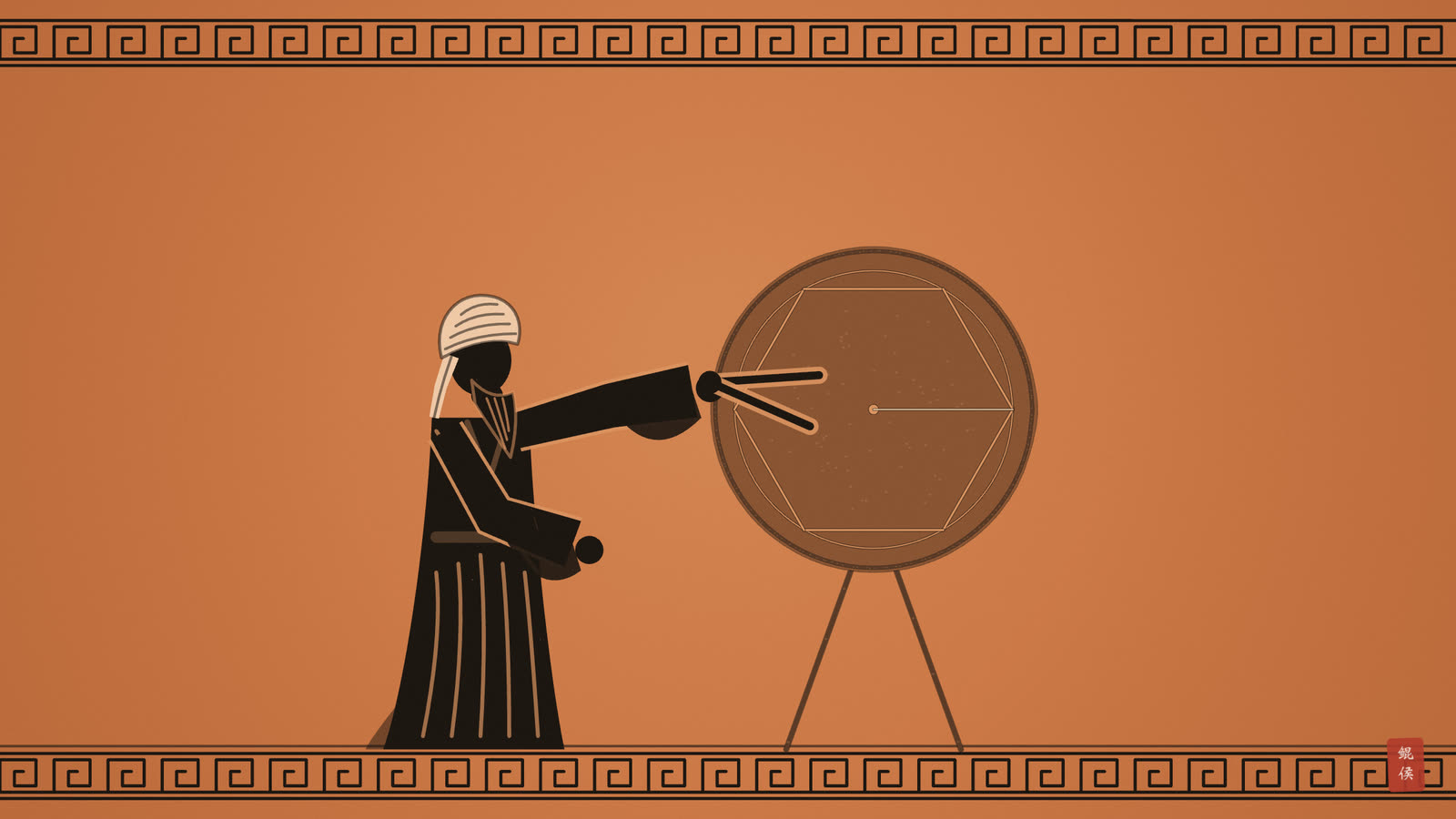
Two planets, when they are in two signs that regard one another, also regard one another. If they are in one sign, they are called together; and if they are in one degree of it, they are called conjoined. If one of them is in the third of the other, they regard one another from sextile, which is the right for one of them and the left for the other. If one of them is in the fourth of the other, they regard one another from square; if one of them is in the fifth of the other, they regard one another from trine; and if one of them is in the seventh of the other, they regard one another from opposition. If their degrees are equal, they are called joined in aspect, because the orb is then divided by what lies between them either into an equilateral hexagon, or into a square likewise, or a triangle like it, or else it is halved by it.
翻译点开
§446. What are the aspects of the planets in the signs?
第四百四十六问 诸行星在星座中的相位是怎样的?
Two planets, when they are in two signs that regard one another, also regard one another. If they are in one sign, they are called together; and if they are in one degree of it, they are called conjoined. If one of them is in the third of the other, they regard one another from sextile, which is the right for one of them and the left for the other. If one of them is in the fourth of the other, they regard one another from square; if one of them is in the fifth of the other, they regard one another from trine; and if one of them is in the seventh of the other, they regard one another from opposition. If their degrees are equal, they are called joined in aspect, because the orb is then divided by what lies between them either into an equilateral hexagon, or into a square likewise, or a triangle like it, or else it is halved by it.
两颗行星,若在彼此相照的两个星座里,也就彼此相照。若它们在同一个星座里,称为同在;若在其中同一度上,称为相合。若其一在另一颗的第三座,它们从六分相照,这对其中一颗是右,对另一颗是左。若其一在另一颗的第四座,它们从四分相照;若在第五座,从三分相照;若在第七座,从对冲相照。若它们的度数相等,就称为以相位相接,因为这时天球被它们之间所隔的部分,或分成一个等边六边形,或同样分成一个正方形,或分成一个这样的三角形,否则就被它平分。
大意与图解点开
🔎 大意:两星所在的星座相照,两星就相照;同座为同在,同度为相合;第三、四、五、七座为六分、四分、三分、对冲,度数相等则相接。
📖 术语
| 术语 | 英文原词 | 意思 |
|---|---|---|
| 相照 | regard | 两座成相位 |
| 同在 | together | 在同一星座 |
| 相合 | conjoined | 在同一度 |
| 相接 | joined in aspect | 度数恰好相等 |
| 对冲 | opposition | 隔六座相对 |
🧭 图解与讲解
第四百四十六问先说一条总则:两颗星所在的星座彼此相照,两颗星就相照,这是按整个星座论相位。上一章第三百七十问以下已讲过星座之间的相照与落空,这里落到行星上。同在一座称「同在」,同在一度称「相合」。
〔图〕从白羊看:双子六分、巨蟹四分、狮子三分、天秤对冲;度数相等才叫相接
| 另一星在第几座 | 相位 | 天球被分成 | 托勒密《四书》卷一第十三章 |
|---|---|---|---|
| 同一座 | 同在(同度为相合) | — | — |
| 第三座 | 六分 | 等边六边形 | 六十度,三分之二直角 |
| 第四座 | 四分 | 正方形 | 九十度,一个直角 |
| 第五座 | 三分 | 三角形 | 一百二十度 |
| 第七座 | 对冲 | 平分为二 | 一百八十度,两个直角 |
再按另一星在第几座定相位(连本座一起数):第三座六分,第四座四分,第五座三分,第七座对冲(图一)。六分对一颗星是右、对另一颗是左,因为一个在前、一个在后。若两星度数恰好相等,就称「以相位相接」,这时两星之间的弧把天球分成等边六边形、正方形或三角形,对冲则把天球平分。
托勒密《四书》卷一第十三章列了同样四种相位,并用直角与度数来量:对冲「两个直角、六个星座、一百八十度」,三分「一又三分之一个直角、四个星座、一百二十度」,四分「一个直角、三个星座、九十度」,六分「三分之二个直角、两个星座、六十度」(表二)。他还用音乐的比例来解释为何只取这几种距离,比鲁尼则从正多边形着眼,是几何学家的说法,正好用上卷一几何讲过的内接正多边形。
📖 术语
| 术语 | 英文原词 | 意思 |
|---|---|---|
| 相照 | regard | 两座成相位 |
| 同在 | together | 在同一星座 |
| 相合 | conjoined | 在同一度 |
| 相接 | joined in aspect | 度数恰好相等 |
| 对冲 | opposition | 隔六座相对 |
🧭 图解与讲解
第四百四十六问先说一条总则:两颗星所在的星座彼此相照,两颗星就相照,这是按整个星座论相位。上一章第三百七十问以下已讲过星座之间的相照与落空,这里落到行星上。同在一座称「同在」,同在一度称「相合」。
| 另一星在第几座 | 相位 | 天球被分成 | 托勒密《四书》卷一第十三章 |
|---|---|---|---|
| 同一座 | 同在(同度为相合) | — | — |
| 第三座 | 六分 | 等边六边形 | 六十度,三分之二直角 |
| 第四座 | 四分 | 正方形 | 九十度,一个直角 |
| 第五座 | 三分 | 三角形 | 一百二十度 |
| 第七座 | 对冲 | 平分为二 | 一百八十度,两个直角 |
再按另一星在第几座定相位(连本座一起数):第三座六分,第四座四分,第五座三分,第七座对冲(图一)。六分对一颗星是右、对另一颗是左,因为一个在前、一个在后。若两星度数恰好相等,就称「以相位相接」,这时两星之间的弧把天球分成等边六边形、正方形或三角形,对冲则把天球平分。
托勒密《四书》卷一第十三章列了同样四种相位,并用直角与度数来量:对冲「两个直角、六个星座、一百八十度」,三分「一又三分之一个直角、四个星座、一百二十度」,四分「一个直角、三个星座、九十度」,六分「三分之二个直角、两个星座、六十度」(表二)。他还用音乐的比例来解释为何只取这几种距离,比鲁尼则从正多边形着眼,是几何学家的说法,正好用上卷一几何讲过的内接正多边形。
§447. What are the friendship and the enmity of the planets?
We have brought this in here only because of its connection with the matter of the houses and their lords. The astrologers follow several doctrines on this. Some of them make the enmity between two planets from the side of contrariety in effect, as Saturn and Jupiter: one of them is dark and malefic, and the other bright, benefic and temperate. Some consider the contrariety in both qualities together, and so make the fiery hostile to the watery and the airy hostile to the earthy. Some make it from the positions of their houses and their exaltations: when these are hostile to one another by aspect, their lords are hostile to one another; and they make the lord of the twelfth from the house of a planet its enemy. The consideration of friendship is according to what we have mentioned in the principle of enmity. What Abu'l-Qāsim al-Falsafī used is something like this, and it is included in this table.
The use of friendship and enmity among the planets by the practitioners of judgements is slight; but the matter is otherwise with what the Indians hold, for its force with them is very great, and their use of it is on a par with the use of house and exaltation. For this reason I must relate their view of it, for it has a consistent rule according to their principles; and in this table is what they mention. This is the original enmity and friendship; then it changes with the times. For each of the planets, if another happens to be in its tenth, or eleventh, or second, or third, or fourth, or twelfth [corrected: MS omits the twelfth], then if it was a friend, its friendship becomes pure; if it was neutral, it becomes a friend; and if it was an enemy, it becomes neutral. If it happens to be in the rest of the houses from it, then if it was an enemy, its enmity becomes stronger; if it was neutral, it becomes an enemy; and if it was a friend, it becomes neutral. Let us now speak of the parts of the signs and the partnerships of the planets in them.
翻译点开
§447. What are the friendship and the enmity of the planets?
第四百四十七问 诸行星的友谊与敌对是什么?
We have brought this in here only because of its connection with the matter of the houses and their lords. The astrologers follow several doctrines on this. Some of them make the enmity between two planets from the side of contrariety in effect, as Saturn and Jupiter: one of them is dark and malefic, and the other bright, benefic and temperate. Some consider the contrariety in both qualities together, and so make the fiery hostile to the watery and the airy hostile to the earthy. Some make it from the positions of their houses and their exaltations: when these are hostile to one another by aspect, their lords are hostile to one another; and they make the lord of the twelfth from the house of a planet its enemy. The consideration of friendship is according to what we have mentioned in the principle of enmity. What Abu'l-Qāsim al-Falsafī used is something like this, and it is included in this table.
我们把这个放在这里,只是因为它与庙及其主的事有关。星占家在这上面持几种说法。有的从作用上的相反来定两颗行星之间的敌对,如土星与木星:一颗昏暗而凶,另一颗明亮、吉而温和。有的同时看两种性质上的相反,于是使火性的与水性的相敌,风性的与土性的相敌。有的从它们的庙与旺的位置来定:庙旺之间若以相位相敌,其主就相敌;他们并把一颗行星之庙的第十二座之主当作它的敌人。友谊的考量,则照我们在敌对的原则中所说的去推。哲学家阿布勒-卡西姆所用的,就是类似这样的东西,收在这张表里。
The use of friendship and enmity among the planets by the practitioners of judgements is slight; but the matter is otherwise with what the Indians hold, for its force with them is very great, and their use of it is on a par with the use of house and exaltation. For this reason I must relate their view of it, for it has a consistent rule according to their principles; and in this table is what they mention. This is the original enmity and friendship; then it changes with the times. For each of the planets, if another happens to be in its tenth, or eleventh, or second, or third, or fourth, or twelfth [corrected: MS omits the twelfth], then if it was a friend, its friendship becomes pure; if it was neutral, it becomes a friend; and if it was an enemy, it becomes neutral. If it happens to be in the rest of the houses from it, then if it was an enemy, its enmity becomes stronger; if it was neutral, it becomes an enemy; and if it was a friend, it becomes neutral. Let us now speak of the parts of the signs and the partnerships of the planets in them.
诸行星之间的友谊与敌对,判断家用得很少;但印度人所持的就不同了,在他们那里它的力量极大,用法与庙、旺同等。为此我必须述说他们的看法,因为按他们的原则,它有一条一贯的规则;这张表里就是他们所说的。这是原本的敌对与友谊;然后它随时而变。对每颗行星来说,若另一颗恰好在它的第十、第十一、第二、第三、第四或第十二座〔抄本缺第十二座,据文义改正〕,那么,原是朋友的,友谊变纯;原是中立的,变成朋友;原是敌人的,变成中立。若它恰在其余诸座,那么,原是敌人的,敌意更强;原是中立的,变成敌人;原是朋友的,变成中立。现在让我们讲星座的各部分,以及诸行星在其中的合伙。
大意与图解点开
🔎 大意:友敌之说或看作用相反,或看性质相反,或看庙旺相位;本地少用。印度人极重之,有本来友敌,又随所在之座临时升降。
📖 术语
| 术语 | 英文原词 | 意思 |
|---|---|---|
| 作用上的相反 | contrariety in effect | 一吉一凶相反 |
| 判断家 | practitioners of judgements | 断事的星占家 |
| 本来友敌 | original friendship and enmity | 固定的友敌 |
| 随时而变 | changes with the times | 按当时位置升降 |
🧭 图解与讲解
第四百四十七问说,把友敌放在这里,是因为它与庙及庙主相关。各家定敌对的根据有三:一看作用相反,如土星昏暗而凶、木星明亮而吉;二看两种性质都相反,于是火与水相敌、风与土相敌;三看庙与旺的位置,两星的庙旺以相位相敌,其主就相敌,又以一星之庙的第十二座之主为它的敌人。友谊照同样的原则反推。
| 行星 | 与谁相反 | 加害于谁 | 援助谁 | 求助于谁 |
|---|---|---|---|---|
| 土星 | 太阳、月亮 | 木星 | 火星 | 金星 |
| 木星 | 火星、水星 | 水星 | 金星 | 月亮 |
| 火星 | 木星、金星 | 月亮 | 太阳 | 土星 |
| 太阳 | 土星 | 金星 | (空) | 火星 |
| 金星 | 火星、水星 | (空) | 土星 | 木星 |
| 水星 | 木星、金星 | 金星 | 因其天性奇特(读法未定),不援助谁 | 因其机巧与诡计,不求助于谁 |
| 月亮 | 土星 | 火星 | 木星 | 金星 |
| 行星 | 朋友 | 敌人 | 中立 |
|---|---|---|---|
| 太阳 | 木星、火星、月亮 | 土星、金星 | 水星 |
| 月亮 | 太阳、水星 | 不敌视任何星 | 土星、木星、火星、金星 |
| 火星 | 木星、太阳、月亮 | 水星 | 土星、金星 |
| 水星 | 太阳、金星 | 月亮 | 土星、木星、火星 |
| 木星 | 火星、太阳、月亮 | 金星、水星 | 土星 |
| 金星 | 土星、水星 | 太阳、月亮 | 木星、土星(土星已在友栏,疑当作火星) |
| 水星〔原书如此;按内容当作土星〕 | 金星、水星 | 火星、太阳、月亮 | 木星 |
| 本来的关系 | 另一星在其第二、三、四、十、十一、十二座 | 另一星在其余诸座(第一、五、六、七、八、九) |
|---|---|---|
| 朋友 | 友谊变纯 | 变成中立 |
| 中立 | 变成朋友 | 变成敌人 |
| 敌人 | 变成中立 | 敌意更强 |
哲学家阿布勒-卡西姆(Abu'l-Qāsim al-Falsafī)所用的就是这一类,收在表一:每颗星列出与谁相反、加害于谁、援助谁、求助于谁。如土星与两光相反,害木星,助火星,求助于金星;水星一行最有意思,说他因天性奇特而不助人,又因机巧而不求人。
比鲁尼说本地的判断家很少用友敌,印度人却极重视,用法与庙、旺同等,所以要把他们的规则讲出来。表二是印度人的本来友敌,每星分朋友、敌人、中立三类。抄本末行写的是水星,内容却正是土星的友敌,七星中独缺土星;金星的中立栏又出现已在友栏的土星,照录并注明。
印度人的友敌还「随时而变」(表三):另一星若落在本星的第二、三、四、十、十一、十二座,关系升一级,友更纯、中立变友、敌变中立;落在其余六座,关系降一级。抄本只列了五座,漏了第十二座,校勘据印度通行体系补出,正好六座升、六座降。托勒密与瓦伦斯都没有这种按星论友敌的体系,这是比鲁尼专为印度之说而录的。
§448. What is the nīmbahr?
It is half a sign, and the Indians call it horā, that is, the hour. The first half of every male sign belongs to the Sun and the other, second half to the Moon; in the female signs it is the contrary, namely that their first half belongs to the Moon and the last to the Sun. Our colleagues never stop, in things of this kind, devising something else and producing what contradicts it; yet the matter of these is not so necessary that the separation between them should be like that between light and darkness. What we have mentioned, we mention because it is what is agreed upon by the nation that uses it, rather than the many sayings of the rest of them.
翻译点开
§448. What is the nīmbahr?
第四百四十八问 何谓宁巴赫尔?
It is half a sign, and the Indians call it horā, that is, the hour. The first half of every male sign belongs to the Sun and the other, second half to the Moon; in the female signs it is the contrary, namely that their first half belongs to the Moon and the last to the Sun. Our colleagues never stop, in things of this kind, devising something else and producing what contradicts it; yet the matter of these is not so necessary that the separation between them should be like that between light and darkness. What we have mentioned, we mention because it is what is agreed upon by the nation that uses it, rather than the many sayings of the rest of them.
它是星座的一半,印度人称之为「霍拉」,也就是时辰。每个阳性星座的前一半属太阳,另一半即后一半属月亮;阴性星座则相反,前一半属月亮,后一半属太阳。我们的同行在这类事上从不停止另造一套、提出与之相反的东西;然而这些东西并非必要到要像分辨光明与黑暗那样把它们分开。我们所说的,之所以说,是因为它是用它的那个民族所一致认可的,而不取其余诸人的纷纷之说。
大意与图解点开
🔎 大意:宁巴赫尔是半个星座,印度称霍拉:阳性座前半属日、后半属月,阴性座反之;比鲁尼只录印度通行之说。
📖 术语
| 术语 | 英文原词 | 意思 |
|---|---|---|
| 宁巴赫尔 | nīmbahr | 波斯语,半宫 |
| 霍拉 | horā | 梵语,意为时辰 |
| 阳性星座 | male signs | 白羊起隔座相间 |
🧭 图解与讲解
从这一问起讲星座的各部分。宁巴赫尔(nīmbahr,波斯语「半份」)是半个星座,印度人称为「霍拉」(horā,意为时辰)。规则只有一条:阳性星座前一半属太阳、后一半属月亮,阴性星座反过来(图一)。整个黄道于是被切成二十四个半座,日月轮流主管,恰如一日的二十四个时辰。
〔图〕阳性座前半属日、后半属月;阴性座前半属月、后半属日
〔图〕每座均分两半,只由两光分主
比鲁尼顺带批评本地同行:他们在这类事上总要另造一套、提出相反的说法,可这些东西并不重要到要像分辨光明与黑暗那样去争。他之所以只录这一说,是因为它是用这一法的印度人一致认可的,而不取别人纷纷的异说。这种「取原创者的定说」的做法,下面论九分宫、十二分部时还会再用。
托勒密《四书》卷一第二十二章对把星座切得更细的做法很不以为然,说这些说法「只有似是而非、并非出于自然、毋宁说毫无根据的论据支持」,一概略去。比鲁尼的态度介于两者之间:照录、注明出处,但不加推崇。
📖 术语
| 术语 | 英文原词 | 意思 |
|---|---|---|
| 宁巴赫尔 | nīmbahr | 波斯语,半宫 |
| 霍拉 | horā | 梵语,意为时辰 |
| 阳性星座 | male signs | 白羊起隔座相间 |
🧭 图解与讲解
从这一问起讲星座的各部分。宁巴赫尔(nīmbahr,波斯语「半份」)是半个星座,印度人称为「霍拉」(horā,意为时辰)。规则只有一条:阳性星座前一半属太阳、后一半属月亮,阴性星座反过来(图一)。整个黄道于是被切成二十四个半座,日月轮流主管,恰如一日的二十四个时辰。
比鲁尼顺带批评本地同行:他们在这类事上总要另造一套、提出相反的说法,可这些东西并不重要到要像分辨光明与黑暗那样去争。他之所以只录这一说,是因为它是用这一法的印度人一致认可的,而不取别人纷纷的异说。这种「取原创者的定说」的做法,下面论九分宫、十二分部时还会再用。
托勒密《四书》卷一第二十二章对把星座切得更细的做法很不以为然,说这些说法「只有似是而非、并非出于自然、毋宁说毫无根据的论据支持」,一概略去。比鲁尼的态度介于两者之间:照录、注明出处,但不加推崇。
§449. What are the faces?
They are equal thirds of the signs. Their lords, by agreement of the Persians and the Rūm, are: the lord of the first third of Aries is Mars, of the second the Sun, and of the third Venus; and it runs on to the end of the signs in the order of the orbs, part by part.
§450. What are the images?
They are the faces themselves; they are called images only because each of the Rūm, the Indians and the people of Babylon mentioned images that rise in them. As for the Rūm, they mentioned what belongs specifically to them among the 48 figures imagined in the fixed stars. As for the others, they mentioned [illegible] wondrous, imaginary and strange images, which indicate that they are significations of properties of those places, needed in deducing judgement from them. We have not busied ourselves with setting them out, lest the matter become long, and because the astrological books found with us are devoid of a way to using them.
§451. What is the darījān?
It is the thirds of the signs according to the Indians, who call them drekkāṇa, and their lords differ with them: the first darījān of every sign belongs to its lord, the second to the lord of its fifth and the third to the lord of its ninth. In this table are the lords of the faces and of the darījān.
翻译点开
§449. What are the faces?
第四百四十九问 何谓面?
They are equal thirds of the signs. Their lords, by agreement of the Persians and the Rūm, are: the lord of the first third of Aries is Mars, of the second the Sun, and of the third Venus; and it runs on to the end of the signs in the order of the orbs, part by part.
它们是星座的均等三分。它们的主,按波斯人与鲁姆人的一致说法是:白羊第一个三分之主是火星,第二个是太阳,第三个是金星;如此按天球的次序逐份往下,直到诸星座之末。
§450. What are the images?
第四百五十问 何谓形象?
They are the faces themselves; they are called images only because each of the Rūm, the Indians and the people of Babylon mentioned images that rise in them. As for the Rūm, they mentioned what belongs specifically to them among the 48 figures imagined in the fixed stars. As for the others, they mentioned [illegible] wondrous, imaginary and strange images, which indicate that they are significations of properties of those places, needed in deducing judgement from them. We have not busied ourselves with setting them out, lest the matter become long, and because the astrological books found with us are devoid of a way to using them.
它们就是面本身;之所以称为形象,只是因为鲁姆人、印度人与巴比伦人都各自提到在其中升起的形象。至于鲁姆人,他们提到的是恒星中所想象的四十八个星座里专属于它们的那些。至于其他人,他们提到〔抄本此处字迹难辨〕奇妙、虚构而怪异的形象,表明它们是那些位置的特性的象征,在从中推出论断时需要用到。我们没有费心去列出它们,以免事情冗长,也因为我们这里现有的星占书里没有使用它们的方法。
§451. What is the darījān?
第四百五十一问 何谓德里詹?
It is the thirds of the signs according to the Indians, who call them drekkāṇa, and their lords differ with them: the first darījān of every sign belongs to its lord, the second to the lord of its fifth and the third to the lord of its ninth. In this table are the lords of the faces and of the darījān.
它是印度人所说的星座三分,他们称之为「德雷卡纳」,在他们那里各分之主不同:每个星座的第一德里詹属该座之主,第二属其第五座之主,第三属其第九座之主。这张表里是面与德里詹之主。
大意与图解点开
🔎 大意:面是每座均分为三,各十度,从白羊火星起按天球次序轮主;形象即面中升起之象;印度德里詹取本座、第五、第九座之主。
📖 术语
| 术语 | 英文原词 | 意思 |
|---|---|---|
| 面 | faces | 每座三分之一,十度 |
| 形象 | images | 面中升起的星象 |
| 德里詹 | darījān | 印度的星座三分 |
| 德雷卡纳 | drekkāṇa | 梵语,三分 |
🧭 图解与讲解
第四百四十九问讲面:每个星座均分为三,各十度,称为面。面主按波斯人与鲁姆人一致的说法,从白羊第一面火星起,按天球次序(火、日、金、水、月、土、木)逐面往下,三十六面轮完全年(表一)。七星轮三十六面,到双鱼最后一面正好又落回火星,接上白羊第一面。
| 星座 | 面一(0–10度) | 面二(10–20度) | 面三(20–30度) | 德里詹一 | 德里詹二 | 德里詹三 |
|---|---|---|---|---|---|---|
| 白羊 | 火星 | 太阳 | 金星 | 火星 | 太阳 | 木星 |
| 金牛 | 水星 | 月亮 | 土星 | 金星 | 水星 | 土星 |
| 双子 | 木星 | 火星 | 太阳 | 水星 | 金星 | 土星 |
| 巨蟹 | 金星 | 水星 | 月亮 | 月亮 | 火星 | 木星 |
| 狮子 | 土星 | 木星 | 火星 | 太阳 | 木星 | 火星 |
| 处女 | 太阳 | 金星 | 水星 | 水星 | 土星 | 金星 |
| 天秤 | 月亮 | 土星 | 木星 | 金星 | 土星 | 水星 |
| 天蝎 | 火星 | 太阳 | 金星 | 火星 | 木星 | 月亮 |
| 射手 | 水星 | 月亮 | 土星 | 木星 | 火星 | 太阳 |
| 摩羯 | 木星 | 火星 | 太阳 | 土星 | 金星 | 水星 |
| 水瓶 | 金星 | 水星 | 月亮 | 土星 | 水星 | 金星 |
| 双鱼 | 土星 | 木星 | 火星 | 木星 | 月亮 | 火星 |
〔图〕同是十度一分,主星取法不同
第四百五十问说「形象」就是面本身,得名是因为鲁姆人、印度人、巴比伦人都讲每一面里升起的形象。鲁姆人用的是四十八个恒星星座里落在该面的部分;别家讲的是奇妙怪异的想象之象,被当作那个位置特性的象征。比鲁尼没有列出这些形象,理由很实际:太长,而且手头的星占书里没有用它们的方法。
第四百五十一问的德里詹(darījān)是印度的三分,梵语称「德雷卡纳」(drekkāṇa)。分法与面一样,主星却不同:第一分归本座之主,第二分归第五座之主,第三分归第九座之主(图二)。本座与第五、第九座同属一个三方,所以德里詹其实是把三方之理缩到一个星座之内。原书表逐格核对,面主与德里詹之主都与正文规则一致。
托勒密《四书》卷一第二十三章也讲「本面」,意思完全不同:那是指行星对太阳或月亮保持着它的庙对日月之庙的那种相位,与十度一分的面无关。读中文时这两个「面」不可混为一谈。
📖 术语
| 术语 | 英文原词 | 意思 |
|---|---|---|
| 面 | faces | 每座三分之一,十度 |
| 形象 | images | 面中升起的星象 |
| 德里詹 | darījān | 印度的星座三分 |
| 德雷卡纳 | drekkāṇa | 梵语,三分 |
🧭 图解与讲解
第四百四十九问讲面:每个星座均分为三,各十度,称为面。面主按波斯人与鲁姆人一致的说法,从白羊第一面火星起,按天球次序(火、日、金、水、月、土、木)逐面往下,三十六面轮完全年(表一)。七星轮三十六面,到双鱼最后一面正好又落回火星,接上白羊第一面。
| 星座 | 面一(0–10度) | 面二(10–20度) | 面三(20–30度) | 德里詹一 | 德里詹二 | 德里詹三 |
|---|---|---|---|---|---|---|
| 白羊 | 火星 | 太阳 | 金星 | 火星 | 太阳 | 木星 |
| 金牛 | 水星 | 月亮 | 土星 | 金星 | 水星 | 土星 |
| 双子 | 木星 | 火星 | 太阳 | 水星 | 金星 | 土星 |
| 巨蟹 | 金星 | 水星 | 月亮 | 月亮 | 火星 | 木星 |
| 狮子 | 土星 | 木星 | 火星 | 太阳 | 木星 | 火星 |
| 处女 | 太阳 | 金星 | 水星 | 水星 | 土星 | 金星 |
| 天秤 | 月亮 | 土星 | 木星 | 金星 | 土星 | 水星 |
| 天蝎 | 火星 | 太阳 | 金星 | 火星 | 木星 | 月亮 |
| 射手 | 水星 | 月亮 | 土星 | 木星 | 火星 | 太阳 |
| 摩羯 | 木星 | 火星 | 太阳 | 土星 | 金星 | 水星 |
| 水瓶 | 金星 | 水星 | 月亮 | 土星 | 水星 | 金星 |
| 双鱼 | 土星 | 木星 | 火星 | 木星 | 月亮 | 火星 |
第四百五十问说「形象」就是面本身,得名是因为鲁姆人、印度人、巴比伦人都讲每一面里升起的形象。鲁姆人用的是四十八个恒星星座里落在该面的部分;别家讲的是奇妙怪异的想象之象,被当作那个位置特性的象征。比鲁尼没有列出这些形象,理由很实际:太长,而且手头的星占书里没有用它们的方法。
第四百五十一问的德里詹(darījān)是印度的三分,梵语称「德雷卡纳」(drekkāṇa)。分法与面一样,主星却不同:第一分归本座之主,第二分归第五座之主,第三分归第九座之主(图二)。本座与第五、第九座同属一个三方,所以德里詹其实是把三方之理缩到一个星座之内。原书表逐格核对,面主与德里詹之主都与正文规则一致。
托勒密《四书》卷一第二十三章也讲「本面」,意思完全不同:那是指行星对太阳或月亮保持着它的庙对日月之庙的那种相位,与十度一分的面无关。读中文时这两个「面」不可混为一谈。
§452. Does Ptolemy use the thirds of the signs?
From experience, and from the reasonings on the signs in the changes of the airs, he obtained significations for the whole of a sign, and for each of its thirds in longitude, and for its two sides, north and south, in latitude. So when one knows the significations of the fixed stars in the air and its events, and knows its place at the times of the conjunctions and the oppositions, from which the study of the events of the atmosphere proceeds, in longitude and latitude, the signification that results from the mixing of all this with one another, then with the planets and the fixed stars that join and separate from them, will not be hidden. In this table is what Ptolemy mentioned about the faces.
翻译点开
§452. Does Ptolemy use the thirds of the signs?
第四百五十二问 托勒密用星座的三分吗?
From experience, and from the reasonings on the signs in the changes of the airs, he obtained significations for the whole of a sign, and for each of its thirds in longitude, and for its two sides, north and south, in latitude. So when one knows the significations of the fixed stars in the air and its events, and knows its place at the times of the conjunctions and the oppositions, from which the study of the events of the atmosphere proceeds, in longitude and latitude, the signification that results from the mixing of all this with one another, then with the planets and the fixed stars that join and separate from them, will not be hidden. In this table is what Ptolemy mentioned about the faces.
他从经验,又从星座在空气变化上的推理,为整个星座、为它在黄经上的每个三分、为它在黄纬上的南北两侧,都得出了象征。所以,人若知道恒星在空气及其事件上的象征,又知道它在合朔与望——天气事件的研究由此出发——之时在黄经黄纬上的位置,那么,这一切彼此相混、再与和它们相接相离的行星与恒星相混所得的象征,就不会隐而不见。这张表里是托勒密关于面所说的。
大意与图解点开
🔎 大意:托勒密凭经验与天气推理,为每座全体、前中后三分与南北两侧定出天气象征,配合朔望时的位置推天气。
📖 术语
| 术语 | 英文原词 | 意思 |
|---|---|---|
| 合朔 | conjunction | 日月相会 |
| 望 | opposition | 日月相对 |
| 黄纬 | latitude | 离黄道南北的度数 |
| 空气的变化 | changes of the airs | 天气 |
🧭 图解与讲解
第四百五十二问回答:托勒密也分星座的三分,但用在天气上。他凭经验与对空气变化的推理,为每个星座的全体、黄经上的前中后三分、黄纬上的南北两侧,各定出天气的象征。知道了这些,再知道朔望之时诸星在黄经黄纬上的位置,把这些象征彼此相混,再与相接相离的行星、恒星相混,天气就推得出来。
| 星座 | 全座 | 北侧 | 南侧 | 前三分之一 | 中三分之一 | 后三分之一 |
|---|---|---|---|---|---|---|
| 白羊 | 生雷与雨(或读冰雹,《四书》作冰雹)〔难辨〕 | 热、湿(读法未定)、有破坏性 | 生冰冻、冷 | 生雨与风、多雷(读法未定) | 气质温和 | 灼热、生瘟疫与麻疹(读法未定) |
| 金牛 | 兼示两种气质而偏热 | 气质温和 | 生无序的扰乱 | 生地震、风与雾 | 湿而冷 | 火性、生闪电与霹雳 |
| 双子 | 使气质均匀 | 生风与地震 | 火性、灼热 | 多湿、有破坏性 | 气质温和 | 气质混杂而不稳 |
| 巨蟹 | 热,主晴朗(两读据《四书》定) | 火性、灼热(两读据《四书》定) | 火性、灼热 | 主闷热静止的空气、地震(两读据《四书》定)与昏暗 | 气质温和 | 生风 |
| 狮子 | 生(读法未定)闷热静止的空气 | 火性、灼热(读法未定) | 致湿 | 害死生物(读法未定)、有破坏性 | 气质温和 | 致湿、造成败坏 |
| 处女 | 致湿、引动雷 | 引动风 | 致湿 | 气质热(两读据《四书》定,或作「气质好」) | 气质温和 | 多水 |
| 天秤 | 温和而易变 | 生风 | 气质温和 | 引动风(读法未定) | 气质温和 | 引起地震 |
| 天蝎 | 引动雷、火性 | 灼热 | 致湿、引起瘟疫 | 致湿 | 气质温和 | 火性 |
| 射手 | 引动风 | 引动风 | 致湿、易变 | 灼热、有破坏性 | 气质温和 | 引动雨 |
| 摩羯 | 极湿 | 极湿、有破坏性 | 极湿、有破坏性 | 极湿 | 气质温和 | 引动风 |
| 水瓶 | 冷、多水 | 灼热 | 湿(读法未定:极湿)、易变 | 气质温和 | 气质温和 | 灼热 |
| 双鱼 | 冷、生风 | 生风 | 多水 | 气质温和 | 极湿 | 灼热 |
| 星座 | 托勒密《四书》卷二第十一章(本站译文) | 比鲁尼所录 |
|---|---|---|
| 白羊 | 整体雷或冰雹;前段多雨多风,中段温和,后段炎热易生瘟疫 | 生雷与雨;前段雨风,中段温和,后段灼热生瘟疫 |
| 金牛 | 北部温和,南部不稳而无常 | 北侧气质温和,南侧生无序的扰乱 |
| 天秤 | 前段与中段温和,后段多水 | 中段温和,后段引起地震 |
| 天蝎 | 前段多雪,中段温和,后段引起地震 | 前段致湿,中段温和,后段火性 |
| 射手 | 前段潮湿,后段炽热 | 前段灼热,后段引动雨 |
| 双鱼 | 前段温和,中段潮湿,后段炎热 | 前段温和,中段极湿,后段灼热 |
这说的正是托勒密《四书》卷二第十一章,本站译文如:白羊「整体而言,因为标示着分点,其特征是雷或冰雹」,「前段多雨多风,中段温和,后段炎热、易生瘟疫」,「北部炎热而有破坏性,南部多霜而寒冷」。比鲁尼表里白羊一行与此几乎逐格相合(表一)。卷二第十二章接着讲怎样用朔望细推天气,即比鲁尼所说「天气事件的研究由此出发」。
对照全表(表二),金牛、双子、摩羯、水瓶、双鱼诸行大多相合;天秤后段比鲁尼作「引起地震」,而托勒密把地震放在天蝎后段;射手前后两段在比鲁尼表里恰好对调。这些或是抄传之误,或是比鲁尼所据的阿拉伯译本本来如此,本站照录,不据托勒密改字。逐格对下来,七十二格中五十八格与《四书》相合,十四格不合,而且不合得有规律:南侧一栏从处女起错下一行,前段一栏从天蝎起、后段一栏从天秤起错上一行,每格写的都是《四书》相邻一座的话,像是誊抄时串了行。抄本有十一处单词读不出,《四书》补不出阿拉伯原词,但能替五处两读定夺:白羊全座作「冰雹」,巨蟹全座作「晴朗」、北侧作「灼热」、前段作「地震」,处女前段作「偏热」。
比鲁尼把这一问排在面与德里詹之后,用意是说:托勒密并不用十度一分的「面」配主星,他的三分只是星座天气性质的细分。这与托勒密卷一第二十二章不取更细分法的态度一致。
§453. What are the terms?
They are unequal divisions in the signs, each division being attributed to one of the wandering planets; in Persian they are called marz. The rest disagree: some of them are attributed to the Chaldeans, who are the ancient people of Babylon; some are attributed to Asṭrāṭū; and some are attributed to the khaṭṭa of the Indians. None of these is in use in the art; their agreement is only on the terms of the Egyptians, because they are the most correct. Those who commented on the books of Ptolemy used terms that Ptolemy mentioned he had found in an ancient book, and that he set down in his book known as the Four Treatises. We set out each of the terms of the Egyptians and the terms of Ptolemy, for there is no use in mentioning others.
翻译点开
§453. What are the terms?
第四百五十三问 何谓界?
They are unequal divisions in the signs, each division being attributed to one of the wandering planets; in Persian they are called marz. The rest disagree: some of them are attributed to the Chaldeans, who are the ancient people of Babylon; some are attributed to Asṭrāṭū; and some are attributed to the khaṭṭa of the Indians. None of these is in use in the art; their agreement is only on the terms of the Egyptians, because they are the most correct. Those who commented on the books of Ptolemy used terms that Ptolemy mentioned he had found in an ancient book, and that he set down in his book known as the Four Treatises. We set out each of the terms of the Egyptians and the terms of Ptolemy, for there is no use in mentioning others.
它们是星座中不均等的分段,每一段归于一颗游星;波斯语称为「马尔兹」。其余诸家有分歧:有些归于迦勒底人,即巴比伦的古民;有些归于阿斯特拉图;有些归于印度人的「哈塔」。这些在这门技艺中都不用;大家一致的只是埃及人的界,因为它们最正确。注释托勒密之书的人,用的是托勒密所说他在一部古书里找到、又写进他那部名为《四书》的书里的界。我们把埃及人的界与托勒密的界各列出来,因为提别的没有用处。
大意与图解点开
🔎 大意:界是星座中不均等的分段,各归一颗五星;有迦勒底、阿斯特拉图、印度诸家,通用的只有埃及界,注托勒密者用托勒密界。
📖 术语
| 术语 | 英文原词 | 意思 |
|---|---|---|
| 界 | terms | 不均等的分段 |
| 游星 | wandering planets | 五星 |
| 马尔兹 | marz | 波斯语,界 |
| 迦勒底人 | Chaldeans | 巴比伦古民 |
| 哈塔 | khaṭṭa | 印度的一种界 |
🧭 图解与讲解
第四百五十三问讲界:星座中不均等的分段,每段归一颗游星(五星,两光不分界),波斯语称「马尔兹」(marz,意为边界)。各家分歧很大:有归于迦勒底人的,有归于阿斯特拉图(Asṭrāṭū)的,有归于印度人「哈塔」(khaṭṭa)的,但这些都不通行。大家一致使用的只有埃及人的界,因为最正确;注释托勒密的人则用托勒密的界。
| 星座 | 埃及一 | 埃及二 | 埃及三 | 埃及四 | 埃及五 | 托勒密一 | 托勒密二 | 托勒密三 | 托勒密四 | 托勒密五 |
|---|---|---|---|---|---|---|---|---|---|---|
| 白羊 | 木 6⁺ | 金 6⁺ | 水 8⁺ | 火 5⁺ | 土 5⁺ | 木 6⁺ | 金 8⁺ | 水 7⁺ | 火 5⁺ | 土 4⁺ |
| 金牛 | 金 8⁺ | 水 6⁺ | 木 8⁺ | 土 5⁺ | 火 3⁺ | 金 8⁺ | 水 7⁺ | 木 7⁺ | 土 2⁺ | 火 6⁺ |
| 双子 | 水 6⁺ | 木 6⁺ | 金 5⁺ | 火 7⁺ | 土 6⁺ | 水 7⁺ | 木 6⁺ | 金 7⁺ | 火 6⁺ | 土 4⁺ |
| 巨蟹 | 火 7⁺ | 金 6⁺ | 水 6⁺ | 木 7⁺ | 土 4⁺ | 火 6⁺ | 木 7⁺ | 水 7⁺ | 金 7⁺ | 土 3⁺ |
| 狮子 | 木 6⁺ | 金 5⁺ | 土 7⁺ | 水 6⁺ | 火 6⁺ | 木 6⁺ | 水 7⁺ | 土 6⁺ | 金 6⁺ | 火 5⁺ |
| 处女 | 水 7⁺ | 金 10⁺ | 木 4⁺ | 火 7⁺ | 土 2⁺ | 水 7⁺ | 金 6⁺ | 木 5⁺ | 土 6⁺ | 火 6⁺ |
| 天秤 | 土 6⁺ | 水 8⁺ | 木 7⁺ | 金 7⁺ | 火 2⁺ | 土 6⁺ | 金 5⁺ | 水 5⁺ | 木 8⁺ | 火 6⁺ |
| 天蝎 | 火 7⁺ | 金 4⁺ | 水 8⁺ | 木 5⁺ | 土 6⁺ | 火 6⁺ | 金 7⁺ | 木 8⁺ | 水 6⁺ | 土 3⁺ |
| 射手 | 木 12⁺ | 金 5⁺ | 水 4⁺ | 土 5⁺ | 火 4⁺ | 木 8⁺ | 金 6⁺ | 水 5⁺ | 土 6⁺ | 火 5⁺ |
| 摩羯 | 水 7⁺ | 木 7⁺ | 金 8⁺ | 土 4⁺ | 火 4⁺ | 金 6⁺ | 水 6⁺ | 木 7⁺ | 土 6⁺ | 火 5⁺ |
| 水瓶 | 水 7⁺ | 金 6⁺ | 木 7⁺ | 火 5⁺ | 土 5⁺ | 土 6⁺ | 水 6⁺ | 金 8⁺ | 木 5⁺ | 火 5⁺ |
| 双鱼 | 金 12⁺ | 木 4⁺ | 水 3⁺ | 火 9⁺ | 土 2⁺ | 金 8⁺ | 木 6⁺ | 水 6⁺ | 火 5⁺ | 土 5⁺ |
| 界的体系 | 比鲁尼第四百五十三问 | 本站他书 |
|---|---|---|
| 迦勒底人的界 | 有人用,技艺中不通行 | 《四书》卷一第二十一章:按三方之主排次序,各座八、七、六、五、四度 |
| 阿斯特拉图的界 | 有人用,技艺中不通行 | (未见) |
| 印度人「哈塔」的界 | 有人用,技艺中不通行 | (未见;印度通用的另一种界见下一章) |
| 埃及人的界 | 大家一致,因为最正确 | 《四书》卷一第二十章称流传最广;《选集》卷一第三章逐座列出 |
| 托勒密的界 | 注释托勒密的人所用 | 《四书》卷一第二十一章:得自一部严重残损的古抄本 |
比鲁尼说要把埃及界与托勒密界各列一表。抄本这一页确有一张大表,两大栏的栏头是波斯文(「依埃及人的界主」「依托勒密的界主」),每栏五小格,各格是一个变形很大的行星缩写加一两个极小的字母数字。转写者逐行放大看过,只认出少数缩写,一百二十格一格也没能读定。
表一的一百二十格因此全是补回的,格后带「⁺」,和抄本读出的格分开。左栏埃及界,本站有三家逐座列出:《四书》卷一第二十章的表、瓦伦斯《选集》卷一第三章、菲尔米库斯《数学》卷二第六章。六十格里四十九格三家全同;其余十一格是二比一,一律取多数,多数一方都是《四书》的表。取多数还有一个旁证:瓦伦斯《选集》卷四说行星在十二座里有多少界度就给多少年,大年是土星五十七、木星七十九、火星六十六、金星八十二、水星七十六,只有《四书》这一读加起来正好是这些数。少数一方的异读是:瓦伦斯天秤作水五、木八、火四,天蝎木星作六(天蝎五段合计三十一度,显系抄误);菲尔米库斯双子作金六、火六,巨蟹作水七、土三,射手作水六、土四、火三。右栏托勒密界,本站只有《四书》卷一第二十一章一家可据,天秤第五界从 Robbins 原书作火星;比鲁尼所据阿拉伯译本若与希腊文本有出入,这一栏未必是抄本原貌。抄本每半行末格可见「ل」(三十),与补回的累计度数都到三十相合。
虽然表认不出,正文提到的几种界都能在本站别书里找到对应(表二)。托勒密《四书》卷一第二十章说埃及界「流传最广」,却批评它「无论在次序上还是在各自的数量上,都全然不能前后一贯」;卷一第二十一章介绍迦勒底界按三方之主排次序,各座依次给八、七、六、五、四度。瓦伦斯《选集》卷一第三章逐座列出埃及界,开头就是「白羊的最初六度属木星」,其后六度属金星。
最可注意的是托勒密界的来历。比鲁尼说注释家用的是「托勒密所说他在一部古书里找到」的界;《四书》卷一第二十一章正有这段话:「我们最近得到一部严重残损的古抄本,其中对界的次序与数目有自然而一贯的解释」,书末的界表保存得较好。比鲁尼的转述与托勒密原话完全相合。
原文为公有领域古籍;翻译、印象画与图文解读由 AI 辅助生成,鲲侯审校。