卷八·第 383–390 问 交点、阴阳昼夜、象征之变与时辰主星
龙头龙尾与印度吉凶之说;七曜的阴阳昼夜;象征随情形而变、一物分属数星;诸星所主方位;七曜轮值各日各时。
§383. Do the Head and the Tail have any part in this?
Some people attribute natures to the Head and the Tail, making the Head hot and benefic, signifying increase, and the Tail cold and malefic, signifying decrease. For this reason the people of Babylon claimed that the Head is benefic with the benefics and malefic with the malefics, because it increases their signification for them. Not every mind accepts this, for it is built on a far-fetched comparison.
§384. Do the Indians have a view on this?
In their view the malefics without qualification are Saturn, Mars, the Sun and the Head, and they do not mention the Tail at all; and the benefics without qualification are Jupiter and Venus. As for Mercury, he is benefic with the benefics and malefic with the malefics. As for the Moon, some of them say that she is benefic when her light increases and malefic when her light decreases; and some of them say that in the first ten days of the lunar month she is neither benefic nor malefic, in the middle ten benefic, and in the last malefic.
翻译点开
§383. Do the Head and the Tail have any part in this?
第三百八十三问 龙头与龙尾在这上面有份吗?
Some people attribute natures to the Head and the Tail, making the Head hot and benefic, signifying increase, and the Tail cold and malefic, signifying decrease. For this reason the people of Babylon claimed that the Head is benefic with the benefics and malefic with the malefics, because it increases their signification for them. Not every mind accepts this, for it is built on a far-fetched comparison.
有些人给龙头与龙尾配上性质,把龙头当作热而吉、主增加,把龙尾当作冷而凶、主减少。因此巴比伦人声称,龙头与吉星同则吉,与凶星同则凶,因为它为它们增加它们的象征。并非每个心智都接受这一点,因为它建立在牵强的比附上。
§384. Do the Indians have a view on this?
第三百八十四问 印度人对此有看法吗?
In their view the malefics without qualification are Saturn, Mars, the Sun and the Head, and they do not mention the Tail at all; and the benefics without qualification are Jupiter and Venus. As for Mercury, he is benefic with the benefics and malefic with the malefics. As for the Moon, some of them say that she is benefic when her light increases and malefic when her light decreases; and some of them say that in the first ten days of the lunar month she is neither benefic nor malefic, in the middle ten benefic, and in the last malefic.
在他们看来,无条件的凶星是土星、火星、太阳与龙头,他们根本不提龙尾;无条件的吉星是木星与金星。至于水星,他与吉星同则吉,与凶星同则凶。至于月亮,他们有些人说她光增时为吉,光减时为凶;有些人说在太阴月的头十天她不吉也不凶,中间十天吉,最后十天凶。
大意与图解点开
🔎 大意:有人以龙头为热吉主增、龙尾为冷凶主减,巴比伦人说龙头增益所合之星;比鲁尼斥为牵强。印度人以日与龙头为凶。
📖 术语
| 术语 | 英文原词 | 意思 |
|---|---|---|
| 龙头 | the Head | 月亮的北交点 |
| 龙尾 | the Tail | 月亮的南交点 |
| 牵强的比附 | far-fetched comparison | 不可靠的类推 |
| 太阴月 | lunar month | 朔望一周 |
🧭 图解与讲解
龙头、龙尾是月亮轨道与黄道的两个交点:月亮由南往北穿过黄道之处是龙头(北交点,又称升交点),由北往南之处是龙尾(南交点)。第三百八十三问说,有人给它们配性质:龙头热而吉、主增加,龙尾冷而凶、主减少;巴比伦人更说龙头与吉星同则吉、与凶星同则凶,因为它增加所合之星的象征(表一)。比鲁尼的评价很干脆:这是「牵强的比附」,并非人人接受。
| 龙头(北交点) | 龙尾(南交点) | |
|---|---|---|
| 有些人所配的性质 | 热、吉,主增加 | 冷、凶,主减少 |
| 巴比伦人 | 与吉星同则吉,与凶星同则凶 | (未言) |
| 印度人 | 无条件的凶星 | 根本不提 |
| 有些人所配阴阳昼夜(第三百八十六问) | 阳,属昼 | 阴,属夜 |
| 比鲁尼的评语 | 建立在牵强的比附上 | 没有可靠的类推 |
| 行星 | 我们之说(第三百八十二问) | 印度之说(第三百八十四问) |
|---|---|---|
| 土星 | 大凶 | 凶 |
| 火星 | 小凶 | 凶 |
| 太阳 | 远离为吉,靠近为凶 | 凶 |
| 木星 | 大吉 | 吉 |
| 金星 | 小吉 | 吉 |
| 水星 | 随所合,单独偏吉 | 随所合 |
| 月亮 | 吉 | 一说光增吉、光减凶;一说上旬不吉不凶,中旬吉,下旬凶 |
| 龙头 | (不列) | 凶 |
| 龙尾 | (不列) | (不提) |
本站所收两书论及交点之处,可与此互参。瓦伦斯《选集》卷一(本站「卷一·第十六至十九章」一页)教人手算升交点,接着说要看这些位置上有没有吉星,「尤其是在升交点上」,吉星在此则本命富足、受抬举,凶星在此则带来失势与控告。这与巴比伦人「增益所合之星」的说法相通:交点本身无吉凶,只放大同在之星。
托勒密《四书》卷三第十二章说月亮「在交点或在她的弯折点上」又受凶星所制时,助成形体的畸形;卷三第十三章说月亮在交点上,使人「更敏锐、更好动、更易激动」。他也只把交点当作月亮的一种状态,不单独论吉凶。
第三百八十四问是印度之说(表二):土星、火星、太阳、龙头是无条件的凶星,龙尾根本不提;木星、金星为吉;水星随所合。月亮则看月相:一说光增为吉、光减为凶;一说太阴月头十天不吉不凶,中十天吉,末十天凶。与第三百八十二问相比,最大的不同是太阳:比鲁尼说太阳远离为吉,印度人则径直列为凶星。
§385. Which of them are male and which female?
The three upper planets, together with the Sun, are male, Saturn among them being like a eunuch; Venus and the Moon are female; and Mercury is male with the males and female with the females, and so he is like a hermaphrodite, although maleness is in his essence when he is alone by himself. Some people went so far as to make Mars feminine, but their saying has not been adopted.
§386. Which of them are diurnal and which nocturnal?
Saturn, Jupiter and the Sun are diurnal, being strengthened by it [the day]; Mars, Venus and the Moon nocturnal; and Mercury diurnal and nocturnal together, according to the planet or sign he mixes with: with every planet he changes his form, and he is helped by it, the diurnal by the diurnal and the nocturnal by the nocturnal. The Sun is [the lord] of the turn of the daytime and the Moon the lord of the turn of the night, because the action of each of them appears in its turn; and every planet that is not above the earth in its turn has its action hidden, not apparent. Some of these people added maleness to the Head and made it diurnal, and femaleness to the Tail and made it nocturnal; but there is no analogy for this that can be relied on as sound.
翻译点开
§385. Which of them are male and which female?
第三百八十五问 其中哪些是阳性,哪些是阴性?
The three upper planets, together with the Sun, are male, Saturn among them being like a eunuch; Venus and the Moon are female; and Mercury is male with the males and female with the females, and so he is like a hermaphrodite, although maleness is in his essence when he is alone by himself. Some people went so far as to make Mars feminine, but their saying has not been adopted.
三颗上行星连同太阳是阳性,其中土星像个阉人;金星与月亮是阴性;水星与阳性者同为阳,与阴性者同为阴,所以他像个两性人,尽管他单独时,本质上是阳性。有人甚至把火星当作阴性,但他们的说法没有被采纳。
§386. Which of them are diurnal and which nocturnal?
第三百八十六问 其中哪些属昼,哪些属夜?
Saturn, Jupiter and the Sun are diurnal, being strengthened by it [the day]; Mars, Venus and the Moon nocturnal; and Mercury diurnal and nocturnal together, according to the planet or sign he mixes with: with every planet he changes his form, and he is helped by it, the diurnal by the diurnal and the nocturnal by the nocturnal. The Sun is [the lord] of the turn of the daytime and the Moon the lord of the turn of the night, because the action of each of them appears in its turn; and every planet that is not above the earth in its turn has its action hidden, not apparent. Some of these people added maleness to the Head and made it diurnal, and femaleness to the Tail and made it nocturnal; but there is no analogy for this that can be relied on as sound.
土星、木星、太阳属昼,因[白昼]而得力;火星、金星、月亮属夜;水星则昼夜兼属,视他所混合的行星或星座而定:他随每一颗行星改变形相,并得它相助,昼星助昼,夜星助夜。太阳是白昼轮值的[主],月亮是夜晚轮值之主,因为它们各自的作用在自己的轮值中显现;凡在自己的轮值中不在地平之上的行星,它的作用都是隐蔽的,不显露。这些人中有人给龙头加上阳性,把它当作属昼,给龙尾加上阴性,把它当作属夜;但这没有可以信为可靠的类推。
大意与图解点开
🔎 大意:土木火与太阳为阳,金星月亮为阴,水星随所合;土木日属昼,火金月属夜。日主昼、月主夜,不在地上的星作用隐而不显。
📖 术语
| 术语 | 英文原词 | 意思 |
|---|---|---|
| 三颗上行星 | the three upper planets | 土星、木星、火星 |
| 阉人 | eunuch | 形容土星阳而不育 |
| 两性人 | hermaphrodite | 形容水星可阴可阳 |
| 轮值 | turn | 昼或夜当值 |
🧭 图解与讲解
第三百八十五问讲阴阳:三颗上行星土星、木星、火星连同太阳是阳性,金星、月亮是阴性,水星同阳则阳、同阴则阴,「像个两性人」,但单独时本质是阳。土星虽阳,却「像个阉人」,这与上一章说土星冷干、为大凶相应。有人把火星当阴性,没有被采纳。
| 行星 | 阴阳(第三百八十五问) | 昼夜(第三百八十六问) | 托勒密《四书》卷一第六、七章 |
|---|---|---|---|
| 太阳 | 阳 | 昼;白昼轮值之主 | 阳;昼 |
| 月亮 | 阴 | 夜;夜晚轮值之主 | 阴;夜 |
| 土星 | 阳,像个阉人 | 昼 | 阳;昼(以其冷配白昼之暖) |
| 木星 | 阳 | 昼 | 阳;昼 |
| 火星 | 阳(有人作阴,未被采纳) | 夜 | 阳;夜(以其燥配黑夜之湿) |
| 金星 | 阴 | 夜 | 阴;夜 |
| 水星 | 随所合;单独时本质为阳 | 昼夜兼属,随所合 | 阴阳兼有;晨星为昼,昏星为夜 |
〔图〕白昼由太阳轮值,夜晚由月亮轮值:不在地平之上的星作用不显
第三百八十六问讲昼夜:土星、木星、太阳属昼,火星、金星、月亮属夜,水星随所合(表一)。这份名单与托勒密《四书》卷一第六、七章完全相同。托勒密还说明了把凶星分给昼夜两方的道理:「把寒冷的土星配给温暖的白昼,把干燥的火星配给湿润的黑夜」,使它们各自得到调和。比鲁尼只给结论,不讲这层道理。
比鲁尼补了一句很有用的话:太阳是白昼轮值之主,月亮是夜晚轮值之主,因为它们各在自己的轮值里显出作用;凡在自己轮值时不在地平之上的行星,作用都隐而不显(图二)。照此推下去,昼星在白天出生的盘里居地平之上,作用才最显著。托勒密说水星作晨星时属昼、作昏星时属夜,比鲁尼则说水星随所混合的行星或星座而定,角度不同。
末句又提到有人给龙头配阳、属昼,给龙尾配阴、属夜。比鲁尼仍然不取,理由和第三百八十三问一样:没有可以信为可靠的类推。可见他对交点的态度一贯:照录各家之说,但不认可给交点硬配性质。
📖 术语
| 术语 | 英文原词 | 意思 |
|---|---|---|
| 三颗上行星 | the three upper planets | 土星、木星、火星 |
| 阉人 | eunuch | 形容土星阳而不育 |
| 两性人 | hermaphrodite | 形容水星可阴可阳 |
| 轮值 | turn | 昼或夜当值 |
🧭 图解与讲解
第三百八十五问讲阴阳:三颗上行星土星、木星、火星连同太阳是阳性,金星、月亮是阴性,水星同阳则阳、同阴则阴,「像个两性人」,但单独时本质是阳。土星虽阳,却「像个阉人」,这与上一章说土星冷干、为大凶相应。有人把火星当阴性,没有被采纳。
| 行星 | 阴阳(第三百八十五问) | 昼夜(第三百八十六问) | 托勒密《四书》卷一第六、七章 |
|---|---|---|---|
| 太阳 | 阳 | 昼;白昼轮值之主 | 阳;昼 |
| 月亮 | 阴 | 夜;夜晚轮值之主 | 阴;夜 |
| 土星 | 阳,像个阉人 | 昼 | 阳;昼(以其冷配白昼之暖) |
| 木星 | 阳 | 昼 | 阳;昼 |
| 火星 | 阳(有人作阴,未被采纳) | 夜 | 阳;夜(以其燥配黑夜之湿) |
| 金星 | 阴 | 夜 | 阴;夜 |
| 水星 | 随所合;单独时本质为阳 | 昼夜兼属,随所合 | 阴阳兼有;晨星为昼,昏星为夜 |
第三百八十六问讲昼夜:土星、木星、太阳属昼,火星、金星、月亮属夜,水星随所合(表一)。这份名单与托勒密《四书》卷一第六、七章完全相同。托勒密还说明了把凶星分给昼夜两方的道理:「把寒冷的土星配给温暖的白昼,把干燥的火星配给湿润的黑夜」,使它们各自得到调和。比鲁尼只给结论,不讲这层道理。
比鲁尼补了一句很有用的话:太阳是白昼轮值之主,月亮是夜晚轮值之主,因为它们各在自己的轮值里显出作用;凡在自己轮值时不在地平之上的行星,作用都隐而不显(图二)。照此推下去,昼星在白天出生的盘里居地平之上,作用才最显著。托勒密说水星作晨星时属昼、作昏星时属夜,比鲁尼则说水星随所混合的行星或星座而定,角度不同。
末句又提到有人给龙头配阳、属昼,给龙尾配阴、属夜。比鲁尼仍然不取,理由和第三百八十三问一样:没有可以信为可靠的类推。可见他对交点的态度一贯:照录各家之说,但不认可给交点硬配性质。
§387. Do the significations of the planets remain in one state?
No; they change according to their being in the signs, and with others of the planets, fixed and wandering, and in their aspects, and according to their conditions and their positions with respect to the Sun and its rays, near and far: Saturn is dry when he ascends and moist when he descends. Then one and the same condition that a planet itself signifies comes about by way of good fortune and by way of misery. For example, Saturn, when he signifies the working of lands: if he is under the conditions of strength, the native settles into the life of a dihqān (landed gentleman) and what goes with it, and gathers wealth from it; but if he is under their contrary, he works the lands with toil and weariness by way of tilling, and his misery in it lasts without gain. We gather what is said of the significations in the books and set it down in the table.
翻译点开
§387. Do the significations of the planets remain in one state?
第三百八十七问 诸行星的象征保持在同一状态吗?
No; they change according to their being in the signs, and with others of the planets, fixed and wandering, and in their aspects, and according to their conditions and their positions with respect to the Sun and its rays, near and far: Saturn is dry when he ascends and moist when he descends. Then one and the same condition that a planet itself signifies comes about by way of good fortune and by way of misery. For example, Saturn, when he signifies the working of lands: if he is under the conditions of strength, the native settles into the life of a dihqān (landed gentleman) and what goes with it, and gathers wealth from it; but if he is under their contrary, he works the lands with toil and weariness by way of tilling, and his misery in it lasts without gain. We gather what is said of the significations in the books and set it down in the table.
不;它们随所在的星座而变,随与其他恒星、行星同在而变,随它们的相位而变,也随它们的情形以及相对于太阳和日光的远近位置而变:土星上升时干,下降时湿。再者,同一种情形,一颗行星本身所主的,会以幸运的方式出现,也会以困苦的方式出现。例如土星,当他主耕作田地时:如果他处于有力的情形下,本命者就安居于迪赫坎(有地乡绅)的生活及其所附带的一切,并由此积聚财富;但如果他处于相反的情形下,他就以犁耕的方式辛苦疲惫地耕作田地,他在其中的困苦长久持续而无所得。我们把书中所说的诸象征汇集起来,列在表里。
大意与图解点开
🔎 大意:行星的象征随星座、同在之星、相位、自身情形与离日远近而变;同一事可吉可凶:土星主耕作,有力则为乡绅,受制则苦耕。
📖 术语
| 术语 | 英文原词 | 意思 |
|---|---|---|
| 象征 | significations | 行星所主之事 |
| 日光 | rays | 太阳的光线 |
| 迪赫坎 | dihqān | 波斯的有地乡绅 |
| 本命者 | the native | 出生之人 |
🧭 图解与讲解
第三百八十七问回答:行星的象征不是死的。它随所在星座而变(上一章说行星之于星座如灵魂之于身体),随同在的恒星、行星而变,随相位而变,也随它本身的情形以及离太阳远近而变(图一)。原文举的「土星上升时干,下降时湿」,没有说明是哪种上升下降。对过原图(第五〇七页),抄本确作「升则干、降则湿」(اذا اصعد … اذا اهبط);按托勒密一系的道理,行星离地越远越远离地上的湿气,所以这里的升降多半指在偏心圈上向远地点升、向近地点降。本站照译,不作改动。
〔图〕同一颗行星的象征,随四种情形而变
〔图〕同主耕作田地:土星有力则成乡绅,受制则苦耕无所得
更要紧的是第二层:同一件事,可以从幸运的一面来,也可以从困苦的一面来。土星主耕作田地,若他有力,本命者就成了迪赫坎(dihqān,波斯的有地乡绅),坐收田产,积聚财富;若他受制,就成了亲手犁地的人,辛苦一生而无所得(图二)。所主之事不变,境遇的高下却天差地别。
瓦伦斯《选集》卷一第一章末尾有同样的总则:吉星位置适宜时按本性成事,失位就主相反之事;凶星若得力、位置适宜、又属于当令的一方,也是好事的赐予者,主较高的职位与升迁,不得力时就造成失势与控告。他说土星因为主管大地而造就耕种土地的人与农夫,又能带来「很大的名声、显要的职位」,正是比鲁尼这个例子的两面。
托勒密《四书》卷一第八章也说,诸星之力随对太阳的相位而增减,而且彼此相会时,「各星本身的力大体仍然保持,只是在分量上被同处一个格局的诸星之力所改变」。末句说「列在表里」,原书诸行星所主之事的大表在下一章。
📖 术语
| 术语 | 英文原词 | 意思 |
|---|---|---|
| 象征 | significations | 行星所主之事 |
| 日光 | rays | 太阳的光线 |
| 迪赫坎 | dihqān | 波斯的有地乡绅 |
| 本命者 | the native | 出生之人 |
🧭 图解与讲解
第三百八十七问回答:行星的象征不是死的。它随所在星座而变(上一章说行星之于星座如灵魂之于身体),随同在的恒星、行星而变,随相位而变,也随它本身的情形以及离太阳远近而变(图一)。原文举的「土星上升时干,下降时湿」,没有说明是哪种上升下降。对过原图(第五〇七页),抄本确作「升则干、降则湿」(اذا اصعد … اذا اهبط);按托勒密一系的道理,行星离地越远越远离地上的湿气,所以这里的升降多半指在偏心圈上向远地点升、向近地点降。本站照译,不作改动。
更要紧的是第二层:同一件事,可以从幸运的一面来,也可以从困苦的一面来。土星主耕作田地,若他有力,本命者就成了迪赫坎(dihqān,波斯的有地乡绅),坐收田产,积聚财富;若他受制,就成了亲手犁地的人,辛苦一生而无所得(图二)。所主之事不变,境遇的高下却天差地别。
瓦伦斯《选集》卷一第一章末尾有同样的总则:吉星位置适宜时按本性成事,失位就主相反之事;凶星若得力、位置适宜、又属于当令的一方,也是好事的赐予者,主较高的职位与升迁,不得力时就造成失势与控告。他说土星因为主管大地而造就耕种土地的人与农夫,又能带来「很大的名声、显要的职位」,正是比鲁尼这个例子的两面。
托勒密《四书》卷一第八章也说,诸星之力随对太阳的相位而增减,而且彼此相会时,「各星本身的力大体仍然保持,只是在分量上被同处一个格局的诸星之力所改变」。末句说「列在表里」,原书诸行星所主之事的大表在下一章。
§388. Why is one and the same thing that is signified repeated among the planets, and why is there disagreement about some of it?
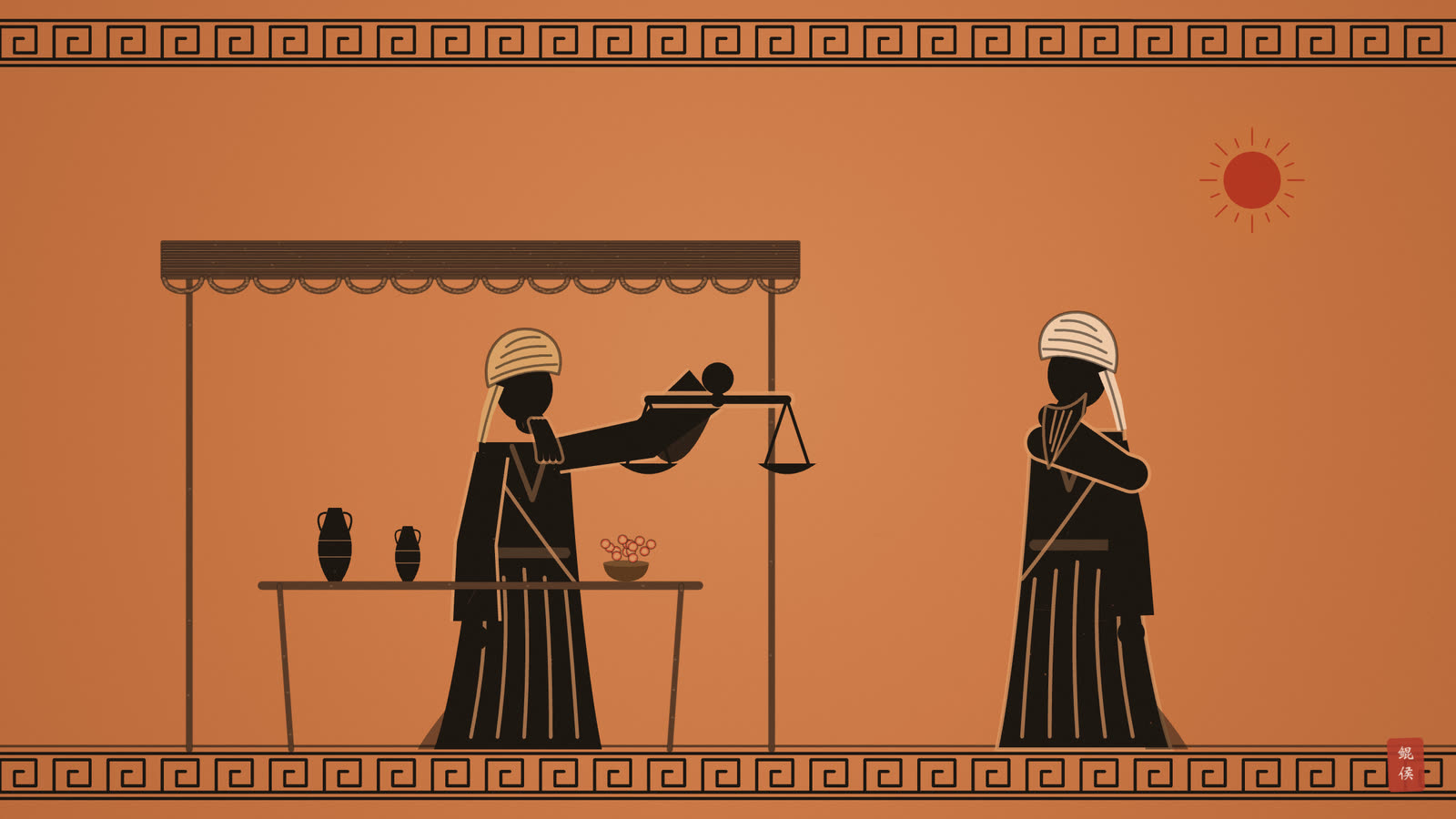
The root of this is the weakness of the foundations and the unsteadiness of their analogies. The practitioners of the art agreed among themselves to distribute colours, odours, tastes, properties, actions and characters among the planets according to their natures and their beneficence and maleficence; then they attributed the existing things to them in that measure, and in the measure of the times in which they come into being or are used. Seldom does one planet alone signify a thing; rather two planets or more share in it, through two manifest qualities being found in it that are attributed to two planets: as with honey, in which Mars shares by its heat and Venus by its moisture; and as with barberry (amīrbārīs), in which Saturn shares by its coldness and Mercury by its dryness. So when some of them attribute it to Saturn, it is because of the cold, and when another attributes it to Mercury, it is because of the dryness. These people have no rule in this subject that is free of disagreement; what is in their books is even contradictory. Sometimes several planets share in one thing, through several qualities and properties. And there are things that one planet signifies, and then the rest share with it in their species: as Venus, which signifies the sweet-scented herbs (rayāḥīn) as a whole because of the goodness of their scents; then Mars shares with her in the rose, because of the thorns on its bush, the redness of its colour and the sharpness in its scent that brings on catarrh; Jupiter shares with her in the narcissus, Saturn in the myrtle, the Sun in the water-lily (nīlūfar), Mercury in the basil (shāhisfaram) and the Moon in the violet. In the same way the planets divide among them the parts of a thing. Its example is in one particular tree: its trunk belongs to the Sun, its roots to Saturn, its thorns, branches and bark to Mars, its oil to Venus, the fruit to Jupiter, its leaves to the Moon and its seed to Mercury. They also divide the parts of one thing other than what we have mentioned in the tree, as the melon, for example: its body belongs to the Sun; its flesh and its juice to the Moon; the rind to Saturn; the scent and the colour to Venus; the taste to Jupiter; the seeds to Mercury; and the husk of the seeds and its shape to Mars.
翻译点开
§388. Why is one and the same thing that is signified repeated among the planets, and why is there disagreement about some of it?
第三百八十八问 为什么同一件被象征之物在诸行星之间重复出现,为什么其中有些会有分歧?
The root of this is the weakness of the foundations and the unsteadiness of their analogies. The practitioners of the art agreed among themselves to distribute colours, odours, tastes, properties, actions and characters among the planets according to their natures and their beneficence and maleficence; then they attributed the existing things to them in that measure, and in the measure of the times in which they come into being or are used. Seldom does one planet alone signify a thing; rather two planets or more share in it, through two manifest qualities being found in it that are attributed to two planets: as with honey, in which Mars shares by its heat and Venus by its moisture; and as with barberry (amīrbārīs), in which Saturn shares by its coldness and Mercury by its dryness. So when some of them attribute it to Saturn, it is because of the cold, and when another attributes it to Mercury, it is because of the dryness. These people have no rule in this subject that is free of disagreement; what is in their books is even contradictory. Sometimes several planets share in one thing, through several qualities and properties. And there are things that one planet signifies, and then the rest share with it in their species: as Venus, which signifies the sweet-scented herbs (rayāḥīn) as a whole because of the goodness of their scents; then Mars shares with her in the rose, because of the thorns on its bush, the redness of its colour and the sharpness in its scent that brings on catarrh; Jupiter shares with her in the narcissus, Saturn in the myrtle, the Sun in the water-lily (nīlūfar), Mercury in the basil (shāhisfaram) and the Moon in the violet. In the same way the planets divide among them the parts of a thing. Its example is in one particular tree: its trunk belongs to the Sun, its roots to Saturn, its thorns, branches and bark to Mars, its oil to Venus, the fruit to Jupiter, its leaves to the Moon and its seed to Mercury. They also divide the parts of one thing other than what we have mentioned in the tree, as the melon, for example: its body belongs to the Sun; its flesh and its juice to the Moon; the rind to Saturn; the scent and the colour to Venus; the taste to Jupiter; the seeds to Mercury; and the husk of the seeds and its shape to Mars.
这的根源在于基础薄弱、类推不稳。这门技艺的行家们彼此约定,把颜色、气味、味道、特性、作用与性情,按诸行星的本性及其吉凶分配给它们;然后按这个尺度,又按事物产生或被使用的时节,把现存的事物归于它们。很少有一颗行星单独主一样东西;而是两颗或更多行星分有它,因为在它身上可以见到两种显明的性质,分别归于两颗行星:如蜂蜜,火星以其热分有它,金星以其湿分有它;又如伏牛花,土星以其冷分有它,水星以其干分有它。所以当有人把它归于土星,是因为冷;另一人把它归于水星,是因为干。这些人在这个题目上没有一条免于分歧的规则;他们书里所写的甚至自相矛盾。有时好几颗行星凭几种性质与特性分有一样东西。也有些东西是一颗行星主的,然后其余行星在其品种上与它分有:如金星,因为香草气味美好而主全部香草;然后火星在玫瑰上与她分有,因为玫瑰枝上的刺、它颜色的红,以及它气味中引起鼻黏膜炎的辛烈;木星在水仙上与她分有,土星在桃金娘上,太阳在睡莲上,水星在罗勒上,月亮在紫罗兰上。同样,诸行星也在它们之间分配一样东西的各部分。它的例子是某一棵树:它的树干属太阳,根属土星,刺、枝与树皮属火星,它的油属金星,果实属木星,叶属月亮,种子属水星。它们也分配我们在树上提到的以外的某一样东西的各部分,例如甜瓜:它的瓜体属太阳;瓜肉与瓜汁属月亮;瓜皮属土星;香气与颜色属金星;味道属木星;瓜子属水星;瓜子的外壳与它的形状属火星。
大意与图解点开
🔎 大意:万物归属行星,是按冷热干湿与吉凶约定的,所以一物常因两种性质分属两星;一类之中各品分属诸星,一物各部也分属诸星。
📖 术语
| 术语 | 英文原词 | 意思 |
|---|---|---|
| 约定 | agreed among themselves | 行家相约的分配 |
| 伏牛花 | amīrbārīs | 小檗,果酸,性冷干 |
| 香草 | rayāḥīn | 有香气的花草 |
| 睡莲 | nīlūfar | 水生之花 |
| 罗勒 | shāhisfaram | 香草名 |
🧭 图解与讲解
第三百八十八问是全章最有批判意味的一问。为什么同一样东西,书里一会儿归这颗星、一会儿归那颗星?比鲁尼的回答是:根基薄弱、类推不稳。行家们先「约定」把颜色、气味、味道、性情按诸星的本性与吉凶分配,再按这个尺度、又按事物产生或使用的时节,把万物归给诸星。既是约定,就难免各说各话,「他们书里所写的甚至自相矛盾」。
〔图〕一物两质,分属两星:蜂蜜属火星与金星,伏牛花属土星与水星
| 行星 | 香草之中(金星总主) | 一棵树的各部分 | 甜瓜的各部分 |
|---|---|---|---|
| 太阳 | 睡莲 | 树干 | 瓜体 |
| 月亮 | 紫罗兰 | 叶 | 瓜肉与瓜汁 |
| 土星 | 桃金娘 | 根 | 瓜皮 |
| 木星 | 水仙 | 果实 | 味道 |
| 火星 | 玫瑰(刺、红、辛烈) | 刺、枝与树皮 | 瓜子的外壳与瓜的形状 |
| 金星 | (全部香草) | 油 | 香气与颜色 |
| 水星 | 罗勒 | 种子 | 瓜子 |
分歧的根源,是一物常有两种显明的性质(图一)。蜂蜜热而湿:热归火星,湿归金星;伏牛花(amīrbārīs,小檗的果实)冷而干:冷归土星,干归水星。于是有人把伏牛花归土星,有人归水星,各取一质,都不算错。这个分析完全建立在上一章第三百八十一问诸星的冷热干湿上。
另有两种分法(表二):一类之物由一星总主,其中各品再分给诸星,如香草总归金星,而玫瑰因刺、红色与辛烈之气又归火星,水仙归木星,睡莲归太阳,罗勒归水星,紫罗兰归月亮;一物的各部分也可分给诸星,如一棵树,树干属太阳、根属土星、果实属木星,又如甜瓜,瓜皮属土星、瓜子属水星、香气与颜色属金星。
瓦伦斯《选集》卷一第一章正是这种「分配」的例子:太阳主黄金、小麦与大麦,月亮主白银与玻璃,土星主铅、木材与石头,木星主锡,火星主铁、酒与豆类,金星主宝石与橄榄,水星主铜与一切钱币。托勒密《四书》卷一第四章则把诸星之力全部归结为生热、致冷、致湿、致燥。比鲁尼一面照录这些约定,一面指出它们的依据只是冷热干湿的类推,并不牢靠。
📖 术语
| 术语 | 英文原词 | 意思 |
|---|---|---|
| 约定 | agreed among themselves | 行家相约的分配 |
| 伏牛花 | amīrbārīs | 小檗,果酸,性冷干 |
| 香草 | rayāḥīn | 有香气的花草 |
| 睡莲 | nīlūfar | 水生之花 |
| 罗勒 | shāhisfaram | 香草名 |
🧭 图解与讲解
第三百八十八问是全章最有批判意味的一问。为什么同一样东西,书里一会儿归这颗星、一会儿归那颗星?比鲁尼的回答是:根基薄弱、类推不稳。行家们先「约定」把颜色、气味、味道、性情按诸星的本性与吉凶分配,再按这个尺度、又按事物产生或使用的时节,把万物归给诸星。既是约定,就难免各说各话,「他们书里所写的甚至自相矛盾」。
| 行星 | 香草之中(金星总主) | 一棵树的各部分 | 甜瓜的各部分 |
|---|---|---|---|
| 太阳 | 睡莲 | 树干 | 瓜体 |
| 月亮 | 紫罗兰 | 叶 | 瓜肉与瓜汁 |
| 土星 | 桃金娘 | 根 | 瓜皮 |
| 木星 | 水仙 | 果实 | 味道 |
| 火星 | 玫瑰(刺、红、辛烈) | 刺、枝与树皮 | 瓜子的外壳与瓜的形状 |
| 金星 | (全部香草) | 油 | 香气与颜色 |
| 水星 | 罗勒 | 种子 | 瓜子 |
分歧的根源,是一物常有两种显明的性质(图一)。蜂蜜热而湿:热归火星,湿归金星;伏牛花(amīrbārīs,小檗的果实)冷而干:冷归土星,干归水星。于是有人把伏牛花归土星,有人归水星,各取一质,都不算错。这个分析完全建立在上一章第三百八十一问诸星的冷热干湿上。
另有两种分法(表二):一类之物由一星总主,其中各品再分给诸星,如香草总归金星,而玫瑰因刺、红色与辛烈之气又归火星,水仙归木星,睡莲归太阳,罗勒归水星,紫罗兰归月亮;一物的各部分也可分给诸星,如一棵树,树干属太阳、根属土星、果实属木星,又如甜瓜,瓜皮属土星、瓜子属水星、香气与颜色属金星。
瓦伦斯《选集》卷一第一章正是这种「分配」的例子:太阳主黄金、小麦与大麦,月亮主白银与玻璃,土星主铅、木材与石头,木星主锡,火星主铁、酒与豆类,金星主宝石与橄榄,水星主铜与一切钱币。托勒密《四书》卷一第四章则把诸星之力全部归结为生热、致冷、致湿、致燥。比鲁尼一面照录这些约定,一面指出它们的依据只是冷热干湿的类推,并不牢靠。
§389. What is their signification of the directions?
I have not seen a rule for this in the introductions, except what al-Tabrīzī mentioned in the Book of Nativities about the directions of the triplicities: that Saturn signifies the east, Mars the west, Venus the south and Jupiter the north. But the Indians attribute the directions according to their azimuths, where Mercury and Jupiter are [strong] in the ascendant, the Sun and Mars in the tenth, Saturn in the seventh, and Venus and the Moon in the fourth [corrected: MS has Saturn, Venus and the Moon in the fourth]. This requires that the east be attributed to Mercury and Jupiter [corrected: MS has Mercury and Mars], and the north to Venus and the Moon. They also have an octagonal figure attributed to the Head, which they use in elections for contests and gambling: in it they put the Sun on the east, Jupiter on the south, Mars on what is between them, the Moon on what is between the south and the west, Saturn on what is between the west and the north, Mercury on the north and Venus on what is between it and the east; and on the west they put nothing.
翻译点开
§389. What is their signification of the directions?
第三百八十九问 它们在方位上主什么?
I have not seen a rule for this in the introductions, except what al-Tabrīzī mentioned in the Book of Nativities about the directions of the triplicities: that Saturn signifies the east, Mars the west, Venus the south and Jupiter the north. But the Indians attribute the directions according to their azimuths, where Mercury and Jupiter are [strong] in the ascendant, the Sun and Mars in the tenth, Saturn in the seventh, and Venus and the Moon in the fourth [corrected: MS has Saturn, Venus and the Moon in the fourth]. This requires that the east be attributed to Mercury and Jupiter [corrected: MS has Mercury and Mars], and the north to Venus and the Moon. They also have an octagonal figure attributed to the Head, which they use in elections for contests and gambling: in it they put the Sun on the east, Jupiter on the south, Mars on what is between them, the Moon on what is between the south and the west, Saturn on what is between the west and the north, Mercury on the north and Venus on what is between it and the east; and on the west they put nothing.
我在入门书里没有见过这方面的规则,只有塔布里齐在《本命之书》里就三方的方位所提到的:土星主东方,火星主西方,金星主南方,木星主北方。但印度人按诸行星的方位角来分配方位,水星与木星在上升点[有力],太阳与火星在第十宫,土星在第七宫,金星与月亮在第四宫〔抄本作土星、金星与月亮在第四宫,据算改正〕。这就要求把东方归于水星与木星〔抄本作水星与火星,据算改正〕,把北方归于金星与月亮。他们还有一个归于龙头的八角图,用在比赛与赌博的择时上:其中他们把太阳放在东方,木星放在南方,火星放在两者之间,月亮放在南与西之间,土星放在西与北之间,水星放在北方,金星放在北与东之间;西方则什么也不放。
大意与图解点开
🔎 大意:入门书无定规:塔布里齐以土东、火西、金南、木北;印度人按方位力,水木居东、日火居南、土居西、金月居北;另有龙头八角图。
📖 术语
| 术语 | 英文原词 | 意思 |
|---|---|---|
| 塔布里齐 | al-Tabrīzī | 著《本命之书》者 |
| 方位角 | azimuths | 地平上的方向 |
| 上升点 | the ascendant | 东方地平 |
| 八角图 | octagonal figure | 八方配七曜的图 |
| 择时 | elections | 选择行事的时刻 |
🧭 图解与讲解
第三百八十九问比鲁尼先坦白:入门书里没有这方面的规则。他只找到塔布里齐(al-Tabrīzī)《本命之书》的一条:土星主东,火星主西,金星主南,木星主北(表一)。这与托勒密《四书》卷二第三章、卷一第十八章以诸星配风的说法正好相合:土星「主东风」,木星「主北风」,金星「主南风」,火星主西风。塔布里齐的四星四方,看来就是从三方主星所生之风推来的。
| 方位 | 塔布里齐(三方的方位) | 印度:方位上有力之处(改正后) | 托勒密《四书》卷二第三章:所主之风 |
|---|---|---|---|
| 东 | 土星 | 水星、木星(上升点) | 土星主东风 |
| 南 | 金星 | 太阳、火星(第十宫) | 金星主南风 |
| 西 | 火星 | 土星(第七宫) | 火星主西风 |
| 北 | 木星 | 金星、月亮(第四宫) | 木星主北风 |
〔图〕龙头八角图:七曜分居八方,西方空着,用于比赛与赌博的择时
印度人的方法不同:看行星在地平上哪个方向最有力。水星、木星在上升点(东方地平),太阳、火星在第十宫(中天,即南方),土星在第七宫(西方),金星、月亮在第四宫(北方)。抄本这里有两处自相矛盾:先列土星与金星、月亮同在第四宫,后又推论东方属水星与「火星」;本站据校勘裁定改为土星在第七宫、东方属水星与木星,英译里注明「据算改正」。
印度人还有一个「龙头八角图」,专用在比赛与赌博的择时上:太阳在东,火星在东南,木星在南,月亮在西南,土星在西北,水星在北,金星在东北,西方空着不放(图二)。七曜只有七个,八方必空一方,空的是西方。比鲁尼只照录,没有说怎样用。
这一问很能代表比鲁尼的写法:先承认本门的入门书没有定规,再举一位穆斯林作者的说法,最后详列印度的两种做法,而且发现抄本或传本的自相矛盾时,用道理把它理顺。
📖 术语
| 术语 | 英文原词 | 意思 |
|---|---|---|
| 塔布里齐 | al-Tabrīzī | 著《本命之书》者 |
| 方位角 | azimuths | 地平上的方向 |
| 上升点 | the ascendant | 东方地平 |
| 八角图 | octagonal figure | 八方配七曜的图 |
| 择时 | elections | 选择行事的时刻 |
🧭 图解与讲解
第三百八十九问比鲁尼先坦白:入门书里没有这方面的规则。他只找到塔布里齐(al-Tabrīzī)《本命之书》的一条:土星主东,火星主西,金星主南,木星主北(表一)。这与托勒密《四书》卷二第三章、卷一第十八章以诸星配风的说法正好相合:土星「主东风」,木星「主北风」,金星「主南风」,火星主西风。塔布里齐的四星四方,看来就是从三方主星所生之风推来的。
| 方位 | 塔布里齐(三方的方位) | 印度:方位上有力之处(改正后) | 托勒密《四书》卷二第三章:所主之风 |
|---|---|---|---|
| 东 | 土星 | 水星、木星(上升点) | 土星主东风 |
| 南 | 金星 | 太阳、火星(第十宫) | 金星主南风 |
| 西 | 火星 | 土星(第七宫) | 火星主西风 |
| 北 | 木星 | 金星、月亮(第四宫) | 木星主北风 |
印度人的方法不同:看行星在地平上哪个方向最有力。水星、木星在上升点(东方地平),太阳、火星在第十宫(中天,即南方),土星在第七宫(西方),金星、月亮在第四宫(北方)。抄本这里有两处自相矛盾:先列土星与金星、月亮同在第四宫,后又推论东方属水星与「火星」;本站据校勘裁定改为土星在第七宫、东方属水星与木星,英译里注明「据算改正」。
印度人还有一个「龙头八角图」,专用在比赛与赌博的择时上:太阳在东,火星在东南,木星在南,月亮在西南,土星在西北,水星在北,金星在东北,西方空着不放(图二)。七曜只有七个,八方必空一方,空的是西方。比鲁尼只照录,没有说怎样用。
这一问很能代表比鲁尼的写法:先承认本门的入门书没有定规,再举一位穆斯林作者的说法,最后详列印度的两种做法,而且发现抄本或传本的自相矛盾时,用道理把它理顺。
§390. How are the days divided among them?
Begin with the first hour of the first of the days, which is Sunday, [giving it] to the planet that is the nearest cause of day and night and their driver, which is the Sun. Then the second hour [goes] to the planet that follows it in the order of the orbs from the top downward, which is Venus; the third hour to Mercury, the fourth to the Moon, the fifth to Saturn, and so on in sequence to the second day, which is Monday; and the turn of its first hour has fallen to the Moon, and the second to Saturn; and so on in this manner to the coming Sunday, when the turn of its first hour has returned to the Sun. By this the lords of the hours are known, and every day is attributed to the planet that has its first hour. Some people attributed the odd hours to maleness and the even ones to femaleness, and so made the first hour of every day masculine, the second feminine, the third masculine, and continued thus to the completion of the hours of the day.
翻译点开
§390. How are the days divided among them?
第三百九十问 诸日如何在它们之间分配?
Begin with the first hour of the first of the days, which is Sunday, [giving it] to the planet that is the nearest cause of day and night and their driver, which is the Sun. Then the second hour [goes] to the planet that follows it in the order of the orbs from the top downward, which is Venus; the third hour to Mercury, the fourth to the Moon, the fifth to Saturn, and so on in sequence to the second day, which is Monday; and the turn of its first hour has fallen to the Moon, and the second to Saturn; and so on in this manner to the coming Sunday, when the turn of its first hour has returned to the Sun. By this the lords of the hours are known, and every day is attributed to the planet that has its first hour. Some people attributed the odd hours to maleness and the even ones to femaleness, and so made the first hour of every day masculine, the second feminine, the third masculine, and continued thus to the completion of the hours of the day.
从第一日即星期日的第一小时开始,把它[交给]那颗作为昼夜最近之因、驱动昼夜的行星,即太阳。然后第二小时[交给]按天球次序从上往下紧随其后的那颗行星,即金星;第三小时交给水星,第四交给月亮,第五交给土星,如此依次到第二日,即星期一;它的第一小时的轮值落到了月亮,第二小时落到了土星;照这个方式一直到下一个星期日,它的第一小时的轮值又回到了太阳。由此可以知道诸时辰主星,每一日归属于掌有它第一小时的那颗行星。有些人把奇数小时归于阳性,把偶数小时归于阴性,于是把每一日的第一小时定为阳性,第二为阴性,第三为阳性,如此继续直到这一日的诸小时完毕。
大意与图解点开
🔎 大意:星期日第一小时属太阳,以下按天球次序从上往下逐时轮转,次日第一小时落到月亮;每日归其第一小时之主,即时辰主星之法。
📖 术语
| 术语 | 英文原词 | 意思 |
|---|---|---|
| 时辰主星 | lords of the hours | 主管某一小时的星 |
| 天球次序 | order of the orbs | 土木火日金水月 |
| 最近之因 | nearest cause | 直接造成昼夜者 |
| 轮值 | turn | 轮到某星当值 |
🧭 图解与讲解
第三百九十问讲七曜怎样分配一周七日(图一)。起点是星期日的第一小时,交给太阳,因为太阳是昼夜的「最近之因」与驱动者。以后每一小时按天球次序从上往下轮转:土星、木星、火星、太阳、金星、水星、月亮,月亮之后再回到土星。于是星期日第二小时属金星,第三属水星,第四属月亮,第五属土星……
〔图〕诸时辰按天球次序从上往下轮转:土、木、火、日、金、水、月
| 日 | 第一小时(日主) | 第二小时 | 第三小时 | 第八小时 | 第二十四小时 |
|---|---|---|---|---|---|
| 星期日 | 太阳 | 金星 | 水星 | 太阳 | 水星 |
| 星期一 | 月亮 | 土星 | 木星 | 月亮 | 木星 |
| 星期二 | 火星 | 太阳 | 金星 | 火星 | 金星 |
| 星期三 | 水星 | 月亮 | 土星 | 水星 | 土星 |
| 星期四 | 木星 | 火星 | 太阳 | 木星 | 太阳 |
| 星期五 | 金星 | 水星 | 月亮 | 金星 | 月亮 |
| 星期六 | 土星 | 木星 | 火星 | 土星 | 火星 |
一日二十四小时,二十四除以七余三,所以到第二十五小时,即星期一的第一小时,轮值落到月亮;以后每过一日,日主就在天球次序上前进三位,依次是太阳、月亮、火星、水星、木星、金星、土星,七日一轮,下一个星期日又回到太阳(表二)。每一日归掌有它第一小时的那颗星,这就是七曜之名配一周七日的由来,同时也定出了每一小时的时辰主星。
瓦伦斯《选集》卷一第十章用的是同一套次序:诸带的排列是土星、木星、火星、太阳、金星、水星、月亮,诸星配日的次序是太阳、月亮、火星、水星、木星、金星、土星。不同的是起算点:瓦伦斯的例子从「夜里第一小时」数起,夜里十二小时之后才是白天;比鲁尼从白天的第一小时数起。下一章第三百九十一问就要讲白昼之主与夜晚之主的分别。
末句另记一说:奇数小时为阳,偶数小时为阴,所以每日第一小时为阳,第二为阴,交替到底。比鲁尼只照录,没有评论。
📖 术语
| 术语 | 英文原词 | 意思 |
|---|---|---|
| 时辰主星 | lords of the hours | 主管某一小时的星 |
| 天球次序 | order of the orbs | 土木火日金水月 |
| 最近之因 | nearest cause | 直接造成昼夜者 |
| 轮值 | turn | 轮到某星当值 |
🧭 图解与讲解
第三百九十问讲七曜怎样分配一周七日(图一)。起点是星期日的第一小时,交给太阳,因为太阳是昼夜的「最近之因」与驱动者。以后每一小时按天球次序从上往下轮转:土星、木星、火星、太阳、金星、水星、月亮,月亮之后再回到土星。于是星期日第二小时属金星,第三属水星,第四属月亮,第五属土星……
| 日 | 第一小时(日主) | 第二小时 | 第三小时 | 第八小时 | 第二十四小时 |
|---|---|---|---|---|---|
| 星期日 | 太阳 | 金星 | 水星 | 太阳 | 水星 |
| 星期一 | 月亮 | 土星 | 木星 | 月亮 | 木星 |
| 星期二 | 火星 | 太阳 | 金星 | 火星 | 金星 |
| 星期三 | 水星 | 月亮 | 土星 | 水星 | 土星 |
| 星期四 | 木星 | 火星 | 太阳 | 木星 | 太阳 |
| 星期五 | 金星 | 水星 | 月亮 | 金星 | 月亮 |
| 星期六 | 土星 | 木星 | 火星 | 土星 | 火星 |
一日二十四小时,二十四除以七余三,所以到第二十五小时,即星期一的第一小时,轮值落到月亮;以后每过一日,日主就在天球次序上前进三位,依次是太阳、月亮、火星、水星、木星、金星、土星,七日一轮,下一个星期日又回到太阳(表二)。每一日归掌有它第一小时的那颗星,这就是七曜之名配一周七日的由来,同时也定出了每一小时的时辰主星。
瓦伦斯《选集》卷一第十章用的是同一套次序:诸带的排列是土星、木星、火星、太阳、金星、水星、月亮,诸星配日的次序是太阳、月亮、火星、水星、木星、金星、土星。不同的是起算点:瓦伦斯的例子从「夜里第一小时」数起,夜里十二小时之后才是白天;比鲁尼从白天的第一小时数起。下一章第三百九十一问就要讲白昼之主与夜晚之主的分别。
末句另记一说:奇数小时为阳,偶数小时为阴,所以每日第一小时为阳,第二为阴,交替到底。比鲁尼只照录,没有评论。
原文为公有领域古籍;翻译、印象画与图文解读由 AI 辅助生成,鲲侯审校。