卷八·第 378–382 问 半周、三方、模式与行星的性质
两至点分出上升、下降半周;三方各主一类火、草木、空气与水;模式配季节年龄方位;再论七曜的冷热干湿与吉凶。
§378. What are the ascending and the descending halves of the orb?
They are the two into which the two points of the solstices divide it. The signs of the ascending half are Capricorn, Aquarius, Pisces, Aries, Taurus and Gemini; and the signs of the descending half are the remaining six, their opposites. The Indians name each of these two halves: the ascending one of them [they call] udag, that is, the northern, because the Sun, even when it is in the part of it that inclines to the south, is nevertheless ascending toward its northern limit; and the descending one they call dakṣiṇāyana, that is, the southern, in the same way as we have said. The signs of the ascending half are also called crooked of rising, because their ascensions in the orb [of a town] fall short of their ascensions in the right orb. The crooked signs are also called obeying and the straight ones commanding, in the sense of agreement in path; that is because of every two of them that revolve on one orbit, if they are compared, the one in the descending half precedes, by the first motion, the one in the ascending half, so that it is as if it commands it and calls it, and the second obeys it by following, and the like.
翻译点开
§378. What are the ascending and the descending halves of the orb?
第三百七十八问 何谓天球的上升半周与下降半周?
They are the two into which the two points of the solstices divide it. The signs of the ascending half are Capricorn, Aquarius, Pisces, Aries, Taurus and Gemini; and the signs of the descending half are the remaining six, their opposites. The Indians name each of these two halves: the ascending one of them [they call] udag, that is, the northern, because the Sun, even when it is in the part of it that inclines to the south, is nevertheless ascending toward its northern limit; and the descending one they call dakṣiṇāyana, that is, the southern, in the same way as we have said. The signs of the ascending half are also called crooked of rising, because their ascensions in the orb [of a town] fall short of their ascensions in the right orb. The crooked signs are also called obeying and the straight ones commanding, in the sense of agreement in path; that is because of every two of them that revolve on one orbit, if they are compared, the one in the descending half precedes, by the first motion, the one in the ascending half, so that it is as if it commands it and calls it, and the second obeys it by following, and the like.
就是两个至点把天球分成的那两半。上升半周的星座是摩羯、水瓶、双鱼、白羊、金牛、双子;下降半周的星座是其余六个,即与它们相对的那些。印度人给这两半各起了名字:上升的那一半[他们称为]乌达格,意思是北方的,因为太阳即使在它偏南的那一部分里,也仍在向它的北方极限上升;下降的那一半他们称为达克希那耶那,意思是南方的,道理与我们所说的相同。上升半周的星座又称为升起弯曲的,因为它们在[某城的]天球上的上升时间,短于它们在正球上的上升时间。弯曲的星座又称为服从的,平直的称为命令的,这是就道路上相合的意思而言;因为在同一条周日圈上运行的每两个星座,若加以比较,在下降半周的那一个,凭第一运动走在上升半周那一个的前面,所以它好像在命令它、召唤它,而第二个以跟随来服从它,诸如此类。
大意与图解点开
🔎 大意:两至点分天球为两半:摩羯至双子为上升半周,升起弯曲,称服从;巨蟹至射手为下降半周,升起平直,称命令。
📖 术语
| 术语 | 英文原词 | 意思 |
|---|---|---|
| 至点 | solstices | 冬至、夏至之点 |
| 乌达格 | udag | 梵语「北行」 |
| 达克希那耶那 | dakṣiṇāyana | 梵语「南行」 |
| 升起弯曲 | crooked of rising | 斜升快、上升时间短 |
| 第一运动 | first motion | 天球每日东升西落 |
🧭 图解与讲解
第三百七十八问接着上一问末句,讲天球的两个半周:两个至点把黄道切成两半,从摩羯到双子是上升半周,从巨蟹到射手是下降半周(图一)。所谓「上升」,是太阳在这半年里一路向北极限走去;即使太阳还在偏南的摩羯、水瓶、双鱼,也已经在往北升。印度人把这两半叫作乌达格(udag,北行)与达克希那耶那(dakṣiṇāyana,南行),取的是同一个意思。
〔图〕两至点把黄道分成两半:摩羯至双子上升,巨蟹至射手下降
| 托勒密《四书》卷一第十四章 | 比鲁尼第三百七十八问 | |
|---|---|---|
| 命令者 | 夏半球的星座(白羊至处女) | 下降半周、升起平直的星座(巨蟹至射手) |
| 服从者 | 冬半球的星座(天秤至双鱼) | 上升半周、升起弯曲的星座(摩羯至双子) |
| 怎样配对 | 与同一分点等距,如白羊与双鱼 | 道路上相合,如巨蟹与双子 |
| 为何称命令 | 太阳在夏半球时白昼长于黑夜 | 在前的一座凭第一运动先行,如同发令召唤 |
上升半周的星座又称「升起弯曲」:在北方某城看,它们升起所需的时间短于在正球(赤道上)所需的时间,升得斜而快;下降半周的星座反之,升起平直。这是前几卷讲上升时间时已经铺好的知识,这里拿来给星座分类。瓦伦斯《选集》卷一第二章所说的「上行」「下行」,凡阳性星座都称上行,与此处按至点划分的上升半周不是一回事,不可混同。
比鲁尼又说,弯曲的星座称「服从」,平直的称「命令」,并且是按上一章的「道路相合」配对:同在一条周日圈上的两座,下降半周的那一座凭天球每日的第一运动走在前面,好像发令召唤,上升半周的那一座跟在后面服从。例如巨蟹命令、双子服从。
托勒密《四书》卷一第十四章也用「命令」「服从」二名,所指却是另一组(表二):与同一分点等距的两座,在夏半球的命令,在冬半球的服从,理由是太阳在夏半球「使白昼长于黑夜」。白羊命令双鱼,在托勒密是命令与服从,在比鲁尼却是力量相合。同一对名称,两家所指不同,读书时要先看是谁的体系。
📖 术语
| 术语 | 英文原词 | 意思 |
|---|---|---|
| 至点 | solstices | 冬至、夏至之点 |
| 乌达格 | udag | 梵语「北行」 |
| 达克希那耶那 | dakṣiṇāyana | 梵语「南行」 |
| 升起弯曲 | crooked of rising | 斜升快、上升时间短 |
| 第一运动 | first motion | 天球每日东升西落 |
🧭 图解与讲解
第三百七十八问接着上一问末句,讲天球的两个半周:两个至点把黄道切成两半,从摩羯到双子是上升半周,从巨蟹到射手是下降半周(图一)。所谓「上升」,是太阳在这半年里一路向北极限走去;即使太阳还在偏南的摩羯、水瓶、双鱼,也已经在往北升。印度人把这两半叫作乌达格(udag,北行)与达克希那耶那(dakṣiṇāyana,南行),取的是同一个意思。
| 托勒密《四书》卷一第十四章 | 比鲁尼第三百七十八问 | |
|---|---|---|
| 命令者 | 夏半球的星座(白羊至处女) | 下降半周、升起平直的星座(巨蟹至射手) |
| 服从者 | 冬半球的星座(天秤至双鱼) | 上升半周、升起弯曲的星座(摩羯至双子) |
| 怎样配对 | 与同一分点等距,如白羊与双鱼 | 道路上相合,如巨蟹与双子 |
| 为何称命令 | 太阳在夏半球时白昼长于黑夜 | 在前的一座凭第一运动先行,如同发令召唤 |
上升半周的星座又称「升起弯曲」:在北方某城看,它们升起所需的时间短于在正球(赤道上)所需的时间,升得斜而快;下降半周的星座反之,升起平直。这是前几卷讲上升时间时已经铺好的知识,这里拿来给星座分类。瓦伦斯《选集》卷一第二章所说的「上行」「下行」,凡阳性星座都称上行,与此处按至点划分的上升半周不是一回事,不可混同。
比鲁尼又说,弯曲的星座称「服从」,平直的称「命令」,并且是按上一章的「道路相合」配对:同在一条周日圈上的两座,下降半周的那一座凭天球每日的第一运动走在前面,好像发令召唤,上升半周的那一座跟在后面服从。例如巨蟹命令、双子服从。
托勒密《四书》卷一第十四章也用「命令」「服从」二名,所指却是另一组(表二):与同一分点等距的两座,在夏半球的命令,在冬半球的服从,理由是太阳在夏半球「使白昼长于黑夜」。白羊命令双鱼,在托勒密是命令与服从,在比鲁尼却是力量相合。同一对名称,两家所指不同,读书时要先看是谁的体系。
§379. What are the triplicities?
They are the signs that agree in nature in both of the two qualities and that fall in the orb at the angles of an equilateral triangle. For this reason the signs of a triplicity are counted as one thing, and their judgement is approximately one and alike. Aries, Leo and Sagittarius are the fiery triplicity, signifying gathering and comprehending. As for their signification of fire: Aries signifies fire blazing in its kindling; Leo, that which is latent in stones and trees; and Sagittarius, the innate fire which is in the bodies of animals. Taurus, Virgo and Capricorn [are the earthy triplicity]: Taurus [signifies] the grass and pasture that has no seed, Virgo what has grain and seed and small trees, and Capricorn the crops that grow tall and great. Gemini, Libra and Aquarius are the airy triplicity, signifying cooling: Gemini signifies living air, Libra fertilizing air, and Aquarius turbulent air and harmful gales. Cancer, Scorpio and Pisces are the watery triplicity, signifying water-pits (aḥsāʾ): Cancer signifies good, sweet waters; Scorpio mixed waters of violent current; and Pisces salt, foul-smelling waters.
翻译点开
§379. What are the triplicities?
第三百七十九问 何谓三方?
They are the signs that agree in nature in both of the two qualities and that fall in the orb at the angles of an equilateral triangle. For this reason the signs of a triplicity are counted as one thing, and their judgement is approximately one and alike. Aries, Leo and Sagittarius are the fiery triplicity, signifying gathering and comprehending. As for their signification of fire: Aries signifies fire blazing in its kindling; Leo, that which is latent in stones and trees; and Sagittarius, the innate fire which is in the bodies of animals. Taurus, Virgo and Capricorn [are the earthy triplicity]: Taurus [signifies] the grass and pasture that has no seed, Virgo what has grain and seed and small trees, and Capricorn the crops that grow tall and great. Gemini, Libra and Aquarius are the airy triplicity, signifying cooling: Gemini signifies living air, Libra fertilizing air, and Aquarius turbulent air and harmful gales. Cancer, Scorpio and Pisces are the watery triplicity, signifying water-pits (aḥsāʾ): Cancer signifies good, sweet waters; Scorpio mixed waters of violent current; and Pisces salt, foul-smelling waters.
就是在两种性质上本性都相合、在天球上落在一个等边三角形三个角上的星座。因此一个三方的诸星座被算作一体,它们的判断大致是同一的、相似的。白羊、狮子、射手是火象三方,主聚集与包容。至于它们对火的象征:白羊主正在点燃中熊熊燃烧的火;狮子主潜藏在石头与树木中的火;射手主动物体内天生的火。金牛、处女、摩羯[是土象三方]:金牛[主]没有种子的草与牧草,处女主有谷粒、有种子的东西与小树,摩羯主长得高大的庄稼。双子、天秤、水瓶是气象三方,主致冷:双子主有生气的空气,天秤主使万物受孕的空气,水瓶主扰动的空气与有害的狂风。巨蟹、天蝎、双鱼是水象三方,主沙底水坑:巨蟹主好的甜水;天蝎主水流湍急的混杂之水;双鱼主咸而发臭的水。
大意与图解点开
🔎 大意:三方是寒热干湿全同、成等边三角的三座,判断大致同一;每组三座又分主同一象的三种:三种火、三种草木、三种气、三种水。
📖 术语
| 术语 | 英文原词 | 意思 |
|---|---|---|
| 三方 | triplicities | 同象的三座 |
| 等边三角形 | equilateral triangle | 三边相等的三角 |
| 聚集与包容 | gathering and comprehending | 火象三方所主 |
| 致冷 | cooling | 气象三方所主 |
| 沙底水坑 | aḥsāʾ | 沙下渗水的浅坑 |
🧭 图解与讲解
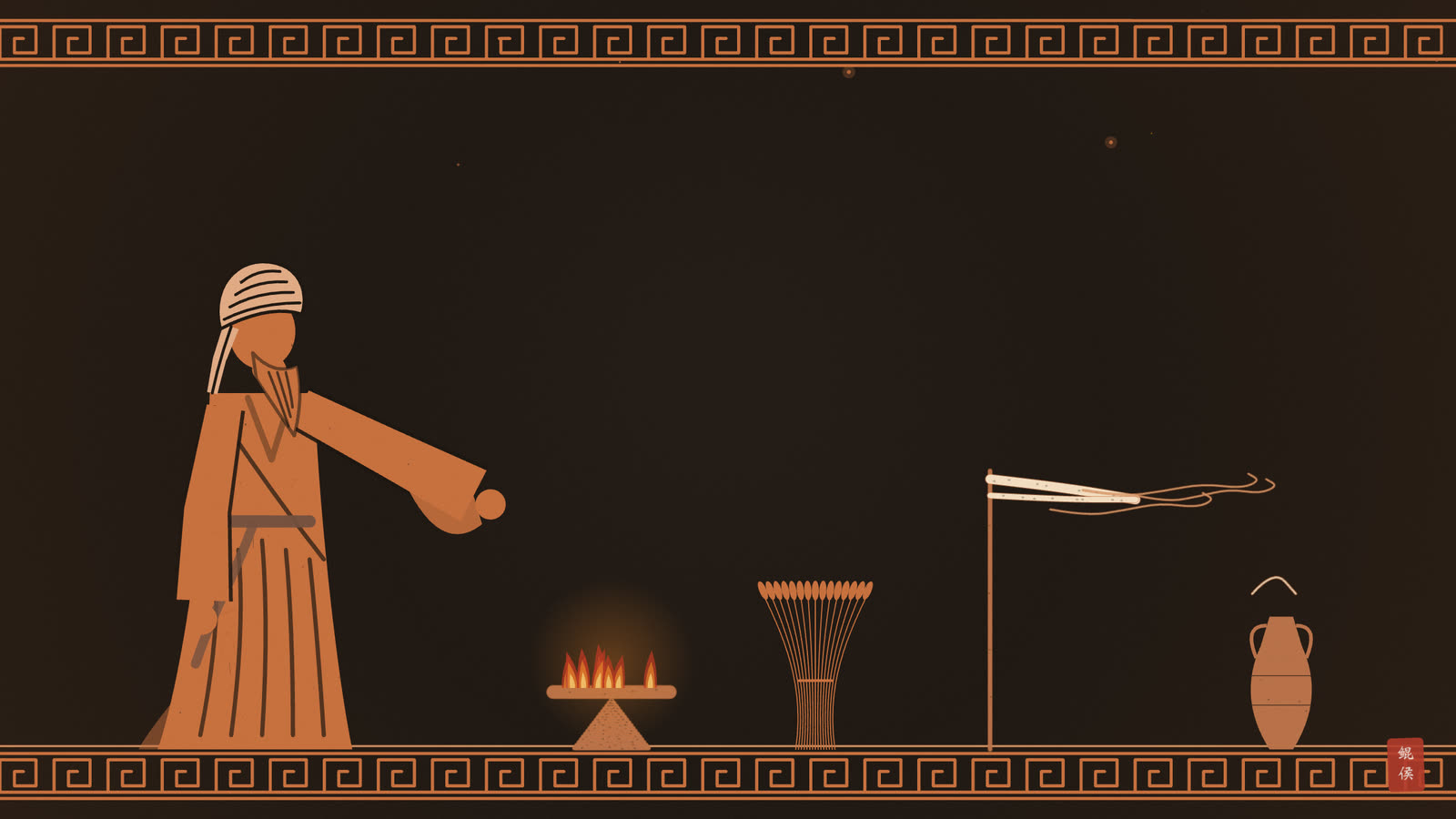
第三百七十九问给三方下定义:两种性质(寒热、干湿)都相合的三座,在天球上恰好落在一个等边三角形的三个角上(图一)。所以一个三方的三座「被算作一体」,判断大致相同。托勒密《四书》卷一第十八章讲三方,开头也说「三角形、等边形与自身最为和谐」,但他的论证落在阴阳、庙主与昼夜之分上,比鲁尼则直接从上一章的寒热干湿推出。
〔图〕同质三座成等边三角,每一座各主同一象中的一种
| 三方 | 比鲁尼:所主 | 托勒密《四书》卷一第十八章:主星 | 瓦伦斯《选集》卷二第一章:主星 |
|---|---|---|---|
| 火:白羊、狮子、射手 | 聚集与包容;三种火 | 昼太阳,夜木星 | 昼太阳,夜木星,土星协作 |
| 土:金牛、处女、摩羯 | 三种草木庄稼 | 夜月亮,昼金星 | 夜月亮、昼金星为首,火星第三 |
| 气:双子、天秤、水瓶 | 致冷;三种空气 | 昼土星,夜水星 | 昼土星,夜水星,木星第三 |
| 水:巨蟹、天蝎、双鱼 | 沙底水坑;三种水 | 火星,夜月亮、昼金星共主 | 夜火星、昼金星为首,月亮第三 |
比鲁尼的新意在于每一组三座再细分同一象中的三种:火象三方里,白羊是正在燃烧的火,狮子是潜藏在石头与树木里的火(击石取火、钻木取火),射手是动物体内天生的火(体温);土象三方里,金牛是无籽的草,处女是谷物与小树,摩羯是高大的庄稼。这种一象三分的说法,本站所收的托勒密与瓦伦斯两书都没有。
气象三方主「致冷」,双子是有生气的空气,天秤是使万物受孕的空气,水瓶是扰动的空气与狂风;水象三方主沙底水坑(aḥsāʾ,沙漠里沙层下渗出的浅水),巨蟹是甜水,天蝎是湍急的混杂之水,双鱼是咸而发臭的水。这与上一章草木水风火表的说法一一对应,例如那张表里天秤主「使树受粉的风」,水瓶主「拔树毁城之风」。
三方主星(每组三方由哪几颗行星主管)比鲁尼这一问没有讲。表二把本站所收两书的说法并列以便对照:托勒密与瓦伦斯的昼夜主星大致相同,瓦伦斯另给每组加一颗第三位的协作之星。
📖 术语
| 术语 | 英文原词 | 意思 |
|---|---|---|
| 三方 | triplicities | 同象的三座 |
| 等边三角形 | equilateral triangle | 三边相等的三角 |
| 聚集与包容 | gathering and comprehending | 火象三方所主 |
| 致冷 | cooling | 气象三方所主 |
| 沙底水坑 | aḥsāʾ | 沙下渗水的浅坑 |
🧭 图解与讲解
第三百七十九问给三方下定义:两种性质(寒热、干湿)都相合的三座,在天球上恰好落在一个等边三角形的三个角上(图一)。所以一个三方的三座「被算作一体」,判断大致相同。托勒密《四书》卷一第十八章讲三方,开头也说「三角形、等边形与自身最为和谐」,但他的论证落在阴阳、庙主与昼夜之分上,比鲁尼则直接从上一章的寒热干湿推出。
| 三方 | 比鲁尼:所主 | 托勒密《四书》卷一第十八章:主星 | 瓦伦斯《选集》卷二第一章:主星 |
|---|---|---|---|
| 火:白羊、狮子、射手 | 聚集与包容;三种火 | 昼太阳,夜木星 | 昼太阳,夜木星,土星协作 |
| 土:金牛、处女、摩羯 | 三种草木庄稼 | 夜月亮,昼金星 | 夜月亮、昼金星为首,火星第三 |
| 气:双子、天秤、水瓶 | 致冷;三种空气 | 昼土星,夜水星 | 昼土星,夜水星,木星第三 |
| 水:巨蟹、天蝎、双鱼 | 沙底水坑;三种水 | 火星,夜月亮、昼金星共主 | 夜火星、昼金星为首,月亮第三 |
比鲁尼的新意在于每一组三座再细分同一象中的三种:火象三方里,白羊是正在燃烧的火,狮子是潜藏在石头与树木里的火(击石取火、钻木取火),射手是动物体内天生的火(体温);土象三方里,金牛是无籽的草,处女是谷物与小树,摩羯是高大的庄稼。这种一象三分的说法,本站所收的托勒密与瓦伦斯两书都没有。
气象三方主「致冷」,双子是有生气的空气,天秤是使万物受孕的空气,水瓶是扰动的空气与狂风;水象三方主沙底水坑(aḥsāʾ,沙漠里沙层下渗出的浅水),巨蟹是甜水,天蝎是湍急的混杂之水,双鱼是咸而发臭的水。这与上一章草木水风火表的说法一一对应,例如那张表里天秤主「使树受粉的风」,水瓶主「拔树毁城之风」。
三方主星(每组三方由哪几颗行星主管)比鲁尼这一问没有讲。表二把本站所收两书的说法并列以便对照:托勒密与瓦伦斯的昼夜主星大致相同,瓦伦斯另给每组加一颗第三位的协作之星。
§380. What are the quadruplicities?
The signs of the seasons: Aries, Taurus and Gemini are vernal, signifying motion; of the ages, youth; of the directions, the east, its wind being ṣabā; and of the quarters of the day and night, the first of them. Cancer, Leo and Virgo are summer signs, signifying rest; of the ages, young manhood; of the directions, the south, its wind being janūb; and of the quarters of the night and day, the second of them. Libra, Scorpio and Sagittarius are autumnal, signifying motion; of the ages, middle age; of the directions, the west, its wind being dabūr; and of the quarters of the night and day, the third of them. Capricorn, Aquarius and Pisces are wintry, signifying rest; of the ages, old age; of the directions, the north, its wind being shamāl; and of the quarters of the day and night, the fourth of them. The first sign of every season is called tropical; the second, fixed, in which the season is fixed in the truth of its nature; and the third, bicorporeal. Each kind of these three kinds falls on a square: Aries, Cancer, Libra and Capricorn are the tropical quadruplicity, signifying calm, cleanliness, intelligence, study of the sciences and of obscure causes. Taurus, Leo, Scorpio and Aquarius are the fixed quadruplicity, signifying forbearance, deliberation, fairness, affection and many quarrels; and sometimes they signify hard mountains [text uncertain], endurance in work and toil. Gemini, Virgo, Sagittarius and Pisces are the bicorporeal quadruplicity, signifying mixing, lightness, levity, love of amusement, little shame, diversity of affairs, changing with two colours, and travellers [text uncertain]. In general, the fixed signs are the clearest in signification in what they signify, and the bicorporeal are more fitting than the tropical in what lies between them. Let us now return to the conditions of the planets by themselves, for they stand to the signs as spirits to bodies, their innate disposition changing through their dwelling in them, just as the soul follows the temperament of the body, and becomes angry, glad and sad according to the predominance of the humours and their stirring in the body, and its states come to resemble its state.
翻译点开
§380. What are the quadruplicities?
第三百八十问 何谓模式?
The signs of the seasons: Aries, Taurus and Gemini are vernal, signifying motion; of the ages, youth; of the directions, the east, its wind being ṣabā; and of the quarters of the day and night, the first of them. Cancer, Leo and Virgo are summer signs, signifying rest; of the ages, young manhood; of the directions, the south, its wind being janūb; and of the quarters of the night and day, the second of them. Libra, Scorpio and Sagittarius are autumnal, signifying motion; of the ages, middle age; of the directions, the west, its wind being dabūr; and of the quarters of the night and day, the third of them. Capricorn, Aquarius and Pisces are wintry, signifying rest; of the ages, old age; of the directions, the north, its wind being shamāl; and of the quarters of the day and night, the fourth of them. The first sign of every season is called tropical; the second, fixed, in which the season is fixed in the truth of its nature; and the third, bicorporeal. Each kind of these three kinds falls on a square: Aries, Cancer, Libra and Capricorn are the tropical quadruplicity, signifying calm, cleanliness, intelligence, study of the sciences and of obscure causes. Taurus, Leo, Scorpio and Aquarius are the fixed quadruplicity, signifying forbearance, deliberation, fairness, affection and many quarrels; and sometimes they signify hard mountains [text uncertain], endurance in work and toil. Gemini, Virgo, Sagittarius and Pisces are the bicorporeal quadruplicity, signifying mixing, lightness, levity, love of amusement, little shame, diversity of affairs, changing with two colours, and travellers [text uncertain]. In general, the fixed signs are the clearest in signification in what they signify, and the bicorporeal are more fitting than the tropical in what lies between them. Let us now return to the conditions of the planets by themselves, for they stand to the signs as spirits to bodies, their innate disposition changing through their dwelling in them, just as the soul follows the temperament of the body, and becomes angry, glad and sad according to the predominance of the humours and their stirring in the body, and its states come to resemble its state.
就是季节的星座:白羊、金牛、双子是春季的,主运动;在年龄中主少年;在方位中主东方,它的风是萨巴风;在昼夜的四分中主第一分。巨蟹、狮子、处女是夏季星座,主静止;在年龄中主青壮年;在方位中主南方,它的风是贾努布风;在夜与昼的四分中主第二分。天秤、天蝎、射手是秋季的,主运动;在年龄中主中年;在方位中主西方,它的风是达布尔风;在夜与昼的四分中主第三分。摩羯、水瓶、双鱼是冬季的,主静止;在年龄中主老年;在方位中主北方,它的风是沙马勒风;在昼与夜的四分中主第四分。每个季节的第一个星座称为启动的;第二个称为固定的,季节在其中固定于它本性的真实;第三个称为双体的。这三类中的每一类都落在一个正方形上:白羊、巨蟹、天秤、摩羯是启动模式,主平静、洁净、聪慧、研习学问与探究隐微的原因。金牛、狮子、天蝎、水瓶是固定模式,主宽忍、审慎、公道、亲爱与多争讼;有时也主坚硬的山〔原文疑有讹误〕、耐于工作与劳苦。双子、处女、射手、双鱼是双体模式,主混杂、轻浮、轻佻、好游乐、少羞耻、事务多样、两色变换,以及行旅之人〔原文疑有讹误〕。总的说来,固定星座在它们所主之事上象征最为明确,而双体星座在两者之间的事上比启动星座更合宜。现在让我们回到行星本身的情形,因为它们之于星座,就像灵魂之于身体,它们天生的禀性因居住在星座里而改变,正如灵魂随顺身体的气质,按体液的偏胜与它们在体内的激荡而发怒、欢喜、悲伤,它的状态变得与身体的状态相似。
大意与图解点开
🔎 大意:三座一季,配年龄、方位、风与昼夜四分;每季首座启动、次座固定、末座双体,同类四座成方,各主一类性情。
📖 术语
| 术语 | 英文原词 | 意思 |
|---|---|---|
| 模式 | quadruplicities | 同类四座成正方 |
| 启动 | tropical | 每季第一座 |
| 固定 | fixed | 每季第二座 |
| 双体 | bicorporeal | 每季第三座 |
| 气质 | temperament | 体液调和的状态 |
🧭 图解与讲解
第三百八十问先把十二座按季节分成四组,每组三座,各配动静、年龄、方位与风、昼夜四分(表二)。春秋主运动,冬夏主静止;方位与风正与上一章相合:春季三座白羊、金牛、双子分别是东、南、西三方的「正中」,而这里整组春季星座归东方。年龄的配法与托勒密《四书》卷一第十章相同:最早的年岁「就像春天」,第二个年龄段如夏,已过盛年如秋,走向消解如冬。
〔图〕每季三座依次为启动、固定、双体;同类四座各成一个正方形
| 季节 | 星座 | 动静 | 年龄 | 方位与风 | 昼夜四分 |
|---|---|---|---|---|---|
| 春 | 白羊、金牛、双子 | 运动 | 少年 | 东方,萨巴风 | 第一分 |
| 夏 | 巨蟹、狮子、处女 | 静止 | 青壮年 | 南方,贾努布风 | 第二分 |
| 秋 | 天秤、天蝎、射手 | 运动 | 中年 | 西方,达布尔风 | 第三分 |
| 冬 | 摩羯、水瓶、双鱼 | 静止 | 老年 | 北方,沙马勒风 | 第四分 |
每季第一座叫启动,第二座叫固定,第三座叫双体(图一)。比鲁尼说固定星座是「季节在其中固定于它本性的真实」。托勒密《四书》卷一第十一章的解释略有不同:太阳在固定星座时,那一季的湿、热、燥、冷「更牢固地触及我们」,并不是天气本身更甚,而是我们已经久经其中;双体星座介于两季之间,「兼有两种天气状态的自然特性」。
同类四座各成一个正方形,比鲁尼称为「模式」(阿拉伯原词字面是「方形」),各主一类性情:启动模式主平静、聪慧、研究学问;固定模式主宽忍、审慎、公道,也主多争讼与耐劳;双体模式主混杂、轻浮、好游乐、事务多样。「坚硬的山」「行旅之人」两处抄本疑有讹误,本站校勘疑「山」是「争辩」之误,未径改,照英译标出。注意「模式」指同类四座,不作「四正」,以免与宫位上的「四角」相混;它与「四角」(上升、中天、下降、天底)不同。
本问末尾一段是转题:星座讲完,回到行星。比鲁尼打了个比方:行星之于星座,如灵魂之于身体,行星的禀性因所居的星座而改变,正像人的心情随体液的偏胜而喜怒哀乐。这为下面论行星性质、以及第三百八十七问「象征随情形而变」埋下伏笔。
📖 术语
| 术语 | 英文原词 | 意思 |
|---|---|---|
| 模式 | quadruplicities | 同类四座成正方 |
| 启动 | tropical | 每季第一座 |
| 固定 | fixed | 每季第二座 |
| 双体 | bicorporeal | 每季第三座 |
| 气质 | temperament | 体液调和的状态 |
🧭 图解与讲解
第三百八十问先把十二座按季节分成四组,每组三座,各配动静、年龄、方位与风、昼夜四分(表二)。春秋主运动,冬夏主静止;方位与风正与上一章相合:春季三座白羊、金牛、双子分别是东、南、西三方的「正中」,而这里整组春季星座归东方。年龄的配法与托勒密《四书》卷一第十章相同:最早的年岁「就像春天」,第二个年龄段如夏,已过盛年如秋,走向消解如冬。
| 季节 | 星座 | 动静 | 年龄 | 方位与风 | 昼夜四分 |
|---|---|---|---|---|---|
| 春 | 白羊、金牛、双子 | 运动 | 少年 | 东方,萨巴风 | 第一分 |
| 夏 | 巨蟹、狮子、处女 | 静止 | 青壮年 | 南方,贾努布风 | 第二分 |
| 秋 | 天秤、天蝎、射手 | 运动 | 中年 | 西方,达布尔风 | 第三分 |
| 冬 | 摩羯、水瓶、双鱼 | 静止 | 老年 | 北方,沙马勒风 | 第四分 |
每季第一座叫启动,第二座叫固定,第三座叫双体(图一)。比鲁尼说固定星座是「季节在其中固定于它本性的真实」。托勒密《四书》卷一第十一章的解释略有不同:太阳在固定星座时,那一季的湿、热、燥、冷「更牢固地触及我们」,并不是天气本身更甚,而是我们已经久经其中;双体星座介于两季之间,「兼有两种天气状态的自然特性」。
同类四座各成一个正方形,比鲁尼称为「模式」(阿拉伯原词字面是「方形」),各主一类性情:启动模式主平静、聪慧、研究学问;固定模式主宽忍、审慎、公道,也主多争讼与耐劳;双体模式主混杂、轻浮、好游乐、事务多样。「坚硬的山」「行旅之人」两处抄本疑有讹误,本站校勘疑「山」是「争辩」之误,未径改,照英译标出。注意「模式」指同类四座,不作「四正」,以免与宫位上的「四角」相混;它与「四角」(上升、中天、下降、天底)不同。
本问末尾一段是转题:星座讲完,回到行星。比鲁尼打了个比方:行星之于星座,如灵魂之于身体,行星的禀性因所居的星座而改变,正像人的心情随体液的偏胜而喜怒哀乐。这为下面论行星性质、以及第三百八十七问「象征随情形而变」埋下伏笔。
§381. What are the natures of the planets?
The planets have, among the things that receive [their influence], an action and an effect. What is found of the effect of Saturn is cold and dryness in excess; of Jupiter, heat, and what falls short of it, in moderation; of Mars, heat and dryness in excess; of the Sun, heat and dryness, not to the extreme, but in a lesser amount than Mars has, its heat being stronger than its dryness; of Venus, cold and moisture in moderation, its moisture exceeding its coldness. As for Mercury, cold and dryness, not to the extreme, prevail in him, dryness having the preponderance in him; then he changes according to what he mixes with and passes over to its nature. As for the Moon, she is cold, not to the extreme, and moist; sometimes she falls short of coldness, sometimes she falls short in dryness, and sometimes she exceeds both; except that, because of the accidental heat in her from the light acquired from the Sun, she changes in the quarters of the months, from the first appearance of the crescent, after the analogy of the seasons of the year: in the first of them she is of the nature of spring, hot and moist; in the second, of the nature of summer, hot and dry; in the third, cold and dry; and in the last, cold and moist. Some people said that the moisture of the Moon is predominant and does not leave her, so that she is always moist; she only inclines with it toward warmth in the first half, so long as her light is growing, then inclines with it toward cold in the last half, and the warmth leaves her. That is through the decrease of the light in her body; for the acquired accident, when it ceases, leaves with her nothing but the return to her nature.
翻译点开
§381. What are the natures of the planets?
第三百八十一问 诸行星的性质如何?
The planets have, among the things that receive [their influence], an action and an effect. What is found of the effect of Saturn is cold and dryness in excess; of Jupiter, heat, and what falls short of it, in moderation; of Mars, heat and dryness in excess; of the Sun, heat and dryness, not to the extreme, but in a lesser amount than Mars has, its heat being stronger than its dryness; of Venus, cold and moisture in moderation, its moisture exceeding its coldness. As for Mercury, cold and dryness, not to the extreme, prevail in him, dryness having the preponderance in him; then he changes according to what he mixes with and passes over to its nature. As for the Moon, she is cold, not to the extreme, and moist; sometimes she falls short of coldness, sometimes she falls short in dryness, and sometimes she exceeds both; except that, because of the accidental heat in her from the light acquired from the Sun, she changes in the quarters of the months, from the first appearance of the crescent, after the analogy of the seasons of the year: in the first of them she is of the nature of spring, hot and moist; in the second, of the nature of summer, hot and dry; in the third, cold and dry; and in the last, cold and moist. Some people said that the moisture of the Moon is predominant and does not leave her, so that she is always moist; she only inclines with it toward warmth in the first half, so long as her light is growing, then inclines with it toward cold in the last half, and the warmth leaves her. That is through the decrease of the light in her body; for the acquired accident, when it ceases, leaves with her nothing but the return to her nature.
诸行星对承受[其影响]的事物,有一种作用与效果。土星的效果所见是过度的冷与干;木星是热,以及次于热的那一质,都适中;火星是过度的热与干;太阳是热与干,但不到极点,分量少于火星,它的热强于它的干;金星是适中的冷与湿,它的湿多于它的冷。至于水星,在他身上占上风的是冷与干,但不到极点,其中以干为主;然后他随所混合的对象而改变,转入它的本性。至于月亮,她冷,但不到极点,而且湿;有时她冷得不足,有时干得不足,有时两者都超过;只是由于她从太阳获得的光而在她身上有偶然的热,她从新月初现起,按一年四季的类比,在每月的四分中变化:在第一分她具春天的本性,热而湿;在第二分具夏天的本性,热而干;在第三分冷而干;在最后一分冷而湿。有些人说,月亮的湿占主导,从不离开她,所以她总是湿的;她只是在前半月光增长期间,带着湿偏向温暖,然后在后半月带着湿偏向寒冷,温暖离开她。那是由于她身上的光减少;因为获得的偶性一旦消失,留给她的就只有回到她的本性。
大意与图解点开
🔎 大意:土星过冷过干,火星过热过干,木星适中,太阳热干而不极,金星冷湿适中,水星冷干而随所合;月亮冷湿,随月相如四季而变。
📖 术语
| 术语 | 英文原词 | 意思 |
|---|---|---|
| 作用 | action | 行星施于万物 |
| 效果 | effect | 万物所受的影响 |
| 偶然的热 | accidental heat | 月亮借日光而有 |
| 偶性 | accident | 非本性所有之质 |
| 月的四分 | quarters of the months | 新月到上弦等四段 |
🧭 图解与讲解
第三百八十一问讲七曜的性质,仍用冷热干湿:土星冷干都过度,火星热干都过度,太阳热干而不到极点、热强于干,木星是「热,以及次于热的那一质」,都适中(抄本确作 والذي دونه,「次于热的那一质」指湿,即木星热而湿、湿少于热),金星冷湿适中、湿多于冷,水星冷干不到极点、以干为主,又随所合之星改变(表一)。比鲁尼这里只说结论,不讲理由。
| 行星 | 比鲁尼(第三百八十一问) | 托勒密《四书》卷一第四章 |
|---|---|---|
| 土星 | 冷与干,皆过度 | 主要致冷,适度致燥 |
| 木星 | 热,及次于热的一质,皆适中 | 既生热又致湿,热较大;作用温和 |
| 火星 | 热与干,皆过度 | 主要致燥与灼烧 |
| 太阳 | 热与干,不到极点;热强于干 | 生热,一定程度上致燥 |
| 金星 | 冷与湿,适中;湿多于冷 | 适度生暖,主要致湿 |
| 水星 | 冷与干,不到极点,以干为主;随所合而变 | 时而致燥,时而致湿,变换很快 |
| 月亮 | 冷而湿,不到极点;随月相而变 | 大半致湿,也适度生热 |
| 月相 | 比鲁尼(比作四季) | 托勒密《四书》卷一第八章 |
|---|---|---|
| 第一分:新月到上弦 | 春:热而湿 | 较多致湿 |
| 第二分:上弦到满月 | 夏:热而干 | 较多生热 |
| 第三分:满月到下弦 | 冷而干 | 较多致燥 |
| 第四分:下弦到月尽 | 冷而湿 | 较多致冷 |
托勒密《四书》卷一第四章给的是自然学理由:土星离太阳的热与大地的湿气都最远,所以冷;火星紧挨在太阳的天球之上,所以燥而灼;木星夹在土星的冷与火星的热之间,所以温和;金星「因为靠近太阳而适度生暖,但主要是致湿」。两家最大的分歧在金星:托勒密说她生暖,比鲁尼说她冷。土星的干,托勒密只说「适度」,比鲁尼说「过度」,这正是比鲁尼下一问判吉凶的依据。
月亮一段最细(表二)。她本性冷湿,但从太阳借来的光给了她「偶然的热」,所以从新月起,每月四分像一年四季:第一分如春热湿,第二分如夏热干,第三分冷干,第四分冷湿。托勒密《四书》卷一第八章也把月亮分四段:新月到上弦「较多致湿」,上弦到满月较多生热,满月到下弦较多致燥,下弦到隐没较多致冷,排法与四季同理,只是每段只说偏重的一质。
比鲁尼又记另一说:月亮的湿始终不离,只在前半月光增长时偏暖,后半月偏冷,因为借来的光一消失,她就回到本性。中间「有时冷得不足,有时干得不足,有时两者都超过」一句,对过原图(第五〇一页),抄本确作「干」(اليبوسة);月亮本性冷而湿,这里说的应是冷与湿两质时有不足、时有过之,「干」当是「湿」之误,本站照抄本译出,读者可按「湿」理解。
§382. What is their condition in maleficence and beneficence?
Saturn and Mars are malefics without qualification, Saturn the greater of them and Mars the lesser; Jupiter and Venus are benefics without qualification, Jupiter the greater of them and Venus the lesser. So Jupiter stands over against Saturn in dissolving the maleficence that he ties, and Venus over against Mars in the same. The Sun is benefic by aspect and distance, malefic by conjunction and nearness. Mercury in this matter is as he is in nature: he conforms to the malefics in maleficence and to the benefics in beneficence, and when he is alone he inclines to beneficence. As for the Moon, she is benefic, except that her positions with respect to the planets change much, because of the speed of her motion. The benefics in general are good; their action is good, justice, righteousness, safety, purity, good character, joy, rest, beauty and the virtues; if they are strong they are affectionate and friendly to one another, and if weak they help one another. The malefics in general are obstructive and harmful; their action is injustice, corruption, sadness, impurity, pain, griefs, confusion, ingratitude, doubt, ugliness and all the vices; if they are strong they oppose one another and are hostile to one another, and if weak they fail and forsake one another. Some people said of Saturn that his first part is malefic owing to Mars and his last part benefic owing to Jupiter, through his sharing their conditions; and they said of Mars that his first part is benefic and his last malefic, and of the Sun that its first part is benefic and its last malefic. The one of them who said this did not verify it for these two; for the principle in this matter is that every planet that is excessive in its effect in both qualities together is attributed to maleficence, and every planet whose qualities differ in amount is not given the name of beneficence or maleficence except with a condition.
翻译点开
§382. What is their condition in maleficence and beneficence?
第三百八十二问 它们在凶与吉上的情形如何?
Saturn and Mars are malefics without qualification, Saturn the greater of them and Mars the lesser; Jupiter and Venus are benefics without qualification, Jupiter the greater of them and Venus the lesser. So Jupiter stands over against Saturn in dissolving the maleficence that he ties, and Venus over against Mars in the same. The Sun is benefic by aspect and distance, malefic by conjunction and nearness. Mercury in this matter is as he is in nature: he conforms to the malefics in maleficence and to the benefics in beneficence, and when he is alone he inclines to beneficence. As for the Moon, she is benefic, except that her positions with respect to the planets change much, because of the speed of her motion. The benefics in general are good; their action is good, justice, righteousness, safety, purity, good character, joy, rest, beauty and the virtues; if they are strong they are affectionate and friendly to one another, and if weak they help one another. The malefics in general are obstructive and harmful; their action is injustice, corruption, sadness, impurity, pain, griefs, confusion, ingratitude, doubt, ugliness and all the vices; if they are strong they oppose one another and are hostile to one another, and if weak they fail and forsake one another. Some people said of Saturn that his first part is malefic owing to Mars and his last part benefic owing to Jupiter, through his sharing their conditions; and they said of Mars that his first part is benefic and his last malefic, and of the Sun that its first part is benefic and its last malefic. The one of them who said this did not verify it for these two; for the principle in this matter is that every planet that is excessive in its effect in both qualities together is attributed to maleficence, and every planet whose qualities differ in amount is not given the name of beneficence or maleficence except with a condition.
土星与火星是无条件的凶星,土星是其中的大凶,火星是小凶;木星与金星是无条件的吉星,木星是其中的大吉,金星是小吉。所以木星与土星相对,解开土星所结的凶;金星与火星相对,也是如此。太阳以相照与远离为吉,以会合与靠近为凶。水星在这件事上和他在本性上一样:他与凶星同凶,与吉星同吉;单独时偏向吉。至于月亮,她是吉星,只是由于运行迅速,她相对于诸行星的位置变化很多。吉星总的说来是好的;它们的作用是善、正义、公正、平安、纯洁、好品性、欢乐、安宁、美与诸德;它们强时彼此亲爱友好,弱时彼此相助。凶星总的说来是阻碍而有害的;它们的作用是不义、败坏、悲伤、不洁、痛苦、哀伤、混乱、忘恩、疑惑、丑陋与一切恶德;它们强时彼此对立、彼此敌视,弱时彼此失败、彼此背弃。有些人说土星的前一部分因火星而凶,后一部分因木星而吉,因为他分有它们的情形;又说火星的前一部分吉而后一部分凶,太阳的前一部分吉而后一部分凶。说这话的人对这两颗星没有核实;因为这件事的原则是:凡在两种性质上同时效果过度的行星,都归于凶;凡两种性质分量不等的行星,除非附带条件,不给它吉或凶的名称。
大意与图解点开
🔎 大意:土星大凶、火星小凶,木星大吉、金星小吉,吉星解凶星所结;太阳远吉近凶,水星随所合,月亮为吉;两质皆过度者为凶。
📖 术语
| 术语 | 英文原词 | 意思 |
|---|---|---|
| 凶星 | malefics | 致害之星 |
| 吉星 | benefics | 施益之星 |
| 无条件的 | without qualification | 不附条件即如此 |
| 会合 | conjunction | 与太阳同处 |
| 附带条件 | with a condition | 视情形而定 |
🧭 图解与讲解
第三百八十二问分吉凶:土星、火星是「无条件的凶星」,土星为大凶、火星为小凶;木星、金星是「无条件的吉星」,木星为大吉、金星为小吉。吉星与凶星成对相制:木星解开土星所结的凶,金星解开火星所结的凶(图一)。月亮也是吉星,只是走得快,与诸星的关系变化多。
〔图〕木星解土星所结之凶,金星解火星所结之凶:大吉对大凶,小吉对小凶
| 行星 | 比鲁尼(第三百八十二问) | 托勒密《四书》卷一第五章 |
|---|---|---|
| 土星 | 无条件的凶星,大凶 | 凶:过冷 |
| 火星 | 无条件的凶星,小凶 | 凶:过燥 |
| 木星 | 无条件的吉星,大吉 | 吉:调和,富于热与湿 |
| 金星 | 无条件的吉星,小吉 | 吉:同上 |
| 月亮 | 吉,但位置变化多 | 吉:同上 |
| 太阳 | 相照、远离为吉;会合、靠近为凶 | 兼有两种力,随所伴之星 |
| 水星 | 随所合而吉凶,单独时偏吉 | 兼有两种力,随所伴之星 |
太阳与水星是两个特例。太阳以相照与远离为吉,以会合与靠近为凶,这与行星靠近太阳、被光线所掩的观念相通;水星同凶星则凶、同吉星则吉,单独时偏吉。托勒密《四书》卷一第五章说太阳与水星「兼有两种力」,与哪颗星相伴就同哪颗结合;比鲁尼对水星的看法与他相同,对太阳则另立远近之分(表二)。
判吉凶的原则两家不同。托勒密说热与湿「能生养、主动」,燥与冷「毁坏、被动」,所以富于热湿的木星、金星、月亮为吉,过冷的土星、过燥的火星为凶。比鲁尼则说:两种性质同时过度的行星为凶,即上一问的土星(冷干皆过度)与火星(热干皆过度);两种性质分量不等的,不附条件就不给吉凶之名。
比鲁尼用这条原则驳斥一种说法:有人说土星、火星、太阳各有「前一部分」与「后一部分」,一吉一凶。他认为说这话的人没有核实。所谓「因火星」「因木星」,原文是 من قبل,指缘由,是说土星分有两星的情形,不是天球上的方位。瓦伦斯《选集》卷一第一章另有一层意思可以互参:吉星失位就主相反之事,凶星得力、当令也能赐好事。下一章第三百八十七问比鲁尼也会讲到同一颗星的象征随情形而变。
📖 术语
| 术语 | 英文原词 | 意思 |
|---|---|---|
| 凶星 | malefics | 致害之星 |
| 吉星 | benefics | 施益之星 |
| 无条件的 | without qualification | 不附条件即如此 |
| 会合 | conjunction | 与太阳同处 |
| 附带条件 | with a condition | 视情形而定 |
🧭 图解与讲解
第三百八十二问分吉凶:土星、火星是「无条件的凶星」,土星为大凶、火星为小凶;木星、金星是「无条件的吉星」,木星为大吉、金星为小吉。吉星与凶星成对相制:木星解开土星所结的凶,金星解开火星所结的凶(图一)。月亮也是吉星,只是走得快,与诸星的关系变化多。
| 行星 | 比鲁尼(第三百八十二问) | 托勒密《四书》卷一第五章 |
|---|---|---|
| 土星 | 无条件的凶星,大凶 | 凶:过冷 |
| 火星 | 无条件的凶星,小凶 | 凶:过燥 |
| 木星 | 无条件的吉星,大吉 | 吉:调和,富于热与湿 |
| 金星 | 无条件的吉星,小吉 | 吉:同上 |
| 月亮 | 吉,但位置变化多 | 吉:同上 |
| 太阳 | 相照、远离为吉;会合、靠近为凶 | 兼有两种力,随所伴之星 |
| 水星 | 随所合而吉凶,单独时偏吉 | 兼有两种力,随所伴之星 |
太阳与水星是两个特例。太阳以相照与远离为吉,以会合与靠近为凶,这与行星靠近太阳、被光线所掩的观念相通;水星同凶星则凶、同吉星则吉,单独时偏吉。托勒密《四书》卷一第五章说太阳与水星「兼有两种力」,与哪颗星相伴就同哪颗结合;比鲁尼对水星的看法与他相同,对太阳则另立远近之分(表二)。
判吉凶的原则两家不同。托勒密说热与湿「能生养、主动」,燥与冷「毁坏、被动」,所以富于热湿的木星、金星、月亮为吉,过冷的土星、过燥的火星为凶。比鲁尼则说:两种性质同时过度的行星为凶,即上一问的土星(冷干皆过度)与火星(热干皆过度);两种性质分量不等的,不附条件就不给吉凶之名。
比鲁尼用这条原则驳斥一种说法:有人说土星、火星、太阳各有「前一部分」与「后一部分」,一吉一凶。他认为说这话的人没有核实。所谓「因火星」「因木星」,原文是 من قبل,指缘由,是说土星分有两星的情形,不是天球上的方位。瓦伦斯《选集》卷一第一章另有一层意思可以互参:吉星失位就主相反之事,凶星得力、当令也能赐好事。下一章第三百八十七问比鲁尼也会讲到同一颗星的象征随情形而变。
原文为公有领域古籍;翻译、印象画与图文解读由 AI 辅助生成,鲲侯审校。