卷七·第 344–346 问 井深、可达与不可达之塔高,转入占星
星盘量地的最后三法:井深与井宽、能走到脚下的塔高、走不到脚下的塔高;卷七结束,比鲁尼转入占星的规矩。
§344. Finding the depth of a well
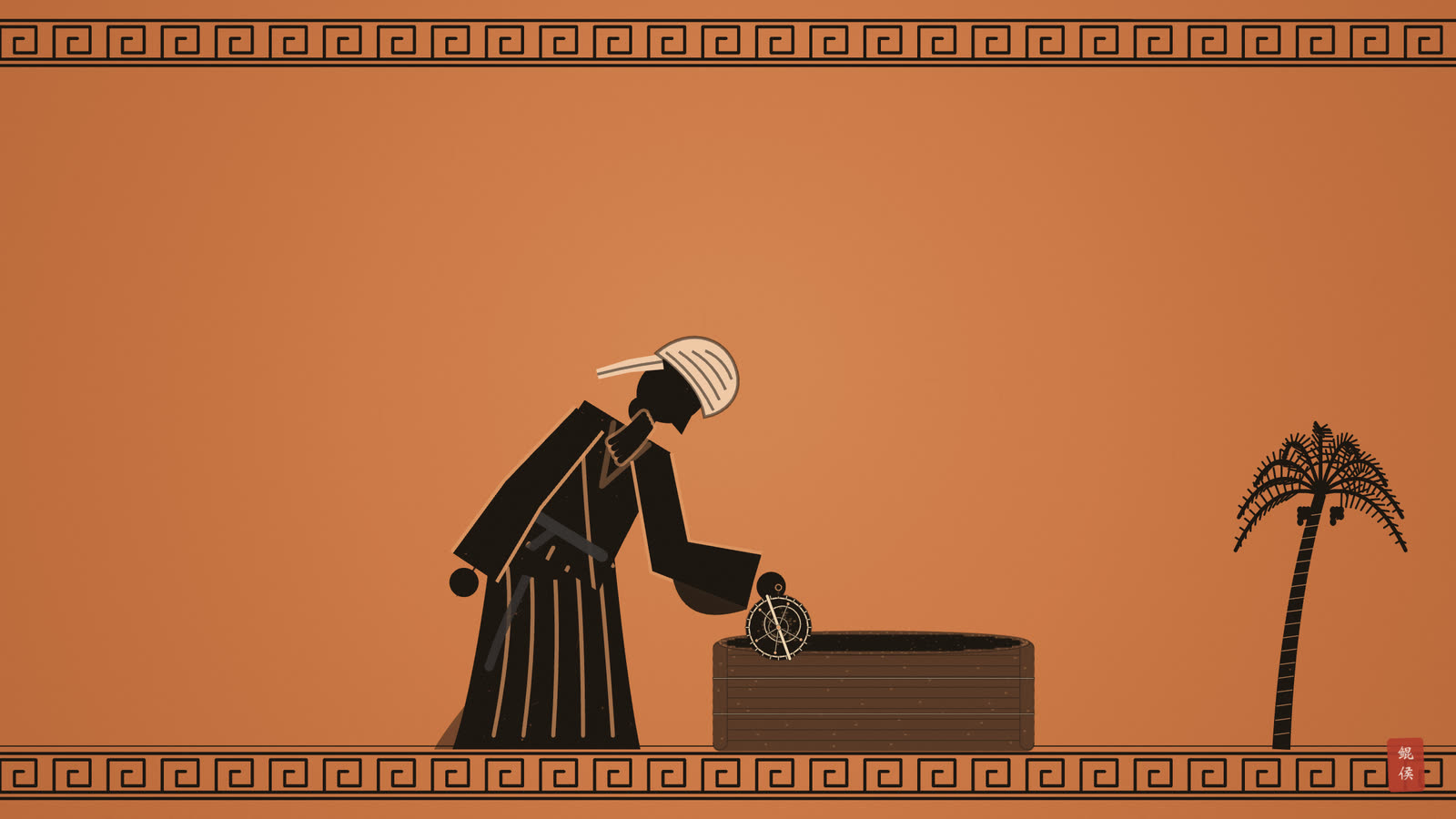
Stand on the brink of the well and take the astrolabe in your left hand, so that the quadrant of altitude is toward you and the quadrant of the shadow toward the well. Turn the alidade until you see with one of your eyes, through both holes, the edge of the water or of the bottom on the side that faces where you stand. Find out the amount of the shadow from the place of the pointer of the alidade, [then set the pointer] on the like of what you have, [with one more] of the fingers [text uncertain]. Then go up from where you stand, straight, until you come to where you see through the two holes the edge of the water that you saw at first, without moving the alidade from its second setting. Measure in cubits what is between the two standing-places, and multiply whatever it is by the fingers of the shadow kept in memory: what results is the depth of the well in cubits. And if you multiply the cubits between the two standing-places by 12, the breadth of the well results, I mean the width of its diameter [sic].
翻译点开
§344. Finding the depth of a well
第三百四十四问 求井的深度
Stand on the brink of the well and take the astrolabe in your left hand, so that the quadrant of altitude is toward you and the quadrant of the shadow toward the well. Turn the alidade until you see with one of your eyes, through both holes, the edge of the water or of the bottom on the side that faces where you stand. Find out the amount of the shadow from the place of the pointer of the alidade, [then set the pointer] on the like of what you have, [with one more] of the fingers [text uncertain]. Then go up from where you stand, straight, until you come to where you see through the two holes the edge of the water that you saw at first, without moving the alidade from its second setting. Measure in cubits what is between the two standing-places, and multiply whatever it is by the fingers of the shadow kept in memory: what results is the depth of the well in cubits. And if you multiply the cubits between the two standing-places by 12, the breadth of the well results, I mean the width of its diameter [sic].
站在井沿上,用左手拿着星盘,使高度象限朝着你,影象限朝着井。转动照准尺,直到你用一只眼透过两个孔看见水面的边缘或井底的边缘,就在正对你所站之处的那一侧。从照准尺指针的位置求出影的数量,[然后把指针放]在与你所得相同的数上,[再多一]指〔原文疑有讹误〕。然后从你所站之处笔直向上,直到你来到透过两个孔又看见你起初所见的那个水面边缘之处,照准尺不离开它的第二个位置。用肘尺量两个站立处之间的距离,不论是多少,用记住的影指去乘它:所得就是以肘尺计的井深。若用十二去乘两站之间的肘尺数,就得出井的宽度,我是说它的直径的宽〔原书如此〕。
大意与图解点开
🔎 大意:井沿望见对面水边读影指,指针移一指,换处再望见同一水边;间距乘影指为深,乘十二为宽。原文有缺,读法两说。
📖 术语
| 术语 | 英文原词 | 意思 |
|---|---|---|
| 井的深度 | the depth of a well | 井口到水面之深 |
| 影指 | fingers of the shadow | 以十二为全长的影数 |
| 肘尺 | cubits | 长度单位 |
| 两个站立处 | the two standing-places | 前后两次观测之处 |
🧭 图解与讲解
量井深要用影象限,所以星盘换到左手,高度象限朝自己,影象限朝井。先转照准尺,用一只眼透过两孔望见对面井壁下的水边(或井底边),读出影指。接下来一句抄本有缺:英译据下一节的做法补出“把指针移到同一数再多一指”,并标〔原文疑有讹误〕。然后换一个站处,照准尺不动,再望见同一处水边,量两站之间的肘尺数,乘影指得井深,乘十二得井宽。
〔图〕井的剖面:照准尺从井沿望向对面水边,图中右边竖线伸出井口之上
| 读法甲:照抄本“笔直向上” | 读法乙:照图,“向上”疑作“走远”,在地面后退 | |
|---|---|---|
| 第一次读得的影指 | 须为 12 × 深 ÷ 宽 | 为 12 × 宽 ÷ 深 |
| 第二步 | 指针移一指,垂直上升到再见同一水边 | 指针移一指,在地面后退到再见同一水边 |
| 井深 | 间距 × 影指(与抄本同) | 间距 × 12(与抄本对调) |
| 井宽 | 间距 × 12(与抄本同) | 间距 × 影指(与抄本对调) |
| 难处 | 井深于宽时读数超过十二指,影象限上读不到 | 须把抄本的“向上”读作“走远” |
这里的问题在于“换一个站处”怎么换。抄本作“笔直向上”,而所附的图(图一)把右边的竖线画得伸出井口之上,标字有“第一位置”“第二位置”。裁定表做了几何核验,给出两种读法(表二),本站照录,不作取舍。
读法甲照抄本的“向上”:人在井沿垂直升高,读数须是“十二乘深除以宽”,这时抄本的两个公式都成立;但井比宽深时,读数会超过十二指,裁定表认为在影象限上读不出来。读法乙按裁定表对图的理解,把“向上”看作“走远”的误写,在地面上后退:读数是“十二乘宽除以深”,于是井深等于间距乘十二、井宽等于间距乘影指,正与抄本的两个公式对调。
两种读法有一点相同:都要补出“指针移一指”这一步,道理与第三百四十六问测山高一样(下文图三)。裁定表因此不径改原文,英译在末句加〔原书如此〕,提醒读者公式可能对调。读者可以拿下文测山高的推导对照,自行体会两种读法各自的条件。
📖 术语
| 术语 | 英文原词 | 意思 |
|---|---|---|
| 井的深度 | the depth of a well | 井口到水面之深 |
| 影指 | fingers of the shadow | 以十二为全长的影数 |
| 肘尺 | cubits | 长度单位 |
| 两个站立处 | the two standing-places | 前后两次观测之处 |
🧭 图解与讲解
量井深要用影象限,所以星盘换到左手,高度象限朝自己,影象限朝井。先转照准尺,用一只眼透过两孔望见对面井壁下的水边(或井底边),读出影指。接下来一句抄本有缺:英译据下一节的做法补出“把指针移到同一数再多一指”,并标〔原文疑有讹误〕。然后换一个站处,照准尺不动,再望见同一处水边,量两站之间的肘尺数,乘影指得井深,乘十二得井宽。
| 读法甲:照抄本“笔直向上” | 读法乙:照图,“向上”疑作“走远”,在地面后退 | |
|---|---|---|
| 第一次读得的影指 | 须为 12 × 深 ÷ 宽 | 为 12 × 宽 ÷ 深 |
| 第二步 | 指针移一指,垂直上升到再见同一水边 | 指针移一指,在地面后退到再见同一水边 |
| 井深 | 间距 × 影指(与抄本同) | 间距 × 12(与抄本对调) |
| 井宽 | 间距 × 12(与抄本同) | 间距 × 影指(与抄本对调) |
| 难处 | 井深于宽时读数超过十二指,影象限上读不到 | 须把抄本的“向上”读作“走远” |
这里的问题在于“换一个站处”怎么换。抄本作“笔直向上”,而所附的图(图一)把右边的竖线画得伸出井口之上,标字有“第一位置”“第二位置”。裁定表做了几何核验,给出两种读法(表二),本站照录,不作取舍。
读法甲照抄本的“向上”:人在井沿垂直升高,读数须是“十二乘深除以宽”,这时抄本的两个公式都成立;但井比宽深时,读数会超过十二指,裁定表认为在影象限上读不出来。读法乙按裁定表对图的理解,把“向上”看作“走远”的误写,在地面上后退:读数是“十二乘宽除以深”,于是井深等于间距乘十二、井宽等于间距乘影指,正与抄本的两个公式对调。
两种读法有一点相同:都要补出“指针移一指”这一步,道理与第三百四十六问测山高一样(下文图三)。裁定表因此不径改原文,英译在末句加〔原书如此〕,提醒读者公式可能对调。读者可以拿下文测山高的推导对照,自行体会两种读法各自的条件。
§345. Finding the height of a minaret or a wall that can be reached
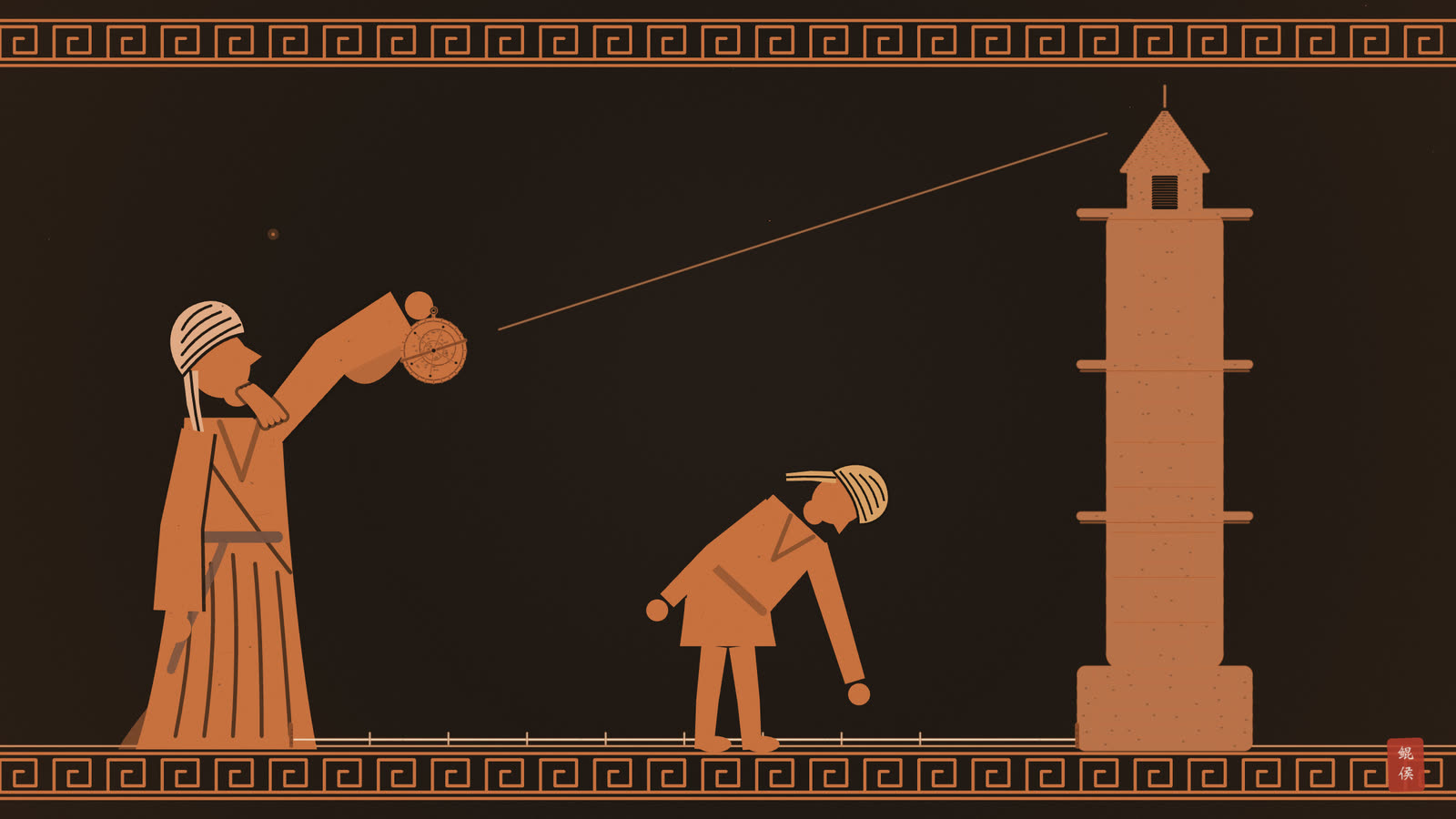
Watch the altitude of the Sun until it becomes 45 parts; then measure at that moment the shadow of that minaret or wall from its tip to its foot: whatever it is, that is its height that is sought. If the Sun does not reach this amount of altitude on that day, and you want it at that time without waiting, put the pointer of the alidade on 45 of the parts of altitude, then go forward or back, looking with one of your eyes through both holes of the two sights at the top of the minaret or the wall, until you see it through both together, the alidade remaining in its setting. Then measure from where you stand to its foot, and whatever it is, add to it the height of your stature: what results is the height of the minaret.
翻译点开
§345. Finding the height of a minaret or a wall that can be reached
第三百四十五问 求能走到其脚下的宣礼塔或墙的高度
Watch the altitude of the Sun until it becomes 45 parts; then measure at that moment the shadow of that minaret or wall from its tip to its foot: whatever it is, that is its height that is sought. If the Sun does not reach this amount of altitude on that day, and you want it at that time without waiting, put the pointer of the alidade on 45 of the parts of altitude, then go forward or back, looking with one of your eyes through both holes of the two sights at the top of the minaret or the wall, until you see it through both together, the alidade remaining in its setting. Then measure from where you stand to its foot, and whatever it is, add to it the height of your stature: what results is the height of the minaret.
守候太阳的高度,直到它成为四十五份;就在那一刻量那座宣礼塔或那堵墙的影,从影端量到它的脚下:不论是多少,那就是所求的高度。若那一天太阳达不到这个高度,或者你想当时就求而不愿等待,就把照准尺的指针放在高度的四十五份上,然后前进或后退,用一只眼透过两块觇板的两个孔望宣礼塔或墙的顶端,直到同时透过两孔看见它,照准尺保持原样。然后从你所站之处量到它的脚下,不论是多少,再加上你身体的高度:所得就是宣礼塔的高度。
大意与图解点开
🔎 大意:太阳高四十五度时,塔影长即塔高;等不及就把照准尺定在四十五度,前后走到恰见塔顶,量到塔脚的距离加身高即塔高。
📖 术语
| 术语 | 英文原词 | 意思 |
|---|---|---|
| 宣礼塔 | minaret | 清真寺旁的高塔 |
| 四十五份 | 45 parts | 高度四十五度 |
| 身体的高度 | the height of your stature | 眼睛离地之高 |
🧭 图解与讲解
能走到脚下的塔,量法最简单(图一左)。太阳高四十五度时,物体的影长恰好等于物高,上一章讲过影指在这时正是十二。所以只要等到太阳升到四十五度,量塔影从影端到塔脚的长度,就是塔高。
〔图〕能走到脚下的塔:太阳高四十五度时影长即塔高;或把照准尺定在四十五度去望塔顶
冬天太阳到不了四十五度,或者不想等,就把照准尺固定在四十五度,自己前后走动,直到透过两孔恰好望见塔顶(图一右)。这时视线与地面成四十五度,眼睛到塔的水平距离就等于塔顶高出眼睛的高度;量出到塔脚的距离,再加上自己眼睛离地的高度,就是塔高。
这两法的根据都是等腰直角三角形:四十五度时两条直角边相等。前一法借太阳的光线,后一法借照准尺的视线,用的是同一个角。
📖 术语
| 术语 | 英文原词 | 意思 |
|---|---|---|
| 宣礼塔 | minaret | 清真寺旁的高塔 |
| 四十五份 | 45 parts | 高度四十五度 |
| 身体的高度 | the height of your stature | 眼睛离地之高 |
🧭 图解与讲解
能走到脚下的塔,量法最简单(图一左)。太阳高四十五度时,物体的影长恰好等于物高,上一章讲过影指在这时正是十二。所以只要等到太阳升到四十五度,量塔影从影端到塔脚的长度,就是塔高。
冬天太阳到不了四十五度,或者不想等,就把照准尺固定在四十五度,自己前后走动,直到透过两孔恰好望见塔顶(图一右)。这时视线与地面成四十五度,眼睛到塔的水平距离就等于塔顶高出眼睛的高度;量出到塔脚的距离,再加上自己眼睛离地的高度,就是塔高。
这两法的根据都是等腰直角三角形:四十五度时两条直角边相等。前一法借太阳的光线,后一法借照准尺的视线,用的是同一个角。
§346. Finding the height of a minaret or a wall that cannot be reached
Stand in some place and lower and raise the alidade, looking with one eye through the holes of the two sights at the top that is sought, until you see it, just as the altitude of the stars is taken. Then see on how many of the fingers of the shadow the pointer of the alidade has fallen: that is the first shadow. Then go forward or back, so long as the ground is truly level in that direction. If you go forward toward the mountain or the minaret, subtract one finger from the first shadow and put the pointer of the alidade on that setting; if you go back from the mountain or the minaret, add one finger to the first shadow and put the pointer of the alidade on the sum, and keep going back until you see the top again through the two holes. Then measure what is between the two standing-places and multiply it by 12: the height of the perpendicular sought results. And if you multiply what is between the two standing-places by the first shadow, what is between the first standing-place and the foot of the body whose perpendicular you wanted results. If there were in the air something, a cloud or a bird, and it could stay still and not move until you measured it from two places in which its altitude differs, it would be possible to know its distance from the earth and what is between your place and the fall of its stone (masqaṭ al-ḥajar) on the earth. Now that we have reached this point, and have finished, after indicating the conventions in the sciences of number and geometry, informing about the configuration of the world, and indicating the knowledge of calculating the positions of the stars (taqwīm) and the use of the astrolabe, the time has come for us to mention the conventions in the art of the judgements of the stars; for the answer to the questioner's question is confined to these, and because for most people it is the fruit of the mathematical sciences, even though our own belief about this fruit and this art is like the belief of the fewest of them. So let us begin first with mentioning what of this belongs specifically to the signs by themselves.
翻译点开
§346. Finding the height of a minaret or a wall that cannot be reached
第三百四十六问 求走不到其脚下的宣礼塔或墙的高度
Stand in some place and lower and raise the alidade, looking with one eye through the holes of the two sights at the top that is sought, until you see it, just as the altitude of the stars is taken. Then see on how many of the fingers of the shadow the pointer of the alidade has fallen: that is the first shadow. Then go forward or back, so long as the ground is truly level in that direction. If you go forward toward the mountain or the minaret, subtract one finger from the first shadow and put the pointer of the alidade on that setting; if you go back from the mountain or the minaret, add one finger to the first shadow and put the pointer of the alidade on the sum, and keep going back until you see the top again through the two holes. Then measure what is between the two standing-places and multiply it by 12: the height of the perpendicular sought results. And if you multiply what is between the two standing-places by the first shadow, what is between the first standing-place and the foot of the body whose perpendicular you wanted results. If there were in the air something, a cloud or a bird, and it could stay still and not move until you measured it from two places in which its altitude differs, it would be possible to know its distance from the earth and what is between your place and the fall of its stone (masqaṭ al-ḥajar) on the earth. Now that we have reached this point, and have finished, after indicating the conventions in the sciences of number and geometry, informing about the configuration of the world, and indicating the knowledge of calculating the positions of the stars (taqwīm) and the use of the astrolabe, the time has come for us to mention the conventions in the art of the judgements of the stars; for the answer to the questioner's question is confined to these, and because for most people it is the fruit of the mathematical sciences, even though our own belief about this fruit and this art is like the belief of the fewest of them. So let us begin first with mentioning what of this belongs specifically to the signs by themselves.
站在某处,降低、升高照准尺,用一只眼透过两块觇板的孔望所求的顶端,直到看见它,正如测星的高度那样。然后看照准尺的指针落在影指的多少上:那就是第一影。然后前进或后退,只要那个方向上的地面确实平坦。若你朝山或宣礼塔前进,就从第一影减去一指,把照准尺的指针放在这个位置上;若你从山或宣礼塔后退,就在第一影上加一指,把照准尺的指针放在和数上,一直后退,直到又透过两孔看见顶端。然后量两个站立处之间的距离,用十二去乘:就得出所求的垂直高度。若用第一影去乘两站之间的距离,就得出第一站与你要求其垂直高度的那个物体脚下之间的距离。若空中有某物,一片云或一只鸟,而它能静止不动,直到你从两处测它,两处所得的高度不同,那就能知道它离地面的距离,以及你所在之处与它在地面上的“落石点”之间的距离。我们既已到达此处,而且已经完成了:指出数与几何诸学的规矩,讲述世界的构形,指出推算诸星位置之学与星盘的用法,现在是时候讲述星的判断这门技艺的规矩了;因为对提问者问题的回答就限于这些,又因为在大多数人看来,它是数理诸学的果实,尽管我们自己对这果实与这门技艺的看法,与他们当中最少数人的看法一样。那么让我们先从专属于星座本身的东西讲起。
大意与图解点开
🔎 大意:在两站读影差一指,两站间距乘十二即高,乘第一影即到塔脚的距离;空中静止之物亦可照测。卷七毕,转入星的判断之学。
📖 术语
| 术语 | 英文原词 | 意思 |
|---|---|---|
| 第一影 | the first shadow | 第一站读得的影指 |
| 落石点 | the fall of its stone (masqaṭ al-ḥajar) | 正下方的地面点 |
| 星的判断 | the judgements of the stars | 即占星 |
| 推算星位 | taqwīm | 求诸星真位置 |
🧭 图解与讲解
走不到脚下的山或塔,要用两个站处(图一)。在第一站望见顶端,读出影指,叫“第一影”。然后向后退(或向前),把照准尺的指针多放一指(向前则少一指),一直退到又恰好望见顶端,这是第二站。量两站之间的距离,乘十二就是山高(从眼睛算起),乘第一影就是第一站到山脚的距离。
〔图〕走不到脚下的山或塔:两站影差一指,两站间距乘十二即高
| 步骤 | 算式 | 说明 |
|---|---|---|
| 第一站读影 | t = 12 × 底距 ÷ 高 | 影指以物高为十二计 |
| 后退,指针加一指 | t + 1 = 12 × (底距 + 间距) ÷ 高 | 再见山顶处即第二站 |
| 两式相减 | 1 = 12 × 间距 ÷ 高 | 一指之差对应两站间距 |
| 得高 | 高 = 间距 × 12 | 原文“用十二去乘” |
| 得底距 | 底距 = 间距 × t | 原文“用第一影去乘” |
〔图〕卷七之末:数、几何、宇宙、推星、星盘都已讲完,转入星的判断
裁定表核验了这一法,原文正确(表二)。影指的定义是“物高作十二时的影长”,所以第一影等于十二乘底距除以高;第二站影指多一,底距多出两站间距。两式一减,一指之差恰好对应两站间距的十二分之一个高,于是高等于间距乘十二。上面量井深补出的“移一指”,正是照这个办法推出来的。
比鲁尼又说,空中的云或鸟只要停着不动,从两处测它的高度,同样能求出它离地多高,以及它正下方的“落石点”离自己多远。“落石点”是卷一讲垂线时用过的词:从高处落下的石头着地之处。
卷七到此结束。比鲁尼回顾全书:数与几何、世界的构形、推算星位与星盘都已讲完,现在要讲“星的判断”,也就是占星,因为提问者要问的就落在这里。他补了一句耐人寻味的话:多数人把占星看作数理诸学的果实,而他自己对这果实的看法,只与极少数人相同。言下之意,他并不像多数人那样推崇占星;但书是为提问者写的,他仍要把这门技艺的规矩讲清楚。卷八就从星座本身的性质讲起(图三)。
📖 术语
| 术语 | 英文原词 | 意思 |
|---|---|---|
| 第一影 | the first shadow | 第一站读得的影指 |
| 落石点 | the fall of its stone (masqaṭ al-ḥajar) | 正下方的地面点 |
| 星的判断 | the judgements of the stars | 即占星 |
| 推算星位 | taqwīm | 求诸星真位置 |
🧭 图解与讲解
走不到脚下的山或塔,要用两个站处(图一)。在第一站望见顶端,读出影指,叫“第一影”。然后向后退(或向前),把照准尺的指针多放一指(向前则少一指),一直退到又恰好望见顶端,这是第二站。量两站之间的距离,乘十二就是山高(从眼睛算起),乘第一影就是第一站到山脚的距离。
| 步骤 | 算式 | 说明 |
|---|---|---|
| 第一站读影 | t = 12 × 底距 ÷ 高 | 影指以物高为十二计 |
| 后退,指针加一指 | t + 1 = 12 × (底距 + 间距) ÷ 高 | 再见山顶处即第二站 |
| 两式相减 | 1 = 12 × 间距 ÷ 高 | 一指之差对应两站间距 |
| 得高 | 高 = 间距 × 12 | 原文“用十二去乘” |
| 得底距 | 底距 = 间距 × t | 原文“用第一影去乘” |
裁定表核验了这一法,原文正确(表二)。影指的定义是“物高作十二时的影长”,所以第一影等于十二乘底距除以高;第二站影指多一,底距多出两站间距。两式一减,一指之差恰好对应两站间距的十二分之一个高,于是高等于间距乘十二。上面量井深补出的“移一指”,正是照这个办法推出来的。
比鲁尼又说,空中的云或鸟只要停着不动,从两处测它的高度,同样能求出它离地多高,以及它正下方的“落石点”离自己多远。“落石点”是卷一讲垂线时用过的词:从高处落下的石头着地之处。
卷七到此结束。比鲁尼回顾全书:数与几何、世界的构形、推算星位与星盘都已讲完,现在要讲“星的判断”,也就是占星,因为提问者要问的就落在这里。他补了一句耐人寻味的话:多数人把占星看作数理诸学的果实,而他自己对这果实的看法,只与极少数人相同。言下之意,他并不像多数人那样推崇占星;但书是为提问者写的,他仍要把这门技艺的规矩讲清楚。卷八就从星座本身的性质讲起(图三)。
原文为公有领域古籍;翻译、印象画与图文解读由 AI 辅助生成,鲲侯审校。