卷七·第 332–336 问 由太阳高度求上升、已过昼时、曲时与夜间诸法
用星盘正面:由太阳高度求上升点与插补法,由上升求白昼已过的时数,反求上升与高度,求曲时,以及夜间的做法。
§332. Finding the ascendant from the altitude of the Sun.
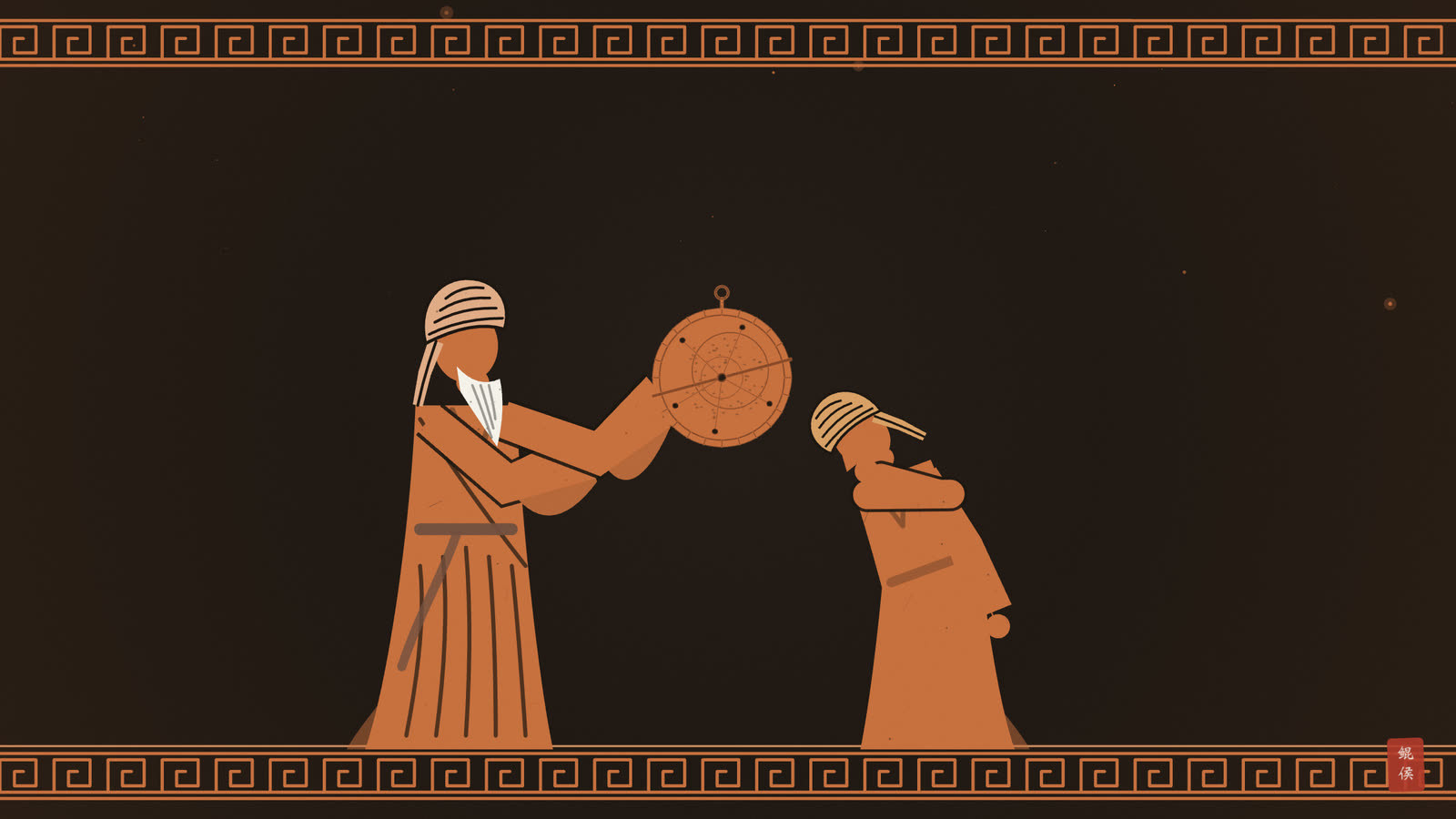
Turn the astrolabe over to its face, and put the face of the plate whose latitude either agrees with the latitude of your town or is nearer to it than the other latitudes above all the plates, visible to the eye. Then look among the almucantars for an almucantar whose number is the same as the altitude of the Sun that you have: if it is eastern, among the eastern almucantars, and if western, among the western almucantars; and mark it. Do not doubt of finding it if the astrolabe is complete. If it is not complete, one may not find that very altitude among its almucantars, but it falls between two of the almucantars drawn on it. Say, for example, the altitude was 20 degrees and the astrolabe a sixth; the altitude then lies between the almucantars 18 and 24. But between 18 and the altitude are 2 degrees, which are a third of what lies between the two almucantars; so a third of the gap between the almucantars 18 and 24 is kept, from the almucantar 18, estimated by the judgement of the eye, and marked there, for that is the place of the almucantar 20. If the astrolabe were, say, a third, the altitude we have would lie between the almucantars 18 and 21, and between 18 and this altitude are 2 degrees, which are two thirds of what lies between the two almucantars; so two thirds of the distance are taken from 18, and where it ends is marked, for that is the place of the almucantar 20. Then find the place of the Sun at that time from the almanac of the year, and look for its degree on the zodiac of the spider, in the sign in which it is. If the astrolabe is not complete and the degree of the Sun does not coincide with one of the lines by which the signs are divided, we follow in that what we have taught in looking for the altitude between two almucantars. When we have got the degree of the Sun, we put a mark on it; then we put it on the almucantar of its altitude that we had marked on its side, east or west, and look at what part of the zodiac meets the horizon of the east: that is the ascending sign with its degrees. If it does not happen that the horizon of the east is at one of the lines dividing the sign, but is between two of them, we find the number of the first line, which is the one nearer to the head of the sign, and keep it; then we estimate what lies between the first line and the horizon of the east, and how much it is of the whole of what lies between the two lines, and add it to what we kept; the sum is what has risen of the degrees of that ascending sign. For example, we looked, and what was on the horizon of the east was the sign of Pisces, and the horizon fell between the third and the fourth of the dividing lines on an astrolabe that is a sixth. The number of the third line, which is the first of the two, is 18, and that is what is kept. We estimated what lay between the first line and the horizon, and it was a third of what lies between that line and the second; but what lies between them is 6 degrees, so a third of it is 2 degrees. We added that to the 18 kept, and the sum was 20, which is the degrees of the sign of Pisces rising at that time. So one works in everything of that kind in all the chapters, for to repeat the account of it would be long and wearisome.
翻译点开
§332. Finding the ascendant from the altitude of the Sun.
第三百三十二问 由太阳的高度求上升点。
Turn the astrolabe over to its face, and put the face of the plate whose latitude either agrees with the latitude of your town or is nearer to it than the other latitudes above all the plates, visible to the eye. Then look among the almucantars for an almucantar whose number is the same as the altitude of the Sun that you have: if it is eastern, among the eastern almucantars, and if western, among the western almucantars; and mark it. Do not doubt of finding it if the astrolabe is complete. If it is not complete, one may not find that very altitude among its almucantars, but it falls between two of the almucantars drawn on it. Say, for example, the altitude was 20 degrees and the astrolabe a sixth; the altitude then lies between the almucantars 18 and 24. But between 18 and the altitude are 2 degrees, which are a third of what lies between the two almucantars; so a third of the gap between the almucantars 18 and 24 is kept, from the almucantar 18, estimated by the judgement of the eye, and marked there, for that is the place of the almucantar 20. If the astrolabe were, say, a third, the altitude we have would lie between the almucantars 18 and 21, and between 18 and this altitude are 2 degrees, which are two thirds of what lies between the two almucantars; so two thirds of the distance are taken from 18, and where it ends is marked, for that is the place of the almucantar 20. Then find the place of the Sun at that time from the almanac of the year, and look for its degree on the zodiac of the spider, in the sign in which it is. If the astrolabe is not complete and the degree of the Sun does not coincide with one of the lines by which the signs are divided, we follow in that what we have taught in looking for the altitude between two almucantars. When we have got the degree of the Sun, we put a mark on it; then we put it on the almucantar of its altitude that we had marked on its side, east or west, and look at what part of the zodiac meets the horizon of the east: that is the ascending sign with its degrees. If it does not happen that the horizon of the east is at one of the lines dividing the sign, but is between two of them, we find the number of the first line, which is the one nearer to the head of the sign, and keep it; then we estimate what lies between the first line and the horizon of the east, and how much it is of the whole of what lies between the two lines, and add it to what we kept; the sum is what has risen of the degrees of that ascending sign. For example, we looked, and what was on the horizon of the east was the sign of Pisces, and the horizon fell between the third and the fourth of the dividing lines on an astrolabe that is a sixth. The number of the third line, which is the first of the two, is 18, and that is what is kept. We estimated what lay between the first line and the horizon, and it was a third of what lies between that line and the second; but what lies between them is 6 degrees, so a third of it is 2 degrees. We added that to the 18 kept, and the sum was 20, which is the degrees of the sign of Pisces rising at that time. So one works in everything of that kind in all the chapters, for to repeat the account of it would be long and wearisome.
把星盘翻到正面,把纬度与你所在城市的纬度相合、或比其他纬度更接近它的那块盘片的那一面,放在所有盘片的最上面,使它显露在眼前。然后在地平纬圈中找一条编号与你所测得的太阳高度相同的地平纬圈:高度若是东方的,就在东方地平纬圈中找;若是西方的,就在西方地平纬圈中找;并作上记号。星盘若是全盘,就不必怀疑找不到它。若不是全盘,就可能在它的地平纬圈中找不到那个高度本身,而它落在盘上所画的两条地平纬圈之间。比如说,高度是二十度,星盘是六分盘;那么这个高度就在十八与二十四两条地平纬圈之间。但从十八到这个高度是两度,是两条地平纬圈之间的三分之一;所以从十八这条地平纬圈起,凭眼力估量,取十八与二十四两条地平纬圈间隔的三分之一,在那里作记号,因为那就是二十这条地平纬圈的位置。若星盘比如是三分盘,我们所测的高度就在十八与二十一两条地平纬圈之间,从十八到这个高度是两度,是两条地平纬圈之间的三分之二;所以从十八起取这段距离的三分之二,在终点作记号,因为那就是二十这条地平纬圈的位置。然后从当年的年历中查出此时太阳的位置,在蛛网的黄道带上、太阳所在的星座里找到它的度数。若星盘不是全盘,太阳的度数又不恰好落在划分星座的某条线上,我们就照教过的在两条地平纬圈之间找高度的办法去做。得到太阳的度数后,在上面作个记号;然后把它放到我们在其所属一侧(东或西)记下的那条高度地平纬圈上,看黄道带的哪一部分与东方地平相遇:那就是上升星座及其度数。若东方地平不恰好在划分星座的某条线上,而在两条线之间,我们就找出第一条线,也就是离星座起点较近的那条线的编号,把它记住;然后估量第一条线与东方地平之间的距离,是两条线之间全部距离的几分之几,加到记住的数上;其和就是那个上升星座已升起的度数。例如,我们看到,在东方地平上的是双鱼座,地平落在一块六分盘上划分线的第三与第四条之间。第三条线,也就是两条中的第一条,编号是十八,这就是要记住的数。我们估量第一条线与地平之间的距离,是那条线到第二条线之间距离的三分之一;而两线之间是六度,其三分之一是两度。我们把它加到记住的十八上,和是二十,这就是此时双鱼座升起的度数。一切同类的事,在所有各章里都这样做,因为重复讲述就冗长而令人厌倦了。
大意与图解点开
🔎 大意:选本城的盘片,标出太阳高度所在的东或西地平纬圈,把太阳度数放上去,东方地平所遇即上升点;不在线上时按比例目测插补。
📖 术语
| 术语 | 英文原词 | 意思 |
|---|---|---|
| 上升点 | the ascendant | 东方地平上的黄道度 |
| 东方地平 | the horizon of the east | 盘片上地平的左半 |
| 年历 | the almanac of the year | 查太阳逐日位置 |
| 六分盘 | a sixth (astrolabe) | 每六度一条地平纬圈 |
🧭 图解与讲解
这是星盘最核心的用法,也是起占星盘的第一步。先把适合本城纬度的盘片翻到最上面;然后在地平纬圈里找到与测得的太阳高度同号的那一条,上午测的找东方的,下午测的找西方的。再从年历查出太阳的黄道度数,在蛛网的黄道带上找到它,转动蛛网,让这一点正好压在那条地平纬圈上。这时东方地平与黄道带相交的那一度,就是上升点(图一、图二)。
〔图〕由太阳高度求上升:太阳度数放在其高度的东方地平纬圈上,东方地平即读出上升点
〔图〕由太阳高度求上升点:选盘片、标高度圈、放太阳度数、读东方地平
| 例子 | 落在哪两条之间 | 相隔 | 比例 | 结果 |
|---|---|---|---|---|
| 六分盘,高度二十 | 十八与二十四 | 6° | 2 ÷ 6 = 1/3 | 十八起取三分之一处 |
| 三分盘,高度二十 | 十八与二十一 | 3° | 2 ÷ 3 = 2/3 | 十八起取三分之二处 |
| 六分盘,东方地平上的双鱼座 | 第三线(十八)与第四线之间 | 6° | 目测 1/3 | 双鱼座二十度上升 |
道理并不神秘:太阳此刻在天上的位置,由它的黄道度数和高度确定;盘片代表本地的地平坐标,蛛网代表随天旋转的黄道。把太阳放到它此刻的高度上,等于把整个天球转到此刻的样子,东方正在升起的那一度自然就对上了东方地平。
盘不是全盘时就要插补(表三)。六分盘的圈在十八、二十四度,高度二十度落在两圈之间三分之一处;三分盘的圈在十八、二十一度,就在三分之二处。读上升点也一样:东方地平落在双鱼座十八度线与下一条线之间三分之一处,就是双鱼座二十度。上一章说没有人画五分盘,这些例子都用六与三的间隔,正相呼应。
图一是讲解按今法摆的示意:纬度三十四度,太阳取第三十六章例日的天秤座十九度五十四分,设东方高度二十度。转好蛛网后,东方地平读出的上升点在天蝎座十度多。占星家拿星盘起盘,就是这样一测一转,当场读出上升。
📖 术语
| 术语 | 英文原词 | 意思 |
|---|---|---|
| 上升点 | the ascendant | 东方地平上的黄道度 |
| 东方地平 | the horizon of the east | 盘片上地平的左半 |
| 年历 | the almanac of the year | 查太阳逐日位置 |
| 六分盘 | a sixth (astrolabe) | 每六度一条地平纬圈 |
🧭 图解与讲解
这是星盘最核心的用法,也是起占星盘的第一步。先把适合本城纬度的盘片翻到最上面;然后在地平纬圈里找到与测得的太阳高度同号的那一条,上午测的找东方的,下午测的找西方的。再从年历查出太阳的黄道度数,在蛛网的黄道带上找到它,转动蛛网,让这一点正好压在那条地平纬圈上。这时东方地平与黄道带相交的那一度,就是上升点(图一、图二)。
| 例子 | 落在哪两条之间 | 相隔 | 比例 | 结果 |
|---|---|---|---|---|
| 六分盘,高度二十 | 十八与二十四 | 6° | 2 ÷ 6 = 1/3 | 十八起取三分之一处 |
| 三分盘,高度二十 | 十八与二十一 | 3° | 2 ÷ 3 = 2/3 | 十八起取三分之二处 |
| 六分盘,东方地平上的双鱼座 | 第三线(十八)与第四线之间 | 6° | 目测 1/3 | 双鱼座二十度上升 |
道理并不神秘:太阳此刻在天上的位置,由它的黄道度数和高度确定;盘片代表本地的地平坐标,蛛网代表随天旋转的黄道。把太阳放到它此刻的高度上,等于把整个天球转到此刻的样子,东方正在升起的那一度自然就对上了东方地平。
盘不是全盘时就要插补(表三)。六分盘的圈在十八、二十四度,高度二十度落在两圈之间三分之一处;三分盘的圈在十八、二十一度,就在三分之二处。读上升点也一样:东方地平落在双鱼座十八度线与下一条线之间三分之一处,就是双鱼座二十度。上一章说没有人画五分盘,这些例子都用六与三的间隔,正相呼应。
图一是讲解按今法摆的示意:纬度三十四度,太阳取第三十六章例日的天秤座十九度五十四分,设东方高度二十度。转好蛛网后,东方地平读出的上升点在天蝎座十度多。占星家拿星盘起盘,就是这样一测一转,当场读出上升。
§333. How is what has passed of the daytime known?
When the ascendant with its degrees is set on the horizon of the east, look where the pointer, which is the head of Capricorn, is among the parts of the ḥujra, and put a mark where it falls. Then turn the spider backwards, against the order of the signs [sic], I mean from the west to mid-heaven to the east, until the degree of the Sun that you marked meets the horizon of the east, and look where the pointer has reached on the ḥujra. Count from the first mark up to it: what it comes to is the times of the equator that have revolved from the rising of the Sun to the time when the altitude was measured. Take from them an hour for every 15 times, and for what does not make up 15, take for each time 4 minutes of an hour. What is gathered from that is what has passed of the daytime, in equal hours and their fractions.
翻译点开
§333. How is what has passed of the daytime known?
第三百三十三问 怎样知道白昼已过了多少?
When the ascendant with its degrees is set on the horizon of the east, look where the pointer, which is the head of Capricorn, is among the parts of the ḥujra, and put a mark where it falls. Then turn the spider backwards, against the order of the signs [sic], I mean from the west to mid-heaven to the east, until the degree of the Sun that you marked meets the horizon of the east, and look where the pointer has reached on the ḥujra. Count from the first mark up to it: what it comes to is the times of the equator that have revolved from the rising of the Sun to the time when the altitude was measured. Take from them an hour for every 15 times, and for what does not make up 15, take for each time 4 minutes of an hour. What is gathered from that is what has passed of the daytime, in equal hours and their fractions.
把上升点连同其度数放在东方地平上以后,看指针,也就是摩羯座的起点,落在围垣的哪一份上,在它所落之处作个记号。然后把蛛网倒转,逆着星座的次序〔原书如此〕,我是说从西方转到中天、再转到东方,直到你记下的太阳度数与东方地平相遇,看指针在围垣上到了哪里。从第一个记号数到它:所得之数,就是从太阳升起到测高之时天赤道所转过的时度。每十五时度取一小时,不满十五的,每一时度取一小时的四分钟。由此合起来的,就是白昼已过的等时及其零头。
大意与图解点开
🔎 大意:上升点在东方地平时记下指针位置,倒转蛛网到太阳度数回到东方地平,指针走过的时度每十五合一小时,即白昼已过的等时。
📖 术语
| 术语 | 英文原词 | 意思 |
|---|---|---|
| 指针 | the pointer | 摩羯座起点伸出的小舌 |
| 时度 | times | 天赤道上的度 |
| 倒转 | backwards | 与周日运动相反地转 |
| 等时 | equal hours | 一日的二十四分之一 |
🧭 图解与讲解
求出上升点以后,还能知道日出以来过了多久。先记下此刻指针在围垣上的位置;然后把蛛网倒着转,让天球“退回去”,直到太阳的度数回到东方地平,也就是日出的那一刻;再看指针退了多少。指针走过的度数就是这段时间里天赤道转过的“时度”,每十五时度一小时,零头每一时度四分钟(图一)。
〔图〕白昼已过的时数:指针在围垣上走过的时度,每十五合一等时
| 转法 | 盘面上的方向 | 与星座次序 |
|---|---|---|
| 顺转(天的周日运动) | 东 → 中天 → 西,从左到右 | 逆着星座次序 |
| 倒转(本问所用) | 西 → 中天 → 东 | 应是顺着星座次序;抄本作“逆着”,照录加〔原书如此〕 |
这正是上一章讲的围垣刻度的用处:围垣分三百六十,指针转一圈是一整日。上一问的示意例子里,太阳在东方高二十度,倒转回日出约二十五时度,合一小时四十一分;那天昼长十一小时十八分,可见才是上午早些时候。
原文说倒转时“逆着星座的次序,即从西方转到中天、再转到东方”。裁定表指出:天的周日运动是从东经中天到西,这本身就是逆着星座次序;倒转回去,应当是顺着星座次序,才与“从西到中天到东”一致(表二)。抄本的“逆着”一词恐怕是多出来的,但不敢径改,所以照录并注〔原书如此〕。实际操作时,只要记住“倒转就是让太阳退回东方地平”即可。
📖 术语
| 术语 | 英文原词 | 意思 |
|---|---|---|
| 指针 | the pointer | 摩羯座起点伸出的小舌 |
| 时度 | times | 天赤道上的度 |
| 倒转 | backwards | 与周日运动相反地转 |
| 等时 | equal hours | 一日的二十四分之一 |
🧭 图解与讲解
求出上升点以后,还能知道日出以来过了多久。先记下此刻指针在围垣上的位置;然后把蛛网倒着转,让天球“退回去”,直到太阳的度数回到东方地平,也就是日出的那一刻;再看指针退了多少。指针走过的度数就是这段时间里天赤道转过的“时度”,每十五时度一小时,零头每一时度四分钟(图一)。
| 转法 | 盘面上的方向 | 与星座次序 |
|---|---|---|
| 顺转(天的周日运动) | 东 → 中天 → 西,从左到右 | 逆着星座次序 |
| 倒转(本问所用) | 西 → 中天 → 东 | 应是顺着星座次序;抄本作“逆着”,照录加〔原书如此〕 |
这正是上一章讲的围垣刻度的用处:围垣分三百六十,指针转一圈是一整日。上一问的示意例子里,太阳在东方高二十度,倒转回日出约二十五时度,合一小时四十一分;那天昼长十一小时十八分,可见才是上午早些时候。
原文说倒转时“逆着星座的次序,即从西方转到中天、再转到东方”。裁定表指出:天的周日运动是从东经中天到西,这本身就是逆着星座次序;倒转回去,应当是顺着星座次序,才与“从西到中天到东”一致(表二)。抄本的“逆着”一词恐怕是多出来的,但不敢径改,所以照录并注〔原书如此〕。实际操作时,只要记住“倒转就是让太阳退回东方地平”即可。
§334. How are the ascendant and the altitude of the Sun known from what has passed of the daytime?
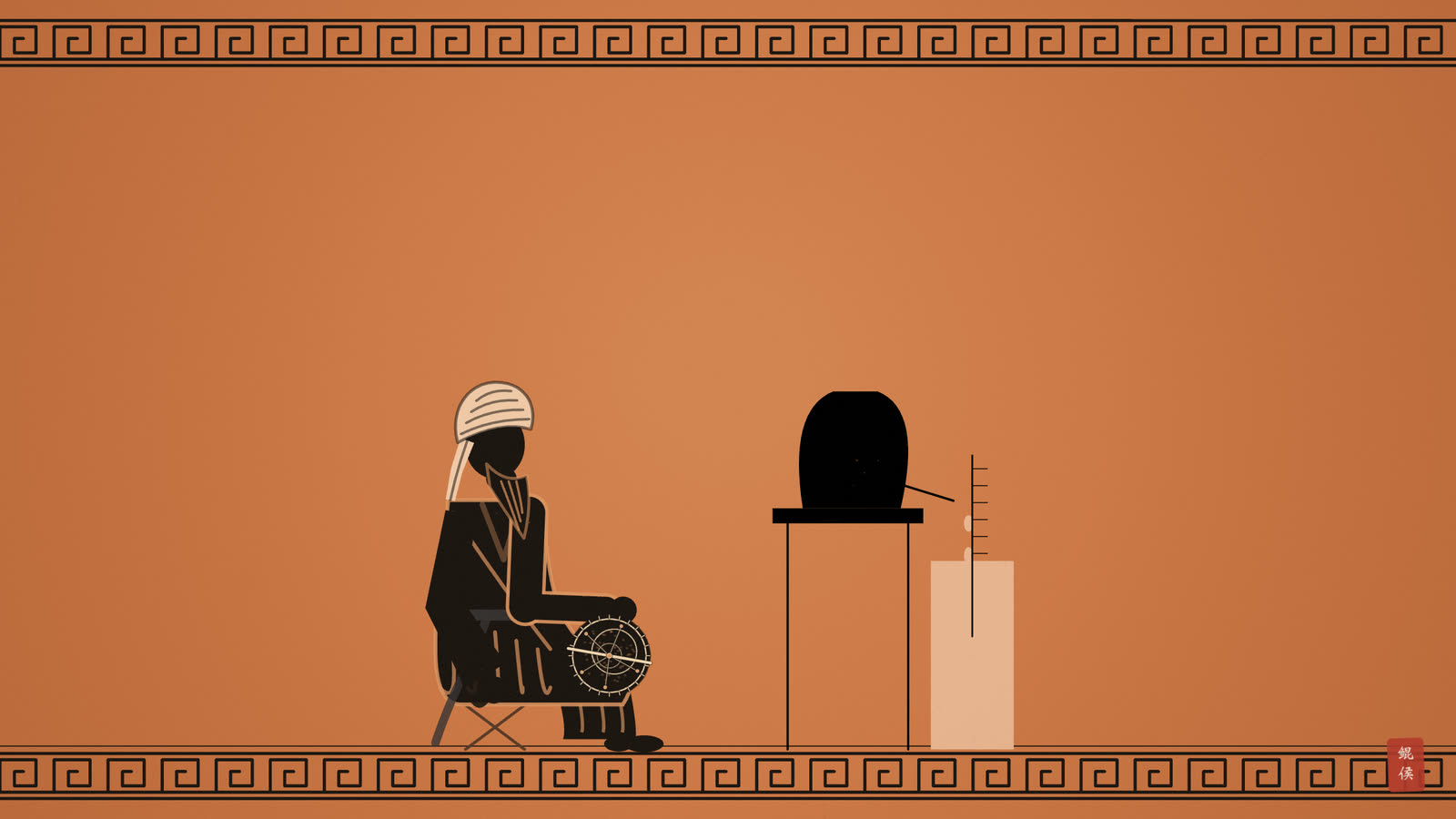
When you are given hours that have been observed by water or sand or the like, take for every hour 15 times, and for the fractions of the hour one time for every 4 minutes; the times gathered are the revolved part. Then put the degree of the Sun on the horizon of the east, mark where the pointer falls on the ḥujra, and count from it in the direct direction, from left to right, I mean from the east to mid-heaven to the west, as much as the revolved part that you have, and mark where it ends. Then turn the spider until the pointer reaches this last mark at which you ended, and look at the horizon of the east, what sign and degree meet it: that is the ascendant. And look at the degree of the Sun, what almucantar it meets: its number is the altitude of the Sun at that time, on the side of the almucantar, east or west.
翻译点开
§334. How are the ascendant and the altitude of the Sun known from what has passed of the daytime?
第三百三十四问 怎样由白昼已过的时数知道上升点与太阳的高度?
When you are given hours that have been observed by water or sand or the like, take for every hour 15 times, and for the fractions of the hour one time for every 4 minutes; the times gathered are the revolved part. Then put the degree of the Sun on the horizon of the east, mark where the pointer falls on the ḥujra, and count from it in the direct direction, from left to right, I mean from the east to mid-heaven to the west, as much as the revolved part that you have, and mark where it ends. Then turn the spider until the pointer reaches this last mark at which you ended, and look at the horizon of the east, what sign and degree meet it: that is the ascendant. And look at the degree of the Sun, what almucantar it meets: its number is the altitude of the Sun at that time, on the side of the almucantar, east or west.
若给了你用水、沙或类似之物观测到的时数,就每一小时取十五时度,小时的零头每四分钟取一时度;合起来的时度就是已转之度。然后把太阳的度数放在东方地平上,在指针落在围垣上的地方作记号,从那里顺着方向,即从左到右,我是说从东方到中天再到西方,数出你所有的已转之度,在数完之处作记号。然后转动蛛网,直到指针到达你最后数完的这个记号,看东方地平,与它相遇的是哪个星座、哪一度:那就是上升点。再看太阳的度数与哪条地平纬圈相遇:它的编号就是此时太阳的高度,在那条地平纬圈所在的一侧,东或西。
大意与图解点开
🔎 大意:把漏壶、沙漏量得的时数折成时度,太阳度数置东方地平记下指针,顺数已转之度再转过去,读出上升点与太阳高度。
📖 术语
| 术语 | 英文原词 | 意思 |
|---|---|---|
| 已转之度 | the revolved part (al-dāʾir) | 天赤道已转的时度 |
| 顺着方向 | in the direct direction | 从东经中天到西 |
| 水、沙 | water or sand | 漏壶、沙漏计时 |
🧭 图解与讲解
上一问是由高度求时数,这一问反过来:手上有用漏壶(水)或沙漏(沙)量出的白昼时数,要求上升点和太阳高度。先把时数折成时度,每小时十五,每四分钟一;然后把太阳度数放在东方地平上,代表日出的那一刻,记下指针所在。
〔图〕反过来:已知白昼已过几小时,顺转蛛网即得上升点与太阳高度
从这个记号顺着天的方向,从左到右,即从东经中天到西,数出已转之度,再把蛛网转到指针对准数完之处。天球就转到了此刻的样子:东方地平上是上升点,太阳度数落在哪条地平纬圈上,那就是太阳此刻的高度(图一)。
这一问的实用价值很大:阴天测不到太阳,或者问事者只说“日出后三小时”,占星家照样能起盘。比鲁尼提到水与沙,说明当时漏壶、沙漏都是常见的计时器,星盘与它们互相校验。
📖 术语
| 术语 | 英文原词 | 意思 |
|---|---|---|
| 已转之度 | the revolved part (al-dāʾir) | 天赤道已转的时度 |
| 顺着方向 | in the direct direction | 从东经中天到西 |
| 水、沙 | water or sand | 漏壶、沙漏计时 |
🧭 图解与讲解
上一问是由高度求时数,这一问反过来:手上有用漏壶(水)或沙漏(沙)量出的白昼时数,要求上升点和太阳高度。先把时数折成时度,每小时十五,每四分钟一;然后把太阳度数放在东方地平上,代表日出的那一刻,记下指针所在。
从这个记号顺着天的方向,从左到右,即从东经中天到西,数出已转之度,再把蛛网转到指针对准数完之处。天球就转到了此刻的样子:东方地平上是上升点,太阳度数落在哪条地平纬圈上,那就是太阳此刻的高度(图一)。
这一问的实用价值很大:阴天测不到太阳,或者问事者只说“日出后三小时”,占星家照样能起盘。比鲁尼提到水与沙,说明当时漏壶、沙漏都是常见的计时器,星盘与它们互相校验。
§335. How are the crooked hours known?
When the ascendant is set on the horizon of the east, look at the opposite of the Sun's degree, which is the seventh sign from it at the same degree, and where it falls among the crooked hours, between their lines drawn beneath the horizon: that hour is the one sought. Only its name is needed; how much of it has passed is not needed.
翻译点开
§335. How are the crooked hours known?
第三百三十五问 怎样知道曲时?
When the ascendant is set on the horizon of the east, look at the opposite of the Sun's degree, which is the seventh sign from it at the same degree, and where it falls among the crooked hours, between their lines drawn beneath the horizon: that hour is the one sought. Only its name is needed; how much of it has passed is not needed.
把上升点放在东方地平上以后,看太阳度数的对冲点,即从太阳起第七个星座的同一度,落在曲时之中、地平以下所画诸线之间的哪里:那一时就是所求的。只需要知道它的名称;它已过了多少,则不需要。
大意与图解点开
🔎 大意:白天看太阳对冲点落在地平以下第几条曲时线之间,就是白昼的第几个曲时;只需知是第几时。
📖 术语
| 术语 | 英文原词 | 意思 |
|---|---|---|
| 曲时 | crooked hours | 昼或夜的十二分之一 |
| 对冲点 | the opposite | 相隔一百八十度之点 |
| 第七个星座 | the seventh sign | 对面的星座 |
🧭 图解与讲解
曲时(不等时)是把白昼、黑夜各分十二份的时辰,随季节长短变化,卷三讲过。星盘的盘片只在地平以下画了曲时线,白天怎么读?比鲁尼的办法是看太阳的对冲点:太阳在地平以上走过昼弧的几分之几,它的对冲点就同时在地平以下走过夜弧的同样几分之几(表一、图二)。
| 白天 | 夜里 | |
|---|---|---|
| 看哪一点 | 太阳度数的对冲点 | 太阳度数本身 |
| 在哪里 | 地平以下的曲时线之间 | 地平以下的曲时线之间 |
| 读到什么 | 白昼的第几个曲时 | 夜间已过的曲时 |
| 原理 | 太阳在地平上走昼弧,对冲点同步在地平下走同样的分数 | 太阳本身就在地平下走夜弧 |
〔图〕曲时线画在地平以下:白天借太阳的对冲点来读
所以把上升点放好后,看太阳对冲点落在第几、第几条曲时线之间,就是白昼的第几个曲时。曲时线从西方地平下起数一、二、三,正是太阳升起时对冲点刚落到西方地平之下。第一问图一的例子里,对冲点落在第二时,即上午第二个曲时。
比鲁尼说只要知道是第几时就够了,不必知道这一时过了多少。原因在于曲时主要用来定时辰主星:每个曲时由一颗行星主管,按卷八所说的次序轮替,所以只需知道“名号”即可。
📖 术语
| 术语 | 英文原词 | 意思 |
|---|---|---|
| 曲时 | crooked hours | 昼或夜的十二分之一 |
| 对冲点 | the opposite | 相隔一百八十度之点 |
| 第七个星座 | the seventh sign | 对面的星座 |
🧭 图解与讲解
曲时(不等时)是把白昼、黑夜各分十二份的时辰,随季节长短变化,卷三讲过。星盘的盘片只在地平以下画了曲时线,白天怎么读?比鲁尼的办法是看太阳的对冲点:太阳在地平以上走过昼弧的几分之几,它的对冲点就同时在地平以下走过夜弧的同样几分之几(表一、图二)。
| 白天 | 夜里 | |
|---|---|---|
| 看哪一点 | 太阳度数的对冲点 | 太阳度数本身 |
| 在哪里 | 地平以下的曲时线之间 | 地平以下的曲时线之间 |
| 读到什么 | 白昼的第几个曲时 | 夜间已过的曲时 |
| 原理 | 太阳在地平上走昼弧,对冲点同步在地平下走同样的分数 | 太阳本身就在地平下走夜弧 |
所以把上升点放好后,看太阳对冲点落在第几、第几条曲时线之间,就是白昼的第几个曲时。曲时线从西方地平下起数一、二、三,正是太阳升起时对冲点刚落到西方地平之下。第一问图一的例子里,对冲点落在第二时,即上午第二个曲时。
比鲁尼说只要知道是第几时就够了,不必知道这一时过了多少。原因在于曲时主要用来定时辰主星:每个曲时由一颗行星主管,按卷八所说的次序轮替,所以只需知道“名号”即可。
§336. How are these things known from the hours of the night?
The altitude of the Sun at night is non-existent, because it is hidden. So when you are given hours of the night that have been observed, make them the revolved part. Then put the opposite of the Sun's degree on the horizon of the east, for this opposite stands at night in the place of the Sun's degree by day; count from where the pointer falls on the ḥujra, in the direct direction, as much as the revolved part you have, and turn the spider until the pointer reaches where the count ended. Look at the horizon of the east, what part of the zodiac meets it: that is the ascendant with its degrees. And look at the degree of the Sun, where it falls among the crooked hours: those are the crooked hours that have passed of the night.
翻译点开
§336. How are these things known from the hours of the night?
第三百三十六问 怎样由夜间的时数知道这些事?
The altitude of the Sun at night is non-existent, because it is hidden. So when you are given hours of the night that have been observed, make them the revolved part. Then put the opposite of the Sun's degree on the horizon of the east, for this opposite stands at night in the place of the Sun's degree by day; count from where the pointer falls on the ḥujra, in the direct direction, as much as the revolved part you have, and turn the spider until the pointer reaches where the count ended. Look at the horizon of the east, what part of the zodiac meets it: that is the ascendant with its degrees. And look at the degree of the Sun, where it falls among the crooked hours: those are the crooked hours that have passed of the night.
夜间太阳的高度是不存在的,因为它隐没了。所以给了你观测到的夜间时数时,就把它们当作已转之度。然后把太阳度数的对冲点放在东方地平上,因为这个对冲点在夜里所处的位置,正如白天太阳度数所处的位置;从指针落在围垣上的地方,顺着方向数出你所有的已转之度,再转动蛛网,直到指针到达数完之处。看东方地平,黄道带的哪一部分与它相遇:那就是上升点及其度数。再看太阳的度数落在曲时之中的哪里:那就是夜间已过的曲时。
大意与图解点开
🔎 大意:夜里测不到日高,就把观测到的夜间时数作已转之度,以太阳对冲点代替太阳放在东方地平,顺转后读上升点;太阳所落即夜间曲时。
📖 术语
| 术语 | 英文原词 | 意思 |
|---|---|---|
| 夜间时数 | hours of the night | 日落后已过的时数 |
| 隐没 | hidden | 太阳在地平以下 |
🧭 图解与讲解
夜里太阳在地平以下,没有高度可测,就只能用漏壶之类量出的夜间时数(下一章再教用恒星的高度)。办法与白天一一对应(表一):白天以日出为起点,把太阳度数放在东方地平;夜里以日落为起点,日落时升起的正是太阳的对冲点,所以把对冲点放在东方地平。
| 步骤 | 白天(第三百三十四问) | 夜里(本问) |
|---|---|---|
| 起点放在东方地平 | 太阳度数(日出之刻) | 太阳对冲点(日落之刻) |
| 已转之度 | 白昼已过的时数折成时度 | 夜间已过的时数折成时度 |
| 顺转蛛网后读 | 东方地平上的上升点 | 东方地平上的上升点 |
| 另外读出 | 太阳所在地平纬圈:太阳高度 | 太阳所在曲时线:夜间已过曲时 |
然后同样记下指针,顺数已转之度,转过去,东方地平上就是上升点。这时太阳自己在地平以下,它落在哪两条曲时线之间,就是夜间已过的第几个曲时,与上一问白天借对冲点读曲时正好互补。
到这里,星盘求时的一整套办法已经齐全:白天用太阳高度或时数,夜里用时数,都能得出上升点和曲时。对占星家来说,这就是起盘所需的两件基本数据:上升定宫位,曲时定时辰主星。
原文为公有领域古籍;翻译、印象画与图文解读由 AI 辅助生成,鲲侯审校。