卷六·第 295–308 问 基督教、伊斯兰与波斯的节日
从沙阿宁到五旬节的基督教节期,升天节“第四十日”的改正,伊斯兰诸月的节日,以及诺鲁孜、米赫尔甘、萨达格等波斯节日。
§295. What are the Shaʿānīn, and what follows them?
It is the last Sunday within their Great Fast, and its meaning is 'praise'. On it Jesus son of Mary, peace be upon him, entered Jerusalem riding a she-ass followed by her foal, while the people sang praises before him. He enjoined what is right and forbade what is wrong, and the priests and the doctors rose against him, so he went into hiding. On the Wednesday he washed the feet of his companions the disciples, out of humility; on the Thursday he kept the Passover with bread and wine and foretold to them his own death. Then on the eve of Friday he went out to the mountain, and Judas, one of his companions, informed against him to the Jews; they seized him, tormented him all night long, and then crucified him, as they claim, at midday on the Friday, which is called the Friday of the Crucifixion. He was buried and stayed in the tomb on the Saturday, which is called the Good Tidings of the Messiah to the Dead. Then he came out of the tomb on the morning of the Sunday, which is the Fiṭr of the Christians.
翻译点开
§295. What are the Shaʿānīn, and what follows them?
第二百九十五问 沙阿宁是什么?随后的又是什么?
It is the last Sunday within their Great Fast, and its meaning is 'praise'. On it Jesus son of Mary, peace be upon him, entered Jerusalem riding a she-ass followed by her foal, while the people sang praises before him. He enjoined what is right and forbade what is wrong, and the priests and the doctors rose against him, so he went into hiding. On the Wednesday he washed the feet of his companions the disciples, out of humility; on the Thursday he kept the Passover with bread and wine and foretold to them his own death. Then on the eve of Friday he went out to the mountain, and Judas, one of his companions, informed against him to the Jews; they seized him, tormented him all night long, and then crucified him, as they claim, at midday on the Friday, which is called the Friday of the Crucifixion. He was buried and stayed in the tomb on the Saturday, which is called the Good Tidings of the Messiah to the Dead. Then he came out of the tomb on the morning of the Sunday, which is the Fiṭr of the Christians.
它是他们大斋之内的最后一个星期日,意思是“赞美”。这一日马利亚之子耶稣——愿他平安——骑着一头母驴进入耶路撒冷,母驴的驹子跟在后面,人们在他前面唱着赞歌。他劝人行善、禁人作恶,祭司与博士们起来反对他,于是他隐藏起来。星期三,他出于谦卑,为他的同伴门徒洗脚;星期四,他用饼和酒守了逾越节,并向他们预言了自己的死。星期五的前夜,他出城到山上,他的同伴之一犹大向犹太人告发了他;他们捉住他,整夜折磨他,然后据他们所说,在星期五正午把他钉上了十字架,这一日称为受难星期五。他被埋葬,星期六留在墓中,这一日称为“弥赛亚给死者的佳音”。然后他在星期日早晨从墓中出来,这一日就是基督徒的开斋。
大意与图解点开
🔎 大意:沙阿宁是大斋内最后一个星期日,纪念耶稣进耶路撒冷;其后星期三洗脚、星期四守逾越节、星期五受难,星期日出墓为基督徒的开斋。
📖 术语
| 术语 | 英文原词 | 意思 |
|---|---|---|
| 沙阿宁 | the Shaʿānīn | 大斋末个星期日 |
| 受难星期五 | the Friday of the Crucifixion | 大斋末周的星期五 |
| 基督徒的开斋 | the Fiṭr of the Christians | 即复活节 |
🧭 图解与讲解
上一章讲到大斋,这一问接着讲大斋最后一周,比鲁尼的叙述本站照译(表一)。大斋内的最后一个星期日称沙阿宁(Shaʿānīn),意为“赞美”:他说耶稣这一日骑母驴进耶路撒冷,人们在前面唱赞歌。此后星期三为门徒洗脚,星期四以饼和酒守逾越节,星期五受难,星期六在墓中,星期日早晨出墓。
| 日 | 名称 | 比鲁尼所述 |
|---|---|---|
| 星期日 | 沙阿宁(“赞美”) | 骑母驴进耶路撒冷,众人唱赞歌;后遭反对而隐藏 |
| 星期三 | — | 为门徒洗脚,出于谦卑 |
| 星期四 | — | 以饼和酒守逾越节,预言自己的死 |
| 星期五 | 受难星期五 | 前夜被犹大告发、被捉;据他们所说,正午被钉十字架 |
| 星期六 | 弥赛亚给死者的佳音 | 被埋葬,留在墓中 |
| 星期日 | 基督徒的开斋 | 早晨从墓中出来 |
比鲁尼称复活的星期日为“基督徒的开斋”(Fiṭr),借用了伊斯兰斋月结束之节的名称,因为这一日正是大斋的终了。叙述中“据他们所说”一语是比鲁尼的原话,本站照译。抄本“他被埋葬,星期六留在墓中”一句有两种读法,校勘据文义取此读。
这一周的日子都按星期排,不按月日,所以随复活节逐年在叙利亚—罗马历里移动;上一章说大斋起于舍巴特月二日至阿达尔月八日之间,受难周也就随之前后浮动。下面几问的新主日、升天节、五旬节,都从这个“开斋”数起。
§296. What is the New Sunday?
It is the first Sunday after the Fiṭr, because the Sundays before it are taken up with the fast. On it they renew their utensils, furniture and clothing, and from it they begin contracts of dealing and leases.
§297. What is the Sullāq?
It is the Thursday, the fortieth day from the Fiṭr [corrected: MS has 'forty-second']. On it the Messiah ascended from his disciples to heaven and promised to send them the Fāraqlīṭ, who is the Holy Spirit.
§298. What is the Pentecost?
It is the Sunday, the fiftieth day from the Fiṭr; its name in Greek is derived from 'fifty'. On it the Holy Spirit came down upon the disciples and strengthened them; their tongues became different, and each of them went to the region of his own language to call people to the Messiah.
翻译点开
§296. What is the New Sunday?
第二百九十六问 新主日是什么?
It is the first Sunday after the Fiṭr, because the Sundays before it are taken up with the fast. On it they renew their utensils, furniture and clothing, and from it they begin contracts of dealing and leases.
它是开斋后的第一个星期日,因为在它之前的星期日都被斋戒占去了。这一日他们更新器皿、家具与衣服,并从这一日开始订立买卖与租赁的契约。
§297. What is the Sullāq?
第二百九十七问 苏拉格是什么?
It is the Thursday, the fortieth day from the Fiṭr [corrected: MS has 'forty-second']. On it the Messiah ascended from his disciples to heaven and promised to send them the Fāraqlīṭ, who is the Holy Spirit.
它是星期四,从开斋数起的第四十日〔抄本作“第四十二日”,据算改正〕。这一日弥赛亚离开他的门徒升天,并应许差遣法拉格利特给他们,也就是圣灵。
§298. What is the Pentecost?
第二百九十八问 五旬节是什么?
It is the Sunday, the fiftieth day from the Fiṭr; its name in Greek is derived from 'fifty'. On it the Holy Spirit came down upon the disciples and strengthened them; their tongues became different, and each of them went to the region of his own language to call people to the Messiah.
它是星期日,从开斋数起的第五十日;它在希腊语里的名字出于“五十”。这一日圣灵降临在门徒身上,坚固了他们;他们的语言变得各不相同,每人都去到操自己语言的地方,召人归向弥赛亚。
大意与图解点开
🔎 大意:新主日是开斋后第一个星期日;升天节苏拉格是开斋起第四十日的星期四;五旬节是第五十日的星期日,圣灵降临门徒。
📖 术语
| 术语 | 英文原词 | 意思 |
|---|---|---|
| 新主日 | the New Sunday | 开斋后第一个星期日 |
| 苏拉格 | the Sullāq | 升天节 |
| 法拉格利特 | the Fāraqlīṭ | 即圣灵 |
| 五旬节 | the Pentecost | 开斋起第五十日 |
🧭 图解与讲解
第二百九十六至二百九十八问从“开斋”(复活节)往后数(表一)。新主日是开斋后的第一个星期日,比鲁尼解释说,之前的星期日都在斋期里,所以这是斋后第一个“新”的星期日;这一天要更新器物衣服,订立买卖与租赁的契约。
| 节名 | 自开斋数起 | 星期 | 说明 |
|---|---|---|---|
| 开斋(复活节) | 第一日 | 星期日 | 耶稣出墓之晨 |
| 新主日 | 第八日 | 星期日 | 开斋后第一个星期日 |
| 苏拉格(升天节) | 第四十日 | 星期四 | 抄本作“第四十二日”,那天是星期六,据算改正 |
| 五旬节 | 第五十日 | 星期日 | 名出希腊语“五十” |
〔图〕“第四十二日”落在星期六,只有“第四十日”才是星期四
升天节苏拉格(Sullāq)的日期,抄本作“星期四,从开斋数起的第四十二日”,这里有矛盾(图二)。开斋是星期日,把它算作第一日,第八日、第十五日……都是星期日,第四十日正是星期四,第四十二日却是星期六,不可能是星期四。下一问五旬节说“星期日,第五十日”,用的正是“开斋当天算第一日”的数法:第五十日是星期日。两问互证,所以校勘把“第四十二日”改为“第四十日”,属据算改正。
五旬节(Pentecost)名出希腊语的“五十”。比鲁尼记述基督徒所说的圣灵降临与门徒各往说自己语言之地传道。这三个节日连同上一问的受难周,都以复活节为准,所以比鲁尼前面说大斋的求法要借合朔:复活节一定,整串节期就都定了。
📖 术语
| 术语 | 英文原词 | 意思 |
|---|---|---|
| 新主日 | the New Sunday | 开斋后第一个星期日 |
| 苏拉格 | the Sullāq | 升天节 |
| 法拉格利特 | the Fāraqlīṭ | 即圣灵 |
| 五旬节 | the Pentecost | 开斋起第五十日 |
🧭 图解与讲解
第二百九十六至二百九十八问从“开斋”(复活节)往后数(表一)。新主日是开斋后的第一个星期日,比鲁尼解释说,之前的星期日都在斋期里,所以这是斋后第一个“新”的星期日;这一天要更新器物衣服,订立买卖与租赁的契约。
| 节名 | 自开斋数起 | 星期 | 说明 |
|---|---|---|---|
| 开斋(复活节) | 第一日 | 星期日 | 耶稣出墓之晨 |
| 新主日 | 第八日 | 星期日 | 开斋后第一个星期日 |
| 苏拉格(升天节) | 第四十日 | 星期四 | 抄本作“第四十二日”,那天是星期六,据算改正 |
| 五旬节 | 第五十日 | 星期日 | 名出希腊语“五十” |
升天节苏拉格(Sullāq)的日期,抄本作“星期四,从开斋数起的第四十二日”,这里有矛盾(图二)。开斋是星期日,把它算作第一日,第八日、第十五日……都是星期日,第四十日正是星期四,第四十二日却是星期六,不可能是星期四。下一问五旬节说“星期日,第五十日”,用的正是“开斋当天算第一日”的数法:第五十日是星期日。两问互证,所以校勘把“第四十二日”改为“第四十日”,属据算改正。
五旬节(Pentecost)名出希腊语的“五十”。比鲁尼记述基督徒所说的圣灵降临与门徒各往说自己语言之地传道。这三个节日连同上一问的受难周,都以复活节为准,所以比鲁尼前面说大斋的求法要借合朔:复活节一定,整串节期就都定了。
§299. What is the Fast of the Salīḥīn?
It too is 7 weeks. The salīḥīn are the prophets; that is their belief concerning the Messiah, which requires that his messengers who spread over the earth to call people be such.
§300. What is the Māshūsh?
This is one of the inventions of foolish people against them: that it is a night on which their men and women gather to seek Jesus and then couple with one another in the darkness as chance falls. We seek refuge with God from lying about the sect of the Christians: their conduct, in spite of the corruption of their belief, reaches the utmost in diligence, trustworthiness and compassion towards all. They have very many fasts, and dhukrānīn in the names of their bishops, ascetics and martyrs, each known by its name.
翻译点开
§299. What is the Fast of the Salīḥīn?
第二百九十九问 萨利欣斋是什么?
It too is 7 weeks. The salīḥīn are the prophets; that is their belief concerning the Messiah, which requires that his messengers who spread over the earth to call people be such.
它也是七周。萨利欣就是先知们;这是他们关于弥赛亚的信念,这信念要求他那些散布到大地上召人的使者是这样的人。
§300. What is the Māshūsh?
第三百问 马舒什是什么?
This is one of the inventions of foolish people against them: that it is a night on which their men and women gather to seek Jesus and then couple with one another in the darkness as chance falls. We seek refuge with God from lying about the sect of the Christians: their conduct, in spite of the corruption of their belief, reaches the utmost in diligence, trustworthiness and compassion towards all. They have very many fasts, and dhukrānīn in the names of their bishops, ascetics and martyrs, each known by its name.
这是愚人对他们编造的谎言之一:说那是一个夜晚,他们的男男女女聚在一起寻找耶稣,然后在黑暗中随意苟合。我们求真主护佑,不对基督徒的教派说谎:他们的品行,尽管他们的信仰有偏差,在勤勉、诚信与对众人的怜悯上都达到了极致。他们有非常多的斋戒,也有以他们的主教、苦修者与殉道者之名命名的祖克拉宁,各以其名著称。
大意与图解点开
🔎 大意:萨利欣斋也是七周,萨利欣指先知;所谓马舒什夜是愚人编造的谎言,比鲁尼予以驳斥,并说基督徒另有许多斋戒与纪念日。
📖 术语
| 术语 | 英文原词 | 意思 |
|---|---|---|
| 萨利欣 | the salīḥīn | 使者,比鲁尼释为先知 |
| 马舒什 | the Māshūsh | 流言所称之夜 |
| 苦修者 | ascetics | 修道之人 |
🧭 图解与讲解
萨利欣斋(the Fast of the Salīḥīn)也是七周。萨利欣一词比鲁尼释为“先知们”,说这与基督徒对弥赛亚的信念相应:他派往各地召人的使者,应当是这样的人。本站照他的解释译出(表一)。
| 名称 | 比鲁尼所述 |
|---|---|
| 萨利欣斋 | 七周;萨利欣即先知们,指弥赛亚派往各地召人的使者 |
| 马舒什 | 愚人编造的谎言,比鲁尼不取,并说不可对基督徒说谎 |
| 其他斋戒与祖克拉宁 | 斋戒很多;以主教、苦修者、殉道者之名的纪念日,各有其名 |
第三百问讲“马舒什”。比鲁尼先转述一种流言,随即说明那是愚人编造的谎言,他不取此说,并说不可对基督徒的教派说谎,称他们在勤勉、诚信与怜悯上做到了极致。本站照他的原话完整译出,不另加评论。
最后他说基督徒的斋戒很多,又有以主教、苦修者与殉道者为名的纪念日(祖克拉宁),各有名称,这与上一章第二百八十二问的分类相呼应。基督徒的节日到此为止,下一问转入穆斯林的月份。
§301. What have the Muslims in their months?
In al-Muḥarram, the name of its tenth day is ʿĀshūrāʾ. Its fast was made obligatory in the first year of the Hijra and was then abrogated by the fast of the month of Ramaḍān, and ʿĀshūrāʾ remained a voluntary fast of many merits. Then the killing of al-Ḥusayn son of ʿAlī happened to fall on it, and it became a day of mourning for the Shīʿa at Baghdad. The night of the fifteenth of Shaʿbān is held in great honour and is called the Night of Acquittal; I think its reason is the acquittal from the Fire of whoever spends it in vigil. In the month of Ramaḍān is the Night of Power mentioned in the Qurʾān; it is in the last ten days, and it is said in their odd nights, and it is said on the twenty-seventh. The first day of Shawwāl is the Feast of the Breaking of the Fast, which may not be fasted; the six days after it complete the reward if they are fasted by one who has fasted Ramaḍān. The first ten days of Dhū l-Ḥijja are called the sacred days. The eighth of these days is the Day of Watering (tarwiya), because of the pilgrims' taking water on it; the ninth is the Day of ʿArafa, and the standing at ʿArafāt is the Greater Pilgrimage. The tenth day of Dhū l-Ḥijja is the Feast of the Sacrifice, and the days after it are the 'numbered days', in which devotions are multiplied [text uncertain]; but this is not the place to speak of that. In these months there are days on which the births, deaths or killings of eminent men, or other events, happened to fall, but they are seldom observed.
翻译点开
§301. What have the Muslims in their months?
第三百零一问 穆斯林在他们的月份里有什么?
In al-Muḥarram, the name of its tenth day is ʿĀshūrāʾ. Its fast was made obligatory in the first year of the Hijra and was then abrogated by the fast of the month of Ramaḍān, and ʿĀshūrāʾ remained a voluntary fast of many merits. Then the killing of al-Ḥusayn son of ʿAlī happened to fall on it, and it became a day of mourning for the Shīʿa at Baghdad. The night of the fifteenth of Shaʿbān is held in great honour and is called the Night of Acquittal; I think its reason is the acquittal from the Fire of whoever spends it in vigil. In the month of Ramaḍān is the Night of Power mentioned in the Qurʾān; it is in the last ten days, and it is said in their odd nights, and it is said on the twenty-seventh. The first day of Shawwāl is the Feast of the Breaking of the Fast, which may not be fasted; the six days after it complete the reward if they are fasted by one who has fasted Ramaḍān. The first ten days of Dhū l-Ḥijja are called the sacred days. The eighth of these days is the Day of Watering (tarwiya), because of the pilgrims' taking water on it; the ninth is the Day of ʿArafa, and the standing at ʿArafāt is the Greater Pilgrimage. The tenth day of Dhū l-Ḥijja is the Feast of the Sacrifice, and the days after it are the 'numbered days', in which devotions are multiplied [text uncertain]; but this is not the place to speak of that. In these months there are days on which the births, deaths or killings of eminent men, or other events, happened to fall, but they are seldom observed.
穆哈兰姆月第十日的名字是阿舒拉。它的斋戒在希吉拉第一年定为必守,后来被赖买丹月的斋戒废止,阿舒拉便成为一个功德很多的自愿斋日。后来阿里之子侯赛因被杀恰好落在这一日,它就成了巴格达什叶派的哀悼之日。舍尔邦月十五日之夜极受尊崇,称为赦免之夜;我想它的缘由,是凡在这一夜守夜的人都得赦免于火狱。赖买丹月里有《古兰经》中提到的盖德尔夜;它在最后十日之中,有人说在其中的单数夜,也有人说在二十七日。闪瓦鲁月初一是开斋节,这一日不可斋戒;其后的六日,若已守过赖买丹斋的人再斋戒,便使报偿圆满。都尔黑哲月的头十日称为神圣之日。其中第八日是饮水日,因为朝觐者在这一日取水;第九日是阿拉法日,站立于阿拉法特就是大朝觐。都尔黑哲月第十日是宰牲节,其后诸日是“计数之日”,其中功修倍增〔原文疑有讹误〕;但这里不是讲这些的地方。这些月份里还有一些日子,恰逢显赫人物的诞生、去世或被杀,或别的事件,但很少有人守。
大意与图解点开
🔎 大意:穆哈兰姆月十日阿舒拉,舍尔邦月十五夜赦免之夜,赖买丹月有盖德尔夜,闪瓦鲁月初一开斋节,都尔黑哲月九日阿拉法、十日宰牲。
📖 术语
| 术语 | 英文原词 | 意思 |
|---|---|---|
| 阿舒拉 | ʿĀshūrāʾ | 穆哈兰姆月第十日 |
| 赦免之夜 | the Night of Acquittal | 舍尔邦月十五夜 |
| 盖德尔夜 | the Night of Power | 赖买丹月末十日中 |
| 饮水日 | the Day of Watering (tarwiya) | 都尔黑哲月八日 |
| 计数之日 | the 'numbered days' | 宰牲节后诸日 |
🧭 图解与讲解
第三百零一问按月份列出穆斯林所守的日子,比鲁尼的说法本站照译(表一)。穆哈兰姆月十日阿舒拉,他说其斋戒在希吉拉元年定为必守,后来被赖买丹月的斋戒取代,成为功德很多的自愿斋日;又因阿里之子侯赛因在这一日被杀,成为巴格达什叶派的哀悼之日。舍尔邦月十五日之夜称赦免之夜,比鲁尼说这只是他自己的推想(“我想”)。
| 月 | 日 | 名称 | 比鲁尼所述 |
|---|---|---|---|
| 穆哈兰姆月 | 十日 | 阿舒拉 | 希吉拉元年定为必守,后为赖买丹斋所废,成为自愿斋日;侯赛因殉难之日,巴格达什叶派的哀悼日 |
| 舍尔邦月 | 十五日之夜 | 赦免之夜 | 极受尊崇;比鲁尼以为守夜者得赦于火狱 |
| 赖买丹月 | 最后十日 | 盖德尔夜 | 《古兰经》所提;或说在单数夜,或说在二十七日 |
| 闪瓦鲁月 | 一日 | 开斋节 | 不可斋戒;其后六日斋戒使报偿圆满 |
| 都尔黑哲月 | 一至十日 | 神圣之日 | 八日饮水日,九日阿拉法日(站阿拉法特为大朝觐) |
| 都尔黑哲月 | 十日 | 宰牲节 | 其后为“计数之日” |
〔图〕伊斯兰历不置闰,这些日子一年年移过四季
赖买丹月的盖德尔夜在最后十日中,他并列两说:在单数夜,或在二十七日。闪瓦鲁月初一是开斋节,这一日不可斋戒。都尔黑哲月的头十日称神圣之日,第八日称饮水日(tarwiya),因朝觐者在这一日取水;第九日是阿拉法日,第十日是宰牲节,之后是“计数之日”。抄本这一句残缺,本站按大意译出并标明原文疑有讹误。比鲁尼自己也说这里不是细讲的地方。
这些日子都在纯太阴年里,所以正如上一章第二百八十二问所说,一年年移过四季(图二);三十三年左右回到同一季节。比鲁尼最后说,各月里还有名人诞辰、忌日等,但很少有人守。
📖 术语
| 术语 | 英文原词 | 意思 |
|---|---|---|
| 阿舒拉 | ʿĀshūrāʾ | 穆哈兰姆月第十日 |
| 赦免之夜 | the Night of Acquittal | 舍尔邦月十五夜 |
| 盖德尔夜 | the Night of Power | 赖买丹月末十日中 |
| 饮水日 | the Day of Watering (tarwiya) | 都尔黑哲月八日 |
| 计数之日 | the 'numbered days' | 宰牲节后诸日 |
🧭 图解与讲解
第三百零一问按月份列出穆斯林所守的日子,比鲁尼的说法本站照译(表一)。穆哈兰姆月十日阿舒拉,他说其斋戒在希吉拉元年定为必守,后来被赖买丹月的斋戒取代,成为功德很多的自愿斋日;又因阿里之子侯赛因在这一日被杀,成为巴格达什叶派的哀悼之日。舍尔邦月十五日之夜称赦免之夜,比鲁尼说这只是他自己的推想(“我想”)。
| 月 | 日 | 名称 | 比鲁尼所述 |
|---|---|---|---|
| 穆哈兰姆月 | 十日 | 阿舒拉 | 希吉拉元年定为必守,后为赖买丹斋所废,成为自愿斋日;侯赛因殉难之日,巴格达什叶派的哀悼日 |
| 舍尔邦月 | 十五日之夜 | 赦免之夜 | 极受尊崇;比鲁尼以为守夜者得赦于火狱 |
| 赖买丹月 | 最后十日 | 盖德尔夜 | 《古兰经》所提;或说在单数夜,或说在二十七日 |
| 闪瓦鲁月 | 一日 | 开斋节 | 不可斋戒;其后六日斋戒使报偿圆满 |
| 都尔黑哲月 | 一至十日 | 神圣之日 | 八日饮水日,九日阿拉法日(站阿拉法特为大朝觐) |
| 都尔黑哲月 | 十日 | 宰牲节 | 其后为“计数之日” |
赖买丹月的盖德尔夜在最后十日中,他并列两说:在单数夜,或在二十七日。闪瓦鲁月初一是开斋节,这一日不可斋戒。都尔黑哲月的头十日称神圣之日,第八日称饮水日(tarwiya),因朝觐者在这一日取水;第九日是阿拉法日,第十日是宰牲节,之后是“计数之日”。抄本这一句残缺,本站按大意译出并标明原文疑有讹误。比鲁尼自己也说这里不是细讲的地方。
这些日子都在纯太阴年里,所以正如上一章第二百八十二问所说,一年年移过四季(图二);三十三年左右回到同一季节。比鲁尼最后说,各月里还有名人诞辰、忌日等,但很少有人守。
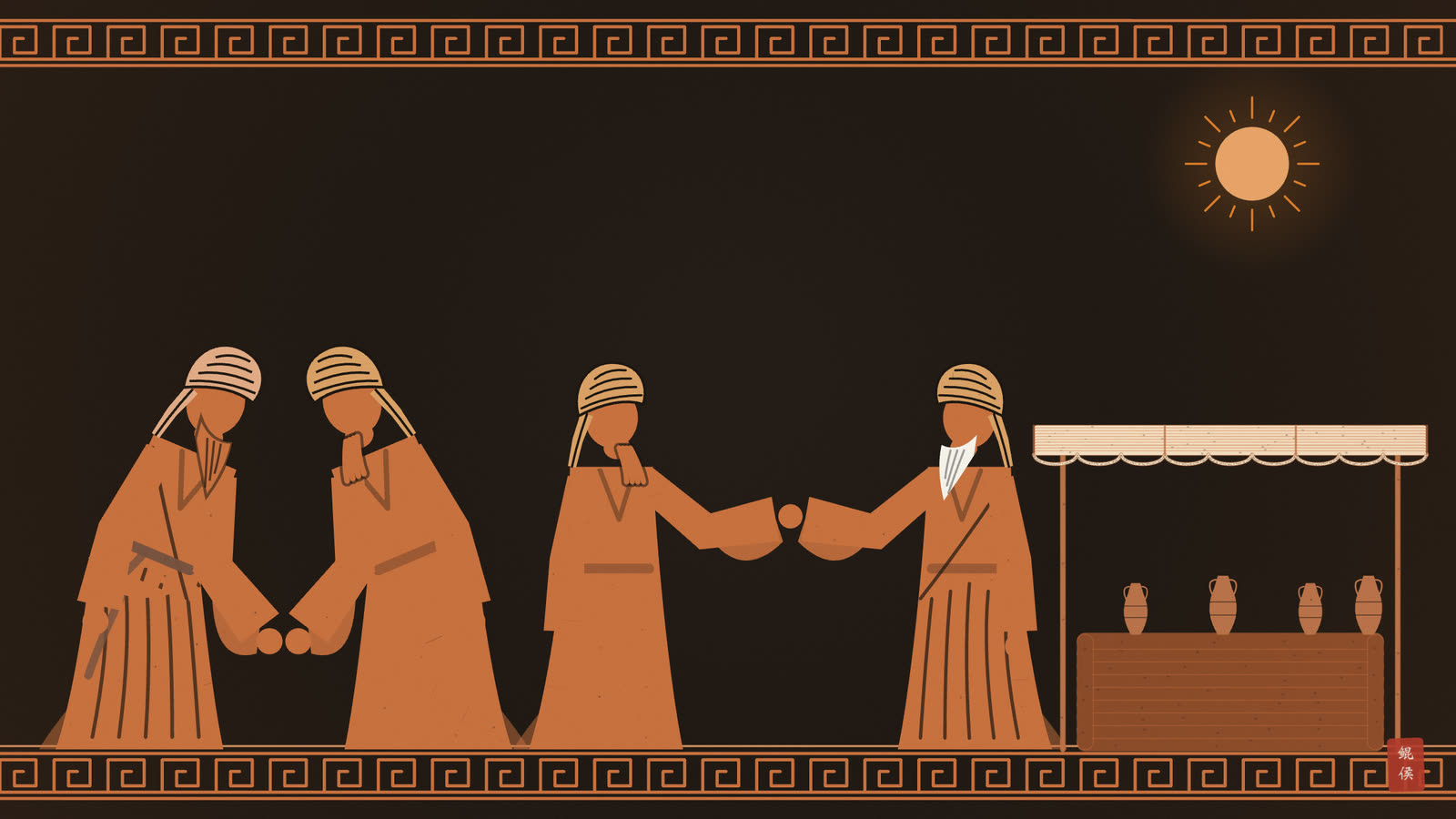
§302. What is the Nawrūz among the months of the Persians?
It is the first day of Farwardīn-māh, and it is called 'new day' for this reason, that it is the beginning of the new year. The five days after it are all feasts, and the sixth of them is the Great Nawrūz, because the Chosroes used to attend to the needs of the people during the five days and then on this day withdraw with their families. They believe of the first Nawrūz that it was the first day of time, because the orb began to revolve on it.
§303. What is the Tīragān?
It is on the thirteenth of Tīr-māh, the name of the day, Tīr, agreeing with the name of its month; and in the same way every day whose name agrees with the name of its month is a feast. On this day, they claim, Ārash shot his arrow, on account of the peace made between Manūchihr and Afrāsiyāb over the kingdom, at the distance of an arrow's shot; and the arrow went from the mountains of Ṭabaristān to the heights of Ṭukhāristān.
§304. What is the Mihrjān?
It is the sixteenth of Mihr-māh, and its name is Mihr. On it, they claim, Farīdūn overcame the sorcerer Bēwarāsb, known as al-Ḍaḥḥāk, and imprisoned him in the mountain of Dunbāwand. The days after it are feasts, as they were after the Nawrūz, and the sixth of them is the Greater Mihrjān, which is known as Rām-rōz.
§305. What is the Farwardajān?
It is the last five days of Ābān-māh, and its meaning is 'the nurturing of the spirit', because the Magians set out food and drink in them for the spirits of their dead, claiming that these come and are nourished by them. Since at the end of Ābān-māh there are five additional days, known as the andargāh, some of them imagined that these were the Farwardajān, and disagreement arose; that was a matter among them in Magianism. So they took both sets of five as a precaution, making the twenty-sixth of Ābān-māh the first of the Farwardajān and the stolen days (al-mustaraqa) its last, and so the Farwardajān became 10 days.
翻译点开
§302. What is the Nawrūz among the months of the Persians?
第三百零二问 波斯人月份中的诺鲁孜是什么?
It is the first day of Farwardīn-māh, and it is called 'new day' for this reason, that it is the beginning of the new year. The five days after it are all feasts, and the sixth of them is the Great Nawrūz, because the Chosroes used to attend to the needs of the people during the five days and then on this day withdraw with their families. They believe of the first Nawrūz that it was the first day of time, because the orb began to revolve on it.
它是法尔瓦丁月第一日,称为“新日”,缘由是它是新年的开始。其后五日都是节日,第六日是大诺鲁孜,因为库思老诸王在那五日里料理百姓的需要,然后在这一日与家人退居。他们相信,第一个诺鲁孜是时间的第一日,因为天球在这一日开始旋转。
§303. What is the Tīragān?
第三百零三问 提尔甘是什么?
It is on the thirteenth of Tīr-māh, the name of the day, Tīr, agreeing with the name of its month; and in the same way every day whose name agrees with the name of its month is a feast. On this day, they claim, Ārash shot his arrow, on account of the peace made between Manūchihr and Afrāsiyāb over the kingdom, at the distance of an arrow's shot; and the arrow went from the mountains of Ṭabaristān to the heights of Ṭukhāristān.
它在提尔月十三日,这一日的名字提尔与它所在之月的名字相合;同样,凡是日名与其月名相合的日子都是节日。他们声称,这一日阿拉什射出了他的箭,起因是马努切赫尔与阿夫拉西亚卜就国土议和,以一箭之远为界;那支箭从塔巴里斯坦的群山飞到了吐火罗斯坦的高地。
§304. What is the Mihrjān?
第三百零四问 米赫尔甘是什么?
It is the sixteenth of Mihr-māh, and its name is Mihr. On it, they claim, Farīdūn overcame the sorcerer Bēwarāsb, known as al-Ḍaḥḥāk, and imprisoned him in the mountain of Dunbāwand. The days after it are feasts, as they were after the Nawrūz, and the sixth of them is the Greater Mihrjān, which is known as Rām-rōz.
它是米赫尔月十六日,这一日的名字是米赫尔。他们声称,这一日法里东制服了称为佐哈克的术士贝瓦拉斯卜,把他囚禁在敦巴万德山中。其后诸日都是节日,与诺鲁孜之后一样,第六日是大米赫尔甘,称为拉姆日。
§305. What is the Farwardajān?
第三百零五问 法尔瓦尔达甘是什么?
It is the last five days of Ābān-māh, and its meaning is 'the nurturing of the spirit', because the Magians set out food and drink in them for the spirits of their dead, claiming that these come and are nourished by them. Since at the end of Ābān-māh there are five additional days, known as the andargāh, some of them imagined that these were the Farwardajān, and disagreement arose; that was a matter among them in Magianism. So they took both sets of five as a precaution, making the twenty-sixth of Ābān-māh the first of the Farwardajān and the stolen days (al-mustaraqa) its last, and so the Farwardajān became 10 days.
它是阿班月的最后五日,意思是“灵魂的滋养”,因为祆教徒在这几日为他们死者的灵魂摆上食物和饮料,声称灵魂会来,靠这些得到滋养。由于阿班月末尾有五个附加日,称为安达尔加,他们中有些人以为这五日才是法尔瓦尔达甘,于是生出分歧;这是祆教中他们之间的一件事。于是他们为稳妥起见,把两个五日都取了,以阿班月二十六日为法尔瓦尔达甘的第一日,以窃日为它的最后,法尔瓦尔达甘就成了十日。
大意与图解点开
🔎 大意:诺鲁孜是法尔瓦丁月初一,第六日为大诺鲁孜;日名与月名相合之日为节,如提尔甘、米赫尔甘;法尔瓦尔达甘合两个五日成十日。
📖 术语
| 术语 | 英文原词 | 意思 |
|---|---|---|
| 诺鲁孜 | Nawrūz | 新日,波斯新年 |
| 提尔甘 | Tīragān | 提尔月提尔日 |
| 米赫尔甘 | Mihrjān | 米赫尔月米赫尔日 |
| 法尔瓦尔达甘 | Farwardajān | 灵魂的滋养 |
| 安达尔加 | the andargāh | 阿班月后的五个附加日 |
🧭 图解与讲解
第三百零二问起讲波斯节日(表一)。诺鲁孜(Nawrūz)意为“新日”,是法尔瓦丁月一日,新年的开始;其后五日都是节日,第六日称大诺鲁孜。比鲁尼记下的缘由是:库思老诸王前五日料理百姓的事,第六日才与家人退居。波斯人还相信第一个诺鲁孜是时间的第一日,天球从这一天开始旋转,这与占星中“世界之始”的观念相通。
| 节名 | 日期 | 日名 | 比鲁尼所述 |
|---|---|---|---|
| 诺鲁孜(新日) | 法尔瓦丁月一日 | 霍尔木兹德 | 新年之始;其后五日皆节,第六日大诺鲁孜;传为天球始转之日 |
| 提尔甘 | 提尔月十三日 | 提尔 | 日名合月名;传说阿拉什射箭定界 |
| 米赫尔甘 | 米赫尔月十六日 | 米赫尔 | 传说法里东制服佐哈克;第六日大米赫尔甘即拉姆日 |
| 法尔瓦尔达甘 | 阿班月二十六日至窃日之末 | — | 为亡灵摆设饮食;两说并取,共十日 |
〔图〕法尔瓦尔达甘两说并取:阿班月末五日加五个窃日,共十日
第三百零三问给出一条通则:凡日名与月名相合的日子都是节日。提尔月的第十三日正是提尔日(上一章表四),所以提尔甘在提尔月十三日;米赫尔月的第十六日是米赫尔日,所以米赫尔甘在十六日。比鲁尼记下两节的传说:提尔甘是阿拉什(Ārash)射箭、为马努切赫尔与阿夫拉西亚卜议和定界之日;米赫尔甘是法里东(Farīdūn)制服术士佐哈克(al-Ḍaḥḥāk)、把他囚在敦巴万德山之日。米赫尔甘后第六日称大米赫尔甘,即拉姆日(第二十一日)。
法尔瓦尔达甘意为“灵魂的滋养”,祆教徒在这几日为亡者的灵魂摆设饮食。分歧出在哪五日:一说是阿班月的最后五日,一说是阿班月后的五个附加日(安达尔加,即窃日)。于是两者都取,从阿班月二十六日起,到窃日最后一日止,共十日(图二)。五加五恰好是十,校勘时已验。这一段也说明了上一章所说附加日放在阿班月之后的实际影响。
📖 术语
| 术语 | 英文原词 | 意思 |
|---|---|---|
| 诺鲁孜 | Nawrūz | 新日,波斯新年 |
| 提尔甘 | Tīragān | 提尔月提尔日 |
| 米赫尔甘 | Mihrjān | 米赫尔月米赫尔日 |
| 法尔瓦尔达甘 | Farwardajān | 灵魂的滋养 |
| 安达尔加 | the andargāh | 阿班月后的五个附加日 |
🧭 图解与讲解
第三百零二问起讲波斯节日(表一)。诺鲁孜(Nawrūz)意为“新日”,是法尔瓦丁月一日,新年的开始;其后五日都是节日,第六日称大诺鲁孜。比鲁尼记下的缘由是:库思老诸王前五日料理百姓的事,第六日才与家人退居。波斯人还相信第一个诺鲁孜是时间的第一日,天球从这一天开始旋转,这与占星中“世界之始”的观念相通。
| 节名 | 日期 | 日名 | 比鲁尼所述 |
|---|---|---|---|
| 诺鲁孜(新日) | 法尔瓦丁月一日 | 霍尔木兹德 | 新年之始;其后五日皆节,第六日大诺鲁孜;传为天球始转之日 |
| 提尔甘 | 提尔月十三日 | 提尔 | 日名合月名;传说阿拉什射箭定界 |
| 米赫尔甘 | 米赫尔月十六日 | 米赫尔 | 传说法里东制服佐哈克;第六日大米赫尔甘即拉姆日 |
| 法尔瓦尔达甘 | 阿班月二十六日至窃日之末 | — | 为亡灵摆设饮食;两说并取,共十日 |
第三百零三问给出一条通则:凡日名与月名相合的日子都是节日。提尔月的第十三日正是提尔日(上一章表四),所以提尔甘在提尔月十三日;米赫尔月的第十六日是米赫尔日,所以米赫尔甘在十六日。比鲁尼记下两节的传说:提尔甘是阿拉什(Ārash)射箭、为马努切赫尔与阿夫拉西亚卜议和定界之日;米赫尔甘是法里东(Farīdūn)制服术士佐哈克(al-Ḍaḥḥāk)、把他囚在敦巴万德山之日。米赫尔甘后第六日称大米赫尔甘,即拉姆日(第二十一日)。
法尔瓦尔达甘意为“灵魂的滋养”,祆教徒在这几日为亡者的灵魂摆设饮食。分歧出在哪五日:一说是阿班月的最后五日,一说是阿班月后的五个附加日(安达尔加,即窃日)。于是两者都取,从阿班月二十六日起,到窃日最后一日止,共十日(图二)。五加五恰好是十,校勘时已验。这一段也说明了上一章所说附加日放在阿班月之后的实际影响。
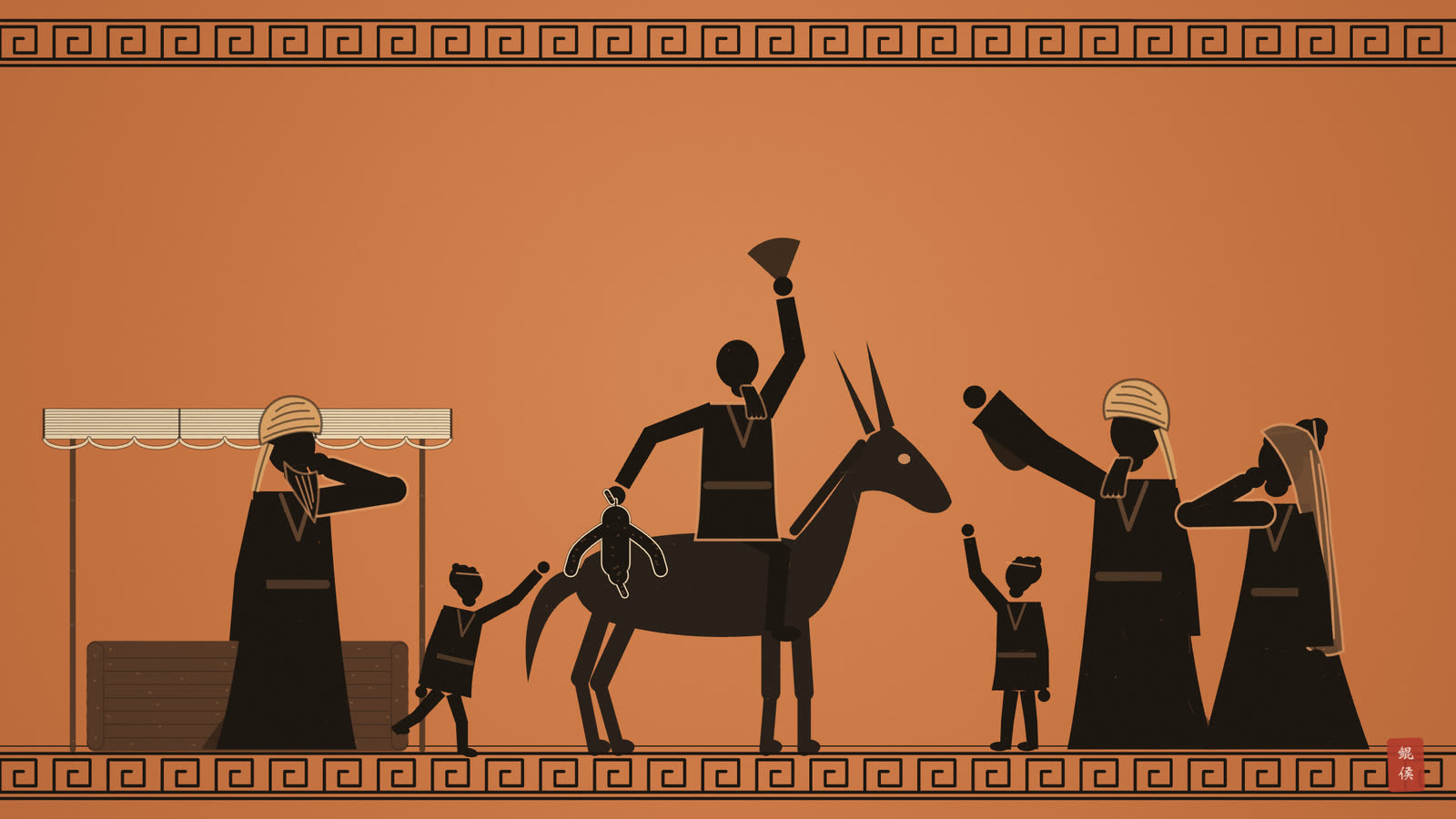
§306. What is the Ride of the Kawsaj?
Ādhar-māh, in the days of the Chosroes, was the beginning of spring. On its first day there used to come, for a good omen, a kawsaj (a thin-bearded man) riding a donkey and holding a crow, fanning himself with a fan and bidding farewell to the winter, and people took it as good tidings. In our time at Shīrāz he is mounted against a tax that he pays to the governor out of what is collected for him: from the morning to noon it is for the tax, and up to the afternoon for himself; if he is found after that he is slapped and made sport of.
§307. What is Bahmanja?
It is the day Bahman of Bahman-māh. On it white bahman is eaten with pure milk, as being good for the memory. In Khurāsān a feast is held over a cooked dish containing every edible grain, the meat of animals, and whatever herbs and plants are found in the place.
§308. What is the Sadhaq?
It is Ābān-rōz, which is the tenth of Bahman-māh. On its night, which is between it and the eleventh day, fires are kindled and people drink around them; then they go on to burning animals. The reason for its name is that from it to the Nawrūz are fifty daytimes and fifty nights [corrected: MS has 'or']; and it is said that on it the offspring of the first father completed a hundred souls [corrected: MS omits 'a hundred']. The reason for kindling fires on it is that Bēwarāsb laid on the kingdom two men every day, so as to treat with their brains the two growths on his shoulders. His vizier was Armāyīl [illegible], and he used to spare one of the two and send him to Dunbāwand. When Afrīdūn seized him he reproached him, and his answer was: 'The utmost in my power was to spare one of each two who were to be killed, and the whole of them are behind the mountain.' So Afrīdūn sent one of his trusted men with him to witness what he claimed; but Armāyīl's messenger went ahead to them, ordering them to raise fires on their roofs, so that their great number might be known by night. This pleased Afrīdūn; he set him free, seated him on a throne of gold, and named him Maṣmughān, that is, the great one of the Magians. It is also said that the Sadhaq is five days, one day called Barsadhaq, and it is also called Būsadhaq; but I have not arrived at the truth of it.
翻译点开
§306. What is the Ride of the Kawsaj?
第三百零六问 骑考斯吉是什么?
Ādhar-māh, in the days of the Chosroes, was the beginning of spring. On its first day there used to come, for a good omen, a kawsaj (a thin-bearded man) riding a donkey and holding a crow, fanning himself with a fan and bidding farewell to the winter, and people took it as good tidings. In our time at Shīrāz he is mounted against a tax that he pays to the governor out of what is collected for him: from the morning to noon it is for the tax, and up to the afternoon for himself; if he is found after that he is slapped and made sport of.
在库思老诸王的时代,阿扎尔月是春天的开始。在它的第一日,为了吉兆,常有一个考斯吉(稀须之人)骑着驴来,手提一只乌鸦,用扇子给自己扇风,与冬天告别,人们以此为好兆头。在我们这个时代,设拉子人让他骑上驴,以抵一笔他要从为他收来的钱里交给长官的税:从早晨到正午收的归税,到下午收的归他自己;过了这个时候若被人撞见,他就要挨耳光、被人戏弄。
§307. What is Bahmanja?
第三百零七问 巴赫曼贾是什么?
It is the day Bahman of Bahman-māh. On it white bahman is eaten with pure milk, as being good for the memory. In Khurāsān a feast is held over a cooked dish containing every edible grain, the meat of animals, and whatever herbs and plants are found in the place.
它是巴赫曼月的巴赫曼日。这一日人们把白巴赫曼与纯奶一起吃,认为对记性有益。在呼罗珊,人们围着一道煮好的菜过节,菜里有每一种可吃的谷物、各种动物的肉,以及当地能找到的一切草叶与植物。
§308. What is the Sadhaq?
第三百零八问 萨达格是什么?
It is Ābān-rōz, which is the tenth of Bahman-māh. On its night, which is between it and the eleventh day, fires are kindled and people drink around them; then they go on to burning animals. The reason for its name is that from it to the Nawrūz are fifty daytimes and fifty nights [corrected: MS has 'or']; and it is said that on it the offspring of the first father completed a hundred souls [corrected: MS omits 'a hundred']. The reason for kindling fires on it is that Bēwarāsb laid on the kingdom two men every day, so as to treat with their brains the two growths on his shoulders. His vizier was Armāyīl [illegible], and he used to spare one of the two and send him to Dunbāwand. When Afrīdūn seized him he reproached him, and his answer was: 'The utmost in my power was to spare one of each two who were to be killed, and the whole of them are behind the mountain.' So Afrīdūn sent one of his trusted men with him to witness what he claimed; but Armāyīl's messenger went ahead to them, ordering them to raise fires on their roofs, so that their great number might be known by night. This pleased Afrīdūn; he set him free, seated him on a throne of gold, and named him Maṣmughān, that is, the great one of the Magians. It is also said that the Sadhaq is five days, one day called Barsadhaq, and it is also called Būsadhaq; but I have not arrived at the truth of it.
它是阿班日,即巴赫曼月第十日。在它的夜里,也就是它与第十一日之间的夜里,人们燃起火,围着火饮酒;然后又进而焚烧动物。它得名的缘由是:从这一日到诺鲁孜,有五十个白昼和五十个夜晚〔抄本作“或”,据算改正〕;又有人说,在这一日,始祖的后裔满了一百人〔抄本脱“一百”,据算改正〕。这一日燃火的缘由是:贝瓦拉斯卜每天向国中征两个人,用他们的脑来治他肩上的两个肉瘤。他的大臣是阿尔马伊勒〔抄本此处字迹难辨〕,他常放过两人中的一个,送他去敦巴万德山。阿夫里敦擒住贝瓦拉斯卜后,责备这位大臣,他回答说:“我力所能及的极限,是在每两个要被杀的人中放过一个,他们全都在山的那一边。”于是阿夫里敦派他的一个亲信随他去,查验他所说的话;但阿尔马伊勒的使者抢先赶到那些人那里,命他们在屋顶上燃起火来,好让人在夜里看出他们人数之多。阿夫里敦为此高兴,释放了他,让他坐上黄金宝座,给他取名为马斯穆甘,意思是祆教徒中的大者。又有人说萨达格共五日,其中一日称为巴尔萨达格,也称为布萨达格;但我没有弄清它的真相。
大意与图解点开
🔎 大意:骑考斯吉在阿扎尔月初一,送冬迎春;巴赫曼贾在巴赫曼月巴赫曼日;萨达格在巴赫曼月十日,距诺鲁孜五十昼五十夜,合为一百。
📖 术语
| 术语 | 英文原词 | 意思 |
|---|---|---|
| 考斯吉 | kawsaj | 稀须之人 |
| 巴赫曼贾 | Bahmanja | 巴赫曼月巴赫曼日 |
| 萨达格 | Sadhaq | 名出“百” |
| 马斯穆甘 | Maṣmughān | 祆教徒中的大者 |
🧭 图解与讲解
骑考斯吉(the Ride of the Kawsaj)在阿扎尔月一日(表一)。比鲁尼说,在库思老诸王时代阿扎尔月是春天的开始,这天有个稀须之人骑驴、提乌鸦、摇扇,表示与冬天告别。到比鲁尼的时代,阿扎尔月早已因不置闰而移离春天,这个习俗在设拉子变成了一种收税的游戏:上午收的归税,下午收的归他自己,过了时辰再被撞见就要挨打。
| 节名 | 日期 | 比鲁尼所述 |
|---|---|---|
| 骑考斯吉 | 阿扎尔月一日 | 昔为春始;稀须人骑驴、提乌鸦、扇风,告别冬天;今设拉子以此收税 |
| 巴赫曼贾 | 巴赫曼月巴赫曼日(二日) | 白巴赫曼配纯奶,益记性;呼罗珊煮百谷百肉百草 |
| 萨达格 | 巴赫曼月阿班日(十日)之夜 | 燃火饮酒;名出“百”;传说与阿尔马伊勒屋顶燃火有关 |
〔图〕萨达格名出“百”:到诺鲁孜五十个白昼加五十个夜晚
巴赫曼贾在巴赫曼月的巴赫曼日(每月第二日),又是“日名合月名”的节日;比鲁尼记下这天吃白巴赫曼配纯奶以益记性,呼罗珊人则煮一锅百谷百肉百草的菜。萨达格(Sadhaq)在巴赫曼月阿班日,即十日,当夜燃火饮酒。
萨达格的名字出于波斯语的“百”。抄本作“到诺鲁孜有五十个白昼或五十个夜晚”,这样凑不成一百;从巴赫曼月十日到月底是二十日,再加伊斯凡达尔马兹月三十日,共五十日,五十个白昼加五十个夜晚才是一百(图二)。所以校勘把“或”改为“和”;另一说“始祖的后裔满了一百人”,抄本脱“一百”,也据此补出。
燃火的缘由,比鲁尼记下一个传说:暴君贝瓦拉斯卜每天征两人取脑治肩上的肉瘤,大臣阿尔马伊勒每次私放一人到敦巴万德山;阿夫里敦(即上一问的法里东)查验时,那些人在屋顶燃火示众,大臣因此获释受封,号马斯穆甘。末了他坦言萨达格是否共五日、巴尔萨达格之名的真相,他没有弄清,这是他一贯存疑的态度。
📖 术语
| 术语 | 英文原词 | 意思 |
|---|---|---|
| 考斯吉 | kawsaj | 稀须之人 |
| 巴赫曼贾 | Bahmanja | 巴赫曼月巴赫曼日 |
| 萨达格 | Sadhaq | 名出“百” |
| 马斯穆甘 | Maṣmughān | 祆教徒中的大者 |
🧭 图解与讲解
骑考斯吉(the Ride of the Kawsaj)在阿扎尔月一日(表一)。比鲁尼说,在库思老诸王时代阿扎尔月是春天的开始,这天有个稀须之人骑驴、提乌鸦、摇扇,表示与冬天告别。到比鲁尼的时代,阿扎尔月早已因不置闰而移离春天,这个习俗在设拉子变成了一种收税的游戏:上午收的归税,下午收的归他自己,过了时辰再被撞见就要挨打。
| 节名 | 日期 | 比鲁尼所述 |
|---|---|---|
| 骑考斯吉 | 阿扎尔月一日 | 昔为春始;稀须人骑驴、提乌鸦、扇风,告别冬天;今设拉子以此收税 |
| 巴赫曼贾 | 巴赫曼月巴赫曼日(二日) | 白巴赫曼配纯奶,益记性;呼罗珊煮百谷百肉百草 |
| 萨达格 | 巴赫曼月阿班日(十日)之夜 | 燃火饮酒;名出“百”;传说与阿尔马伊勒屋顶燃火有关 |
巴赫曼贾在巴赫曼月的巴赫曼日(每月第二日),又是“日名合月名”的节日;比鲁尼记下这天吃白巴赫曼配纯奶以益记性,呼罗珊人则煮一锅百谷百肉百草的菜。萨达格(Sadhaq)在巴赫曼月阿班日,即十日,当夜燃火饮酒。
萨达格的名字出于波斯语的“百”。抄本作“到诺鲁孜有五十个白昼或五十个夜晚”,这样凑不成一百;从巴赫曼月十日到月底是二十日,再加伊斯凡达尔马兹月三十日,共五十日,五十个白昼加五十个夜晚才是一百(图二)。所以校勘把“或”改为“和”;另一说“始祖的后裔满了一百人”,抄本脱“一百”,也据此补出。
燃火的缘由,比鲁尼记下一个传说:暴君贝瓦拉斯卜每天征两人取脑治肩上的肉瘤,大臣阿尔马伊勒每次私放一人到敦巴万德山;阿夫里敦(即上一问的法里东)查验时,那些人在屋顶燃火示众,大臣因此获释受封,号马斯穆甘。末了他坦言萨达格是否共五日、巴尔萨达格之名的真相,他没有弄清,这是他一贯存疑的态度。
原文为公有领域古籍;翻译、印象画与图文解读由 AI 辅助生成,鲲侯审校。