卷六·第 309–321 问 岁时诸日、粟特与花剌子模节日、改历与历书
蝎符、六季节、炭火日、老妇日、巴胡尔日,粟特与花剌子模的节日,穆阿台迪德的改历,以及历书的格式与一个完整的查法例题。
§309. What is the writing of the scorpion-slips?
It is not one of the customs of the Persians, but an innovation of the common people. On it they write slips which are stuck on the doors to ward off stinging creatures. It is the fifth of Isfandārmadh-māh. The Persians used to call it Mardgīrān, since on it women held sway over their husbands and demanded of them their desires.
§310. What are the Kahanbārs?
They are divisions of the days of the year, unequal ones; at the beginning of each division are five days, which are the Kahanbārs. Zoroaster claimed that in each of them God, exalted be He, created one kind of creation: the sky, the earth, water, plants, animals and man; and so God's creation of the world was completed in six days.
§311. What are the Jamarāt among the months of the Romans?
They are days at the end of winter, when spring is overshadowing, in which, they claim, the earth grows warm and vapours come out of it. The first jamra is when 7 days of Shubāṭ have passed, the second at 14 and the third at 21. The Arabs have erred about them, for they are days marked for the setting of stars of the mansions of the Moon.
§312. What are the Days of the Old Woman?
They are 7 days, the first of them the twenty-sixth of Shubāṭ, and they are not free of cold, wind and change in the air. As for the story of the old woman, it is said that these are the ill-omened days in which God, exalted be He, destroyed the people of ʿĀd with the barren wind, and one old woman of them was left; for this reason they are also called the days of al-shahla (the old woman). The philologists say that they are the days of al-ʿajz, because they are in the ʿajz, that is, the tail-end, of winter.
§313. What is the Old Woman of Qalam?
Yaʿqūb al-Kindī wrote a treatise on the cause of the Days of the Old Woman, in which he relied on the Sun's reaching at that time the quadrant of its apogee, which is the place where the equation changes from increase to decrease. Since the apogee moves, ʿAbd Allāh son of ʿAlī the calculator, known as ʿAbd Allāh Qalam, moved the Days of the Old Woman to the time at which the Sun reaches the quadrant of its apogee in our time, instead of the time of Ptolemy; and so the Old Woman was ascribed to ʿAbd Allāh.
翻译点开
§309. What is the writing of the scorpion-slips?
第三百零九问 写蝎符是什么?
It is not one of the customs of the Persians, but an innovation of the common people. On it they write slips which are stuck on the doors to ward off stinging creatures. It is the fifth of Isfandārmadh-māh. The Persians used to call it Mardgīrān, since on it women held sway over their husbands and demanded of them their desires.
它不是波斯人的习俗,而是平民的新创。这一日他们写纸条贴在门上,以驱除螫人的虫类。它在伊斯凡达尔马兹月第五日。波斯人从前称这一日为马尔德吉兰,因为这一日妇女主宰她们的丈夫,向他们索要所愿之物。
§310. What are the Kahanbārs?
第三百一十问 卡汉巴尔是什么?
They are divisions of the days of the year, unequal ones; at the beginning of each division are five days, which are the Kahanbārs. Zoroaster claimed that in each of them God, exalted be He, created one kind of creation: the sky, the earth, water, plants, animals and man; and so God's creation of the world was completed in six days.
它们是一年诸日的分段,长短不等;每一段开头有五日,就是卡汉巴尔。琐罗亚斯德声称,至高的神在每一段里造了一类造物:天、地、水、植物、动物与人;于是神在六日里完成了世界的创造。
§311. What are the Jamarāt among the months of the Romans?
第三百一十一问 罗马月份中的炭火日是什么?
They are days at the end of winter, when spring is overshadowing, in which, they claim, the earth grows warm and vapours come out of it. The first jamra is when 7 days of Shubāṭ have passed, the second at 14 and the third at 21. The Arabs have erred about them, for they are days marked for the setting of stars of the mansions of the Moon.
它们是冬末、春天将临时的日子,他们声称在这些日子里大地变暖,蒸气从中冒出。第一个炭火在舍巴特月过了七日时,第二个在十四日,第三个在二十一日。阿拉伯人在这些日子上弄错了,因为这些日子是以月亮诸宿之星的沉落为标记的。
§312. What are the Days of the Old Woman?
第三百一十二问 老妇日是什么?
They are 7 days, the first of them the twenty-sixth of Shubāṭ, and they are not free of cold, wind and change in the air. As for the story of the old woman, it is said that these are the ill-omened days in which God, exalted be He, destroyed the people of ʿĀd with the barren wind, and one old woman of them was left; for this reason they are also called the days of al-shahla (the old woman). The philologists say that they are the days of al-ʿajz, because they are in the ʿajz, that is, the tail-end, of winter.
它们共七日,第一日是舍巴特月二十六日,这些日子不免有寒冷、风与天气的变化。至于老妇的故事,据说这些是不祥之日,至高的真主在其中以不孕之风毁灭了阿德人,他们中只剩下一个老妇;因此这些日子又称为沙赫拉(老妇)之日。语文学家说,它们是阿杰兹之日,因为它们在冬天的阿杰兹,即末尾。
§313. What is the Old Woman of Qalam?
第三百一十三问 格拉姆的老妇是什么?
Yaʿqūb al-Kindī wrote a treatise on the cause of the Days of the Old Woman, in which he relied on the Sun's reaching at that time the quadrant of its apogee, which is the place where the equation changes from increase to decrease. Since the apogee moves, ʿAbd Allāh son of ʿAlī the calculator, known as ʿAbd Allāh Qalam, moved the Days of the Old Woman to the time at which the Sun reaches the quadrant of its apogee in our time, instead of the time of Ptolemy; and so the Old Woman was ascribed to ʿAbd Allāh.
雅古卜·金迪写过一篇论老妇日成因的论文,其中他依据的是太阳在那时到达其远地点的象限,那是均差由增转减之处。由于远地点会移动,计算家阿里之子阿卜杜拉,人称阿卜杜拉·格拉姆,就把老妇日移到我们这个时代太阳到达其远地点象限的时间,而不用托勒密时代的时间;于是这个老妇就归到阿卜杜拉名下了。
大意与图解点开
🔎 大意:蝎符在伊斯凡达尔马兹月五日;卡汉巴尔是六段之首;炭火日在舍巴特月七、十四、二十一日;老妇日七日,格拉姆按远地点挪移。
📖 术语
| 术语 | 英文原词 | 意思 |
|---|---|---|
| 卡汉巴尔 | the Kahanbārs | 六段之首的五日 |
| 炭火日 | the Jamarāt | 冬末地暖之日 |
| 老妇日 | the Days of the Old Woman | 舍巴特月末七日 |
| 阿杰兹 | al-ʿajz | 末尾 |
| 远地点的象限 | the quadrant of its apogee | 均差由增转减之处 |
🧭 图解与讲解
这一章先讲几种与季节、天候相关的日子(表一)。写蝎符在伊斯凡达尔马兹月五日,这一天正是伊斯凡达尔马兹日(上一章所说日名合月名);比鲁尼说贴纸条驱螫虫是平民的新创,不是波斯人的旧俗,波斯人原称此日为马尔德吉兰,因为这天妇女主宰丈夫。卡汉巴尔是把一年分成长短不等的六段,每段开头五日,琐罗亚斯德说神在六段里依次造了天、地、水、植物、动物与人(图二)。
| 名称 | 日期 | 比鲁尼所述 |
|---|---|---|
| 写蝎符(古称马尔德吉兰) | 伊斯凡达尔马兹月五日 | 平民新创,贴纸条于门以驱螫虫;古时此日妇女主宰丈夫 |
| 卡汉巴尔 | 一年六段,各段之首五日 | 琐罗亚斯德说每段造一类造物 |
| 炭火日 | 舍巴特月第七、十四、二十一日后 | 冬末地暖、蒸气出;实以月宿之星的沉落为标记 |
| 老妇日 | 舍巴特月二十六日起七日 | 寒、风、天变;传说阿德人被毁、剩一老妇;或说“冬尾”之日 |
| 格拉姆的老妇 | 随太阳远地点象限而移 | 金迪据远地点立说,格拉姆按当代远地点挪动日期 |
〔图〕卡汉巴尔:一年分六段,每段之首五日,各纪念一类造物
炭火日与老妇日放在罗马(叙利亚)月里,因为那是固定的太阳年,正合上一章第二百八十二问所说“年固定者另有农时与天候之日”。炭火日在舍巴特月(二月)第七、十四、二十一日之后,相传大地变暖、蒸气冒出;比鲁尼指出阿拉伯人把它弄错了,其实这些日子是以月亮诸宿之星的沉落为标记。老妇日从舍巴特月二十六日起共七日,多寒风与天变,他并列了阿德人的传说与语文学家“冬尾”的解释。
第三百一十三问很有天文意味。金迪(al-Kindī)认为老妇日的寒变,是因太阳那时走到其远地点的象限,即均差由增转减之处(卷三讲过太阳的偏心与均差)。远地点本身会缓慢移动,所以计算家阿卜杜拉·格拉姆按当代远地点的位置,把老妇日挪到了另一个时间,不再用托勒密时代的日期,于是有了“格拉姆的老妇”之名。这正是星占家以天体的实测去校正民间岁时的一例。
📖 术语
| 术语 | 英文原词 | 意思 |
|---|---|---|
| 卡汉巴尔 | the Kahanbārs | 六段之首的五日 |
| 炭火日 | the Jamarāt | 冬末地暖之日 |
| 老妇日 | the Days of the Old Woman | 舍巴特月末七日 |
| 阿杰兹 | al-ʿajz | 末尾 |
| 远地点的象限 | the quadrant of its apogee | 均差由增转减之处 |
🧭 图解与讲解
这一章先讲几种与季节、天候相关的日子(表一)。写蝎符在伊斯凡达尔马兹月五日,这一天正是伊斯凡达尔马兹日(上一章所说日名合月名);比鲁尼说贴纸条驱螫虫是平民的新创,不是波斯人的旧俗,波斯人原称此日为马尔德吉兰,因为这天妇女主宰丈夫。卡汉巴尔是把一年分成长短不等的六段,每段开头五日,琐罗亚斯德说神在六段里依次造了天、地、水、植物、动物与人(图二)。
| 名称 | 日期 | 比鲁尼所述 |
|---|---|---|
| 写蝎符(古称马尔德吉兰) | 伊斯凡达尔马兹月五日 | 平民新创,贴纸条于门以驱螫虫;古时此日妇女主宰丈夫 |
| 卡汉巴尔 | 一年六段,各段之首五日 | 琐罗亚斯德说每段造一类造物 |
| 炭火日 | 舍巴特月第七、十四、二十一日后 | 冬末地暖、蒸气出;实以月宿之星的沉落为标记 |
| 老妇日 | 舍巴特月二十六日起七日 | 寒、风、天变;传说阿德人被毁、剩一老妇;或说“冬尾”之日 |
| 格拉姆的老妇 | 随太阳远地点象限而移 | 金迪据远地点立说,格拉姆按当代远地点挪动日期 |
炭火日与老妇日放在罗马(叙利亚)月里,因为那是固定的太阳年,正合上一章第二百八十二问所说“年固定者另有农时与天候之日”。炭火日在舍巴特月(二月)第七、十四、二十一日之后,相传大地变暖、蒸气冒出;比鲁尼指出阿拉伯人把它弄错了,其实这些日子是以月亮诸宿之星的沉落为标记。老妇日从舍巴特月二十六日起共七日,多寒风与天变,他并列了阿德人的传说与语文学家“冬尾”的解释。
第三百一十三问很有天文意味。金迪(al-Kindī)认为老妇日的寒变,是因太阳那时走到其远地点的象限,即均差由增转减之处(卷三讲过太阳的偏心与均差)。远地点本身会缓慢移动,所以计算家阿卜杜拉·格拉姆按当代远地点的位置,把老妇日挪到了另一个时间,不再用托勒密时代的日期,于是有了“格拉姆的老妇”之名。这正是星占家以天体的实测去校正民间岁时的一例。
§314. What are the days of the Bāḥūr?
They are 8 days, the first of them the nineteenth of Tammūz. The Greeks mentioned that they are marked for the rising of the Dog of the Giant, which is al-Shiʿrā al-Yamāniyya, and that is the time of the height of the heat. Their name is derived from buḥrān, that is, judgement (crisis), because the men of experience deduce from them the conditions of the air in the months of winter: the first day of them is the indicator of Tishrīn the Former, the second the indicator of Tishrīn the Latter, and so on to the last of them, and whatever cloud, rain or wind is seen on each day will be the condition of its month. They also, and especially in Egypt, deduce from them the state of the crops, which of them will thrive and which will not.
§315. Have others besides these anything of the kind?
Each of the nations and of the people of the various countries has things like these, feasts and fairs held in certain places; but to search them all out is hard, and what has been obtained of them we have put in places where one is occupied only with what befits them.
翻译点开
§314. What are the days of the Bāḥūr?
第三百一十四问 巴胡尔日是什么?
They are 8 days, the first of them the nineteenth of Tammūz. The Greeks mentioned that they are marked for the rising of the Dog of the Giant, which is al-Shiʿrā al-Yamāniyya, and that is the time of the height of the heat. Their name is derived from buḥrān, that is, judgement (crisis), because the men of experience deduce from them the conditions of the air in the months of winter: the first day of them is the indicator of Tishrīn the Former, the second the indicator of Tishrīn the Latter, and so on to the last of them, and whatever cloud, rain or wind is seen on each day will be the condition of its month. They also, and especially in Egypt, deduce from them the state of the crops, which of them will thrive and which will not.
它们共八日,第一日是塔穆兹月十九日。希腊人说它们以巨人之犬,即南方的天狼星的升起为标记,那是酷热最盛的时候。它们的名字出于布赫兰,即判断(危机),因为有经验的人从它们推断冬季各月的空气状况:第一日是前提斯林月的指征,第二日是后提斯林月的指征,如此直到最后一日,每一日所见的云、雨或风,就是它所指之月的状况。他们又,尤其在埃及,从这些日子推断庄稼的情形,哪些会茂盛、哪些不会。
§315. Have others besides these anything of the kind?
第三百一十五问 除了这些人,别的人也有这类东西吗?
Each of the nations and of the people of the various countries has things like these, feasts and fairs held in certain places; but to search them all out is hard, and what has been obtained of them we have put in places where one is occupied only with what befits them.
各民族及各地之人都有类似的东西,即在某些地方举行的节日与集市;但要把它们全都搜寻出来很难,我们已得到的那些,已放在只专门讲这些事的地方。
大意与图解点开
🔎 大意:巴胡尔日八日,起于塔穆兹月十九日,以天狼星升起为标记;八日的天气依次预示前提斯林月以下八个月。各族另有节日与集市。
📖 术语
| 术语 | 英文原词 | 意思 |
|---|---|---|
| 巴胡尔 | the Bāḥūr | 塔穆兹月的八日 |
| 布赫兰 | buḥrān | 判断、危机 |
| 巨人之犬 | the Dog of the Giant | 天狼星 |
| 指征 | indicator | 预示某月之兆 |
🧭 图解与讲解
巴胡尔日(the Bāḥūr)在塔穆兹月(七月)十九日起共八日。比鲁尼说,希腊人以“巨人之犬”即天狼星(al-Shiʿrā al-Yamāniyya)的升起为标记,那正是一年最热的时候。名字出于布赫兰(buḥrān),即判断、危机,这个词在医书里也指病势的转折。
| 巴胡尔第几日 | 塔穆兹月 | 所指之月 |
|---|---|---|
| 一 | 十九日 | 前提斯林月 |
| 二 | 二十日 | 后提斯林月 |
| 三 | 二十一日 | 前卡农月 |
| 四 | 二十二日 | 后卡农月 |
| 五 | 二十三日 | 舍巴特月 |
| 六 | 二十四日 | 阿达尔月 |
| 七 | 二十五日 | 尼散月 |
| 八 | 二十六日 | 阿亚尔月 |
〔图〕巴胡尔日:天狼星升起、暑热最盛时,八日天气预示冬季八个月
这八日的用处是预测天气(表一):第一日的云、雨、风预示前提斯林月(十月),第二日预示后提斯林月,依次类推,八日对应从十月到次年五月的八个月;埃及人尤其用它推断庄稼的丰歉。原文只举了前两日,其余是讲解按叙利亚月序顺推的。这是世运占星中“以一日推一月”的典型做法(图二)。
第三百一十五问是一句总结:各族各地都有自己的节日与集市,难以一一搜寻,比鲁尼说他已把得到的放在专门讲这些的地方。下面几问再补粟特与花剌子模的节日,这是比鲁尼的故乡一带,他所知较详。
📖 术语
| 术语 | 英文原词 | 意思 |
|---|---|---|
| 巴胡尔 | the Bāḥūr | 塔穆兹月的八日 |
| 布赫兰 | buḥrān | 判断、危机 |
| 巨人之犬 | the Dog of the Giant | 天狼星 |
| 指征 | indicator | 预示某月之兆 |
🧭 图解与讲解
巴胡尔日(the Bāḥūr)在塔穆兹月(七月)十九日起共八日。比鲁尼说,希腊人以“巨人之犬”即天狼星(al-Shiʿrā al-Yamāniyya)的升起为标记,那正是一年最热的时候。名字出于布赫兰(buḥrān),即判断、危机,这个词在医书里也指病势的转折。
| 巴胡尔第几日 | 塔穆兹月 | 所指之月 |
|---|---|---|
| 一 | 十九日 | 前提斯林月 |
| 二 | 二十日 | 后提斯林月 |
| 三 | 二十一日 | 前卡农月 |
| 四 | 二十二日 | 后卡农月 |
| 五 | 二十三日 | 舍巴特月 |
| 六 | 二十四日 | 阿达尔月 |
| 七 | 二十五日 | 尼散月 |
| 八 | 二十六日 | 阿亚尔月 |
这八日的用处是预测天气(表一):第一日的云、雨、风预示前提斯林月(十月),第二日预示后提斯林月,依次类推,八日对应从十月到次年五月的八个月;埃及人尤其用它推断庄稼的丰歉。原文只举了前两日,其余是讲解按叙利亚月序顺推的。这是世运占星中“以一日推一月”的典型做法(图二)。
第三百一十五问是一句总结:各族各地都有自己的节日与集市,难以一一搜寻,比鲁尼说他已把得到的放在专门讲这些的地方。下面几问再补粟特与花剌子模的节日,这是比鲁尼的故乡一带,他所知较详。
§316. Have the Magians of Sogdiana days of this kind?
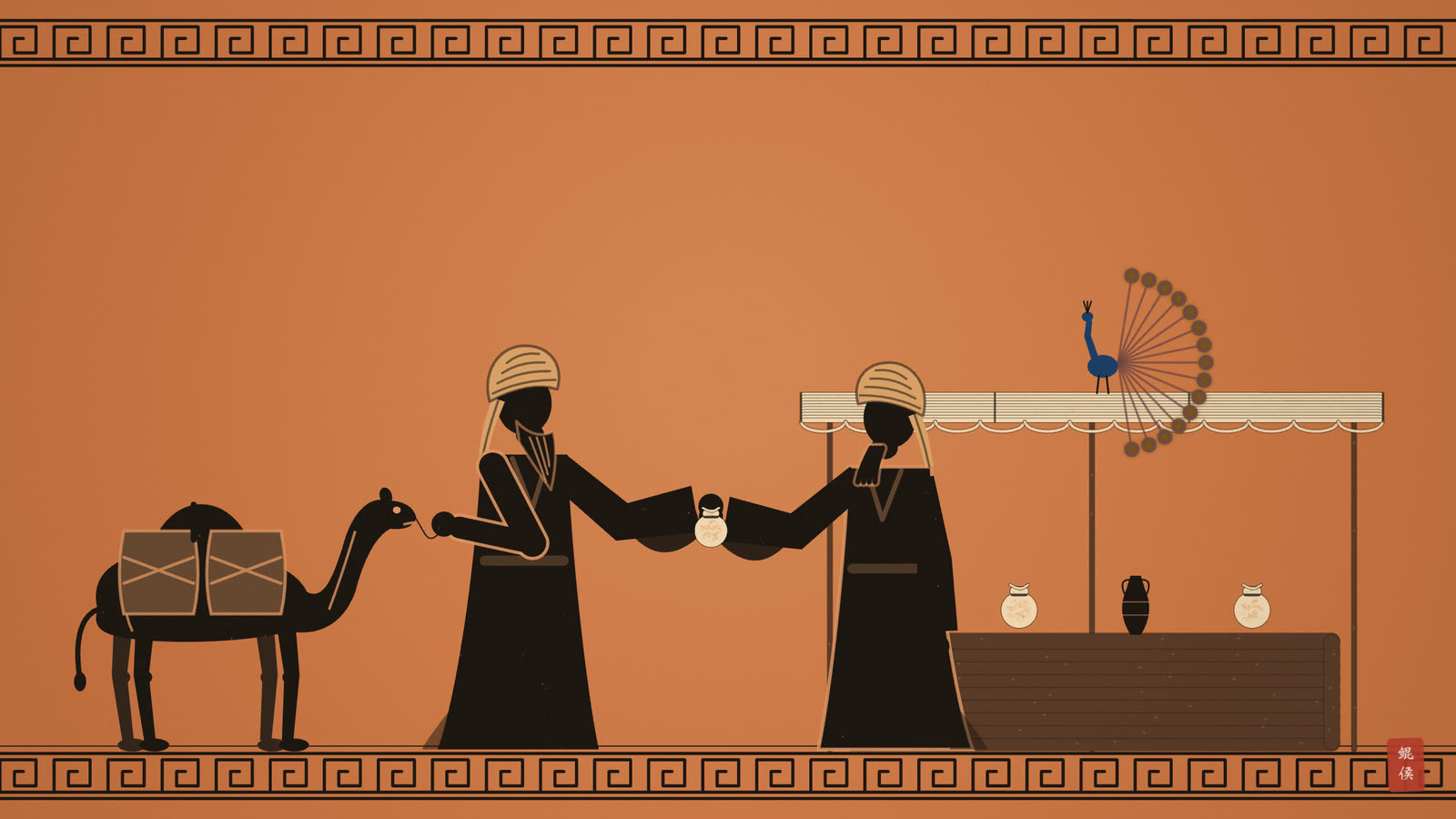
They have in their months feasts with special names, called aʿāmāt, but we have not obtained them as we should. The people of Bukhārā call the months of Sogdiana 'the first', 'the second' and so on, their names being the Muʿtaḍidī ones [text uncertain]. They hold fairs in them. Among them are the first Mākhīzaj and the second Mākhīzaj; we have been told that stolen goods are sold at them, that every kind of mingling goes on at them, and that nothing is forbidden at them. The first of these two is the thirteenth day of the third month, which is Banīsh, and the second is the thirteenth day of the fourth month, which is Sāk. Among them is the Fair of the Peacocks, a village in which it is held, on the fifteenth of the sixth month, which is Murkhdhā, for 7 days; and among them is the fair of al-Musriʿ, a village in which it is held, at the middle of the tenth month, which is Masāfūgh, for 10 days.
§317. What is Khazzān?
It is said that it is not one of the customs of the Sogdians, even though they observe it, but is for the weavers a sign of the change of the air to cold. The Khazzān of the elite is the eighteenth day of the month Nūmāh, and the Khazzān of the common people is the second day of Mihr-māh. Both are feasts, and they are as it were the beginning of the wine-pressing.
§318. What are the days of the Magians of Khwārazm?
In the months they are at one with the Sogdians, and the two differ in the names only so far as the languages differ. The people of Khwārazm have known days in their months. They call their Nawrūz Awsārdī. Among those days is Arghāsuwān, which is the first day of the third of their months; it is the sixth day of Khurdādh-māh, and in our time it is in summer; it is the sign for the sowing of sesame and what goes with it. Among them is Ajghār, that is, the flame, which is the sixteenth day of the fourth of their months; on its night they kindle fires in the manner of the Sadhaq and drink beside them, and they count the days from it for the times of sowing, picking and pressing. Then there is [illegible], which is the first day of the sixth of their months; on it the Shāh used to go out to the frontiers. Among them is Khīr-rōz, which is Rām-rōz of the Persians; and among them is Sakhab, which is the sixteenth day of the tenth of their months, and in our time it is midwinter.
翻译点开
§316. Have the Magians of Sogdiana days of this kind?
第三百一十六问 粟特的祆教徒有这类日子吗?
They have in their months feasts with special names, called aʿāmāt, but we have not obtained them as we should. The people of Bukhārā call the months of Sogdiana 'the first', 'the second' and so on, their names being the Muʿtaḍidī ones [text uncertain]. They hold fairs in them. Among them are the first Mākhīzaj and the second Mākhīzaj; we have been told that stolen goods are sold at them, that every kind of mingling goes on at them, and that nothing is forbidden at them. The first of these two is the thirteenth day of the third month, which is Banīsh, and the second is the thirteenth day of the fourth month, which is Sāk. Among them is the Fair of the Peacocks, a village in which it is held, on the fifteenth of the sixth month, which is Murkhdhā, for 7 days; and among them is the fair of al-Musriʿ, a village in which it is held, at the middle of the tenth month, which is Masāfūgh, for 10 days.
他们的月份里有带专名的节日,称为阿阿马特,但我们没有按应有的样子得到它们。布哈拉人把粟特的月份称为“第一”“第二”等等,它们的名字是穆阿台迪德历的名字〔原文疑有讹误〕。他们在这些月份里举行集市。其中有第一马希扎吉与第二马希扎吉;我们听说在那里出售赃物,各色人等混杂其间,那里没有什么是被禁止的。两者中的第一个是第三个月——即巴尼什月——的第十三日,第二个是第四个月——即萨克月——的第十三日。其中有孔雀市集,孔雀是举办它的一个村子,在第六个月——即穆尔赫扎月——的十五日,共七日;其中又有穆斯里市集,穆斯里也是举办它的一个村子,在第十个月——即马萨富格月——的月中,共十日。
§317. What is Khazzān?
第三百一十七问 哈赞是什么?
It is said that it is not one of the customs of the Sogdians, even though they observe it, but is for the weavers a sign of the change of the air to cold. The Khazzān of the elite is the eighteenth day of the month Nūmāh, and the Khazzān of the common people is the second day of Mihr-māh. Both are feasts, and they are as it were the beginning of the wine-pressing.
据说它不是粟特人的习俗,虽然他们也守它,而是对织工来说天气转寒的征兆。贵族的哈赞是努马月的十八日,平民的哈赞是米赫尔月的第二日。两者都是节日,它们仿佛是榨酒的开始。
§318. What are the days of the Magians of Khwārazm?
第三百一十八问 花剌子模的祆教徒有哪些日子?
In the months they are at one with the Sogdians, and the two differ in the names only so far as the languages differ. The people of Khwārazm have known days in their months. They call their Nawrūz Awsārdī. Among those days is Arghāsuwān, which is the first day of the third of their months; it is the sixth day of Khurdādh-māh, and in our time it is in summer; it is the sign for the sowing of sesame and what goes with it. Among them is Ajghār, that is, the flame, which is the sixteenth day of the fourth of their months; on its night they kindle fires in the manner of the Sadhaq and drink beside them, and they count the days from it for the times of sowing, picking and pressing. Then there is [illegible], which is the first day of the sixth of their months; on it the Shāh used to go out to the frontiers. Among them is Khīr-rōz, which is Rām-rōz of the Persians; and among them is Sakhab, which is the sixteenth day of the tenth of their months, and in our time it is midwinter.
在月份上他们与粟特人一致,两者在名称上的不同只在于语言的不同。花剌子模人在他们的月份里有一些已知的日子。他们称他们的诺鲁孜为奥萨尔迪。这些日子中有阿尔加苏万,是他们第三个月的第一日;它是霍尔达德月的第六日,在我们这个时代落在夏天;它是播种芝麻及其同类的征兆。其中有阿杰加尔,即火焰,是他们第四个月的第十六日;在它的夜里,他们像萨达格那样燃起火,在旁边饮酒,并从这一日起数日子,以定播种、采摘与压榨的时节。然后是〔抄本此处字迹难辨〕,是他们第六个月的第一日;这一日沙常出巡边境。其中有希尔日,它就是波斯人的拉姆日;其中又有萨哈卜,是他们第十个月的第十六日,在我们这个时代是隆冬。
大意与图解点开
🔎 大意:粟特有马希扎吉、孔雀、穆斯里诸集市与哈赞;花剌子模月份同粟特,新年称奥萨尔迪,另有阿尔加苏万、阿杰加尔、萨哈卜等日。
📖 术语
| 术语 | 英文原词 | 意思 |
|---|---|---|
| 阿阿马特 | aʿāmāt | 粟特节日的总称 |
| 马希扎吉 | Mākhīzaj | 粟特的集市节 |
| 哈赞 | Khazzān | 天寒之兆、榨酒之始 |
| 奥萨尔迪 | Awsārdī | 花剌子模新年 |
| 阿杰加尔 | Ajghār | 火焰之夜 |
🧭 图解与讲解
第三百一十六至三百一十八问讲中亚两地的节日(表一)。粟特(Sogdiana)的节日总称阿阿马特(aʿāmāt),比鲁尼坦言没有得到完整的材料。布哈拉人只把月份叫“第一月”“第二月”,这一句抄本有讹,本站标明存疑。粟特的集市节有两个马希扎吉、孔雀市集、穆斯里市集;比鲁尼记下马希扎吉“无所禁”的传闻,说是“我们听说”。这里的月名照正文转写,与第三十三章表三里粟特栏的拼法不尽相同,照抄本各存其形。
| 地方 | 名称 | 日期 | 比鲁尼所述 |
|---|---|---|---|
| 粟特 | 第一马希扎吉 | 第三月(巴尼什月)十三日 | 集市;卖赃物,人等混杂,无所禁 |
| 粟特 | 第二马希扎吉 | 第四月(萨克月)十三日 | 同上 |
| 粟特 | 孔雀市集 | 第六月(穆尔赫扎月)十五日起七日 | 在孔雀村 |
| 粟特 | 穆斯里市集 | 第十月(马萨富格月)月中起十日 | 在穆斯里村 |
| 粟特 | 哈赞 | 贵族:努马月十八日;平民:米赫尔月二日 | 织工的天寒之兆;榨酒之始 |
| 花剌子模 | 奥萨尔迪 | 岁首 | 即他们的诺鲁孜 |
| 花剌子模 | 阿尔加苏万 | 第三月一日,即霍尔达德月六日 | 今在夏天;播种芝麻之兆 |
| 花剌子模 | 阿杰加尔(火焰) | 第四月十六日 | 夜里燃火饮酒;由此数农时 |
| 花剌子模 | 〔名难辨〕 | 第六月一日 | 沙出巡边境 |
| 花剌子模 | 希尔日 | — | 即波斯人的拉姆日 |
| 花剌子模 | 萨哈卜 | 第十月十六日 | 今在隆冬 |
〔图〕花剌子模第三月一日正是霍尔达德月六日:岁首比波斯晚五天
哈赞(Khazzān)据说不是粟特人的旧俗,而是织工的天寒之兆,分贵族与平民两个日子,都是节日,又像是榨葡萄酒的开端。花剌子模(Khwārazm)是比鲁尼的故乡,月份与粟特一致,只是语言不同;新年称奥萨尔迪(Awsārdī)。
花剌子模的日子多与农时相关:阿尔加苏万是播芝麻之兆,阿杰加尔(意为火焰)之夜像萨达格那样燃火饮酒,并由此数播种、采摘、压榨的时节;第六月一日(名称抄本难辨)沙出巡边境;萨哈卜在第十月十六日,当时正值隆冬。比鲁尼说阿尔加苏万是第三月一日、即霍尔达德月六日,这正说明花剌子模和粟特一样,岁首比波斯晚五天(图二),与第三十三章所说相合。
比鲁尼几次说“在我们这个时代”落在夏天、隆冬,是在提醒读者:这些不置闰的年会在季节中移动,今天的夏天节日,几百年后便不在夏天了。这正引出下面两问的改历。
📖 术语
| 术语 | 英文原词 | 意思 |
|---|---|---|
| 阿阿马特 | aʿāmāt | 粟特节日的总称 |
| 马希扎吉 | Mākhīzaj | 粟特的集市节 |
| 哈赞 | Khazzān | 天寒之兆、榨酒之始 |
| 奥萨尔迪 | Awsārdī | 花剌子模新年 |
| 阿杰加尔 | Ajghār | 火焰之夜 |
🧭 图解与讲解
第三百一十六至三百一十八问讲中亚两地的节日(表一)。粟特(Sogdiana)的节日总称阿阿马特(aʿāmāt),比鲁尼坦言没有得到完整的材料。布哈拉人只把月份叫“第一月”“第二月”,这一句抄本有讹,本站标明存疑。粟特的集市节有两个马希扎吉、孔雀市集、穆斯里市集;比鲁尼记下马希扎吉“无所禁”的传闻,说是“我们听说”。这里的月名照正文转写,与第三十三章表三里粟特栏的拼法不尽相同,照抄本各存其形。
| 地方 | 名称 | 日期 | 比鲁尼所述 |
|---|---|---|---|
| 粟特 | 第一马希扎吉 | 第三月(巴尼什月)十三日 | 集市;卖赃物,人等混杂,无所禁 |
| 粟特 | 第二马希扎吉 | 第四月(萨克月)十三日 | 同上 |
| 粟特 | 孔雀市集 | 第六月(穆尔赫扎月)十五日起七日 | 在孔雀村 |
| 粟特 | 穆斯里市集 | 第十月(马萨富格月)月中起十日 | 在穆斯里村 |
| 粟特 | 哈赞 | 贵族:努马月十八日;平民:米赫尔月二日 | 织工的天寒之兆;榨酒之始 |
| 花剌子模 | 奥萨尔迪 | 岁首 | 即他们的诺鲁孜 |
| 花剌子模 | 阿尔加苏万 | 第三月一日,即霍尔达德月六日 | 今在夏天;播种芝麻之兆 |
| 花剌子模 | 阿杰加尔(火焰) | 第四月十六日 | 夜里燃火饮酒;由此数农时 |
| 花剌子模 | 〔名难辨〕 | 第六月一日 | 沙出巡边境 |
| 花剌子模 | 希尔日 | — | 即波斯人的拉姆日 |
| 花剌子模 | 萨哈卜 | 第十月十六日 | 今在隆冬 |
哈赞(Khazzān)据说不是粟特人的旧俗,而是织工的天寒之兆,分贵族与平民两个日子,都是节日,又像是榨葡萄酒的开端。花剌子模(Khwārazm)是比鲁尼的故乡,月份与粟特一致,只是语言不同;新年称奥萨尔迪(Awsārdī)。
花剌子模的日子多与农时相关:阿尔加苏万是播芝麻之兆,阿杰加尔(意为火焰)之夜像萨达格那样燃火饮酒,并由此数播种、采摘、压榨的时节;第六月一日(名称抄本难辨)沙出巡边境;萨哈卜在第十月十六日,当时正值隆冬。比鲁尼说阿尔加苏万是第三月一日、即霍尔达德月六日,这正说明花剌子模和粟特一样,岁首比波斯晚五天(图二),与第三十三章所说相合。
比鲁尼几次说“在我们这个时代”落在夏天、隆冬,是在提醒读者:这些不置闰的年会在季节中移动,今天的夏天节日,几百年后便不在夏天了。这正引出下面两问的改历。
§319. What are the Muʿtaḍidī days and months?
When the Persians neglected their intercalation, the months ran ahead and the Nawrūz came before the ripening of the crops, so that the opening of the land-tax came before the harvest and before the tax fell due; that harmed the dihqāns of the Sawād. Al-Mutawakkil resolved to postpone the Nawrūz, but he was cut off before completing it. Al-Muʿtaḍid had no aim but to move the Nawrūz to the eleventh of Ḥazīrān, and the rest of the Persian months and the days in them according to it. So when the Syrians intercalate their year, the stolen days of al-Muʿtaḍid in it are 6.
§320. What are the Khwārazmshāhī days?
Their cause is like what we have related of al-Muʿtaḍid. Aḥmad son of Muḥammad son of ʿIrāq son of Manṣūr, son of the Khwārazmshāh, aimed at keeping the counts for the times of sowing and harvest in one and the same state; so he transferred the Khwārazmian months to the months of the Syrians and made Awsādhrī, which is their Nawrūz, the second day of Nīsān.
翻译点开
§319. What are the Muʿtaḍidī days and months?
第三百一十九问 穆阿台迪德的日与月是什么?
When the Persians neglected their intercalation, the months ran ahead and the Nawrūz came before the ripening of the crops, so that the opening of the land-tax came before the harvest and before the tax fell due; that harmed the dihqāns of the Sawād. Al-Mutawakkil resolved to postpone the Nawrūz, but he was cut off before completing it. Al-Muʿtaḍid had no aim but to move the Nawrūz to the eleventh of Ḥazīrān, and the rest of the Persian months and the days in them according to it. So when the Syrians intercalate their year, the stolen days of al-Muʿtaḍid in it are 6.
当波斯人荒废了他们的置闰,月份就超前,诺鲁孜来到庄稼成熟之前,于是土地税的开征来到收获之前、税款到期之前;这使萨瓦德的迪赫坎们受损。穆塔瓦基勒决心推迟诺鲁孜,但未及完成便中断了。穆阿台迪德别无他求,只想把诺鲁孜移到哈齐兰月十一日,并按它安排其余的波斯月份及其中的日子。所以当叙利亚人给他们的年置闰时,穆阿台迪德的窃日在那一年就是六日。
§320. What are the Khwārazmshāhī days?
第三百二十问 花剌子模沙的日子是什么?
Their cause is like what we have related of al-Muʿtaḍid. Aḥmad son of Muḥammad son of ʿIrāq son of Manṣūr, son of the Khwārazmshāh, aimed at keeping the counts for the times of sowing and harvest in one and the same state; so he transferred the Khwārazmian months to the months of the Syrians and made Awsādhrī, which is their Nawrūz, the second day of Nīsān.
它们的缘由与我们所述穆阿台迪德的相似。艾哈迈德·本·穆罕默德·本·伊拉克·本·曼苏尔,即花剌子模沙之子,意在使播种与收获之时的计数保持同一状态;于是他把花剌子模的月份转到叙利亚人的月份上,把奥萨尔迪,即他们的诺鲁孜,定在尼散月第二日。
大意与图解点开
🔎 大意:波斯人不置闰,诺鲁孜提前,开征早于收获;穆阿台迪德把它定在哈齐兰月十一日,闰年窃日为六;花剌子模沙定新年于尼散月二日。
📖 术语
| 术语 | 英文原词 | 意思 |
|---|---|---|
| 迪赫坎 | the dihqāns | 乡间地主 |
| 萨瓦德 | the Sawād | 伊拉克的农耕区 |
| 穆阿台迪德的日 | the Muʿtaḍidī days | 定于太阳年的波斯日 |
| 花剌子模沙 | the Khwārazmshāh | 花剌子模之王 |
🧭 图解与讲解
上一章讲过,波斯年是三百六十五日整,比太阳年少约四分之一日;王朝灭亡后,波斯人不再置闰,每四年诺鲁孜便提前一天。比鲁尼在第三百一十九问讲出这件事的后果(图一):诺鲁孜渐渐跑到庄稼成熟之前,而土地税是从诺鲁孜开征的,于是税要在收获前交,伊拉克萨瓦德地区的地主(迪赫坎)因此受损。
〔图〕不置闰使诺鲁孜跑到收获之前,穆阿台迪德把它钉在哈齐兰月十一日
| 改历 | 新年定在 | 依附的历 | 目的 |
|---|---|---|---|
| 穆阿台迪德的日与月 | 哈齐兰月(六月)十一日 | 叙利亚年;叙利亚闰年时窃日为六 | 使开征不早于收获 |
| 花剌子模沙的日子 | 尼散月(四月)二日 | 叙利亚年 | 使播种、收获的计数不变 |
哈里发穆塔瓦基勒(al-Mutawakkil)想推迟诺鲁孜,没来得及完成;穆阿台迪德(al-Muʿtaḍid)则把诺鲁孜定在叙利亚历的哈齐兰月(六月)十一日,其余波斯月日都随之排定。因为叙利亚年每四年置一闰日,穆阿台迪德的历要跟着它走,闰年里阿班月后的窃日就从五日变成六日(表二)。这实际上是给波斯月配上了四年一闰的太阳年。
花剌子模沙一家也做了同样的事:艾哈迈德把花剌子模月份转到叙利亚月上,新年奥萨尔迪定在尼散月(四月)二日,使播种与收获之时每年不变。两次改历的道理相同,都是把漂移的年钉在太阳年上。对占星来说,这关系到从古书、历书上读出的日期究竟对应太阳在黄道的哪一处;下一问的历书正是按波斯年编的。
📖 术语
| 术语 | 英文原词 | 意思 |
|---|---|---|
| 迪赫坎 | the dihqāns | 乡间地主 |
| 萨瓦德 | the Sawād | 伊拉克的农耕区 |
| 穆阿台迪德的日 | the Muʿtaḍidī days | 定于太阳年的波斯日 |
| 花剌子模沙 | the Khwārazmshāh | 花剌子模之王 |
🧭 图解与讲解
上一章讲过,波斯年是三百六十五日整,比太阳年少约四分之一日;王朝灭亡后,波斯人不再置闰,每四年诺鲁孜便提前一天。比鲁尼在第三百一十九问讲出这件事的后果(图一):诺鲁孜渐渐跑到庄稼成熟之前,而土地税是从诺鲁孜开征的,于是税要在收获前交,伊拉克萨瓦德地区的地主(迪赫坎)因此受损。
| 改历 | 新年定在 | 依附的历 | 目的 |
|---|---|---|---|
| 穆阿台迪德的日与月 | 哈齐兰月(六月)十一日 | 叙利亚年;叙利亚闰年时窃日为六 | 使开征不早于收获 |
| 花剌子模沙的日子 | 尼散月(四月)二日 | 叙利亚年 | 使播种、收获的计数不变 |
哈里发穆塔瓦基勒(al-Mutawakkil)想推迟诺鲁孜,没来得及完成;穆阿台迪德(al-Muʿtaḍid)则把诺鲁孜定在叙利亚历的哈齐兰月(六月)十一日,其余波斯月日都随之排定。因为叙利亚年每四年置一闰日,穆阿台迪德的历要跟着它走,闰年里阿班月后的窃日就从五日变成六日(表二)。这实际上是给波斯月配上了四年一闰的太阳年。
花剌子模沙一家也做了同样的事:艾哈迈德把花剌子模月份转到叙利亚月上,新年奥萨尔迪定在尼散月(四月)二日,使播种与收获之时每年不变。两次改历的道理相同,都是把漂移的年钉在太阳年上。对占星来说,这关系到从古书、历书上读出的日期究竟对应太阳在黄道的哪一处;下一问的历书正是按波斯年编的。
§321. What does the almanac of the year contain?
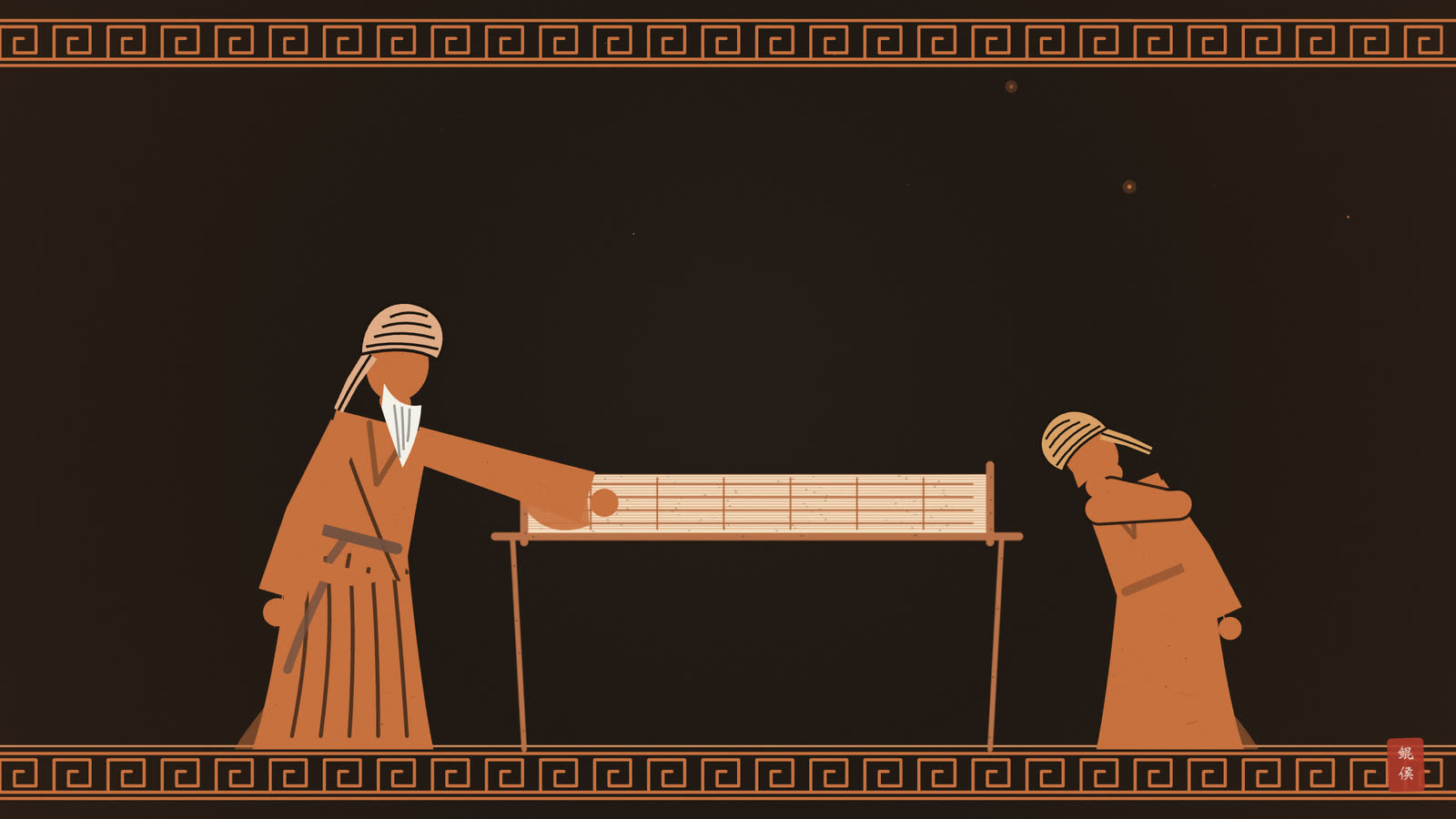
The almanac of the year is made for the days of the Persian year, because of the ease and good reckoning in it. It is also called taqwīm (correcting), because what is set opposite each day in it is corrected and made true. Something like it is made in Kashmir for the year of the Indians and carried to their countries in rolls of tūz bark; it is called sapatrī, that is, the register of the days of life. But it contains of what is required only [illegible] and approximation, not exactness. As for the one used in our country: in its first column, on the right of whoever looks at it, are the days of the week in the abjad letters, I mean that alif in it is the sign of Sunday, bāʾ the sign of Monday, and so on until zāy is the sign of Saturday; then it returns to alif at the completion of the week. In the second column are the days of the Arab month, beginning with alif and ending at 29 if the month is deficient and at 30 if it is full, and then returning to alif. In the third column are the days of the Romans for their months, [and in the fourth the days of the Persian months,] beginning from alif and ending at 30, except in Ābān-māh, for they end at 35 [corrected: MS omits the fourth column]. In the fifth column are the names of the days of the Persian month. Then follow the columns of the seven planets; in each of them are three lines, right, left and middle. The right is for the signs, whose marks in abjad we have given before; one finds no more than 11 in it, and if a sign is added to that so that it becomes 12, it drops out and the count returns to zero, which is the mark of Aries [corrected: MS has alif], then to the mark of Taurus. The middle is for the degrees; one finds no more than 29 in it, and when 30 is completed it drops out of its place and rises to the line of the signs as one sign. The left is for the minutes; one finds no more than 59 in it, and when 60 is completed it drops out of its place and rises to the line of the degrees as one degree. The sum of these three lines is the place of the planet at midday of that day in the town for which it is made, I mean the degrees and minutes it has traversed in the sign in which it is. If it increases day by day and goes on in the order of the sign through its degrees and minutes, it is direct in course; if it decreases, it is retrograde; and if it neither increases nor decreases, it is stationary for retrogradation or for direct motion. After the columns of the seven planets comes a column for the Head, with its place day by day, in the same manner as for the planets. After it come two columns: one for the hours of the daytime, which contains two lines, one for the hours and the second for their minutes; and the other for the altitude of the Sun at midday on each day, which contains two lines, one for the degrees of altitude, in which nothing over 90 can be found in any country, and the second for the minutes. Sometimes there is with them a column for the latitude of the Moon, one of its two lines for the degrees and the second for the minutes; it is of little use and is left out of most [text uncertain]. What comes after that is a popular matter, namely what the day is suitable for among actions, and what things are to be chosen for it, according to the Moon's being in the signs and its joining with the planets. What is on the margin of the almanac is the months of the nations, their days and feasts, and the conjunctions and oppositions of the Sun and the Moon, at what parts of the signs they will be, at what time of night or day, and the ascendant of that time, for that is one of the foundations for deducing judgement on the events of the air. There also are the times of the Sun's entry into the beginning of each sign and the ascendant of that ingress, except Aries, for its ascendant is called the ascendant of the year; with it the almanac begins, and it is placed at the beginning of the almanac in a round figure containing the twelve houses, the seven planets and whatever else is needed in deducing the conditions of the year. Before it come the eras of the prophets, peace be upon them, and the eras of famous kings, for hearts delight in knowing these. Sometimes there is also made the figure of the crescents in that Persian year, and the manner of each of them, upright or lying on its back, when it is seen, and the manner of its position from the Sun's setting-place towards one of the two sides, north or south, to help in looking for the crescent. Then other things are added to it, most of them superfluous and not needed. If there is in the year an eclipse of both luminaries, or of one of them, or several eclipses, their place is the end of the almanac, because eclipses are for the most part omens that are not praised, and so it is disliked that they should be at the beginning of the almanac. There are stated the date of the eclipse; what has passed of the daytime or the night up to its beginning, its middle and its end; the length of its stay, if it has one; the amount of it that is darkened, if it is not of the whole body, in the measure by which the eclipsed body is 12 fingers; and the colour of the eclipse, if it is of the Moon. We have set down a piece of a month, to serve as an example for understanding the almanac, God, exalted be He, willing.
翻译点开
§321. What does the almanac of the year contain?
第三百二十一问 年历包含什么?
The almanac of the year is made for the days of the Persian year, because of the ease and good reckoning in it. It is also called taqwīm (correcting), because what is set opposite each day in it is corrected and made true. Something like it is made in Kashmir for the year of the Indians and carried to their countries in rolls of tūz bark; it is called sapatrī, that is, the register of the days of life. But it contains of what is required only [illegible] and approximation, not exactness. As for the one used in our country: in its first column, on the right of whoever looks at it, are the days of the week in the abjad letters, I mean that alif in it is the sign of Sunday, bāʾ the sign of Monday, and so on until zāy is the sign of Saturday; then it returns to alif at the completion of the week. In the second column are the days of the Arab month, beginning with alif and ending at 29 if the month is deficient and at 30 if it is full, and then returning to alif. In the third column are the days of the Romans for their months, [and in the fourth the days of the Persian months,] beginning from alif and ending at 30, except in Ābān-māh, for they end at 35 [corrected: MS omits the fourth column]. In the fifth column are the names of the days of the Persian month. Then follow the columns of the seven planets; in each of them are three lines, right, left and middle. The right is for the signs, whose marks in abjad we have given before; one finds no more than 11 in it, and if a sign is added to that so that it becomes 12, it drops out and the count returns to zero, which is the mark of Aries [corrected: MS has alif], then to the mark of Taurus. The middle is for the degrees; one finds no more than 29 in it, and when 30 is completed it drops out of its place and rises to the line of the signs as one sign. The left is for the minutes; one finds no more than 59 in it, and when 60 is completed it drops out of its place and rises to the line of the degrees as one degree. The sum of these three lines is the place of the planet at midday of that day in the town for which it is made, I mean the degrees and minutes it has traversed in the sign in which it is. If it increases day by day and goes on in the order of the sign through its degrees and minutes, it is direct in course; if it decreases, it is retrograde; and if it neither increases nor decreases, it is stationary for retrogradation or for direct motion. After the columns of the seven planets comes a column for the Head, with its place day by day, in the same manner as for the planets. After it come two columns: one for the hours of the daytime, which contains two lines, one for the hours and the second for their minutes; and the other for the altitude of the Sun at midday on each day, which contains two lines, one for the degrees of altitude, in which nothing over 90 can be found in any country, and the second for the minutes. Sometimes there is with them a column for the latitude of the Moon, one of its two lines for the degrees and the second for the minutes; it is of little use and is left out of most [text uncertain]. What comes after that is a popular matter, namely what the day is suitable for among actions, and what things are to be chosen for it, according to the Moon's being in the signs and its joining with the planets. What is on the margin of the almanac is the months of the nations, their days and feasts, and the conjunctions and oppositions of the Sun and the Moon, at what parts of the signs they will be, at what time of night or day, and the ascendant of that time, for that is one of the foundations for deducing judgement on the events of the air. There also are the times of the Sun's entry into the beginning of each sign and the ascendant of that ingress, except Aries, for its ascendant is called the ascendant of the year; with it the almanac begins, and it is placed at the beginning of the almanac in a round figure containing the twelve houses, the seven planets and whatever else is needed in deducing the conditions of the year. Before it come the eras of the prophets, peace be upon them, and the eras of famous kings, for hearts delight in knowing these. Sometimes there is also made the figure of the crescents in that Persian year, and the manner of each of them, upright or lying on its back, when it is seen, and the manner of its position from the Sun's setting-place towards one of the two sides, north or south, to help in looking for the crescent. Then other things are added to it, most of them superfluous and not needed. If there is in the year an eclipse of both luminaries, or of one of them, or several eclipses, their place is the end of the almanac, because eclipses are for the most part omens that are not praised, and so it is disliked that they should be at the beginning of the almanac. There are stated the date of the eclipse; what has passed of the daytime or the night up to its beginning, its middle and its end; the length of its stay, if it has one; the amount of it that is darkened, if it is not of the whole body, in the measure by which the eclipsed body is 12 fingers; and the colour of the eclipse, if it is of the Moon. We have set down a piece of a month, to serve as an example for understanding the almanac, God, exalted be He, willing.
年历是按波斯年的日子编的,因为其中计算简便、准确。它又称为塔格维姆(校正),因为其中每一日对面所列的都经过校正、求得真值。克什米尔也为印度人的年编类似的东西,写在图兹树皮的卷子上,带到他们的各地;它称为萨帕特里,意思是寿命之日的簿册。但其中所需的内容只有〔抄本此处字迹难辨〕与近似,而不精确。至于我们地方所用的:它的第一栏,在看的人右手边,是用阿卜贾德字母写的星期,我是说其中艾列夫是星期日的记号,巴是星期一的记号,如此类推,直到扎伊是星期六的记号;然后一周满了,又回到艾列夫。第二栏是阿拉伯月的日子,从艾列夫开始,月缺时止于二十九,月满时止于三十,然后回到艾列夫。第三栏是罗马人按他们月份的日子,〔第四栏是波斯月的日子,〕从艾列夫开始,止于三十,只有阿班月例外,它们止于三十五〔抄本缺第四栏,据文义改正〕。第五栏是波斯月中诸日的名字。接着是七颗行星的栏,每栏有三行:右、左、中。右行是星座,它们的阿卜贾德记号我们前面已给出;其中见不到超过十一的数,若再加一个星座成了十二,它就消去,数回到零,即白羊的记号〔抄本作“艾列夫”,据文义改正〕,然后是金牛的记号。中行是度数;其中见不到超过二十九的数,满了三十,它就从原位消去,升到星座行,作一个星座。左行是分;其中见不到超过五十九的数,满了六十,它就从原位消去,升到度数行,作一度。这三行合起来,就是行星在那一日正午、在编历所为的那座城市的位置,我是说它在所在的星座中已走过的度和分。如果它一日日增加,依星座的次序在度和分中前进,它就是顺行;如果减少,就是逆行;如果既不增也不减,它就是将要逆行或将要顺行的留。七颗行星的栏之后,是龙头的一栏,逐日列出它的位置,方式与行星相同。其后是两栏:一栏是白昼的时数,含两行,一行是时,另一行是它们的分;另一栏是每日正午太阳的高度,含两行,一行是高度的度数,在任何地方其中都找不到超过九十的数,另一行是分。有时与它们一起还有一栏月亮的纬度,两行之一是度,另一是分;它用处不大,大多数历书都把它略去〔原文疑有讹误〕。此后的内容是通俗的东西,即按月亮在诸星座中、以及它与诸行星的相接,这一日适宜做哪些事、宜选哪些事。历书页边上的是各民族的月份、日子与节日,以及日月的合朔与对冲:它们将在星座的哪一部分、在夜里或白昼的什么时刻,以及那一时刻的上升点,因为这是推断空气中事件之判断的根据之一。那里还有太阳进入每个星座之首的时刻及那次入宫的上升点,只有白羊例外,因为它的上升点称为年的上升点;历书就从它开始,把它放在历书开头的一个圆形图里,图中有十二宫、七颗行星,以及推断一年情况所需的其他一切。在它之前是诸先知——愿他们平安——的纪元,以及著名国王的纪元,因为人心喜欢知道这些。有时还画出那一个波斯年中诸新月的图,以及每一弯新月的样子——是竖立的还是仰卧的——何时可见,以及它从太阳落处偏向南北哪一侧的样子,以帮助寻找新月。然后又加上别的东西,大多是多余而用不着的。如果这一年有日月两者的食,或其中之一的食,或有几次食,它们的位置在历书的末尾,因为食大多是不受称许的兆头,所以人们不喜欢把它们放在历书开头。那里列出食的日期;从白昼或黑夜开始到食的开始、食甚、食终各过了多少时间;若有全食持续的时间,列出它的长短;若不是全体被食,列出被遮暗的分量,以被食之体为十二指来量;若是月食,还列出食的颜色。我们列出一个月的一段,作为理解历书的例子,若至高的真主意欲。
大意与图解点开
🔎 大意:历书按波斯年编,自右而左列星期、各历日、日名、七星与龙头、昼长、正午高度;页边列节日、朔望与入宫,卷首是年的上升图。
📖 术语
| 术语 | 英文原词 | 意思 |
|---|---|---|
| 塔格维姆 | taqwīm | 校正,即历书 |
| 萨帕特里 | sapatrī | 克什米尔的历卷 |
| 阿卜贾德 | abjad | 字母记数法 |
| 年的上升点 | the ascendant of the year | 太阳入白羊时的上升 |
| 留 | stationary | 不增不减 |
🧭 图解与讲解
第三百二十一问讲年历(the almanac),也就是星占家每年必备的“塔格维姆”(taqwīm),意为“校正”,因为每一日的数都经过推算求得真值。历书按波斯年编,因为波斯年月日整齐,计算方便。比鲁尼顺带提到克什米尔为印度年编的历卷“萨帕特里”(sapatrī),写在树皮卷上,他认为只求近似,不求精确。
| 栏(自右而左) | 内容 | 记法与规则 |
|---|---|---|
| 第一栏 | 星期 | 艾列夫=星期日……扎伊=星期六,满七日回到艾列夫 |
| 第二栏 | 阿拉伯月的日 | 一至二十九(月缺)或三十(月满) |
| 第三栏 | 罗马月的日 | 一至该月日数 |
| 第四栏(抄本脱,据文义补) | 波斯月的日 | 一至三十;阿班月到三十五(含五个窃日) |
| 第五栏 | 波斯日名 | 见第三十三章表四 |
| 七星各一栏 | 正午位置 | 右行宫(零至十一,零即白羊),中行度(≤29),左行分(≤59) |
| 龙头栏 | 交点位置 | 同行星 |
| 时数栏 | 白昼的时与分 | — |
| 高度栏 | 正午太阳高度 | 度不过九十 |
| (有时)月亮纬度栏 | 度与分 | 用处不大,多略去 |
| 其后 | 宜忌 | 按月亮所在星座及其与诸星的相接 |
| 页边 | 各族月日节日;朔望的位置、时刻与上升点;太阳入宫的时刻与上升点 | 入白羊之盘居历首,即年的上升图 |
| 卷首、卷末 | 先知与国王的纪元、新月图;交食 | 交食不吉,放在卷末 |
〔图〕宫号满十二归零,所以白羊的记号是零,不是艾列夫(一)
本地历书的格式(表一),从右向左(阿拉伯文书写的方向):星期、阿拉伯月日、罗马月日、波斯月日、波斯日名,然后七颗行星各一栏,再是龙头、昼长、正午高度。数都用阿卜贾德字母记(艾列夫为一,巴为二……)。抄本此处漏了“第四栏是波斯月的日子”:第三栏既说“到三十,阿班月到三十五”,只有波斯月合这个说法(附加日在阿班月后),下文例题也要查“波斯日栏”,所以校勘据文义补出第四栏。
行星栏分三行:宫、度、分。宫号不过十一,满十二归零;度不过二十九,满三十进一宫;分不过五十九,满六十进一度,与卷二讲的六十进位升位同理。抄本说归零后“回到艾列夫,即白羊的记号”,但艾列夫是一,若白羊是一,宫号便会到十二;同句又说不过十一,例题里太阳宫号“六”是天秤,可见白羊记作零,所以校勘改为“零”(图二)。逐日比较三行的增减,便知行星顺行、逆行或留。
页边记各族节日、日月朔望的时刻与位置及其上升点,以及太阳入各宫的时刻与上升点。其中太阳入白羊之盘称为“年的上升点”,画成圆形十二宫图放在历书开头,用来推断一年的世运;交食被看作不吉之兆,所以放在卷末,列出食的时刻、食分(以十二指为全)和月食的颜色。这一问把前面几卷的天文、历法都汇集到一本实用的历书里,是星占家日常工作的直接工具。
📖 术语
| 术语 | 英文原词 | 意思 |
|---|---|---|
| 塔格维姆 | taqwīm | 校正,即历书 |
| 萨帕特里 | sapatrī | 克什米尔的历卷 |
| 阿卜贾德 | abjad | 字母记数法 |
| 年的上升点 | the ascendant of the year | 太阳入白羊时的上升 |
| 留 | stationary | 不增不减 |
🧭 图解与讲解
第三百二十一问讲年历(the almanac),也就是星占家每年必备的“塔格维姆”(taqwīm),意为“校正”,因为每一日的数都经过推算求得真值。历书按波斯年编,因为波斯年月日整齐,计算方便。比鲁尼顺带提到克什米尔为印度年编的历卷“萨帕特里”(sapatrī),写在树皮卷上,他认为只求近似,不求精确。
| 栏(自右而左) | 内容 | 记法与规则 |
|---|---|---|
| 第一栏 | 星期 | 艾列夫=星期日……扎伊=星期六,满七日回到艾列夫 |
| 第二栏 | 阿拉伯月的日 | 一至二十九(月缺)或三十(月满) |
| 第三栏 | 罗马月的日 | 一至该月日数 |
| 第四栏(抄本脱,据文义补) | 波斯月的日 | 一至三十;阿班月到三十五(含五个窃日) |
| 第五栏 | 波斯日名 | 见第三十三章表四 |
| 七星各一栏 | 正午位置 | 右行宫(零至十一,零即白羊),中行度(≤29),左行分(≤59) |
| 龙头栏 | 交点位置 | 同行星 |
| 时数栏 | 白昼的时与分 | — |
| 高度栏 | 正午太阳高度 | 度不过九十 |
| (有时)月亮纬度栏 | 度与分 | 用处不大,多略去 |
| 其后 | 宜忌 | 按月亮所在星座及其与诸星的相接 |
| 页边 | 各族月日节日;朔望的位置、时刻与上升点;太阳入宫的时刻与上升点 | 入白羊之盘居历首,即年的上升图 |
| 卷首、卷末 | 先知与国王的纪元、新月图;交食 | 交食不吉,放在卷末 |
本地历书的格式(表一),从右向左(阿拉伯文书写的方向):星期、阿拉伯月日、罗马月日、波斯月日、波斯日名,然后七颗行星各一栏,再是龙头、昼长、正午高度。数都用阿卜贾德字母记(艾列夫为一,巴为二……)。抄本此处漏了“第四栏是波斯月的日子”:第三栏既说“到三十,阿班月到三十五”,只有波斯月合这个说法(附加日在阿班月后),下文例题也要查“波斯日栏”,所以校勘据文义补出第四栏。
行星栏分三行:宫、度、分。宫号不过十一,满十二归零;度不过二十九,满三十进一宫;分不过五十九,满六十进一度,与卷二讲的六十进位升位同理。抄本说归零后“回到艾列夫,即白羊的记号”,但艾列夫是一,若白羊是一,宫号便会到十二;同句又说不过十一,例题里太阳宫号“六”是天秤,可见白羊记作零,所以校勘改为“零”(图二)。逐日比较三行的增减,便知行星顺行、逆行或留。
页边记各族节日、日月朔望的时刻与位置及其上升点,以及太阳入各宫的时刻与上升点。其中太阳入白羊之盘称为“年的上升点”,画成圆形十二宫图放在历书开头,用来推断一年的世运;交食被看作不吉之兆,所以放在卷末,列出食的时刻、食分(以十二指为全)和月食的颜色。这一问把前面几卷的天文、历法都汇集到一本实用的历书里,是星占家日常工作的直接工具。
Let the given day be Tuesday, the twenty-fifth of the month of Ramaḍān, and what is sought the rest of its conditions. We looked in the column of the weeks for the mark of Tuesday, which is the letter jīm, on condition that opposite it in the column of the days of the crescent there be 25 of the month of Ramaḍān, and we found it. We looked for everything opposite it, and in the column of the days of the Romans was the letter zāy; that day is therefore the seventh of a month of their months. If its name is written at the head of the column, as we have written Tishrīn the Former, we know it; if it is not written there, we go up in this column to the letter alif, and Tishrīn the Former will be in the margin opposite it. Opposite our day in the column of the days of the Persians was also jīm, so it is the third day of Ābān-māh, whose name is written at the head of the page; and the name of the day, Ardibihisht, is written at jīm in the column of the names of the Persian days. If we want the era, we find that of Alexander at Tishrīn the Former in the margin, as we find the era of the Hijra there at al-Muḥarram and the era of the reign of Yazdajird at the Nawrūz, at the beginning of Farwardīn-māh, on condition that Tishrīn the Former and the first of al-Muḥarram come before the given day. If both of them, or one of them, are not in that almanac, we take the era from the one in the almanac after the given day and subtract one year from it, and that is what we want. So the given Tuesday is the twenty-fifth of the month of Ramaḍān in the year 420 of the Hijra, the seventh day of Tishrīn the Former in the year 1341 of Alexander, and the day Ardibihisht, the third of Ābān-māh, in the year 398 of Yazdajird. Then we looked for the places of the planets, at the column of the Sun, and found in it opposite our day 6 in the line of the signs, 19 in the line of the degrees and 54 in the minutes. So we knew that the Sun at midday of this day, in the town for which the almanac is made, is in Libra, in 19 degrees and 54 minutes. By the same reckoning the Moon is in 7 degrees and 24 minutes of Virgo; Saturn in 2 degrees and 46 minutes of Gemini; Jupiter in 23 degrees and 19 minutes of Gemini; Mars in 2 degrees and 18 minutes of Cancer; Venus in 29 degrees and 10 minutes of Virgo; Mercury in 6 degrees and 21 minutes [sic]; and the Head of the jawzahr in 20 degrees and 13 minutes of Virgo. The length of the hours of this day is 11 hours and 18 minutes, which is what is set down in the columns of the hours; and the greatest altitude of the Sun on it, at midday, is what is set down in the columns of the altitudes, which is 48 parts and 29 minutes. So we have obtained what was sought for midday of this day.
翻译点开
Let the given day be Tuesday, the twenty-fifth of the month of Ramaḍān, and what is sought the rest of its conditions. We looked in the column of the weeks for the mark of Tuesday, which is the letter jīm, on condition that opposite it in the column of the days of the crescent there be 25 of the month of Ramaḍān, and we found it. We looked for everything opposite it, and in the column of the days of the Romans was the letter zāy; that day is therefore the seventh of a month of their months. If its name is written at the head of the column, as we have written Tishrīn the Former, we know it; if it is not written there, we go up in this column to the letter alif, and Tishrīn the Former will be in the margin opposite it. Opposite our day in the column of the days of the Persians was also jīm, so it is the third day of Ābān-māh, whose name is written at the head of the page; and the name of the day, Ardibihisht, is written at jīm in the column of the names of the Persian days. If we want the era, we find that of Alexander at Tishrīn the Former in the margin, as we find the era of the Hijra there at al-Muḥarram and the era of the reign of Yazdajird at the Nawrūz, at the beginning of Farwardīn-māh, on condition that Tishrīn the Former and the first of al-Muḥarram come before the given day. If both of them, or one of them, are not in that almanac, we take the era from the one in the almanac after the given day and subtract one year from it, and that is what we want. So the given Tuesday is the twenty-fifth of the month of Ramaḍān in the year 420 of the Hijra, the seventh day of Tishrīn the Former in the year 1341 of Alexander, and the day Ardibihisht, the third of Ābān-māh, in the year 398 of Yazdajird. Then we looked for the places of the planets, at the column of the Sun, and found in it opposite our day 6 in the line of the signs, 19 in the line of the degrees and 54 in the minutes. So we knew that the Sun at midday of this day, in the town for which the almanac is made, is in Libra, in 19 degrees and 54 minutes. By the same reckoning the Moon is in 7 degrees and 24 minutes of Virgo; Saturn in 2 degrees and 46 minutes of Gemini; Jupiter in 23 degrees and 19 minutes of Gemini; Mars in 2 degrees and 18 minutes of Cancer; Venus in 29 degrees and 10 minutes of Virgo; Mercury in 6 degrees and 21 minutes [sic]; and the Head of the jawzahr in 20 degrees and 13 minutes of Virgo. The length of the hours of this day is 11 hours and 18 minutes, which is what is set down in the columns of the hours; and the greatest altitude of the Sun on it, at midday, is what is set down in the columns of the altitudes, which is 48 parts and 29 minutes. So we have obtained what was sought for midday of this day.
设所给的日子是星期二,赖买丹月二十五日,所求的是它的其余情况。我们在星期栏里找星期二的记号,即字母吉姆,条件是它对面的新月日栏里是赖买丹月的二十五,我们找到了。我们看它对面的一切:罗马日栏里是字母扎伊;所以那一日是他们某个月的第七日。如果这个月的名字写在这一栏的顶上,如我们写了前提斯林月那样,我们就知道了;如果没写在那里,我们就在这一栏里往上找到字母艾列夫,前提斯林月就会在它对面的页边上。我们这一日对面,在波斯日栏里也是吉姆,所以它是阿班月第三日,阿班月的名字写在这一页的顶上;这一日的名字阿尔迪比赫什特,写在波斯日名栏的吉姆处。如果我们要纪元,就在页边的前提斯林月处找到亚历山大纪元,正如在穆哈兰姆月处找到希吉拉纪元、在诺鲁孜即法尔瓦丁月之首处找到耶兹德格德在位纪元,条件是前提斯林月与穆哈兰姆月初一在所给的日子之前。如果这两者或其中之一不在那本历书里,我们就从历书里所给日子之后的那个取纪元,减去一年,便是所求。所以所给的星期二是希吉拉四百二十年赖买丹月二十五日,亚历山大一千三百四十一年前提斯林月第七日,耶兹德格德三百九十八年阿班月第三日,阿尔迪比赫什特日。然后我们找行星的位置,在太阳栏里,于我们这一日的对面找到:星座行里是六,度数行里是十九,分里是五十四。于是我们知道,这一日正午,在编历所为的城市里,太阳在天秤座十九度五十四分。照同样的算法,月亮在处女座七度二十四分;土星在双子座二度四十六分;木星在双子座二十三度十九分;火星在巨蟹座二度十八分;金星在处女座二十九度十分;水星在六度二十一分〔原书如此〕;交点的龙头在处女座二十度十三分。这一日的时长是十一小时十八分,这是时数栏所列的;这一日正午太阳的最大高度,是高度栏所列的,为四十八度二十九分。于是我们得到了这一日正午所求的一切。
大意与图解点开
🔎 大意:例题:由星期二、赖买丹月二十五日查出罗马日、波斯日与日名、三种纪元年份、七星与龙头位置、昼长与正午高度;各项验算皆合。
📖 术语
| 术语 | 英文原词 | 意思 |
|---|---|---|
| 吉姆 | jīm | 字母,记数为三 |
| 扎伊 | zāy | 字母,记数为七 |
| 艾列夫 | alif | 字母,记数为一 |
| 交点的龙头 | the Head of the jawzahr | 月亮升交点 |
🧭 图解与讲解
这是全卷最具体的一段:比鲁尼拿一页历书(表一,抄本只存六日的样张,题为“第八月阿班月,首日星期日”)示范查法。给定星期二、赖买丹月二十五日,先在星期栏找吉姆(三,即星期二),并确认对面阿拉伯日栏是二十五;再横向读出罗马日栏扎伊(七),即前提斯林月七日;波斯日栏吉姆(三),即阿班月三日,日名阿尔迪比赫什特(表二)。
| 星期 | 赖买丹月 | 前提斯林月 | 阿班月已过日数 | 波斯日名 | 太阳 | 月亮 | 土星 | 木星 | 火星 | 金星 | 水星 | 龙头 | 昼长时数 | 正午高度 |
|---|---|---|---|---|---|---|---|---|---|---|---|---|---|---|
| 星期日 ا | 23 | 5 | 1 | 霍尔木兹 | 天秤 17°54′* | 狮子 9°6′ | 双子 2°52′⁺ | 双子 23°9′⁺ | 〔难辨〕 | 处女 26°42′ | 〔难辨〕 | 处女 20°19′⁺ | 11时22分⁺ | 49°15′⁺ |
| 星期一 ب | 24 | 6 | 2 | 巴赫曼 | 18°54′* | 狮子 22°* | 49′⁺ | 14′⁺ | 〔难辨〕 | 27°56′ | 〔难辨〕 | 16′⁺ | 11时20分⁺ | 48°52′⁺ |
| 星期二 ج | 25 | 7 | 3 | 阿尔迪比赫什特 | 19°54′* | 处女 7°24′* | 双子 2°46′⁺ | 19′ | 巨蟹 2°18′⁺ | 处女 29°10′ | 天秤 6°21′⁺ | 处女 20°13′⁺ | 11时18分⁺ | 48°29′⁺ |
| 星期三 د | 26 | 8 | 4 | 沙赫里瓦尔 | 20°54′ | 处女 22°8′ | 〔难辨〕 | 24′ | 〔难辨〕 | 天秤 0°24′⁺ | 〔难辨〕 | 10′⁺ | 11时16分⁺ | 48°6′⁺ |
| 星期四 ه | 27 | 9 | 5 | 伊斯凡达尔马兹 | 21°55′* | 天秤 6°49′ | 〔难辨〕 | 29′ | 〔难辨〕 | 1°38′⁺ | 〔难辨〕 | 7′⁺ | 11时14分⁺ | 47°43′⁺ |
| 星期五 و | 28 | 10 | 6 | 霍尔达德 | 22°55′* | 天秤 20°30′* | 〔难辨〕 | 34′⁺ | 〔难辨〕 | 2°52′⁺ | 〔难辨〕 | 3′⁺ | 11时12分⁺ | 47°21′⁺ |
| 步 | 查哪一栏 | 见到 | 得出 |
|---|---|---|---|
| 一 | 星期栏,且对面新月日栏为二十五 | 吉姆(三) | 星期二,赖买丹月二十五日 |
| 二 | 罗马日栏 | 扎伊(七) | 前提斯林月七日(月名在栏顶,或往上找到艾列夫处的页边) |
| 三 | 波斯日栏 | 吉姆(三) | 阿班月三日(月名在页顶) |
| 四 | 波斯日名栏 | 阿尔迪比赫什特 | 日名 |
| 五 | 页边的纪元 | 月首在本历书中者直接取;否则取其后者减一年 | 希吉拉 420 年、亚历山大 1341 年、耶兹德格德 398 年 |
| 六 | 太阳栏三行 | 六、十九、五十四 | 天秤 19°54′(宫号零起,六即天秤) |
| 七 | 其余各星与龙头 | — | 月亮处女 7°24′,土星双子 2°46′,木星双子 23°19′,火星巨蟹 2°18′,金星处女 29°10′,水星 6°21′(缺宫),龙头处女 20°13′ |
| 八 | 时数栏、高度栏 | — | 昼长 11 时 18 分,正午高度 48°29′ |
| 验算项目 | 结果 |
|---|---|
| 希吉拉 420 年赖买丹月 25 日 | 合儒略历 1029 年 10 月 7 日,正是星期二 |
| 亚历山大 1341 年前提斯林月 7 日 | 同一日,相合 |
| 耶兹德格德 398 年阿班月 3 日 | 同一日,相合;第三日之名正是阿尔迪比赫什特 |
| 太阳、月亮、木星、金星 | 与样张第三行可读的格相合 |
| 水星“六度二十一分” | 正文未写宫;样张此格残见宫号“六”(天秤),今法推算当日水星在天秤约 9°,天蝎 6° 差近三十度,所以是天秤 |
| 昼长 11;18 与正午高度 48;29 | 两数同合北纬约三十三度半,即编历之城的纬度 |
纪元年份要看页边:前提斯林月处记亚历山大纪元,穆哈兰姆月处记希吉拉纪元,法尔瓦丁月初的诺鲁孜处记耶兹德格德纪元。比鲁尼提醒一个细节:这些月首若不在这一本历书里,就取历书里给定日子之后的那个,再减一年。于是得到希吉拉四百二十年、亚历山大一千三百四十一年、耶兹德格德三百九十八年。校勘时把三者都换算到儒略历,同是公元一千零二十九年十月七日,正是星期二(表三),说明这个例子是比鲁尼用真实的历书编的。
行星位置照三行读:太阳栏“六、十九、五十四”,宫号从零数起,六是天秤,即天秤十九度五十四分;这也正是上一单元把“艾列夫”改为“零”的依据。其余各星依样读出。只有水星,抄本只写“六度二十一分”没有宫名,本站正文照录并标“原书如此”。水星离太阳不远,太阳在天秤十九度多,单凭这一点,天秤六度、天蝎六度两可;但样张这一格还残留宫号“六”(天秤),用今天的星历推算,当日正午水星在天秤九度左右,比鲁尼的数差两三度,天蝎六度则差近三十度,所以表一把这一格补作天秤六度二十一分。
最后两栏是昼长十一小时十八分、正午高度四十八度二十九分。校勘时验算:太阳在天秤十九度五十四分,赤纬约南七度五十分,两数各自反推纬度,都得北纬约三十三度半,彼此相合,这大约就是编这本历书的城市。至此,一行历书便给出了起一张星盘所需的全部天象;下一章接着讲怎样从历书看出顺行、逆行,以及求正午以外任意时刻的行星位置。
表一抄本有四十二格读不出,主要是土星以下八栏斜写挤叠的字。本站补回二十九格,格后带“⁺”:第三日一行照本段例题所给之数补;其余各日只在两条依据相合时才补,一是抄本相邻日读得出的数或例题之数,加上用今天星历算出的同期日行(只借日行,不借位置),二是复核原图时逐形试读的残字也对得上,例如木星日行五分、金星日行一度十四分;龙头按平均日行逐日退约三分,昼长与正午高度用比鲁尼的黄赤交角二十三度三十五分与上面反求的纬度推出,末位可差一分。火星、水星其余各日推算与残字对不上,十三格仍空着。历法五栏抄本都读得出,按叶兹德格德纪元、希吉拉历民用算法与儒略历逐日推算,三十格全合。
原文为公有领域古籍;翻译、印象画与图文解读由 AI 辅助生成,鲲侯审校。