卷六·第 281–294 问 纪元间的日数、犹太节日与基督教节日
七个纪元起点之间相隔的日数表,节日随年制而动,犹太人的逾越节、赎罪日、住棚节等,基督徒的圣诞、洗礼节与大斋。
§281. Is what lies between these eras known?
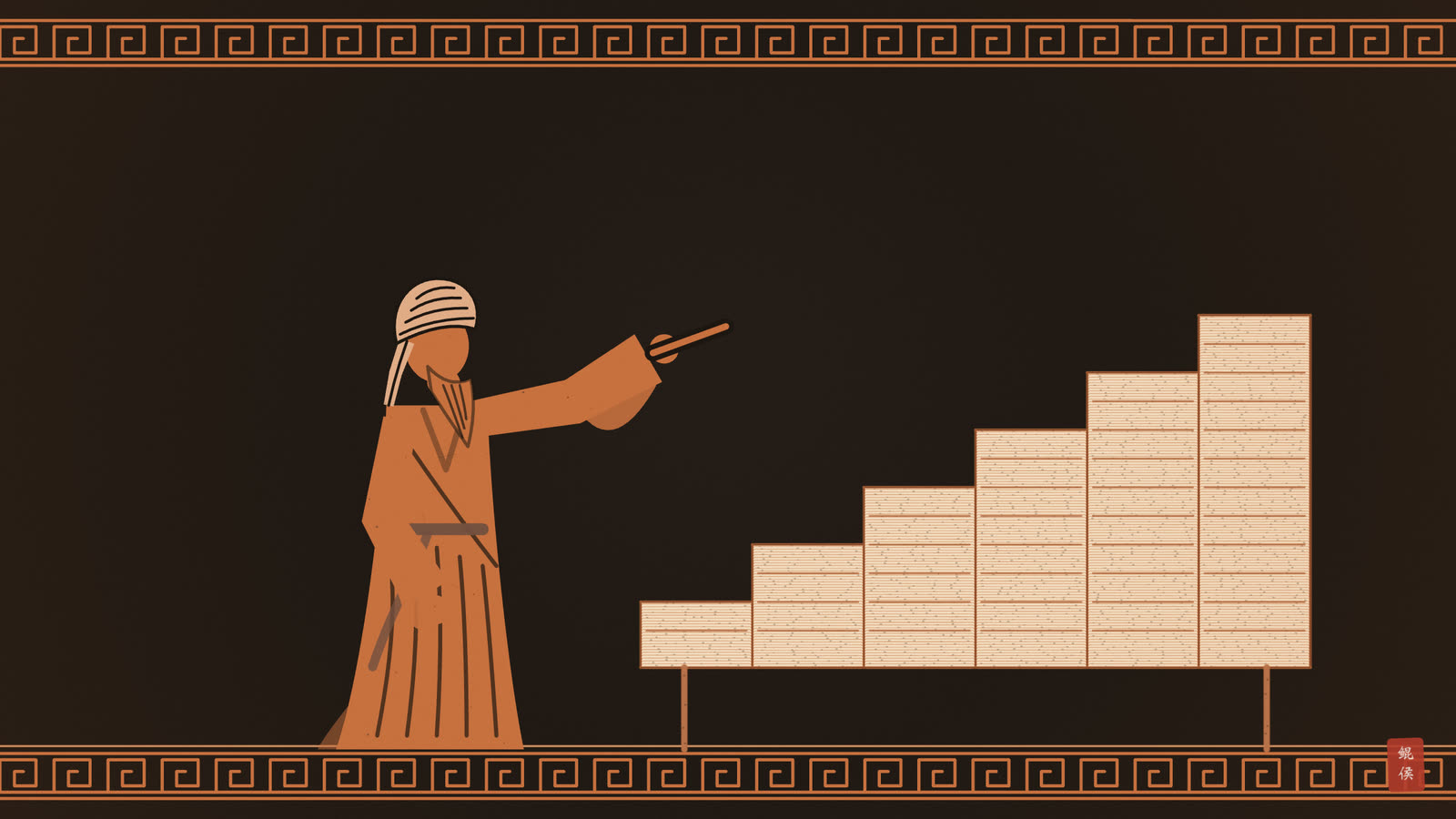
The periods between them, if expressed in years and months, would not be general, because years and months differ; but if they are stated in days the matter is general, because days are common to all years and eras. I have set down the days between the beginnings of the eras in a table shaped like a pulpit, the number standing in the cell common to each two of them, and it comes out with the utmost correctness. How useful it is as an aid to deriving the eras one from another, once their matter is pictured together with the years and the months as it ought to be pictured!
翻译点开
§281. Is what lies between these eras known?
第二百八十一问 这些纪元之间相隔多少,可以知道吗?
The periods between them, if expressed in years and months, would not be general, because years and months differ; but if they are stated in days the matter is general, because days are common to all years and eras. I have set down the days between the beginnings of the eras in a table shaped like a pulpit, the number standing in the cell common to each two of them, and it comes out with the utmost correctness. How useful it is as an aid to deriving the eras one from another, once their matter is pictured together with the years and the months as it ought to be pictured!
它们之间的时段,若以年、月来表示,就不普遍适用,因为年与月各不相同;若以日来表示,事情就普遍适用了,因为日是一切年与纪元共有的。我把各纪元起点之间的日数,列在一张形如讲坛的表里,数就写在每两个纪元共有的那一格中,结果极为准确。只要把它们的事情连同年、月按应有的样子设想清楚,这张表在由一个纪元推出另一个纪元时,是多么有用的帮助啊!
大意与图解点开
🔎 大意:纪元之间以年月计各家不一,以日计才通用;比鲁尼把七个纪元起点间的日数列成阶梯形的“讲坛”表,供各纪元互相推算。
📖 术语
| 术语 | 英文原词 | 意思 |
|---|---|---|
| 讲坛 | pulpit | 阶梯形的表 |
| 共有的一格 | the cell common to each two | 两纪元行列相交处 |
| 由一纪元推另一纪元 | deriving the eras one from another | 各历日期互换 |
🧭 图解与讲解
第二百八十一问给出全卷最有用的一张表(表一)。年和月各家长短不一,若说“甲纪元在乙纪元之后多少年”,用谁的年便各说各话;日却是各家共有的,所以比鲁尼把纪元间的距离一律化成日数。抄本的表画成阶梯形,比鲁尼称之为“讲坛”:每个纪元占一列,列顶写纪元名与年制,两纪元相隔的日数写在它们行列相交的格里。本站把阶梯改成三角形的行列表,行是较晚的纪元,列是较早的纪元。
| 较晚的纪元\较早的纪元 | 尼布甲尼撒<br>埃及年,每年 365 日 | 亚历山大<br>罗马年,起于前提斯林月,每年 365¼ 日 | 奥古斯都<br>罗马年,起于后卡农月,每年 365¼ 日 | 安东尼努斯<br>罗马年,起于后卡农月,每年 365¼ 日 | 戴克里先<br>罗马年,岁首后卡农月,每年 365¼ 日 | 希吉拉<br>太阴年,每年 354 又 1/5 又 1/6 日 |
|---|---|---|---|---|---|---|
| 亚历山大 | 159101 | |||||
| 奥古斯都 | 262193 | 103002※ 按算当作 103092 | ||||
| 安东尼努斯 | 322824 | 163723 | 60631 | |||
| 戴克里先 | 376516 | 217415 | 114323 | 53692 | ||
| 希吉拉 | 499802 | 340701 | 237609 | 176979※ 按算当作 176978 | 123296※ 按算当作 123286 | |
| 耶兹德格德 波斯年,每年 365 日 | 503425 | 344324 | 241232 | 180601 | 126909* | 3623 |
〔图〕由一个纪元推另一个:先化成日数,再加减表中之数
表头注明各纪元用的年:尼布甲尼撒纪元用埃及年,每年三百六十五日整;亚历山大、奥古斯都、安东尼努斯、戴克里先诸纪元用罗马年,每年三百六十五日又四分之一,亚历山大纪元从前提斯林月起,其余从后卡农月起;希吉拉用太阴年,每年三百五十四又五分之一又六分之一日;耶兹德格德用波斯年,三百六十五日整。由此可以先把某一历的年月日化成距其纪元起点的日数,再加减表中之数,化到另一个纪元(图二)。
这张表已用抄本原图逐格复核。每一行里,任两格之差都应等于对应两纪元在首列之差,按此核算,绝大多数格都相合,但有三格是原文自己算错(表中标※):奥古斯都与亚历山大之间,原文作一十万三千零二,按相减应为一十万三千零九十二;希吉拉与安东尼努斯之间原文末位作九,应为八;希吉拉与戴克里先之间原文第五位作九,应为八。另有耶兹德格德与戴克里先之间一格,第二位二、三难分,按算当作二。比鲁尼说这表“极为准确”,抄本里仍有这几处笔误,本站照录原数,另注应得之数。
首列从尼布甲尼撒纪元到亚历山大纪元为十五万九千一百零一日,按今法推算两纪元的起点,正合此数;希吉拉到耶兹德格德只有三千六百二十三日,约十年。托勒密的星表从尼布甲尼撒纪元数日,伊斯兰的星表从希吉拉或耶兹德格德数日,有了这张表,同一个时刻便能在各家星表间互相换算,这正是比鲁尼说它“多么有用”的原因。
📖 术语
| 术语 | 英文原词 | 意思 |
|---|---|---|
| 讲坛 | pulpit | 阶梯形的表 |
| 共有的一格 | the cell common to each two | 两纪元行列相交处 |
| 由一纪元推另一纪元 | deriving the eras one from another | 各历日期互换 |
🧭 图解与讲解
第二百八十一问给出全卷最有用的一张表(表一)。年和月各家长短不一,若说“甲纪元在乙纪元之后多少年”,用谁的年便各说各话;日却是各家共有的,所以比鲁尼把纪元间的距离一律化成日数。抄本的表画成阶梯形,比鲁尼称之为“讲坛”:每个纪元占一列,列顶写纪元名与年制,两纪元相隔的日数写在它们行列相交的格里。本站把阶梯改成三角形的行列表,行是较晚的纪元,列是较早的纪元。
| 较晚的纪元\较早的纪元 | 尼布甲尼撒<br>埃及年,每年 365 日 | 亚历山大<br>罗马年,起于前提斯林月,每年 365¼ 日 | 奥古斯都<br>罗马年,起于后卡农月,每年 365¼ 日 | 安东尼努斯<br>罗马年,起于后卡农月,每年 365¼ 日 | 戴克里先<br>罗马年,岁首后卡农月,每年 365¼ 日 | 希吉拉<br>太阴年,每年 354 又 1/5 又 1/6 日 |
|---|---|---|---|---|---|---|
| 亚历山大 | 159101 | |||||
| 奥古斯都 | 262193 | 103002※ 按算当作 103092 | ||||
| 安东尼努斯 | 322824 | 163723 | 60631 | |||
| 戴克里先 | 376516 | 217415 | 114323 | 53692 | ||
| 希吉拉 | 499802 | 340701 | 237609 | 176979※ 按算当作 176978 | 123296※ 按算当作 123286 | |
| 耶兹德格德 波斯年,每年 365 日 | 503425 | 344324 | 241232 | 180601 | 126909* | 3623 |
表头注明各纪元用的年:尼布甲尼撒纪元用埃及年,每年三百六十五日整;亚历山大、奥古斯都、安东尼努斯、戴克里先诸纪元用罗马年,每年三百六十五日又四分之一,亚历山大纪元从前提斯林月起,其余从后卡农月起;希吉拉用太阴年,每年三百五十四又五分之一又六分之一日;耶兹德格德用波斯年,三百六十五日整。由此可以先把某一历的年月日化成距其纪元起点的日数,再加减表中之数,化到另一个纪元(图二)。
这张表已用抄本原图逐格复核。每一行里,任两格之差都应等于对应两纪元在首列之差,按此核算,绝大多数格都相合,但有三格是原文自己算错(表中标※):奥古斯都与亚历山大之间,原文作一十万三千零二,按相减应为一十万三千零九十二;希吉拉与安东尼努斯之间原文末位作九,应为八;希吉拉与戴克里先之间原文第五位作九,应为八。另有耶兹德格德与戴克里先之间一格,第二位二、三难分,按算当作二。比鲁尼说这表“极为准确”,抄本里仍有这几处笔误,本站照录原数,另注应得之数。
首列从尼布甲尼撒纪元到亚历山大纪元为十五万九千一百零一日,按今法推算两纪元的起点,正合此数;希吉拉到耶兹德格德只有三千六百二十三日,约十年。托勒密的星表从尼布甲尼撒纪元数日,伊斯兰的星表从希吉拉或耶兹德格德数日,有了这张表,同一个时刻便能在各家星表间互相换算,这正是比鲁尼说它“多么有用”的原因。
§282. What are the feasts and the days of the nations?
Because their years and months differ, the days they observe in them are likewise. Every nation has known days in its months. Among them are feasts, in which they rejoice, display finery and perform customs prescribed for them, either inherited from forefathers or taken from the law and the creed. Among them are fasts, in which reward is sought, either from commands of the law that have told of their merits, or from the occurrence of grim and fearful events by which they seek intercession. And among them are dhukrānīn, which belong to the Christians, in which they commemorate the saints and the martyrs and seek nearness to God through them. The position of these days among the seasons of the year follows the condition of the year itself: if the year goes round through the seasons, the days go round in it too; if it is fixed, these are fixed with it; and if the year fluctuates, running ahead at one time and falling behind at another, like the years of the Jews and the Indians, the days fluctuate according to its fluctuation. Those whose years are fixed have other days, which are the times of sowing, seeding, planting, harvest, pollination and breeding, and the signs of heat and cold, of the winds and of the other changes in the air whose order in the year is found to hold for the most part. These exist also for those whose years fluctuate, though the running ahead and falling behind in them is hardly evident to the senses.
翻译点开
§282. What are the feasts and the days of the nations?
第二百八十二问 诸民族的节日与纪念之日是什么?
Because their years and months differ, the days they observe in them are likewise. Every nation has known days in its months. Among them are feasts, in which they rejoice, display finery and perform customs prescribed for them, either inherited from forefathers or taken from the law and the creed. Among them are fasts, in which reward is sought, either from commands of the law that have told of their merits, or from the occurrence of grim and fearful events by which they seek intercession. And among them are dhukrānīn, which belong to the Christians, in which they commemorate the saints and the martyrs and seek nearness to God through them. The position of these days among the seasons of the year follows the condition of the year itself: if the year goes round through the seasons, the days go round in it too; if it is fixed, these are fixed with it; and if the year fluctuates, running ahead at one time and falling behind at another, like the years of the Jews and the Indians, the days fluctuate according to its fluctuation. Those whose years are fixed have other days, which are the times of sowing, seeding, planting, harvest, pollination and breeding, and the signs of heat and cold, of the winds and of the other changes in the air whose order in the year is found to hold for the most part. These exist also for those whose years fluctuate, though the running ahead and falling behind in them is hardly evident to the senses.
由于他们的年与月各不相同,他们在其中守的日子也是如此。每个民族在自己的月份里都有一些已知的日子。其中有节日,他们在节日里欢庆、穿戴华美,并奉行为他们规定的习俗,这些习俗或承自祖先,或取自律法与教义。其中有斋日,在斋日里求取报偿,或出于律法中讲过其功德的诫命,或因发生了严酷可怖之事,借此祈求说情。其中又有祖克拉宁,属于基督徒,他们在其中纪念圣徒与殉道者,并借他们求近于神。这些日子在一年四季中的位置,随年本身的情形而定:若年在四季中轮转,这些日子也随之在其中轮转;若年是固定的,它们便随年固定;若年浮动不定,时而超前、时而落后,如犹太人与印度人的年,这些日子便随其浮动而浮动。年固定的人另有一些日子,那是播种、下种、栽植、收获、授粉、配种的时节,以及冷热、诸风与空气中其他变化的征兆,人们发现这些变化在一年中的次序大体是成立的。年浮动的人也有这些日子,只是其中的超前与落后几乎觉察不到。
大意与图解点开
🔎 大意:各族有节日、斋日与基督徒的纪念日;节日在四季中的位置随年制而定:年轮转则轮转,年固定则固定,年浮动则浮动。
📖 术语
| 术语 | 英文原词 | 意思 |
|---|---|---|
| 节日 | feasts | 欢庆之日 |
| 斋日 | fasts | 禁食求报偿之日 |
| 祖克拉宁 | dhukrānīn | 基督徒的纪念日 |
| 浮动 | fluctuates | 时而超前时而落后 |
🧭 图解与讲解
第二百八十二问是节日诸问的总纲。比鲁尼把各族所守的日子分成几类(表一):欢庆的节日,求报偿的斋日,基督徒纪念圣徒与殉道者的“祖克拉宁”(dhukrānīn,叙利亚语“纪念日”的复数,照抄本拼写),以及年固定的民族用来指示农时与天候的日子。
| 日子 | 内容 | 来源 |
|---|---|---|
| 节日 | 欢庆、穿戴华美、奉行习俗 | 承自祖先,或取自律法与教义 |
| 斋日 | 禁食以求报偿 | 律法中讲其功德的诫命,或遭严酷可怖之事而祈求 |
| 祖克拉宁(纪念日) | 纪念圣徒与殉道者 | 基督徒所守 |
| 农时与天候之日 | 播种、栽植、收获、授粉、配种;冷热、风与空气变化的征兆 | 年固定者尤多 |
〔图〕节日在四季中的位置跟着年制走
要紧的是节日在四季中的位置怎样定(图一)。年在四季里轮转的,如不置闰的太阴年,节日也一年年移过各个季节;年固定在四季里的,如罗马、叙利亚的太阳年,节日每年落在同一季节;年时前时后浮动的,如犹太人与印度人的置闰太阴年,节日也随之浮动。这正是上一章各族年制的直接结果。
农时与天候之日只有在年固定时才有意义:播种、收获、授粉、配种,以及冷热与风的征兆,都跟太阳走。年浮动的民族也有这类日子,只是浮动不大,几乎觉察不到。下一章讲的“炭火日”“老妇日”“巴胡尔日”都属此类,比鲁尼把它们放在罗马月里讲。对占星而言,这些天候之日与世运占星中推测一年天气的方法相通。
📖 术语
| 术语 | 英文原词 | 意思 |
|---|---|---|
| 节日 | feasts | 欢庆之日 |
| 斋日 | fasts | 禁食求报偿之日 |
| 祖克拉宁 | dhukrānīn | 基督徒的纪念日 |
| 浮动 | fluctuates | 时而超前时而落后 |
🧭 图解与讲解
第二百八十二问是节日诸问的总纲。比鲁尼把各族所守的日子分成几类(表一):欢庆的节日,求报偿的斋日,基督徒纪念圣徒与殉道者的“祖克拉宁”(dhukrānīn,叙利亚语“纪念日”的复数,照抄本拼写),以及年固定的民族用来指示农时与天候的日子。
| 日子 | 内容 | 来源 |
|---|---|---|
| 节日 | 欢庆、穿戴华美、奉行习俗 | 承自祖先,或取自律法与教义 |
| 斋日 | 禁食以求报偿 | 律法中讲其功德的诫命,或遭严酷可怖之事而祈求 |
| 祖克拉宁(纪念日) | 纪念圣徒与殉道者 | 基督徒所守 |
| 农时与天候之日 | 播种、栽植、收获、授粉、配种;冷热、风与空气变化的征兆 | 年固定者尤多 |
要紧的是节日在四季中的位置怎样定(图一)。年在四季里轮转的,如不置闰的太阴年,节日也一年年移过各个季节;年固定在四季里的,如罗马、叙利亚的太阳年,节日每年落在同一季节;年时前时后浮动的,如犹太人与印度人的置闰太阴年,节日也随之浮动。这正是上一章各族年制的直接结果。
农时与天候之日只有在年固定时才有意义:播种、收获、授粉、配种,以及冷热与风的征兆,都跟太阳走。年浮动的民族也有这类日子,只是浮动不大,几乎觉察不到。下一章讲的“炭火日”“老妇日”“巴胡尔日”都属此类,比鲁尼把它们放在罗马月里讲。对占星而言,这些天候之日与世运占星中推测一年天气的方法相通。
§283. What is the Pesaḥ among the feasts of the Jews?
The fifteenth day of Nīsān is called Pesaḥ. It is the day on which the Children of Israel went out of Egypt in flight and were delivered from bondage, and offered the sacrifices as they had been commanded. It is the first of 7 days called the Unleavened Bread, in which they may not eat leaven nor keep it in the dwelling. On the last day of them Pharaoh was drowned in the Sea of Sūf, which is al-Qulzum; this day is known as [illegible].
§284. What is al-ʿAnṣara?
The sixth day of Sīwān is called ʿaṣartā, derived from 'assembly'. It is one of the pilgrimage feasts of the Jews, for the ripening of the crops.
§285. What is the Kippūr?
It is the tenth day of Tishrī, and for this reason it is sometimes called al-ʿĀshūr. Kippūr is from the atonement of sins. This day alone is the one whose fast is made obligatory on the Jews, with death for whoever does not fast it. The fast lasts 25 hours: it begins before sunset on the ninth day and ends when an hour has passed after sunset on the tenth day. The Kippūr may not fall on a Sunday, a Tuesday or a Friday.
翻译点开
§283. What is the Pesaḥ among the feasts of the Jews?
第二百八十三问 犹太人节日中的逾越节是什么?
The fifteenth day of Nīsān is called Pesaḥ. It is the day on which the Children of Israel went out of Egypt in flight and were delivered from bondage, and offered the sacrifices as they had been commanded. It is the first of 7 days called the Unleavened Bread, in which they may not eat leaven nor keep it in the dwelling. On the last day of them Pharaoh was drowned in the Sea of Sūf, which is al-Qulzum; this day is known as [illegible].
尼散月第十五日称为逾越节。那是以色列人逃出埃及、脱离奴役的日子,他们照所受的命令献上祭牲。它是称为无酵节的七日中的第一日,这七日里他们不许吃酵,也不许把酵留在住处。七日的最后一日,法老溺死在苏夫海,即古勒祖姆海;这一日称为〔抄本此处字迹难辨〕。
§284. What is al-ʿAnṣara?
第二百八十四问 安撒拉是什么?
The sixth day of Sīwān is called ʿaṣartā, derived from 'assembly'. It is one of the pilgrimage feasts of the Jews, for the ripening of the crops.
西弯月第六日称为阿萨尔塔,名出于“聚会”。它是犹太人的朝圣节日之一,为庄稼成熟而守。
§285. What is the Kippūr?
第二百八十五问 基普尔是什么?
It is the tenth day of Tishrī, and for this reason it is sometimes called al-ʿĀshūr. Kippūr is from the atonement of sins. This day alone is the one whose fast is made obligatory on the Jews, with death for whoever does not fast it. The fast lasts 25 hours: it begins before sunset on the ninth day and ends when an hour has passed after sunset on the tenth day. The Kippūr may not fall on a Sunday, a Tuesday or a Friday.
它是提斯利月第十日,因此有时也称为阿舒尔。基普尔出于赎罪之意。犹太人只有这一日的斋戒是必须守的,不守者处死。斋戒持续二十五小时:在第九日日落之前开始,在第十日日落后过了一小时结束。基普尔不许落在星期日、星期二或星期五。
大意与图解点开
🔎 大意:逾越节在尼散月十五,纪念出埃及,连无酵节七日;五旬节在西弯月六日,为庄稼成熟;赎罪日在提斯利月十日,斋戒二十五小时。
📖 术语
| 术语 | 英文原词 | 意思 |
|---|---|---|
| 逾越节 | Pesaḥ | 尼散月十五 |
| 无酵节 | the Unleavened Bread | 逾越节起七日 |
| 阿萨尔塔 | ʿaṣartā | 五旬节,意为聚会 |
| 基普尔 | Kippūr | 赎罪日 |
🧭 图解与讲解
从第二百八十三问起,比鲁尼逐一介绍犹太人的节日,本站照他的原文转述(表一)。逾越节(Pesaḥ)在尼散月十五日,他说这是以色列人逃出埃及、脱离奴役之日,他们照命令献祭;接着是无酵节七日,不许吃酵,也不许把酵留在家里;第七日法老溺死在苏夫海,即古勒祖姆海(al-Qulzum)。这一日的名称抄本字迹难辨,本站照标。
| 节名 | 日期 | 比鲁尼所述 |
|---|---|---|
| 逾越节 | 尼散月十五日 | 以色列人逃出埃及、脱离奴役;照命令献祭 |
| 无酵节 | 自逾越节起七日 | 不吃酵,不留酵;末日法老溺于苏夫海,此日之名难辨 |
| 安撒拉(阿萨尔塔) | 西弯月六日 | 名出“聚会”;朝圣节日,为庄稼成熟 |
| 基普尔(阿舒尔) | 提斯利月十日 | 名出赎罪;唯一必守之斋,二十五小时 |
〔图〕赎罪日的斋戒共二十五小时
安撒拉(al-ʿAnṣara)在西弯月六日,亚兰语称阿萨尔塔(ʿaṣartā),比鲁尼释为“聚会”,是为庄稼成熟而守的朝圣节日。尼散月与西弯月相隔约七周,所以它与逾越节有固定的间隔,都随犹太年浮动。
基普尔(Kippūr)是提斯利月十日,又称阿舒尔,名出赎罪。比鲁尼说这是犹太人唯一必守的斋戒,从第九日日落前起,到第十日日落后一小时止,共二十五小时(图二)。他又说基普尔不许落在星期日、星期二或星期五,这与上一章所说岁首(提斯利月一日)不许落在星期日、三、五正好相合:往后数九日,星期移两位。
📖 术语
| 术语 | 英文原词 | 意思 |
|---|---|---|
| 逾越节 | Pesaḥ | 尼散月十五 |
| 无酵节 | the Unleavened Bread | 逾越节起七日 |
| 阿萨尔塔 | ʿaṣartā | 五旬节,意为聚会 |
| 基普尔 | Kippūr | 赎罪日 |
🧭 图解与讲解
从第二百八十三问起,比鲁尼逐一介绍犹太人的节日,本站照他的原文转述(表一)。逾越节(Pesaḥ)在尼散月十五日,他说这是以色列人逃出埃及、脱离奴役之日,他们照命令献祭;接着是无酵节七日,不许吃酵,也不许把酵留在家里;第七日法老溺死在苏夫海,即古勒祖姆海(al-Qulzum)。这一日的名称抄本字迹难辨,本站照标。
| 节名 | 日期 | 比鲁尼所述 |
|---|---|---|
| 逾越节 | 尼散月十五日 | 以色列人逃出埃及、脱离奴役;照命令献祭 |
| 无酵节 | 自逾越节起七日 | 不吃酵,不留酵;末日法老溺于苏夫海,此日之名难辨 |
| 安撒拉(阿萨尔塔) | 西弯月六日 | 名出“聚会”;朝圣节日,为庄稼成熟 |
| 基普尔(阿舒尔) | 提斯利月十日 | 名出赎罪;唯一必守之斋,二十五小时 |
安撒拉(al-ʿAnṣara)在西弯月六日,亚兰语称阿萨尔塔(ʿaṣartā),比鲁尼释为“聚会”,是为庄稼成熟而守的朝圣节日。尼散月与西弯月相隔约七周,所以它与逾越节有固定的间隔,都随犹太年浮动。
基普尔(Kippūr)是提斯利月十日,又称阿舒尔,名出赎罪。比鲁尼说这是犹太人唯一必守的斋戒,从第九日日落前起,到第十日日落后一小时止,共二十五小时(图二)。他又说基普尔不许落在星期日、星期二或星期五,这与上一章所说岁首(提斯利月一日)不许落在星期日、三、五正好相合:往后数九日,星期移两位。
§286. What is the Feast of Booths?
In their language it is maṭallē. It is 7 days, the first of them the fifteenth of Tishrī, and all of them are feast days. They sit in them under the shade of branches of willow, reed, olive and the like, and during that time they do not dwell in their houses, in remembrance of God's commanding the clouds to shade them in the Wilderness (al-Tīh).
§287. What is ʿarābā?
Its meaning is the willow tree. It is the last of the Feast of Booths, I mean the twenty-first of Tishrī, and it is also a pilgrimage feast for them.
§288. What is al-Tabrīk?
It is a feast whose name is derived from 'blessing', and it is two days after ʿarābā.
§289. What is the Ḥanukka?
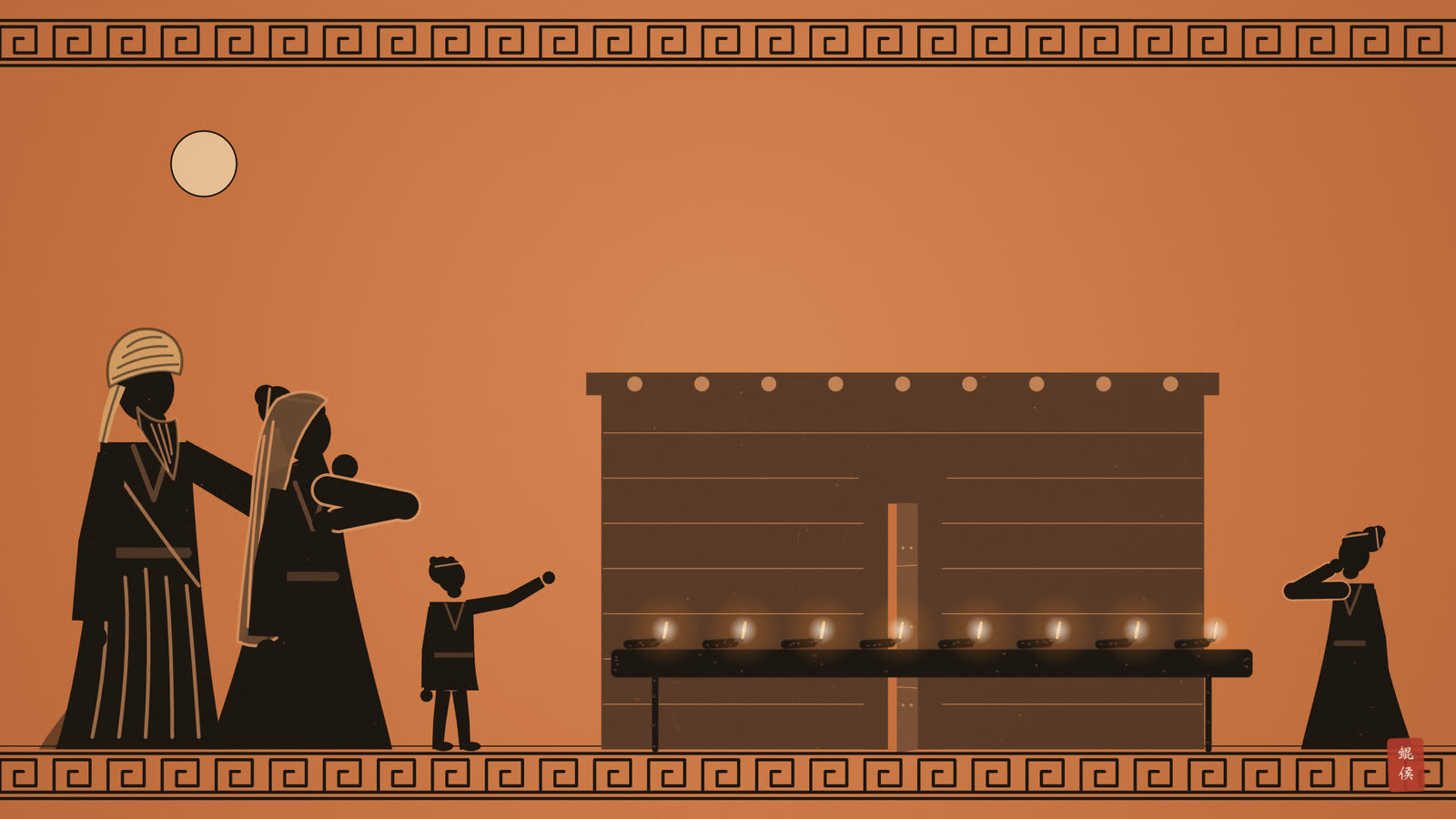
It is a feast whose name is derived from 'cleansing'. It is 8 days, the first of them the twenty-fifth of Kislēw. They light lamps at the doors of their houses, one lamp on the first night, two on the second, and so on until on the eighth there are 8 lamps. That is a remembrance for them of the youngest of a family of brothers, who killed a tyrant ruling over them who used to deflower their virgins, and cleansed the Temple of his doings.
§290. What is the Pūrī?
Its name is derived from the casting of lots and omens. It is the fourteenth day of the Ādhār that is followed by Nīsān. It is also known as the Feast of the Scroll, that is, megillā. Its cause is that Hāmān, the vizier of Aḥashwērōsh, that is, Kisrā, was plotting against them in the days when they were in captivity in Babylon, and had schemed to root them out; but the matter turned against him, and he was killed on this day and crucified. For this reason they make crucified effigies and burn them, and rejoice at it. The Jews have voluntary fasts in their months, whose causes are the occurrence of grievous things that made abstaining from food necessary, out of grief.
翻译点开
§286. What is the Feast of Booths?
第二百八十六问 住棚节是什么?
In their language it is maṭallē. It is 7 days, the first of them the fifteenth of Tishrī, and all of them are feast days. They sit in them under the shade of branches of willow, reed, olive and the like, and during that time they do not dwell in their houses, in remembrance of God's commanding the clouds to shade them in the Wilderness (al-Tīh).
在他们的语言里称为玛塔勒。它共七日,第一日是提斯利月十五日,七日都是节日。他们在这些日子里坐在柳枝、芦苇、橄榄枝之类搭成的荫下,这期间不住在自己的房屋里,以纪念神命云彩在旷野为他们遮荫。
§287. What is ʿarābā?
第二百八十七问 阿拉巴是什么?
Its meaning is the willow tree. It is the last of the Feast of Booths, I mean the twenty-first of Tishrī, and it is also a pilgrimage feast for them.
它的意思是柳树。它是住棚节的最后一日,我是说提斯利月二十一日,也是他们的一个朝圣节日。
§288. What is al-Tabrīk?
第二百八十八问 塔卜里克是什么?
It is a feast whose name is derived from 'blessing', and it is two days after ʿarābā.
它是一个节日,名出于“祝福”,在阿拉巴之后两日。
§289. What is the Ḥanukka?
第二百八十九问 哈努卡是什么?
It is a feast whose name is derived from 'cleansing'. It is 8 days, the first of them the twenty-fifth of Kislēw. They light lamps at the doors of their houses, one lamp on the first night, two on the second, and so on until on the eighth there are 8 lamps. That is a remembrance for them of the youngest of a family of brothers, who killed a tyrant ruling over them who used to deflower their virgins, and cleansed the Temple of his doings.
它是一个节日,名出于“洁净”。它共八日,第一日是基斯流月二十五日。他们在房门口点灯,第一夜一盏,第二夜两盏,如此递增,到第八夜共八盏。这是为纪念一家兄弟中最小的一个,他杀了统治他们、玷污他们处女的暴君,并把圣殿从那人的所为中洁净出来。
§290. What is the Pūrī?
第二百九十问 普里是什么?
Its name is derived from the casting of lots and omens. It is the fourteenth day of the Ādhār that is followed by Nīsān. It is also known as the Feast of the Scroll, that is, megillā. Its cause is that Hāmān, the vizier of Aḥashwērōsh, that is, Kisrā, was plotting against them in the days when they were in captivity in Babylon, and had schemed to root them out; but the matter turned against him, and he was killed on this day and crucified. For this reason they make crucified effigies and burn them, and rejoice at it. The Jews have voluntary fasts in their months, whose causes are the occurrence of grievous things that made abstaining from food necessary, out of grief.
它的名字出于抽签与占兆。它是紧接尼散月的那个亚达月的第十四日。它又称为经卷节,即米吉拉。它的缘由是:亚哈随鲁——即库思老——的大臣哈曼,在他们被掳于巴比伦的日子里谋害他们,图谋把他们连根拔除;但事情反落到他自己身上,他在这一日被杀并被钉上十字架。因此他们制作钉在十字架上的人像加以焚烧,并为此欢庆。犹太人在他们的月份里还有自愿的斋戒,缘由是发生了悲痛之事,出于哀伤而必须禁食。
大意与图解点开
🔎 大意:住棚节自提斯利月十五起七日,末日阿拉巴,再两日祝福节;哈努卡自基斯流月二十五起八日,夜夜添灯;普里在亚达月十四日。
📖 术语
| 术语 | 英文原词 | 意思 |
|---|---|---|
| 玛塔勒 | maṭallē | 住棚节,意为棚 |
| 阿拉巴 | ʿarābā | 柳树,住棚节末日 |
| 哈努卡 | Ḥanukka | 名出洁净,八日 |
| 米吉拉 | megillā | 经卷 |
| 自愿的斋戒 | voluntary fasts | 非律法所命之斋 |
🧭 图解与讲解
提斯利月是犹太年的第一个月,节日最集中(表一)。住棚节在亚兰语里称玛塔勒(maṭallē),从十五日起共七日,比鲁尼说他们坐在柳枝、芦苇、橄榄枝搭的荫下,不住房屋,纪念神命云彩在旷野(al-Tīh)为他们遮荫。末日二十一日称阿拉巴(ʿarābā),意为柳树,也是朝圣节日;再过两日是塔卜里克(al-Tabrīk),名出“祝福”,即二十三日。
| 节名 | 日期 | 比鲁尼所述 |
|---|---|---|
| 住棚节(玛塔勒) | 提斯利月十五日起七日 | 坐柳枝、芦苇、橄榄枝的荫下,不住房屋;纪念旷野中云彩遮荫 |
| 阿拉巴 | 提斯利月二十一日 | 意为柳树;住棚节末日,朝圣节日 |
| 塔卜里克 | 阿拉巴后两日,即二十三日 | 名出“祝福” |
| 哈努卡 | 基斯流月二十五日起八日 | 名出“洁净”;夜夜添灯,至八盏 |
| 普里(经卷节) | 紧接尼散月的亚达月十四日 | 名出抽签与占兆;纪念哈曼之谋反落其身 |
| 夜 | 一 | 二 | 三 | 四 | 五 | 六 | 七 | 八 |
|---|---|---|---|---|---|---|---|---|
| 门口所点之灯 | 1 | 2 | 3 | 4 | 5 | 6 | 7 | 8 |
哈努卡(Ḥanukka)从基斯流月二十五日起共八日,名出“洁净”。比鲁尼记下点灯之法:第一夜一盏,逐夜加一,第八夜八盏(表二)。他所述的缘由,是一家兄弟中最小的一位除掉了欺压他们的暴君,并洁净了圣殿;本站照他的原话译出,不另作考证。
普里(Pūrī,即普珥节)在“紧接尼散月的那个亚达月”的十四日。比鲁尼特意这样说,是因为闰年有两个亚达月(上一章表二),节日要放在后一个。它又称经卷节,即米吉拉(megillā)。他所记的缘由是:大臣哈曼在被掳巴比伦时期谋害他们,事情反落到他自己身上;比鲁尼把亚哈随鲁说成库思老,这是他的原话。最后他补一句,犹太人另有因哀伤之事而守的自愿斋戒。
这些节日都随犹太年浮动,但彼此间隔固定:提斯利月十日赎罪,十五日起住棚,二十一日阿拉巴,二十三日祝福。只要知道某年提斯利月一日落在哪天,整个秋季的节期便都定了,这正是上一章年型规则的用处。
§291. The feasts of the Christians: what is the Nativity?
It is the night of the birth of Jesus son of Mary, peace be upon him, and it is the twenty-fifth of Kānūn the Former. The birth was in a village called Nāṣira, of Galilee, near Ūrishalim, which is Jerusalem (Bayt al-Maqdis). Jesus was known among the people as Yasūʿ the Nazarene (al-Nāṣirī), and by this attribution his people became known as the Naṣārā.
§292. What is the Danḥ?
It is the sixth day of Kānūn the Latter. On it John son of Zechariah baptized Jesus son of Mary in the river Jordan, that is, washed him. He used to baptize people to put away their sins from them, and for this he was surnamed Yūḥannā maʿmadān (the Baptist). The water of baptism is that by which the children of the Christians, and those of other religions who become Christians, are made Christian. When Jesus came out of the water the Holy Spirit joined him in the form of a dove.
§293. What is the Fast of Nineveh?
Nineveh is the name of a village in Syria (al-Shām); it is the village of the prophet Jonah, God bless him, who is Yūnān. They hold that he stayed in the belly of the whale three days, corresponding to the stay of Jesus in the belly of the earth, also three days. The Fast of Nineveh is three days; it comes three weeks before the Great Fast, and its first day is a Monday.
§294. What is the Great Fast?
They fast it, comprising 7 weeks of days. Its first day is always a Monday and its last a Saturday, excepting its Saturdays and Sundays, which may not be fasted, apart from the last Saturday. In it they eat neither meat nor anything that comes from animals. Its condition is that its beginning may not come before the second day of Shubāṭ nor be later than the eighth day of Ādhār. There is a way of knowing it that is right for the most part: it is approximately the Monday nearest to the conjunction that falls in Shubāṭ, provided that the Monday does not come before the second of Shubāṭ; if it does, that conjunction is disregarded and the one following it is taken, and the Monday nearest to it is the beginning of this fast of theirs.
翻译点开
§291. The feasts of the Christians: what is the Nativity?
第二百九十一问 基督徒的节日:圣诞是什么?
It is the night of the birth of Jesus son of Mary, peace be upon him, and it is the twenty-fifth of Kānūn the Former. The birth was in a village called Nāṣira, of Galilee, near Ūrishalim, which is Jerusalem (Bayt al-Maqdis). Jesus was known among the people as Yasūʿ the Nazarene (al-Nāṣirī), and by this attribution his people became known as the Naṣārā.
它是马利亚之子耶稣——愿他平安——降生之夜,是前卡农月二十五日。降生之地是加利利的一个村子,名叫纳西拉,靠近乌里沙利姆,即耶路撒冷。耶稣在人们中间以拿撒勒人雅苏之名著称,他的信众也因这一归属而被称为纳撒拉。
§292. What is the Danḥ?
第二百九十二问 丹赫是什么?
It is the sixth day of Kānūn the Latter. On it John son of Zechariah baptized Jesus son of Mary in the river Jordan, that is, washed him. He used to baptize people to put away their sins from them, and for this he was surnamed Yūḥannā maʿmadān (the Baptist). The water of baptism is that by which the children of the Christians, and those of other religions who become Christians, are made Christian. When Jesus came out of the water the Holy Spirit joined him in the form of a dove.
它是后卡农月第六日。这一日撒迦利亚之子约翰在约旦河为马利亚之子耶稣施洗,也就是为他洗身。约翰常为人施洗,以除去他们的罪,因此得了约翰·马阿姆丹(施洗者)的称号。洗礼之水,是基督徒的孩子以及皈依基督教的其他宗教之人借以成为基督徒的水。耶稣从水中上来时,圣灵以鸽子的形状降临与他相合。
§293. What is the Fast of Nineveh?
第二百九十三问 尼尼微斋是什么?
Nineveh is the name of a village in Syria (al-Shām); it is the village of the prophet Jonah, God bless him, who is Yūnān. They hold that he stayed in the belly of the whale three days, corresponding to the stay of Jesus in the belly of the earth, also three days. The Fast of Nineveh is three days; it comes three weeks before the Great Fast, and its first day is a Monday.
尼尼微是沙姆一个村子的名字,那是先知约拿——愿真主福佑他——的村子,他也称为尤南。他们认为约拿在鲸鱼腹中待了三日,与耶稣在地腹中待了三日相应。尼尼微斋共三日,在大斋之前三周,第一日是星期一。
§294. What is the Great Fast?
第二百九十四问 大斋是什么?
They fast it, comprising 7 weeks of days. Its first day is always a Monday and its last a Saturday, excepting its Saturdays and Sundays, which may not be fasted, apart from the last Saturday. In it they eat neither meat nor anything that comes from animals. Its condition is that its beginning may not come before the second day of Shubāṭ nor be later than the eighth day of Ādhār. There is a way of knowing it that is right for the most part: it is approximately the Monday nearest to the conjunction that falls in Shubāṭ, provided that the Monday does not come before the second of Shubāṭ; if it does, that conjunction is disregarded and the one following it is taken, and the Monday nearest to it is the beginning of this fast of theirs.
他们守这一斋,共七周的日子。它的第一日总是星期一,最后一日是星期六;其中的星期六与星期日除外,这两天不许禁食,只有最后一个星期六除外。斋期里他们不吃肉,也不吃一切出自动物的东西。它的条件是:开始之日不得早于舍巴特月二日,也不得晚于阿达尔月八日。有一个大体可靠的求法:大约是最靠近舍巴特月内那次合朔的星期一,只要这个星期一不早于舍巴特月二日;若早于此,就舍弃那次合朔,取下一次,最靠近它的星期一就是他们这一斋的开始。
大意与图解点开
🔎 大意:圣诞在前卡农月二十五日,洗礼节在后卡农月六日;尼尼微斋三日,在大斋前三周;大斋七周,起于舍巴特月二日至阿达尔月八日间。
📖 术语
| 术语 | 英文原词 | 意思 |
|---|---|---|
| 丹赫 | the Danḥ | 洗礼节 |
| 施洗者 | maʿmadān (the Baptist) | 约翰的称号 |
| 尼尼微斋 | the Fast of Nineveh | 大斋前三周,三日 |
| 大斋 | the Great Fast | 七周之斋 |
| 合朔 | conjunction | 定大斋的依据 |
🧭 图解与讲解
第二百九十一问起是基督徒的节日,比鲁尼的叙述本站照译(表一)。圣诞是马利亚之子耶稣降生之夜,在前卡农月(十二月)二十五日;他说降生之地是加利利的纳西拉村,靠近耶路撒冷,耶稣以“拿撒勒人”著称,信众也因此被称为纳撒拉(Naṣārā)。洗礼节丹赫(Danḥ)在后卡农月(一月)六日,纪念撒迦利亚之子约翰在约旦河为耶稣施洗。抄本“洗礼之水”一句原作“什么是洗礼”,校勘据文义读作“洗礼之水”。
| 节名 | 日期 | 比鲁尼所述 |
|---|---|---|
| 圣诞 | 前卡农月二十五日(夜) | 马利亚之子耶稣降生于加利利的纳西拉 |
| 丹赫(洗礼节) | 后卡农月六日 | 约翰在约旦河为耶稣施洗,圣灵如鸽降临 |
| 尼尼微斋 | 大斋前三周,起于星期一 | 三日;约拿在鱼腹三日,与耶稣在地腹三日相应 |
| 大斋 | 舍巴特月二日至阿达尔月八日间的星期一起 | 七周;周六、周日不斋(末个周六除外);不食肉与动物所出 |
〔图〕大斋起日的界限,由复活节的界限往前推四十八日而来
尼尼微斋三日,比鲁尼说它与约拿在鲸鱼腹中三日有关,基督徒认为那与耶稣在地腹中三日相应;它在大斋之前三周,从星期一开始。这几个节日中,圣诞与洗礼节在叙利亚—罗马的太阳历里日期固定,尼尼微斋与大斋则随复活节移动。
大斋共七周,总从星期一开始,到星期六结束,其间的星期六、星期日不斋(最后一个星期六除外),斋期不吃肉与一切动物所出之物。比鲁尼给出它开始的界限:不早于舍巴特月二日,不晚于阿达尔月八日。这两个界限可以验算(图二):从大斋的星期一到复活节的星期日是七周减一日,即四十八日;复活节最早在阿达尔月二十二日、最晚在尼散月二十五日,各往前推四十八日,正是舍巴特月二日与阿达尔月八日。
比鲁尼又给出一个“大体可靠”的求法:取舍巴特月里那次合朔,最靠近它的星期一就是大斋之始;若这个星期一早于舍巴特月二日,就改用下一次合朔。复活节本是依月亮定的,所以大斋也能借合朔来求,这正是天文为历法服务的地方。
📖 术语
| 术语 | 英文原词 | 意思 |
|---|---|---|
| 丹赫 | the Danḥ | 洗礼节 |
| 施洗者 | maʿmadān (the Baptist) | 约翰的称号 |
| 尼尼微斋 | the Fast of Nineveh | 大斋前三周,三日 |
| 大斋 | the Great Fast | 七周之斋 |
| 合朔 | conjunction | 定大斋的依据 |
🧭 图解与讲解
第二百九十一问起是基督徒的节日,比鲁尼的叙述本站照译(表一)。圣诞是马利亚之子耶稣降生之夜,在前卡农月(十二月)二十五日;他说降生之地是加利利的纳西拉村,靠近耶路撒冷,耶稣以“拿撒勒人”著称,信众也因此被称为纳撒拉(Naṣārā)。洗礼节丹赫(Danḥ)在后卡农月(一月)六日,纪念撒迦利亚之子约翰在约旦河为耶稣施洗。抄本“洗礼之水”一句原作“什么是洗礼”,校勘据文义读作“洗礼之水”。
| 节名 | 日期 | 比鲁尼所述 |
|---|---|---|
| 圣诞 | 前卡农月二十五日(夜) | 马利亚之子耶稣降生于加利利的纳西拉 |
| 丹赫(洗礼节) | 后卡农月六日 | 约翰在约旦河为耶稣施洗,圣灵如鸽降临 |
| 尼尼微斋 | 大斋前三周,起于星期一 | 三日;约拿在鱼腹三日,与耶稣在地腹三日相应 |
| 大斋 | 舍巴特月二日至阿达尔月八日间的星期一起 | 七周;周六、周日不斋(末个周六除外);不食肉与动物所出 |
尼尼微斋三日,比鲁尼说它与约拿在鲸鱼腹中三日有关,基督徒认为那与耶稣在地腹中三日相应;它在大斋之前三周,从星期一开始。这几个节日中,圣诞与洗礼节在叙利亚—罗马的太阳历里日期固定,尼尼微斋与大斋则随复活节移动。
大斋共七周,总从星期一开始,到星期六结束,其间的星期六、星期日不斋(最后一个星期六除外),斋期不吃肉与一切动物所出之物。比鲁尼给出它开始的界限:不早于舍巴特月二日,不晚于阿达尔月八日。这两个界限可以验算(图二):从大斋的星期一到复活节的星期日是七周减一日,即四十八日;复活节最早在阿达尔月二十二日、最晚在尼散月二十五日,各往前推四十八日,正是舍巴特月二日与阿达尔月八日。
比鲁尼又给出一个“大体可靠”的求法:取舍巴特月里那次合朔,最靠近它的星期一就是大斋之始;若这个星期一早于舍巴特月二日,就改用下一次合朔。复活节本是依月亮定的,所以大斋也能借合朔来求,这正是天文为历法服务的地方。
原文为公有领域古籍;翻译、印象画与图文解读由 AI 辅助生成,鲲侯审校。