卷五·第 264–267 问 日食的时刻与方位、为何不每月皆食、掩星
日食只有三个时刻,从太阳西侧开始;合与望不一定有食,因为月亮离交点远时纬度大;月亮与行星还会遮掩别的星。
§264. How many times has an eclipse of the Sun?
They are three, since it has no perceptible stay, nor anything at all besides the beginning of the eclipse, its middle, and the completion of the clearing.
§265. From which side does it begin?
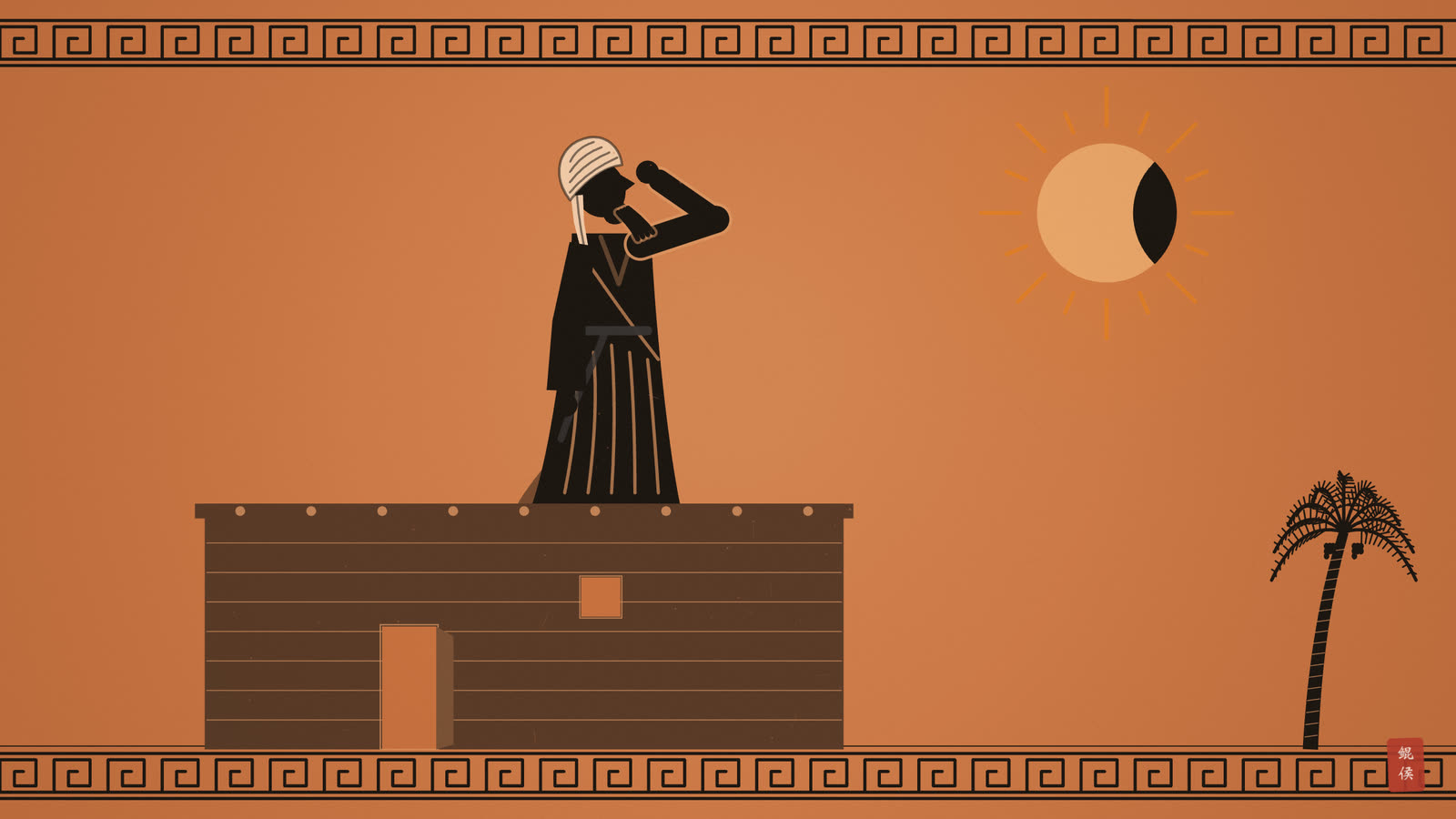
Because the body that eclipses the Sun is the Moon, and its course is faster, it overtakes the Sun from the side of the west, and its first contact with it is from that side. So the beginning of an eclipse of the Sun is from the side of the west and the completion of the clearing from the side of the east, which is the opposite of the case of an eclipse of the Moon. Then, if it deviates a little from due east and west, it does not leave those sides.
翻译点开
§264. How many times has an eclipse of the Sun?
第二百六十四问 日食有几个时刻?
They are three, since it has no perceptible stay, nor anything at all besides the beginning of the eclipse, its middle, and the completion of the clearing.
有三个,因为它没有可感知的停留,除了食始、食中与复明完毕之外,别的一概没有。
§265. From which side does it begin?
第二百六十五问 日食从哪一侧开始?
Because the body that eclipses the Sun is the Moon, and its course is faster, it overtakes the Sun from the side of the west, and its first contact with it is from that side. So the beginning of an eclipse of the Sun is from the side of the west and the completion of the clearing from the side of the east, which is the opposite of the case of an eclipse of the Moon. Then, if it deviates a little from due east and west, it does not leave those sides.
因为遮食太阳的天体是月亮,而月亮的行程较快,它从西侧追上太阳,它与太阳的最初接触就在那一侧。所以日食从西侧开始,复明完毕在东侧,与月食的情形相反。再者,即使它从正东正西稍有偏离,也不会离开这两侧。
大意与图解点开
🔎 大意:日食没有可感知的停留,只有食始、食中、复明完毕三个时刻;月亮从西侧追上太阳,故日食起于西、终于东,与月食相反。
📖 术语
| 术语 | 英文原词 | 意思 |
|---|---|---|
| 食始 | beginning of the eclipse | 最初接触之时 |
| 食中 | the middle | 食分最大之时 |
| 复明完毕 | completion of the clearing | 完全离开之时 |
🧭 图解与讲解
第二百六十四问很短:日食只有三个时刻,即食始、食中、复明完毕。上一章讲过,全食的月食可以在地影里停留一段时间,有五个时刻;日食却“没有可感知的停留”。月亮的视大小与太阳相差无几,即使全食,月亮刚盖满日面就要离开,看不出停留。
〔图〕日食从太阳的西侧开始,在东侧复明完毕,与月食的方向正相反
〔图〕月食与日食的方向正好相反:一个从东缘开始,一个从西缘开始
第二百六十五问讲方向。月食是月亮从西边追上地影,所以月的东缘先食;日食则是月亮从西边追上太阳,所以先被遮住的是太阳的西缘,最后复明的是东缘(图一)。两者都是“月亮追上别的东西”,只是被食的一方不同,方向就反过来了(图二)。
比鲁尼补一句:接触点可能从正东正西稍偏南北,但不会离开东、西两侧。这和上一章说月食“从正东稍偏向北或南”是同一个道理,因为月亮的路斜交黄道。抄本这里的动词写法不稳,据上一章同一说法读作“偏离”。
📖 术语
| 术语 | 英文原词 | 意思 |
|---|---|---|
| 食始 | beginning of the eclipse | 最初接触之时 |
| 食中 | the middle | 食分最大之时 |
| 复明完毕 | completion of the clearing | 完全离开之时 |
🧭 图解与讲解
第二百六十四问很短:日食只有三个时刻,即食始、食中、复明完毕。上一章讲过,全食的月食可以在地影里停留一段时间,有五个时刻;日食却“没有可感知的停留”。月亮的视大小与太阳相差无几,即使全食,月亮刚盖满日面就要离开,看不出停留。
第二百六十五问讲方向。月食是月亮从西边追上地影,所以月的东缘先食;日食则是月亮从西边追上太阳,所以先被遮住的是太阳的西缘,最后复明的是东缘(图一)。两者都是“月亮追上别的东西”,只是被食的一方不同,方向就反过来了(图二)。
比鲁尼补一句:接触点可能从正东正西稍偏南北,但不会离开东、西两侧。这和上一章说月食“从正东稍偏向北或南”是同一个道理,因为月亮的路斜交黄道。抄本这里的动词写法不稳,据上一章同一说法读作“偏离”。
§266. Why is the Sun not eclipsed at every conjunction, and the Moon at every opposition?
Because an eclipse of the Sun is accomplished only when the Moon has no latitude or little, so that it can thereby come between the Sun and the sight. For this reason the condition laid down for the conjunction is that the Head or the Tail be near it, stated loosely and without a fixed limit, so that the Moon's latitude comes out as we have said. For when the two nodes are far from the conjunction, the amount of the Moon's latitude becomes great, and it moves away from the middle that brings about the covering of the Sun, towards the north or the south. The case is the same with the opposition: the Moon is not always eclipsed in it, because it moves away from the circle of the shadow through the greatness of its latitude.
翻译点开
§266. Why is the Sun not eclipsed at every conjunction, and the Moon at every opposition?
第二百六十六问 为什么太阳不在每次合时都食,月亮不在每次望时都食?
Because an eclipse of the Sun is accomplished only when the Moon has no latitude or little, so that it can thereby come between the Sun and the sight. For this reason the condition laid down for the conjunction is that the Head or the Tail be near it, stated loosely and without a fixed limit, so that the Moon's latitude comes out as we have said. For when the two nodes are far from the conjunction, the amount of the Moon's latitude becomes great, and it moves away from the middle that brings about the covering of the Sun, towards the north or the south. The case is the same with the opposition: the Moon is not always eclipsed in it, because it moves away from the circle of the shadow through the greatness of its latitude.
因为日食只有当月亮没有纬度或纬度很小、因而能挡在太阳与视线之间时才会成就。因此为合所定的条件是龙头或龙尾靠近它——这只是笼统地说,没有定下确定的界限——好让月亮的纬度如我们所说的那样。因为当两个交点离合很远时,月亮纬度的量就变大,它便离开造成遮掩太阳的那条中线,偏向北或南。望的情形也一样:月亮在望时并不总是被食,因为它由于纬度大而离开了影圈。
大意与图解点开
🔎 大意:日食要月亮在合时几乎没有纬度,所以交点须靠近合处;交点远则月偏到南北,不遮日。望时纬度大,月也从影圈旁经过而不食。
📖 术语
| 术语 | 英文原词 | 意思 |
|---|---|---|
| 交点 | the two nodes | 龙头与龙尾 |
| 纬度 | latitude | 月离黄道南北之距 |
| 影圈 | the circle of the shadow | 月所在处的地影截面 |
🧭 图解与讲解
这是初学者最常问的问题:月亮每个月都与太阳合一次、望一次,为什么不是每个月都有日食月食?比鲁尼的回答是纬度。月亮的路斜交黄道,合与望时它多半在黄道北或南,就从太阳旁边、或从地影旁边经过(图一)。
〔图〕合时交点近,月亮几乎贴着黄道而遮住太阳;交点远,月亮纬度大,从太阳旁边经过,不食
| 交点靠近 | 交点远离 | |
|---|---|---|
| 合(月末) | 月几乎无纬度,挡在日与目之间:日食 | 月偏南或偏北,不遮日:无食 |
| 望(月中) | 月进入影圈:月食 | 月从影圈旁经过:无食 |
| 界限 | 日食只笼统说“靠近”,未定界限;月食上一章说十二度内 | — |
只有合或望恰好发生在交点附近,月亮才几乎贴着黄道,才能挡住太阳或进入地影(表二)。上一章讲月食时给了一个界限:交点在望处十二度以内。讲日食时比鲁尼只说“笼统地说,没有定下确定的界限”,因为日食还牵涉视差,各地所见不同,不能用一个度数一刀切。
这就是为什么卷三要先讲斜圈与交点,交点在占星里又那么受重视:交点每年沿黄道逆行一段,合望靠近交点的季节就是“食季”,每年大约有两次。占星家重视龙头龙尾,与它们关乎交食分不开。
📖 术语
| 术语 | 英文原词 | 意思 |
|---|---|---|
| 交点 | the two nodes | 龙头与龙尾 |
| 纬度 | latitude | 月离黄道南北之距 |
| 影圈 | the circle of the shadow | 月所在处的地影截面 |
🧭 图解与讲解
这是初学者最常问的问题:月亮每个月都与太阳合一次、望一次,为什么不是每个月都有日食月食?比鲁尼的回答是纬度。月亮的路斜交黄道,合与望时它多半在黄道北或南,就从太阳旁边、或从地影旁边经过(图一)。
| 交点靠近 | 交点远离 | |
|---|---|---|
| 合(月末) | 月几乎无纬度,挡在日与目之间:日食 | 月偏南或偏北,不遮日:无食 |
| 望(月中) | 月进入影圈:月食 | 月从影圈旁经过:无食 |
| 界限 | 日食只笼统说“靠近”,未定界限;月食上一章说十二度内 | — |
只有合或望恰好发生在交点附近,月亮才几乎贴着黄道,才能挡住太阳或进入地影(表二)。上一章讲月食时给了一个界限:交点在望处十二度以内。讲日食时比鲁尼只说“笼统地说,没有定下确定的界限”,因为日食还牵涉视差,各地所见不同,不能用一个度数一刀切。
这就是为什么卷三要先讲斜圈与交点,交点在占星里又那么受重视:交点每年沿黄道逆行一段,合望靠近交点的季节就是“食季”,每年大约有两次。占星家重视龙头龙尾,与它们关乎交食分不开。
§267. Does eclipse befall anything other than the two luminaries?
The Moon eclipses the wandering planets and some of the fixed stars when its passage happens to be over them. It covers them on its eastern side, and then they appear from its western side as if coming out of it; and how often that is seen! The wandering planets also eclipse one another and eclipse some of the fixed stars, so that the two stars become one star. The Sun covers them with its rays, so that no distinction is made in it between what is eclipsed and what is not. But that a planet should be seen beneath the Sun, having an effect on it, does not happen.
翻译点开
§267. Does eclipse befall anything other than the two luminaries?
第二百六十七问 除两颗发光体以外,还有别的星被食吗?
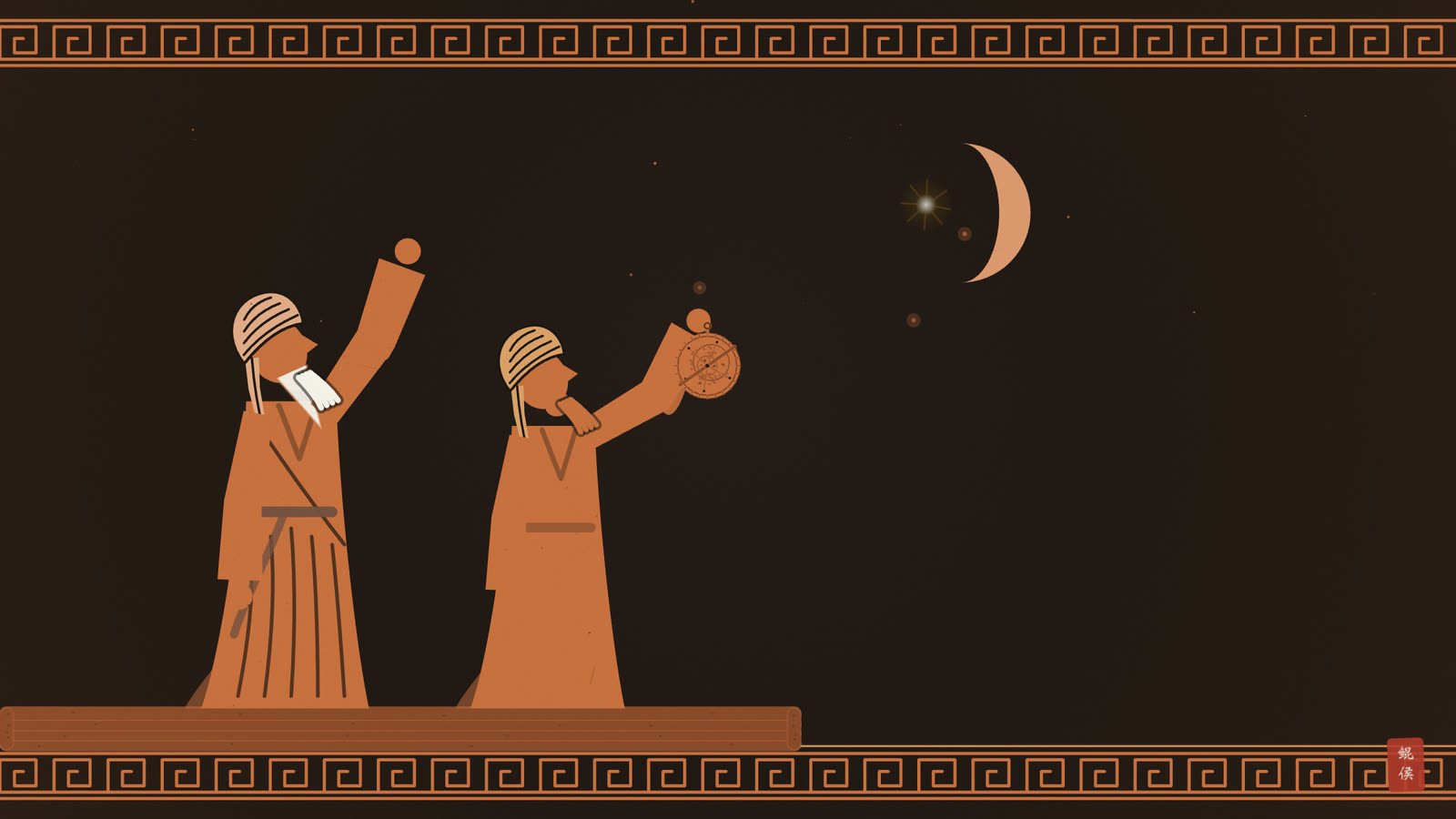
The Moon eclipses the wandering planets and some of the fixed stars when its passage happens to be over them. It covers them on its eastern side, and then they appear from its western side as if coming out of it; and how often that is seen! The wandering planets also eclipse one another and eclipse some of the fixed stars, so that the two stars become one star. The Sun covers them with its rays, so that no distinction is made in it between what is eclipsed and what is not. But that a planet should be seen beneath the Sun, having an effect on it, does not happen.
月亮在行经游星与某些恒星之上时,就会遮食它们。它在自己的东侧遮住它们,然后它们从它的西侧出现,好像从它里面出来一样;这种情形是多么常见啊!游星也彼此遮食,并遮食某些恒星,于是两颗星变成一颗星。太阳则用它的光线遮住它们,所以在太阳那里,被食的与未被食的无从区分。至于看见一颗行星在太阳之下、对太阳有所作用,那是不会发生的。
大意与图解点开
🔎 大意:月亮常以东缘遮住行星与恒星,再让它们从西缘出来;行星也互相遮掩,两星合成一星。太阳以光掩星,却从未见行星在日下遮日。
📖 术语
| 术语 | 英文原词 | 意思 |
|---|---|---|
| 掩星 | eclipse (of stars) | 一星遮住另一星 |
| 游星 | the wandering planets | 即五行星 |
| 恒星 | the fixed stars | 位置不变的星 |
🧭 图解与讲解
最后一问把“食”推广到别的星。月亮走得快、离我们近,走过某颗行星或恒星前面时就把它遮住:它向东走,所以先用东缘盖住星,过一阵星又从它的西缘冒出来,好像从月亮里钻出来一样(图一)。比鲁尼感叹“这种情形是多么常见”,说明他自己观测过不少。
〔图〕月亮与行星都会遮掩别的星,只有太阳以光掩星,被掩与否无从分辨
| 遮者 | 被遮者 | 所见 |
|---|---|---|
| 月亮 | 游星、某些恒星 | 东缘遮入、西缘复出,十分常见 |
| 游星 | 彼此、某些恒星 | 两星合为一星 |
| 太阳 | 附近诸星 | 以光掩之,分不出被食与否 |
| 行星 | 太阳 | 从未见行星在日下对日有所作用 |
行星之间也会互相遮掩,或遮住恒星,看上去两星合成一星。太阳则不同:它的光太强,附近的星都看不见,所以谈不上哪颗被它“食”了、哪颗没有(表二)。
最后一句说,从没见过行星在太阳之下、对太阳有所作用,也就是没人见过行星遮住太阳。今天知道水星、金星偶尔会从日面经过,但它们太小,肉眼几乎无从察觉;比鲁尼据所见如实记录。
卷五到这里结束:上升点与宫位、会合、合望、两弦、交食、视差,都是起盘与判断时要用的天象;下一卷转入历法,讲日、月、年怎样计算。
📖 术语
| 术语 | 英文原词 | 意思 |
|---|---|---|
| 掩星 | eclipse (of stars) | 一星遮住另一星 |
| 游星 | the wandering planets | 即五行星 |
| 恒星 | the fixed stars | 位置不变的星 |
🧭 图解与讲解
最后一问把“食”推广到别的星。月亮走得快、离我们近,走过某颗行星或恒星前面时就把它遮住:它向东走,所以先用东缘盖住星,过一阵星又从它的西缘冒出来,好像从月亮里钻出来一样(图一)。比鲁尼感叹“这种情形是多么常见”,说明他自己观测过不少。
| 遮者 | 被遮者 | 所见 |
|---|---|---|
| 月亮 | 游星、某些恒星 | 东缘遮入、西缘复出,十分常见 |
| 游星 | 彼此、某些恒星 | 两星合为一星 |
| 太阳 | 附近诸星 | 以光掩之,分不出被食与否 |
| 行星 | 太阳 | 从未见行星在日下对日有所作用 |
行星之间也会互相遮掩,或遮住恒星,看上去两星合成一星。太阳则不同:它的光太强,附近的星都看不见,所以谈不上哪颗被它“食”了、哪颗没有(表二)。
最后一句说,从没见过行星在太阳之下、对太阳有所作用,也就是没人见过行星遮住太阳。今天知道水星、金星偶尔会从日面经过,但它们太小,肉眼几乎无从察觉;比鲁尼据所见如实记录。
卷五到这里结束:上升点与宫位、会合、合望、两弦、交食、视差,都是起盘与判断时要用的天象;下一卷转入历法,讲日、月、年怎样计算。
原文为公有领域古籍;翻译、印象画与图文解读由 AI 辅助生成,鲲侯审校。