卷六·第 268–272 问 平日与真日、月与年、闰法与“纳西”
历法卷开篇:一日为何比天转一周长,平日与真日;自然月与约定月;太阳年与太阴年;各民族怎样置闰,以及阿拉伯人的推月。
BOOK VI. CHRONOLOGY
§268. What are the mean days and the true days?
If the Sun were not moving with the second motion, and the first motion took it from some circle, it would bring it back to it in the period of a revolution of the whole equator, which is 360 times. But the Sun is not fixed; it moves in this period by its own amount. So the Sun does not return to the circle it left, whether that be the horizon, or the orb of midday and midnight, or another, except after a revolution of 360 times plus what it has travelled. Its course is not uniform but varies in speed and slowness, and that distance does not pass over all the circles in equal times: it passes over the eastern horizon by the ascensions of the town, over the western horizon by its descensions, and over the orb of midday and midnight by the ascensions of the right orb, because the meridian in every place stands in the place of one of the horizons of the equinoctial line, which pass through the two poles of the universe. It is thus clear that the amount of the true day is a revolution of 360 times together with the ascensions of the Sun's course, and that the amount of the mean day is a revolution of 360 times together with the ascensions of an arc equal to the mean motion of the Sun in one day.
翻译点开
BOOK VI. CHRONOLOGY
卷六 历法
§268. What are the mean days and the true days?
第二百六十八问 何谓平日与真日?
If the Sun were not moving with the second motion, and the first motion took it from some circle, it would bring it back to it in the period of a revolution of the whole equator, which is 360 times. But the Sun is not fixed; it moves in this period by its own amount. So the Sun does not return to the circle it left, whether that be the horizon, or the orb of midday and midnight, or another, except after a revolution of 360 times plus what it has travelled. Its course is not uniform but varies in speed and slowness, and that distance does not pass over all the circles in equal times: it passes over the eastern horizon by the ascensions of the town, over the western horizon by its descensions, and over the orb of midday and midnight by the ascensions of the right orb, because the meridian in every place stands in the place of one of the horizons of the equinoctial line, which pass through the two poles of the universe. It is thus clear that the amount of the true day is a revolution of 360 times together with the ascensions of the Sun's course, and that the amount of the mean day is a revolution of 360 times together with the ascensions of an arc equal to the mean motion of the Sun in one day.
假如太阳不以第二运动运行,第一运动把它从某个圈带走,就会在整个赤道转一周的时间里把它带回那个圈,那是三百六十时度。但太阳并非固定不动;它在这段时间里以它自己的量移动。所以太阳回到它离开的那个圈——不论那是地平,还是正午与午夜之圈,还是别的圈——要等转过三百六十时度,再加上它所走过的那一段。它的行程并不均匀,而是快慢不一,而那段距离通过各圈所用的时间也不相等:它通过东方地平按本城的上升时间,通过西方地平按本城的下降时间,通过正午与午夜之圈按正球的上升时间,因为每一处的子午圈都相当于赤道线上的一条地平,这些地平都通过宇宙的两极。由此可见,真日的长度是转过三百六十时度,再加上太阳所走那一段的上升时间;平日的长度是转过三百六十时度,再加上与太阳一日平均运动相等的一段弧的上升时间。
大意与图解点开
🔎 大意:卷六开篇:天转一周后太阳已东移一段,须再转过这段的上升时间才回原圈;加上真行的是真日,加上平均行度的是平日。
📖 术语
| 术语 | 英文原词 | 意思 |
|---|---|---|
| 平日 | the mean days | 按太阳平均行度计的日 |
| 真日 | the true days | 按太阳真行计的日 |
| 第一运动 | the first motion | 诸天每日自东向西转 |
| 第二运动 | the second motion | 诸星自西向东的本行 |
| 正球 | the right orb | 赤道上所见的天球 |
🧭 图解与讲解
卷六讲历法,先从“一日”讲起。天球每日自东向西转一周(第一运动),转一周是三百六十时度;但太阳同时在自西向东地走它自己的路(第二运动),一天约一度。所以天转满一周,太阳还没回到原来的圈,要再多转一小段,才算过了一日(图一)。
〔图〕一日比天转一周稍长:天转三百六十时度后,还要再转过太阳这一日东移那段弧的上升时间
| 真日 | 平日 | |
|---|---|---|
| 组成 | 三百六十时度 + 太阳当日真行那段弧的上升时间 | 三百六十时度 + 等于太阳一日平均行度之弧的上升时间 |
| 长短 | 日日不同 | 处处相等 |
| 以哪个圈为准 | 东方地平用本城上升时间;西方地平用本城下降时间;子午圈用正球上升时间 | 同左 |
这一小段不是固定的:太阳的本行有快有慢(卷三讲过均差),同一段黄道弧通过不同的圈所需的时间又不一样。若以东方地平为准(从日出到日出),要用本城的上升时间;以西方地平为准(从日落到日落),用本城的下降时间;以子午圈为准(从正午到正午),要用正球的上升时间,因为子午圈相当于赤道上某地的地平,那里的星座按正球上升。这些都是卷三、卷四铺好的知识。
于是比鲁尼分出两种日:按太阳当日真实行度加上去的是“真日”,日日长短不同;按太阳平均行度加上去的是“平日”,长短一律(表二)。天文表、历书推算用平日,再用一个改正数(日的均差)把它换成真日。
这对占星很实际:起盘要把钟点换成天上的位置,若不分平日与真日,算出来的太阳与上升点都会有偏差。后文讲各民族纪年、节日,也都要以“日”为单位来推算。
📖 术语
| 术语 | 英文原词 | 意思 |
|---|---|---|
| 平日 | the mean days | 按太阳平均行度计的日 |
| 真日 | the true days | 按太阳真行计的日 |
| 第一运动 | the first motion | 诸天每日自东向西转 |
| 第二运动 | the second motion | 诸星自西向东的本行 |
| 正球 | the right orb | 赤道上所见的天球 |
🧭 图解与讲解
卷六讲历法,先从“一日”讲起。天球每日自东向西转一周(第一运动),转一周是三百六十时度;但太阳同时在自西向东地走它自己的路(第二运动),一天约一度。所以天转满一周,太阳还没回到原来的圈,要再多转一小段,才算过了一日(图一)。
| 真日 | 平日 | |
|---|---|---|
| 组成 | 三百六十时度 + 太阳当日真行那段弧的上升时间 | 三百六十时度 + 等于太阳一日平均行度之弧的上升时间 |
| 长短 | 日日不同 | 处处相等 |
| 以哪个圈为准 | 东方地平用本城上升时间;西方地平用本城下降时间;子午圈用正球上升时间 | 同左 |
这一小段不是固定的:太阳的本行有快有慢(卷三讲过均差),同一段黄道弧通过不同的圈所需的时间又不一样。若以东方地平为准(从日出到日出),要用本城的上升时间;以西方地平为准(从日落到日落),用本城的下降时间;以子午圈为准(从正午到正午),要用正球的上升时间,因为子午圈相当于赤道上某地的地平,那里的星座按正球上升。这些都是卷三、卷四铺好的知识。
于是比鲁尼分出两种日:按太阳当日真实行度加上去的是“真日”,日日长短不同;按太阳平均行度加上去的是“平日”,长短一律(表二)。天文表、历书推算用平日,再用一个改正数(日的均差)把它换成真日。
这对占星很实际:起盘要把钟点换成天上的位置,若不分平日与真日,算出来的太阳与上升点都会有偏差。后文讲各民族纪年、节日,也都要以“日”为单位来推算。
§269. What is the month?
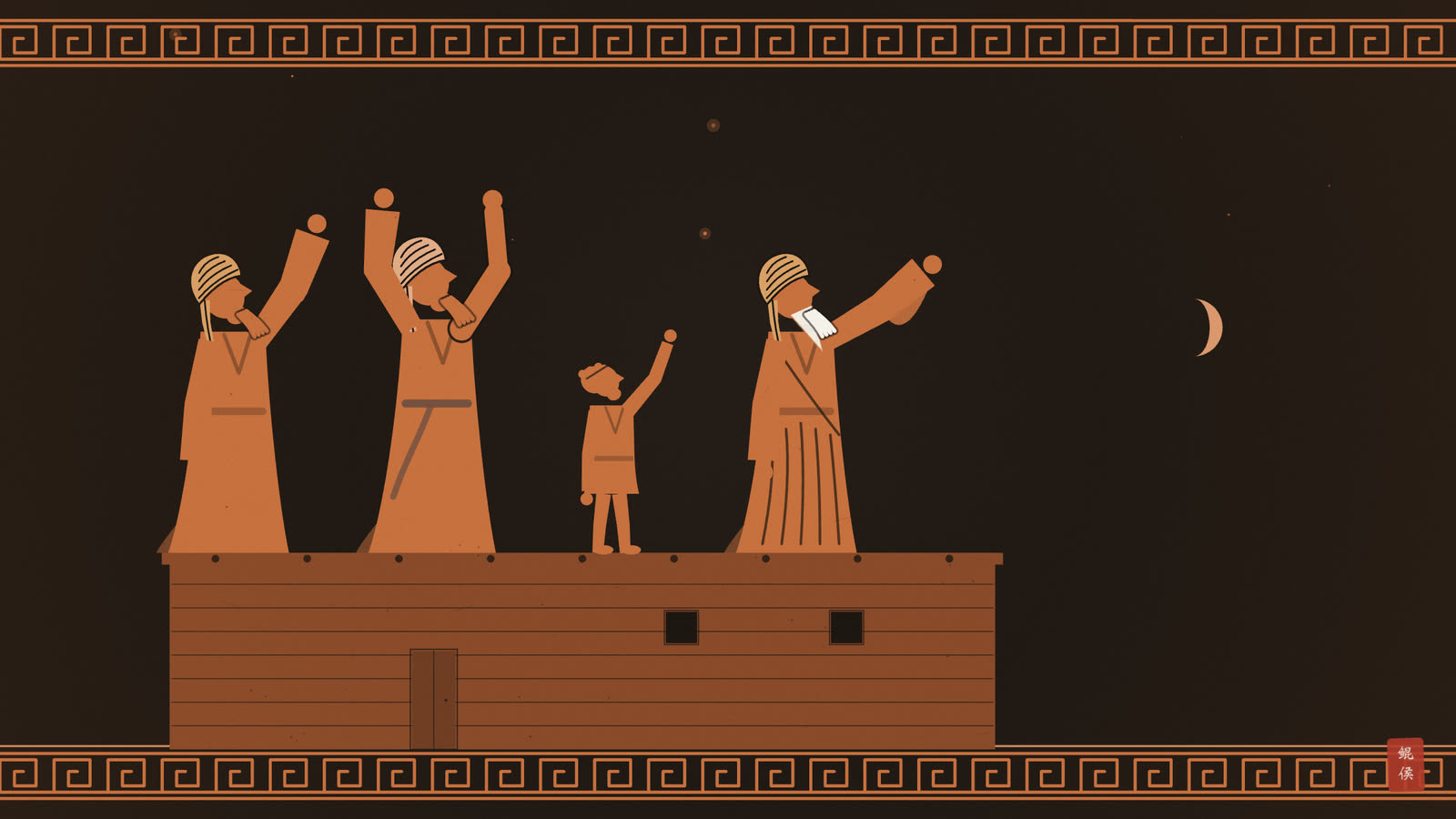
The month is either natural or conventional. The natural month is the return of the Moon from the Sun to its first distance from it on one and the same of the two sides, east and west. But since the shapes of the light on the body of the Moon correspond to its distances from the Sun, custom has taken the crescent from among them, because it is as it were the beginning of the shapes. From one crescent to the next is 29½ days and a little more. But since it was not possible to use half a day, they counted the two months together as 59 days, one of them full, 30 days, and the other deficient, 29 days; and that is according to the mean course of the two luminaries. As for the true course, it happens, when the month is used by the sighting of the crescent with the eye, that two or three full months follow one another, and likewise deficient ones follow one another. The conventional month is one twelfth part of the natural year, or of something close to it.
翻译点开
§269. What is the month?
第二百六十九问 何谓月?
The month is either natural or conventional. The natural month is the return of the Moon from the Sun to its first distance from it on one and the same of the two sides, east and west. But since the shapes of the light on the body of the Moon correspond to its distances from the Sun, custom has taken the crescent from among them, because it is as it were the beginning of the shapes. From one crescent to the next is 29½ days and a little more. But since it was not possible to use half a day, they counted the two months together as 59 days, one of them full, 30 days, and the other deficient, 29 days; and that is according to the mean course of the two luminaries. As for the true course, it happens, when the month is used by the sighting of the crescent with the eye, that two or three full months follow one another, and likewise deficient ones follow one another. The conventional month is one twelfth part of the natural year, or of something close to it.
月或是自然的,或是约定的。自然月是月亮离开太阳后,在东西两侧中的同一侧,回到它与太阳最初的距离。但由于月亮本体上光的形状对应于它与太阳的距离,习俗便从中取了新月,因为它好比诸形状的开端。从一次新月到下一次新月是二十九日半又多一点。但由于不便使用半日,人们把两个月合计为五十九日,其中一个是满的,三十日,另一个是缺的,二十九日;这是按两颗发光体的平均行程而言。至于按真实行程,用肉眼看新月来定月份时,会出现两三个满月相连,缺月也同样相连的情形。约定月是自然年的十二分之一,或接近于此的长度。
大意与图解点开
🔎 大意:自然月是月离日后回到同侧同一距离,习俗以新月为月首,约二十九日半余,故大小月相间;约定月是自然年的十二分之一。
📖 术语
| 术语 | 英文原词 | 意思 |
|---|---|---|
| 自然月 | the natural month | 以月相周期为月 |
| 约定月 | the conventional month | 年的十二分之一 |
| 满月 | full (month) | 三十日的大月 |
| 缺月 | deficient (month) | 二十九日的小月 |
🧭 图解与讲解
第二百六十九问区分两种月。自然月由月亮决定:月亮离开太阳,再回到同一侧、同样的距离,就是一个月。月相跟着日月距离走,人们便挑了新月作为一个月的开头,因为新月是一连串月相的起点。
| 怎样定 | 日数 | |
|---|---|---|
| 自然月(按平均行程) | 从新月到新月 | 二十九日半又多一点;大月三十、小月二十九相间,两月五十九日 |
| 自然月(按真实行程,肉眼见新月) | 每月见新月为首 | 大月或小月可以两三个相连 |
| 约定月 | 自然年的十二分之一,或近于此 | 与月相无关 |
〔图〕计月有两条路:跟着月相走的是自然月,把太阳年十二等分的是约定月
从新月到新月约二十九日半多一点。历法上不能用半天,于是两个月合起来算五十九日,一个三十日(“满的”,即大月),一个二十九日(“缺的”,即小月),交替使用(表一)。这是按日月的平均行程说的。若真以肉眼见新月定月首,月亮行速有快有慢,就可能连着两三个大月,或连着两三个小月。
约定月则不看月相,只是把一个自然年(太阳年)分成十二份,或分成接近十二份的长度。下一问会说,这样的月“是约定的,不是自然的”。阿拉伯历用自然月,波斯、科普特、叙利亚历用约定月,下一章讲各民族的月名时就会看到这个分别。
📖 术语
| 术语 | 英文原词 | 意思 |
|---|---|---|
| 自然月 | the natural month | 以月相周期为月 |
| 约定月 | the conventional month | 年的十二分之一 |
| 满月 | full (month) | 三十日的大月 |
| 缺月 | deficient (month) | 二十九日的小月 |
🧭 图解与讲解
第二百六十九问区分两种月。自然月由月亮决定:月亮离开太阳,再回到同一侧、同样的距离,就是一个月。月相跟着日月距离走,人们便挑了新月作为一个月的开头,因为新月是一连串月相的起点。
| 怎样定 | 日数 | |
|---|---|---|
| 自然月(按平均行程) | 从新月到新月 | 二十九日半又多一点;大月三十、小月二十九相间,两月五十九日 |
| 自然月(按真实行程,肉眼见新月) | 每月见新月为首 | 大月或小月可以两三个相连 |
| 约定月 | 自然年的十二分之一,或近于此 | 与月相无关 |
从新月到新月约二十九日半多一点。历法上不能用半天,于是两个月合起来算五十九日,一个三十日(“满的”,即大月),一个二十九日(“缺的”,即小月),交替使用(表一)。这是按日月的平均行程说的。若真以肉眼见新月定月首,月亮行速有快有慢,就可能连着两三个大月,或连着两三个小月。
约定月则不看月相,只是把一个自然年(太阳年)分成十二份,或分成接近十二份的长度。下一问会说,这样的月“是约定的,不是自然的”。阿拉伯历用自然月,波斯、科普特、叙利亚历用约定月,下一章讲各民族的月名时就会看到这个分别。
§270. What is the natural year, and what others are there?
The natural year is an expression for a period that includes the cycle of heat and cold, of tillage and breeding. It begins from the Sun's being at some point of the orb of the signs and ends at its return to it, and for this reason this year is ascribed to the Sun. Its amount is 365 days and a fraction which falls short of a quarter of a day by something, according to what we have found, and exceeds it by something, according to what the ancients found. This is the natural year; its month, which is a half of a sixth of it, is conventional, not natural. The conventional year is 12 months, multiples of the natural month; it is called lunar, and its amount is 354 days and nearly a fifth and a sixth of a day, I mean 11 parts out of 30 parts of the whole day.
翻译点开
§270. What is the natural year, and what others are there?
第二百七十问 何谓自然年?另外还有哪些年?
The natural year is an expression for a period that includes the cycle of heat and cold, of tillage and breeding. It begins from the Sun's being at some point of the orb of the signs and ends at its return to it, and for this reason this year is ascribed to the Sun. Its amount is 365 days and a fraction which falls short of a quarter of a day by something, according to what we have found, and exceeds it by something, according to what the ancients found. This is the natural year; its month, which is a half of a sixth of it, is conventional, not natural. The conventional year is 12 months, multiples of the natural month; it is called lunar, and its amount is 354 days and nearly a fifth and a sixth of a day, I mean 11 parts out of 30 parts of the whole day.
自然年是对一段周期的称呼,这段周期包含冷热的循环、耕种与繁育的循环。它从太阳在黄道上的某一点开始,到它回到该点结束,因此这种年归属于太阳。它的长度是三百六十五日又一个零头,按我们所测得的,这零头比四分之一日少一点;按古人所测得的,比四分之一日多一点。这就是自然年;它的月是它的六分之一的一半,是约定的,不是自然的。约定年是十二个月,是自然月的倍数;它称为太阴年,它的长度是三百五十四日又将近一日的五分之一加六分之一,我是指一整日三十份中的十一份。
大意与图解点开
🔎 大意:自然年是太阳回到黄道同一点,含寒暑耕牧一周,约三百六十五日又四分之一;太阴年是十二个自然月,三百五十四日余。
📖 术语
| 术语 | 英文原词 | 意思 |
|---|---|---|
| 自然年 | the natural year | 太阳回到原点 |
| 太阴年 | lunar (year) | 十二个自然月 |
| 约定年 | the conventional year | 以月数凑成的年 |
🧭 图解与讲解
自然年是跟着季节走的年:寒来暑往、耕种收获、牲畜繁育,一轮就是一年。天文上它是太阳从黄道某一点出发、回到同一点的时间,所以叫太阳年。长度是三百六十五日又一个零头,比鲁尼说:“我们”(伊斯兰时代的测天家)测得这零头略少于四分之一日,古人(希腊人)测得略多于四分之一日。卷三第一百七十五问给过近人的数:三百六十五日五小时四十七分左右。
| 自然年(太阳年) | 约定年(太阴年) | |
|---|---|---|
| 由什么定 | 太阳回到黄道上同一点 | 十二个自然月 |
| 含什么 | 寒暑、耕种与繁育一周 | 与季节无关 |
| 长度 | 365 日又一个零头:近人测得略少于 ¼ 日,古人测得略多于 ¼ 日 | 354 日又 ⅕+⅙ 日,即 11/30 日 |
| 它的月 | 十二分之一,是约定月 | 自然月 |
| 相差 | — | 每年约短十一日 |
〔图〕两种年都带零头,置闰就是把零头积成整日或整月再放回历中,下一问分说各家做法
自然年的十二分之一(“六分之一的一半”)是约定月,前一问说过。另一种年是约定年,即十二个自然月凑成的太阴年,三百五十四日又“五分之一加六分之一”日,比鲁尼特别换算成“三十份中的十一份”,为下一问的三十年闰周铺路(表一)。
两种年相差约十一日,各带零头,于是有两个问题:零头怎样处理(第二百七十一问),两种年怎样配合(第二百七十二问)。对占星来说,太阳年是回归盘的依据,太阴年是伊斯兰民历的依据,两者换算是推运、择日查历时绕不开的一步。
📖 术语
| 术语 | 英文原词 | 意思 |
|---|---|---|
| 自然年 | the natural year | 太阳回到原点 |
| 太阴年 | lunar (year) | 十二个自然月 |
| 约定年 | the conventional year | 以月数凑成的年 |
🧭 图解与讲解
自然年是跟着季节走的年:寒来暑往、耕种收获、牲畜繁育,一轮就是一年。天文上它是太阳从黄道某一点出发、回到同一点的时间,所以叫太阳年。长度是三百六十五日又一个零头,比鲁尼说:“我们”(伊斯兰时代的测天家)测得这零头略少于四分之一日,古人(希腊人)测得略多于四分之一日。卷三第一百七十五问给过近人的数:三百六十五日五小时四十七分左右。
| 自然年(太阳年) | 约定年(太阴年) | |
|---|---|---|
| 由什么定 | 太阳回到黄道上同一点 | 十二个自然月 |
| 含什么 | 寒暑、耕种与繁育一周 | 与季节无关 |
| 长度 | 365 日又一个零头:近人测得略少于 ¼ 日,古人测得略多于 ¼ 日 | 354 日又 ⅕+⅙ 日,即 11/30 日 |
| 它的月 | 十二分之一,是约定月 | 自然月 |
| 相差 | — | 每年约短十一日 |
自然年的十二分之一(“六分之一的一半”)是约定月,前一问说过。另一种年是约定年,即十二个自然月凑成的太阴年,三百五十四日又“五分之一加六分之一”日,比鲁尼特别换算成“三十份中的十一份”,为下一问的三十年闰周铺路(表一)。
两种年相差约十一日,各带零头,于是有两个问题:零头怎样处理(第二百七十一问),两种年怎样配合(第二百七十二问)。对占星来说,太阳年是回归盘的依据,太阴年是伊斯兰民历的依据,两者换算是推运、择日查历时绕不开的一步。
§271. How are these fractions used in the years?
In the solar year the quarter of a day is left aside until in 4 years a whole day is made up from it; this is added to the year, so that its days become 366. That is the practice of the Greeks, the Romans, the Syrians and the Copts of Egypt since the time of Augustus Caesar, king of the Romans. That year is called in Greek 'the measure' (al-miqyās) [text uncertain], and in Syriac kbīsā, which is Arabicized as kabīsa (intercalary), because the quarters of the day are pressed together (tankabis) in it into a whole day. As for the Persians, it was not permitted to them, on account of Magianism, to intercalate the year by a single day, so they used to put it off until in 120 years a whole month was made up from it; they added it to the year, so that its months became 13, the name of one of them being repeated in it, and that year was called bahīzak. They have neglected this since the end of their kingdom and the eclipse of their religion. The Copts before Augustus used to leave the quarter until the days of a whole year were gathered from it, and that is in 1460 years; then they dropped one year from the total of their years. It is all the same whether that was done or the year was repeated, so that two years were counted as one. In the lunar year, from the fifth and the sixth of a day a day is made up in the third year, by which the year becomes 355 days; and something is still left over, from which, together with the fifth and the sixth of a day that begin afresh, another day is made up in the sixth year; and so on until the fraction is entirely used up in 11 days at the completion of 30 years. These years are called the intercalary years of the Arabs, not because they used them or use them [corrected: MS omits 'not'], but because the makers of the zījes need them when they base the zījes on the years of the Arabs.
翻译点开
§271. How are these fractions used in the years?
第二百七十一问 年中的这些零头是怎样使用的?
In the solar year the quarter of a day is left aside until in 4 years a whole day is made up from it; this is added to the year, so that its days become 366. That is the practice of the Greeks, the Romans, the Syrians and the Copts of Egypt since the time of Augustus Caesar, king of the Romans. That year is called in Greek 'the measure' (al-miqyās) [text uncertain], and in Syriac kbīsā, which is Arabicized as kabīsa (intercalary), because the quarters of the day are pressed together (tankabis) in it into a whole day. As for the Persians, it was not permitted to them, on account of Magianism, to intercalate the year by a single day, so they used to put it off until in 120 years a whole month was made up from it; they added it to the year, so that its months became 13, the name of one of them being repeated in it, and that year was called bahīzak. They have neglected this since the end of their kingdom and the eclipse of their religion. The Copts before Augustus used to leave the quarter until the days of a whole year were gathered from it, and that is in 1460 years; then they dropped one year from the total of their years. It is all the same whether that was done or the year was repeated, so that two years were counted as one. In the lunar year, from the fifth and the sixth of a day a day is made up in the third year, by which the year becomes 355 days; and something is still left over, from which, together with the fifth and the sixth of a day that begin afresh, another day is made up in the sixth year; and so on until the fraction is entirely used up in 11 days at the completion of 30 years. These years are called the intercalary years of the Arabs, not because they used them or use them [corrected: MS omits 'not'], but because the makers of the zījes need them when they base the zījes on the years of the Arabs.
在太阳年里,四分之一日先搁在一边,等到四年里由它凑成一整日,就把这一日加到年上,于是那一年的日数成为三百六十六。这是希腊人、罗马人、叙利亚人和埃及科普特人自罗马人之王奥古斯都·恺撒的时代以来的做法。这样的年在希腊语里称为“尺度”(米格亚斯)〔原文疑有讹误〕,在叙利亚语里称为“克比萨”,阿拉伯化为“卡比萨”(闰),因为日的四分之一在其中被压聚(坦卡比斯)成一整日。至于波斯人,由于祆教的缘故,不许他们用单独一日来闰年,所以他们一直推延,直到一百二十年里由它凑成一整月;他们把它加到年上,于是那一年的月数成为十三,其中一个月的名字重复一次,那一年称为“巴希扎克”。自从他们的王国终结、他们的宗教衰落以来,他们就把这事荒废了。奥古斯都以前的科普特人把四分之一日搁在一边,直到由它聚成一整年的日数,那需要一千四百六十年;然后他们从年数的总和中去掉一年。不论是这样做,还是把那一年重复,使两年算作一年,都是一样的。在太阴年里,由日的五分之一与六分之一,到第三年凑成一日,那一年便成为三百五十五日;仍有些余下,它与重新开始的日的五分之一与六分之一一起,到第六年又凑成一日;依此类推,直到三十年满时,零头在十一日中全部用尽。这些年称为阿拉伯人的闰年,并不是因为他们用过或在用它们〔抄本无“不”字,据文义改正〕,而是因为编历表(齐吉)的人以阿拉伯人的年为基础编历表时需要它们。
大意与图解点开
🔎 大意:太阳年的四分之一日:希腊罗马等四年闰一日,波斯一百二十年闰一月,古科普特一千四百六十年减一年;太阴年三十年闰十一日。
📖 术语
| 术语 | 英文原词 | 意思 |
|---|---|---|
| 闰 | kabīsa (intercalary) | 把零头积成整日或整月 |
| 巴希扎克 | bahīzak | 波斯十三个月之年 |
| 克比萨 | kbīsā | 叙利亚语的闰年 |
| 齐吉 | zīj | 天文历表 |
🧭 图解与讲解
零头怎么办,各民族办法不同,比鲁尼一一列出(表一)。最常见的是四年闰一日:希腊人、罗马人、叙利亚人,以及奥古斯都以后的埃及科普特人,都把每年多出的四分之一日搁着,第四年凑成一日,那一年三百六十六日。叙利亚语叫“克比萨”,阿拉伯语借成“卡比萨”,比鲁尼解释为四个四分之一日被“压聚”成一日。希腊语那一名,抄本写作“尺度”,似乎是意译,读法不稳。
| 谁用 | 年的零头 | 怎样积 | 积满后怎样做 | 那一年的名称 |
|---|---|---|---|---|
| 希腊人、罗马人、叙利亚人,以及奥古斯都以来的埃及科普特人 | 四分之一日 | 四年积成一日 | 加入那一年,成三百六十六日 | 希腊语称“尺度”〔原文疑有讹误〕;叙利亚语“克比萨”,阿拉伯语“卡比萨” |
| 波斯人(王国终结后已废) | 四分之一日 | 一百二十年积成一月 | 加入那一年,成十三个月,一个月名重复 | 巴希扎克 |
| 奥古斯都以前的科普特人 | 四分之一日 | 一千四百六十年积成一年 | 从年数总和中去掉一年(或把一年重复计) | — |
| 编历表者所用的阿拉伯年 | 五分之一加六分之一日(三十分之十一) | 第三年、第六年……各积成一日 | 那一年成三百五十五日;三十年共十一日 | 阿拉伯人的闰年 |
| 犹太人 | 太阴年与太阳年之差 | 积成一月 | 加第十三个月 | 伊布尔(“孕妇”) |
| 印度人 | 两种零头之间的盈余 | 推算凑满一月 | 重复一个月 | 马拉马萨;雅言阿迪马萨 |
| 第几年 | 一 | 二 | 三 | 四 | 五 | 六 |
|---|---|---|---|---|---|---|
| 闰年(三百五十五日) | 三 | 六 | 九 | 十一 | 十四 | 十七 |
| 二十 | 二十二 | 二十五 | 二十八 | 三十 |
波斯人不能单闰一日(比鲁尼说是祆教的规定),就等一百二十年积成三十日,一次闰一整月,那一年有十三个月,一个月名重复,叫“巴希扎克”;萨珊王朝亡后这办法就废了。奥古斯都以前的科普特人干脆不闰,任四分之一日积满一千四百六十年成一整年,再从年数里减去一年;比鲁尼说,减一年与把一年重复计,结果一样。
太阴年的零头是三十分之十一日。第三年积满一日,那年三百五十五日;余数接着累积,第六年又满一日;如此到第三十年,正好用完,共闰十一日。照这个算法逐年累加,闰年落在第三、六、九、十一、十四、十七、二十、二十二、二十五、二十八、三十年(表二,本站按书中算法推出)。
这些叫“阿拉伯人的闰年”,比鲁尼特别声明:并不是阿拉伯人自己用它(伊斯兰历以见新月定月,不置闰),而是编天文历表(齐吉)的人以阿拉伯年为基础时需要它。抄本这里漏了“不”字,句子与下文的“而是”接不上,本站据文义补出。
§272. What is the nasīʾ?
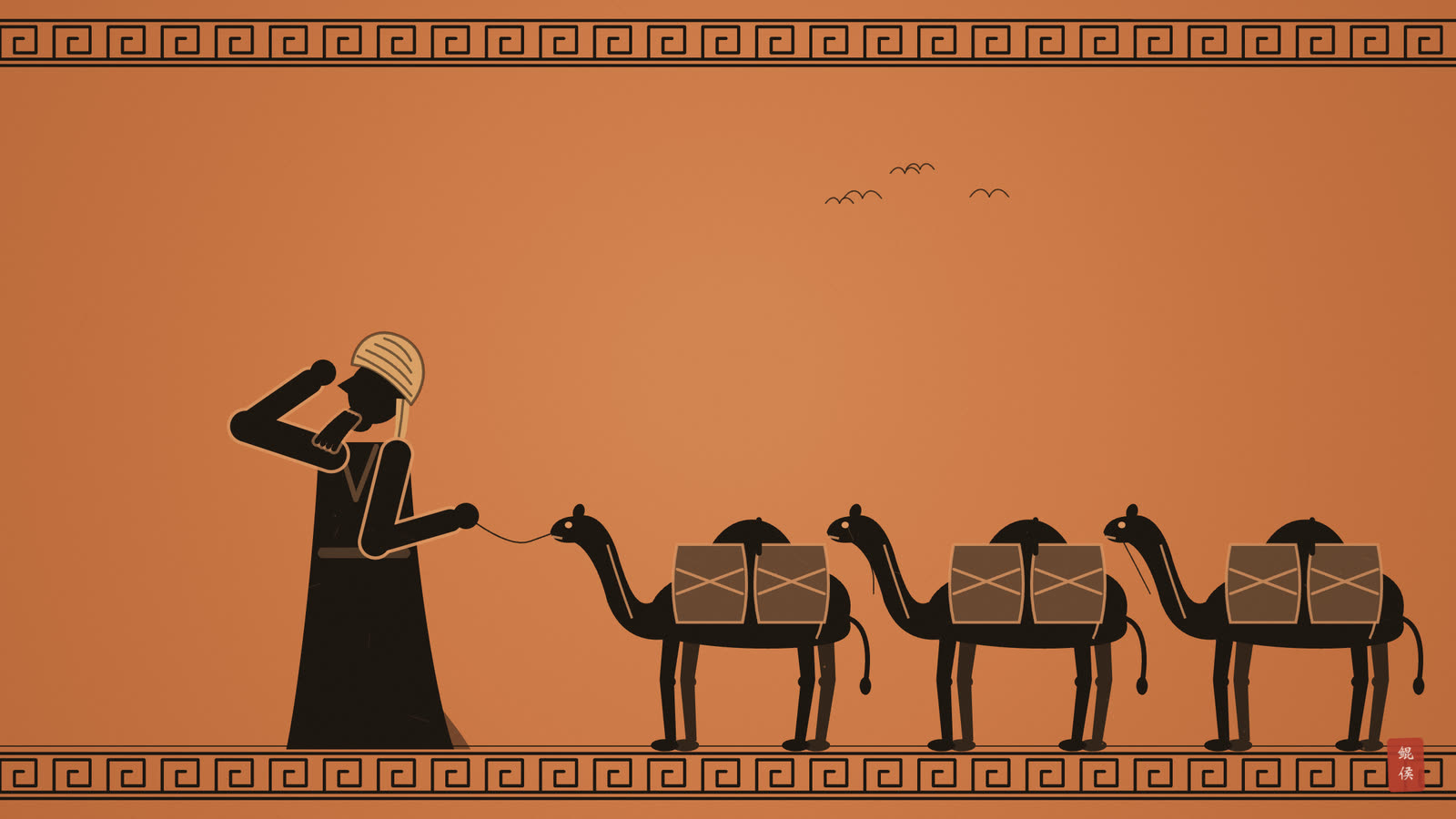
The meaning of nasīʾ is postponement. The lunar year runs ahead of the solar year by about 11 days, and therefore the months of the Arabs go round through all the seasons of the year in about 33 years; any month of them that is assumed may be found in whatever season it happens to be, and at whatever place in it. The Jews were commanded in the Torah to use the natural months and years together, so they were obliged to intercalate the year with the month made up from the excess between the lunar and the solar years. They called that year ʿibbūr, which in Hebrew is derived from 'the pregnant woman', because they likened the additional thirteenth month in the year to the additional burden a woman carries in her womb; by the addition of this month the year returns to its place after having run ahead. The Jews had been neighbours of the Arabs at Yathrib, the city of the Prophet, and the Arabs wished their pilgrimage to fall at the most fruitful time of the year and the easiest for going to and fro in trade, and not to move from its place. So they learned intercalation from the Jews, by a method bearing little resemblance to that of the two nations [text uncertain], and they entrusted it to a group of men known by a particular name, who inherited it from their forefathers. They were called the postponers (nasaʾa) of al-Muḥarram and its permitters (ḥalala), because when they postponed al-Muḥarram, the first became permitted and the second sacred; until Islam abolished that in the year of the Farewell Pilgrimage, which is the year 9 of the Hijra [sic]. Whoever used lunar months and solar years together could not do without it; and the Ḥarrānians, known as the Ṣābians, who are the remnants of the pagans, were likely to have done so, but I have not ascertained their practice in it. As for the Indians, they repeat a month in whatever year the reckoning completes it, and they call that year malamāsa. Mal is the surplus that remains over between the two fractions, like dirt that is thrown away, and māsa is the month, so that it is as it were 'the discarded month'; in their classical language it is adhimāsa.
翻译点开
§272. What is the nasīʾ?
第二百七十二问 何谓“纳西”?
The meaning of nasīʾ is postponement. The lunar year runs ahead of the solar year by about 11 days, and therefore the months of the Arabs go round through all the seasons of the year in about 33 years; any month of them that is assumed may be found in whatever season it happens to be, and at whatever place in it. The Jews were commanded in the Torah to use the natural months and years together, so they were obliged to intercalate the year with the month made up from the excess between the lunar and the solar years. They called that year ʿibbūr, which in Hebrew is derived from 'the pregnant woman', because they likened the additional thirteenth month in the year to the additional burden a woman carries in her womb; by the addition of this month the year returns to its place after having run ahead. The Jews had been neighbours of the Arabs at Yathrib, the city of the Prophet, and the Arabs wished their pilgrimage to fall at the most fruitful time of the year and the easiest for going to and fro in trade, and not to move from its place. So they learned intercalation from the Jews, by a method bearing little resemblance to that of the two nations [text uncertain], and they entrusted it to a group of men known by a particular name, who inherited it from their forefathers. They were called the postponers (nasaʾa) of al-Muḥarram and its permitters (ḥalala), because when they postponed al-Muḥarram, the first became permitted and the second sacred; until Islam abolished that in the year of the Farewell Pilgrimage, which is the year 9 of the Hijra [sic]. Whoever used lunar months and solar years together could not do without it; and the Ḥarrānians, known as the Ṣābians, who are the remnants of the pagans, were likely to have done so, but I have not ascertained their practice in it. As for the Indians, they repeat a month in whatever year the reckoning completes it, and they call that year malamāsa. Mal is the surplus that remains over between the two fractions, like dirt that is thrown away, and māsa is the month, so that it is as it were 'the discarded month'; in their classical language it is adhimāsa.
“纳西”的意思是推延。太阴年比太阳年约早十一日,因此阿拉伯人的月约三十三年就轮遍一年中的所有季节;他们的任何一个月,都可能落在恰好遇到的任何季节、季节中的任何位置。犹太人在《讨拉》里受命同时使用自然的月与年,所以他们不得不用太阴年与太阳年之差所积成的月来闰年。他们称那一年为“伊布尔”,这个词在希伯来语里出自“孕妇”,因为他们把年中增加的第十三个月,比作妇人腹中多怀的负担;靠增加这个月,年在跑到前面之后又回到原位。犹太人曾在先知之城叶斯里卜与阿拉伯人为邻,而阿拉伯人希望他们的朝觐落在一年中物产最丰、最便于往来经商的时候,不离其位。于是他们向犹太人学了置闰,所用的方法与这两个民族的方法很少相似〔原文疑有讹误〕,并把它交给一群以特定名称著称的人,这些人从祖先那里世袭此事。他们被称为穆哈兰姆月的“推延者”(纳萨阿)与“解禁者”(哈拉拉),因为当他们推延穆哈兰姆月时,第一个月就成为解禁的,第二个月成为神圣的;直到伊斯兰在辞别朝觐那一年废除了此事,那是希吉拉第九年〔原书如此〕。凡同时使用太阴月与太阳年的人,都离不开此法;以“萨比教徒”著称的哈兰人,是异教徒的遗民,很可能也这样做过,但我没有查实他们在这方面的做法。至于印度人,在推算凑满一个月的任何一年里,他们就重复一个月,称那一年为“马拉马萨”。“马拉”是两种零头之间余下的盈余,就像被丢弃的污垢,“马萨”是月,所以它好比“被丢弃的月”;在他们的雅言里,它称为“阿迪马萨”。
大意与图解点开
🔎 大意:太阴年每年早十一日,月份约三十三年轮遍四季;犹太人置第十三月,阿拉伯人仿而推延穆哈兰姆月,伊斯兰废之;印度人亦重复一月。
📖 术语
| 术语 | 英文原词 | 意思 |
|---|---|---|
| 纳西 | nasīʾ | 推延,即置闰推月 |
| 伊布尔 | ʿibbūr | 犹太闰年,取“孕妇”义 |
| 推延者 | nasaʾa | 世袭掌管推月的人 |
| 马拉马萨 | malamāsa | 印度闰月,“弃月” |
🧭 图解与讲解
“纳西”本义是推延。太阴年每年比太阳年短约十一日,月份每年往前挪,约三十三年就把四季轮一遍(图一):同一个月,这些年在夏天,过些年就到冬天。凡想让月份对得上季节的民族,都得置闰。
〔图〕太阴年每年比太阳年早约十一日,不置闰就月不应时;置闰就是把月份拉回原来的季节
| 谁 | 做法 | 名称与来由 | 比鲁尼的按语 |
|---|---|---|---|
| 犹太人 | 《讨拉》命月与年并用,用两年之差积成的月置闰,年有十三个月 | 伊布尔:“孕妇”,多出一月如腹中所怀 | — |
| 伊斯兰以前的阿拉伯人 | 向叶斯里卜的犹太人学置闰,为使朝觐落在丰收、便于经商之时 | 纳西:推延穆哈兰姆月;掌其事者称推延者、解禁者 | 方法与两族很少相似;伊斯兰于辞别朝觐之年废之 |
| 哈兰人(萨比教徒) | 很可能也这样做 | — | 未查实 |
| 印度人 | 推算凑满一月的年就重复一个月 | 马拉马萨:“弃月”;雅言阿迪马萨 | — |
犹太人的律法要求月与年同时符合自然,所以用两年之差积成一个月,插进去,那一年有十三个月,叫“伊布尔”,取“孕妇”之义:一年多怀了一个月。伊斯兰以前的阿拉伯人在叶斯里卜(即麦地那)与犹太人为邻,为了让朝觐固定在物产丰饶、便于经商的季节,学了置闰,交给世袭的“推延者”掌管(表二)。
推延的办法是把禁月穆哈兰往后推:本该是禁月的那个月改为可以行事的月,后一个月改作禁月。伊斯兰在辞别朝觐那一年废了这个做法。原文说那是希吉拉第九年,但辞别朝觐按通行纪年在第十年,比鲁尼或指第九年降示废止的经文,不能断定,本站照译,标〔原书如此〕。
比鲁尼还提到哈兰的萨比教徒可能也置闰,但他说没有查实,不作断言;又举印度的闰月“马拉马萨”,并解释了梵语的词义。比较各民族的历法,正是比鲁尼的专长。占星推运、择日要把不同历法的日期换算到同一个天文时刻上,这一章是后面几章各民族月名、纪元与节日的基础。
📖 术语
| 术语 | 英文原词 | 意思 |
|---|---|---|
| 纳西 | nasīʾ | 推延,即置闰推月 |
| 伊布尔 | ʿibbūr | 犹太闰年,取“孕妇”义 |
| 推延者 | nasaʾa | 世袭掌管推月的人 |
| 马拉马萨 | malamāsa | 印度闰月,“弃月” |
🧭 图解与讲解
“纳西”本义是推延。太阴年每年比太阳年短约十一日,月份每年往前挪,约三十三年就把四季轮一遍(图一):同一个月,这些年在夏天,过些年就到冬天。凡想让月份对得上季节的民族,都得置闰。
| 谁 | 做法 | 名称与来由 | 比鲁尼的按语 |
|---|---|---|---|
| 犹太人 | 《讨拉》命月与年并用,用两年之差积成的月置闰,年有十三个月 | 伊布尔:“孕妇”,多出一月如腹中所怀 | — |
| 伊斯兰以前的阿拉伯人 | 向叶斯里卜的犹太人学置闰,为使朝觐落在丰收、便于经商之时 | 纳西:推延穆哈兰姆月;掌其事者称推延者、解禁者 | 方法与两族很少相似;伊斯兰于辞别朝觐之年废之 |
| 哈兰人(萨比教徒) | 很可能也这样做 | — | 未查实 |
| 印度人 | 推算凑满一月的年就重复一个月 | 马拉马萨:“弃月”;雅言阿迪马萨 | — |
犹太人的律法要求月与年同时符合自然,所以用两年之差积成一个月,插进去,那一年有十三个月,叫“伊布尔”,取“孕妇”之义:一年多怀了一个月。伊斯兰以前的阿拉伯人在叶斯里卜(即麦地那)与犹太人为邻,为了让朝觐固定在物产丰饶、便于经商的季节,学了置闰,交给世袭的“推延者”掌管(表二)。
推延的办法是把禁月穆哈兰往后推:本该是禁月的那个月改为可以行事的月,后一个月改作禁月。伊斯兰在辞别朝觐那一年废了这个做法。原文说那是希吉拉第九年,但辞别朝觐按通行纪年在第十年,比鲁尼或指第九年降示废止的经文,不能断定,本站照译,标〔原书如此〕。
比鲁尼还提到哈兰的萨比教徒可能也置闰,但他说没有查实,不作断言;又举印度的闰月“马拉马萨”,并解释了梵语的词义。比较各民族的历法,正是比鲁尼的专长。占星推运、择日要把不同历法的日期换算到同一个天文时刻上,这一章是后面几章各民族月名、纪元与节日的基础。
原文为公有领域古籍;翻译、印象画与图文解读由 AI 辅助生成,鲲侯审校。