卷五·第 253–263 问 两弦、法西萨特、月食、日食与视差
两弦与日月的关键距离;月食为何发生、几种、从哪侧起、有几个时刻;日食与月食的不同,以及视差使各城所见不同。
§253. What is the nīmbarīn?
It is the Moon's being in the fourth sign from the sign of the Sun, at the same number of degrees as the Sun, and it is called the first quarter; that is on about the seventh night of the month. If the Moon is in the tenth sign from the sign of the Sun, at the same number of degrees as the Sun, which is on about the twenty-second night of the month, it is the second quarter. In Persian both are called nīmbarīn, because the light of the Moon in them is on half of its body that is seen, so that it is as if cut in two. The part and the ascendant are worked out for them as they are worked out for the conjunction and the opposition.
§254. What are the fāsīsāt?
They are distances of the Moon from the Sun that the astrologers watch for, claiming that they are the places of change in the weather, as the seamen keep them in mind; and the angles of illness, I mean the distances taken from the place of the Moon at the onset of the illness at intervals of a sign and a half, which run thus: 45, 90, 135, 180, 225, 270, 315, 360. The fāsīsāt taken from the Sun are the conjunction and the opposition, 12 degrees before and after each of them, 45 degrees before and after each of them, and the first and second quarters. Taken in the order of the signs they are 0, 12, 45, 90, 135, 168, 180, 192, 225, 270, 315, 348.
翻译点开
§253. What is the nīmbarīn?
第二百五十三问 何谓“宁巴林”?
It is the Moon's being in the fourth sign from the sign of the Sun, at the same number of degrees as the Sun, and it is called the first quarter; that is on about the seventh night of the month. If the Moon is in the tenth sign from the sign of the Sun, at the same number of degrees as the Sun, which is on about the twenty-second night of the month, it is the second quarter. In Persian both are called nīmbarīn, because the light of the Moon in them is on half of its body that is seen, so that it is as if cut in two. The part and the ascendant are worked out for them as they are worked out for the conjunction and the opposition.
它是月亮在从太阳所在星座数起的第四个星座中,度数与太阳相同,称为上弦;那大约在一个月的第七夜。若月亮在从太阳所在星座数起的第十个星座中,度数与太阳相同,那大约在一个月的第二十二夜,就是下弦。在波斯语里两者都称为“宁巴林”,因为此时月亮的光在它可见之体的一半上,好像它被切成两半一样。为它们求度与上升点,同为合与望求的一样。
§254. What are the fāsīsāt?
第二百五十四问 何谓“法西萨特”?
They are distances of the Moon from the Sun that the astrologers watch for, claiming that they are the places of change in the weather, as the seamen keep them in mind; and the angles of illness, I mean the distances taken from the place of the Moon at the onset of the illness at intervals of a sign and a half, which run thus: 45, 90, 135, 180, 225, 270, 315, 360. The fāsīsāt taken from the Sun are the conjunction and the opposition, 12 degrees before and after each of them, 45 degrees before and after each of them, and the first and second quarters. Taken in the order of the signs they are 0, 12, 45, 90, 135, 168, 180, 192, 225, 270, 315, 348.
它们是月亮离太阳的若干距离,占星家留意观察,声称那是天气变化之处,航海的人也把它们记在心里;还有疾病之角,我是指从得病之时月亮所在之处起、每隔一个半星座所取的距离,依次为:四十五、九十、一百三十五、一百八十、二百二十五、二百七十、三百一十五、三百六十。从太阳取的法西萨特是:合与望,各自前后十二度,各自前后四十五度,以及上弦与下弦。按星座次序排列,它们是:零、十二、四十五、九十、一百三十五、一百六十八、一百八十、一百九十二、二百二十五、二百七十、三百一十五、三百四十八。
大意与图解点开
🔎 大意:月在日后第四座同度为上弦,第十座为下弦,波斯语都叫“宁巴林”;法西萨特是日月间主天气变化的距离,另有疾病之角。
📖 术语
| 术语 | 英文原词 | 意思 |
|---|---|---|
| 宁巴林 | nīmbarīn | 波斯语,半月 |
| 上弦 | the first quarter | 月在日后九十度 |
| 法西萨特 | fāsīsāt | 日月间的关键距离 |
| 疾病之角 | the angles of illness | 自得病时月位每四十五度 |
🧭 图解与讲解
第二百五十三问讲两弦。月亮走到太阳所在星座数起的第四座、度数与太阳相同,就是上弦,约在一个月的第七夜;走到第十座同度,就是下弦,约在第二十二夜。这时月亮被照亮的部分恰是可见一面的一半,像被切开,所以波斯语叫“宁巴林”(半)。两弦也和合、望一样,可以取它的度和那一刻的上升点。
〔图〕以太阳计的法西萨特共十二处:合与望、各自前后十二度与四十五度、两弦
| 起点 | 间隔 | 各点(度) | |
|---|---|---|---|
| 以太阳计的法西萨特 | 太阳(月离日的度数) | 合、望各前后十二度与四十五度,加两弦 | 0、12、45、90、135、168、180、192、225、270、315、348 |
| 疾病之角 | 得病时月亮所在之处 | 每隔一个半星座(四十五度) | 45、90、135、180、225、270、315、360 |
第二百五十四问的“法西萨特”是从印度、波斯传来的说法:月离太阳的某些距离被认为是天气转变的时刻,占星家观察,水手也记在心上。以太阳计共十二处:合与望,各自前后十二度,各自前后四十五度,再加两弦(图一)。抄本这一串数字写得不清,本站据比鲁尼自己的定义展开复原,正好十二个,与定义相合(表二)。
同一问还附带了“疾病之角”:从病人得病时月亮所在的位置起,每隔一个半星座(四十五度)为一个关键点,到三百六十度回到原处。这与后世医疗占星里以月亮推算病势转折的做法同类,这里只是古人的说法,本站照译,不作医疗建议。
这几个距离把一个朔望月切成若干段:每段都是月相的一个转折,占星家用它们来看天气、病情的变化。比鲁尼只说占星家“声称”如此,口气保留,这也是全书的一贯态度:如实记录各家说法,不替它担保。
📖 术语
| 术语 | 英文原词 | 意思 |
|---|---|---|
| 宁巴林 | nīmbarīn | 波斯语,半月 |
| 上弦 | the first quarter | 月在日后九十度 |
| 法西萨特 | fāsīsāt | 日月间的关键距离 |
| 疾病之角 | the angles of illness | 自得病时月位每四十五度 |
🧭 图解与讲解
第二百五十三问讲两弦。月亮走到太阳所在星座数起的第四座、度数与太阳相同,就是上弦,约在一个月的第七夜;走到第十座同度,就是下弦,约在第二十二夜。这时月亮被照亮的部分恰是可见一面的一半,像被切开,所以波斯语叫“宁巴林”(半)。两弦也和合、望一样,可以取它的度和那一刻的上升点。
| 起点 | 间隔 | 各点(度) | |
|---|---|---|---|
| 以太阳计的法西萨特 | 太阳(月离日的度数) | 合、望各前后十二度与四十五度,加两弦 | 0、12、45、90、135、168、180、192、225、270、315、348 |
| 疾病之角 | 得病时月亮所在之处 | 每隔一个半星座(四十五度) | 45、90、135、180、225、270、315、360 |
第二百五十四问的“法西萨特”是从印度、波斯传来的说法:月离太阳的某些距离被认为是天气转变的时刻,占星家观察,水手也记在心上。以太阳计共十二处:合与望,各自前后十二度,各自前后四十五度,再加两弦(图一)。抄本这一串数字写得不清,本站据比鲁尼自己的定义展开复原,正好十二个,与定义相合(表二)。
同一问还附带了“疾病之角”:从病人得病时月亮所在的位置起,每隔一个半星座(四十五度)为一个关键点,到三百六十度回到原处。这与后世医疗占星里以月亮推算病势转折的做法同类,这里只是古人的说法,本站照译,不作医疗建议。
这几个距离把一个朔望月切成若干段:每段都是月相的一个转折,占星家用它们来看天气、病情的变化。比鲁尼只说占星家“声称”如此,口气保留,这也是全书的一贯态度:如实记录各家说法,不替它担保。
§255. What is an eclipse of the Moon?
Because the globe of the earth is dark and not transparent, and the rays of the Sun fall on it from one side, its shadow extends to a distance on the side opposite the Sun, after the pattern of what we see of the shadows of dense bodies when they come between a lamp and the walls on which its rays fall. But the earth is a sphere, so its shadow is round; it lies on the zodiac opposite the Sun. So whenever the Moon has no latitude at the time of opposition, it passes through the centre of the circle of the shadow, the earth comes between it and the Sun and cuts off the Sun's light from it, and it is seen in its own colour, devoid of light. If it has latitude, the eclipse or its absence depends on that.
§256. What effect have the Head and the Tail on it?
The latitude of the Moon depends on its distance from the Head or the Tail. If one of them is at the place of the opposition, or near it by less than 12 degrees, the Moon at the time of opposition has no latitude or little, and is near the zodiac; so it enters the shadow wholly or in part. For this reason there is no eclipse of the Moon unless the Head or the Tail is near the Sun.
翻译点开
§255. What is an eclipse of the Moon?
第二百五十五问 何谓月食?
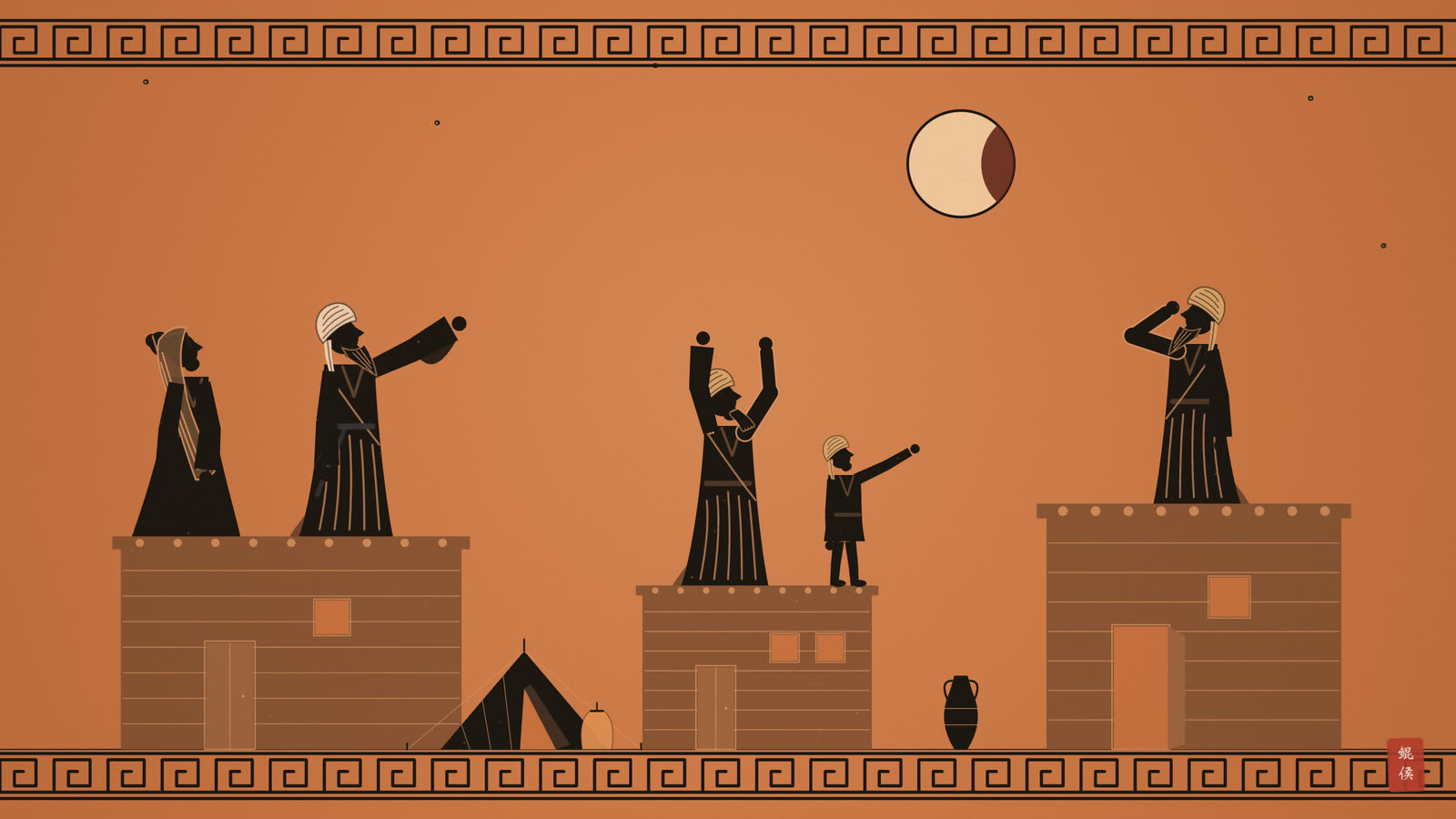
Because the globe of the earth is dark and not transparent, and the rays of the Sun fall on it from one side, its shadow extends to a distance on the side opposite the Sun, after the pattern of what we see of the shadows of dense bodies when they come between a lamp and the walls on which its rays fall. But the earth is a sphere, so its shadow is round; it lies on the zodiac opposite the Sun. So whenever the Moon has no latitude at the time of opposition, it passes through the centre of the circle of the shadow, the earth comes between it and the Sun and cuts off the Sun's light from it, and it is seen in its own colour, devoid of light. If it has latitude, the eclipse or its absence depends on that.
因为地球是暗的、不透光的,而太阳的光线从一侧照到它上面,它的影子便向背着太阳的一侧伸展到一段距离,就像我们所见的浓密物体挡在灯与灯光所照的墙壁之间时投下的影子那样。而地球是球形的,所以它的影子是圆的;它落在黄道上与太阳相对之处。所以,每当望时月亮没有纬度,它就穿过影圈的中心,地球隔在它与太阳之间,切断了太阳照向它的光,它就以自身的颜色、无光地被人看见。若它有纬度,食或不食就取决于纬度。
§256. What effect have the Head and the Tail on it?
第二百五十六问 龙头与龙尾对月食有什么作用?
The latitude of the Moon depends on its distance from the Head or the Tail. If one of them is at the place of the opposition, or near it by less than 12 degrees, the Moon at the time of opposition has no latitude or little, and is near the zodiac; so it enters the shadow wholly or in part. For this reason there is no eclipse of the Moon unless the Head or the Tail is near the Sun.
月亮的纬度取决于它离龙头或龙尾的距离。若两者之一就在望之处,或离它不到十二度,月亮在望时就没有纬度或纬度很小,靠近黄道;于是它全部或部分进入影中。因此,若龙头或龙尾不靠近太阳,就没有月食。
大意与图解点开
🔎 大意:地球不透光,影子圆而落在太阳对面的黄道上;望时月亮无纬度就穿影失光。只有交点在望处十二度内,月亮才会入影。
📖 术语
| 术语 | 英文原词 | 意思 |
|---|---|---|
| 影圈 | the circle of the shadow | 月所在处的地影截面 |
| 纬度 | latitude | 离黄道南北之距 |
| 龙头 | the Head | 北交点 |
| 龙尾 | the Tail | 南交点 |
🧭 图解与讲解
比鲁尼用一个日常的比方讲月食:灯照着墙,中间放一个不透光的东西,墙上就有它的影子。地球是暗而不透光的球,太阳从一侧照它,它的影子便伸向背着太阳的一侧,而且是圆的,落在黄道上与太阳正相对的地方(图一)。月亮在望时正好走到太阳对面,若这时它恰在黄道上,就穿过影子的中心,失去阳光,只剩自身暗淡的颜色。
〔图〕地球挡住阳光,影子圆而落在太阳对面的黄道上;望时月亮无纬度,就穿过影心而失光
〔图〕月食的条件:时在望,地影在太阳对面;交点近,月亮才在黄道附近而进入地影
可是月亮的路(斜圈)与黄道斜交,它多半时候在黄道之北或之南,有纬度。卷三第一百七十七问讲过,斜圈与黄道交于两点,即龙头与龙尾(北交点、南交点)。月亮越靠近交点,纬度越小。所以第二百五十六问说:交点在望处十二度以内,月亮才几乎贴着黄道,全部或部分进入地影(图二)。
最后一句“若龙头或龙尾不靠近太阳,就没有月食”值得一想:望时月亮在太阳对面,交点又必然成对相对,所以一个交点靠近月亮,另一个就靠近太阳。说“靠近太阳”与说“靠近望处”是同一回事。
交食在占星里分量很重。《四书》卷二专论交食对世运的影响,后世历书也都要先算出交食的时刻与食分。比鲁尼在这里先把天文道理讲清:食不是什么怪异,而是三个天体排成一线的结果。
📖 术语
| 术语 | 英文原词 | 意思 |
|---|---|---|
| 影圈 | the circle of the shadow | 月所在处的地影截面 |
| 纬度 | latitude | 离黄道南北之距 |
| 龙头 | the Head | 北交点 |
| 龙尾 | the Tail | 南交点 |
🧭 图解与讲解
比鲁尼用一个日常的比方讲月食:灯照着墙,中间放一个不透光的东西,墙上就有它的影子。地球是暗而不透光的球,太阳从一侧照它,它的影子便伸向背着太阳的一侧,而且是圆的,落在黄道上与太阳正相对的地方(图一)。月亮在望时正好走到太阳对面,若这时它恰在黄道上,就穿过影子的中心,失去阳光,只剩自身暗淡的颜色。
可是月亮的路(斜圈)与黄道斜交,它多半时候在黄道之北或之南,有纬度。卷三第一百七十七问讲过,斜圈与黄道交于两点,即龙头与龙尾(北交点、南交点)。月亮越靠近交点,纬度越小。所以第二百五十六问说:交点在望处十二度以内,月亮才几乎贴着黄道,全部或部分进入地影(图二)。
最后一句“若龙头或龙尾不靠近太阳,就没有月食”值得一想:望时月亮在太阳对面,交点又必然成对相对,所以一个交点靠近月亮,另一个就靠近太阳。说“靠近太阳”与说“靠近望处”是同一回事。
交食在占星里分量很重。《四书》卷二专论交食对世运的影响,后世历书也都要先算出交食的时刻与食分。比鲁尼在这里先把天文道理讲清:食不是什么怪异,而是三个天体排成一线的结果。
§257. How many kinds of lunar eclipse are there?
An eclipse of the Moon is either of part of its body or of all of it. That which is of all of it either has a stay for some time in that state, or has no stay, but the beginning of the clearing comes with the completion of the eclipse.
§258. From which side does the eclipse begin?
The motion of the earth's shadow along the zodiac is equal to the motion of the Sun, and the Moon, following it, overtakes the circle of the shadow that eclipses it. It is known that the first part of the Moon to reach the shadow is its eastern edge; so the beginning of the eclipse in it is from the side of the east, though not absolutely, for it then deviates a little from due east towards the north or the south. Whoever pictures this knows that the completion of the eclipse in the Moon is on the side of the west, the beginning of the clearing on the side of the east, and the completion of the clearing on the side of the west.
§259. How many times has an eclipse of the Moon?
If the eclipse has no stay, or is not total, it has three times: the first is the beginning of the eclipse and the appearance of a notch in the light of the full moon; the second is the middle of the eclipse and the darkness reaching its greatest amount, which is truly the time of the opposition; and the third is the completion of the clearing and the full moon's coming out of the darkness. If the eclipse has a stay, it has five times: the first is the beginning of the eclipse; the second is the completion of the eclipse and the stripping of the light from the full moon, which is the beginning of the time of the stay; the third is the middle of the eclipse, which is also the middle of the time of the stay; the fourth is the end of the stay and the beginning of the clearing; and the fifth is the completion of the clearing. This figure helps in picturing that.
翻译点开
§257. How many kinds of lunar eclipse are there?
第二百五十七问 月食有几种?
An eclipse of the Moon is either of part of its body or of all of it. That which is of all of it either has a stay for some time in that state, or has no stay, but the beginning of the clearing comes with the completion of the eclipse.
月食或是食其本体的一部分,或是食其全体。食其全体的,或在那种状态下停留一段时间,或没有停留,而是食尽之时就是复明之始。
§258. From which side does the eclipse begin?
第二百五十八问 月食从哪一侧开始?
The motion of the earth's shadow along the zodiac is equal to the motion of the Sun, and the Moon, following it, overtakes the circle of the shadow that eclipses it. It is known that the first part of the Moon to reach the shadow is its eastern edge; so the beginning of the eclipse in it is from the side of the east, though not absolutely, for it then deviates a little from due east towards the north or the south. Whoever pictures this knows that the completion of the eclipse in the Moon is on the side of the west, the beginning of the clearing on the side of the east, and the completion of the clearing on the side of the west.
地影沿黄道的运动等于太阳的运动,月亮跟在它后面,追上遮食它的影圈。已知月亮最先到达影子的部分是它的东缘;所以它的食从东侧开始,但不是绝对的,因为那时它会从正东稍偏向北或南。凡能想象此事的人都知道:月亮的食既在西侧,复明之始在东侧,复明完毕在西侧。
§259. How many times has an eclipse of the Moon?
第二百五十九问 月食有几个时刻?
If the eclipse has no stay, or is not total, it has three times: the first is the beginning of the eclipse and the appearance of a notch in the light of the full moon; the second is the middle of the eclipse and the darkness reaching its greatest amount, which is truly the time of the opposition; and the third is the completion of the clearing and the full moon's coming out of the darkness. If the eclipse has a stay, it has five times: the first is the beginning of the eclipse; the second is the completion of the eclipse and the stripping of the light from the full moon, which is the beginning of the time of the stay; the third is the middle of the eclipse, which is also the middle of the time of the stay; the fourth is the end of the stay and the beginning of the clearing; and the fifth is the completion of the clearing. This figure helps in picturing that.
若食没有停留,或不是全食,它有三个时刻:第一是食始,满月的光上出现一个缺口;第二是食中,黑暗达到最大,这才真正是望的时刻;第三是复明完毕,满月从黑暗中出来。若食有停留,它有五个时刻:第一是食始;第二是食既,满月的光被剥尽,这是停留之时的开始;第三是食中,也是停留之时的中间;第四是停留之末,复明之始;第五是复明完毕。这张图有助于想象此事。
大意与图解点开
🔎 大意:月食分偏食、全食无停留、全食有停留三种;月从西追上地影,故东缘先食、西缘先复明。前两种有三个时刻,有停留的有五个。
📖 术语
| 术语 | 英文原词 | 意思 |
|---|---|---|
| 停留 | the stay (al-makth) | 全食后暗中停留 |
| 复明 | the clearing (al-injilāʾ) | 月光重现 |
| 缺口 | the notch | 食始时月光的缺损 |
| 食既 | completion of the eclipse | 月光被剥尽之时 |
🧭 图解与讲解
第二百五十七问把月食分成三种:只食去一部分的偏食;整个月面入影、但一入即出、没有停留的全食;整个月面入影后还在暗中停留一段时间的全食(图一)。这取决于月亮穿过地影的路离影心多远:离得远只擦过一部分,恰好内切就是一刻全食,穿过中央就会停留。
〔图〕月食分三种:偏食、全食无停留各有三个时刻,全食有停留有五个时刻
| 偏食、全食无停留 | 全食有停留 | 在月面的哪一侧 | |
|---|---|---|---|
| 食始 | 第一时刻:光上出现缺口 | 第一时刻 | 东侧 |
| 食既 | — | 第二时刻:光被剥尽,停留开始 | 西侧 |
| 食中 | 第二时刻:黑暗最大,真望之时 | 第三时刻:停留之中 | — |
| 复明之始 | — | 第四时刻:停留之末 | 东侧 |
| 复明完毕 | 第三时刻:满月出离黑暗 | 第五时刻 | 西侧 |
第二百五十八问讲方向。地影永远在太阳对面,随太阳一天走约一度;月亮一天走约十三度,从西边追上地影。所以月亮最先碰到影子的是它朝东的边缘,食从东侧开始;月面全暗时最后变暗的是西侧,复明时先亮的是东侧,最后亮的是西侧。比鲁尼补一句“不是绝对的”:月行之路斜交黄道,接触点会稍偏南或偏北。
第二百五十九问讲时刻(表二)。没有停留的食有三个时刻:食始(月光上出现缺口)、食中(黑暗最大)、复明完毕。比鲁尼特别指出,食中“才真正是望的时刻”,因为此时月亮离影心最近,正对太阳。有停留的全食加上停留的起止,共五个时刻。
抄本在这里画了三幅图:偏食、无停留的全食、有停留的全食,每幅都是一个大圆表示地影,一条横线是黄道,一条斜线是月亮的斜圈,几个小圆是月亮在各时刻的位置。本站照它的意思重画为图一。推算这些时刻,是历家编写交食预报的主要工作。
📖 术语
| 术语 | 英文原词 | 意思 |
|---|---|---|
| 停留 | the stay (al-makth) | 全食后暗中停留 |
| 复明 | the clearing (al-injilāʾ) | 月光重现 |
| 缺口 | the notch | 食始时月光的缺损 |
| 食既 | completion of the eclipse | 月光被剥尽之时 |
🧭 图解与讲解
第二百五十七问把月食分成三种:只食去一部分的偏食;整个月面入影、但一入即出、没有停留的全食;整个月面入影后还在暗中停留一段时间的全食(图一)。这取决于月亮穿过地影的路离影心多远:离得远只擦过一部分,恰好内切就是一刻全食,穿过中央就会停留。
| 偏食、全食无停留 | 全食有停留 | 在月面的哪一侧 | |
|---|---|---|---|
| 食始 | 第一时刻:光上出现缺口 | 第一时刻 | 东侧 |
| 食既 | — | 第二时刻:光被剥尽,停留开始 | 西侧 |
| 食中 | 第二时刻:黑暗最大,真望之时 | 第三时刻:停留之中 | — |
| 复明之始 | — | 第四时刻:停留之末 | 东侧 |
| 复明完毕 | 第三时刻:满月出离黑暗 | 第五时刻 | 西侧 |
第二百五十八问讲方向。地影永远在太阳对面,随太阳一天走约一度;月亮一天走约十三度,从西边追上地影。所以月亮最先碰到影子的是它朝东的边缘,食从东侧开始;月面全暗时最后变暗的是西侧,复明时先亮的是东侧,最后亮的是西侧。比鲁尼补一句“不是绝对的”:月行之路斜交黄道,接触点会稍偏南或偏北。
第二百五十九问讲时刻(表二)。没有停留的食有三个时刻:食始(月光上出现缺口)、食中(黑暗最大)、复明完毕。比鲁尼特别指出,食中“才真正是望的时刻”,因为此时月亮离影心最近,正对太阳。有停留的全食加上停留的起止,共五个时刻。
抄本在这里画了三幅图:偏食、无停留的全食、有停留的全食,每幅都是一个大圆表示地影,一条横线是黄道,一条斜线是月亮的斜圈,几个小圆是月亮在各时刻的位置。本站照它的意思重画为图一。推算这些时刻,是历家编写交食预报的主要工作。
§260. Do eclipses of the Moon differ in different towns?
Because what befalls the Moon in its eclipse is something that affects its body, its amount is seen in one and the same state, since it takes place at one instant of time. But the hours of the night differ in different towns according to the difference of the rising in them for the Moon's daily orbit, so that in some of them the eclipse is found at a smaller hour and in others at a greater; and it is seen in some towns and not seen in others, because the beginning of the night is not one and the same for them, except by coincidence.
翻译点开
§260. Do eclipses of the Moon differ in different towns?
第二百六十问 各城所见的月食是否不同?
Because what befalls the Moon in its eclipse is something that affects its body, its amount is seen in one and the same state, since it takes place at one instant of time. But the hours of the night differ in different towns according to the difference of the rising in them for the Moon's daily orbit, so that in some of them the eclipse is found at a smaller hour and in others at a greater; and it is seen in some towns and not seen in others, because the beginning of the night is not one and the same for them, except by coincidence.
因为月亮在食中所遭的,是影响它本体的事,所以它的食分在各处看去都是同一个样子,因为它发生在同一时刻。但各城的夜间时辰,因月亮周日圈在各地升起的不同而不同,所以在有些城里食落在较早的时辰,在另一些城里落在较晚的时辰;而且有些城看得见,有些城看不见,因为各城的夜晚开始的时刻并不相同,除非碰巧。
大意与图解点开
🔎 大意:月食是月亮本体失光,同一时刻发生,各地所见食分相同;只因各城夜晚起讫不同,所记时辰早晚不一,有的城还看不见。
📖 术语
| 术语 | 英文原词 | 意思 |
|---|---|---|
| 食分 | the amount (of the eclipse) | 被食去的多少 |
| 周日圈 | daily orbit | 星每日绕行的圈 |
🧭 图解与讲解
月食是月亮真正失去阳光,是发生在它本体上的事,所以不论在哪里看,食去多少都一样,而且是同一瞬间发生的。不同的只是各城的钟点:各城的夜晚从日落算起,日落的早晚随经度、纬度而不同,于是同一次月食,在这一城记作夜里第几时,在那一城记作另一时(图一)。
〔图〕月食在各地同时发生、食分相同,不同的只是当地记下的时辰,以及月亮是否在地平之上
| 月食 | 日食(下一单元) | |
|---|---|---|
| 食分各地是否相同 | 相同 | 不同 |
| 时刻是否同一瞬间 | 是,只是各地时辰记法不同 | 否,各地发生的时刻也不同 |
| 原因 | 月亮本体失光 | 月亮挡在视线上,加上视差 |
比鲁尼还说,有些城看得见,有些城看不见:食发生时,有的地方月亮还没升起或已经落下,有的地方正是白天。反过来说,正因为月食是同一瞬间发生的,比较同一次月食在两城记下的时辰,就能知道两城的时差,卷四讲城市经度时用的正是这类时差。
这与下面讲的日食正好成对照(表二):日食只是月亮挡住了我们的视线,太阳本身没有变化,所以各地所见的食分与时刻都不相同。
📖 术语
| 术语 | 英文原词 | 意思 |
|---|---|---|
| 食分 | the amount (of the eclipse) | 被食去的多少 |
| 周日圈 | daily orbit | 星每日绕行的圈 |
🧭 图解与讲解
月食是月亮真正失去阳光,是发生在它本体上的事,所以不论在哪里看,食去多少都一样,而且是同一瞬间发生的。不同的只是各城的钟点:各城的夜晚从日落算起,日落的早晚随经度、纬度而不同,于是同一次月食,在这一城记作夜里第几时,在那一城记作另一时(图一)。
| 月食 | 日食(下一单元) | |
|---|---|---|
| 食分各地是否相同 | 相同 | 不同 |
| 时刻是否同一瞬间 | 是,只是各地时辰记法不同 | 否,各地发生的时刻也不同 |
| 原因 | 月亮本体失光 | 月亮挡在视线上,加上视差 |
比鲁尼还说,有些城看得见,有些城看不见:食发生时,有的地方月亮还没升起或已经落下,有的地方正是白天。反过来说,正因为月食是同一瞬间发生的,比较同一次月食在两城记下的时辰,就能知道两城的时差,卷四讲城市经度时用的正是这类时差。
这与下面讲的日食正好成对照(表二):日食只是月亮挡住了我们的视线,太阳本身没有变化,所以各地所见的食分与时刻都不相同。
§261. What is an eclipse of the Sun?
The Moon is seen at the end of the month in the mornings as a crescent, west of the Sun; then it is seen again as a crescent at the beginning of the next month in the evenings, east of the Sun. In passing from its west to its east it crosses over it, comes between it and our sight, and covers either all of it or part of it. The blackness that is seen on the Sun is the body of the Moon covering it, plainly seen, and that is its own colour.
§262. Does this differ in different towns?
Two differences attach to it there. One is what we mentioned in the eclipse of the Moon, arising from the difference of the rising and of the beginning of the daytime. The second arises from parallax, because the covering body is near us and the hidden body far off, and what overcomes it is nothing in the Sun itself, but only something that befalls our sight. So its times in different towns do not fall at the very same moments of time, but at times that also differ; and the amount of the eclipse differs likewise, so that perhaps in one town half of it is eclipsed, in another a third, in a third the whole, and in some none at all.
翻译点开
§261. What is an eclipse of the Sun?
第二百六十一问 何谓日食?
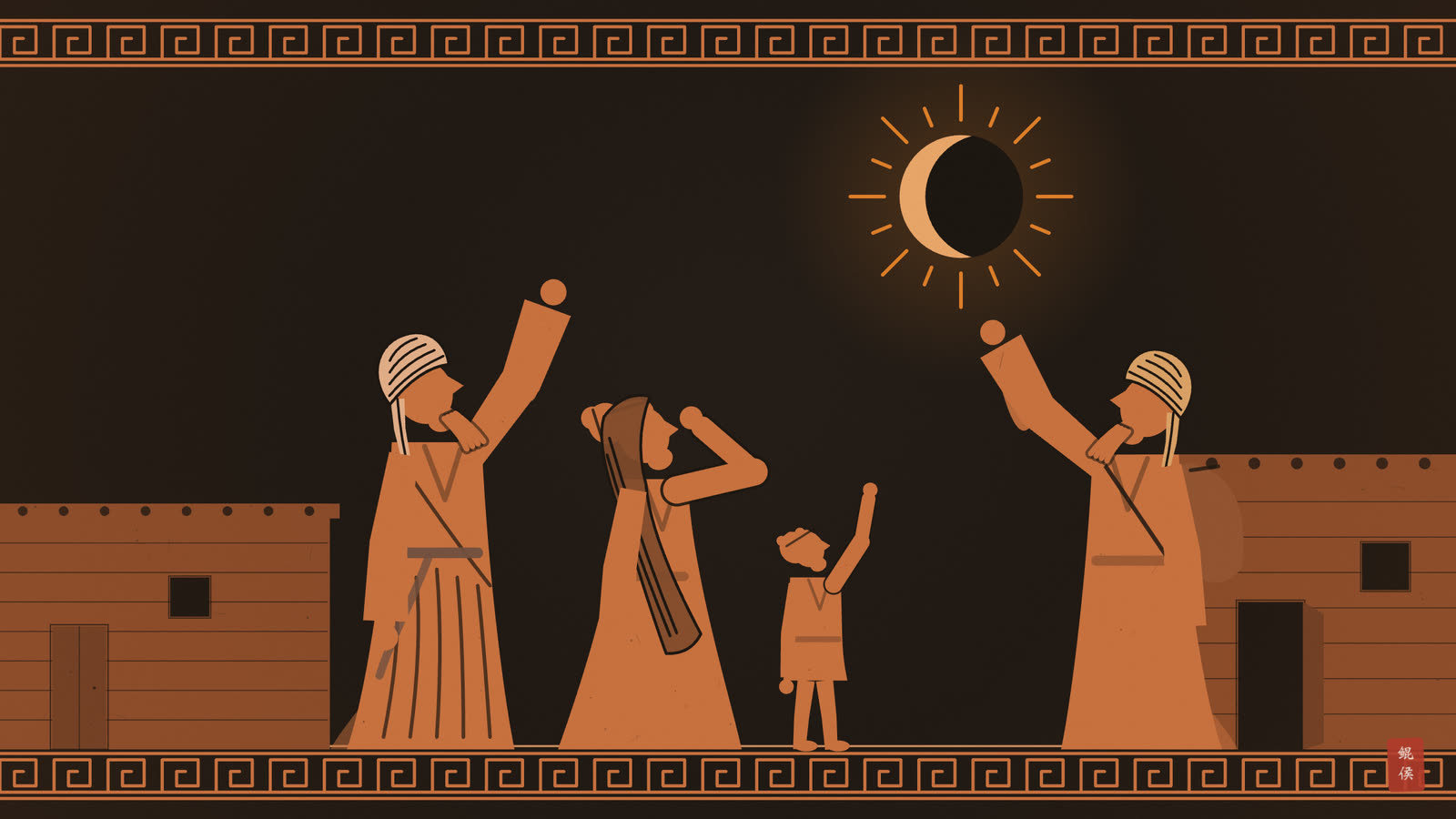
The Moon is seen at the end of the month in the mornings as a crescent, west of the Sun; then it is seen again as a crescent at the beginning of the next month in the evenings, east of the Sun. In passing from its west to its east it crosses over it, comes between it and our sight, and covers either all of it or part of it. The blackness that is seen on the Sun is the body of the Moon covering it, plainly seen, and that is its own colour.
月亮在月末的清晨被看见是一弯新月,在太阳之西;然后在下个月初的傍晚,又被看见是一弯新月,在太阳之东。它从太阳之西移到太阳之东时,就越过太阳,挡在太阳与我们的视线之间,遮住它的全部或一部分。在太阳上所见的黑色,就是遮住它的月亮本体,清清楚楚,那是月亮自身的颜色。
§262. Does this differ in different towns?
第二百六十二问 日食是否因城而异?
Two differences attach to it there. One is what we mentioned in the eclipse of the Moon, arising from the difference of the rising and of the beginning of the daytime. The second arises from parallax, because the covering body is near us and the hidden body far off, and what overcomes it is nothing in the Sun itself, but only something that befalls our sight. So its times in different towns do not fall at the very same moments of time, but at times that also differ; and the amount of the eclipse differs likewise, so that perhaps in one town half of it is eclipsed, in another a third, in a third the whole, and in some none at all.
这里有两种差异。一种是我们在月食中提到的,出于升起的不同和白昼开始的不同。第二种出于视差,因为遮者离我们近,被遮者离我们远,而遮住太阳的并不是太阳本身的什么变化,只是发生在我们视线上的事。所以它在各城的时刻并不落在同一些时刻,而是落在也各不相同的时刻;食分也同样不同,或许在一城食去一半,在另一城食去三分之一,在第三城全食,在有些城则完全不食。
大意与图解点开
🔎 大意:月从日西移到日东,越过太阳、挡住视线,日上的黑色就是月体。日食各城不同:时辰记法不同之外又有视差,时刻与食分都异。
📖 术语
| 术语 | 英文原词 | 意思 |
|---|---|---|
| 日食 | eclipse of the Sun | 月挡在日与视线间 |
| 新月 | crescent | 合前合后的月牙 |
| 视差 | parallax | 观处不同所见之差 |
🧭 图解与讲解
第二百六十一问用人人看得见的月相讲日食:月末清晨,残月在太阳西边;下月初黄昏,新月在太阳东边。中间它从太阳的西边移到东边,必然从太阳前面经过,挡在太阳与我们眼睛之间(图二)。日面上那块黑,就是月亮本身,是它自己的颜色;所以日食其实是“月掩日”。
〔图〕日食是月亮挡住我们的视线,所以与月食不同,各城所见的时刻与食分都不一样
〔图〕月亮从太阳之西移到太阳之东,中途越过太阳,遮住全部或一部分,就是日食
第二百六十二问说日食各城不同,原因有两层(图一)。第一层与月食相同:各城白昼开始的时刻不同,钟点记法就不同。第二层是日食特有的:月亮离我们近,太阳离我们远,站在不同地方的人,看月亮与太阳是否对齐就不一样,这叫视差,下一问专讲。
于是日食不但时刻因地而异,食去多少也因地而异:同一次日食,这一城食一半,那一城食三分之一,另一城全食,有的城根本看不到。比鲁尼说得很清楚,这不是太阳本身起了变化,而只是“发生在我们视线上的事”。
这对占星有直接影响:论日食要以本地所见的时刻与食分为准,同一次日食,不同城市起出的盘不同;月食则各地食分相同,差别只在时辰与能否看见。
📖 术语
| 术语 | 英文原词 | 意思 |
|---|---|---|
| 日食 | eclipse of the Sun | 月挡在日与视线间 |
| 新月 | crescent | 合前合后的月牙 |
| 视差 | parallax | 观处不同所见之差 |
🧭 图解与讲解
第二百六十一问用人人看得见的月相讲日食:月末清晨,残月在太阳西边;下月初黄昏,新月在太阳东边。中间它从太阳的西边移到东边,必然从太阳前面经过,挡在太阳与我们眼睛之间(图二)。日面上那块黑,就是月亮本身,是它自己的颜色;所以日食其实是“月掩日”。
第二百六十二问说日食各城不同,原因有两层(图一)。第一层与月食相同:各城白昼开始的时刻不同,钟点记法就不同。第二层是日食特有的:月亮离我们近,太阳离我们远,站在不同地方的人,看月亮与太阳是否对齐就不一样,这叫视差,下一问专讲。
于是日食不但时刻因地而异,食去多少也因地而异:同一次日食,这一城食一半,那一城食三分之一,另一城全食,有的城根本看不到。比鲁尼说得很清楚,这不是太阳本身起了变化,而只是“发生在我们视线上的事”。
这对占星有直接影响:论日食要以本地所见的时刻与食分为准,同一次日食,不同城市起出的盘不同;月食则各地食分相同,差别只在时辰与能否看见。
§263. What is parallax?
Parallax is the seeing of the same thing at the same time in two different places when the place from which it is looked at differs. So the Moon, with respect to the centre of the earth, is seen on the orb at a place other than that in which it is seen from the surface of the earth. For this reason its conjunction with the Sun, when reckoned from the centre of the earth, is called the computed conjunction, and when taken with respect to its surface, the visible conjunction. Their times differ: sometimes the visible precedes the computed, and sometimes it comes after it. In the same way the state of those who look at it from different places differs: the Moon covers the whole of the Sun in one place, part of it in another place, and none of it in yet another. This figure helps in picturing that.
翻译点开
§263. What is parallax?
第二百六十三问 何谓视差?
Parallax is the seeing of the same thing at the same time in two different places when the place from which it is looked at differs. So the Moon, with respect to the centre of the earth, is seen on the orb at a place other than that in which it is seen from the surface of the earth. For this reason its conjunction with the Sun, when reckoned from the centre of the earth, is called the computed conjunction, and when taken with respect to its surface, the visible conjunction. Their times differ: sometimes the visible precedes the computed, and sometimes it comes after it. In the same way the state of those who look at it from different places differs: the Moon covers the whole of the Sun in one place, part of it in another place, and none of it in yet another. This figure helps in picturing that.
视差是:同一时刻的同一事物,因观看之处不同,而被看在两个不同的地方。所以月亮相对于地心而言,在天球上被看见的位置,不同于从地面上被看见的位置。因此,它与太阳的合,从地心推算时称为推算之合,就地面而言时称为可见之合。两者的时刻不同:可见之合有时先于推算之合,有时在其后。同样,从不同地方看它的人,情形也不同:月亮在一处遮住太阳的全部,在另一处遮住一部分,在又一处一点也不遮。这张图有助于想象此事。
大意与图解点开
🔎 大意:视差是同一时刻的同一物因观处不同而见于两处;月亮近,地心与地面所见不同,故有推算之合与可见之合,各地所见日食也不同。
📖 术语
| 术语 | 英文原词 | 意思 |
|---|---|---|
| 视差 | parallax | 观处不同所见之差 |
| 推算之合 | the computed conjunction | 自地心算的合 |
| 可见之合 | the visible conjunction | 自地面见的合 |
🧭 图解与讲解
视差的道理很简单:同一时刻看同一个东西,站的地方不同,它就投到背景上不同的位置。天文表上的位置都是“从地心”算的,可我们站在地面上,比地心高出一个地球半径。对遥远的太阳和恒星,这点差别看不出来;对最近的月亮,就很明显(图一)。
〔图〕从地心与从地面看月亮,它落在天球上的位置不同,这个差就是视差;月在天顶时差为零
〔图〕同一次日月之合,从地心推算与从地面所见,时刻不同,前后不定
抄本在这里画了一幅图:三个同心圆分别是地面、月天、日天,从地心和从地面各引一条线经过月亮到天球,两线落点之差就是视差。月在天顶时两线重合,没有视差;月越靠近地平,视差越大。本站照这个意思重画。
所以日月之合有两个:从地心算的“推算之合”,与从地面看的“可见之合”(图二)。两者时刻不同,可见之合有时早、有时晚,随月亮在天上的方位而定。日食的时刻、食分各城不同,根源就在这里。
对占星来说,起合盘、望盘、食盘,用的是表上算出的“推算之合”,还是本地实际看到的“可见之合”,会得出不同的上升点。比鲁尼在这里把这一区别交代清楚,留给使用者自己取舍。
📖 术语
| 术语 | 英文原词 | 意思 |
|---|---|---|
| 视差 | parallax | 观处不同所见之差 |
| 推算之合 | the computed conjunction | 自地心算的合 |
| 可见之合 | the visible conjunction | 自地面见的合 |
🧭 图解与讲解
视差的道理很简单:同一时刻看同一个东西,站的地方不同,它就投到背景上不同的位置。天文表上的位置都是“从地心”算的,可我们站在地面上,比地心高出一个地球半径。对遥远的太阳和恒星,这点差别看不出来;对最近的月亮,就很明显(图一)。
抄本在这里画了一幅图:三个同心圆分别是地面、月天、日天,从地心和从地面各引一条线经过月亮到天球,两线落点之差就是视差。月在天顶时两线重合,没有视差;月越靠近地平,视差越大。本站照这个意思重画。
所以日月之合有两个:从地心算的“推算之合”,与从地面看的“可见之合”(图二)。两者时刻不同,可见之合有时早、有时晚,随月亮在天上的方位而定。日食的时刻、食分各城不同,根源就在这里。
对占星来说,起合盘、望盘、食盘,用的是表上算出的“推算之合”,还是本地实际看到的“可见之合”,会得出不同的上升点。比鲁尼在这里把这一区别交代清楚,留给使用者自己取舍。
原文为公有领域古籍;翻译、印象画与图文解读由 AI 辅助生成,鲲侯审校。