卷三·第 158–162 问 四十八星像与每像星数
希腊人连星成像:黄道十二、北天二十一、南天十五,共四十八像;逐像描述形状,并以四张表列出每像各等星数。
§158. How are these fixed stars to be recognized?
It would have been possible to give each of them a name, were it not for the length of the task and the difficulty of remembering it. Every nation imagines figures among them and invents legends and fables about them, especially the Arabs, the Indians and the Turks. The Greeks, however, imagined lines for them and made figures out of them, so that it might be easy to point to them, especially in observation and in books, so that one may say 'the star on the eye of such-and-such a figure', or on its hand or its foot, and this is understood once the figures have become known between those conversing. Of these figures, twelve lie on the zodiac, twenty-one north of it and fifteen in the south; and from some of the figures there remain a number of stars which are ascribed to them although they lie outside them.
翻译点开
§158. How are these fixed stars to be recognized?
第一百五十八问 这些恒星怎样辨认?
It would have been possible to give each of them a name, were it not for the length of the task and the difficulty of remembering it. Every nation imagines figures among them and invents legends and fables about them, especially the Arabs, the Indians and the Turks. The Greeks, however, imagined lines for them and made figures out of them, so that it might be easy to point to them, especially in observation and in books, so that one may say 'the star on the eye of such-and-such a figure', or on its hand or its foot, and this is understood once the figures have become known between those conversing. Of these figures, twelve lie on the zodiac, twenty-one north of it and fifteen in the south; and from some of the figures there remain a number of stars which are ascribed to them although they lie outside them.
本来可以给每一颗都起个名字,只是工程浩大,又难以记住。每个民族都在它们当中想象出图形,并就它们编出传说与故事,尤其是阿拉伯人、印度人与突厥人。希腊人却为它们想象出线条,用这些线条造成图形,以便容易指认它们,特别是在观测中与书中,好让人说“某某图形眼睛上的那颗星”,或手上的、脚上的,而一旦交谈的双方都熟知这些图形,所说的就能听懂。这些图形中,有十二个在黄道上,二十一个在黄道以北,十五个在南方;有些图形还剩下若干颗星,虽在图形之外,却归属于它们。
大意与图解点开
🔎 大意:星多难以一一命名,各族各编故事,希腊人则连线成像,好说“某像眼上之星”;共四十八像:黄道十二、北二十一、南十五。
📖 术语
| 术语 | 英文原词 | 意思 |
|---|---|---|
| 图形 | figures | 即星像、星座 |
| 突厥人 | the Turks | 中亚游牧诸族 |
| 像外之星 | outside them | 在像外而归属该像 |
🧭 图解与讲解
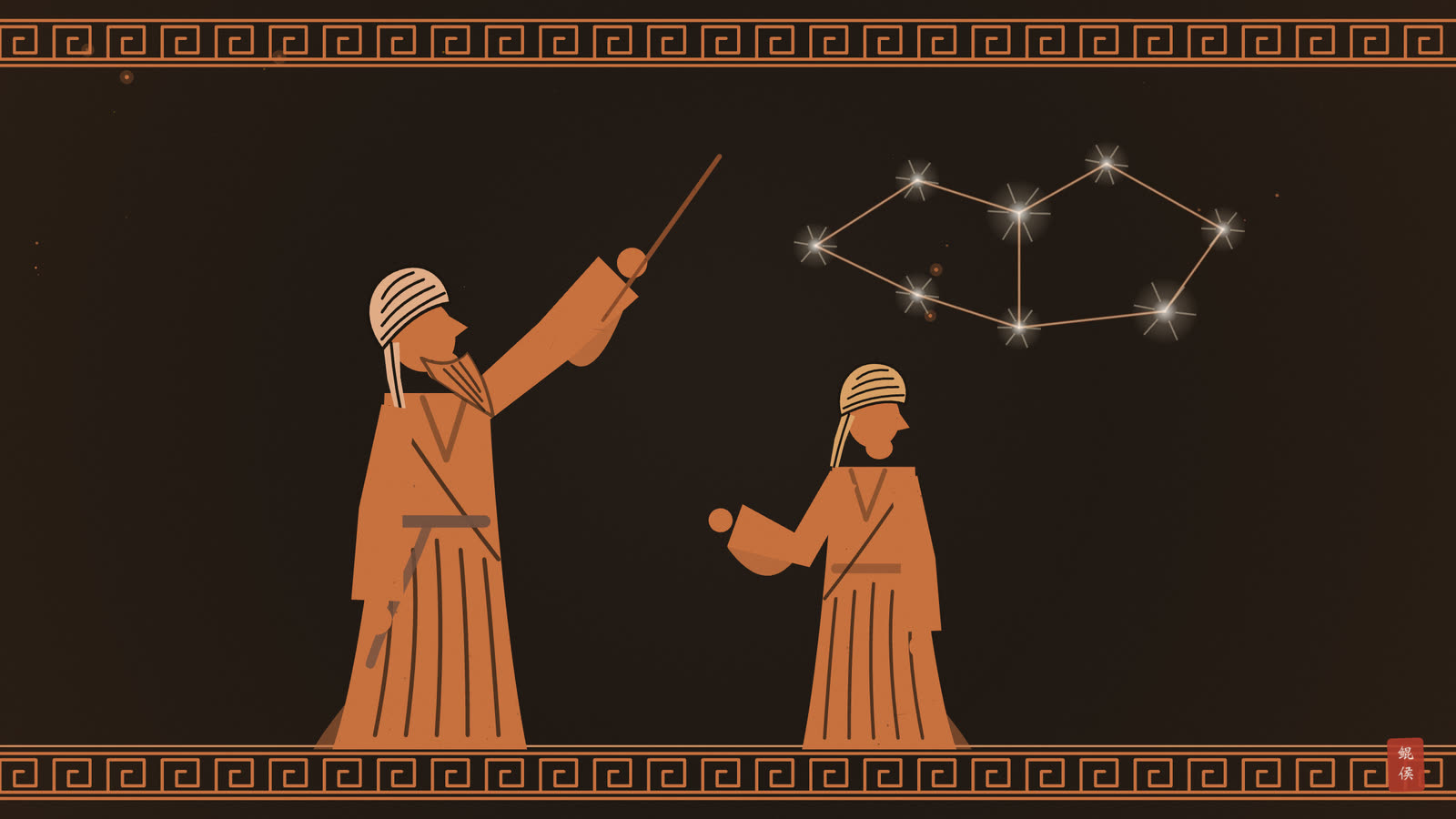
上一章第一百五十七问说恒星可以观测而列表的有一千零二十二颗。第一百五十八问问:这么多星,怎样指认?比鲁尼说,本可以一颗一颗起名,只是太繁、难记。各民族都有自己的星空故事,他点了阿拉伯人、印度人、突厥人;希腊人的办法则不同:在星与星之间想象出线条,连成人物、动物、器物的图形(图一)。
〔图〕希腊人连星成像,是为了好指认:说“某像眼上那颗星”就能听懂
这样做的好处,比鲁尼说得很实在:在观测与书写时,只要说“某像眼睛上的那颗星”“手上的”“脚上的”,熟悉这些图形的人一听就知道是哪一颗。希腊人共画了四十八个像:黄道上十二个,北方二十一个,南方十五个;有些星落在图形之外,也归到附近的像里,称为“像外之星”,下面第一百六十二问的表里就把它们另列一行。
对占星来说,这套星像是读恒星的钥匙。后世占星书谈“狮子之心”“金牛之眼”“天蝎之心”等亮星的影响,都是用“某像某部位”来指星;本书下一章第一百六十三问也用这种说法来对照阿拉伯星名。
📖 术语
| 术语 | 英文原词 | 意思 |
|---|---|---|
| 图形 | figures | 即星像、星座 |
| 突厥人 | the Turks | 中亚游牧诸族 |
| 像外之星 | outside them | 在像外而归属该像 |
🧭 图解与讲解
上一章第一百五十七问说恒星可以观测而列表的有一千零二十二颗。第一百五十八问问:这么多星,怎样指认?比鲁尼说,本可以一颗一颗起名,只是太繁、难记。各民族都有自己的星空故事,他点了阿拉伯人、印度人、突厥人;希腊人的办法则不同:在星与星之间想象出线条,连成人物、动物、器物的图形(图一)。
这样做的好处,比鲁尼说得很实在:在观测与书写时,只要说“某像眼睛上的那颗星”“手上的”“脚上的”,熟悉这些图形的人一听就知道是哪一颗。希腊人共画了四十八个像:黄道上十二个,北方二十一个,南方十五个;有些星落在图形之外,也归到附近的像里,称为“像外之星”,下面第一百六十二问的表里就把它们另列一行。
对占星来说,这套星像是读恒星的钥匙。后世占星书谈“狮子之心”“金牛之眼”“天蝎之心”等亮星的影响,都是用“某像某部位”来指星;本书下一章第一百六十三问也用这种说法来对照阿拉伯星名。
§159. What are the figures on the zodiac?
They are those after which the signs are named. The name of the first figure, counting from the vernal equinox, is the Ram: it is the figure of a ram that has turned round to look behind it, so that its muzzle is on its back. The second is the Bull, in the figure of the fore half of a bull that has lowered its head to butt, as if it had been cut in two at the navel. The third is the Twins, in the figure of two boys standing, one of whom has placed his hand on the shoulder of the other. The fourth is the Crab, and its figure is complete; the fifth the Lion, likewise; the sixth the Virgin, in the figure of a winged girl who has let her train hang down. The seventh is the Balance, whose figure is as its name; the eighth the Scorpion, likewise. The ninth is the Archer: as it were the body of a beast up to the neck, and from the base of the neck there emerges half of a man with long locks, who has set the arrow to his bow and drawn it to the full. The tenth is the Kid, which as far as the chest is in the figure of the fore half of a kid, and the rest is the hind part of a fish down to its tail. The eleventh is the Water-Pourer, in the figure of a man standing with both hands stretched out, in one of which is a jug that he has turned over, so that the water pours down to where his feet stand and flows beneath them. The twelfth is the Fish (al-Samaka), in the figure of two fish, the tail of one of which is joined to the tail of the other by a thread called the Flax Thread.
The Ram is sometimes called kabsh ('ram'), and that is more correct, because it has horns; and by the same reasoning the Kid ought to be called tays ('he-goat') on account of its horn. The Indians call it makara, which is the name of a sea animal whose figure is like the one we have described. Among the common people, the sign of the Twins has become known as al-Jawzāʾ, the sign of the Virgin as al-Sunbula (the Ear of Corn), the Archer as al-Qaws (the Bow), the Water-Pourer as al-Dalw (the Bucket) and the Fish as al-Ḥūt; but the former names are the correct ones.
翻译点开
§159. What are the figures on the zodiac?
第一百五十九问 黄道上的图形是哪些?
They are those after which the signs are named. The name of the first figure, counting from the vernal equinox, is the Ram: it is the figure of a ram that has turned round to look behind it, so that its muzzle is on its back. The second is the Bull, in the figure of the fore half of a bull that has lowered its head to butt, as if it had been cut in two at the navel. The third is the Twins, in the figure of two boys standing, one of whom has placed his hand on the shoulder of the other. The fourth is the Crab, and its figure is complete; the fifth the Lion, likewise; the sixth the Virgin, in the figure of a winged girl who has let her train hang down. The seventh is the Balance, whose figure is as its name; the eighth the Scorpion, likewise. The ninth is the Archer: as it were the body of a beast up to the neck, and from the base of the neck there emerges half of a man with long locks, who has set the arrow to his bow and drawn it to the full. The tenth is the Kid, which as far as the chest is in the figure of the fore half of a kid, and the rest is the hind part of a fish down to its tail. The eleventh is the Water-Pourer, in the figure of a man standing with both hands stretched out, in one of which is a jug that he has turned over, so that the water pours down to where his feet stand and flows beneath them. The twelfth is the Fish (al-Samaka), in the figure of two fish, the tail of one of which is joined to the tail of the other by a thread called the Flax Thread.
就是诸星座据以命名的那些图形。从春分点数起,第一个图形名叫白羊:是一只回过头去望向身后的公羊的样子,所以它的嘴在它的背上。第二是金牛,是一头低头要抵的公牛前半身的样子,好像在肚脐处被截成两段。第三是双子,是两个站着的男孩的样子,其中一个把手搭在另一个的肩上。第四是巨蟹,它的图形是完整的;第五是狮子,也是如此;第六是处女,是一个有翼的少女,裙裾垂下。第七是天秤,它的图形一如其名;第八是天蝎,也是如此。第九是射手:好像一头兽的身躯直到颈部,从颈根伸出一个长发男人的半身,他已把箭搭上弓,拉满了弓。第十是摩羯,它到胸部为止是一只山羊羔前半身的样子,其余是鱼的后半,直到鱼尾。第十一是倾水者,是一个站着的男人的样子,双手伸出,一只手里拿着一个他已倒转过来的罐子,于是水倾泻到他双脚所站之处,从他脚下流过。第十二是双鱼(萨马卡),是两条鱼的样子,一条的尾巴与另一条的尾巴由一根称为“亚麻线”的线连着。
The Ram is sometimes called kabsh ('ram'), and that is more correct, because it has horns; and by the same reasoning the Kid ought to be called tays ('he-goat') on account of its horn. The Indians call it makara, which is the name of a sea animal whose figure is like the one we have described. Among the common people, the sign of the Twins has become known as al-Jawzāʾ, the sign of the Virgin as al-Sunbula (the Ear of Corn), the Archer as al-Qaws (the Bow), the Water-Pourer as al-Dalw (the Bucket) and the Fish as al-Ḥūt; but the former names are the correct ones.
白羊有时被称为“卡卜什”(公羊),这样叫更确切,因为它有角;按同样的道理,摩羯也应因为它的角而被称为“泰斯”(公山羊)。印度人称它为“摩伽罗”,那是一种海中动物的名字,它的样子就像我们描述的那样。在一般人中间,双子宫以“焦扎”出名,处女宫以“松布拉”(麦穗)出名,射手称为“高斯”(弓),倾水者称为“达勒乌”(水桶),双鱼称为“胡特”(鱼);但前面那些名称才是正确的。
大意与图解点开
🔎 大意:黄道十二像:回首之羊、半身之牛、并立两童、蟹、狮、有翼少女、秤、蝎、人马射手、羊首鱼尾、倾罐之人、线连双鱼;另有俗名。
📖 术语
| 术语 | 英文原词 | 意思 |
|---|---|---|
| 倾水者 | the Water-Pourer | 即水瓶 |
| 亚麻线 | the Flax Thread | 连双鱼之尾的线 |
| 卡卜什 | kabsh | 有角的公羊 |
| 摩伽罗 | makara | 印度传说的海兽 |
| 松布拉 | al-Sunbula | 麦穗,处女宫俗名 |
🧭 图解与讲解
第一百五十九问描述黄道十二像,也就是十二星座得名的图形(图一)。比鲁尼的描写很具体:白羊回过头来,嘴贴在背上;金牛只有前半身,像在肚脐处截断;双子是两个男孩,一个手搭另一个的肩;处女有翼、裙裾下垂;射手是兽身上长出拉满弓的人;摩羯前半是山羊羔、后半是鱼;倾水者把罐子倒过来,水流到脚下;双鱼两尾以一根“亚麻线”相连。巨蟹、狮子、天秤、天蝎则“一如其名”。
〔图〕黄道十二星座以十二个图形命名:从春分点起,白羊回首,双鱼以线相连
| 星座 | 原名与形状 | 一般人所用的名称 |
|---|---|---|
| 白羊 | 公羊回首(宜称“卡卜什”,因有角) | — |
| 金牛 | 公牛前半身,低头欲抵 | — |
| 双子 | 两个男孩并立,手搭肩上 | 焦扎 |
| 处女 | 有翼少女,裙裾下垂 | 松布拉(麦穗) |
| 射手 | 兽身,颈上出长发男子半身,拉满弓 | 高斯(弓) |
| 摩羯 | 前半山羊羔、后半鱼(宜称“泰斯”;印度称摩伽罗) | — |
| 水瓶 | 倾水者:站立的男人倒转水罐 | 达勒乌(水桶) |
| 双鱼 | 萨马卡:两鱼尾巴以亚麻线相连 | 胡特(鱼) |
第五行讨论名称(表二)。白羊阿拉伯语原名“哈马勒”,本义是羔羊,比鲁尼说叫“卡卜什”(成年公羊)更确切,因为图上有角;同理摩羯原名“杰迪”(山羊羔),因其有角,应叫“泰斯”(公山羊)。他又说印度人称摩羯为“摩伽罗”(makara),是一种海兽的名字,形状正如上面所述。中文的“摩羯”一名,也正是从这个印度词经佛经翻译而来。
一般人还用另一套俗名:双子叫“焦扎”(al-Jawzāʾ),处女叫“麦穗”,射手叫“弓”,水瓶叫“水桶”,双鱼叫“胡特”(鱼)。比鲁尼明说前面的名称才正确。这些俗名后来在阿拉伯、波斯的占星书里很常见,读原书时要知道“麦穗宫”即处女、“水桶宫”即水瓶。
这里讲的是星像,即天上看得见的星群图形;上一章第一百四十六问讲的是星座,即从春分点起把黄道等分的十二段。两者同名,位置相近,但一是星群、一是等分的度数,并不完全重合,读书时要分清。
📖 术语
| 术语 | 英文原词 | 意思 |
|---|---|---|
| 倾水者 | the Water-Pourer | 即水瓶 |
| 亚麻线 | the Flax Thread | 连双鱼之尾的线 |
| 卡卜什 | kabsh | 有角的公羊 |
| 摩伽罗 | makara | 印度传说的海兽 |
| 松布拉 | al-Sunbula | 麦穗,处女宫俗名 |
🧭 图解与讲解
第一百五十九问描述黄道十二像,也就是十二星座得名的图形(图一)。比鲁尼的描写很具体:白羊回过头来,嘴贴在背上;金牛只有前半身,像在肚脐处截断;双子是两个男孩,一个手搭另一个的肩;处女有翼、裙裾下垂;射手是兽身上长出拉满弓的人;摩羯前半是山羊羔、后半是鱼;倾水者把罐子倒过来,水流到脚下;双鱼两尾以一根“亚麻线”相连。巨蟹、狮子、天秤、天蝎则“一如其名”。
| 星座 | 原名与形状 | 一般人所用的名称 |
|---|---|---|
| 白羊 | 公羊回首(宜称“卡卜什”,因有角) | — |
| 金牛 | 公牛前半身,低头欲抵 | — |
| 双子 | 两个男孩并立,手搭肩上 | 焦扎 |
| 处女 | 有翼少女,裙裾下垂 | 松布拉(麦穗) |
| 射手 | 兽身,颈上出长发男子半身,拉满弓 | 高斯(弓) |
| 摩羯 | 前半山羊羔、后半鱼(宜称“泰斯”;印度称摩伽罗) | — |
| 水瓶 | 倾水者:站立的男人倒转水罐 | 达勒乌(水桶) |
| 双鱼 | 萨马卡:两鱼尾巴以亚麻线相连 | 胡特(鱼) |
第五行讨论名称(表二)。白羊阿拉伯语原名“哈马勒”,本义是羔羊,比鲁尼说叫“卡卜什”(成年公羊)更确切,因为图上有角;同理摩羯原名“杰迪”(山羊羔),因其有角,应叫“泰斯”(公山羊)。他又说印度人称摩羯为“摩伽罗”(makara),是一种海兽的名字,形状正如上面所述。中文的“摩羯”一名,也正是从这个印度词经佛经翻译而来。
一般人还用另一套俗名:双子叫“焦扎”(al-Jawzāʾ),处女叫“麦穗”,射手叫“弓”,水瓶叫“水桶”,双鱼叫“胡特”(鱼)。比鲁尼明说前面的名称才正确。这些俗名后来在阿拉伯、波斯的占星书里很常见,读原书时要知道“麦穗宫”即处女、“水桶宫”即水瓶。
这里讲的是星像,即天上看得见的星群图形;上一章第一百四十六问讲的是星座,即从春分点起把黄道等分的十二段。两者同名,位置相近,但一是星群、一是等分的度数,并不完全重合,读书时要分清。
§160. What are the northern figures?
The first of them is the Lesser Bear and the second the Greater Bear; they are in the figures of two bears standing with their tails stretched out. The third is the Dragon, like a long snake with many coils and bends, round the northern pole of the zodiac. The fourth is Cepheus (Qīfāwus), like a veiled man, in the manner of one who gives, stretching out both hands. The fifth is al-ʿAwwāʾ, that is, the Shouter, like a man standing with both hands stretched out. The sixth is al-Fakka, also called the Northern Crown, which the common people know as the Bowl of the Orphans and the Poor. The seventh is the Kneeler on his knees, whose figure is as its name. The eighth is Lūrā, which is the Roman cymbal (ṣanj), and it is sometimes called the Tortoise. The ninth is the Hen, which is the figure of a duck stretching out its neck and spreading its wings as if flying. The tenth is the Lady of the Chair, like a woman sitting on a throne like a pulpit. The eleventh is Barshāwush, also called the Bearer of the Ghoul's Head, like a man standing who holds in his hand a misshapen, severed head. The twelfth is the Holder of the Reins, like a man standing, in one of whose hands is a whip while the other grasps the reins. The thirteenth is the Serpent-Charmer (al-Ḥawwāʾ), a man standing; the fourteenth is the Serpent of the Serpent-Charmer, which the Serpent-Charmer grips with both hands, and it has raised its head and its tail so that they rise above his head. The fifteenth is the Arrow; it is said that it is the steel (al-būlād), because it is an elongated thing without form, and so bears any name that is given to things like it. The sixteenth is the Eagle, which lies on the Arrow. The seventeenth is the Dolphin, a sea animal like an inflated waterskin, fond of people, at home with ships, and a rescuer of the drowning, whether alive or dead. The eighteenth is the First Horse, which is like the head of a horse down to the base of its neck, and for this reason it is called the Piece of the Horse. The nineteenth is the Second Horse, which is like half of a winged horse without legs, cut off at the navel like the Bull mentioned above among the signs. The twentieth is Andromeda (Andrūmadhā), the woman who has not seen a husband, also called the Chained Woman; it is the figure of a woman standing. Abu l-Ḥusayn al-Ṣūfī put the two chains on her feet, but Aratus, who drew this figure, put the chain on her hands, as though she were hanging by it. The twenty-first is the Triangle, whose figure is as its name.
翻译点开
§160. What are the northern figures?
第一百六十问 北方的图形是哪些?
The first of them is the Lesser Bear and the second the Greater Bear; they are in the figures of two bears standing with their tails stretched out. The third is the Dragon, like a long snake with many coils and bends, round the northern pole of the zodiac. The fourth is Cepheus (Qīfāwus), like a veiled man, in the manner of one who gives, stretching out both hands. The fifth is al-ʿAwwāʾ, that is, the Shouter, like a man standing with both hands stretched out. The sixth is al-Fakka, also called the Northern Crown, which the common people know as the Bowl of the Orphans and the Poor. The seventh is the Kneeler on his knees, whose figure is as its name. The eighth is Lūrā, which is the Roman cymbal (ṣanj), and it is sometimes called the Tortoise. The ninth is the Hen, which is the figure of a duck stretching out its neck and spreading its wings as if flying. The tenth is the Lady of the Chair, like a woman sitting on a throne like a pulpit. The eleventh is Barshāwush, also called the Bearer of the Ghoul's Head, like a man standing who holds in his hand a misshapen, severed head. The twelfth is the Holder of the Reins, like a man standing, in one of whose hands is a whip while the other grasps the reins. The thirteenth is the Serpent-Charmer (al-Ḥawwāʾ), a man standing; the fourteenth is the Serpent of the Serpent-Charmer, which the Serpent-Charmer grips with both hands, and it has raised its head and its tail so that they rise above his head. The fifteenth is the Arrow; it is said that it is the steel (al-būlād), because it is an elongated thing without form, and so bears any name that is given to things like it. The sixteenth is the Eagle, which lies on the Arrow. The seventeenth is the Dolphin, a sea animal like an inflated waterskin, fond of people, at home with ships, and a rescuer of the drowning, whether alive or dead. The eighteenth is the First Horse, which is like the head of a horse down to the base of its neck, and for this reason it is called the Piece of the Horse. The nineteenth is the Second Horse, which is like half of a winged horse without legs, cut off at the navel like the Bull mentioned above among the signs. The twentieth is Andromeda (Andrūmadhā), the woman who has not seen a husband, also called the Chained Woman; it is the figure of a woman standing. Abu l-Ḥusayn al-Ṣūfī put the two chains on her feet, but Aratus, who drew this figure, put the chain on her hands, as though she were hanging by it. The twenty-first is the Triangle, whose figure is as its name.
第一是小熊,第二是大熊;它们是两只站立的熊的样子,尾巴伸直。第三是天龙,像一条长蛇,有许多盘曲与转折,绕着黄道的北极。第四是仙王(齐法乌斯),像一个蒙着面纱的人,作施予者的样子,双手伸出。第五是“阿瓦”,即呼喊者,像一个站着、双手伸出的男人。第六是“法卡”,又称北冕,一般人叫它“孤儿与穷人之碗”。第七是跪者,跪在双膝上,图形一如其名。第八是“鲁拉”,就是罗马的钹,有时也称为龟。第九是母鸡,是一只伸长脖子、张开翅膀像在飞的鸭子的样子。第十是坐椅之妇,像一个女人坐在一张形如讲坛的宝座上。第十一是“巴尔沙乌什”,又称持食尸鬼之头者,像一个站着的男人,手里提着一颗形状怪异、被砍下的头。第十二是执缰者,像一个站着的男人,一只手里拿着鞭子,另一只手握着缰绳。第十三是弄蛇人(哈瓦),是一个站着的男人;第十四是弄蛇人之蛇,弄蛇人用双手抓住它,它抬起头和尾,高过他的头顶。第十五是箭;据说它就是“钢”,因为它是一件没有形状的长条之物,所以可以拿与它相似之物的任何名字来称呼。第十六是鹰,它落在箭上。第十七是海豚,是一种海中动物,像一只鼓胀的水囊,喜欢人,与船只相亲,会救溺水的人,不论活的还是死的。第十八是第一马,像一个马头直到颈根,因此称为“马之一块”。第十九是第二马,像一匹有翼之马的半身,没有腿,在肚脐处截断,就像前面星座中所说的金牛那样。第二十是安德鲁马扎,即未见过丈夫的女人,又称被锁之女;是一个站着的女人的样子。阿布·侯赛因·苏菲把两条锁链放在她的脚上,但画这个图形的阿拉托斯把锁链放在她的手上,好像她吊在锁链上一样。第二十一是三角,图形一如其名。
大意与图解点开
🔎 大意:北天二十一像,自两熊、天龙、仙王至两马、被锁之女、三角,各述形状;名称有意译,有希腊名音译,并比较苏菲与阿拉托斯的画法。
📖 术语
| 术语 | 英文原词 | 意思 |
|---|---|---|
| 仙王 | Cepheus (Qīfāwus) | 蒙面施予者之形 |
| 鲁拉 | Lūrā | 罗马的钹,今天琴座 |
| 巴尔沙乌什 | Barshāwush | 持鬼头者,今英仙座 |
| 阿拉托斯 | Aratus | 希腊星象诗人 |
| 苏菲 | al-Ṣūfī | 阿布·侯赛因,天文家 |
🧭 图解与讲解
第一百六十问列北天二十一像(表一)。比鲁尼用的名称,有的是意译(小熊、大熊、天龙、跪者、母鸡、坐椅之妇、执缰者、箭、鹰、海豚、三角),有的是希腊名的音译(仙王作“齐法乌斯”,天琴作“鲁拉”,英仙作“巴尔沙乌什”,仙女作“安德鲁马扎”)。表中末栏的今名是本站所加,方便读者对照今日星图。
| 序 | 书中名称 | 形状 | 今通行名 |
|---|---|---|---|
| 一 | 小熊 | 站立之熊,尾伸直 | 小熊座 |
| 二 | 大熊 | 同上 | 大熊座 |
| 三 | 天龙 | 长蛇多曲,绕黄道北极 | 天龙座 |
| 四 | 仙王(齐法乌斯) | 蒙面者,双手伸出如施予 | 仙王座 |
| 五 | 阿瓦(呼喊者) | 站立的男人,双手伸出 | 牧夫座 |
| 六 | 法卡(北冕) | 俗称孤儿与穷人之碗 | 北冕座 |
| 七 | 跪者 | 跪在双膝上 | 武仙座 |
| 八 | 鲁拉 | 罗马的钹,或称龟 | 天琴座 |
| 九 | 母鸡 | 伸颈展翅如飞的鸭 | 天鹅座 |
| 十 | 坐椅之妇 | 坐在讲坛般的宝座上 | 仙后座 |
| 十一 | 巴尔沙乌什 | 提着砍下的怪头 | 英仙座 |
| 十二 | 执缰者 | 一手持鞭,一手握缰 | 御夫座 |
| 十三 | 弄蛇人(哈瓦) | 站立的男人 | 蛇夫座 |
| 十四 | 弄蛇人之蛇 | 头尾高过人顶 | 巨蛇座 |
| 十五 | 箭 | 无形的长条之物,或称钢 | 天箭座 |
| 十六 | 鹰 | 落在箭上 | 天鹰座 |
| 十七 | 海豚 | 如鼓胀的水囊,救溺水者 | 海豚座 |
| 十八 | 第一马(马之一块) | 马头至颈根 | 小马座 |
| 十九 | 第二马 | 有翼马的半身,无腿 | 飞马座 |
| 二十 | 安德鲁马扎(被锁之女) | 站立的女人 | 仙女座 |
| 二十一 | 三角 | 一如其名 | 三角座 |
描写里夹着不少阿拉伯人的理解:北冕一般人叫“孤儿与穷人之碗”;天琴是“罗马的钹”,也叫“龟”;天鹅被看成伸颈展翅的鸭子,称为“母鸡”;英仙又叫“持食尸鬼之头者”,提着一颗怪异的断头;天箭据说就是“钢”,因为它是一件没有形状的长条,什么相似之物的名字都能套上。仙王一句说他“蒙着面纱、作施予者之状”,本站的裁定记录注明这一句的抄本字形与语义仍欠稳。
最后比鲁尼比较了两家画法:被锁之女的锁链,阿布·侯赛因·苏菲(al-Ṣūfī,十世纪的天文家,著有恒星图像之书)画在她脚上,而最早画此像的阿拉托斯(Aratus,古希腊星象诗人)画在她手上,像吊在锁链上。这是比鲁尼惯用的做法:同一件事,把各家的说法并列,让读者自己看出差异。
§161. What are the southern figures?
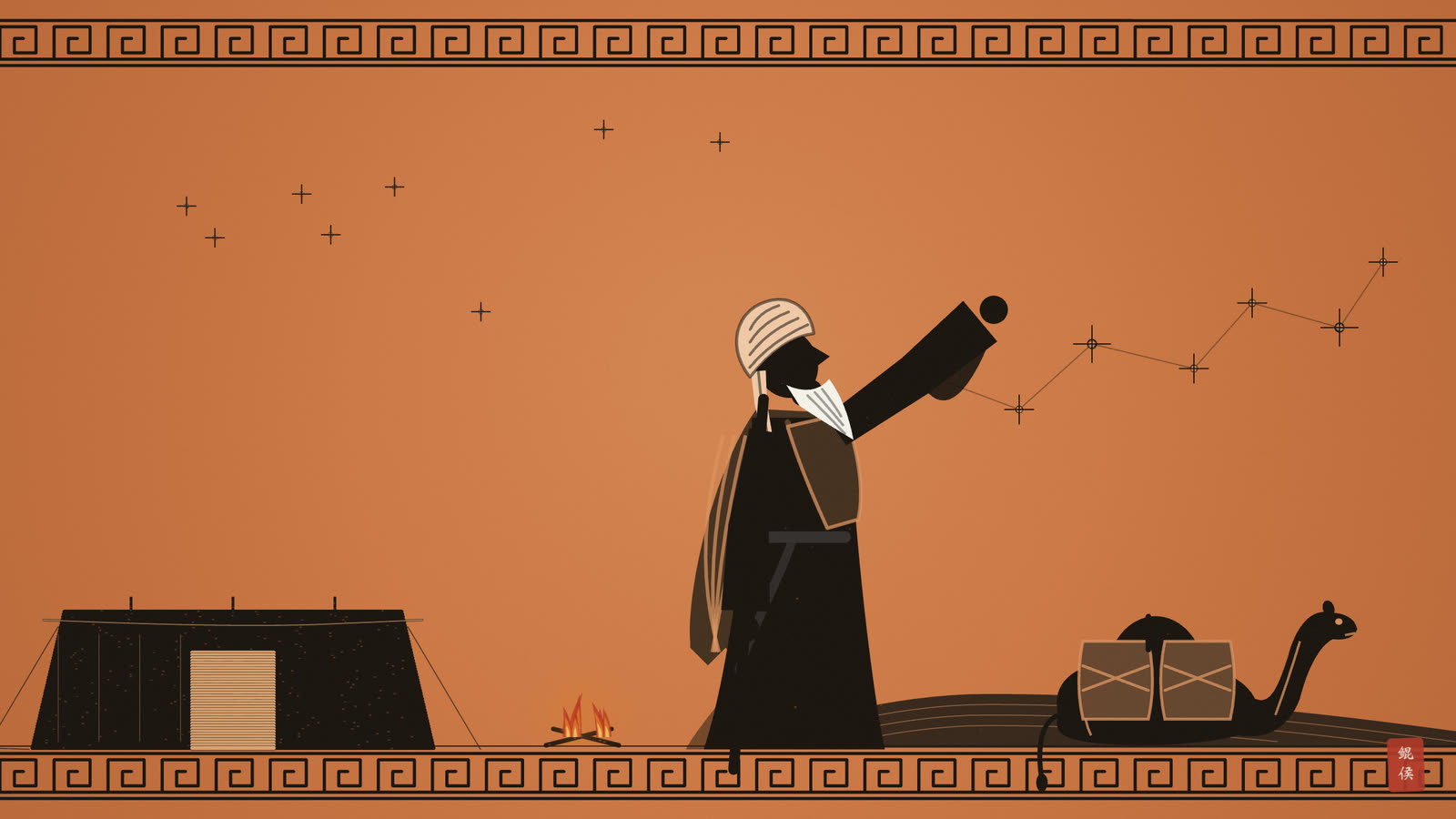
The first of them is the figure of Qayṭus, a sea animal with two legs and a tail like a bird's. The second is the Giant (al-Jabbār), whose figure is like a man girded with a sword. The third is the River, like a stream with bends. The fourth is the Hare, the fifth the Greater Dog, the sixth the Preceding Dog, the seventh the Hydra (al-Shujāʿ), the eighth the Ship, the ninth the Cup, also called the Wine-Jar (al-Bāṭiya), and the tenth the Raven; their figures are as their names. The eleventh is Qanṭūris and the twelfth the Beast; together they are like the figure of the Archer mentioned above among the signs, that is, composed of half a horse and a man, who has grasped the paw of the Beast and lifted it. The thirteenth is the Censer, the fourteenth the Southern Crown, and the fifteenth the Fish (al-Ḥūt); their figures are as their names. Whoever uses al-Fakka among the northern figures has no need to ascribe this crown to the south; likewise, whoever uses al-Samaka for the sign is content to say al-Ḥūt here, while whoever calls the sign al-Ḥūt needs to ascribe this fish to the south, to distinguish it from that one.
翻译点开
§161. What are the southern figures?
第一百六十一问 南方的图形是哪些?
The first of them is the figure of Qayṭus, a sea animal with two legs and a tail like a bird's. The second is the Giant (al-Jabbār), whose figure is like a man girded with a sword. The third is the River, like a stream with bends. The fourth is the Hare, the fifth the Greater Dog, the sixth the Preceding Dog, the seventh the Hydra (al-Shujāʿ), the eighth the Ship, the ninth the Cup, also called the Wine-Jar (al-Bāṭiya), and the tenth the Raven; their figures are as their names. The eleventh is Qanṭūris and the twelfth the Beast; together they are like the figure of the Archer mentioned above among the signs, that is, composed of half a horse and a man, who has grasped the paw of the Beast and lifted it. The thirteenth is the Censer, the fourteenth the Southern Crown, and the fifteenth the Fish (al-Ḥūt); their figures are as their names. Whoever uses al-Fakka among the northern figures has no need to ascribe this crown to the south; likewise, whoever uses al-Samaka for the sign is content to say al-Ḥūt here, while whoever calls the sign al-Ḥūt needs to ascribe this fish to the south, to distinguish it from that one.
第一是“盖图斯”的图形,一种海中动物,有两条腿,尾巴像鸟尾。第二是巨人(贾巴尔),图形像一个佩剑的男人。第三是河,像一条有许多弯曲的溪流。第四是兔,第五是大犬,第六是前犬,第七是长蛇(舒贾),第八是船,第九是杯,又称酒瓮(巴提亚),第十是乌鸦;它们的图形一如其名。第十一是“甘图里斯”,第十二是兽;两者合起来像前面星座中所说的射手的图形,就是说,由半匹马与一个人合成,那人抓住兽的爪子,把它举了起来。第十三是香炉,第十四是南冕,第十五是鱼(胡特);它们的图形一如其名。凡在北方图形中使用“法卡”这个名称的人,就无须把这顶冠冕标明为南方的;同样,凡把那个星座叫作“萨马卡”的人,在这里说“胡特”就够了,而把那个星座叫作“胡特”的人,就需要把这条鱼标明为南方的,以便与那一条区别。
大意与图解点开
🔎 大意:南天十五像:盖图斯、巨人、河、兔、两犬、长蛇、船、杯、乌鸦、甘图里斯与兽、香炉、南冕、鱼;重名者须标“南方”。
📖 术语
| 术语 | 英文原词 | 意思 |
|---|---|---|
| 盖图斯 | Qayṭus | 海兽,今鲸鱼座 |
| 巨人 | the Giant (al-Jabbār) | 佩剑者,今猎户座 |
| 甘图里斯 | Qanṭūris | 半人半马,今半人马座 |
| 前犬 | the Preceding Dog | 今小犬座 |
| 香炉 | the Censer | 今天坛座 |
🧭 图解与讲解
第一百六十一问列南天十五像(表一)。第一个“盖图斯”(Qayṭus)是希腊名的音译,比鲁尼描写为有两条腿、鸟尾的海兽;巨人阿拉伯语叫“贾巴尔”,佩着剑;河是多弯的溪流。兔、大犬、前犬、长蛇、船、杯、乌鸦、香炉、南冕、南鱼都“一如其名”。“前犬”之名,是因为它比大犬先升起。
| 序 | 书中名称 | 形状 | 今通行名 |
|---|---|---|---|
| 一 | 盖图斯 | 海兽,两腿,鸟尾 | 鲸鱼座 |
| 二 | 巨人(贾巴尔) | 佩剑的男人 | 猎户座 |
| 三 | 河 | 多弯的溪流 | 波江座 |
| 四 | 兔 | 一如其名 | 天兔座 |
| 五 | 大犬 | 一如其名 | 大犬座 |
| 六 | 前犬 | 一如其名 | 小犬座 |
| 七 | 长蛇(舒贾) | 一如其名 | 长蛇座 |
| 八 | 船 | 一如其名 | 南船座 |
| 九 | 杯(酒瓮) | 一如其名 | 巨爵座 |
| 十 | 乌鸦 | 一如其名 | 乌鸦座 |
| 十一 | 甘图里斯 | 半马半人,抓住兽爪举起 | 半人马座 |
| 十二 | 兽 | 被甘图里斯举起 | 豺狼座 |
| 十三 | 香炉 | 一如其名 | 天坛座 |
| 十四 | 南冕 | 一如其名 | 南冕座 |
| 十五 | 鱼(胡特) | 一如其名 | 南鱼座 |
〔图〕同名的像要加方位区别:用“法卡”称北冕,南冕就不必标南方
第十一、十二像要合起来看:甘图里斯(Qanṭūris,希腊名的音译)是半马半人,和黄道上的射手同一类形象,他抓住旁边那头“兽”的爪子,把它举起来。兽单独成一像,今天称为豺狼座。
末句讲的是重名问题(图二)。北天有北冕,南天有南冕;黄道有双鱼,南天又有一条鱼。比鲁尼说:如果北冕用“法卡”这个专名,南冕就不必特意称“南方的冠”;如果双鱼宫用“萨马卡”,南天的鱼直接叫“胡特”就行;但若有人把双鱼宫叫作“胡特”(上一问说过这是一般人的叫法),那就得说“南方的胡特”以免混淆。名称的分寸,比鲁尼处处留意。
黄道十二、北天二十一、南天十五,合为四十八像,这是托勒密星表的体系,此后伊斯兰与欧洲的星图长期以此为本。下一问就逐像列出所含的星数。
📖 术语
| 术语 | 英文原词 | 意思 |
|---|---|---|
| 盖图斯 | Qayṭus | 海兽,今鲸鱼座 |
| 巨人 | the Giant (al-Jabbār) | 佩剑者,今猎户座 |
| 甘图里斯 | Qanṭūris | 半人半马,今半人马座 |
| 前犬 | the Preceding Dog | 今小犬座 |
| 香炉 | the Censer | 今天坛座 |
🧭 图解与讲解
第一百六十一问列南天十五像(表一)。第一个“盖图斯”(Qayṭus)是希腊名的音译,比鲁尼描写为有两条腿、鸟尾的海兽;巨人阿拉伯语叫“贾巴尔”,佩着剑;河是多弯的溪流。兔、大犬、前犬、长蛇、船、杯、乌鸦、香炉、南冕、南鱼都“一如其名”。“前犬”之名,是因为它比大犬先升起。
| 序 | 书中名称 | 形状 | 今通行名 |
|---|---|---|---|
| 一 | 盖图斯 | 海兽,两腿,鸟尾 | 鲸鱼座 |
| 二 | 巨人(贾巴尔) | 佩剑的男人 | 猎户座 |
| 三 | 河 | 多弯的溪流 | 波江座 |
| 四 | 兔 | 一如其名 | 天兔座 |
| 五 | 大犬 | 一如其名 | 大犬座 |
| 六 | 前犬 | 一如其名 | 小犬座 |
| 七 | 长蛇(舒贾) | 一如其名 | 长蛇座 |
| 八 | 船 | 一如其名 | 南船座 |
| 九 | 杯(酒瓮) | 一如其名 | 巨爵座 |
| 十 | 乌鸦 | 一如其名 | 乌鸦座 |
| 十一 | 甘图里斯 | 半马半人,抓住兽爪举起 | 半人马座 |
| 十二 | 兽 | 被甘图里斯举起 | 豺狼座 |
| 十三 | 香炉 | 一如其名 | 天坛座 |
| 十四 | 南冕 | 一如其名 | 南冕座 |
| 十五 | 鱼(胡特) | 一如其名 | 南鱼座 |
第十一、十二像要合起来看:甘图里斯(Qanṭūris,希腊名的音译)是半马半人,和黄道上的射手同一类形象,他抓住旁边那头“兽”的爪子,把它举起来。兽单独成一像,今天称为豺狼座。
末句讲的是重名问题(图二)。北天有北冕,南天有南冕;黄道有双鱼,南天又有一条鱼。比鲁尼说:如果北冕用“法卡”这个专名,南冕就不必特意称“南方的冠”;如果双鱼宫用“萨马卡”,南天的鱼直接叫“胡特”就行;但若有人把双鱼宫叫作“胡特”(上一问说过这是一般人的叫法),那就得说“南方的胡特”以免混淆。名称的分寸,比鲁尼处处留意。
黄道十二、北天二十一、南天十五,合为四十八像,这是托勒密星表的体系,此后伊斯兰与欧洲的星图长期以此为本。下一问就逐像列出所含的星数。
§162. How many stars are there in each figure?
This varies among them in number and magnitude, and sometimes stars belonging to them lie outside the figure and are ascribed to it as being outside it. We have set them out in this table, to help in memorizing them. [Table bi-p177-a: stars of the northern figures, first part, from the Lesser Bear to the Lady of the Chair, by magnitude, with totals] [Table bi-p179-a: stars of the northern figures, second part, from Barshāwush to the Triangle, by magnitude, with totals]
翻译点开
§162. How many stars are there in each figure?
第一百六十二问 每个图形里有多少颗星?
This varies among them in number and magnitude, and sometimes stars belonging to them lie outside the figure and are ascribed to it as being outside it. We have set them out in this table, to help in memorizing them. [Table bi-p177-a: stars of the northern figures, first part, from the Lesser Bear to the Lady of the Chair, by magnitude, with totals] [Table bi-p179-a: stars of the northern figures, second part, from Barshāwush to the Triangle, by magnitude, with totals]
这在各图形之间,数目与星等都不相同;有时属于它们的星落在图形之外,作为像外之星而归属于它。我们把它们列在这张表里,以助记忆。〔表:北天图形之星,第一部分,自小熊至坐椅之妇,按星等列出,并附合计〕〔表:北天图形之星,第二部分,自巴尔沙乌什至三角,按星等列出,并附合计〕
大意与图解点开
🔎 大意:每像星数与星等各不相同,像外之星另列;比鲁尼制表以助记忆,北天二十一像分两表列出。
📖 术语
| 术语 | 英文原词 | 意思 |
|---|---|---|
| 像外之星 | outside the figure | 在像外而归属于它 |
| 合计 | totals | 每像星数之和 |
| 暗星 | obscure | 六等中特暗者 |
| 云状 | nebulous | 如云的星团 |
🧭 图解与讲解
第一百六十二问的回答主要是表。比鲁尼说每像的星数与星等各不相同,像外之星另列一行,他“把它们列在这张表里,以助记忆”。抄本这里共有四张表,本章分三个单元重画:本单元是北天两表(表一、表二),后两个单元是黄道十二像与南天十五像。
| 星像 | 一等 | 二等 | 三等 | 四等 | 五等 | 六等 | 暗星 | 云状 | 合计 |
|---|---|---|---|---|---|---|---|---|---|
| 一 小熊 | — | 2 | 1 | 4 | — | — | — | — | 7 |
| 小熊之外 | — | — | — | — | — | — | — | 1 | 1 |
| 二 大熊 | — | 6 | 8 | 8 | 5 | — | — | — | 27 |
| 大熊之外 | — | — | 1 | 2 | 1 | 5 | — | — | حط* |
| 三 天龙 | — | — | 8 | 16 | 5 | 2 | — | — | 31 |
| 四 仙王 | — | — | 1 | 7 | 3 | — | — | — | 11 |
| 仙王之外 | — | — | — | 1 | 1 | — | — | — | 2 |
| 五 阿瓦(呼喊者) | — | — | 4 | 9 | 9 | — | — | — | 22 |
| 阿瓦之外(持矛者) | 1 | — | — | — | — | — | — | — | 1 |
| 六 法卡(北冕) | — | 1 | — | 5 | 1 | 1 | — | — | 8 |
| 七 跪者 | — | — | 6 | 16 | 2 | 3 | — | — | 28* |
| 跪者之外 | — | — | — | — | 1 | — | — | — | 1 |
| 八 鲁拉 | 1 | — | 2 | 7 | — | — | — | — | 10 |
| 九 母鸡 | — | 1 | 5 | 9 | 2 | — | — | — | 17 |
| 母鸡之外 | — | — | — | 2 | — | — | — | — | 2 |
| 十 坐椅之妇 | — | — | 4 | 6 | 1 | 2 | — | — | 13 |
| 星像 | 一等 | 二等 | 三等 | 四等 | 五等 | 六等 | 暗星 | 云状 | 合计 |
|---|---|---|---|---|---|---|---|---|---|
| 十一 巴尔沙乌什 | — | 2 | 5 | 16 | 2 | — | — | 1 | 26 |
| 巴尔沙乌什之外 | — | — | — | — | 2 | — | 1 | — | 3 |
| 十二 执缰者 | 1 | 1 | 2 | 7 | 2 | 1 | — | — | 14 |
| 十三 弄蛇人 | — | — | 5 | 13 | 6 | — | — | — | 24 |
| 弄蛇人之外 | — | — | — | 5 | — | — | — | — | 5 |
| 十四 弄蛇人之蛇 | — | — | 5 | 12? | 1 | — | — | — | 18 |
| 十五 箭 | — | — | — | 1 | 3 | 1 | — | — | 5 |
| 十六 鹰 | — | 1 | 4 | 1 | 3 | — | — | — | 9 |
| 鹰之外 | — | — | 4 | 1 | 1 | — | — | — | 6 |
| 十七 海豚 | — | — | 5 | 2 | — | 3 | — | — | 10 |
| 十八 马之一块 | — | — | — | — | — | — | 4 | — | 4 |
| 十九 第二马 | — | 4 | 4 | 9 | 3 | — | — | — | كيط* |
| 二十 被锁之女 | — | — | 4 | 15? | 4 | — | — | — | 23 |
| 二十一 三角 | — | — | 3 | 1 | — | — | — | — | 4 |
原表用阿拉伯字母记数(每个字母代表一个数,如 ا 为一、ي 为十、ك 为二十),本站逐格换成今天的数字;“—”是抄本表示“无”的记号。表头各栏依次是一等至六等、暗星、云状星与合计;像名前的序号也照抄本的字母序号换算。这四张表都已按三百 dpi 的原图逐格复核过。
北天两表里多数行都能对上:各栏相加等于合计。不合的三处标了“*”:大熊像外一行,合计栏写成一个挤在一起的 حط,各栏相加是九;跪者一行合计写二十八,各栏相加是二十七;第二马一行合计写成 كيط,各栏相加是二十。另有两格字形不清,标“?”、读法未定:弄蛇人之蛇的四等、被锁之女的四等,只能按合计反推读作十二、十五。
从表里可以读出不少有用的信息,例如北天的一等星只有三颗:阿瓦像外的“持矛者”、鲁拉(天琴)中的一颗、执缰者(御夫)中的一颗,下一章第一百六十三问会给出它们的阿拉伯名。占星家看重的亮星,正要从这样的表里查。
All the stars in the northern figures are 360 stars: of the first greatness 3, of the second 18, of the third 81, of the fourth 177, of the fifth 58, of the sixth 22 together with the obscure ones, and of the nebulous 1. [Table bi-p181-a: stars of the twelve zodiacal figures, from the Ram to the Fish, with the stars outside each, by magnitude, with totals]
翻译点开
All the stars in the northern figures are 360 stars: of the first greatness 3, of the second 18, of the third 81, of the fourth 177, of the fifth 58, of the sixth 22 together with the obscure ones, and of the nebulous 1. [Table bi-p181-a: stars of the twelve zodiacal figures, from the Ram to the Fish, with the stars outside each, by magnitude, with totals]
北方图形中的星共三百六十颗:一等大的三颗,二等十八颗,三等八十一颗,四等一百七十七颗,五等五十八颗,六等连同暗星二十二颗,云状的一颗。〔表:黄道十二图形之星,自白羊至双鱼,附各像之外的星,按星等列出,并附合计〕
大意与图解点开
🔎 大意:北天二十一像共三百六十颗:一等三、二等十八、三等八十一、四等一百七十七、五等五十八、六等连暗星二十二、云状一。
📖 术语
| 术语 | 英文原词 | 意思 |
|---|---|---|
| 北方图形 | northern figures | 北天二十一像 |
| 六等连同暗星 | sixth together with the obscure | 两项并计 |
🧭 图解与讲解
这一行是北天两表的总结:三百六十颗,其中一等三、二等十八、三等八十一、四等一百七十七、五等五十八、六等连同暗星二十二、云状一(表一)。这几个数相加正好三百六十。其中四等之数,抄本字形有“七十”“六十”两读,本站裁定取一百七十七,理由是三、十八、八十一、一百七十七、五十八、二十二、一相加才合三百六十。
| 等级 | 正文所记 | 两表各栏相加 | 说明 |
|---|---|---|---|
| 一等 | 3 | 3 | 相合 |
| 二等 | 18 | 18 | 相合 |
| 三等 | 81 | 81 | 相合 |
| 四等 | 177 | 175 | 正文此数抄本有两读,裁定取 177,使总数合 360 |
| 五等 | 58 | 58 | 相合 |
| 六等连暗星 | 22 | 23(六等 18、暗星 5) | 差一 |
| 云状 | 1 | 2 | 表中小熊之外、巴尔沙乌什各一 |
| 合计 | 360 | 361(大熊之外按 9) | 各行合计栏相加 |
| 星像 | 一等 | 二等 | 三等 | 四等 | 五等 | 六等 | 暗星 | 云状 | 合计 |
|---|---|---|---|---|---|---|---|---|---|
| 一 白羊 | — | — | 2 | 4 | 6 | 1 | — | — | 13 |
| 白羊之外 | — | — | 1 | 1 | 3 | — | — | — | 5 |
| 二 金牛 | 1 | — | 1 | 11 | 19 | 1 | — | — | 33⁺ |
| 金牛之外 | — | — | — | 1 | 10 | — | — | — | 11⁺ |
| 三 双子 | — | 2 | 5 | 9 | 2 | — | — | — | 18 |
| 双子之外 | — | — | — | 3 | 4 | — | — | — | 7 |
| 四 巨蟹 | — | — | — | 7 | 1 | — | — | 1 | 9 |
| 巨蟹之外 | — | — | — | 2 | 2 | — | — | — | 4 |
| 五 狮子 | 2 | 2 | 6 | 8 | 5 | 4 | — | — | 27 |
| 狮子之外 | — | — | — | 1 | 4 | — | — | — | 5 |
| 六 处女(麦穗) | 1 | — | 6 | 7 | 10 | 2 | — | — | 26 |
| 处女之外 | — | — | — | — | 4 | 2 | — | — | 6 |
| 七 天秤 | — | 2 | — | 4 | 2 | — | — | — | 8 |
| 天秤之外 | — | — | 1 | 5 | 2 | 1 | — | — | 9 |
| 八 天蝎 | — | 1 | 13? | 5 | 2 | — | — | — | 21 |
| 天蝎之外 | — | — | — | 2 | — | — | 1 | 3 | |
| 九 射手 | — | 2 | 9 | 9 | 8 | 2 | — | 1 | 31 |
| 十 摩羯 | — | — | 4 | 9 | 9 | 6 | — | — | 28 |
| 十一 水瓶 | 1 | — | 9 | 18 | 13 | 1 | — | — | 42 |
| 水瓶之外 | — | — | — | 3 | — | — | — | — | 3 |
| 十二 双鱼 | — | — | 2 | 22 | 3 | 7 | — | — | 34 |
| 双鱼之外 | — | — | — | 4 | — | — | — | — | 4 |
拿上一单元的两张表来核对:一、二、三、五等都完全相合;四等两表相加是一百七十五,比正文少二;六等与暗星两表相加是二十三,比正文多一;云状星表中有两颗,正文只记一颗。这些出入在字形上看不出差在哪一格,本站照录,不去强改。
表二是黄道十二像的星数。按复核的读法,一等五颗、二等九颗、六等二十七颗、云状三颗都与下一行正文相合;三、四、五等与正文各差几颗,各行合计相加是三百四十七,正文作三百四十六。存疑的三格是:金牛的合计(墨迹糊成一团)、金牛像外的合计(墨色几乎褪尽)、天蝎的三等(按合计读作十三)。前两格是合计栏,本站按本行各栏相加补作三十三、十一,表中带“⁺”,与抄本读出的格分开。抄本页边另有三处小字,像是后人校对时所加。
黄道十二像里的一等星有五颗:金牛一、狮子二、处女一、水瓶一。对占星家来说,这几颗黄道上的亮星最常与行星相合,后面卷八论恒星的影响时就以它们为主。
So all the stars in the middle figures are 346 stars: of the first greatness 5, of the second 9, of the third 64, of the fourth 133, of the fifth 105, of the sixth 27, and of the nebulous 3, besides the Lock, which is three stars. [Table bi-p183-a: stars of the southern figures, from Qayṭus to the Fish, with the stars outside them, by magnitude, with totals]
So all the stars in the southern figures are 316 stars: of the first greatness 7 stars, of the second 18 [corrected: MS has 10], of the third 63, of the fourth 164, of the fifth 54, of the sixth 9, and of the nebulous 1.
The total in the northern, southern and middle figures is 1022: of the first greatness 15 stars, of the second 45, of the third 208, of the fourth 474 [corrected: MS has 475], of the fifth 217, of the sixth 49, the obscure 9, the nebulous 5, and the Lock, three stars, which after these were not included in the total.
翻译点开
So all the stars in the middle figures are 346 stars: of the first greatness 5, of the second 9, of the third 64, of the fourth 133, of the fifth 105, of the sixth 27, and of the nebulous 3, besides the Lock, which is three stars. [Table bi-p183-a: stars of the southern figures, from Qayṭus to the Fish, with the stars outside them, by magnitude, with totals]
所以中间图形里的星共三百四十六颗:一等大的五颗,二等九颗,三等六十四颗,四等一百三十三颗,五等一百零五颗,六等二十七颗,云状的三颗,此外还有发绺,是三颗星。〔表:南天图形之星,自盖图斯至鱼,附其外的星,按星等列出,并附合计〕
So all the stars in the southern figures are 316 stars: of the first greatness 7 stars, of the second 18 [corrected: MS has 10], of the third 63, of the fourth 164, of the fifth 54, of the sixth 9, and of the nebulous 1.
所以南方图形里的星共三百一十六颗:一等大的七颗,二等十八颗〔抄本作十,据算改正〕,三等六十三颗,四等一百六十四颗,五等五十四颗,六等九颗,云状的一颗。
The total in the northern, southern and middle figures is 1022: of the first greatness 15 stars, of the second 45, of the third 208, of the fourth 474 [corrected: MS has 475], of the fifth 217, of the sixth 49, the obscure 9, the nebulous 5, and the Lock, three stars, which after these were not included in the total.
北方、南方与中间图形里的总数是一千零二十二颗:一等大的十五颗,二等四十五颗,三等二百零八颗,四等四百七十四颗〔抄本作四百七十五,据算改正〕,五等二百一十七颗,六等四十九颗,暗星九颗,云状五颗;还有发绺三颗,在这些之后,不计入总数。
大意与图解点开
🔎 大意:黄道三百四十六、南天三百一十六、北天三百六十,共一千零二十二颗;南天二等与总数四等两处抄本数字照算改正。
📖 术语
| 术语 | 英文原词 | 意思 |
|---|---|---|
| 中间图形 | middle figures | 即黄道十二像 |
| 发绺 | the Lock | 三颗星,不计入总数 |
| 据算改正 | corrected | 按加法核对后改 |
🧭 图解与讲解
本单元三行正文是黄道、南天与全天的合计。黄道十二像共三百四十六颗,另有“发绺”三颗不计(上一章第一百五十七问已提到)。南天十五像共三百一十六颗。全天合计一千零二十二颗,与上一章所说完全一致(表二)。
| 星像 | 一等 | 二等 | 三等 | 四等 | 五等 | 六等 | 暗星 | 云状 | 合计 |
|---|---|---|---|---|---|---|---|---|---|
| 一 盖图斯 | — | — | 10 | 8 | 4 | — | — | — | 22 |
| 二 巨人 | 2 | 4 | 8 | 15 | 3 | 5 | — | 1 | 38 |
| 三 河 | 1 | — | 5 | 26 | 2 | — | — | — | 34 |
| 四 兔 | — | — | 2 | 5 | 4 | — | — | — | 11? |
| 五 大犬 | 1 | — | 5 | 5 | 6 | — | — | — | 17? |
| 大犬之外 | — | 2 | — | 9 | — | — | — | — | 11 |
| 六 前犬 | 1 | — | — | 1 | — | — | — | — | 2 |
| 七 船 | 1 | 6 | 10 | 20 | 7 | 1 | — | — | 45 |
| 八 长蛇 | — | 1 | 3 | 19 | 1 | 1 | — | — | 25 |
| 长蛇之外 | — | — | 2 | — | — | — | — | — | 2 |
| 九 杯 | — | — | — | 7 | — | — | — | — | 7 |
| 十 乌鸦 | — | — | 5 | 1 | 1 | — | — | — | 7 |
| 十一 甘图里斯 | 1 | 5 | 7 | 16 | 8 | — | — | — | 37 |
| 十二 兽 | — | — | 2 | 11 | 6 | — | — | — | 19 |
| 十三 香炉 | — | — | — | 5 | 2 | — | — | — | 7 |
| 十四 南冕 | — | — | — | 5 | 6 | 2 | — | — | 13 |
| 十五 鱼 | — | — | — | 9 | 2 | — | — | — | 11 |
| 鱼之外 | — | — | 3 | 2 | 1 | — | — | — | 6? |
| 一等 | 二等 | 三等 | 四等 | 五等 | 六等 | 暗星 | 云状 | 合计 | |
|---|---|---|---|---|---|---|---|---|---|
| 北天 | 3 | 18 | 81 | 177 | 58 | 22(连暗星) | 1 | 360 | |
| 黄道 | 5 | 9 | 64 | 133 | 105 | 27 | 3 | 346 | |
| 南天 | 7 | 18〔抄本作10〕 | 63 | 164 | 54 | 9 | 1 | 316 | |
| 总数 | 15 | 45 | 208 | 474〔抄本作475〕 | 217 | 49 | 9 | 5 | 1022 |
这里有两处数字照算改正,依据都在本站的裁定记录里。其一,南天二等星,抄本作“十”,但七、十八、六十三、一百六十四、五十四、九、一相加才得三百一十六,而且北天十八、黄道九、南天十八相加正好是总数的四十五,所以改作十八。其二,全天四等星,抄本作四百七十五,但北天一百七十七、黄道一百三十三、南天一百六十四相加是四百七十四,全天各等相加也要四百七十四才合一千零二十二,所以改作四百七十四。云状星一项抄本字迹难辨,按三区一、三、一相加定为五。
六等一项要细看:总数行把六等四十九与暗星九分开记,而北天一行是“六等连同暗星二十二”,黄道二十七、南天九都没有另记暗星;二十二加二十七加九是五十八,正等于四十九加九,与上一章“第六等五十八颗,内含暗星九颗”相合。
表一是南天十五像的星数。按复核的读法,一等七、二等十八、四等一百六十四、六等九、云状一都与正文相合;三等列和六十二、五等五十三,比正文各少一,共三百一十四,差在哪几格字形上看不出。南天的一等星最多,有七颗:巨人二、河一、大犬一、前犬一、船一、甘图里斯一,其中大犬口上那颗就是下一章要讲的“也门的希拉”。
原文为公有领域古籍;翻译、印象画与图文解读由 AI 辅助生成,鲲侯审校。