卷三·第 135–144 问 时辰、赤道、黄道与分至点
等时与曲时,犹太人与印度人的时辰细分;赤道与黄道两条运动之带,日周圈、黄纬圈、地平纬圈,分至四点与圆周三百六十份。
§135. What are the hours, and what are their kinds?
The hours are of two kinds. One kind is the equal hours, each of which is one of twenty-four parts of the whole day; their sizes do not vary. When night and daytime are equal, the hours of each of them are twelve; when one of them grows longer, its hours become more than twelve, and the hours of the other fall short of twelve by the amount of that one's excess over it. The other kind of hours is the crooked hours, by which each of the daytime and the night is always twelve hours, each one being half of a sixth of the daytime or of the night; but they are longer in a long daytime than in a short one; indeed, whenever the daytime differs from its night, the hours of the one also differ from the hours of the other. So the equal hours vary in number in the daytime and the night and agree in size, while the crooked hours are those that vary in size in them and agree in number. The equal hours are also called equinoctial (muʿtadila), and the crooked temporal (zamāniyya).
§136. Into how many parts is the hour divided?
The hour, and indeed everything by which one measures length, volume or weight, is divided, as we have said, into sixty minutes and what follows them. The Jews divide the hour into eighteen times sixty, that is, 1080 parts, which they call in Hebrew ḥalaq; they do not go below these, except that they sometimes halve the ḥalaq.
翻译点开
§135. What are the hours, and what are their kinds?
第一百三十五问 何谓时辰,时辰有哪几种?
The hours are of two kinds. One kind is the equal hours, each of which is one of twenty-four parts of the whole day; their sizes do not vary. When night and daytime are equal, the hours of each of them are twelve; when one of them grows longer, its hours become more than twelve, and the hours of the other fall short of twelve by the amount of that one's excess over it. The other kind of hours is the crooked hours, by which each of the daytime and the night is always twelve hours, each one being half of a sixth of the daytime or of the night; but they are longer in a long daytime than in a short one; indeed, whenever the daytime differs from its night, the hours of the one also differ from the hours of the other. So the equal hours vary in number in the daytime and the night and agree in size, while the crooked hours are those that vary in size in them and agree in number. The equal hours are also called equinoctial (muʿtadila), and the crooked temporal (zamāniyya).
时辰有两种。一种是等时,每一个都是整日的二十四分之一;它们的大小不变。夜与昼相等时,各有十二个时辰;其中之一变长时,它的时辰就多于十二,另一个的时辰就少于十二,所少之数正等于前者所多之数。另一种时辰是曲时,按这种时辰,昼和夜各自永远是十二个时辰,每一个是昼或夜的六分之一的一半;但它们在长昼中比在短昼中长;实际上,只要昼与它的夜不等,这一方的时辰也就与那一方的时辰不等。所以等时在昼夜中数目不同而大小一致,曲时则在昼夜中大小不同而数目一致。等时又称为赤道时(穆阿塔迪拉),曲时又称为季节时(扎马尼亚)。
§136. Into how many parts is the hour divided?
第一百三十六问 一个时辰分为几部分?
The hour, and indeed everything by which one measures length, volume or weight, is divided, as we have said, into sixty minutes and what follows them. The Jews divide the hour into eighteen times sixty, that is, 1080 parts, which they call in Hebrew ḥalaq; they do not go below these, except that they sometimes halve the ḥalaq.
时辰,乃至一切用来度量长度、容积或重量的东西,如我们说过的,都分为六十分以及其后的各级。犹太人把时辰分为十八乘六十,即一千零八十份,用希伯来语称为“哈拉克”;他们不再往下分,只是有时把哈拉克分成两半。
大意与图解点开
🔎 大意:等时是一日的二十四分之一,大小不变、昼夜数目随季节变;曲时昼夜各十二,长短随季节变。时辰分六十分,犹太人分一千零八十份。
📖 术语
| 术语 | 英文原词 | 意思 |
|---|---|---|
| 等时 | equal hours | 一日的二十四分之一 |
| 曲时 | crooked hours | 昼或夜的十二分之一 |
| 赤道时 | equinoctial | 等时的别名 |
| 季节时 | temporal | 曲时的别名 |
| 哈拉克 | ḥalaq | 时辰的千零八十分之一 |
🧭 图解与讲解
第一百三十五问区分两种时辰(图一)。等时是一整日的二十四分之一,大小永远不变,所以夏天昼长时白天的等时多于十二个,夜里少于十二个,一多一少,总数仍是二十四。曲时则把昼与夜各自分成十二份,数目永远是十二,长短却随季节变:昼长十四等时的日子,一个昼间曲时等于七十分钟,一个夜间曲时只有五十分钟(表二)。
〔图〕等时大小一致、昼夜数目不同;曲时昼夜各十二、长短随昼夜而变
| 等时(赤道时) | 曲时(季节时) | |
|---|---|---|
| 定义 | 整日的二十四分之一 | 昼或夜的十二分之一 |
| 大小 | 永远一致 | 长昼中长,短昼中短 |
| 数目 | 昼夜各不相同,合计二十四 | 昼夜永远各十二 |
| 例:昼长十四等时 | 昼十四个,夜十个 | 昼时等于七十分,夜时等于五十分 |
| 细分 | 六十分及其后各级;犹太人分一千零八十份(哈拉克) | 同 |
比鲁尼说等时又叫“赤道时”,曲时又叫“季节时”。“赤道时”之名,是因为太阳在分点(赤道上)时昼夜相等,两种时辰正好一样长。占星里的“行星时”(每个时辰由一颗行星主管,依迦勒底次序轮转),用的正是曲时:日出时刻起第一个时辰,由当日的日主星主管。
第一百三十六问讲时辰的细分:一切量度都分为六十分、六十秒,层层六十进位,这是卷二讲过的。犹太人则把时辰分为一千零八十份,称为“哈拉克”。这一分法用于犹太历推算朔望。比鲁尼一问之中又把阿拉伯与希伯来两种分法并列。
📖 术语
| 术语 | 英文原词 | 意思 |
|---|---|---|
| 等时 | equal hours | 一日的二十四分之一 |
| 曲时 | crooked hours | 昼或夜的十二分之一 |
| 赤道时 | equinoctial | 等时的别名 |
| 季节时 | temporal | 曲时的别名 |
| 哈拉克 | ḥalaq | 时辰的千零八十分之一 |
🧭 图解与讲解
第一百三十五问区分两种时辰(图一)。等时是一整日的二十四分之一,大小永远不变,所以夏天昼长时白天的等时多于十二个,夜里少于十二个,一多一少,总数仍是二十四。曲时则把昼与夜各自分成十二份,数目永远是十二,长短却随季节变:昼长十四等时的日子,一个昼间曲时等于七十分钟,一个夜间曲时只有五十分钟(表二)。
| 等时(赤道时) | 曲时(季节时) | |
|---|---|---|
| 定义 | 整日的二十四分之一 | 昼或夜的十二分之一 |
| 大小 | 永远一致 | 长昼中长,短昼中短 |
| 数目 | 昼夜各不相同,合计二十四 | 昼夜永远各十二 |
| 例:昼长十四等时 | 昼十四个,夜十个 | 昼时等于七十分,夜时等于五十分 |
| 细分 | 六十分及其后各级;犹太人分一千零八十份(哈拉克) | 同 |
比鲁尼说等时又叫“赤道时”,曲时又叫“季节时”。“赤道时”之名,是因为太阳在分点(赤道上)时昼夜相等,两种时辰正好一样长。占星里的“行星时”(每个时辰由一颗行星主管,依迦勒底次序轮转),用的正是曲时:日出时刻起第一个时辰,由当日的日主星主管。
第一百三十六问讲时辰的细分:一切量度都分为六十分、六十秒,层层六十进位,这是卷二讲过的。犹太人则把时辰分为一千零八十份,称为“哈拉克”。这一分法用于犹太历推算朔望。比鲁尼一问之中又把阿拉伯与希伯来两种分法并列。
§137. How are the hours reckoned among the Indians?
They call the hour by the name of half a sign, which in their language is horā, and they do not use the hour except in astrology. In common use, however, they take the day as one unit and divide it into sixty parts, each of which is called a gharī; and each gharī into sixty parts, which some of them call chasha and vijaka, and others pārī; and each pārī is six prāṇa, and they claim that a prāṇa is the duration of one breath of a man in a balanced state. This division corresponds to fractions of the equal hours, because the gharīs are equal in size and vary in number in the daytime and its night. Converting them into equal hours is done by doubling their fifth; and converting equal hours into gharīs is done by setting the number down in two places, doubling the one and halving the other, and then adding together what results in both. The Indians have another division which they call muhūrta, of which the day has thirty. Each muhūrta contains two gharīs when the daytime is equal to its night and each of them is fifteen muhūrtas; and when they differ, each muhūrta of the daytime differs in size from each muhūrta of the night.
翻译点开
§137. How are the hours reckoned among the Indians?
第一百三十七问 印度人怎样计算时辰?
They call the hour by the name of half a sign, which in their language is horā, and they do not use the hour except in astrology. In common use, however, they take the day as one unit and divide it into sixty parts, each of which is called a gharī; and each gharī into sixty parts, which some of them call chasha and vijaka, and others pārī; and each pārī is six prāṇa, and they claim that a prāṇa is the duration of one breath of a man in a balanced state. This division corresponds to fractions of the equal hours, because the gharīs are equal in size and vary in number in the daytime and its night. Converting them into equal hours is done by doubling their fifth; and converting equal hours into gharīs is done by setting the number down in two places, doubling the one and halving the other, and then adding together what results in both. The Indians have another division which they call muhūrta, of which the day has thirty. Each muhūrta contains two gharīs when the daytime is equal to its night and each of them is fifteen muhūrtas; and when they differ, each muhūrta of the daytime differs in size from each muhūrta of the night.
他们用半个星座的名称称呼时辰,在他们的语言里是“霍拉”,而他们除了在占星中以外不用时辰。在日常使用中,他们把一日当作一个单位,分为六十份,每一份称为“伽利”;每一伽利又分为六十份,有些人称之为“恰沙”和“维贾卡”,另一些人称之为“帕利”;每一帕利是六“普拉纳”,他们声称一普拉纳是一个身体平和的人一次呼吸的时长。这种划分与等时的分数相当,因为伽利大小相等,在昼与其夜之中数目不同。把伽利换算成等时,是把它的五分之一加倍;把等时换算成伽利,是把这个数写在两处,一处加倍,另一处减半,再把两处所得相加。印度人另有一种划分,称为“牟呼栗多”,一日有三十个。昼与夜相等、各为十五个牟呼栗多时,每个牟呼栗多含两个伽利;二者不等时,昼的每个牟呼栗多就与夜的每个牟呼栗多大小不同。
大意与图解点开
🔎 大意:印度人称时辰为霍拉,只用于占星;日常把一日分六十伽利,伽利分六十帕利,帕利分六普拉纳。另有牟呼栗多,一日三十个。
📖 术语
| 术语 | 英文原词 | 意思 |
|---|---|---|
| 霍拉 | horā | 印度语:时辰,半个星座 |
| 伽利 | gharī | 一日的六十分之一 |
| 帕利 | pārī | 伽利的六十分之一 |
| 普拉纳 | prāṇa | 一次呼吸之时 |
| 牟呼栗多 | muhūrta | 一日的三十分之一 |
🧭 图解与讲解
印度人称时辰为“霍拉”(horā),比鲁尼特别指出这是“半个星座”的名称,而且只用于占星。印度占星把一个星座分为两半,每半就叫霍拉;希腊语的 hōra(时辰)与此同源。日常计时,印度人另用一套六十进位:一日分六十伽利,一伽利分六十帕利,一帕利分六普拉纳(表一),一普拉纳是一个平和之人呼吸一次的时长,约四秒。
| 单位 | 与上一级的关系 | 折合今时 | 性质 |
|---|---|---|---|
| 一日 | — | 二十四小时 | — |
| 伽利 | 一日的六十分之一 | 二十四分钟 | 大小一致,如等时 |
| 帕利(又称恰沙、维贾卡) | 伽利的六十分之一 | 二十四秒 | — |
| 普拉纳 | 帕利的六分之一 | 四秒 | 一次平静的呼吸 |
| 牟呼栗多 | 一日的三十分之一 | 昼夜相等时四十八分钟 | 昼夜各十五,长短随昼夜变,如曲时 |
| 霍拉 | 半个星座之名 | 一个时辰 | 只用于占星 |
| 换算 | 原书的方法 | 算式 | 例 |
|---|---|---|---|
| 伽利 → 等时 | 把它的五分之一加倍 | 伽利数 × 2/5 | 十伽利 → 四等时 |
| 等时 → 伽利 | 写在两处,一处加倍,一处减半,再相加 | 时数 × 2 + 时数 ÷ 2 | 六等时 → 十二 + 三 = 十五伽利 |
伽利大小一致,相当于等时的分数:一伽利是二十四分钟,即一等时的五分之二。比鲁尼给了两个心算口诀(表二):伽利化为等时,取其五分之一再加倍;等时化为伽利,一处加倍、一处减半再相加,即乘以二又二分之一。抄本这几个外来名称写法不一,英译取最可能的读法,统稿时已逐一验算。
另一种单位“牟呼栗多”一日三十个,昼夜等长时各十五个,每个等于两伽利;昼夜不等时,昼与夜的牟呼栗多长短不同,这正像曲时。比鲁尼把阿拉伯的等时、曲时与印度的伽利、牟呼栗多一一对照,读者由此可以把印度占星书里的时间单位换算过来。
§138. What is the equator?
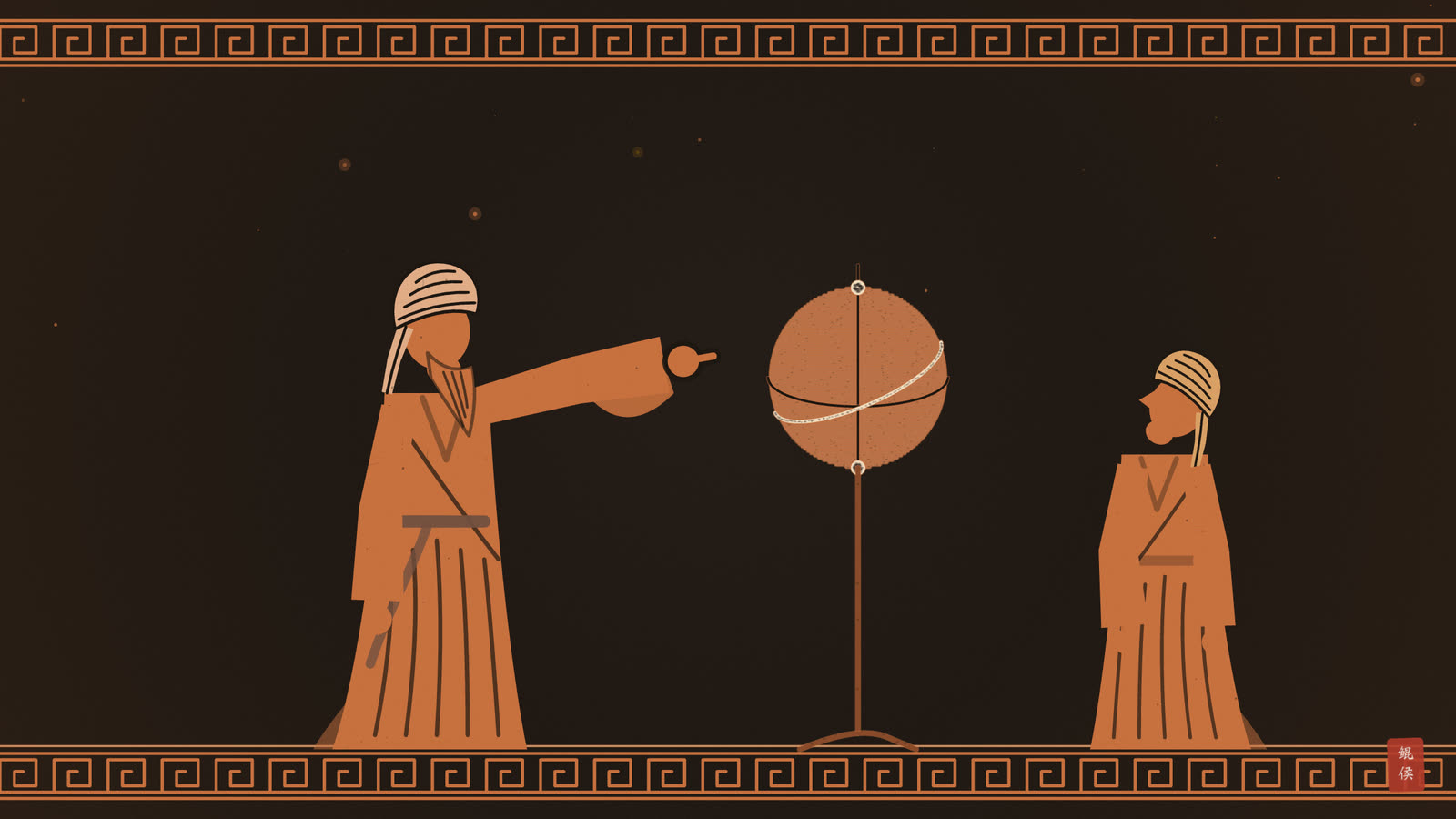
The pole and the circle on the surface of a sphere belong to the category of correlatives; so too the motion of a sphere, for it requires two poles, and the two poles require a great circle midway between them. One of the two poles of the first motion is visible to the people of the north and the other is hidden from them in the south, and between them there is a great circle. When the sphere moves on the axis joining those two poles, the motion is referred to that middle circle, because its greatest speed is there, while on the other, small circles whose centres lie on the axis it is slower in proportion to their distance from it. Because the great circle lies in the middle, it is called a belt (minṭaqa), by way of comparison. The equator, then, is the great circle that is the belt of the first motion.
§139. What is the zodiac (ecliptic)?
It is the great circle that is the belt of the second motion; it is also called the orb of the signs (falak al-burūj). The Sun, in its eastward motion, keeps to this circle and does not leave it. This belt is inclined to the equator, cutting it at two opposite points, so that half of it lies north of the equator and the other half south of it; and by the amount of this inclination the poles of the two motions are apart from each other, in each of the two directions, north and south. The circle that passes through the poles of the equator and the poles of the zodiac is known as the circle passing through the four poles.
翻译点开
§138. What is the equator?
第一百三十八问 何谓赤道?
The pole and the circle on the surface of a sphere belong to the category of correlatives; so too the motion of a sphere, for it requires two poles, and the two poles require a great circle midway between them. One of the two poles of the first motion is visible to the people of the north and the other is hidden from them in the south, and between them there is a great circle. When the sphere moves on the axis joining those two poles, the motion is referred to that middle circle, because its greatest speed is there, while on the other, small circles whose centres lie on the axis it is slower in proportion to their distance from it. Because the great circle lies in the middle, it is called a belt (minṭaqa), by way of comparison. The equator, then, is the great circle that is the belt of the first motion.
极与球面上的圆属于相关者一类;球的运动也是如此,因为它需要两个极,而两个极又需要在它们正中间的一个大圆。第一运动的两极中,一个北方的人看得见,另一个在南方,对他们隐而不见,两极之间有一个大圆。球绕连接这两极的轴运动时,运动就归于那个中间的圆,因为它的速度在那里最大;而在另外那些圆心位于轴上的小圆上,运动较慢,慢的程度与它们离那个大圆的距离成比例。因为这个大圆位于正中,所以按比喻称它为“带”(明塔卡)。因此,赤道就是作为第一运动之带的那个大圆。
§139. What is the zodiac (ecliptic)?
第一百三十九问 何谓黄道?
It is the great circle that is the belt of the second motion; it is also called the orb of the signs (falak al-burūj). The Sun, in its eastward motion, keeps to this circle and does not leave it. This belt is inclined to the equator, cutting it at two opposite points, so that half of it lies north of the equator and the other half south of it; and by the amount of this inclination the poles of the two motions are apart from each other, in each of the two directions, north and south. The circle that passes through the poles of the equator and the poles of the zodiac is known as the circle passing through the four poles.
它是作为第二运动之带的那个大圆;它又被称为“诸星座之天”。太阳在它的东向运动中始终沿着这个圆,从不离开。这条带与赤道斜交,在相对的两点上与它相截,所以它的一半在赤道之北,另一半在赤道之南;两种运动的极彼此相距的量,在北、南两个方向上,都正等于这个倾斜的量。穿过赤道两极与黄道两极的那个圆,称为过四极圈。
大意与图解点开
🔎 大意:赤道是第一运动之带,居两极正中,运动最快;黄道是第二运动之带,太阳不离此圈;两圈斜交于相对两点,两对极相距等于倾斜之量。
📖 术语
| 术语 | 英文原词 | 意思 |
|---|---|---|
| 相关者 | correlatives | 互相依存的一对 |
| 带 | belt (minṭaqa) | 两极正中的大圆 |
| 赤道 | the equator | 第一运动之带 |
| 黄道 | the zodiac (ecliptic) | 第二运动之带 |
| 过四极圈 | the circle through the four poles | 过两对极的大圆 |
🧭 图解与讲解
第一百三十八问从“相关者”讲起:有极就有圆,球转动就需要两个极,两个极之间就必有一个居中的大圆。第一运动的两极,一个北方人看得见,一个在南方看不见;两极正中的大圆上运动最快,离它越远的平行小圆转得越慢。这个居中的大圆比作腰间的“带”,就是赤道。卷一第六十八问讲过的“运动之带”,在这里落到了天上。
〔图〕赤道是第一运动之带,黄道是第二运动之带;两圈斜交,两对极相距正等于黄道的倾斜
〔图〕赤道与黄道是两种运动各自的“带”,两圈斜交于相对两点
阿拉伯语称赤道为 muʿaddil al-nahār,意为“使昼均等者”,因为太阳在赤道上时,各地昼夜等长。第一百三十九问讲黄道:它是第二运动之带,又称“诸星座之天”,太阳东行从不离开它。黄道与赤道斜交于相对两点,一半在北,一半在南;两种运动的两对极彼此相距的度数,正等于黄道的倾斜(图一)。
过两对极的那个大圆称“过四极圈”,它也过黄道上离赤道最远的两点,即两至点。对占星来说,赤道与黄道的区别极要紧:行星位置用黄道度数记,而天的周日旋转是沿赤道进行的,所以星座上升所需的时间各不相同,宫位的计算就要在两种坐标之间换算。
📖 术语
| 术语 | 英文原词 | 意思 |
|---|---|---|
| 相关者 | correlatives | 互相依存的一对 |
| 带 | belt (minṭaqa) | 两极正中的大圆 |
| 赤道 | the equator | 第一运动之带 |
| 黄道 | the zodiac (ecliptic) | 第二运动之带 |
| 过四极圈 | the circle through the four poles | 过两对极的大圆 |
🧭 图解与讲解
第一百三十八问从“相关者”讲起:有极就有圆,球转动就需要两个极,两个极之间就必有一个居中的大圆。第一运动的两极,一个北方人看得见,一个在南方看不见;两极正中的大圆上运动最快,离它越远的平行小圆转得越慢。这个居中的大圆比作腰间的“带”,就是赤道。卷一第六十八问讲过的“运动之带”,在这里落到了天上。
阿拉伯语称赤道为 muʿaddil al-nahār,意为“使昼均等者”,因为太阳在赤道上时,各地昼夜等长。第一百三十九问讲黄道:它是第二运动之带,又称“诸星座之天”,太阳东行从不离开它。黄道与赤道斜交于相对两点,一半在北,一半在南;两种运动的两对极彼此相距的度数,正等于黄道的倾斜(图一)。
过两对极的那个大圆称“过四极圈”,它也过黄道上离赤道最远的两点,即两至点。对占星来说,赤道与黄道的区别极要紧:行星位置用黄道度数记,而天的周日旋转是沿赤道进行的,所以星座上升所需的时间各不相同,宫位的计算就要在两种坐标之间换算。
§140. What are the daily orbits?
They are the circles parallel to the equator, in the directions north and south, those that pass through the points of the zodiac and those that touch it; and if they are attributed to anything, they are attributed to the stars or the points that revolve on them.
§141. What are the orbits of latitude?
They are the circles parallel to the zodiac, in the directions north and south of it.
§142. What are the almucantars?
They are the circles parallel to the horizon. If they are above it, towards the zenith, they are the almucantars of altitude; and if they are below the horizon, towards the nadir, they are called the almucantars of depression.
翻译点开
§140. What are the daily orbits?
第一百四十问 何谓日周圈?
They are the circles parallel to the equator, in the directions north and south, those that pass through the points of the zodiac and those that touch it; and if they are attributed to anything, they are attributed to the stars or the points that revolve on them.
它们是在赤道南北两侧、与赤道平行的圆,有的穿过黄道上的各点,有的与黄道相切;若要把它们归属于什么,就归属于在它们上面旋转的星或点。
§141. What are the orbits of latitude?
第一百四十一问 何谓黄纬圈?
They are the circles parallel to the zodiac, in the directions north and south of it.
它们是在黄道南北两侧、与黄道平行的圆。
§142. What are the almucantars?
第一百四十二问 何谓地平纬圈?
They are the circles parallel to the horizon. If they are above it, towards the zenith, they are the almucantars of altitude; and if they are below the horizon, towards the nadir, they are called the almucantars of depression.
它们是与地平平行的圆。若在地平之上、朝向天顶,就是高度地平纬圈;若在地平之下、朝向天底,就称为深度地平纬圈。
大意与图解点开
🔎 大意:与赤道平行的是日周圈,星与点随第一运动沿之每日一周;与黄道平行的是黄纬圈;与地平平行的是地平纬圈,分高度与深度两种。
📖 术语
| 术语 | 英文原词 | 意思 |
|---|---|---|
| 日周圈 | the daily orbits | 与赤道平行的小圆 |
| 黄纬圈 | the orbits of latitude | 与黄道平行的小圆 |
| 地平纬圈 | the almucantars | 与地平平行的小圆 |
| 天底 | the nadir | 脚下正对天顶 |
🧭 图解与讲解
这三问讲三类平行小圆,各对应一个大圆(图一)。与赤道平行的是日周圈:一颗星或天上某一点,随第一运动每日沿它转一周,所以称“日周”,比鲁尼说它们要归属于在其上旋转的星或点。太阳每天所走的日周圈随季节南北移动,最北、最南的两条就是两条回归线。比鲁尼说日周圈有的“穿过黄道上的各点”,有的“与黄道相切”:与黄道相切的只有这两条回归线,切点就是两个至点。
〔图〕三类平行小圆:日周圈平行于赤道,黄纬圈平行于黄道,地平纬圈平行于地平
| 名称 | 平行于 | 在何处 | 用处 |
|---|---|---|---|
| 日周圈 | 赤道 | 赤道南北 | 星或点每日随第一运动沿之一周 |
| 黄纬圈 | 黄道 | 黄道南北 | 量星离黄道的南北 |
| 高度地平纬圈 | 地平 | 地平之上,朝向天顶 | 量星在地平上的高度 |
| 深度地平纬圈 | 地平 | 地平之下,朝向天底 | 量太阳在地平下的深度 |
与黄道平行的是黄纬圈,用来量一颗星偏离黄道的南北。与地平平行的称“穆坎塔拉”(almucantar),这个词经拉丁文传入欧洲天文学,至今沿用。地平以上的量星的高度,地平以下的量太阳沉在地下的深度,晨昏之光与夜间礼拜的时刻就以后者来定(表二)。
这三类小圆都是星盘上实际刻画的线:星盘的盘面上密密的弧线就是地平纬圈,用以由测得的高度求时刻与上升点。比鲁尼在卷七讲星盘时还会用到它们。占星家用星盘起盘,第一步就是量太阳或某颗星的高度,对上地平纬圈,从而定出上升星座。
📖 术语
| 术语 | 英文原词 | 意思 |
|---|---|---|
| 日周圈 | the daily orbits | 与赤道平行的小圆 |
| 黄纬圈 | the orbits of latitude | 与黄道平行的小圆 |
| 地平纬圈 | the almucantars | 与地平平行的小圆 |
| 天底 | the nadir | 脚下正对天顶 |
🧭 图解与讲解
这三问讲三类平行小圆,各对应一个大圆(图一)。与赤道平行的是日周圈:一颗星或天上某一点,随第一运动每日沿它转一周,所以称“日周”,比鲁尼说它们要归属于在其上旋转的星或点。太阳每天所走的日周圈随季节南北移动,最北、最南的两条就是两条回归线。比鲁尼说日周圈有的“穿过黄道上的各点”,有的“与黄道相切”:与黄道相切的只有这两条回归线,切点就是两个至点。
| 名称 | 平行于 | 在何处 | 用处 |
|---|---|---|---|
| 日周圈 | 赤道 | 赤道南北 | 星或点每日随第一运动沿之一周 |
| 黄纬圈 | 黄道 | 黄道南北 | 量星离黄道的南北 |
| 高度地平纬圈 | 地平 | 地平之上,朝向天顶 | 量星在地平上的高度 |
| 深度地平纬圈 | 地平 | 地平之下,朝向天底 | 量太阳在地平下的深度 |
与黄道平行的是黄纬圈,用来量一颗星偏离黄道的南北。与地平平行的称“穆坎塔拉”(almucantar),这个词经拉丁文传入欧洲天文学,至今沿用。地平以上的量星的高度,地平以下的量太阳沉在地下的深度,晨昏之光与夜间礼拜的时刻就以后者来定(表二)。
这三类小圆都是星盘上实际刻画的线:星盘的盘面上密密的弧线就是地平纬圈,用以由测得的高度求时刻与上升点。比鲁尼在卷七讲星盘时还会用到它们。占星家用星盘起盘,第一步就是量太阳或某颗星的高度,对上地平纬圈,从而定出上升星座。
§143. What are the equinoctial and the solstitial points?
A great circle meets and cuts a great circle at two diametrically opposite places, and is farthest from it at two others likewise. Since the zodiac cuts the equator at two opposite points, it is farthest from it at two others. The two points of intersection are the equinoxes, because when the Sun reaches them daytime and night become equal for all the inhabitants of the earth, and neither exceeds the other. Of these two points, the one on leaving which the Sun comes into the northern half of the zodiac is the vernal equinoctial point, and the one on leaving which it comes into the southern half is the autumnal equinoctial point. The equinox (iʿtidāl) is also called 'equality' (istiwāʾ). The two points of greatest distance belong to the solstices: the one in the northern half of the zodiac is called the summer solstice and the summer turning-point, and the one in its southern half the winter solstice and the winter turning-point, because there the Sun turns back to climb northwards after descending, or to descend southwards after climbing.
§144. Into how many parts are the circumferences of circles divided?
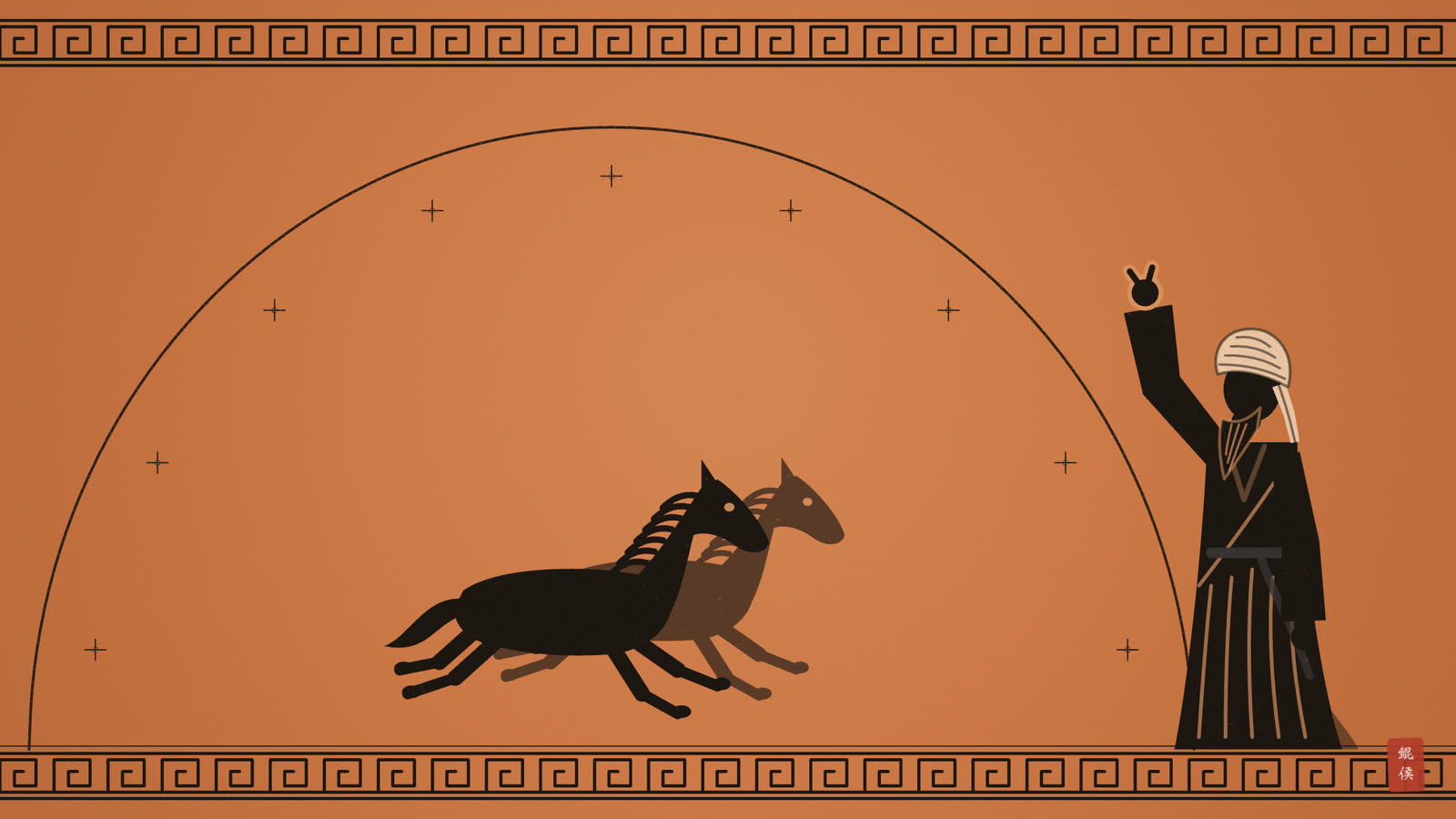
The convention among the practitioners of the art is to divide the circuit of every circle, great or small, into 360 equal parts. On the equator they are called times (azmān), because in their revolution they run neck and neck with time, like two horses in a race, so that time is measured by the times and counted by them. On the zodiac they are called degrees (darajāt, 'steps'), because the Sun climbs and descends in the two directions by what it travels on it, and climbing and descending belong to steps. On the other circles they are called parts.
翻译点开
§143. What are the equinoctial and the solstitial points?
第一百四十三问 何谓分点与至点?
A great circle meets and cuts a great circle at two diametrically opposite places, and is farthest from it at two others likewise. Since the zodiac cuts the equator at two opposite points, it is farthest from it at two others. The two points of intersection are the equinoxes, because when the Sun reaches them daytime and night become equal for all the inhabitants of the earth, and neither exceeds the other. Of these two points, the one on leaving which the Sun comes into the northern half of the zodiac is the vernal equinoctial point, and the one on leaving which it comes into the southern half is the autumnal equinoctial point. The equinox (iʿtidāl) is also called 'equality' (istiwāʾ). The two points of greatest distance belong to the solstices: the one in the northern half of the zodiac is called the summer solstice and the summer turning-point, and the one in its southern half the winter solstice and the winter turning-point, because there the Sun turns back to climb northwards after descending, or to descend southwards after climbing.
一个大圆与另一个大圆在直径相对的两处相遇、相交,又在另外两处同样相对的地方离它最远。黄道既然在相对的两点上与赤道相交,就在另外两点上离它最远。两个交点是分点,因为太阳到达那里时,对地上所有居民来说,昼夜都变得相等,谁也不超过谁。这两点中,太阳离开它就进入黄道北半的那一点,是春分点;离开它就进入南半的那一点,是秋分点。分点(伊阿提达勒)又称为“均等”(伊斯提瓦)。两个最远点属于两至:在黄道北半的称为夏至,又称夏季转折点;在南半的称为冬至,又称冬季转折点,因为太阳在那里折返:下降之后转而向北攀升,或攀升之后转而向南下降。
§144. Into how many parts are the circumferences of circles divided?
第一百四十四问 圆周分为几部分?
The convention among the practitioners of the art is to divide the circuit of every circle, great or small, into 360 equal parts. On the equator they are called times (azmān), because in their revolution they run neck and neck with time, like two horses in a race, so that time is measured by the times and counted by them. On the zodiac they are called degrees (darajāt, 'steps'), because the Sun climbs and descends in the two directions by what it travels on it, and climbing and descending belong to steps. On the other circles they are called parts.
本行的从业者约定:每一个圆,不论大小,其周都分为三百六十等份。在赤道上,它们被称为“时度”(阿兹曼),因为它们在旋转中与时间并驾齐驱,如同赛跑的两匹马,所以时间以时度来量、以时度来数。在黄道上,它们被称为“度”(达拉贾特,意为“台阶”),因为太阳沿黄道所走的路程使它在两个方向上攀升、下降,而攀升与下降正属于台阶。在其他圆上,它们被称为“份”。
大意与图解点开
🔎 大意:黄道与赤道交于春分、秋分,离赤道最远是夏至、冬至,太阳到此折返。圆周分三百六十份:赤道上称时度,黄道上称度,余称份。
📖 术语
| 术语 | 英文原词 | 意思 |
|---|---|---|
| 分点 | the equinoxes | 黄赤二道的交点 |
| 至点 | the solstices | 黄道离赤道最远处 |
| 转折点 | turning-point | 太阳折返之处 |
| 时度 | times (azmān) | 赤道上的度 |
| 度 | degrees (darajāt) | 黄道上的“台阶” |
🧭 图解与讲解
两个大圆必相交于相对两点,又在另外两点相距最远。黄道与赤道的两个交点是分点:太阳到此,普天之下昼夜等长(图一)。太阳离开后进入北半的是春分点,进入南半的是秋分点。离赤道最远的两点是至点:北半的夏至、南半的冬至,太阳到此便“折返”,所以又叫转折点。
〔图〕黄道与赤道交于春分、秋分两点,离赤道最远处是夏至、冬至两点,太阳到此折返
| 所在之圆 | 三百六十份的名称 | 取名的理由 |
|---|---|---|
| 赤道 | 时度(阿兹曼) | 与时间并驾齐驱,时间以它来量 |
| 黄道 | 度(达拉贾特,“台阶”) | 太阳沿黄道南北升降,如上下台阶 |
| 其他圆 | 份 | — |
这四点是西方占星的骨架。黄道十二星座从春分点量起,白羊座第一度就是春分点,巨蟹座、天秤座、摩羯座的起点依次是夏至、秋分、冬至。白羊、巨蟹、天秤、摩羯四座因此称为“回归星座”(或“转变星座”),正是由这四个转折之点而得名;卷八占星里称为“启动星座”。
第一百四十四问讲圆周分为三百六十份,名称因圆而异(表二)。赤道上的称“时度”,因为赤道随天的旋转匀速通过子午圈,每十五时度正好是一个等时,时间就用它来量,比鲁尼形容为与时间“如同赛跑的两匹马”;黄道上的称“度”,原义是“台阶”,因为太阳沿黄道一步步南北升降。占星盘上行星的“几度几分”,就是这里的黄道之度;推运里的“时度”,就是这里赤道上的度。
📖 术语
| 术语 | 英文原词 | 意思 |
|---|---|---|
| 分点 | the equinoxes | 黄赤二道的交点 |
| 至点 | the solstices | 黄道离赤道最远处 |
| 转折点 | turning-point | 太阳折返之处 |
| 时度 | times (azmān) | 赤道上的度 |
| 度 | degrees (darajāt) | 黄道上的“台阶” |
🧭 图解与讲解
两个大圆必相交于相对两点,又在另外两点相距最远。黄道与赤道的两个交点是分点:太阳到此,普天之下昼夜等长(图一)。太阳离开后进入北半的是春分点,进入南半的是秋分点。离赤道最远的两点是至点:北半的夏至、南半的冬至,太阳到此便“折返”,所以又叫转折点。
| 所在之圆 | 三百六十份的名称 | 取名的理由 |
|---|---|---|
| 赤道 | 时度(阿兹曼) | 与时间并驾齐驱,时间以它来量 |
| 黄道 | 度(达拉贾特,“台阶”) | 太阳沿黄道南北升降,如上下台阶 |
| 其他圆 | 份 | — |
这四点是西方占星的骨架。黄道十二星座从春分点量起,白羊座第一度就是春分点,巨蟹座、天秤座、摩羯座的起点依次是夏至、秋分、冬至。白羊、巨蟹、天秤、摩羯四座因此称为“回归星座”(或“转变星座”),正是由这四个转折之点而得名;卷八占星里称为“启动星座”。
第一百四十四问讲圆周分为三百六十份,名称因圆而异(表二)。赤道上的称“时度”,因为赤道随天的旋转匀速通过子午圈,每十五时度正好是一个等时,时间就用它来量,比鲁尼形容为与时间“如同赛跑的两匹马”;黄道上的称“度”,原义是“台阶”,因为太阳沿黄道一步步南北升降。占星盘上行星的“几度几分”,就是这里的黄道之度;推运里的“时度”,就是这里赤道上的度。
原文为公有领域古籍;翻译、印象画与图文解读由 AI 辅助生成,鲲侯审校。