卷九·第九至十一章 日月求寿;色拉叙洛斯之法;论诸表与命运
日月同感再求寿数;附一则色拉叙洛斯求上升之法;论诸家年长与历表之差,自述顺从命运,驳「有些事在我们权内」之说。
IX. Method for the Length of Life in Relation to the Sun and the Moon.
Wishing again and again to prove my ungrudging spirit, I return to the account of the sympathy of the Sun and the Moon. For when they come together at the same point, the one that prevails by degree over their separation will take the vital period and its amount according to the harmony of the clime; and when one revolves them separately, the Sun by day and the Moon by night, and subtracts a whole number of signs, let him reckon the remainder as a fraction of the sign, which must be subtracted from the equinoctial magnitude; and adding the solar or lunar degrees to the fraction left over, he will find what is sought, if he examines it. Let this account be set out on account of their connection with each other; and in general, for those born by night and by day alike, it will be productive when revolved in the manner set out. Otherwise again, by day adding the remaining degrees of the Sun to the Moon, and by night those of the Moon to those of the Sun, one will find the same force. This, however, I found out besides: in diurnal nativities the Moon is productive from the 1st to the 3rd hour of the day, then the Sun from the 6th hour to the 3rd of the following night, and again from the 10th, 11th, and 12th hours of the same night; and likewise the Moon will hold the 10th, 11th, and 12th of the day. And so, according to the method set out, we have tried to manage things according to the discrimination of the equinoctial magnitude, and to add the opposing degrees to the degree found, so that the other degree may be productive; the difference between these let those who have intelligence test.
翻译点开
IX. Method for the Length of Life in Relation to the Sun and the Moon.
第九章 从太阳与月亮求生命长度之法。
Wishing again and again to prove my ungrudging spirit, I return to the account of the sympathy of the Sun and the Moon. For when they come together at the same point, the one that prevails by degree over their separation will take the vital period and its amount according to the harmony of the clime; and when one revolves them separately, the Sun by day and the Moon by night, and subtracts a whole number of signs, let him reckon the remainder as a fraction of the sign, which must be subtracted from the equinoctial magnitude; and adding the solar or lunar degrees to the fraction left over, he will find what is sought, if he examines it. Let this account be set out on account of their connection with each other; and in general, for those born by night and by day alike, it will be productive when revolved in the manner set out. Otherwise again, by day adding the remaining degrees of the Sun to the Moon, and by night those of the Moon to those of the Sun, one will find the same force. This, however, I found out besides: in diurnal nativities the Moon is productive from the 1st to the 3rd hour of the day, then the Sun from the 6th hour to the 3rd of the following night, and again from the 10th, 11th, and 12th hours of the same night; and likewise the Moon will hold the 10th, 11th, and 12th of the day. And so, according to the method set out, we have tried to manage things according to the discrimination of the equinoctial magnitude, and to add the opposing degrees to the degree found, so that the other degree may be productive; the difference between these let those who have intelligence test.
我一再想证明自己毫不吝惜,就回到关于太阳与月亮同感的说法。因为当它们来到同一点时,按度数胜过它们的分离的那一个,将取得生命的时期及其数量,按气候带的和谐;当有人把它们分开来轮转,白天太阳,夜里月亮,并减去整数个星座,就让他把余数算作星座的分数,这必须从分点的大小中减去;把太阳或月亮的度数加到剩下的分数上,他若查看,就会找到所求的东西。这一说法因为它们彼此的连结而列出;总的说来,对夜生与昼生的人同样,按所列的方式轮转时,它都是得力的。另外,白天把太阳剩余的度数加到月亮上,夜里把月亮的加到太阳的上,也会找到同样的力量。不过,我另外还找到这一点:在白天的本命中,月亮从白天第一小时到第三小时得力,然后太阳从第六小时到接下来那一夜的第三小时,又从同一夜的第十、十一、十二小时得力;同样,月亮也将掌管白天的第十、十一、十二小时。所以,按所列的程序,我们试图按分点的大小的分辨来处理,并把相对的度数加到所找到的度数上,好让另一度也得力;这两者之间的差别,让有悟性的人去检验。
大意与图解点开
🔎 大意:日月同感:昼轮太阳、夜轮月亮,去整座后余数作座之分,从分点的大小中减去,再加日或月的度数;又列昼生各时辰日月谁得力。
📖 术语
| 术语 | 英文原词 | 意思 |
|---|---|---|
| 同感 | sympathy | 彼此感应 |
| 分离 | separation | 日月相离 |
| 分点的大小 | equinoctial magnitude | 一小时十五时度 |
| 轮转 | revolve | 逐座数去 |
| 相对的度数 | opposing degrees | 对面一度 |
🧭 图解与讲解
卷九第九章又回到太阳与月亮的「同感」(图一)。日月来到同一点时,按度数胜过其分离的那一个取得生命的时期;分开来算时,白天轮转太阳,夜里轮转月亮,减去整数个星座,把余数当作星座的分数,从「分点的大小」中减去,再把太阳或月亮的度数加上,就得所求的度数。另一法是白天把太阳剩余的度数加到月亮上,夜里反之,作者说力量相同。
〔图〕日月同感求寿数之度
| 昼生本命中的时辰 | 得力的光体 |
|---|---|
| 白天第一至第三小时 | 月亮 |
| 白天第六小时至次夜第三小时 | 太阳 |
| 同一夜第十、十一、十二小时 | 太阳 |
| 白天第十、十一、十二小时 | 月亮 |
他又补一项自己的发现(表二):昼生本命中,月亮在白天第一至第三小时得力,太阳从第六小时到次夜第三小时得力,夜里第十至十二小时也是太阳,白天第十至十二小时则是月亮。最后说要把相对的度数也加到所得的度数上,使另一度也得力,两者之差留给有悟性的人检验。这又是「每个本命有两度得力」的说法。
📖 术语
| 术语 | 英文原词 | 意思 |
|---|---|---|
| 同感 | sympathy | 彼此感应 |
| 分离 | separation | 日月相离 |
| 分点的大小 | equinoctial magnitude | 一小时十五时度 |
| 轮转 | revolve | 逐座数去 |
| 相对的度数 | opposing degrees | 对面一度 |
🧭 图解与讲解
卷九第九章又回到太阳与月亮的「同感」(图一)。日月来到同一点时,按度数胜过其分离的那一个取得生命的时期;分开来算时,白天轮转太阳,夜里轮转月亮,减去整数个星座,把余数当作星座的分数,从「分点的大小」中减去,再把太阳或月亮的度数加上,就得所求的度数。另一法是白天把太阳剩余的度数加到月亮上,夜里反之,作者说力量相同。
| 昼生本命中的时辰 | 得力的光体 |
|---|---|
| 白天第一至第三小时 | 月亮 |
| 白天第六小时至次夜第三小时 | 太阳 |
| 同一夜第十、十一、十二小时 | 太阳 |
| 白天第十、十一、十二小时 | 月亮 |
他又补一项自己的发现(表二):昼生本命中,月亮在白天第一至第三小时得力,太阳从第六小时到次夜第三小时得力,夜里第十至十二小时也是太阳,白天第十至十二小时则是月亮。最后说要把相对的度数也加到所得的度数上,使另一度也得力,两者之差留给有悟性的人检验。这又是「每个本命有两度得力」的说法。
X. Method for the Ascendant Degree.
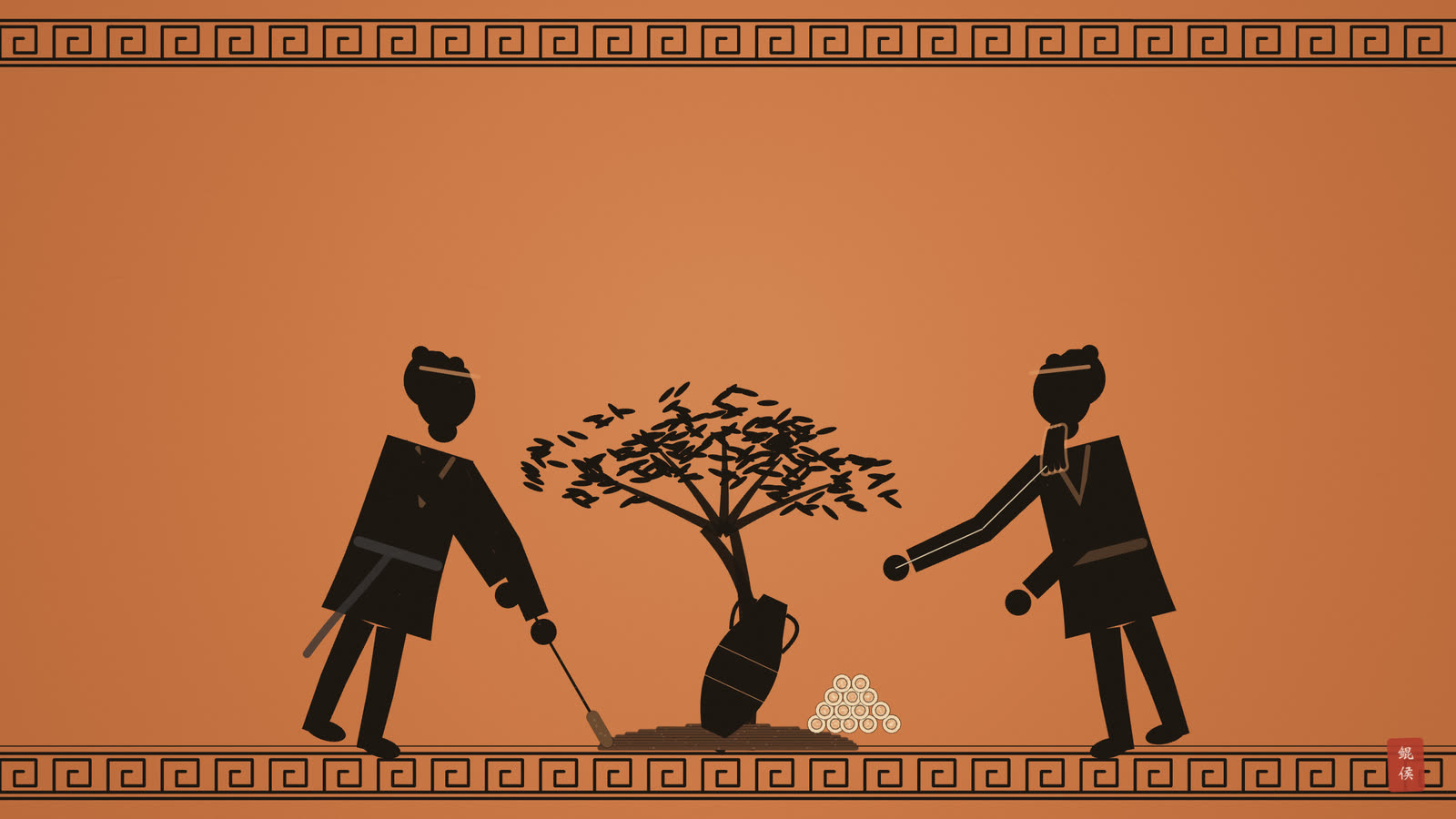
Since many lovers of learning delight in one procedure after another, I shall append yet another method written up in riddling fashion by certain people, so that lovers of learning, recognizing through us what seemed valuable to others and gathering the powers together, may vote us everlasting renown. It is difficult and laborious to test other men's opinions, and that when one has received them neither through written books nor through effective accounts, just as Petosiris sets out many things in mystic fashion to the King. For he who composes first, knowing the beginning and the power, also fits the end to it. He sets out many procedures on purpose, for the sake of both the initiated and the uneducated, whose power those who have intelligence will find easy to grasp; some written up in their own right and others covertly, which some people, though they read them, despise, not knowing their power; just as men walking over certain places of the earth where treasure has been stored do not discern what lies beneath, but pass over it in vain through ignorance; but if someone points out the treasure to them beforehand, digging it up and finding it they receive no ordinary pleasure.
翻译点开
X. Method for the Ascendant Degree.
第十章 求上升度数之法。
Since many lovers of learning delight in one procedure after another, I shall append yet another method written up in riddling fashion by certain people, so that lovers of learning, recognizing through us what seemed valuable to others and gathering the powers together, may vote us everlasting renown. It is difficult and laborious to test other men's opinions, and that when one has received them neither through written books nor through effective accounts, just as Petosiris sets out many things in mystic fashion to the King. For he who composes first, knowing the beginning and the power, also fits the end to it. He sets out many procedures on purpose, for the sake of both the initiated and the uneducated, whose power those who have intelligence will find easy to grasp; some written up in their own right and others covertly, which some people, though they read them, despise, not knowing their power; just as men walking over certain places of the earth where treasure has been stored do not discern what lies beneath, but pass over it in vain through ignorance; but if someone points out the treasure to them beforehand, digging it up and finding it they receive no ordinary pleasure.
既然许多爱学问的人一个程序接一个程序地喜爱,我将再附上某些人以谜语方式写成的另一种方法,好让爱学问的人借着我们认出别人所看重的东西,把诸力聚在一起,投票给我们永久的名声。检验别人的意见是困难而费力的,尤其当人既不是借着写成的书、也不是借着有效验的说法接受它们时,正如佩托西里斯以神秘的方式向王列出许多东西那样。因为最先编写的人,知道开端与力量,也就把终结配合上去。他故意列出许多程序,为了入门者,也为了未受教育的人,它们的力量有悟性的人会觉得容易把握;有些是就其本身写出的,有些是隐蔽地写出的,有些人虽然读了,却轻视它们,不知道它们的力量;正如人们走过大地上埋着宝藏的某些地方,却辨认不出底下有什么,因无知而徒然走过;但若有人预先向他们指出宝藏,他们挖出、找到,就得到不寻常的快乐。
大意与图解点开
🔎 大意:再附一则他人以谜语写成的求上升之法;前人故意隐蔽地写,读者常如走过埋宝之地而不知,有人指点才挖得宝藏。
📖 术语
| 术语 | 英文原词 | 意思 |
|---|---|---|
| 以谜语方式 | in riddling fashion | 隐晦地写 |
| 爱学问的人 | lovers of learning | 好学者 |
| 入门者 | the initiated | 受过传授者 |
| 隐蔽地 | covertly | 暗中写出 |
| 宝藏 | treasure | 喻隐藏之法 |
🧭 图解与讲解
卷九第十章再附一种求上升度数的方法,是「某些人以谜语方式写成的」。作者的用意是让爱学问的人通过他认识别人看重的东西,把各种方法的力量聚在一起,然后——他毫不讳言——「投票给我们永久的名声」。他说检验别人的意见很难,尤其不是从书本或有效验的说法中接受时,就像佩托西里斯以神秘的方式向王列出许多东西。
〔图〕前人写书的两种方式
〔图〕宝藏之喻
他解释前人为什么这样写(图一):最先编写的人知道开端与力量,故意列出许多程序,有的明写,有的暗写,入门者与未受教育者各取所需;可是有些人读了却轻视它们,就像走过埋着宝藏的地方而辨认不出(图二),若有人预先指点,挖出来便有不寻常的快乐。这个比喻也说明了作者自己的角色:他是那个指点宝藏的人。
📖 术语
| 术语 | 英文原词 | 意思 |
|---|---|---|
| 以谜语方式 | in riddling fashion | 隐晦地写 |
| 爱学问的人 | lovers of learning | 好学者 |
| 入门者 | the initiated | 受过传授者 |
| 隐蔽地 | covertly | 暗中写出 |
| 宝藏 | treasure | 喻隐藏之法 |
🧭 图解与讲解
卷九第十章再附一种求上升度数的方法,是「某些人以谜语方式写成的」。作者的用意是让爱学问的人通过他认识别人看重的东西,把各种方法的力量聚在一起,然后——他毫不讳言——「投票给我们永久的名声」。他说检验别人的意见很难,尤其不是从书本或有效验的说法中接受时,就像佩托西里斯以神秘的方式向王列出许多东西。
他解释前人为什么这样写(图一):最先编写的人知道开端与力量,故意列出许多程序,有的明写,有的暗写,入门者与未受教育者各取所需;可是有些人读了却轻视它们,就像走过埋着宝藏的地方而辨认不出(图二),若有人预先指点,挖出来便有不寻常的快乐。这个比喻也说明了作者自己的角色:他是那个指点宝藏的人。
One must always take the interval from the solar degree to the lunar, in the order of the signs, by rising time, and write down the collected number of degrees as the solar gnomon; then, entering the table of rising times for the clime of birth, examine what fraction is set beside the solar degree by day, and by night beside the degree opposite. Multiply this by 12, and multiply the resulting number again by the hours of birth; and if the number exceeds 360 degrees, subtract a circle and examine whether the remainder coincides with the gnomon found. If it is found so, the given hour will be in agreement, and one should use it; but if it greatly exceeds the solar gnomon, the Ascendant gnomon has a subtraction as great as the excess; this one must reckon, what fraction it is of the magnitude, and subtract it. If the solar gnomon exceeds, the Ascendant likewise has an addition as great as the excess; and so, having recognized the fraction and entered the table of rising times again, calculate the full hours and the fraction, then, adding the years to the clime-inclination, examine at what degree of the sign it ends, and likewise take that as the Ascendant degree. Carried along by this method Thrasyllus, having made a natural beginning, wove the end together with it.
翻译点开
One must always take the interval from the solar degree to the lunar, in the order of the signs, by rising time, and write down the collected number of degrees as the solar gnomon; then, entering the table of rising times for the clime of birth, examine what fraction is set beside the solar degree by day, and by night beside the degree opposite. Multiply this by 12, and multiply the resulting number again by the hours of birth; and if the number exceeds 360 degrees, subtract a circle and examine whether the remainder coincides with the gnomon found. If it is found so, the given hour will be in agreement, and one should use it; but if it greatly exceeds the solar gnomon, the Ascendant gnomon has a subtraction as great as the excess; this one must reckon, what fraction it is of the magnitude, and subtract it. If the solar gnomon exceeds, the Ascendant likewise has an addition as great as the excess; and so, having recognized the fraction and entered the table of rising times again, calculate the full hours and the fraction, then, adding the years to the clime-inclination, examine at what degree of the sign it ends, and likewise take that as the Ascendant degree. Carried along by this method Thrasyllus, having made a natural beginning, wove the end together with it.
必须总是按星座的次序、按上升时间,取从太阳的度数到月亮的度数的间隔,把收集到的度数写下作为太阳晷针;然后进入出生地气候带的上升时间表,查看白天在太阳的度数旁、夜里在对面的度数旁列着什么分数。把它乘以十二,再把所得之数乘以出生的时辰;若这个数超过三百六十度,就减去一圈,查看余数是否与所找到的晷针相合。若发现如此,所给的时辰就是相合的,应当使用它;但若它大大超过太阳晷针,上升晷针就有一个与超出之数一样大的减数;必须计算它是大小的几分之几,并把它减去。若太阳晷针超过,上升同样有一个与超出之数一样大的加数;所以,认出这个分数并再进入上升时间表之后,计算满的时辰与分数,然后把年数〔原文如此〕加到倾斜度上,查看它终止在星座的哪一度,同样把那当作上升度数。色拉叙洛斯被这个方法带着走,作出一个自然的开端,把终结与它编织在一起。
大意与图解点开
🔎 大意:色拉叙洛斯之法:日到月按上升时间之距为太阳晷针;时度乘十二再乘时辰去一圈为上升晷针;两者比较定时辰加减,再求上升度数。
📖 术语
| 术语 | 英文原词 | 意思 |
|---|---|---|
| 太阳晷针 | solar gnomon | 日到月的上升时间之距 |
| 上升晷针 | Ascendant gnomon | 由时辰推得之数 |
| 色拉叙洛斯 | Thrasyllus | 古代占星家 |
| 减数 | subtraction | 时辰该减 |
| 加数 | addition | 时辰该加 |
🧭 图解与讲解
第五行是那则「谜语般写成」的方法,作者说出于色拉叙洛斯(Thrasyllus)(表一)。先按上升时间量从太阳到月亮的度数间隔,作为「太阳晷针」;再在上升时间表中查太阳度数(夜里查对面一度)旁列的数,即一小时合多少时度,乘以十二,再乘以出生的时辰,超过三百六十就减一圈,作为「上升晷针」。两者相合,所给时辰就可用。
| 步骤 | 色拉叙洛斯之法(第五行) |
|---|---|
| 一 | 按上升时间量从太阳度数到月亮度数的间隔:太阳晷针 |
| 二 | 查上升时间表:昼看太阳度数、夜看其对面度数旁所列的分数 |
| 三 | 乘以十二,再乘以出生的时辰;超过三百六十就减一圈:上升晷针 |
| 四 | 两晷针相合:所给时辰可用 |
| 五 | 上升晷针大:时辰有减数;太阳晷针大:时辰有加数(按占大小的几分之几) |
| 六 | 再入上升时间表,算满时与分数,加到倾斜度上,求得上升度数 |
〔图〕两个晷针相比
若上升晷针大,时辰就有一个减数;太阳晷针大,就有一个加数,数量按超出之数占时辰大小的几分之几计算(图二)。改定时辰后,再进入上升时间表,算出整时与分数,加到倾斜度上,看终止于哪一度,就是上升度数。原文「把年数加到倾斜度上」,英译标「原书如此」,按上下文当是时度。书末的古代附录(本书第七十八页)就用这套方法算了两个本命,可以对照。
📖 术语
| 术语 | 英文原词 | 意思 |
|---|---|---|
| 太阳晷针 | solar gnomon | 日到月的上升时间之距 |
| 上升晷针 | Ascendant gnomon | 由时辰推得之数 |
| 色拉叙洛斯 | Thrasyllus | 古代占星家 |
| 减数 | subtraction | 时辰该减 |
| 加数 | addition | 时辰该加 |
🧭 图解与讲解
第五行是那则「谜语般写成」的方法,作者说出于色拉叙洛斯(Thrasyllus)(表一)。先按上升时间量从太阳到月亮的度数间隔,作为「太阳晷针」;再在上升时间表中查太阳度数(夜里查对面一度)旁列的数,即一小时合多少时度,乘以十二,再乘以出生的时辰,超过三百六十就减一圈,作为「上升晷针」。两者相合,所给时辰就可用。
| 步骤 | 色拉叙洛斯之法(第五行) |
|---|---|
| 一 | 按上升时间量从太阳度数到月亮度数的间隔:太阳晷针 |
| 二 | 查上升时间表:昼看太阳度数、夜看其对面度数旁所列的分数 |
| 三 | 乘以十二,再乘以出生的时辰;超过三百六十就减一圈:上升晷针 |
| 四 | 两晷针相合:所给时辰可用 |
| 五 | 上升晷针大:时辰有减数;太阳晷针大:时辰有加数(按占大小的几分之几) |
| 六 | 再入上升时间表,算满时与分数,加到倾斜度上,求得上升度数 |
若上升晷针大,时辰就有一个减数;太阳晷针大,就有一个加数,数量按超出之数占时辰大小的几分之几计算(图二)。改定时辰后,再进入上升时间表,算出整时与分数,加到倾斜度上,看终止于哪一度,就是上升度数。原文「把年数加到倾斜度上」,英译标「原书如此」,按上下文当是时度。书末的古代附录(本书第七十八页)就用这套方法算了两个本命,可以对照。
XI. Which Tables One Must Use, What One Must Observe, and That Nothing Is in Our Power.
I think, then, that I have composed the powers of what has been set out sufficiently and ungrudgingly; and, these things being so, that I have still left a part for the lovers of the beautiful, for further search and reflection. For I did not make my accounts for the uninitiated, but for those skilled in such matters, so that they too, recognizing the manifold, varied, and vigorous end [text uncertain] of the theory through many roads, entrances and exits, may seem to converse with the gods. That the most divine science possesses in itself an ever-flowing, indisputable, and everlasting substance will be clear from what is done and what is to come; and that on account of the cowardice of those who pursue the study, and of those who have not been properly trained in the differences of the tables, it sometimes goes astray, this too is clear. I shall leave aside speaking of those who have constructed the tables of rising times, and of how great a difference, both geometrical and arithmetical, the tables of the Sun and the Moon and of the other planets have. As for the year, different men have determined it differently: Meton of Athens, Euctemon, and Philippus as 365 1/5 1/19 days; Aristarchus of Samos as 1/4 1/20 1/62; the Chaldaeans as 365 1/4 1/5 1/7; the Babylonians as 365 1/4 1/144; and very many others otherwise. If, then, one day gathering together in a four-year period shows the exact degree in the table of the Sun, how is it not necessary that after a time, too, according to the annual motion each has reckoned, the excess added to the day sought should show the precise degree?
翻译点开
XI. Which Tables One Must Use, What One Must Observe, and That Nothing Is in Our Power.
第十一章 必须使用哪些表,必须观察什么,以及无一事在我们的权内。
I think, then, that I have composed the powers of what has been set out sufficiently and ungrudgingly; and, these things being so, that I have still left a part for the lovers of the beautiful, for further search and reflection. For I did not make my accounts for the uninitiated, but for those skilled in such matters, so that they too, recognizing the manifold, varied, and vigorous end [text uncertain] of the theory through many roads, entrances and exits, may seem to converse with the gods. That the most divine science possesses in itself an ever-flowing, indisputable, and everlasting substance will be clear from what is done and what is to come; and that on account of the cowardice of those who pursue the study, and of those who have not been properly trained in the differences of the tables, it sometimes goes astray, this too is clear. I shall leave aside speaking of those who have constructed the tables of rising times, and of how great a difference, both geometrical and arithmetical, the tables of the Sun and the Moon and of the other planets have. As for the year, different men have determined it differently: Meton of Athens, Euctemon, and Philippus as 365 1/5 1/19 days; Aristarchus of Samos as 1/4 1/20 1/62; the Chaldaeans as 365 1/4 1/5 1/7; the Babylonians as 365 1/4 1/144; and very many others otherwise. If, then, one day gathering together in a four-year period shows the exact degree in the table of the Sun, how is it not necessary that after a time, too, according to the annual motion each has reckoned, the excess added to the day sought should show the precise degree?
所以我认为,我已经充分而毫不吝惜地编写了所列诸事的力量;而且,事情既然如此,我还为爱美的人留下了一部分,供进一步的探求与思索。因为我的说法不是为未入门的人作的,而是为精通这类事的人作的,好让他们也借着许多道路、入口与出口,认出这一理论多方面、多样而有劲的终结〔原文疑有讹误〕,似乎与众神交谈。最神圣的学问本身拥有一种常流不息、无可争议、永恒的根基,从已做的与将来的事会变得明白;而由于追求这门学问的人的怯懦,以及那些在诸表的差异上没有受过恰当训练的人,它有时走错了路,这也是明白的。我且不谈那些编成上升时间表的人,也不谈太阳、月亮与其余行星的历表在几何上与算术上有多大的差别。至于年,不同的人有不同的界定:雅典的默冬、欧克特蒙与菲利普斯定为三百六十五又五分之一又十九分之一日;萨摩斯的阿里斯塔克斯定为四分之一又二十分之一又六十二分之一;迦勒底人定为三百六十五又四分之一又五分之一又七分之一;巴比伦人定为三百六十五又四分之一又一百四十四分之一;其他许多人又各有不同。所以,若四年中聚起来的一天,在太阳的历表中显示出精确的度数,那么过了一段时间,按每个人所计算的年运动,把超出之数加到所求的日子上,怎么会不必然显示出精确的度数呢?
大意与图解点开
🔎 大意:学问本身无误,出错是因学者怯懦、不熟诸表之差;诸家所定年长各异:默冬一派、阿里斯塔克斯、迦勒底人、巴比伦人。
📖 术语
| 术语 | 英文原词 | 意思 |
|---|---|---|
| 历表 | tables | 日月行星的推步表 |
| 默冬 | Meton | 雅典天文家 |
| 阿里斯塔克斯 | Aristarchus | 萨摩斯的天文家 |
| 迦勒底人 | Chaldaeans | 巴比伦的星占家 |
| 年运动 | annual motion | 一年所行 |
🧭 图解与讲解
卷九第十一章题为「必须使用哪些表,必须观察什么,以及无一事在我们的权内」。作者先说,他已为精通此道的人写足了,还留一部分给「爱美的人」继续探求。学问本身有永恒而无可争议的根基,出错是因为学的人怯懦,或不熟悉诸表之间的差异(图二):上升时间表、日月行星的历表,在几何与算术上都各有差别。
| 谁 | 所定一年的日数(照原文分项写) |
|---|---|
| 雅典的默冬、欧克特蒙、菲利普斯 | 365 1/5 1/19 |
| 萨摩斯的阿里斯塔克斯 | (365)1/4 1/20 1/62 |
| 迦勒底人 | 365 1/4 1/5 1/7 |
| 巴比伦人 | 365 1/4 1/144 |
| 其他许多人 | 各有不同 |
〔图〕学问为何有时出错
他以年的长度为例(表一):默冬、欧克特蒙、菲利普斯定为三百六十五又五分之一又十九分之一日,阿里斯塔克斯的数原文只列分数,迦勒底人与巴比伦人又各不相同。他的推论是:四年聚出一天(即闰日)就足以影响太阳在历表中的精确度数,那么积年之后,各家所定年长的差数也必然影响度数。这几个年长数值都照原文分项照录,不作换算。
📖 术语
| 术语 | 英文原词 | 意思 |
|---|---|---|
| 历表 | tables | 日月行星的推步表 |
| 默冬 | Meton | 雅典天文家 |
| 阿里斯塔克斯 | Aristarchus | 萨摩斯的天文家 |
| 迦勒底人 | Chaldaeans | 巴比伦的星占家 |
| 年运动 | annual motion | 一年所行 |
🧭 图解与讲解
卷九第十一章题为「必须使用哪些表,必须观察什么,以及无一事在我们的权内」。作者先说,他已为精通此道的人写足了,还留一部分给「爱美的人」继续探求。学问本身有永恒而无可争议的根基,出错是因为学的人怯懦,或不熟悉诸表之间的差异(图二):上升时间表、日月行星的历表,在几何与算术上都各有差别。
| 谁 | 所定一年的日数(照原文分项写) |
|---|---|
| 雅典的默冬、欧克特蒙、菲利普斯 | 365 1/5 1/19 |
| 萨摩斯的阿里斯塔克斯 | (365)1/4 1/20 1/62 |
| 迦勒底人 | 365 1/4 1/5 1/7 |
| 巴比伦人 | 365 1/4 1/144 |
| 其他许多人 | 各有不同 |
他以年的长度为例(表一):默冬、欧克特蒙、菲利普斯定为三百六十五又五分之一又十九分之一日,阿里斯塔克斯的数原文只列分数,迦勒底人与巴比伦人又各不相同。他的推论是:四年聚出一天(即闰日)就足以影响太阳在历表中的精确度数,那么积年之后,各家所定年长的差数也必然影响度数。这几个年长数值都照原文分项照录,不作换算。
I reasoned to myself, then, that the men mentioned before understood the power of arithmetic but did not succeed in finding the vital periods. For if any of them had tracked this down too, he would certainly have fitted his table to the fraction that was lacking. I too tried to construct a table of the Sun and the Moon for the eclipses; but since time was closing me in and bringing on the end, I was carried, like the King, to saying: "Others have worn smooth these paths; therefore I pass over the account of them." It seemed good to me, then, to use Hipparchus for the Sun, Sudines, Cidenas, and Apollonius for the Moon, and Apollonius too for both kinds, if one uses the addition of the 8 degrees, as seems right to me. But indeed, even having worked the tables well so as to agree with the observations of the phenomena, one must acknowledge as a mortal that they differ by one or two degrees [text uncertain]; for what is free of error and indisputable belongs to the gods alone; and for the rising times they have used the preceding clime-inclination of the 19 climes that have been worked out.
翻译点开
I reasoned to myself, then, that the men mentioned before understood the power of arithmetic but did not succeed in finding the vital periods. For if any of them had tracked this down too, he would certainly have fitted his table to the fraction that was lacking. I too tried to construct a table of the Sun and the Moon for the eclipses; but since time was closing me in and bringing on the end, I was carried, like the King, to saying: "Others have worn smooth these paths; therefore I pass over the account of them." It seemed good to me, then, to use Hipparchus for the Sun, Sudines, Cidenas, and Apollonius for the Moon, and Apollonius too for both kinds, if one uses the addition of the 8 degrees, as seems right to me. But indeed, even having worked the tables well so as to agree with the observations of the phenomena, one must acknowledge as a mortal that they differ by one or two degrees [text uncertain]; for what is free of error and indisputable belongs to the gods alone; and for the rising times they have used the preceding clime-inclination of the 19 climes that have been worked out.
所以我心里推想,前面提到的那些人懂得算术的力量,却没有幸运找到生命的时期。因为若他们中有谁也追踪到这一点,他必定会把他的历表配合到所欠缺的那个分数上。我自己也曾试图为交食编一张太阳与月亮的表;但因为时间把我围住、带来终结,我就像王一样,被带到这样说:“别人已经把这些路走平了;所以我略过关于它们的说法。”所以我觉得,太阳用希帕克斯,月亮用苏迪内斯、基丹纳斯与阿波罗尼奥斯,两种都用阿波罗尼奥斯也行,若有人用加八度的话,正如我所认为的那样。但确实,即使把诸表做得很好,使之与天象的观察相合,作为一个有死的人,也必须承认它们会差一两度〔原文疑有讹误〕;因为无误而无可争议的东西只属于众神;至于上升时间,他们用了已算出的十九个气候带的前一个倾斜度。
大意与图解点开
🔎 大意:自编日月表未成,主张太阳用希帕克斯,月亮用苏迪内斯、基丹纳斯、阿波罗尼奥斯,承认表会差一两度。
📖 术语
| 术语 | 英文原词 | 意思 |
|---|---|---|
| 交食 | eclipses | 日月食 |
| 希帕克斯 | Hipparchus | 希腊天文家 |
| 苏迪内斯 | Sudines | 巴比伦天文家 |
| 基丹纳斯 | Cidenas | 巴比伦天文家 |
| 加八度 | addition of the 8 degrees | 分点度数之差 |
🧭 图解与讲解
第八行说明他所用的表(表一)。他认为那些算术家懂得计算,却找不到生命的时期,否则会把表配合到欠缺的分数上。他自己也曾想为交食编一张日月之表,但时间不够,于是像王一样说:「别人已经把这些路走平了」(图二)。他主张太阳用希帕克斯(Hipparchus)的表,月亮用苏迪内斯、基丹纳斯与阿波罗尼奥斯的表,两者都用阿波罗尼奥斯也可,只要用「加八度」。
| 所求 | 瓦伦斯主张用谁的表 |
|---|---|
| 太阳 | 希帕克斯 |
| 月亮 | 苏迪内斯、基丹纳斯、阿波罗尼奥斯 |
| 两者 | 也可都用阿波罗尼奥斯,若用「加八度」 |
| 上升时间 | 已算出的十九个气候带的前一个倾斜度 |
〔图〕为什么没编自己的表
「加八度」在卷八第七章的算例里出现过:那里从太阳度数减去八度又加回来,作者说理由后面再讲,这里算是给了线索。一般认为这与古代两种黄道起算点相差约八度有关,用不同来源的表就要加减这个差数。作者又坦白承认:再好的表,与天象相比也会差一两度,因为无误只属于众神。
📖 术语
| 术语 | 英文原词 | 意思 |
|---|---|---|
| 交食 | eclipses | 日月食 |
| 希帕克斯 | Hipparchus | 希腊天文家 |
| 苏迪内斯 | Sudines | 巴比伦天文家 |
| 基丹纳斯 | Cidenas | 巴比伦天文家 |
| 加八度 | addition of the 8 degrees | 分点度数之差 |
🧭 图解与讲解
第八行说明他所用的表(表一)。他认为那些算术家懂得计算,却找不到生命的时期,否则会把表配合到欠缺的分数上。他自己也曾想为交食编一张日月之表,但时间不够,于是像王一样说:「别人已经把这些路走平了」(图二)。他主张太阳用希帕克斯(Hipparchus)的表,月亮用苏迪内斯、基丹纳斯与阿波罗尼奥斯的表,两者都用阿波罗尼奥斯也可,只要用「加八度」。
| 所求 | 瓦伦斯主张用谁的表 |
|---|---|
| 太阳 | 希帕克斯 |
| 月亮 | 苏迪内斯、基丹纳斯、阿波罗尼奥斯 |
| 两者 | 也可都用阿波罗尼奥斯,若用「加八度」 |
| 上升时间 | 已算出的十九个气候带的前一个倾斜度 |
「加八度」在卷八第七章的算例里出现过:那里从太阳度数减去八度又加回来,作者说理由后面再讲,这里算是给了线索。一般认为这与古代两种黄道起算点相差约八度有关,用不同来源的表就要加减这个差数。作者又坦白承认:再好的表,与天象相比也会差一两度,因为无误只属于众神。
Above all, then, one must attend with all precision to the numbers of the Sun and the Moon and of the 5 planets, the hour presiding over the configurations and their testimonies to one another; for from it the whole aim is caught easy to grasp, and the 12 places are discerned by degree. For an examination that has proved so precise will bring glory to those who foretell, but for those who call the science unfounded it puts its seal on the bad things and those not to one's liking, and for those who wish to make the examination it takes up a certain eagerness, an encouragement, and belief in what is said. If it were a universal rule that one who has become rich should never be poor, nor that one who is fortunate in kingship and leadership or reputation or any other cause whatever should be preserved without being overthrown, or that one strong in body should remain uninjured, or that one who has prospered in action at the right time should never fare badly, or that the helmsman should not be tossed by the waves and miss his mark fighting the sea, or that the physician should not fall ill, or that the forecaster should suffer nothing, or that some prophet of divine things, successful for men, should remain unchanged, foreknowledge would not be of use, but each, occupied with the lot he happened to possess and expecting no innovation, would pass his time. But as it is, all human affairs are thought unstable, unsound, and without fixed footing, turning into their opposite; for the king becomes a captive and a servant, the rich man poor and needy, the man strong in body and power injured and feeble, and all the rest, whatever in life has been adorned in body or form, reputation or action, being transformed one from another, gives experience of suffering what another, suffering, did not know. For it is rare for anyone to steer his life without blame and without care; it happens that most people are altered, according to their own substance, by the fortunes of the times.
翻译点开
Above all, then, one must attend with all precision to the numbers of the Sun and the Moon and of the 5 planets, the hour presiding over the configurations and their testimonies to one another; for from it the whole aim is caught easy to grasp, and the 12 places are discerned by degree. For an examination that has proved so precise will bring glory to those who foretell, but for those who call the science unfounded it puts its seal on the bad things and those not to one's liking, and for those who wish to make the examination it takes up a certain eagerness, an encouragement, and belief in what is said. If it were a universal rule that one who has become rich should never be poor, nor that one who is fortunate in kingship and leadership or reputation or any other cause whatever should be preserved without being overthrown, or that one strong in body should remain uninjured, or that one who has prospered in action at the right time should never fare badly, or that the helmsman should not be tossed by the waves and miss his mark fighting the sea, or that the physician should not fall ill, or that the forecaster should suffer nothing, or that some prophet of divine things, successful for men, should remain unchanged, foreknowledge would not be of use, but each, occupied with the lot he happened to possess and expecting no innovation, would pass his time. But as it is, all human affairs are thought unstable, unsound, and without fixed footing, turning into their opposite; for the king becomes a captive and a servant, the rich man poor and needy, the man strong in body and power injured and feeble, and all the rest, whatever in life has been adorned in body or form, reputation or action, being transformed one from another, gives experience of suffering what another, suffering, did not know. For it is rare for anyone to steer his life without blame and without care; it happens that most people are altered, according to their own substance, by the fortunes of the times.
所以,最要紧的是必须以全部的精确留意太阳、月亮与五颗行星的数,主管诸格局与它们彼此见证的时辰;因为从它,全部的目标被抓住而容易把握,十二个位置也按度数被分辨出来。因为一次证明如此精确的检验,会给预言的人带来荣耀,而对那些说这门学问没有根据的人,它为那些坏的、不合心意的事盖上印记,对想作检验的人,它会激起某种热心、鼓励与对所说之事的信心。若有一条普遍的规则,说成了富人的人永远不会穷,在王权、领导、名声或其他任何原因上有福的人会被保全而不被推翻,身体强壮的人会保持不受伤,在恰当的时候作为兴旺的人永远不会遭殃,舵手不会被波浪抛掷、与海搏斗而失手,医生不会生病,预报者不会遭受什么,某个对人成功的神事先知会保持不变,那么预知就没有用处了,每个人都会忙于他恰好拥有的那份,不期待任何改变而度日。但实际上,人间的一切事务都被认为不稳、不健全、没有固定的立足之处,转向它们的反面;因为国王成了俘虏与仆人,富人成了穷困而匮乏的人,身体与力量强壮的人受伤而虚弱,其余的一切也是如此,生活中凡在身体或形貌、名声或作为上受装点的,一个从另一个变化而来,让人经历受苦,那是另一个受苦时所不知道的。因为很少有人能无可指责、无忧无虑地驾驭他的一生;大多数人按他们自己的根基,被时运的变化所改变。
大意与图解点开
🔎 大意:要精确掌握日月五星之数与时辰,十二位按度数分辨;人事无常,王成俘、富成贫,正因如此预知才有用。
📖 术语
| 术语 | 英文原词 | 意思 |
|---|---|---|
| 盖上印记 | puts its seal on | 证实 |
| 预报者 | forecaster | 预言之人 |
| 无常 | unstable | 不稳定 |
| 时运 | fortunes of the times | 时机的变化 |
| 驾驭他的一生 | steer his life | 掌握人生 |
🧭 图解与讲解
第九行先重申精确的重要:太阳、月亮与五颗行星的数,以及主管诸格局的时辰,都要精确留意,十二个位置也要按度数分辨。精确的检验给预言的人带来荣耀,为学问盖上印记,也让想检验的人生出信心(图二)。
| 若有普遍规则说…… | 实际上 |
|---|---|
| 富人永远不会穷 | 富人成了穷困匮乏的人 |
| 有福于王权者不会被推翻 | 国王成了俘虏与仆人 |
| 身体强壮者不会受伤 | 强壮者受伤而虚弱 |
| 舵手不被抛掷,医生不生病,预报者无事 | 人间事务不稳,转向反面 |
〔图〕精确检验的三层用处
接着是一段关于无常的议论(表一):若有普遍规则保证富人永不穷、国王永不倒、强壮者永不伤、舵手不翻船、医生不生病,预知就没有用处,人人守着自己的那份过日子就是了。可实际上人间一切都不稳,国王成俘虏,富人成穷人,强者变弱;大多数人按自己的根基,被时运的变化所改变。正因如此,预知才有用。
📖 术语
| 术语 | 英文原词 | 意思 |
|---|---|---|
| 盖上印记 | puts its seal on | 证实 |
| 预报者 | forecaster | 预言之人 |
| 无常 | unstable | 不稳定 |
| 时运 | fortunes of the times | 时机的变化 |
| 驾驭他的一生 | steer his life | 掌握人生 |
🧭 图解与讲解
第九行先重申精确的重要:太阳、月亮与五颗行星的数,以及主管诸格局的时辰,都要精确留意,十二个位置也要按度数分辨。精确的检验给预言的人带来荣耀,为学问盖上印记,也让想检验的人生出信心(图二)。
| 若有普遍规则说…… | 实际上 |
|---|---|
| 富人永远不会穷 | 富人成了穷困匮乏的人 |
| 有福于王权者不会被推翻 | 国王成了俘虏与仆人 |
| 身体强壮者不会受伤 | 强壮者受伤而虚弱 |
| 舵手不被抛掷,医生不生病,预报者无事 | 人间事务不稳,转向反面 |
接着是一段关于无常的议论(表一):若有普遍规则保证富人永不穷、国王永不倒、强壮者永不伤、舵手不翻船、医生不生病,预知就没有用处,人人守着自己的那份过日子就是了。可实际上人间一切都不稳,国王成俘虏,富人成穷人,强者变弱;大多数人按自己的根基,被时运的变化所改变。正因如此,预知才有用。
Therefore I too, having learned about myself from foreknowledge both what kind of foundation of my lot I received, and that it is impossible for anything else to come about contrary to it, did not become a lover of leadership or office or any other showy reputation, or of abundance of wealth and possessions or a multitude of slaves, nor a slave of desire and an impious flatterer of gods and men, able to obtain what the divinity did not wish to grant; but just as a slave of a bad master, with understanding, knows his master's ways and the turns of his life and, rendering his services decently according to the command of the one who orders, without opposing, considers his existence free of grief and toil, in the same way I too made my service neither wretched nor painful, but, freed from every vain hope and care, I kept the law of fate.
If, then, someone eager to inquire, having strengthened his mind, wishes to hear from an experienced man about what is and what will be, despising most things he will become a lover of those that have been fitted to the foundation. For by picturing to himself each day what he must suffer, he makes the fear of bad things wither beforehand; for what is hard is blunted, worn down by good cheer, and so, as one ranged under another master and authority, through his own self-control he will bear the end of his life without proclaiming it and decently. But if someone, wishing to learn by trial, wants to find out how these things stand, let him oppose what has been decided by some inexperienced person and do the opposite. For example, if he is poor, let him become rich, or, being of middle station, a man of office, or, being inactive, successful in his undertakings, free of false accusation, free of grief, free of care (for all men are by nature lovers of fine things); and whoever obtains these will despise destiny. But it is impossible for whatever one wishes to be accomplished, or to remain in the same state to the end; it is advantageous, therefore, to hold to fortune [text uncertain], and for it to be without fixed footing; for men cannot bear its prosperity; for like men driven mad and stung to frenzy, ranged under many masters, suffering the craving of desires and passions, even unwillingly they will receive the fitting punishments.
翻译点开
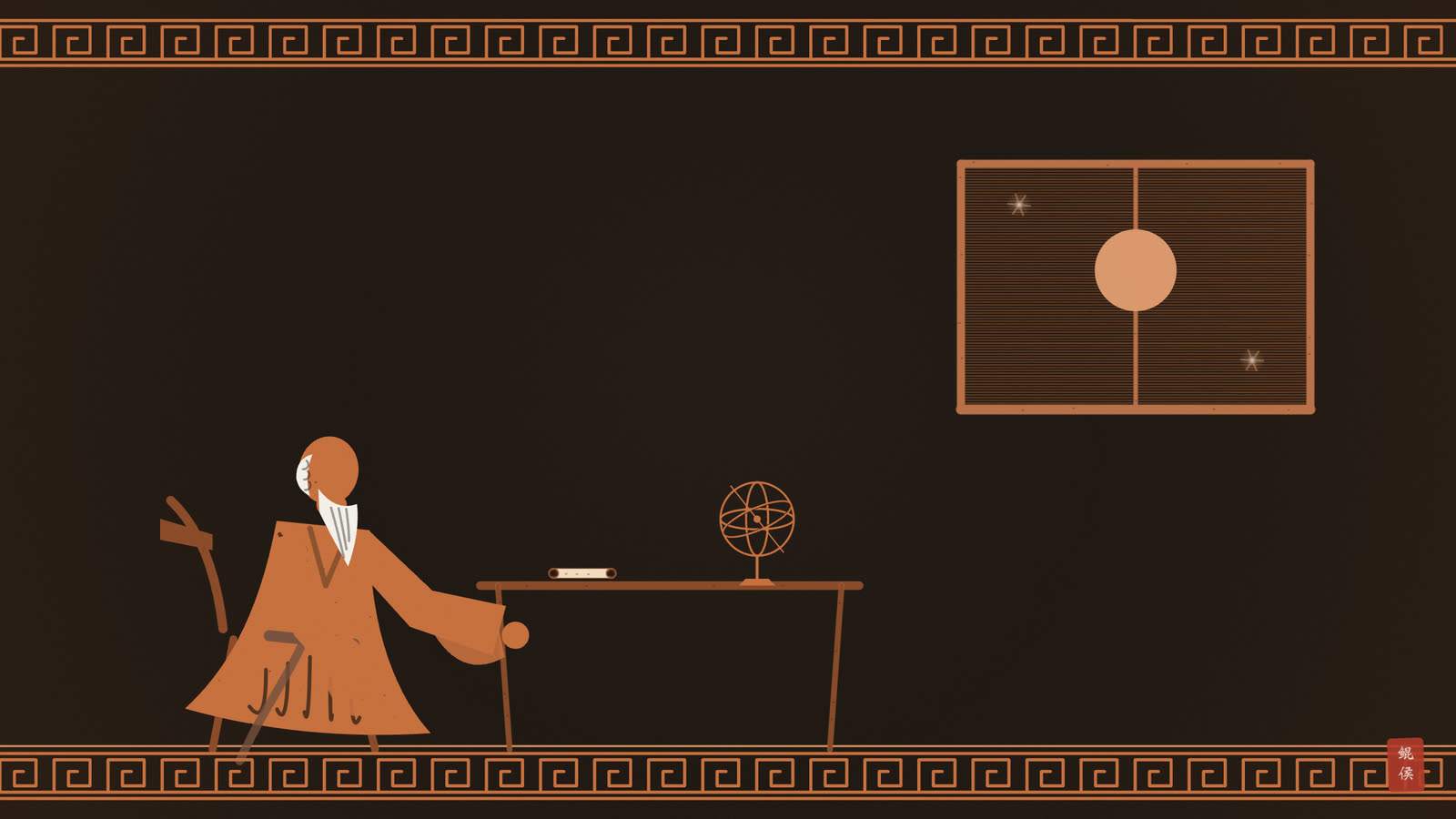
Therefore I too, having learned about myself from foreknowledge both what kind of foundation of my lot I received, and that it is impossible for anything else to come about contrary to it, did not become a lover of leadership or office or any other showy reputation, or of abundance of wealth and possessions or a multitude of slaves, nor a slave of desire and an impious flatterer of gods and men, able to obtain what the divinity did not wish to grant; but just as a slave of a bad master, with understanding, knows his master's ways and the turns of his life and, rendering his services decently according to the command of the one who orders, without opposing, considers his existence free of grief and toil, in the same way I too made my service neither wretched nor painful, but, freed from every vain hope and care, I kept the law of fate.
所以我自己也从预知中得知,我所分得的命分有什么样的根基,而与它相反的任何事都不可能发生,就没有成为领导、官职或其他炫目名声的爱好者,也不爱丰盛的财富、产业或成群的奴仆,也没有成为欲望的奴隶、对神与人不虔的谄媚者,以为能得到神灵不愿赐予的东西;而是正如一个坏主人的仆人,有悟性,懂得主人的习性与他生活的转折,按发命令者的吩咐体面地尽他的职分,不加反抗,认为自己的生存没有忧伤与劳苦,同样,我也使我的侍奉既不可怜也不痛苦,从一切虚妄的希望与忧虑中解脱出来,守住了命运的法律。
If, then, someone eager to inquire, having strengthened his mind, wishes to hear from an experienced man about what is and what will be, despising most things he will become a lover of those that have been fitted to the foundation. For by picturing to himself each day what he must suffer, he makes the fear of bad things wither beforehand; for what is hard is blunted, worn down by good cheer, and so, as one ranged under another master and authority, through his own self-control he will bear the end of his life without proclaiming it and decently. But if someone, wishing to learn by trial, wants to find out how these things stand, let him oppose what has been decided by some inexperienced person and do the opposite. For example, if he is poor, let him become rich, or, being of middle station, a man of office, or, being inactive, successful in his undertakings, free of false accusation, free of grief, free of care (for all men are by nature lovers of fine things); and whoever obtains these will despise destiny. But it is impossible for whatever one wishes to be accomplished, or to remain in the same state to the end; it is advantageous, therefore, to hold to fortune [text uncertain], and for it to be without fixed footing; for men cannot bear its prosperity; for like men driven mad and stung to frenzy, ranged under many masters, suffering the craving of desires and passions, even unwillingly they will receive the fitting punishments.
所以,若有某个热心探求的人,坚固了他的心智,想从一个有经验的人那里听到现在与将来的事,他就会轻视大多数东西,成为那些与根基相配之物的爱好者。因为他每天在心中描画自己必须受的苦,就预先使对坏事的恐惧枯萎;因为艰难的东西被好心情磨损而变钝,于是,作为一个排在另一位主人与权柄之下的人,他会凭自己的自制,不声张而体面地承受他生命的终结。但若有人想凭试验来学这些事是怎样的,就让他去反对某个无经验的人所判定的事,去做相反的事。例如,若他穷,就让他变富,或者,若是中等地位,就成为有官职的人,或者,若无所作为,就在所图之事上成功,免于诬告、免于忧伤、免于忧虑(因为人人天生爱美好的东西);凡得到这些的人就会轻视定数。但凡人所愿的事都能成就,或直到终了都保持同样的状态,是不可能的;所以抓住福运〔原文疑有讹误〕、让它没有固定的立足之处,是有益的;因为人承受不了它的兴旺;因为像被逼疯、被刺得发狂、排在许多主人之下的人,忍受着欲望与激情的渴求,即使不情愿,他们也会受到相称的惩罚。
大意与图解点开
🔎 大意:瓦伦斯自知命分,不慕官职财富,像明白坏主人习性的仆人那样尽职,守命运之法;预知使人每日预想苦难,坦然承受终结。
📖 术语
| 术语 | 英文原词 | 意思 |
|---|---|---|
| 命分 | lot | 所分得的命 |
| 坏主人的仆人 | slave of a bad master | 喻人与命运 |
| 命运的法律 | law of fate | 定数 |
| 定数 | destiny | 命中注定 |
| 自制 | self-control | 节制自己 |
🧭 图解与讲解
第十行是瓦伦斯难得的自白(图一):他从预知中得知自己命分的根基,知道与之相反的事不可能发生,所以不爱官职、名声、财富与成群的奴仆,也不做欲望的奴隶、不向神与人谄媚,去求神灵不愿赐予的东西。他把自己比作一个坏主人的仆人:明白主人的习性与生活的转折,按吩咐体面地尽职、不加反抗,于是活得没有忧伤与劳苦;他也这样「守住了命运的法律」。这与卷五第九章「命运的兵士」一脉相承,带着斯多葛派的色彩。
〔图〕瓦伦斯不爱什么,守住什么
〔图〕预知怎样帮助人承受
第十一行把这一态度推及读者(图二):从有经验的人那里预先得知现在与将来,人就会轻视大多数东西,只爱与根基相配的事;每天预想必受之苦,恐惧就预先枯萎,终能凭自制体面地承受生命的终结。若有人不信,想凭试验反抗定数,穷人想变富、无为者想成功,那是不可能都成就的;人也承受不了长久的兴旺,像被许多主人驱使的人,终要受相称的惩罚。
📖 术语
| 术语 | 英文原词 | 意思 |
|---|---|---|
| 命分 | lot | 所分得的命 |
| 坏主人的仆人 | slave of a bad master | 喻人与命运 |
| 命运的法律 | law of fate | 定数 |
| 定数 | destiny | 命中注定 |
| 自制 | self-control | 节制自己 |
🧭 图解与讲解
第十行是瓦伦斯难得的自白(图一):他从预知中得知自己命分的根基,知道与之相反的事不可能发生,所以不爱官职、名声、财富与成群的奴仆,也不做欲望的奴隶、不向神与人谄媚,去求神灵不愿赐予的东西。他把自己比作一个坏主人的仆人:明白主人的习性与生活的转折,按吩咐体面地尽职、不加反抗,于是活得没有忧伤与劳苦;他也这样「守住了命运的法律」。这与卷五第九章「命运的兵士」一脉相承,带着斯多葛派的色彩。
第十一行把这一态度推及读者(图二):从有经验的人那里预先得知现在与将来,人就会轻视大多数东西,只爱与根基相配的事;每天预想必受之苦,恐惧就预先枯萎,终能凭自制体面地承受生命的终结。若有人不信,想凭试验反抗定数,穷人想变富、无为者想成功,那是不可能都成就的;人也承受不了长久的兴旺,像被许多主人驱使的人,终要受相称的惩罚。
It seemed good to some of the simple-minded to say that all things are in our power; but, unable to prove this by experience, they fell back on a part of the argument, saying that some things are in our power and others in fate. Having obtained this, and growing shameless, they went on to endless and unbecoming questions, saying: "To go out of the house is in my power, and to bathe, and to go where I wish, and to do something, and to buy, and to meet a friend," and very many other things beyond counting. I, on the contrary, say to them that not even these trivial things are in their power; for the course of choice turns to the opposite through certain causes beyond pretext. For I myself, often wishing to do something or to meet a friend, having chosen a good hour, did not obtain what I proposed, nor indeed did I come to where I was walking; but when I did not wish it, such a thing was accomplished; for the hour had in every case to fall in harmony with what was to be. Therefore those who have intelligence must follow the divinity as it wishes (for it prepares the [lacuna] toward what it wants), or choose good hours [text uncertain], and, when the inception of a leading action has taken place according to the cosmic motion and necessity, discern the effect from the arrangement of the stars at that time and from that of the Ascendant.
翻译点开
It seemed good to some of the simple-minded to say that all things are in our power; but, unable to prove this by experience, they fell back on a part of the argument, saying that some things are in our power and others in fate. Having obtained this, and growing shameless, they went on to endless and unbecoming questions, saying: "To go out of the house is in my power, and to bathe, and to go where I wish, and to do something, and to buy, and to meet a friend," and very many other things beyond counting. I, on the contrary, say to them that not even these trivial things are in their power; for the course of choice turns to the opposite through certain causes beyond pretext. For I myself, often wishing to do something or to meet a friend, having chosen a good hour, did not obtain what I proposed, nor indeed did I come to where I was walking; but when I did not wish it, such a thing was accomplished; for the hour had in every case to fall in harmony with what was to be. Therefore those who have intelligence must follow the divinity as it wishes (for it prepares the [lacuna] toward what it wants), or choose good hours [text uncertain], and, when the inception of a leading action has taken place according to the cosmic motion and necessity, discern the effect from the arrangement of the stars at that time and from that of the Ascendant.
有些头脑简单的人认为可以说一切都在我们的权内;但他们无法凭经验证明这一点,就退回到论证的一部分,说有些事在我们的权内,另一些在命运之中。得到这一点后,他们变得无耻,又进而提出无穷而不得体的问题,说:“出门在我的权内,洗澡也是,去我想去的地方,做某件事,买东西,见一个朋友”,以及其他多得数不清的事。我却反过来对他们说,连这些琐事也不在他们的权内;因为选择的进程会由于某些无可推托的原因而转向反面。因为我自己常常想做某件事或见一个朋友,选好了一个好时辰,却没有得到我所打算的,也没有走到我要去的地方;而当我不想要时,这样的事却成就了;因为那个时辰在任何情况下都必须与将要发生的事和谐地落下。所以有悟性的人必须照神灵所愿的去跟随它(因为它预备〔此处原文有缺〕朝向它所要的),或者选择好的时辰〔原文疑有讹误〕,而当一件主导之事的起事按宇宙的运动与必然而发生时,就从那时诸星的排列与上升的排列去分辨效验。
大意与图解点开
🔎 大意:有人说出门、洗澡、见朋友在我们权内;瓦伦斯说连这些琐事也不在,他选了吉时也常不成,不想时反倒成了。
📖 术语
| 术语 | 英文原词 | 意思 |
|---|---|---|
| 在我们的权内 | in our power | 由自己决定 |
| 头脑简单的人 | simple-minded | 浅见者 |
| 无可推托的原因 | causes beyond pretext | 不由人的原因 |
| 好时辰 | good hour | 择定的吉时 |
| 主导之事 | leading action | 一件要紧的事 |
🧭 图解与讲解
第十二行是全章题目「无一事在我们的权内」的论证(图一)。有些头脑简单的人先说一切都在我们权内,证明不了,就退一步说有些事在我们权内、有些在命运之中,进而举出出门、洗澡、买东西、见朋友之类。瓦伦斯反驳说连这些琐事也不在:他自己常常选好了时辰去做事、去见朋友,却没有成,不想的时候反倒成了,因为那个时辰必须与将要发生的事和谐地落下。
〔图〕什么在我们的权内
〔图〕有悟性的人怎样做
所以有悟性的人要跟随神灵所愿(图二),或者选择好的时辰(此句英译标疑讹,与上文似有矛盾);而当一件要紧的事按宇宙的运动与必然开始时,就从那时诸星的排列与上升去判断效验。这与卷九第五章的「起事之盘」相接:人不能改变命运,但可以从起事的时刻认出命运。
📖 术语
| 术语 | 英文原词 | 意思 |
|---|---|---|
| 在我们的权内 | in our power | 由自己决定 |
| 头脑简单的人 | simple-minded | 浅见者 |
| 无可推托的原因 | causes beyond pretext | 不由人的原因 |
| 好时辰 | good hour | 择定的吉时 |
| 主导之事 | leading action | 一件要紧的事 |
🧭 图解与讲解
第十二行是全章题目「无一事在我们的权内」的论证(图一)。有些头脑简单的人先说一切都在我们权内,证明不了,就退一步说有些事在我们权内、有些在命运之中,进而举出出门、洗澡、买东西、见朋友之类。瓦伦斯反驳说连这些琐事也不在:他自己常常选好了时辰去做事、去见朋友,却没有成,不想的时候反倒成了,因为那个时辰必须与将要发生的事和谐地落下。
所以有悟性的人要跟随神灵所愿(图二),或者选择好的时辰(此句英译标疑讹,与上文似有矛盾);而当一件要紧的事按宇宙的运动与必然开始时,就从那时诸星的排列与上升去判断效验。这与卷九第五章的「起事之盘」相接:人不能改变命运,但可以从起事的时刻认出命运。
原文为公有领域古籍;翻译、印象画与图文解读由 AI 辅助生成,鲲侯审校。