卷九·第八章 按寿数表求寿:宴席之喻与荷马论命
先以宴席与添柴之喻劝人细学,引荷马说神也守命运;再论寿数表:克里托德摩斯造表,瓦伦斯改以日月间隔求上升度数。
VIII. Method for the Length of Life According to the Apogonia.
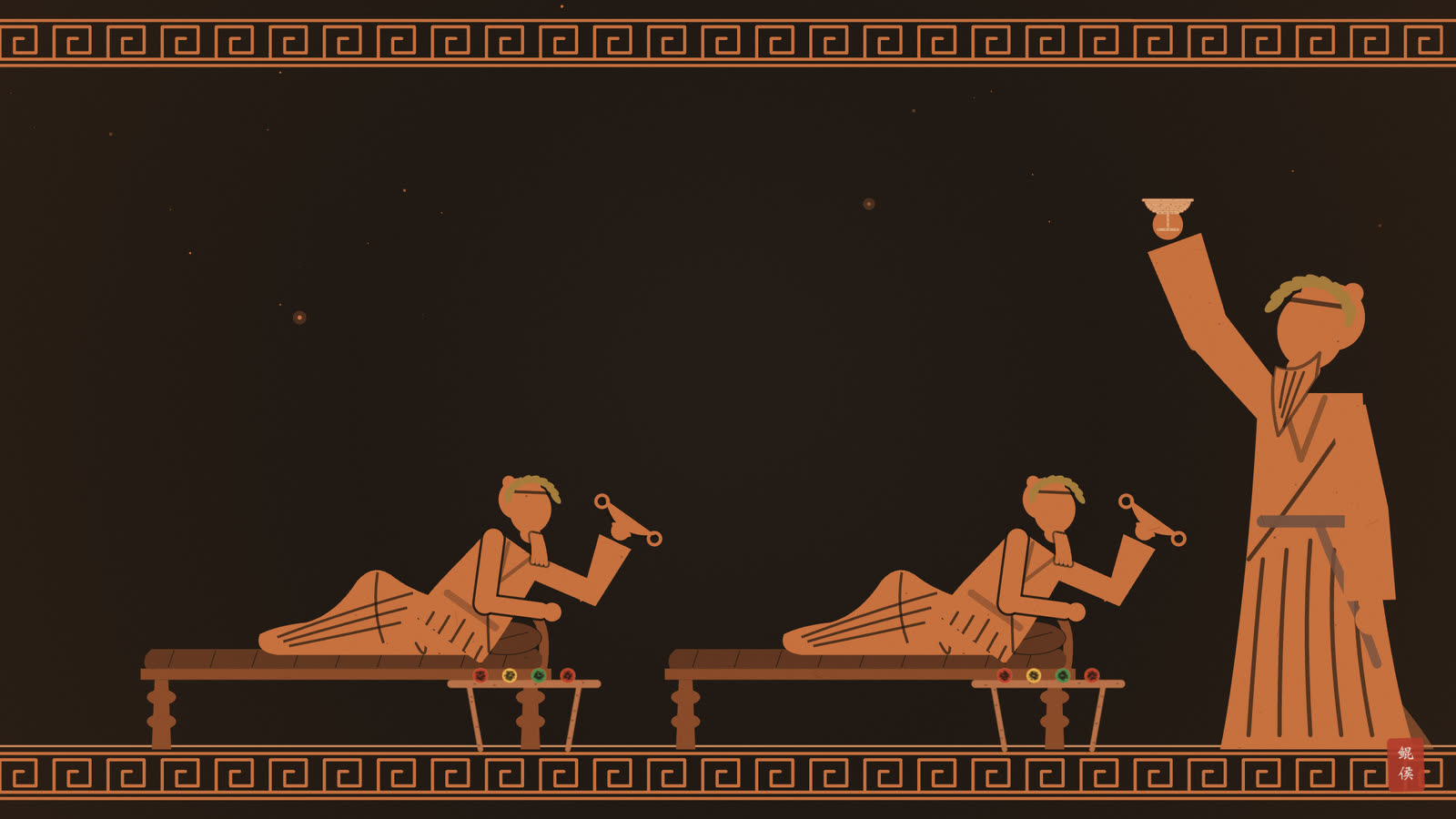
All the methods set out, then, are productive and easy for readers to grasp, and they end at the same point, that is, at the same degree, though not at the same force of the periods; hence those who wish to attain such things must apply themselves with all zeal and eagerness. For he who is willing to toil masters what he desires; for upon every matter, fine and mean alike, there follow toil and unsettled reckoning, in the affairs of kings and governors, of leaders, of rich and poor, and in arts and sciences; nor yet do pleasures and delights proceed free of care and pain, but they have their stealthy entrance, their self-love, and a lasting grief of soul. Having prepared, then, a rich table of learning, I have invited fellow guests to the banquet; let those who wish to feast, then, take their part for the natural service of the body, with this to help them, that they do not use the food greedily or insatiably, but only so far as the dishes can afford sufficient pleasure; for what is against nature is wont to harm. If any of those invited wishes to remain unharmed, he will be gladdened by using one portion or even a second; for just as fuel added little by little to a fire makes the flame more vigorous and greater, more effective and brighter, but falling upon it all at once darkens and quenches the beauty of the light and in addition gives off a muddy smoke and a very heavy smell, with tears, to those nearby, and a great soot to those farther off, in the same way with the methods set out, if one spends time with one or even a second, he will have what he seeks easy to grasp, passing his time continually with pleasure and delight and forming his conceptions. But if someone is slow to understand from reading and yet wishes to go through two or three books in one day, he will not track down the truth, but will be like a torrent dragging a load without fruit and useless to those who see it, or like one running back and forth, swiftly borne in vain; nor will a horse running in a desert, without a racecourse or a war, win praise. But if the river carries a fruitful load, some will readily leap into it to get the fruit, even if with a rushing roar or at risk. And a ship that has run with a rushing roar in due manner gives the greatest joy to those sailing in her; and the horse that has run through the course with its stamina exults before the praises [text uncertain], draws many admirers, receives much care, and takes on the toils of contests.
翻译点开
VIII. Method for the Length of Life According to the Apogonia.
第八章 按寿数表求生命长度之法。
All the methods set out, then, are productive and easy for readers to grasp, and they end at the same point, that is, at the same degree, though not at the same force of the periods; hence those who wish to attain such things must apply themselves with all zeal and eagerness. For he who is willing to toil masters what he desires; for upon every matter, fine and mean alike, there follow toil and unsettled reckoning, in the affairs of kings and governors, of leaders, of rich and poor, and in arts and sciences; nor yet do pleasures and delights proceed free of care and pain, but they have their stealthy entrance, their self-love, and a lasting grief of soul. Having prepared, then, a rich table of learning, I have invited fellow guests to the banquet; let those who wish to feast, then, take their part for the natural service of the body, with this to help them, that they do not use the food greedily or insatiably, but only so far as the dishes can afford sufficient pleasure; for what is against nature is wont to harm. If any of those invited wishes to remain unharmed, he will be gladdened by using one portion or even a second; for just as fuel added little by little to a fire makes the flame more vigorous and greater, more effective and brighter, but falling upon it all at once darkens and quenches the beauty of the light and in addition gives off a muddy smoke and a very heavy smell, with tears, to those nearby, and a great soot to those farther off, in the same way with the methods set out, if one spends time with one or even a second, he will have what he seeks easy to grasp, passing his time continually with pleasure and delight and forming his conceptions. But if someone is slow to understand from reading and yet wishes to go through two or three books in one day, he will not track down the truth, but will be like a torrent dragging a load without fruit and useless to those who see it, or like one running back and forth, swiftly borne in vain; nor will a horse running in a desert, without a racecourse or a war, win praise. But if the river carries a fruitful load, some will readily leap into it to get the fruit, even if with a rushing roar or at risk. And a ship that has run with a rushing roar in due manner gives the greatest joy to those sailing in her; and the horse that has run through the course with its stamina exults before the praises [text uncertain], draws many admirers, receives much care, and takes on the toils of contests.
所以,所列的一切方法都是得力的,读者也容易把握,它们终止于同一点,即同一度,虽然并不终止于时期的同一种力量;因此想要达到这些事的人,必须以全部的热忱与渴望投身其中。因为愿意劳苦的人会掌握他所渴望的;因为在每件事上,无论高尚的还是低贱的,都伴随着劳苦与不安定的计算,在国王与总督、领袖、富人与穷人的事务中,在技艺与学问中都是如此;快乐与享受也并非毫无忧虑与痛苦地进行,而是有它们悄悄的进入、它们的自爱,以及灵魂中长久的悲伤。所以,我既已备好一桌丰盛的学问之席,就邀请了同席的宾客赴宴;那么愿意赴宴的人,就为身体自然的需要取用他们的一份,有这一点帮助他们:他们不要贪婪地、不知足地使用食物,而只用到菜肴能提供足够的快乐为止;因为违反自然的东西往往有害。若受邀的人中有谁想保持无害,他用一份或甚至第二份就会高兴;因为正如一点一点加到火上的燃料,使火焰更有劲、更大、更有效、更明亮,但一下子全落上去,就使光的美变暗、熄灭,此外还冒出浑浊的烟与很重的气味,使近处的人流泪,使远处的人蒙上大片烟灰,同样,对于所列的方法,若有人花时间在一种或甚至第二种上,他就会容易把握所求的东西,持续地在快乐与愉悦中度过时间,形成他的构想。但若有人读书时理解得慢,却想在一天之内读完两三卷,他就追踪不到真理,而会像一股激流,拖着无果的负担,对看到的人毫无用处,或像一个来回奔跑的人,徒然地飞快奔走;在荒漠中奔跑的马,没有赛道也没有战争,也赢不到称赞。但若河流带着丰硕的负担,有些人就会乐意跳进去取果实,即使伴着奔腾的轰鸣或冒着危险。一艘以应有的方式伴着轰鸣奔驰的船,给船上的人最大的喜乐;那匹以耐力跑完赛道的马,在赞美之前欢跃〔原文疑有讹误〕,吸引许多仰慕者,受到许多照料,承担起竞赛的辛劳。
大意与图解点开
🔎 大意:诸法终于同一度而力量不同,须热忱投入;学问如宴席,取一两份即可,如添柴宜慢不宜一次倒下,贪多者如无果的激流。
📖 术语
| 术语 | 英文原词 | 意思 |
|---|---|---|
| 寿数表 | apogonia | 每度旁列寿年的表 |
| 宴席 | banquet | 喻学问 |
| 燃料 | fuel | 添入火中之柴 |
| 构想 | conceptions | 心中所得之理 |
| 激流 | torrent | 喻贪多之读者 |
🧭 图解与讲解
卷九第八章题为「按寿数表求生命长度之法」。寿数表(apogonia)是在每个度数旁列出寿年的表,卷八第六章的算例里已查过多次。但这一章先有一大段劝学的话。作者说,所列的各种方法都终止于同一度,只是时期的力量不同;想学会的人必须热忱投入,因为国王、总督、富人、穷人,学问与技艺,事事都伴着劳苦,快乐也有它悄悄带来的悲伤。
〔图〕添柴之喻:学这些方法的两种读者
| 比喻 | 好的样子 | 坏的样子 |
|---|---|---|
| 宴席 | 为身体自然所需取一两份 | 贪婪不知足,违反自然而受害 |
| 河流 | 带着丰硕的负担,人乐意跳入取果 | 无果的激流,对看的人无用 |
| 马 | 跑完赛道,受赞美与照料 | 在荒漠中奔跑,赢不到称赞 |
| 船 | 以应有的方式奔驰,船上人最喜乐 | — |
然后是一串比喻(图一、表二):他备好一桌「学问之席」请人赴宴,宾客只该为自然的需要取一两份,不要贪吃;就像添柴,一点一点加,火焰更旺,一下子全倒进去,反而把火压灭、冒出浓烟。读书慢的人想一天读两三卷,就像拖着无果负担的激流、在荒漠中乱跑的马;反之,带着丰硕负担的河流、跑完赛道的马、按应有方式奔驰的船,都给人喜乐。意思是:方法学一两种,学精学透,胜过贪多。
📖 术语
| 术语 | 英文原词 | 意思 |
|---|---|---|
| 寿数表 | apogonia | 每度旁列寿年的表 |
| 宴席 | banquet | 喻学问 |
| 燃料 | fuel | 添入火中之柴 |
| 构想 | conceptions | 心中所得之理 |
| 激流 | torrent | 喻贪多之读者 |
🧭 图解与讲解
卷九第八章题为「按寿数表求生命长度之法」。寿数表(apogonia)是在每个度数旁列出寿年的表,卷八第六章的算例里已查过多次。但这一章先有一大段劝学的话。作者说,所列的各种方法都终止于同一度,只是时期的力量不同;想学会的人必须热忱投入,因为国王、总督、富人、穷人,学问与技艺,事事都伴着劳苦,快乐也有它悄悄带来的悲伤。
| 比喻 | 好的样子 | 坏的样子 |
|---|---|---|
| 宴席 | 为身体自然所需取一两份 | 贪婪不知足,违反自然而受害 |
| 河流 | 带着丰硕的负担,人乐意跳入取果 | 无果的激流,对看的人无用 |
| 马 | 跑完赛道,受赞美与照料 | 在荒漠中奔跑,赢不到称赞 |
| 船 | 以应有的方式奔驰,船上人最喜乐 | — |
然后是一串比喻(图一、表二):他备好一桌「学问之席」请人赴宴,宾客只该为自然的需要取一两份,不要贪吃;就像添柴,一点一点加,火焰更旺,一下子全倒进去,反而把火压灭、冒出浓烟。读书慢的人想一天读两三卷,就像拖着无果负担的激流、在荒漠中乱跑的马;反之,带着丰硕负担的河流、跑完赛道的马、按应有方式奔驰的船,都给人喜乐。意思是:方法学一两种,学精学透,胜过贪多。
So too those who have been initiated with precision and understanding are deemed worthy of praise and gain pleasure and benefit for themselves; but those who make their entries only touching the surface readily mock the science, because they do not obtain for themselves aptness for learning and immortality. For nature did not grant to men only the sufficient gift of knowing the circling theories of the planets by unchanging weights and measures, but she further articulated all things in cycles; and so the affairs of mortals are brought to completion in a way easy to survey. If indeed the things divided and calculated upon the earth by men are hard to attain to precise knowledge, such as the measurements of climes and nations, the bounds and stations of the sea, the shortest and weakest of the nations having the inability to discern from far off (which one guesses at until one comes somehow near) through the harmony of the others [text uncertain], then men who track out the heavenly circle and the movements of the planets, the courses of the Sun and the Moon, the parts of years, months, and hours, the turnings and changes of the airs, the applications and separations, would seem from such foreknowledge to have partaken of immortality and to converse with the gods before their time; if indeed, according to the poet,
"Cyllenian Hermes called forth the souls
of the suitor men."
And clearly he is both of the earth and of the heavens (for the god is common to both), and he leads up the souls of men aloft about the arrangement of the stars of the cosmos, surrounding them with inspired and natural thoughts, especially those who have devoted themselves earnestly to these matters. Of these, the godless and the knaves have not only failed of their share of immortality but also of humanity, and, herding together like wild beasts and irrational creatures through their greed and undiscerning reckoning, have afterwards paid a fitting penalty, not escaping the law. That the gods are able to listen to men and to grant them the finest and most honoured things and to help them is entirely clear; but, wishing to preserve the laws they have decreed, they do not set aside the fates, having made firm for these, with unbreakable oaths, the effective stewardship of human affairs. For among the gods too there is the Stygian oath, which carries fear and punishment, and there follow upon them a steadfast reckoning and an unchangeable necessity. The poet bears witness to this, saying:
"Hanging a golden chain from heaven"
and so on; he showed the threat of Zeus as one able to do what he said, yet he reminded him to transgress in nothing against the laws, nor to do wrong among the gods; these things are said in mystic fashion and not as some take them [lacuna] to recall him also at the prowess of Hector, that as long as the substance of his periods held, he could not be caught, and slew many, and crossed the trench and broke the gates of the Greeks and set fire to their camp;
翻译点开
So too those who have been initiated with precision and understanding are deemed worthy of praise and gain pleasure and benefit for themselves; but those who make their entries only touching the surface readily mock the science, because they do not obtain for themselves aptness for learning and immortality. For nature did not grant to men only the sufficient gift of knowing the circling theories of the planets by unchanging weights and measures, but she further articulated all things in cycles; and so the affairs of mortals are brought to completion in a way easy to survey. If indeed the things divided and calculated upon the earth by men are hard to attain to precise knowledge, such as the measurements of climes and nations, the bounds and stations of the sea, the shortest and weakest of the nations having the inability to discern from far off (which one guesses at until one comes somehow near) through the harmony of the others [text uncertain], then men who track out the heavenly circle and the movements of the planets, the courses of the Sun and the Moon, the parts of years, months, and hours, the turnings and changes of the airs, the applications and separations, would seem from such foreknowledge to have partaken of immortality and to converse with the gods before their time; if indeed, according to the poet,
同样,那些以精确与领悟入门的人,被认为配得称赞,为自己获得快乐与益处;但那些只触及表面而入门的人,很容易嘲笑这门学问,因为他们没有为自己获得学习的适性与不朽。因为自然不只给了人认识诸行星以不变的权衡与尺度运转的理论这一足够的恩赐,她还把万物按循环加以分节;所以有死之人的事务以一种容易通观的方式得以完成。若说人在地上所划分与计算的东西,例如诸气候带与诸民族的量度、海的边界与站点,都难以达到精确的认识,最短最弱的民族无法从远处辨别(人在多少走近之前只能猜测),借着其他事物的和谐〔原文疑有讹误〕,那么,追踪天上的圆周与诸行星的运动、太阳与月亮的行程、年月时辰的部分、空气的转折与变化、入相与离相的人,就会被认为凭着这样的预知分得了不朽,在时候未到之前就与众神交谈;正如诗人所说,
"Cyllenian Hermes called forth the souls
“库勒涅的赫尔墨斯唤出了
of the suitor men."
那些求婚者的灵魂。”
And clearly he is both of the earth and of the heavens (for the god is common to both), and he leads up the souls of men aloft about the arrangement of the stars of the cosmos, surrounding them with inspired and natural thoughts, especially those who have devoted themselves earnestly to these matters. Of these, the godless and the knaves have not only failed of their share of immortality but also of humanity, and, herding together like wild beasts and irrational creatures through their greed and undiscerning reckoning, have afterwards paid a fitting penalty, not escaping the law. That the gods are able to listen to men and to grant them the finest and most honoured things and to help them is entirely clear; but, wishing to preserve the laws they have decreed, they do not set aside the fates, having made firm for these, with unbreakable oaths, the effective stewardship of human affairs. For among the gods too there is the Stygian oath, which carries fear and punishment, and there follow upon them a steadfast reckoning and an unchangeable necessity. The poet bears witness to this, saying:
显然他既属于地,也属于天(因为这位神为两者所共有),他把人的灵魂引向高处,围绕宇宙诸星的排列,用受神感动的、合乎自然的思想环绕他们,尤其是那些热切致力于这些事的人。这些人中,不敬神的与狡猾之徒不仅失去了他们那份不朽,也失去了人性,像野兽与无理性的生物那样,因着他们的贪婪与不辨是非的计算聚在一起,后来受到相称的惩罚,没有逃过法律。众神能够听人的话,把最美好、最尊贵的东西赐给他们并帮助他们,这是完全清楚的;但他们想保守自己所颁定的法律,就不废除命运,以不可破的誓言为命运坚立了人间事务的有效管理。因为在众神之中也有斯提克斯之誓,它带着恐惧与惩罚,随之而来的是坚定的计算与不可改变的必然。诗人为此作证,说:
"Hanging a golden chain from heaven"
“从天上垂下一条金链”
and so on; he showed the threat of Zeus as one able to do what he said, yet he reminded him to transgress in nothing against the laws, nor to do wrong among the gods; these things are said in mystic fashion and not as some take them [lacuna] to recall him also at the prowess of Hector, that as long as the substance of his periods held, he could not be caught, and slew many, and crossed the trench and broke the gates of the Greeks and set fire to their camp;
等等;他显明宙斯的威胁,说他能做到自己所说的,却又提醒他在任何事上都不违犯律法,也不在众神之中行不义;这些话是以神秘的方式说的,并不像有些人所理解的那样〔此处原文有缺〕,也让人想起赫克托耳的勇武,只要他的时期的根基还在,他就不能被捉住,杀了许多人,越过壕沟,攻破希腊人的营门,放火烧他们的营地;
大意与图解点开
🔎 大意:精学者近于不朽,浅尝者嘲笑此学;赫尔墨斯属天又属地,引灵魂向上;众神虽能助人,却以斯提克斯之誓守护命运,不废其律。
📖 术语
| 术语 | 英文原词 | 意思 |
|---|---|---|
| 库勒涅的赫尔墨斯 | Cyllenian Hermes | 引魂之神 |
| 斯提克斯之誓 | Stygian oath | 众神最重之誓 |
| 分节 | articulated | 分成段落 |
| 入相与离相 | applications and separations | 趋近与离开 |
| 金链 | golden chain | 宙斯的威胁 |
🧭 图解与讲解
第三行说,以精确与领悟入门的人得称赞与益处,只触及表面的人则嘲笑这门学问(图一)。人在地上量度气候带、民族、海的边界尚且难以精确,那么追踪天上的圆周、日月行星、年月时辰、入相离相的人,就像凭预知分得了不朽,「在时候未到之前就与众神交谈」。接着引荷马(《奥德赛》末卷开头)「库勒涅的赫尔墨斯唤出了那些求婚者的灵魂」,说赫尔墨斯既属地又属天,把热切致力于此学的人的灵魂引向高处。这里照译,一句一行。
〔图〕从认识天体到分得不朽
〔图〕众神与命运:能助人,却守法
然后谈众神与命运(图二):众神能听人的祷告、赐人美好之物,这很清楚;但他们为了保守自己所颁的法律,不废除命运,用不可破的誓言为命运坚立人间事务的管理,众神之中也有带着恐惧与惩罚的斯提克斯之誓。荷马写宙斯「从天上垂下一条金链」(《伊利亚特》卷八),作者解释为:宙斯能做到所说的事,却又被提醒不可违律。下面接着说赫克托耳,句子跨到下一单元。
📖 术语
| 术语 | 英文原词 | 意思 |
|---|---|---|
| 库勒涅的赫尔墨斯 | Cyllenian Hermes | 引魂之神 |
| 斯提克斯之誓 | Stygian oath | 众神最重之誓 |
| 分节 | articulated | 分成段落 |
| 入相与离相 | applications and separations | 趋近与离开 |
| 金链 | golden chain | 宙斯的威胁 |
🧭 图解与讲解
第三行说,以精确与领悟入门的人得称赞与益处,只触及表面的人则嘲笑这门学问(图一)。人在地上量度气候带、民族、海的边界尚且难以精确,那么追踪天上的圆周、日月行星、年月时辰、入相离相的人,就像凭预知分得了不朽,「在时候未到之前就与众神交谈」。接着引荷马(《奥德赛》末卷开头)「库勒涅的赫尔墨斯唤出了那些求婚者的灵魂」,说赫尔墨斯既属地又属天,把热切致力于此学的人的灵魂引向高处。这里照译,一句一行。
然后谈众神与命运(图二):众神能听人的祷告、赐人美好之物,这很清楚;但他们为了保守自己所颁的法律,不废除命运,用不可破的誓言为命运坚立人间事务的管理,众神之中也有带着恐惧与惩罚的斯提克斯之誓。荷马写宙斯「从天上垂下一条金链」(《伊利亚特》卷八),作者解释为:宙斯能做到所说的事,却又被提醒不可违律。下面接着说赫克托耳,句子跨到下一单元。
"He raged as when Ares, wielder of the spear, or destructive fire";
and he seemed to be helped by Apollo. But when his fated hour came upon him, his periods being fulfilled, wounded by Achilles,
"He went to Hades, and Phoebus Apollo left him."
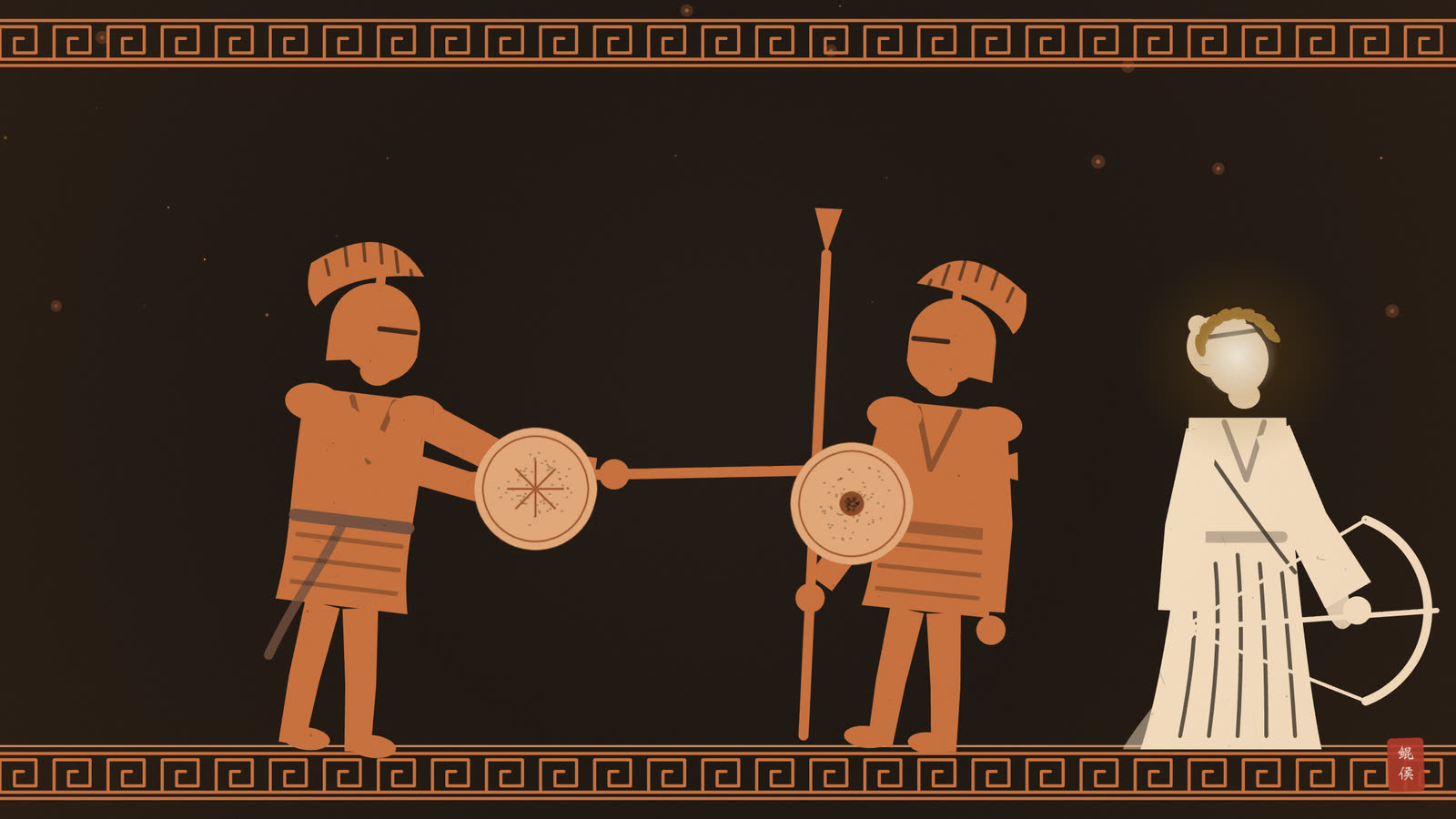
Likewise Achilles too, having filled the Trojan plain with blood and the river Xanthus with corpses, and seeming to fight with gods and being helped by gods, was abandoned by Athena and slain by Alexander, though his mother, a goddess, stood by him. And indeed in the case of Diomedes and Odysseus, Athena, drenching the barbarians with sleep so that Rhesus, the king of the Thracians, might perish, granted them their prowess; and other proofs concerning such things are current, composed by many. As for those who are in bodily strength and in power of action, helped by the period, and seem to converse with the gods and to stand beside them, one must reason that the gods too, having become servants of the fates, become helpers of some and enemies of others; for nothing comes about among men without cause, whether in bad things or in good; and moreover the things that are to be are prepared by fate, through harmony, friendship, reputation, the established structure [text uncertain], enmity, injury, suffering, secret and mystic matters, death, and the rest.
翻译点开
"He raged as when Ares, wielder of the spear, or destructive fire";
“他狂怒,如持矛的阿瑞斯,或毁灭的火焰”;
and he seemed to be helped by Apollo. But when his fated hour came upon him, his periods being fulfilled, wounded by Achilles,
他似乎得到阿波罗的帮助。但当他命定的时辰临到他,他的时期满了,被阿喀琉斯所伤,
"He went to Hades, and Phoebus Apollo left him."
“他去了冥府,福玻斯·阿波罗离弃了他。”
Likewise Achilles too, having filled the Trojan plain with blood and the river Xanthus with corpses, and seeming to fight with gods and being helped by gods, was abandoned by Athena and slain by Alexander, though his mother, a goddess, stood by him. And indeed in the case of Diomedes and Odysseus, Athena, drenching the barbarians with sleep so that Rhesus, the king of the Thracians, might perish, granted them their prowess; and other proofs concerning such things are current, composed by many. As for those who are in bodily strength and in power of action, helped by the period, and seem to converse with the gods and to stand beside them, one must reason that the gods too, having become servants of the fates, become helpers of some and enemies of others; for nothing comes about among men without cause, whether in bad things or in good; and moreover the things that are to be are prepared by fate, through harmony, friendship, reputation, the established structure [text uncertain], enmity, injury, suffering, secret and mystic matters, death, and the rest.
同样,阿喀琉斯也用血充满了特洛伊的平原,用尸体充满了克珊托斯河,似乎与众神交战,又得众神帮助,却被雅典娜离弃,被亚历山大所杀,虽然他的母亲、一位女神就站在他身旁。确实,在狄俄墨得斯与奥德修斯的事上,雅典娜使蛮族人沉睡,好让色雷斯人的王瑞索斯丧命,赐给他们勇武;关于这类事的其他证据也流传着,由许多人写成。至于那些在体力与作为之能上受时期帮助、似乎与众神交谈、站在众神身旁的人,必须推断,众神也成了命运的仆役,成为一些人的帮助者,另一些人的敌人;因为在人中没有什么是无缘无故发生的,无论坏事还是好事;而且将要发生的事是由命运预备的,借着和谐、友谊、名声、既定的结构〔原文疑有讹误〕、敌意、伤损、病苦、隐秘与神秘之事、死亡,以及其余。
大意与图解点开
🔎 大意:赫克托耳时期未满时所向无敌,时辰一到阿波罗就离弃他;阿喀琉斯也被雅典娜离弃而死;众神亦是命运的仆役。
📖 术语
| 术语 | 英文原词 | 意思 |
|---|---|---|
| 赫克托耳 | Hector | 特洛伊的勇将 |
| 阿喀琉斯 | Achilles | 希腊的勇将 |
| 克珊托斯河 | river Xanthus | 特洛伊的河 |
| 瑞索斯 | Rhesus | 色雷斯人的王 |
| 命运的仆役 | servants of the fates | 神亦从命 |
🧭 图解与讲解
第九至十二行以荷马史诗为例(表一)。赫克托耳在他的时期根基还在时,不能被捉,杀了许多人,越过壕沟,攻破希腊人的营门放火,「他狂怒,如持矛的阿瑞斯,或毁灭的火焰」(《伊利亚特》卷十五),像是得到阿波罗的帮助;可是命定的时辰一到,他被阿喀琉斯所伤,「他去了冥府,福玻斯·阿波罗离弃了他」(卷二十二)。阿喀琉斯也一样,用血与尸体充满特洛伊的平原与克珊托斯河,最后被雅典娜离弃,被亚历山大(即帕里斯)所杀,女神母亲在旁也救不得。
| 英雄 | 时期未满时 | 命定的时辰到了 |
|---|---|---|
| 赫克托耳 | 不能被捉,越过壕沟,攻破营门,火烧营地;似得阿波罗之助 | 被阿喀琉斯所伤,阿波罗离弃他,去了冥府 |
| 阿喀琉斯 | 血满平原,尸塞河道,似与神战又得神助 | 被雅典娜离弃,被亚历山大所杀,女神母亲在旁也救不得 |
| 狄俄墨得斯与奥德修斯 | 雅典娜使敌人沉睡,赐他们勇武 | 色雷斯王瑞索斯丧命 |
〔图〕众神的帮助与命运
作者的结论是(图二):那些受时期帮助、仿佛有神相助的人,其实是众神也成了「命运的仆役」,对一些人成为帮助者,对另一些人成为敌人;人间没有无缘无故的事,将要发生的一切,友谊、名声、敌意、伤损、死亡,都是命运借着和谐预备的。这与卷五第九章「做命运的兵士」一段相呼应:占星家推算的「时期」,就是这种命运的刻度。
📖 术语
| 术语 | 英文原词 | 意思 |
|---|---|---|
| 赫克托耳 | Hector | 特洛伊的勇将 |
| 阿喀琉斯 | Achilles | 希腊的勇将 |
| 克珊托斯河 | river Xanthus | 特洛伊的河 |
| 瑞索斯 | Rhesus | 色雷斯人的王 |
| 命运的仆役 | servants of the fates | 神亦从命 |
🧭 图解与讲解
第九至十二行以荷马史诗为例(表一)。赫克托耳在他的时期根基还在时,不能被捉,杀了许多人,越过壕沟,攻破希腊人的营门放火,「他狂怒,如持矛的阿瑞斯,或毁灭的火焰」(《伊利亚特》卷十五),像是得到阿波罗的帮助;可是命定的时辰一到,他被阿喀琉斯所伤,「他去了冥府,福玻斯·阿波罗离弃了他」(卷二十二)。阿喀琉斯也一样,用血与尸体充满特洛伊的平原与克珊托斯河,最后被雅典娜离弃,被亚历山大(即帕里斯)所杀,女神母亲在旁也救不得。
| 英雄 | 时期未满时 | 命定的时辰到了 |
|---|---|---|
| 赫克托耳 | 不能被捉,越过壕沟,攻破营门,火烧营地;似得阿波罗之助 | 被阿喀琉斯所伤,阿波罗离弃他,去了冥府 |
| 阿喀琉斯 | 血满平原,尸塞河道,似与神战又得神助 | 被雅典娜离弃,被亚历山大所杀,女神母亲在旁也救不得 |
| 狄俄墨得斯与奥德修斯 | 雅典娜使敌人沉睡,赐他们勇武 | 色雷斯王瑞索斯丧命 |
作者的结论是(图二):那些受时期帮助、仿佛有神相助的人,其实是众神也成了「命运的仆役」,对一些人成为帮助者,对另一些人成为敌人;人间没有无缘无故的事,将要发生的一切,友谊、名声、敌意、伤损、死亡,都是命运借着和谐预备的。这与卷五第九章「做命运的兵士」一段相呼应:占星家推算的「时期」,就是这种命运的刻度。
These things being so, we must now begin on the power of the apogonia as well. Critodemus made their construction; but I myself first discovered the entry into them, and, having made it clear in other books, and having now found it out more precisely, I shall describe it further. For every entry into a method at first has a more careless discovery, but when it has been tracked down later it becomes more secure. If anyone should consider which is better, the one who composed wisely and with laboured searching, or the one who found the solutions, he will say, in my mind, that the finder is better. For a musical instrument does not give the praise to the one who constructed it, but to the one who is to display a musical sound skilfully with his breath. Likewise every kind of instrument-making or composition that has no one knowingly presiding over the work is thought empty, vain, and idle; but if someone divides it in due manner or recognizes its power, it gives not only pleasure and delight but also benefit and reputation. Indeed I have found many learned men who have rejected certain of the writers because of their crookedness and laboured searching. But we must bring our mind back to the matter at hand. For in this method too it is advantageous to consider the Sun and the Moon, whose cosmic sympathy and harmony toward one another it is not necessary to confirm at length after what has been written before. The demonstration, then, takes various forms; but first I shall set out the method as it seemed to others.
翻译点开
These things being so, we must now begin on the power of the apogonia as well. Critodemus made their construction; but I myself first discovered the entry into them, and, having made it clear in other books, and having now found it out more precisely, I shall describe it further. For every entry into a method at first has a more careless discovery, but when it has been tracked down later it becomes more secure. If anyone should consider which is better, the one who composed wisely and with laboured searching, or the one who found the solutions, he will say, in my mind, that the finder is better. For a musical instrument does not give the praise to the one who constructed it, but to the one who is to display a musical sound skilfully with his breath. Likewise every kind of instrument-making or composition that has no one knowingly presiding over the work is thought empty, vain, and idle; but if someone divides it in due manner or recognizes its power, it gives not only pleasure and delight but also benefit and reputation. Indeed I have found many learned men who have rejected certain of the writers because of their crookedness and laboured searching. But we must bring our mind back to the matter at hand. For in this method too it is advantageous to consider the Sun and the Moon, whose cosmic sympathy and harmony toward one another it is not necessary to confirm at length after what has been written before. The demonstration, then, takes various forms; but first I shall set out the method as it seemed to others.
既然如此,我们现在也必须开始讲寿数表的力量。克里托德摩斯作了它们的构造;但我自己最先发现了进入它们的门径,在别的书中讲明之后,如今又找得更精确,我将进一步描述它。因为每一种方法的门径起初都有较粗疏的发现,后来被追踪出来,就变得更稳当。若有人考虑哪一个更好,是那个明智地、费力探求地编写的人,还是那个找到解法的人,按我的想法,他会说找到的人更好。因为乐器不把称赞给制造它的人,而给那个要用气息巧妙地奏出乐音的人。同样,每一种仪器制作或编著,若没有人懂行地主持其事,就被认为是空的、虚妄而闲置的;但若有人以应有的方式划分它,或认出它的力量,它就不仅带来快乐与愉悦,还带来益处与名声。确实,我发现许多有学问的人,因为某些作者的曲折与费力探求而拒斥他们。但我们必须把心思带回眼前的事。因为在这个方法中,考虑太阳与月亮也是有益的,它们在宇宙中对彼此的同感与和谐,在前面所写的之后,就不必再详加证实。所以证明有种种形式;但首先我将列出别人所认为的方法。
大意与图解点开
🔎 大意:寿数表由克里托德摩斯造出,瓦伦斯先找到用法;乐器的称赞归于吹奏者而非制造者,找到解法者胜过造表者。
📖 术语
| 术语 | 英文原词 | 意思 |
|---|---|---|
| 门径 | entry | 进入方法之路 |
| 构造 | construction | 造表 |
| 找到解法的人 | the one who found the solutions | 会用表的人 |
| 仪器制作 | instrument-making | 造器之事 |
| 同感 | sympathy | 彼此感应 |
🧭 图解与讲解
第十三行讲寿数表的来历(图一):克里托德摩斯造了这些表,但最先找到怎样使用它们的是瓦伦斯自己,他在别的书里讲过,如今又找得更精确。他问:明智地、费力编表的人,和找到解法的人,哪个更好?他的回答是后者,好比乐器的称赞不归制造者,而归以气息巧妙吹奏的人;任何仪器或编著,若没有懂行的人主持,就是空的、闲置的(图二)。
〔图〕造表者与用表者,谁更好
〔图〕一种方法的成熟过程
他又说,许多有学问的人因为某些作者写得曲折、费力探求而拒斥他们,这又是对克里托德摩斯一类作者的批评。最后转回正题:这个方法也要考虑太阳与月亮的同感与和谐;证明有几种形式,他先列出别人的方法。
📖 术语
| 术语 | 英文原词 | 意思 |
|---|---|---|
| 门径 | entry | 进入方法之路 |
| 构造 | construction | 造表 |
| 找到解法的人 | the one who found the solutions | 会用表的人 |
| 仪器制作 | instrument-making | 造器之事 |
| 同感 | sympathy | 彼此感应 |
🧭 图解与讲解
第十三行讲寿数表的来历(图一):克里托德摩斯造了这些表,但最先找到怎样使用它们的是瓦伦斯自己,他在别的书里讲过,如今又找得更精确。他问:明智地、费力编表的人,和找到解法的人,哪个更好?他的回答是后者,好比乐器的称赞不归制造者,而归以气息巧妙吹奏的人;任何仪器或编著,若没有懂行的人主持,就是空的、闲置的(图二)。
他又说,许多有学问的人因为某些作者写得曲折、费力探求而拒斥他们,这又是对克里托德摩斯一类作者的批评。最后转回正题:这个方法也要考虑太阳与月亮的同感与和谐;证明有几种形式,他先列出别人的方法。
Having learned, then, of how many degrees the Sun is, one must enter the apogonion for the clime in which one is, multiply the number of degrees set beside it by the degrees of the Sun, and write this down. Then, entering the table of rising times at the solar degree, multiply the magnitude set beside it by the hours of birth, and without adding, multiply the total by the product found before of the degrees of the Sun and the apogonion, to the minutes. When it has been summed up together into tens of thousands, thousands, or hundreds, cast out from these the thirties as often as possible, write down the remainder of the others [text uncertain], and examine what fraction it is of thirty, and subtract or add this to the fraction of thirty left over or to the magnitude of the solar degree; and having found the degrees, enter the apogonia and declare the years set beside them and the 3 limits. Not indeed as it seemed to some, while I shall give the guidance more clearly [text uncertain]; the error of the calculation not only darkens the mind but also brings forgetfulness of what has been counted; and when someone, because of an error, wished to count a second or a third time, he comes to loathe it and abandons it; for the entanglement turned even me away somewhat, vigorous and eager to learn as I am in such matters. But since I worked out most things from the Sun and the Moon and recognized that the account of life and of the end is grasped from these, just as I earlier composed the mystic triple-sign method and applied myself to it, so, having fixed the Sun and the Moon precisely for their hourly motion and to the minute (this I say very often, so that I may not seem to go astray), one must count from the Sun to the Moon or from the Moon to the Sun; for it will fall out at the same point, in mystic fashion; and having summed up the collected total, subtract the thirties. Examine what fraction of thirty the remainder within the thirty is, and subtract this from the equinoctial magnitude; and what is left within must be added in some fraction to the degree of the Sun [text uncertain]; and this will give the apogonion, that is, the Ascendant degree; or else, adding to this or subtracting the amounts of the equinoctial for the hour nearest. For every nativity in any case has its gnomons at two degrees; if, according to the turning of the two lots shown by me, we first seek the harmony of the Sun and the Moon according to their movements by degree, it was nothing else, but we shall find the fitting amount neither greater nor less than the equinoctial. For it is the cosmic gnomon, the leader of the climes, and the just mediator of night and day. When, then, the degree has been found, entering the apogonia, one should then seek out the years for the 1st, 2nd, and 3rd of the limits. If ever the degree falls into signs of short rising, but the substance of the nativity admits a further number of years, one must add the 3 limits together and after the 3 add further the 1st and 2nd, and so declare. Likewise in signs of long rising too, when a number of years coincides, one must reckon the limit whole, and applying the degrees found to the 2, or in addition to these running back, add the years set beside the degree in the 1st limit.
翻译点开
Having learned, then, of how many degrees the Sun is, one must enter the apogonion for the clime in which one is, multiply the number of degrees set beside it by the degrees of the Sun, and write this down. Then, entering the table of rising times at the solar degree, multiply the magnitude set beside it by the hours of birth, and without adding, multiply the total by the product found before of the degrees of the Sun and the apogonion, to the minutes. When it has been summed up together into tens of thousands, thousands, or hundreds, cast out from these the thirties as often as possible, write down the remainder of the others [text uncertain], and examine what fraction it is of thirty, and subtract or add this to the fraction of thirty left over or to the magnitude of the solar degree; and having found the degrees, enter the apogonia and declare the years set beside them and the 3 limits. Not indeed as it seemed to some, while I shall give the guidance more clearly [text uncertain]; the error of the calculation not only darkens the mind but also brings forgetfulness of what has been counted; and when someone, because of an error, wished to count a second or a third time, he comes to loathe it and abandons it; for the entanglement turned even me away somewhat, vigorous and eager to learn as I am in such matters. But since I worked out most things from the Sun and the Moon and recognized that the account of life and of the end is grasped from these, just as I earlier composed the mystic triple-sign method and applied myself to it, so, having fixed the Sun and the Moon precisely for their hourly motion and to the minute (this I say very often, so that I may not seem to go astray), one must count from the Sun to the Moon or from the Moon to the Sun; for it will fall out at the same point, in mystic fashion; and having summed up the collected total, subtract the thirties. Examine what fraction of thirty the remainder within the thirty is, and subtract this from the equinoctial magnitude; and what is left within must be added in some fraction to the degree of the Sun [text uncertain]; and this will give the apogonion, that is, the Ascendant degree; or else, adding to this or subtracting the amounts of the equinoctial for the hour nearest. For every nativity in any case has its gnomons at two degrees; if, according to the turning of the two lots shown by me, we first seek the harmony of the Sun and the Moon according to their movements by degree, it was nothing else, but we shall find the fitting amount neither greater nor less than the equinoctial. For it is the cosmic gnomon, the leader of the climes, and the just mediator of night and day. When, then, the degree has been found, entering the apogonia, one should then seek out the years for the 1st, 2nd, and 3rd of the limits. If ever the degree falls into signs of short rising, but the substance of the nativity admits a further number of years, one must add the 3 limits together and after the 3 add further the 1st and 2nd, and so declare. Likewise in signs of long rising too, when a number of years coincides, one must reckon the limit whole, and applying the degrees found to the 2, or in addition to these running back, add the years set beside the degree in the 1st limit.
所以,得知太阳在多少度之后,就必须进入所在气候带的寿数表,把旁边列的度数乘以太阳的度数,写下来。然后进入上升时间表的太阳度数处,把旁边所列的大小乘以出生的时辰,不加什么,再把总数乘以先前所得的太阳度数与寿数表之积,算到分钟。当它被合计成万、千或百时,从中尽可能多次地去掉三十,把其余的余数写下〔原文疑有讹误〕,查看它是三十的几分之几,把这个从剩下的三十的分数中或从太阳度数的大小中减去或加上;求得度数之后,进入寿数表,宣告旁边所列的年数与三种界限。并不像有些人所认为的那样,而我将把引导讲得更清楚〔原文疑有讹误〕;计算的错误不仅使心智变暗,还使人忘记已经数过的;当有人因为一个错误想数第二次、第三次时,他就厌恶它、放弃它;因为这种纠缠连我也稍稍被它推开,虽然我在这类事上是有劲而好学的。但既然我从太阳与月亮作出了大多数东西,认识到生命与终结的说法是从它们把握的,正如我先前编成神秘的三座之法并致力于它那样,所以,把太阳与月亮按它们每小时的运动精确到分钟定好之后(这一点我说过很多次,免得我显得走错了路),就必须从太阳数到月亮,或从月亮数到太阳;因为它会以神秘的方式落在同一点;把收集的总数合起来后,减去诸三十。查看三十之内的余数是三十的几分之几,把这个从分点的大小中减去;内里剩下的,必须以某种分数加到太阳的度数上〔原文疑有讹误〕;这就会给出寿数之位,即上升度数;或者,按最近的时辰加上或减去分点的量。因为每个本命无论如何都在两度上有它的晷针;若按我所示的两个点的轮转,我们先按诸度数的运动寻求太阳与月亮的和谐,那也不是别的,我们会发现相宜的量既不大于也不小于分点的量。因为它是宇宙的晷针,诸气候带的引导者,夜与昼的公正调停者。所以,当度数找到之后,进入寿数表,就应当寻求第一、第二、第三界限的年数。若度数落进上升时间短的星座,而本命的根基容许更多的年数,就必须把三个界限加在一起,在三个之后再加上第一与第二个,这样宣告。同样,在上升时间长的星座,当某个年数相合时,必须把那个界限算作整的,把找到的度数用到第二个上,或在这些之外倒回去,加上第一界限中该度数旁所列的年数。
大意与图解点开
🔎 大意:别人:日度乘表中之数,再乘大小与时辰,去三十。瓦伦斯:数日月间隔去三十,以余数之分减分点的大小,得上升度数,再查三界限。
📖 术语
| 术语 | 英文原词 | 意思 |
|---|---|---|
| 分点的大小 | equinoctial magnitude | 一小时十五时度 |
| 三座之法 | triple-sign method | 前作的神秘法 |
| 每小时的运动 | hourly motion | 星的时速 |
| 宇宙的晷针 | cosmic gnomon | 指分点之量 |
| 上升时间短的星座 | signs of short rising | 升起快的星座 |
🧭 图解与讲解
第十四行先列别人的算法(表一左栏):太阳度数乘以寿数表中气候带的数,再把太阳度数处的「大小」乘以出生的时辰,两者相乘,算到分;合计成万、千、百之后去掉诸三十,看余数是三十的几分之几,再加减,求出度数后查寿数表。作者坦白说这种计算极易出错,错一次就要重数,人便厌恶而放弃,「连我也稍稍被它推开」。
| 步骤 | 别人的算法 | 瓦伦斯的改法 |
|---|---|---|
| 一 | 太阳度数 × 气候带寿数表旁列之数 | 把日月按每小时运动精确到分 |
| 二 | 太阳度数处的大小 × 出生时辰 | 从日数到月,或从月数到日(落在同一点) |
| 三 | 两积相乘,算到分 | 总数减去诸三十 |
| 四 | 去掉诸三十,看余数是三十的几分之几 | 看余数是三十的几分之几 |
| 五 | 从剩下的三十之分或日度的大小中加减 | 从分点的大小中减去,余者按比例加到日度上 |
| 六 | 进入寿数表,宣告年数与三种界限 | 得寿数之位即上升度数,再查三种界限 |
| 情形 | 怎样取三种界限的年数 |
|---|---|
| 一般 | 查第一、第二、第三界限的年数 |
| 上升时间短的星座,根基容许更多年数 | 三个界限相加,再加上第一与第二个 |
| 上升时间长的星座,某个年数相合 | 把那个界限算作整的;或倒回去加第一界限之年 |
他的改法(表一右栏)全从日月出发:把太阳与月亮按每小时运动精确到分,从太阳数到月亮(或反过来,「以神秘的方式落在同一点」),总数减去诸三十,看余数占三十的几分之几,从「分点的大小」(即一小时十五时度)中减去,剩下的按比例加到太阳的度数上,就得到寿数之位,也就是上升度数。他说每个本命的晷针都在两度上,分点的量是「宇宙的晷针,诸气候带的引导者,夜与昼的公正调停者」。
求得度数后查三种界限(表二):一般查第一、二、三界限;若上升时间短的星座而本命根基容许更多年数,就三个界限相加,再加第一、第二个;上升时间长的星座,有年数相合时把那个界限算作整的。这正是卷八第六章例十五等算例里把几个界限相加的依据。
This will be tracked down more precisely when someone, having tested and counted from the accounts set out, finds the years coinciding with the apogonia; for one power blended together with another contributes a great deal. For one thing by itself is nothing; it is without fixed footing, and, helped by nothing, it has a doubtful and slippery use. For infant children and the very old, whose step is slippery, and likewise the blind, make their way leaning on a staff. Nor yet has nature fashioned for men anything perfectly serviceable by itself alone; for night follows upon day, death upon life, black upon white, dry upon wet, bad upon good, bitter upon sweet, and the rest, passing into one another and being accomplished, to some show good hope of life, livelihood, and safety and bring an eagerness to endure, while to others, because of harmful causes, they bring of necessity despair and only a death freely chosen. When the hour falls at the beginning of the sign, one must also test the sign before it for the release; when at the end, the following sign too will agree with it. Critodemus, then, in this method used the Sun in common fashion, but with another method which he did not publish.
翻译点开
This will be tracked down more precisely when someone, having tested and counted from the accounts set out, finds the years coinciding with the apogonia; for one power blended together with another contributes a great deal. For one thing by itself is nothing; it is without fixed footing, and, helped by nothing, it has a doubtful and slippery use. For infant children and the very old, whose step is slippery, and likewise the blind, make their way leaning on a staff. Nor yet has nature fashioned for men anything perfectly serviceable by itself alone; for night follows upon day, death upon life, black upon white, dry upon wet, bad upon good, bitter upon sweet, and the rest, passing into one another and being accomplished, to some show good hope of life, livelihood, and safety and bring an eagerness to endure, while to others, because of harmful causes, they bring of necessity despair and only a death freely chosen. When the hour falls at the beginning of the sign, one must also test the sign before it for the release; when at the end, the following sign too will agree with it. Critodemus, then, in this method used the Sun in common fashion, but with another method which he did not publish.
当有人从所列的说法试验、计算,发现年数与寿数表相合时,这一点会被追踪得更精确;因为一种力量与另一种混合在一起,贡献很大。因为一样东西单独是无物;它没有固定的立足之处,没有任何东西帮助它,用起来就可疑而滑溜。因为婴孩与年迈的人,步伐不稳,盲人也一样,都倚着手杖走路。自然也没有为人造出任何单凭自己就完全可用的东西;因为夜跟着昼,死跟着生,黑跟着白,干跟着湿,坏跟着好,苦跟着甜,其余也是如此,它们彼此转换而完成,对一些人显示生命、生计与安全的美好希望,带来忍耐的热心,对另一些人,由于有害的原因,必然带来绝望,只剩一个自愿选择的死亡。当时辰落在星座的开头时,也必须为释放检验它前面的那个星座;落在末尾时,后面的星座也会与它相合。所以克里托德摩斯在这个方法中以通常的方式使用太阳,但另用了一种他没有公布的方法。
大意与图解点开
🔎 大意:一法单独可疑,须与他法相合,如老幼盲人倚杖;万物皆相对而成。时辰在座首要试前一座,在座末则后一座亦合。
📖 术语
| 术语 | 英文原词 | 意思 |
|---|---|---|
| 手杖 | staff | 倚靠之物 |
| 自愿选择的死亡 | death freely chosen | 自尽 |
| 释放 | release | 起算寿数 |
| 座首 | beginning of the sign | 星座的开头 |
| 没有公布 | did not publish | 秘而不传 |
🧭 图解与讲解
第十五行讲方法要互相印证(图一):从前面的说法试算,发现年数与寿数表相合,就能追得更精确,因为一种力量与另一种混合,贡献很大;一样东西单独「是无物」,像婴孩、老人与盲人都要倚着手杖。自然中的东西也都成对出现:夜跟着昼,死跟着生,黑跟着白,苦跟着甜,它们彼此转换,给一些人带来希望与忍耐,给另一些人带来绝望。
〔图〕一法须与另一法相配
| 时辰落在 | 还要检验 |
|---|---|
| 星座的开头 | 它前面的那个星座 |
| 星座的末尾 | 后面的星座也会相合 |
最后两条实务(表二):时辰落在星座开头,要为释放检验前一个星座;落在末尾,后一个星座也会相合。这与卷八第六章「试前后两座」的告诫一致。末句说克里托德摩斯在这一法中以通常方式用太阳,另有一法没有公布,又一次点出他「吝啬」的一面。
📖 术语
| 术语 | 英文原词 | 意思 |
|---|---|---|
| 手杖 | staff | 倚靠之物 |
| 自愿选择的死亡 | death freely chosen | 自尽 |
| 释放 | release | 起算寿数 |
| 座首 | beginning of the sign | 星座的开头 |
| 没有公布 | did not publish | 秘而不传 |
🧭 图解与讲解
第十五行讲方法要互相印证(图一):从前面的说法试算,发现年数与寿数表相合,就能追得更精确,因为一种力量与另一种混合,贡献很大;一样东西单独「是无物」,像婴孩、老人与盲人都要倚着手杖。自然中的东西也都成对出现:夜跟着昼,死跟着生,黑跟着白,苦跟着甜,它们彼此转换,给一些人带来希望与忍耐,给另一些人带来绝望。
| 时辰落在 | 还要检验 |
|---|---|
| 星座的开头 | 它前面的那个星座 |
| 星座的末尾 | 后面的星座也会相合 |
最后两条实务(表二):时辰落在星座开头,要为释放检验前一个星座;落在末尾,后一个星座也会相合。这与卷八第六章「试前后两座」的告诫一致。末句说克里托德摩斯在这一法中以通常方式用太阳,另有一法没有公布,又一次点出他「吝啬」的一面。
原文为公有领域古籍;翻译、印象画与图文解读由 AI 辅助生成,鲲侯审校。