卷八·第四至五章 双生子的时辰;两个仪表的入口
先把报来的双生子时辰改到合理的分时;再讲从上升度数入第一仪表求寿数,并以日月两个晷针定强制而自然的上升,判三种界限。
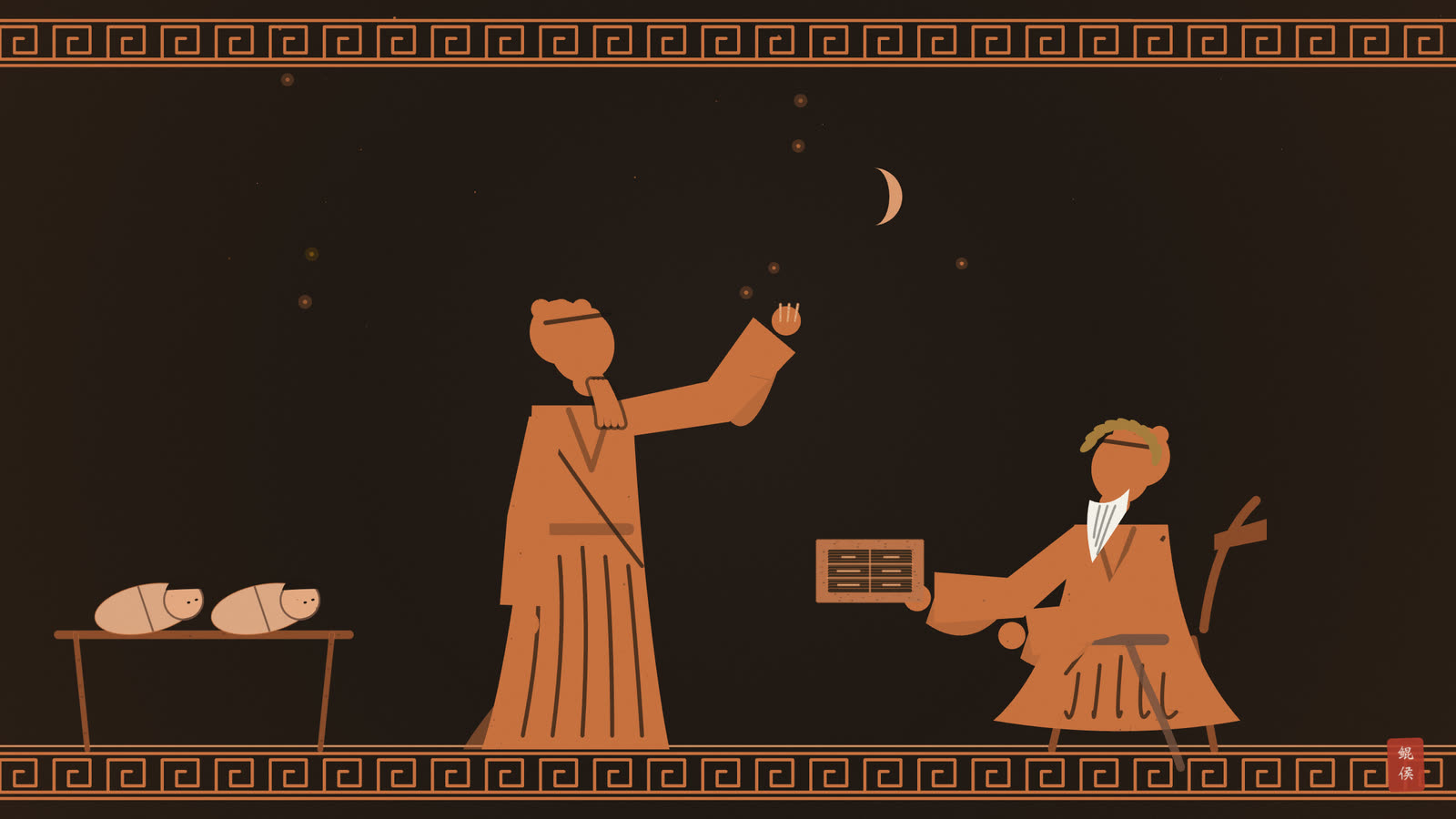
IV. How One Must Establish the Hour of Birth of Twins.
The account concerning twins will be as follows. If someone says that the one was born at the first hour, let it be understood that both were born at the same point, in a fourth part of the first hour, the other in the other fourth part; and it is also possible for both to have been born in the same fourth part, and for the one to have followed the other. If he says that the first was born at the 2nd hour of the morning and the second at the 3rd hour, know that it was born at the 2nd hour. If he says that it was born at the 5th hour, know that it was born at hour 3½; if at the 7th hour, know that it was at the 6th hour; if at the 8th hour, know that it was at hour 7½; if at the 10th hour, know that it was at the 9th hour; if at the 11th hour, know that it was at the 10th hour; if at the 12th hour, it is certain, for no other interval can have arisen. If he says that the first was born at the full 1st hour and the second at the 2nd hour, it is not possible; rather the other too was born either at hour 2½ or at hour 2 1/4. If he says that the first was born at the 2nd hour and the second at the 3rd hour, it is not possible, but that one too was at hour 3½; if he says that the first was at the 3rd hour and the second at the 4th hour, it is not possible, but that one too was at hour 3 or 4½. If he says that the first was at the 6th hour and the second at the 7th, it is not possible, but the second too was at hour 6 or 7½; if the one at the 7th and the other at the 8th, know that it was at 8½; if the one at the 8th and the other at the 9th, it is not possible, but the second too was at hour 8 or 9½; if the one at the 9th hour and the other at the 10th, it is not possible, but the second too was at hour 9 or 10½; if the one at the 10th and the other at the 11th, know that the second too was born at the 10th hour or at the first hour of the night. [text uncertain]
It is possible, then, for twins to be born even in the same part of the hour; but the swift turn of the hour, by shifting the degree, has produced periods that cannot be compared, and, by passing from the least bond into a greater, has made the one long-lived, or, from a greater into the least, short-lived. One must therefore compare the degrees in between and reckon the difference.
翻译点开
IV. How One Must Establish the Hour of Birth of Twins.
第四章 怎样确定双生子的出生时辰。
The account concerning twins will be as follows. If someone says that the one was born at the first hour, let it be understood that both were born at the same point, in a fourth part of the first hour, the other in the other fourth part; and it is also possible for both to have been born in the same fourth part, and for the one to have followed the other. If he says that the first was born at the 2nd hour of the morning and the second at the 3rd hour, know that it was born at the 2nd hour. If he says that it was born at the 5th hour, know that it was born at hour 3½; if at the 7th hour, know that it was at the 6th hour; if at the 8th hour, know that it was at hour 7½; if at the 10th hour, know that it was at the 9th hour; if at the 11th hour, know that it was at the 10th hour; if at the 12th hour, it is certain, for no other interval can have arisen. If he says that the first was born at the full 1st hour and the second at the 2nd hour, it is not possible; rather the other too was born either at hour 2½ or at hour 2 1/4. If he says that the first was born at the 2nd hour and the second at the 3rd hour, it is not possible, but that one too was at hour 3½; if he says that the first was at the 3rd hour and the second at the 4th hour, it is not possible, but that one too was at hour 3 or 4½. If he says that the first was at the 6th hour and the second at the 7th, it is not possible, but the second too was at hour 6 or 7½; if the one at the 7th and the other at the 8th, know that it was at 8½; if the one at the 8th and the other at the 9th, it is not possible, but the second too was at hour 8 or 9½; if the one at the 9th hour and the other at the 10th, it is not possible, but the second too was at hour 9 or 10½; if the one at the 10th and the other at the 11th, know that the second too was born at the 10th hour or at the first hour of the night. [text uncertain]
关于双生子的论述将是这样。若有人说一个生于第一小时,就应理解为两个都生在同一点上,一个在第一小时的一个四分之一里,另一个在另一个四分之一里;两个也可能生在同一个四分之一里,一个跟着另一个。若他说第一个生于早晨第二小时,第二个生于第三小时,要知道它是生于第二小时。若他说它生于第五小时,要知道它生于第三又二分之一小时;若在第七小时,要知道是在第六小时;若在第八小时,要知道是在第七又二分之一小时;若在第十小时,要知道是在第九小时;若在第十一小时,要知道是在第十小时;若在第十二小时,这是确定的,因为不可能出现别的间隔。若他说第一个生于满了的第一小时,第二个生于第二小时,这是不可能的;而是另一个也生于第二又二分之一小时或第二又四分之一小时。若他说第一个生于第二小时,第二个生于第三小时,这是不可能的,而那一个也是在第三又二分之一小时;若他说第一个在第三小时,第二个在第四小时,这是不可能的,而那一个也是在第三或第四又二分之一小时。若他说第一个在第六小时,第二个在第七小时,这是不可能的,而第二个也是在第六或第七又二分之一小时;若一个在第七、另一个在第八,要知道是在第八又二分之一;若一个在第八、另一个在第九,这是不可能的,而第二个也是在第八或第九又二分之一小时;若一个在第九小时、另一个在第十,这是不可能的,而第二个也是在第九或第十又二分之一小时;若一个在第十、另一个在第十一,要知道第二个也生于第十小时或夜里第一小时。〔原文疑有讹误〕
It is possible, then, for twins to be born even in the same part of the hour; but the swift turn of the hour, by shifting the degree, has produced periods that cannot be compared, and, by passing from the least bond into a greater, has made the one long-lived, or, from a greater into the least, short-lived. One must therefore compare the degrees in between and reckon the difference.
所以,双生子即使生在时辰的同一部分里也是可能的;但时辰的快速转动,借着移动度数,造成了不能相比的时期,借着从最小的结越入更大的结,使一个长寿,或从更大的结越入最小的结,使一个短命。所以必须比较中间的诸度,推算其差。
大意与图解点开
🔎 大意:报来的双生子时辰常不可能,须改到合理的分时,两人可生在同一时的两个四分之一里;时辰一转度数即移,越结则寿夭悬殊。
📖 术语
| 术语 | 英文原词 | 意思 |
|---|---|---|
| 四分之一 | fourth part | 一时的四分 |
| 满了的 | full | 整满的 |
| 间隔 | interval | 两胎之间的时间 |
| 最小的结 | least bond | 数值低的一段 |
| 中间的诸度 | degrees in between | 两胎之间的度数 |
🧭 图解与讲解
卷八第四章专论双生子的出生时辰。报时辰的人常说「一个第几小时,另一个第几小时」,瓦伦斯逐条说明怎样改定(表一):报「第一小时」的,两个都在第一小时,各占一个四分之一,或同在一个四分之一;报第五小时的改作三又二分之一,第七改作六,第八改作七又二分之一,第十改作九,第十一改作十,第十二则无误。报两个相连整点的(如一个第二、一个第三),多半「不可能」,第二个应在半点或四分之一时。为什么这样改,原书没有说,末句英译也标了疑讹,只能照录。
| 报来的时辰 | 应改作 |
|---|---|
| 一个生于第 1 小时 | 两个都在第 1 小时,各在一个四分之一,或同在一个 |
| 第一个第 2 小时、第二个第 3 小时(早晨) | 第 2 小时 |
| 生于第 5 / 7 / 8 小时 | 3½ / 6 / 7½ |
| 生于第 10 / 11 / 12 小时 | 9 / 10 / 确定无误 |
| 第一个满第 1 小时,第二个第 2 小时 | 第二个在 2½ 或 2¼ |
| 第 2 与第 3;第 3 与第 4 | 3½;3 或 4½ |
| 第 6 与第 7;第 7 与第 8 | 6 或 7½;8½ |
| 第 8 与第 9;第 9 与第 10 | 8 或 9½;9 或 10½ |
| 第 10 与第 11 | 第 10 小时或夜里第 1 小时 |
〔图〕同时出生,为何寿夭不同
第三行说明要紧处(图二):双生子即使生在同一个时辰分段里,时辰快速转动,上升度数就移动,推出的时期也就不能相比;若正好从第一仪表上数值小的「结」越入数值大的结,一个就长寿,反之就短命。所以必须比较两胎之间的诸度,推算差数。这接着上一章「时辰落进或落出一个结」的说法。
📖 术语
| 术语 | 英文原词 | 意思 |
|---|---|---|
| 四分之一 | fourth part | 一时的四分 |
| 满了的 | full | 整满的 |
| 间隔 | interval | 两胎之间的时间 |
| 最小的结 | least bond | 数值低的一段 |
| 中间的诸度 | degrees in between | 两胎之间的度数 |
🧭 图解与讲解
卷八第四章专论双生子的出生时辰。报时辰的人常说「一个第几小时,另一个第几小时」,瓦伦斯逐条说明怎样改定(表一):报「第一小时」的,两个都在第一小时,各占一个四分之一,或同在一个四分之一;报第五小时的改作三又二分之一,第七改作六,第八改作七又二分之一,第十改作九,第十一改作十,第十二则无误。报两个相连整点的(如一个第二、一个第三),多半「不可能」,第二个应在半点或四分之一时。为什么这样改,原书没有说,末句英译也标了疑讹,只能照录。
| 报来的时辰 | 应改作 |
|---|---|
| 一个生于第 1 小时 | 两个都在第 1 小时,各在一个四分之一,或同在一个 |
| 第一个第 2 小时、第二个第 3 小时(早晨) | 第 2 小时 |
| 生于第 5 / 7 / 8 小时 | 3½ / 6 / 7½ |
| 生于第 10 / 11 / 12 小时 | 9 / 10 / 确定无误 |
| 第一个满第 1 小时,第二个第 2 小时 | 第二个在 2½ 或 2¼ |
| 第 2 与第 3;第 3 与第 4 | 3½;3 或 4½ |
| 第 6 与第 7;第 7 与第 8 | 6 或 7½;8½ |
| 第 8 与第 9;第 9 与第 10 | 8 或 9½;9 或 10½ |
| 第 10 与第 11 | 第 10 小时或夜里第 1 小时 |
第三行说明要紧处(图二):双生子即使生在同一个时辰分段里,时辰快速转动,上升度数就移动,推出的时期也就不能相比;若正好从第一仪表上数值小的「结」越入数值大的结,一个就长寿,反之就短命。所以必须比较两胎之间的诸度,推算差数。这接着上一章「时辰落进或落出一个结」的说法。
V. Introduction to the Two Instruments Set Out Above.
The former instrument is suited to the length of life, having its construction and its entry from the degree of the Ascendant. For at whatever degree this is found, multiplying twelvefold the magnitude set beside it according to the clime and taking 1/30 of it, we shall say that the degrees set beside it allot so many years, and that death stands so great an interval away from life. Likewise, taking 1/60 of the twelvefold product, we shall reckon that each degree of the sign allots so many years; and if the Ascendant degree should somehow arrive at a bond, those born will be short-lived. Then, entering the instrument at the degree of the sign in the Ascendant, we examine what number is set beside it, and, comparing this to see what fraction it is of sixty, we shall take that fraction of the twelvefold number as the amount of years of life. One must, however, reckon the number set beside the degrees of the years as well, first as hours, then as days, then as months, then as years. Especially since the number set beside the degrees in the instrument is double, one must consider half of these as the period that falls to the degree, according to the differences of the signs and of the climes.
For example, beside degree 1 of Libra is set the number 2, and 2 is a thirtieth of 60; and 30 is a sixth of 180, that is, of the magnitude of Libra; for it consists of 30 degrees. If we reckon so many years, the 30 degrees will allot 180 years, which it is impossible for a man to live; if we take 1/60 of the 180, we shall find 3, which one degree will allot; three times 30, then, makes 90. We shall say that Libra allots so many complete years according to the degree of the magnitude that falls to it. Likewise in the remaining signs too, multiplying twelvefold the magnitude set beside each degree and taking 1/60 or ½ of this, we shall find the least or the complete years. Each degree of each sign has different periods of increase; hence the points or the turns of the hours and the variations of the degrees possess great power.
翻译点开
V. Introduction to the Two Instruments Set Out Above.
第五章 上面列出的两个仪表的入口。
The former instrument is suited to the length of life, having its construction and its entry from the degree of the Ascendant. For at whatever degree this is found, multiplying twelvefold the magnitude set beside it according to the clime and taking 1/30 of it, we shall say that the degrees set beside it allot so many years, and that death stands so great an interval away from life. Likewise, taking 1/60 of the twelvefold product, we shall reckon that each degree of the sign allots so many years; and if the Ascendant degree should somehow arrive at a bond, those born will be short-lived. Then, entering the instrument at the degree of the sign in the Ascendant, we examine what number is set beside it, and, comparing this to see what fraction it is of sixty, we shall take that fraction of the twelvefold number as the amount of years of life. One must, however, reckon the number set beside the degrees of the years as well, first as hours, then as days, then as months, then as years. Especially since the number set beside the degrees in the instrument is double, one must consider half of these as the period that falls to the degree, according to the differences of the signs and of the climes.
前一个仪表适用于寿数,它的构造与入口都从上升点的度数出发。因为不论上升点在哪一度被找到,把按气候带列在旁边的大小乘以十二,取它的三十分之一,我们就会说列在旁边的诸度分配这么多年,死亡离生命有这么大的间隔。同样,取十二倍之积的六十分之一,我们就会推算星座的每一度分配这么多年;若上升度数不知怎么来到一个结上,所生的人就会短命。然后,在上升星座的那一度进入仪表,我们审视旁边列着什么数,比较它是六十的几分之几,就把十二倍之数的那个分数取作寿数的年数。不过,也必须把列在年份诸度旁的数推算出来,先作小时,然后作日,然后作月,然后作年。尤其是,既然仪表中列在诸度旁的数是加倍的,就必须把它们的一半看作落到那一度的时期,按星座与气候带的差别。
For example, beside degree 1 of Libra is set the number 2, and 2 is a thirtieth of 60; and 30 is a sixth of 180, that is, of the magnitude of Libra; for it consists of 30 degrees. If we reckon so many years, the 30 degrees will allot 180 years, which it is impossible for a man to live; if we take 1/60 of the 180, we shall find 3, which one degree will allot; three times 30, then, makes 90. We shall say that Libra allots so many complete years according to the degree of the magnitude that falls to it. Likewise in the remaining signs too, multiplying twelvefold the magnitude set beside each degree and taking 1/60 or ½ of this, we shall find the least or the complete years. Each degree of each sign has different periods of increase; hence the points or the turns of the hours and the variations of the degrees possess great power.
例如,天秤第一度旁列着数二,二是六十的三十分之一;三十是一百八十的六分之一,即天秤的大小的;因为它由三十度构成。若我们推算这么多年,三十度将分配一百八十年,这是人不可能活到的;若我们取一百八十的六十分之一,会得到三,这是一度将分配的;所以三乘三十得九十。我们将说天秤按落到它的那个大小的度数,分配这么多满年。同样在其余诸星座中,把每一度旁所列的大小乘以十二,取它的六十分之一或二分之一,我们就会找到最小的或完整的年数。每个星座的每一度有不同的递增时期;所以时辰的点或转动以及度数的变化有很大的力量。
大意与图解点开
🔎 大意:第一仪表求寿数:上升度的大小乘十二,按仪表之数占六十几分取年;天秤一度为例,十二倍为一百八十,每度三年,全座九十。
📖 术语
| 术语 | 英文原词 | 意思 |
|---|---|---|
| 入口 | introduction | 查表的方法 |
| 大小 | magnitude | 时辰的长短 |
| 十二倍之积 | twelvefold product | 大小乘十二 |
| 满年 | complete years | 完整的年数 |
| 递增时期 | periods of increase | 逐度所加之年 |
🧭 图解与讲解
第五章是两个仪表的「入口」,即查表的方法。第一仪表用来求寿数,从上升点的度数入手(图二):把那一度按气候带所列的「大小」乘以十二,取三十分之一,就是旁列诸度分配的年数;取六十分之一,就是星座每一度分配的年数。然后在仪表中查上升那一度旁列的数,看它是六十的几分之几,就取十二倍之数的同样分数作寿数。上升度若落在「结」上,人会短命;短命者要先以时、日、月推算。
| 步骤 | 算法(原文) | 天秤第一度的例子 |
|---|---|---|
| 一 | 上升度数旁所列的大小 × 12 | 15 × 12 = 180(本站推断:天秤一度时一小时为十五时度) |
| 二 | 取六十分之一:每度分配的年数 | 180 ÷ 60 = 3 年 |
| 三 | × 30 度:整座的满年 | 3 × 30 = 90 年;若每度给 6 则 180 年,不可能 |
| 四 | 仪表上该度之数占六十的几分,乘十二倍之数 | 2 ÷ 60 × 180 = 6 年 |
| 五 | 仪表之数是加倍的,取一半 | 六年的一半是三年,即每度之数 |
| 六 | 短命者先作时、日、月,再作年 | 上升度落在结上者短命 |
〔图〕第一仪表的查法
第六行的例子(表一):天秤第一度旁列二,是六十的三十分之一。大小乘十二得一百八十,若三十度每度都给六年,就是一百八十年,人活不到;取一百八十的六十分之一得三,每度三年,整座九十年。原文说一百八十是「天秤的大小」,又说「三十是一百八十的六分之一」,意思费解;本站推想,太阳在天秤一度正是秋分,昼夜等长,一小时合十五个时度,十五乘十二正是一百八十。按「占六十的几分」之法,天秤一度的数二,得一百八十的三十分之一即六年,再取「加倍之数的一半」,正是每度三年,前后相合。
📖 术语
| 术语 | 英文原词 | 意思 |
|---|---|---|
| 入口 | introduction | 查表的方法 |
| 大小 | magnitude | 时辰的长短 |
| 十二倍之积 | twelvefold product | 大小乘十二 |
| 满年 | complete years | 完整的年数 |
| 递增时期 | periods of increase | 逐度所加之年 |
🧭 图解与讲解
第五章是两个仪表的「入口」,即查表的方法。第一仪表用来求寿数,从上升点的度数入手(图二):把那一度按气候带所列的「大小」乘以十二,取三十分之一,就是旁列诸度分配的年数;取六十分之一,就是星座每一度分配的年数。然后在仪表中查上升那一度旁列的数,看它是六十的几分之几,就取十二倍之数的同样分数作寿数。上升度若落在「结」上,人会短命;短命者要先以时、日、月推算。
| 步骤 | 算法(原文) | 天秤第一度的例子 |
|---|---|---|
| 一 | 上升度数旁所列的大小 × 12 | 15 × 12 = 180(本站推断:天秤一度时一小时为十五时度) |
| 二 | 取六十分之一:每度分配的年数 | 180 ÷ 60 = 3 年 |
| 三 | × 30 度:整座的满年 | 3 × 30 = 90 年;若每度给 6 则 180 年,不可能 |
| 四 | 仪表上该度之数占六十的几分,乘十二倍之数 | 2 ÷ 60 × 180 = 6 年 |
| 五 | 仪表之数是加倍的,取一半 | 六年的一半是三年,即每度之数 |
| 六 | 短命者先作时、日、月,再作年 | 上升度落在结上者短命 |
第六行的例子(表一):天秤第一度旁列二,是六十的三十分之一。大小乘十二得一百八十,若三十度每度都给六年,就是一百八十年,人活不到;取一百八十的六十分之一得三,每度三年,整座九十年。原文说一百八十是「天秤的大小」,又说「三十是一百八十的六分之一」,意思费解;本站推想,太阳在天秤一度正是秋分,昼夜等长,一小时合十五个时度,十五乘十二正是一百八十。按「占六十的几分」之法,天秤一度的数二,得一百八十的三十分之一即六年,再取「加倍之数的一半」,正是每度三年,前后相合。
Those, then, who most wish to learn every methodical procedure, I ask to attend to me, since each of the compilers of treatises, having handled the procedures in his own individual and varied way, has left them without setting out their solutions, keeping them hidden and grudging them, whereas I, having sought them out through much toil and much experience, have set them out in order [text uncertain]. And this seems to me the greatest thing, to expose other men's notions buried away in mystic fashion, since I myself, though able to compose many methods through many words of material, did not wish to show myself like the idle talkers; for it would be ridiculous to begin speaking against certain people without first recognizing one's own fault. Hence, if I very often call to mind my own ungrudging spirit and simplicity, the account is to be pardoned; for I have suffered much and endured much toil and been deceived by many, and I spent what seemed to me boundless sums of money, trusting in sorcerers and grasping men. But nevertheless, through my self-control and love of learning, I mastered the procedures; and not only will those who read them and recognize their precision bestow praise on us with pleasure, but some too, because of their plainness, will grudge them and speak ill of them, cursing us on account of the bringing to light of the mystic and hidden matters, or will even cut certain procedures out of my composition. Against such men, then, I have laid down curses, showing what I think they will suffer.
Let those, then, who read the books composed by us, which examine all the procedures, not say: "This one belongs to the King, another to Petosiris, another to Critodemus and the rest"; but let them see that those men, having set out their teaching obscurely and with laboured searching, showed the science to be without substance, whereas we, having made the solutions, not only revived the procedure when it was dying but also passed judgment on our own reputation and initiated others who were worthy, not charmed by the inducement of money but recognizing them as lovers of learning and eager for it; for we ourselves too were bridled by such a stamp of procedure.
翻译点开
Those, then, who most wish to learn every methodical procedure, I ask to attend to me, since each of the compilers of treatises, having handled the procedures in his own individual and varied way, has left them without setting out their solutions, keeping them hidden and grudging them, whereas I, having sought them out through much toil and much experience, have set them out in order [text uncertain]. And this seems to me the greatest thing, to expose other men's notions buried away in mystic fashion, since I myself, though able to compose many methods through many words of material, did not wish to show myself like the idle talkers; for it would be ridiculous to begin speaking against certain people without first recognizing one's own fault. Hence, if I very often call to mind my own ungrudging spirit and simplicity, the account is to be pardoned; for I have suffered much and endured much toil and been deceived by many, and I spent what seemed to me boundless sums of money, trusting in sorcerers and grasping men. But nevertheless, through my self-control and love of learning, I mastered the procedures; and not only will those who read them and recognize their precision bestow praise on us with pleasure, but some too, because of their plainness, will grudge them and speak ill of them, cursing us on account of the bringing to light of the mystic and hidden matters, or will even cut certain procedures out of my composition. Against such men, then, I have laid down curses, showing what I think they will suffer.
所以,那些最想学会每一种有方法的程序的人,我请他们留意于我,既然编写论著的人每一个都以自己独特而多样的方式处理诸程序,留下它们而不列出它们的解法,把它们藏起来、吝惜它们,而我借许多辛劳与许多经验找出了它们,按次序列出了它们〔原文疑有讹误〕。在我看来这是最伟大的事:揭露别人以神秘方式埋藏的观念,因为我自己虽然能借许多材料的言辞写出许多方法,却不愿显得像那些空谈的人;因为若不先认识自己的过错就开始反驳某些人,那是可笑的。所以,若我常常提起自己的不吝与单纯,这番话是可以原谅的;因为我受了许多苦,忍受了许多辛劳,被许多人欺骗,花了在我看来无尽的钱财,信任了巫师与贪婪的人。但尽管如此,借着我的自制与好学,我掌握了这些程序;不仅读了它们、认出它们精确的人会愉快地称赞我们,也有一些人会因为它们的平易而吝惜它们、说它们的坏话,因为神秘而隐藏之事被带到光中而诅咒我们,甚至从我的著作中删去某些程序。所以,对这样的人,我已立下诅咒,显示我认为他们将遭受什么。
Let those, then, who read the books composed by us, which examine all the procedures, not say: "This one belongs to the King, another to Petosiris, another to Critodemus and the rest"; but let them see that those men, having set out their teaching obscurely and with laboured searching, showed the science to be without substance, whereas we, having made the solutions, not only revived the procedure when it was dying but also passed judgment on our own reputation and initiated others who were worthy, not charmed by the inducement of money but recognizing them as lovers of learning and eager for it; for we ourselves too were bridled by such a stamp of procedure.
所以,让那些读我们所写的、审视一切程序的书的人,不要说:「这一个属于王,另一个属于佩托西里斯,另一个属于克里托德摩斯与其余的人」;而要看到,那些人把他们的教导晦涩地、以费力的探寻列出,显得这门学问没有实质,而我们作出了解法,不仅在这程序垂死时使它复苏,也对我们自己的名声作了判断,并使另一些配得的人入门,不是被钱财的诱惑所迷,而是认出他们是爱学而热切的人;因为我们自己也曾被这样一种程序的印记套上缰绳。
大意与图解点开
🔎 大意:前人藏而不解,作者费尽辛劳钱财、受巫师之骗才掌握诸法,不吝公开,并诅咒删改者;读者不必分哪法属王或佩托西里斯。
📖 术语
| 术语 | 英文原词 | 意思 |
|---|---|---|
| 解法 | solutions | 把谜一样的法讲明 |
| 空谈的人 | idle talkers | 只会说的人 |
| 巫师 | sorcerers | 行巫术者 |
| 诅咒 | curses | 咒语 |
| 印记 | stamp | 某种程序的烙印 |
🧭 图解与讲解
第七、八行是瓦伦斯的自白(图二)。他说著书的人各自以独特的方式处理诸法,只列程序不给解法,藏起来、吝惜它们;他自己经过许多辛劳与经验找出解法、按次序列出。他认为最伟大的事就是把别人神秘埋藏的观念揭露出来。他常提自己不吝与单纯,是因为他吃过许多苦:被许多人欺骗,花了无尽的钱,信任过巫师与贪婪的人,最后凭自制与好学才掌握这些程序。
〔图〕前人与瓦伦斯
〔图〕作者自述的经历
他预料有人会称赞,也有人嫌这些方法太平易而说坏话,诅咒他泄露秘密,甚至从他的书里删去某些程序,所以已对这些人立下诅咒(卷七的序言与卷末也有类似的誓辞)。第八行要读者不要再分「这一法属王(内切普索),那一法属佩托西里斯或克里托德摩斯」(图一):这些前人把教导写得晦涩费力,反使这门学问显得空洞;而他作出了解法,使垂死的程序复苏,只让爱学而热切的人入门,不为钱财所动。
📖 术语
| 术语 | 英文原词 | 意思 |
|---|---|---|
| 解法 | solutions | 把谜一样的法讲明 |
| 空谈的人 | idle talkers | 只会说的人 |
| 巫师 | sorcerers | 行巫术者 |
| 诅咒 | curses | 咒语 |
| 印记 | stamp | 某种程序的烙印 |
🧭 图解与讲解
第七、八行是瓦伦斯的自白(图二)。他说著书的人各自以独特的方式处理诸法,只列程序不给解法,藏起来、吝惜它们;他自己经过许多辛劳与经验找出解法、按次序列出。他认为最伟大的事就是把别人神秘埋藏的观念揭露出来。他常提自己不吝与单纯,是因为他吃过许多苦:被许多人欺骗,花了无尽的钱,信任过巫师与贪婪的人,最后凭自制与好学才掌握这些程序。
他预料有人会称赞,也有人嫌这些方法太平易而说坏话,诅咒他泄露秘密,甚至从他的书里删去某些程序,所以已对这些人立下诅咒(卷七的序言与卷末也有类似的誓辞)。第八行要读者不要再分「这一法属王(内切普索),那一法属佩托西里斯或克里托德摩斯」(图一):这些前人把教导写得晦涩费力,反使这门学问显得空洞;而他作出了解法,使垂死的程序复苏,只让爱学而热切的人入门,不为钱财所动。
Let our account, then, return to the topic of the length of life. All the methods composed before are precise and tested, each according to its own procedure, and this triple-sign method too is tested and wonderful. It runs as follows. Having learned precisely the lunar and the solar degree in relation to the Ascendant degree of the nativity, I enter the instrument set out below, and, having recognized, in the manner to be set out hereafter, the place at which the triple-sign count ends from the solar degree, I come to the sign in the Ascendant, and having recognized at which degree it falls, I set this out as the solar gnomon. Then likewise it is set beside the sign of the Moon as well, and bringing the degrees of the solar gnomon into that sign, you see again of which sign the place falls [text uncertain]; and bringing that into the sign in the Ascendant, I take it as the lunar gnomon, and I compare whether the solar or the lunar exceeds. If the Sun's goes ahead, the hour has an addition of the signs in between; if the Moon's, a subtraction. For this is the compulsory and natural Ascendant; hence let no one be surprised if, supposing the Ascendant to be in one sign, he finds it in another. After the addition or subtraction, having recognized how many degrees the Ascendant is, I enter the rising times of the triple-sign method and examine how many years are set beside the degree found, according to the clime, and declare it; but if one or even a second degree of the Sun or of the Moon, or of the Ascendant, has slipped, the matters will be judged discordant.
If anyone wishes to test it, let him run back one or even two degrees, or add them to the solar or lunar degree, if it seems to have gone astray, or let him reckon another Ascendant and work in the same way; and he will find the way. This one may test from those who have already died, and one should not trust those who bring nativities gone astray from hearsay and think that one is failing, but, judging the hypothesis to be firm, one should not be put out. Here one must necessarily take in addition the castings of rays and the co-presences of the malefics with regard to the Sun, the Moon, and the Ascendant, and the reckoning of the ruler; for from these the limits of the substance are also apprehended. For those without years or of few years we shall reckon the periods of the limits set out, first as hours, then as days, then as months, then as years; and after completing the first limit of the years we shall reckon the second and the third likewise, as hours, days, months, and add them to the first. In signs of short rising, when we find long-lived nativities, we gather together the first or the third, or the second and the third, or the fourth whole and, of the rest, the amounts set beside the degree, and declare it.
翻译点开
Let our account, then, return to the topic of the length of life. All the methods composed before are precise and tested, each according to its own procedure, and this triple-sign method too is tested and wonderful. It runs as follows. Having learned precisely the lunar and the solar degree in relation to the Ascendant degree of the nativity, I enter the instrument set out below, and, having recognized, in the manner to be set out hereafter, the place at which the triple-sign count ends from the solar degree, I come to the sign in the Ascendant, and having recognized at which degree it falls, I set this out as the solar gnomon. Then likewise it is set beside the sign of the Moon as well, and bringing the degrees of the solar gnomon into that sign, you see again of which sign the place falls [text uncertain]; and bringing that into the sign in the Ascendant, I take it as the lunar gnomon, and I compare whether the solar or the lunar exceeds. If the Sun's goes ahead, the hour has an addition of the signs in between; if the Moon's, a subtraction. For this is the compulsory and natural Ascendant; hence let no one be surprised if, supposing the Ascendant to be in one sign, he finds it in another. After the addition or subtraction, having recognized how many degrees the Ascendant is, I enter the rising times of the triple-sign method and examine how many years are set beside the degree found, according to the clime, and declare it; but if one or even a second degree of the Sun or of the Moon, or of the Ascendant, has slipped, the matters will be judged discordant.
所以,让我们的论述回到寿数的论题。前面写成的一切方法,各按自己的程序,都是精确而经过检验的,这个三座之法也是经过检验而奇妙的。它是这样的。精确地知道月亮与太阳的度数相对于本命上升度数的关系之后,我进入下面列出的仪表,按以后将列出的方式,认出从太阳的度数起三座之法止于的那个位置,再来到上升的星座,认出它落在第几度,我就把这列为太阳晷针。然后同样,它也被列在月亮的星座旁,你把太阳晷针的度数带进那个星座,又看那个位置落在哪个星座〔原文疑有讹误〕;把那个带进上升的星座,我把它取作月亮晷针,并比较是太阳的还是月亮的超出。若太阳的在前,时辰就加上中间诸星座之数;若月亮的在前,就减去。因为这是强制而自然的上升点;所以若有人以为上升点在一个星座而发现它在另一个,不要惊讶。加减之后,认出上升点是多少度,我就进入三座之法的上升时间,按气候带审视所找到的那一度旁列着多少年,并宣告它;但若太阳的或月亮的、或上升点的度数滑了一度甚至两度,事情就会被判为不相合。
If anyone wishes to test it, let him run back one or even two degrees, or add them to the solar or lunar degree, if it seems to have gone astray, or let him reckon another Ascendant and work in the same way; and he will find the way. This one may test from those who have already died, and one should not trust those who bring nativities gone astray from hearsay and think that one is failing, but, judging the hypothesis to be firm, one should not be put out. Here one must necessarily take in addition the castings of rays and the co-presences of the malefics with regard to the Sun, the Moon, and the Ascendant, and the reckoning of the ruler; for from these the limits of the substance are also apprehended. For those without years or of few years we shall reckon the periods of the limits set out, first as hours, then as days, then as months, then as years; and after completing the first limit of the years we shall reckon the second and the third likewise, as hours, days, months, and add them to the first. In signs of short rising, when we find long-lived nativities, we gather together the first or the third, or the second and the third, or the fourth whole and, of the rest, the amounts set beside the degree, and declare it.
若有人想检验它,就让他往回退一度甚至两度,或把它们加到太阳或月亮的度数上,若它似乎走错了,或让他推算另一个上升点,同样操作;他就会找到路。这可以从已死的人那里检验;对那些带来走错的、听来的本命而以为是方法失败的人,不应信任,而要判定这个假设是稳固的,不应慌乱。这里必须另外采用凶星对太阳、月亮与上升点的光线投射与同在,以及主星的推算;因为从这些也把握根基的界限。对没有年数或年数很少的人,我们将把列出的诸界限的时期先作小时,然后作日,然后作月,然后作年;走完年数的第一个界限之后,我们将同样把第二、第三个推算为时、日、月,加到第一个上。在上升时间短的星座里,当我们发现长寿的本命时,我们就把第一或第三个,或第二与第三个,或整个第四个,以及其余的、列在该度旁的数合在一起,并宣告它。
大意与图解点开
🔎 大意:三座之法:太阳度数查得之座到上升座中找,得太阳晷针;月亮同法;日在前加、月在前减,得强制而自然的上升,再查寿数。
📖 术语
| 术语 | 英文原词 | 意思 |
|---|---|---|
| 三座之法 | triple-sign method | 连查三座的推法 |
| 太阳晷针 | solar gnomon | 由太阳查得之度 |
| 月亮晷针 | lunar gnomon | 由月亮查得之度 |
| 强制而自然的上升点 | compulsory and natural Ascendant | 校正后的上升 |
| 光线投射 | castings of rays | 凶星的相位 |
🧭 图解与讲解
第九行回到寿数,介绍「三座之法」(triple-sign method),也就是第二个仪表的入口(图一)。精确知道日月度数与上升度数之后:用太阳的度数进入仪表,按后面要讲的方式找到三座之法止于的位置,再到上升星座里看它在第几度,这就是太阳晷针;同样把太阳晷针的度数带进月亮所在的星座查出一个位置,再到上升星座里找,就是月亮晷针。两者比较:太阳的在前,时辰就加上中间诸栏之数;月亮的在前就减去。这样得到的是「强制而自然的上升点」,可能与原先以为的上升星座不同,瓦伦斯说不必惊讶。
〔图〕三座之法的步骤
| 情形 | 做法 |
|---|---|
| 日、月或上升度数疑有一两度之差 | 前后挪一两度,或另推一个上升点再算 |
| 检验 | 用已死之人的本命;听来的本命不可据以否定此法 |
| 另须参看 | 凶星对日、月、上升的光线与同在;主星的推算 |
| 无年数或年数少者 | 诸界限先作时、日、月,再作年,依次相加 |
| 上升时间短的星座而长寿 | 把几个界限与该度旁的数合在一起 |
然后进入三座之法的上升时间(三种界限之表),按气候带查该度旁列的年数宣告;日、月或上升的度数若滑了一两度,结果就不合(表二)。检验之法是前后挪一两度或另推一个上升点,用已死之人的本命来验;对那些拿着听来的、时辰不准的本命而说方法失败的人,不必理会。此外还要看凶星对日、月、上升的光线投射与同在,以及主星的推算。年少夭折者,把界限的时期先作时、日、月;上升时间短的星座出现长寿之命时,要把几个界限的数合起来。
📖 术语
| 术语 | 英文原词 | 意思 |
|---|---|---|
| 三座之法 | triple-sign method | 连查三座的推法 |
| 太阳晷针 | solar gnomon | 由太阳查得之度 |
| 月亮晷针 | lunar gnomon | 由月亮查得之度 |
| 强制而自然的上升点 | compulsory and natural Ascendant | 校正后的上升 |
| 光线投射 | castings of rays | 凶星的相位 |
🧭 图解与讲解
第九行回到寿数,介绍「三座之法」(triple-sign method),也就是第二个仪表的入口(图一)。精确知道日月度数与上升度数之后:用太阳的度数进入仪表,按后面要讲的方式找到三座之法止于的位置,再到上升星座里看它在第几度,这就是太阳晷针;同样把太阳晷针的度数带进月亮所在的星座查出一个位置,再到上升星座里找,就是月亮晷针。两者比较:太阳的在前,时辰就加上中间诸栏之数;月亮的在前就减去。这样得到的是「强制而自然的上升点」,可能与原先以为的上升星座不同,瓦伦斯说不必惊讶。
| 情形 | 做法 |
|---|---|
| 日、月或上升度数疑有一两度之差 | 前后挪一两度,或另推一个上升点再算 |
| 检验 | 用已死之人的本命;听来的本命不可据以否定此法 |
| 另须参看 | 凶星对日、月、上升的光线与同在;主星的推算 |
| 无年数或年数少者 | 诸界限先作时、日、月,再作年,依次相加 |
| 上升时间短的星座而长寿 | 把几个界限与该度旁的数合在一起 |
然后进入三座之法的上升时间(三种界限之表),按气候带查该度旁列的年数宣告;日、月或上升的度数若滑了一两度,结果就不合(表二)。检验之法是前后挪一两度或另推一个上升点,用已死之人的本命来验;对那些拿着听来的、时辰不准的本命而说方法失败的人,不必理会。此外还要看凶星对日、月、上升的光线投射与同在,以及主星的推算。年少夭折者,把界限的时期先作时、日、月;上升时间短的星座出现长寿之命时,要把几个界限的数合起来。
Again, which of the three limits will prevail is to be recognized thus. Entering at the Ascendant degree, I examine how many years are set beside it for the first limit; then entering at the degree directly opposite, I seek what number is set beside the years and months found, and adding this to the degrees of the Ascendant, I count off from the sign in the Ascendant, or from the Moon if she happens to be angular or succedent. Wherever the count ends, I shall look at the rays of the malefics, lest they impede; for if it is found so, this is the destroyer of the cycles [text uncertain]. Likewise for the second and the third limit. Otherwise again, I shall take the years from those from the application, from the second ones, and from the planets, and I shall see whether the ruler of the dissolution prevails over the three in any manner whatsoever; the 12th place is that of dissolution. One must also look ahead at the reckoning of the climacterics, as we have explained. If the number by deficiency coincides, it will cut away part of the years; often, then, either the climacteric will anticipate, or it will bring the end after the reckoned number of years. One must observe into which column the place of the Ascendant has fallen, whether it has two or three or four numbers, and so use the combined number for the years. For example, let the Ascendant degree have fallen at Cancer 8°, which signifies the place of Taurus; in the same column degree 9 also is productive; this degree 9 too, then, will have force for every procedure. Likewise in Cancer itself from degree 25 to degree 28 in the place of Aquarius; degrees 26 and 27, then, will also be productive.
翻译点开
Again, which of the three limits will prevail is to be recognized thus. Entering at the Ascendant degree, I examine how many years are set beside it for the first limit; then entering at the degree directly opposite, I seek what number is set beside the years and months found, and adding this to the degrees of the Ascendant, I count off from the sign in the Ascendant, or from the Moon if she happens to be angular or succedent. Wherever the count ends, I shall look at the rays of the malefics, lest they impede; for if it is found so, this is the destroyer of the cycles [text uncertain]. Likewise for the second and the third limit. Otherwise again, I shall take the years from those from the application, from the second ones, and from the planets, and I shall see whether the ruler of the dissolution prevails over the three in any manner whatsoever; the 12th place is that of dissolution. One must also look ahead at the reckoning of the climacterics, as we have explained. If the number by deficiency coincides, it will cut away part of the years; often, then, either the climacteric will anticipate, or it will bring the end after the reckoned number of years. One must observe into which column the place of the Ascendant has fallen, whether it has two or three or four numbers, and so use the combined number for the years. For example, let the Ascendant degree have fallen at Cancer 8°, which signifies the place of Taurus; in the same column degree 9 also is productive; this degree 9 too, then, will have force for every procedure. Likewise in Cancer itself from degree 25 to degree 28 in the place of Aquarius; degrees 26 and 27, then, will also be productive.
再者,三个界限中哪一个会得胜,要这样认出。在上升的度数进入,我审视第一个界限旁列着多少年;然后在正对面的那一度进入,我寻找在找到的年与月旁列着什么数,把它加到上升点的度数上,我从上升的星座起数,或者若月亮恰好居角或在续宫,就从月亮起数。数到哪里终止,我就看凶星的光线,以免它们阻碍;因为若发现是这样,这就是诸循环的毁坏者〔原文疑有讹误〕。第二与第三个界限也同样。另外,我再从入相而来的那些、从第二组那些、从诸行星取年数,看消解之主是否以任何方式胜过这三者;第十二位是消解之位。也必须预先看关口的推算,正如我们已解释过的。若按欠缺的数一同落入,它就会从年数中割去一部分;所以常常,或者关口会抢先,或者在推算出的年数之后才带来终结。必须观察上升的位置落入哪一栏,它有两个、三个还是四个数,就这样用合在一起的数作年数。例如,设上升度数落在巨蟹第八度,它象征金牛的位置;在同一栏里,第九度也是得力的;所以这第九度也对每一种程序都有力。同样在巨蟹本身,从第二十五到第二十八度,在水瓶的位置上;所以第二十六与第二十七度也会是得力的。
大意与图解点开
🔎 大意:上升度查第一界限得年,对面度查数加上后数去,止处有凶星光线即毁坏者;关口可提前或推迟终结;同一栏诸度都得力。
📖 术语
| 术语 | 英文原词 | 意思 |
|---|---|---|
| 界限 | limit | 寿数的三档 |
| 诸循环的毁坏者 | destroyer of the cycles | 截断寿数之星 |
| 消解之主 | ruler of the dissolution | 第十二位之主 |
| 消解之位 | place of dissolution | 第十二位 |
| 栏 | column | 仪表的一格 |
🧭 图解与讲解
第十一行讲三个界限(最小、中等、最大)中哪一个起作用(图一):在上升的度数查第一界限的年数;再到正对面那一度,查这年月旁列的数,加到上升度数上,从上升星座起数(月亮居角或在续宫时从月亮起数);数到之处若有凶星的光线,那就是「诸循环的毁坏者」,寿数止于这一界限;第二、第三界限同样检验。另外还要从入相、从第二组数与诸行星取年数,看「消解之主」(第十二位之主,第十二位即消解之位)是否胜过这三者。
〔图〕判三种界限孰胜
| 上升度数 | 仪表上所对的位置 | 同一栏里也得力的度 |
|---|---|---|
| 巨蟹 8° | 金牛 | 巨蟹 9° |
| 巨蟹 25°–28° | 水瓶 | 巨蟹 26°、27° |
还要预看关口:若一个「按欠缺」的数同落,就会从年数里割去一部分,所以关口或提前、或在推算的年数之后才带来终结。最后讲「栏」(表二):上升度落入仪表的某一栏,若这一栏有两三个甚至四个数,就合起来用。例如上升在巨蟹八度,对应金牛的位置,同一栏里的九度也得力;巨蟹二十五到二十八度对应水瓶,其中二十六、二十七度也得力。仪表的具体排法见下一页(卷八第六章起)。
📖 术语
| 术语 | 英文原词 | 意思 |
|---|---|---|
| 界限 | limit | 寿数的三档 |
| 诸循环的毁坏者 | destroyer of the cycles | 截断寿数之星 |
| 消解之主 | ruler of the dissolution | 第十二位之主 |
| 消解之位 | place of dissolution | 第十二位 |
| 栏 | column | 仪表的一格 |
🧭 图解与讲解
第十一行讲三个界限(最小、中等、最大)中哪一个起作用(图一):在上升的度数查第一界限的年数;再到正对面那一度,查这年月旁列的数,加到上升度数上,从上升星座起数(月亮居角或在续宫时从月亮起数);数到之处若有凶星的光线,那就是「诸循环的毁坏者」,寿数止于这一界限;第二、第三界限同样检验。另外还要从入相、从第二组数与诸行星取年数,看「消解之主」(第十二位之主,第十二位即消解之位)是否胜过这三者。
| 上升度数 | 仪表上所对的位置 | 同一栏里也得力的度 |
|---|---|---|
| 巨蟹 8° | 金牛 | 巨蟹 9° |
| 巨蟹 25°–28° | 水瓶 | 巨蟹 26°、27° |
还要预看关口:若一个「按欠缺」的数同落,就会从年数里割去一部分,所以关口或提前、或在推算的年数之后才带来终结。最后讲「栏」(表二):上升度落入仪表的某一栏,若这一栏有两三个甚至四个数,就合起来用。例如上升在巨蟹八度,对应金牛的位置,同一栏里的九度也得力;巨蟹二十五到二十八度对应水瓶,其中二十六、二十七度也得力。仪表的具体排法见下一页(卷八第六章起)。
原文为公有领域古籍;翻译、印象画与图文解读由 AI 辅助生成,鲲侯审校。