卷一·第八章 论对太阳的相位之力
月亮与三颗外行星的力随它们对太阳的相位增减:一个周期分四段,依次偏湿、偏热、偏燥、偏冷,与四季同序。
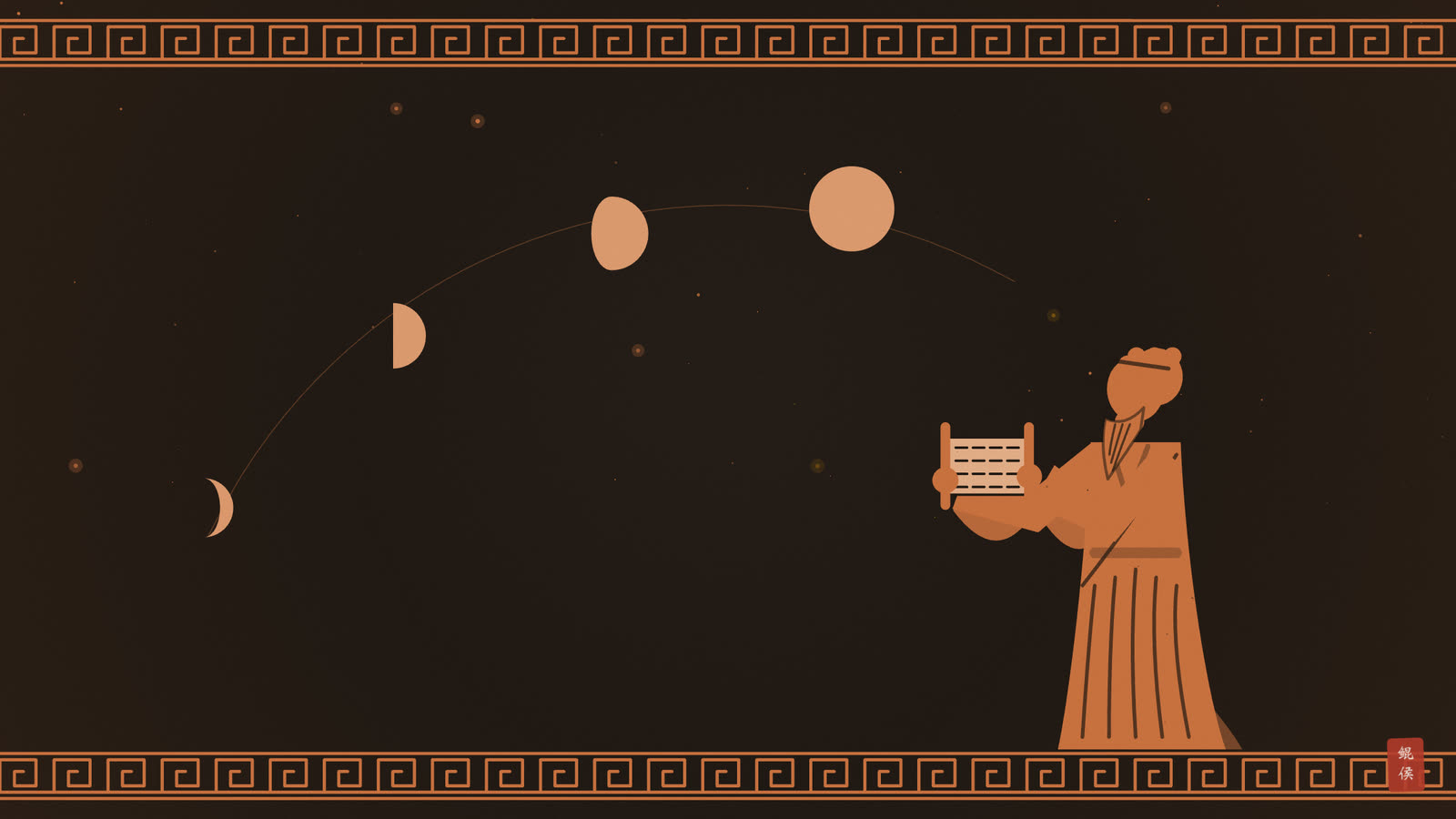
Now, mark you, likewise, according to their aspects to the sun, the moon and three of the planets experience increase and decrease in their own powers. For in its waxing from new moon to first quarter the moon is more productive of moisture; in its passage from first quarter to full, of heat; from full to last quarter, of dryness, and from last quarter to occultation, of cold.
翻译点开
Now, mark you, likewise, according to their aspects to the sun, the moon and three of the planets experience increase and decrease in their own powers. For in its waxing from new moon to first quarter the moon is more productive of moisture; in its passage from first quarter to full, of heat; from full to last quarter, of dryness, and from last quarter to occultation, of cold.
请注意,同样地,月亮与三颗行星也随着它们对太阳的相位,自身之力有增有减。因为月亮在盈长时,从新月到上弦,较多致湿;从上弦到满月,较多生热;从满月到下弦,较多致燥;从下弦到隐没,较多致冷。
大意与图解点开
🔎 大意:月亮与三颗行星之力随对太阳的相位增减:月亮从新月到上弦偏湿,到满月偏热,到下弦偏燥,到隐没偏冷。
📖 术语
| 术语 | 英译原词 | 意思 |
|---|---|---|
| 新月 | new moon | 月与日同度,即朔 |
| 上弦 / 下弦 | first / last quarter | 月离日九十度 |
| 满月 | full | 月与日相对,即望 |
| 隐没 | occultation | 月没入日光,复归于朔 |
🧭 图解与讲解
卷一第四章说过,诸星还有一些力是从它们对日月的相位里观察出来的;这一章兑现了这句话。「对太阳的相位」在这里指的不只是第十三章那几种几何相位,而是一颗星与太阳拉开的整个周期——月亮的盈亏,行星的晨出、留、逆行。托勒密说,月亮与三颗行星的力就随这个周期增减。
〔图〕月相四段:月亮每离太阳九十度换一种性质,依次偏湿、偏热、偏燥、偏冷
〔图〕月相与四性同序:湿、热、燥、冷,与春、夏、秋、冬一样
先看月亮。图一设太阳在白羊初度,月亮从新月(与太阳同度)出发,沿黄道逆时针离开太阳,动画里的半径就是它与太阳拉开的距离:走到九十度是上弦,一百八十度是满月,二百七十度是下弦,再回到太阳身边就是「隐没」,即下一个新月(Robbins 注)。四段依次偏湿、偏热、偏燥、偏冷。这里星座只当刻度用,换成别的星座,道理一样。
托勒密在这里没有给理由,但只要对照图二就看得出用意:湿、热、燥、冷的次序,与卷一第十章的春、夏、秋、冬,以及幼年、盛年、过盛、暮年完全相同。月亮从新到满再到亏,像一年的四季,也像一生的四个年龄段。这个四分法后面真的用上了:卷二第十二章细推天气,要看至点、分点之前最近的新月或满月;第十三章看天象征兆,要看新月、满月与上下弦前后三天的月亮。
📖 术语
| 术语 | 英译原词 | 意思 |
|---|---|---|
| 新月 | new moon | 月与日同度,即朔 |
| 上弦 / 下弦 | first / last quarter | 月离日九十度 |
| 满月 | full | 月与日相对,即望 |
| 隐没 | occultation | 月没入日光,复归于朔 |
🧭 图解与讲解
卷一第四章说过,诸星还有一些力是从它们对日月的相位里观察出来的;这一章兑现了这句话。「对太阳的相位」在这里指的不只是第十三章那几种几何相位,而是一颗星与太阳拉开的整个周期——月亮的盈亏,行星的晨出、留、逆行。托勒密说,月亮与三颗行星的力就随这个周期增减。
先看月亮。图一设太阳在白羊初度,月亮从新月(与太阳同度)出发,沿黄道逆时针离开太阳,动画里的半径就是它与太阳拉开的距离:走到九十度是上弦,一百八十度是满月,二百七十度是下弦,再回到太阳身边就是「隐没」,即下一个新月(Robbins 注)。四段依次偏湿、偏热、偏燥、偏冷。这里星座只当刻度用,换成别的星座,道理一样。
托勒密在这里没有给理由,但只要对照图二就看得出用意:湿、热、燥、冷的次序,与卷一第十章的春、夏、秋、冬,以及幼年、盛年、过盛、暮年完全相同。月亮从新到满再到亏,像一年的四季,也像一生的四个年龄段。这个四分法后面真的用上了:卷二第十二章细推天气,要看至点、分点之前最近的新月或满月;第十三章看天象征兆,要看新月、满月与上下弦前后三天的月亮。
The planets, in oriental aspects only, are more productive of moisture from rising to their first station, of heat from first station to evening rising, of dryness from evening rising to the second station, of cold from second station to setting; and it is clear that when they are associated with one another they produce very many variations of quality in our ambient, the proper force of each one for the most part persisting, but being changed in quantity by the force of the stars that share the configuration.
翻译点开
The planets, in oriental aspects only, are more productive of moisture from rising to their first station, of heat from first station to evening rising, of dryness from evening rising to the second station, of cold from second station to setting; and it is clear that when they are associated with one another they produce very many variations of quality in our ambient, the proper force of each one for the most part persisting, but being changed in quantity by the force of the stars that share the configuration.
诸行星则只就东出的相位而论:从升起到第一次留,较多致湿;从第一次留到昏升,较多生热;从昏升到第二次留,较多致燥;从第二次留到沉没,较多致冷。显然,当它们彼此相会时,会在我们的周天里造成极多的性质变化:各星本身的力大体仍然保持,只是在分量上被同处一个格局的诸星之力所改变。
大意与图解点开
🔎 大意:外行星从晨出到第一次留偏湿,到昏升偏热,到第二次留偏燥,到沉没偏冷;诸星相会,本性大体不变,只改分量。
📖 术语
| 术语 | 英译原词 | 意思 |
|---|---|---|
| 东出 | oriental | 在太阳之西,晨见东方 |
| 留 | station | 看似停在天上不动 |
| 昏升 | evening rising | 日落时从东方升起 |
| 沉没 | setting | 没入日光,不再可见 |
| 格局 | configuration | 诸星的相互位置 |
🧭 图解与讲解
「三颗行星」指的是土星、木星、火星,也就是天球在太阳之上的三颗外行星;有些抄本在这里加了一句注,正是这样说的(Robbins 注)。它们对太阳的周期从会合说起:与太阳会合时,它被日光淹没,看不见;太阳往前走开,它便在黎明前出现在东方,这就是原文的「升起」,即晨出(偕日升),从此它是晨星、东出。
〔图〕外行星对太阳的周期:晨出、第一次留、昏升、第二次留、沉没,四段依次偏湿、偏热、偏燥、偏冷
| 四段 | 月亮 | 外行星(土、木、火) | 偏于 |
|---|---|---|---|
| 一 | 新月 → 上弦 | 晨出 → 第一次留 | 湿 |
| 二 | 上弦 → 满月 | 第一次留 → 昏升 | 热 |
| 三 | 满月 → 下弦 | 昏升 → 第二次留 | 燥 |
| 四 | 下弦 → 隐没 | 第二次留 → 沉没 | 冷 |
此后它在天上的运行渐渐慢下来,到「第一次留」看似停住,接着逆行;逆行到正中,日落时它恰好从东方升起,这是「昏升」,此时它与太阳对冲;再到「第二次留」,恢复顺行;最后在黄昏的西方没入日光,就是「沉没」。托勒密在《天文学大成》里用本轮来解释这些留与逆行(Robbins 注)。
图一以太阳为定点来看:太阳每天走得比外行星快,所以外行星相对太阳是往西退的,在盘上顺时针绕一圈。从「升」到「留」偏湿,从「留」到「冲」偏热,从「冲」到「留」偏燥,从「留」到「没」偏冷——与月亮的四段同序。表二把两者并排。托勒密特意说「只就东出的相位而论」,就是从它作为晨星升起的那一刻算起。
为什么只说三颗?托勒密没有解释。可以注意的是,金星、水星离太阳不远(卷一第四章),永远到不了与太阳对冲的位置,也就没有「昏升」,排不进这个四段式;它们对太阳只分作晨星、作昏星两种处境,卷一第六、第七章已经用过。
最后一句是全书判断的通则:几颗星同处一个格局时,周天的性质会千变万化,但每颗星本身的力大体保持不变,只是在分量上被别的星增减。托勒密后面判断天气、判断本命,处处都是这种「各守本性、相互调剂」的混合算法。
📖 术语
| 术语 | 英译原词 | 意思 |
|---|---|---|
| 东出 | oriental | 在太阳之西,晨见东方 |
| 留 | station | 看似停在天上不动 |
| 昏升 | evening rising | 日落时从东方升起 |
| 沉没 | setting | 没入日光,不再可见 |
| 格局 | configuration | 诸星的相互位置 |
🧭 图解与讲解
「三颗行星」指的是土星、木星、火星,也就是天球在太阳之上的三颗外行星;有些抄本在这里加了一句注,正是这样说的(Robbins 注)。它们对太阳的周期从会合说起:与太阳会合时,它被日光淹没,看不见;太阳往前走开,它便在黎明前出现在东方,这就是原文的「升起」,即晨出(偕日升),从此它是晨星、东出。
| 四段 | 月亮 | 外行星(土、木、火) | 偏于 |
|---|---|---|---|
| 一 | 新月 → 上弦 | 晨出 → 第一次留 | 湿 |
| 二 | 上弦 → 满月 | 第一次留 → 昏升 | 热 |
| 三 | 满月 → 下弦 | 昏升 → 第二次留 | 燥 |
| 四 | 下弦 → 隐没 | 第二次留 → 沉没 | 冷 |
此后它在天上的运行渐渐慢下来,到「第一次留」看似停住,接着逆行;逆行到正中,日落时它恰好从东方升起,这是「昏升」,此时它与太阳对冲;再到「第二次留」,恢复顺行;最后在黄昏的西方没入日光,就是「沉没」。托勒密在《天文学大成》里用本轮来解释这些留与逆行(Robbins 注)。
图一以太阳为定点来看:太阳每天走得比外行星快,所以外行星相对太阳是往西退的,在盘上顺时针绕一圈。从「升」到「留」偏湿,从「留」到「冲」偏热,从「冲」到「留」偏燥,从「留」到「没」偏冷——与月亮的四段同序。表二把两者并排。托勒密特意说「只就东出的相位而论」,就是从它作为晨星升起的那一刻算起。
为什么只说三颗?托勒密没有解释。可以注意的是,金星、水星离太阳不远(卷一第四章),永远到不了与太阳对冲的位置,也就没有「昏升」,排不进这个四段式;它们对太阳只分作晨星、作昏星两种处境,卷一第六、第七章已经用过。
最后一句是全书判断的通则:几颗星同处一个格局时,周天的性质会千变万化,但每颗星本身的力大体保持不变,只是在分量上被别的星增减。托勒密后面判断天气、判断本命,处处都是这种「各守本性、相互调剂」的混合算法。
原文为公有领域古籍;翻译、印象画与图文解读由 AI 辅助生成,鲲侯审校。