卷一·第七章 论昼星与夜星
昼热属阳,夜湿属阴:日、木为昼星,月、金为夜星;两颗凶星反其道而配,冷的土星归昼,燥的火星归夜。
Similarly, since of the two most obvious intervals of those which make up time, the day is more masculine because of its heat and active force, and night more feminine because of its moisture and its gift of rest, the tradition has consequently been handed down that the moon and Venus are nocturnal, the sun and Jupiter diurnal, and Mercury common as before, diurnal when it is a morning star and nocturnal as an evening star.
翻译点开
Similarly, since of the two most obvious intervals of those which make up time, the day is more masculine because of its heat and active force, and night more feminine because of its moisture and its gift of rest, the tradition has consequently been handed down that the moon and Venus are nocturnal, the sun and Jupiter diurnal, and Mercury common as before, diurnal when it is a morning star and nocturnal as an evening star.
同样,在构成时间的各种间隔中,最明显的两种是昼与夜:白昼因其热与主动之力而较偏阳性,黑夜因其湿与赐人休息而较偏阴性;因此传下来的说法是,月亮与金星为夜星,太阳与木星为昼星,水星则和前面一样两者兼有:作为晨星时为昼星,作为昏星时为夜星。
大意与图解点开
🔎 大意:白昼热而主动偏阳,黑夜湿而安息偏阴:太阳、木星为昼星,月亮、金星为夜星,水星晨为昼、昏为夜。
📖 术语
| 术语 | 英译原词 | 意思 |
|---|---|---|
| 昼星 | diurnal | 属白昼一方的星 |
| 夜星 | nocturnal | 属黑夜一方的星 |
| 间隔 | intervals | 构成时间的段落 |
🧭 图解与讲解
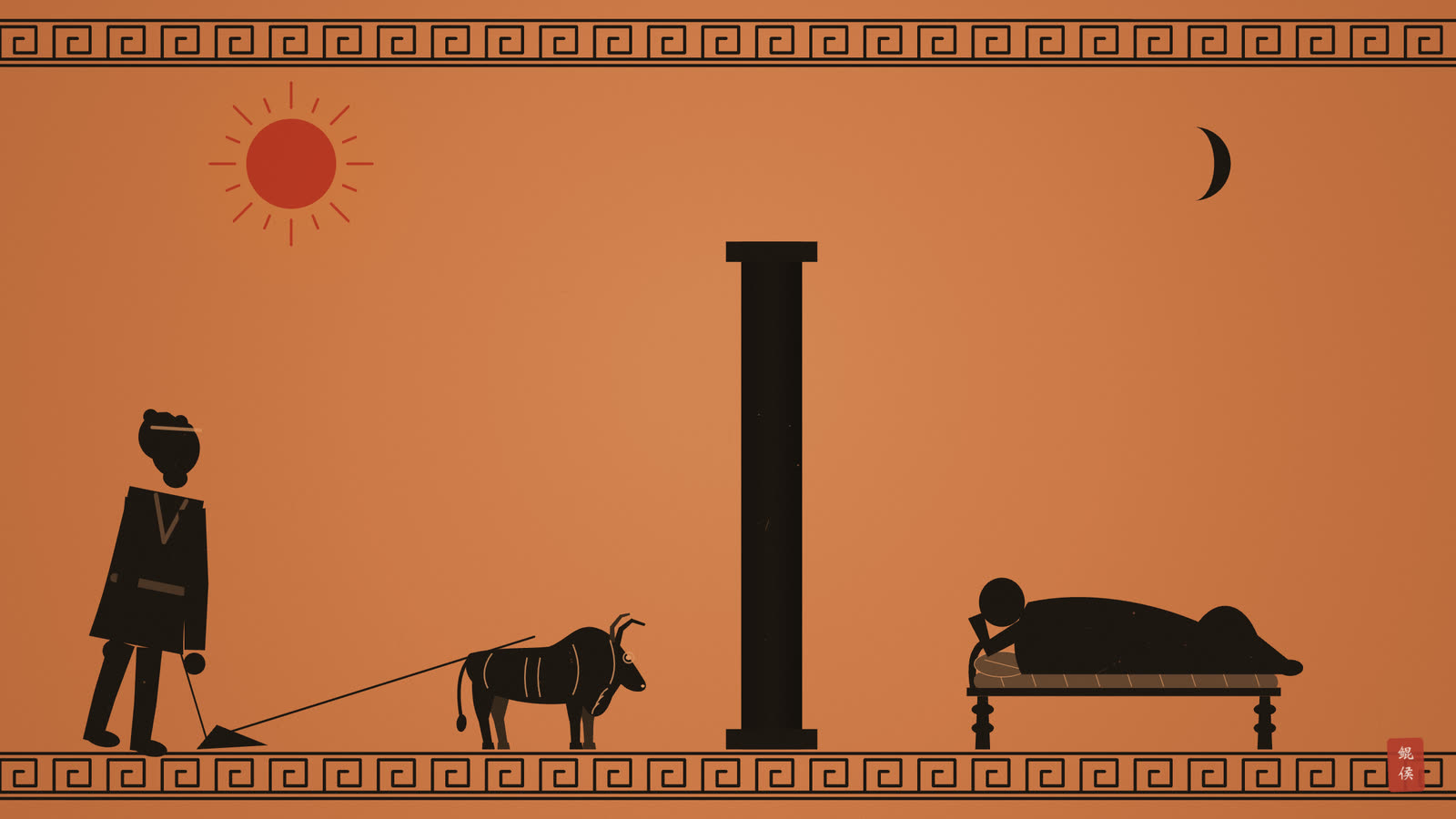
第七章与上一章是同一个思路,只是把「阴阳」换成了「昼夜」。时间里最明显的两段是昼与夜:白昼热、主动,所以偏阳;黑夜湿、让人休息,所以偏阴。诸星按性质相近者相从:月亮、金星以湿为主,归夜;太阳、木星以热为主,归昼。水星仍旧两可,作晨星时归昼,作昏星时归夜(晨星昏星见卷一第六章)。图一是这两方。
〔图〕白昼热而主动属昼方,黑夜湿而安息属夜方:太阳、木星为昼星,月亮、金星为夜星
〔图〕由性质到阴阳到昼夜:卷一第四、六、七章一脉相承
这就是古典占星里所谓的「昼夜之分」(sect)。Robbins 注说,这是太阳一方与月亮一方,维提乌斯·瓦伦斯等希腊占星家也都用这个分法。太阳是昼方的首领,月亮是夜方的首领,各带一颗吉星:昼方是木星,夜方是金星。图二把第四、六、七章串起来:用的都是热与湿这把尺子,所以三种分类大体对得上。
但还剩两颗星没有分:土星和火星。按第六章它们都是阳性,照「同类相从」本该都归昼方;按第四章,土星冷而火星燥,又都与昼的热、夜的湿谈不上相近。托勒密说,古人对这两颗毁坏之星用了相反的原则——这是下一单元的内容。
📖 术语
| 术语 | 英译原词 | 意思 |
|---|---|---|
| 昼星 | diurnal | 属白昼一方的星 |
| 夜星 | nocturnal | 属黑夜一方的星 |
| 间隔 | intervals | 构成时间的段落 |
🧭 图解与讲解
第七章与上一章是同一个思路,只是把「阴阳」换成了「昼夜」。时间里最明显的两段是昼与夜:白昼热、主动,所以偏阳;黑夜湿、让人休息,所以偏阴。诸星按性质相近者相从:月亮、金星以湿为主,归夜;太阳、木星以热为主,归昼。水星仍旧两可,作晨星时归昼,作昏星时归夜(晨星昏星见卷一第六章)。图一是这两方。
这就是古典占星里所谓的「昼夜之分」(sect)。Robbins 注说,这是太阳一方与月亮一方,维提乌斯·瓦伦斯等希腊占星家也都用这个分法。太阳是昼方的首领,月亮是夜方的首领,各带一颗吉星:昼方是木星,夜方是金星。图二把第四、六、七章串起来:用的都是热与湿这把尺子,所以三种分类大体对得上。
但还剩两颗星没有分:土星和火星。按第六章它们都是阳性,照「同类相从」本该都归昼方;按第四章,土星冷而火星燥,又都与昼的热、夜的湿谈不上相近。托勒密说,古人对这两颗毁坏之星用了相反的原则——这是下一单元的内容。
They also assigned to each of the sects the two destructive stars, not however in this instance on the principle of similar natures, but of just the opposite; for when stars of the same kind are joined with those of the good temperament their beneficial influence is increased, but if dissimilar stars are associated with the destructive ones the greatest part of their injurious power is broken.
Thus they assigned Saturn, which is cold, to the warmth of the day, and Mars, which is dry, to the moisture of the night, for in this way each of them attains good proportion through admixture and becomes a proper member of its sect, which provides moderation.
翻译点开
They also assigned to each of the sects the two destructive stars, not however in this instance on the principle of similar natures, but of just the opposite; for when stars of the same kind are joined with those of the good temperament their beneficial influence is increased, but if dissimilar stars are associated with the destructive ones the greatest part of their injurious power is broken.
他们也把两颗毁坏之星分配给昼夜之分的两方,不过这一次不是依据性质相似的原则,而恰恰相反:因为同类之星与气质良好的星相结合时,后者的益处会增加;而如果把性质不同的星与毁坏之星相配,它们的害力大部分就被折去了。
Thus they assigned Saturn, which is cold, to the warmth of the day, and Mars, which is dry, to the moisture of the night, for in this way each of them attains good proportion through admixture and becomes a proper member of its sect, which provides moderation.
于是,他们把寒冷的土星配给温暖的白昼,把干燥的火星配给湿润的黑夜;因为这样一来,两者都能通过混合而得到恰当的比例,成为本方合宜的成员,而本方又给它们带来节制。
大意与图解点开
🔎 大意:吉星同类相配以增其益,凶星异类相配以折其害:寒冷的土星配温暖的白昼,干燥的火星配湿润的黑夜。
📖 术语
| 术语 | 英译原词 | 意思 |
|---|---|---|
| 昼夜之分 | sects | 日方与夜方两派 |
| 毁坏之星 | destructive stars | 即凶星土星、火星 |
| 混合 | admixture | 相反之性相调 |
| 节制 | moderation | 使不过度 |
🧭 图解与讲解
两颗凶星的分配用的是相反的原则。托勒密的道理是:好东西要「同类相增」——与气质良好的星同类的星配在一起,益处更多,这就是古希腊谚语说的同类相聚(Robbins 注引《奥德赛》等);坏东西则要「异类相制」——让性质不同的星与毁坏之星相配,害力大半就被折去了。
〔图〕吉星同类相增,凶星异类相济:昼夜两方各得一吉一凶
| 昼之一方 | 夜之一方 | |
|---|---|---|
| 首领(两光) | ☉︎ 太阳 | ☽︎ 月亮 |
| 吉星(同类相从) | ♃︎ 木星 | ♀︎ 金星 |
| 凶星(异类相济) | ♄︎ 土星:冷得昼热而和 | ♂︎ 火星:燥得夜湿而和 |
| 两可 | ☿︎ 水星:作晨星时 | ☿︎ 水星:作昏星时 |
于是寒冷的土星配给温暖的白昼,干燥的火星配给湿润的黑夜。土星之冷被白昼之热中和,火星之燥被黑夜之湿中和,两者「通过混合得到恰当的比例」,成为本方合宜的一员,而所属的那一方给了它们节制。图一把四颗星的配法并排:上两行同类相增,下两行异类相济。
表二是完整的昼夜之分:昼方是太阳、木星、土星,夜方是月亮、金星、火星,水星随晨昏两属。每一方都有一光、一吉、一凶,十分整齐。注意土星虽是阳性却归昼方,火星虽是阳性却归夜方——阴阳(卷一第六章)与昼夜在这里分道。
这个分法在后世的古典占星里极为重要。常见的用法是:先看一张盘是白天还是夜里起的,与盘同方的凶星较为驯服,不同方的凶星较为凶猛;同方的吉星也更能发挥。这是古典占星家常用的技法;托勒密本书怎样运用昼夜之分,要到卷三、卷四论本命时再看。
📖 术语
| 术语 | 英译原词 | 意思 |
|---|---|---|
| 昼夜之分 | sects | 日方与夜方两派 |
| 毁坏之星 | destructive stars | 即凶星土星、火星 |
| 混合 | admixture | 相反之性相调 |
| 节制 | moderation | 使不过度 |
🧭 图解与讲解
两颗凶星的分配用的是相反的原则。托勒密的道理是:好东西要「同类相增」——与气质良好的星同类的星配在一起,益处更多,这就是古希腊谚语说的同类相聚(Robbins 注引《奥德赛》等);坏东西则要「异类相制」——让性质不同的星与毁坏之星相配,害力大半就被折去了。
| 昼之一方 | 夜之一方 | |
|---|---|---|
| 首领(两光) | ☉︎ 太阳 | ☽︎ 月亮 |
| 吉星(同类相从) | ♃︎ 木星 | ♀︎ 金星 |
| 凶星(异类相济) | ♄︎ 土星:冷得昼热而和 | ♂︎ 火星:燥得夜湿而和 |
| 两可 | ☿︎ 水星:作晨星时 | ☿︎ 水星:作昏星时 |
于是寒冷的土星配给温暖的白昼,干燥的火星配给湿润的黑夜。土星之冷被白昼之热中和,火星之燥被黑夜之湿中和,两者「通过混合得到恰当的比例」,成为本方合宜的一员,而所属的那一方给了它们节制。图一把四颗星的配法并排:上两行同类相增,下两行异类相济。
表二是完整的昼夜之分:昼方是太阳、木星、土星,夜方是月亮、金星、火星,水星随晨昏两属。每一方都有一光、一吉、一凶,十分整齐。注意土星虽是阳性却归昼方,火星虽是阳性却归夜方——阴阳(卷一第六章)与昼夜在这里分道。
这个分法在后世的古典占星里极为重要。常见的用法是:先看一张盘是白天还是夜里起的,与盘同方的凶星较为驯服,不同方的凶星较为凶猛;同方的吉星也更能发挥。这是古典占星家常用的技法;托勒密本书怎样运用昼夜之分,要到卷三、卷四论本命时再看。
原文为公有领域古籍;翻译、印象画与图文解读由 AI 辅助生成,鲲侯审校。