卷四·第十章 论分时
先普遍后个别:人生七期依七曜天球之序;再以五个释放之位定总时主,一年一座推年主,月主、日主依次细分。
As we have treated systematically under its several heads the outline of each kind of inquiry only so far as to explain the general doctrine, which was our original intention, it would remain to add in the same manner any observations that should be made about the division of times, in such manner as to agree with nature and to be consistent with the specific doctrines which have already been set forth.
So then, as, among all genethlialogical inquiries whatever, a more general destiny takes precedence of all particular considerations, namely, that of country of birth, to which the major details of a geniture are naturally subordinate, such as the topics of the form of the body, the character of the soul and the variations of manners and customs, it is also necessary that he who makes his inquiry naturally should always hold first to the primary and more authoritative cause, lest, misled by the similarity of genitures, he should unwittingly call, let us say, the Ethiopian white or straight-haired, and the German or Gaul black-skinned and woolly-haired, or the latter gentle in character, fond of discussion, or fond of contemplation, and the Greeks savage of soul and untutored of mind; or, again, on the subject of marriage, lest he mistake the appropriate customs and manners by assigning, for example, marriage with a sister to one who is Italian by race, instead of to the Egyptian as he should, and a marriage with his mother to this latter, though it suits the Persian.
Thus in general it is needful first to apprehend universal conditions of destiny, and then to attach to them the particular conditions which relate to degree. In the same fashion likewise, dealing with the division of time, one must take as a basis in each single prediction the differences and special properties of the temporal ages, and see to it that we do not, in the ordinary, simple treatment of matters incident to the inquiry, carelessly assign to a babe action or marriage, or anything that belongs to adults, or to an extremely old man the begetting of children or anything else that fits younger men; but once and for all let us harmonize those details which are contemplated in temporal terms with that which is suitable and possible for persons in the various age-classes.
翻译点开
As we have treated systematically under its several heads the outline of each kind of inquiry only so far as to explain the general doctrine, which was our original intention, it would remain to add in the same manner any observations that should be made about the division of times, in such manner as to agree with nature and to be consistent with the specific doctrines which have already been set forth.
我们已经分门别类、有系统地论述了每一种探究的纲要,只讲到足以说明总的学说为止,这原是我们最初的意图;剩下的,便是以同样的方式,补上关于分时应当说的话,使之合乎自然,并与前面已经阐明的各项具体学说相一致。
So then, as, among all genethlialogical inquiries whatever, a more general destiny takes precedence of all particular considerations, namely, that of country of birth, to which the major details of a geniture are naturally subordinate, such as the topics of the form of the body, the character of the soul and the variations of manners and customs, it is also necessary that he who makes his inquiry naturally should always hold first to the primary and more authoritative cause, lest, misled by the similarity of genitures, he should unwittingly call, let us say, the Ethiopian white or straight-haired, and the German or Gaul black-skinned and woolly-haired, or the latter gentle in character, fond of discussion, or fond of contemplation, and the Greeks savage of soul and untutored of mind; or, again, on the subject of marriage, lest he mistake the appropriate customs and manners by assigning, for example, marriage with a sister to one who is Italian by race, instead of to the Egyptian as he should, and a marriage with his mother to this latter, though it suits the Persian.
那么,正如在一切本命占的探究中,一种更普遍的命运——即出生之国的命运——优先于一切个别的考虑,命盘的主要细节,诸如身体的形貌、灵魂的品性、风俗习惯的差异等题目,自然都从属于它;同样,按自然之理来探究的人,也必须始终先把握首要而更有权威的原因,以免被命盘的相似所误,不知不觉地,比方说,把埃塞俄比亚人说成白皮肤或直头发,把日耳曼人或高卢人说成黑皮肤、卷发,或说后者性情温和、好辩论、好沉思,而说希腊人灵魂野蛮、心智未开;又或者在婚姻的题目上,弄错了相应的风俗习惯,比如把娶姊妹的婚姻归给意大利血统的人,而不是如应当的那样归给埃及人,又把娶母亲的婚姻归给后者,其实那合于波斯人。
Thus in general it is needful first to apprehend universal conditions of destiny, and then to attach to them the particular conditions which relate to degree. In the same fashion likewise, dealing with the division of time, one must take as a basis in each single prediction the differences and special properties of the temporal ages, and see to it that we do not, in the ordinary, simple treatment of matters incident to the inquiry, carelessly assign to a babe action or marriage, or anything that belongs to adults, or to an extremely old man the begetting of children or anything else that fits younger men; but once and for all let us harmonize those details which are contemplated in temporal terms with that which is suitable and possible for persons in the various age-classes.
所以一般说来,必须先掌握命运的普遍条件,再把与程度相关的个别条件附加上去。同样,在处理分时的时候,每一次预言都必须以各个年龄段的差异与特性为基础,留意在寻常、简单地处理探究中附带的事项时,不要随随便便地把事业、婚姻,或任何属于成年人的事归给婴孩,也不要把生儿育女或任何适合较年轻者的事归给极老的人;而要一劳永逸地,使那些从时间角度考察的细节,与各个年龄层的人合宜而可能的情形相协调。
大意与图解点开
🔎 大意:本命占先看出生之国等普遍之命,再论个别;分时也一样,先看年龄段,不可给婴孩断婚姻,不可给老翁断生子。
📖 术语
| 术语 | 英译原词 | 意思 |
|---|---|---|
| 分时 | division of times | 按时段推断一生之事 |
| 普遍的命运 | general destiny | 如出生之国 |
| 本命占 | genethlialogical inquiries | 据降生天象推断 |
| 年龄层 | age-classes | 人生的各个年龄段 |
🧭 图解与讲解
全书最后一章讲「分时」(division of times):把本命中预示的种种事,放到一生的时间轴上,推断它们何时发生。托勒密开头先申明,前面各章都只讲到「足以说明总的学说为止」,这一章也照样只讲纲要,并且要合乎自然、与前面的学说一致。
〔图〕先普遍、后个别:国族先于本命细节,年龄先于分时推断
他再次强调「先普遍、后个别」(图一上行)。在一切本命中,出生之国是更普遍的命运,形貌、品性、风俗这些细节都从属于它;只看命盘相似,就可能把埃塞俄比亚人说成白皮肤,把日耳曼人说成卷发,把各族的婚俗张冠李戴。这些是托勒密那个时代对各族的通行说法,卷二第二、三章论各地居民的特征就是其展开;卷一第二章也说过,星占家应当把民族、国土、教养纳入推算。
分时也是一样(图一下行):先要看人处在哪个年龄段。不要把事业、婚姻归给婴孩,也不要把生儿育女归给极老的人;凡是按时间推出的细节,都要与那个年龄合宜而可能的情形相协调。这就引出下一单元的「人生七期」——一套关于年龄的普遍条件。
📖 术语
| 术语 | 英译原词 | 意思 |
|---|---|---|
| 分时 | division of times | 按时段推断一生之事 |
| 普遍的命运 | general destiny | 如出生之国 |
| 本命占 | genethlialogical inquiries | 据降生天象推断 |
| 年龄层 | age-classes | 人生的各个年龄段 |
🧭 图解与讲解
全书最后一章讲「分时」(division of times):把本命中预示的种种事,放到一生的时间轴上,推断它们何时发生。托勒密开头先申明,前面各章都只讲到「足以说明总的学说为止」,这一章也照样只讲纲要,并且要合乎自然、与前面的学说一致。
他再次强调「先普遍、后个别」(图一上行)。在一切本命中,出生之国是更普遍的命运,形貌、品性、风俗这些细节都从属于它;只看命盘相似,就可能把埃塞俄比亚人说成白皮肤,把日耳曼人说成卷发,把各族的婚俗张冠李戴。这些是托勒密那个时代对各族的通行说法,卷二第二、三章论各地居民的特征就是其展开;卷一第二章也说过,星占家应当把民族、国土、教养纳入推算。
分时也是一样(图一下行):先要看人处在哪个年龄段。不要把事业、婚姻归给婴孩,也不要把生儿育女归给极老的人;凡是按时间推出的细节,都要与那个年龄合宜而可能的情形相协调。这就引出下一单元的「人生七期」——一套关于年龄的普遍条件。
For in the matter of the age-divisions of mankind in general there is one and the same approach, which for likeness and comparison depends upon the order of the seven planets; it begins with the first age of man and with the first sphere from us, that is, the moon's, and ends with the last of the ages and the outermost of the planetary spheres, which is called that of Saturn.
And in truth the accidental qualities of each of the ages are those which are naturally proper to the planet compared with it, and these it will be needful to observe, in order that by this means we may investigate the general questions of the temporal divisions, while we determine particular differences from the special qualities which are discovered in the nativities.
翻译点开
For in the matter of the age-divisions of mankind in general there is one and the same approach, which for likeness and comparison depends upon the order of the seven planets; it begins with the first age of man and with the first sphere from us, that is, the moon's, and ends with the last of the ages and the outermost of the planetary spheres, which is called that of Saturn.
因为就人类一般的年龄划分而言,有同一种方法,它为了相似与比较而依凭七颗行星的次序:从人的第一个年龄、从离我们最近的第一层天球——即月亮的天球——开始,到最后一个年龄、到诸行星天球中最外的一层——即所谓土星的天球——为止。
And in truth the accidental qualities of each of the ages are those which are naturally proper to the planet compared with it, and these it will be needful to observe, in order that by this means we may investigate the general questions of the temporal divisions, while we determine particular differences from the special qualities which are discovered in the nativities.
实际上,每个年龄的偶有之质,正是与之相比配的那颗行星自然固有的性质;这些都必须观察,以便借此探究分时的一般问题,而个别的差异,则从本命中所发现的特性来判定。
大意与图解点开
🔎 大意:人生的年龄段依七颗行星天球的次序:从最近的月亮起,到最外的土星止;各段的特质,就是所配之星的本性。
📖 术语
| 术语 | 英译原词 | 意思 |
|---|---|---|
| 天球 | sphere | 承载行星运行的球层 |
| 偶有之质 | accidental qualities | 某一年龄附带的特质 |
| 相似与比较 | likeness and comparison | 以星比配年龄 |
🧭 图解与讲解
托勒密的宇宙以地球为中心,日月五星各在一层天球上,由近及远依次是月亮、水星、金星、太阳、火星、木星、土星(图一)。这一章把人的一生也分成七期,从最近的月亮起,到最远的土星止:第一个年龄配月亮,最后一个年龄配土星,次序与天球完全相同。每一期的特质,就是所配那颗星的本性。
〔图〕七层天球由近及远:月、水、金、日、火、木、土,正是人生七期的次序
Robbins 注引德国学者博尔(Boll)的意见:这一章的七期之说与本书的体例不尽相合——卷一第十章把人生分为湿、热、燥、冷四期,这里却是七期;书中别处总把两光与五星分开,这里却说「七颗行星」。不过博尔也认为,本章的文体无疑出于托勒密,更可能是他自己补入的,而不是旁人窜入;材料大概取自他人,所以细节与前文有出入。Robbins 还提到,人生分期之说在古代作家中很常见,今人最熟悉的是莎士比亚《皆大欢喜》里的「人生七幕」。
注意托勒密的分工:七期只回答「一般的问题」,即一般人在某个年龄大体会怎样;个人的差异,还要从本命的特性中去找。下一单元起逐期讲述,单元五起再讲个人的推算。
📖 术语
| 术语 | 英译原词 | 意思 |
|---|---|---|
| 天球 | sphere | 承载行星运行的球层 |
| 偶有之质 | accidental qualities | 某一年龄附带的特质 |
| 相似与比较 | likeness and comparison | 以星比配年龄 |
🧭 图解与讲解
托勒密的宇宙以地球为中心,日月五星各在一层天球上,由近及远依次是月亮、水星、金星、太阳、火星、木星、土星(图一)。这一章把人的一生也分成七期,从最近的月亮起,到最远的土星止:第一个年龄配月亮,最后一个年龄配土星,次序与天球完全相同。每一期的特质,就是所配那颗星的本性。
Robbins 注引德国学者博尔(Boll)的意见:这一章的七期之说与本书的体例不尽相合——卷一第十章把人生分为湿、热、燥、冷四期,这里却是七期;书中别处总把两光与五星分开,这里却说「七颗行星」。不过博尔也认为,本章的文体无疑出于托勒密,更可能是他自己补入的,而不是旁人窜入;材料大概取自他人,所以细节与前文有出入。Robbins 还提到,人生分期之说在古代作家中很常见,今人最熟悉的是莎士比亚《皆大欢喜》里的「人生七幕」。
注意托勒密的分工:七期只回答「一般的问题」,即一般人在某个年龄大体会怎样;个人的差异,还要从本命的特性中去找。下一单元起逐期讲述,单元五起再讲个人的推算。
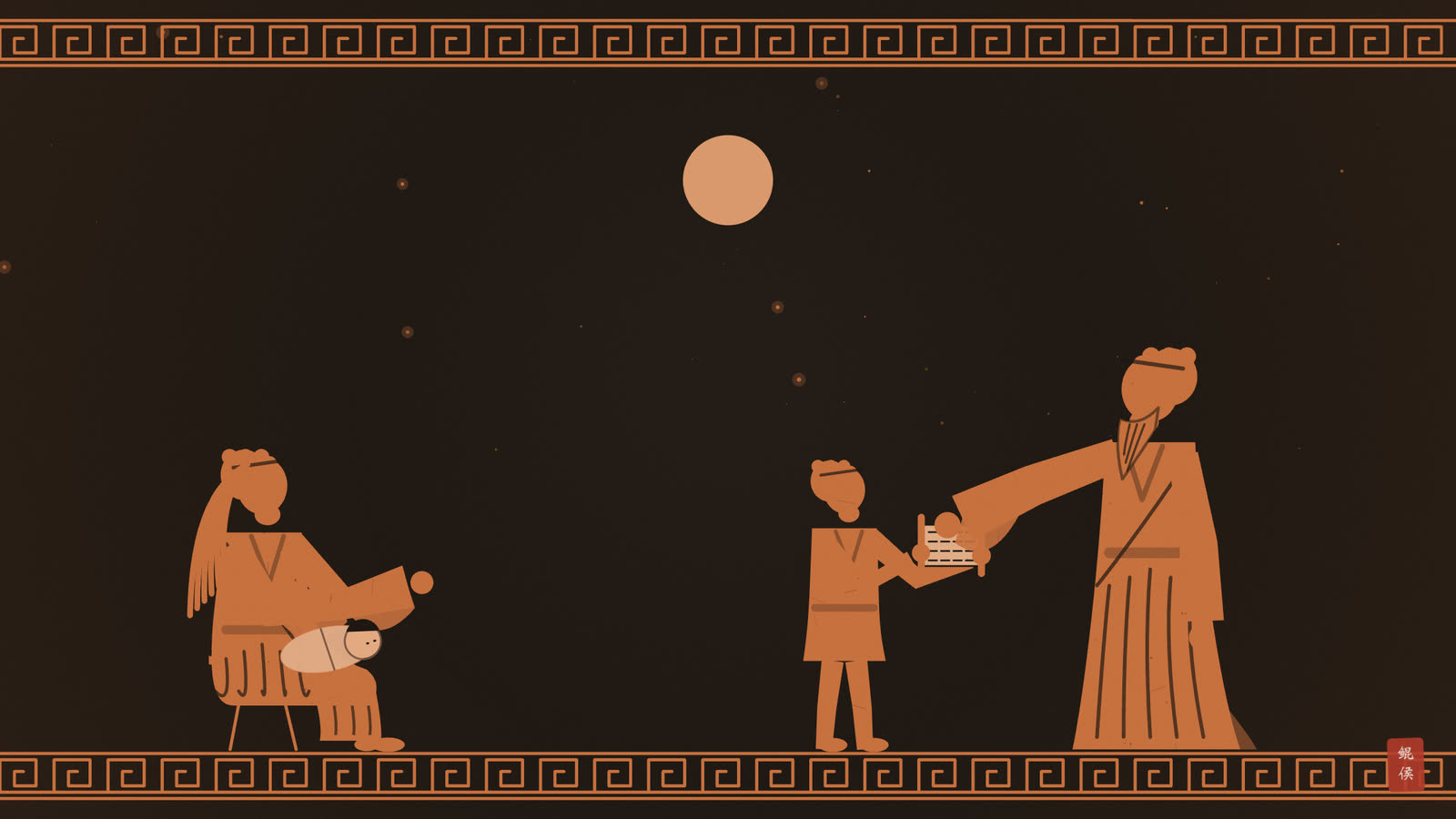
For up to about the fourth year, following the number which belongs to the quadriennium, the moon takes over the age of infancy and produces the suppleness and lack of fixity in its body, its quick growth and the moist nature, as a rule, of its food, the changeability of its condition, and the imperfection and inarticulate state of its soul, suitably to her own active qualities.
In the following period of ten years, Mercury, to whom falls the second place and the second age, that of childhood, for the period which is half of the space of twenty years, begins to articulate and fashion the intelligent and logical part of the soul, to implant certain seeds and rudiments of learning, and to bring to light individual peculiarities of character and faculties, awaking the soul at this stage by instruction, tutelage, and the first gymnastic exercises.
Venus, taking in charge the third age, that of youth, for the next eight years, corresponding in number to her own period, begins, as is natural, to inspire, at their maturity, an activity of the seminal passages and to implant an impulse toward the embrace of love. At this time particularly a kind of frenzy enters the soul, incontinence, desire for any chance sexual gratification, burning passion, guile, and the blindness of the impetuous lover.
翻译点开
For up to about the fourth year, following the number which belongs to the quadriennium, the moon takes over the age of infancy and produces the suppleness and lack of fixity in its body, its quick growth and the moist nature, as a rule, of its food, the changeability of its condition, and the imperfection and inarticulate state of its soul, suitably to her own active qualities.
因为直到大约第四年为止,依照属于四年周期的那个数,月亮接管婴儿期,造成其身体的柔软与不定、迅速的生长、食物大多湿润的性质、状况的多变,以及灵魂的不完善与未能言语——这都合乎她自己的作用性质。
In the following period of ten years, Mercury, to whom falls the second place and the second age, that of childhood, for the period which is half of the space of twenty years, begins to articulate and fashion the intelligent and logical part of the soul, to implant certain seeds and rudiments of learning, and to bring to light individual peculiarities of character and faculties, awaking the soul at this stage by instruction, tutelage, and the first gymnastic exercises.
在接下来的十年里,水星——第二个位置与第二个年龄、即童年,归他所有,为期是二十年的一半——开始使灵魂中有理智、能推理的部分分明成形,种下学问的某些种子与初步,显露出性格与才能的个人特点,在这一阶段借教导、监护与最初的体育锻炼唤醒灵魂。
Venus, taking in charge the third age, that of youth, for the next eight years, corresponding in number to her own period, begins, as is natural, to inspire, at their maturity, an activity of the seminal passages and to implant an impulse toward the embrace of love. At this time particularly a kind of frenzy enters the soul, incontinence, desire for any chance sexual gratification, burning passion, guile, and the blindness of the impetuous lover.
金星接管第三个年龄,即青春期,为期其后的八年,与她自己周期的数目相当;她照常理开始在人成熟之时激发生殖管道的活动,并植入一种趋向爱之拥抱的冲动。尤其在这个时候,一种狂热进入灵魂,还有放纵、对任何偶然的情欲满足的欲求、炽烈的激情、诡诈,以及冲动的恋人的盲目。
大意与图解点开
🔎 大意:月亮主零至四岁婴儿期,身柔易变;水星主四至十四岁童年,启智向学;金星主十四至二十二岁青春期,情欲萌动。
📖 术语
| 术语 | 英译原词 | 意思 |
|---|---|---|
| 婴儿期 | infancy | 零至四岁,月亮所主 |
| 童年 | childhood | 四至十四岁,水星所主 |
| 青春期 | youth | 十四至二十二岁,金星所主 |
| 四年周期 | quadriennium | 月相复归同度之期 |
🧭 图解与讲解
人生第一期配月亮:从降生到大约四岁,是婴儿期。为什么是四年?托勒密只说「依照属于四年周期的那个数」;Robbins 注引佚名注释者:月相经过四年,会再落回黄道上同样的度数。这一期身体柔软、不定,长得快,食物多是湿润的,状况多变,灵魂尚不完善、不能言语——处处合乎月亮致湿、使物柔软的本性(卷一第四章)。
〔图〕人生前三期:月亮养身,水星启智,金星动情
第二期配水星:接下来十年,到十四岁左右,是童年。为什么是十年?托勒密说是「二十年的一半」;Robbins 注引佚名注释者,说只给一半,是因为水星具有双重的本性。这一期理智与推理开始成形,学问种下最初的种子,性格与才能的个人特点显露出来,靠的是教导、监护与最初的体育锻炼。水星在卷四第四章主文书、计算、教学,配给读书启蒙的年龄,正相贴切。
第三期配金星:其后八年,到二十二岁左右,是青春期。八年是「她自己的周期」——金星大约每八年回到星空中与太阳的同一相对位置,这是古代天文家熟知的。这一期生殖之能成熟,爱欲萌动,托勒密直言此时灵魂中有狂热、放纵、炽烈的激情、诡诈与恋人的盲目。图一把前三期的年岁与性情并列。
📖 术语
| 术语 | 英译原词 | 意思 |
|---|---|---|
| 婴儿期 | infancy | 零至四岁,月亮所主 |
| 童年 | childhood | 四至十四岁,水星所主 |
| 青春期 | youth | 十四至二十二岁,金星所主 |
| 四年周期 | quadriennium | 月相复归同度之期 |
🧭 图解与讲解
人生第一期配月亮:从降生到大约四岁,是婴儿期。为什么是四年?托勒密只说「依照属于四年周期的那个数」;Robbins 注引佚名注释者:月相经过四年,会再落回黄道上同样的度数。这一期身体柔软、不定,长得快,食物多是湿润的,状况多变,灵魂尚不完善、不能言语——处处合乎月亮致湿、使物柔软的本性(卷一第四章)。
第二期配水星:接下来十年,到十四岁左右,是童年。为什么是十年?托勒密说是「二十年的一半」;Robbins 注引佚名注释者,说只给一半,是因为水星具有双重的本性。这一期理智与推理开始成形,学问种下最初的种子,性格与才能的个人特点显露出来,靠的是教导、监护与最初的体育锻炼。水星在卷四第四章主文书、计算、教学,配给读书启蒙的年龄,正相贴切。
第三期配金星:其后八年,到二十二岁左右,是青春期。八年是「她自己的周期」——金星大约每八年回到星空中与太阳的同一相对位置,这是古代天文家熟知的。这一期生殖之能成熟,爱欲萌动,托勒密直言此时灵魂中有狂热、放纵、炽烈的激情、诡诈与恋人的盲目。图一把前三期的年岁与性情并列。
The lord of the middle sphere, the sun, takes over the fourth age, which is the middle one in order, young manhood, for the period of nineteen years, wherein he implants in the soul at length the mastery and direction of its actions, desire for substance, glory, and position, and a change from playful, ingenuous error to seriousness, decorum, and ambition.
After the sun, Mars, fifth in order, assumes command of manhood for the space of fifteen years, equal to his own period. He introduces severity and misery into life, and implants cares and troubles in the soul and in the body, giving it, as it were, some sense and notion of passing its prime and urging it, before it approaches its end, by labour to accomplish something among its undertakings that is worthy of note.
Sixth, Jupiter, taking as his lot the elderly age, again for the space of his own period, twelve years, brings about the renunciation of manual labour, toil, turmoil, and dangerous activity, and in their place brings decorum, foresight, retirement, together with all-embracing deliberation, admonition, and consolation; now especially he brings men to set store by honour, praise, and independence, accompanied by modesty and dignity.
Finally to Saturn falls as his lot old age, the latest period, which lasts for the rest of life. Now the movements both of body and soul are cooled and impeded in their impulses, enjoyments, desires, and speed; for the natural decline supervenes upon life, which has become worn down with age, dispirited, weak, easily offended, and hard to please in all situations, in keeping with the sluggishness of his movements.
翻译点开
The lord of the middle sphere, the sun, takes over the fourth age, which is the middle one in order, young manhood, for the period of nineteen years, wherein he implants in the soul at length the mastery and direction of its actions, desire for substance, glory, and position, and a change from playful, ingenuous error to seriousness, decorum, and ambition.
中间那层天球之主——太阳——接管第四个年龄,即次序居中的那一个,青年期,为期十九年;在这期间,他终于在灵魂中植入对自身行动的掌控与引导,对家产、荣耀与地位的渴求,并使人从嬉戏而天真的过失,转向严肃、端庄与进取之心。
After the sun, Mars, fifth in order, assumes command of manhood for the space of fifteen years, equal to his own period. He introduces severity and misery into life, and implants cares and troubles in the soul and in the body, giving it, as it were, some sense and notion of passing its prime and urging it, before it approaches its end, by labour to accomplish something among its undertakings that is worthy of note.
太阳之后,次序第五的火星接掌壮年,为期十五年,与他自己的周期相等。他给生活带来严厉与苦楚,在灵魂与身体中植入忧虑与烦恼,仿佛让人感觉到、意识到自己正在度过盛年,并催促人在走近终点之前,努力在自己的事业中完成某件值得一提的事。
Sixth, Jupiter, taking as his lot the elderly age, again for the space of his own period, twelve years, brings about the renunciation of manual labour, toil, turmoil, and dangerous activity, and in their place brings decorum, foresight, retirement, together with all-embracing deliberation, admonition, and consolation; now especially he brings men to set store by honour, praise, and independence, accompanied by modesty and dignity.
第六,木星以老年为其分,又是为期他自己的周期,即十二年;他使人舍弃体力劳作、辛劳、纷扰与危险的活动,代之以端庄、远虑、退隐,以及无所不包的深思、劝诫与慰藉;尤其在此时,他使人看重荣誉、称赞与自主,并伴之以谦逊与尊严。
Finally to Saturn falls as his lot old age, the latest period, which lasts for the rest of life. Now the movements both of body and soul are cooled and impeded in their impulses, enjoyments, desires, and speed; for the natural decline supervenes upon life, which has become worn down with age, dispirited, weak, easily offended, and hard to please in all situations, in keeping with the sluggishness of his movements.
最后,暮年这最后的时期归于土星,持续余生。此时身体与灵魂的运动都冷却下来,冲动、享乐、欲望与速度都受到阻滞;因为自然的衰退降临到已被岁月磨损的生命上,它变得沮丧、虚弱、容易被冒犯、事事难以讨好,与他运动的迟缓相应。
大意与图解点开
🔎 大意:太阳主二十二至四十一岁青年,求名立业;火星主至五十六岁壮年,忧劳求成;木星主至六十八岁老年,退而持重;土星主暮年。
📖 术语
| 术语 | 英译原词 | 意思 |
|---|---|---|
| 青年 | young manhood | 二十二至四十一岁 |
| 壮年 | manhood | 四十一至五十六岁 |
| 老年 | elderly age | 五十六至六十八岁 |
| 暮年 | old age | 六十八岁以后 |
| 周期 | period | 行星复归原处的年数 |
🧭 图解与讲解
第四期配太阳。太阳是「中间那层天球之主」——七层天球中,它上下各有三层——所以配给次序居中的第四期,即青年期,为期十九年,从二十二岁到四十一岁左右。这一期人开始真正掌控自己的行动,渴求家产、荣耀与地位,从少年的嬉戏天真转向严肃、端庄与进取。托勒密没有说明十九年从何而来;可以注意的是,日月经过十九年会回到同一相对位置,希腊人称为默冬周期。
| 主星 | 年龄段 | 年数 | 约略岁数 | 托勒密所说的性情 |
|---|---|---|---|---|
| ☽︎ 月亮 | 婴儿期 | 四年(四年周期之数) | 零至四岁 | 身体柔软不定,生长迅速,食物多湿,状况多变;灵魂未全,不能言语 |
| ☿︎ 水星 | 童年 | 十年(二十年之半) | 四至十四岁 | 理智与推理成形,种下学问,显露个性;借教导、监护、体操唤醒灵魂 |
| ♀︎ 金星 | 青春期 | 八年(她自己的周期) | 十四至二十二岁 | 生殖之能成熟,爱欲萌动;狂热、放纵、激情、诡诈、恋人的盲目 |
| ☉︎ 太阳 | 青年 | 十九年 | 二十二至四十一岁 | 掌控自己的行动;求家产、荣耀、地位;由嬉戏天真转向严肃、端庄、进取 |
| ♂︎ 火星 | 壮年 | 十五年(他自己的周期) | 四十一至五十六岁 | 严厉与苦楚,忧虑烦恼;自觉盛年将过,力求成就一件值得一提的事 |
| ♃︎ 木星 | 老年 | 十二年(他自己的周期) | 五十六至六十八岁 | 舍弃劳作与危险;端庄、远虑、退隐、深思、劝诫、慰藉;重荣誉与自主 |
| ♄︎ 土星 | 暮年 | 余生 | 六十八岁以后 | 身心冷却、迟滞;沮丧、虚弱、易被冒犯、事事难以讨好 |
〔图〕一生的阶梯:七曜由近及远,人生由幼及老;太阳居中,正当一生的中段
第五期配火星:其后十五年,到五十六岁左右,是壮年,十五年是「他自己的周期」。Robbins 注说,为什么说火星的周期是十五年是个谜:火星的会合周期约七百八十天,恒星周期约六百八十七天;不过密歇根大学所藏的一份古代纸草星占书也说火星「十五年复归原位」,可见这是星占家的说法,不是天文家的。这一期带来严厉与苦楚、忧虑与烦恼,人自觉盛年将过,力求成就一件值得一提的事。
第六期配木星:其后十二年,到六十八岁左右,是老年。十二年也是「他自己的周期」,Robbins 注说这与木星实际的恒星周期(约十一点八六年)相差不远,也是古代天文家通常给的数。这一期人舍弃劳作与危险,转向端庄、远虑、退隐与劝诫,看重荣誉与自主。第七期配土星:余生都是暮年,身心的运动冷却迟滞,人变得沮丧、虚弱、易被冒犯——与土星在天上运行的迟缓相应。
表一把七期汇成一张表,图二画成一道阶梯。要注意,阶梯往上走的是天球的远近,不是人生的盛衰:从离地最近的月亮,一级级走到最远的土星;太阳居中,正当一生的中段。七期年数相加,月四、水十、金八、日十九、火十五、木十二,共六十八年,此后都归土星。
📖 术语
| 术语 | 英译原词 | 意思 |
|---|---|---|
| 青年 | young manhood | 二十二至四十一岁 |
| 壮年 | manhood | 四十一至五十六岁 |
| 老年 | elderly age | 五十六至六十八岁 |
| 暮年 | old age | 六十八岁以后 |
| 周期 | period | 行星复归原处的年数 |
🧭 图解与讲解
第四期配太阳。太阳是「中间那层天球之主」——七层天球中,它上下各有三层——所以配给次序居中的第四期,即青年期,为期十九年,从二十二岁到四十一岁左右。这一期人开始真正掌控自己的行动,渴求家产、荣耀与地位,从少年的嬉戏天真转向严肃、端庄与进取。托勒密没有说明十九年从何而来;可以注意的是,日月经过十九年会回到同一相对位置,希腊人称为默冬周期。
| 主星 | 年龄段 | 年数 | 约略岁数 | 托勒密所说的性情 |
|---|---|---|---|---|
| ☽︎ 月亮 | 婴儿期 | 四年(四年周期之数) | 零至四岁 | 身体柔软不定,生长迅速,食物多湿,状况多变;灵魂未全,不能言语 |
| ☿︎ 水星 | 童年 | 十年(二十年之半) | 四至十四岁 | 理智与推理成形,种下学问,显露个性;借教导、监护、体操唤醒灵魂 |
| ♀︎ 金星 | 青春期 | 八年(她自己的周期) | 十四至二十二岁 | 生殖之能成熟,爱欲萌动;狂热、放纵、激情、诡诈、恋人的盲目 |
| ☉︎ 太阳 | 青年 | 十九年 | 二十二至四十一岁 | 掌控自己的行动;求家产、荣耀、地位;由嬉戏天真转向严肃、端庄、进取 |
| ♂︎ 火星 | 壮年 | 十五年(他自己的周期) | 四十一至五十六岁 | 严厉与苦楚,忧虑烦恼;自觉盛年将过,力求成就一件值得一提的事 |
| ♃︎ 木星 | 老年 | 十二年(他自己的周期) | 五十六至六十八岁 | 舍弃劳作与危险;端庄、远虑、退隐、深思、劝诫、慰藉;重荣誉与自主 |
| ♄︎ 土星 | 暮年 | 余生 | 六十八岁以后 | 身心冷却、迟滞;沮丧、虚弱、易被冒犯、事事难以讨好 |
第五期配火星:其后十五年,到五十六岁左右,是壮年,十五年是「他自己的周期」。Robbins 注说,为什么说火星的周期是十五年是个谜:火星的会合周期约七百八十天,恒星周期约六百八十七天;不过密歇根大学所藏的一份古代纸草星占书也说火星「十五年复归原位」,可见这是星占家的说法,不是天文家的。这一期带来严厉与苦楚、忧虑与烦恼,人自觉盛年将过,力求成就一件值得一提的事。
第六期配木星:其后十二年,到六十八岁左右,是老年。十二年也是「他自己的周期」,Robbins 注说这与木星实际的恒星周期(约十一点八六年)相差不远,也是古代天文家通常给的数。这一期人舍弃劳作与危险,转向端庄、远虑、退隐与劝诫,看重荣誉与自主。第七期配土星:余生都是暮年,身心的运动冷却迟滞,人变得沮丧、虚弱、易被冒犯——与土星在天上运行的迟缓相应。
表一把七期汇成一张表,图二画成一道阶梯。要注意,阶梯往上走的是天球的远近,不是人生的盛衰:从离地最近的月亮,一级级走到最远的土星;太阳居中,正当一生的中段。七期年数相加,月四、水十、金八、日十九、火十五、木十二,共六十八年,此后都归土星。
The foregoing, then, may be taken as a preliminary description of the characteristics of the ages of life, viewed generally and in accordance with the ordinary course of nature. But as for particulars, which are to be discovered from the peculiarities of the nativities, some of them again we shall base upon the general considerations already set forth, that is, upon the prorogations of greatest authority, all of them, however, and not one, as in the case of the space of life.
We shall apply the prorogation from the horoscope to events relating to the body and to journeys abroad; that from the Lot of Fortune to matters of property; that from the moon to affections of the soul and to marriage; that from the sun to dignities and glory; that from the mid‑heaven to the other details of the conduct of life, such as actions, friendships, and the begetting of children.
For thus it will come about that one beneficent or maleficent star will not be the ruler of all of them on the same occasion, for usually many contradictory events take place at the same time. One may, for example, lose a relative and receive an inheritance, or at once be prostrated by illness and gain some dignity and promotion, or in the midst of misfortune become the father of children, or have other experiences of this sort which are apt to occur.
For it is not usual that alike in goodness or badness of body, soul, property, dignity, and companions, one must by very necessity be either fortunate, or, again, unfortunate in all these particulars. This, to be sure, might perhaps happen upon occasions that are completely blessed or completely unhappy, when the occourses of all the beneficent planets, or of all the maleficent planets, converge upon all or the majority of the prorogations. Rarely would this take place, however, because human nature is imperfectly adapted to either one of the extremes, but is inclined toward the balance of good and evil arising from their alternation.
We shall, then, make distinctions among the prorogatory places in the manner described, and as for the stars whose occourses take place in the prorogations, we must take into account not only the destructive ones, as in the case of the length of life, but absolutely all of them, and similarly not those alone that meet the prorogation only bodily, or by opposition, or in quartile, but also those that are in the trine and sextile aspects.
翻译点开
The foregoing, then, may be taken as a preliminary description of the characteristics of the ages of life, viewed generally and in accordance with the ordinary course of nature. But as for particulars, which are to be discovered from the peculiarities of the nativities, some of them again we shall base upon the general considerations already set forth, that is, upon the prorogations of greatest authority, all of them, however, and not one, as in the case of the space of life.
以上,可以当作对人生诸龄特征的初步描述,是就一般而言、按照自然的寻常进程来看的。至于个别之事,要从本命的特性中去发现,其中有些我们仍以前面已阐明的普遍考虑为基础,即以最有权威的那些释放为基础——不过是全部都用,而不是像论寿限时那样只用一个。
We shall apply the prorogation from the horoscope to events relating to the body and to journeys abroad; that from the Lot of Fortune to matters of property; that from the moon to affections of the soul and to marriage; that from the sun to dignities and glory; that from the mid‑heaven to the other details of the conduct of life, such as actions, friendships, and the begetting of children.
我们把从上升点起的释放用于有关身体的事与出国远行;从福点起的,用于财产之事;从月亮起的,用于灵魂的感受与婚姻;从太阳起的,用于尊位与荣耀;从中天起的,用于生活作为的其他细节,如事业、朋友与生儿育女。
For thus it will come about that one beneficent or maleficent star will not be the ruler of all of them on the same occasion, for usually many contradictory events take place at the same time. One may, for example, lose a relative and receive an inheritance, or at once be prostrated by illness and gain some dignity and promotion, or in the midst of misfortune become the father of children, or have other experiences of this sort which are apt to occur.
因为这样一来,就不会有一颗吉星或凶星在同一时候成为所有这些事的主宰;因为通常许多相互矛盾的事会同时发生。比如,一个人可能失去一位亲属而又得到一份遗产,或同时病倒在床而又获得某种尊位与晋升,或在不幸之中成为人父,或有其他这一类容易发生的经历。
For it is not usual that alike in goodness or badness of body, soul, property, dignity, and companions, one must by very necessity be either fortunate, or, again, unfortunate in all these particulars. This, to be sure, might perhaps happen upon occasions that are completely blessed or completely unhappy, when the occourses of all the beneficent planets, or of all the maleficent planets, converge upon all or the majority of the prorogations. Rarely would this take place, however, because human nature is imperfectly adapted to either one of the extremes, but is inclined toward the balance of good and evil arising from their alternation.
因为通常并不是这样:在身体、灵魂、财产、尊位与伴侣的好坏上都一样,一个人必然在所有这些方面要么全都幸运、要么又全都不幸。诚然,在全然有福或全然不幸的场合,当所有吉星或所有凶星的会遇都汇聚到全部或大多数释放之上时,这种事也许会发生。然而这很少出现,因为人的本性不大适合任一极端,而倾向于由好坏交替而来的平衡。
We shall, then, make distinctions among the prorogatory places in the manner described, and as for the stars whose occourses take place in the prorogations, we must take into account not only the destructive ones, as in the case of the length of life, but absolutely all of them, and similarly not those alone that meet the prorogation only bodily, or by opposition, or in quartile, but also those that are in the trine and sextile aspects.
所以,我们要按所述的方式区分各个释放之位;至于在释放中发生会遇的星,我们不仅要像论寿限时那样考虑杀星,而是绝对要考虑全部;同样,不仅要考虑那些只以体合、对冲或四分与释放会遇的星,也要考虑那些成三分与六分相的星。
大意与图解点开
🔎 大意:个别之事分由五个释放之位推:上升管身体与远行,福点管财,月亮管心与婚,太阳管尊荣,中天管事业、朋友、子女。
📖 术语
| 术语 | 英译原词 | 意思 |
|---|---|---|
| 释放 | prorogation | 从释放之位按度推进 |
| 会遇 | occourse | 星体或相位来会 |
| 体合 | bodily | 星体本身相会 |
| 寿限 | space of life | 即寿数,见卷三第十章 |
🧭 图解与讲解
七期只是「一般的」描述。个人的事,要回到前面立下的释放之法(prorogation):卷三第十章论寿数时,从一个最有权威的释放之位出发,顺着黄道推进,看它在几年后遇上哪颗星,即「会遇」(occourse)。论寿数只用一个释放之位、只看杀星;这里却五处全用,会遇的星也不论吉凶全都要看,相位也不只看体合、对冲、四分,三分、六分同样算数(Robbins 注)。
〔图〕五个释放之位各管一类事:上升、福点、月亮、太阳、中天
| 释放之位 | 所管之事 | 对照前文 |
|---|---|---|
| 上升点 | 有关身体的事;出国远行 | 卷三第十一章;卷四第八章 |
| 福点 | 财产之事 | 卷四第二章 |
| 月亮 | 灵魂的感受;婚姻 | 卷三第十三章;卷四第五章 |
| 太阳 | 尊位与荣耀 | 卷四第三章 |
| 中天 | 生活作为的其他细节:事业、朋友、生儿育女 | 卷四第四、六章 |
五处各管一类事(图一、表二):上升点管身体与出国远行,福点管财产,月亮管灵魂的感受与婚姻,太阳管尊位与荣耀,中天管事业、朋友、生儿育女。这与前面各章的分工大体对得上:卷三第十一章由上升论身体,卷四第二章由福点论财富,第三章由两光论尊位,第五章由月亮论男子的婚姻,第四章由中天论事业,第六章由中天论子女。
为什么要分开推?托勒密的理由很合乎常情:人生常常同时发生相互矛盾的事——失去亲人又得到遗产,病倒在床又升了官,在不幸之中当了父亲。若只用一个释放之位,就会一吉全吉、一凶全凶。人的本性不适合任何一个极端,而倾向于好坏交替的平衡;只有当所有吉星或所有凶星的会遇都汇聚到大多数释放之上时,才会出现全然有福或全然不幸的时候,而这很少见。
📖 术语
| 术语 | 英译原词 | 意思 |
|---|---|---|
| 释放 | prorogation | 从释放之位按度推进 |
| 会遇 | occourse | 星体或相位来会 |
| 体合 | bodily | 星体本身相会 |
| 寿限 | space of life | 即寿数,见卷三第十章 |
🧭 图解与讲解
七期只是「一般的」描述。个人的事,要回到前面立下的释放之法(prorogation):卷三第十章论寿数时,从一个最有权威的释放之位出发,顺着黄道推进,看它在几年后遇上哪颗星,即「会遇」(occourse)。论寿数只用一个释放之位、只看杀星;这里却五处全用,会遇的星也不论吉凶全都要看,相位也不只看体合、对冲、四分,三分、六分同样算数(Robbins 注)。
| 释放之位 | 所管之事 | 对照前文 |
|---|---|---|
| 上升点 | 有关身体的事;出国远行 | 卷三第十一章;卷四第八章 |
| 福点 | 财产之事 | 卷四第二章 |
| 月亮 | 灵魂的感受;婚姻 | 卷三第十三章;卷四第五章 |
| 太阳 | 尊位与荣耀 | 卷四第三章 |
| 中天 | 生活作为的其他细节:事业、朋友、生儿育女 | 卷四第四、六章 |
五处各管一类事(图一、表二):上升点管身体与出国远行,福点管财产,月亮管灵魂的感受与婚姻,太阳管尊位与荣耀,中天管事业、朋友、生儿育女。这与前面各章的分工大体对得上:卷三第十一章由上升论身体,卷四第二章由福点论财富,第三章由两光论尊位,第五章由月亮论男子的婚姻,第四章由中天论事业,第六章由中天论子女。
为什么要分开推?托勒密的理由很合乎常情:人生常常同时发生相互矛盾的事——失去亲人又得到遗产,病倒在床又升了官,在不幸之中当了父亲。若只用一个释放之位,就会一吉全吉、一凶全凶。人的本性不适合任何一个极端,而倾向于好坏交替的平衡;只有当所有吉星或所有凶星的会遇都汇聚到大多数释放之上时,才会出现全然有福或全然不幸的时候,而这很少见。
In the first place, we must give the rulership of the times in each prorogation to the star that is actually upon the prorogatory degree or in aspect to it, or, if this condition does not exist, to the one that most nearly precedes, until we come to another which is in aspect with the next following degree in the order of the signs; then to this as far as the next following, and so on; and the planets which govern the terms are to be given a part of the rulership.
And again we must assign years to the degrees of the intervals: in the prorogation from the horoscope a number equal to the times of ascension in the latitude concerned; in the prorogation from mid‑heaven, as many as the times of the culminations; and in the prorogations from all the others, in proportion to or in accordance with the nearness of the risings, or settings, or culminations, to the angles, as we explained in the discussion of the length of life.
We shall discover the general chronocrators, then, in the manner described, and the annual chronocrators by setting out from each of the prorogatory places, in the order of the signs, the number of years from birth, one year to each sign, and taking the ruler of the last sign. We shall do the same thing for the months, setting out, again, the number of months from the month of birth, starting from the places that govern the year, twenty-eight days to a sign; and similarly for the days, we shall set out the number of the days from the day of birth, starting with the places which govern the months, two and a third days to a sign.
翻译点开
In the first place, we must give the rulership of the times in each prorogation to the star that is actually upon the prorogatory degree or in aspect to it, or, if this condition does not exist, to the one that most nearly precedes, until we come to another which is in aspect with the next following degree in the order of the signs; then to this as far as the next following, and so on; and the planets which govern the terms are to be given a part of the rulership.
首先,在每一个释放中,我们要把各时段的主宰之权,给予恰好位于释放之度上、或与之成相位的星;若没有这种情况,就给予在它之前最近的那一颗,直到我们来到另一颗与按星座次序紧随其后之度成相位的星为止;然后给予这一颗,直到再下一颗,依此类推;主管界的行星也要分得一部分主宰之权。
And again we must assign years to the degrees of the intervals: in the prorogation from the horoscope a number equal to the times of ascension in the latitude concerned; in the prorogation from mid‑heaven, as many as the times of the culminations; and in the prorogations from all the others, in proportion to or in accordance with the nearness of the risings, or settings, or culminations, to the angles, as we explained in the discussion of the length of life.
我们还必须给各段间隔的度数配上年数:从上升点起的释放,取所在纬度的上升时间之数;从中天起的释放,取上中天时间之数;从其余诸位起的释放,则按它们的升起、沉没或上中天离四角的远近,成比例地、或相应地来定,正如我们在论寿数时所解释的。
We shall discover the general chronocrators, then, in the manner described, and the annual chronocrators by setting out from each of the prorogatory places, in the order of the signs, the number of years from birth, one year to each sign, and taking the ruler of the last sign. We shall do the same thing for the months, setting out, again, the number of months from the month of birth, starting from the places that govern the year, twenty-eight days to a sign; and similarly for the days, we shall set out the number of the days from the day of birth, starting with the places which govern the months, two and a third days to a sign.
这样,我们便按上述方式找出总时主;而年主,则是从每一个释放之位出发,按星座的次序,数出自降生以来的年数,每一年一个星座,取最后那个星座的主星。月份也照样做:从主管该年的位置出发,再数出自降生之月以来的月数,每一个星座二十八日;日也同样:从主管该月的位置出发,数出自降生之日以来的日数,每一个星座二又三分之一日。
大意与图解点开
🔎 大意:总时主取释放推进中先后来会之星,界主分其权;年主由释放之位一年进一座,月主每座二十八日,日主每座二又三分之一日。
📖 术语
| 术语 | 英译原词 | 意思 |
|---|---|---|
| 时主 | chronocrator | 主宰某一时段的星 |
| 总时主 | general chronocrators | 释放推进所定之主 |
| 年主 | annual chronocrators | 一年一座所到之主 |
| 上升时间 | times of ascension | 一段黄道升起所需时 |
🧭 图解与讲解
分时的推算分两层。第一层是「总时主」(general chronocrators):在每一个释放中,从释放之度出发顺着星座推进,谁正在这一度上或与之成相位,谁就主这一段;没有,就由在它之前最近的那颗星主,直到推进到下一颗来会的星(本体或相位)为止,再换它主,依此类推;界主也分得一部分权。Robbins 注引佚名注释者:每个释放中的总时主有三个——释放星、来会之星与界主。
〔图〕总时主:释放之点顺星座推进,先由在前的水星主,遇金星本体归金星,遇土星对冲之点归土星,再遇木星归木星
〔图〕年主:从释放之位起,一年走一个星座;所到星座之主,便是当年的年主
图一以上升点为释放之位:上升之前最近的是水星,由它先主;推进到金星本体,归金星;推进到土星的对冲照点,归土星;再到木星本体,归木星。每一段推进多少度,折合多少年,要照卷三第十章换算:从上升点起的用当地纬度的上升时间,从中天起的用上中天时间,其余按离四角的远近比例折算——所以图中扫过的角度并不是一度一年。
第二层是年主、月主、日主,办法简单得多:从每一个释放之位出发,按星座次序一年数一座,数到当年那一座,它的庙主(卷一第十七章)便是年主(图二:十八岁、三十岁都数到天秤,年主是金星)。月主从当年那一座起,一个星座二十八日;日主从当月那一座起,一个星座二又三分之一日。
Robbins 注说,「一年一座」是佚名注释者、普罗克洛斯的释本与卡尔达诺等人的理解,布谢-勒克莱尔与梅兰希通的译本则主张一度一年;「二十八日」「二又三分之一日」是抄本中证据最好的读法,布谢-勒克莱尔主张月份每座三十日、日每座二日半。若「二十八日」不误,大约取的是一个月相周期的长度。
📖 术语
| 术语 | 英译原词 | 意思 |
|---|---|---|
| 时主 | chronocrator | 主宰某一时段的星 |
| 总时主 | general chronocrators | 释放推进所定之主 |
| 年主 | annual chronocrators | 一年一座所到之主 |
| 上升时间 | times of ascension | 一段黄道升起所需时 |
🧭 图解与讲解
分时的推算分两层。第一层是「总时主」(general chronocrators):在每一个释放中,从释放之度出发顺着星座推进,谁正在这一度上或与之成相位,谁就主这一段;没有,就由在它之前最近的那颗星主,直到推进到下一颗来会的星(本体或相位)为止,再换它主,依此类推;界主也分得一部分权。Robbins 注引佚名注释者:每个释放中的总时主有三个——释放星、来会之星与界主。
图一以上升点为释放之位:上升之前最近的是水星,由它先主;推进到金星本体,归金星;推进到土星的对冲照点,归土星;再到木星本体,归木星。每一段推进多少度,折合多少年,要照卷三第十章换算:从上升点起的用当地纬度的上升时间,从中天起的用上中天时间,其余按离四角的远近比例折算——所以图中扫过的角度并不是一度一年。
第二层是年主、月主、日主,办法简单得多:从每一个释放之位出发,按星座次序一年数一座,数到当年那一座,它的庙主(卷一第十七章)便是年主(图二:十八岁、三十岁都数到天秤,年主是金星)。月主从当年那一座起,一个星座二十八日;日主从当月那一座起,一个星座二又三分之一日。
Robbins 注说,「一年一座」是佚名注释者、普罗克洛斯的释本与卡尔达诺等人的理解,布谢-勒克莱尔与梅兰希通的译本则主张一度一年;「二十八日」「二又三分之一日」是抄本中证据最好的读法,布谢-勒克莱尔主张月份每座三十日、日每座二日半。若「二十八日」不误,大约取的是一个月相周期的长度。
We must also pay attention to the ingresses which are made to the places of the times, for they play no small part in the prediction of the times of events; particularly to the ingresses of Saturn to the general places of the times, and to those of Jupiter to the places of the years; to those of the sun, Mars, Venus, and Mercury to those of the months, and to the transits of the moon to those of the days.
The reason for this is that the general chronocrators have greater authority to realize the prediction, while the partial chronocrators assist or deter, in accordance with the familiarity or unfamiliarity of their natures, and the ingresses influence the degree of increase or diminution in the event.
For in general the special quality and the length of time are signified by the prorogatory place and the lord of the general times together with the lord of the terms, because each one of the planets at the very time of the nativity is made familiar with the places which they happened at first to govern.
Whether the event will be good or bad is discovered from the natural and composite properties of the chronocrators, whether they are beneficent or maleficent, and from their original familiarity with or antipathy to the places which they possess. At what time the predicted event will be evidenced is shown by the aspects of the annual and monthly signs to the places which furnish the causes, and by the aspects of the signs into which the planets are making ingress and in which the phases of the sun and moon occur to the annual and monthly signs.
For those whose relation to the affected places under consideration is harmonious from the beginning made in the nativity, and which in their ingresses are in favourable aspect to them, exert a good effect upon the species of the matter concerned, even as they cause evil if they oppose. And those which are inharmoniously related and of opposite sect cause evil if they are in opposition or in quartile to the transits, but not in the other aspects.
And if the same planets are lords of both the times and the ingresses, the nature of the predicted event is made excessive and unalloyed, whether it incline to the good or to the bad; all the more so if they govern the species of the cause not only because they are chronocrators, but also because they ruled it originally in the nativity. The subjects are unfortunate or fortunate in all respects at once, whenever either all or most of the prorogations are found in one and the same place, or if these are different, whenever all or most of the occourses occurring at the same times are similarly fortunate or unfortunate. The character of the investigation of the times, then, is of this fashion, by the style which agrees with the natural procedures.
翻译点开
We must also pay attention to the ingresses which are made to the places of the times, for they play no small part in the prediction of the times of events; particularly to the ingresses of Saturn to the general places of the times, and to those of Jupiter to the places of the years; to those of the sun, Mars, Venus, and Mercury to those of the months, and to the transits of the moon to those of the days.
我们还必须留意诸星对各时之位的进入,因为它们在预言事件的时间上起着不小的作用:尤其是土星进入总时之位,木星进入年之位,太阳、火星、金星、水星进入月之位,以及月亮对日之位的行经。
The reason for this is that the general chronocrators have greater authority to realize the prediction, while the partial chronocrators assist or deter, in accordance with the familiarity or unfamiliarity of their natures, and the ingresses influence the degree of increase or diminution in the event.
理由在于:总时主有较大的权威使预言实现,部分时主则依其本性有无亲缘而助之或阻之,而进入则影响事件增减的程度。
For in general the special quality and the length of time are signified by the prorogatory place and the lord of the general times together with the lord of the terms, because each one of the planets at the very time of the nativity is made familiar with the places which they happened at first to govern.
因为一般说来,特殊的性质与时间的长短,由释放之位与总时之主、连同界主一起来表示;因为每一颗行星在降生之时,就已与它起初碰巧主管的那些位置有了亲缘。
Whether the event will be good or bad is discovered from the natural and composite properties of the chronocrators, whether they are beneficent or maleficent, and from their original familiarity with or antipathy to the places which they possess. At what time the predicted event will be evidenced is shown by the aspects of the annual and monthly signs to the places which furnish the causes, and by the aspects of the signs into which the planets are making ingress and in which the phases of the sun and moon occur to the annual and monthly signs.
事件将是好是坏,要从时主们的本性与组合性质——它们是吉星还是凶星——以及它们起初与所据之位的亲缘或相斥来发现。所预言之事将在什么时候显现,则由年之星座与月之星座对提供原因之位的相位来显示,也由行星正在进入的星座、以及日月相变发生的星座对年之星座与月之星座的相位来显示。
For those whose relation to the affected places under consideration is harmonious from the beginning made in the nativity, and which in their ingresses are in favourable aspect to them, exert a good effect upon the species of the matter concerned, even as they cause evil if they oppose. And those which are inharmoniously related and of opposite sect cause evil if they are in opposition or in quartile to the transits, but not in the other aspects.
因为那些从本命起初就与所论受影响之位关系和谐、而在进入时又与之成有利相位的星,会对相关之事的类别产生好的作用,正如它们若与之相对,就会致恶。而那些关系不和谐、又属相反昼夜之分的星,若与行经之处成对冲或四分,便致恶,在其他相位则不然。
And if the same planets are lords of both the times and the ingresses, the nature of the predicted event is made excessive and unalloyed, whether it incline to the good or to the bad; all the more so if they govern the species of the cause not only because they are chronocrators, but also because they ruled it originally in the nativity. The subjects are unfortunate or fortunate in all respects at once, whenever either all or most of the prorogations are found in one and the same place, or if these are different, whenever all or most of the occourses occurring at the same times are similarly fortunate or unfortunate. The character of the investigation of the times, then, is of this fashion, by the style which agrees with the natural procedures.
若同样的行星既是时间之主、又是进入之主,所预言之事的性质便会过度而纯一,无论偏于好还是偏于坏;若它们主管该原因的类别,不仅因为是时主,也因为在本命中起初就主管它,就更是如此。每当全部或大多数释放都落在同一处,或者虽然各在不同之处,而同一时候发生的全部或大多数会遇也同样吉或同样凶时,当事人便在所有方面同时不幸或幸运。对分时的探究,其方式便是这样,依循合乎自然程序的路数。
大意与图解点开
🔎 大意:诸星进入定应期:土星入总时之位,木星入年位,日火金水入月位,月亮行经日位;总时主定大局,部分时主助阻,进入定增减。
📖 术语
| 术语 | 英译原词 | 意思 |
|---|---|---|
| 进入 | ingress | 行星走进某一星座 |
| 部分时主 | partial chronocrators | 年、月、日之主 |
| 时之位 | places of the times | 各级时主所在之位 |
| 相变 | phases | 日月的朔望弦 |
🧭 图解与讲解
除了推算出来的时主,还要看行星在天上实际的「进入」(ingress)。Robbins 注说,这个词指一颗行星走过一个星座所需的时间。托勒密的分配是:土星看它进入总时之位,木星看年之位,太阳、火星、金星、水星看月之位,月亮则看它对日之位的行经(表二)。可以注意到,这与诸星实际的快慢相配——木星大约一年走一座,正合一年一座的年主;月亮大约两日多走一座,正合二又三分之一日一座的日主。
〔图〕三层力量:进入定增减,部分时主助阻,总时主定大局
| 进入之星 | 看哪一级时之位 | 走过一个星座约需(天文常识) |
|---|---|---|
| ♄︎ 土星 | 总时之位 | 约两年半 |
| ♃︎ 木星 | 年之位 | 约一年 |
| ☉︎ 太阳、♀︎ 金星、☿︎ 水星 | 月之位 | 约一个月 |
| ♂︎ 火星 | 月之位 | 约两个月 |
| ☽︎ 月亮 | 日之位 | 约二又四分之一日 |
三者的轻重(图一):总时主最有权威,决定预言能否实现;年、月、日的部分时主依本性与之有无亲缘,或助或阻;进入则决定事情增减的程度。事情的性质与持续多久,由释放之位、总时主与界主一起表示——因为每颗行星从降生那一刻起,就与它起初主管的位置有了亲缘。
吉凶怎样定?看时主是吉星还是凶星,以及它们起初与所据之位是亲是疏。何时应验?看年之星座、月之星座对「提供原因之位」的相位,以及行星正在进入的星座、日月朔望所在的星座对年、月之星座的相位。起初就和谐、进入时又成有利相位的星,对相关之事有好作用;起初不和谐、又属相反昼夜之分的星,只在对冲、四分时致恶。
最极端的情形有两种:同一颗行星既是时主又是进入之主,事情便「过度而纯一」,大好或大坏;全部或大多数释放落在同一处,或同一时候的会遇全都同吉同凶,人便在各方面同时幸运或不幸。这呼应了上一单元说的:人生通常是好坏交替的平衡,极端很少。
📖 术语
| 术语 | 英译原词 | 意思 |
|---|---|---|
| 进入 | ingress | 行星走进某一星座 |
| 部分时主 | partial chronocrators | 年、月、日之主 |
| 时之位 | places of the times | 各级时主所在之位 |
| 相变 | phases | 日月的朔望弦 |
🧭 图解与讲解
除了推算出来的时主,还要看行星在天上实际的「进入」(ingress)。Robbins 注说,这个词指一颗行星走过一个星座所需的时间。托勒密的分配是:土星看它进入总时之位,木星看年之位,太阳、火星、金星、水星看月之位,月亮则看它对日之位的行经(表二)。可以注意到,这与诸星实际的快慢相配——木星大约一年走一座,正合一年一座的年主;月亮大约两日多走一座,正合二又三分之一日一座的日主。
| 进入之星 | 看哪一级时之位 | 走过一个星座约需(天文常识) |
|---|---|---|
| ♄︎ 土星 | 总时之位 | 约两年半 |
| ♃︎ 木星 | 年之位 | 约一年 |
| ☉︎ 太阳、♀︎ 金星、☿︎ 水星 | 月之位 | 约一个月 |
| ♂︎ 火星 | 月之位 | 约两个月 |
| ☽︎ 月亮 | 日之位 | 约二又四分之一日 |
三者的轻重(图一):总时主最有权威,决定预言能否实现;年、月、日的部分时主依本性与之有无亲缘,或助或阻;进入则决定事情增减的程度。事情的性质与持续多久,由释放之位、总时主与界主一起表示——因为每颗行星从降生那一刻起,就与它起初主管的位置有了亲缘。
吉凶怎样定?看时主是吉星还是凶星,以及它们起初与所据之位是亲是疏。何时应验?看年之星座、月之星座对「提供原因之位」的相位,以及行星正在进入的星座、日月朔望所在的星座对年、月之星座的相位。起初就和谐、进入时又成有利相位的星,对相关之事有好作用;起初不和谐、又属相反昼夜之分的星,只在对冲、四分时致恶。
最极端的情形有两种:同一颗行星既是时主又是进入之主,事情便「过度而纯一」,大好或大坏;全部或大多数释放落在同一处,或同一时候的会遇全都同吉同凶,人便在各方面同时幸运或不幸。这呼应了上一单元说的:人生通常是好坏交替的平衡,极端很少。
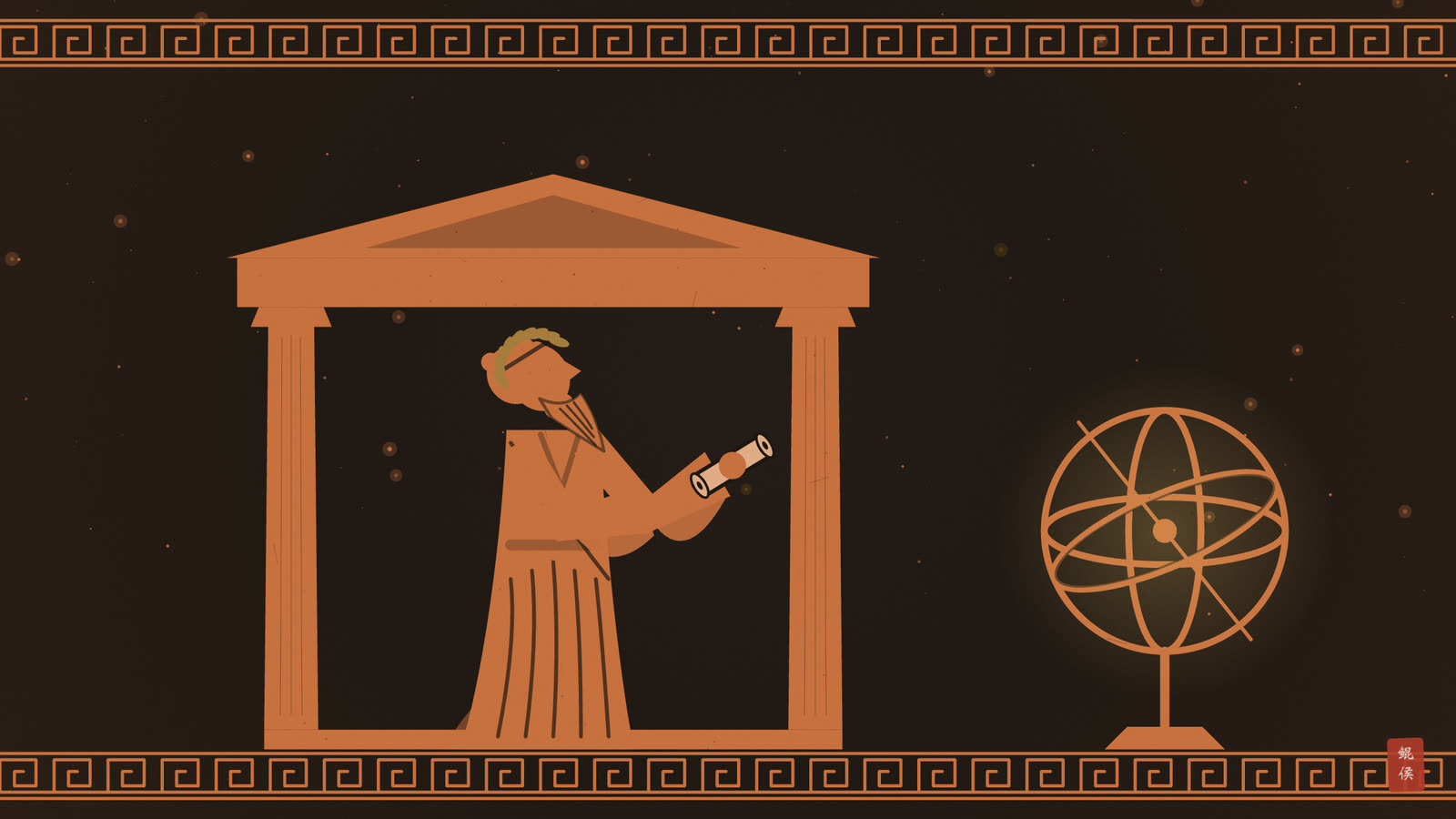
Conclusion according to Parisinus 2425: At this point, however, the method of attacking, in particular cases, the problem of the quality of temporal predictions, with a complete account of the results, which is a complicated matter difficult of explanation, must, in accordance with our original programme, be left to the astrologer's good judgement of the matter of temperaments, for thereby he is able correctly to accommodate to specific instances the effective force of the stars' general nature. Now since the topic of nativities has been summarily reviewed, it would be well to bring this procedure also to a fitting close.
Conclusion according to MAD Proc. Cam.: We shall, however, omit adding at this point a detailed account of the kinds of predicted events that happen at the times, on account of the plan which I stated at the outset, namely that the effective power which the planets exercise in general situations can be made to apply similarly and consistently in particular cases also, if the cause furnished by the astrologer and the cause arising from the mixture are combined with due skill.
翻译点开
Conclusion according to Parisinus 2425: At this point, however, the method of attacking, in particular cases, the problem of the quality of temporal predictions, with a complete account of the results, which is a complicated matter difficult of explanation, must, in accordance with our original programme, be left to the astrologer's good judgement of the matter of temperaments, for thereby he is able correctly to accommodate to specific instances the effective force of the stars' general nature. Now since the topic of nativities has been summarily reviewed, it would be well to bring this procedure also to a fitting close.
(据巴黎抄本 2425 的结尾)然而,到了这里,在个别情形中处理时间预言之性质这一问题的方法,连同对结果的完整说明——这是件复杂而难以解释的事——必须依照我们起初的计划,留给星占家对诸气质之事的良好判断,因为借此他便能正确地把诸星一般本性的作用之力,调适到具体的事例上。既然本命这一题目已经扼要地评述过了,那么也让这番论述有个合适的收尾才好。
Conclusion according to MAD Proc. Cam.: We shall, however, omit adding at this point a detailed account of the kinds of predicted events that happen at the times, on account of the plan which I stated at the outset, namely that the effective power which the planets exercise in general situations can be made to apply similarly and consistently in particular cases also, if the cause furnished by the astrologer and the cause arising from the mixture are combined with due skill.
(据 MAD 诸抄本、普罗克洛斯释本、卡梅拉里乌斯本的结尾)不过,我们在此略去不补的,是关于在各个时段发生的那些所预言之事的种类的详细说明,这是由于我在开头所说的计划,即:诸行星在一般情形中所施的作用之力,只要把星占家所提供的原因与由混合而生的原因巧妙地结合起来,也能同样而一贯地应用到个别情形上。
大意与图解点开
🔎 大意:个别的时运预言留给星占家对气质的判断,本命之论到此收尾;另一传本的结尾说:善于把原因结合,总论即可推及个案。
📖 术语
| 术语 | 英译原词 | 意思 |
|---|---|---|
| 气质 | temperaments | 冷热干湿的调和 |
| 混合 | mixture | 诸星之力的配合 |
| 程序 | procedure | 指这部论著 |
🧭 图解与讲解
全书最后两行,牵涉《占星四书》原本的结尾问题。Robbins 注说:这部书原来怎样收尾,本身就有疑问。上一行末尾「依循合乎自然程序的路数」半句,网上转录本把它排在了结尾小标题之下,这里照 Robbins 原书排印归回上一行;第二十七行从「然而,到了这里」起,是一部分抄本(以巴黎抄本 2425 为代表,Robbins 称 PL)的结尾,Robbins 注说其中许多用语在卷三第一章都能找到相似之处。第二十八行是另一部分抄本(MAD)的结尾,Robbins 注说它似乎是从普罗克洛斯的释本整段借来的,卡梅拉里乌斯的两个版本都用了它(图二)。
〔图〕《占星四书》全书一览:卷一立其理,卷二论世俗,卷三、卷四论本命
〔图〕全书的两种结尾:传本不同,一说留给星占家判断,一说总论可推及个案
两种结尾说的是同一个意思:本书只讲总纲。前一种说,在个别情形中怎样判断时运预言的性质,复杂而难以说明,照起初的计划,留给星占家对「气质」(冷热干湿的调和)的良好判断;既然本命已经扼要讲完,这番论述也该有个合适的收尾。后一种说,略去各时段所生之事的细目,是因为开头的计划:诸星在一般情形中的作用之力,只要把原因巧妙地结合起来,同样能用到个别情形上。
这正呼应全书的开头。卷一第二章说,星占只是推测之学,应当欢迎可能做到的部分并以此为足;卷三第一章说,本书只交出要瞄准的靶与放出的箭,射中与否,留给像好射手一样的推算者。托勒密从头到尾只给原理与方法,把具体的断语留给懂得自然之理的人去斟酌(图一回顾全书四卷)。《占星四书》此后成了西方占星最根本的典籍,后世的古典占星,大体都从这里出发。
📖 术语
| 术语 | 英译原词 | 意思 |
|---|---|---|
| 气质 | temperaments | 冷热干湿的调和 |
| 混合 | mixture | 诸星之力的配合 |
| 程序 | procedure | 指这部论著 |
🧭 图解与讲解
全书最后两行,牵涉《占星四书》原本的结尾问题。Robbins 注说:这部书原来怎样收尾,本身就有疑问。上一行末尾「依循合乎自然程序的路数」半句,网上转录本把它排在了结尾小标题之下,这里照 Robbins 原书排印归回上一行;第二十七行从「然而,到了这里」起,是一部分抄本(以巴黎抄本 2425 为代表,Robbins 称 PL)的结尾,Robbins 注说其中许多用语在卷三第一章都能找到相似之处。第二十八行是另一部分抄本(MAD)的结尾,Robbins 注说它似乎是从普罗克洛斯的释本整段借来的,卡梅拉里乌斯的两个版本都用了它(图二)。
两种结尾说的是同一个意思:本书只讲总纲。前一种说,在个别情形中怎样判断时运预言的性质,复杂而难以说明,照起初的计划,留给星占家对「气质」(冷热干湿的调和)的良好判断;既然本命已经扼要讲完,这番论述也该有个合适的收尾。后一种说,略去各时段所生之事的细目,是因为开头的计划:诸星在一般情形中的作用之力,只要把原因巧妙地结合起来,同样能用到个别情形上。
这正呼应全书的开头。卷一第二章说,星占只是推测之学,应当欢迎可能做到的部分并以此为足;卷三第一章说,本书只交出要瞄准的靶与放出的箭,射中与否,留给像好射手一样的推算者。托勒密从头到尾只给原理与方法,把具体的断语留给懂得自然之理的人去斟酌(图一回顾全书四卷)。《占星四书》此后成了西方占星最根本的典籍,后世的古典占星,大体都从这里出发。
原文为公有领域古籍;翻译、印象画与图文解读由 AI 辅助生成,鲲侯审校。