卷二·第十三章 论天象征兆的意义
日出日落的颜色、月的明暗、月晕重数、星团隐现、彗星流星、云与虹,各示风雨晴旱;卷二的世俗占到此结束。
Observations of the signs that are to be seen around the sun, moon, and planets would also be useful for a foreknowledge of the particular events signified.
We must, then, observe the sun at rising to determine the weather by day and at setting for the weather at night, and its aspects to the moon for weather conditions of longer extent, on the assumption that each aspect, in general, foretells the condition up to the next.
For when the sun rises or sets clear, unobscured, steady, and unclouded, it signifies fair weather; but if its disk is variegated or reddish or sends out ruddy rays, either directly outward or turned back upon itself, or if it has the so‑called parheliac clouds on one side, or yellowish formations of clouds, and as it were emits long rays, it indicates heavy winds and such as come from the angles to which the aforesaid signs point.
If at rising or setting it is dark or livid, being accompanied by clouds, or if it has halos about it on one side, or the parheliac clouds on both sides, and gives forth either livid or dusky rays, it signifies storms and rain.
翻译点开
Observations of the signs that are to be seen around the sun, moon, and planets would also be useful for a foreknowledge of the particular events signified.
观察日、月与行星周围可见的征兆,对于预知所示的具体事件也会有用。
We must, then, observe the sun at rising to determine the weather by day and at setting for the weather at night, and its aspects to the moon for weather conditions of longer extent, on the assumption that each aspect, in general, foretells the condition up to the next.
因此,我们须在日出时观察太阳,以判断白天的天气,在日落时观察它,以判断夜间的天气,并观察它对月亮的相位,以判断较长时段的天气状况,这是假定每一个相位大体所预示的状况,持续到下一个相位为止。
For when the sun rises or sets clear, unobscured, steady, and unclouded, it signifies fair weather; but if its disk is variegated or reddish or sends out ruddy rays, either directly outward or turned back upon itself, or if it has the so‑called parheliac clouds on one side, or yellowish formations of clouds, and as it were emits long rays, it indicates heavy winds and such as come from the angles to which the aforesaid signs point.
因为太阳升起或落下时若清朗、无遮、稳定、无云,预示晴好天气;但若日面斑驳或发红,或射出赤色的光芒——或径直向外,或折回自身——或一侧有所谓的幻日云,或有淡黄色的云团,又仿佛射出长长的光芒,则预示大风,而且是从上述征兆所指的那个角(地平的方位)吹来的风。
If at rising or setting it is dark or livid, being accompanied by clouds, or if it has halos about it on one side, or the parheliac clouds on both sides, and gives forth either livid or dusky rays, it signifies storms and rain.
若它在升起或落下时昏暗或呈青黑色,伴有云层,或一侧有晕,或两侧都有幻日云,并射出青黑或暗淡的光芒,则预示风暴与雨。
大意与图解点开
🔎 大意:日出看昼、日落看夜,日月相位管到下一相位。日清朗稳定主晴;斑驳发红、光芒异常、幻日一侧主风;昏暗青黑有晕主雨。
📖 术语
| 术语 | 英译原词 | 意思 |
|---|---|---|
| 征兆 | signs | 可见的天象迹象 |
| 幻日云 | parheliac clouds | 日旁的亮斑,今称幻日 |
| 日面 | disk | 太阳的圆面 |
| 青黑 | livid | 铅灰发青的颜色 |
| 晕 | halo | 日月周围的光圈 |
🧭 图解与讲解
前几章用的是推算出来的天象——朔望、相位、恒星出没;本章转向肉眼看得见的「征兆」:日月星辰周围的颜色、光芒、云与晕。这类观察是水手、农夫世代积累的经验,卷一第二章就说过,水手凭月亮与恒星对太阳的相位,便知道风暴与风的特殊征兆。托勒密把它们收进来,作为细推天气的补充。
| 太阳的样子(日出或日落时) | 所示天气 |
|---|---|
| 清朗、无遮、稳定、无云 | 晴好 |
| 日面斑驳或发红;射出赤色光芒(向外或折回);一侧有幻日云;有淡黄云团,似射长芒 | 大风,从征兆所指的方位吹来 |
| 昏暗或青黑,伴有云层;一侧有晕;两侧有幻日云;射出青黑或暗淡的光芒 | 风暴与雨 |
〔图〕看太阳的三个时刻:日出管白天,日落管夜里,日月相位管到下一个相位
先看太阳(表一)。日出时看白天,日落时看夜里;日月之间的相位管更长的时段,每个相位所示的天气一直管到下一个相位(图二),与上一章第三法的新、满、弦一脉相承。太阳清朗稳定主晴;日面斑驳发红、光芒外射或折回、一侧有幻日云,主大风,风从征兆所指的方位吹来;昏暗青黑、有云有晕、两侧都有幻日云,主风暴与雨。
「幻日云」(parheliac clouds)指太阳旁边出现的亮斑,今天叫「幻日」,常在太阳左右各出现一个,是高空卷云里的冰晶折射日光所成。原文的「角」指地平的方位:卷一第十章说地平有东、南、西、北四个区域与角,四方之风各从那里吹来。光芒或幻日偏在哪一边,风就从哪一方来。
📖 术语
| 术语 | 英译原词 | 意思 |
|---|---|---|
| 征兆 | signs | 可见的天象迹象 |
| 幻日云 | parheliac clouds | 日旁的亮斑,今称幻日 |
| 日面 | disk | 太阳的圆面 |
| 青黑 | livid | 铅灰发青的颜色 |
| 晕 | halo | 日月周围的光圈 |
🧭 图解与讲解
前几章用的是推算出来的天象——朔望、相位、恒星出没;本章转向肉眼看得见的「征兆」:日月星辰周围的颜色、光芒、云与晕。这类观察是水手、农夫世代积累的经验,卷一第二章就说过,水手凭月亮与恒星对太阳的相位,便知道风暴与风的特殊征兆。托勒密把它们收进来,作为细推天气的补充。
| 太阳的样子(日出或日落时) | 所示天气 |
|---|---|
| 清朗、无遮、稳定、无云 | 晴好 |
| 日面斑驳或发红;射出赤色光芒(向外或折回);一侧有幻日云;有淡黄云团,似射长芒 | 大风,从征兆所指的方位吹来 |
| 昏暗或青黑,伴有云层;一侧有晕;两侧有幻日云;射出青黑或暗淡的光芒 | 风暴与雨 |
先看太阳(表一)。日出时看白天,日落时看夜里;日月之间的相位管更长的时段,每个相位所示的天气一直管到下一个相位(图二),与上一章第三法的新、满、弦一脉相承。太阳清朗稳定主晴;日面斑驳发红、光芒外射或折回、一侧有幻日云,主大风,风从征兆所指的方位吹来;昏暗青黑、有云有晕、两侧都有幻日云,主风暴与雨。
「幻日云」(parheliac clouds)指太阳旁边出现的亮斑,今天叫「幻日」,常在太阳左右各出现一个,是高空卷云里的冰晶折射日光所成。原文的「角」指地平的方位:卷一第十章说地平有东、南、西、北四个区域与角,四方之风各从那里吹来。光芒或幻日偏在哪一边,风就从哪一方来。
We must observe the moon in its course three days before or three days after new moon, full moon, and the quarters. For when it appears thin and clear and has nothing around it, it signifies clear weather. If it is thin and red, and the whole disk of the unlighted portion is visible and somewhat disturbed, it indicates winds, in that direction in which it is particularly inclined. If it is observed to be dark, or pale, and thick, it signifies storms and rains.
We must also observe the halos around the moon. For if there is one, and this is clear, and gradually fading, it signifies fair weather; if there are two or three, storms; if they are yellowish, and broken, as it were, storms accompanied by heavy winds; if they are thick and misty, snowstorms; pale, or dusky, and broken, storms with both winds and snow; and the more of them there are the more severe the storms. And the halos that gather about the stars, both the planets and the brilliant fixed stars, signify what is appropriate to their colours and to the natures of the luminaries which they surround.
翻译点开
We must observe the moon in its course three days before or three days after new moon, full moon, and the quarters. For when it appears thin and clear and has nothing around it, it signifies clear weather. If it is thin and red, and the whole disk of the unlighted portion is visible and somewhat disturbed, it indicates winds, in that direction in which it is particularly inclined. If it is observed to be dark, or pale, and thick, it signifies storms and rains.
我们须在新月、满月与弦月之前三天或之后三天,观察月亮的行程。因为月亮若显得纤细、明净,周围什么也没有,就预示晴朗;若纤细而发红,未受光部分的整个圆面都看得见,并且有些扰动,就预示有风,风来自它特别倾斜的那个方向;若看去昏暗或苍白,而且厚重,就预示风暴与雨。
We must also observe the halos around the moon. For if there is one, and this is clear, and gradually fading, it signifies fair weather; if there are two or three, storms; if they are yellowish, and broken, as it were, storms accompanied by heavy winds; if they are thick and misty, snowstorms; pale, or dusky, and broken, storms with both winds and snow; and the more of them there are the more severe the storms. And the halos that gather about the stars, both the planets and the brilliant fixed stars, signify what is appropriate to their colours and to the natures of the luminaries which they surround.
我们也须观察月亮周围的晕。若只有一重,明净而渐渐消退,预示晴好;若有两重或三重,预示风暴;若带淡黄色,又仿佛断裂,预示伴有大风的风暴;若厚而如雾,预示暴风雪;若苍白或暗沉而断裂,预示既有风又有雪的风暴;晕越多,风暴越猛烈。而聚在诸星周围的晕,无论围着行星还是明亮的恒星,都预示与晕的颜色以及所围星体的本性相应之事。
大意与图解点开
🔎 大意:月在朔、望、弦前后三天看:纤细明净主晴,纤红而暗面可见主风,昏暗苍白厚重主雨;月晕一重主晴,多重主风暴。
📖 术语
| 术语 | 英译原词 | 意思 |
|---|---|---|
| 未受光部分 | unlighted portion | 月面背日的暗部 |
| 月晕 | halos around the moon | 月亮周围的光圈 |
| 暴风雪 | snowstorms | 风雪交加的天气 |
| 明亮的恒星 | brilliant fixed stars | 一等亮星之类 |
🧭 图解与讲解
月亮要在新月、满月、上下弦的前后三天看,与上一章第三法的「前后三天」同一规矩。纤细明净、四周无物,主晴;纤细发红,而且整个月面未受光的部分也隐约可见,主风,风从月亮特别倾斜的那一方来;昏暗、苍白、厚重,主风暴与雨。「未受光的整个圆面可见」就是俗称「新月抱旧月」的景象,今天叫地照,是地球反射的阳光照亮了月亮的暗面。
| 征兆 | 所示天气 |
|---|---|
| 〔月亮,朔、望、弦前后三天〕纤细、明净,周围无物 | 晴朗 |
| 纤细而发红;未受光的整个圆面可见,略有扰动 | 有风,从月亮特别倾斜的方向来 |
| 昏暗或苍白,而且厚重 | 风暴与雨 |
| 〔月晕〕一重,明净,渐渐消退 | 晴好 |
| 两重或三重 | 风暴 |
| 淡黄,似断裂 | 伴有大风的风暴 |
| 厚而如雾 | 暴风雪 |
| 苍白或暗沉,断裂 | 风雪交加的风暴 |
| 晕越多 | 风暴越猛烈 |
| 〔星晕〕行星或亮恒星周围的晕 | 按晕的颜色与所围星体的本性 |
〔图〕月晕的重数:一重明净主晴,两重三重主风暴,晕越多风暴越猛
月晕是本章最细的一段(表一下半、图二):一重晕、明净、渐渐消退,主晴;两重三重主风暴;淡黄而断裂,主带大风的风暴;厚而如雾,主暴风雪;苍白暗沉而断裂,主风雪交加;晕越多,风暴越猛。月晕和日晕一样,也是高空薄云里的冰晶造成的。中国也有「月晕而风」的老话,与托勒密说的不谋而合。
最后一句把晕推广到诸星:行星与亮恒星周围也会有晕,所示之事看晕的颜色与所围星体的本性。颜色的意义卷二第九章讲过:黑或青黑如土星,白如木星,发红如火星,黄如金星,斑驳如水星。星体的本性则见卷一第四章(行星)与第九章(恒星)。
📖 术语
| 术语 | 英译原词 | 意思 |
|---|---|---|
| 未受光部分 | unlighted portion | 月面背日的暗部 |
| 月晕 | halos around the moon | 月亮周围的光圈 |
| 暴风雪 | snowstorms | 风雪交加的天气 |
| 明亮的恒星 | brilliant fixed stars | 一等亮星之类 |
🧭 图解与讲解
月亮要在新月、满月、上下弦的前后三天看,与上一章第三法的「前后三天」同一规矩。纤细明净、四周无物,主晴;纤细发红,而且整个月面未受光的部分也隐约可见,主风,风从月亮特别倾斜的那一方来;昏暗、苍白、厚重,主风暴与雨。「未受光的整个圆面可见」就是俗称「新月抱旧月」的景象,今天叫地照,是地球反射的阳光照亮了月亮的暗面。
| 征兆 | 所示天气 |
|---|---|
| 〔月亮,朔、望、弦前后三天〕纤细、明净,周围无物 | 晴朗 |
| 纤细而发红;未受光的整个圆面可见,略有扰动 | 有风,从月亮特别倾斜的方向来 |
| 昏暗或苍白,而且厚重 | 风暴与雨 |
| 〔月晕〕一重,明净,渐渐消退 | 晴好 |
| 两重或三重 | 风暴 |
| 淡黄,似断裂 | 伴有大风的风暴 |
| 厚而如雾 | 暴风雪 |
| 苍白或暗沉,断裂 | 风雪交加的风暴 |
| 晕越多 | 风暴越猛烈 |
| 〔星晕〕行星或亮恒星周围的晕 | 按晕的颜色与所围星体的本性 |
月晕是本章最细的一段(表一下半、图二):一重晕、明净、渐渐消退,主晴;两重三重主风暴;淡黄而断裂,主带大风的风暴;厚而如雾,主暴风雪;苍白暗沉而断裂,主风雪交加;晕越多,风暴越猛。月晕和日晕一样,也是高空薄云里的冰晶造成的。中国也有「月晕而风」的老话,与托勒密说的不谋而合。
最后一句把晕推广到诸星:行星与亮恒星周围也会有晕,所示之事看晕的颜色与所围星体的本性。颜色的意义卷二第九章讲过:黑或青黑如土星,白如木星,发红如火星,黄如金星,斑驳如水星。星体的本性则见卷一第四章(行星)与第九章(恒星)。
As for the fixed stars which are close together in some number, we must observe their colours and magnitudes. For if they appear brighter and larger than usual, in whatever part of the sky they may be, they indicate the winds that blow from their own region. As for the clusters in the proper sense, however, such as Praesepe and the like, whenever in a clear sky their clusters appear to be dim, and, as it were, invisible, or thickened, they signify a downpour of water, but if they are clear and constantly twinkle, heavy winds.
Whenever, of the stars called the Asses on each side of Praesepe, the one to the north becomes invisible, it means that the north wind will blow, and the one to the south, the south wind.
翻译点开
As for the fixed stars which are close together in some number, we must observe their colours and magnitudes. For if they appear brighter and larger than usual, in whatever part of the sky they may be, they indicate the winds that blow from their own region. As for the clusters in the proper sense, however, such as Praesepe and the like, whenever in a clear sky their clusters appear to be dim, and, as it were, invisible, or thickened, they signify a downpour of water, but if they are clear and constantly twinkle, heavy winds.
至于成群聚在一起的恒星,我们须观察它们的颜色与大小。因为它们若显得比平常更亮、更大,无论位于天空哪一部分,都预示从它们自己那一方吹来的风。至于真正意义上的星团,如马槽星团之类,每当天空晴朗而它们的星团显得暗淡、仿佛看不见,或者显得浓厚,就预示大雨倾注;若明净而不停闪烁,则预示大风。
Whenever, of the stars called the Asses on each side of Praesepe, the one to the north becomes invisible, it means that the north wind will blow, and the one to the south, the south wind.
马槽星团两旁被称为「驴」的两颗星,每当北边那颗看不见时,意味着将吹北风;南边那颗看不见时,将吹南风。
大意与图解点开
🔎 大意:成群的恒星异常明亮主其方位之风;马槽星团晴空中暗淡或浓厚主大雨,明净闪烁主大风;北驴隐吹北风,南驴隐吹南风。
📖 术语
| 术语 | 英译原词 | 意思 |
|---|---|---|
| 星团 | clusters | 聚成一团的众星 |
| 马槽星团 | Praesepe | 巨蟹座中央的星团 |
| 驴星 | the Asses | 马槽两旁的两颗星 |
| 闪烁 | twinkle | 星光明灭跳动 |
🧭 图解与讲解
第三类征兆看恒星。成群聚集的恒星若比平常更亮更大,主从它们所在那一方吹来的风。真正的「星团」以马槽星团为代表:它在巨蟹座中央,肉眼看去是一小团朦胧的光;拉丁名 Praesepe 意为「马槽」,中国古称「积尸气」,属鬼宿。晴空里它若暗淡得几乎看不见,或显得浓厚,主大雨;若明净而不停闪烁,主大风(表二)。
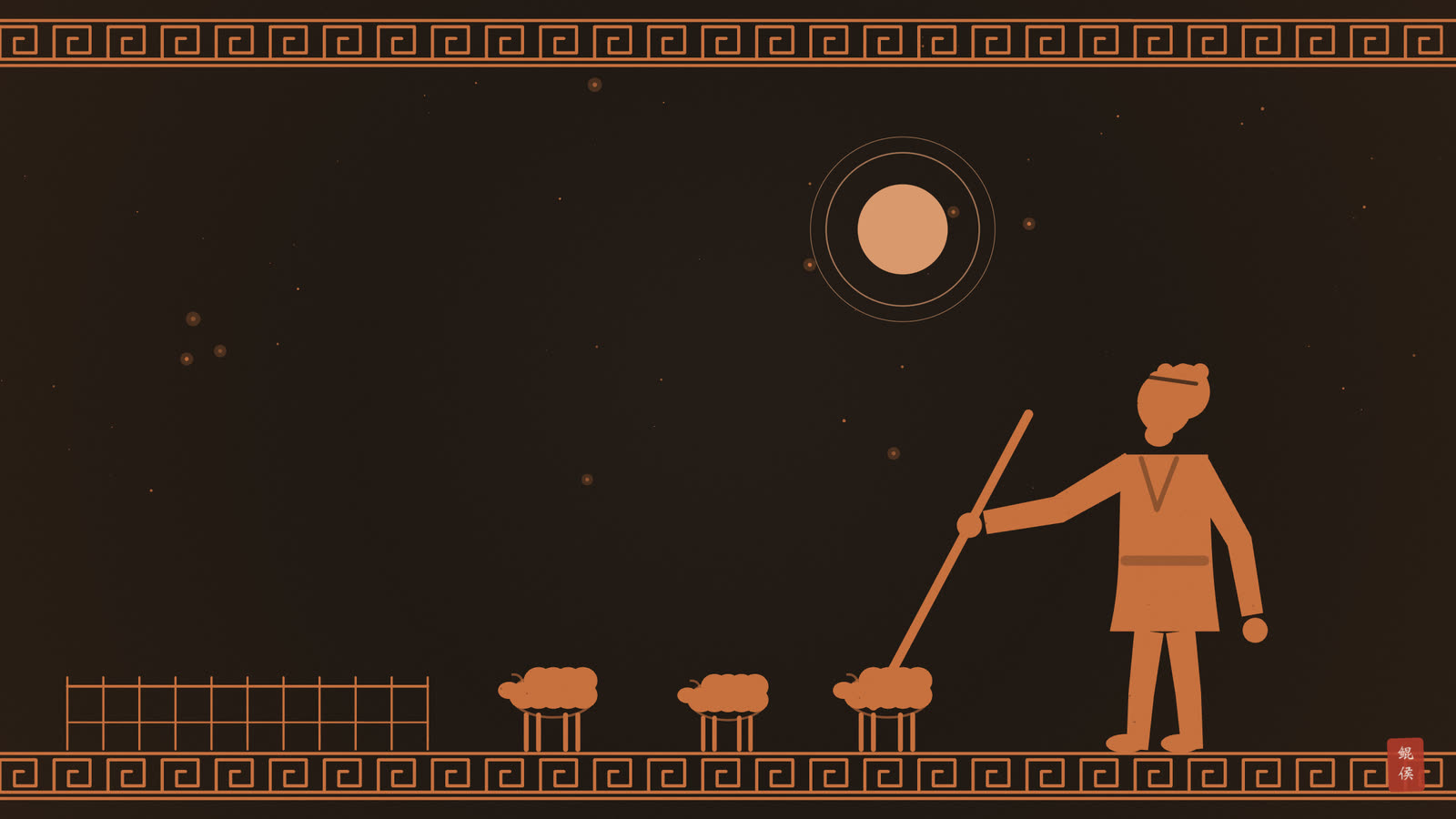
〔图〕马槽两旁的驴星:北边那颗隐没吹北风,南边那颗隐没吹南风
| 征兆 | 所示天气 |
|---|---|
| 成群的恒星比平常更亮、更大 | 从它们所在那一方吹来的风 |
| 晴空中马槽之类的星团暗淡、仿佛看不见,或显得浓厚 | 大雨倾注 |
| 星团明净,不停闪烁 | 大风 |
| 北边的驴星看不见 | 北风 |
| 南边的驴星看不见 | 南风 |
马槽两旁各有一颗星,古希腊人叫它们「驴」,好像两头驴在槽边吃草:一颗在北,一颗在南(图一),在中国都属鬼宿。托勒密说,北驴看不见吹北风,南驴看不见吹南风。两颗驴星都不算亮,一侧天空稍有薄雾就会隐没;托勒密没有解释原因,一种自然的理解是:哪一颗先看不见,说明哪一侧的空气先起了变化。
星光的明暗、大小与闪烁,本来就随空气的干湿与流动而变,这一节可以说是借恒星来观察大气。上一章说亮星在日旁升没的日子天气会「加强」,那是推算出来的时日;本章的星团与驴星,则是当晚抬头就能看见的征兆。
📖 术语
| 术语 | 英译原词 | 意思 |
|---|---|---|
| 星团 | clusters | 聚成一团的众星 |
| 马槽星团 | Praesepe | 巨蟹座中央的星团 |
| 驴星 | the Asses | 马槽两旁的两颗星 |
| 闪烁 | twinkle | 星光明灭跳动 |
🧭 图解与讲解
第三类征兆看恒星。成群聚集的恒星若比平常更亮更大,主从它们所在那一方吹来的风。真正的「星团」以马槽星团为代表:它在巨蟹座中央,肉眼看去是一小团朦胧的光;拉丁名 Praesepe 意为「马槽」,中国古称「积尸气」,属鬼宿。晴空里它若暗淡得几乎看不见,或显得浓厚,主大雨;若明净而不停闪烁,主大风(表二)。
| 征兆 | 所示天气 |
|---|---|
| 成群的恒星比平常更亮、更大 | 从它们所在那一方吹来的风 |
| 晴空中马槽之类的星团暗淡、仿佛看不见,或显得浓厚 | 大雨倾注 |
| 星团明净,不停闪烁 | 大风 |
| 北边的驴星看不见 | 北风 |
| 南边的驴星看不见 | 南风 |
马槽两旁各有一颗星,古希腊人叫它们「驴」,好像两头驴在槽边吃草:一颗在北,一颗在南(图一),在中国都属鬼宿。托勒密说,北驴看不见吹北风,南驴看不见吹南风。两颗驴星都不算亮,一侧天空稍有薄雾就会隐没;托勒密没有解释原因,一种自然的理解是:哪一颗先看不见,说明哪一侧的空气先起了变化。
星光的明暗、大小与闪烁,本来就随空气的干湿与流动而变,这一节可以说是借恒星来观察大气。上一章说亮星在日旁升没的日子天气会「加强」,那是推算出来的时日;本章的星团与驴星,则是当晚抬头就能看见的征兆。
Of occasional phenomena in the upper atmosphere, comets generally foretell droughts or winds, and the larger the number of parts that are found in their heads and the greater their size, the more severe the winds.
Rushing and shooting stars, if they come from one angle, denote the wind from that direction, but if from opposite angles, a confusion of winds, and if from all four angles, storms of all kinds, including thunder, lightning, and the like. Similarly clouds resembling flocks of wool are sometimes significant of storms. And the rainbows that appear from time to time signify storms after clear weather and clear weather after storms. To sum up the whole matter, the visible phenomena, which appear with peculiar colours of their own in the atmosphere in general, indicate results similar to those brought about by their own proper occurrences, in the manner already explained in the foregoing.
Let us, then, consider that thus far, in outline, there has been given an account of the investigation of general questions, both in their more universal aspects and in particular detail. In the following we shall supply in due order the procedure for the prediction which follows the genethlialogical form.
翻译点开
Of occasional phenomena in the upper atmosphere, comets generally foretell droughts or winds, and the larger the number of parts that are found in their heads and the greater their size, the more severe the winds.
高空中偶尔出现的现象里,彗星大体预示干旱或风,彗头中的部分越多、体积越大,风就越猛烈。
Rushing and shooting stars, if they come from one angle, denote the wind from that direction, but if from opposite angles, a confusion of winds, and if from all four angles, storms of all kinds, including thunder, lightning, and the like. Similarly clouds resembling flocks of wool are sometimes significant of storms. And the rainbows that appear from time to time signify storms after clear weather and clear weather after storms. To sum up the whole matter, the visible phenomena, which appear with peculiar colours of their own in the atmosphere in general, indicate results similar to those brought about by their own proper occurrences, in the manner already explained in the foregoing.
奔窜与划过的流星,若来自一个角,表示从那个方向来的风;若来自相对的两个角,表示风向错乱;若来自全部四个角,表示各种风暴,包括雷、电之类。同样,状如羊毛团的云,有时也预示风暴。时而出现的虹,预示晴后转风暴、风暴后转晴。总括而言,在大气中带着各自特有颜色而出现的可见现象,所预示的结果,与它们本身特有的现象所带来的相似,方式如前面已经说明的那样。
Let us, then, consider that thus far, in outline, there has been given an account of the investigation of general questions, both in their more universal aspects and in particular detail. In the following we shall supply in due order the procedure for the prediction which follows the genethlialogical form.
那么,就让我们认为,到此为止,关于普遍问题的考察,无论较为总体的方面,还是具体的细节,都已概略地交代过了。下面我们将依次提供按本命占形式进行预言的步骤。
大意与图解点开
🔎 大意:彗星主旱或风,越大越猛;流星从一方来主该方之风,四方齐来主雷电风暴;羊毛状云主风暴,虹主天气反转。卷二至此结束。
📖 术语
| 术语 | 英译原词 | 意思 |
|---|---|---|
| 彗星 | comets | 带尾的星,古以为高空之火 |
| 奔窜与划过的流星 | rushing and shooting stars | 划过夜空的流星 |
| 虹 | rainbows | 雨后日光映出的彩弧 |
| 本命占 | genethlialogical | 按出生推一人之事 |
🧭 图解与讲解
最后一类是「高空中偶尔出现的现象」,表一列出。彗星在卷二第九章是战争、炎热、动乱之兆,按彗头所在的星座与彗尾的指向断地域;这里只就天气而论:彗星主干旱或风,彗头里的部分越多、彗星越大,风越猛。亚里士多德在《天象论》里把彗星看作高空干热之气的燃烧,并说彗星多的年份多风多旱,托勒密的说法与这一传统相合。
| 征兆 | 所示天气 |
|---|---|
| 彗星 | 干旱或风;彗头部分越多、体积越大,风越猛 |
| 流星从一个角(方位)来 | 那个方向的风 |
| 流星从相对的两个角来 | 风向错乱 |
| 流星从四个角都来 | 各种风暴,包括雷电 |
| 状如羊毛团的云 | 有时预示风暴 |
| 虹 | 晴后转风暴,风暴后转晴 |
| 带特有颜色的大气现象 | 照卷二第九章的颜色之说 |
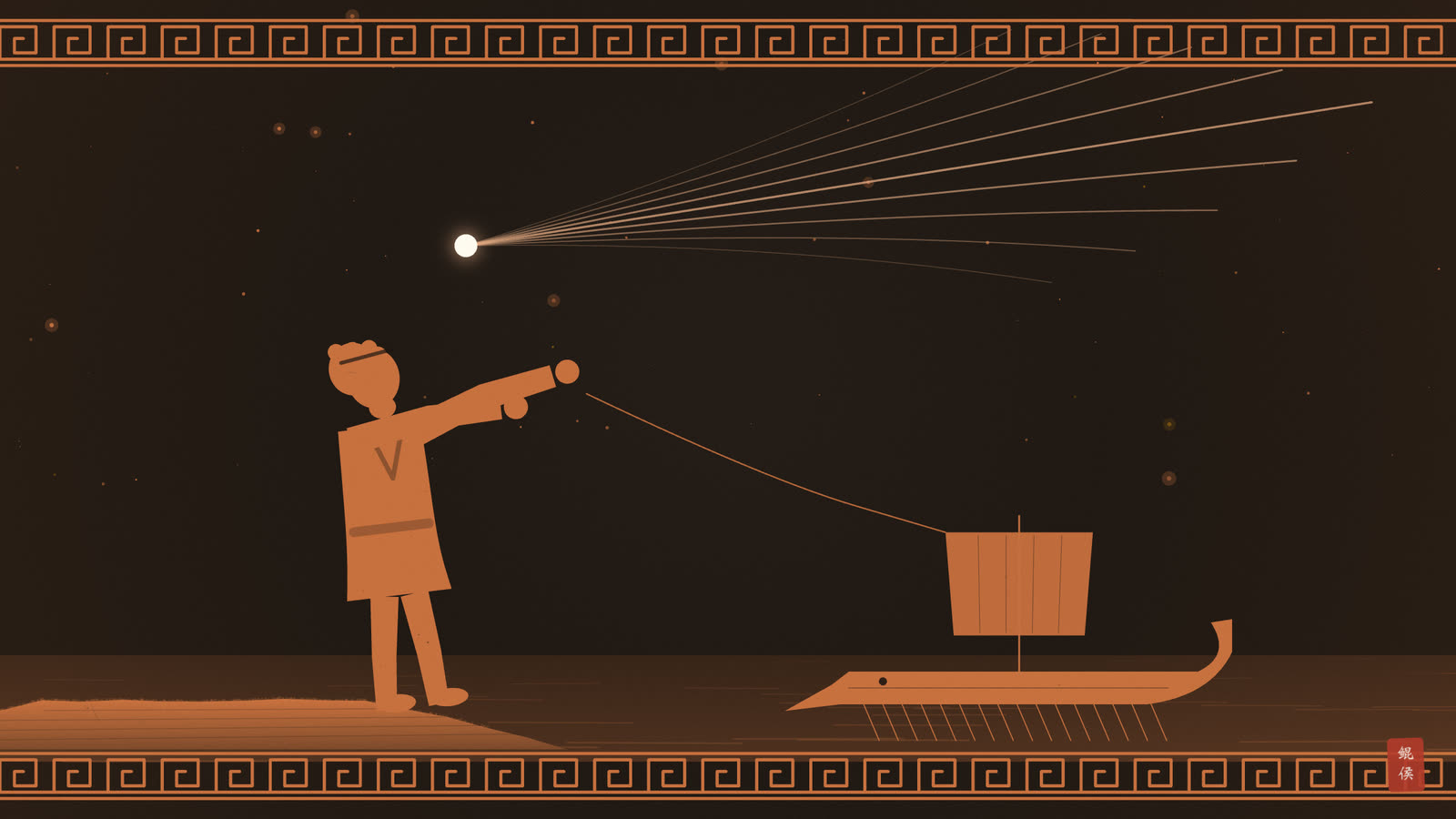
〔图〕卷二世俗占至此讲完:从地域、交食到天气,下一卷转入本命
流星(原文作「奔窜与划过的星」)看来向:从一个角来,主那个方向的风;从相对两角来,风向错乱;四个角都有,主各种风暴,连雷电在内。这里的「角」仍是地平的四方,卷一第十章讲过四方之风:东风干,南风热,西风湿,北风冷。状如羊毛团的云有时主风暴;虹则主天气反转,晴后转风暴,风暴后转晴。
「总括而言」一句,Robbins 注说笨拙,用意只是让读者回看卷二第九章:带着特有颜色出现的大气现象,按那里的颜色之说判断(见上单元)。最后一行是卷二的结语(图二):地域民族、交食、岁首、季月、天气征兆,普遍问题到此讲完。下一卷开始「按本命占的形式」预言,即为一个人的出生排盘,推断他的一生。
📖 术语
| 术语 | 英译原词 | 意思 |
|---|---|---|
| 彗星 | comets | 带尾的星,古以为高空之火 |
| 奔窜与划过的流星 | rushing and shooting stars | 划过夜空的流星 |
| 虹 | rainbows | 雨后日光映出的彩弧 |
| 本命占 | genethlialogical | 按出生推一人之事 |
🧭 图解与讲解
最后一类是「高空中偶尔出现的现象」,表一列出。彗星在卷二第九章是战争、炎热、动乱之兆,按彗头所在的星座与彗尾的指向断地域;这里只就天气而论:彗星主干旱或风,彗头里的部分越多、彗星越大,风越猛。亚里士多德在《天象论》里把彗星看作高空干热之气的燃烧,并说彗星多的年份多风多旱,托勒密的说法与这一传统相合。
| 征兆 | 所示天气 |
|---|---|
| 彗星 | 干旱或风;彗头部分越多、体积越大,风越猛 |
| 流星从一个角(方位)来 | 那个方向的风 |
| 流星从相对的两个角来 | 风向错乱 |
| 流星从四个角都来 | 各种风暴,包括雷电 |
| 状如羊毛团的云 | 有时预示风暴 |
| 虹 | 晴后转风暴,风暴后转晴 |
| 带特有颜色的大气现象 | 照卷二第九章的颜色之说 |
流星(原文作「奔窜与划过的星」)看来向:从一个角来,主那个方向的风;从相对两角来,风向错乱;四个角都有,主各种风暴,连雷电在内。这里的「角」仍是地平的四方,卷一第十章讲过四方之风:东风干,南风热,西风湿,北风冷。状如羊毛团的云有时主风暴;虹则主天气反转,晴后转风暴,风暴后转晴。
「总括而言」一句,Robbins 注说笨拙,用意只是让读者回看卷二第九章:带着特有颜色出现的大气现象,按那里的颜色之说判断(见上单元)。最后一行是卷二的结语(图二):地域民族、交食、岁首、季月、天气征兆,普遍问题到此讲完。下一卷开始「按本命占的形式」预言,即为一个人的出生排盘,推断他的一生。
原文为公有领域古籍;翻译、印象画与图文解读由 AI 辅助生成,鲲侯审校。