卷二·第七章 论受影响的类别
应在哪一类,看交食与主星所在星座的形状:人形应人,四足应畜,有翼应禽,属海属河应水族;分至、固定、双体与四角也各有所主。
The third heading is that of generic classification, whereby one must determine what classes the event will affect. This is ascertained from the special nature and form of the zodiacal signs in which happen to be the places of the eclipses and in which are the heavenly bodies, planets and fixed stars alike, that govern both the sign of the eclipse and that of the angle preceding the eclipse. In the case of the planets we discover the rulership of these regions thus:
The one which has the greatest number of relationships to both the regions aforesaid, that of the eclipse and that of the angle which follows it, both by virtue of the nearest visible applications or recessions, and by those of the aspects which bear a relation, and furthermore by rulership of the houses, triangles, exaltations, and terms, that planet alone will hold the dominance.
However, if the same planet is not found to be both lord of the eclipse and of the angle, we must take together the two which have the greatest number of familiarities, as aforesaid, to either one of the regions, giving preference to the lord of the eclipse. And if several rivals be found on either count, we shall prefer for the domination the one which is closest to an angle, or is more significant, or is more closely allied by sect.
翻译点开
The third heading is that of generic classification, whereby one must determine what classes the event will affect. This is ascertained from the special nature and form of the zodiacal signs in which happen to be the places of the eclipses and in which are the heavenly bodies, planets and fixed stars alike, that govern both the sign of the eclipse and that of the angle preceding the eclipse. In the case of the planets we discover the rulership of these regions thus:
第三个门类是类属的划分,借以确定事件将影响哪些类别。这要从星座的特性与形状来查明:一是交食之处所在的星座,二是那些天体——行星与恒星都算——所在的星座,它们主宰着交食所在的星座,以及交食之前那个角所在的星座。就行星而言,这两个区域的主宰我们这样找出:
The one which has the greatest number of relationships to both the regions aforesaid, that of the eclipse and that of the angle which follows it, both by virtue of the nearest visible applications or recessions, and by those of the aspects which bear a relation, and furthermore by rulership of the houses, triangles, exaltations, and terms, that planet alone will hold the dominance.
哪颗行星与上述两个区域——交食的区域,和随其后的那个角的区域——关系最多,无论是凭最近的、可见的入相或离相,凭有关的相位,还是凭庙、三方、旺、界的主宰,那颗行星就独掌主宰。
However, if the same planet is not found to be both lord of the eclipse and of the angle, we must take together the two which have the greatest number of familiarities, as aforesaid, to either one of the regions, giving preference to the lord of the eclipse. And if several rivals be found on either count, we shall prefer for the domination the one which is closest to an angle, or is more significant, or is more closely allied by sect.
不过,如果找不到同一颗行星既是交食之主、又是该角之主,就要把分别与两个区域之一亲缘最多(如上所述)的两颗行星合起来取用,而以交食之主为先。若在任何一方面发现有几颗相争,我们就取最接近某个角的、或更显著的、或在昼夜之分上更相合的那一颗来主宰。
大意与图解点开
🔎 大意:类属看星座的形状。先找主星:数各星与交食星座、前面那个角的关系,兼主两处者独主;否则取两星,以交食之主为先。
📖 术语
| 术语 | 英译原词 | 意思 |
|---|---|---|
| 类属 | generic classification | 受影响的是哪一类 |
| 入相 | applications | 趋近成相位 |
| 离相 | recessions | 离开相位 |
| 交食之主 | lord of the eclipse | 主宰交食之处的星 |
| 昼夜之分 | sect | 昼星一派与夜星一派 |
🧭 图解与讲解
第三问是「应在谁身上」。托勒密说,这要看星座的特性与形状——画作人形、兽形还是鱼形——但要看的星座不止一个:一是交食所在的星座,二是主宰之星所在的星座;所谓主宰之星,是主宰交食所在星座、以及交食之前那个角所在星座的天体,行星与恒星都算。所以第一步要先找出主宰之星。本单元讲行星,下一单元讲恒星。
〔图〕判主星一例:日食在白羊,前面的角(中天)在摩羯;火星是白羊的庙主、又旺于摩羯,独掌主宰
| 行星 | 与白羊(交食)的关系 | 与摩羯(中天)的关系 | 结论 |
|---|---|---|---|
| ♂︎ 火星 | 庙主;在狮子与之成三分 | 旺 | 兼及两处,独掌主宰 |
| ☉︎ 太阳 | 旺;火象三方的昼主 | — | 只及一处 |
| ♄︎ 土星 | —(白羊是土星之落) | 庙主 | 只及一处 |
| ♀︎ 金星 | — | 土象三方的昼主;界主 | 只及一处 |
| ☿︎ 水星 | 界主 | — | 只及一处 |
| ♃︎ 木星 | 火象三方的夜主(白昼不取) | —(摩羯是木星之落) | 无 |
找行星的办法是「数关系」。两个区域:交食所在的星座,和与交食相关的那个角所在的星座。逐颗行星去数,它与这两处有多少种联系:最近的、看得见的入相或离相(卷一第二十四章),有关的相位(卷一第十三章),以及庙、三方、旺、界的主宰(卷一第十七至二十一章)。与两处关系都最多的那一颗,独掌主宰。
图一设一次日食在白羊十八度,地点在北纬三十一度,太阳刚升起不久:上升在金牛一度,前面的角——中天——在摩羯二十度。表二逐星数过:白羊是火星之庙,摩羯是火星之旺,火星一星兼及两处;太阳在白羊有旺又有三方,土星、金星、水星都只关一处。于是火星独掌主宰。图中火星在狮子,又与白羊成三分相,关系更多一层。
若没有一颗星兼主两处,就把分别与两处关系最多的两颗合起来用,以交食之主为先。若某一方面有几颗不相上下,就看谁更接近某个角、谁更显著、谁在昼夜之分上更相合(卷一第七章)。Robbins 注引古代无名氏注释家的例子:在地平之上的半球、正在「增加其运动」、或正在升起的,都算更显著;若这些条件各星都有,就取合于本派的那一颗。
有一处措辞要留意:英译第一句说「交食之前的那个角」,第二句却说「随其后的那个角」,下一句讲恒星时又「前」「后」并举。古人说「前」,指黄道次序在先、在周日运转中先升起的一方;图一取的就是黄道次序在交食之前的中天。换个角度看,天球每日东升西落,交食之点下一个抵达的也正是这个角,从时间上说它又在交食「之后」,两种说法很可能指的是同一个角。英译用词前后不一,这里照译不改。
📖 术语
| 术语 | 英译原词 | 意思 |
|---|---|---|
| 类属 | generic classification | 受影响的是哪一类 |
| 入相 | applications | 趋近成相位 |
| 离相 | recessions | 离开相位 |
| 交食之主 | lord of the eclipse | 主宰交食之处的星 |
| 昼夜之分 | sect | 昼星一派与夜星一派 |
🧭 图解与讲解
第三问是「应在谁身上」。托勒密说,这要看星座的特性与形状——画作人形、兽形还是鱼形——但要看的星座不止一个:一是交食所在的星座,二是主宰之星所在的星座;所谓主宰之星,是主宰交食所在星座、以及交食之前那个角所在星座的天体,行星与恒星都算。所以第一步要先找出主宰之星。本单元讲行星,下一单元讲恒星。
| 行星 | 与白羊(交食)的关系 | 与摩羯(中天)的关系 | 结论 |
|---|---|---|---|
| ♂︎ 火星 | 庙主;在狮子与之成三分 | 旺 | 兼及两处,独掌主宰 |
| ☉︎ 太阳 | 旺;火象三方的昼主 | — | 只及一处 |
| ♄︎ 土星 | —(白羊是土星之落) | 庙主 | 只及一处 |
| ♀︎ 金星 | — | 土象三方的昼主;界主 | 只及一处 |
| ☿︎ 水星 | 界主 | — | 只及一处 |
| ♃︎ 木星 | 火象三方的夜主(白昼不取) | —(摩羯是木星之落) | 无 |
找行星的办法是「数关系」。两个区域:交食所在的星座,和与交食相关的那个角所在的星座。逐颗行星去数,它与这两处有多少种联系:最近的、看得见的入相或离相(卷一第二十四章),有关的相位(卷一第十三章),以及庙、三方、旺、界的主宰(卷一第十七至二十一章)。与两处关系都最多的那一颗,独掌主宰。
图一设一次日食在白羊十八度,地点在北纬三十一度,太阳刚升起不久:上升在金牛一度,前面的角——中天——在摩羯二十度。表二逐星数过:白羊是火星之庙,摩羯是火星之旺,火星一星兼及两处;太阳在白羊有旺又有三方,土星、金星、水星都只关一处。于是火星独掌主宰。图中火星在狮子,又与白羊成三分相,关系更多一层。
若没有一颗星兼主两处,就把分别与两处关系最多的两颗合起来用,以交食之主为先。若某一方面有几颗不相上下,就看谁更接近某个角、谁更显著、谁在昼夜之分上更相合(卷一第七章)。Robbins 注引古代无名氏注释家的例子:在地平之上的半球、正在「增加其运动」、或正在升起的,都算更显著;若这些条件各星都有,就取合于本派的那一颗。
有一处措辞要留意:英译第一句说「交食之前的那个角」,第二句却说「随其后的那个角」,下一句讲恒星时又「前」「后」并举。古人说「前」,指黄道次序在先、在周日运转中先升起的一方;图一取的就是黄道次序在交食之前的中天。换个角度看,天球每日东升西落,交食之点下一个抵达的也正是这个角,从时间上说它又在交食「之后」,两种说法很可能指的是同一个角。英译用词前后不一,这里照译不改。
In the case of the fixed stars, we shall take the first one of the brilliant stars which signifies upon the preceding angle at the actual time of the eclipse, according to the nine kinds of visible aspects defined in our first compilation, and the star which of the group visible at the time of the eclipse has either risen or reached meridian with the angle following the place of the eclipse.
翻译点开
In the case of the fixed stars, we shall take the first one of the brilliant stars which signifies upon the preceding angle at the actual time of the eclipse, according to the nine kinds of visible aspects defined in our first compilation, and the star which of the group visible at the time of the eclipse has either risen or reached meridian with the angle following the place of the eclipse.
就恒星而言,我们取明亮恒星中的第一颗:它在交食的确切时刻,按我们第一部著作所定义的九种可见形态之一,对前面那个角有所预示;还取交食时可见的群星中,与交食之处后面那个角一同升起、或一同到达中天的那颗星。
大意与图解点开
🔎 大意:恒星取两颗:交食时刻以九种可见形态之一最先示于前角的亮星,与交食时可见、随后角一同升起或中天的星。
📖 术语
| 术语 | 英译原词 | 意思 |
|---|---|---|
| 恒星 | fixed stars | 不随行星移动的星 |
| 可见形态 | visible aspects | 星在晨午昏的方位 |
| 亮星 | brilliant stars | 明亮的恒星 |
| 到达中天 | reached meridian | 升到正南最高处 |
🧭 图解与讲解
恒星也要找主宰者,取法有两条。一是在交食的确切时刻,看明亮的恒星中,哪一颗最先以「九种可见形态」之一对前面那个角有所预示;二是在交食时看得见的群星里,取与交食之处后面那个角一同升起、或一同到达中天的那一颗(图二)。
| 东方(升起) | 中天 | 西方(沉没) | |
|---|---|---|---|
| 晨(日出时) | 晨时东升 | 晨时中天 | 晨时西没 |
| 午(正午时) | 午时东升 | 午时中天 | 午时西没 |
| 昏(日落时) | 昏时东升 | 昏时中天 | 昏时西没 |
〔图〕恒星的取法:看交食时刻对着相关之角的亮星,按九种可见形态与同升、同中天来取
「九种可见形态」出自托勒密的第一部著作《天文学大成》卷八第四章(Robbins 注):一颗恒星在日出、正午、日落三个时刻,分别正在东方升起、正在中天、正在西方沉没,三乘三共九种(表一)。比如「晨时中天」,就是日出时那颗星恰在中天。交食之时,哪颗亮星最先处在这样的位置上、与相关的角相应,就取它。
第二条说的「一同升起」「一同到达中天」,指恒星与那个角所在的黄道度数同时升起、同时中天。恒星大多不在黄道上,有的偏北、有的偏南,它与黄道哪一度同升同中天,要按当地纬度推算;Robbins 在卷二第三章的注里说,这类与黄道各段同升同没的星,古人另有专名(今可称「同升星」)。取出的恒星,按卷一第九章所列的性质参与判断——比如那一章说猎户座双肩的星性如火星与水星,就当作这两颗行星的混合来看。
📖 术语
| 术语 | 英译原词 | 意思 |
|---|---|---|
| 恒星 | fixed stars | 不随行星移动的星 |
| 可见形态 | visible aspects | 星在晨午昏的方位 |
| 亮星 | brilliant stars | 明亮的恒星 |
| 到达中天 | reached meridian | 升到正南最高处 |
🧭 图解与讲解
恒星也要找主宰者,取法有两条。一是在交食的确切时刻,看明亮的恒星中,哪一颗最先以「九种可见形态」之一对前面那个角有所预示;二是在交食时看得见的群星里,取与交食之处后面那个角一同升起、或一同到达中天的那一颗(图二)。
| 东方(升起) | 中天 | 西方(沉没) | |
|---|---|---|---|
| 晨(日出时) | 晨时东升 | 晨时中天 | 晨时西没 |
| 午(正午时) | 午时东升 | 午时中天 | 午时西没 |
| 昏(日落时) | 昏时东升 | 昏时中天 | 昏时西没 |
「九种可见形态」出自托勒密的第一部著作《天文学大成》卷八第四章(Robbins 注):一颗恒星在日出、正午、日落三个时刻,分别正在东方升起、正在中天、正在西方沉没,三乘三共九种(表一)。比如「晨时中天」,就是日出时那颗星恰在中天。交食之时,哪颗亮星最先处在这样的位置上、与相关的角相应,就取它。
第二条说的「一同升起」「一同到达中天」,指恒星与那个角所在的黄道度数同时升起、同时中天。恒星大多不在黄道上,有的偏北、有的偏南,它与黄道哪一度同升同中天,要按当地纬度推算;Robbins 在卷二第三章的注里说,这类与黄道各段同升同没的星,古人另有专名(今可称「同升星」)。取出的恒星,按卷一第九章所列的性质参与判断——比如那一章说猎户座双肩的星性如火星与水星,就当作这两颗行星的混合来看。
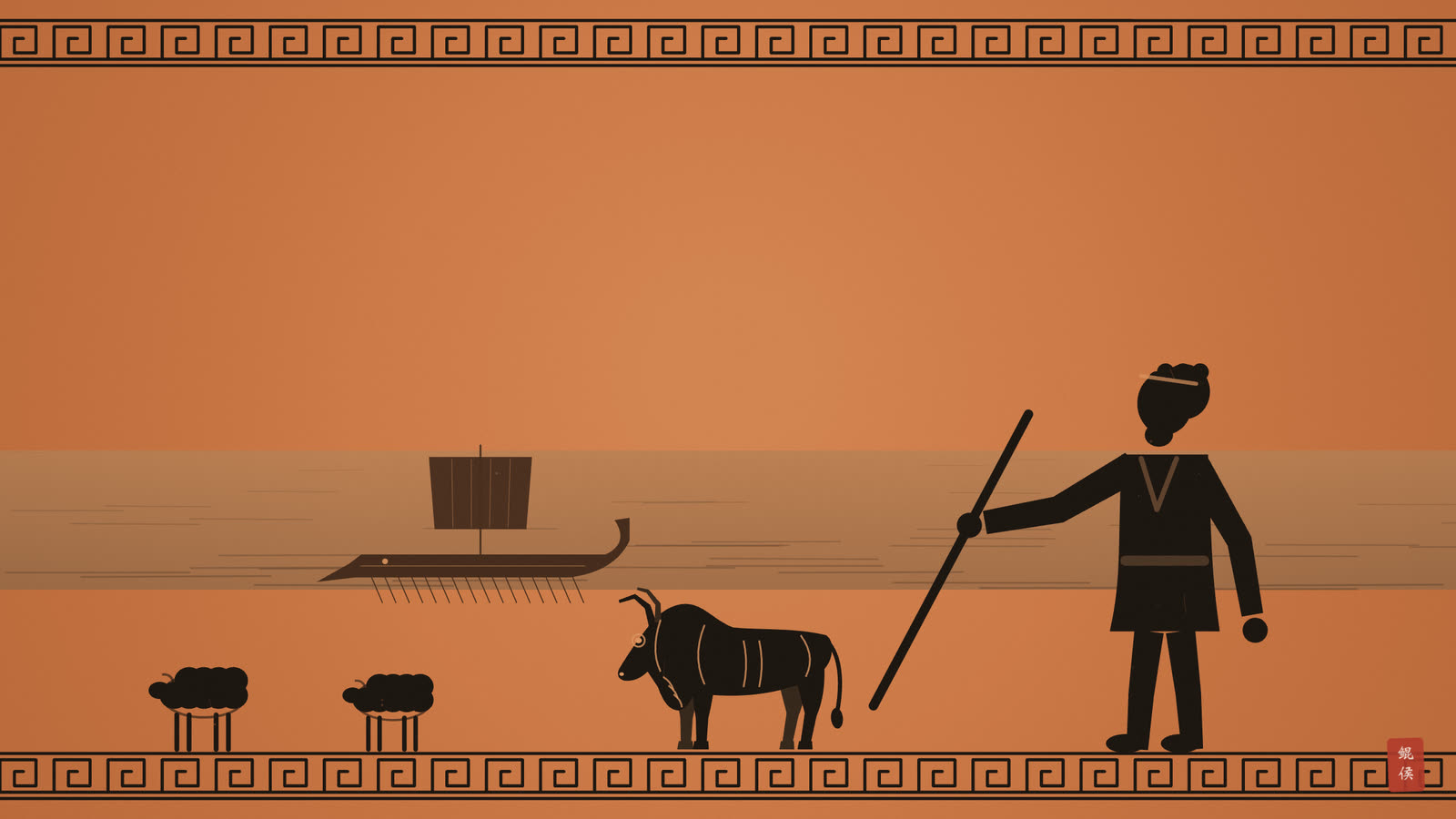
When we have thus reckoned the stars that share in causing the event, let us also consider the forms of the signs of the zodiac in which the eclipse and the dominating stars as well happened to be, since from their character the quality of the classes affected is generally discerned. Constellations of human form, both in the zodiac and among the fixed stars, cause the event to concern the human race. Of the other terrestrial signs, the four-footed are concerned with the four-footed dumb animals, and the signs formed like creeping things with serpents and the like.
Again, the animal signs have significance for the wild animals and those which injure the human race; the tame signs concern the useful and domesticated animals, and those which help to gain prosperity, in consistency with their several forms; for example, horses, oxen, sheep, and the like. Again, of the terrestrial signs, the northern tend to signify sudden earthquakes and the southern unexpected rains from the sky.
Yet again, those dominant regions that are in the form of winged creatures, such as Virgo, Sagittarius, Cygnus, Aquila, and the like, exercise an effect upon winged creatures, particularly those which are used for human food, and if they are in the form of swimming things, upon water animals and fish. And of these, in the constellations pertaining to the sea, such as Cancer, Capricorn, and the Dolphin, they influence the creatures of the sea and the sailing of fleets.
In the constellations pertaining to rivers, such as Aquarius and Pisces, they concern the creatures of rivers and springs, and in Argo they affect both classes alike. Likewise stars in the solstitial or equinoctial signs have significance in general for the conditions of the air and the seasons related to each of these signs, and in particular they concern the spring and things which grow from the earth.
翻译点开
When we have thus reckoned the stars that share in causing the event, let us also consider the forms of the signs of the zodiac in which the eclipse and the dominating stars as well happened to be, since from their character the quality of the classes affected is generally discerned. Constellations of human form, both in the zodiac and among the fixed stars, cause the event to concern the human race. Of the other terrestrial signs, the four-footed are concerned with the four-footed dumb animals, and the signs formed like creeping things with serpents and the like.
这样算出共同造成事件的诸星之后,我们还要考察交食以及主宰之星所在星座的形状,因为受影响者是哪一类,大体可以从这些星座的特性辨别出来。人形的星座,无论在黄道上还是在恒星之中,都使事件关乎人类。其余的陆生星座中,四足的关乎四足的不能言语的动物,形如爬行之物的关乎蛇类之属。
Again, the animal signs have significance for the wild animals and those which injure the human race; the tame signs concern the useful and domesticated animals, and those which help to gain prosperity, in consistency with their several forms; for example, horses, oxen, sheep, and the like. Again, of the terrestrial signs, the northern tend to signify sudden earthquakes and the southern unexpected rains from the sky.
再者,兽类的星座预示野兽以及伤害人类的动物;驯良的星座关乎有用的、家养的动物,以及帮人谋得富足的动物,各依其形状而定,例如马、牛、羊之类。还有,陆生星座中偏北的往往预示突如其来的地震,偏南的预示意想不到的天降大雨。
Yet again, those dominant regions that are in the form of winged creatures, such as Virgo, Sagittarius, Cygnus, Aquila, and the like, exercise an effect upon winged creatures, particularly those which are used for human food, and if they are in the form of swimming things, upon water animals and fish. And of these, in the constellations pertaining to the sea, such as Cancer, Capricorn, and the Dolphin, they influence the creatures of the sea and the sailing of fleets.
此外,居主宰地位的区域若呈有翼生物之形,例如处女、射手、天鹅、天鹰之类,就作用于有翼的生物,尤其是供人食用的那些;若呈游水之物的形状,就作用于水中动物与鱼类。其中,在属海的星座,例如巨蟹、摩羯与海豚,它们影响海中的生物和船队的航行。
In the constellations pertaining to rivers, such as Aquarius and Pisces, they concern the creatures of rivers and springs, and in Argo they affect both classes alike. Likewise stars in the solstitial or equinoctial signs have significance in general for the conditions of the air and the seasons related to each of these signs, and in particular they concern the spring and things which grow from the earth.
在属河的星座,例如水瓶与双鱼,它们关乎河流与泉水中的生物;在南船座,则两类一并影响。同样,位于至点星座或分点星座的星,大体上预示空气的状况和与各该星座相关的季节,具体而言关乎春天和从地里生长的东西。
大意与图解点开
🔎 大意:交食与主星所在星座的形状定类属:人形应人,四足应畜,爬行应蛇,有翼应禽,属海属河应水族与航行。
📖 术语
| 术语 | 英译原词 | 意思 |
|---|---|---|
| 人形 | of human form | 画作人的星座 |
| 四足 | four-footed | 画作走兽的星座 |
| 有翼 | winged | 画有翅膀的星座 |
| 陆生 | terrestrial | 画作陆上之物 |
| 南船座 | Argo | 黄道外的船形星座 |
🧭 图解与讲解
主宰之星找到了,接着看形状。托勒密的想法很直观:星座画成什么,就管什么。交食与主宰之星落在人形的星座,事情应在人身上;落在四足的星座,应在四足的走兽;落在形如爬行之物的,应在蛇类。恒星的星座也一样算,所以他举的例子里有天鹅、天鹰、海豚、南船这些黄道外的星座。
〔图〕星座的形状定所主:处女、射手有翼,巨蟹、摩羯属海,水瓶、双鱼属河
| 形状 | 所主 | 托勒密所举 | Robbins 注引瑞托里乌斯 |
|---|---|---|---|
| 人形 | 人类 | 黄道与恒星中的人形星座 | 双子、处女、天秤、水瓶、射手(部分) |
| 四足 | 四足的走兽 | — | 白羊、金牛、狮子、射手 |
| 爬行之形 | 蛇类之属 | — | 黄道外,如天龙座 |
| 兽类 | 野兽、伤人的动物 | — | 金牛、狮子、天蝎 |
| 驯良 | 马、牛、羊等有用的家畜 | — | — |
| 有翼 | 禽鸟,尤其供人食用的 | 处女、射手、天鹅、天鹰 | 处女、射手、双鱼 |
| 属海 | 海中生物、船队航行 | 巨蟹、摩羯、海豚 | 水生:双鱼、巨蟹、摩羯、水瓶、射手 |
| 属河 | 河流泉水中的生物 | 水瓶、双鱼;南船兼两类 | (同上) |
| 陆生偏北 / 偏南 | 突来的地震 / 意外的大雨 | — | 陆生:白羊、金牛、双子、狮子、处女、天秤、天蝎 |
哪些星座算人形、四足、兽类,托勒密在这里没有列全。Robbins 注引后来的占星家瑞托里乌斯(Rhetorius)的分法(表二):人形是双子、处女、天秤、水瓶与射手的一部分;四足是白羊、金牛、狮子、射手;兽类(希腊文意为「野兽般的」)是金牛、狮子、天蝎;有翼是处女、射手、双鱼;水生是双鱼、巨蟹、摩羯、水瓶、射手。爬行之形则要到黄道外的天龙座之类去找。
托勒密自己点名的是图一里的六座:处女、射手画有翅膀,管禽鸟,尤其是人吃的那些;巨蟹、摩羯属海,管海里的生物和船队的航行;水瓶、双鱼属河,管河流泉水里的生物。南船座介于海河之间,两类都管。驯良的星座管马、牛、羊这些帮人致富的家畜,兽类的星座管野兽和伤人的动物——卷二第八章会说,木星作主时使前者繁盛、后者减灭。
这一段末尾转入下一单元:陆生星座中偏北的预示突来的地震,偏南的预示意外的大雨;位于至点、分点星座的星,大体关乎空气与各该季节,具体关乎春天与地里的出产。到这里,星座的「形状」退到其次,起作用的是它在一年中的位置。
📖 术语
| 术语 | 英译原词 | 意思 |
|---|---|---|
| 人形 | of human form | 画作人的星座 |
| 四足 | four-footed | 画作走兽的星座 |
| 有翼 | winged | 画有翅膀的星座 |
| 陆生 | terrestrial | 画作陆上之物 |
| 南船座 | Argo | 黄道外的船形星座 |
🧭 图解与讲解
主宰之星找到了,接着看形状。托勒密的想法很直观:星座画成什么,就管什么。交食与主宰之星落在人形的星座,事情应在人身上;落在四足的星座,应在四足的走兽;落在形如爬行之物的,应在蛇类。恒星的星座也一样算,所以他举的例子里有天鹅、天鹰、海豚、南船这些黄道外的星座。
| 形状 | 所主 | 托勒密所举 | Robbins 注引瑞托里乌斯 |
|---|---|---|---|
| 人形 | 人类 | 黄道与恒星中的人形星座 | 双子、处女、天秤、水瓶、射手(部分) |
| 四足 | 四足的走兽 | — | 白羊、金牛、狮子、射手 |
| 爬行之形 | 蛇类之属 | — | 黄道外,如天龙座 |
| 兽类 | 野兽、伤人的动物 | — | 金牛、狮子、天蝎 |
| 驯良 | 马、牛、羊等有用的家畜 | — | — |
| 有翼 | 禽鸟,尤其供人食用的 | 处女、射手、天鹅、天鹰 | 处女、射手、双鱼 |
| 属海 | 海中生物、船队航行 | 巨蟹、摩羯、海豚 | 水生:双鱼、巨蟹、摩羯、水瓶、射手 |
| 属河 | 河流泉水中的生物 | 水瓶、双鱼;南船兼两类 | (同上) |
| 陆生偏北 / 偏南 | 突来的地震 / 意外的大雨 | — | 陆生:白羊、金牛、双子、狮子、处女、天秤、天蝎 |
哪些星座算人形、四足、兽类,托勒密在这里没有列全。Robbins 注引后来的占星家瑞托里乌斯(Rhetorius)的分法(表二):人形是双子、处女、天秤、水瓶与射手的一部分;四足是白羊、金牛、狮子、射手;兽类(希腊文意为「野兽般的」)是金牛、狮子、天蝎;有翼是处女、射手、双鱼;水生是双鱼、巨蟹、摩羯、水瓶、射手。爬行之形则要到黄道外的天龙座之类去找。
托勒密自己点名的是图一里的六座:处女、射手画有翅膀,管禽鸟,尤其是人吃的那些;巨蟹、摩羯属海,管海里的生物和船队的航行;水瓶、双鱼属河,管河流泉水里的生物。南船座介于海河之间,两类都管。驯良的星座管马、牛、羊这些帮人致富的家畜,兽类的星座管野兽和伤人的动物——卷二第八章会说,木星作主时使前者繁盛、后者减灭。
这一段末尾转入下一单元:陆生星座中偏北的预示突来的地震,偏南的预示意外的大雨;位于至点、分点星座的星,大体关乎空气与各该季节,具体关乎春天与地里的出产。到这里,星座的「形状」退到其次,起作用的是它在一年中的位置。
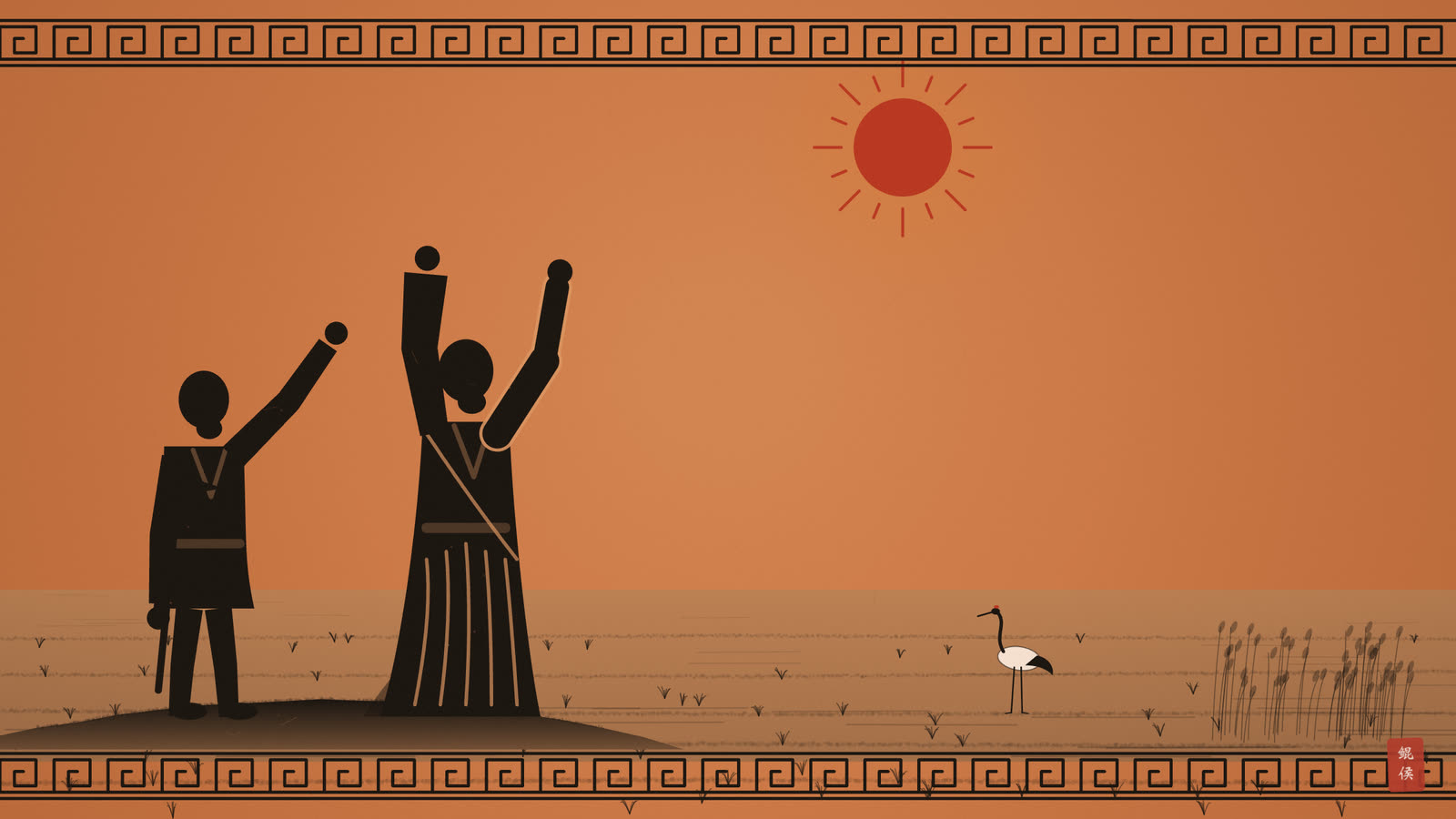
For when they are at the spring equinox they affect the new shoots of the arboreal crops, such as grapes and figs, and whatever matures with them; at the summer solstice, the gathering and storing of the crops, and in Egypt, peculiarly, the rising of the Nile; at the autumn solstice they concern the sowing, the hay crops, and such; and at the winter equinox the vegetables and the kinds of birds and fish most common at this season.
Further, the equinoctial signs have significance for sacred rites and the worship of the gods; the solstitial signs, for changes in the air and in political customs; the solid signs, for foundations and the construction of houses; the bicorporeal, for men and kings. Similarly, those which are closer to the orient at the time of the eclipse signify what is to be concerning the crops, youth, and foundations; those near the mid‑heaven above the earth, concerning sacred rites, kings, and middle age; and those near the occident, concerning change of customs, old age, and those who have passed away.
翻译点开
For when they are at the spring equinox they affect the new shoots of the arboreal crops, such as grapes and figs, and whatever matures with them; at the summer solstice, the gathering and storing of the crops, and in Egypt, peculiarly, the rising of the Nile; at the autumn solstice they concern the sowing, the hay crops, and such; and at the winter equinox the vegetables and the kinds of birds and fish most common at this season.
因为它们在春分时,作用于树上作物的新芽,例如葡萄与无花果,以及与之同时成熟的一切;在夏至时,作用于庄稼的收获与储藏,在埃及则特别关乎尼罗河的上涨;在秋分时,关乎播种、干草作物之类;在冬至时,关乎蔬菜,以及这一季最常见的各种鸟和鱼。
Further, the equinoctial signs have significance for sacred rites and the worship of the gods; the solstitial signs, for changes in the air and in political customs; the solid signs, for foundations and the construction of houses; the bicorporeal, for men and kings. Similarly, those which are closer to the orient at the time of the eclipse signify what is to be concerning the crops, youth, and foundations; those near the mid‑heaven above the earth, concerning sacred rites, kings, and middle age; and those near the occident, concerning change of customs, old age, and those who have passed away.
再者,分点星座预示祭祀与对神的敬拜;至点星座预示空气的变化与政治习俗的变化;固定星座预示奠基与房屋的营造;双体星座预示人与君王。同样,交食时较靠近东方的,预示庄稼、青年与奠基方面将要发生的事;靠近地平之上中天的,预示祭祀、君王与中年;靠近西方的,预示习俗的改变、老年与已故之人。
大意与图解点开
🔎 大意:分至四座按季管农事;分点主祭祀,至点主天气与政俗,固定主营建,双体主人与君王;近东方、中天、西方分主青年、中年、老年。
📖 术语
| 术语 | 英译原词 | 意思 |
|---|---|---|
| 分点星座 | equinoctial signs | 白羊、天秤 |
| 至点星座 | solstitial signs | 巨蟹、摩羯 |
| 固定星座 | solid signs | 金牛狮子天蝎水瓶 |
| 双体星座 | bicorporeal | 双子处女射手双鱼 |
| 东方 | orient | 上升的一方 |
🧭 图解与讲解
这一单元讲星座在一年中的位置。至点、分点星座(合称启动星座,卷一第十一章)各当一季之首,所以位于这些星座的星,管这一季地里的出产(图一):春分管葡萄、无花果这类树上作物的新芽;夏至管收获与储藏,在埃及还管尼罗河的上涨——尼罗河正是在夏天泛滥;秋分管播种与干草;冬至管蔬菜,以及这时节最常见的鸟和鱼。
〔图〕四类星座各有所主:分点管祭祀,至点管天气与政俗,固定管营建,双体管人与君王
〔图〕交食时靠近东方、中天、西方的,依次管青年、中年、老年与亡者
英译这一句作「秋天的至点」「冬天的分点」,与卷一第十一章「巨蟹、摩羯为至点星座,白羊、天秤为分点星座」不合——秋天只有分点,冬天只有至点——当是「分」「至」二字互倒,这里按秋分、冬至译,底本不改。
接着按四类星座分派人事:分点星座管祭祀与敬神;至点星座管天气的变化与政治习俗的变化;固定星座管奠基与造屋;双体星座管人与君王。名目与卷一第十一章对得上:至点是太阳「转向」之处,所以主变化;固定星座得名于季节之气在此「更稳固」地作用于人,所以主根基。图一的动画依次点亮四组。
最后按交食时的位置分(图二):靠近东方的,管庄稼、青年与奠基;靠近地平之上中天的,管祭祀、君王与中年;靠近西方的,管习俗的改变、老年与亡者。东方是天体出现之处,中天是最高处,西方是它沉没之处,于是依次对应开始、鼎盛与衰亡;卷二第六章用同样的东、中、西来定应期的早、中、晚。
📖 术语
| 术语 | 英译原词 | 意思 |
|---|---|---|
| 分点星座 | equinoctial signs | 白羊、天秤 |
| 至点星座 | solstitial signs | 巨蟹、摩羯 |
| 固定星座 | solid signs | 金牛狮子天蝎水瓶 |
| 双体星座 | bicorporeal | 双子处女射手双鱼 |
| 东方 | orient | 上升的一方 |
🧭 图解与讲解
这一单元讲星座在一年中的位置。至点、分点星座(合称启动星座,卷一第十一章)各当一季之首,所以位于这些星座的星,管这一季地里的出产(图一):春分管葡萄、无花果这类树上作物的新芽;夏至管收获与储藏,在埃及还管尼罗河的上涨——尼罗河正是在夏天泛滥;秋分管播种与干草;冬至管蔬菜,以及这时节最常见的鸟和鱼。
英译这一句作「秋天的至点」「冬天的分点」,与卷一第十一章「巨蟹、摩羯为至点星座,白羊、天秤为分点星座」不合——秋天只有分点,冬天只有至点——当是「分」「至」二字互倒,这里按秋分、冬至译,底本不改。
接着按四类星座分派人事:分点星座管祭祀与敬神;至点星座管天气的变化与政治习俗的变化;固定星座管奠基与造屋;双体星座管人与君王。名目与卷一第十一章对得上:至点是太阳「转向」之处,所以主变化;固定星座得名于季节之气在此「更稳固」地作用于人,所以主根基。图一的动画依次点亮四组。
最后按交食时的位置分(图二):靠近东方的,管庄稼、青年与奠基;靠近地平之上中天的,管祭祀、君王与中年;靠近西方的,管习俗的改变、老年与亡者。东方是天体出现之处,中天是最高处,西方是它沉没之处,于是依次对应开始、鼎盛与衰亡;卷二第六章用同样的东、中、西来定应期的早、中、晚。
To the question, how large a portion of the class involved will the event affect, the answer is supplied by the extent of the obscuration of the eclipses, and by the positions relative to the place of the eclipse held by the stars which furnish the cause. For when they are occidental to solar eclipses, or oriental to lunar, they usually affect a minority; in opposition, a half; and the majority, if they are oriental to solar eclipses or occidental to lunar.
翻译点开
To the question, how large a portion of the class involved will the event affect, the answer is supplied by the extent of the obscuration of the eclipses, and by the positions relative to the place of the eclipse held by the stars which furnish the cause. For when they are occidental to solar eclipses, or oriental to lunar, they usually affect a minority; in opposition, a half; and the majority, if they are oriental to solar eclipses or occidental to lunar.
至于事件会影响所涉类别中多大的一部分,答案取决于交食遮蔽的程度,以及提供起因的诸星相对于交食之处的位置。因为它们在日食时若西入,或在月食时若东出,通常只影响少数;若成对冲,影响一半;若在日食时东出,或在月食时西入,则影响多数。
大意与图解点开
🔎 大意:波及多大一部分,看遮蔽深浅与主星的位置:日食时主星东出及于多数、对冲及半数、西入及少数,月食则东西相反。
📖 术语
| 术语 | 英译原词 | 意思 |
|---|---|---|
| 东出 | oriental | 先于被食之光升起 |
| 西入 | occidental | 后于被食之光沉没 |
| 对冲 | opposition | 相距一百八十度 |
| 遮蔽的程度 | extent of the obscuration | 食分,被遮多少 |
🧭 图解与讲解
最后一个问题:事件会波及这一类中的多大一部分——是少数,是一半,还是大多数?托勒密给两把尺。一是交食遮蔽的程度,大体是食得越多,波及越广;二是提供起因的诸星,也就是主宰之星,相对于交食之处的位置。
| 作因之星的位置 | 日食时 | 月食时 |
|---|---|---|
| 东出(在被食之光以西,先于它升起) | 影响多数 | 影响少数 |
| 对冲 | 影响一半 | 影响一半 |
| 西入(在被食之光以东,后于它沉没) | 影响少数 | 影响多数 |
〔图〕主星的位置定范围:日食时,作因之星东出影响多数,对冲影响一半,西入影响少数
位置的规则是(表一):日食时,主星若西入(在太阳之东,日落后才见),通常只影响少数;若东出(在太阳之西,日出前已见),影响多数;若与交食之处对冲,影响一半。月食则东西相反:东出影响少数,西入影响多数,对冲仍是一半。图二以白羊十八度的日食为例画出三种位置。
为什么日月相反?Robbins 注解释:按卷一第六章,行星西入时变得阴性,东出时变得阳性。太阳属阳、月亮属阴:西入的阴性行星与太阳相违,东出的阳性行星与月亮相违,交食的作用就打了折扣,只及少数;反过来,东出的行星与太阳同气,西入的行星与月亮同气,作用就大,及于多数。
至此第三问答完:交食与主星所在星座的形状,定「哪一类」;星座在一年中的位置与在四角的位置,定「哪一方面」;遮蔽的深浅与主星的东西,定「多大一部分」。下一章讲第四问:事件的性质是吉是凶、是何等样的事。
📖 术语
| 术语 | 英译原词 | 意思 |
|---|---|---|
| 东出 | oriental | 先于被食之光升起 |
| 西入 | occidental | 后于被食之光沉没 |
| 对冲 | opposition | 相距一百八十度 |
| 遮蔽的程度 | extent of the obscuration | 食分,被遮多少 |
🧭 图解与讲解
最后一个问题:事件会波及这一类中的多大一部分——是少数,是一半,还是大多数?托勒密给两把尺。一是交食遮蔽的程度,大体是食得越多,波及越广;二是提供起因的诸星,也就是主宰之星,相对于交食之处的位置。
| 作因之星的位置 | 日食时 | 月食时 |
|---|---|---|
| 东出(在被食之光以西,先于它升起) | 影响多数 | 影响少数 |
| 对冲 | 影响一半 | 影响一半 |
| 西入(在被食之光以东,后于它沉没) | 影响少数 | 影响多数 |
位置的规则是(表一):日食时,主星若西入(在太阳之东,日落后才见),通常只影响少数;若东出(在太阳之西,日出前已见),影响多数;若与交食之处对冲,影响一半。月食则东西相反:东出影响少数,西入影响多数,对冲仍是一半。图二以白羊十八度的日食为例画出三种位置。
为什么日月相反?Robbins 注解释:按卷一第六章,行星西入时变得阴性,东出时变得阳性。太阳属阳、月亮属阴:西入的阴性行星与太阳相违,东出的阳性行星与月亮相违,交食的作用就打了折扣,只及少数;反过来,东出的行星与太阳同气,西入的行星与月亮同气,作用就大,及于多数。
至此第三问答完:交食与主星所在星座的形状,定「哪一类」;星座在一年中的位置与在四角的位置,定「哪一方面」;遮蔽的深浅与主星的东西,定「多大一部分」。下一章讲第四问:事件的性质是吉是凶、是何等样的事。
原文为公有领域古籍;翻译、印象画与图文解读由 AI 辅助生成,鲲侯审校。