卷二·第四章 作特定预言的方法
世俗占的首要之因是交食,其次是当时诸星的运行;预言分四问:何地、何时、应在何类、是何性质,此后四章逐一讲。
After this introductory examination it would be the next task to deal briefly with the procedure of the predictions, and first with those concerned with general conditions of countries or cities. The method of the inquiry will be as follows: The first and most potent cause of such events lies in the conjunctions of the sun and moon at eclipse and the movements of the stars at the time.
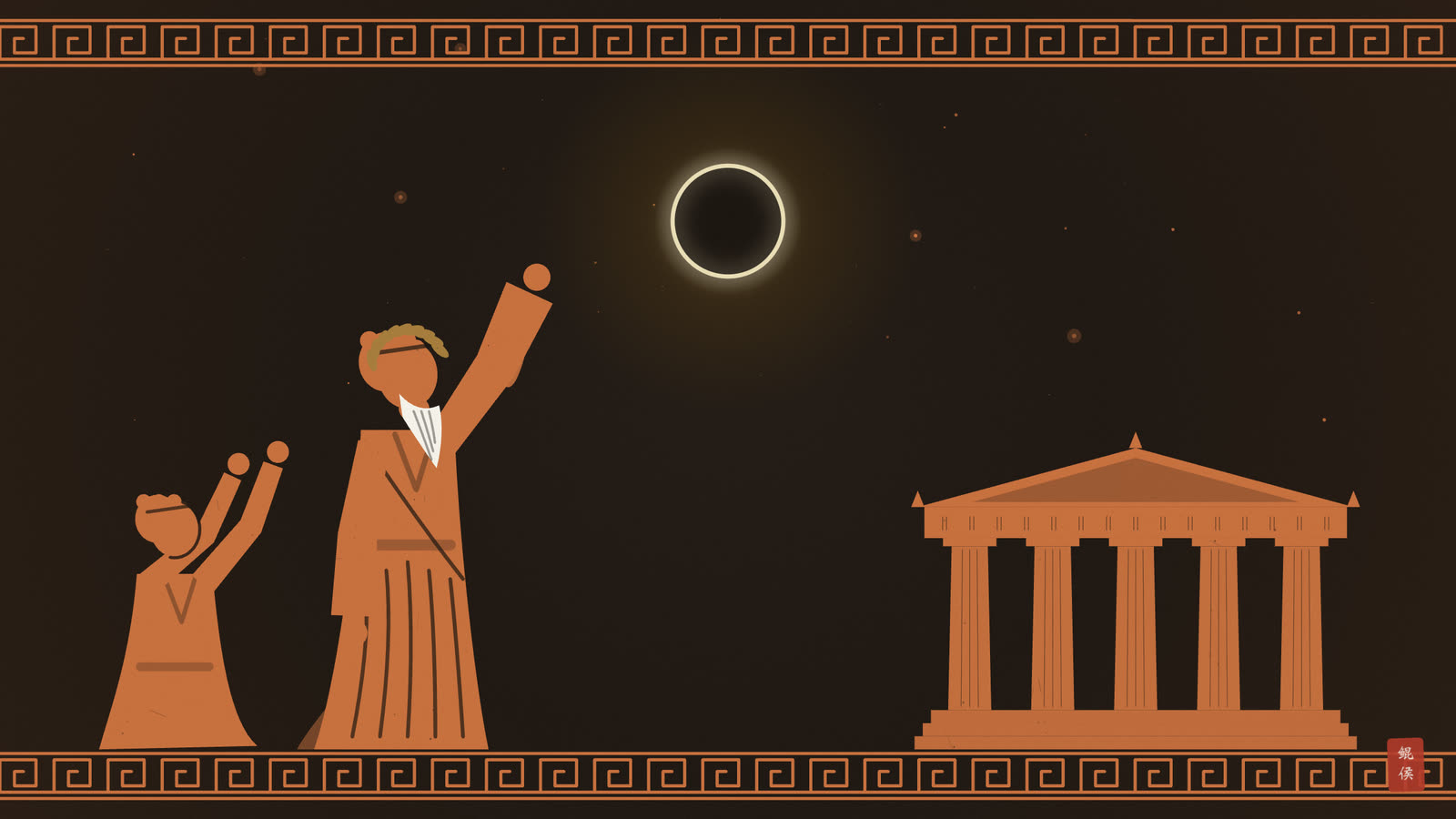
翻译点开
After this introductory examination it would be the next task to deal briefly with the procedure of the predictions, and first with those concerned with general conditions of countries or cities. The method of the inquiry will be as follows: The first and most potent cause of such events lies in the conjunctions of the sun and moon at eclipse and the movements of the stars at the time.
在这番引论式的考察之后,接下来的任务是简要地论述预言的步骤,先从关乎各国或各城总体状况的预言讲起。考察的方法如下:这类事件第一位、也是最有力的原因,在于日月在交食时的会合,以及当时诸星的运行。
大意与图解点开
🔎 大意:世俗占先讲关乎各国各城总体状况的预言;这类大事第一位、最有力的原因,是交食时日月的会合,其次是当时诸星的运行。
📖 术语
| 术语 | 英译原词 | 意思 |
|---|---|---|
| 交食 | eclipse | 日食与月食 |
| 会合 | conjunctions | 日月相会 |
| 诸星的运行 | movements of the stars | 行星在黄道上的行进 |
| 总体状况 | general conditions | 一国一城的大局 |
🧭 图解与讲解
从这一章起,托勒密进入世俗占的正题。卷二第一章说过,星占预言分两大部分:关乎整个民族、国家、城市的世俗占(普遍预言),和关乎个人的本命占;前者受更大、更有力的原因支配,所以先讲。第二、三章交代了各地区与三方、诸星的亲缘,这一章开始讲推断的步骤,四到九章合起来是一套完整的交食占法。
〔图〕交食只发生在交点附近:朔时日月同度成日食,约半月后望时日月相对成月食
托勒密开宗明义:这类大事第一位、也是最有力的原因,是日月在交食时的会合。日食发生在朔,日月同在一度,月轮遮住日轮;月食发生在望,日月遥遥相对,月亮落进地球的影子。两种交食都只在日月走到黄道与月亮轨道的交点附近时才会发生——这就是北交点、南交点。图一画的是一个「食季」:朔在北交点旁成日食,约半个月后,太阳行至白羊二十度左右,望在南交点旁成月食。
第二个原因是「当时诸星的运行」,指行星在交食前后的行进,下一句特别点出外行星的「留」。卷二第一章已预告过:要看「日月的交食会合,以及行星在升起与留时的行经」。两者分工分明:交食定下大事的地点、时期与大势,诸星的运行再在其间加减起伏——卷二第六章末段会专门讲这一层。
📖 术语
| 术语 | 英译原词 | 意思 |
|---|---|---|
| 交食 | eclipse | 日食与月食 |
| 会合 | conjunctions | 日月相会 |
| 诸星的运行 | movements of the stars | 行星在黄道上的行进 |
| 总体状况 | general conditions | 一国一城的大局 |
🧭 图解与讲解
从这一章起,托勒密进入世俗占的正题。卷二第一章说过,星占预言分两大部分:关乎整个民族、国家、城市的世俗占(普遍预言),和关乎个人的本命占;前者受更大、更有力的原因支配,所以先讲。第二、三章交代了各地区与三方、诸星的亲缘,这一章开始讲推断的步骤,四到九章合起来是一套完整的交食占法。
托勒密开宗明义:这类大事第一位、也是最有力的原因,是日月在交食时的会合。日食发生在朔,日月同在一度,月轮遮住日轮;月食发生在望,日月遥遥相对,月亮落进地球的影子。两种交食都只在日月走到黄道与月亮轨道的交点附近时才会发生——这就是北交点、南交点。图一画的是一个「食季」:朔在北交点旁成日食,约半个月后,太阳行至白羊二十度左右,望在南交点旁成月食。
第二个原因是「当时诸星的运行」,指行星在交食前后的行进,下一句特别点出外行星的「留」。卷二第一章已预告过:要看「日月的交食会合,以及行星在升起与留时的行经」。两者分工分明:交食定下大事的地点、时期与大势,诸星的运行再在其间加减起伏——卷二第六章末段会专门讲这一层。
Of the prediction itself, one portion is regional; therein we must foresee for what countries or cities there is significance in the various eclipses or in the occasional regular stations of the planets, that is, of Saturn, Jupiter, and Mars, whenever they halt, for then they are significant. Another division of the prediction is chronological; therein the need will be to foretell the time of the portents and their duration. A part, too, is generic; through this we ought to understand with what classes the event will be concerned. And finally there is the specific aspect, by which we shall discern the quality of the event itself.
翻译点开
Of the prediction itself, one portion is regional; therein we must foresee for what countries or cities there is significance in the various eclipses or in the occasional regular stations of the planets, that is, of Saturn, Jupiter, and Mars, whenever they halt, for then they are significant. Another division of the prediction is chronological; therein the need will be to foretell the time of the portents and their duration. A part, too, is generic; through this we ought to understand with what classes the event will be concerned. And finally there is the specific aspect, by which we shall discern the quality of the event itself.
预言本身,一部分关乎地域:要预见各次交食,或行星——即土星、木星、火星——时而按常规发生的留,对哪些国家或城市有所预示;它们每当停住,就有预示之力。预言的另一部分关乎时间:需要预告这些征兆应在何时、持续多久。还有一部分关乎类属:借此我们应当明白,事件将牵涉哪些类别。最后是关乎种别的一面,借此我们将辨明事件本身的性质。
大意与图解点开
🔎 大意:预言分四部分:地域(交食与土木火三星的留预示何地)、时间(何时应、应多久)、类属(牵涉哪类)、种别(事件的性质)。
📖 术语
| 术语 | 英译原词 | 意思 |
|---|---|---|
| 留 | stations | 行星看似停住不动 |
| 征兆 | portents | 预示将来的天象 |
| 类属 | generic | 事件牵涉哪一类 |
| 种别 | specific | 事件本身的性质 |
🧭 图解与讲解
这一句把世俗占拆成四个部分,下面四章各讲一个(图一):第五章讲地域,第六章讲时间,第七章讲类属,第八章讲种别,第九章再补交食与彗星的颜色。Robbins 注说,这套分法用的是亚里士多德的术语:「类属」问事件涉及哪些「属」——人、牲畜、庄稼还是海里的鱼;「种别」问事件本身属于哪一「种」——是好是坏、是战争还是丰收。
〔图〕预言分四问:何地、何时、何类、何种性质,卷二第五至第八章各讲一问
〔图〕土、木、火三星的留:顺行渐慢而停住,逆行一段,再停住,然后复归顺行
地域一项里,托勒密在交食之外还点出土星、木星、火星的「留」(stations)。这三颗外行星每隔一段时间,看起来顺行渐慢、停住,然后倒退,再停住,又恢复顺行,图二画出三星逆行的大致幅度与历时。托勒密说它们「每当停住,就有预示之力」:交食之外,行星的留也能单独预示某些地方的事。卷一第八章已把这些节点排成一个周期——晨出、第一次留、昏升、第二次留、沉没——卷二第六章还会再用到。
时间一项问「何时应、应多久」,这里的「征兆」(portents)就是交食与留这些预示将来的天象。四问合起来,正好回答一次交食预示了什么:在哪里、在什么时候、落到哪一类身上、是何等样的事。托勒密的世俗占就是沿着这四步一路推下去的,后面几章的次序也照此排定。
📖 术语
| 术语 | 英译原词 | 意思 |
|---|---|---|
| 留 | stations | 行星看似停住不动 |
| 征兆 | portents | 预示将来的天象 |
| 类属 | generic | 事件牵涉哪一类 |
| 种别 | specific | 事件本身的性质 |
🧭 图解与讲解
这一句把世俗占拆成四个部分,下面四章各讲一个(图一):第五章讲地域,第六章讲时间,第七章讲类属,第八章讲种别,第九章再补交食与彗星的颜色。Robbins 注说,这套分法用的是亚里士多德的术语:「类属」问事件涉及哪些「属」——人、牲畜、庄稼还是海里的鱼;「种别」问事件本身属于哪一「种」——是好是坏、是战争还是丰收。
地域一项里,托勒密在交食之外还点出土星、木星、火星的「留」(stations)。这三颗外行星每隔一段时间,看起来顺行渐慢、停住,然后倒退,再停住,又恢复顺行,图二画出三星逆行的大致幅度与历时。托勒密说它们「每当停住,就有预示之力」:交食之外,行星的留也能单独预示某些地方的事。卷一第八章已把这些节点排成一个周期——晨出、第一次留、昏升、第二次留、沉没——卷二第六章还会再用到。
时间一项问「何时应、应多久」,这里的「征兆」(portents)就是交食与留这些预示将来的天象。四问合起来,正好回答一次交食预示了什么:在哪里、在什么时候、落到哪一类身上、是何等样的事。托勒密的世俗占就是沿着这四步一路推下去的,后面几章的次序也照此排定。
原文为公有领域古籍;翻译、印象画与图文解读由 AI 辅助生成,鲲侯审校。