卷一·第二十四章 论入相、离相及其他力量
居前之星趋近居后之星为入相,越过为离相;星性看本性、所在与相位,力量看东出西入、快慢与地平位置。
In general those which precede are said to "apply" to those which follow, and those that follow to "be separated" from those that precede, when the interval between them is not great. Such a relation is taken to exist whether it happens by bodily conjunction or through one of the traditional aspects, except that with respect to the bodily applications and separations of the heavenly bodies it is of use also to observe their latitudes, in order that only those passages may be accepted which are found to be on the same side of the ecliptic.
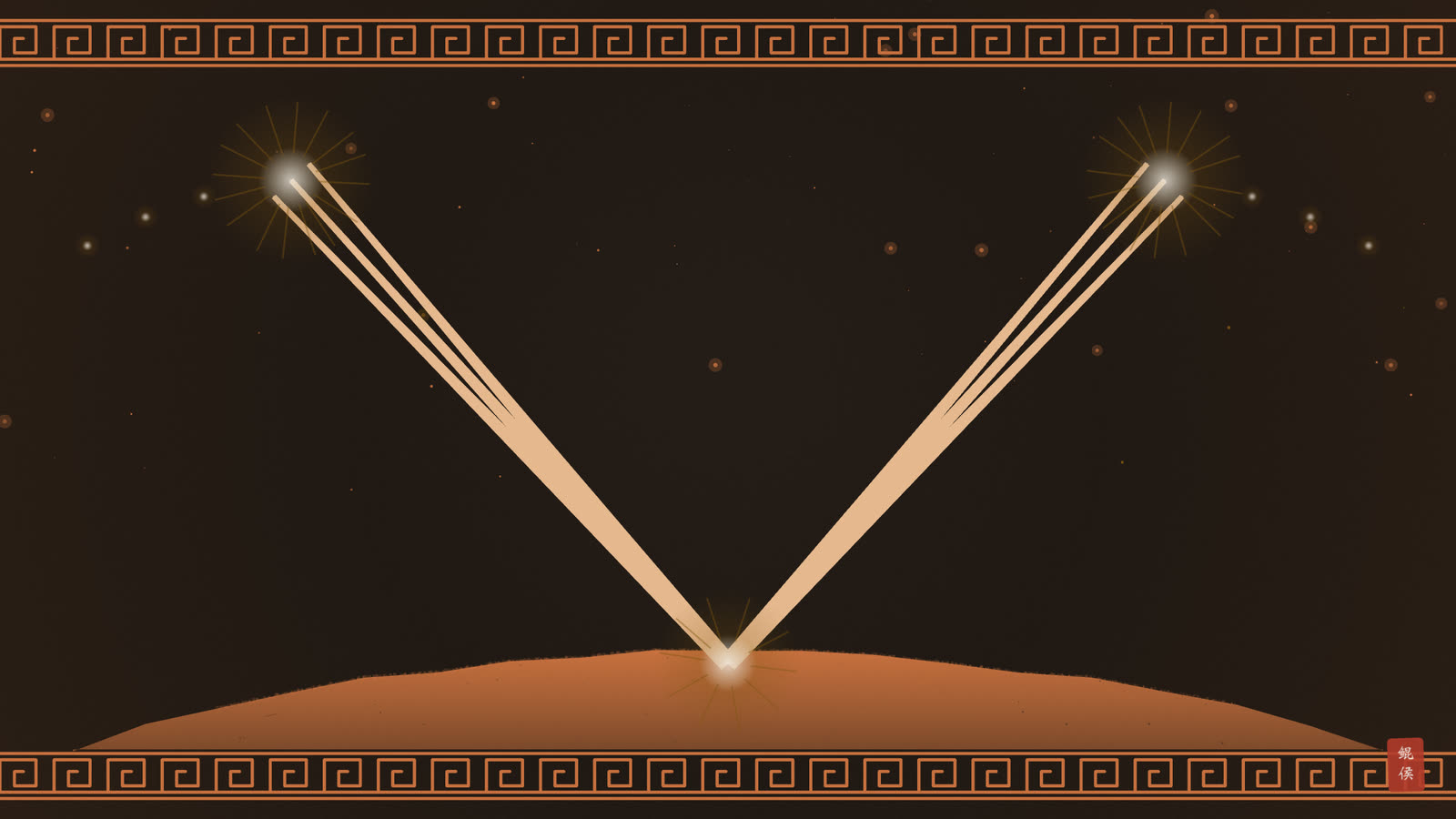
In the case of applications and separations by aspect, however, such a practice is superfluous, because all rays always fall and similarly converge from every direction upon the same point, that is, the centre of the earth.
翻译点开
In general those which precede are said to "apply" to those which follow, and those that follow to "be separated" from those that precede, when the interval between them is not great. Such a relation is taken to exist whether it happens by bodily conjunction or through one of the traditional aspects, except that with respect to the bodily applications and separations of the heavenly bodies it is of use also to observe their latitudes, in order that only those passages may be accepted which are found to be on the same side of the ecliptic.
一般说来,居前的星被说成「入相」于居后的星,居后的星被说成从居前的星「离相」,只要两者之间的距离不大。这种关系,无论是借体合而发生,还是借某一种传统的相位而发生,都算成立;只是对于天体以星体本身相会的入相与离相,还应留意它们的黄纬,以便只采纳那些位于黄道同一侧的经过。
In the case of applications and separations by aspect, however, such a practice is superfluous, because all rays always fall and similarly converge from every direction upon the same point, that is, the centre of the earth.
然而对于借相位的入相与离相,这种做法就多余了,因为一切光线总是从四面八方同样地落下、会聚于同一点,也就是大地的中心。
大意与图解点开
🔎 大意:居前之星趋近居后之星为入相,越过而去为离相;体合须同在黄道一侧,借相位则不必,因光线都会聚于地心。
📖 术语
| 术语 | 英译原词 | 意思 |
|---|---|---|
| 入相 | apply | 趋近另一颗星 |
| 离相 | be separated | 越过后离开 |
| 体合 | bodily conjunction | 星体本身相会 |
| 黄纬 | latitudes | 偏在黄道南北的距离 |
| 黄道 | ecliptic | 太阳一年的视路径 |
🧭 图解与讲解
这一章先讲入相(apply)与离相(separation)。「居前」「居后」是按黄道次序说的:古希腊天文学家把白羊、金牛、双子这个方向叫「随后」(Robbins 注),居前的星黄经较小。行星大体自西向东运行,跑得快的星从后面追近另一颗星时叫「入相」,越过之后渐渐拉开叫「离相」;前提是两者相距不远。
〔图〕入相与离相:月亮自西向东追近火星为入相,越过之后为离相
〔图〕体合要看黄纬,借相位则不必
图一中月亮绕黄道运行,追近火星时是入相,越过后是离相。照字面,托勒密只按两星的先后位置来定名;图中用跑得最快的月亮来示意,是最容易看清的情形。多近才算「不远」,原书没说;Robbins 注引阿什曼的说法,一般理解为在彼此的「容许度」之内,又说古注家以十五度为限。
入相离相有两种:一是体合,两星本身相会(Robbins 注:来到同一子午圈);二是借传统的相位,如图一中月亮对土星的三分。体合要看黄纬:两星一在黄道之北、一在之南,就算黄经相同,也「擦肩而过」,不算。借相位则不必,因为一切光线都从四面八方会聚到大地中心(Robbins 注:光线在共同的交会处,也就是地心,必然相混)。卷三第十章论寿数时就用到这一条:释放星与趋近的星若都以星体在场,黄纬不同便不算。
📖 术语
| 术语 | 英译原词 | 意思 |
|---|---|---|
| 入相 | apply | 趋近另一颗星 |
| 离相 | be separated | 越过后离开 |
| 体合 | bodily conjunction | 星体本身相会 |
| 黄纬 | latitudes | 偏在黄道南北的距离 |
| 黄道 | ecliptic | 太阳一年的视路径 |
🧭 图解与讲解
这一章先讲入相(apply)与离相(separation)。「居前」「居后」是按黄道次序说的:古希腊天文学家把白羊、金牛、双子这个方向叫「随后」(Robbins 注),居前的星黄经较小。行星大体自西向东运行,跑得快的星从后面追近另一颗星时叫「入相」,越过之后渐渐拉开叫「离相」;前提是两者相距不远。
图一中月亮绕黄道运行,追近火星时是入相,越过后是离相。照字面,托勒密只按两星的先后位置来定名;图中用跑得最快的月亮来示意,是最容易看清的情形。多近才算「不远」,原书没说;Robbins 注引阿什曼的说法,一般理解为在彼此的「容许度」之内,又说古注家以十五度为限。
入相离相有两种:一是体合,两星本身相会(Robbins 注:来到同一子午圈);二是借传统的相位,如图一中月亮对土星的三分。体合要看黄纬:两星一在黄道之北、一在之南,就算黄经相同,也「擦肩而过」,不算。借相位则不必,因为一切光线都从四面八方会聚到大地中心(Robbins 注:光线在共同的交会处,也就是地心,必然相混)。卷三第十章论寿数时就用到这一条:释放星与趋近的星若都以星体在场,黄纬不同便不算。
From all this then, it is easy to see that the quality of each of the stars must be examined with reference both to its own natural character and that also of the signs that include it, or likewise from the character of its aspects to the sun and the angles, in the manner which we have explained.
Their power must be determined, in the first place, from the fact that they are either oriental and adding to their proper motion — for then they are most powerful — or occidental and diminishing in speed, for then their energy is weaker.
Second, it is to be determined from their position relative to the horizon; for they are most powerful when they are in mid-heaven or approaching it, and second when they are exactly on the horizon or in the succedent place; their power is greater when they are in the orient, and less when they culminate beneath the earth or are in some other aspect to the orient; if they bear no aspect at all to the orient they are entirely powerless.
翻译点开
From all this then, it is easy to see that the quality of each of the stars must be examined with reference both to its own natural character and that also of the signs that include it, or likewise from the character of its aspects to the sun and the angles, in the manner which we have explained.
由这一切不难看出,每颗星的性质,必须既按它本身的天性、也按容纳它的星座的天性来考察,同样也要按它与太阳及四角所成相位的性质来考察,方法如我们已经说明的那样。
Their power must be determined, in the first place, from the fact that they are either oriental and adding to their proper motion — for then they are most powerful — or occidental and diminishing in speed, for then their energy is weaker.
它们的力量,首先要从这一点来判定:它们是东出且在本身的运行上加速——这时最为有力——还是西入且速度在减慢,这时它们的效能较弱。
Second, it is to be determined from their position relative to the horizon; for they are most powerful when they are in mid-heaven or approaching it, and second when they are exactly on the horizon or in the succedent place; their power is greater when they are in the orient, and less when they culminate beneath the earth or are in some other aspect to the orient; if they bear no aspect at all to the orient they are entirely powerless.
其次,要从它们相对于地平的位置来判定:它们在中天或趋近中天时最为有力,其次是恰在地平线上或在续宫时;在东方时力量较大,在地底中天或与东方成其他相位时较小;如果与东方毫无相位,就完全无力。
大意与图解点开
🔎 大意:星性看本性、所在星座与对日对四角的相位;力量先看东出加速或西入减速,再看在中天、地平、续宫或天底。
📖 术语
| 术语 | 英译原词 | 意思 |
|---|---|---|
| 四角 | angles | 上升、中天、下降、天底 |
| 东出 | oriental | 先于太阳升起 |
| 西入 | occidental | 后于太阳落下 |
| 续宫 | succedent place | 紧随四角之后的位 |
| 地底中天 | culminate beneath the earth | 即天底 |
🧭 图解与讲解
卷一最后一章收束全卷。判断一颗星的性质要看三样:它自己的天性(卷一第四至八章),容纳它的星座的天性(第九至二十三章),以及它与太阳、四角所成的相位。判断力量,第一看它是东出还是西入、在加速还是减速:东出且加速最强,西入且减速较弱。
〔图〕地平位置与力量:中天及将到中天最强,上升与续宫次之,与上升不相接者无力
〔图〕判断力量的第一条:东出加速最强,西入减速较弱
Robbins 注用本轮说解释「加速」:行星在本轮上自西向东运行,本轮的中心又在均轮上自西向东前进;行星走到本轮外半圈时两种运动同向,看起来走得快,走到内半圈时方向相反,看起来变慢。托勒密在《天文学大成》里用的正是这套模型。
第二看地平位置。图一以白羊十五度上升为例:在中天(第十位)或「趋近中天」的第十一位最强——周日运动把第十一位的星带向中天;恰在地平线上升处或在续宫次之,Robbins 注说续宫指紧接上升之后升起的那三十度;在地底中天,或与上升成其他相位时较弱;与上升毫无相位,即不相接(卷一第十六章),则完全无力。
按卷一第十六章,相邻两座彼此不相接,第二位与上升本是相邻;托勒密在这里仍把续宫列为次强,两说如何调和,原书没有交代,图中照本章文字标注。卷一到此结束:从星的本性、星座、尊贵到相位,诸般要素都已备齐,卷二起转入世俗占,讲地域、交食与天气。
📖 术语
| 术语 | 英译原词 | 意思 |
|---|---|---|
| 四角 | angles | 上升、中天、下降、天底 |
| 东出 | oriental | 先于太阳升起 |
| 西入 | occidental | 后于太阳落下 |
| 续宫 | succedent place | 紧随四角之后的位 |
| 地底中天 | culminate beneath the earth | 即天底 |
🧭 图解与讲解
卷一最后一章收束全卷。判断一颗星的性质要看三样:它自己的天性(卷一第四至八章),容纳它的星座的天性(第九至二十三章),以及它与太阳、四角所成的相位。判断力量,第一看它是东出还是西入、在加速还是减速:东出且加速最强,西入且减速较弱。
Robbins 注用本轮说解释「加速」:行星在本轮上自西向东运行,本轮的中心又在均轮上自西向东前进;行星走到本轮外半圈时两种运动同向,看起来走得快,走到内半圈时方向相反,看起来变慢。托勒密在《天文学大成》里用的正是这套模型。
第二看地平位置。图一以白羊十五度上升为例:在中天(第十位)或「趋近中天」的第十一位最强——周日运动把第十一位的星带向中天;恰在地平线上升处或在续宫次之,Robbins 注说续宫指紧接上升之后升起的那三十度;在地底中天,或与上升成其他相位时较弱;与上升毫无相位,即不相接(卷一第十六章),则完全无力。
按卷一第十六章,相邻两座彼此不相接,第二位与上升本是相邻;托勒密在这里仍把续宫列为次强,两说如何调和,原书没有交代,图中照本章文字标注。卷一到此结束:从星的本性、星座、尊贵到相位,诸般要素都已备齐,卷二起转入世俗占,讲地域、交食与天气。
原文为公有领域古籍;翻译、印象画与图文解读由 AI 辅助生成,鲲侯审校。