卷二·第二十七至二十八章 相位,与白羊的恒星
先讲会合与四种相位的度数、符号、吉凶及其由来;再讲恒星为何称「恒」,并列出白羊里的二十五颗恒星。
CHAP. XXVII. Of the Aspects of the Planets and Signs, their Names, Characters and Natures, and wherefore they were so named and charactered.
MAny new Aspects there are which we shall here omit, and here treat only of those Aspects of the Planets and signs which are most usual and necessary. And they are thus called and charactered, Sextile ⚹, Quartile □, Trine △, and Opposition ☍: We omit here to speak of Keplers new Aspects, since these are the most necessary in the practise of this study.
There is also a Conjunction thus Charactered ☌, which is not properly termed an Aspect, since a Planet is then said to be in Conjunction with another when he is in the self same degree and minute of one and the same sign the other is in, and therefore cannot properly be said to behold or Aspect him, but is in ☌ with him: this ☌ is of nature neither good nor bad, but according to the significators and their dispositions and places is both, viz. sometimes good, and some times bad.
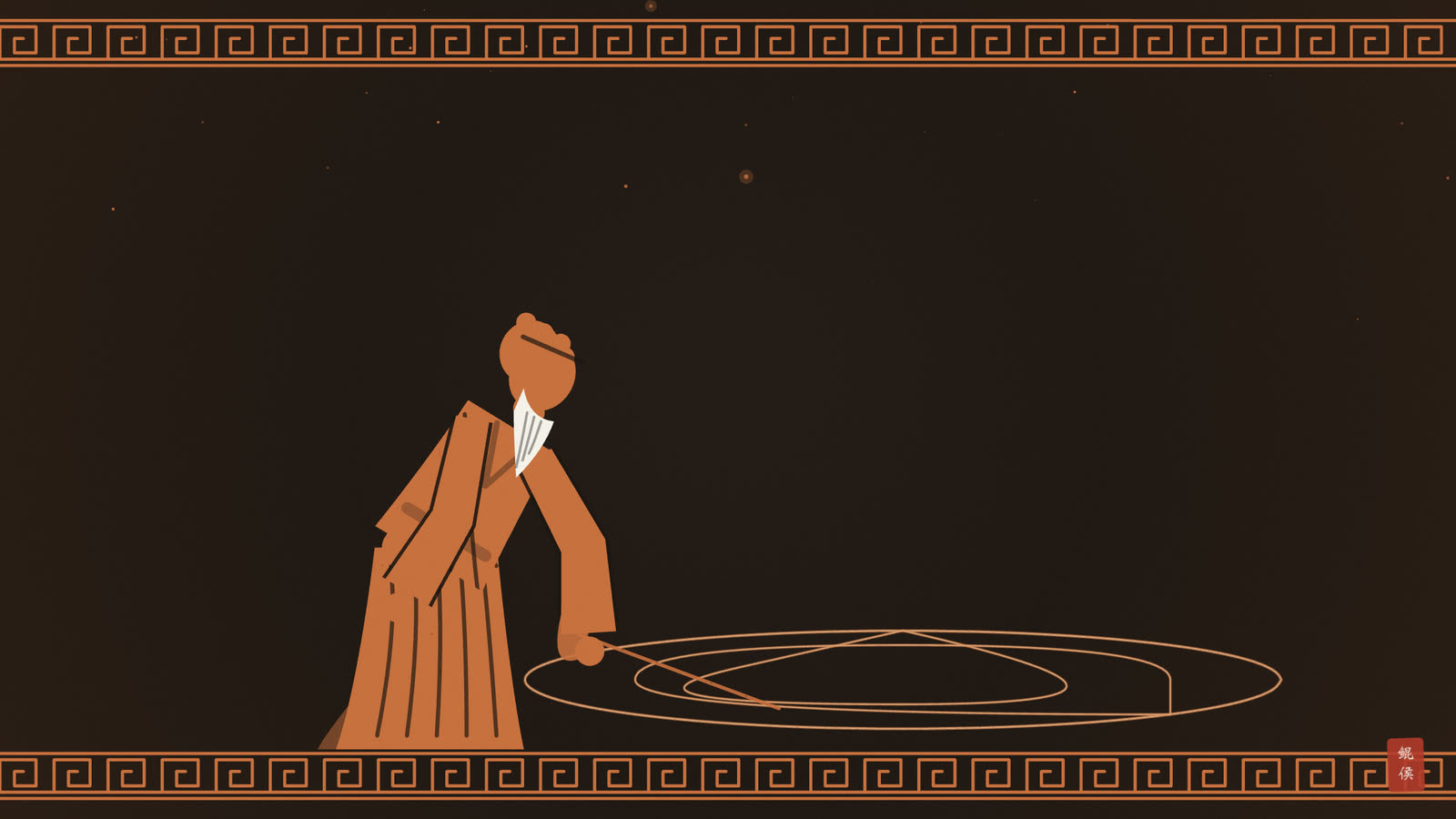
翻译点开
CHAP. XXVII. Of the Aspects of the Planets and Signs, their Names, Characters and Natures, and wherefore they were so named and charactered.
第二十七章 论行星与星座的相位,其名称、符号与本性,以及为何这样命名、这样标记。
MAny new Aspects there are which we shall here omit, and here treat only of those Aspects of the Planets and signs which are most usual and necessary. And they are thus called and charactered, Sextile ⚹, Quartile □, Trine △, and Opposition ☍: We omit here to speak of Keplers new Aspects, since these are the most necessary in the practise of this study.
新出的相位有许多,这里一概略去,只讲行星与星座最常用、最必需的那几种相位。它们的名称与符号是:六分(⚹)、四分(□)、三分(△)、对冲(☍)。开普勒的新相位这里也略而不谈,因为在这门学问的实践中,这几种才是最必需的。
There is also a Conjunction thus Charactered ☌, which is not properly termed an Aspect, since a Planet is then said to be in Conjunction with another when he is in the self same degree and minute of one and the same sign the other is in, and therefore cannot properly be said to behold or Aspect him, but is in ☌ with him: this ☌ is of nature neither good nor bad, but according to the significators and their dispositions and places is both, viz. sometimes good, and some times bad.
还有一种会合,符号作☌,严格说不算相位:因为一颗行星与另一颗行星同在一个星座的同一度、同一分,才称为与之会合,所以不能确切地说它照看或照射对方,而只是与对方会合;会合本身不吉也不凶,要看征象星及其状态与位置而定,也就是说有时吉、有时凶。
大意与图解点开
🔎 大意:常用相位只有四种:六分、四分、三分、对冲;会合是两星同度同分,严格说不算相位,吉凶看征象星的状态而定。
📖 术语
| 术语 | 英文原词 | 意思 |
|---|---|---|
| 相位 | Aspect | 两星隔一定角度相照 |
| 会合 | Conjunction | 同度同分,不算相位 |
| 照看 | behold | 以相位相照 |
| 征象星 | Significator | 代表某人某事的星 |
🧭 图解与讲解
第二十七章讲相位(aspect)。拉姆齐开宗明义只讲托勒密以来通用的四种:六分、四分、三分、对冲;当时开普勒新提出的五分之类「新相位」他明说略去不谈。表二把本章各段要点合在一处,读到后面几个单元可以回头对照。
〔图〕四种相位都从同一点量起:六十、九十、一百二十、一百八十度
| 名称 | 符号 | 度数 | 所占黄道 | 吉凶 |
|---|---|---|---|---|
| 会合 | ☌ | 0° | — | 不吉不凶,随征象星而定 |
| 六分 | ⚹ | 60° | 六分之一 | 中等之吉 |
| 四分 | □ | 90° | 四分之一 | 凶,较轻 |
| 三分 | △ | 120° | 三分之一 | 最吉 |
| 对冲 | ☍ | 180° | 二分之一 | 最凶 |
会合(conjunction)单独交代:两颗星同在一座的同一度同一分,是「同处」而不是「相照」,所以拉姆齐说严格说它不算相位。会合本身没有吉凶,吉凶要看是哪两颗星、在什么状态与位置;这一点和后来卜卦、择日里「与吉星会合则吉、与凶星会合则凶」的用法是一致的。
图一是一个示意盘:从白羊一度出发,到双子一度是六十度,到巨蟹一度是九十度,到狮子一度是一百二十度,到天秤一度是一百八十度。相位本来是就度数说的,但因为每座三十度,星座与星座之间也就有了固定的相位关系,下一单元起拉姆齐就按这个思路讲每种相位的度数与吉凶。
📖 术语
| 术语 | 英文原词 | 意思 |
|---|---|---|
| 相位 | Aspect | 两星隔一定角度相照 |
| 会合 | Conjunction | 同度同分,不算相位 |
| 照看 | behold | 以相位相照 |
| 征象星 | Significator | 代表某人某事的星 |
🧭 图解与讲解
第二十七章讲相位(aspect)。拉姆齐开宗明义只讲托勒密以来通用的四种:六分、四分、三分、对冲;当时开普勒新提出的五分之类「新相位」他明说略去不谈。表二把本章各段要点合在一处,读到后面几个单元可以回头对照。
| 名称 | 符号 | 度数 | 所占黄道 | 吉凶 |
|---|---|---|---|---|
| 会合 | ☌ | 0° | — | 不吉不凶,随征象星而定 |
| 六分 | ⚹ | 60° | 六分之一 | 中等之吉 |
| 四分 | □ | 90° | 四分之一 | 凶,较轻 |
| 三分 | △ | 120° | 三分之一 | 最吉 |
| 对冲 | ☍ | 180° | 二分之一 | 最凶 |
会合(conjunction)单独交代:两颗星同在一座的同一度同一分,是「同处」而不是「相照」,所以拉姆齐说严格说它不算相位。会合本身没有吉凶,吉凶要看是哪两颗星、在什么状态与位置;这一点和后来卜卦、择日里「与吉星会合则吉、与凶星会合则凶」的用法是一致的。
图一是一个示意盘:从白羊一度出发,到双子一度是六十度,到巨蟹一度是九十度,到狮子一度是一百二十度,到天秤一度是一百八十度。相位本来是就度数说的,但因为每座三十度,星座与星座之间也就有了固定的相位关系,下一单元起拉姆齐就按这个思路讲每种相位的度数与吉凶。
A Sextile is so called, for that it is the sixth part of the Zodiack, and is therefore charactered in this manner ⚹ with six strokes; it consisteth of 60. deg. in length; as a Planet in the first degree of Aries, beholdeth another in the first degree of Gemini with a ⚹ Aspect.
Also if a Planet be in the first degree of Aries, he beholdeth another in the fifth degree of Gemini, with a ⚹; and this is called a Platick Aspect, admitting of the Orbs of the Planets in Aspect; as Saturn in the 15. degree of Aries, and Jupiter in the 23: deg. of Gemini;
Jupiter is in a ⚹ of Saturn by reason he is not fully elongated 9 deg. which the half orb of Saturn and Iupiter maketh, as Saturns half orb being 4. deg. and a half, and Iupiters 4. d. and a half, added together make just nine deg. and here you see them but 8. deg. separated from a Partile aspect, which is when they are both in one and the same number of degrees and minutes as abovesaid.
The use thereof is only thus; if in any scheme or judgement whatsoever you finde the Significators in a Sextile Platick, you may be confident (if your light or Planet be applying) your business signified by those Significators shall be accomplished when they come to the Partil aspect, especially if the more weighty Planet be retrograde or in reception by house or exaltation with the more light; if they are separating and without reception, the contrary; for by how much they are separated from the Partil aspect, by so much the more unlikely is the business signified by the significators so separating to come to a conclusion; but look when they are fully separated by the mediety of their Orbs, and about that time shall the business be fully broken of, except one of the Significators be just then Stationary, and then immediatly apply again, for then it hangeth in some suspence, and after a while beginneth afresh, &c.
翻译点开
A Sextile is so called, for that it is the sixth part of the Zodiack, and is therefore charactered in this manner ⚹ with six strokes; it consisteth of 60. deg. in length; as a Planet in the first degree of Aries, beholdeth another in the first degree of Gemini with a ⚹ Aspect.
六分之所以这样称呼,是因为它是黄道的六分之一,所以用六笔的⚹来标记;它长六十度;例如白羊第一度的一颗行星,以六分相照看双子第一度的另一颗行星。
Also if a Planet be in the first degree of Aries, he beholdeth another in the fifth degree of Gemini, with a ⚹; and this is called a Platick Aspect, admitting of the Orbs of the Planets in Aspect; as Saturn in the 15. degree of Aries, and Jupiter in the 23: deg. of Gemini;
又如一颗行星在白羊第一度,也以六分照看双子第五度的另一颗行星;这叫宽容相位,就是容许成相的两颗行星各有容许度;例如土星在白羊十五度,木星在双子二十三度;
Jupiter is in a ⚹ of Saturn by reason he is not fully elongated 9 deg. which the half orb of Saturn and Iupiter maketh, as Saturns half orb being 4. deg. and a half, and Iupiters 4. d. and a half, added together make just nine deg. and here you see them but 8. deg. separated from a Partile aspect, which is when they are both in one and the same number of degrees and minutes as abovesaid.
木星与土星成六分,因为他还没有完全离开九度,九度是土星与木星的半容许度合成的:土星的半容许度是四度半,木星的也是四度半,加起来正好九度;而这里你看他们离精确相位只差八度;精确相位就是如上所说,两星同在相同的度数与分数。
The use thereof is only thus; if in any scheme or judgement whatsoever you finde the Significators in a Sextile Platick, you may be confident (if your light or Planet be applying) your business signified by those Significators shall be accomplished when they come to the Partil aspect, especially if the more weighty Planet be retrograde or in reception by house or exaltation with the more light; if they are separating and without reception, the contrary; for by how much they are separated from the Partil aspect, by so much the more unlikely is the business signified by the significators so separating to come to a conclusion; but look when they are fully separated by the mediety of their Orbs, and about that time shall the business be fully broken of, except one of the Significators be just then Stationary, and then immediatly apply again, for then it hangeth in some suspence, and after a while beginneth afresh, &c.
其用法只是这样:在任何盘或任何判断中,若你发现征象星成宽容六分,(只要你的轻星或行星正在入相)你可以放心,这些征象星所代表的事,到它们成精确相位时就会成就,尤其是较重的行星正在逆行,或者以庙或旺与较轻的那颗互相接纳时;若它们正在离相而又没有接纳,则相反;因为它们离开精确相位越远,这些正在离相的征象星所代表的事就越不可能有结果;要看它们什么时候完全离开到彼此半容许度之和,大约那时,事情就会完全断掉,除非其中一颗征象星恰好在那时留,随即又重新入相,那样事情就悬而未决,过一阵又重新开始,等等。
大意与图解点开
🔎 大意:六分是黄道六分之一,六十度。两星在半容许度之和以内即成宽容相位;入相则事将成,离相过了半容许度之和,事就断了。
📖 术语
| 术语 | 英文原词 | 意思 |
|---|---|---|
| 精确相位 | Partile aspect | 度数分数都相合 |
| 宽容相位 | Platick aspect | 在容许度之内 |
| 半容许度 | half orb | 容许度的一半 |
| 入相 | applying | 趋近成相 |
| 留 | Stationary | 行星停而不动 |
🧭 图解与讲解
六分(sextile)是黄道的六分之一,六十度,符号画六笔。拉姆齐借六分把「精确」与「宽容」两个概念讲清:两星度数分数都正好相差六十度,是精确相位(partile);只在容许度之内,是宽容相位(platick)。
〔图〕土星在白羊十五度、木星在双子二十三度:差八度,仍在九度之内,算作六分
〔图〕宽容相位怎样断事:看入相还是离相,再看离开了多少
容许度怎样算?本卷第一、二章讲土星、木星「容许度九度」,是指相位前后各九度起作用;本章换一种算法,取每星一半,叫「半容许度」,土星四度半、木星四度半,两星相加得九度。图一的例子:土星在白羊十五度,木星在双子二十三度,相距六十八度,比六十度多八度,仍在九度之内,所以算作六分。
用法见图二。在任何盘里,征象星成宽容相位而正在入相,事情会在成精确相位时成就;若较重的行星逆行迎上来,或两星以庙、旺互相接纳,更有把握。反过来,正在离相又无接纳,事情就越来越难成,离满两星半容许度之和,事情就完全断掉。唯一的转圜是一颗征象星正好在那时留,随即又回头入相,事情便悬着,过一阵又重新开始。这是后来卜卦断应期常用的思路。
📖 术语
| 术语 | 英文原词 | 意思 |
|---|---|---|
| 精确相位 | Partile aspect | 度数分数都相合 |
| 宽容相位 | Platick aspect | 在容许度之内 |
| 半容许度 | half orb | 容许度的一半 |
| 入相 | applying | 趋近成相 |
| 留 | Stationary | 行星停而不动 |
🧭 图解与讲解
六分(sextile)是黄道的六分之一,六十度,符号画六笔。拉姆齐借六分把「精确」与「宽容」两个概念讲清:两星度数分数都正好相差六十度,是精确相位(partile);只在容许度之内,是宽容相位(platick)。
容许度怎样算?本卷第一、二章讲土星、木星「容许度九度」,是指相位前后各九度起作用;本章换一种算法,取每星一半,叫「半容许度」,土星四度半、木星四度半,两星相加得九度。图一的例子:土星在白羊十五度,木星在双子二十三度,相距六十八度,比六十度多八度,仍在九度之内,所以算作六分。
用法见图二。在任何盘里,征象星成宽容相位而正在入相,事情会在成精确相位时成就;若较重的行星逆行迎上来,或两星以庙、旺互相接纳,更有把握。反过来,正在离相又无接纳,事情就越来越难成,离满两星半容许度之和,事情就完全断掉。唯一的转圜是一颗征象星正好在那时留,随即又回头入相,事情便悬着,过一阵又重新开始。这是后来卜卦断应期常用的思路。
But you must note that application by ⚹ or △ is good, for they are Aspects of love, amity and Friendship; yet the △ is more forcible and better, for that a Planet in △ with another is out of houses of the one and the same nature, as fire with fire, earth with earth, water with water, and ayr with ayr.
A ⚹ is by a fiery with an aëry, or earthy with watry, and therefore is not altogether so good as a △, for that these agree not in every point; for fire is hot and dry, ayr hot and moist, agreeing partly, viz. in heat: so likewise earth and water; the earth is cold and dry, the water cold and moist, agreeing in coldness; for which reason a ⚹ is accounted indifferent good, and so likewise note that a □ and ☍ are naught, and of enmity and discord, quite contrary to the other, yet the ☍ is the worse, &c.
A Quartile is so called, for that it is the fourth part of the Zodiack, and is charactered four square □; it consisteth of 90 deg. in length, and four times 90 deg. is 360. deg. you must know a Partil and Platick □ by the same rule you know a ⚹, and so of all the rest, viz. △, and ☍ But note that a business brought to pass by the □ or ☍ of the significators, causeth much discontent and sadness, so that the business had better never been done, &c.
A Trine is the third part of the Zodiack; and is therefore charactered three square and triangled △; consisting of 120. deg. and three times 120. deg. maketh just 360. deg.
An Opposition ☍, is that aspect which divideth the Zodiack in two equal parts, and is therefore charactered with a line between two round o's ☍ intimating the direct opposition of the Orbs of two Planets; and it consisteth of 180. deg. &c.
There is also an aspect which the Ancients called Dexter and Sinister; a Dexter aspect is contrary to the succession of the signs; a Sinister is according to the succession of the signs; as a Planet in Aries beholding another in Leo, is a △ aspect Sinister; a Planet in Aries beholding another in Sagittary is a 🜄 Dexter; the Dexter is not so good as the Sinister.
翻译点开
But you must note that application by ⚹ or △ is good, for they are Aspects of love, amity and Friendship; yet the △ is more forcible and better, for that a Planet in △ with another is out of houses of the one and the same nature, as fire with fire, earth with earth, water with water, and ayr with ayr.
但要注意,以六分或三分入相是吉的,因为它们是爱、亲善与友谊的相位;不过三分更有力、更好,因为成三分的两颗行星出自同一本性的星座,如火对火、土对土、水对水、风对风。
A ⚹ is by a fiery with an aëry, or earthy with watry, and therefore is not altogether so good as a △, for that these agree not in every point; for fire is hot and dry, ayr hot and moist, agreeing partly, viz. in heat: so likewise earth and water; the earth is cold and dry, the water cold and moist, agreeing in coldness; for which reason a ⚹ is accounted indifferent good, and so likewise note that a □ and ☍ are naught, and of enmity and discord, quite contrary to the other, yet the ☍ is the worse, &c.
六分是火象对风象,或土象对水象,所以不如三分那样全好,因为它们并非处处相合:火热而燥,风热而湿,只是部分相合,即都热;土与水也是这样:土冷而燥,水冷而湿,在冷上相合;因此六分算作中等的吉相;同样要注意,四分与对冲是不好的,是敌意与不和的相位,与前两者正相反,而对冲更坏,等等。
A Quartile is so called, for that it is the fourth part of the Zodiack, and is charactered four square □; it consisteth of 90 deg. in length, and four times 90 deg. is 360. deg. you must know a Partil and Platick □ by the same rule you know a ⚹, and so of all the rest, viz. △, and ☍ But note that a business brought to pass by the □ or ☍ of the significators, causeth much discontent and sadness, so that the business had better never been done, &c.
四分之所以这样称呼,是因为它是黄道的四分之一,用四方形□来标记;它长九十度,四个九十度是三百六十度。精确与宽容的四分,你照认识六分的同一规则去认,其余三分与对冲也都一样。但要注意,借征象星的四分或对冲而成就的事,会带来许多不满与忧伤,以致那事还不如从未办成,等等。
A Trine is the third part of the Zodiack; and is therefore charactered three square and triangled △; consisting of 120. deg. and three times 120. deg. maketh just 360. deg.
三分是黄道的三分之一,所以用三边的三角形△来标记;它有一百二十度,三个一百二十度正好三百六十度。
An Opposition ☍, is that aspect which divideth the Zodiack in two equal parts, and is therefore charactered with a line between two round o's ☍ intimating the direct opposition of the Orbs of two Planets; and it consisteth of 180. deg. &c.
对冲☍是把黄道分成相等两半的相位,所以用两个小圆圈中间一条线来标记,表示两颗行星的星体正好相对;它有一百八十度,等等。
There is also an aspect which the Ancients called Dexter and Sinister; a Dexter aspect is contrary to the succession of the signs; a Sinister is according to the succession of the signs; as a Planet in Aries beholding another in Leo, is a △ aspect Sinister; a Planet in Aries beholding another in Sagittary is a 🜄 Dexter; the Dexter is not so good as the Sinister.
还有一种古人称为右方与左方的相位:右方相位是逆着星座次序的,左方相位是顺着星座次序的;例如白羊的一颗行星照看狮子的另一颗,是左方三分;白羊的一颗行星照看射手的另一颗,是右方三分;右方不如左方好。
大意与图解点开
🔎 大意:三分同元素最吉,六分元素半合次之;四分、对冲是敌意之相,对冲更坏。顺星座次序为左方,逆次序为右方,右方不如左方。
📖 术语
| 术语 | 英文原词 | 意思 |
|---|---|---|
| 三分 | Trine | 一百二十度,最吉 |
| 四分 | Quartile | 九十度,敌意 |
| 对冲 | Opposition | 一百八十度,最凶 |
| 右方 | Dexter | 逆星座次序 |
| 左方 | Sinister | 顺星座次序 |
🧭 图解与讲解
这一单元讲相位吉凶的第一层理由:元素。三分相连的三座同属一元素(火、土、风、水各成一组),四种性质完全相同,所以三分最吉;六分相连的是火与风、土与水,火风同热、土水同冷,只合一半,所以是「中等之吉」(图一)。四分与对冲则是敌意与不和之相,对冲更甚。
〔图〕六分不如三分:三分同元素,六分只有一种性质相合
〔图〕从白羊看狮子是左方三分,看射手是右方三分
拉姆齐特别提醒:借四分或对冲成就的事,往往带来不满与忧伤,「还不如从未办成」。也就是说,凶相位并非一定不成事,而是成了也不好。这句话在卷三择日里会反复用到:择日不只求事成,还要求成得顺。
本单元末讲左右相位(图二)。顺着星座次序数过去的叫左方(sinister),如白羊看狮子;逆着数的叫右方(dexter),如白羊看射手。拉姆齐说右方不如左方好,只给结论,没有说理由;这里照原书译出,不作引申。简单记:从一颗星顺着星座次序数过去遇到的相位是左方,倒着数过去的是右方。
📖 术语
| 术语 | 英文原词 | 意思 |
|---|---|---|
| 三分 | Trine | 一百二十度,最吉 |
| 四分 | Quartile | 九十度,敌意 |
| 对冲 | Opposition | 一百八十度,最凶 |
| 右方 | Dexter | 逆星座次序 |
| 左方 | Sinister | 顺星座次序 |
🧭 图解与讲解
这一单元讲相位吉凶的第一层理由:元素。三分相连的三座同属一元素(火、土、风、水各成一组),四种性质完全相同,所以三分最吉;六分相连的是火与风、土与水,火风同热、土水同冷,只合一半,所以是「中等之吉」(图一)。四分与对冲则是敌意与不和之相,对冲更甚。
拉姆齐特别提醒:借四分或对冲成就的事,往往带来不满与忧伤,「还不如从未办成」。也就是说,凶相位并非一定不成事,而是成了也不好。这句话在卷三择日里会反复用到:择日不只求事成,还要求成得顺。
本单元末讲左右相位(图二)。顺着星座次序数过去的叫左方(sinister),如白羊看狮子;逆着数的叫右方(dexter),如白羊看射手。拉姆齐说右方不如左方好,只给结论,没有说理由;这里照原书译出,不作引申。简单记:从一颗星顺着星座次序数过去遇到的相位是左方,倒着数过去的是右方。
Here I may also give you some other reasons why one aspect is better then another (which I had almost forgot) which is in respect of the Luminaries; for as the Sun is Fons vitae, the fountain of life; so is the Moon of main power and efficacy by her forcible influence on inferiour bodies, bringing the light and influence of all the other Planets to us.
I say in respect of them are the aspects termed good or evil: for Saturns houses behold the houses of the Luminaries with an ☍, which is the worst of Aspects by reason he is the worst of Planets: In like manner a △ aspect is the most fortunate and best, for that the houses of the best and most temperate Planet Jupiter, beholdeth the houses of the Luminaries with a Trine aspect, even as Capricorn is opposite to Cancer, and Aquaries to Leo; so is Pisces in Trine to Cancer, and Sagittary to Leo: and so is a Quartile the lesser malevolent aspect, for that the houses of the lesser fortune, viz.
Mars, behold the houses of the Luminaries with a Quartile, viz. Aries is in Quartile to Cancer, and Scorpio to Leo; neither is this aspect so bad as is an Opposition, for that Scorpio one of his houses is in Trine to Cancer the house of Luna: Likewise a Sextile being from the houses of the lesser Fortune Venus, is of less force then a Trine, &c. and so much for the aspects of the Planets and Signs.
翻译点开
Here I may also give you some other reasons why one aspect is better then another (which I had almost forgot) which is in respect of the Luminaries; for as the Sun is Fons vitae, the fountain of life; so is the Moon of main power and efficacy by her forcible influence on inferiour bodies, bringing the light and influence of all the other Planets to us.
这里我还可以给你另一些理由,说明为什么一种相位比另一种好(这我几乎忘了),那是就两光而言的:因为太阳是生命之泉,生命的源头;月亮则以她对下界物体的强力影响而有很大的力量与功效,把其余诸行星的光与影响带给我们。
I say in respect of them are the aspects termed good or evil: for Saturns houses behold the houses of the Luminaries with an ☍, which is the worst of Aspects by reason he is the worst of Planets: In like manner a △ aspect is the most fortunate and best, for that the houses of the best and most temperate Planet Jupiter, beholdeth the houses of the Luminaries with a Trine aspect, even as Capricorn is opposite to Cancer, and Aquaries to Leo; so is Pisces in Trine to Cancer, and Sagittary to Leo: and so is a Quartile the lesser malevolent aspect, for that the houses of the lesser fortune, viz.
我说,相位称为吉或凶,是就两光而言的:因为土星的庙以对冲照看两光的庙,那是最坏的相位,因为他是最坏的行星;同样三分相最吉、最好,因为最好、最温和的行星木星的庙以三分照看两光的庙;正如摩羯与巨蟹相对,水瓶与狮子相对,双鱼与巨蟹成三分,射手与狮子成三分;同样四分是较小的凶相,因为较小凶星,即——
Mars, behold the houses of the Luminaries with a Quartile, viz. Aries is in Quartile to Cancer, and Scorpio to Leo; neither is this aspect so bad as is an Opposition, for that Scorpio one of his houses is in Trine to Cancer the house of Luna: Likewise a Sextile being from the houses of the lesser Fortune Venus, is of less force then a Trine, &c. and so much for the aspects of the Planets and Signs.
火星的庙以四分照看两光的庙,即白羊与巨蟹成四分,天蝎与狮子成四分;这个相位也不如对冲那样坏,因为他的另一个庙天蝎与月亮之庙巨蟹成三分;同样,六分出自较小吉星金星的庙,所以力量不如三分,等等;关于行星与星座的相位就讲到这里。
大意与图解点开
🔎 大意:第二层理由看两光之庙:土星之庙对冲日月之庙,木星之庙三分之,火星之庙四分之,金星之庙六分之,相位吉凶由此而定。
📖 术语
| 术语 | 英文原词 | 意思 |
|---|---|---|
| 两光 | Luminaries | 太阳与月亮 |
| 生命之泉 | Fons vitae | 太阳的称号 |
| 下界物体 | inferiour bodies | 月下的万物 |
| 较小吉星 | lesser Fortune | 金星 |
🧭 图解与讲解
拉姆齐「几乎忘了」的第二层理由,是从两光推出来的。太阳是生命之泉,月亮把诸星的影响带到下界,所以一种相位吉不吉,要看它把哪颗星的性质带给日月之庙。这个思路与卷二第十章讲庙的由来一脉相承:巨蟹、狮子归月亮与太阳,其余十座按与日月的远近,两两分给五星。
〔图〕从两光之庙看五星之庙:土星对冲、木星三分、火星四分、金星六分
| 相位 | 照看两光之庙的是 | 对应 | 吉凶 |
|---|---|---|---|
| 对冲 | 土星之庙 | 摩羯对巨蟹,水瓶对狮子 | 最坏,因土星最坏 |
| 四分 | 火星之庙 | 白羊四分巨蟹,天蝎四分狮子 | 较小的凶;天蝎又三分巨蟹,故不如对冲坏 |
| 三分 | 木星之庙 | 双鱼三分巨蟹,射手三分狮子 | 最好,因木星最好最温和 |
| 六分 | 金星之庙 | 金牛六分巨蟹,天秤六分狮子 | 吉而力弱,因金星是较小吉星 |
图一把这层关系画了出来:土星的两个庙摩羯、水瓶分别对冲巨蟹、狮子,所以对冲最坏;木星的双鱼、射手分别三分巨蟹、狮子,所以三分最好;火星的白羊、天蝎四分巨蟹、狮子,所以四分是较小的凶;金星的金牛、天秤六分巨蟹、狮子,所以六分吉而力弱。
拉姆齐还补了一个细节:火星虽以四分照两光之庙,他的另一个庙天蝎却与月亮之庙巨蟹成三分,所以四分「不如对冲那样坏」。这类说法在古典占星里很常见,托勒密《四书》卷一第十七章讲庙的分配时已有类似的推理,本章是把它用来说明相位的吉凶(表二)。
📖 术语
| 术语 | 英文原词 | 意思 |
|---|---|---|
| 两光 | Luminaries | 太阳与月亮 |
| 生命之泉 | Fons vitae | 太阳的称号 |
| 下界物体 | inferiour bodies | 月下的万物 |
| 较小吉星 | lesser Fortune | 金星 |
🧭 图解与讲解
拉姆齐「几乎忘了」的第二层理由,是从两光推出来的。太阳是生命之泉,月亮把诸星的影响带到下界,所以一种相位吉不吉,要看它把哪颗星的性质带给日月之庙。这个思路与卷二第十章讲庙的由来一脉相承:巨蟹、狮子归月亮与太阳,其余十座按与日月的远近,两两分给五星。
| 相位 | 照看两光之庙的是 | 对应 | 吉凶 |
|---|---|---|---|
| 对冲 | 土星之庙 | 摩羯对巨蟹,水瓶对狮子 | 最坏,因土星最坏 |
| 四分 | 火星之庙 | 白羊四分巨蟹,天蝎四分狮子 | 较小的凶;天蝎又三分巨蟹,故不如对冲坏 |
| 三分 | 木星之庙 | 双鱼三分巨蟹,射手三分狮子 | 最好,因木星最好最温和 |
| 六分 | 金星之庙 | 金牛六分巨蟹,天秤六分狮子 | 吉而力弱,因金星是较小吉星 |
图一把这层关系画了出来:土星的两个庙摩羯、水瓶分别对冲巨蟹、狮子,所以对冲最坏;木星的双鱼、射手分别三分巨蟹、狮子,所以三分最好;火星的白羊、天蝎四分巨蟹、狮子,所以四分是较小的凶;金星的金牛、天秤六分巨蟹、狮子,所以六分吉而力弱。
拉姆齐还补了一个细节:火星虽以四分照两光之庙,他的另一个庙天蝎却与月亮之庙巨蟹成三分,所以四分「不如对冲那样坏」。这类说法在古典占星里很常见,托勒密《四书》卷一第十七章讲庙的分配时已有类似的推理,本章是把它用来说明相位的吉凶(表二)。
CHAP. XXVIII. Of the fixed Stars in the Zodiack; wherefore they are called fixed, their number, particular names, natures, magnitudes, latitudes and longitudes; and first of those in Aries, as they are delivered by the most learned in this Art.
I Come here to say somewhat of the fixed stars, since without the true knowledge thereof our works will be imperfect, I mean our Judgements; as also these our labours without them would be but lame and imperfect. I shall but speak of some of the stars chiefly, viz. the most notable, and those of the first, second, third and fourth magnitude, except here and there of some more obscure.
I shall refer my Reader, if he be curious herein, to the perusal of Copernicus, Tycho, Lucas Gauricus, Stadius and Sconerus, and what others treat of in this Nature; yet what I here set down may suffice for any judgement whatsoever in the Art of Astrologie, of what part thereof soever it be.
The method I follow, is briefly first to declare unto you the number, names, nature, magnitude, latitude and longitude of the most notable fixed stars in the Zodiack, of the first, second, third and fourth magnitude: as also those (of the same magnitude) both on the North and South part, and these will serve for ever, and in all Regions and places through the whole Globe of the Earth, except their longitudes, which will vary somewhat in respect of the Equinoctial; wherefore I shall only give you the degrees of their longitudes.
We will begin with Aries being the first sign (as you have already heard) and so forward; but before we begin, I think meet first to let you know, wherefore these stars are called fixed stars, that there may be nothing in the Art which the Student (if occasion serve) may not give a reason for; for it is my desire to have knowledge increase, and ignorance and envy perpetually put to silence: The reason then why they are called fixed stars, is, for that they are indeed fixed and immovable, never stirring, but they are violently carried about with the Heavens by the first mover (as abovesaid) not having any peculiar motion of their own as the Planets have, &c.
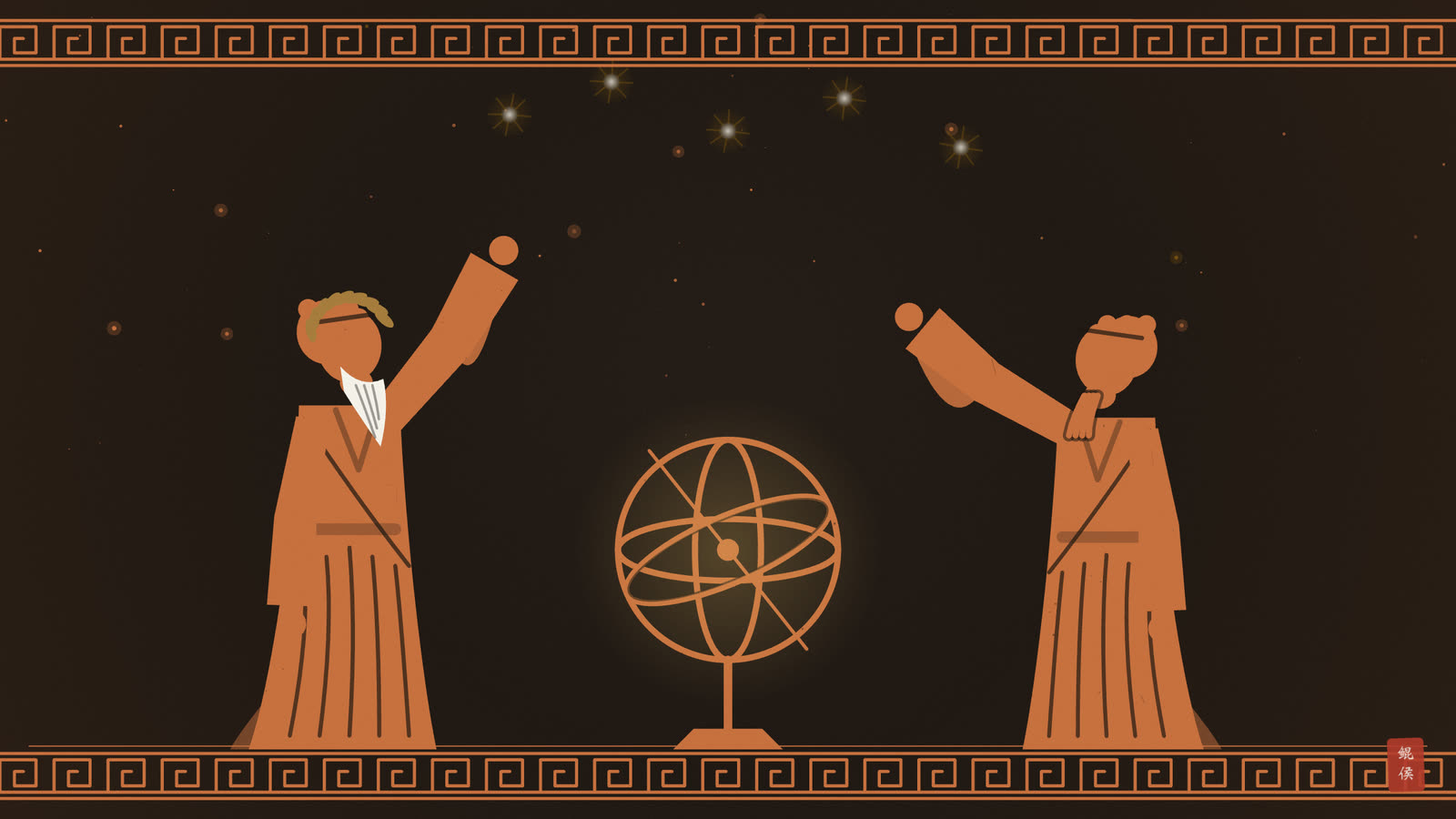
翻译点开
CHAP. XXVIII. Of the fixed Stars in the Zodiack; wherefore they are called fixed, their number, particular names, natures, magnitudes, latitudes and longitudes; and first of those in Aries, as they are delivered by the most learned in this Art.
第二十八章 论黄道上的恒星;为何称为恒星,其数目、各自的名称、性质、星等、纬度与经度;先论白羊中的恒星,照此学最渊博的人所传授的。
I Come here to say somewhat of the fixed stars, since without the true knowledge thereof our works will be imperfect, I mean our Judgements; as also these our labours without them would be but lame and imperfect. I shall but speak of some of the stars chiefly, viz. the most notable, and those of the first, second, third and fourth magnitude, except here and there of some more obscure.
我来这里讲一讲恒星,因为不真正认识它们,我们的工作——我是说我们的判断——就会不完整;我们这些辛劳若没有它们,也只会残缺不全。我只讲其中主要的一些,就是最显著的,和一、二、三、四等的星,偶尔也讲几颗较暗的。
I shall refer my Reader, if he be curious herein, to the perusal of Copernicus, Tycho, Lucas Gauricus, Stadius and Sconerus, and what others treat of in this Nature; yet what I here set down may suffice for any judgement whatsoever in the Art of Astrologie, of what part thereof soever it be.
读者若对此有兴趣,我请他去读哥白尼、第谷、卢卡斯·高里库斯、斯塔迪乌斯和舍纳,以及其他论述这类事的人;不过我在这里写下的,足以应付占星学中任何一门、任何部分的判断。
The method I follow, is briefly first to declare unto you the number, names, nature, magnitude, latitude and longitude of the most notable fixed stars in the Zodiack, of the first, second, third and fourth magnitude: as also those (of the same magnitude) both on the North and South part, and these will serve for ever, and in all Regions and places through the whole Globe of the Earth, except their longitudes, which will vary somewhat in respect of the Equinoctial; wherefore I shall only give you the degrees of their longitudes.
我遵循的方法,简言之,是先向你说明黄道上最显著的一、二、三、四等恒星的数目、名称、性质、星等、纬度与经度;也包括北边和南边那些(同样星等的)星;这些永远适用,在整个地球上的一切地区与地方都适用,只有它们的经度除外,经度相对于分点会有些变化;所以我只给出它们经度的度数。
We will begin with Aries being the first sign (as you have already heard) and so forward; but before we begin, I think meet first to let you know, wherefore these stars are called fixed stars, that there may be nothing in the Art which the Student (if occasion serve) may not give a reason for; for it is my desire to have knowledge increase, and ignorance and envy perpetually put to silence: The reason then why they are called fixed stars, is, for that they are indeed fixed and immovable, never stirring, but they are violently carried about with the Heavens by the first mover (as abovesaid) not having any peculiar motion of their own as the Planets have, &c.
我们从白羊开始,因为它是第一个星座(如你已听过的),依次往下;但开始之前,我想该先让你知道这些星为何称为恒星,好让这门学问里没有一样东西是学生(遇到需要时)说不出理由的;因为我的愿望是让知识增长,让无知与嫉妒永远闭口。那么,它们称为恒星的理由是:它们确实固定不动,自己从不移动,而是被第一原动天(如上所说)强行带着随诸天旋转,不像行星那样有自己特有的运动,等等。
大意与图解点开
🔎 大意:不识恒星,判断就不完整。拉姆齐列一至四等的显著恒星;它们自己不动,只随第一原动天旋转,所以称为恒星。
📖 术语
| 术语 | 英文原词 | 意思 |
|---|---|---|
| 恒星 | fixed stars | 自己不动的星 |
| 星等 | magnitude | 亮度的等级 |
| 第一原动天 | first mover | 带动诸天的最外层天 |
| 分点 | Equinoctial | 昼夜平分点 |
🧭 图解与讲解
第二十八章起到第三十九章,拉姆齐逐座列出黄道上的恒星。他说不认识恒星,判断就不完整;所以选出最显著的一至四等星,偶尔加几颗较暗的,并请有兴趣的读者再去读哥白尼、第谷、高里库斯、斯塔迪乌斯、舍纳等人的星表。
〔图〕恒星与行星:一个只随诸天转,一个另有自己的运动
〔图〕第二十八至三十九章的恒星表:从白羊起,十二座依次列出
他先解释「恒星」之名(图一):它们自己不动,只被第一原动天带着随诸天旋转,不像行星另有自己的运动。这是当时通行的天球说,卷二第二十章讲诸重天时已经交代过第一原动天。
拉姆齐还说这些数据「永远适用」,只有经度会相对分点慢慢推移。这就是岁差:卷一第五至六章说恒星天大约七十二年移一度,从一六五三年到今天三百多年,表上的经度大约都要再加五度上下,纬度则基本不变。读本书的恒星表,要记得它是一六五三年前后的位置。
📖 术语
| 术语 | 英文原词 | 意思 |
|---|---|---|
| 恒星 | fixed stars | 自己不动的星 |
| 星等 | magnitude | 亮度的等级 |
| 第一原动天 | first mover | 带动诸天的最外层天 |
| 分点 | Equinoctial | 昼夜平分点 |
🧭 图解与讲解
第二十八章起到第三十九章,拉姆齐逐座列出黄道上的恒星。他说不认识恒星,判断就不完整;所以选出最显著的一至四等星,偶尔加几颗较暗的,并请有兴趣的读者再去读哥白尼、第谷、高里库斯、斯塔迪乌斯、舍纳等人的星表。
他先解释「恒星」之名(图一):它们自己不动,只被第一原动天带着随诸天旋转,不像行星另有自己的运动。这是当时通行的天球说,卷二第二十章讲诸重天时已经交代过第一原动天。
拉姆齐还说这些数据「永远适用」,只有经度会相对分点慢慢推移。这就是岁差:卷一第五至六章说恒星天大约七十二年移一度,从一六五三年到今天三百多年,表上的经度大约都要再加五度上下,纬度则基本不变。读本书的恒星表,要记得它是一六五三年前后的位置。
But let us now come to the fixed stars, their number, natures, names, magnitudes and latitudes; and first of Aries: in Aries there are twenty five notable fixed stars.
Their number. The names of the Stars. Their Nature. magnitude Their latitude Longitude In ♈. D M D 1 Algenib, the end of the right wing of Pegasus. ♂ ♃ or ☿ 2 12 B 30 3 ♈ 2 Alderaimim, the right shoulder of Cephus. ♄ ♃ 3 29 00 8 3 The formost of the 3. bright stars in the band of the fishes. ♄ P ☿ 4 2 15 8 4 Alpheraoz, the Navel of Pegasus, the head of Andromeda. ☿ 2 26 00 9 5 The hindermost in the tail of the VVhale. ♄ 3 15 M 20 11 6 The middlmost of the 3. bright stars in the band of the fishes. ♄ P ☿ 4 1 B 10 12 7 The middlemost of the 3. in the body of the Whale. ♄ 3 25 M 20 13 8 The last of the 3. bright stars in the band of the fishes. ♄ P ☿ 4 1 20 14 9 Baten Kaiton, the belly of the VVhale. ♄ 2 20 0 16 10 Of Andromeda the left shoulder blade Sheder. ♀ 3 24 B 33 16 11 Of Andromeda the small of the left arm. 3 15 30 17 12 The first middlmost. of the stars after the bowing of the B. of fishes. ♄ P ☿ 4 2 M 20 18 13 The first middlmost. of the stars after the bowing of the B. of fishes. ♄ P ☿ 4 2 40 20 * 14 Acarnar, the bright star of the River Eridanus. ♃ ♀ 1 53 30 21 15 The latter of the 3. after the bowing of the ban. of the fishes. ♄ P ☿ 4 7 45 22 16 The middlemost star of the girdle of Andromeda. ♀ 3 30 B 00 23 17 The northermost of the girdle of Andromeda. 3 32 00 23 18 The knot of the band of the fishes, or pole of the VVhale. ♃ ☿ 3 8 M 30 24 19 Mirach, the furthermost star of the girdle of Andromeda. ♀ 3 26 B 20 25 20 Angetenar, the turning of the River Eridanus. ♄ 4 34 M 50 27 21 The foremost star in the right horn of the Ram. ♄ ♂ 3 7 B 20 28 22 The southermost of the 2. hindermost stars in the brest of the Whale. ♄ 3 27 M 30 28 23 The foremost in the neck of the Whale. ♄ 4 4 10 29 24 The latter star in the right horn of the Ram. ♄ ☿ 3 8 B 20 29 25 The middle of the chair of Cassiopea. ♄ ♀ 3 51 40 29
翻译点开
But let us now come to the fixed stars, their number, natures, names, magnitudes and latitudes; and first of Aries: in Aries there are twenty five notable fixed stars.
现在让我们来讲恒星,讲它们的数目、性质、名称、星等与纬度;先讲白羊:白羊里有二十五颗显著的恒星。
Their number. The names of the Stars. Their Nature. magnitude Their latitude Longitude In ♈. D M D 1 Algenib, the end of the right wing of Pegasus. ♂ ♃ or ☿ 2 12 B 30 3 ♈ 2 Alderaimim, the right shoulder of Cephus. ♄ ♃ 3 29 00 8 3 The formost of the 3. bright stars in the band of the fishes. ♄ P ☿ 4 2 15 8 4 Alpheraoz, the Navel of Pegasus, the head of Andromeda. ☿ 2 26 00 9 5 The hindermost in the tail of the VVhale. ♄ 3 15 M 20 11 6 The middlmost of the 3. bright stars in the band of the fishes. ♄ P ☿ 4 1 B 10 12 7 The middlemost of the 3. in the body of the Whale. ♄ 3 25 M 20 13 8 The last of the 3. bright stars in the band of the fishes. ♄ P ☿ 4 1 20 14 9 Baten Kaiton, the belly of the VVhale. ♄ 2 20 0 16 10 Of Andromeda the left shoulder blade Sheder. ♀ 3 24 B 33 16 11 Of Andromeda the small of the left arm. 3 15 30 17 12 The first middlmost. of the stars after the bowing of the B. of fishes. ♄ P ☿ 4 2 M 20 18 13 The first middlmost. of the stars after the bowing of the B. of fishes. ♄ P ☿ 4 2 40 20 * 14 Acarnar, the bright star of the River Eridanus. ♃ ♀ 1 53 30 21 15 The latter of the 3. after the bowing of the ban. of the fishes. ♄ P ☿ 4 7 45 22 16 The middlemost star of the girdle of Andromeda. ♀ 3 30 B 00 23 17 The northermost of the girdle of Andromeda. 3 32 00 23 18 The knot of the band of the fishes, or pole of the VVhale. ♃ ☿ 3 8 M 30 24 19 Mirach, the furthermost star of the girdle of Andromeda. ♀ 3 26 B 20 25 20 Angetenar, the turning of the River Eridanus. ♄ 4 34 M 50 27 21 The foremost star in the right horn of the Ram. ♄ ♂ 3 7 B 20 28 22 The southermost of the 2. hindermost stars in the brest of the Whale. ♄ 3 27 M 30 28 23 The foremost in the neck of the Whale. ♄ 4 4 10 29 24 The latter star in the right horn of the Ram. ♄ ☿ 3 8 B 20 29 25 The middle of the chair of Cassiopea. ♄ ♀ 3 51 40 29
表头:序号;恒星的名称;性质;星等;纬度(度、分);经度(在白羊的度数)。一、阿尔杰尼卜,飞马座右翼的末端:性质同火星、木星或水星,二等星,纬度北十二度三十分,在白羊三度。二、阿尔德拉明,仙王座的右肩:性质同土星、木星,三等星,纬度二十九度,在白羊八度。三、双鱼系带上三颗亮星的最前一颗:性质同土星,略带水星,四等星,纬度二度十五分,在白羊八度。四、阿尔斐拉兹,飞马座的肚脐,仙女座的头:性质同水星,二等星,纬度二十六度,在白羊九度。五、鲸鱼尾上最后的一颗:性质同土星,三等星,纬度南十五度二十分,在白羊十一度。六、双鱼系带上三颗亮星的中间一颗:性质同土星,略带水星,四等星,纬度北一度十分,在白羊十二度。七、鲸鱼身上三颗星的中间一颗:性质同土星,三等星,纬度南二十五度二十分,在白羊十三度。八、双鱼系带上三颗亮星的最后一颗:性质同土星,略带水星,四等星,纬度一度二十分,在白羊十四度。九、巴滕凯通,鲸鱼之腹:性质同土星,二等星,纬度二十度,在白羊十六度。十、仙女座的左肩胛,名舍德尔:性质同金星,三等星,纬度北二十四度三十三分,在白羊十六度。十一、仙女座左臂的细处:性质同上,三等星,纬度十五度三十分,在白羊十七度。十二、双鱼系带转弯之后诸星中最先的中间一颗:性质同土星,略带水星,四等星,纬度南二度二十分,在白羊十八度。十三、双鱼系带转弯之后诸星中最先的中间一颗:性质同土星,略带水星,四等星,纬度二度四十分,在白羊二十度。*十四、阿卡尔纳,波江座的亮星:性质同木星、金星,一等星,纬度五十三度三十分,在白羊二十一度。十五、双鱼系带转弯之后三颗中的最后一颗:性质同土星,略带水星,四等星,纬度七度四十五分,在白羊二十二度。十六、仙女座腰带的中间一颗:性质同金星,三等星,纬度北三十度,在白羊二十三度。十七、仙女座腰带最北的一颗:性质同上,三等星,纬度三十二度,在白羊二十三度。十八、双鱼系带之结,又称鲸鱼之极:性质同木星、水星,三等星,纬度南八度三十分,在白羊二十四度。十九、米拉赫,仙女座腰带最远的一颗:性质同金星,三等星,纬度北二十六度二十分,在白羊二十五度。二十、安杰泰纳尔,波江的转弯处:性质同土星,四等星,纬度南三十四度五十分,在白羊二十七度。二十一、白羊右角上前面的一颗:性质同土星、火星,三等星,纬度北七度二十分,在白羊二十八度。二十二、鲸鱼胸前后面两颗中偏南的一颗:性质同土星,三等星,纬度南二十七度三十分,在白羊二十八度。二十三、鲸鱼颈上最前面的一颗:性质同土星,四等星,纬度四度十分,在白羊二十九度。二十四、白羊右角上后面的一颗:性质同土星、水星,三等星,纬度北八度二十分,在白羊二十九度。二十五、仙后座椅子的中间:性质同土星、金星,三等星,纬度五十一度四十分,在白羊二十九度。
大意与图解点开
🔎 大意:白羊里有二十五颗显著恒星,多属鲸鱼、双鱼系带、仙女、飞马;性质以土星为主,唯一的一等星是波江座的阿卡尔纳。
📖 术语
| 术语 | 英文原词 | 意思 |
|---|---|---|
| 性质 | Nature | 同哪颗行星的本性 |
| 略带 | P., partly | 兼有一点 |
| 北纬 | B. | 黄道以北 |
| 南纬 | M. | 黄道以南 |
🧭 图解与讲解
原书每座的恒星表都是六栏:序号、名称、性质、星等、纬度、经度。底本把整张表压成一行,翻译逐颗译出,表一按站上统一的四栏重排:星名、所在度数、性质(同哪颗行星)、星等;纬度只在翻译里出现。性质、星等栏原书空着的,意思是「同上」,表里补出上一行的内容。
| 星名 | 所在度数 | 性质(同哪颗行星) | 星等 |
|---|---|---|---|
| 1 阿尔杰尼卜,飞马座右翼的末端(今称壁宿一) | 白羊 3° | 火星、木星或水星 | 二等 |
| 2 阿尔德拉明,仙王座的右肩(今称天钩五) | 白羊 8° | 土星、木星 | 三等 |
| 3 双鱼系带上三颗亮星的最前一颗 | 白羊 8° | 土星,略带水星 | 四等 |
| 4 阿尔斐拉兹,飞马座的肚脐,仙女座的头(今称壁宿二) | 白羊 9° | 水星 | 二等 |
| 5 鲸鱼尾上最后的一颗 | 白羊 11° | 土星 | 三等 |
| 6 双鱼系带上三颗亮星的中间一颗 | 白羊 12° | 土星,略带水星 | 四等 |
| 7 鲸鱼身上三颗星的中间一颗 | 白羊 13° | 土星 | 三等 |
| 8 双鱼系带上三颗亮星的最后一颗 | 白羊 14° | 土星,略带水星 | 四等 |
| 9 巴滕凯通,鲸鱼之腹(今称天仓二) | 白羊 16° | 土星 | 二等 |
| 10 仙女座的左肩胛,名舍德尔 | 白羊 16° | 金星 | 三等 |
| 11 仙女座左臂的细处 | 白羊 17° | 同上(金星) | 三等 |
| 12 双鱼系带转弯之后诸星中最先的中间一颗 | 白羊 18° | 土星,略带水星 | 四等 |
| 13 双鱼系带转弯之后诸星中最先的中间一颗 | 白羊 20° | 土星,略带水星 | 四等 |
| *14 阿卡尔纳,波江座的亮星 | 白羊 21° | 木星、金星 | 一等 |
| 15 双鱼系带转弯之后三颗中的最后一颗 | 白羊 22° | 土星,略带水星 | 四等 |
| 16 仙女座腰带的中间一颗 | 白羊 23° | 金星 | 三等 |
| 17 仙女座腰带最北的一颗 | 白羊 23° | 同上(金星) | 三等 |
| 18 双鱼系带之结,又称鲸鱼之极(今称外屏七) | 白羊 24° | 木星、水星 | 三等 |
| 19 米拉赫,仙女座腰带最远的一颗(今称奎宿九) | 白羊 25° | 金星 | 三等 |
| 20 安杰泰纳尔,波江的转弯处 | 白羊 27° | 土星 | 四等 |
| 21 白羊右角上前面的一颗 | 白羊 28° | 土星、火星 | 三等 |
| 22 鲸鱼胸前后面两颗中偏南的一颗 | 白羊 28° | 土星 | 三等 |
| 23 鲸鱼颈上最前面的一颗 | 白羊 29° | 土星 | 四等 |
| 24 白羊右角上后面的一颗 | 白羊 29° | 土星、水星 | 三等 |
| 25 仙后座椅子的中间 | 白羊 29° | 土星、金星 | 三等 |
〔图〕白羊二十五颗恒星中唯一的一等星:阿卡尔纳在白羊二十一度
「性质」一栏用行星符号说明这颗星像哪颗行星,这是托勒密《四书》卷一第九章的写法:如「土星,略带水星」,原文作「♄ P ☿」,P 是 partly(略带);「火星、木星或水星」原文作「♂ ♃ or ☿」。这些记号的意思,拉姆齐到第四十章才统一说明。
白羊这一座的星多在鲸鱼、双鱼系带、仙女、飞马一带,性质以土星为主;唯一带星号的一等星是第十四颗「阿卡尔纳,波江座的亮星」,在白羊二十一度(图二)。星名照原书音译,拿得准今名的在表里注出,如阿尔斐拉兹今称壁宿二、米拉赫今称奎宿九。
📖 术语
| 术语 | 英文原词 | 意思 |
|---|---|---|
| 性质 | Nature | 同哪颗行星的本性 |
| 略带 | P., partly | 兼有一点 |
| 北纬 | B. | 黄道以北 |
| 南纬 | M. | 黄道以南 |
🧭 图解与讲解
原书每座的恒星表都是六栏:序号、名称、性质、星等、纬度、经度。底本把整张表压成一行,翻译逐颗译出,表一按站上统一的四栏重排:星名、所在度数、性质(同哪颗行星)、星等;纬度只在翻译里出现。性质、星等栏原书空着的,意思是「同上」,表里补出上一行的内容。
| 星名 | 所在度数 | 性质(同哪颗行星) | 星等 |
|---|---|---|---|
| 1 阿尔杰尼卜,飞马座右翼的末端(今称壁宿一) | 白羊 3° | 火星、木星或水星 | 二等 |
| 2 阿尔德拉明,仙王座的右肩(今称天钩五) | 白羊 8° | 土星、木星 | 三等 |
| 3 双鱼系带上三颗亮星的最前一颗 | 白羊 8° | 土星,略带水星 | 四等 |
| 4 阿尔斐拉兹,飞马座的肚脐,仙女座的头(今称壁宿二) | 白羊 9° | 水星 | 二等 |
| 5 鲸鱼尾上最后的一颗 | 白羊 11° | 土星 | 三等 |
| 6 双鱼系带上三颗亮星的中间一颗 | 白羊 12° | 土星,略带水星 | 四等 |
| 7 鲸鱼身上三颗星的中间一颗 | 白羊 13° | 土星 | 三等 |
| 8 双鱼系带上三颗亮星的最后一颗 | 白羊 14° | 土星,略带水星 | 四等 |
| 9 巴滕凯通,鲸鱼之腹(今称天仓二) | 白羊 16° | 土星 | 二等 |
| 10 仙女座的左肩胛,名舍德尔 | 白羊 16° | 金星 | 三等 |
| 11 仙女座左臂的细处 | 白羊 17° | 同上(金星) | 三等 |
| 12 双鱼系带转弯之后诸星中最先的中间一颗 | 白羊 18° | 土星,略带水星 | 四等 |
| 13 双鱼系带转弯之后诸星中最先的中间一颗 | 白羊 20° | 土星,略带水星 | 四等 |
| *14 阿卡尔纳,波江座的亮星 | 白羊 21° | 木星、金星 | 一等 |
| 15 双鱼系带转弯之后三颗中的最后一颗 | 白羊 22° | 土星,略带水星 | 四等 |
| 16 仙女座腰带的中间一颗 | 白羊 23° | 金星 | 三等 |
| 17 仙女座腰带最北的一颗 | 白羊 23° | 同上(金星) | 三等 |
| 18 双鱼系带之结,又称鲸鱼之极(今称外屏七) | 白羊 24° | 木星、水星 | 三等 |
| 19 米拉赫,仙女座腰带最远的一颗(今称奎宿九) | 白羊 25° | 金星 | 三等 |
| 20 安杰泰纳尔,波江的转弯处 | 白羊 27° | 土星 | 四等 |
| 21 白羊右角上前面的一颗 | 白羊 28° | 土星、火星 | 三等 |
| 22 鲸鱼胸前后面两颗中偏南的一颗 | 白羊 28° | 土星 | 三等 |
| 23 鲸鱼颈上最前面的一颗 | 白羊 29° | 土星 | 四等 |
| 24 白羊右角上后面的一颗 | 白羊 29° | 土星、水星 | 三等 |
| 25 仙后座椅子的中间 | 白羊 29° | 土星、金星 | 三等 |
「性质」一栏用行星符号说明这颗星像哪颗行星,这是托勒密《四书》卷一第九章的写法:如「土星,略带水星」,原文作「♄ P ☿」,P 是 partly(略带);「火星、木星或水星」原文作「♂ ♃ or ☿」。这些记号的意思,拉姆齐到第四十章才统一说明。
白羊这一座的星多在鲸鱼、双鱼系带、仙女、飞马一带,性质以土星为主;唯一带星号的一等星是第十四颗「阿卡尔纳,波江座的亮星」,在白羊二十一度(图二)。星名照原书音译,拿得准今名的在表里注出,如阿尔斐拉兹今称壁宿二、米拉赫今称奎宿九。
原文为公有领域古籍;翻译、印象画与图文解读由 AI 辅助生成,鲲侯审校。