第一部·天的哲学卷三第五十七至七十条 推运、进程与行经
出生后一日对应一生一年:太阳逐日所行定主限推运,月亮的周行定进程;行经与进入在预定之时引出效应。
ARGUMENTS of the PHILOSOPHY of the HEAVENS, from BOOK III.
57. To speak physically, the stars are moved but by one motion, which is of the primum mobile, viz. from East to West; but for the easier explaining Astronomical matters, we say in a simpler language, that the stars are moved by a double motion; of which frequent mention has already been made; nay, more, we say there are many motions in the heavens, by which the stars change their aspects with respect to us.
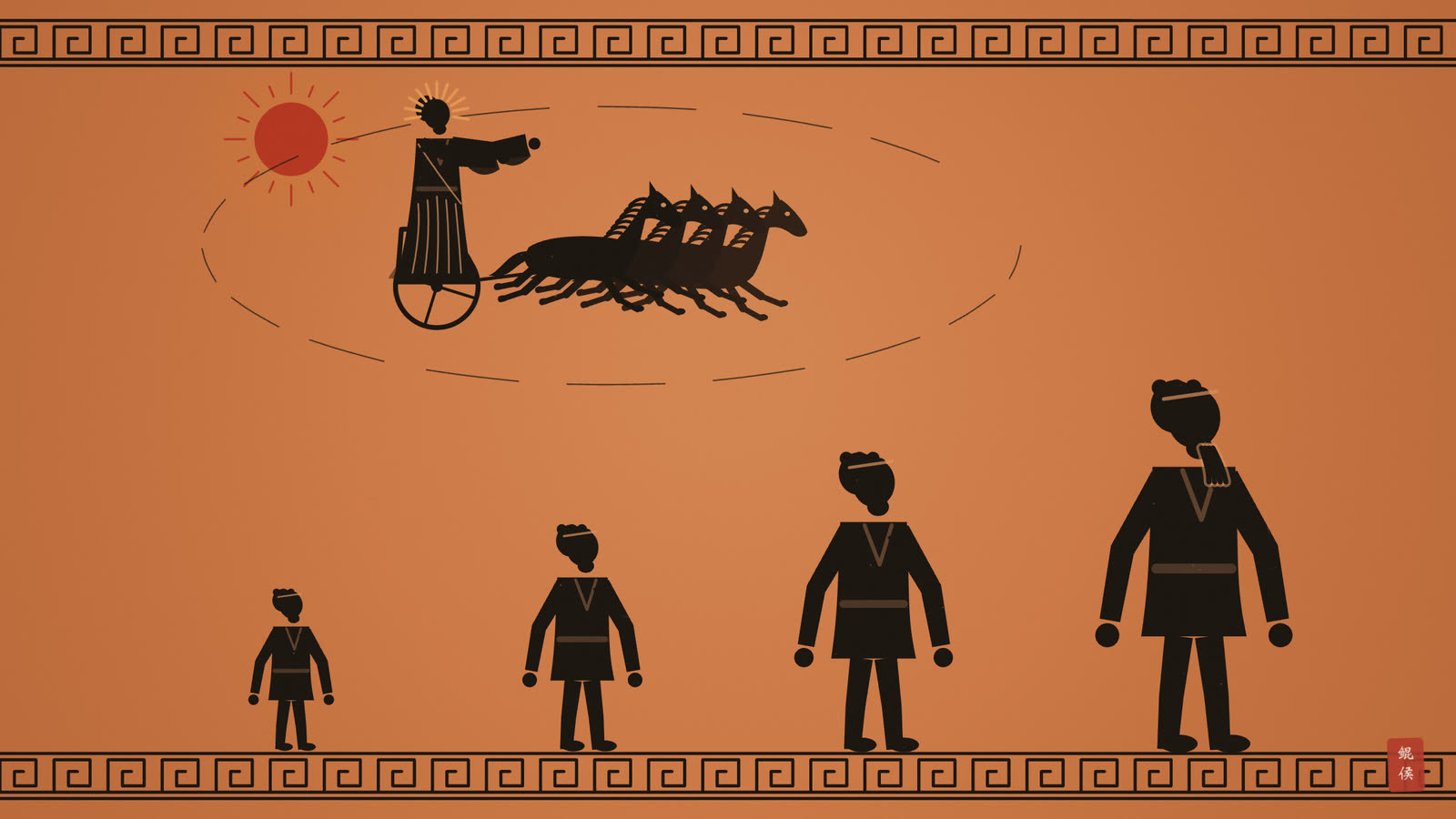
58. The motion of direction is that which the Sun causes every day, following that of the nativity, in whatever latitude, in power and virtue; the vital heat with its natural effects, viz. from every day to every year by Order: for it happens, that at the end of the first, after the natural day, when the Sun has returned to the same equal hour of the nativity, the parts of the primum mobile, with all the stars, have nearly gone through one degree of the equator; and the same happens every subsequent day: mean while the stars, as they advance, apply either by body or rays, to the houses of the significators.
翻译点开
ARGUMENTS of the PHILOSOPHY of the HEAVENS, from BOOK III.
取自《天的哲学》第三卷的论点。
57. To speak physically, the stars are moved but by one motion, which is of the primum mobile, viz. from East to West; but for the easier explaining Astronomical matters, we say in a simpler language, that the stars are moved by a double motion; of which frequent mention has already been made; nay, more, we say there are many motions in the heavens, by which the stars change their aspects with respect to us.
第五十七条。从物理上说,星辰只由一种运动推动,即第一原动天的运动,由东向西;但为了便于讲解天文之事,我们用较简单的说法,说星辰由双重运动推动;这一点前面已屡次提到;不仅如此,我们还说天上有许多运动,星辰借以相对于我们改变其相位。
58. The motion of direction is that which the Sun causes every day, following that of the nativity, in whatever latitude, in power and virtue; the vital heat with its natural effects, viz. from every day to every year by Order: for it happens, that at the end of the first, after the natural day, when the Sun has returned to the same equal hour of the nativity, the parts of the primum mobile, with all the stars, have nearly gone through one degree of the equator; and the same happens every subsequent day: mean while the stars, as they advance, apply either by body or rays, to the houses of the significators.
第五十八条。推运的运动,是太阳在出生之后每一天,在能力与力量上所造成的运动,无论在什么幅度上;即生命之热及其自然效应,按次序从每一天对应到每一年:因为在出生后的第一个自然日结束时,当太阳回到出生时同一个等时的时刻,第一原动天的各部分连同一切星辰,已经大约走过赤道的一度;以后每一天都是如此:同时诸星在前进中,以星体或光线施用到征象星的宫位上。
大意与图解点开
🔎 大意:物理上星辰只有第一原动天一种运动。出生后一个自然日,天球比太阳多转约一度;一天对应一年,即推运之本。
📖 术语
| 术语 | 英文原词 | 意思 |
|---|---|---|
| 推运 | direction | 本命点被带去与他星相会 |
| 自然日 | natural day | 太阳回到同一时刻 |
| 等时 | equal hour | 均等的时辰 |
| 赤道 | equator | 天赤道 |
| 施用 | apply | 以星体或光线趋近 |
🧭 图解与讲解
第三卷的论点讲推运。第五十七条先作澄清:从物理上说,星辰只有一种运动,就是第一原动天(primum mobile)带着诸天由东向西的周日旋转;说「双重运动」只是为了讲解方便。所谓第一原动天,是古代宇宙论中最外层、推动其余诸天每日旋转一周的天球,本书即以此为名。
〔图〕一天对应一年:出生后每过一天,天球比太阳多转约一度,推运就前进约一年
| 出生后 | 天球多转的赤道度 | 对应人生 |
|---|---|---|
| 第一天 | 约一度 | 第一年 |
| 第二天 | 约一度 | 第二年 |
| 第三天 | 约一度 | 第三年 |
| …… | …… | …… |
| 第六十天 | 累计约六十度 | 第六十年 |
第五十八条给推运(direction)找到了自然的根据(图一)。出生后过了一个自然日,太阳回到出生时同一个时刻,这期间第一原动天带着恒星与诸星已经多转了大约一度,因为太阳在这一天里沿黄道东行了约一度。普拉西德斯说,这多出来的一度,就对应人生的一年:生命之热及其效应,「从每一天对应到每一年」。
这就是「一度一年」的由来(表二)。推运时,诸星随这运动前进,以星体或光线施用到征象星所在之处,那一年便有相应的事。后世占星家常把主限推运的「一度一年」视为约定,普拉西德斯则把它建立在太阳周日运动与一年的对应上。第六十五条再讲每一天到底取多少度。
📖 术语
| 术语 | 英文原词 | 意思 |
|---|---|---|
| 推运 | direction | 本命点被带去与他星相会 |
| 自然日 | natural day | 太阳回到同一时刻 |
| 等时 | equal hour | 均等的时辰 |
| 赤道 | equator | 天赤道 |
| 施用 | apply | 以星体或光线趋近 |
🧭 图解与讲解
第三卷的论点讲推运。第五十七条先作澄清:从物理上说,星辰只有一种运动,就是第一原动天(primum mobile)带着诸天由东向西的周日旋转;说「双重运动」只是为了讲解方便。所谓第一原动天,是古代宇宙论中最外层、推动其余诸天每日旋转一周的天球,本书即以此为名。
| 出生后 | 天球多转的赤道度 | 对应人生 |
|---|---|---|
| 第一天 | 约一度 | 第一年 |
| 第二天 | 约一度 | 第二年 |
| 第三天 | 约一度 | 第三年 |
| …… | …… | …… |
| 第六十天 | 累计约六十度 | 第六十年 |
第五十八条给推运(direction)找到了自然的根据(图一)。出生后过了一个自然日,太阳回到出生时同一个时刻,这期间第一原动天带着恒星与诸星已经多转了大约一度,因为太阳在这一天里沿黄道东行了约一度。普拉西德斯说,这多出来的一度,就对应人生的一年:生命之热及其效应,「从每一天对应到每一年」。
这就是「一度一年」的由来(表二)。推运时,诸星随这运动前进,以星体或光线施用到征象星所在之处,那一年便有相应的事。后世占星家常把主限推运的「一度一年」视为约定,普拉西德斯则把它建立在太阳周日运动与一年的对应上。第六十五条再讲每一天到底取多少度。
59. There is a double motion of direction. The direct, which Ptolomy calls Actinobolium, and tells us is formed toward the following signs; and the converse, which he terms Horimeany, and shews us it is formed towards the preceding places.
60. By the third motion of direction, we direct the angles and all the moderators; but by a converse motion, the angles cannot be directed.
61. The angles only receive the rays in the world, but not the parellels, nor the rays in the Zodiac. The other significators, by a direct motion, receive the rays and parellels both in the Zodiac and in the world; but by a converse motion, the rays only, and parellels in the world, and by no means in the Zodiac.
62. By a converse direction, the significator, if he descends from the top, strikes against the west; and all the rays that be between the significators, west; yet the rays are to be taken in the world; for in a converse direction, the rays have no place in the Zodiac, as has been said, but the hostile rays of the malignant that lie between, either cut off, or take away the years from the number of direction to the west; as on the contrary, the rays of the benign, either preserve or add the year, according to Ptolomy's method, which we shall treat upon in the Canons.
63. It also happens, when the significator and promittor are hurried away together, by the motion of the primum mobile, in order to produce parallels in the world—equally powerful with all the other aspects.
64. In a direct direction, the significators advance by their own real way; as the Sun by the ecliptic, the Moon by her circle, upon which successively she alters her latitude, in proportion to her latitude motion. The same is to be said of all, when they become significators.
翻译点开
59. There is a double motion of direction. The direct, which Ptolomy calls Actinobolium, and tells us is formed toward the following signs; and the converse, which he terms Horimeany, and shews us it is formed towards the preceding places.
第五十九条。推运的运动有两种。顺向的,托勒密称之为“投射光线”,告诉我们它是朝后随的星座形成的;逆向的,他称之为“霍里迈亚”,并指出它是朝前导的位置形成的。
60. By the third motion of direction, we direct the angles and all the moderators; but by a converse motion, the angles cannot be directed.
第六十条。以顺向的推运运动,我们推运诸角与一切主管者;但以逆向运动,诸角不能被推运。
61. The angles only receive the rays in the world, but not the parellels, nor the rays in the Zodiac. The other significators, by a direct motion, receive the rays and parellels both in the Zodiac and in the world; but by a converse motion, the rays only, and parellels in the world, and by no means in the Zodiac.
第六十一条。诸角只接受世界上的光线,不接受平行,也不接受黄道上的光线。其他征象星以顺向运动,在黄道上与世界上都接受光线与平行;但以逆向运动,只接受世界上的光线与平行,绝不接受黄道上的。
62. By a converse direction, the significator, if he descends from the top, strikes against the west; and all the rays that be between the significators, west; yet the rays are to be taken in the world; for in a converse direction, the rays have no place in the Zodiac, as has been said, but the hostile rays of the malignant that lie between, either cut off, or take away the years from the number of direction to the west; as on the contrary, the rays of the benign, either preserve or add the year, according to Ptolomy's method, which we shall treat upon in the Canons.
第六十二条。在逆向推运中,征象星若从天顶下降,就撞向西方;征象星与西方之间的一切光线亦然;但这些光线要在世界上取;因为如前所说,在逆向推运中,光线在黄道上没有位置;而凶星位于其间的敌对光线,会从推运到西方的数目中截去或减去年数;反之,吉星的光线则按托勒密的方法保全或增加年数,这一点我们将在诸则中讨论。
63. It also happens, when the significator and promittor are hurried away together, by the motion of the primum mobile, in order to produce parallels in the world—equally powerful with all the other aspects.
第六十三条。还有一种情形:征象星与允诺星一同被第一原动天的运动带走,以产生世界上的平行,与其他一切相位同样有力。
64. In a direct direction, the significators advance by their own real way; as the Sun by the ecliptic, the Moon by her circle, upon which successively she alters her latitude, in proportion to her latitude motion. The same is to be said of all, when they become significators.
第六十四条。在顺向推运中,征象星沿它们自己真实的道路前进;如太阳沿黄道,月亮沿她自己的轨道,在轨道上她按纬度运动的比例相继改变纬度。其余诸星成为征象星时,也都应这样说。
大意与图解点开
🔎 大意:推运分顺向(朝后随星座)与逆向(朝前导位置)。诸角只受世界上的光线;逆向推运只取世界上的相位,凶星截年、吉星增年。
📖 术语
| 术语 | 英文原词 | 意思 |
|---|---|---|
| 顺向推运 | direct direction | 朝后随星座的推运 |
| 逆向推运 | converse direction | 朝前导位置的推运 |
| 投射光线 | Actinobolium | 托勒密对顺向的称呼 |
| 霍里迈亚 | Horimeany | 托勒密对逆向的称呼 |
| 后随 / 前导 | following / preceding | 黄经增加 / 减少的方向 |
🧭 图解与讲解
第五十九条区分两种推运(图一)。顺向(direct)朝「后随的星座」,即黄经增加的方向,托勒密称之为「投射光线」;逆向(converse)朝「前导的位置」,托勒密称之为「霍里迈亚」。两个名称都出自《四书》卷三第十章论寿数一节。普拉西德斯把这两个古名对应到自己的体系里,第六十四条又说明:顺向推运时,征象星沿自己真实的道路前进,太阳沿黄道,月亮沿其轨道并随时改变纬度。
〔图〕推运分两种:顺向朝后随的星座,逆向朝前导的位置
| 征象星 | 推运方式 | 黄道上的光线 | 世界上的光线 | 平行 |
|---|---|---|---|---|
| 诸角(上升、中天) | 只能顺向 | 不接受 | 接受 | 不接受 |
| 其他征象星 | 顺向 | 接受 | 接受 | 黄道上、世界上都接受 |
| 其他征象星 | 逆向 | 不接受 | 接受 | 只接受世界上的 |
第六十、六十一条规定谁能推运、接受哪些光线(表二)。第六十条原文印作「以第三种推运运动」,但前文只说有两种,据上下文当是「顺向」之误,本站按顺向译。诸角只能顺向推运,而且只接受世界上的光线,不接受平行与黄道上的光线,这与第三十九条「黄道上的亲缘不及四角」一致。其他征象星顺向时两种光线都接受,逆向时只接受世界上的。
第六十二条讲逆向推运的一个用法:征象星从天顶下降,最后撞到西方地平,这是托勒密的寿数算法。途中若遇凶星的敌对光线,就从推运到西方的年数中「截去」若干年;遇吉星光线则「保全或增加」年数。这是《四书》卷三第十章的规则,后面诸则详算。第六十三条补充:征象星与允诺星一同被周日运动带走、形成世界上的平行,也和其他相位一样有力。
📖 术语
| 术语 | 英文原词 | 意思 |
|---|---|---|
| 顺向推运 | direct direction | 朝后随星座的推运 |
| 逆向推运 | converse direction | 朝前导位置的推运 |
| 投射光线 | Actinobolium | 托勒密对顺向的称呼 |
| 霍里迈亚 | Horimeany | 托勒密对逆向的称呼 |
| 后随 / 前导 | following / preceding | 黄经增加 / 减少的方向 |
🧭 图解与讲解
第五十九条区分两种推运(图一)。顺向(direct)朝「后随的星座」,即黄经增加的方向,托勒密称之为「投射光线」;逆向(converse)朝「前导的位置」,托勒密称之为「霍里迈亚」。两个名称都出自《四书》卷三第十章论寿数一节。普拉西德斯把这两个古名对应到自己的体系里,第六十四条又说明:顺向推运时,征象星沿自己真实的道路前进,太阳沿黄道,月亮沿其轨道并随时改变纬度。
| 征象星 | 推运方式 | 黄道上的光线 | 世界上的光线 | 平行 |
|---|---|---|---|---|
| 诸角(上升、中天) | 只能顺向 | 不接受 | 接受 | 不接受 |
| 其他征象星 | 顺向 | 接受 | 接受 | 黄道上、世界上都接受 |
| 其他征象星 | 逆向 | 不接受 | 接受 | 只接受世界上的 |
第六十、六十一条规定谁能推运、接受哪些光线(表二)。第六十条原文印作「以第三种推运运动」,但前文只说有两种,据上下文当是「顺向」之误,本站按顺向译。诸角只能顺向推运,而且只接受世界上的光线,不接受平行与黄道上的光线,这与第三十九条「黄道上的亲缘不及四角」一致。其他征象星顺向时两种光线都接受,逆向时只接受世界上的。
第六十二条讲逆向推运的一个用法:征象星从天顶下降,最后撞到西方地平,这是托勒密的寿数算法。途中若遇凶星的敌对光线,就从推运到西方的年数中「截去」若干年;遇吉星光线则「保全或增加」年数。这是《四书》卷三第十章的规则,后面诸则详算。第六十三条补充:征象星与允诺星一同被周日运动带走、形成世界上的平行,也和其他相位一样有力。
65. Authors are divided, as to measure in direction; for some take the whole degree of the equator, for all and every one of the years; others, the Sun's motion of the natural day: some, the Sun's mean motion; whilst many more vary in their computations.
But we, to the first year after the natural, add that part of the equator in which the Sun ascends in a direct sphere, by the motion of the first day following the nativity; to the second year, that which ascends by the second day's motion; to the third, that which he ascends the third day after the natural; and thus of the other subsequent ones: for we would have the directional motion successive, and always formed towards the succeeding places, and the Sun's motion each day to be referred to, as the course and rule to every year, as to their effects, in the same order and number.
66. But because the primary and principal motion of direction is derived from the motion of the solar days, following that of the nativity, as has been said, it consequently happens, that by some secondary means, the aspects that are opposite to the luminaries and angles on those days, by jointly assisting the significator of the primary directions; for this reason, we say, that the days whereon these aspects happen, are very powerful in those years, which answer to those days, and on which they depend.
From those motions, in preference to the rest, appears the true and real, hitherto unknown foundation of the critical or climactrical years; for the Moon, almost every seventh day, is placed in the critical place with respect to her place of the nativity; and (which is very important) experience wonderfully proves the truth of it; as may be seen in the examples extracted from Argol and Maginus.
We call these motions the secondary directions, to distinguish them from the primary and principal; and we are of opinion, that Ptolomy, speaking of annual places, as the places of those motions, when of the menstrual, hints at the places of the progression.
翻译点开
65. Authors are divided, as to measure in direction; for some take the whole degree of the equator, for all and every one of the years; others, the Sun's motion of the natural day: some, the Sun's mean motion; whilst many more vary in their computations.
第六十五条。诸作者对推运的量度意见分歧;有的对每一年都取赤道整整一度;有的取太阳一个自然日的运动;有的取太阳的平均运动;还有许多人计算各不相同。
But we, to the first year after the natural, add that part of the equator in which the Sun ascends in a direct sphere, by the motion of the first day following the nativity; to the second year, that which ascends by the second day's motion; to the third, that which he ascends the third day after the natural; and thus of the other subsequent ones: for we would have the directional motion successive, and always formed towards the succeeding places, and the Sun's motion each day to be referred to, as the course and rule to every year, as to their effects, in the same order and number.
但我们对出生后的第一年,加上太阳在出生后第一天的运动中在正球上升起的那一段赤道;对第二年,加上第二天的运动所升起的那一段;对第三年,加上出生后第三天他所升起的那一段;其后各年依此类推:因为我们要推运的运动是相继的,始终朝后随的位置形成,并要以太阳每一天的运动作为每一年的进程与准则,就效应而言,次序与数目都相同。
66. But because the primary and principal motion of direction is derived from the motion of the solar days, following that of the nativity, as has been said, it consequently happens, that by some secondary means, the aspects that are opposite to the luminaries and angles on those days, by jointly assisting the significator of the primary directions; for this reason, we say, that the days whereon these aspects happen, are very powerful in those years, which answer to those days, and on which they depend.
第六十六条。但因为推运的首要和主要运动,如前所说,出自出生之后诸太阳日的运动,于是就有这样的结果:借某种次要的方式,那些日子里对两光与诸角所成的相位,共同协助主限推运的征象星;因此我们说,这些相位发生的日子,在与那些日子相应、并依赖于那些日子的年份里,力量很大。
From those motions, in preference to the rest, appears the true and real, hitherto unknown foundation of the critical or climactrical years; for the Moon, almost every seventh day, is placed in the critical place with respect to her place of the nativity; and (which is very important) experience wonderfully proves the truth of it; as may be seen in the examples extracted from Argol and Maginus.
从这些运动——胜过其他一切——显出关口之年或危险之年那真实而至今未知的根据;因为月亮几乎每第七天,就相对于她的本命位置处于关口之位;并且(这一点非常重要)经验奇妙地证明了它的真实;这可以从摘自阿尔戈利与马吉尼的例子中看到。
We call these motions the secondary directions, to distinguish them from the primary and principal; and we are of opinion, that Ptolomy, speaking of annual places, as the places of those motions, when of the menstrual, hints at the places of the progression.
我们把这些运动称为次限推运,以与主要的主限推运相区别;我们认为,托勒密讲到年度之位时,指的就是这些运动的位置;讲到月度之位时,暗指的是进程的位置。
大意与图解点开
🔎 大意:推运的量度:第几年就取出生后第几天太阳赤经的增量。出生后各日的相位也应在对应之年,称次限推运;七日一关口。
📖 术语
| 术语 | 英文原词 | 意思 |
|---|---|---|
| 主限推运 | primary direction | 借周日运动的推运 |
| 次限推运 | secondary direction | 出生后一日对一年的相位 |
| 正球 | direct sphere | 赤道上所见的天球 |
| 平均运动 | mean motion | 太阳每日平均所行 |
| 关口之年 | climactrical years | 七年一遇的危险之年 |
🧭 图解与讲解
第六十五条讨论推运的「量度」:弧上一度到底折合多久。诸家有取赤道一整度为一年的,有取太阳一日运动的,有取太阳平均运动(每日约五十九分八秒)的。普拉西德斯的取法(表一)是:第一年取出生后第一天太阳在正球上升起的那段赤道,即太阳当天赤经的增量;第二年取第二天的;依次类推。这样每一年的弧长随太阳实际运行而略有不同,是把第五十八条「一天对一年」贯彻到底。
| 步骤 | 算什么 | 用哪个数 |
|---|---|---|
| 一 | 查出生当天正午与次日正午的太阳位置 | 星历 |
| 二 | 把两个位置换成赤经(正球上升起的赤道度) | 赤经表 |
| 三 | 两者相减,得第一天太阳赤经的增量 | 即第一年的推运弧 |
| 四 | 第二天、第三天……依次相减 | 分别是第二、三……年的弧 |
| 五 | 逐年累加,得到任一年的推运总弧 | 用来与征象星的弧比对 |
〔图〕次限推运:出生后第七天左右月亮成四分,对应人生第七年,即关口之年
第六十六条由此引出「次限推运」(secondary direction)。既然出生后的每一天对应一生的每一年,那么出生后某一天两光与诸角所遇的相位,就会在对应的那一年起作用,协助主限推运的征象星。为了与主要的主限推运(primary direction)区分,他称之为次限推运。今日占星家所用的「次限推运」,「一天对一年」的原理就出于此。
他认为这揭示了「关口之年」的真正根据(图二):月亮大约每七天走九十度,与本命月亮成四分,处于关口之位;按一天一年,就对应人生的第七、十四、二十一年等等。他又说托勒密讲的「年度之位」指的就是次限推运,「月度之位」指的是下一条的进程。阿尔戈利、马吉尼是十七世纪意大利的天文学家兼星占家,他们书中的例子本书不收。
📖 术语
| 术语 | 英文原词 | 意思 |
|---|---|---|
| 主限推运 | primary direction | 借周日运动的推运 |
| 次限推运 | secondary direction | 出生后一日对一年的相位 |
| 正球 | direct sphere | 赤道上所见的天球 |
| 平均运动 | mean motion | 太阳每日平均所行 |
| 关口之年 | climactrical years | 七年一遇的危险之年 |
🧭 图解与讲解
第六十五条讨论推运的「量度」:弧上一度到底折合多久。诸家有取赤道一整度为一年的,有取太阳一日运动的,有取太阳平均运动(每日约五十九分八秒)的。普拉西德斯的取法(表一)是:第一年取出生后第一天太阳在正球上升起的那段赤道,即太阳当天赤经的增量;第二年取第二天的;依次类推。这样每一年的弧长随太阳实际运行而略有不同,是把第五十八条「一天对一年」贯彻到底。
| 步骤 | 算什么 | 用哪个数 |
|---|---|---|
| 一 | 查出生当天正午与次日正午的太阳位置 | 星历 |
| 二 | 把两个位置换成赤经(正球上升起的赤道度) | 赤经表 |
| 三 | 两者相减,得第一天太阳赤经的增量 | 即第一年的推运弧 |
| 四 | 第二天、第三天……依次相减 | 分别是第二、三……年的弧 |
| 五 | 逐年累加,得到任一年的推运总弧 | 用来与征象星的弧比对 |
第六十六条由此引出「次限推运」(secondary direction)。既然出生后的每一天对应一生的每一年,那么出生后某一天两光与诸角所遇的相位,就会在对应的那一年起作用,协助主限推运的征象星。为了与主要的主限推运(primary direction)区分,他称之为次限推运。今日占星家所用的「次限推运」,「一天对一年」的原理就出于此。
他认为这揭示了「关口之年」的真正根据(图二):月亮大约每七天走九十度,与本命月亮成四分,处于关口之位;按一天一年,就对应人生的第七、十四、二十一年等等。他又说托勒密讲的「年度之位」指的就是次限推运,「月度之位」指的是下一条的进程。阿尔戈利、马吉尼是十七世纪意大利的天文学家兼星占家,他们书中的例子本书不收。
67. The equal and uniform progressions which are commonly made use of, are thought to be false; for there appears no reason or foundation to support them; nay, all the professors with one voice affirm, they do not correspond with the effects.
Wherefore, because we think the motions take their rise from the Moon's circuit towards the Sun, by which it pre-ordains in power and virtue, the radical moisture with its co-effects; so in like manner the motion of the direction originates from the Sun, by which it pre-ordains the vital heat; therefore the progressional motions are caused by the Moon in her circuits towards the Sun; and returns to the same appearance, illuminations, or distance with the Sun; consequently every one of the circuits, after the nativity, has a reference and respect to, as the cause of all the years of life, of whoever is born, and the Moon's progress, through all the signs, almost every month.
翻译点开
67. The equal and uniform progressions which are commonly made use of, are thought to be false; for there appears no reason or foundation to support them; nay, all the professors with one voice affirm, they do not correspond with the effects.
第六十七条。通常使用的那种均等划一的进程,被认为是错误的;因为看不出有任何理由或根据支持它们;不仅如此,所有从业者都异口同声地断言,它们与效应不相符。
Wherefore, because we think the motions take their rise from the Moon's circuit towards the Sun, by which it pre-ordains in power and virtue, the radical moisture with its co-effects; so in like manner the motion of the direction originates from the Sun, by which it pre-ordains the vital heat; therefore the progressional motions are caused by the Moon in her circuits towards the Sun; and returns to the same appearance, illuminations, or distance with the Sun; consequently every one of the circuits, after the nativity, has a reference and respect to, as the cause of all the years of life, of whoever is born, and the Moon's progress, through all the signs, almost every month.
因此,因为我们认为〔进程的〕运动起于月亮朝向太阳的周行,月亮借此在能力与力量上预先安排根本之湿及其共同效应;正如推运的运动同样出于太阳,太阳借此预先安排生命之热;所以进程的运动是由月亮朝向太阳的周行造成的;月亮回到与太阳相同的相貌、照明或距离;因此,出生后的每一次周行,都关系到、对应于出生者一生的每一年,作为其原因;而月亮几乎每个月都走遍所有星座。
大意与图解点开
🔎 大意:通行的均等进程无根据、不应验。进程应出于月亮朝向太阳的周行:出生后每一次周行对应一生的每一年。
📖 术语
| 术语 | 英文原词 | 意思 |
|---|---|---|
| 进程 | progressions | 月亮周行所定的推移 |
| 周行 | circuit | 月亮绕太阳一周 |
| 相貌 | appearance | 月相 |
| 照明 | illumination | 月面受光的多少 |
| 共同效应 | co-effects | 随之而来的效应 |
🧭 图解与讲解
第六十七条讲「进程」(progressions)。当时通行的进程是均等划一的,即每年移动固定的度数(表二);普拉西德斯说这既没有理由,又与效应不符,所有从业者都这样承认。他要给进程找到和推运一样的自然根据。
〔图〕推运出于太阳,进程出于月亮
| 通行的进程 | 普拉西德斯的进程 | |
|---|---|---|
| 依据 | 均等划一,人为约定 | 月亮朝向太阳的周行 |
| 单位 | 每年固定的度数 | 出生后每一次周行对应一年 |
| 回到何处 | — | 与太阳相同的相貌、照明、距离 |
| 验证 | 从业者都说不相符 | 与根本之湿相应 |
他的根据回到日月分主热湿(图一):推运出于太阳,太阳预先安排生命之热;进程出于月亮,月亮预先安排根本之湿。月亮朝向太阳的周行,即从某一月相出发,回到与太阳同样的相貌、照明或距离,也就是一个朔望月。照原文,出生后的每一次周行,对应出生者一生的每一年;月亮几乎每个月就走遍所有星座。
这样,推运与进程都成了「小时间对应大时间」:推运是一天对一年,进程是一个月亮周行对一年。上一条他说托勒密的「月度之位」暗指的就是这种进程。本书第四部讲次限推运、进程与行经时,会给出具体的推算方法。
📖 术语
| 术语 | 英文原词 | 意思 |
|---|---|---|
| 进程 | progressions | 月亮周行所定的推移 |
| 周行 | circuit | 月亮绕太阳一周 |
| 相貌 | appearance | 月相 |
| 照明 | illumination | 月面受光的多少 |
| 共同效应 | co-effects | 随之而来的效应 |
🧭 图解与讲解
第六十七条讲「进程」(progressions)。当时通行的进程是均等划一的,即每年移动固定的度数(表二);普拉西德斯说这既没有理由,又与效应不符,所有从业者都这样承认。他要给进程找到和推运一样的自然根据。
| 通行的进程 | 普拉西德斯的进程 | |
|---|---|---|
| 依据 | 均等划一,人为约定 | 月亮朝向太阳的周行 |
| 单位 | 每年固定的度数 | 出生后每一次周行对应一年 |
| 回到何处 | — | 与太阳相同的相貌、照明、距离 |
| 验证 | 从业者都说不相符 | 与根本之湿相应 |
他的根据回到日月分主热湿(图一):推运出于太阳,太阳预先安排生命之热;进程出于月亮,月亮预先安排根本之湿。月亮朝向太阳的周行,即从某一月相出发,回到与太阳同样的相貌、照明或距离,也就是一个朔望月。照原文,出生后的每一次周行,对应出生者一生的每一年;月亮几乎每个月就走遍所有星座。
这样,推运与进程都成了「小时间对应大时间」:推运是一天对一年,进程是一个月亮周行对一年。上一条他说托勒密的「月度之位」暗指的就是这种进程。本书第四部讲次限推运、进程与行经时,会给出具体的推算方法。
68. In the universal daily latitude, the stars are continually troubling things of an inferior and material nature; but they produce surprizing effects, when they arrive at the places of the moderators: and if they be radical, they are called natural transits. But at the places of the directions and progressions, they are called ingresses; for then, if the constellations of those motions be similar to the constitutions of the nativity, or the directions or progressions, they force to action the pre-ordained effects; for in this, and no other manner, the stars act upon inferior objects; that is, according as they find the next in power.
69. Of the ingression some are active, others passive; the active are caused by the stars, which have an occasion of virtue, when they enter the places of the directions and moderators of the progressions; for then they act upon the moderators.
The passive are produced by the universal moderators in the whole world, viz. by the ☉, ☽, angles, and Part of Fortune, when they enter upon the places of the directions and progressions of the stars, whatever they are, which have an Active virtue: but the active ingresses, if they be similar to the pre-ordained effects, cause them to influence; if dissimular, they either diminish or retard, as Ptolomey has it in the last chapter of Book IV. The passive ingresses administer nourishment to the cooling and preserving the vital heat, and refreshes the radical moisture.
70. In like manner the transits; some are active, others passive: and hence it is evident how powerful are the accidental aspects of the luminaries, and cardinal signs at their setting; and at other times of the natural accidents, arising from those fortunate or unfortunate stars, both of the nativity and of the place of the direction and progression; agreeable to which, as has been said, we are to reason; the same on uncommon phenomena: for from the extension and intension of light, from the colour, diuturnity, apparition, situation, either in the world, or among the images of the starry orb, and other passions, are gathered their effects, and the providences under their influence.
翻译点开
68. In the universal daily latitude, the stars are continually troubling things of an inferior and material nature; but they produce surprizing effects, when they arrive at the places of the moderators: and if they be radical, they are called natural transits. But at the places of the directions and progressions, they are called ingresses; for then, if the constellations of those motions be similar to the constitutions of the nativity, or the directions or progressions, they force to action the pre-ordained effects; for in this, and no other manner, the stars act upon inferior objects; that is, according as they find the next in power.
第六十八条。在普遍的每日幅度中,星辰不断地扰动下界与物质性的事物;但当它们到达主管者的位置时,就产生惊人的效应:如果那是本命的位置,就称为自然的行经。但到达推运与进程的位置时,则称为进入;因为那时,如果这些运动的星象与本命的构成、或与推运或进程相似,它们就迫使预先安排的效应付诸实现;因为星辰正是以这种方式,而非其他方式,作用于下界之物的;也就是说,按照它们发现最近的〔原因〕具有怎样的能力。
69. Of the ingression some are active, others passive; the active are caused by the stars, which have an occasion of virtue, when they enter the places of the directions and moderators of the progressions; for then they act upon the moderators.
第六十九条。进入有主动的,也有被动的;主动的由星辰造成,这些星辰有力量的机缘,当它们进入推运的位置与进程的主管者时;因为那时它们作用于主管者。
The passive are produced by the universal moderators in the whole world, viz. by the ☉, ☽, angles, and Part of Fortune, when they enter upon the places of the directions and progressions of the stars, whatever they are, which have an Active virtue: but the active ingresses, if they be similar to the pre-ordained effects, cause them to influence; if dissimular, they either diminish or retard, as Ptolomey has it in the last chapter of Book IV. The passive ingresses administer nourishment to the cooling and preserving the vital heat, and refreshes the radical moisture.
被动的则由全世界中的普遍主管者造成,即太阳、月亮、诸角与福点,当它们进入任何具有主动之力的星辰的推运与进程位置时:主动的进入,若与预先安排的效应相似,就使之发生影响;若不相似,则削弱或推迟它们,如托勒密在第四卷末章所说。被动的进入则供给养分,冷却并保存生命之热,又使根本之湿恢复生气。
70. In like manner the transits; some are active, others passive: and hence it is evident how powerful are the accidental aspects of the luminaries, and cardinal signs at their setting; and at other times of the natural accidents, arising from those fortunate or unfortunate stars, both of the nativity and of the place of the direction and progression; agreeable to which, as has been said, we are to reason; the same on uncommon phenomena: for from the extension and intension of light, from the colour, diuturnity, apparition, situation, either in the world, or among the images of the starry orb, and other passions, are gathered their effects, and the providences under their influence.
第七十条。行经也一样,有主动的,也有被动的:由此可见,两光与启动星座在其沉没时的偶然相位是何等有力;在自然事件的其他时候,也可见出于那些吉星或凶星的作用,无论属于本命,还是属于推运与进程的位置;如前所说,我们应当照此推理;对非常的天象也是一样:因为从光的广度与强度,从颜色、持续之久、出现、在世界上或在星天的图像之中的位置,以及其他受动,可以推知它们的效应,以及在它们影响之下的种种天意。
大意与图解点开
🔎 大意:星辰每日行经,到本命主管者之位称行经,到推运、进程之位称进入;二者各分主动、被动,相似则引发,不似则削弱推迟。
📖 术语
| 术语 | 英文原词 | 意思 |
|---|---|---|
| 行经 | transits | 流年星经过本命点 |
| 进入 | ingresses | 流年星进入推运之位 |
| 福点 | Part of Fortune | 日月距离所定之点 |
| 本命的 | radical | 属于根盘的 |
| 启动星座 | cardinal signs | 白羊、巨蟹、天秤、摩羯 |
🧭 图解与讲解
第六十八条讲每日运行的星辰。它们时刻都在扰动下界,但到达主管者的位置时才有惊人的效应:到达本命位置,叫「自然的行经」(transits);到达推运或进程的位置,叫「进入」(ingresses)。若这时的星象与本命、推运或进程的构成相似,就「迫使预先安排的效应付诸实现」。这把本命、推运、行经串成了三层(图二),与第六条「当下的星象与预先安排的原因相同」前后一贯。
| 主动的 | 被动的 | |
|---|---|---|
| 进入(推运、进程之位) | 流年诸星进入推运位置、进程的主管者 | 日、月、诸角、福点进入有主动之力的星的推运、进程位置 |
| 作用 | 与预定效应相似则引发;不似则削弱或推迟 | 供给养分,保存生命之热,滋养根本之湿 |
| 行经(本命之位) | 同理,有主动的 | 同理,有被动的 |
〔图〕效应应验的三层:本命预定,推运、进程到期,行经、进入引发
第六十九条把进入分为主动、被动(表一)。主动的进入,是流年诸星进入推运的位置或进程的主管者,作用于主管者;被动的进入,是日、月、诸角与福点这些「普遍主管者」进入有主动之力的星的推运、进程位置。主动的进入与预定效应相似则引发,不似则削弱、推迟,他说托勒密在《四书》卷四末章也这样讲;被动的进入则滋养生命之热与根本之湿。
第七十条说行经也分主动、被动,并特别指出两光与启动星座在沉没时的偶然相位很有力量。非常的天象如彗星,也照光的广度强度、颜色、持续之久、出现与位置来推其效应。第三十六条的「月亮的上升点」,在这里与日、月、诸角并列时写作「福点」,可以互证。
📖 术语
| 术语 | 英文原词 | 意思 |
|---|---|---|
| 行经 | transits | 流年星经过本命点 |
| 进入 | ingresses | 流年星进入推运之位 |
| 福点 | Part of Fortune | 日月距离所定之点 |
| 本命的 | radical | 属于根盘的 |
| 启动星座 | cardinal signs | 白羊、巨蟹、天秤、摩羯 |
🧭 图解与讲解
第六十八条讲每日运行的星辰。它们时刻都在扰动下界,但到达主管者的位置时才有惊人的效应:到达本命位置,叫「自然的行经」(transits);到达推运或进程的位置,叫「进入」(ingresses)。若这时的星象与本命、推运或进程的构成相似,就「迫使预先安排的效应付诸实现」。这把本命、推运、行经串成了三层(图二),与第六条「当下的星象与预先安排的原因相同」前后一贯。
| 主动的 | 被动的 | |
|---|---|---|
| 进入(推运、进程之位) | 流年诸星进入推运位置、进程的主管者 | 日、月、诸角、福点进入有主动之力的星的推运、进程位置 |
| 作用 | 与预定效应相似则引发;不似则削弱或推迟 | 供给养分,保存生命之热,滋养根本之湿 |
| 行经(本命之位) | 同理,有主动的 | 同理,有被动的 |
第六十九条把进入分为主动、被动(表一)。主动的进入,是流年诸星进入推运的位置或进程的主管者,作用于主管者;被动的进入,是日、月、诸角与福点这些「普遍主管者」进入有主动之力的星的推运、进程位置。主动的进入与预定效应相似则引发,不似则削弱、推迟,他说托勒密在《四书》卷四末章也这样讲;被动的进入则滋养生命之热与根本之湿。
第七十条说行经也分主动、被动,并特别指出两光与启动星座在沉没时的偶然相位很有力量。非常的天象如彗星,也照光的广度强度、颜色、持续之久、出现与位置来推其效应。第三十六条的「月亮的上升点」,在这里与日、月、诸角并列时写作「福点」,可以互证。
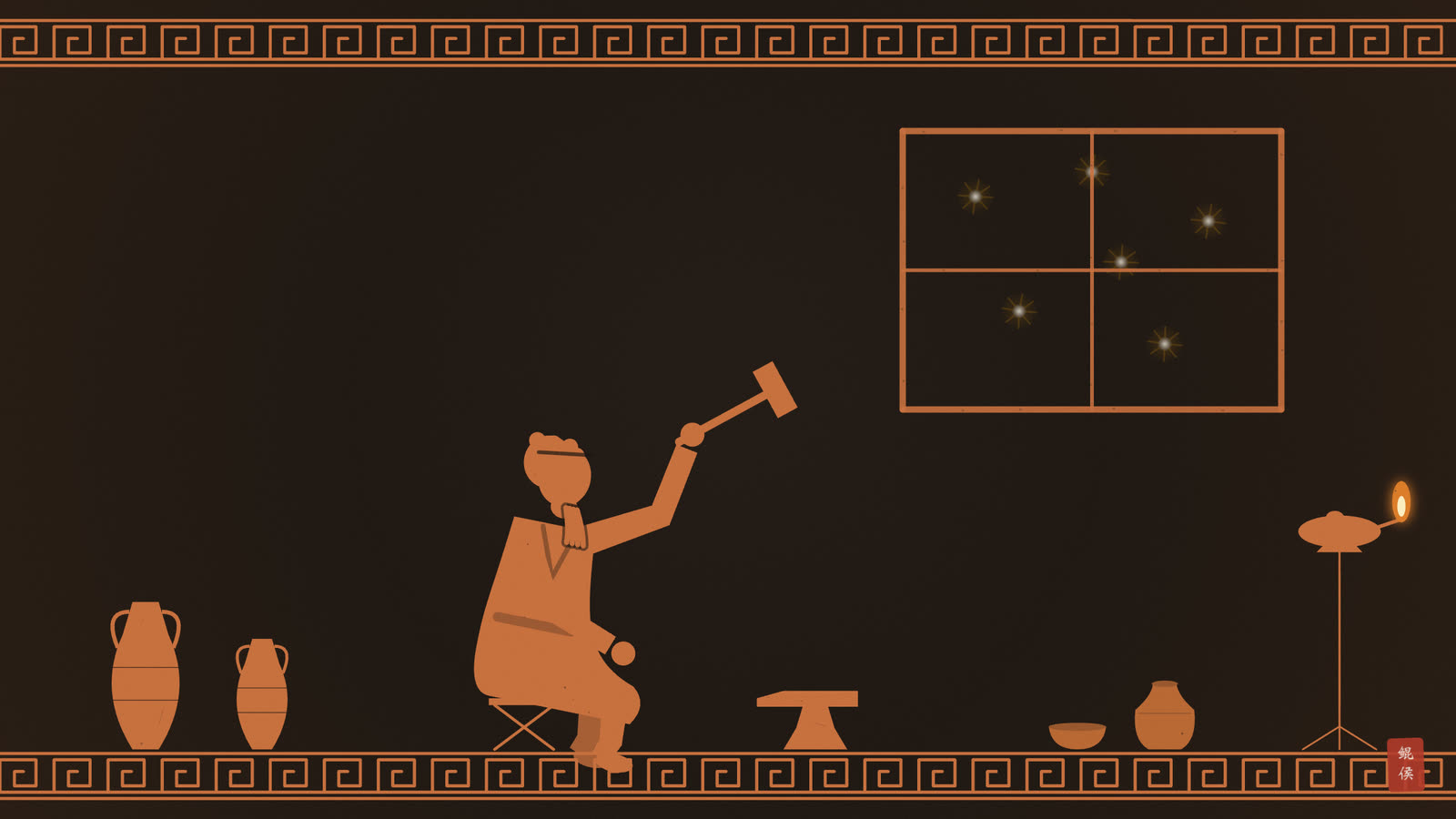
The uncommon phenomena that are found in the nativities, experience has already shewn; the wonders they have wrought chiefly, as to the powers of the understanding, inventions, the performing of business, &c. And remember, Reader, that art, or the human understanding, according to its ability and industry, is capable of changing, increasing, diminishing, and perverting, any influxes whatever of the stars; especially if the effects are considered, which the power of man is capable of attaining; and therefore, they who are possessed of a more subtle and acute understanding, proceed to greater things then those of duller capacities: but they who are entirely negligent, attain to nothing.
This doctrine is universal, and shews the manner the stars act upon all inferiors whatever, whether they be simple or compound, &c. And finally, it is requisite this doctrine of the stars should be attentively observed, not only in nativities, but also the settings. The more particular reasons of this doctrine may be seen in the Philosophy of the Heavens.
翻译点开
The uncommon phenomena that are found in the nativities, experience has already shewn; the wonders they have wrought chiefly, as to the powers of the understanding, inventions, the performing of business, &c. And remember, Reader, that art, or the human understanding, according to its ability and industry, is capable of changing, increasing, diminishing, and perverting, any influxes whatever of the stars; especially if the effects are considered, which the power of man is capable of attaining; and therefore, they who are possessed of a more subtle and acute understanding, proceed to greater things then those of duller capacities: but they who are entirely negligent, attain to nothing.
非常的天象在本命中所起的作用,经验已经显示出来;它们所造成的奇迹,主要在于心智的能力、发明、办事等等。读者,请记住:技艺或人的心智,按其能力与勤勉,能够改变、增强、减弱、扭曲星辰的任何流入;尤其是就人力所能达到的那些效应而言;因此,心智更敏锐、更精细的人,比禀赋迟钝的人成就更大;而全然懈怠的人,则一事无成。
This doctrine is universal, and shews the manner the stars act upon all inferiors whatever, whether they be simple or compound, &c. And finally, it is requisite this doctrine of the stars should be attentively observed, not only in nativities, but also the settings. The more particular reasons of this doctrine may be seen in the Philosophy of the Heavens.
这一学说是普遍的,显示星辰怎样作用于一切下界之物,不论它们是单纯的还是复合的,等等。最后,这一星辰学说需要仔细遵守,不仅在本命中,也在沉没中。这一学说更详细的理由,可见于《天的哲学》。
大意与图解点开
🔎 大意:非常天象在本命中主心智、发明与办事。人的技艺与心智能改变星辰的流入:勤敏者成就大,懈怠者一事无成。
📖 术语
| 术语 | 英文原词 | 意思 |
|---|---|---|
| 技艺 | art | 人的手艺与方法 |
| 心智 | understanding | 人的理解与才智 |
| 流入 | influxes | 星辰之力的流注 |
| 禀赋迟钝 | duller capacities | 资质较钝的人 |
| 单纯 / 复合 | simple / compound | 元素 / 混合之物 |
🧭 图解与讲解
第七十条后半转向人事。非常的天象在本命中,主要表现在心智的能力、发明与办事上。随后普拉西德斯郑重提醒读者:人的技艺与心智,按其能力与勤勉,能改变、增强、减弱乃至扭曲星辰的任何流入,尤其是人力所能及的那些事(图一)。所以心智敏锐的人成就更大,迟钝的人较小,全然懈怠的人一事无成。
〔图〕星辰的流入相同,成就随人的心智与勤勉而高低不同
| 第一部论点 | 条数 | 本站所在 |
|---|---|---|
| 取自《天的哲学》的论点 | 第一至三十七条 | 本部第一页 |
| 取自第二卷的论点 | 第三十八至五十六条 | 本部第二页 |
| 取自第三卷的论点 | 第五十七至七十条 | 本页 |
| 计算规则 | 第一则起 | 下一页起 |
这段话与第五条「星辰是普遍之因,效应由受者与最近之因决定」一脉相承:星辰给出倾向,受者的条件,包括人的心智与努力,决定结果的高下。这也回应了托勒密《四书》卷一第三章的看法,即预知星象可以使人有所准备、有所作为。普拉西德斯并不主张宿命,而是把人的作为当作「最近之因」之一。
最后两句是七十条论点的结语:这一学说是普遍的,适用于一切单纯与复合的下界之物;不仅在本命中,「在沉没中」也要遵守,此语原意不明,照原文译出。更详细的理由见《天的哲学》。七十条论点到此结束(表二),下一页起是计算规则,第一则讲怎样读星表的数字、求行星的赤纬。
📖 术语
| 术语 | 英文原词 | 意思 |
|---|---|---|
| 技艺 | art | 人的手艺与方法 |
| 心智 | understanding | 人的理解与才智 |
| 流入 | influxes | 星辰之力的流注 |
| 禀赋迟钝 | duller capacities | 资质较钝的人 |
| 单纯 / 复合 | simple / compound | 元素 / 混合之物 |
🧭 图解与讲解
第七十条后半转向人事。非常的天象在本命中,主要表现在心智的能力、发明与办事上。随后普拉西德斯郑重提醒读者:人的技艺与心智,按其能力与勤勉,能改变、增强、减弱乃至扭曲星辰的任何流入,尤其是人力所能及的那些事(图一)。所以心智敏锐的人成就更大,迟钝的人较小,全然懈怠的人一事无成。
| 第一部论点 | 条数 | 本站所在 |
|---|---|---|
| 取自《天的哲学》的论点 | 第一至三十七条 | 本部第一页 |
| 取自第二卷的论点 | 第三十八至五十六条 | 本部第二页 |
| 取自第三卷的论点 | 第五十七至七十条 | 本页 |
| 计算规则 | 第一则起 | 下一页起 |
这段话与第五条「星辰是普遍之因,效应由受者与最近之因决定」一脉相承:星辰给出倾向,受者的条件,包括人的心智与努力,决定结果的高下。这也回应了托勒密《四书》卷一第三章的看法,即预知星象可以使人有所准备、有所作为。普拉西德斯并不主张宿命,而是把人的作为当作「最近之因」之一。
最后两句是七十条论点的结语:这一学说是普遍的,适用于一切单纯与复合的下界之物;不仅在本命中,「在沉没中」也要遵守,此语原意不明,照原文译出。更详细的理由见《天的哲学》。七十条论点到此结束(表二),下一页起是计算规则,第一则讲怎样读星表的数字、求行星的赤纬。
原文为公有领域古籍;翻译、印象画与图文解读由 AI 辅助生成,鲲侯审校。