卷一(二) 宇宙的秩序与黄道十二星座
四元素依轻重分层,大地悬于正中且是圆球,有神为世界之魂;再依次唱出黄道十二星座,说到天轴与大熊。
The Order of the Frame
What 'twas at first, and whence the All began / Is doubted, and the Doubt too deep for Man; / And let it be, but whencesoe'er it came / Its Face is certain, 'tis an order'd Frame.
Upward the Flame on active Pinions fled, / To Heaven's high Arch it rais'd its shining Head, / There stopt as weary grown, and round the Frame / For Nature's Bullwark roll'd a Wall of Flame.
Then liquid Air spread through the empty space / Less light and active took the second place.
But next the Flame the lightest parts aspire / To waste themselves, and feed the greedy Fire.
The heavyer Water makes an humbler Claim, / And lies the third in order in the Frame; / That Vapours rising may, like Seed, repair / What Fire destroys, and feed decaying Air: / Weight sank round Earth to the remotest place, / And floating Sand in clinging Mud's embrace / Stuck fast, whilst Seas squeez'd out flow'd o'er the Mass:
As those grew limpid, and diffus'd the Waves, / Through spacious Hollows and descending Caves / Rocks started forth, their Heads the Mountains rear'd.
And Earth surrounded by the Floud appear'd. / Lowest of all, and in the midst it lies / Compass'd by Seas, and cover'd by the Skies.
The Place doth fix it, for still rising higher / The other Elements equally retire, / And that by falling stops its farther fall, / And hangs the midst and lowest of them all, / Its parts to one fixt point press jointly down, / And meet, and stop each other from moving on. / For did not Earth hang midst the airy space.
翻译点开
The Order of the Frame
[世界的秩序]
What 'twas at first, and whence the All began / Is doubted, and the Doubt too deep for Man; / And let it be, but whencesoe'er it came / Its Face is certain, 'tis an order'd Frame.
世界最初是什么,万物从何开始,都还存疑,这疑问对人来说太深了;那就随它去吧,但不论它从何而来,它的面貌是确定的:这是一个有秩序的框架。
Upward the Flame on active Pinions fled, / To Heaven's high Arch it rais'd its shining Head, / There stopt as weary grown, and round the Frame / For Nature's Bullwark roll'd a Wall of Flame.
火焰展开活跃的羽翼向上飞去,在天穹高处抬起它闪光的头,仿佛倦了,就停在那里,绕着这个框架滚成一道火墙,作为自然的壁垒。
Then liquid Air spread through the empty space / Less light and active took the second place.
接着,流动的气散布在空旷之处,它不如火那样轻、那样活跃,便占了第二位。
But next the Flame the lightest parts aspire / To waste themselves, and feed the greedy Fire.
而紧挨着火焰的那些最轻的部分向上升去,消耗自己,喂养贪婪的火。
The heavyer Water makes an humbler Claim, / And lies the third in order in the Frame; / That Vapours rising may, like Seed, repair / What Fire destroys, and feed decaying Air: / Weight sank round Earth to the remotest place, / And floating Sand in clinging Mud's embrace / Stuck fast, whilst Seas squeez'd out flow'd o'er the Mass:
较重的水要求的位置低一些,在框架中排第三;好让升起的蒸气像种子一样,补回火所毁坏的,喂养衰减的气:重量向下沉降,聚成大地,落到最远的地方,漂浮的沙被黏着的泥裹住,牢牢粘在一起,海水被挤出来,漫过这一团物质:
As those grew limpid, and diffus'd the Waves, / Through spacious Hollows and descending Caves / Rocks started forth, their Heads the Mountains rear'd.
海水渐渐澄清,波浪向四处散开,流进宽阔的洼地与下陷的洞穴,岩石突兀而出,山岳抬起了头。
And Earth surrounded by the Floud appear'd. / Lowest of all, and in the midst it lies / Compass'd by Seas, and cover'd by the Skies.
大地被洪水环绕着显露出来。它在最低处,也在正中,四周有海洋环抱,上面有诸天覆盖。
The Place doth fix it, for still rising higher / The other Elements equally retire, / And that by falling stops its farther fall, / And hangs the midst and lowest of them all, / Its parts to one fixt point press jointly down, / And meet, and stop each other from moving on. / For did not Earth hang midst the airy space.
是位置把它固定住了:因为其他元素不断升高,均匀地向外退开,大地却因下落而止住了继续下落,悬在一切的正中、最低之处;它的各部分一齐向一个固定的点压下来,彼此相遇,互相阻止对方继续移动。要是大地不悬在空中的正中,
大意与图解点开
🔎 大意:世界的起源难知,秩序却确定:火最轻居最外,气第二,水第三,土最重,沉在正中最低处,各部分压向一点而悬住。
📖 术语
| 术语 | 英文原词 | 意思 |
|---|---|---|
| 框架 | Frame | 指有秩序的宇宙 |
| 火墙 | Wall of Flame | 最外层的火 |
| 蒸气 | Vapours | 水升为气,补养火气 |
| 正中 | the midst | 宇宙的中心点 |
🧭 图解与讲解
卷一(一)末尾列了世界起源的六种说法,这一页开头便说:起源如何,人无从确知,也不必深究;但世界的「面貌」是确定的,它是一个有秩序的框架。这是曼尼利乌斯一贯的态度:不在形而上学上纠缠,而是从可以观察的秩序出发。
〔图〕四元素依轻重分层:土最重居中,火最轻在最外
〔图〕水化为蒸气补养气与火,元素之间循环不息
秩序是按轻重排的(图一):火最轻,飞到最高处,绕着宇宙滚成一道「火墙」;气次之,占第二位;水更重,排第三;最重的是土,一直沉到最远、最低的地方,即宇宙的正中。古希腊的自然学,从亚里士多德到斯多亚派,大体都是这样排列四元素的。
诗中还描写了大地的形成:沙被泥黏住,海水被挤出,漫过大地;水退清以后,岩石与山岳显露出来。又说水化为蒸气,像种子一样补回火所消耗的,气中最轻的部分又去喂养火(图二),这是古人对元素循环的解释。
本单元最后一句讲大地为什么不再下落:「下」就是向中心,大地各部分一齐压向同一点,相互抵住,于是悬在正中。这句话没有说完,下一行插进页边小标题,接着用一连串反问来证明大地居中。
📖 术语
| 术语 | 英文原词 | 意思 |
|---|---|---|
| 框架 | Frame | 指有秩序的宇宙 |
| 火墙 | Wall of Flame | 最外层的火 |
| 蒸气 | Vapours | 水升为气,补养火气 |
| 正中 | the midst | 宇宙的中心点 |
🧭 图解与讲解
卷一(一)末尾列了世界起源的六种说法,这一页开头便说:起源如何,人无从确知,也不必深究;但世界的「面貌」是确定的,它是一个有秩序的框架。这是曼尼利乌斯一贯的态度:不在形而上学上纠缠,而是从可以观察的秩序出发。
秩序是按轻重排的(图一):火最轻,飞到最高处,绕着宇宙滚成一道「火墙」;气次之,占第二位;水更重,排第三;最重的是土,一直沉到最远、最低的地方,即宇宙的正中。古希腊的自然学,从亚里士多德到斯多亚派,大体都是这样排列四元素的。
诗中还描写了大地的形成:沙被泥黏住,海水被挤出,漫过大地;水退清以后,岩石与山岳显露出来。又说水化为蒸气,像种子一样补回火所消耗的,气中最轻的部分又去喂养火(图二),这是古人对元素循环的解释。
本单元最后一句讲大地为什么不再下落:「下」就是向中心,大地各部分一齐压向同一点,相互抵住,于是悬在正中。这句话没有说完,下一行插进页边小标题,接着用一连串反问来证明大地居中。
The Earth lies in the midst of the World
How could the Sun perform his constant race? / Drive on the Day, fall headlong down the West, / Force up the Stars, and rise again at East?
How could the Moon her usual Round maintain, / Rise, set, and rise near the same point again?
Or He that leads the Stars at Night return / To East again, and usher forth the Morn?
But since Earth did not to a Bottom fall, / But hangs, and yielding Air surrounds the Ball, / The way is open, and no stop to force / The Stars return, or to impede their course.
For who can think that when the Sun doth rise / He's born anew, or when He sets He dies?
That when one Day He hath display'd his Light / His Race is finisht, and goes out at Night?
Since He the same doth every Morn appear, / And as He drives a Day He whirls a Year.
From the same East He comes with equal pace, / To the same West He still directs his Race; / And not one Change is seen in Nature's Face.
The same Moon shines, and at a certain Day, / Her light encreases, and Her Horns decay.
The track she made Nature doth still pursue, / Nor like a Novice wanders in a new.
Phoebus still warms those signs where first he shone, / And Day goes round with one eternal Sun.
Thus prov'd: because by just Degrees the Hours / In different Countries are the same with Ours.
The Eastern Nations view the rising Fires / Whilst Night shades us, and lazily retires.
And as to distant West we nimbly run, / That still removes, nor can we reach the Sun.
No East begins, no West his race doth bound, / But he drives on in one continued Round.
Nor is it wondrous that one single Ball / Should hang, since 'tis the Nature of the All.
No prop supports, but as their motions prove, / The whole World hangs, and all that whirls above.
The Sun doth drive his Race through yielding Skies, / Wheel round the liquid Bound, and set and rise.
Through Aether, Moon and Stars direct their Race, / Like these Earth unsupported keeps its place, / Though no fixt Bottom props the weighty Mass.
翻译点开
The Earth lies in the midst of the World
[大地居于世界的中央]
How could the Sun perform his constant race? / Drive on the Day, fall headlong down the West, / Force up the Stars, and rise again at East?
太阳怎能完成他恒常的行程?怎能驱赶白昼前进,一头栽向西方,催起群星,又在东方重新升起?
How could the Moon her usual Round maintain, / Rise, set, and rise near the same point again?
月亮怎能保持她惯常的轮转,升起、沉落,又在几乎同一点上再度升起?
Or He that leads the Stars at Night return / To East again, and usher forth the Morn?
那在夜里引领群星的星,又怎能回到东方,引出清晨?
But since Earth did not to a Bottom fall, / But hangs, and yielding Air surrounds the Ball, / The way is open, and no stop to force / The Stars return, or to impede their course.
但既然大地没有落到一个底上,而是悬着,有柔顺的气环绕这个球,路就敞开着,没有阻碍去逼停群星的回返,或妨碍它们的运行。
For who can think that when the Sun doth rise / He's born anew, or when He sets He dies?
谁会认为太阳升起时是重新诞生,落下时就死去了?
That when one Day He hath display'd his Light / His Race is finisht, and goes out at Night?
认为他展示了一天的光,行程就结束,到夜里就熄灭了?
Since He the same doth every Morn appear, / And as He drives a Day He whirls a Year.
因为每天早晨出现的都是同一个他,他驱赶一天,也就转动一年。
From the same East He comes with equal pace, / To the same West He still directs his Race; / And not one Change is seen in Nature's Face.
他从同一个东方以同样的步伐而来,始终朝着同一个西方奔去;自然的面貌上看不出一点变化。
The same Moon shines, and at a certain Day, / Her light encreases, and Her Horns decay.
照耀的是同一个月亮,到了一定的日子,她的光就增长,她的角就消退。
The track she made Nature doth still pursue, / Nor like a Novice wanders in a new.
她走过的轨迹,自然始终沿着走,不像生手那样在新路上乱闯。
Phoebus still warms those signs where first he shone, / And Day goes round with one eternal Sun.
福玻斯总是温暖他最初照耀的那些星座,白昼由同一个永恒的太阳带着绕行一周。
Thus prov'd: because by just Degrees the Hours / In different Countries are the same with Ours.
可以这样证明:不同国度的时辰按一定的度数先后推移,计法却与我们的相同。
The Eastern Nations view the rising Fires / Whilst Night shades us, and lazily retires.
东方的民族看见升起的火光时,我们这里仍被黑夜遮着,夜正懒懒地退去。
And as to distant West we nimbly run, / That still removes, nor can we reach the Sun.
而我们若敏捷地向遥远的西方奔去,西方也始终在后退,我们追不上太阳。
No East begins, no West his race doth bound, / But he drives on in one continued Round.
没有哪个东方是他的起点,也没有哪个西方是他行程的终界,他只是绕着一个连续的圆圈不停地驱驰。
Nor is it wondrous that one single Ball / Should hang, since 'tis the Nature of the All.
一个孤零零的球竟能悬着,这也不足为奇,因为整个宇宙本来就是这样。
No prop supports, but as their motions prove, / The whole World hangs, and all that whirls above.
没有支柱撑着,而是如它们的运动所证明的,整个世界都悬着,在上面旋转的一切也都悬着。
The Sun doth drive his Race through yielding Skies, / Wheel round the liquid Bound, and set and rise.
太阳穿过柔顺的天空驱驰,绕着流动的界限旋转,落下又升起。
Through Aether, Moon and Stars direct their Race, / Like these Earth unsupported keeps its place, / Though no fixt Bottom props the weighty Mass.
月亮与群星穿过以太奔行;大地也像它们一样,没有支撑而保持着自己的位置,虽然并没有固定的底来托住这沉重的一团。
大意与图解点开
🔎 大意:大地若有底,日月星便无法从地下绕回东方;太阳不是每天新生,各地时辰先后不同;天体都悬空,大地也悬空居中。
📖 术语
| 术语 | 英文原词 | 意思 |
|---|---|---|
| 福玻斯 | Phoebus | 太阳神,即太阳 |
| 以太 | Aether | 天体所在的精纯之气 |
| 时辰 | Hours | 各地依经度先后 |
| 角 | Horns | 月牙的两尖 |
🧭 图解与讲解
这一段证明大地居于宇宙中央、悬空而立。诗中的神话人物只有两位:福玻斯是太阳神阿波罗的称号,诗中常用来指太阳;夜里「引领群星」又在东方「引出清晨」的那颗星,是金星,古人称黄昏出现的为昏星、黎明出现的为晨星,诗人在这里用的就是这一意象。
〔图〕大地若有底,群星无路回东;大地悬空,天体绕地运行
〔图〕太阳不是每日新生:各地时辰先后不同,东方先见日出
第一个理由是反证(图一):如果大地像一块板一样落到了「底」上,太阳在西方落下后,就没有路从地下绕回东方,月亮与群星也一样。正因为大地四周都是柔顺的气,天体才能每天绕着它转一圈。
第二个理由是太阳的同一性:有人以为太阳每天早上重新诞生、晚上死去,诗人反驳说,出现的始终是同一个太阳,他「驱赶一天,也就转动一年」,月亮的盈亏也有固定的日子。证据是各地时辰先后不同(图二):东方民族看见日出时,我们这里还是夜里;向西追,西方也在后退。这其实就是经度造成的时差,古人用它来说明大地是一个让太阳环绕的物体。
最后诗人说,大地悬空不足为奇,因为太阳、月亮、群星都悬在以太中运行,没有支撑;整个宇宙本来就是悬着的。这个宇宙图景是托勒密《天文学大成》以前就普遍接受的地心说,占星学中「天体绕地运行、从东方升起」的一切计算都以此为前提。
📖 术语
| 术语 | 英文原词 | 意思 |
|---|---|---|
| 福玻斯 | Phoebus | 太阳神,即太阳 |
| 以太 | Aether | 天体所在的精纯之气 |
| 时辰 | Hours | 各地依经度先后 |
| 角 | Horns | 月牙的两尖 |
🧭 图解与讲解
这一段证明大地居于宇宙中央、悬空而立。诗中的神话人物只有两位:福玻斯是太阳神阿波罗的称号,诗中常用来指太阳;夜里「引领群星」又在东方「引出清晨」的那颗星,是金星,古人称黄昏出现的为昏星、黎明出现的为晨星,诗人在这里用的就是这一意象。
第一个理由是反证(图一):如果大地像一块板一样落到了「底」上,太阳在西方落下后,就没有路从地下绕回东方,月亮与群星也一样。正因为大地四周都是柔顺的气,天体才能每天绕着它转一圈。
第二个理由是太阳的同一性:有人以为太阳每天早上重新诞生、晚上死去,诗人反驳说,出现的始终是同一个太阳,他「驱赶一天,也就转动一年」,月亮的盈亏也有固定的日子。证据是各地时辰先后不同(图二):东方民族看见日出时,我们这里还是夜里;向西追,西方也在后退。这其实就是经度造成的时差,古人用它来说明大地是一个让太阳环绕的物体。
最后诗人说,大地悬空不足为奇,因为太阳、月亮、群星都悬在以太中运行,没有支撑;整个宇宙本来就是悬着的。这个宇宙图景是托勒密《天文学大成》以前就普遍接受的地心说,占星学中「天体绕地运行、从东方升起」的一切计算都以此为前提。
The Earth is round
Well then, the Earth hangs midst the yielding Air / Not stretcht into a Plain, but every where / It rises and declines into a Sphere.
In other Parts this Figure Nature drew, / The Sun and Stars, if we exactly view, / Seem round, the Moon is vary'd every Night, / Nor with an equal Face receives her Brother's Light.
This proves her round since different rays adorn, / Now shape, now bend, now fill her borrow'd Horn.
This Form's Eternal and may justly claim / A Godlike Nature, all its parts the same; / Alike and equal to its self 'tis found, / No End's and no Beginning in a Round.
Nought can molest its Being nought controul, / And this enobles and confines the Whole.
First Argument
Hence every Countrey sees not every Sign, / What Sailer views the bright Canopus shine / O'er Egypt's Shores, and when its Rays appear / Who sees the little Circles of the Bear?
For Earth still rising to a Round denies, / A larger Scene, and bounds our feeble Eyes. / This Truth the Moon confirms when deep in Night
Second Argument
Earth interposes, and diverts her Light, / She doth not all the World at once surprize, / But now seems dark to these, now other Eyes.
The Eastern Parts first view her darkned Face, / Then o'er the South she rolls her broken Rays; / And then still prest by the obscuring shade, / She hears the Western Brass resounding to her Aid.
Now if the Earth were flat the darkned Moon / Would seem to all Eclypst as well as one.
At once presenting to the common view / Her gloomy looks, and prove this fancy true.
But since its Figure's round, dim Cynthia's beams / By just degrees must visit the Extremes; / Not all at once; she must divide the Skies, / And while she sets to some, to others rise.
For in the mighty Concave whirl'd above / She rising must, and must declining move; / Now climb this rising, and her Glories show, / Then sink again, and scatter Beams below.
This proves (nor shall the subtlest Wits escape / These twining Reasons) the disputed Shape.
By various Animals this Globe's possest, / The Common House of Man, of Bird, and Beast; / The Northern parts rise high, the Southern fall / Beneath our Fee, the Adverse of the Ball.
Yet as it lies its surface seems a Flat. / Though false, its bigness doth improve the Cheat, / And take the Roundness off, though every where / It riseth and declines into a Sphere.
Hence when with setting Beams the Sun withdrawn / Beholds our East, they see the Morning dawn; / And when their Toils He with his Light restores, / Sleep sits on Us, and gently easeth Ours. / The Sea runs round, and with its circling Waves
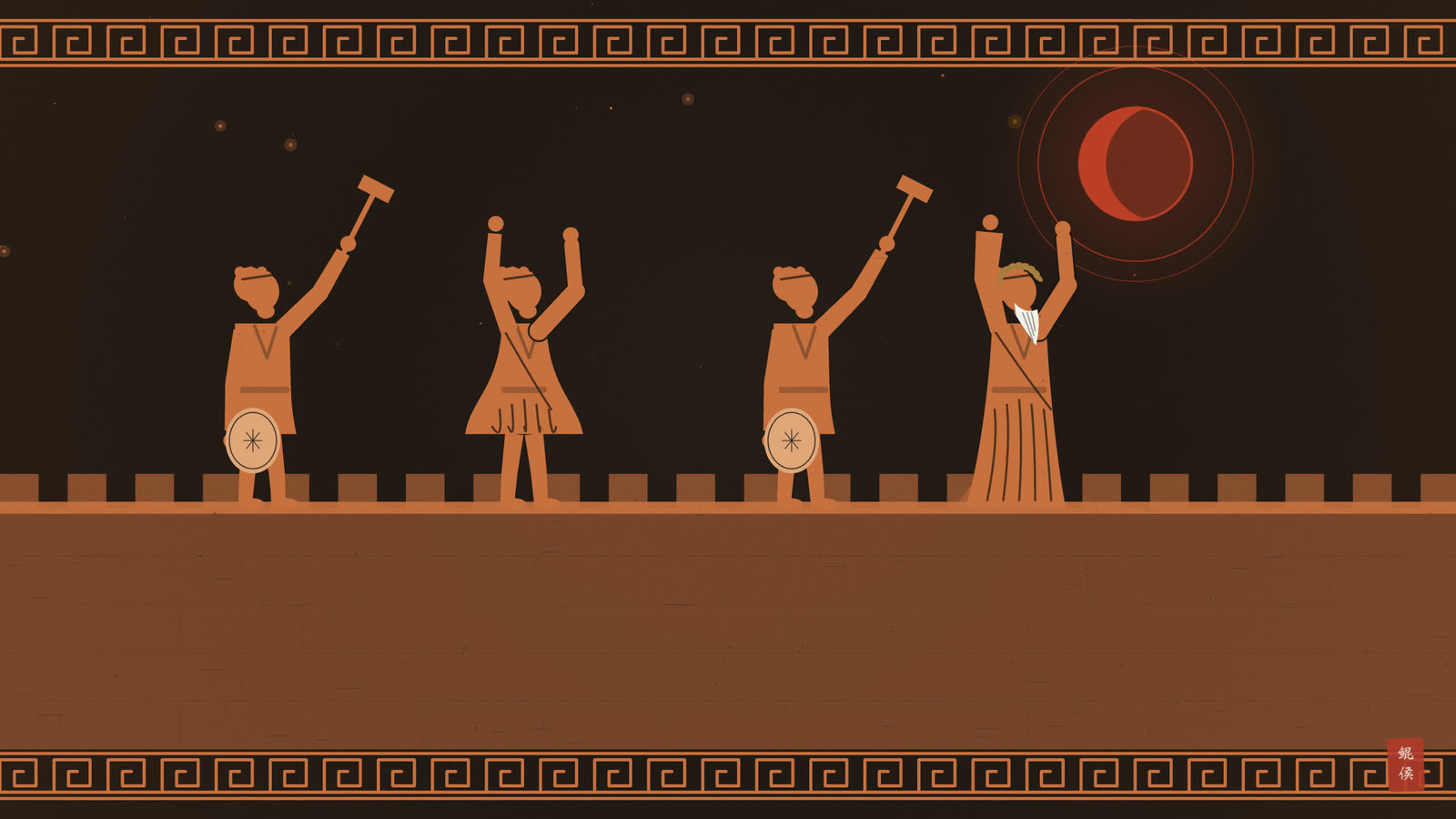
翻译点开
The Earth is round
[大地是圆的]
Well then, the Earth hangs midst the yielding Air / Not stretcht into a Plain, but every where / It rises and declines into a Sphere.
那么,大地悬在柔顺的空气中间,不是伸展成一块平面,而是处处隆起又下降,成为一个球体。
In other Parts this Figure Nature drew, / The Sun and Stars, if we exactly view, / Seem round, the Moon is vary'd every Night, / Nor with an equal Face receives her Brother's Light.
在别处,自然也画出了这个形状:太阳和群星,若仔细看,都显得是圆的;月亮每夜变化,并不以同样的面容接受她兄长的光。
This proves her round since different rays adorn, / Now shape, now bend, now fill her borrow'd Horn.
这证明她是圆的,因为照在她身上的光线各不相同,时而使她借来的角成形,时而使它弯曲,时而使它盈满。
This Form's Eternal and may justly claim / A Godlike Nature, all its parts the same; / Alike and equal to its self 'tis found, / No End's and no Beginning in a Round.
这个形状是永恒的,配得上神性:它的各部分都相同,处处与自身相似、相等,圆里没有终点,也没有起点。
Nought can molest its Being nought controul, / And this enobles and confines the Whole.
没有什么能扰乱它的存在,没有什么能管束它;正是这个形状使整个宇宙高贵,又把它包容在内。
First Argument
[第一个论证]
Hence every Countrey sees not every Sign, / What Sailer views the bright Canopus shine / O'er Egypt's Shores, and when its Rays appear / Who sees the little Circles of the Bear?
因此不是每个国度都看得见每个星座:哪个水手看得见明亮的老人星在埃及海岸上空闪耀?而当它的光出现时,谁又看得见大熊那些小小的圆圈?
For Earth still rising to a Round denies, / A larger Scene, and bounds our feeble Eyes. / This Truth the Moon confirms when deep in Night
因为大地始终向上隆成圆形,挡住了更大的景象,限住了我们微弱的目光。月亮在深夜里也证实了这个道理,
Second Argument
[第二个论证]
Earth interposes, and diverts her Light, / She doth not all the World at once surprize, / But now seems dark to these, now other Eyes.
那时大地挡在中间,转走了她的光;她并不一下子使全世界的人都看见,而是先在这些人眼里显得昏暗,再轮到别处的人。
The Eastern Parts first view her darkned Face, / Then o'er the South she rolls her broken Rays; / And then still prest by the obscuring shade, / She hears the Western Brass resounding to her Aid.
东方各地最先看见她暗下来的脸,接着她在南方洒下残缺的光;然后,她仍被遮蔽的阴影紧压着,听见西方敲响铜器来救助她。
Now if the Earth were flat the darkned Moon / Would seem to all Eclypst as well as one.
要是大地是平的,昏暗的月亮就会在所有人眼里同时被食,就像在一处人的眼里一样,
At once presenting to the common view / Her gloomy looks, and prove this fancy true.
同时向众人的目光呈现她阴沉的面容,证明这种想法是对的。
But since its Figure's round, dim Cynthia's beams / By just degrees must visit the Extremes; / Not all at once; she must divide the Skies, / And while she sets to some, to others rise.
但既然大地的形状是圆的,昏暗的辛西娅的光就必定按一定的度数先后到达两端;不是同时;她必定分割天空,在对一些人落下的时候,对另一些人升起。
For in the mighty Concave whirl'd above / She rising must, and must declining move; / Now climb this rising, and her Glories show, / Then sink again, and scatter Beams below.
因为在头顶旋转的巨大穹窿中,她必定升起,也必定下沉;时而爬上这一边,展示她的光辉,时而又沉下去,把光洒向下方。
This proves (nor shall the subtlest Wits escape / These twining Reasons) the disputed Shape.
这就证明了(即使最精明的头脑也逃不过这些环环相扣的理由)那个争议中的形状。
By various Animals this Globe's possest, / The Common House of Man, of Bird, and Beast; / The Northern parts rise high, the Southern fall / Beneath our Fee, the Adverse of the Ball.
这个球上住着各种动物,是人、鸟、兽共同的家;北部高高隆起,南部落在我们的脚下,是球的另一面。
Yet as it lies its surface seems a Flat. / Though false, its bigness doth improve the Cheat, / And take the Roundness off, though every where / It riseth and declines into a Sphere.
可是照它躺着的样子,表面看上去是平的。这是假象,它的巨大加强了这种错觉,抹去了圆的样子,其实它处处隆起又下降,成为一个球体。
Hence when with setting Beams the Sun withdrawn / Beholds our East, they see the Morning dawn; / And when their Toils He with his Light restores, / Sleep sits on Us, and gently easeth Ours. / The Sea runs round, and with its circling Waves
因此,当太阳带着西沉的光芒离开我们,去照我们的东方时,那里的人正看见晨曦;当他用光把那里的人唤回劳作时,睡眠正坐在我们身上,温柔地使我们安歇。海洋环流而行,以它环绕的波涛
大意与图解点开
🔎 大意:大地是球:日月星都是圆的,圆是永恒神圣之形;南北所见星座不同;月食各地先后不同;对跖之地昼夜与我们相反。
📖 术语
| 术语 | 英文原词 | 意思 |
|---|---|---|
| 老人星 | Canopus | 南天亮星,在埃及可见 |
| 辛西娅 | Cynthia | 月神,即月亮 |
| 食 | Eclypst | 月为地影所掩 |
| 对跖之地 | the Adverse of the Ball | 球的另一面 |
| 兄长 | Brother | 指太阳 |
🧭 图解与讲解
先说诗中的神话与民俗:月亮被称为辛西娅(月神狄安娜的别名,因生于提洛岛的辛索斯山),太阳是她的「兄长」,即阿波罗。月食时,罗马人有敲击铜器、高声呼喊来「救助」月亮的习俗,以为这样能帮她摆脱遮蔽;诗人借用这个习俗,说月亮在西方「听见铜器敲响」,正说明西方见到月食的时刻最晚。
〔图〕大地若平,月食各地同时可见;大地是球,月食各地先后不同
| 论证 | 观察到的现象 | 推出 |
|---|---|---|
| 天体之形 | 太阳群星皆圆;月亮盈亏随受光而变 | 自然偏爱球形,圆无始无终,配得上神性 |
| 第一论证 | 老人星在埃及可见,北方看不见;北方的熊星近极处南方看不到 | 大地隆起,挡住了视线 |
| 第二论证 | 月食时东方先见,南方次之,西方最后敲铜器救月 | 月食各地先后不同,大地是圆的 |
| 对跖之地 | 我们日落时,那里正是早晨;我们入睡时,那里在劳作 | 北部高、南部在脚下,是球的另一面 |
诗中的第一条理由是天体之形(表二):太阳、群星都是圆的,月亮的盈亏也说明她是圆的;圆形处处相同、无始无终,配得上神性,自然在别处既然偏爱这个形状,大地也应如此。这是希腊哲学「圆为最完美之形」的传统。
第二条是星空因地而异:老人星是南天的亮星,在埃及能看见,在更北的地方就看不见;反过来,在南方看大熊绕极的小圈,也会被挡掉一部分。这说明大地向上隆起,挡住了视线。第三条是月食的时差(图一):月食发生的那一刻,东方的人看见时月亮在高处,西方的人见时已近黎明或尚未升起,如果大地是平的,各地应同时看到。
最后,大地的另一面也住着人、鸟、兽:我们日落时,他们正是早晨。大地看起来是平的,是因为它太大了。这些论证在亚里士多德《论天》与托勒密《天文学大成》卷一里都有类似的说法,曼尼利乌斯用诗句加以复述。本单元末句「海洋环流而行,以它环绕的波涛」没有说完,跨过页边小标题接到下一单元。
📖 术语
| 术语 | 英文原词 | 意思 |
|---|---|---|
| 老人星 | Canopus | 南天亮星,在埃及可见 |
| 辛西娅 | Cynthia | 月神,即月亮 |
| 食 | Eclypst | 月为地影所掩 |
| 对跖之地 | the Adverse of the Ball | 球的另一面 |
| 兄长 | Brother | 指太阳 |
🧭 图解与讲解
先说诗中的神话与民俗:月亮被称为辛西娅(月神狄安娜的别名,因生于提洛岛的辛索斯山),太阳是她的「兄长」,即阿波罗。月食时,罗马人有敲击铜器、高声呼喊来「救助」月亮的习俗,以为这样能帮她摆脱遮蔽;诗人借用这个习俗,说月亮在西方「听见铜器敲响」,正说明西方见到月食的时刻最晚。
| 论证 | 观察到的现象 | 推出 |
|---|---|---|
| 天体之形 | 太阳群星皆圆;月亮盈亏随受光而变 | 自然偏爱球形,圆无始无终,配得上神性 |
| 第一论证 | 老人星在埃及可见,北方看不见;北方的熊星近极处南方看不到 | 大地隆起,挡住了视线 |
| 第二论证 | 月食时东方先见,南方次之,西方最后敲铜器救月 | 月食各地先后不同,大地是圆的 |
| 对跖之地 | 我们日落时,那里正是早晨;我们入睡时,那里在劳作 | 北部高、南部在脚下,是球的另一面 |
诗中的第一条理由是天体之形(表二):太阳、群星都是圆的,月亮的盈亏也说明她是圆的;圆形处处相同、无始无终,配得上神性,自然在别处既然偏爱这个形状,大地也应如此。这是希腊哲学「圆为最完美之形」的传统。
第二条是星空因地而异:老人星是南天的亮星,在埃及能看见,在更北的地方就看不见;反过来,在南方看大熊绕极的小圈,也会被挡掉一部分。这说明大地向上隆起,挡住了视线。第三条是月食的时差(图一):月食发生的那一刻,东方的人看见时月亮在高处,西方的人见时已近黎明或尚未升起,如果大地是平的,各地应同时看到。
最后,大地的另一面也住着人、鸟、兽:我们日落时,他们正是早晨。大地看起来是平的,是因为它太大了。这些论证在亚里士多德《论天》与托勒密《天文学大成》卷一里都有类似的说法,曼尼利乌斯用诗句加以复述。本单元末句「海洋环流而行,以它环绕的波涛」没有说完,跨过页边小标题接到下一单元。
God the Soul of the World
The Floud at once divides, and joyns the Halves. / To this vast Frame in which four parts conspire / Of different form, Air, Water, Earth and Fire, / United God the World's Almighty Soul / By secret methods rules and guides the Whole;
By unseen passes He himself conveys / Through all the Mass, and every part obeys.
To proper Patients He kind Agents brings / In various Leagues binds disagreeing Things.
Makes some Powers act, and some receive their Force; / And thus whilst Nature keeps her Vital Course, / Though different Powers the several Things divide, / The World seems One, and all its parts ally'd. / Now Constellations, Muse, and Signs rehearse,
翻译点开
God the Soul of the World
[神是世界之魂]
The Floud at once divides, and joyns the Halves. / To this vast Frame in which four parts conspire / Of different form, Air, Water, Earth and Fire, / United God the World's Almighty Soul / By secret methods rules and guides the Whole;
同时把大地分开,又把两半连起来。这个浩大的框架由四个形态不同的部分合成:气、水、土、火;统一它们的是神,世界全能的灵魂,他以隐秘的方式统治、引导整体;
By unseen passes He himself conveys / Through all the Mass, and every part obeys.
他经由看不见的通道,把自己输送到整团物质之中,每一部分都服从他。
To proper Patients He kind Agents brings / In various Leagues binds disagreeing Things.
他把合宜的施动者带给合宜的受动者,以种种盟约把不相合的东西结合起来。
Makes some Powers act, and some receive their Force; / And thus whilst Nature keeps her Vital Course, / Though different Powers the several Things divide, / The World seems One, and all its parts ally'd. / Now Constellations, Muse, and Signs rehearse,
他使一些力量施加作用,另一些力量承受作用;这样,当自然保持着她生命的进程时,虽然不同的力量分属各种事物,世界仍显得是一体,它的各部分彼此结盟。现在,诗神啊,来述说星群与星座吧,
大意与图解点开
🔎 大意:四元素合成的世界由神统一:神是世界之魂,遍布万物,使施动者与受动者相配,相异之物结盟,世界成为一体。
📖 术语
| 术语 | 英文原词 | 意思 |
|---|---|---|
| 世界之魂 | World's Almighty Soul | 遍布宇宙的神 |
| 施动者 | Agents | 施加作用的力量 |
| 受动者 | Patients | 承受作用的一方 |
| 盟约 | Leagues | 万物彼此相通 |
🧭 图解与讲解
这一段的「神」不是神话里的某一位,而是斯多亚哲学的宇宙之神:他是「世界全能的灵魂」,像气息一样遍布整团物质,统治、引导整体。上一页讲世界起源第六说时,诗人已经说四元素是组成「那位浩大的神」的四个肢体,这里把这一观点正式提出来。
〔图〕神是世界之魂:遍布万物,使相异者相配,世界成为一体
这个观点对占星学至关重要(图一)。神把「合宜的施动者」带给「合宜的受动者」,使一些力量施加作用,另一些承受作用;相异的事物因此彼此结盟,世界虽然各部分不同,却是一个整体。既然天与地是同一个有灵魂的整体,天上的变动自然会在地上引起相应的变化,这就是星占学所说的「感应」(sympathy)。
托勒密在《四书》卷一第二章也用类似的道理说明天体影响地上万物,只是他更多从冷热干湿与季节着眼。曼尼利乌斯则更有宗教色彩:星辰的力量出于神,学星占就是认识神的安排。本单元最后一句转入下一节:「诗神啊,来述说星群与星座吧。」
📖 术语
| 术语 | 英文原词 | 意思 |
|---|---|---|
| 世界之魂 | World's Almighty Soul | 遍布宇宙的神 |
| 施动者 | Agents | 施加作用的力量 |
| 受动者 | Patients | 承受作用的一方 |
| 盟约 | Leagues | 万物彼此相通 |
🧭 图解与讲解
这一段的「神」不是神话里的某一位,而是斯多亚哲学的宇宙之神:他是「世界全能的灵魂」,像气息一样遍布整团物质,统治、引导整体。上一页讲世界起源第六说时,诗人已经说四元素是组成「那位浩大的神」的四个肢体,这里把这一观点正式提出来。
这个观点对占星学至关重要(图一)。神把「合宜的施动者」带给「合宜的受动者」,使一些力量施加作用,另一些承受作用;相异的事物因此彼此结盟,世界虽然各部分不同,却是一个整体。既然天与地是同一个有灵魂的整体,天上的变动自然会在地上引起相应的变化,这就是星占学所说的「感应」(sympathy)。
托勒密在《四书》卷一第二章也用类似的道理说明天体影响地上万物,只是他更多从冷热干湿与季节着眼。曼尼利乌斯则更有宗教色彩:星辰的力量出于神,学星占就是认识神的安排。本单元最后一句转入下一节:「诗神啊,来述说星群与星座吧。」
The Signs of the Zodiack
In order, let them sparkle in thy Verse. / Those which obliquely bound the burning Zone, / And bear the Summer and the Winter Sun, / Those first: then those which roll a different way / From West: nor Heaven's Diurnal whirl obey: / Which Nights serene disclose, and which create / The steddy Rules, and fix the Laws of Fate.
First Aries, glorious in his Golden Wool, / Looks back, and wonders at the mighty Bull, / Whose back-parts first appear: He bending lies / With threatning Head, and calls the Twins to rise, / They clasp for fear, and mutually embrace; / And next the Twins with an unsteady pace / Bright Cancer rolls: Then Leo shakes his Mane:
And following Virgo calms his Rage again: / Then Day and Night are weigh'd in Libra's Scales, / Equal a while, at last the Night prevails, / And longer grown the heavyer Scale inclines / And draws bright Scorpio from the Winter Signs: / Him Centaur follows with an aiming Eye / His Bow full drawn and ready to let fly:
Next narrow Horns the twisted Caper shows, / And from Aquarius Urn a floud o'erflows.
Near their lov'd Waves cold Pisces take their Seat, / With Aries joyn and make the Round compleat. / Now view the point where turn the shining Bears,
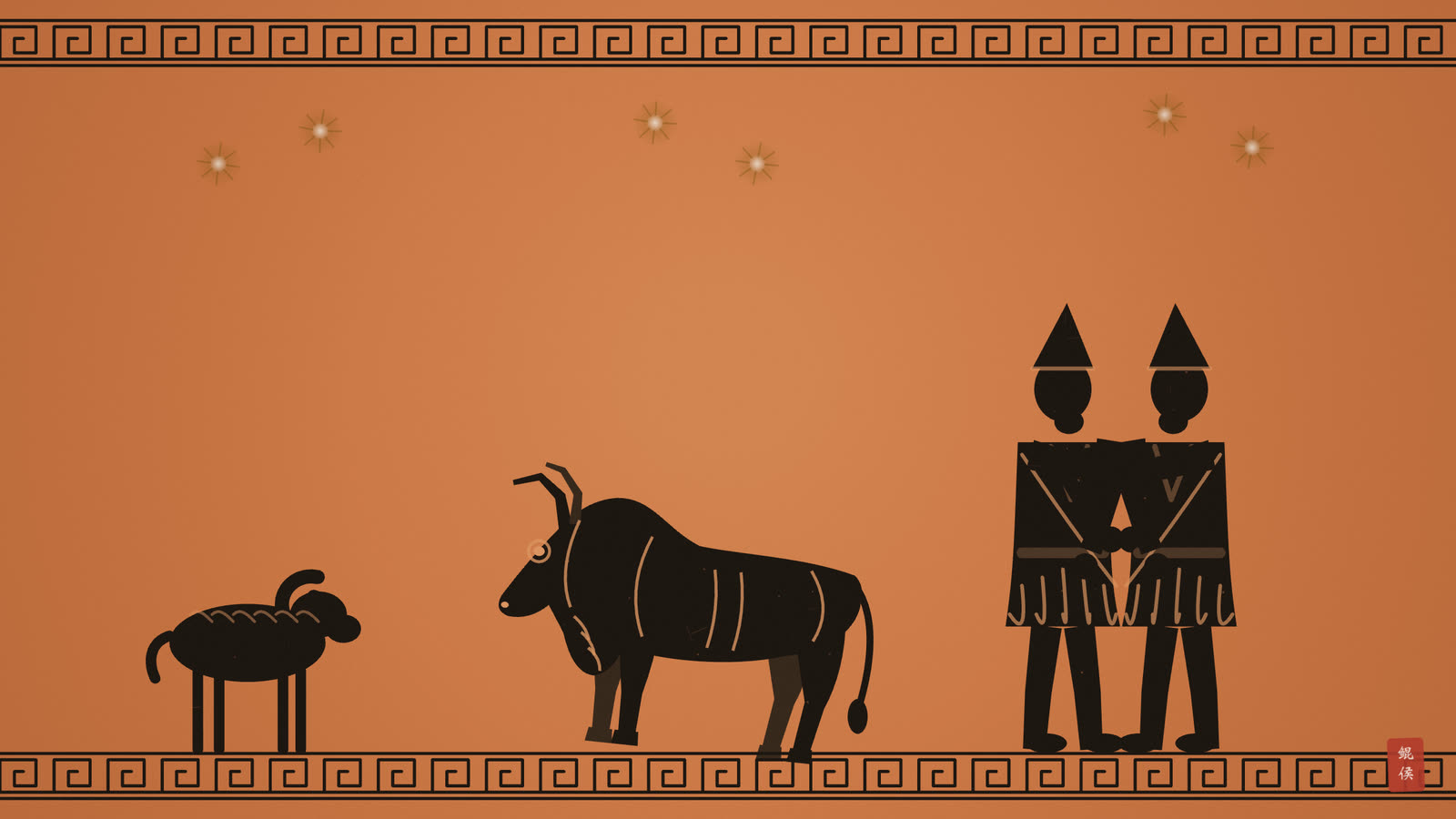
翻译点开
The Signs of the Zodiack
[黄道十二星座]
In order, let them sparkle in thy Verse. / Those which obliquely bound the burning Zone, / And bear the Summer and the Winter Sun, / Those first: then those which roll a different way / From West: nor Heaven's Diurnal whirl obey: / Which Nights serene disclose, and which create / The steddy Rules, and fix the Laws of Fate.
依着次序,让它们在你的诗里闪耀。先说那些斜着环绕炎热地带、承载夏日与冬日太阳的星座;然后是那些从西方向另一方向转动、不服从诸天每日旋转的星;说哪些是晴朗的夜晚显露的,哪些创立稳定的规则,定下命运的法则。
First Aries, glorious in his Golden Wool, / Looks back, and wonders at the mighty Bull, / Whose back-parts first appear: He bending lies / With threatning Head, and calls the Twins to rise, / They clasp for fear, and mutually embrace; / And next the Twins with an unsteady pace / Bright Cancer rolls: Then Leo shakes his Mane:
首先是白羊,以金色的羊毛而荣耀,他回头惊望雄壮的金牛;金牛先露出后半身,弯身伏着,低着威胁的头,召唤双子升起;双子因为害怕而互相紧抱;双子之后,明亮的巨蟹迈着不稳的步子滚滚而来:然后狮子抖动他的鬃毛:
And following Virgo calms his Rage again: / Then Day and Night are weigh'd in Libra's Scales, / Equal a while, at last the Night prevails, / And longer grown the heavyer Scale inclines / And draws bright Scorpio from the Winter Signs: / Him Centaur follows with an aiming Eye / His Bow full drawn and ready to let fly:
随后的处女又平息他的怒气:然后白昼与黑夜在天秤的秤盘里称量,一时相等,最后黑夜占了上风,变得更长,较重的秤盘倾斜下去,从冬天的星座中引出明亮的天蝎:跟在他后面的是射手,那半人马目光瞄准,弓已拉满,箭在弦上:
Next narrow Horns the twisted Caper shows, / And from Aquarius Urn a floud o'erflows.
接着,扭曲的摩羯露出窄小的角,水瓶的瓮里流出一股洪水。
Near their lov'd Waves cold Pisces take their Seat, / With Aries joyn and make the Round compleat. / Now view the point where turn the shining Bears,
冷冷的双鱼在它们喜爱的水波旁就座,与白羊相接,使这一圈圆满。现在来看那闪亮的两熊转动的那一点,
大意与图解点开
🔎 大意:先唱黄道十二星座:白羊回望金牛,双子相拥,巨蟹、狮子、处女相随,天秤称量昼夜,到双鱼又接白羊,绕成一圈。
📖 术语
| 术语 | 英文原词 | 意思 |
|---|---|---|
| 黄道 | Zodiack | 太阳所行的星座带 |
| 金色的羊毛 | Golden Wool | 白羊的神话 |
| 半人马 | Centaur | 射手的形象 |
| 瓮 | Urn | 水瓶倾水之器 |
| 炎热地带 | burning Zone | 两回归线之间 |
🧭 图解与讲解
这一节开头先交代顺序:先讲斜绕「炎热地带」、承载夏冬太阳的黄道十二星座,再讲「从西方向另一方向转动、不服从诸天每日旋转」的星,即行星。行星除了随天球每日东升西落之外,还有自西向东的自行,这是古人区分恒星与行星的关键,卷一(五)会列举诸行星。
〔图〕黄道十二星座首尾相接成一圈,白羊为首,双鱼与白羊相接
| 星座 | 诗中的形象 | 后世占星可对照之处 |
|---|---|---|
| 白羊 | 金色羊毛,回头望金牛 | 黄道起点,春分 |
| 金牛 | 后半身先升,低头威胁 | 星图上只画前半身 |
| 双子 | 因害怕而相拥 | 双体星座 |
| 巨蟹 | 步履不稳 | 夏至星座 |
| 狮子 / 处女 | 狮子抖鬃,处女平息其怒 | 盛夏之后转入秋 |
| 天秤 | 称量昼夜,一时相等,夜终占上风 | 秋分星座 |
| 天蝎 | 从冬天的星座中被引出 | 入冬 |
| 射手 | 半人马拉满弓 | 双体星座 |
| 摩羯 / 水瓶 / 双鱼 | 窄角、倾瓮、傍水而坐 | 冬至以后,回到白羊 |
诗中的神话:白羊「以金色的羊毛而荣耀」,指希腊神话中驮着佛里克索斯飞越大海的金毛公羊,其羊毛就是后来伊阿宋去寻取的金羊毛。射手画作半人马,拉满弓瞄准;水瓶手持一瓮,向外倾水;双鱼傍着水波而坐。诗人把十二星座写成一列彼此呼应的队伍:白羊回头望金牛,金牛召唤双子,处女平息狮子的怒气(图一)。
诗中也带出了一些天文事实(表二)。金牛「先露出后半身」:星图上的金牛只画前半身,而且是倒着升起的,所以升起时先见背部。天秤「称量昼夜」:太阳到天秤时是秋分,昼夜相等,此后夜长于昼,于是「较重的秤盘倾斜下去」,引出属于冬季的天蝎。这些形象在卷二讨论星座的性质时还会再用。
诗中星座的次序就是太阳一年运行的次序,从白羊起,到双鱼「与白羊相接,使这一圈圆满」。后世占星学以白羊零度为黄道起点(春分点),十二星座各三十度,即本于此。
📖 术语
| 术语 | 英文原词 | 意思 |
|---|---|---|
| 黄道 | Zodiack | 太阳所行的星座带 |
| 金色的羊毛 | Golden Wool | 白羊的神话 |
| 半人马 | Centaur | 射手的形象 |
| 瓮 | Urn | 水瓶倾水之器 |
| 炎热地带 | burning Zone | 两回归线之间 |
🧭 图解与讲解
这一节开头先交代顺序:先讲斜绕「炎热地带」、承载夏冬太阳的黄道十二星座,再讲「从西方向另一方向转动、不服从诸天每日旋转」的星,即行星。行星除了随天球每日东升西落之外,还有自西向东的自行,这是古人区分恒星与行星的关键,卷一(五)会列举诸行星。
| 星座 | 诗中的形象 | 后世占星可对照之处 |
|---|---|---|
| 白羊 | 金色羊毛,回头望金牛 | 黄道起点,春分 |
| 金牛 | 后半身先升,低头威胁 | 星图上只画前半身 |
| 双子 | 因害怕而相拥 | 双体星座 |
| 巨蟹 | 步履不稳 | 夏至星座 |
| 狮子 / 处女 | 狮子抖鬃,处女平息其怒 | 盛夏之后转入秋 |
| 天秤 | 称量昼夜,一时相等,夜终占上风 | 秋分星座 |
| 天蝎 | 从冬天的星座中被引出 | 入冬 |
| 射手 | 半人马拉满弓 | 双体星座 |
| 摩羯 / 水瓶 / 双鱼 | 窄角、倾瓮、傍水而坐 | 冬至以后,回到白羊 |
诗中的神话:白羊「以金色的羊毛而荣耀」,指希腊神话中驮着佛里克索斯飞越大海的金毛公羊,其羊毛就是后来伊阿宋去寻取的金羊毛。射手画作半人马,拉满弓瞄准;水瓶手持一瓮,向外倾水;双鱼傍着水波而坐。诗人把十二星座写成一列彼此呼应的队伍:白羊回头望金牛,金牛召唤双子,处女平息狮子的怒气(图一)。
诗中也带出了一些天文事实(表二)。金牛「先露出后半身」:星图上的金牛只画前半身,而且是倒着升起的,所以升起时先见背部。天秤「称量昼夜」:太阳到天秤时是秋分,昼夜相等,此后夜长于昼,于是「较重的秤盘倾斜下去」,引出属于冬季的天蝎。这些形象在卷二讨论星座的性质时还会再用。
诗中星座的次序就是太阳一年运行的次序,从白羊起,到双鱼「与白羊相接,使这一圈圆满」。后世占星学以白羊零度为黄道起点(春分点),十二星座各三十度,即本于此。
The axis
And from their height look down on other Stars. / Which never set but onely change their Sites / To the same point; and whirl the meaner Lights; / Thither the Axis runs, whose adverse Poles / Bears the poiz'd World, and Heaven about it rolls;
No solid substance that the weight might bear / But an imagin'd Line stretcht through the Air; / Begun from either Pole the Line extends / Earth's Centre through, and in the other ends.
For since the frame turns round, that fancy'd Line / Which cuts the middle, too minutely thin / By turning round it self to measure space, / But still consin'd to one imagin'd place, / Is call'd the Axis; cause unapt to move / It sees Stars whirl, the shining Planets rove, / And swiftly measure the vast space above. / Fixt near the Pole appear those friendly Stars
The great Bear
Well known to wretched greedy Mariners; / Which guide their Sails, and which direct their Oars, / When mad for gain they fly to foreign Shores.
(Whilst Heaven it self befriends their Avarice, / What Pleas may wretched Mortals make for Vice?)
Seven equal Stars adorn the greater Bear, / Which measure larger Circles of the Sphere, / And teach the Grecian Sailers how to steer.
翻译点开
The axis
[天轴]
And from their height look down on other Stars. / Which never set but onely change their Sites / To the same point; and whirl the meaner Lights; / Thither the Axis runs, whose adverse Poles / Bears the poiz'd World, and Heaven about it rolls;
它们从高处俯视其他的星。它们从不沉落,只是绕着同一点改变位置,并带着较小的星光一同旋转;天轴就伸向那里,它相对的两极承担着平衡的世界,诸天绕着它旋转;
No solid substance that the weight might bear / But an imagin'd Line stretcht through the Air; / Begun from either Pole the Line extends / Earth's Centre through, and in the other ends.
它不是能承受重量的实体,而只是一条在空中拉开的想象之线;这条线从任一极开始,穿过大地的中心,到另一极结束。
For since the frame turns round, that fancy'd Line / Which cuts the middle, too minutely thin / By turning round it self to measure space, / But still consin'd to one imagin'd place, / Is call'd the Axis; cause unapt to move / It sees Stars whirl, the shining Planets rove, / And swiftly measure the vast space above. / Fixt near the Pole appear those friendly Stars
因为整个框架在旋转,那条想象之线穿过中央,细到极点,它绕着自身转动,并不量度空间,始终被限在一个想象的位置上,于是被称为天轴;因为它不能移动,只看着群星旋转、明亮的行星漫游,迅速地量过上方广阔的空间。靠近天极固定着那些友善的星,
The great Bear
[大熊座]
Well known to wretched greedy Mariners; / Which guide their Sails, and which direct their Oars, / When mad for gain they fly to foreign Shores.
可怜而贪婪的水手们都熟悉它们;当水手们为利欲所狂、飞往异国海岸时,是它们引导船帆,指引船桨。
(Whilst Heaven it self befriends their Avarice, / What Pleas may wretched Mortals make for Vice?)
(既然上天本身都助长他们的贪婪,可怜的凡人还能为恶行找什么借口?)
Seven equal Stars adorn the greater Bear, / Which measure larger Circles of the Sphere, / And teach the Grecian Sailers how to steer.
七颗相等的星装点着大熊,它们画出天球上较大的圆圈,教希腊的水手怎样掌舵。
大意与图解点开
🔎 大意:两熊绕天极旋转,永不沉落;天轴是贯穿地心、连接两极的想象之线;大熊七星绕大圈,为希腊水手指路。
📖 术语
| 术语 | 英文原词 | 意思 |
|---|---|---|
| 天轴 | Axis | 贯穿两极的想象之线 |
| 天极 | Pole | 天球旋转的枢点 |
| 大熊 | greater Bear | 北斗七星所在的星座 |
| 永不沉落 | never set | 绕极而行的星 |
🧭 图解与讲解
本单元先讲天轴。诗人说两熊「从不沉落」,只绕着同一点转动,那一点就是北天极。天轴是连接北天极与南天极、穿过大地中心的一条线(图一),但它不是实体,不像传说中的擎天柱那样承受重量,只是一条想象的线:诸天绕它旋转,它自身不动。这与上文「大地悬空、没有支柱」的说法前后一致。
〔图〕天轴只是想象之线:从一极穿过地心到另一极,诸天绕它旋转
| 大熊 | 小熊(见下一页) | |
|---|---|---|
| 星数 | 七颗相等的星 | 较小较暗 |
| 绕极的圆圈 | 较大 | 较窄 |
| 为谁指路 | 希腊的水手 | 推罗(腓尼基)的水手 |
| 诗人的评语 | 助长了水手的贪婪 | 虽小,航海更准 |
接着是大熊。大熊座最亮的七颗星,就是我们说的北斗七星;它们靠近北天极,在北方的纬度上终年不落,所以自古是航海定向的标志。诗人说大熊「教希腊的水手怎样掌舵」,下一页又说小熊为推罗(腓尼基)的水手所用(表二):腓尼基人航海技术更高,用离天极更近的小熊定向更准。
诗中插入了一句道德评语:水手们为利欲所狂,远航异国,上天却还为他们指路,「凡人还能为恶行找什么借口?」这是罗马诗人常见的对航海与贸易的批评,与卷一(一)说上古之人「不把性命交给海洋」前后呼应。
诗中没有讲两熊的神话(宙斯所爱的卡利斯托化为大熊之类),只写它们的位置与用处。从这里起,诗人开始一个一个地巡行北天的星群,下一页卷一(三)接着讲小熊、天龙与北天诸星。
📖 术语
| 术语 | 英文原词 | 意思 |
|---|---|---|
| 天轴 | Axis | 贯穿两极的想象之线 |
| 天极 | Pole | 天球旋转的枢点 |
| 大熊 | greater Bear | 北斗七星所在的星座 |
| 永不沉落 | never set | 绕极而行的星 |
🧭 图解与讲解
本单元先讲天轴。诗人说两熊「从不沉落」,只绕着同一点转动,那一点就是北天极。天轴是连接北天极与南天极、穿过大地中心的一条线(图一),但它不是实体,不像传说中的擎天柱那样承受重量,只是一条想象的线:诸天绕它旋转,它自身不动。这与上文「大地悬空、没有支柱」的说法前后一致。
| 大熊 | 小熊(见下一页) | |
|---|---|---|
| 星数 | 七颗相等的星 | 较小较暗 |
| 绕极的圆圈 | 较大 | 较窄 |
| 为谁指路 | 希腊的水手 | 推罗(腓尼基)的水手 |
| 诗人的评语 | 助长了水手的贪婪 | 虽小,航海更准 |
接着是大熊。大熊座最亮的七颗星,就是我们说的北斗七星;它们靠近北天极,在北方的纬度上终年不落,所以自古是航海定向的标志。诗人说大熊「教希腊的水手怎样掌舵」,下一页又说小熊为推罗(腓尼基)的水手所用(表二):腓尼基人航海技术更高,用离天极更近的小熊定向更准。
诗中插入了一句道德评语:水手们为利欲所狂,远航异国,上天却还为他们指路,「凡人还能为恶行找什么借口?」这是罗马诗人常见的对航海与贸易的批评,与卷一(一)说上古之人「不把性命交给海洋」前后呼应。
诗中没有讲两熊的神话(宙斯所爱的卡利斯托化为大熊之类),只写它们的位置与用处。从这里起,诗人开始一个一个地巡行北天的星群,下一页卷一(三)接着讲小熊、天龙与北天诸星。
原文为公有领域古籍;翻译、印象画与图文解读由 AI 辅助生成,鲲侯审校。