卷一(一) 献诗与天文之学的由来
卷一提要;诗人向奥古斯都献诗,讲星学由墨丘利启示、经君王祭司观天而成术,人类技艺登天,再列世界起源诸说。
After a short Account of his Design, and a complemental Address to Augustus, he begins, 1. With the Rise and Progress of Astronomy, and other Arts: 2. Discourseth of the several Opinions concerning the Beginning of the World: 3. Describes the Order of it: 4. Proves the Earth to be the Centre of the World: 5. Proves it to be round: 6. Asserts the Soul of the World: 7. Reckons up the Signs of the Zodiack: 8. Describes the Axis: 9. The Northern Constellations: 10. The Constellations between the Tropicks and the South-pole: 11.
Explains the Figures of the Constellations: 12. Asserts Providence against Epicurus: 13. Discovers the Bigness of the World: 14. Treats of the movable and immovable Circles: 15. Makes along description of the Milky-way: 16. Reckons up the Planets: 17. Discourseth of Comets and Meteors, and concludes that they presage.
翻译点开
After a short Account of his Design, and a complemental Address to Augustus, he begins, 1. With the Rise and Progress of Astronomy, and other Arts: 2. Discourseth of the several Opinions concerning the Beginning of the World: 3. Describes the Order of it: 4. Proves the Earth to be the Centre of the World: 5. Proves it to be round: 6. Asserts the Soul of the World: 7. Reckons up the Signs of the Zodiack: 8. Describes the Axis: 9. The Northern Constellations: 10. The Constellations between the Tropicks and the South-pole: 11.
诗人先简述本诗的意图,向奥古斯都献上颂辞,然后开讲:一、天文学及其他技艺的兴起与进展;二、论世界起源的种种见解;三、描述世界的秩序;四、证明大地是世界的中心;五、证明大地是圆的;六、主张有一个世界之魂;七、列举黄道十二星座;八、描述天轴;九、北天的星群;十、两回归线之间直到南极的星群;十一、
Explains the Figures of the Constellations: 12. Asserts Providence against Epicurus: 13. Discovers the Bigness of the World: 14. Treats of the movable and immovable Circles: 15. Makes along description of the Milky-way: 16. Reckons up the Planets: 17. Discourseth of Comets and Meteors, and concludes that they presage.
说明星群的形象;十二、驳伊壁鸠鲁,主张天意;十三、揭示世界之大;十四、论可动与不动的诸圈;十五、详细描述银河;十六、列举诸行星;十七、论彗星与流星,并断言它们是预兆。
大意与图解点开
🔎 大意:卷一提要共十七项:星学的由来、世界的起源与秩序、大地居中且圆、世界之魂、星座与天轴、天球诸圈、银河、行星、彗星。
📖 术语
| 术语 | 英文原词 | 意思 |
|---|---|---|
| 提要 | Argument | 每卷之前的内容概要 |
| 天文学 | Astronomy | 诗中兼指观星与星占 |
| 世界之魂 | Soul of the World | 贯通万物的神 |
| 天意 | Providence | 神对世界的安排 |
🧭 图解与讲解
英译本每卷之前都有一段「提要」(The Argument),用一句长句列出本卷要讲的事。卷一列了十七项,从「天文学的兴起」一路讲到「彗星与流星」,可以看出全卷的布局:先说这门学问从哪里来,再说世界本身的构造,然后是天上的星座与天球的诸圈,最后是行星与彗星。
| 序 | 提要所列 | 本站所在页 |
|---|---|---|
| 一、二 | 天文学的兴起;世界起源诸说 | 卷一(一) |
| 三至八 | 世界的秩序、大地居中且圆、世界之魂、黄道十二星座、天轴 | 卷一(二) |
| 九至十一 | 北天星群、南天星群、星群的形象出于想象 | 卷一(三) |
| 十二至十四 | 驳伊壁鸠鲁、世界之大、不动与可动的天球诸圈 | 卷一(四) |
| 十五至十七 | 黄道与银河、诸行星、彗星 | 卷一(五) |
曼尼利乌斯的五卷书里,卷一几乎不讲占星规则,而是一部诗体的宇宙论与星座志:大地为什么居中、为什么是圆的,天上有哪些星群,赤道、回归线、分至圈、子午圈、地平圈怎样分割天球。这是他为后面四卷准备的「舞台」;真正的占星学说,如星座的相互关系、十二分、命运十二份、十度区间,从卷二才开始。
本站把卷一分成五页,表一是提要各项与各页的对应。提要只是目录,诗的正文常有离题的抒情与神话,讲解里会先点出这些神话,再把其中的天文、占星内容整理成图表。原书页边的分节提要(如「诗的主题」「祈请」)在译文里用方括号标出,放在原书所在的那一行。
STars conscious of our Fates and Arts Divine, / The wondrous work of Heaven's first wise design, / In numerous Verse I boldly first inclose;
The Subject of the Poem
Too high a Subject, and too great for Prose. / At what the Ancients with a wild amaze / And ignorant wonder were content to gaze, / My Verse brings down from Heav'n, design'd to show / Celestial secrets to the World below: / What yet the Muses Groves ne'er heard, I sing, / And bring unusual offerings to their spring.
The Invocation
Rome's Prince and Father, Thou whose wide command / With awfull sway is stretcht o'er Sea and Land, / Who dost deserve that Heaven thy Love bestow'd / On thy great Father, Thou thy self a God, / Now give me Courage, make my Fancy strong, / And yield me vigour for so great a Song.
Nor doth the World this curious search refuse, / It kindly courts the daring of my Muse, / And will be known; whilst You serenely reign, / Instruct our Labour, and reward our Pain.
Wings raise my Feet, I'm pleas'd to mount on high / Trace all the Mazes of the liquid Sky, / Their various turnings, and their whirls declare, / And live in the vast regions of the Air: / I'll know the Stars, which yet alone to gain / Is knowledge mean, unequal to the Pain;
For doubts resolv'd it no delight affords, / But fills soft empty heads with ratling words: / I'll search the Depths, the most remote recess, / And flying Nature to Confession press; / I'll find what Sign and Constellation rule, / And make the difference 'twixt the Wise and Fool;
My Verse shall sing what various Aspect reigns / When Kings are doom'd to Crowns and Slaves to Chains.
I'll turn Fate's Books, there reade proud Parthia's doom, / And see the sure Eternity of Rome.
The Difficulty
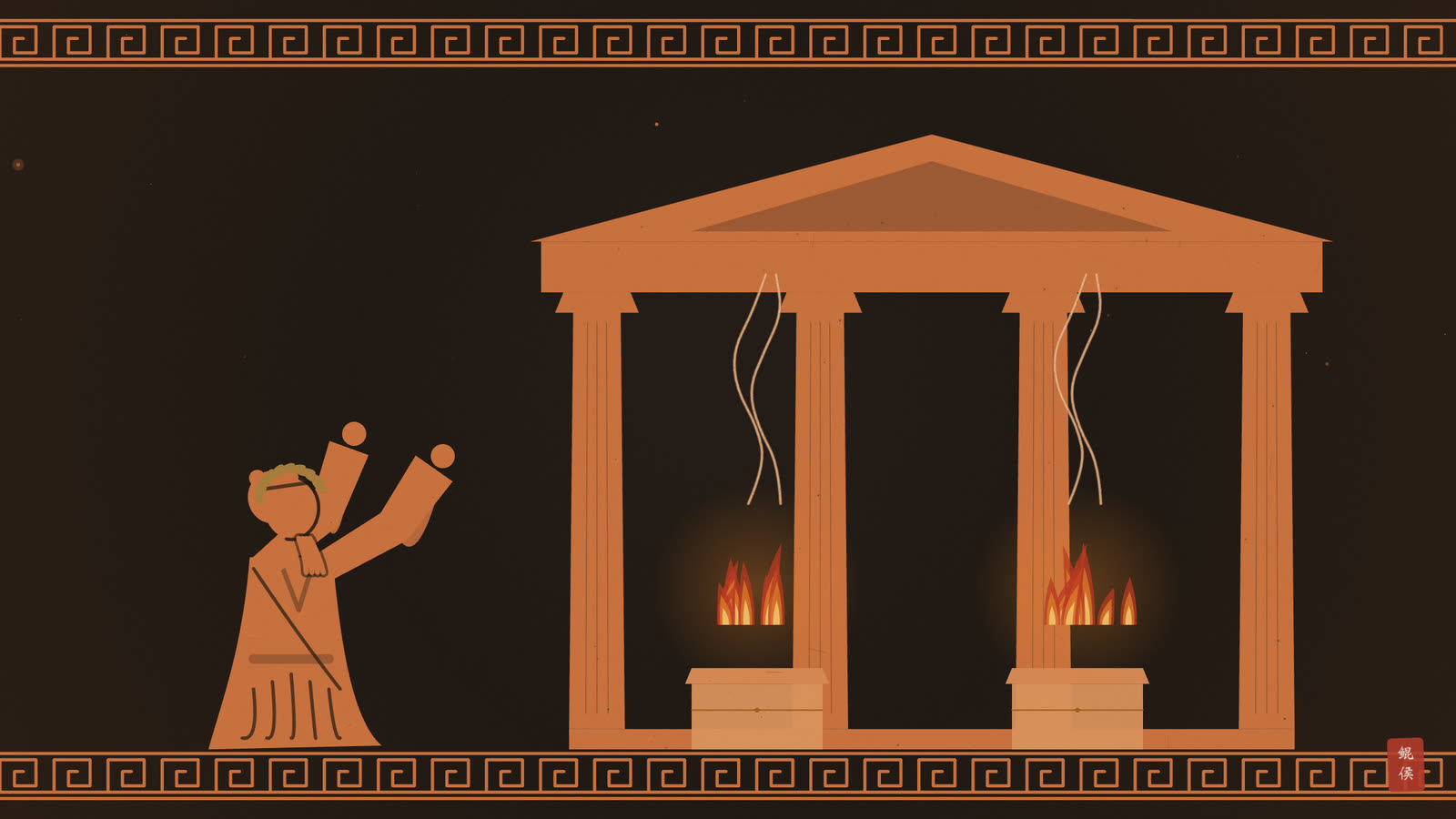
Two Temples rais'd with sacred Incense shine, / I bow at Nature's and the Muses shrine; / Both aids I need, for double Cares do throng, / And fill my Thought; the Subject and the Song: / And whilst I'm bound to Verse with Orbs immense / The World rouls round me, and distracts my sense;
Vast is my Theme, yet unconceiv'd, and brings / Untoward words scarce loosned from the Things.
Who first below these wondrous secrets knew? / Who stole that knowledge which the World withdrew?
Whose soaring mind those Airy mazes trod / And spight of Heaven desir'd to seem a God!
Open the Skies, and teach how Stars obey, / And run their race as Nature marks the way, / Their Power and Influence, what directs their Course / What whirls them round, and what confines their force.
翻译点开
STars conscious of our Fates and Arts Divine, / The wondrous work of Heaven's first wise design, / In numerous Verse I boldly first inclose;
那洞悉我们命运的群星,那通神的技艺,上天最初的智慧设计所成的奇妙之作,我第一个大胆地把它们收进有节律的诗行;
The Subject of the Poem
[诗的主题]
Too high a Subject, and too great for Prose. / At what the Ancients with a wild amaze / And ignorant wonder were content to gaze, / My Verse brings down from Heav'n, design'd to show / Celestial secrets to the World below: / What yet the Muses Groves ne'er heard, I sing, / And bring unusual offerings to their spring.
这题目太高、太大,散文承载不了。古人怀着狂乱的惊奇、无知的赞叹,只满足于仰望的东西,我的诗要从天上带下来,把天界的秘密展示给下界的世人:缪斯的林中从未听过的,我来歌唱,向她们的泉边献上不寻常的祭品。
The Invocation
[祈请]
Rome's Prince and Father, Thou whose wide command / With awfull sway is stretcht o'er Sea and Land, / Who dost deserve that Heaven thy Love bestow'd / On thy great Father, Thou thy self a God, / Now give me Courage, make my Fancy strong, / And yield me vigour for so great a Song.
罗马的元首与国父啊,你的统辖辽阔,以威严的权柄伸展到海洋与陆地;上天曾把恩宠赐给你伟大的父亲,你也配得上同样的恩宠,你自己就是一位神:如今请赐我勇气,使我的想象坚强,给我力量来完成这样宏大的歌。
Nor doth the World this curious search refuse, / It kindly courts the daring of my Muse, / And will be known; whilst You serenely reign, / Instruct our Labour, and reward our Pain.
世界也不拒绝这番细细的探求,它亲切地迎合我诗神的大胆,愿意被人认识;趁你安详地统治,请指点我们的劳作,酬报我们的辛苦。
Wings raise my Feet, I'm pleas'd to mount on high / Trace all the Mazes of the liquid Sky, / Their various turnings, and their whirls declare, / And live in the vast regions of the Air: / I'll know the Stars, which yet alone to gain / Is knowledge mean, unequal to the Pain;
羽翼托起我的双足,我乐于高高飞升,追寻流动的天空里一切迷宫般的路径,述说它们种种的回转与旋动,栖身在广阔的高空之中:我要认识群星——可是只认得星星,是浅薄的知识,配不上这番辛劳;
For doubts resolv'd it no delight affords, / But fills soft empty heads with ratling words: / I'll search the Depths, the most remote recess, / And flying Nature to Confession press; / I'll find what Sign and Constellation rule, / And make the difference 'twixt the Wise and Fool;
因为它不能给人释疑的喜悦,只会用嘈杂的空话填满软弱空洞的头脑:我要探寻深处与最遥远的隐秘,逼迫逃遁的自然吐露真情;我要找出是哪个星座、哪个星群在主宰,分辨出智者与愚人的差别;
My Verse shall sing what various Aspect reigns / When Kings are doom'd to Crowns and Slaves to Chains.
我的诗要唱出:当君王注定登上王位、奴隶注定戴上锁链时,是怎样的相位在主宰。
I'll turn Fate's Books, there reade proud Parthia's doom, / And see the sure Eternity of Rome.
我要翻开命运之书,在那里读出骄横的帕提亚的劫数,看见罗马确定无疑的永恒。
The Difficulty
[难处]
Two Temples rais'd with sacred Incense shine, / I bow at Nature's and the Muses shrine; / Both aids I need, for double Cares do throng, / And fill my Thought; the Subject and the Song: / And whilst I'm bound to Verse with Orbs immense / The World rouls round me, and distracts my sense;
两座神庙燃着神圣的香火,我在自然与缪斯的神龛前同时下拜;两方的助力我都需要,因为双重的忧虑纷至沓来,充满我的思绪:既要顾题材,又要顾诗歌;当我用诗句去缠绕无边的天球时,世界在我身边旋转,扰乱我的心神;
Vast is my Theme, yet unconceiv'd, and brings / Untoward words scarce loosned from the Things.
我的主题浩大,又从未有人构思过,带来的言辞生硬,几乎难以从事物上剥离出来。
Who first below these wondrous secrets knew? / Who stole that knowledge which the World withdrew?
是谁最先在下界知道了这些奇妙的秘密?是谁偷来了世界藏起的这份知识?
Whose soaring mind those Airy mazes trod / And spight of Heaven desir'd to seem a God!
是谁的心灵高飞,踏遍那些空中的迷宫,不顾上天的禁忌,想要显得像神一样?
Open the Skies, and teach how Stars obey, / And run their race as Nature marks the way, / Their Power and Influence, what directs their Course / What whirls them round, and what confines their force.
是谁打开诸天,教人知道群星怎样服从,怎样依自然标出的道路奔行,它们有何力量与影响,是什么指引它们的运行,是什么使它们旋转,又是什么约束它们的力量?
大意与图解点开
🔎 大意:诗人自称第一个以诗写星学,祈请奥古斯都赐力;他要讲星座与相位怎样主宰命运,也自叹题材与诗艺两难。
📖 术语
| 术语 | 英文原词 | 意思 |
|---|---|---|
| 缪斯 | Muses | 司诗歌技艺的女神 |
| 元首与国父 | Prince and Father | 指奥古斯都 |
| 帕提亚 | Parthia | 罗马东方的强敌 |
| 相位 | Aspect | 星与星的角度关系 |
| 星群 | Constellation | 黄道以外的星座 |
🧭 图解与讲解
开篇是一首古典诗常见的序诗。诗中先出现的是神话与宗教的意象:缪斯是司诗歌与技艺的九位女神,有圣林与泉水,诗人说要把「缪斯林中从未听过」的题材献到她们泉边;后面又说在「自然」与「缪斯」两座神庙前同时下拜,一边求题材之真,一边求诗艺之美。
〔图〕诗人的计划:从认识群星,进到读出星座与相位所定的命运
「罗马的元首与国父」指奥古斯都。「上天把恩宠赐给你伟大的父亲」,指他的养父尤利乌斯·恺撒死后被尊为神;诗人称奥古斯都「自己就是一位神」,是当时对元首的颂词。帕提亚是罗马在东方的劲敌,「读出帕提亚的劫数,看见罗马的永恒」,是把星占之学和帝国的命运连在一起。
诗人随即说明本诗的目标(图一上行):只认得星星是浅薄的知识,他要追到原因,找出「哪个星座、哪个星群在主宰」,以及君王与奴隶出生时「怎样的相位在主宰」。这正是后几卷的内容:星座的性质与相互关系在卷二,人的命运与性格在卷三、卷四。
本单元末尾是一连串问句:是谁最先在下界知道这些秘密?是谁「偷来」世界藏起的知识,不顾上天的禁忌,想要像神一样?这令人想到普罗米修斯盗火一类的神话:探知天机,近乎僭越。诗人随即在下一单元给出答案,说最先揭示的是神本身,即墨丘利,于是这门学问就从「盗取」变成了神的赐予。
📖 术语
| 术语 | 英文原词 | 意思 |
|---|---|---|
| 缪斯 | Muses | 司诗歌技艺的女神 |
| 元首与国父 | Prince and Father | 指奥古斯都 |
| 帕提亚 | Parthia | 罗马东方的强敌 |
| 相位 | Aspect | 星与星的角度关系 |
| 星群 | Constellation | 黄道以外的星座 |
🧭 图解与讲解
开篇是一首古典诗常见的序诗。诗中先出现的是神话与宗教的意象:缪斯是司诗歌与技艺的九位女神,有圣林与泉水,诗人说要把「缪斯林中从未听过」的题材献到她们泉边;后面又说在「自然」与「缪斯」两座神庙前同时下拜,一边求题材之真,一边求诗艺之美。
「罗马的元首与国父」指奥古斯都。「上天把恩宠赐给你伟大的父亲」,指他的养父尤利乌斯·恺撒死后被尊为神;诗人称奥古斯都「自己就是一位神」,是当时对元首的颂词。帕提亚是罗马在东方的劲敌,「读出帕提亚的劫数,看见罗马的永恒」,是把星占之学和帝国的命运连在一起。
诗人随即说明本诗的目标(图一上行):只认得星星是浅薄的知识,他要追到原因,找出「哪个星座、哪个星群在主宰」,以及君王与奴隶出生时「怎样的相位在主宰」。这正是后几卷的内容:星座的性质与相互关系在卷二,人的命运与性格在卷三、卷四。
本单元末尾是一连串问句:是谁最先在下界知道这些秘密?是谁「偷来」世界藏起的知识,不顾上天的禁忌,想要像神一样?这令人想到普罗米修斯盗火一类的神话:探知天机,近乎僭越。诗人随即在下一单元给出答案,说最先揭示的是神本身,即墨丘利,于是这门学问就从「盗取」变成了神的赐予。
The Rise and Progress of Astronomy
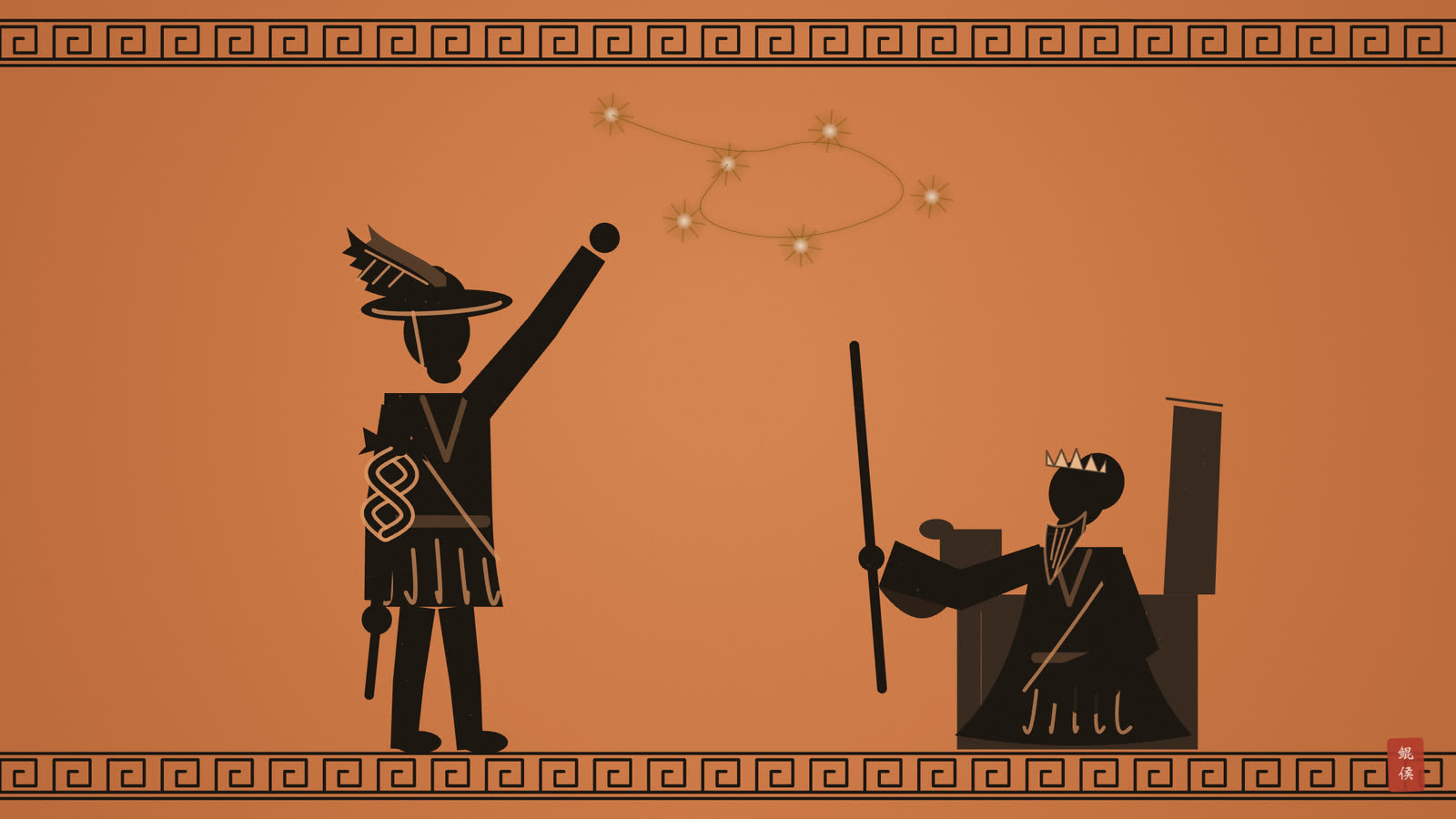
First Mercury disclos'd these mysteries, / By Him we view the Inside of the Skies, / And know the Stars, and now Mankind admires / The Power, not onely Lustre of their Fires: / By Him all know how great. how just and wise, / And good is the Contriver of the Skies;
At whose Command the Stars in order met, / Who times appointed when to rise and set; / That Heaven's great secrets may lie hid no more, / And Man instructed gratefully Adore.
Nature disclos'd her self, and from her Springs / Pure streams deriv'd o'erflow'd the Minds of Kings.
Kings next to Heaven, who o'er the East did sway, / Where swift Euphrates cuts his rapid way, / Where Nile o'erflows, and whence the Whirl restores / The Day to Us, and passing burns the Moors.
And next o'er Priests, whose constant Cares employd / In publick service did obleige the God, / His Presence did their holy minds inspire / With sacred flames, and rais'd their fancies higher.
Till by degrees to due perfection wrought / He made himself the Object of their thought: / Such were those wondrous Men who first from far / Lookt up, and saw Fates hanging at each Star: / Their thoughts extended did at once comprise / Ten thousand revolutions of the Skies, / They markt the Influence, and observ'd the Power / Of every Sign, and every fatal Hour;
What Tempers they bestow'd, what Fortunes gave, / And who was doom'd a King, who born a Slave; / How Aspects vary, and their change creates, / Though little, great variety in Fates.
Thus when the Stars their mighty Round had run, / And all were fixt whence first their Race begun, / What Hints Experience did to search impart / They join'd, and Observation grew to Art; / Thus Rules were fram'd, for by Example shown / They knew what would be, from what had been done;
They saw the Stars their constant Round maintain. / Perform their Course, and then return again; / They on their Aspects saw the Fates attend, / Their change on their Variety depend; / And thence they fixt unalterable Laws, / Settling the same Effect on the same Cause.
翻译点开
The Rise and Progress of Astronomy
[天文学的兴起与进展]
First Mercury disclos'd these mysteries, / By Him we view the Inside of the Skies, / And know the Stars, and now Mankind admires / The Power, not onely Lustre of their Fires: / By Him all know how great. how just and wise, / And good is the Contriver of the Skies;
最先揭示这些奥秘的是墨丘利;靠了他,我们看见诸天的内部,认识了群星,如今人类赞叹的是星火的力量,而不仅是它们的光辉:靠了他,人人都知道诸天的创造者何等伟大、何等公正、何等智慧、何等良善;
At whose Command the Stars in order met, / Who times appointed when to rise and set; / That Heaven's great secrets may lie hid no more, / And Man instructed gratefully Adore.
群星奉这位创造者之命依序聚集,他定下了它们升起与沉落的时刻;为的是让上天的伟大秘密不再隐藏,让受了教导的人类心怀感恩地敬拜。
Nature disclos'd her self, and from her Springs / Pure streams deriv'd o'erflow'd the Minds of Kings.
自然揭开了自己,从她的泉源引出纯净的溪流,漫进了君王们的心灵。
Kings next to Heaven, who o'er the East did sway, / Where swift Euphrates cuts his rapid way, / Where Nile o'erflows, and whence the Whirl restores / The Day to Us, and passing burns the Moors.
这些君王最接近上天,统治着东方:那里有迅疾的幼发拉底河奔流而过,有尼罗河泛滥,天穹从那里旋转过来,把白昼送回给我们,又在经过时晒黑了摩尔人。
And next o'er Priests, whose constant Cares employd / In publick service did obleige the God, / His Presence did their holy minds inspire / With sacred flames, and rais'd their fancies higher.
其次是祭司们,他们始终在公众的祭祀中勤勉侍奉,赢得了神的眷顾;神亲临启发他们圣洁的心,燃起神圣的火焰,使他们的想象升得更高。
Till by degrees to due perfection wrought / He made himself the Object of their thought: / Such were those wondrous Men who first from far / Lookt up, and saw Fates hanging at each Star: / Their thoughts extended did at once comprise / Ten thousand revolutions of the Skies, / They markt the Influence, and observ'd the Power / Of every Sign, and every fatal Hour;
就这样一步步臻于完善,神使自己成了他们思索的对象:这些奇人最先从远处仰望,看见命运悬在每一颗星上;他们的思想伸展开去,一下子囊括了诸天的千万次运转;他们记下每个星座、每个关乎命运的时辰的影响,观察它们的力量;
What Tempers they bestow'd, what Fortunes gave, / And who was doom'd a King, who born a Slave; / How Aspects vary, and their change creates, / Though little, great variety in Fates.
它们赋予何种气质,给予何种命运,谁注定为王,谁生而为奴;相位怎样变化,而它们的变化虽小,却在命运中造出极大的差异。
Thus when the Stars their mighty Round had run, / And all were fixt whence first their Race begun, / What Hints Experience did to search impart / They join'd, and Observation grew to Art; / Thus Rules were fram'd, for by Example shown / They knew what would be, from what had been done;
就这样,当群星跑完浩大的一周,全都回到最初起跑的地方,经验所提供的种种线索,他们都汇合起来,观察便成长为一门技艺;规则就这样定下,因为凭着事例,他们从已发生的事知道了将要发生的事;
They saw the Stars their constant Round maintain. / Perform their Course, and then return again; / They on their Aspects saw the Fates attend, / Their change on their Variety depend; / And thence they fixt unalterable Laws, / Settling the same Effect on the same Cause.
他们看见群星保持恒常的轮转,走完行程又重新回来;看见命运随着相位而来,命运的变化取决于相位的变化;由此他们定下不可更改的法则,同样的原因必配以同样的结果。
大意与图解点开
🔎 大意:墨丘利最先揭示星学,再传给东方君王与祭司;他们长久观察星座与相位如何应验命运,观察积累成术,定下因果法则。
📖 术语
| 术语 | 英文原词 | 意思 |
|---|---|---|
| 墨丘利 | Mercury | 即希腊的赫耳墨斯 |
| 幼发拉底河 | Euphrates | 迦勒底所在的两河流域 |
| 摩尔人 | Moors | 非洲的居民 |
| 气质 | Tempers | 人的禀性 |
| 关乎命运的时辰 | fatal Hour | 出生的时刻 |
🧭 图解与讲解
这一段先讲神话:星学最早是墨丘利(希腊人称赫耳墨斯)揭示给人的。古代流传以赫耳墨斯为名的星占书,后世称「赫耳墨斯之学」;诗人把这门学问的源头归于神,说明它不是凡人臆造,而是创造者有意让人知道的秘密,所以学了之后要「心怀感恩地敬拜」。
〔图〕星学的传承:神启在先,君王与祭司观天,经验积累成术
| 观察的对象 | 所应验的事 |
|---|---|
| 每个星座的影响 | 赋予何种气质 |
| 关乎命运的时辰 | 给予何种命运:谁为王,谁为奴 |
| 相位的变化 | 变化虽小,命运差异极大 |
| 群星回到起点的大周期 | 已发生的事重演,可知将来 |
神之后是东方的君王与祭司(图一):幼发拉底河指两河流域的迦勒底人,尼罗河指埃及人,古典作家公认星占之学出自这两地。东方是天穹旋转「把白昼送回给我们」的方向,也是离上天最近的地方。祭司以侍奉神而得神启,便把神本身当作思索的对象,从远处仰望,「看见命运悬在每一颗星上」。
这一段的核心是星学怎样从观察成为技艺。观察的对象有三项(表二):每个星座的影响、出生的「关乎命运的时辰」、相位的变化;所应验的事是人的气质与命运。积累的方法是等群星「跑完浩大的一周,回到最初起跑的地方」,即所有星体回到同一位置的大周期,事情就会重演;于是由已发生的推知将发生的,定下「同因同果」的不变法则。
这是古人为星占学所作的经验论辩护:它不是猜测,而是长期观察归纳出的规律。托勒密《四书》卷一第二章也讲类似的道理,只是托勒密更强调星占预言有其限度,曼尼利乌斯则把命运说得更坚决。诗中「谁注定为王,谁生而为奴」一句,后面几卷会反复出现,可以看作全诗的口头禅。
📖 术语
| 术语 | 英文原词 | 意思 |
|---|---|---|
| 墨丘利 | Mercury | 即希腊的赫耳墨斯 |
| 幼发拉底河 | Euphrates | 迦勒底所在的两河流域 |
| 摩尔人 | Moors | 非洲的居民 |
| 气质 | Tempers | 人的禀性 |
| 关乎命运的时辰 | fatal Hour | 出生的时刻 |
🧭 图解与讲解
这一段先讲神话:星学最早是墨丘利(希腊人称赫耳墨斯)揭示给人的。古代流传以赫耳墨斯为名的星占书,后世称「赫耳墨斯之学」;诗人把这门学问的源头归于神,说明它不是凡人臆造,而是创造者有意让人知道的秘密,所以学了之后要「心怀感恩地敬拜」。
| 观察的对象 | 所应验的事 |
|---|---|
| 每个星座的影响 | 赋予何种气质 |
| 关乎命运的时辰 | 给予何种命运:谁为王,谁为奴 |
| 相位的变化 | 变化虽小,命运差异极大 |
| 群星回到起点的大周期 | 已发生的事重演,可知将来 |
神之后是东方的君王与祭司(图一):幼发拉底河指两河流域的迦勒底人,尼罗河指埃及人,古典作家公认星占之学出自这两地。东方是天穹旋转「把白昼送回给我们」的方向,也是离上天最近的地方。祭司以侍奉神而得神启,便把神本身当作思索的对象,从远处仰望,「看见命运悬在每一颗星上」。
这一段的核心是星学怎样从观察成为技艺。观察的对象有三项(表二):每个星座的影响、出生的「关乎命运的时辰」、相位的变化;所应验的事是人的气质与命运。积累的方法是等群星「跑完浩大的一周,回到最初起跑的地方」,即所有星体回到同一位置的大周期,事情就会重演;于是由已发生的推知将发生的,定下「同因同果」的不变法则。
这是古人为星占学所作的经验论辩护:它不是猜测,而是长期观察归纳出的规律。托勒密《四书》卷一第二章也讲类似的道理,只是托勒密更强调星占预言有其限度,曼尼利乌斯则把命运说得更坚决。诗中「谁注定为王,谁生而为奴」一句,后面几卷会反复出现,可以看作全诗的口头禅。
Before that time Life was an artless State / Of Reason void, and thoughtless in debate: / Nature lay hid in deepest Night below, / None knew her wonders, and none car'd to know: / Upward men look, they saw the circling light, / Pleas'd with the Fires, and wondred at the sight:
The Sun, when Night came on, withdrawn, they griev'd, / As dead, and joy'd next Morn when He reviv'd; / But why the Nights grow long or short, the Day / Is chang'd, and the Shades vary with the Ray, / Shorter at his approach, and longer grown / At his remove, the Causes were unknown:
For Wit lay unimprov'd, the desart plains / Were unmanur'd, nor fed the idle Swains: / Ev'n Gold dwelt safe in Hills, and none resign'd / Their lives to Seas or wishes to the Wind; / Confin'd their search, they knew themselves alone, / And thought that onely worthy to be known:
But when long time the Wretches thoughts refin'd, / When Want had set an edge upon their Mind; / When Men encreast, and Want did boldly press, / And forc'd them to be witty for redress; / Then various Cares their working thoughts employ'd, / And that which each invented all enjoy'd.
Then Corn first grew, then Fruit enricht the grounds, / And barbarous noise was first consin'd to sounds: / Through Seas unknown the Sailer then was hurl'd, / And gainfull Traffick joyn'd the distant World: / Then Arts of War were found, and Arts of Peace, / For Vse is always fruitfull in encrease.
New hints from settled Arts Experience gains, / Instructs our Labour, and rewards our Pains: / Thus into many Streams one Spring divides, / And through the Valleys rouls refreshing Tides.
But these were little things compar'd, they knew / The voice of Birds, in Entrails Fates could view; / Burst Snakes with charms, and in a Bullock's bloud, / See Rage appeas'd, or fear an angry God.
They call'd up Ghosts, mov'd deepest Hell, the Sun / Could stop, and force a Night upon his Noon; / Then make him rise at Night, for all submit / To constant Industry, and piercing Wit.
Nor stopt they here, unwearied Industry / Rose boldly up and mounted through the Sky, / Saw all that could be seen, view'd Nature's Laws, / And young Effects still lying in their Cause.
What wings the Lightning, why from watry Clouds / The Thunder breaks, and roars the wrath of Gods / What raiseth Storms, what makes the Winds to blow, / Why Summer's Hail's more stiff than Winter's Snow / What fires Earth's Entrails, what doth shake the Ball / Why Tempests rattle, and why Rain doth fall:
All this she view'd, and did their modes explain, / And taught us to admire no more in vain.
Heaven was disarm'd, mad Whirlwinds rul'd above / And Clouds and Vapors thundred instead of Iove.
These things explain'd, their hidden Cause known, / The Mind grew strong, and ventur'd boldly on; / For rais'd so high, from that convenient rise / She took her flight, and quickly reacht the Skies; / To every Constellation Shapes and Names / Assign'd, and markt them out their proper frames / Then view'd their Course, and saw the Orbs were mov'd / As Heaven did guide, and as the World approv'd;
That Chance was baffled whilst their Whirls create / The interchang'd Variety of Fate.
翻译点开
Before that time Life was an artless State / Of Reason void, and thoughtless in debate: / Nature lay hid in deepest Night below, / None knew her wonders, and none car'd to know: / Upward men look, they saw the circling light, / Pleas'd with the Fires, and wondred at the sight:
在那以前,生活是一种没有技艺的状态,缺乏理性,遇事不加思索:自然藏在最深的黑夜里,没有人知道她的奇妙,也没有人想去知道:人们向上仰望,看见旋转的光,喜爱那些火光,对那景象惊奇不已:
The Sun, when Night came on, withdrawn, they griev'd, / As dead, and joy'd next Morn when He reviv'd; / But why the Nights grow long or short, the Day / Is chang'd, and the Shades vary with the Ray, / Shorter at his approach, and longer grown / At his remove, the Causes were unknown:
夜晚降临、太阳隐去时,他们悲伤,以为他死了,次日早晨他复活了,又欢喜起来;但为什么夜有长短,白昼会变,阴影随着日光改变——太阳走近时短,远去时长——其中的原因却无人知晓:
For Wit lay unimprov'd, the desart plains / Were unmanur'd, nor fed the idle Swains: / Ev'n Gold dwelt safe in Hills, and none resign'd / Their lives to Seas or wishes to the Wind; / Confin'd their search, they knew themselves alone, / And thought that onely worthy to be known:
因为那时才智未经开发,荒原没有耕种,养不活闲散的牧人:甚至黄金也安然藏在山中,没有人把性命交给海洋,把心愿托付给风;他们的探求只限于自身,只认识自己,以为只有这才值得知道:
But when long time the Wretches thoughts refin'd, / When Want had set an edge upon their Mind; / When Men encreast, and Want did boldly press, / And forc'd them to be witty for redress; / Then various Cares their working thoughts employ'd, / And that which each invented all enjoy'd.
可是经过漫长的岁月,这些可怜人的思想渐渐精进,匮乏磨利了他们的心智;人口增多,匮乏紧紧相逼,迫使他们为求解脱而变得机巧;于是种种忧思驱使他们勤于思索,一人发明的东西,众人共享。
Then Corn first grew, then Fruit enricht the grounds, / And barbarous noise was first consin'd to sounds: / Through Seas unknown the Sailer then was hurl'd, / And gainfull Traffick joyn'd the distant World: / Then Arts of War were found, and Arts of Peace, / For Vse is always fruitfull in encrease.
于是五谷初生,果实丰富了土地,野蛮的叫嚷第一次被约束成有分节的语音:水手被抛进未知的大海,有利可图的贸易把遥远的世界连在一起:于是战争之术、和平之术相继发明,因为实用总是不断增长、硕果累累。
New hints from settled Arts Experience gains, / Instructs our Labour, and rewards our Pains: / Thus into many Streams one Spring divides, / And through the Valleys rouls refreshing Tides.
经验从已立的技艺中得到新的启示,指点我们的劳作,酬报我们的辛苦:就像一道泉水分成许多溪流,流过山谷,滚动着清凉的波涛。
But these were little things compar'd, they knew / The voice of Birds, in Entrails Fates could view; / Burst Snakes with charms, and in a Bullock's bloud, / See Rage appeas'd, or fear an angry God.
但比起后来的事,这些都只是小事:他们懂得了鸟的语言,能在牲畜的内脏中看出命运;能用咒语使蛇爆裂,能从公牛的血里看出神怒已息,或是该畏惧神的发怒。
They call'd up Ghosts, mov'd deepest Hell, the Sun / Could stop, and force a Night upon his Noon; / Then make him rise at Night, for all submit / To constant Industry, and piercing Wit.
他们招来鬼魂,搅动最深的地府,能叫太阳停住,在正午强加一个黑夜;又能叫他在夜里升起,因为一切都屈服于恒久的勤勉与锐利的才智。
Nor stopt they here, unwearied Industry / Rose boldly up and mounted through the Sky, / Saw all that could be seen, view'd Nature's Laws, / And young Effects still lying in their Cause.
他们也没有停在这里,不倦的勤勉大胆地上升,穿过天空,看到一切能看见的,看清自然的法则,以及仍潜藏在原因之中的初生的结果。
What wings the Lightning, why from watry Clouds / The Thunder breaks, and roars the wrath of Gods / What raiseth Storms, what makes the Winds to blow, / Why Summer's Hail's more stiff than Winter's Snow / What fires Earth's Entrails, what doth shake the Ball / Why Tempests rattle, and why Rain doth fall:
是什么给闪电插上翅膀,为什么雷霆从含水的云中迸发,吼出众神的怒火,是什么掀起风暴,是什么使风吹动,为什么夏天的冰雹比冬天的雪还硬,是什么点燃了大地的内腑,是什么震动大地,为什么暴风雨轰响,为什么雨会落下:
All this she view'd, and did their modes explain, / And taught us to admire no more in vain.
这一切她都看透了,讲明了其中的道理,教我们不再徒然惊叹。
Heaven was disarm'd, mad Whirlwinds rul'd above / And Clouds and Vapors thundred instead of Iove.
上天被解除了武装:在上空作乱的是狂暴的旋风,雷鸣的是云与蒸气,而不是朱庇特。
These things explain'd, their hidden Cause known, / The Mind grew strong, and ventur'd boldly on; / For rais'd so high, from that convenient rise / She took her flight, and quickly reacht the Skies; / To every Constellation Shapes and Names / Assign'd, and markt them out their proper frames / Then view'd their Course, and saw the Orbs were mov'd / As Heaven did guide, and as the World approv'd;
这些事讲明了,隐藏的原因知道了,心智变得坚强,大胆前行;因为已升得这样高,她就从那方便的高处起飞,很快抵达诸天;她给每个星群定下形象与名字,标出它们各自的轮廓;然后观察它们的运行,看出诸天球依上天的引导、依世界的认可而运动;
That Chance was baffled whilst their Whirls create / The interchang'd Variety of Fate.
看出偶然受了挫败,因为是它们的旋转,造成了命运交替变化的种种不同。
大意与图解点开
🔎 大意:上古之人蒙昧,只惊叹日出日落;匮乏催生农耕、语言、航海与百艺,再到占卜巫术、自然之理,最后理性登天,给星群命名。
📖 术语
| 术语 | 英文原词 | 意思 |
|---|---|---|
| 蒙昧 | artless State | 没有技艺的状态 |
| 内脏占卜 | in Entrails Fates | 看牲畜内脏断吉凶 |
| 鸟占 | voice of Birds | 听鸟声断吉凶 |
| 朱庇特 | Iove | 罗马主神,掌雷霆 |
| 偶然 | Chance | 与天意、命运相对 |
🧭 图解与讲解
这一段是古典诗里常见的「文明进步史」。上古之人没有技艺,看见太阳落下就以为他死了,第二天早上又欢喜他复活;白昼长短、影子长短为什么随季节改变,没有人知道。那时山中黄金无人去挖,也没有人冒险航海,人只认识自己。
〔图〕人类心智一级级上升,最后登上诸天,给星群命名
〔图〕解释了雷电,就去掉了朱庇特的武器;看清了天球,就挫败了偶然
推动进步的是匮乏:人口增多,生计逼人,人就变得机巧,于是有了农耕、分节的语言、航海与贸易、战争与和平的技艺(图一)。再往上是占卜与巫术:鸟占、内脏占、咒语、以血祭知神意,甚至「叫太阳停住」「招来鬼魂」,这是古罗马诗人笔下色萨利女巫的本领,诗人照当时的传说一并列入。
再往上是自然哲学:雷电、风暴、冰雹、地震、降雨的原因都被讲明。诗中说「雷鸣的是云与蒸气,而不是朱庇特」,朱庇特是罗马神话里掌雷霆的主神,这一句等于说:知道了自然的原因,就不必再把雷电当作神怒(图二上行)。
最后心智登上诸天:给星群定名、画出轮廓,再看出天球依上天的引导运行,命运的种种不同出于天球的旋转,于是「偶然受了挫败」(图二下行)。这是全诗的基本立场:世界不是偶然拼凑的,而是由天意与命运安排,卷一(四)还会专门驳斥伊壁鸠鲁的偶然说。
📖 术语
| 术语 | 英文原词 | 意思 |
|---|---|---|
| 蒙昧 | artless State | 没有技艺的状态 |
| 内脏占卜 | in Entrails Fates | 看牲畜内脏断吉凶 |
| 鸟占 | voice of Birds | 听鸟声断吉凶 |
| 朱庇特 | Iove | 罗马主神,掌雷霆 |
| 偶然 | Chance | 与天意、命运相对 |
🧭 图解与讲解
这一段是古典诗里常见的「文明进步史」。上古之人没有技艺,看见太阳落下就以为他死了,第二天早上又欢喜他复活;白昼长短、影子长短为什么随季节改变,没有人知道。那时山中黄金无人去挖,也没有人冒险航海,人只认识自己。
推动进步的是匮乏:人口增多,生计逼人,人就变得机巧,于是有了农耕、分节的语言、航海与贸易、战争与和平的技艺(图一)。再往上是占卜与巫术:鸟占、内脏占、咒语、以血祭知神意,甚至「叫太阳停住」「招来鬼魂」,这是古罗马诗人笔下色萨利女巫的本领,诗人照当时的传说一并列入。
再往上是自然哲学:雷电、风暴、冰雹、地震、降雨的原因都被讲明。诗中说「雷鸣的是云与蒸气,而不是朱庇特」,朱庇特是罗马神话里掌雷霆的主神,这一句等于说:知道了自然的原因,就不必再把雷电当作神怒(图二上行)。
最后心智登上诸天:给星群定名、画出轮廓,再看出天球依上天的引导运行,命运的种种不同出于天球的旋转,于是「偶然受了挫败」(图二下行)。这是全诗的基本立场:世界不是偶然拼凑的,而是由天意与命运安排,卷一(四)还会专门驳斥伊壁鸠鲁的偶然说。
This is my Theme, ne'er yet in Numbers wrought, / Assist me, Fortune, and improve my thought; / Equal my Mind to my vast task; prolong / My life in ease, smooth as my flowing Song; / That while my Muse is working o'er the Heap, / And forms this Chaos to a pleasing shape, / I may with equal care, and equal heat, / Declare the Little and disclose the Great.
But now since Fate and Verse do joyntly flow / From Heaven, and both rule equally below.
First let my Muse whole Nature's Face design, / Its Figure draw, and finish every Line. / Whether from Seed it ne'er began to be,
Different Opinions about the beginning of the World
Secure from Fate, and from Corruption free; / Knew no Beginning, and no Ending fears, / But was, and will be, as it now appears.
Or huddled Chaos by a wondrous Birth / Archt the vast Sky and fixt the solid Earth; / And when this shining World once rais'd its Head / To Shades Infernal banisht Darkness fled.
Or whether unseen Atoms blindly thrown / Compos'd it, and as Years whirle nimbly on, / It must dissolve, and as it first was wrought / From almost Nothing, fall to almost Nought.
Or rose from working Fire's enlivening Rays, / Which form Heaven's Eyes, and live in every Mass, / In Thunder roar, and in the Lightning blaze.
Or whether Water which combines the Frame / Compos'd, and keeps it from the loosning Flame.
Or whether Water, Air, and Flame and Earth / Knew no beginning, no first seeds of Birth; / But first in Being from themselves arose, / And as four Members the vast God compose; / In which Thin, Thick, Hot, Cold, and Moist and Dry, / For mutual Actions mutual parts supply.
From whose agreeing disagreement springs, / The numerous odd Variety of Things. / These Qualities to act provoke the Seed, / Make Vital Elements and Bodies breed.
翻译点开
This is my Theme, ne'er yet in Numbers wrought, / Assist me, Fortune, and improve my thought; / Equal my Mind to my vast task; prolong / My life in ease, smooth as my flowing Song; / That while my Muse is working o'er the Heap, / And forms this Chaos to a pleasing shape, / I may with equal care, and equal heat, / Declare the Little and disclose the Great.
这就是我的主题,从未有人写成诗篇;命运女神啊,帮助我,提升我的思想;使我的心智配得上这浩大的任务;延长我的生命,让它安逸平顺,就像我流畅的歌一样;好让我的诗神在这堆材料上劳作、把这团混沌塑成悦目的形状时,能以同样的用心、同样的热情,讲明细微之处,揭示宏大之事。
But now since Fate and Verse do joyntly flow / From Heaven, and both rule equally below.
既然命运与诗歌都一同从天上流出,又同样统治着下界,
First let my Muse whole Nature's Face design, / Its Figure draw, and finish every Line. / Whether from Seed it ne'er began to be,
那就先让我的诗神描画整个自然的面貌,画出它的形状,完成每一笔线条。它或者从来不曾由种子开始存在,
Different Opinions about the beginning of the World
[关于世界起源的不同见解]
Secure from Fate, and from Corruption free; / Knew no Beginning, and no Ending fears, / But was, and will be, as it now appears.
不受命运所制,不受腐朽所侵;不知有开始,也不惧怕终结,而是过去如此、将来也如此,正如现在所见的一样。
Or huddled Chaos by a wondrous Birth / Archt the vast Sky and fixt the solid Earth; / And when this shining World once rais'd its Head / To Shades Infernal banisht Darkness fled.
或者是混沌一团,经过一场奇妙的诞生,拱起了广阔的天空,定住了坚实的大地;这个闪耀的世界一抬起头,黑暗便逃进了地府的阴影里。
Or whether unseen Atoms blindly thrown / Compos'd it, and as Years whirle nimbly on, / It must dissolve, and as it first was wrought / From almost Nothing, fall to almost Nought.
或者是看不见的原子盲目地抛撒而组成,随着岁月迅速流转,它必定会解体,正如它最初几乎由虚无造成,也将落回几乎虚无。
Or rose from working Fire's enlivening Rays, / Which form Heaven's Eyes, and live in every Mass, / In Thunder roar, and in the Lightning blaze.
或者是从活跃之火的赋予生命的光芒中升起,这火形成天上的眼睛,活在每一团物质里,在雷中吼叫,在闪电中闪耀。
Or whether Water which combines the Frame / Compos'd, and keeps it from the loosning Flame.
或者是由水组成,水把这个框架黏合在一起,使它免于被火焰化解。
Or whether Water, Air, and Flame and Earth / Knew no beginning, no first seeds of Birth; / But first in Being from themselves arose, / And as four Members the vast God compose; / In which Thin, Thick, Hot, Cold, and Moist and Dry, / For mutual Actions mutual parts supply.
或者是水、气、火、土本来就不知有开端,没有最初诞生的种子,而是自己首先存在,作为四个肢体组成那位浩大的神;其中稀与密、热与冷、湿与燥,为彼此的作用提供彼此的部分。
From whose agreeing disagreement springs, / The numerous odd Variety of Things. / These Qualities to act provoke the Seed, / Make Vital Elements and Bodies breed.
从它们既相合又相悖的关系中,生出万物纷繁奇异的种类。这些性质激发种子去作用,使元素有了生机,孕育出种种形体。
大意与图解点开
🔎 大意:诗人再申主题,祈求命运女神助他;然后列出世界起源的六种说法:永恒无始、出于混沌、原子、火、水、四元素。
📖 术语
| 术语 | 英文原词 | 意思 |
|---|---|---|
| 命运女神 | Fortune | 罗马的福尔图娜 |
| 混沌 | Chaos | 天地未分的状态 |
| 原子 | Atoms | 不可再分的微粒 |
| 四元素 | Water, Air, Flame, Earth | 水气火土 |
| 稀密热冷湿燥 | Thin, Thick, Hot, Cold… | 元素的诸种性质 |
🧭 图解与讲解
诗人再一次申明主题,这回祈求的是命运女神(罗马称福尔图娜),愿她延长自己的寿命,好写完这部诗。他说「命运与诗歌都从天上流出」:诗人的灵感和人的命运同出于天,这是把写诗本身也纳入星辰的支配之下。
| 诗中的说法 | 世界从何而来 | 一般认为指向 |
|---|---|---|
| 一 | 永恒存在,无始无终,不受命运与腐朽所制 | 主张世界永恒的哲学家 |
| 二 | 混沌中诞生,拱起天空、定住大地,黑暗逃入地府 | 赫西俄德等的神谱 |
| 三 | 看不见的原子盲目组合,终将解体 | 德谟克利特、伊壁鸠鲁 |
| 四 | 活跃之火化生万物,形成星辰与雷电 | 赫拉克利特 |
| 五 | 由水组成,水黏合世界、抵御火焰 | 泰勒斯 |
| 六 | 水气火土四元素无始自存,合成浩大的神 | 恩培多克勒,斯多亚派的宇宙之神 |
〔图〕四元素以相合又相悖的性质彼此作用,生出万物
接着进入第二项提要「世界起源的种种见解」,诗人一口气列出六种说法(表一):世界永恒无始;从混沌中诞生;由原子偶然组成;由火化生;由水组成;由四元素组成。这些说法分别近于古希腊几派哲学家,表中第三栏是古典学通常的对应,诗中并未点名。
第六说最接近曼尼利乌斯自己的立场:水、气、火、土是组成「那位浩大的神」的四个肢体,彼此「既相合又相悖」,稀与密、热与冷、湿与燥两两相反,正因相反才能相互作用(图二)。这与托勒密《四书》卷一第四章以冷热干湿论星性同出一源。
这一段在「它从来不曾由种子开始存在」一句中间插进了页边小标题,译文照原书位置保留。六说并陈之后,下一页卷一(二)一开头就说:世界最初是什么、从何而来,人无从确知;但它的面貌确定无疑,是一个有秩序的框架。
📖 术语
| 术语 | 英文原词 | 意思 |
|---|---|---|
| 命运女神 | Fortune | 罗马的福尔图娜 |
| 混沌 | Chaos | 天地未分的状态 |
| 原子 | Atoms | 不可再分的微粒 |
| 四元素 | Water, Air, Flame, Earth | 水气火土 |
| 稀密热冷湿燥 | Thin, Thick, Hot, Cold… | 元素的诸种性质 |
🧭 图解与讲解
诗人再一次申明主题,这回祈求的是命运女神(罗马称福尔图娜),愿她延长自己的寿命,好写完这部诗。他说「命运与诗歌都从天上流出」:诗人的灵感和人的命运同出于天,这是把写诗本身也纳入星辰的支配之下。
| 诗中的说法 | 世界从何而来 | 一般认为指向 |
|---|---|---|
| 一 | 永恒存在,无始无终,不受命运与腐朽所制 | 主张世界永恒的哲学家 |
| 二 | 混沌中诞生,拱起天空、定住大地,黑暗逃入地府 | 赫西俄德等的神谱 |
| 三 | 看不见的原子盲目组合,终将解体 | 德谟克利特、伊壁鸠鲁 |
| 四 | 活跃之火化生万物,形成星辰与雷电 | 赫拉克利特 |
| 五 | 由水组成,水黏合世界、抵御火焰 | 泰勒斯 |
| 六 | 水气火土四元素无始自存,合成浩大的神 | 恩培多克勒,斯多亚派的宇宙之神 |
接着进入第二项提要「世界起源的种种见解」,诗人一口气列出六种说法(表一):世界永恒无始;从混沌中诞生;由原子偶然组成;由火化生;由水组成;由四元素组成。这些说法分别近于古希腊几派哲学家,表中第三栏是古典学通常的对应,诗中并未点名。
第六说最接近曼尼利乌斯自己的立场:水、气、火、土是组成「那位浩大的神」的四个肢体,彼此「既相合又相悖」,稀与密、热与冷、湿与燥两两相反,正因相反才能相互作用(图二)。这与托勒密《四书》卷一第四章以冷热干湿论星性同出一源。
这一段在「它从来不曾由种子开始存在」一句中间插进了页边小标题,译文照原书位置保留。六说并陈之后,下一页卷一(二)一开头就说:世界最初是什么、从何而来,人无从确知;但它的面貌确定无疑,是一个有秩序的框架。
原文为公有领域古籍;翻译、印象画与图文解读由 AI 辅助生成,鲲侯审校。