卷三(三) 星座的升落时间与各地的昼夜
白羊升起四十斯塔迪昂,此后每座加八;按时辰推上升点的简法;正球昼夜恒等,斜球随纬度变化,极下半年昼半年夜。
The rising and Setting of the Signs first. By Stadia: and Hours
Of Planets, vomit with impetuous Roar, / And beat the Ocean from the foaming Shore.
Now learn what Stadia, learn what times in Skies / Signs ask to Sett, and what they claim to Rise: / Observe, short rules my Muse, but full she brings.
And Words roul from Her, crowded up with Things. / For Aries, Prince of all the Signs comprise / Full forty Stadia, for his time to rise, / But Eighty give him when He leaves the Skies: / One Hour, and one third part his rise compleats, / This space of time, He doubles when He sets.
The following Signs to Libra rising, claim / Eight Stadia more, and Setting lose the same.
And thus in order following Signs require / Still sixteen Minutes more to raise their Fire, / And lose as much, when setting they retire: / Thus signs to Libra, as they rise increase; / And thus they lose when they descend to Seas:
For all the Signs that do from Libra range, / Take equal measures, but the Order change; / For Signs adverse to equal times engross, / But setting Gain, and still arise with loss.
Thus Hours and Stadia which bright Aries gets / When rising, Libra loseth when she sets; / And all the time, which when He leaves the Skies, / The Ram possesses, Libra takes to rise: / By this Example, all the rest define, / The following imitate the leading Sign.
翻译点开
The rising and Setting of the Signs first. By Stadia: and Hours
[先讲星座的升起与沉没:以斯塔迪昂计,又以时辰计]
Of Planets, vomit with impetuous Roar, / And beat the Ocean from the foaming Shore.
行星;河口以猛烈的咆哮喷涌而出,把海洋从泛着泡沫的岸边击退。
Now learn what Stadia, learn what times in Skies / Signs ask to Sett, and what they claim to Rise: / Observe, short rules my Muse, but full she brings.
现在来学:天上的星座沉没要多少斯塔迪昂、多少时间,升起又要求多少:留意吧,我的缪斯带来的法则简短,却很充实,
And Words roul from Her, crowded up with Things. / For Aries, Prince of all the Signs comprise / Full forty Stadia, for his time to rise, / But Eighty give him when He leaves the Skies: / One Hour, and one third part his rise compleats, / This space of time, He doubles when He sets.
言词从她口中滚滚而出,挤满了事物。白羊,众星座之首,升起要占足足四十斯塔迪昂,离开天空时却要给他八十:一小时又三分之一完成他的升起;沉没时,他把这段时间加倍。
The following Signs to Libra rising, claim / Eight Stadia more, and Setting lose the same.
后随的星座直到天秤,升起时各多要八斯塔迪昂,沉没时各少同样多。
And thus in order following Signs require / Still sixteen Minutes more to raise their Fire, / And lose as much, when setting they retire: / Thus signs to Libra, as they rise increase; / And thus they lose when they descend to Seas:
后随的星座就这样依次升起火光时多要十六分钟,沉没退去时少同样多:星座直到天秤就这样升起时递增,沉入大海时这样递减:
For all the Signs that do from Libra range, / Take equal measures, but the Order change; / For Signs adverse to equal times engross, / But setting Gain, and still arise with loss.
因为从天秤起的一切星座,取相等的量度,只是次序颠倒;因为相对的星座占有相等的时间,却是沉没时增加,升起时减少。
Thus Hours and Stadia which bright Aries gets / When rising, Libra loseth when she sets; / And all the time, which when He leaves the Skies, / The Ram possesses, Libra takes to rise: / By this Example, all the rest define, / The following imitate the leading Sign.
所以明亮的白羊升起时所得的时辰与斯塔迪昂,正是天秤沉没时所失的;白羊离开天空时所占的全部时间,天秤用来升起:以此为例,推定其余一切,后随的星座仿效前导的星座。
大意与图解点开
🔎 大意:白羊升起四十斯塔迪昂(一小时二十分),沉没八十;此后每座升起加八、沉没减八,直到天秤;天秤以后反过来,与对宫互换。
📖 术语
| 术语 | 英文原词 | 意思 |
|---|---|---|
| 斯塔迪昂 | Stadia | 计时单位,三十为一小时 |
| 前导的星座 | leading Sign | 次序在前的星座 |
| 相对的星座 | Signs adverse | 对冲的两座 |
🧭 图解与讲解
第一行页边小标题之后,第二行接上一页最后的诗句:尼罗河的七个河口,与天上的行星一样多。然后进入正题:各星座升起、沉没要多少时间。诗人用两种单位:时辰和「斯塔迪昂」(stadia,希腊的长度单位,这里借作计时)。由「四十斯塔迪昂合一小时又三分之一」「八斯塔迪昂合十六分钟」可知,一斯塔迪昂合二分钟,一小时合三十斯塔迪昂,一昼夜七百二十斯塔迪昂。
| 星座 | 升起(斯塔迪昂) | 升起时间 | 沉没(斯塔迪昂) | 沉没时间 |
|---|---|---|---|---|
| 白羊 | 40 | 1时20分 | 80 | 2时40分 |
| 金牛 | 48 | 1时36分 | 72 | 2时24分 |
| 双子 | 56 | 1时52分 | 64 | 2时08分 |
| 巨蟹 | 64 | 2时08分 | 56 | 1时52分 |
| 狮子 | 72 | 2时24分 | 48 | 1时36分 |
| 处女 | 80 | 2时40分 | 40 | 1时20分 |
| 天秤 | 80 | 2时40分 | 40 | 1时20分 |
| 天蝎 | 72 | 2时24分 | 48 | 1时36分 |
| 射手 | 64 | 2时08分 | 56 | 1时52分 |
| 摩羯 | 56 | 1时52分 | 64 | 2时08分 |
| 水瓶 | 48 | 1时36分 | 72 | 2时24分 |
| 双鱼 | 40 | 1时20分 | 80 | 2时40分 |
〔图〕星座升起的时间:白羊、双鱼最快,处女、天秤最慢
规则很整齐(表一):白羊升起四十,此后每座加八,到处女为八十;天秤也是八十,此后每座减八,到双鱼回到四十。沉没时间正好与升起相反,并且等于对宫的升起时间:白羊沉没八十,正是天秤升起之数;天秤沉没四十,正是白羊升起之数。每座升起加沉没合一百二十斯塔迪昂。
这是一种等差数列的近似,希腊化时代的星占书中常见,不同的「气候带」用不同的首项与公差。可以验算:白羊到处女六座升起合三百六十斯塔迪昂,正好十二小时,与分点昼夜各十二时相合;太阳在巨蟹时,白昼经过巨蟹到射手六座,合四百三十二斯塔迪昂,约十四小时二十四分,与上一页尼罗河一带夏至白昼约十四时半相近。
📖 术语
| 术语 | 英文原词 | 意思 |
|---|---|---|
| 斯塔迪昂 | Stadia | 计时单位,三十为一小时 |
| 前导的星座 | leading Sign | 次序在前的星座 |
| 相对的星座 | Signs adverse | 对冲的两座 |
🧭 图解与讲解
第一行页边小标题之后,第二行接上一页最后的诗句:尼罗河的七个河口,与天上的行星一样多。然后进入正题:各星座升起、沉没要多少时间。诗人用两种单位:时辰和「斯塔迪昂」(stadia,希腊的长度单位,这里借作计时)。由「四十斯塔迪昂合一小时又三分之一」「八斯塔迪昂合十六分钟」可知,一斯塔迪昂合二分钟,一小时合三十斯塔迪昂,一昼夜七百二十斯塔迪昂。
| 星座 | 升起(斯塔迪昂) | 升起时间 | 沉没(斯塔迪昂) | 沉没时间 |
|---|---|---|---|---|
| 白羊 | 40 | 1时20分 | 80 | 2时40分 |
| 金牛 | 48 | 1时36分 | 72 | 2时24分 |
| 双子 | 56 | 1时52分 | 64 | 2时08分 |
| 巨蟹 | 64 | 2时08分 | 56 | 1时52分 |
| 狮子 | 72 | 2时24分 | 48 | 1时36分 |
| 处女 | 80 | 2时40分 | 40 | 1时20分 |
| 天秤 | 80 | 2时40分 | 40 | 1时20分 |
| 天蝎 | 72 | 2时24分 | 48 | 1时36分 |
| 射手 | 64 | 2时08分 | 56 | 1时52分 |
| 摩羯 | 56 | 1时52分 | 64 | 2时08分 |
| 水瓶 | 48 | 1时36分 | 72 | 2时24分 |
| 双鱼 | 40 | 1时20分 | 80 | 2时40分 |
规则很整齐(表一):白羊升起四十,此后每座加八,到处女为八十;天秤也是八十,此后每座减八,到双鱼回到四十。沉没时间正好与升起相反,并且等于对宫的升起时间:白羊沉没八十,正是天秤升起之数;天秤沉没四十,正是白羊升起之数。每座升起加沉没合一百二十斯塔迪昂。
这是一种等差数列的近似,希腊化时代的星占书中常见,不同的「气候带」用不同的首项与公差。可以验算:白羊到处女六座升起合三百六十斯塔迪昂,正好十二小时,与分点昼夜各十二时相合;太阳在巨蟹时,白昼经过巨蟹到射手六座,合四百三十二斯塔迪昂,约十四小时二十四分,与上一页尼罗河一带夏至白昼约十四时半相近。
This rightly fixt, if you these Rules pursue, / The Horoscope lies open to thy view; / Securely work, since you can fix in Skies / The times, and Stadia, for the Signs to rise: / From that Degree and Sign, in which the Sun / Begins to start, his daily Course to run, / Count fairly on, and all the work is done. / Another method, if you this refuse,
Another Method
Shall lead thee right, and be as plain to use: / For if the Horoscope you seek by Day, / Observe these Rules, which shew the surest Way; / First find what Hour, the Birth is born, and then / Add five to that, and multiply by Ten:
Add five, for every Hour the Signs ascend / Thrice five Degrees, in the Celestial Bend: / This done, take that Degree in which the Sign / Then rouls the Sun, and to this Number join; / From this whole Sum, one Thirty parts apply'd / To the Sun's Sign, nor to the rest deny'd, / As following they in order lie, will show / The thing you sought for, and design to know:
For where the Number ends, that Sign and Part / Is Horoscope: Thus speak the Rules of Art.
By Night your search demands a different way; / To the Nights Hour, add all the twelve of Day, / From this whole Sum the Thirty parts apply / To following Signs as they in order lie; / And where the Number ends, that Sign and Part / Is Horoscope: Thus speak the Rules of Art.
Thus you may find the Horoscope in Skies, / And tho' Oblique the Circling Zodiack lies, / This Point determin'd, you may fix them all, / What Crowns the Top, and what supports the Ball: / The Signs true Setting, and true Rising trace, / Assign to each their proper Powers and Place, / And thus what stubborn Nature's Laws deny, / Our Art shall force, and fix the rowling Skie. / Nor is o're all the Earth, the length of Night,
翻译点开
This rightly fixt, if you these Rules pursue, / The Horoscope lies open to thy view; / Securely work, since you can fix in Skies / The times, and Stadia, for the Signs to rise: / From that Degree and Sign, in which the Sun / Begins to start, his daily Course to run, / Count fairly on, and all the work is done. / Another method, if you this refuse,
这一点正确地定下之后,如果你遵循这些法则,上升点就展现在你眼前;放心去做吧,因为你能在天上定出星座升起的时间与斯塔迪昂:从太阳开始启程、跑他每日路程的那一度与那个星座起,公平地数下去,工作就完成了。如果你不要这个方法,另一个方法
Another Method
[另一种方法]
Shall lead thee right, and be as plain to use: / For if the Horoscope you seek by Day, / Observe these Rules, which shew the surest Way; / First find what Hour, the Birth is born, and then / Add five to that, and multiply by Ten:
也会引你走对路,而且一样容易使用:因为如果你在白天求上升点,就遵守这些法则,它们指出最可靠的路:先找出出生在第几小时,然后给它加五,再乘以十:
Add five, for every Hour the Signs ascend / Thrice five Degrees, in the Celestial Bend: / This done, take that Degree in which the Sign / Then rouls the Sun, and to this Number join; / From this whole Sum, one Thirty parts apply'd / To the Sun's Sign, nor to the rest deny'd, / As following they in order lie, will show / The thing you sought for, and design to know:
加五,因为每一小时,星座在天上的弯道中升起三个五度;这样做了,再取太阳当时在其星座里运行的那一度,加进这个数:从这个总数里,把三十分一份分给太阳的星座,也不拒绝分给其余的星座,依它们后随的次序排下去,就会显示你所寻求、想要知道的东西:
For where the Number ends, that Sign and Part / Is Horoscope: Thus speak the Rules of Art.
因为数目在哪里终了,那个星座与那一度就是上升点:技艺的法则这样说。
By Night your search demands a different way; / To the Nights Hour, add all the twelve of Day, / From this whole Sum the Thirty parts apply / To following Signs as they in order lie; / And where the Number ends, that Sign and Part / Is Horoscope: Thus speak the Rules of Art.
夜间你的寻求需要另一种方法:给夜间的时辰加上白昼全部的十二个时辰,从这个总数里,把三十分配给依次排列的后随星座;数目在哪里终了,那个星座与那一度就是上升点:技艺的法则这样说。
Thus you may find the Horoscope in Skies, / And tho' Oblique the Circling Zodiack lies, / This Point determin'd, you may fix them all, / What Crowns the Top, and what supports the Ball: / The Signs true Setting, and true Rising trace, / Assign to each their proper Powers and Place, / And thus what stubborn Nature's Laws deny, / Our Art shall force, and fix the rowling Skie. / Nor is o're all the Earth, the length of Night,
你就这样能在天上找到上升点;黄道圈虽然斜着环绕,这一点定下了,你就能定出全部的点:哪一点为天顶加冕,哪一点支撑天球;追寻星座真正的沉没与真正的升起,给每一个配上它应有的力量与位置;这样,顽固的自然法则所不肯给的,我们的技艺就强取过来,把旋转的天定住。而且长夜的长度在全地上也不相同,
大意与图解点开
🔎 大意:从日出时太阳所在之度,按各座升起时间往后数,即得上升点;另一简法:每小时十五度,加太阳在本座的度数,逐座减三十。
📖 术语
| 术语 | 英文原词 | 意思 |
|---|---|---|
| 上升点 | Horoscope | 出生时东方地平之度 |
| 三个五度 | Thrice five Degrees | 每小时十五度 |
| 天顶 | Top | 中天 |
| 支撑天球之点 | supports the Ball | 天底 |
🧭 图解与讲解
有了各星座的升起时间,求上升点就容易了:日出那一刻,太阳所在的度数正在东方地平上,就是当时的上升点;从这一度起,按各座升起所需的时间往后累计,到出生时刻数到哪里,上升点就在哪里。这与上一页所驳的迦勒底法形式相同,区别只在于每座的时间不再是一律两小时。
| 步骤 | 白昼出生 | 夜间出生 |
|---|---|---|
| 一 | 出生在日出后第几小时 | 夜间第几小时,再加白昼的十二小时 |
| 二 | 每小时折合十五度(十加五) | 同左 |
| 三 | 加上太阳在其星座中的度数 | 同左 |
| 四 | 从太阳的星座起,每座减去三十度,依次往后数 | 同左 |
| 五 | 数到哪一座哪一度,就是上升点 | 同左 |
〔图〕上升点定了,全盘都定了
诗人又给出「另一种方法」(表一):按出生在日出后第几小时,每小时折合十五度;克里奇译作「加五,再乘以十」,下一行又解释「每一小时星座升起三个五度」,意思是每小时取十度再加五度,即十五度。把这个度数加上太阳在其星座中的度数,从太阳的星座起每座减三十度,余数落在哪座哪度,就是上升点。夜间出生,再加上白昼的十二小时。
需要指出,这个简法假定黄道每小时匀速升起十五度,每座正好两小时,其实与上一页诗人所驳的迦勒底法相同,与本单元前面「各座升起时间不等」的规则也不一致;或许诗人把它当作粗略的速算。所以紧接着他又回到对迦勒底人的辩驳:昼夜的长短在各地并不相同。
📖 术语
| 术语 | 英文原词 | 意思 |
|---|---|---|
| 上升点 | Horoscope | 出生时东方地平之度 |
| 三个五度 | Thrice five Degrees | 每小时十五度 |
| 天顶 | Top | 中天 |
| 支撑天球之点 | supports the Ball | 天底 |
🧭 图解与讲解
有了各星座的升起时间,求上升点就容易了:日出那一刻,太阳所在的度数正在东方地平上,就是当时的上升点;从这一度起,按各座升起所需的时间往后累计,到出生时刻数到哪里,上升点就在哪里。这与上一页所驳的迦勒底法形式相同,区别只在于每座的时间不再是一律两小时。
| 步骤 | 白昼出生 | 夜间出生 |
|---|---|---|
| 一 | 出生在日出后第几小时 | 夜间第几小时,再加白昼的十二小时 |
| 二 | 每小时折合十五度(十加五) | 同左 |
| 三 | 加上太阳在其星座中的度数 | 同左 |
| 四 | 从太阳的星座起,每座减去三十度,依次往后数 | 同左 |
| 五 | 数到哪一座哪一度,就是上升点 | 同左 |
诗人又给出「另一种方法」(表一):按出生在日出后第几小时,每小时折合十五度;克里奇译作「加五,再乘以十」,下一行又解释「每一小时星座升起三个五度」,意思是每小时取十度再加五度,即十五度。把这个度数加上太阳在其星座中的度数,从太阳的星座起每座减三十度,余数落在哪座哪度,就是上升点。夜间出生,再加上白昼的十二小时。
需要指出,这个简法假定黄道每小时匀速升起十五度,每座正好两小时,其实与上一页诗人所驳的迦勒底法相同,与本单元前面「各座升起时间不等」的规则也不一致;或许诗人把它当作粗略的速算。所以紧接着他又回到对迦勒底人的辩驳:昼夜的长短在各地并不相同。
Third Argument against the Chaldaeans
And Day the same; they vary with the sight; / Nor, would the Ram alone and Scales agree, / In Day and Night; in every Sign would be / The Equinox, if as these Rules devise, / Two Hours were given to every Sign to rise.
The length of Days and Nights in a Direct Sphere
In that Position where Direct's the Sphere, / And in the Horizon both Poles appear; / The Day maintains an equal length to Night, / And that Usurps not on the others Right: / No Inequality in Skies is found, / But equal Day, and equal Night goes round.
Those Days and Nights which Spring and Autumn bear, / They see unvary'd thro' the rowling Year, / Because the circling Sun in every Sign / Runs round, and measures still an equal Line; / Whether thro' Cancer's height he bears the Day, / Or thro' the Goat oppos'd He bends his way, / The Day's alike, nor do the Nights decay.
For tho' Oblique the Zodiack Circle lies, / Yet all the Zones do at right Angles rise / Still Parallel; and whilst the Sphere is Right / Half Heaven is Hid, and half expos'd to sight.
翻译点开
Third Argument against the Chaldaeans
[驳迦勒底人的第三个论证]
And Day the same; they vary with the sight; / Nor, would the Ram alone and Scales agree, / In Day and Night; in every Sign would be / The Equinox, if as these Rules devise, / Two Hours were given to every Sign to rise.
白昼也一样;它们随所见的天象而变;而且,假如照这些法则所设计的那样,给每个星座两小时去升起,就不会只有白羊与天秤的昼夜一致,每个星座都会是分点。
The length of Days and Nights in a Direct Sphere
[正球中的昼夜长短]
In that Position where Direct's the Sphere, / And in the Horizon both Poles appear; / The Day maintains an equal length to Night, / And that Usurps not on the others Right: / No Inequality in Skies is found, / But equal Day, and equal Night goes round.
在天球为正球的位置上,两极都出现在地平上;白昼与黑夜保持相等的长度,彼此不侵占对方的权利:天上找不到不均等,相等的白昼与相等的黑夜轮转不息。
Those Days and Nights which Spring and Autumn bear, / They see unvary'd thro' the rowling Year, / Because the circling Sun in every Sign / Runs round, and measures still an equal Line; / Whether thro' Cancer's height he bears the Day, / Or thro' the Goat oppos'd He bends his way, / The Day's alike, nor do the Nights decay.
春秋两季所有的那种昼夜,他们终年看到都不变,因为绕行的太阳在每个星座里绕圈,量出的总是相等的线;不论他经过巨蟹的高处带来白昼,还是在相对的摩羯里转弯,白昼都一样,黑夜也不减短。
For tho' Oblique the Zodiack Circle lies, / Yet all the Zones do at right Angles rise / Still Parallel; and whilst the Sphere is Right / Half Heaven is Hid, and half expos'd to sight.
因为黄道圈虽然是斜的,所有的纬带却都以直角升起,彼此平行;天球是正的时候,半个天藏起来,半个天露在眼前。
大意与图解点开
🔎 大意:若每座两小时,每个星座都会昼夜相等;只有在正球(赤道)上才是如此:两极都在地平上,终年昼夜各十二时。
📖 术语
| 术语 | 英文原词 | 意思 |
|---|---|---|
| 正球 | Direct Sphere | 赤道上所见的天球 |
| 两极 | both Poles | 南北天极 |
| 纬带 | Zones | 与赤道平行的圈 |
| 分点 | Equinox | 昼夜相等之时 |
🧭 图解与讲解
第三个论证接着上一单元末句:长夜与白昼的长度在全地上并不相同。诗人反问:如果每个星座都升起两小时,那么太阳在任何星座时昼夜都应相等,「每个星座都会是分点」,可事实上只有白羊、天秤如此。
| 天球的位置 | 在哪里 | 天极的高度 | 昼夜 |
|---|---|---|---|
| 正球 | 赤道上 | 两极都在地平上 | 终年昼夜各十二时 |
| 斜球 | 赤道与两极之间 | 一极升起,一极沉没 | 昼夜随季节增减,越往北差得越多 |
| 平行球(直立的天球) | 极下 | 天极在头顶 | 六个月白昼、六个月黑夜 |
然后他讲天球的三种位置(表一),先讲「正球」(right sphere),即站在赤道上所见的天:南北两个天极都在地平线上,一切与赤道平行的圈都垂直于地平升起,每个圈都有一半在地平之上、一半在下。所以太阳无论走到巨蟹还是摩羯,白昼都是十二小时,终年昼夜相等。
换句话说,迦勒底人「每座两小时」的规则,只有在赤道上才近乎成立;对罗马、埃及这些位于北方的地方,天球是倾斜的,各座升起的时间就不同。这正是诗人反复驳斥它的原因。他的反驳并不否定星占,而是要求按观测者所在的纬度来计算,这一点与托勒密完全一致。
In an Oblique Sphere
Hence take thy way, and o're Earth's mighty Bend / From this midst Region move to either End, / As weary Steps convey thee up the Ball / By Nature rounded and hung midst the All / To either Pole; whilst you your way pursue / Some parts withdraw, and others rise to view.
To you thus mounting as the Earth doth rise / So varies the Position of the Skies, / And all the Signs that rose Direct before / Obliquely mount, and keep that Site no more; / Oblique the Zodiack grows, for whilst we range, / Tho fixt its place, yet ours we freely change;
Tis therefore plain that here the Days must prove / Of different Lengths, since Signs obliquely move, / Some nearer roul, whilst some remoter rove, / And measure still unequal Rounds above. / As nearer to the Arctick Round you go
On this side the Arctick Circle
The Hours increase, and Day appears to grow; / The Summer Signs in ample Arch invade / Our Sight, the Winter lie immerst in Shade; / The more you Northward move, the more your Eyes / Their Lustre lose; they set as soon as rise:
Beyond the Arctick Circle
But pass this Round, as you your way pursue, / Each Sign withdraws with all its parts from view, / Then Darkness comes, and chaces Light away, / And thirty Nights excludes the Dawn of Day: / Thus by degrees Day wasts, Signs cease to rise, / For bellying Earth still rising up denies / Their Light a Passage, and confines our Eyes.
Continued Nights, continued Days appear, / And Months no more fill up the rouling Year. / Should Nature place us where the Northern Skies
翻译点开
In an Oblique Sphere
[斜球中]
Hence take thy way, and o're Earth's mighty Bend / From this midst Region move to either End, / As weary Steps convey thee up the Ball / By Nature rounded and hung midst the All / To either Pole; whilst you your way pursue / Some parts withdraw, and others rise to view.
从这里出发,越过大地广大的弯曲,从这中间地带走向任何一端;当疲倦的脚步带你沿着这个球向上——它被自然造得浑圆,悬在万有中间——走向任一极时;你一路前行,有些部分退去,另一些部分升入视野。
To you thus mounting as the Earth doth rise / So varies the Position of the Skies, / And all the Signs that rose Direct before / Obliquely mount, and keep that Site no more; / Oblique the Zodiack grows, for whilst we range, / Tho fixt its place, yet ours we freely change;
当你这样随大地的隆起向上走时,天的位置也随之变化,先前直着升起的一切星座都斜着升起,不再保持原来的方位;黄道变得倾斜,因为我们漫游时,它的位置虽然固定,我们的位置却自由地改变;
Tis therefore plain that here the Days must prove / Of different Lengths, since Signs obliquely move, / Some nearer roul, whilst some remoter rove, / And measure still unequal Rounds above. / As nearer to the Arctick Round you go
所以很明显,这里的白昼必定长短不同,因为星座斜着运行,有些在较近处转动,有些在较远处漫游,在上方量出的圈总是不相等。当你走得更靠近北极圈时,
On this side the Arctick Circle
[在北极圈的这一边]
The Hours increase, and Day appears to grow; / The Summer Signs in ample Arch invade / Our Sight, the Winter lie immerst in Shade; / The more you Northward move, the more your Eyes / Their Lustre lose; they set as soon as rise:
时辰增加,白昼显得增长;夏天的星座以宽阔的弧侵入我们的视野,冬天的星座沉在阴影里;你越往北走,你的眼睛就越看不到它们的光辉;它们刚升起就沉没:
Beyond the Arctick Circle
[北极圈以外]
But pass this Round, as you your way pursue, / Each Sign withdraws with all its parts from view, / Then Darkness comes, and chaces Light away, / And thirty Nights excludes the Dawn of Day: / Thus by degrees Day wasts, Signs cease to rise, / For bellying Earth still rising up denies / Their Light a Passage, and confines our Eyes.
但越过这个圈,你继续前行,每个星座就连同它的各部分都从视野中退去,于是黑暗来临,把光赶走,三十个夜晚把黎明挡在外面:白昼就这样逐渐消耗,星座不再升起,因为鼓起的大地不断升高,拒绝它们的光通过,把我们的视线限住。
Continued Nights, continued Days appear, / And Months no more fill up the rouling Year. / Should Nature place us where the Northern Skies
连续的长夜、连续的白昼出现,月份不再填满流转的一年。假如自然把我们安置在北天
大意与图解点开
🔎 大意:从赤道往北走,天球倾斜,黄道斜升:夏座弧宽、白昼增长,冬座刚升即落;过了北极圈,有些星座整个不升,出现连日的长夜。
📖 术语
| 术语 | 英文原词 | 意思 |
|---|---|---|
| 斜球 | Oblique Sphere | 赤道与极之间所见的天 |
| 北极圈 | Arctick Circle | 极圈 |
| 鼓起的大地 | bellying Earth | 地球的弧面 |
🧭 图解与讲解
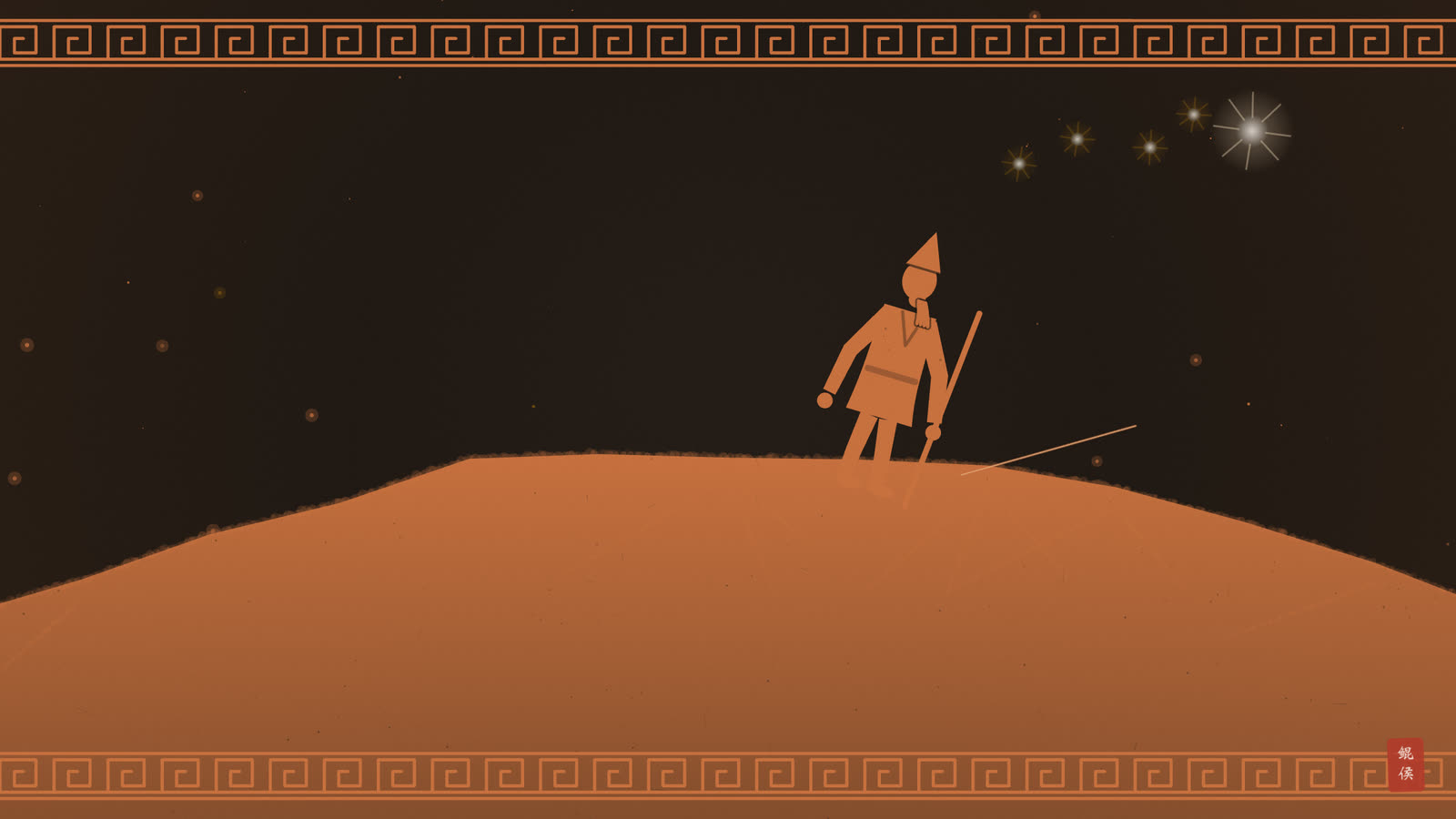
从赤道出发向北走(图一),诗人特别说明大地「被自然造得浑圆,悬在万有中间」,人沿着它的弧面向北「往上走」,有些天区退到地平之下,另一些升入视野。天极随之升高,原来直立升起的星座变成斜着升起,这就是「斜球」(oblique sphere)。
〔图〕从赤道走向北极:天球越斜,昼夜越不均
在斜球里,太阳在夏天的星座(巨蟹一带)时在地平之上走一段宽阔的弧,白昼长;在冬天的星座时只露一小段,白昼短。越往北,冬天的星座越低,「刚升起就沉没」。过了北极圈,有些星座整个不再升起,于是出现连续的长夜(诗中说「三十个夜晚」),夏天则相应地出现连续的白昼。
这一段的地理学是正确的,说明古人早已知道大地是球形、纬度决定昼夜长短。托勒密《天文学大成》卷二按纬度列出各地的最长白昼,卷三(二)的尼罗河数字就是其中一例;占星家所说的「气候带」(climes)也是据此划分的。
📖 术语
| 术语 | 英文原词 | 意思 |
|---|---|---|
| 斜球 | Oblique Sphere | 赤道与极之间所见的天 |
| 北极圈 | Arctick Circle | 极圈 |
| 鼓起的大地 | bellying Earth | 地球的弧面 |
🧭 图解与讲解
从赤道出发向北走(图一),诗人特别说明大地「被自然造得浑圆,悬在万有中间」,人沿着它的弧面向北「往上走」,有些天区退到地平之下,另一些升入视野。天极随之升高,原来直立升起的星座变成斜着升起,这就是「斜球」(oblique sphere)。
在斜球里,太阳在夏天的星座(巨蟹一带)时在地平之上走一段宽阔的弧,白昼长;在冬天的星座时只露一小段,白昼短。越往北,冬天的星座越低,「刚升起就沉没」。过了北极圈,有些星座整个不再升起,于是出现连续的长夜(诗中说「三十个夜晚」),夏天则相应地出现连续的白昼。
这一段的地理学是正确的,说明古人早已知道大地是球形、纬度决定昼夜长短。托勒密《天文学大成》卷二按纬度列出各地的最长白昼,卷三(二)的尼罗河数字就是其中一例;占星家所说的「气候带」(climes)也是据此划分的。
In an erect or parallel Sphere
Creak round the Pole, and grind the propping Ice; / Midst Snows eternal, where th' impending Bear / Congeal'd leans forward on the frozen Air; / The World would seem, if we survey'd the whole, / Erect, and standing on the nether Pole.
Its sides, as when a Top spins round, incline / Nor here nor there, but keep an even Line, / And there Six Signs of Twelve would fill the sight / And never setting at an equal Hight, / Wheel with the Heavens, and spread a constant Light.
And whilst thro' those the Sun directs his way / For long Six Months with a continued Ray / He chaces Darkness, and extends the Day.
But when the Sun below the Line descends / With full Career, and to the lower bends, / Then one long Night continued Darkness joins, / And whilst he wanders thro' the Winter's Signs / The Arctick Circle lies immerst in Shade, / And vainly calls to feeble Stars for Aid:
Because the Eyes that from the Pole survey / The bellying Globe, scarce measure half the way, / The Orb still rising stops the Sight from far, / And whilst we forward look, we find a Bar: / For from the Eyes the Lines directly fall, / And Lines direct can ne'er surround the Ball;
Therefore the Sun to those low Signs confin'd / Bearing all Day and leaving Night behind, / To those that from the Pole survey denies / His chearful Face, and Darkness fills their Eyes: / Till having spent as many Months, as past / Thro' Signs, he turns, and riseth to the North at last:
And thus, in this Position of the Sphere / One only Day, one only Night appear / On either side the Line, and make the Year.
翻译点开
In an erect or parallel Sphere
[在直立的或平行的天球中]
Creak round the Pole, and grind the propping Ice; / Midst Snows eternal, where th' impending Bear / Congeal'd leans forward on the frozen Air; / The World would seem, if we survey'd the whole, / Erect, and standing on the nether Pole.
绕着天极吱嘎作响、碾磨着支撑的冰的地方;在永恒的积雪之中,悬在头顶的熊冻僵了,向前倚在冰冷的空气上;那里的世界,如果我们纵览全体,似乎直立着,立在下方的极上。
Its sides, as when a Top spins round, incline / Nor here nor there, but keep an even Line, / And there Six Signs of Twelve would fill the sight / And never setting at an equal Hight, / Wheel with the Heavens, and spread a constant Light.
它的两侧,像陀螺旋转时那样,不偏向这边也不偏向那边,保持平稳的线;在那里,十二个星座中有六个充满视野,永不沉没,以相等的高度随诸天旋转,散布恒常的光。
And whilst thro' those the Sun directs his way / For long Six Months with a continued Ray / He chaces Darkness, and extends the Day.
当太阳经过这些星座时,他以连续的光芒驱逐黑暗,整整六个月延续白昼。
But when the Sun below the Line descends / With full Career, and to the lower bends, / Then one long Night continued Darkness joins, / And whilst he wanders thro' the Winter's Signs / The Arctick Circle lies immerst in Shade, / And vainly calls to feeble Stars for Aid:
但当太阳以全速降到那条线以下、向下方弯去时,一个长夜就接起连续的黑暗;当他漫游在冬天的星座里时,北极圈沉在阴影中,徒然向微弱的星辰求援:
Because the Eyes that from the Pole survey / The bellying Globe, scarce measure half the way, / The Orb still rising stops the Sight from far, / And whilst we forward look, we find a Bar: / For from the Eyes the Lines directly fall, / And Lines direct can ne'er surround the Ball;
因为从极上眺望鼓起的地球的眼睛,几乎量不到一半的路,那不断隆起的球体从远处挡住视线,我们向前看时就遇到障碍:因为视线从眼睛直射出去,而直线永远不能环绕球体;
Therefore the Sun to those low Signs confin'd / Bearing all Day and leaving Night behind, / To those that from the Pole survey denies / His chearful Face, and Darkness fills their Eyes: / Till having spent as many Months, as past / Thro' Signs, he turns, and riseth to the North at last:
所以太阳被限在那些低处的星座里,带着全部的白昼、留下黑夜时,就不让从极上眺望的人看见他欢快的脸,黑暗充满他们的眼睛:直到他度过了与经过的星座一样多的月份,才转身,终于升到北方:
And thus, in this Position of the Sphere / One only Day, one only Night appear / On either side the Line, and make the Year.
所以,在天球的这种位置上,那条线两侧各只有一个白昼、一个黑夜,合成一年。
大意与图解点开
🔎 大意:在北极之下,天球直立如陀螺,北半的六个星座永不沉没:太阳在其中六个月白昼,在南半六座时六个月黑夜,一年只有一昼一夜。
📖 术语
| 术语 | 英文原词 | 意思 |
|---|---|---|
| 平行球 | Parallel Sphere | 极下所见的天球 |
| 熊 | Bear | 大熊座,北天之星 |
| 那条线 | the Line | 天赤道 |
| 陀螺 | Top | 比喻直立旋转 |
🧭 图解与讲解
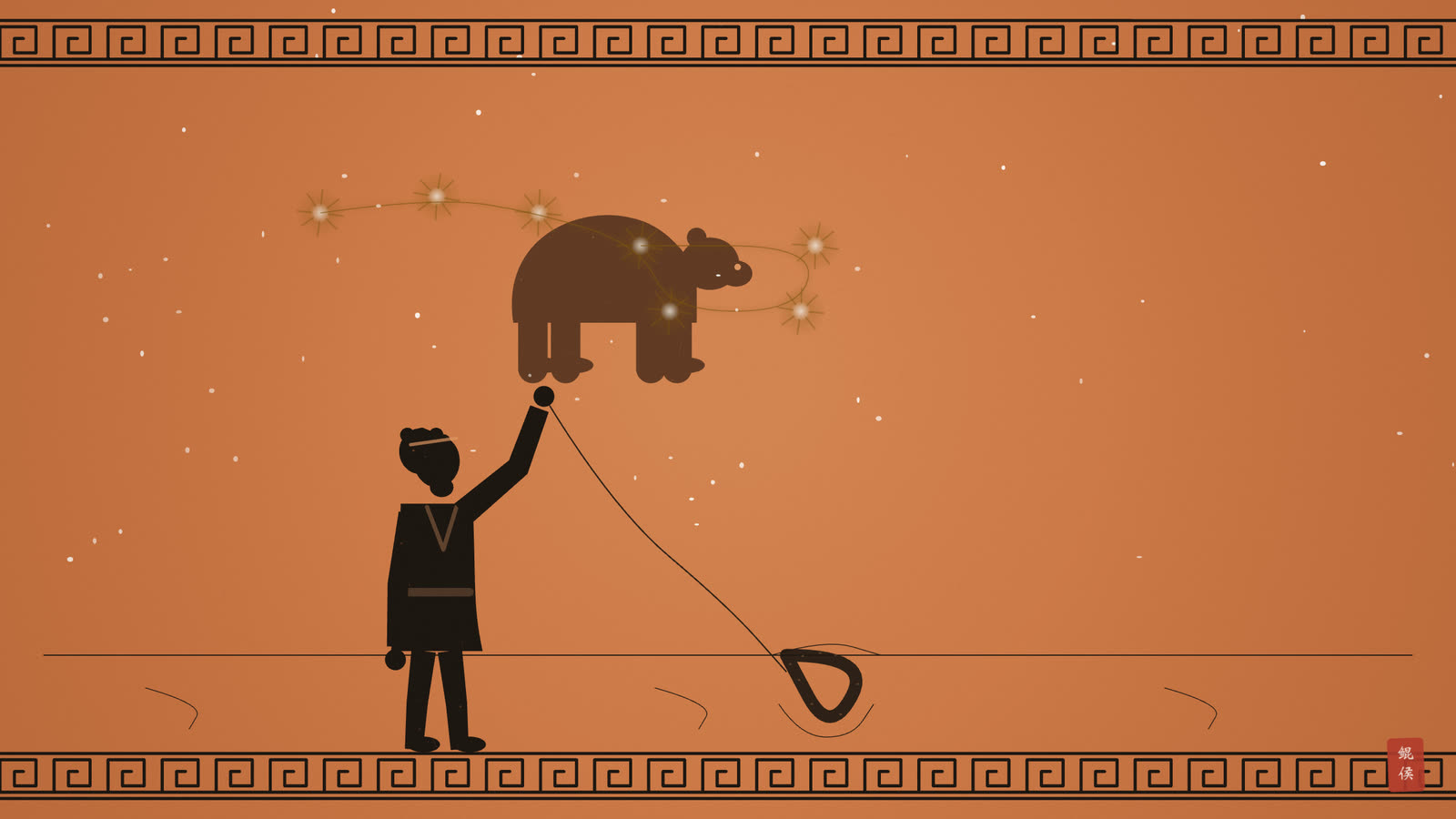
第三种是「平行球」:站在北极,天极正在头顶,大熊星座悬在上空,一切与赤道平行的圈都与地平平行,天像直立旋转的陀螺(图一)。这时天赤道正好落在地平上,赤道以北的六个星座(白羊至处女)永在地平之上,「以相等的高度随诸天旋转」;以南的六个永不升起。
〔图〕极下的天:北半六座永在地平之上,南半六座永不升起
太阳在北半六座时,整整六个月不落,是一个长白昼;进入南半六座后,六个月不升,是一个长夜。所以「一年只有一个白昼、一个黑夜」。诗人再用「直线不能环绕球体」解释:视线是直的,大地是圆的,太阳在地平之下时,隆起的大地挡住了它。
这一段对极地的描写在古代是推理所得,并非亲见,但完全正确。诗人讲三种天球的目的,是为下一单元作铺垫:既然各地昼夜长短不同,星座的升起时间也必须按各地的情况来算,不能照搬一张表;这就是下一单元「通则」的由来。
📖 术语
| 术语 | 英文原词 | 意思 |
|---|---|---|
| 平行球 | Parallel Sphere | 极下所见的天球 |
| 熊 | Bear | 大熊座,北天之星 |
| 那条线 | the Line | 天赤道 |
| 陀螺 | Top | 比喻直立旋转 |
🧭 图解与讲解
第三种是「平行球」:站在北极,天极正在头顶,大熊星座悬在上空,一切与赤道平行的圈都与地平平行,天像直立旋转的陀螺(图一)。这时天赤道正好落在地平上,赤道以北的六个星座(白羊至处女)永在地平之上,「以相等的高度随诸天旋转」;以南的六个永不升起。
太阳在北半六座时,整整六个月不落,是一个长白昼;进入南半六座后,六个月不升,是一个长夜。所以「一年只有一个白昼、一个黑夜」。诗人再用「直线不能环绕球体」解释:视线是直的,大地是圆的,太阳在地平之下时,隆起的大地挡住了它。
这一段对极地的描写在古代是推理所得,并非亲见,但完全正确。诗人讲三种天球的目的,是为下一单元作铺垫:既然各地昼夜长短不同,星座的升起时间也必须按各地的情况来算,不能照搬一张表;这就是下一单元「通则」的由来。
What different sorts of Days and Nights are known / In all Positions thus my Muse hath shown; / Her Work goes on, and she must next comprise / What Signs appear, what Times they claim to rise / In all Positions of the moving Skies:
That when you follow Art, and boldly press / To find the Horoscope, a just Success / May meet thy search, and into knowledge raise thy guess.
But who can all their various times reherse? / Compute so much, and state Accounts in Verse?
Therefore this part let general Rules define, / Let those that follow my advanc'd Design / Apply them right, but let the Rules be mine. / Where-ever plac'd. by these few Rules proceed,
Another way to find the Trine the Signs Rising and Setting by Hours
By Nature settled, and by Art decreed; / First count how many Hours compleat the Night / Or Day, when Cancer in the Summer's height / Bears Phoebus, and short darkness bounds the light.
Day's Hours by Six divide, one sixth devise / To following Leo as his time to rise: / Night so divided too one Sixth bestow / On Taurus, that his rising time will show: / But then observe the difference of the time / Which Leo takes, and which the Bull to climb, / That into Three divide, and thence apply, / Beside the time which Taurus takes to mount the Sky, / One single Third to Naked Gemini.
The like to Cancer, and the like Account / To fiery Leo as his time to mount; / Then reckon all, you'll find the Sum the same / Which from the first Division to Leo came, / When one sixth part of Day was given to raise his Flame.
By the same Method Virgo's time define: / But this Condition runs thro' every Sign, / The following keeps those Hours the Sign before / Obtain'd to rise, and vulgarly adds more: / As these an orderly Encrease maintain, / So Signs from Libra still decrease again:
But different Order they observe in Skies, / The Hours these claim to Set, those take to Rise.
翻译点开
What different sorts of Days and Nights are known / In all Positions thus my Muse hath shown; / Her Work goes on, and she must next comprise / What Signs appear, what Times they claim to rise / In all Positions of the moving Skies:
在一切位置上有哪些不同种类的昼夜,我的缪斯就这样说明了;她的工作继续进行,接下来必须说明,在旋转的天的一切位置上,哪些星座出现,它们升起各要多少时间:
That when you follow Art, and boldly press / To find the Horoscope, a just Success / May meet thy search, and into knowledge raise thy guess.
好让你遵循技艺、大胆去求上升点时,你的寻求能获得应有的成功,把你的猜测提升为知识。
But who can all their various times reherse? / Compute so much, and state Accounts in Verse?
但谁能复述它们一切不同的时间?谁能计算这么多,用诗句列出账目?
Therefore this part let general Rules define, / Let those that follow my advanc'd Design / Apply them right, but let the Rules be mine. / Where-ever plac'd. by these few Rules proceed,
所以这一部分让一般的法则来规定,让追随我前进计划的人正确地应用它们,但法则要由我来定。无论身在何处,都按这几条法则进行,
Another way to find the Trine the Signs Rising and Setting by Hours
[求星座升落时辰的另一种方法]
By Nature settled, and by Art decreed; / First count how many Hours compleat the Night / Or Day, when Cancer in the Summer's height / Bears Phoebus, and short darkness bounds the light.
它们由自然确立,由技艺规定:先数一数,当巨蟹在夏天的高处承载福玻斯、短暂的黑暗限制光明时,黑夜或白昼有多少个时辰。
Day's Hours by Six divide, one sixth devise / To following Leo as his time to rise: / Night so divided too one Sixth bestow / On Taurus, that his rising time will show: / But then observe the difference of the time / Which Leo takes, and which the Bull to climb, / That into Three divide, and thence apply, / Beside the time which Taurus takes to mount the Sky, / One single Third to Naked Gemini.
把白昼的时辰除以六,把六分之一分给后随的狮子,作为他升起的时间:把黑夜也这样分,把六分之一给金牛,那就会显出他升起的时间:然后观察狮子升起与金牛攀升所需时间之差,把它分成三份,然后在金牛升上天空的时间之外,把单独一个三分之一给赤裸的双子。
The like to Cancer, and the like Account / To fiery Leo as his time to mount; / Then reckon all, you'll find the Sum the same / Which from the first Division to Leo came, / When one sixth part of Day was given to raise his Flame.
同样的再给巨蟹,同样的算法给火热的狮子作为他升起的时间;然后全部合计,你会发现总数与最初分给狮子的那个数相同——即白昼的六分之一给他升起火焰时的那个数。
By the same Method Virgo's time define: / But this Condition runs thro' every Sign, / The following keeps those Hours the Sign before / Obtain'd to rise, and vulgarly adds more: / As these an orderly Encrease maintain, / So Signs from Libra still decrease again:
用同样的方法定出处女的时间:但这个条件贯穿每个星座:后随的星座保有前一个星座升起所得的时辰,并照例再加上更多:这些星座这样有次序地递增,从天秤起的星座则又递减:
But different Order they observe in Skies, / The Hours these claim to Set, those take to Rise.
但它们在天上遵循不同的次序:这些星座沉没所需的时辰,就是那些星座升起所需的时辰。
大意与图解点开
🔎 大意:通则:取当地夏至的昼长与夜长,各除以六得狮子与金牛的升起时间,二者之差三分,逐座递加;天秤以后对称递减,升落互换。
📖 术语
| 术语 | 英文原词 | 意思 |
|---|---|---|
| 福玻斯 | Phoebus | 太阳神,即太阳 |
| 赤裸的双子 | Naked Gemini | 双子常画作裸身少年 |
| 六分之一 | one sixth | 昼长六分之一 |
🧭 图解与讲解
讲完三种天球,诗人说:各地星座升起的时间不同,不可能一一用诗列出,只能给出通则,由学者自己去算(图二)。通则如下:先量出本地夏至(太阳在巨蟹)那天的白昼与黑夜各有多少小时。那天白昼经过的六个星座是巨蟹到射手,黑夜经过的是摩羯到双子;诗人取白昼的六分之一为狮子升起的时间,黑夜的六分之一为金牛升起的时间。
| 星座 | 规则 | 例:昼十四时半、夜九时半 |
|---|---|---|
| 白羊 | 金牛减一差 | 1.31 时 |
| 金牛 | 夏至夜长的六分之一 | 1.58 时 |
| 双子 | 金牛加一差 | 1.86 时 |
| 巨蟹 | 双子加一差 | 2.14 时 |
| 狮子 | 夏至昼长的六分之一(=金牛加三差) | 2.42 时 |
| 处女 | 狮子加一差 | 2.69 时 |
| 天秤至双鱼 | 与处女至白羊对称递减 | 2.69 … 1.31 时 |
〔图〕通则四步:由当地夏至的昼夜长短推出各座升起时间
狮子与金牛的升起时间之差分成三份,每份就是相邻两座之间的增量:金牛加一份是双子,再加一份是巨蟹,再加一份正好回到狮子,「你会发现总数与最初分给狮子的那个数相同」,用来验算。处女再加一份;从天秤起反过来递减,与前面对称;而且这些星座沉没的时间等于对宫升起的时间。
用上一页尼罗河一带的数字(夏至昼十四时半、夜九时半)试算(表一):金牛约一时三十五分,狮子约二时二十五分,每差约十七分钟,十二座合计正好二十四小时。这与本页开头的斯塔迪昂数列(每座差十六分钟)十分接近,可见两套规则出于同一纬度的数据。
📖 术语
| 术语 | 英文原词 | 意思 |
|---|---|---|
| 福玻斯 | Phoebus | 太阳神,即太阳 |
| 赤裸的双子 | Naked Gemini | 双子常画作裸身少年 |
| 六分之一 | one sixth | 昼长六分之一 |
🧭 图解与讲解
讲完三种天球,诗人说:各地星座升起的时间不同,不可能一一用诗列出,只能给出通则,由学者自己去算(图二)。通则如下:先量出本地夏至(太阳在巨蟹)那天的白昼与黑夜各有多少小时。那天白昼经过的六个星座是巨蟹到射手,黑夜经过的是摩羯到双子;诗人取白昼的六分之一为狮子升起的时间,黑夜的六分之一为金牛升起的时间。
| 星座 | 规则 | 例:昼十四时半、夜九时半 |
|---|---|---|
| 白羊 | 金牛减一差 | 1.31 时 |
| 金牛 | 夏至夜长的六分之一 | 1.58 时 |
| 双子 | 金牛加一差 | 1.86 时 |
| 巨蟹 | 双子加一差 | 2.14 时 |
| 狮子 | 夏至昼长的六分之一(=金牛加三差) | 2.42 时 |
| 处女 | 狮子加一差 | 2.69 时 |
| 天秤至双鱼 | 与处女至白羊对称递减 | 2.69 … 1.31 时 |
狮子与金牛的升起时间之差分成三份,每份就是相邻两座之间的增量:金牛加一份是双子,再加一份是巨蟹,再加一份正好回到狮子,「你会发现总数与最初分给狮子的那个数相同」,用来验算。处女再加一份;从天秤起反过来递减,与前面对称;而且这些星座沉没的时间等于对宫升起的时间。
用上一页尼罗河一带的数字(夏至昼十四时半、夜九时半)试算(表一):金牛约一时三十五分,狮子约二时二十五分,每差约十七分钟,十二座合计正好二十四小时。这与本页开头的斯塔迪昂数列(每座差十六分钟)十分接近,可见两套规则出于同一纬度的数据。
原文为公有领域古籍;翻译、印象画与图文解读由 AI 辅助生成,鲲侯审校。