卷一·第二至三章 论敌的诘难与对控方的三问
论敌诘难:一族同肤色同性情,星辰何用?若善恶皆由星定,德行与律法何用?作者反问:你问过星占家没有?
II.
[1] First, then, they challenge us concerning the characters and complexions of human beings, saying: "If characters and complexions are bestowed on men by the mixtures of the planets, and if, as by a kind of painter's art and craft, the course of the planets composes the features of mortal bodies (that is, if the Moon makes people fair, Mars ruddy, and Saturn dark), why are all people born black in Ethiopia, fair in Germany, and ruddy in Thrace, as though the Moon and Mars had no force or strength in Ethiopia, and the star of Saturn abandoned its power and its license to fashion in Germany and Thrace?"
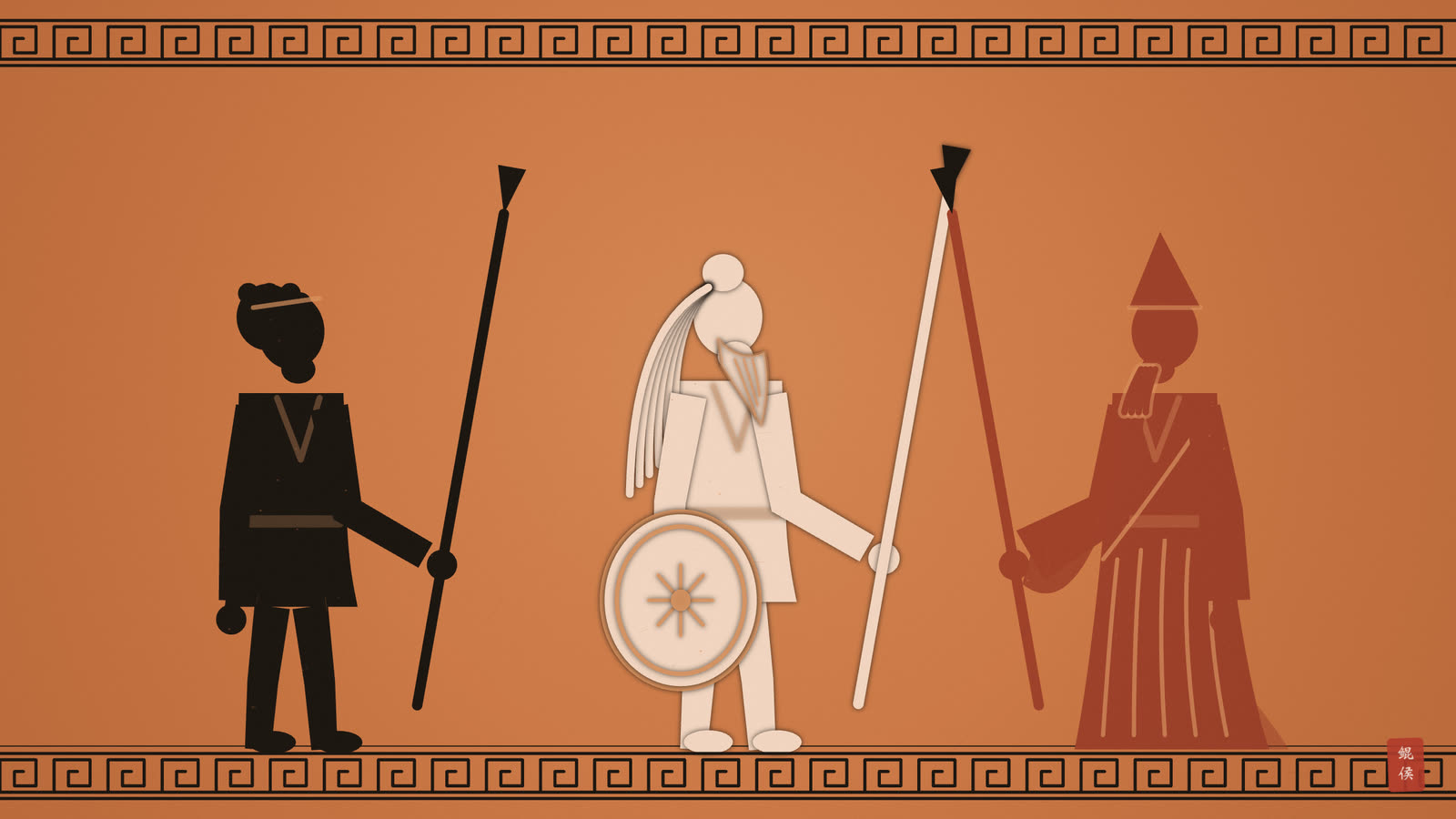
翻译点开
II.
第二章
[1] First, then, they challenge us concerning the characters and complexions of human beings, saying: "If characters and complexions are bestowed on men by the mixtures of the planets, and if, as by a kind of painter's art and craft, the course of the planets composes the features of mortal bodies (that is, if the Moon makes people fair, Mars ruddy, and Saturn dark), why are all people born black in Ethiopia, fair in Germany, and ruddy in Thrace, as though the Moon and Mars had no force or strength in Ethiopia, and the star of Saturn abandoned its power and its license to fashion in Germany and Thrace?"
〔一〕那么,他们首先就人的性情与肤色向我们发难,说:“倘若性情与肤色是由行星的混合赋予人的,倘若行星的运行像凭一种画师的技艺与手法那样组成凡人身体的容貌(也就是说,倘若月亮使人白皙,火星使人赤红,土星使人黝黑),那么为什么在埃塞俄比亚人人生来都黑,在日耳曼尼亚人人生来都白,在色雷斯人人生来都红,仿佛月亮和火星在埃塞俄比亚就没有力量与气力,土星之星在日耳曼尼亚和色雷斯就放弃了它的权能和塑造的自由?”
大意与图解点开
🔎 大意:论敌第一难:若月使人白、火星使人红、土星使人黑,为何埃塞俄比亚人全黑、日耳曼人全白、色雷斯人全红?
📖 术语
| 术语 | 英文原词 | 意思 |
|---|---|---|
| 性情 | characters | 人的品性脾气 |
| 肤色 | complexions | 人的面色与皮肤颜色 |
| 混合 | mixtures | 诸行星光线的配合 |
| 色雷斯 | Thrace | 巴尔干东部一地 |
| 日耳曼尼亚 | Germany | 莱茵河以东诸部之地 |
🧭 图解与讲解
第二章把论敌的说法一条条摆出来,第一条就是「肤色之难」。论敌先替星占家陈述其主张:行星的运行像画师作画一样塑造人的容貌,月亮使人白、火星使人红、土星使人黑(表一)。这个对应在古代星占书里很常见,作者在后面讲七曜时也会用到。
| 论敌所述的星 | 使人呈何色 | 论敌举出的反例 |
|---|---|---|
| 月亮 | 白皙 | 埃塞俄比亚人人都黑,月亮在那里似乎无力 |
| 火星 | 赤红 | 埃塞俄比亚人人都黑,火星在那里似乎无力 |
| 土星 | 黝黑 | 日耳曼人都白、色雷斯人都红,土星在那里似乎放弃了权能 |
〔图〕肤色之难的推理:星若定肤色,一地之人就不该同色
论敌的反驳是经验性的(图二):埃塞俄比亚人生来都黑,日耳曼人生来都白,色雷斯人生来都红。如果肤色由星辰决定,那么出生时刻各不相同的人,怎会一个地方整整齐齐都是同一种肤色?难道月亮和火星到了埃塞俄比亚就失灵,土星到了北方就放弃了它的权能?
这是古代反对占星的标准论证之一,大意是:地理与种族决定的东西,不能归于星辰。作者没有马上回答,而是先把论敌的全部论点列完;他的答复分两次给出,第五章先证明同族之人相貌也各不相同,第十章再用「五带」来解释肤色。
📖 术语
| 术语 | 英文原词 | 意思 |
|---|---|---|
| 性情 | characters | 人的品性脾气 |
| 肤色 | complexions | 人的面色与皮肤颜色 |
| 混合 | mixtures | 诸行星光线的配合 |
| 色雷斯 | Thrace | 巴尔干东部一地 |
| 日耳曼尼亚 | Germany | 莱茵河以东诸部之地 |
🧭 图解与讲解
第二章把论敌的说法一条条摆出来,第一条就是「肤色之难」。论敌先替星占家陈述其主张:行星的运行像画师作画一样塑造人的容貌,月亮使人白、火星使人红、土星使人黑(表一)。这个对应在古代星占书里很常见,作者在后面讲七曜时也会用到。
| 论敌所述的星 | 使人呈何色 | 论敌举出的反例 |
|---|---|---|
| 月亮 | 白皙 | 埃塞俄比亚人人都黑,月亮在那里似乎无力 |
| 火星 | 赤红 | 埃塞俄比亚人人都黑,火星在那里似乎无力 |
| 土星 | 黝黑 | 日耳曼人都白、色雷斯人都红,土星在那里似乎放弃了权能 |
论敌的反驳是经验性的(图二):埃塞俄比亚人生来都黑,日耳曼人生来都白,色雷斯人生来都红。如果肤色由星辰决定,那么出生时刻各不相同的人,怎会一个地方整整齐齐都是同一种肤色?难道月亮和火星到了埃塞俄比亚就失灵,土星到了北方就放弃了它的权能?
这是古代反对占星的标准论证之一,大意是:地理与种族决定的东西,不能归于星辰。作者没有马上回答,而是先把论敌的全部论点列完;他的答复分两次给出,第五章先证明同族之人相貌也各不相同,第十章再用「五带」来解释肤色。
[2] About character they add the following: "If Saturn makes people cautious, grave, slow, greedy, and silent; Jupiter mature, good, kind, and modest; Mars cruel, treacherous, and fierce; the Sun religious, noble, and proud; Venus luxurious, charming, and shining with the honorable splendor of grace; Mercury astute, crafty, and turbulent with the restless movements of an agitated mind; the Moon sharp, brilliant, elegant, and excelling in the charm of popular splendor, why are certain nations so formed that they stand out for a kind of uniformity of character peculiar to themselves?
[3] The Scythians alone run riot with the cruelty of monstrous savagery; the Italians are always born resplendent with royal nobility; the Gauls are dull-witted, the Greeks fickle, the Africans cunning, the Syrians greedy, the Sicilians sharp, the Asians always luxurious and given over to pleasures, and the Spaniards perverse with the haughty arrogance of boastfulness.
[4] So Jupiter never softens the rage of the Scythians, nor will the Sun ever deny dominion to the Italians; the star of Saturn does not impose weight on the fickleness of the Greeks, nor is Asian wantonness corrected by the sober moderation of Jupiter; the sharpness of the Sicilians will never be blunted by the cold rising of Saturn, nor is the greed of the Syrians tempered by the wanton rays of Venus; the saving star of Jupiter will not hinder the malicious schemes and double-tongued minds of the Africans, nor will the sluggish light of Saturn be able to dull the boastfulness of the Spaniards, nor will the most wise star of Mercury sharpen Gallic dullness."
翻译点开
[2] About character they add the following: "If Saturn makes people cautious, grave, slow, greedy, and silent; Jupiter mature, good, kind, and modest; Mars cruel, treacherous, and fierce; the Sun religious, noble, and proud; Venus luxurious, charming, and shining with the honorable splendor of grace; Mercury astute, crafty, and turbulent with the restless movements of an agitated mind; the Moon sharp, brilliant, elegant, and excelling in the charm of popular splendor, why are certain nations so formed that they stand out for a kind of uniformity of character peculiar to themselves?
〔二〕关于性情,他们又加上这样的话:“倘若土星使人谨慎、庄重、迟缓、贪婪而沉默;木星使人成熟、善良、和蔼而谦逊;火星使人残忍、背信而凶猛;太阳使人虔敬、高贵而骄傲;金星使人奢华、迷人,以风雅的体面光彩而闪耀;水星使人机敏、狡黠,因心思躁动不安而扰攘;月亮使人敏锐、出众、优雅,以受众人爱戴的光彩之魅力而胜出,那么为什么某些民族被塑造成这样:他们因一种自身特有的、近乎划一的性情而显眼?
[3] The Scythians alone run riot with the cruelty of monstrous savagery; the Italians are always born resplendent with royal nobility; the Gauls are dull-witted, the Greeks fickle, the Africans cunning, the Syrians greedy, the Sicilians sharp, the Asians always luxurious and given over to pleasures, and the Spaniards perverse with the haughty arrogance of boastfulness.
〔三〕唯独斯基泰人以骇人的野蛮凶残横行;意大利人生来总是闪耀着王者的高贵;高卢人愚钝,希腊人轻浮,阿非利加人狡诈,叙利亚人贪婪,西西里人敏锐,亚细亚人总是奢华而沉溺于享乐,西班牙人则因自夸的傲慢而乖张。
[4] So Jupiter never softens the rage of the Scythians, nor will the Sun ever deny dominion to the Italians; the star of Saturn does not impose weight on the fickleness of the Greeks, nor is Asian wantonness corrected by the sober moderation of Jupiter; the sharpness of the Sicilians will never be blunted by the cold rising of Saturn, nor is the greed of the Syrians tempered by the wanton rays of Venus; the saving star of Jupiter will not hinder the malicious schemes and double-tongued minds of the Africans, nor will the sluggish light of Saturn be able to dull the boastfulness of the Spaniards, nor will the most wise star of Mercury sharpen Gallic dullness."
〔四〕可见木星从来不能平息斯基泰人的狂暴,太阳也永远不会拒绝把统治权交给意大利人;土星之星不能给希腊人的轻浮加上分量,亚细亚的放荡也不因木星清醒的节制而得到矫正;西西里人的敏锐永远不会被土星寒冷的升起磨钝,叙利亚人的贪婪也不因金星放荡的光线而得到调和;木星这颗救助之星挡不住阿非利加人的恶毒算计与两面之心,土星迟缓的光也不能使西班牙人的自夸变得迟钝,水星这颗最有智慧的星也不能使高卢人的愚钝变得敏锐。”
大意与图解点开
🔎 大意:论敌第二难:七曜各主一种性情,可诸民族各有划一的性情,木星平息不了斯基泰人之狂,水星也磨不利高卢人之钝。
📖 术语
| 术语 | 英文原词 | 意思 |
|---|---|---|
| 斯基泰人 | Scythians | 黑海以北的游牧民族 |
| 高卢人 | Gauls | 今法国一带的居民 |
| 阿非利加人 | Africans | 罗马北非行省之人 |
| 亚细亚人 | Asians | 小亚细亚一带之人 |
| 救助之星 | saving star | 指木星,吉星 |
🧭 图解与讲解
第二难与第一难同一个思路,只是从肤色换成了性情。论敌先完整陈述星占家的七曜性情说(表一):土星使人谨慎迟缓,木星使人善良谦逊,火星使人残忍凶猛,太阳使人高贵骄傲,金星使人迷人奢华,水星使人机敏躁动,月亮使人敏锐优雅。这套说法就是卷三论七曜时的基本底色。
| 行星 | 论敌所述赋予的性情 |
|---|---|
| 土星 | 谨慎、庄重、迟缓、贪婪、沉默 |
| 木星 | 成熟、善良、和蔼、谦逊 |
| 火星 | 残忍、背信、凶猛 |
| 太阳 | 虔敬、高贵、骄傲 |
| 金星 | 奢华、迷人、风雅有光彩 |
| 水星 | 机敏、狡黠、心思躁动 |
| 月亮 | 敏锐、出众、优雅、受人爱戴 |
| 民族 | 论敌说的划一性情 | 论敌说哪颗星改变不了它 |
|---|---|---|
| 斯基泰人 | 野蛮凶残 | 木星不能平息 |
| 意大利人 | 王者的高贵 | 太阳总把统治权给他们 |
| 希腊人 | 轻浮 | 土星不能加以分量 |
| 亚细亚人 | 奢华享乐 | 木星的节制不能矫正 |
| 西西里人 | 敏锐 | 土星的寒冷不能磨钝 |
| 叙利亚人 | 贪婪 | 金星的光不能调和 |
| 阿非利加人 | 狡诈 | 木星挡不住 |
| 西班牙人 | 自夸傲慢 | 土星不能使之迟钝 |
| 高卢人 | 愚钝 | 水星不能使之敏锐 |
接着论敌列出九个民族的「定型」性情(表二),每一条都配上一颗本应起相反作用的星:木星主和善,却平息不了斯基泰人的狂暴;水星主智慧,却磨不利高卢人的愚钝。言下之意,一个民族生下来就是那个样子,星辰在其中毫无作用。
这些民族评语是罗马人当时流行的刻板印象,作者在这里是借论敌之口说出的,不代表他自己的看法。到了第十章,他会把这张单子原样翻过来,逐一举出反例:亚细亚人多半清醒,高卢境内也有智慧之民,西西里人里也不难找到愚人。
[5] But the most powerful of their perorations, and the one aimed most vehemently against us, is this: they say that by the teaching of this art all the duties of virtue are removed from human affairs, if temperance, fortitude, prudence, and justice are ascribed to the decrees of the stars and not to our own wills; and that now, if anyone has broken the bond of fellowship and affection, neglected the laws of human concord, and given himself over wholly to savagery and treachery, he may with an easy mind ascribe his crime and the perverse desires of his soul to the judgments of the stars.
[6] "Let him be unjust, let him be treacherous, let him be malevolent, let him be irreligious, since the configuration of Mercury with Mars has brought about these evil vices! Why do we strengthen our minds by the pursuit of fortitude; why, with upright minds and lofty constancy, formed by the teaching of the divine virtues, do we despise death and pain when we are placed in bitter misfortunes, if the Sun, in the favorable fellowship of a conjunction with Jupiter, bestows the praise of glory and the insignia of the most powerful rank upon us even when we do not seek them?
[7] In vain, then, do we restrain the vices of a straying mind by counsel and reason; in vain do we temper the luxurious enticements of lust; in vain, at the prompting of gravity, do we seek out the moderation and the laws of equity, if Mercury, tempered by the good rays of Jupiter and the Moon, inflames us with longing and desire for this virtue."
翻译点开
[5] But the most powerful of their perorations, and the one aimed most vehemently against us, is this: they say that by the teaching of this art all the duties of virtue are removed from human affairs, if temperance, fortitude, prudence, and justice are ascribed to the decrees of the stars and not to our own wills; and that now, if anyone has broken the bond of fellowship and affection, neglected the laws of human concord, and given himself over wholly to savagery and treachery, he may with an easy mind ascribe his crime and the perverse desires of his soul to the judgments of the stars.
〔五〕但他们结论里最有力、对我们攻得最猛的一条是这样的:他们说,按这门技艺的教导,倘若节制、勇敢、明智与正义都归于星辰的判定,而不归于我们自己的意志,那么一切德行的本分就都从人事中被取消了;而且如今,若有人断绝了交谊与亲情的纽带,蔑视人类和睦的法则,把自己全然交给野蛮与背信,他就可以心安理得地把自己的罪行和灵魂里的邪恶欲望归于星辰的判定。
[6] "Let him be unjust, let him be treacherous, let him be malevolent, let him be irreligious, since the configuration of Mercury with Mars has brought about these evil vices! Why do we strengthen our minds by the pursuit of fortitude; why, with upright minds and lofty constancy, formed by the teaching of the divine virtues, do we despise death and pain when we are placed in bitter misfortunes, if the Sun, in the favorable fellowship of a conjunction with Jupiter, bestows the praise of glory and the insignia of the most powerful rank upon us even when we do not seek them?
〔六〕“那就让他不义吧,让他背信吧,让他心怀恶意吧,让他不敬神吧,既然是水星与火星的格局造成了这些恶习!倘若太阳在与木星会合的吉利交谊里,即使我们不去追求,也把荣耀的称誉与最高官位的标志赐给我们,那我们何必还要靠追求勇敢来坚固心志?何必还要以正直的心和崇高的坚定——它们是由神圣德行的教导塑造的——在身处苦难时蔑视死亡与痛苦?
[7] In vain, then, do we restrain the vices of a straying mind by counsel and reason; in vain do we temper the luxurious enticements of lust; in vain, at the prompting of gravity, do we seek out the moderation and the laws of equity, if Mercury, tempered by the good rays of Jupiter and the Moon, inflames us with longing and desire for this virtue."
〔七〕那么,倘若水星受到木星和月亮的吉利光线调和,就会点燃我们对这种德行的渴望与欲求,我们用劝诫与理性去约束迷途之心的恶习就是徒劳,我们去节制情欲那奢靡的诱惑也是徒劳,我们在庄重之心的催促下去寻求公平的节度与法则也是徒劳。”
大意与图解点开
🔎 大意:论敌最猛的一条:若德行恶行都由星定,德行便无用武之地,恶人可推罪于星,修身、节欲、求公平全是徒劳。
📖 术语
| 术语 | 英文原词 | 意思 |
|---|---|---|
| 节制 | temperance | 四主德之一 |
| 勇敢 | fortitude | 四主德之一 |
| 明智 | prudence | 四主德之一 |
| 正义 | justice | 四主德之一 |
| 格局 | configuration | 行星之间的相对位置 |
🧭 图解与讲解
第三条论点作者自己说是论敌「最有力、攻得最猛」的。前两难还只是说星辰管不到肤色与民族性,这一难直指伦理(图一):如果节制、勇敢、明智、正义这四种主德都归于星辰的判定,人的德行就没有意义;反过来,作恶的人也可以心安理得地把罪推给星辰。
〔图〕德行无用论:善恶若由星定,修身便是徒劳
| 论敌举的星象 | 论敌说它造成什么 | 论敌说因此哪种努力徒劳 |
|---|---|---|
| 水星与火星的格局 | 不义、背信、恶意、不敬神 | 恶人从此不必自责 |
| 太阳与木星会合 | 荣耀与最高官位 | 追求勇敢、坚忍苦难 |
| 水星得木星与月亮调和 | 对德行的渴望 | 以理性约束心、节制情欲、求公平 |
论敌还借用星占家自己的规则来加强语气(表二):水星与火星成格局,造成不义与不敬;太阳与木星会合,不求也有荣耀官位;水星得木星、月亮的吉光调和,就会生出对德行的渴望。既然如此,修身、坚忍、节欲、求公平都成了徒劳。这里的格局与会合,都是卷六等处讲到的星象组合。
这个论证在古代反占星文献里流传很广,后来的基督教作家也常用。作者在第六章用苏格拉底的故事回答一半,在第七章用一长串历史实例回答另一半,最后在第八、九章干脆承认:人所做所受的一切都在命运掌中。
📖 术语
| 术语 | 英文原词 | 意思 |
|---|---|---|
| 节制 | temperance | 四主德之一 |
| 勇敢 | fortitude | 四主德之一 |
| 明智 | prudence | 四主德之一 |
| 正义 | justice | 四主德之一 |
| 格局 | configuration | 行星之间的相对位置 |
🧭 图解与讲解
第三条论点作者自己说是论敌「最有力、攻得最猛」的。前两难还只是说星辰管不到肤色与民族性,这一难直指伦理(图一):如果节制、勇敢、明智、正义这四种主德都归于星辰的判定,人的德行就没有意义;反过来,作恶的人也可以心安理得地把罪推给星辰。
| 论敌举的星象 | 论敌说它造成什么 | 论敌说因此哪种努力徒劳 |
|---|---|---|
| 水星与火星的格局 | 不义、背信、恶意、不敬神 | 恶人从此不必自责 |
| 太阳与木星会合 | 荣耀与最高官位 | 追求勇敢、坚忍苦难 |
| 水星得木星与月亮调和 | 对德行的渴望 | 以理性约束心、节制情欲、求公平 |
论敌还借用星占家自己的规则来加强语气(表二):水星与火星成格局,造成不义与不敬;太阳与木星会合,不求也有荣耀官位;水星得木星、月亮的吉光调和,就会生出对德行的渴望。既然如此,修身、坚忍、节欲、求公平都成了徒劳。这里的格局与会合,都是卷六等处讲到的星象组合。
这个论证在古代反占星文献里流传很广,后来的基督教作家也常用。作者在第六章用苏格拉底的故事回答一半,在第七章用一长串历史实例回答另一半,最后在第八、九章干脆承认:人所做所受的一切都在命运掌中。
[8] They also challenge individual people with this kind of argument: "In vain, good sir, do you discern between good things and feel the desire to flee from evil ones! Why do you fortify yourself with honorable precautions and the support of diligence, if all this is furnished to you not by knowledge but by Saturn or by Jupiter? Let us despise the gods, if it seems good, and with the sacrilegious fervor of despair let us profane the holy and venerable ceremonies of religion!
[9] Why, ploughman, do you call upon the gods? Without the care of any deity, the furrow of your field has been leveled by your own skill. You who set out the lines of olive trees in distinct rows across the open ridges, in vain do you vow the shoots of your vines to your Liber with religious trepidation, if they are denied or granted by the course of the stars without the protection of any deity.
[10] You who promulgate laws and ratify rights, abolish your decrees, tear down your tablets, and free us from these most severe punishments: Mercury, as the astrologers would have it, made that man sacrilegious, and Venus made this one an adulterer; the star of Mars armed that one for the slaughter of men; Mercury compels one man to falsify documents, another to mix poisons, and another, with wicked incantations, to rouse the untroubled souls of those at rest, already purged by the forgetfulness of the river Lethe.
[11] Look, that man is inflamed with incestuous passions; this one you see clinging to the embraces of boys: we attribute the cause of so great an evil to Mars or to Venus. That man, at your command, was struck down without cause by the executioner's hand; against this one a sentence was wrongly pronounced: if he was compelled to sin not by his own will but by the vicious rays of the stars, then you magistrates have no just ground for punishment, since you know that we are always incited to these vices by the malign kindlings of the stars."
[12] These and other things they put together in the same style, asking whether we say that the stars are animate or inanimate, so that, confounded by the conclusion of this question, we may only with difficulty bring forth the judgment and verdict of our mind; for whichever of the two is said, they turn it to the contrary with the stings of their syllogisms, so that the speech of those who reply is hemmed in and made to agree with their will.
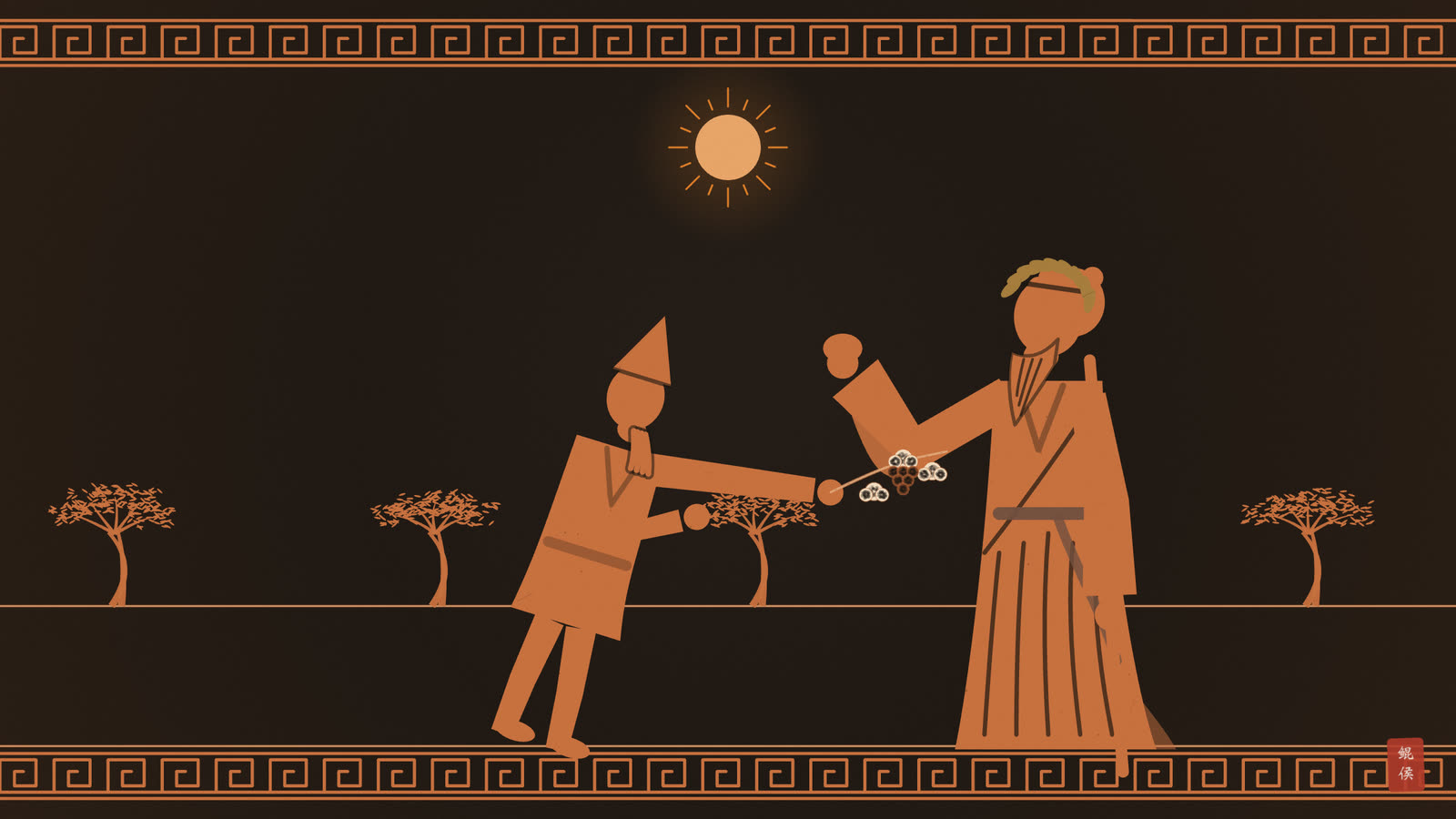
翻译点开
[8] They also challenge individual people with this kind of argument: "In vain, good sir, do you discern between good things and feel the desire to flee from evil ones! Why do you fortify yourself with honorable precautions and the support of diligence, if all this is furnished to you not by knowledge but by Saturn or by Jupiter? Let us despise the gods, if it seems good, and with the sacrilegious fervor of despair let us profane the holy and venerable ceremonies of religion!
〔八〕他们还用这样的论证质问每一个人:“好先生,你分辨善事、感到要逃避恶事的渴望,都是徒劳!倘若这一切都不是由知识、而是由土星或木星供给你的,你何必还用体面的谨慎和勤勉的扶持来坚固自己?那么,要是愿意,就让我们蔑视诸神,以绝望的亵渎狂热去玷污宗教那神圣可敬的仪式吧!
[9] Why, ploughman, do you call upon the gods? Without the care of any deity, the furrow of your field has been leveled by your own skill. You who set out the lines of olive trees in distinct rows across the open ridges, in vain do you vow the shoots of your vines to your Liber with religious trepidation, if they are denied or granted by the course of the stars without the protection of any deity.
〔九〕农夫啊,你为什么呼求诸神?没有任何神灵照管,你田里的犁沟也已靠你自己的手艺耙平了。你这在开阔的山脊上把橄榄树一行行分开种好的人,倘若你葡萄藤上的新枝不经任何神灵护佑,就由星辰的运行或拒或予,那你怀着虔敬的惶恐把它们许愿献给你的利伯尔,也是徒劳。
[10] You who promulgate laws and ratify rights, abolish your decrees, tear down your tablets, and free us from these most severe punishments: Mercury, as the astrologers would have it, made that man sacrilegious, and Venus made this one an adulterer; the star of Mars armed that one for the slaughter of men; Mercury compels one man to falsify documents, another to mix poisons, and another, with wicked incantations, to rouse the untroubled souls of those at rest, already purged by the forgetfulness of the river Lethe.
〔十〕你这颁布法律、确立权利的人,废掉你的法令,拆下你的法版,把我们从这些最严厉的惩罚里释放出来吧:照星占家的说法,是水星使那人亵渎神圣,是金星使这人通奸;是火星之星把那人武装起来去杀人;是水星逼一个人伪造文书,逼另一个人调配毒药,又逼另一个人用邪恶的咒语去惊扰那些安息者的平静灵魂——他们已经被忘川勒忒的遗忘洗净了。
[11] Look, that man is inflamed with incestuous passions; this one you see clinging to the embraces of boys: we attribute the cause of so great an evil to Mars or to Venus. That man, at your command, was struck down without cause by the executioner's hand; against this one a sentence was wrongly pronounced: if he was compelled to sin not by his own will but by the vicious rays of the stars, then you magistrates have no just ground for punishment, since you know that we are always incited to these vices by the malign kindlings of the stars."
〔十一〕看,那人被乱伦的情欲点燃;你看这人缠着少年们的怀抱:我们把这么大的恶的原因归于火星或金星。那人奉你的命令,无缘无故被刽子手的手击倒;对这人,判决下错了:倘若他犯罪不是出于自己的意志,而是被星辰邪恶的光线所迫,那么你们这些官员就没有正当的惩罚理由,因为你们知道,我们总是被星辰那恶意的点燃激向这些恶习。”
[12] These and other things they put together in the same style, asking whether we say that the stars are animate or inanimate, so that, confounded by the conclusion of this question, we may only with difficulty bring forth the judgment and verdict of our mind; for whichever of the two is said, they turn it to the contrary with the stings of their syllogisms, so that the speech of those who reply is hemmed in and made to agree with their will.
〔十二〕他们还用同样的笔法拼凑出这些以及别的说法,又问我们说星辰是有灵魂的还是无灵魂的,好让我们被这个问题的结论弄得狼狈,只能勉强说出自己心中的判断与裁决;因为无论说是哪一种,他们都会用三段论的毒刺把它扭到反面,使答话的人的言辞被困住,只能顺从他们的意愿。
大意与图解点开
🔎 大意:论敌向世人喊话:若一切由星,祈神、修德皆徒劳,农夫不必许愿,立法者该撤销刑罚;又以星辰有灵无灵设下两难。
📖 术语
| 术语 | 英文原词 | 意思 |
|---|---|---|
| 利伯尔 | Liber | 罗马的酒神 |
| 忘川勒忒 | the river Lethe | 冥界中使人遗忘的河 |
| 法版 | tablets | 刻写法律公布的版 |
| 裁判官 | praetor | 罗马主持审判的官 |
| 三段论 | syllogisms | 大前提小前提推出结论 |
🧭 图解与讲解
这一单元是论敌的修辞高潮,他们不再陈述论点,而是直接向各种人喊话(表一)。对一般人:既然善恶由土星木星供给,修身就是徒劳,干脆蔑视诸神。对农夫:犁地靠手艺,葡萄收成由星辰,何必向酒神利伯尔许愿。这一层的锋芒,是说占星会使宗教失去意义。
| 被喊话的人 | 论敌的讥讽 |
|---|---|
| 每一个人 | 分辨善恶、谨慎勤勉都是徒劳,不如蔑视诸神 |
| 农夫 | 犁沟靠手艺,葡萄由星辰,何必向利伯尔许愿 |
| 立法者 | 罪行由水星、金星、火星所致,该撤销法令与刑罚 |
| 官员 | 人若被星光所迫而犯罪,惩罚就没有正当理由 |
〔图〕星辰有灵还是无灵:论敌设好两难,无论怎么答都被扭到反面
对立法者和官员的喊话更尖锐:亵渎、通奸、杀人、伪造、下毒、招魂,样样都可推给水星、金星、火星;既然人是被星光所迫,惩罚就没有正当理由,法版应当拆掉。第十一节「被错误地宣判」一语,本站据1468年纽伦堡本读作 perperam(错误地);另一读法:其余传本作 per PR.,即「由裁判官宣判」。这层锋芒针对律法。文中关于乱伦与娈童的话原文如此,本站照译不作发挥。
最后一段是一个哲学圈套(图二):星辰有灵魂还是没有?论敌已备好两套三段论,无论答哪一种都会被驳倒。作者只把这个问题记下,没有当场回答;到第五章他才明白表态,说星辰有其「自身的感知与神圣的智慧」,人的灵魂也经由日月的天球往来。论敌的诘难到此列完,下一章作者转守为攻。
📖 术语
| 术语 | 英文原词 | 意思 |
|---|---|---|
| 利伯尔 | Liber | 罗马的酒神 |
| 忘川勒忒 | the river Lethe | 冥界中使人遗忘的河 |
| 法版 | tablets | 刻写法律公布的版 |
| 裁判官 | praetor | 罗马主持审判的官 |
| 三段论 | syllogisms | 大前提小前提推出结论 |
🧭 图解与讲解
这一单元是论敌的修辞高潮,他们不再陈述论点,而是直接向各种人喊话(表一)。对一般人:既然善恶由土星木星供给,修身就是徒劳,干脆蔑视诸神。对农夫:犁地靠手艺,葡萄收成由星辰,何必向酒神利伯尔许愿。这一层的锋芒,是说占星会使宗教失去意义。
| 被喊话的人 | 论敌的讥讽 |
|---|---|
| 每一个人 | 分辨善恶、谨慎勤勉都是徒劳,不如蔑视诸神 |
| 农夫 | 犁沟靠手艺,葡萄由星辰,何必向利伯尔许愿 |
| 立法者 | 罪行由水星、金星、火星所致,该撤销法令与刑罚 |
| 官员 | 人若被星光所迫而犯罪,惩罚就没有正当理由 |
对立法者和官员的喊话更尖锐:亵渎、通奸、杀人、伪造、下毒、招魂,样样都可推给水星、金星、火星;既然人是被星光所迫,惩罚就没有正当理由,法版应当拆掉。第十一节「被错误地宣判」一语,本站据1468年纽伦堡本读作 perperam(错误地);另一读法:其余传本作 per PR.,即「由裁判官宣判」。这层锋芒针对律法。文中关于乱伦与娈童的话原文如此,本站照译不作发挥。
最后一段是一个哲学圈套(图二):星辰有灵魂还是没有?论敌已备好两套三段论,无论答哪一种都会被驳倒。作者只把这个问题记下,没有当场回答;到第五章他才明白表态,说星辰有其「自身的感知与神圣的智慧」,人的灵魂也经由日月的天球往来。论敌的诘难到此列完,下一章作者转守为攻。
III.
[1] In these matters and disputations I praise their talents, but I avoid their purpose and design, since astrology has proved its credibility to us by the divine and most manifest authority of its responses and its predicted outcomes.
[2] Some even add, in order to agree with us in part and, by a coaxed agreement, to drive this whole science out through despair and doubt, that this doctrine does indeed have very great force; but they affirm that no one can reach a clear result, because of the smallness of the degrees and minutes, the most rapid course of the stars, and the headlong slipping of the heaven's whirling rotation, so that by this plausible definition of theirs the substance of the whole science may be undermined.
[3] But I, though my talent is slender and my speech, of narrow eloquence, almost ineffectual, and though it would be proper to refute what they say by the very truth of the matter and to confirm the precepts of this divine science by the constancy of its responses and predicted outcomes, will nevertheless reply, asking your pardon, Lollianus, our glory, that in all these refutations the faithfulness of truth be sought, not the splendor and substance of oratory.
翻译点开
III.
第三章
[1] In these matters and disputations I praise their talents, but I avoid their purpose and design, since astrology has proved its credibility to us by the divine and most manifest authority of its responses and its predicted outcomes.
〔一〕在这些事情和辩论上,我称赞他们的才智,却避开他们的意图和用心,因为星占之学已借它的答语与预言之事那神圣而极其明显的权威,向我们证明了它的可信。
[2] Some even add, in order to agree with us in part and, by a coaxed agreement, to drive this whole science out through despair and doubt, that this doctrine does indeed have very great force; but they affirm that no one can reach a clear result, because of the smallness of the degrees and minutes, the most rapid course of the stars, and the headlong slipping of the heaven's whirling rotation, so that by this plausible definition of theirs the substance of the whole science may be undermined.
〔二〕有些人甚至补上一说,好在一定程度上与我们一致,借着哄出来的同意,以绝望与怀疑把这整门学问驱逐出去:他们说这门学说确实有极大的力量,但断言谁也达不到清楚的结果,因为度数与分数太细小,星辰的运行太迅速,天的旋转急速滑落,以致凭他们这个似乎可信的界定,整门学问的实质就被掏空了。
[3] But I, though my talent is slender and my speech, of narrow eloquence, almost ineffectual, and though it would be proper to refute what they say by the very truth of the matter and to confirm the precepts of this divine science by the constancy of its responses and predicted outcomes, will nevertheless reply, asking your pardon, Lollianus, our glory, that in all these refutations the faithfulness of truth be sought, not the splendor and substance of oratory.
〔三〕但我虽然才力单薄,言辞也因口才狭隘而几乎无力,虽然本该凭事情本身的真实来驳斥他们所说的话,凭答语与预言之事的始终如一来证实这门神圣学问的教导,我还是要作答,并请求你的宽恕,洛利亚努斯,我们的光荣:在这一切驳斥里,所求的是真实的忠信,而不是辞章的华彩与分量。
大意与图解点开
🔎 大意:作者称赞论敌的才智而不取其用心;另有人承认星力极大,却说度分太细、天转太快,没人算得准,作者要以真实作答。
📖 术语
| 术语 | 英文原词 | 意思 |
|---|---|---|
| 答语 | responses | 星占家给问者的回答 |
| 预言之事 | predicted outcomes | 星占家预言后应验之事 |
| 度数与分数 | degrees and minutes | 黄道一度分六十分 |
| 界定 | definition | 给学问下的论断 |
🧭 图解与讲解
第三章作者开始回应。他先表了一个态度:论敌的才智值得称赞,但他们的用心不可取;而星占之学的可信,已由星占家的答语与「预言之事」(应验的预言)证明了。「答语」(responses)与「预言之事」(predicted outcomes)是本卷反复出现的一对词,前者是星占家对求问者的回答,后者是预言并且应验了的事。
〔图〕精度之难:先承认星力,再说谁也算不准,以退为进
〔图〕作者的立足点:凭答语应验来证此学,不凭辞章取胜
接着他插进一种较温和的反对意见(图一):有些人表面上同意星占之学「确有极大力量」,却说没有人能算出清楚的结果,因为黄道的度与分太细小,星辰运行太快,天的旋转一刻不停。这是以退为进:不否认原理,只否认人能把原理落到实处。
这一难作者在本章没有正面拆解,要到第四章才回答:既然人连行星的留、逆、交食都能预先算准,再定出它们的作用就不算更难。这里他只是再一次向洛利亚努斯致歉,声明自己的驳斥求的是「真实的忠信」,不求辞章华彩(图二)。
📖 术语
| 术语 | 英文原词 | 意思 |
|---|---|---|
| 答语 | responses | 星占家给问者的回答 |
| 预言之事 | predicted outcomes | 星占家预言后应验之事 |
| 度数与分数 | degrees and minutes | 黄道一度分六十分 |
| 界定 | definition | 给学问下的论断 |
🧭 图解与讲解
第三章作者开始回应。他先表了一个态度:论敌的才智值得称赞,但他们的用心不可取;而星占之学的可信,已由星占家的答语与「预言之事」(应验的预言)证明了。「答语」(responses)与「预言之事」(predicted outcomes)是本卷反复出现的一对词,前者是星占家对求问者的回答,后者是预言并且应验了的事。
接着他插进一种较温和的反对意见(图一):有些人表面上同意星占之学「确有极大力量」,却说没有人能算出清楚的结果,因为黄道的度与分太细小,星辰运行太快,天的旋转一刻不停。这是以退为进:不否认原理,只否认人能把原理落到实处。
这一难作者在本章没有正面拆解,要到第四章才回答:既然人连行星的留、逆、交食都能预先算准,再定出它们的作用就不算更难。这里他只是再一次向洛利亚努斯致歉,声明自己的驳斥求的是「真实的忠信」,不求辞章华彩(图二)。
[4] And first I should like this vehement accuser of the astrologers, who attacks this art with such lofty speech, to declare: did he ever make any trial of this science? Or, when he inquired, did no one answer him truly? Or, scorning to listen and expecting his ears to be polluted by such responses, did he, severe and vehement and in a way disturbing the rights of the whole of divinity, sharpen the stings of his arguments with the license of practiced speech?
[5] If true responses were given to him when he asked, and the faithfulness of truth followed the pronouncement of the one who answered, why does he censure what he ought to have admired? Why does this faithless accuser assail a divine science with the spirit of a traitor?
[6] But if the man who professed to know mathesis could not, because of erratic responses, fulfill what he had said, and his responses stain his promise with lies, then it is his inexperience and rashness that must be struck at, and his deceitful promise that must be disgraced; for he deserves every ill, since it is his doing that the study of an illustrious art is overshadowed by the false lies of his responses.
[7] But he who would neither inquire into anything nor listen, and did not lend the judgment of his ears to those who answered truly, fearing, no doubt, that the faithfulness of truth might break down his rigid thoughts, acts unjustly if he thinks he should censure whatever he was unable to grasp with the dull effort of his mind [text uncertain]. For, as we know, judges who pronounce on matters unknown to them are always unjust, and he has no authority to judge who is led to decide something by the ignorant license of rashness and comes forward to deliver a verdict without having examined the pleadings of the parties.
[8] Hence, if the man who attacks it has heard something from a most skilled astrologer and has believed and approved it, then he has conceived the reprehensible wishes of a contradicter from a malicious impulse of mind and a combative zeal; but if an unskilled practitioner gave false answers to his question, let not mathesis be censured but the deceitful and rash ignorance of the man; while he who would neither listen nor judge claims for himself the role of pronouncing in vain, since he is not competent to censure the substance of a thing of which he refused to make any trial.
翻译点开
[4] And first I should like this vehement accuser of the astrologers, who attacks this art with such lofty speech, to declare: did he ever make any trial of this science? Or, when he inquired, did no one answer him truly? Or, scorning to listen and expecting his ears to be polluted by such responses, did he, severe and vehement and in a way disturbing the rights of the whole of divinity, sharpen the stings of his arguments with the license of practiced speech?
〔四〕首先,我希望这位用如此高妙的言辞攻击这门技艺、对星占家穷追猛打的控告者表明:他可曾对这门学问作过任何试验?还是他询问时,没有人给他真实的答复?抑或是他不屑一听,以为这类答语会玷污自己的耳朵,于是严厉而激烈地、某种程度上扰乱了整个神界的权利,凭着熟练言辞的放纵,磨利他论证的毒刺?
[5] If true responses were given to him when he asked, and the faithfulness of truth followed the pronouncement of the one who answered, why does he censure what he ought to have admired? Why does this faithless accuser assail a divine science with the spirit of a traitor?
〔五〕倘若他询问时得到的是真实的答语,答话者的宣告之后跟着真实的应验,那他为什么要指责他本该赞叹的东西?这位不讲信义的控告者,为什么要以叛徒之心攻击一门神圣的学问?
[6] But if the man who professed to know mathesis could not, because of erratic responses, fulfill what he had said, and his responses stain his promise with lies, then it is his inexperience and rashness that must be struck at, and his deceitful promise that must be disgraced; for he deserves every ill, since it is his doing that the study of an illustrious art is overshadowed by the false lies of his responses.
〔六〕但倘若那个自称懂得数学的人,因答语出错而不能兑现他所说的话,他的答语以谎言玷污了他的许诺,那么该打击的是此人的无知与鲁莽,该蒙羞的是他骗人的许诺;因为他该受一切恶报,正是由于他,一门卓越技艺的研习被他答语的虚假谎言所遮蔽。
[7] But he who would neither inquire into anything nor listen, and did not lend the judgment of his ears to those who answered truly, fearing, no doubt, that the faithfulness of truth might break down his rigid thoughts, acts unjustly if he thinks he should censure whatever he was unable to grasp with the dull effort of his mind [text uncertain]. For, as we know, judges who pronounce on matters unknown to them are always unjust, and he has no authority to judge who is led to decide something by the ignorant license of rashness and comes forward to deliver a verdict without having examined the pleadings of the parties.
〔七〕但那个既不肯询问也不肯听、不把耳朵的判断借给那些真实作答之人的人——无疑是怕真实的忠信会击垮他僵硬的念头——倘若他认为凡是他凭迟钝的心思所不能把握的东西都该受指责,那他就行事不公〔原文疑有讹误〕。因为我们知道,对自己不了解的事作出宣判的法官总是不公正的;一个凭着无知的放肆和鲁莽就来判定某事、不审查双方的申辩就上前宣判的人,没有裁判的权威。
[8] Hence, if the man who attacks it has heard something from a most skilled astrologer and has believed and approved it, then he has conceived the reprehensible wishes of a contradicter from a malicious impulse of mind and a combative zeal; but if an unskilled practitioner gave false answers to his question, let not mathesis be censured but the deceitful and rash ignorance of the man; while he who would neither listen nor judge claims for himself the role of pronouncing in vain, since he is not competent to censure the substance of a thing of which he refused to make any trial.
〔八〕由此可知,攻击它的那个人,倘若从一位极其高明的星占家那里听到过什么,并且相信、认可了它,那他怀着反驳者那应受谴责的愿望,就是出于心中的恶意冲动和好斗之心;倘若是一个不高明的从业者给了他的询问以错误的答复,那么该受指责的不是数学,而是此人欺骗而鲁莽的无知;至于那个既不肯听也不肯判断的人,他为自己要来的只是一个白白宣判的角色,因为他对一件他拒绝作任何试验的事物的实质,没有资格加以指责。
大意与图解点开
🔎 大意:作者问控方:你试过此学吗?得了真答语就该赞叹;遇上庸手只该怪庸手;从未试过就来宣判,便没有资格指责。
📖 术语
| 术语 | 英文原词 | 意思 |
|---|---|---|
| 控告者 | accuser | 攻击星占的人 |
| 试验 | trial | 亲自求问以验真伪 |
| 申辩 | pleadings | 诉讼双方的陈述 |
| 从业者 | practitioner | 以此术为业的人 |
🧭 图解与讲解
这是作者第一次转守为攻。他把攻击者称作「控告者」,用法庭的语言连发三问:你试验过这门学问吗?你问的时候没人给你真答复吗?还是你根本不屑去听?三种可能列在表一里。
| 控方的处境 | 作者的判断 | 谁该受责 |
|---|---|---|
| 问过,得到真实答语 | 该赞叹而反指责,出于恶意与好斗 | 控告者 |
| 问过,遇上庸手答错 | 是从业者无知鲁莽 | 那个庸手,不是数学 |
| 从未问过,也不肯听 | 不审案情就宣判,没有裁判的权威 | 控告者 |
〔图〕作者以法庭为喻:不审双方申辩就宣判,是不公正的法官
第一种,问过而且得到了真实的答语,答语也应验了,那么本该赞叹却来指责,只能说是恶意与好斗。第二种,问过却遇上一个自称懂行的庸手,答语不中,那么该责的是那个人的无知与鲁莽,而不是这门学问;作者还说这种人「该受一切恶报」,因为是他让一门卓越的技艺蒙了尘。第三种,从来不问不听,却要宣判,就像不审双方申辩就判案的法官,根本没有裁判的权威(图二)。
这个论证的要害,在于把「学问」和「学问的从业者」分开:答语不准,是星占家的错,不是星学的错。这也是后来历代星占书常用的辩护。最后一段把三种情形再总结一遍,第三章到此结束;下一章作者回到「此学太难」的话题,正面回应精度之难。
📖 术语
| 术语 | 英文原词 | 意思 |
|---|---|---|
| 控告者 | accuser | 攻击星占的人 |
| 试验 | trial | 亲自求问以验真伪 |
| 申辩 | pleadings | 诉讼双方的陈述 |
| 从业者 | practitioner | 以此术为业的人 |
🧭 图解与讲解
这是作者第一次转守为攻。他把攻击者称作「控告者」,用法庭的语言连发三问:你试验过这门学问吗?你问的时候没人给你真答复吗?还是你根本不屑去听?三种可能列在表一里。
| 控方的处境 | 作者的判断 | 谁该受责 |
|---|---|---|
| 问过,得到真实答语 | 该赞叹而反指责,出于恶意与好斗 | 控告者 |
| 问过,遇上庸手答错 | 是从业者无知鲁莽 | 那个庸手,不是数学 |
| 从未问过,也不肯听 | 不审案情就宣判,没有裁判的权威 | 控告者 |
第一种,问过而且得到了真实的答语,答语也应验了,那么本该赞叹却来指责,只能说是恶意与好斗。第二种,问过却遇上一个自称懂行的庸手,答语不中,那么该责的是那个人的无知与鲁莽,而不是这门学问;作者还说这种人「该受一切恶报」,因为是他让一门卓越的技艺蒙了尘。第三种,从来不问不听,却要宣判,就像不审双方申辩就判案的法官,根本没有裁判的权威(图二)。
这个论证的要害,在于把「学问」和「学问的从业者」分开:答语不准,是星占家的错,不是星学的错。这也是后来历代星占书常用的辩护。最后一段把三种情形再总结一遍,第三章到此结束;下一章作者回到「此学太难」的话题,正面回应精度之难。
原文为公有领域古籍;翻译、印象画与图文解读由 AI 辅助生成,鲲侯审校。