卷一·序言与第一章 献书缘起与论敌的来势
费尔米库斯在西西里许下诺言,要把埃及、巴比伦先贤的星学写成书献给友人;动笔之初,先点出攻击此学的论敌。
BOOK I
PREFACE.
[1] Long ago, Mavortius, our pride and glory, I promised that I would dedicate these little books to you; but for a long while a wavering diffidence held me back and, with doubtful trepidation, called me away from this undertaking of writing, since the frailty of my talent supposed that it could know nothing of the kind that it would judge worthy of your ears.
[2] For when you held the fasces of the province of Campania, by the merit of which administration you are ennobled with the highest dignity of honor, I came to meet you, worn out by the rigor of the winter frosts and by the hardships of a long journey. There you strove to relieve the feebleness of my weary and exhausted body with the faithful and most devoted remedies of friendship.
[3] And so, when health, restored by your comforts and cures, had brought me back to my former state, we recalled our past doings to each other and, bringing them back to memory, wove together varied and honorable stories in conversation.
翻译点开
BOOK I
卷一
PREFACE.
序言
[1] Long ago, Mavortius, our pride and glory, I promised that I would dedicate these little books to you; but for a long while a wavering diffidence held me back and, with doubtful trepidation, called me away from this undertaking of writing, since the frailty of my talent supposed that it could know nothing of the kind that it would judge worthy of your ears.
〔一〕马沃尔提乌斯,我们的骄傲与光荣,很久以前我就许诺要把这几卷小书献给你;但一种摇摆不定的羞怯长久拖住了我,又以疑惧之心把我从这番写作的事业上唤回,因为我才力单薄,自以为不可能懂得什么配得上你耳朵的东西。
[2] For when you held the fasces of the province of Campania, by the merit of which administration you are ennobled with the highest dignity of honor, I came to meet you, worn out by the rigor of the winter frosts and by the hardships of a long journey. There you strove to relieve the feebleness of my weary and exhausted body with the faithful and most devoted remedies of friendship.
〔二〕那时你执掌坎帕尼亚行省的束棒,因治理那里的功绩,你得享最高的荣誉与尊位;我被冬天严霜的酷烈和长途跋涉的艰辛折磨得精疲力竭,前去与你相会。在那里,你用友谊那忠实而极其虔敬的调养,竭力缓解我疲惫衰竭的身体的虚弱。
[3] And so, when health, restored by your comforts and cures, had brought me back to my former state, we recalled our past doings to each other and, bringing them back to memory, wove together varied and honorable stories in conversation.
〔三〕于是,当健康因你的慰藉与医治而恢复,把我带回从前的状态时,我们彼此回想过去的经历,把往事唤回记忆,在交谈里编织出种种体面而多样的故事。
大意与图解点开
🔎 大意:作者久已许诺献书给马沃尔提乌斯,却因自觉才薄而迟疑;冬日长途后在坎帕尼亚受友人照料,两人叙旧长谈。
📖 术语
| 术语 | 英文原词 | 意思 |
|---|---|---|
| 束棒 | fasces | 罗马高官权力的标志 |
| 行省 | province | 罗马在意大利内外的辖区 |
| 马沃尔提乌斯 | Mavortius | 本书受献之人 |
| 序言 | PREFACE | 卷首献辞部分 |
🧭 图解与讲解
《数学》开卷是一篇献给友人的序言。受献的人是马沃尔提乌斯(Mavortius),序言末尾又称他「洛利亚努斯」,两个名字指同一人,是君士坦丁时代的罗马显宦。费尔米库斯一开头就用了罗马文人惯用的谦辞:早就答应把书献给你,却因为自己才力单薄,迟迟不敢动笔。
〔图〕献书的来历:受人照料,叙旧长谈,才引出后来的诺言
第二、三段交代两人重逢的场合(图一)。马沃尔提乌斯当时是坎帕尼亚行省的长官,「执掌束棒」就是任职的意思,束棒是罗马高官出行时由侍从扛着的一捆木棍,象征权力。作者冬天长途赶去,到了已经精疲力竭,是朋友把他照料好了。
这几段没有一句讲星占,却为全书定下了口吻:这是写给一位博学的高官看的书,作者既要显得谦逊,又要让对方相信这门学问值得一读。下一单元的长谈,才把话题从人间引到天上,也引出了这部书。
📖 术语
| 术语 | 英文原词 | 意思 |
|---|---|---|
| 束棒 | fasces | 罗马高官权力的标志 |
| 行省 | province | 罗马在意大利内外的辖区 |
| 马沃尔提乌斯 | Mavortius | 本书受献之人 |
| 序言 | PREFACE | 卷首献辞部分 |
🧭 图解与讲解
《数学》开卷是一篇献给友人的序言。受献的人是马沃尔提乌斯(Mavortius),序言末尾又称他「洛利亚努斯」,两个名字指同一人,是君士坦丁时代的罗马显宦。费尔米库斯一开头就用了罗马文人惯用的谦辞:早就答应把书献给你,却因为自己才力单薄,迟迟不敢动笔。
第二、三段交代两人重逢的场合(图一)。马沃尔提乌斯当时是坎帕尼亚行省的长官,「执掌束棒」就是任职的意思,束棒是罗马高官出行时由侍从扛着的一捆木棍,象征权力。作者冬天长途赶去,到了已经精疲力竭,是朋友把他照料好了。
这几段没有一句讲星占,却为全书定下了口吻:这是写给一位博学的高官看的书,作者既要显得谦逊,又要让对方相信这门学问值得一读。下一单元的长谈,才把话题从人间引到天上,也引出了这部书。
[4] After we had talked over our careers and our advancements, you questioned me, as you remember, about the situation of the whole of Sicily, where I live and where I was born, and you sought a true and reasoned explanation of everything the old stories have handed down: what Scylla is meant to be, and what Charybdis; what is the turbulent confusion of the waves that rush together in the strait, which seas, though divided and separate, join at a fixed time and interval of hours in a contrary collision of their waters; what the fires do that burst forth from the summit of Etna, what their nature is or their substance, and from what source such great conflagrations issue and breathe forth without loss to the mountain; what kind of lake it is that is pointed out near the bed of the river Symaethus, called Palicus, which, ever foul with a livid thickness, darkens with leaden foam and, shrill with the roaring union of its waters, hisses out a piercing murmur.
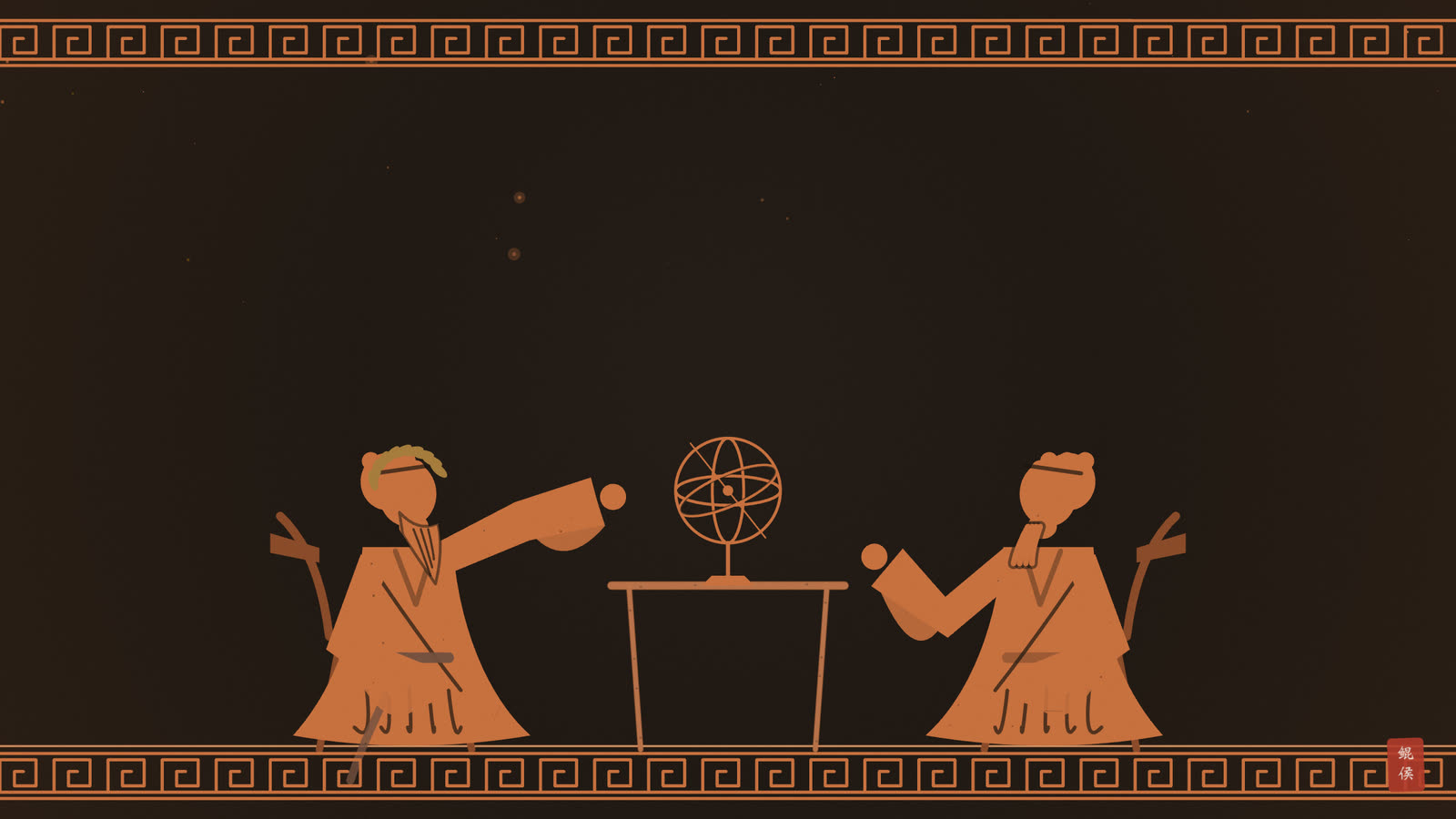
[5] Recalling and inquiring with me into all the other things, too, that Attic and Roman letters had handed down to you from the first stage of your life concerning the marvels of the province of Sicily, you at last turned the course of your talk and discourse to the sphere of Archimedes, displaying to me the wisdom and learning of your divine intellect: what those nine spheres do; what the five zones do, which are colored by different kinds of nature; what the twelve signs do; what the everlasting wandering of the five planets effects; what the daily course and the yearly return of the Sun effect; what the swift motion of the Moon and the continual waxing and waning of her light effect; through how many revolutions, too, that Greater Year, as they call it, is completed, which restores these five planets, and the Moon and the Sun as well, to their places and starting points, and which is concluded in a cycle of one thousand four hundred and sixty-one years; what principle produces the Milky Way, and what the eclipses of the Sun and Moon; why the whirling rotation of the sky never carries the northern stars of the Bears down to the west and brings them back to the east; what part of the earth lies under the north wind, and what under the south; what principle keeps the earth itself, set in the middle, suspended in a balanced equilibrium; how far the Ocean, which some call the Atlantic sea, encloses the expanse of the earth like an island in the surrounding flow of its waters.
翻译点开
[4] After we had talked over our careers and our advancements, you questioned me, as you remember, about the situation of the whole of Sicily, where I live and where I was born, and you sought a true and reasoned explanation of everything the old stories have handed down: what Scylla is meant to be, and what Charybdis; what is the turbulent confusion of the waves that rush together in the strait, which seas, though divided and separate, join at a fixed time and interval of hours in a contrary collision of their waters; what the fires do that burst forth from the summit of Etna, what their nature is or their substance, and from what source such great conflagrations issue and breathe forth without loss to the mountain; what kind of lake it is that is pointed out near the bed of the river Symaethus, called Palicus, which, ever foul with a livid thickness, darkens with leaden foam and, shrill with the roaring union of its waters, hisses out a piercing murmur.
〔四〕我们谈过了各自的仕途与升迁之后,你还记得,你向我询问我所居住、也是我出生之地的整个西西里的形势,要我对古老传说流传下来的一切,给出真实而有道理的解释:斯库拉是什么,卡律布狄斯又是什么;海峡里相撞的波涛那汹涌的混乱是什么,那些彼此分开、互不相连的海,怎样在固定的时辰与间隔里,以水流的逆向冲撞汇合在一起;从埃特纳山顶喷发的火焰有什么作用,它们的本性或实质是什么,如此巨大的大火从什么源头生出、喷吐出来,山却毫无损耗;还有那个在西迈托斯河河床附近指给人看、名叫帕利库斯的湖是怎样一个湖,它永远浑浊,带着青灰的稠厚,泛着铅色的泡沫而发黑,又因水流相交的轰鸣而尖响,嘶嘶地吐出刺耳的低吼。
[5] Recalling and inquiring with me into all the other things, too, that Attic and Roman letters had handed down to you from the first stage of your life concerning the marvels of the province of Sicily, you at last turned the course of your talk and discourse to the sphere of Archimedes, displaying to me the wisdom and learning of your divine intellect: what those nine spheres do; what the five zones do, which are colored by different kinds of nature; what the twelve signs do; what the everlasting wandering of the five planets effects; what the daily course and the yearly return of the Sun effect; what the swift motion of the Moon and the continual waxing and waning of her light effect; through how many revolutions, too, that Greater Year, as they call it, is completed, which restores these five planets, and the Moon and the Sun as well, to their places and starting points, and which is concluded in a cycle of one thousand four hundred and sixty-one years; what principle produces the Milky Way, and what the eclipses of the Sun and Moon; why the whirling rotation of the sky never carries the northern stars of the Bears down to the west and brings them back to the east; what part of the earth lies under the north wind, and what under the south; what principle keeps the earth itself, set in the middle, suspended in a balanced equilibrium; how far the Ocean, which some call the Atlantic sea, encloses the expanse of the earth like an island in the surrounding flow of its waters.
〔五〕你又同我一起回想、追问雅典与罗马的典籍从你人生最初的阶段起就传给你的、关于西西里行省种种奇观的其他一切事情;最后你把谈话与议论的方向转到阿基米德的天球上,向我展示你神妙才智的明达与学识:那九重天球有什么作用;那五带有什么作用,它们因性质不同而染上不同的颜色;十二星座有什么作用;五颗行星永不停息的游走成就什么;太阳每天的运行与每年的回归成就什么;月亮的快速运动和她光的不断盈亏成就什么;还有人们所说的那个「大年」,要经过多少次旋转才能完成,它使这五颗行星以及月亮和太阳都回到各自的位置与起点,以一千四百六十一年为一周而告终结;什么道理造成银河,什么道理造成日食与月食;为什么天的旋转从不把北方的两熊星座带到西方沉没,再带回东方;地上哪一部分在北风之下,哪一部分在南风之下;什么道理使大地本身居于正中,以平衡的均势悬在空中;那被有些人称为大西洋的大洋,以环流的海水把大地的广袤像一座岛那样围住,究竟围到多远。
大意与图解点开
🔎 大意:友人先问西西里的斯库拉、卡律布狄斯、埃特纳火山与帕利库斯湖,再借阿基米德天球谈九重天、五带、大年与交食。
📖 术语
| 术语 | 英文原词 | 意思 |
|---|---|---|
| 阿基米德的天球 | the sphere of Archimedes | 演示天体运行的仪器 |
| 五带 | five zones | 天地分成的五个气候带 |
| 大年 | Greater Year | 七曜全部回到起点的周期 |
| 两熊星座 | the Bears | 北天不落的大小熊 |
| 帕利库斯湖 | Palicus | 西西里的沸泉湖 |
🧭 图解与讲解
这两段是序言里最有色彩的部分。马沃尔提乌斯问起作者的故乡西西里:墨西拿海峡两岸传说中的海怪斯库拉与漩涡卡律布狄斯、海峡里定时相撞的潮流、埃特纳火山喷火而山体不损、西迈托斯河边那个冒泡尖啸的帕利库斯湖。他要的是「真实而有道理的解释」,也就是把神话传说讲成自然的道理。
| 话题 | 所问之事 | 后文何处呼应 |
|---|---|---|
| 西西里奇观 | 斯库拉与卡律布狄斯、海峡潮流、埃特纳火焰、帕利库斯湖 | 只作引子 |
| 天球结构 | 九重天球、十二星座、五颗行星的游走 | 卷二讲星座,卷三讲七曜 |
| 五带 | 五带因性质不同而颜色不同 | 本卷第十章用来答肤色之难 |
| 日月 | 太阳日行年返、月亮盈亏、日月交食 | 本卷第四章举交食为证 |
| 大年 | 七曜同归起点,一千四百六十一年一周 | 此处只提一句 |
| 宇宙论 | 银河、两熊不落、大地悬于中央、大洋环绕 | 只作引子 |
〔图〕谈话的转向:从西西里地上的奇观,转到阿基米德天球上的星辰之力
接着话题转到阿基米德的天球(表一)。相传阿基米德造过一架演示日月五星运行的天球仪,后来被带到罗马。友人借它一口气问了一串宇宙论的问题:九重天球、五带、十二星座、五颗行星、日月的运行、大年、银河、交食、两熊星座为何终年不落、大地为何悬于中央。所谓「大年」,是七曜全部回到同一起点所需的周期,原文给的数字是一千四百六十一年。
列表里有两项值得记住:五带和交食。作者在本卷第四章拿交食的预报来证明星学可靠,在第十章又用五带来回答「为什么埃塞俄比亚人都黑、日耳曼人都白」。也就是说,这一席闲谈早已把后面论战要用的材料摆了出来。
图二点出谈话的转向:先问地上的奇观,再问天上的秩序。友人问的都是「道理」,作者却由此想到,天上的秩序不只是可以演示的运动,还有作用于人间的力量,于是许下诺言,要把古人关于星辰之力的教导写出来,这就是下一单元。
📖 术语
| 术语 | 英文原词 | 意思 |
|---|---|---|
| 阿基米德的天球 | the sphere of Archimedes | 演示天体运行的仪器 |
| 五带 | five zones | 天地分成的五个气候带 |
| 大年 | Greater Year | 七曜全部回到起点的周期 |
| 两熊星座 | the Bears | 北天不落的大小熊 |
| 帕利库斯湖 | Palicus | 西西里的沸泉湖 |
🧭 图解与讲解
这两段是序言里最有色彩的部分。马沃尔提乌斯问起作者的故乡西西里:墨西拿海峡两岸传说中的海怪斯库拉与漩涡卡律布狄斯、海峡里定时相撞的潮流、埃特纳火山喷火而山体不损、西迈托斯河边那个冒泡尖啸的帕利库斯湖。他要的是「真实而有道理的解释」,也就是把神话传说讲成自然的道理。
| 话题 | 所问之事 | 后文何处呼应 |
|---|---|---|
| 西西里奇观 | 斯库拉与卡律布狄斯、海峡潮流、埃特纳火焰、帕利库斯湖 | 只作引子 |
| 天球结构 | 九重天球、十二星座、五颗行星的游走 | 卷二讲星座,卷三讲七曜 |
| 五带 | 五带因性质不同而颜色不同 | 本卷第十章用来答肤色之难 |
| 日月 | 太阳日行年返、月亮盈亏、日月交食 | 本卷第四章举交食为证 |
| 大年 | 七曜同归起点,一千四百六十一年一周 | 此处只提一句 |
| 宇宙论 | 银河、两熊不落、大地悬于中央、大洋环绕 | 只作引子 |
接着话题转到阿基米德的天球(表一)。相传阿基米德造过一架演示日月五星运行的天球仪,后来被带到罗马。友人借它一口气问了一串宇宙论的问题:九重天球、五带、十二星座、五颗行星、日月的运行、大年、银河、交食、两熊星座为何终年不落、大地为何悬于中央。所谓「大年」,是七曜全部回到同一起点所需的周期,原文给的数字是一千四百六十一年。
列表里有两项值得记住:五带和交食。作者在本卷第四章拿交食的预报来证明星学可靠,在第十章又用五带来回答「为什么埃塞俄比亚人都黑、日耳曼人都白」。也就是说,这一席闲谈早已把后面论战要用的材料摆了出来。
图二点出谈话的转向:先问地上的奇观,再问天上的秩序。友人问的都是「道理」,作者却由此想到,天上的秩序不只是可以演示的运动,还有作用于人间的力量,于是许下诺言,要把古人关于星辰之力的教导写出来,这就是下一单元。
[6] When all these things were being taught to me by you, Mavortius, ornament of good men, with the easy mastery of your demonstration, I too dared, with the rashness of ill-considered speech, to put something forward: I promised you that I would publish whatever the ancient sages of Egypt, those divine men, and the wise men of Babylon have handed down to us, through the teaching of their divine doctrine, about the force and the powers of the stars.
[7] I was therefore, as I myself know, rash in this promise, and, to speak the truth with you, I often reproached myself with severe rebuke and wished, if it were allowed, to take back my promise; but the encouragement of your words lifted up my trepidation and compelled me to take up what I had often abandoned in despair. For when the serene and venerable judgment of our lord and emperor Constantine Augustus had entrusted to you the government of the whole East, you let no occasion pass without demanding of me what I had promised you in an ill-considered pledge.
[8] And so to you, proconsul and consul ordinarius designate, I render what was promised, praying and begging your pardon, that the weight and grace of finished eloquence, grand treatments, or weighty and firm judgments may not be demanded in these books by the verdict of your learning and eloquence. In me there is a slender talent and a meager style and, as must truly be confessed, a very modest knowledge of mathesis [text uncertain]. And although all these things troubled me with despair of various kinds, I nevertheless undertook the labor of writing, so that, though I stood bound by arduous and most difficult promises, I should not disappoint the most learned judgment of your wisdom, Lollianus.
翻译点开
[6] When all these things were being taught to me by you, Mavortius, ornament of good men, with the easy mastery of your demonstration, I too dared, with the rashness of ill-considered speech, to put something forward: I promised you that I would publish whatever the ancient sages of Egypt, those divine men, and the wise men of Babylon have handed down to us, through the teaching of their divine doctrine, about the force and the powers of the stars.
〔六〕马沃尔提乌斯,善人的光彩,当你以从容娴熟的讲解把这一切教给我时,我也凭着一番未加思量的言辞的鲁莽,大胆提出了一件事:我向你许诺,要把埃及古代的贤人、那些神圣的人,以及巴比伦的智者,借他们神圣学说的教导传给我们的关于星辰之力与诸般权能的一切,公之于世。
[7] I was therefore, as I myself know, rash in this promise, and, to speak the truth with you, I often reproached myself with severe rebuke and wished, if it were allowed, to take back my promise; but the encouragement of your words lifted up my trepidation and compelled me to take up what I had often abandoned in despair. For when the serene and venerable judgment of our lord and emperor Constantine Augustus had entrusted to you the government of the whole East, you let no occasion pass without demanding of me what I had promised you in an ill-considered pledge.
〔七〕所以,正如我自己知道的,我在这个诺言上是鲁莽的;跟你说实话,我常常严厉地责备自己,巴不得在许可的情况下收回诺言;可是你话语的鼓励振起了我的惶恐,逼着我着手做那件我常因绝望而放弃的事。因为当我们的主上、皇帝君士坦丁·奥古斯都那安详而可敬的裁断把整个东方的治理托付给你时,你没有放过任何一个时机,总要向我索取我在一时轻率的保证里许给你的东西。
[8] And so to you, proconsul and consul ordinarius designate, I render what was promised, praying and begging your pardon, that the weight and grace of finished eloquence, grand treatments, or weighty and firm judgments may not be demanded in these books by the verdict of your learning and eloquence. In me there is a slender talent and a meager style and, as must truly be confessed, a very modest knowledge of mathesis [text uncertain]. And although all these things troubled me with despair of various kinds, I nevertheless undertook the labor of writing, so that, though I stood bound by arduous and most difficult promises, I should not disappoint the most learned judgment of your wisdom, Lollianus.
〔八〕因此,你这位行省总督、当选的正任执政官,我现在把许诺之物交给你,并且祈求你的宽恕:请不要凭你的学识与雄辩来裁断,在这几卷书里要求完美文辞的分量与风采、宏大的论述,或是庄重而坚实的见解。我的才力单薄,文笔浅陋,而且必须老实承认,我对数学的认识也十分有限〔原文疑有讹误〕。虽然这一切以种种绝望扰乱我,我还是承担起写作的劳苦,为的是:我既已被这些艰巨至极的诺言所束缚,就不该辜负你那智慧的、极其博学的判断,洛利亚努斯。
大意与图解点开
🔎 大意:作者许诺公开埃及、巴比伦先贤关于星力的学说,后悔过,终因友人一再催促而动笔;献书时再三自谦,请勿苛求文采。
📖 术语
| 术语 | 英文原词 | 意思 |
|---|---|---|
| 行省总督 | proconsul | 代行执政官权的行省长官 |
| 正任执政官 | consul ordinarius | 纪年用名的正选执政官 |
| 数学 | mathesis | 此指占星全学 |
| 洛利亚努斯 | Lollianus | 马沃尔提乌斯的另一名 |
🧭 图解与讲解
作者许下的诺言很具体:把「埃及古代的贤人」和「巴比伦的智者」关于星辰之力的学说公之于世。古典时代的人普遍认为占星学出于埃及与迦勒底(巴比伦),书中后面也常引「埃及人」「巴比伦人」的说法,这句话等于预告了全书的来源。
〔图〕从轻率许诺到终于动笔:是友人的催促把书逼了出来
接下来是一段反复的自责(图一):诺言是轻率许下的,常想收回,几次绝望搁笔,是友人一再催促才逼他动手。友人这时已受君士坦丁·奥古斯都之命治理「整个东方」,地位更高了,仍不忘追问。这里提到的君士坦丁,是本书写作时在位的罗马皇帝,本卷末尾第十章还有一段对他的颂词。
最后一段称友人为「行省总督、当选的正任执政官」,可以看出书献上时他的官位。作者再一次自谦:自己才薄文浅,对「数学」所知有限。这里的「数学」(mathesis)是全书书名所用的词,指整套占星之学,与今天的算术几何不是一回事,下文凡说「数学」都是这个意思。原文此处有一字疑讹,本站照英译标出。
📖 术语
| 术语 | 英文原词 | 意思 |
|---|---|---|
| 行省总督 | proconsul | 代行执政官权的行省长官 |
| 正任执政官 | consul ordinarius | 纪年用名的正选执政官 |
| 数学 | mathesis | 此指占星全学 |
| 洛利亚努斯 | Lollianus | 马沃尔提乌斯的另一名 |
🧭 图解与讲解
作者许下的诺言很具体:把「埃及古代的贤人」和「巴比伦的智者」关于星辰之力的学说公之于世。古典时代的人普遍认为占星学出于埃及与迦勒底(巴比伦),书中后面也常引「埃及人」「巴比伦人」的说法,这句话等于预告了全书的来源。
接下来是一段反复的自责(图一):诺言是轻率许下的,常想收回,几次绝望搁笔,是友人一再催促才逼他动手。友人这时已受君士坦丁·奥古斯都之命治理「整个东方」,地位更高了,仍不忘追问。这里提到的君士坦丁,是本书写作时在位的罗马皇帝,本卷末尾第十章还有一段对他的颂词。
最后一段称友人为「行省总督、当选的正任执政官」,可以看出书献上时他的官位。作者再一次自谦:自己才薄文浅,对「数学」所知有限。这里的「数学」(mathesis)是全书书名所用的词,指整套占星之学,与今天的算术几何不是一回事,下文凡说「数学」都是这个意思。原文此处有一字疑讹,本站照英译标出。
I.
[1] Standing, then, in the entrance hall of my discourse and at the very first beginnings of the work, I must do nothing else than answer those who try to undermine the whole force of mathesis with many kinds of argument, and who think that with their opinions and disputations they can shatter all philosophy and divine knowledge by the authority of lofty speech. These people, as I judge and as the facts themselves prove, are driven not by any weakness or falsehood in the doctrine itself but by a zeal for contradiction, so that things certain and defined, which we discern not only with the mind and reason but behold with the keenness and judgment of our very eyes, are resisted by arguments of combative license.
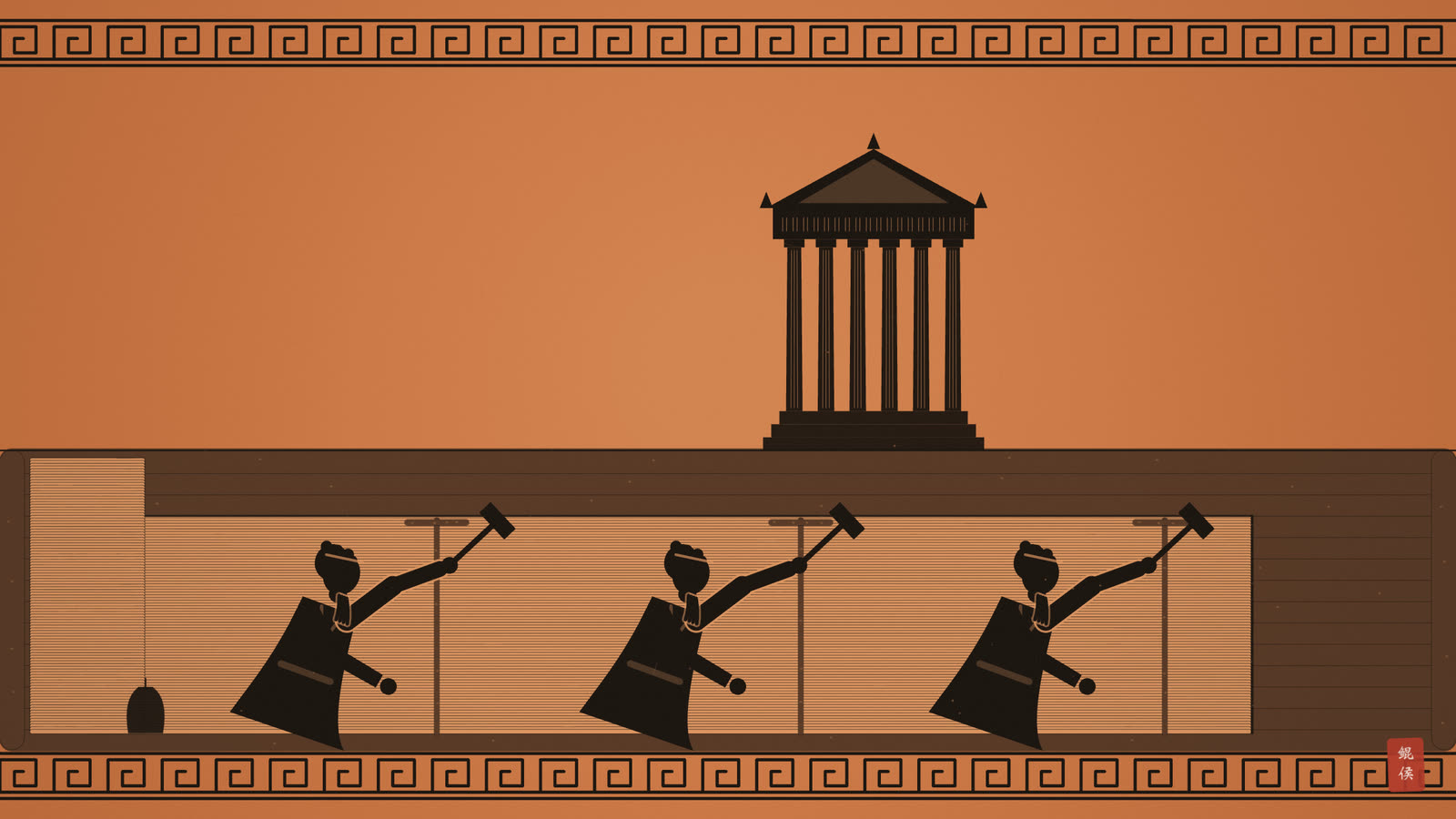
[2] For these men, with their excessively lofty and subtle disputations, taking their start first from the very responses of the astrologers, try to creep in, as if through a kind of tunnel, to undermine this entire science; yet the more vehemently they fight and the more they seek out ways of persuasion, the more vehemently and strongly they confirm the credibility of astrology.
翻译点开
I.
第一章
[1] Standing, then, in the entrance hall of my discourse and at the very first beginnings of the work, I must do nothing else than answer those who try to undermine the whole force of mathesis with many kinds of argument, and who think that with their opinions and disputations they can shatter all philosophy and divine knowledge by the authority of lofty speech. These people, as I judge and as the facts themselves prove, are driven not by any weakness or falsehood in the doctrine itself but by a zeal for contradiction, so that things certain and defined, which we discern not only with the mind and reason but behold with the keenness and judgment of our very eyes, are resisted by arguments of combative license.
〔一〕所以,我既站在这篇论述的门厅里,站在这部著作最初的开端,就不该做别的事,只该答复那些人:他们用多种多样的论辩企图动摇数学的全部力量,自以为凭着高妙言辞的权威,用他们的见解与辩论就能击碎一切哲学和神圣的知识。依我判断,事实本身也证明:驱使这些人的,不是这门学说本身有什么软弱或虚假,而是好辩之心,以致那些确定而明白的事——我们不但用心灵与理性辨识它们,还用自己眼睛的锐利与判断亲眼看到它们——竟遭到好斗的放肆论辩的抵制。
[2] For these men, with their excessively lofty and subtle disputations, taking their start first from the very responses of the astrologers, try to creep in, as if through a kind of tunnel, to undermine this entire science; yet the more vehemently they fight and the more they seek out ways of persuasion, the more vehemently and strongly they confirm the credibility of astrology.
〔二〕因为这些人以过分高深精微的辩论,先从星占家的答语本身入手,企图像钻一条地道似的爬进来,挖倒这整门学问;然而他们攻得越猛,越是寻找说服人的途径,就越猛烈、越有力地证实了星占之学的可信。
大意与图解点开
🔎 大意:开篇先要答复论敌:他们出于好辩而非此学有误,想从星占家的答语挖地道攻进来,却攻得越猛越证明此学可信。
📖 术语
| 术语 | 英文原词 | 意思 |
|---|---|---|
| 门厅 | entrance hall | 喻论述的开端 |
| 星占家 | astrologers | 以星占为业的人 |
| 答语 | responses | 星占家给问者的回答 |
| 星占之学 | astrology | 依星象推断人事之学 |
🧭 图解与讲解
第一章正式开始论战。作者把自己比作站在一座建筑的「门厅」里:要进入星学的殿堂之前,先得把挡在门口的论敌打发走。全卷一到十章都是这个用意,真正的星学规则要到卷二才开讲。
〔图〕论敌出于好辩而攻击此学;攻得越猛,反而越证明此学可信
他对论敌作了两点判断(图一)。一是动机:他们攻击数学,不是因为这门学说有什么虚假,而是出于「好辩之心」,连亲眼看得到的事也要辩倒。二是手法:先抓住星占家的「答语」,也就是星占家给人的具体回答,从这里像挖地道一样钻进来,想把整座城墙掏空。
作者的回应带点修辞上的反讽:论敌攻得越猛、找的说法越多,越证明这门学问有分量,否则谁会费那么大力气去攻它?这一句在下一单元还有展开。读者可以留意,「答语」是本卷的一个关键词:后面第三章,作者也以星占家答语的应验作为此学可信的主要证据。
📖 术语
| 术语 | 英文原词 | 意思 |
|---|---|---|
| 门厅 | entrance hall | 喻论述的开端 |
| 星占家 | astrologers | 以星占为业的人 |
| 答语 | responses | 星占家给问者的回答 |
| 星占之学 | astrology | 依星象推断人事之学 |
🧭 图解与讲解
第一章正式开始论战。作者把自己比作站在一座建筑的「门厅」里:要进入星学的殿堂之前,先得把挡在门口的论敌打发走。全卷一到十章都是这个用意,真正的星学规则要到卷二才开讲。
他对论敌作了两点判断(图一)。一是动机:他们攻击数学,不是因为这门学说有什么虚假,而是出于「好辩之心」,连亲眼看得到的事也要辩倒。二是手法:先抓住星占家的「答语」,也就是星占家给人的具体回答,从这里像挖地道一样钻进来,想把整座城墙掏空。
作者的回应带点修辞上的反讽:论敌攻得越猛、找的说法越多,越证明这门学问有分量,否则谁会费那么大力气去攻它?这一句在下一单元还有展开。读者可以留意,「答语」是本卷的一个关键词:后面第三章,作者也以星占家答语的应验作为此学可信的主要证据。
[3] For it would have no true substance if they did not strive against it with such great forces of argument. Nor is this to be wondered at, since we know how great a disagreement there is among them about the very nature of the gods, and with how many arguments in their disputations they try to overturn the whole power of the divine: some say that the gods do not exist; others define that they exist but take care of nothing; others that they both exist and undertake the care and governance of our affairs. And all of them are caught up in such variety and disagreement that it would be lengthy and beside the point, especially at this time, when I have undertaken a different work, to enumerate the opinions of each.
[4] For some assign shapes to the gods at their own pleasure and allot them places, establish seats for them as well, write a great deal about their deeds and their life, and declare that everything that has been made and established is ruled and governed by their will; others have said that the gods undertake nothing, care for nothing, and are free from every care of administration; and all of them bring forward something plausible that invites the minds of their hearers to easy belief.
[5] As for what has been said about the immortality of the soul, the statements of the divine Plato and of the most acute and ardent Aristotle show themselves contrary to and at war with each other; and about good and evil, too, their opinions differ among themselves and keep shifting.
[6] The exposition of these matters I think must now be passed over; for I have not entered into this kind of disputation, nor have I set my mind and purpose on refuting or confirming these things; I have touched on all of them briefly for this reason only: that the contentious fabrications of those who contradict might be laid open to all people, once their partisan zeal had been exposed.
[7] It is my wish, then, to review what they say about mathesis, and my concern to touch briefly on everything they have said; for since I am going to explain the substance of mathesis and astrology, I ought not to linger too long over the works of others.
翻译点开
[3] For it would have no true substance if they did not strive against it with such great forces of argument. Nor is this to be wondered at, since we know how great a disagreement there is among them about the very nature of the gods, and with how many arguments in their disputations they try to overturn the whole power of the divine: some say that the gods do not exist; others define that they exist but take care of nothing; others that they both exist and undertake the care and governance of our affairs. And all of them are caught up in such variety and disagreement that it would be lengthy and beside the point, especially at this time, when I have undertaken a different work, to enumerate the opinions of each.
〔三〕因为倘若他们不用如此强大的论辩之力来与它相抗,它就不会有真实的实质。这也不足为奇,因为我们知道,他们彼此之间对于诸神本身的本性有多大的分歧,又用多少论辩的论据企图推翻神性的全部力量:有人说诸神不存在;有人断定诸神存在,却什么也不照管;还有人说诸神既存在,又承担照料与治理我们事务之责。他们全都陷在如此纷繁的分歧里,若要一一列举各人的见解,未免冗长而离题,尤其是在这个时候,我已着手的是另一件工作。
[4] For some assign shapes to the gods at their own pleasure and allot them places, establish seats for them as well, write a great deal about their deeds and their life, and declare that everything that has been made and established is ruled and governed by their will; others have said that the gods undertake nothing, care for nothing, and are free from every care of administration; and all of them bring forward something plausible that invites the minds of their hearers to easy belief.
〔四〕有人随意给诸神安上形貌,分配处所,还为他们设立座位,大写他们的事迹与生平,宣称一切已被造成、已被确立的东西,都由他们的意志统治管理;另一些人则说诸神什么也不经营、什么也不照管,摆脱了一切治理的操劳;而他们个个都拿出一点似乎可信的东西,引诱听者的心轻易地相信。
[5] As for what has been said about the immortality of the soul, the statements of the divine Plato and of the most acute and ardent Aristotle show themselves contrary to and at war with each other; and about good and evil, too, their opinions differ among themselves and keep shifting.
〔五〕至于关于灵魂不朽所说的话,那神圣的柏拉图与那极其敏锐而热烈的亚里士多德的言论,显出彼此相反、互相冲突;关于善与恶,他们的见解也彼此不同,而且变动不定。
[6] The exposition of these matters I think must now be passed over; for I have not entered into this kind of disputation, nor have I set my mind and purpose on refuting or confirming these things; I have touched on all of them briefly for this reason only: that the contentious fabrications of those who contradict might be laid open to all people, once their partisan zeal had been exposed.
〔六〕对这些事的阐述,我想现在必须略过;因为我并没有进入这一类的辩论,也没有把心思与打算放在驳斥或证实这些事上;我把这些事都简短地触及一下,只是为了一个缘故:一旦揭穿了那些反驳者的门户之见,他们那些好争的虚构就会摊开在所有人面前。
[7] It is my wish, then, to review what they say about mathesis, and my concern to touch briefly on everything they have said; for since I am going to explain the substance of mathesis and astrology, I ought not to linger too long over the works of others.
〔七〕所以,我的意思是检讨他们关于数学说了些什么,我所关心的是把他们说过的一切简短地提一提;因为我既要讲明数学与星占之学的实质,就不该在别人的著作上停留太久。
大意与图解点开
🔎 大意:论敌对诸神有无、管不管事,对灵魂不朽、善恶,彼此都争论不休;作者点到为止,只为揭穿其好辩,下文专论他们对数学的攻击。
📖 术语
| 术语 | 英文原词 | 意思 |
|---|---|---|
| 神性 | the divine | 诸神的力量与本性 |
| 灵魂不朽 | immortality of the soul | 灵魂死后是否长存 |
| 门户之见 | partisan zeal | 只为本派争胜之心 |
| 实质 | substance | 学问的根本内容 |
🧭 图解与讲解
作者先说了一句很有意思的话:要是论敌不用这么大的力气反对它,它就算不上真有实质。接着他把矛头转回论敌自己:这些人在诸神是否存在、管不管人事这样的根本问题上都吵不出结果(表一)。这里列的三种立场,大致对应当时的几种哲学派别:否认神的,承认神存在却不过问人间的,认为神照料世界的。原文没有点出派别名称,本站也不坐实。
| 论敌内部的争论 | 各家说法 |
|---|---|
| 诸神是否存在 | 一说不存在;一说存在而不管事;一说存在且照料治理人事 |
| 诸神的样子 | 一说有形貌、处所、座位与生平;一说无所经营、不受操劳 |
| 灵魂是否不朽 | 柏拉图与亚里士多德之说相反 |
| 何为善恶 | 各家见解不同,而且变动不定 |
〔图〕作者在门厅里的三步:揭论敌、略诸神之争、转入正题
同样的分歧还出现在灵魂与善恶问题上。作者举柏拉图与亚里士多德为例:两人关于灵魂不朽的说法相互冲突。他的用意不在评判谁对,而在说明:这些自以为能击碎一切学问的人,自己内部本来就是一片纷争。
最后两段是一个转折(图二)。作者声明自己不打算卷入这些哲学争论,提一下只是为了揭穿论敌的好辩;下面要做的是逐条检讨他们对数学的攻击,而且要简短,因为本书的正业是讲明「数学与星占之学的实质」。下一章,论敌的第一条论点就登场了:肤色与性情的难题。
📖 术语
| 术语 | 英文原词 | 意思 |
|---|---|---|
| 神性 | the divine | 诸神的力量与本性 |
| 灵魂不朽 | immortality of the soul | 灵魂死后是否长存 |
| 门户之见 | partisan zeal | 只为本派争胜之心 |
| 实质 | substance | 学问的根本内容 |
🧭 图解与讲解
作者先说了一句很有意思的话:要是论敌不用这么大的力气反对它,它就算不上真有实质。接着他把矛头转回论敌自己:这些人在诸神是否存在、管不管人事这样的根本问题上都吵不出结果(表一)。这里列的三种立场,大致对应当时的几种哲学派别:否认神的,承认神存在却不过问人间的,认为神照料世界的。原文没有点出派别名称,本站也不坐实。
| 论敌内部的争论 | 各家说法 |
|---|---|
| 诸神是否存在 | 一说不存在;一说存在而不管事;一说存在且照料治理人事 |
| 诸神的样子 | 一说有形貌、处所、座位与生平;一说无所经营、不受操劳 |
| 灵魂是否不朽 | 柏拉图与亚里士多德之说相反 |
| 何为善恶 | 各家见解不同,而且变动不定 |
同样的分歧还出现在灵魂与善恶问题上。作者举柏拉图与亚里士多德为例:两人关于灵魂不朽的说法相互冲突。他的用意不在评判谁对,而在说明:这些自以为能击碎一切学问的人,自己内部本来就是一片纷争。
最后两段是一个转折(图二)。作者声明自己不打算卷入这些哲学争论,提一下只是为了揭穿论敌的好辩;下面要做的是逐条检讨他们对数学的攻击,而且要简短,因为本书的正业是讲明「数学与星占之学的实质」。下一章,论敌的第一条论点就登场了:肤色与性情的难题。
原文为公有领域古籍;翻译、印象画与图文解读由 AI 辅助生成,鲲侯审校。