卷二·第二章 病从何时算起:危象之日与卧床之时
古代医者按日数算危象,错得厉害;病的起点不是卧床之时,而是身上显出明白的痛或伤、寒战袭来的那一刻。
CHAP. II.
The way to finde out the Critical dayes, as also the Decumbiture, both by Ancient and Modern Writers.
ANcient Physitians, because they were ignorant of the motion of the Moon, though not of her operation, as many of our modern are, made their account by number of dayes; and in so doing, erred egregiously: And although Durate my Author counts their opinions, I hold it not worth time to recite mens failings: But of the certain term or time when the Criticall dayes begin, I shall quote these few words.
翻译点开
CHAP. II.
第二章
The way to finde out the Critical dayes, as also the Decumbiture, both by Ancient and Modern Writers.
古今作者求危象之日与卧床之时的方法。
ANcient Physitians, because they were ignorant of the motion of the Moon, though not of her operation, as many of our modern are, made their account by number of dayes; and in so doing, erred egregiously: And although Durate my Author counts their opinions, I hold it not worth time to recite mens failings: But of the certain term or time when the Criticall dayes begin, I shall quote these few words.
古代的医生,因为不知道月亮的运行——虽然并非不知道她的作用,我们今天的许多医生也正是如此——就按日子的数目来计算,这样做就错得厉害:虽然我的作者迪雷把他们的意见一一列举出来,我却认为不值得花时间去复述别人的失误;不过关于危象之日从哪一个确定的期限或时刻开始,我要引用下面这几句话。
大意与图解点开
🔎 大意:古代医者知月亮之用而不知其行,按日数算危象,错得厉害;卡尔佩珀不复述前人之误,只讲危象从哪一刻算起。
📖 术语
| 术语 | 英文原词 | 意思 |
|---|---|---|
| 危象之日 | Critical dayes | 病见分晓的日子 |
| 卧床之时 | Decumbiture | 病人卧床的那一刻 |
| 运行 | motion | 月亮在黄道上的行度 |
| 作用 | operation | 月亮对人身的影响 |
🧭 图解与讲解
卷二第二章很短,只讲一件事:危象之日从哪一刻算起。开头先把古代医生否定一番:他们知道月亮对病体有作用,却不知道月亮怎样运行,于是按日子的数目推算危象,比如第七日、第十四日之类,卡尔佩珀说这样「错得厉害」。他顺带讽刺当时的许多医生也是如此。
〔图〕古人数日子,卡尔佩珀看月亮:危象之日要按月亮的行度求
〔图〕月亮一日约行十三度而快慢不均:同样的日数,走过的度数并不相同(示意)
他所据的迪雷原书把古人的各种日数之说都列了出来,卡尔佩珀认为不值得花时间复述别人的失误,一概删去,这正合卷首「致读者」所说的删繁之法。为什么日数不可靠(图二):月亮一日大约走十三度,但有快有慢,同样七天,她走过的度数可多可少,而第一章已经说过,急症的危象看的是月亮离卧床时所在位置有多少度(四分、对冲),不是过了几天。
起点差一天,月亮的位置就差十几度,后面推出的判断之日、危象之日也就全盘错位。所以算危象的起点必须定准。下一单元引一段前人的话,回答「病从哪一刻算起」。以上都是古人之说,只作了解,不作医疗建议。
📖 术语
| 术语 | 英文原词 | 意思 |
|---|---|---|
| 危象之日 | Critical dayes | 病见分晓的日子 |
| 卧床之时 | Decumbiture | 病人卧床的那一刻 |
| 运行 | motion | 月亮在黄道上的行度 |
| 作用 | operation | 月亮对人身的影响 |
🧭 图解与讲解
卷二第二章很短,只讲一件事:危象之日从哪一刻算起。开头先把古代医生否定一番:他们知道月亮对病体有作用,却不知道月亮怎样运行,于是按日子的数目推算危象,比如第七日、第十四日之类,卡尔佩珀说这样「错得厉害」。他顺带讽刺当时的许多医生也是如此。
他所据的迪雷原书把古人的各种日数之说都列了出来,卡尔佩珀认为不值得花时间复述别人的失误,一概删去,这正合卷首「致读者」所说的删繁之法。为什么日数不可靠(图二):月亮一日大约走十三度,但有快有慢,同样七天,她走过的度数可多可少,而第一章已经说过,急症的危象看的是月亮离卧床时所在位置有多少度(四分、对冲),不是过了几天。
起点差一天,月亮的位置就差十几度,后面推出的判断之日、危象之日也就全盘错位。所以算危象的起点必须定准。下一单元引一段前人的话,回答「病从哪一刻算起」。以上都是古人之说,只作了解,不作医疗建议。
When any notable disease comes, if you would discern whether it tends to Health, Death, Mutation, or Continuance, it is necessary that you begin at the first punct of time of the invasion of the disease. This Galen saith is very hard, if not impossible to find; 'tis taken proconfesso, that it may be easily known, when a man takes his bed in his sicknesse; but when the beginning of the sicknesse is, that's the question: For a lusty stout man beares the disease longer, and is longer before he takes his bed, then a puny weakly sickly man is: a meer suspition of a sicknesse, will send a faint-hearted man to bed; you may perswade him he is sicke, whether he be or no.
Notwithstanding this is most certain that in most acute diseases, as also in many other diseases, as the Falling sicknesse, Palsies, Apoplexies, Pluresies, &c. 'tis an easie thing to find out the beginning, or the precise time of the invasion of the disease.
The common opinion of such as are learned in Astrology is, and according to their opinion I affirm, that that moment of time is to be taken for the beginning of the disease, in which a man finds a manifest pain or hurt in his body: for instance, when a man hath got a Fever, usually the head akes certain dayes before; this is not the Fever, but a Messenger or forerunner of the Fever; the true beginning of the Fever, is when the disease appears sensibly, or when a horror or trembling invades the sicke, as does usually in the beginning of a Fever; that is the beginning of the disease, when the disease appeares manifest to sence;
And this was the judgement of Hippocrates, one of the honestest of Physitians: And you shall find this alwaies, that the more acute the disease is, the more manifest the beginning of it is to sense: yea so manifest, that it is almost impossible that the beginning should lie hid from any one that wants reason, if he have but sense.
翻译点开
When any notable disease comes, if you would discern whether it tends to Health, Death, Mutation, or Continuance, it is necessary that you begin at the first punct of time of the invasion of the disease. This Galen saith is very hard, if not impossible to find; 'tis taken proconfesso, that it may be easily known, when a man takes his bed in his sicknesse; but when the beginning of the sicknesse is, that's the question: For a lusty stout man beares the disease longer, and is longer before he takes his bed, then a puny weakly sickly man is: a meer suspition of a sicknesse, will send a faint-hearted man to bed; you may perswade him he is sicke, whether he be or no.
每当有一场明显的病来临,你若想看出它是趋向康复、死亡、变化还是迁延,就必须从疾病侵袭的最初那一刻开始。盖伦说这一刻很难找,即使不是不可能;人们都当作理所当然,认为一个人病了卧床的时刻很容易知道;可病是从什么时候开始的,这才是问题所在:因为一个健壮结实的人扛得住病的时间更长,拖得更久才卧床,而一个瘦小、虚弱、多病的人就不是这样:仅仅怀疑自己有病,就能把一个胆怯的人送上床;你可以说服他相信他病了,不管他是不是真病了。
Notwithstanding this is most certain that in most acute diseases, as also in many other diseases, as the Falling sicknesse, Palsies, Apoplexies, Pluresies, &c. 'tis an easie thing to find out the beginning, or the precise time of the invasion of the disease.
尽管如此,最确定的是:在大多数急症中,以及在许多别的病中,如癫痫、瘫痪、中风、胸膜炎等等,找出疾病的开端,即疾病侵袭的精确时刻,是件容易的事。
The common opinion of such as are learned in Astrology is, and according to their opinion I affirm, that that moment of time is to be taken for the beginning of the disease, in which a man finds a manifest pain or hurt in his body: for instance, when a man hath got a Fever, usually the head akes certain dayes before; this is not the Fever, but a Messenger or forerunner of the Fever; the true beginning of the Fever, is when the disease appears sensibly, or when a horror or trembling invades the sicke, as does usually in the beginning of a Fever; that is the beginning of the disease, when the disease appeares manifest to sence;
精通星占的人通常的意见是——我也照他们的意见断言——应当把人在身体里感到明显的疼痛或伤害的那一刻,当作疾病的开端:举例来说,一个人得了热病,往往在此之前几天就头痛;这不是热病,而是热病的信使或先驱;热病真正的开端,是病明显可以感觉到的时候,或是寒战或颤抖袭上病人的时候,热病开始时通常就是这样;当病明显显露于感官之时,就是疾病的开端;
And this was the judgement of Hippocrates, one of the honestest of Physitians: And you shall find this alwaies, that the more acute the disease is, the more manifest the beginning of it is to sense: yea so manifest, that it is almost impossible that the beginning should lie hid from any one that wants reason, if he have but sense.
这也是希波克拉底的判断,他是最诚实的医生之一:你们会发现总是这样:病越急,它的开端就越明显地显露于感官:明显到这种地步,一个人哪怕缺少理智,只要还有感官,病的开端几乎就不可能瞒过他。
大意与图解点开
🔎 大意:盖伦说病的起点难找;强人晚卧床,怯者早卧床。星占家与希波克拉底都以身上显出明白的痛伤、寒战袭来之刻为起点。
📖 术语
| 术语 | 英文原词 | 意思 |
|---|---|---|
| 侵袭 | invasion | 病初来袭 |
| 癫痫 | Falling sicknesse | 古称落地病 |
| 胸膜炎 | Pluresies | 胸胁剧痛发热之病 |
| 先驱 | forerunner | 病来之前的先兆 |
| 理所当然 | pro confesso | 拉丁语:当作公认 |
🧭 图解与讲解
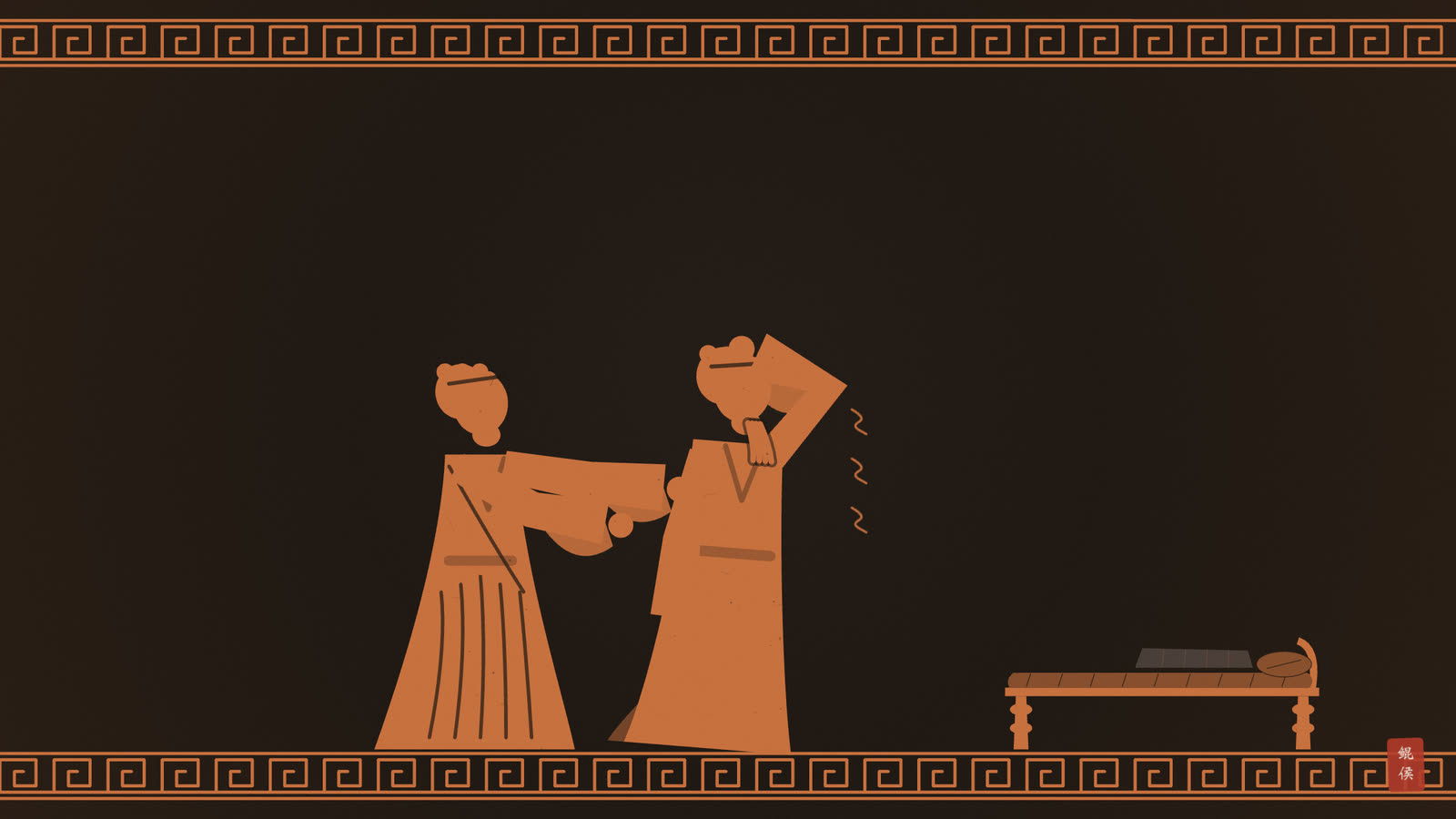
这一单元回答「病从哪一刻算起」。要看病是趋向康复、死亡、变化还是迁延,必须从疾病侵袭的「最初那一刻」起算。盖伦(Galen)说这一刻极难找。人们以为卧床的时刻好知道,可卧床不等于得病(图一):健壮的人扛得久,很晚才卧床;虚弱胆怯的人疑心一起就上了床,甚至你说他病了他就信。
〔图〕卧床早晚因人而异:卧床之时不一定是得病之时
〔图〕病的起点是病显于感官的那一刻:先兆的头痛不算,寒战袭来才算
不过在大多数急症里,以及癫痫、瘫痪、中风、胸膜炎(pleurisy)这类来势分明的病里,起点很容易找。精通星占的人的通行意见是:以身体里感到明显的疼痛或伤害的那一刻为病的开端。卡尔佩珀用热病举例(图二):发热前几天的头痛只是「信使」「先驱」,不算;病明显可以感觉到、寒战颤抖袭来的时候,才是真正的开端。
他又引希波克拉底(Hippocrates)为证:病越急,开端越显露于感官,哪怕一个缺乏理智的人,只要有感觉,也瞒不过他。这个起点就是后面卧床之盘、八宫盘、十六宫盘的出发点;第四章以下的八宫盘、十六宫盘,都以这一刻月亮所在的度数为起点。以上是古人之说,只作了解,不作医疗建议。
📖 术语
| 术语 | 英文原词 | 意思 |
|---|---|---|
| 侵袭 | invasion | 病初来袭 |
| 癫痫 | Falling sicknesse | 古称落地病 |
| 胸膜炎 | Pluresies | 胸胁剧痛发热之病 |
| 先驱 | forerunner | 病来之前的先兆 |
| 理所当然 | pro confesso | 拉丁语:当作公认 |
🧭 图解与讲解
这一单元回答「病从哪一刻算起」。要看病是趋向康复、死亡、变化还是迁延,必须从疾病侵袭的「最初那一刻」起算。盖伦(Galen)说这一刻极难找。人们以为卧床的时刻好知道,可卧床不等于得病(图一):健壮的人扛得久,很晚才卧床;虚弱胆怯的人疑心一起就上了床,甚至你说他病了他就信。
不过在大多数急症里,以及癫痫、瘫痪、中风、胸膜炎(pleurisy)这类来势分明的病里,起点很容易找。精通星占的人的通行意见是:以身体里感到明显的疼痛或伤害的那一刻为病的开端。卡尔佩珀用热病举例(图二):发热前几天的头痛只是「信使」「先驱」,不算;病明显可以感觉到、寒战颤抖袭来的时候,才是真正的开端。
他又引希波克拉底(Hippocrates)为证:病越急,开端越显露于感官,哪怕一个缺乏理智的人,只要有感觉,也瞒不过他。这个起点就是后面卧床之盘、八宫盘、十六宫盘的出发点;第四章以下的八宫盘、十六宫盘,都以这一刻月亮所在的度数为起点。以上是古人之说,只作了解,不作医疗建议。
原文为公有领域古籍;翻译、印象画与图文解读由 AI 辅助生成,鲲侯审校。