卷一·伊本·以斯拉论危象之日(上) 月亮定危象
伊本·以斯拉以祷告开篇,讲两光与诸星之别、月下万物随星而变;危象之日看月亮走到卧床时位置的四分对冲,不看日数。
IT is a palpable and apparent truth that God carries men to the principles of grace by the Book of the Creatures; For this beginning of Abraham Avenezra an Arabian Physician, and a singular Astrologer (whom the Ptiests of our times call a Heathen) savoureth of the things beyond Heathenisme; for in this Treatise of Criticall dayes, he begins thus;
I intreat the Lord God, that he would enlighten my heart with his light and truth, so long as my Spirit remaines in me, for his light is very delightfull and good for the eye of my soule to see by; for so shall the night be enlightned to me as the day, neither shall the clouds shadow it; it shall not be like the light of the Sun by day, because it shall not be clouded. nor like the light of the Moon, because it shall never be diminished as her light is.
翻译点开
IT is a palpable and apparent truth that God carries men to the principles of grace by the Book of the Creatures; For this beginning of Abraham Avenezra an Arabian Physician, and a singular Astrologer (whom the Ptiests of our times call a Heathen) savoureth of the things beyond Heathenisme; for in this Treatise of Criticall dayes, he begins thus;
上帝借万物这部书把人引向恩典的原理,这是显明可见的真理;因为阿拉伯医生、杰出的星占家亚伯拉罕·伊本·以斯拉(我们这个时代的教士称他为异教徒)这段开篇,所带的气味已超出异教之外;他在这部论危象之日的书中这样开头:
I intreat the Lord God, that he would enlighten my heart with his light and truth, so long as my Spirit remaines in me, for his light is very delightfull and good for the eye of my soule to see by; for so shall the night be enlightned to me as the day, neither shall the clouds shadow it; it shall not be like the light of the Sun by day, because it shall not be clouded. nor like the light of the Moon, because it shall never be diminished as her light is.
我恳求主上帝,只要我的灵还在我里面,就以他的光与真理照亮我的心;因为他的光极其可喜,对我灵魂的眼睛来说是看物的好光;这样,黑夜在我也必明亮如白昼,云也遮不住它;它不会像白天太阳的光,因为它不会被云遮蔽;也不会像月亮的光,因为它永不会像她的光那样亏缺。
大意与图解点开
🔎 大意:卡尔佩珀说上帝借万物之书引人向恩典;伊本·以斯拉开篇祷告,求一种不被云遮、永不亏缺、胜过日月的光。
📖 术语
| 术语 | 英文原词 | 意思 |
|---|---|---|
| 万物之书 | Book of the Creatures | 把造物看作一部书 |
| 危象之日 | Criticall dayes | 病势见分晓的日子 |
| 异教徒 | Heathen | 不信基督教者 |
🧭 图解与讲解
卷一是卡尔佩珀翻译的《论危象之日》,作者亚伯拉罕·伊本·以斯拉(Abraham ibn Ezra,原书拼作 Avenezra),十二世纪的犹太学者,生于西班牙,精通圣经注释、天文与星占,写过多部星占著作。卡尔佩珀称他「阿拉伯医生」,大约因为他的星占学出于阿拉伯传统、著作多从阿拉伯一系传入拉丁世界;这里照原文译,读者知道他其实是犹太学者即可。
〔图〕伊本·以斯拉的祷告:求一种胜过日月的光
第一行是卡尔佩珀的按语:上帝借「万物这部书」(自然)引人认识恩典,所以一位被当时教士斥为「异教徒」的作者,开篇的祷告也带着超出异教的虔诚。这是在替星占学辩护:研究天象本身就是读上帝的书。
第二行是伊本·以斯拉的祷告(图一):求上帝的光照亮内心,这光胜过日月——日光会被云遮,月光会亏缺,上帝之光两样都不会。祷告里先提日月,正好引出下文:太阳与月亮是治理昼夜、影响病势的两光。
📖 术语
| 术语 | 英文原词 | 意思 |
|---|---|---|
| 万物之书 | Book of the Creatures | 把造物看作一部书 |
| 危象之日 | Criticall dayes | 病势见分晓的日子 |
| 异教徒 | Heathen | 不信基督教者 |
🧭 图解与讲解
卷一是卡尔佩珀翻译的《论危象之日》,作者亚伯拉罕·伊本·以斯拉(Abraham ibn Ezra,原书拼作 Avenezra),十二世纪的犹太学者,生于西班牙,精通圣经注释、天文与星占,写过多部星占著作。卡尔佩珀称他「阿拉伯医生」,大约因为他的星占学出于阿拉伯传统、著作多从阿拉伯一系传入拉丁世界;这里照原文译,读者知道他其实是犹太学者即可。
第一行是卡尔佩珀的按语:上帝借「万物这部书」(自然)引人认识恩典,所以一位被当时教士斥为「异教徒」的作者,开篇的祷告也带着超出异教的虔诚。这是在替星占学辩护:研究天象本身就是读上帝的书。
第二行是伊本·以斯拉的祷告(图一):求上帝的光照亮内心,这光胜过日月——日光会被云遮,月光会亏缺,上帝之光两样都不会。祷告里先提日月,正好引出下文:太阳与月亮是治理昼夜、影响病势的两光。
God hath made these lights as he hath made man and he appointed the greater light to rule the day, and the lesser to rule the night; hence it appeares, the Sun was made to rule the day, and not to give light to it onely, as the Priests affirme: and the Moon was made to rule the night, not to give light to it onely, as appears Gen. 1. because she hath no light to give; also he hath made the whole host of heaven, the fixed Stars and Planets, and gave them vertues, together with the Luminaries; but their vertues are not so great as the vertues of Luminaries; are neither is the vertue of the Moon so great as the vertue of the Sun, because she borrowes her light from the Sun; also the whole host of heaven, that is, the fixed Stars move all in the same Sphere, and therefore their distance is always the same the one from the other, and their latitude is alwayes the same; but it is not so with the Planets; for their course is various, and so is their distance the one from the other, and so is their latitude; for sometimes they are upon the Ecliptick, sometimes North from it, sometimes South, sometimes Retrograde, sometimes direct, sometimes in conjunction one with another, sometimes in opposition, sometimes in other aspects; the reason of this is, because the Sphere of one is lower then the Sphere of the other, and the lower the Sphere is, the sooner they make their revolution.
The neerest to the eart of all the Planets is the Moon, and therefore her course is swiftest: and besides her difference in longitude and latitude, there happen other accidents to her which are not visible to other Planets; for sometimes she increaseth, sometimes decreaseth, and sometimes she is invisible or faileth in light: the reason why the Planets are not seen horned as the Moon, is, because their distance is greater from us; all the Planets seem biggest when they are at their greatest distance from the Sun, or when they are neerest to the earth, according to Copernicus; also sometimes the Moon is Eclipsed, but not in the same manner as the Sun, for the Sun never looseth its light, but is onely shadowed from a particular people or place, by the body of the Moone; but the Moon Eclipsed totally looseth her light; and the reason is, the Suns light is his owne, but the Moon is a borrowed light.
翻译点开
God hath made these lights as he hath made man and he appointed the greater light to rule the day, and the lesser to rule the night; hence it appeares, the Sun was made to rule the day, and not to give light to it onely, as the Priests affirme: and the Moon was made to rule the night, not to give light to it onely, as appears Gen. 1. because she hath no light to give; also he hath made the whole host of heaven, the fixed Stars and Planets, and gave them vertues, together with the Luminaries; but their vertues are not so great as the vertues of Luminaries; are neither is the vertue of the Moon so great as the vertue of the Sun, because she borrowes her light from the Sun; also the whole host of heaven, that is, the fixed Stars move all in the same Sphere, and therefore their distance is always the same the one from the other, and their latitude is alwayes the same; but it is not so with the Planets; for their course is various, and so is their distance the one from the other, and so is their latitude; for sometimes they are upon the Ecliptick, sometimes North from it, sometimes South, sometimes Retrograde, sometimes direct, sometimes in conjunction one with another, sometimes in opposition, sometimes in other aspects; the reason of this is, because the Sphere of one is lower then the Sphere of the other, and the lower the Sphere is, the sooner they make their revolution.
上帝造了这些光体,正如他造了人;他命那较大的光管昼,较小的光管夜;由此可见,太阳造出来是为了管辖白昼,不只是给白昼照明,像教士们所说的那样;月亮造出来是为了管辖黑夜,不只是给黑夜照明,见《创世记》第一章,因为她本没有光可给;他又造了天上的万象,即恒星与行星,与两光一同赋予它们能力;但它们的能力不如两光的能力大;月亮的能力也不如太阳的大,因为她的光是向太阳借来的;还有,天上的万象,即恒星,全都在同一个天球上运行,所以它们彼此的距离始终不变,纬度也始终不变;行星却不是这样,因为它们的行程各不相同,彼此的距离与纬度也都在变:它们有时在黄道上,有时在黄道以北,有时在以南,有时逆行,有时顺行,有时彼此会合,有时对冲,有时成别的相位;其原因在于一颗行星的天球比另一颗的低,天球越低,绕行一周就越快。
The neerest to the eart of all the Planets is the Moon, and therefore her course is swiftest: and besides her difference in longitude and latitude, there happen other accidents to her which are not visible to other Planets; for sometimes she increaseth, sometimes decreaseth, and sometimes she is invisible or faileth in light: the reason why the Planets are not seen horned as the Moon, is, because their distance is greater from us; all the Planets seem biggest when they are at their greatest distance from the Sun, or when they are neerest to the earth, according to Copernicus; also sometimes the Moon is Eclipsed, but not in the same manner as the Sun, for the Sun never looseth its light, but is onely shadowed from a particular people or place, by the body of the Moone; but the Moon Eclipsed totally looseth her light; and the reason is, the Suns light is his owne, but the Moon is a borrowed light.
所有行星中离地球最近的是月亮,所以她走得最快;除了她在经度与纬度上的变化外,她还有一些别的行星看不出来的情形:她有时盈长,有时亏缺,有时看不见、失去光亮;行星之所以不像月亮那样现出弯角,是因为它们离我们更远;照哥白尼的说法,所有行星在离太阳最远时,也就是离地球最近时,看起来最大;月亮有时也会发生交食,但与太阳不同,因为太阳从不失去它的光,只是被月亮的星体为某一地方、某一部分人遮住;月亮全食时却真的失去了她的光;原因在于太阳的光是他自己的,月亮的光却是借来的。
大意与图解点开
🔎 大意:日管昼、月管夜,不只是照明;恒星同在一球、距离不变,行星天球高低不同、快慢各异;月亮最低最快,盈亏交食最显。
📖 术语
| 术语 | 英文原词 | 意思 |
|---|---|---|
| 两光 | Luminaries | 太阳与月亮 |
| 恒星 | fixed Stars | 彼此距离不变的星 |
| 天球 | Sphere | 载星运行的球层 |
| 纬度 | latitude | 离黄道南北的度数 |
| 交食 | Eclipsed | 日食或月食 |
🧭 图解与讲解
这一单元讲天体的等级。伊本·以斯拉引《创世记》第一章「大光管昼,小光管夜」,强调「管」字:太阳、月亮不只是照明,而是治理昼夜。这是星占学的经典依据——天体有作用于下界的「能力」。恒星、行星也有能力,但不及两光;月亮又不及太阳,因为她的光是借来的。
〔图〕天球越低,绕行越快:月亮最低最快,恒星同在最高一层
〔图〕日食与月食不同:日光是自己的,月光是借来的
接着比较恒星与行星。恒星全在同一个天球上,彼此距离和纬度永远不变;行星各有天球,所以时而在黄道南北、时而逆行顺行、时而会合对冲。原因是天球高低不同:越低,绕行一周越快(图一)。这是托勒密以来的宇宙图景,卷一后文所有的计算都建立在「月亮最低最快」这一点上。
月亮还有别的行星看不出的现象:盈亏、失光、交食。文中顺带引了哥白尼,说行星离太阳最远、离地球最近时看起来最大,可见这是卡尔佩珀译文里掺入的十七世纪新知。最后比较两种交食(图二):日食时太阳本身不失光,只是某地的人被月亮挡住;月食时月亮是真的失去光亮,因为她的光本来借自太阳。
📖 术语
| 术语 | 英文原词 | 意思 |
|---|---|---|
| 两光 | Luminaries | 太阳与月亮 |
| 恒星 | fixed Stars | 彼此距离不变的星 |
| 天球 | Sphere | 载星运行的球层 |
| 纬度 | latitude | 离黄道南北的度数 |
| 交食 | Eclipsed | 日食或月食 |
🧭 图解与讲解
这一单元讲天体的等级。伊本·以斯拉引《创世记》第一章「大光管昼,小光管夜」,强调「管」字:太阳、月亮不只是照明,而是治理昼夜。这是星占学的经典依据——天体有作用于下界的「能力」。恒星、行星也有能力,但不及两光;月亮又不及太阳,因为她的光是借来的。
接着比较恒星与行星。恒星全在同一个天球上,彼此距离和纬度永远不变;行星各有天球,所以时而在黄道南北、时而逆行顺行、时而会合对冲。原因是天球高低不同:越低,绕行一周越快(图一)。这是托勒密以来的宇宙图景,卷一后文所有的计算都建立在「月亮最低最快」这一点上。
月亮还有别的行星看不出的现象:盈亏、失光、交食。文中顺带引了哥白尼,说行星离太阳最远、离地球最近时看起来最大,可见这是卡尔佩珀译文里掺入的十七世纪新知。最后比较两种交食(图二):日食时太阳本身不失光,只是某地的人被月亮挡住;月食时月亮是真的失去光亮,因为她的光本来借自太阳。
This being premised, consider that all things under the Moon universally, whether men, beasts, or plants, are changed, and never remaine in the same state, neither are their thoughts and deeds the same: take counsell of your head, and it will certifie you what I speake is true; and they are varied according to the various course and disposition of the Planets; look upon your owne genesis, and you shall find your thoughts moved to choler, so often as the Moon transites the place where the body or aspect of Mars was in your genesis; and to melancholy when she doth the like to Saturne; the reason is, because the Moon is assimilated to the body of man: whose vertue as well as her light increaseth and diminisheth; for she brings downe the vertue of the other Planets to the creatures, and to man if he lives upon the earth.
The Sun causeth heat and cold, day and night, Winter and Summer; when he arives to the house of his honor or exaltation, to wit, Aries, then the trees spring, living creatures are comforted, the birds sing, the whole creation rejoyceth, and sicknesses in the body show themselues in their colours; also when he arrives at his fall, to wit, Libra, the leaves of the trees fall, all creatures are lumpsh, and mourne like the trees in October.
Also anothes notable experiment is, usualy sick people are something eased from midnight to noon, because then the Sunne is in the ascending part of the heaven; but they are most troubled when he is descending, that is, from noon to mid-night.
The course of the Moon is to be observed in many operations both in the Sea and Rivers, Vegetables, Shel-fishes, as also in the bones and marrow of men, and all creatures; also seed sowne at the waine of the Moon, grows either not att all, or to no purpose.
翻译点开
This being premised, consider that all things under the Moon universally, whether men, beasts, or plants, are changed, and never remaine in the same state, neither are their thoughts and deeds the same: take counsell of your head, and it will certifie you what I speake is true; and they are varied according to the various course and disposition of the Planets; look upon your owne genesis, and you shall find your thoughts moved to choler, so often as the Moon transites the place where the body or aspect of Mars was in your genesis; and to melancholy when she doth the like to Saturne; the reason is, because the Moon is assimilated to the body of man: whose vertue as well as her light increaseth and diminisheth; for she brings downe the vertue of the other Planets to the creatures, and to man if he lives upon the earth.
这些说在前头,再想一想:月亮以下的万物,无论人、兽还是草木,普遍都在变化,从不停留在同一状态,人的思想与行为也不会始终如一:问问你自己的头脑,它会向你证明我说的是真的;它们是随着行星不同的行程与配置而变化的;看看你自己的命盘,你会发现,每当月亮行经你命盘中火星本体或其相位所在之处,你的心思就被激向怒气;她对土星这样做时,你就陷入忧郁;原因在于月亮与人的身体相似:她的能力与她的光一样,有增有减;因为她把其他行星的能力带下来,传给万物,也传给人,只要他活在地上。
The Sun causeth heat and cold, day and night, Winter and Summer; when he arives to the house of his honor or exaltation, to wit, Aries, then the trees spring, living creatures are comforted, the birds sing, the whole creation rejoyceth, and sicknesses in the body show themselues in their colours; also when he arrives at his fall, to wit, Libra, the leaves of the trees fall, all creatures are lumpsh, and mourne like the trees in October.
太阳造成冷与热、昼与夜、冬与夏;他到达他的尊荣之宫即旺宫——也就是白羊——时,树木发芽,生灵得到慰藉,鸟儿歌唱,万物欢欣,身体里的疾病也现出本色;而当他到达他的落——也就是天秤——时,树叶凋落,万物都无精打采,像十月的树木一样哀伤。
Also anothes notable experiment is, usualy sick people are something eased from midnight to noon, because then the Sunne is in the ascending part of the heaven; but they are most troubled when he is descending, that is, from noon to mid-night.
还有一个值得注意的经验:病人通常从半夜到中午会轻松些,因为那时太阳在天上上升的那一半;而从中午到半夜,太阳下降时,他们最难受。
The course of the Moon is to be observed in many operations both in the Sea and Rivers, Vegetables, Shel-fishes, as also in the bones and marrow of men, and all creatures; also seed sowne at the waine of the Moon, grows either not att all, or to no purpose.
月亮的行程在许多作用中都要留意:在海洋与河流、草木、贝类,以及人和一切生灵的骨与髓中都是如此;在月亏时播下的种子,要么根本不长,要么长了也没用。
大意与图解点开
🔎 大意:月下万物随星而变:月过命盘火星易怒、过土星易忧;日到白羊万物欣荣,到天秤凋零;病人日升时轻,日落时重。
📖 术语
| 术语 | 英文原词 | 意思 |
|---|---|---|
| 月下 | under the Moon | 月亮天球以下的世界 |
| 命盘 | genesis | 出生时的天象 |
| 旺 | exaltation | 行星最受尊荣之处 |
| 落 | fall | 旺的对面 |
| 月亏 | waine of the Moon | 月光渐减之时 |
🧭 图解与讲解
这一单元讲「月下万物随星而变」。月亮以下的世界,人、兽、草木都在变化,人的心思也不例外。伊本·以斯拉举的例子很直接:看你自己的命盘,每当月亮行经命盘中火星所在之处,或与之成相位的地方,你就容易动怒;行经土星,就容易忧郁。理由是月亮像人身一样有增有减,又把其他行星的能力「带下来」传给地上万物——这正是后文以月亮定危象的根据。
〔图〕太阳到白羊(旺)万物欣荣、病象显露;到天秤(落)草木凋零
〔图〕一日之中:太阳上升时病人轻,下降时病人重
太阳则管冷热、昼夜、冬夏。他举旺与落(exaltation、fall,即行星最受尊荣之处与其对面)为例(图一):太阳的旺在白羊,正当春分前后,草木发芽、鸟儿歌唱,「身体里的疾病也现出本色」,即潜伏的病在春天显露;太阳的落在天秤,正当秋分以后,叶落而万物萎靡。
又有一条日常经验(图二):病人从半夜到中午轻松些,从中午到半夜最难受,因为前半段太阳在上升,后半段在下降。末了说月亮影响海潮、河水、草木、贝类,乃至人与动物的骨髓;月亏时播种,不长或长不好。这些是中世纪普遍流传的说法,本站照译,只作了解。
📖 术语
| 术语 | 英文原词 | 意思 |
|---|---|---|
| 月下 | under the Moon | 月亮天球以下的世界 |
| 命盘 | genesis | 出生时的天象 |
| 旺 | exaltation | 行星最受尊荣之处 |
| 落 | fall | 旺的对面 |
| 月亏 | waine of the Moon | 月光渐减之时 |
🧭 图解与讲解
这一单元讲「月下万物随星而变」。月亮以下的世界,人、兽、草木都在变化,人的心思也不例外。伊本·以斯拉举的例子很直接:看你自己的命盘,每当月亮行经命盘中火星所在之处,或与之成相位的地方,你就容易动怒;行经土星,就容易忧郁。理由是月亮像人身一样有增有减,又把其他行星的能力「带下来」传给地上万物——这正是后文以月亮定危象的根据。
太阳则管冷热、昼夜、冬夏。他举旺与落(exaltation、fall,即行星最受尊荣之处与其对面)为例(图一):太阳的旺在白羊,正当春分前后,草木发芽、鸟儿歌唱,「身体里的疾病也现出本色」,即潜伏的病在春天显露;太阳的落在天秤,正当秋分以后,叶落而万物萎靡。
又有一条日常经验(图二):病人从半夜到中午轻松些,从中午到半夜最难受,因为前半段太阳在上升,后半段在下降。末了说月亮影响海潮、河水、草木、贝类,乃至人与动物的骨髓;月亏时播种,不长或长不好。这些是中世纪普遍流传的说法,本站照译,只作了解。
Also wise men have experiences of many vertues of the Starres, and have left them to posterity: and Physicians in old time when they were minded to be honest, have found out the changes and terminations of diseases, by the course of the Moon; Wherefore the 7, 14. 20, or 21. 27, 28, or 29. dayes of sicknesses are called Criticall dayes, which cannot be known but by the course of the Moone; for let not your braine rest in the number of the days, because the Moon is sometimes swifter, sometimes slower.
As for such diseases as do not terminate in a month (I meane a Lunar Month) viz. the time the Moon traceth round the Zodiack, which is 27 dayes, some odd hours, some few minutes; you must judge of these by the course of the Sun; the day is not called Critical, because it is the seventh day from the decumbiture, as if the vertue lay in the number 7. but because the Moone comes to the quartile of the place she was in at the decumbiture, its no matter whether it be a day sooner or later.
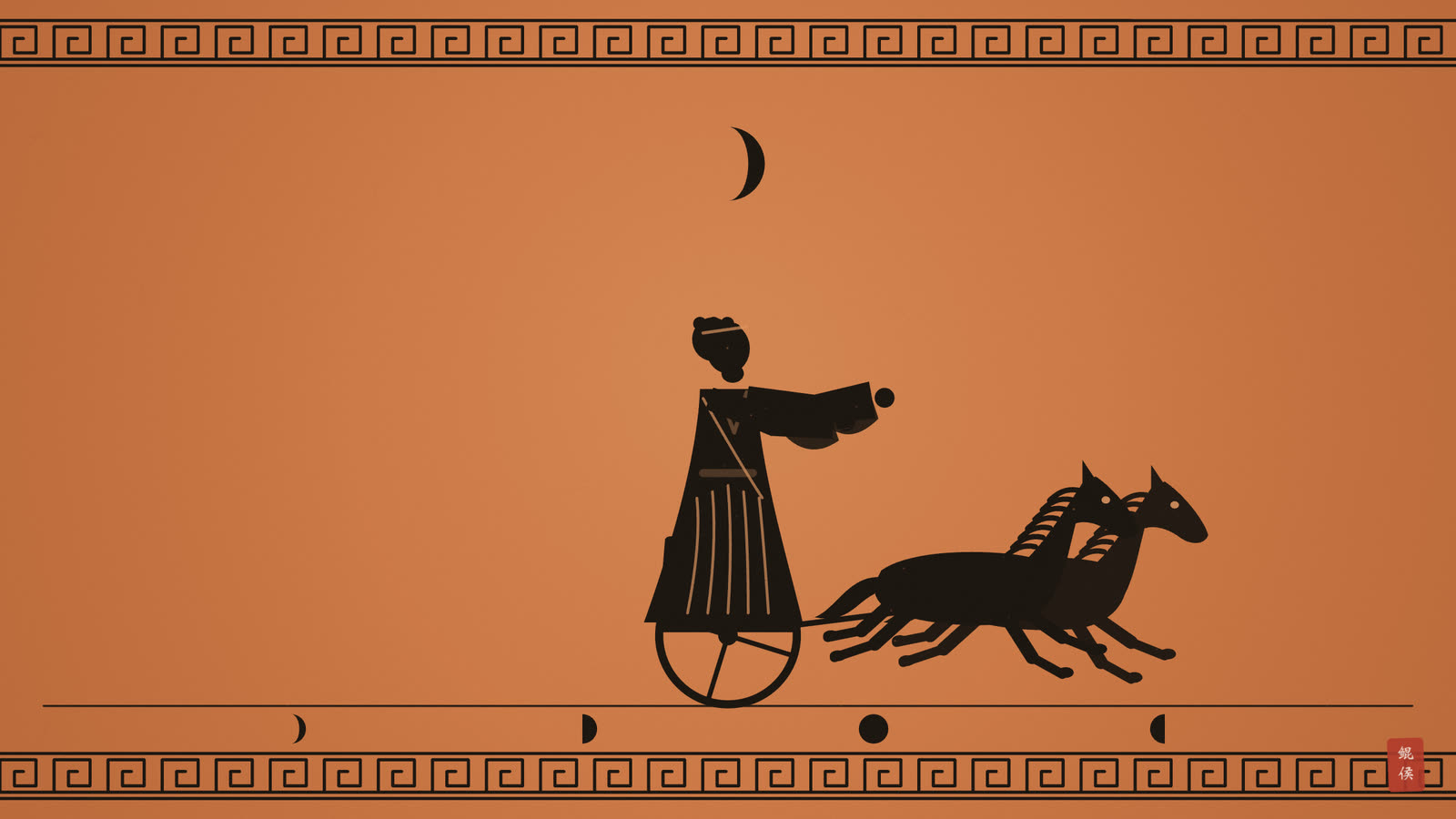
Whe she comes to the opposition of the place she was in at the day of the decumbiture, she makes a second Crisis, the third when she comes to the second quartile, and the fourth when she comes to the place she was in at the decumbiture, and its well she can make so many; being
The reason of the difference of the Moons motion in the difference of her distance from the Earth; for when the center of her circle is nearest to the center of the Earth, she is swift in motion; and hence it comes to passe that sometimes she moves more then 15 degrees in 24 houres, sometimes lesse then 12. therefore if she be swift in motion, she comes to her owne quartile in six days; if slow, not in seven; therefore must you judge according to the motion of the Moon, and not according to the number of the dayes.
翻译点开
Also wise men have experiences of many vertues of the Starres, and have left them to posterity: and Physicians in old time when they were minded to be honest, have found out the changes and terminations of diseases, by the course of the Moon; Wherefore the 7, 14. 20, or 21. 27, 28, or 29. dayes of sicknesses are called Criticall dayes, which cannot be known but by the course of the Moone; for let not your braine rest in the number of the days, because the Moon is sometimes swifter, sometimes slower.
智者们也体验过星辰的许多能力,并把它们留给了后人;古时的医生,在他们还有心做个诚实人的时候,借月亮的行程找出了疾病的变化与终局;所以疾病的第七、第十四、第二十或二十一、第二十七、二十八或二十九日被称为危象之日,这些日子不凭月亮的行程是无从知道的;所以不要让你的头脑停在日子的数目上,因为月亮有时快,有时慢。
As for such diseases as do not terminate in a month (I meane a Lunar Month) viz. the time the Moon traceth round the Zodiack, which is 27 dayes, some odd hours, some few minutes; you must judge of these by the course of the Sun; the day is not called Critical, because it is the seventh day from the decumbiture, as if the vertue lay in the number 7. but because the Moone comes to the quartile of the place she was in at the decumbiture, its no matter whether it be a day sooner or later.
至于那些在一个月内(我是指一个太阴月,即月亮绕黄道一周的时间,二十七日又若干小时、若干分钟)不能了结的疾病,你必须凭太阳的行程来判断;一日之所以称为危象之日,不是因为它是卧床之后的第七日,仿佛能力在“七”这个数里,而是因为月亮来到了她卧床时所在位置的四分之处,早一天晚一天都无所谓。
Whe she comes to the opposition of the place she was in at the day of the decumbiture, she makes a second Crisis, the third when she comes to the second quartile, and the fourth when she comes to the place she was in at the decumbiture, and its well she can make so many; being
当她来到卧床那天所在位置的对冲之处,就造成第二次危象;她来到第二个四分之处时是第三次,回到卧床时所在之处时是第四次;她能造成这么多次已经很好了。
The reason of the difference of the Moons motion in the difference of her distance from the Earth; for when the center of her circle is nearest to the center of the Earth, she is swift in motion; and hence it comes to passe that sometimes she moves more then 15 degrees in 24 houres, sometimes lesse then 12. therefore if she be swift in motion, she comes to her owne quartile in six days; if slow, not in seven; therefore must you judge according to the motion of the Moon, and not according to the number of the dayes.
月亮行速不一的原因,在于她离地球的距离不一;因为当她所行之圆的中心最接近地心时,她就行得快;所以她有时二十四小时走十五度以上,有时不到十二度。因此,她若行得快,六天就到她自己的四分之处;若行得慢,七天还到不了;所以你必须按月亮的行度来判断,而不是按日子的数目。
大意与图解点开
🔎 大意:第七、十四、二十一、二十八日为危象之日,实因月亮到卧床时位置的四分、对冲、再四分、回原处;月有快慢,须看行度不看日数。
📖 术语
| 术语 | 英文原词 | 意思 |
|---|---|---|
| 卧床 | decumbiture | 病人起病卧床之时 |
| 四分 | quartile | 相距九十度 |
| 对冲 | opposition | 相距一百八十度 |
| 太阴月 | Lunar Month | 月亮绕黄道一周 |
| 慢性病 | diseases not terminate in a month | 一月不愈之病 |
🧭 图解与讲解
这是本书最核心的一条道理。古代医生观察到病在第七、十四、二十一、二十八日前后最易起变化,称为「危象之日」(critical days)。伊本·以斯拉说,真正的原因不在数字「七」,而在月亮:病人卧床(decumbiture)时月亮在某一度,此后她走到这一度的四分(九十度)之处,就是第一次危象;走到对冲(一百八十度)是第二次;走到另一侧的四分是第三次;绕回原处是第四次(图一)。
〔图〕四次危象:月亮走到卧床时位置的四分、对冲、再四分,最后回到原处
| 月亮一日所行 | 走到四分(九十度)所需 | 原文怎么说 |
|---|---|---|
| 十五度以上 | 不到六日 | 行得快,六天就到 |
| 约十三度(平均) | 约七日 | 所以通常说「第七日」 |
| 不到十二度 | 七日半以上 | 行得慢,七天还到不了 |
为什么不能只数日子?因为月亮行速不匀。她离地球近时走得快,一日可以超过十五度;远时走得慢,一日不到十二度。表二算了一笔账:走九十度,快时不到六日,慢时七日半以上,平均才是七日左右。所以危象早一天晚一天都可能,判断时要查月亮实际走到哪里,而不是翻日历数日子。
这里还分出两类病:一个太阴月(月亮绕黄道一周,二十七日多)之内了结的,看月亮;拖过一个月的慢性病,要看太阳的行程,道理相同,只是换成太阳走到卧床时位置的四分、对冲。这一区分卷二第一章还会详讲。以上都是古人之说,只作了解,不作医疗建议。
📖 术语
| 术语 | 英文原词 | 意思 |
|---|---|---|
| 卧床 | decumbiture | 病人起病卧床之时 |
| 四分 | quartile | 相距九十度 |
| 对冲 | opposition | 相距一百八十度 |
| 太阴月 | Lunar Month | 月亮绕黄道一周 |
| 慢性病 | diseases not terminate in a month | 一月不愈之病 |
🧭 图解与讲解
这是本书最核心的一条道理。古代医生观察到病在第七、十四、二十一、二十八日前后最易起变化,称为「危象之日」(critical days)。伊本·以斯拉说,真正的原因不在数字「七」,而在月亮:病人卧床(decumbiture)时月亮在某一度,此后她走到这一度的四分(九十度)之处,就是第一次危象;走到对冲(一百八十度)是第二次;走到另一侧的四分是第三次;绕回原处是第四次(图一)。
| 月亮一日所行 | 走到四分(九十度)所需 | 原文怎么说 |
|---|---|---|
| 十五度以上 | 不到六日 | 行得快,六天就到 |
| 约十三度(平均) | 约七日 | 所以通常说「第七日」 |
| 不到十二度 | 七日半以上 | 行得慢,七天还到不了 |
为什么不能只数日子?因为月亮行速不匀。她离地球近时走得快,一日可以超过十五度;远时走得慢,一日不到十二度。表二算了一笔账:走九十度,快时不到六日,慢时七日半以上,平均才是七日左右。所以危象早一天晚一天都可能,判断时要查月亮实际走到哪里,而不是翻日历数日子。
这里还分出两类病:一个太阴月(月亮绕黄道一周,二十七日多)之内了结的,看月亮;拖过一个月的慢性病,要看太阳的行程,道理相同,只是换成太阳走到卧床时位置的四分、对冲。这一区分卷二第一章还会详讲。以上都是古人之说,只作了解,不作医疗建议。
Know then that the Crisis', viz. upon a Criticall day, the Moon being well aspected by good Planets, it goes well with the sick; if to ill Planets, it goes ill; but I know you would be resolved in one particular, which is, if the Crisis depend upon the motion of the Moone, and her aspect to the Planets; What is the reason, if two men taken sick at one and the same time, that yet the Crisis of the one fals out well, and not so in the other.
I answer, The vertue working is changed according to the diversity of the vertue receiving; for you all know the Sun makes the clay hard, and the wax soft; it makes the cloth white, and the face black; so then if one be a child whose nature is hot and moist, the other a young man, and the third an old man, the Crisis works diversty in them all, because their ages are different.
Secondly, the time of the yeare carries a great stroke in this businesse; if it be in the Spring time, diseases are most obnoxious to a child, because his nature is hot and moist; a diseale works most violently with a cholorick man in Summer; with a melancholy man in Autumne; with a flegmatick by reason of age or complexion in Winter.
Thirdly, To this I adde, suppose at the beginning of a disease, the Moon was in the place of Mars, in the genesis whose nature is hot and dry, if the disease be of heat it mightily aggravates it; not so if it be of cold; and you shall seldome find two men that had Mars at one and the same place in the genesis at one and the same time, fall sick and the disease differ either at the middle or at the end.
翻译点开
Know then that the Crisis', viz. upon a Criticall day, the Moon being well aspected by good Planets, it goes well with the sick; if to ill Planets, it goes ill; but I know you would be resolved in one particular, which is, if the Crisis depend upon the motion of the Moone, and her aspect to the Planets; What is the reason, if two men taken sick at one and the same time, that yet the Crisis of the one fals out well, and not so in the other.
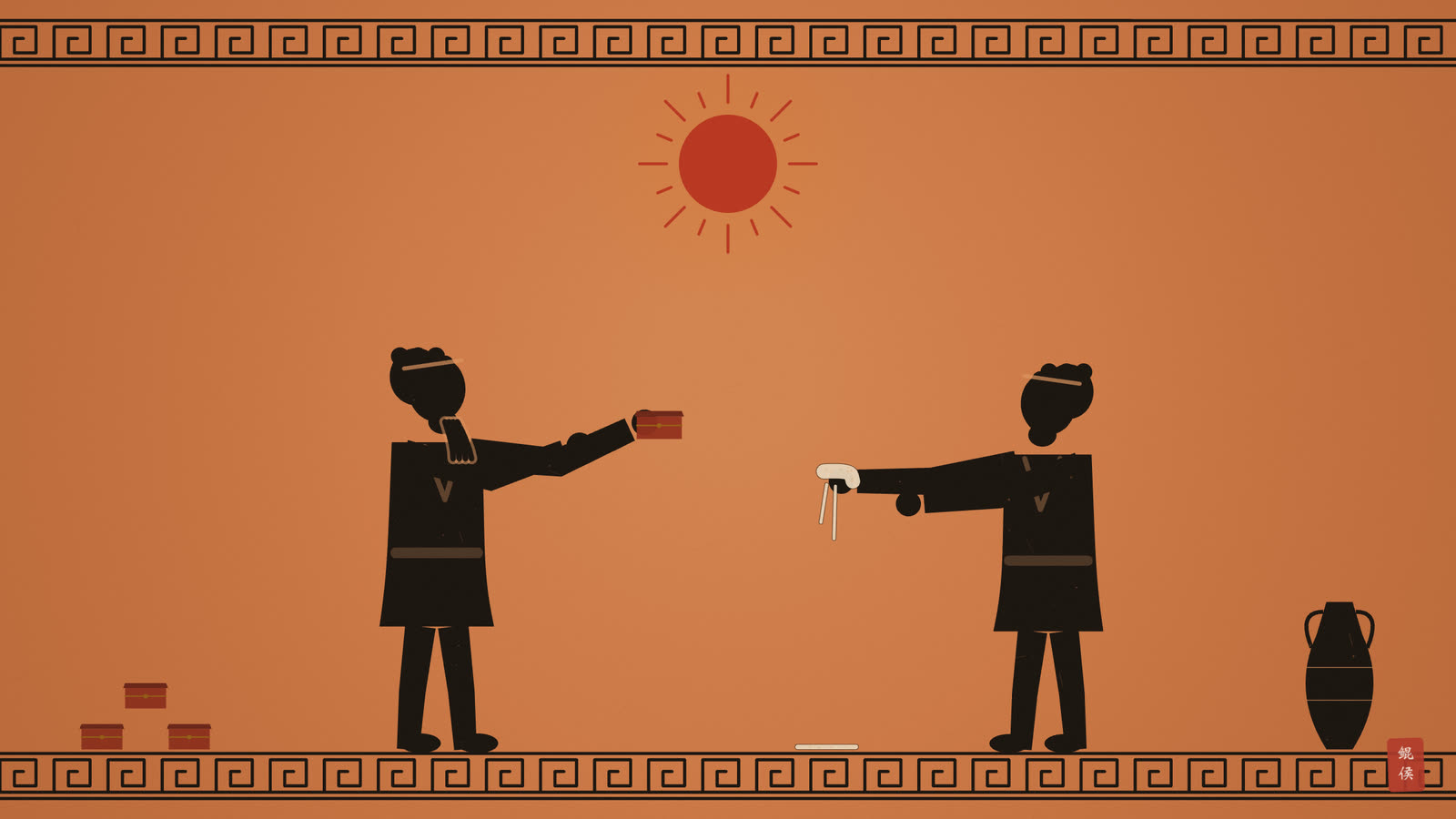
那么要知道,在危象之日,月亮若得吉星的良好相位,病人就顺利;若与凶星成相位,就不顺;但我知道你们想弄明白一件事,就是:如果危象取决于月亮的行度和她与诸行星的相位,那么两个人在同一时刻得病,为什么一个人的危象结果好,另一个却不然?
I answer, The vertue working is changed according to the diversity of the vertue receiving; for you all know the Sun makes the clay hard, and the wax soft; it makes the cloth white, and the face black; so then if one be a child whose nature is hot and moist, the other a young man, and the third an old man, the Crisis works diversty in them all, because their ages are different.
我回答:起作用的能力,随着接受者的不同而改变;你们都知道,太阳使泥土变硬,使蜡变软;使布变白,使脸变黑;所以,若一个是孩童,其本性热而湿,另一个是青年,第三个是老人,危象在他们身上的作用就各不相同,因为他们年龄不同。
Secondly, the time of the yeare carries a great stroke in this businesse; if it be in the Spring time, diseases are most obnoxious to a child, because his nature is hot and moist; a diseale works most violently with a cholorick man in Summer; with a melancholy man in Autumne; with a flegmatick by reason of age or complexion in Winter.
其次,一年中的时节在这件事上举足轻重;若在春季,疾病对孩童危害最大,因为他的本性热而湿;疾病在夏季对胆汁质的人作用最猛,在秋季对忧郁质的人,在冬季对因年龄或体质而属黏液质的人。
Thirdly, To this I adde, suppose at the beginning of a disease, the Moon was in the place of Mars, in the genesis whose nature is hot and dry, if the disease be of heat it mightily aggravates it; not so if it be of cold; and you shall seldome find two men that had Mars at one and the same place in the genesis at one and the same time, fall sick and the disease differ either at the middle or at the end.
第三,我再加上一点:假设在疾病开始时,月亮在命盘中火星所在之处,而火星性热而干,若病属热,就会大大加重;若病属寒,就不会;你们很少会发现两个命盘中火星在同一位置、又在同一时刻得病的人,病情在中途或末了会有所不同。
大意与图解点开
🔎 大意:危象日月亮得吉星照则顺、遇凶星则逆;同时得病而结果不同,因年龄、时节与各人命盘不同,施者同而受者异。
📖 术语
| 术语 | 英文原词 | 意思 |
|---|---|---|
| 吉星 / 凶星 | good / ill Planets | 木金 / 土火 |
| 胆汁质 | cholorick | 热干的体质 |
| 忧郁质 | melancholy | 冷干的体质 |
| 黏液质 | flegmatick | 冷湿的体质 |
| 本性 | nature | 人天生的冷热干湿 |
🧭 图解与讲解
危象之日的吉凶,看月亮在那一天与谁成相位:遇吉星(木星、金星)的良好相位,病人顺利;遇凶星(土星、火星),就不顺。由此引出一个问题:既然危象取决于月亮,两个人同时得病,为什么一个好、一个坏?伊本·以斯拉的回答很有名:起作用的能力,随接受者的不同而改变——太阳晒硬泥土、晒软蜡块,晒白布匹、晒黑面孔,施者相同,受者各异(图一)。
〔图〕同时得病而危象不同:施者同,受者异
| 时节 | 受害最重的人 | 原因 |
|---|---|---|
| 春 | 孩童 | 本性热而湿 |
| 夏 | 胆汁质的人 | 热而干 |
| 秋 | 忧郁质的人 | 冷而干 |
| 冬 | 因年龄或体质属黏液质的人 | 冷而湿 |
他列了三种差别。第一是年龄:孩童本性热而湿,青年、老人各不相同。第二是时节(表二):春天伤孩童,夏天伤胆汁质的人,秋天伤忧郁质的人,冬天伤黏液质的人。这里用的是古希腊医学的体液说:人的体质由血液、黄胆汁、黑胆汁、黏液四种体液的偏胜决定,各有冷热干湿,与季节相应。
第三是各人的命盘:若起病时月亮正在命盘中火星的位置,火星热而干,热病就大大加重,寒病则不然。最后一句反过来说:两个人若命盘中火星同在一处,又同时得病,病情从中途到结局都不会有什么不同。下一章的问答接着追问:年龄、时节、病都一样,危象是否就一样?
📖 术语
| 术语 | 英文原词 | 意思 |
|---|---|---|
| 吉星 / 凶星 | good / ill Planets | 木金 / 土火 |
| 胆汁质 | cholorick | 热干的体质 |
| 忧郁质 | melancholy | 冷干的体质 |
| 黏液质 | flegmatick | 冷湿的体质 |
| 本性 | nature | 人天生的冷热干湿 |
🧭 图解与讲解
危象之日的吉凶,看月亮在那一天与谁成相位:遇吉星(木星、金星)的良好相位,病人顺利;遇凶星(土星、火星),就不顺。由此引出一个问题:既然危象取决于月亮,两个人同时得病,为什么一个好、一个坏?伊本·以斯拉的回答很有名:起作用的能力,随接受者的不同而改变——太阳晒硬泥土、晒软蜡块,晒白布匹、晒黑面孔,施者相同,受者各异(图一)。
| 时节 | 受害最重的人 | 原因 |
|---|---|---|
| 春 | 孩童 | 本性热而湿 |
| 夏 | 胆汁质的人 | 热而干 |
| 秋 | 忧郁质的人 | 冷而干 |
| 冬 | 因年龄或体质属黏液质的人 | 冷而湿 |
他列了三种差别。第一是年龄:孩童本性热而湿,青年、老人各不相同。第二是时节(表二):春天伤孩童,夏天伤胆汁质的人,秋天伤忧郁质的人,冬天伤黏液质的人。这里用的是古希腊医学的体液说:人的体质由血液、黄胆汁、黑胆汁、黏液四种体液的偏胜决定,各有冷热干湿,与季节相应。
第三是各人的命盘:若起病时月亮正在命盘中火星的位置,火星热而干,热病就大大加重,寒病则不然。最后一句反过来说:两个人若命盘中火星同在一处,又同时得病,病情从中途到结局都不会有什么不同。下一章的问答接着追问:年龄、时节、病都一样,危象是否就一样?
原文为公有领域古籍;翻译、印象画与图文解读由 AI 辅助生成,鲲侯审校。