卷首·献辞、致读者与全书提要
卡尔佩珀把讲稿献给英格兰星占家,主张卧床之盘与希波克拉底预兆合用;致读者讲上下相应之理,并列全书提要。
TO THE ASTROLOGERS OF ENGLAND, Nicholas Culpeper wisheth peace and Prosperity in this world, and eternall beatitude in that which is to come.
Dear Souls,
TO you all, and to you especially that heard these Lectures do I dedicate them, and present them to you, not to look upon onely (for then I had as good have sent you a picture, and as much it would have pleased your eye). Man was made not only for Speculation, but also for Practice; Speculation brings onely pleasure to a mans selfe; its Practice which benefits others; And I hope I need not tell you that Man was not born for himself alone.
These Rules will serve (if heedfully observed by the eye of Reason) to ballance your judgment in sayling through the Prognosticall part of Physick, that so you may steer your course by the Card of Truth, and not float unsetledly upon the waves of Errour, Ignorance or Opinion. To you (rather then to any that I know) belongs the practice of Physick; and that Practice may be perfect, Judgement ought to be sound; and to make judgement sound is required an exquisite knowledge.
Judgement is perfected by knowledge, knowledge by experience: whence it appeares, that the more communicative knowledge is, so much the more excellent it is. Of all the men in the world I hate a drone most, that sucks the sweetnesse of other mens labours, but doth no good himselfe; and will as soon teach Physick or Astrology to an Oake, as to a creature the center of whose actions is terminated in himselfe, Surely, surely, If God had not made the nature of man communicative, he would not have made one man to stand in continuall need of another: but we see the contrary, and the sons of wisedome know how to pick out the meaning of God from it.
I have given you here all my Prognostications from the Decumbiture of the sick party: And although I ingenuously confesse the greatest part of them will hold true, in a Horarie Question erected upon the sight of the Urine; yet this is my judgement at present, That next the Nativity, the Decumbiture is the safest & surest ground for you to build your judgement upon; and you shall always find it by experience.
Together with this I have given you the presages of Hippocrates, all which never decline from the Zodiack of the sick person: And thus much I can say of them by experience, I never found one of them false. Make use of them both together; God hath given you two eyes; why may you not look upon the Macrocosme with the one, and upon the Microcosme with the other? In both I desired to be as plaine as I could, because all Artists are not Schollers.
Thus have you what I have done, and you know for whose sakes I did it. What now remains, but that you labour with might and main for your owne goods, and the increase of your owne knowledge to make experience of them? For as the diligent hand maketh rich, so the diligent mind increaseth knowledg; and for my owne particular, never feare, but during the time I am amongst the living, I shall never cease to do you good in what I may or can.
Spittle-fields, next door to the Red-Lion. Nich. Culpeper.
翻译点开
TO THE ASTROLOGERS OF ENGLAND, Nicholas Culpeper wisheth peace and Prosperity in this world, and eternall beatitude in that which is to come.
致英格兰的星占家们:尼古拉斯·卡尔佩珀祝愿你们今世平安兴旺,来世得享永恒的福乐。
Dear Souls,
亲爱的诸君:
TO you all, and to you especially that heard these Lectures do I dedicate them, and present them to you, not to look upon onely (for then I had as good have sent you a picture, and as much it would have pleased your eye). Man was made not only for Speculation, but also for Practice; Speculation brings onely pleasure to a mans selfe; its Practice which benefits others; And I hope I need not tell you that Man was not born for himself alone.
我把这些讲稿献给你们全体,尤其献给听过这些讲座的诸位,把它们呈到你们面前,却不是只供观看的(若是那样,我还不如送你们一幅画,它也一样能悦你们的眼)。人生来不只是为了思辨,也是为了实践;思辨只给自己带来愉悦,实践才使别人受益;我想不必由我来告诉你们,人生来不是只为他自己。
These Rules will serve (if heedfully observed by the eye of Reason) to ballance your judgment in sayling through the Prognosticall part of Physick, that so you may steer your course by the Card of Truth, and not float unsetledly upon the waves of Errour, Ignorance or Opinion. To you (rather then to any that I know) belongs the practice of Physick; and that Practice may be perfect, Judgement ought to be sound; and to make judgement sound is required an exquisite knowledge.
这些法则(若用理性之眼留心遵守)能使你们在驶过医学的预后部分时,稳住你们的判断,好照着真理的海图把舵,而不致在谬误、无知或臆见的波涛上漂泊无定。医学的实践属于你们(胜过属于我所知的任何别人);而要实践完善,判断就须可靠;要判断可靠,就需要精深的知识。
Judgement is perfected by knowledge, knowledge by experience: whence it appeares, that the more communicative knowledge is, so much the more excellent it is. Of all the men in the world I hate a drone most, that sucks the sweetnesse of other mens labours, but doth no good himselfe; and will as soon teach Physick or Astrology to an Oake, as to a creature the center of whose actions is terminated in himselfe, Surely, surely, If God had not made the nature of man communicative, he would not have made one man to stand in continuall need of another: but we see the contrary, and the sons of wisedome know how to pick out the meaning of God from it.
判断由知识而完善,知识由经验而完善:由此可见,知识越肯与人分享,就越是卓越。世上一切人中,我最恨雄蜂,它吸吮别人辛劳的甜美,自己却毫无益处;我宁可把医学或星占学教给一棵橡树,也不教给一个一切作为都止于自身的人。确实,确实,若上帝没有使人的本性乐于分享,他就不会使人时时需要别人;可我们看到的恰恰相反,智慧之子懂得从中领会上帝的意思。
I have given you here all my Prognostications from the Decumbiture of the sick party: And although I ingenuously confesse the greatest part of them will hold true, in a Horarie Question erected upon the sight of the Urine; yet this is my judgement at present, That next the Nativity, the Decumbiture is the safest & surest ground for you to build your judgement upon; and you shall always find it by experience.
我在这里把我根据病人卧床之时所作的一切预断都给了你们:我坦白承认,其中大部分在看见尿样时所起的卜卦盘上也同样成立;但我眼下的看法是,除本命盘外,卧床之盘是你们建立判断最安全、最可靠的根基;你们凭经验总会发现这一点。
Together with this I have given you the presages of Hippocrates, all which never decline from the Zodiack of the sick person: And thus much I can say of them by experience, I never found one of them false. Make use of them both together; God hath given you two eyes; why may you not look upon the Macrocosme with the one, and upon the Microcosme with the other? In both I desired to be as plaine as I could, because all Artists are not Schollers.
与此同时,我还给了你们希波克拉底的预兆,它们全都不离病人自身这个“黄道”:关于它们,我凭经验可以这样说:我从未发现其中有一条是错的。把两者合起来用吧;上帝给了你们两只眼睛,为什么不能一只看大宇宙,一只看小宇宙呢?两者我都力求写得尽量平白,因为并非所有行家都是读书人。
Thus have you what I have done, and you know for whose sakes I did it. What now remains, but that you labour with might and main for your owne goods, and the increase of your owne knowledge to make experience of them? For as the diligent hand maketh rich, so the diligent mind increaseth knowledg; and for my owne particular, never feare, but during the time I am amongst the living, I shall never cease to do you good in what I may or can.
这就是我所做的,你们也知道我是为谁做的。如今还剩下什么,不就是你们为了自己的益处、为了增进自己的知识,竭尽全力去验证它们吗?因为殷勤的手使人富足,殷勤的心使知识增长;至于我自己,请不必担心,我活在世上一天,就一天不停地尽我所能为你们效力。
Spittle-fields, next door to the Red-Lion. Nich. Culpeper.
斯皮塔佛德,红狮客栈隔壁。尼古拉斯·卡尔佩珀。
大意与图解点开
🔎 大意:讲稿献给英格兰星占家,重在实践与分享;卧床之盘仅次于本命盘,最可靠;再配希波克拉底预兆,一眼看天,一眼看人。
📖 术语
| 术语 | 英文原词 | 意思 |
|---|---|---|
| 卧床之盘 | Decumbiture | 病人卧床之刻所起的盘 |
| 卜卦盘 | Horarie Question | 就一问之刻起的盘 |
| 本命盘 | Nativity | 出生之刻的盘 |
| 预后 | Prognosticall part | 预判病的走向 |
| 大宇宙 / 小宇宙 | Macrocosme / Microcosme | 天地 / 人身 |
🧭 图解与讲解
这是全书的献辞。作者尼古拉斯·卡尔佩珀(Nicholas Culpeper,一六一六至一六五四)是十七世纪伦敦的草药医生兼星占家,以平民医学著称。本书原是他讲给同行听的讲稿,所以献给「英格兰的星占家们」,尤其是「听过这些讲座的诸位」。落款的斯皮塔佛德在伦敦东郊,「红狮客栈隔壁」是他行医的住处。
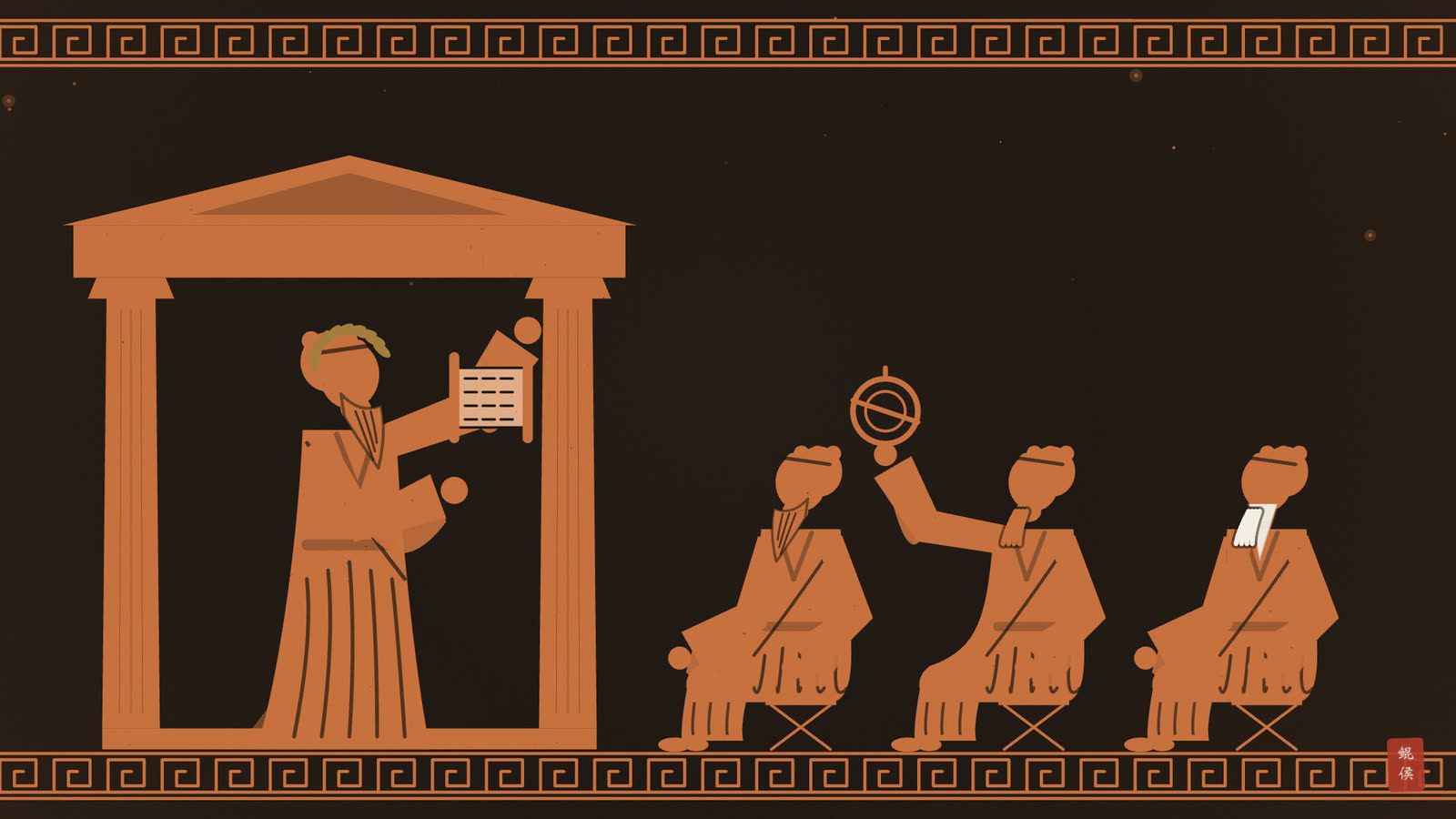
〔图〕思辨只悦己,实践才利人:判断靠知识,知识靠经验
〔图〕两只眼睛:一只看天上的卧床之盘,一只看病人的身体
献辞的主旨是实践与分享(图一)。思辨只让自己快乐,实践才对别人有益;判断要靠知识,知识要靠经验,而知识越肯分享就越可贵。他拿雄蜂作比:只吸别人辛劳的蜜、自己毫无产出的人,他宁可去教一棵橡树。这番话也有所指:当时的医学多用拉丁文,掌握在少数医生手里,卡尔佩珀一向主张把医学知识用英文公开给平民,下面「致读者」与卷二引言都还有这种口吻。
献辞里最要紧的一句是学术上的立场:根据「卧床之盘」(decumbiture,病人卧床之刻起的盘)作的预断,大部分在看尿样时起的卜卦盘(horary)上也能成立;但除本命盘之外,卧床之盘是判断疾病最安全、最可靠的根基。全书卷二讲的就是这种盘。
他又说本书附了希波克拉底的预兆,即从病人的面容、呼吸、汗、尿等身体征象看病势,并主张两者合用:上帝给人两只眼睛,一只看大宇宙(天象),一只看小宇宙(人身)(图二)。本站所收底本按校勘说明不收那三卷希波克拉底预兆,只收星占部分。以上都是古人之说,只作了解,不作医疗建议。
📖 术语
| 术语 | 英文原词 | 意思 |
|---|---|---|
| 卧床之盘 | Decumbiture | 病人卧床之刻所起的盘 |
| 卜卦盘 | Horarie Question | 就一问之刻起的盘 |
| 本命盘 | Nativity | 出生之刻的盘 |
| 预后 | Prognosticall part | 预判病的走向 |
| 大宇宙 / 小宇宙 | Macrocosme / Microcosme | 天地 / 人身 |
🧭 图解与讲解
这是全书的献辞。作者尼古拉斯·卡尔佩珀(Nicholas Culpeper,一六一六至一六五四)是十七世纪伦敦的草药医生兼星占家,以平民医学著称。本书原是他讲给同行听的讲稿,所以献给「英格兰的星占家们」,尤其是「听过这些讲座的诸位」。落款的斯皮塔佛德在伦敦东郊,「红狮客栈隔壁」是他行医的住处。
献辞的主旨是实践与分享(图一)。思辨只让自己快乐,实践才对别人有益;判断要靠知识,知识要靠经验,而知识越肯分享就越可贵。他拿雄蜂作比:只吸别人辛劳的蜜、自己毫无产出的人,他宁可去教一棵橡树。这番话也有所指:当时的医学多用拉丁文,掌握在少数医生手里,卡尔佩珀一向主张把医学知识用英文公开给平民,下面「致读者」与卷二引言都还有这种口吻。
献辞里最要紧的一句是学术上的立场:根据「卧床之盘」(decumbiture,病人卧床之刻起的盘)作的预断,大部分在看尿样时起的卜卦盘(horary)上也能成立;但除本命盘之外,卧床之盘是判断疾病最安全、最可靠的根基。全书卷二讲的就是这种盘。
他又说本书附了希波克拉底的预兆,即从病人的面容、呼吸、汗、尿等身体征象看病势,并主张两者合用:上帝给人两只眼睛,一只看大宇宙(天象),一只看小宇宙(人身)(图二)。本站所收底本按校勘说明不收那三卷希波克拉底预兆,只收星占部分。以上都是古人之说,只作了解,不作医疗建议。
TO THE READER.
EXcellent and true was that Motto of Hermes Tresmegistus. Quod est superius, est sicut inferius, and this will appeare to the eye of every one that deserves the name of a reasonable man, if he do but consider That his body is made of the same materials that the whole Universe is made of, though not in the same forme; namely of a composition of contrary Elements.
There is scarce a man breathing that knows his right hand from his left, but knows that if you sett bottles of hott water to a mans feet, it will make his head to sweat; and the reason is the mutual harmony of one part of the body with another; why then as well should not the actions of one part of the Creation produce as well effects in another, that being also one entire body, composed of the same Elements, and in as great Harmonie?
Whats the reason that a man will do more for his brother then hee will for a stranger? Is is not because he is formed by the blood of the same Mother, and begotten by the seed of the same Father? Why then should not the Celestiall bodies act upon the Terrestriall, they being made of the same matter, and by the finger of the same God? He that will not beleeve Reason, let him beleeve Experience; he that will believe neither, is little better then an Infidel.
翻译点开
TO THE READER.
致读者。
EXcellent and true was that Motto of Hermes Tresmegistus. Quod est superius, est sicut inferius, and this will appeare to the eye of every one that deserves the name of a reasonable man, if he do but consider That his body is made of the same materials that the whole Universe is made of, though not in the same forme; namely of a composition of contrary Elements.
赫密斯·特里斯墨吉斯忒斯的那句格言,又精妙又真实:“在上者,如在下者。”凡配称为讲理之人的,只要想一想就会看出这一点:他的身体与整个宇宙是用同样的材料造成的,虽然形式不同;也就是说,都由相反的元素组合而成。
There is scarce a man breathing that knows his right hand from his left, but knows that if you sett bottles of hott water to a mans feet, it will make his head to sweat; and the reason is the mutual harmony of one part of the body with another; why then as well should not the actions of one part of the Creation produce as well effects in another, that being also one entire body, composed of the same Elements, and in as great Harmonie?
世上但凡分得清左右手的人,几乎没有不知道这件事的:在一个人脚边放几瓶热水,会让他的头出汗;原因在于身体一部分与另一部分彼此和谐相应;既然如此,造化的一部分所发出的作用,为什么不能同样在另一部分产生效果呢?造化也是一个完整的身体,由同样的元素组成,彼此同样和谐。
Whats the reason that a man will do more for his brother then hee will for a stranger? Is is not because he is formed by the blood of the same Mother, and begotten by the seed of the same Father? Why then should not the Celestiall bodies act upon the Terrestriall, they being made of the same matter, and by the finger of the same God? He that will not beleeve Reason, let him beleeve Experience; he that will believe neither, is little better then an Infidel.
为什么一个人为自己的兄弟出力,要比为陌生人多?难道不是因为他们由同一位母亲的血所孕育、由同一位父亲的种子所生吗?那么,天上的星体为什么不能作用于地上的物体呢?它们是由同样的物质、由同一位上帝的手指造成的。不肯信道理的人,就让他信经验吧;两样都不信的人,比不信神的人好不了多少。
大意与图解点开
🔎 大意:上下相应:人身与宇宙同由相反的元素构成;身体各部相应,天地也如一身,所以天体能作用于地上万物。
📖 术语
| 术语 | 英文原词 | 意思 |
|---|---|---|
| 赫密斯 | Hermes Tresmegistus | 传说中的古代智者 |
| 元素 | Elements | 火、气、土、水 |
| 相应 | Harmonie | 彼此和谐呼应 |
| 天上的星体 | Celestiall bodies | 日月星辰 |
🧭 图解与讲解
「致读者」开头引了一句古老的格言:「在上者,如在下者。」传说出自赫密斯·特里斯墨吉斯忒斯(Hermes Trismegistus),是中世纪以来星占、炼金诸术常引的总纲,意思是天上的秩序与地上的事物彼此对应。卡尔佩珀拿它作全书的理论根据:人身与整个宇宙用的是同样的材料,即彼此相反的四元素,只是形式不同。
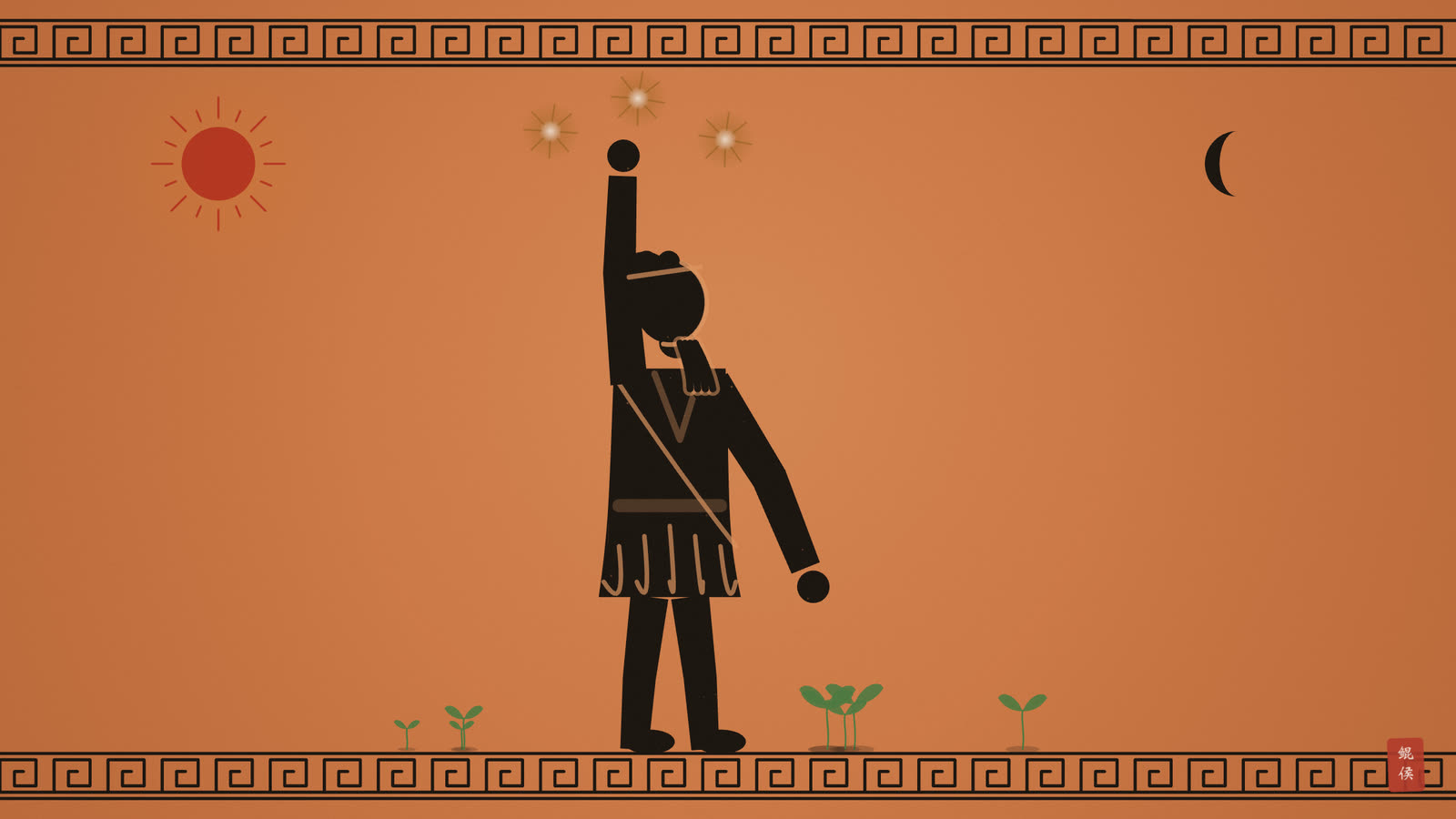
〔图〕上下相应:身体一处受热,别处出汗;宇宙也是一身,天能动地
他的论证分三步(图一)。第一步是人人都知道的经验:在病人脚边放热水瓶,头上就会出汗,可见身体各部彼此相应。第二步推到宇宙:造化本身也是一个完整的身体,由同样的元素组成,那么天上一部分的作用,自然会在地上另一部分产生效果。第三步借兄弟之情作比:同一父母所生,所以彼此亲近;天体与地上之物出于同样的物质、同一位造物主之手,所以能彼此作用。
最后一句很有卡尔佩珀的脾气:不信道理的,就信经验;两样都不信的人,「比不信神的人好不了多少」。全书反复把「经验」抬出来作最后的裁判,卷二还把它拟人化为「经验博士」。这里讲的都是古人的自然观,是理解本书的前提,并非今日的科学结论。
📖 术语
| 术语 | 英文原词 | 意思 |
|---|---|---|
| 赫密斯 | Hermes Tresmegistus | 传说中的古代智者 |
| 元素 | Elements | 火、气、土、水 |
| 相应 | Harmonie | 彼此和谐呼应 |
| 天上的星体 | Celestiall bodies | 日月星辰 |
🧭 图解与讲解
「致读者」开头引了一句古老的格言:「在上者,如在下者。」传说出自赫密斯·特里斯墨吉斯忒斯(Hermes Trismegistus),是中世纪以来星占、炼金诸术常引的总纲,意思是天上的秩序与地上的事物彼此对应。卡尔佩珀拿它作全书的理论根据:人身与整个宇宙用的是同样的材料,即彼此相反的四元素,只是形式不同。
他的论证分三步(图一)。第一步是人人都知道的经验:在病人脚边放热水瓶,头上就会出汗,可见身体各部彼此相应。第二步推到宇宙:造化本身也是一个完整的身体,由同样的元素组成,那么天上一部分的作用,自然会在地上另一部分产生效果。第三步借兄弟之情作比:同一父母所生,所以彼此亲近;天体与地上之物出于同样的物质、同一位造物主之手,所以能彼此作用。
最后一句很有卡尔佩珀的脾气:不信道理的,就信经验;两样都不信的人,「比不信神的人好不了多少」。全书反复把「经验」抬出来作最后的裁判,卷二还把它拟人化为「经验博士」。这里讲的都是古人的自然观,是理解本书的前提,并非今日的科学结论。
I confesse this was of Judicature hath been desired by many; promised by some; but hitherto performed by none; which was the motive cause I now took the taske in hand my selfe: In performing which, in many places I corrected the faylings of my Author. What was srivolous I left out, as being unwilling to blot paper, and trouble your braines with impertinencies: where he was too large, I abbreviated him: and where he was deficient, I supplied him both with Precept and Example. If there be any failings, consider,
1 Nemo sine crimine vivit.
That man nev'r breathed yet, nor never shall, / That did all well, and had no fault at all.
2 My failings (if any be) were not intentionall, but accidentall, together with this Astrological Judgement, I have also given you the Judgment of Hippocrates. The rules whereof are drawne from the person of the sick, which although they have been often printed before, yet I have compared them with the originall Copy, and brought them into a plainer method, so that you may have your desire at one single ingresse. If you make use of both these wayes together in judging of the disease, without a miracle you can hardly faile.
If any find fault with the shortnesse of my rules, let them learne to walk worthie of those they have first; their own Experience will bring them more; he's but an apish Physician that builds all his practice upon other mens foundations: Man was borne to look after knowledge, and in this particular you are set in the way how to find it, by one that desires to remaine a friend to all honest and ingenuous Arts.
Nich. Culpeper.
翻译点开
I confesse this was of Judicature hath been desired by many; promised by some; but hitherto performed by none; which was the motive cause I now took the taske in hand my selfe: In performing which, in many places I corrected the faylings of my Author. What was srivolous I left out, as being unwilling to blot paper, and trouble your braines with impertinencies: where he was too large, I abbreviated him: and where he was deficient, I supplied him both with Precept and Example. If there be any failings, consider,
我承认,这种判断之法有许多人想要,有些人许诺过,却至今没有一个人做成;这就是我如今亲自动手的缘由。在做这件事时,我在许多地方纠正了我所据作者的疏失。琐碎无谓的,我删去了,因为不愿糟蹋纸张,也不愿用无关的东西烦扰你们的头脑;他写得太冗长的地方,我加以删节;他有欠缺的地方,我用法则和例子替他补足。若有什么疏失,请想一想:
1 Nemo sine crimine vivit.
其一,“没有人活着而无过错。”
That man nev'r breathed yet, nor never shall, / That did all well, and had no fault at all.
人从未有过、也永不会有,事事都做得好、全无一点过错。
2 My failings (if any be) were not intentionall, but accidentall, together with this Astrological Judgement, I have also given you the Judgment of Hippocrates. The rules whereof are drawne from the person of the sick, which although they have been often printed before, yet I have compared them with the originall Copy, and brought them into a plainer method, so that you may have your desire at one single ingresse. If you make use of both these wayes together in judging of the disease, without a miracle you can hardly faile.
其二,我的疏失(如果有的话)不是有意的,而是偶然的。除了这部星占判断,我还给了你们希波克拉底的判断。他的法则取自病人本身;这些法则虽然以前常常印行,我却把它们同原本对照过,整理成更平易的条理,好让你们一次进门就满足心愿。若你们把这两种方法合起来判断疾病,除非出了奇迹,你们很难出错。
If any find fault with the shortnesse of my rules, let them learne to walk worthie of those they have first; their own Experience will bring them more; he's but an apish Physician that builds all his practice upon other mens foundations: Man was borne to look after knowledge, and in this particular you are set in the way how to find it, by one that desires to remaine a friend to all honest and ingenuous Arts.
若有人嫌我的法则太简短,就让他先学会配得上手头已有的这些吧;他自己的经验会给他带来更多。把全部医术都建在别人地基上的医生,不过是个学舌的猴子罢了。人生来就要追求知识;在这件事上,一个愿始终做一切诚实、精巧之术的朋友的人,已经给你们指明了寻找它的路。
Nich. Culpeper.
尼古拉斯·卡尔佩珀。
大意与图解点开
🔎 大意:这种判断法许多人盼而无人做成,故亲自动手:删琐碎、缩冗长、补欠缺;又校订希波克拉底预兆,主张两法合用。
📖 术语
| 术语 | 英文原词 | 意思 |
|---|---|---|
| 判断之法 | way of Judicature | 据盘断病的方法 |
| 我所据作者 | my Author | 指法国人迪雷 |
| 法则 | Precept | 可照着做的规矩 |
| 原本 | originall Copy | 希波克拉底的原书 |
🧭 图解与讲解
这一段交代成书方法。卡尔佩珀说,这种据卧床之盘判断疾病的方法,许多人想要,有人许诺过,却一直没人做成,所以他亲自动手。他所据的「作者」,卷二引言点明是法国人诺埃尔·迪雷(Noel Duret)。他对原作做了三件事(图一上行):琐碎的删去,冗长的缩短,欠缺的用法则与例子补足;还说在许多地方纠正了原作者的疏失。
〔图〕卡尔佩珀的编法:删琐碎、缩冗长、补欠缺,再把两种判断合起来
接着是两条自辩,用的是当时的修辞套路:其一引一句拉丁格言「没有人活着而无过错」,再配两行英文韵语,本站都译成白话;其二说疏失即使有,也是无心的。随后又提到附录的希波克拉底预兆:他把通行本同原本对照过,重排成更平易的条理,并重申献辞里的话——星占判断与希波克拉底判断合用(图一下行),「除非出了奇迹」,很难出错。
最后一段回答「法则太简短」的批评:先把手头这些用好,经验自会带来更多;把医术全建在别人地基上的医生,只是学舌的猴子。这仍是卡尔佩珀一贯的主张:书本给出法则,经验才是老师。
📖 术语
| 术语 | 英文原词 | 意思 |
|---|---|---|
| 判断之法 | way of Judicature | 据盘断病的方法 |
| 我所据作者 | my Author | 指法国人迪雷 |
| 法则 | Precept | 可照着做的规矩 |
| 原本 | originall Copy | 希波克拉底的原书 |
🧭 图解与讲解
这一段交代成书方法。卡尔佩珀说,这种据卧床之盘判断疾病的方法,许多人想要,有人许诺过,却一直没人做成,所以他亲自动手。他所据的「作者」,卷二引言点明是法国人诺埃尔·迪雷(Noel Duret)。他对原作做了三件事(图一上行):琐碎的删去,冗长的缩短,欠缺的用法则与例子补足;还说在许多地方纠正了原作者的疏失。
接着是两条自辩,用的是当时的修辞套路:其一引一句拉丁格言「没有人活着而无过错」,再配两行英文韵语,本站都译成白话;其二说疏失即使有,也是无心的。随后又提到附录的希波克拉底预兆:他把通行本同原本对照过,重排成更平易的条理,并重申献辞里的话——星占判断与希波克拉底判断合用(图一下行),「除非出了奇迹」,很难出错。
最后一段回答「法则太简短」的批评:先把手头这些用好,经验自会带来更多;把医术全建在别人地基上的医生,只是学舌的猴子。这仍是卡尔佩珀一贯的主张:书本给出法则,经验才是老师。
A Synopsis of the Worke.
ABraham, Aven Ezra of Criticall dayes, being an introduction to the worke Page 1.
Necessary questions answered. page 7.
CHAP. I. The definition of the word Crisis, it's use, cause, kinds, division and difference. p. 17
CHAP. II. How to find out the Decumbiture and Criticall dayes both by ancient and modern writers. p. 27.
CHAP. III. Of the Sympathy and Antipathy of the Signes and Planets. p. 29.
The Authors opinion. p. 30.
Writers confuted. p. 34.
CHAP. IV. The way to set a figure of Crisis, consisting of eight houses. p. 36.
CHAP. V. An example of a figure of eight houses, and Judgement upon it. p. 40.
CHAP. VI. The way to set a figure of 16 houses, illustrated by a Decumbiture judged upon. p. 51
CHAP. VII. How to set a Criticall figure of twelve houses, illustrated by an example and judged. p. 57
CHAP. VIII. Twelve precepts premised before the Prog. nosticks. p. 70
CHAP. IX. Eighteen generall prognostications of the disease. p. 76. Particulars. PAAT. I. The diseases each Planet signifies. p 77
PART. II. What diseases are under every sign of the Zodiack. p. 89
PART. III What parts and numbers of the body every planet rules. p 93.
PART. IV. What parts of the body are under every sign of the Zodiack, and house of the heaven. In all these the Errors of writers are corrected by the Author. p. 100.
CHAP. X. How the nature and kind of the disease may be found out by the Decumbiture, laid down in 22 Aporismes. p. 106.
CHAP. XI. How to know whether the disease lye in the minde or body. p. 110
CHAP. XII. How to know what part of the body is afilicted. p. 113
How to know which side of the body is afilicted p. 116
CHAP. XIII. Whether the disease shall be long or short, mortal or not mortal. p. 118
Six Cautions premised. PART. I. Signs of long and short sicknesse, laid down in fifty Aphorismes. p. 119
PART. II. Signs of life at the Decombiture laid down in sixteen Aporismes. p. 129
PART. III. Signs of death at the Decumbiture laid down in forty four Aphorisms. p 133.
Presages of Life and death by the body of the sicke Patient. p. 144
翻译点开
A Synopsis of the Worke.
全书提要。
ABraham, Aven Ezra of Criticall dayes, being an introduction to the worke Page 1.
亚伯拉罕·伊本·以斯拉论危象之日,作为本书的导言,第一页。
Necessary questions answered. page 7.
必要的问题与解答,第七页。
CHAP. I. The definition of the word Crisis, it's use, cause, kinds, division and difference. p. 17
第一章 「危象」一词的定义,及其用途、原因、种类、划分与区别,第十七页。
CHAP. II. How to find out the Decumbiture and Criticall dayes both by ancient and modern writers. p. 27.
第二章 怎样依古今作者找出卧床之时与危象之日,第二十七页。
CHAP. III. Of the Sympathy and Antipathy of the Signes and Planets. p. 29.
第三章 论星座与行星的相感与相斥,第二十九页。
The Authors opinion. p. 30.
作者的见解,第三十页。
Writers confuted. p. 34.
驳诸家之说,第三十四页。
CHAP. IV. The way to set a figure of Crisis, consisting of eight houses. p. 36.
第四章 起由八宫组成的危象盘之法,第三十六页。
CHAP. V. An example of a figure of eight houses, and Judgement upon it. p. 40.
第五章 八宫盘一例及其判断,第四十页。
CHAP. VI. The way to set a figure of 16 houses, illustrated by a Decumbiture judged upon. p. 51
第六章 起十六宫盘之法,以一张卧床之盘及其判断为例说明,第五十一页。
CHAP. VII. How to set a Criticall figure of twelve houses, illustrated by an example and judged. p. 57
第七章 怎样起十二宫的危象盘,以一例说明并加判断,第五十七页。
CHAP. VIII. Twelve precepts premised before the Prog. nosticks. p. 70
第八章 预后之前先立的十二条准则,第七十页。
CHAP. IX. Eighteen generall prognostications of the disease. p. 76. Particulars. PAAT. I. The diseases each Planet signifies. p 77
第九章 疾病的十八条总的预断,第七十六页。分论:第一部分,每颗行星所主的疾病,第七十七页。
PART. II. What diseases are under every sign of the Zodiack. p. 89
第二部分,黄道每个星座所主的疾病,第八十九页。
PART. III What parts and numbers of the body every planet rules. p 93.
第三部分,每颗行星所主的身体部位与肢体,第九十三页。
PART. IV. What parts of the body are under every sign of the Zodiack, and house of the heaven. In all these the Errors of writers are corrected by the Author. p. 100.
第四部分,黄道每个星座以及天上每一宫所主的身体部位。所有这些部分里,诸家的错误都经作者纠正,第一百页。
CHAP. X. How the nature and kind of the disease may be found out by the Decumbiture, laid down in 22 Aporismes. p. 106.
第十章 怎样从卧床之盘找出疾病的性质与种类,列为二十二条警句,第一百零六页。
CHAP. XI. How to know whether the disease lye in the minde or body. p. 110
第十一章 怎样知道病在心还是在身,第一百一十页。
CHAP. XII. How to know what part of the body is afilicted. p. 113
第十二章 怎样知道身体哪一部分受损,第一百一十三页。
How to know which side of the body is afilicted p. 116
怎样知道身体哪一侧受损,第一百一十六页。
CHAP. XIII. Whether the disease shall be long or short, mortal or not mortal. p. 118
第十三章 病是长是短,致死不致死,第一百一十八页。
Six Cautions premised. PART. I. Signs of long and short sicknesse, laid down in fifty Aphorismes. p. 119
先立六条告诫。第一部分,病长病短的征兆,列为五十条警句,第一百一十九页。
PART. II. Signs of life at the Decombiture laid down in sixteen Aporismes. p. 129
第二部分,卧床之时的生之征兆,列为十六条警句,第一百二十九页。
PART. III. Signs of death at the Decumbiture laid down in forty four Aphorisms. p 133.
第三部分,卧床之时的死之征兆,列为四十四条警句,第一百三十三页。
Presages of Life and death by the body of the sicke Patient. p. 144
从病人身体看生死的预兆,第一百四十四页。
大意与图解点开
🔎 大意:全书提要:卷一伊本·以斯拉论危象之日与问答;卷二十三章,从危象定义、三种危象盘,到病性、病位、长短与生死。
📖 术语
| 术语 | 英文原词 | 意思 |
|---|---|---|
| 危象 | Crisis | 病势急转、见分晓之时 |
| 危象之日 | Criticall dayes | 病势见分晓的日子 |
| 相感 / 相斥 | Sympathy / Antipathy | 彼此亲和 / 彼此相克 |
| 警句 | Aphorismes | 简短的断语 |
| 宫 | house | 盘上划分的区域 |
🧭 图解与讲解
这是原书的目录,卡尔佩珀称为「全书提要」。表一把它归并成几组:卷一是他所译的伊本·以斯拉《论危象之日》,作为全书导言,后面附「必要的问题与解答」;卷二是正文,共十三章。页码是一六五一年原书的页码,本站照录在翻译里,表中用数字。
| 部分 | 内容 | 原书页 |
|---|---|---|
| 卷一 | 伊本·以斯拉论危象之日(导言);必要的问题与解答 | 1、7 |
| 第一章 | 「危象」的定义、用途、原因、种类、划分与区别 | 17 |
| 第二章 | 依古今作者找出卧床之时与危象之日 | 27 |
| 第三章 | 星座与行星的相感与相斥;作者见解;驳诸家 | 29–34 |
| 第四至七章 | 八宫、十六宫、十二宫三种危象盘的起法与例盘 | 36–57 |
| 第八、九章 | 十二条准则;十八条总断;行星、星座所主的疾病与部位 | 70–100 |
| 第十至十二章 | 病的性质与种类;在心在身;哪一部位、哪一侧 | 106–116 |
| 第十三章 | 病长病短、生之征兆、死之征兆 | 118–133 |
〔图〕卷二的推进次序:先定危象与起点,再起盘,最后断病
卷二的次序很有条理(图二):先在第一章定义什么是「危象」(Crisis,病势急转、见出分晓之时),第二、三章讲从哪一刻算起、星座与行星的亲疏;第四至七章是本书的技术核心,讲三种危象盘——八宫盘、十六宫盘、十二宫盘——的起法,各附例盘;第八、九章立准则、列行星与星座所主的疾病与身体部位;第十至十二章判断病的性质、在心在身、在哪个部位;第十三章判断病的长短与生死,有一百多条警句。
目录里有一个底本拼写问题:第三部分「行星所主的部位与 numbers」,从文意看当是 members(肢体),本站译作「肢体」。最后一行「从病人身体看生死的预兆」以下,就是下一单元所列希波克拉底预兆的细目。
📖 术语
| 术语 | 英文原词 | 意思 |
|---|---|---|
| 危象 | Crisis | 病势急转、见分晓之时 |
| 危象之日 | Criticall dayes | 病势见分晓的日子 |
| 相感 / 相斥 | Sympathy / Antipathy | 彼此亲和 / 彼此相克 |
| 警句 | Aphorismes | 简短的断语 |
| 宫 | house | 盘上划分的区域 |
🧭 图解与讲解
这是原书的目录,卡尔佩珀称为「全书提要」。表一把它归并成几组:卷一是他所译的伊本·以斯拉《论危象之日》,作为全书导言,后面附「必要的问题与解答」;卷二是正文,共十三章。页码是一六五一年原书的页码,本站照录在翻译里,表中用数字。
| 部分 | 内容 | 原书页 |
|---|---|---|
| 卷一 | 伊本·以斯拉论危象之日(导言);必要的问题与解答 | 1、7 |
| 第一章 | 「危象」的定义、用途、原因、种类、划分与区别 | 17 |
| 第二章 | 依古今作者找出卧床之时与危象之日 | 27 |
| 第三章 | 星座与行星的相感与相斥;作者见解;驳诸家 | 29–34 |
| 第四至七章 | 八宫、十六宫、十二宫三种危象盘的起法与例盘 | 36–57 |
| 第八、九章 | 十二条准则;十八条总断;行星、星座所主的疾病与部位 | 70–100 |
| 第十至十二章 | 病的性质与种类;在心在身;哪一部位、哪一侧 | 106–116 |
| 第十三章 | 病长病短、生之征兆、死之征兆 | 118–133 |
卷二的次序很有条理(图二):先在第一章定义什么是「危象」(Crisis,病势急转、见出分晓之时),第二、三章讲从哪一刻算起、星座与行星的亲疏;第四至七章是本书的技术核心,讲三种危象盘——八宫盘、十六宫盘、十二宫盘——的起法,各附例盘;第八、九章立准则、列行星与星座所主的疾病与身体部位;第十至十二章判断病的性质、在心在身、在哪个部位;第十三章判断病的长短与生死,有一百多条警句。
目录里有一个底本拼写问题:第三部分「行星所主的部位与 numbers」,从文意看当是 members(肢体),本站译作「肢体」。最后一行「从病人身体看生死的预兆」以下,就是下一单元所列希波克拉底预兆的细目。
Lib. 1. Chap. 1. Presages by the face. p. 146
Chap. 2. Presages by the eyes and lips. P. 147
Chap. 3. Presages by the manner of lying in bed. p. 148
Chap. 4. Presages by the teeth. p. 150
Chap. 5. Presages by Ulcers and Issues. ibid
Chap. 6. Presages by the hands. p. 151
Chap. 7. Presages by the breath. ibid
Chap. 8. Presages by sweat. p. 153
Chap. 9. Presages by Tumours. ibid
Chap. 10. Presages by Aposthumes. p. 154
Lib. 2. Chap. 1. Presages by dropsies in fevers. p. 157.
Chap. 2. Presages of life and death in Fevers, p. 158
Chap. 3. Presages by the Testicles. p. 160
Chap. 4. Presages by sleeping. ibid
Chap. 5. Presages by the Excrements of the belly in Fevers p. 161.
Chap. 6. Presages by winde in the bowels and womb. p. 164
Chap. 7 Presages by the Urine in Fevers. p. 166
Chap. 8. Presages by vomiting in Fevers. p. 169
Chap. 9. Presages by the Spittle in Fevers. p. 171
Chap. 10. Presages by sneezing in Fevers. p. 172
Chap. 11. Presages of suppuration of Apostums. p. 172
Chap. 12. Presages by the time of the breaking of Apostumes. p. 175
Chap. 13. Presages of Apostumes about the ears. p. 177
Chap. 14. Presages of Apostumes in the feet. ibid.
Chap. 15. Presages by the bladder in Fevers. p. 179
Lib. 3. Chap. 1. Presages in Fevers. p. 181
Chap. 2. Presages in the Quinsey. p. 185
Chap. 3. Presages by the Uvula. p. 187
Chap. 4. Presages of vomiting in Fevers. p 188
翻译点开
Lib. 1. Chap. 1. Presages by the face. p. 146
卷一 第一章 从面容看预兆,第一百四十六页。
Chap. 2. Presages by the eyes and lips. P. 147
第二章 从眼睛与嘴唇看预兆,第一百四十七页。
Chap. 3. Presages by the manner of lying in bed. p. 148
第三章 从卧床的姿势看预兆,第一百四十八页。
Chap. 4. Presages by the teeth. p. 150
第四章 从牙齿看预兆,第一百五十页。
Chap. 5. Presages by Ulcers and Issues. ibid
第五章 从溃疡与疮口看预兆,同上页。
Chap. 6. Presages by the hands. p. 151
第六章 从手看预兆,第一百五十一页。
Chap. 7. Presages by the breath. ibid
第七章 从呼吸看预兆,同上页。
Chap. 8. Presages by sweat. p. 153
第八章 从汗看预兆,第一百五十三页。
Chap. 9. Presages by Tumours. ibid
第九章 从肿块看预兆,同上页。
Chap. 10. Presages by Aposthumes. p. 154
第十章 从脓肿看预兆,第一百五十四页。
Lib. 2. Chap. 1. Presages by dropsies in fevers. p. 157.
卷二 第一章 从热病中的水肿看预兆,第一百五十七页。
Chap. 2. Presages of life and death in Fevers, p. 158
第二章 热病中的生死预兆,第一百五十八页。
Chap. 3. Presages by the Testicles. p. 160
第三章 从睾丸看预兆,第一百六十页。
Chap. 4. Presages by sleeping. ibid
第四章 从睡眠看预兆,同上页。
Chap. 5. Presages by the Excrements of the belly in Fevers p. 161.
第五章 从热病中的大便看预兆,第一百六十一页。
Chap. 6. Presages by winde in the bowels and womb. p. 164
第六章 从肠中与子宫中的气看预兆,第一百六十四页。
Chap. 7 Presages by the Urine in Fevers. p. 166
第七章 从热病中的小便看预兆,第一百六十六页。
Chap. 8. Presages by vomiting in Fevers. p. 169
第八章 从热病中的呕吐看预兆,第一百六十九页。
Chap. 9. Presages by the Spittle in Fevers. p. 171
第九章 从热病中的痰涎看预兆,第一百七十一页。
Chap. 10. Presages by sneezing in Fevers. p. 172
第十章 从热病中的喷嚏看预兆,第一百七十二页。
Chap. 11. Presages of suppuration of Apostums. p. 172
第十一章 脓肿化脓的预兆,第一百七十二页。
Chap. 12. Presages by the time of the breaking of Apostumes. p. 175
第十二章 从脓肿溃破的时间看预兆,第一百七十五页。
Chap. 13. Presages of Apostumes about the ears. p. 177
第十三章 耳旁脓肿的预兆,第一百七十七页。
Chap. 14. Presages of Apostumes in the feet. ibid.
第十四章 足部脓肿的预兆,同上页。
Chap. 15. Presages by the bladder in Fevers. p. 179
第十五章 从热病中的膀胱看预兆,第一百七十九页。
Lib. 3. Chap. 1. Presages in Fevers. p. 181
卷三 第一章 热病中的预兆,第一百八十一页。
Chap. 2. Presages in the Quinsey. p. 185
第二章 喉痈的预兆,第一百八十五页。
Chap. 3. Presages by the Uvula. p. 187
第三章 从小舌看预兆,第一百八十七页。
Chap. 4. Presages of vomiting in Fevers. p 188
第四章 热病中呕吐的预兆,第一百八十八页。
大意与图解点开
🔎 大意:附录希波克拉底预兆三卷细目:卷一看面容、眼唇、卧姿、手、呼吸、汗;卷二多论热病;卷三论热病、喉痈与小舌。
📖 术语
| 术语 | 英文原词 | 意思 |
|---|---|---|
| 预兆 | Presages | 预示病势的征象 |
| 热病 | Fevers | 发热之病 |
| 脓肿 | Aposthumes | 局部化脓的肿块 |
| 喉痈 | Quinsey | 咽喉化脓肿痛 |
| 小舌 | Uvula | 悬雍垂 |
🧭 图解与讲解
这一单元是附录「希波克拉底预兆」三卷的细目。希波克拉底(Hippocrates)是古希腊医学之父,后世流传的预后之书,讲从病人身上的征象判断病势吉凶。卡尔佩珀说这些法则「取自病人本身」,又说凭经验「从未发现其中有一条是错的」。表一按卷归并:卷一十章,看面容、眼唇、卧姿、手、呼吸、汗之类外在征象;卷二十五章,多半是热病中的各种排泄与脓肿;卷三四章,论热病、喉痈与小舌。
| 卷 | 章数 | 所看之处 |
|---|---|---|
| 卷一 | 十章 | 面容、眼与唇、卧床姿势、牙齿、溃疡疮口、手、呼吸、汗、肿块、脓肿 |
| 卷二 | 十五章 | 热病中的水肿、生死、睾丸、睡眠、大便、腹中之气、小便、呕吐、痰涎、喷嚏、膀胱;脓肿化脓与溃破、耳旁与足部脓肿 |
| 卷三 | 四章 | 热病、喉痈、小舌、热病中的呕吐 |
这三卷是纯粹的临床观察,不涉星占,所以本站按校勘说明不收,只把目录照译在此,让读者知道原书的全貌:卡尔佩珀要的是天上一只眼、人身一只眼,两相印证。其中的医学说法都是古人的经验之谈,今日看来多已过时,只作历史了解,不作医疗建议。
I promised a Table of explanation of some hard words in one place of the Book, but having looked over the Book, I can find none but those at that place which can exceed almost the meanest capacity.
The words there are these three, Uvula, Grgarcon, Columella, the signification of them is all one: I shall tell you,
1. What i'ts substance and place is.
2. What i'ts uses are.
1. The Uvula, Gargarcon or Columell, chuse you whether, is a red spungy piece of flesh sticking to the roof of the mouth near the throat.
2. It's uses are,
1. To give pleasantness to the voice, therefore in hoarceness this is afflicted.
2. To stay the aire that it passe not to fast upon the Lungues; therefore such as have gotten colds cannot sing well.
3. It hinders drink, and such liquid things as we eat, from comming out at our Noses.
Courteous Reader, you may expect an Ephemerides or Prediction for the year, 1652. in which there is treated on the effects of the great Eclipse of the Sun, which will appear on the 29th of March, 1652.
Yours, Nich. Culpeper.
翻译点开
I promised a Table of explanation of some hard words in one place of the Book, but having looked over the Book, I can find none but those at that place which can exceed almost the meanest capacity.
我曾答应在书中某处为一些难字附一张释义表,但把全书看过一遍后,我发现除了那一处的几个词,没有什么是连最平庸的头脑也理解不了的。
The words there are these three, Uvula, Grgarcon, Columella, the signification of them is all one: I shall tell you,
那里的词是这三个:小舌、喉垂、小柱,意思都是同一个;我来告诉你们:
1. What i'ts substance and place is.
一、它的实质与位置是什么。
2. What i'ts uses are.
二、它有什么用处。
1. The Uvula, Gargarcon or Columell, chuse you whether, is a red spungy piece of flesh sticking to the roof of the mouth near the throat.
一、小舌,或叫喉垂,或叫小柱,随你挑哪个叫法,是一块红色海绵状的肉,挂在口腔顶部、靠近喉咙的地方。
2. It's uses are,
二、它的用处是:
1. To give pleasantness to the voice, therefore in hoarceness this is afflicted.
一、使声音悦耳,所以声音嘶哑时它就受损。
2. To stay the aire that it passe not to fast upon the Lungues; therefore such as have gotten colds cannot sing well.
二、挡住空气,使它不至于太快冲到肺上;所以着了凉的人唱不好歌。
3. It hinders drink, and such liquid things as we eat, from comming out at our Noses.
三、它阻止饮料以及我们吃的流质东西从鼻子里出来。
Courteous Reader, you may expect an Ephemerides or Prediction for the year, 1652. in which there is treated on the effects of the great Eclipse of the Sun, which will appear on the 29th of March, 1652.
谦和的读者,你们可以期待一部一六五二年的星历或年度预言,其中论及一六五二年三月二十九日将出现的那次大日食的影响。
Yours, Nich. Culpeper.
你们的尼古拉斯·卡尔佩珀。
大意与图解点开
🔎 大意:原许诺的难字表只剩小舌一条:它是口顶近喉的红色软肉,能润声、缓气、挡流质;末了预告一六五二年大日食的年历。
📖 术语
| 术语 | 英文原词 | 意思 |
|---|---|---|
| 小舌 | Uvula | 口腔顶后垂下的软肉 |
| 喉垂 | Gargarcon | 小舌的别名 |
| 小柱 | Columella | 小舌的别名 |
| 星历 | Ephemerides | 逐日的行星位置表 |
| 日食 | Eclipse of the Sun | 月亮遮住太阳 |
🧭 图解与讲解
卡尔佩珀原本答应附一张难字释义表,翻遍全书,觉得只有希波克拉底预兆卷三论「小舌」一章的三个词需要解释:Uvula、Gargareon、Columella(底本拼作 Grgarcon、Gargarcon,是转录或排印走样),三名同指一物,即今日说的悬雍垂。他按「是什么、在哪里」「有什么用」两项来讲(表一),三种用处是润声、缓气、挡住流质。这是十七世纪的解剖常识,只作了解。
| 项目 | 原书说法 |
|---|---|
| 名称 | 小舌、喉垂、小柱,三名同指一物 |
| 实质与位置 | 红色海绵状的肉,挂在口腔顶部、靠近喉咙 |
| 用处一 | 使声音悦耳;声音嘶哑时它受损 |
| 用处二 | 挡住空气,不让它太快冲到肺上;着凉的人唱不好歌 |
| 用处三 | 阻止饮料与流质从鼻子里出来 |
末了一段是广告:读者可以期待他一六五二年的星历与年度预言,其中要讨论那年三月二十九日的大日食。这次日食在不列颠各地都很显著,当时引起很大的恐慌,民间称那一天为「黑色星期一」;卡尔佩珀与当时许多星占家都为它写过预言。本书出版于一六五一年,卷首以此作结。
原文为公有领域古籍;翻译、印象画与图文解读由 AI 辅助生成,鲲侯审校。