卷三·第 165–173 问 认月站、银河、星座次序与太阳远地点
先讲怎样认月站、月站之“升”与雨风,再讲银河、顺逆次序与南北,最后进入天体模型:拟黄道圈、太阳远地点与平位置。
§165. What is the way to recognize these mansions?
Al-Thurayyā is the best known of the mansions of the Moon and the most evident to the generality of people. So one should start from it, or from any other that one may happen to know, going along the path of the Moon's course towards the east, until al-Dabarān is found about a spear's length from al-Thurayyā; and going from it towards the west about twice that distance, until al-Sharaṭān is found; then one looks for al-Buṭayn between them. When one has identified these four mansions, one learns from them the distance between every two mansions approximately. Then, if one steps from each known mansion an equal distance towards the east and the west, and seeks, along the path of the Moon's course, the stars of the intended mansion as we have described them, or near it and facing it to the north or the south, those stars will be found. One keeps doing this, one after another, until one has gone through all of them, and so comes to know the whole.
§166. What is meant by the rising of the mansions?
What is meant is not their rising from the horizon, for that happens once every day. The rising ascribed to them is rather like the eastern appearance which we have described for the three upper planets. For when the Sun comes near one of the fixed stars it conceals it, and the star's rising takes place by day, or its setting before the twilight has set; this is called its disappearance in the west. This continues until the Sun has passed it far enough that, when the star rises before the Sun, the Sun does not overpower it with the light of dawn; its first appearance in the east in the morning is then its rising, and it is called nawʾ, as though the star nāʾa, that is, rose up. When a mansion rises at the time we have mentioned, its counterpart, called its raqīb (watcher), which is the fourteenth from it, sets at that moment, and this is called its fall (suqūṭ). Between the rising of each mansion and that of the next there are thirteen days, approximately and not exactly, because the stars of the mansions are not all of one magnitude, nor are their latitudes equal and in one direction. The name anwāʾ is applied to the rains, whose times are ascribed to the fall of the mansion setting in the west in the mornings; and bawāriḥ is applied to the winds, which, outside the times of rain, are ascribed to the rising of the mansion emerging from under the rays in the mornings. That holds in the land of the Arabs on account of the times of rain; but the events of the air differ in widely separated places, and even in neighbouring ones when their situations differ, as sea and plain, lowland and highland.
翻译点开
§165. What is the way to recognize these mansions?
第一百六十五问 认识这些月站的途径是什么?
Al-Thurayyā is the best known of the mansions of the Moon and the most evident to the generality of people. So one should start from it, or from any other that one may happen to know, going along the path of the Moon's course towards the east, until al-Dabarān is found about a spear's length from al-Thurayyā; and going from it towards the west about twice that distance, until al-Sharaṭān is found; then one looks for al-Buṭayn between them. When one has identified these four mansions, one learns from them the distance between every two mansions approximately. Then, if one steps from each known mansion an equal distance towards the east and the west, and seeks, along the path of the Moon's course, the stars of the intended mansion as we have described them, or near it and facing it to the north or the south, those stars will be found. One keeps doing this, one after another, until one has gone through all of them, and so comes to know the whole.
苏莱雅是月亮诸站中最有名的,在一般人眼里也最显眼,所以应当从它开始,或者从自己碰巧认得的别的哪一站开始,顺着月亮运行的路径向东走,直到在离苏莱雅约一矛之远处找到代伯兰;再从它向西走约两倍的距离,直到找到谢拉坦;然后在两者之间细看布泰因。认定了这四站,就能从中大致知道每两站之间相隔多远。此后,从每个已知的月站向东、向西各跨出相等的一段,沿着月亮运行的路径,寻找我们描述过的、所要找那一站的星,或在它附近、在它北边或南边与它相对之处,那些星就会被找到。如此一站接一站做下去,直到走遍全部,于是认识了整体。
§166. What is meant by the rising of the mansions?
第一百六十六问 所谓月站之“升”,指的是什么?
What is meant is not their rising from the horizon, for that happens once every day. The rising ascribed to them is rather like the eastern appearance which we have described for the three upper planets. For when the Sun comes near one of the fixed stars it conceals it, and the star's rising takes place by day, or its setting before the twilight has set; this is called its disappearance in the west. This continues until the Sun has passed it far enough that, when the star rises before the Sun, the Sun does not overpower it with the light of dawn; its first appearance in the east in the morning is then its rising, and it is called nawʾ, as though the star nāʾa, that is, rose up. When a mansion rises at the time we have mentioned, its counterpart, called its raqīb (watcher), which is the fourteenth from it, sets at that moment, and this is called its fall (suqūṭ). Between the rising of each mansion and that of the next there are thirteen days, approximately and not exactly, because the stars of the mansions are not all of one magnitude, nor are their latitudes equal and in one direction. The name anwāʾ is applied to the rains, whose times are ascribed to the fall of the mansion setting in the west in the mornings; and bawāriḥ is applied to the winds, which, outside the times of rain, are ascribed to the rising of the mansion emerging from under the rays in the mornings. That holds in the land of the Arabs on account of the times of rain; but the events of the air differ in widely separated places, and even in neighbouring ones when their situations differ, as sea and plain, lowland and highland.
所指的不是它们从地平线升起,因为那每天都有一次。归于它们的“升”,倒像我们前面为三颗上行星所描述的东方出现。因为太阳一靠近某颗恒星就把它遮住,这颗星的升起落在白天,或者它在暮光消失之前就已沉落,这称为它在西方的隐没。这样一直持续,直到太阳越过它足够远,使这颗星在太阳之前升起时,太阳不再以黎明的光压过它;它在清晨于东方的初次出现,就是它的“升”,称为“瑙乌”,仿佛说这颗星“纳阿”,即升起了。一个月站在我们所说的时刻升起时,与它相对、称为它的“拉齐布”(守望者)的那一站,即从它数起的第十四站,正在那一刻沉落,这称为它的“坠落”。每一站之升与下一站之升之间约隔十三天,只是大约而非恰好,因为诸站的星并非都是同一星等,它们的纬度也不相等、方向也不一致。“安瓦”这个名称用于雨水,雨的时节归于清晨在西方沉落的那一站的坠落;“巴瓦里赫”这个名称用于风,在雨季之外,风归于清晨从光线下露出来的那一站的升起。这在阿拉伯人的地方是成立的,因为那里有雨季;但在相隔遥远的地方,空气中的事情各不相同,甚至在相邻而地势不同的地方,如海边与平原、低地与高地,也各不相同。
大意与图解点开
🔎 大意:从昴星团苏莱雅起,向东向西按间距逐站认出二十八站;月站之“升”指晨见东方,对面第十四站同时晨落,阿拉伯人以此定雨与风。
📖 术语
| 术语 | 英文原词 | 意思 |
|---|---|---|
| 月站 | manāzil al-qamar | 月亮每夜所宿之处 |
| 苏莱雅 | al-Thurayyā | 昴星团 |
| 瑙乌 | nawʾ | 月站晨见东方 |
| 拉齐布 | raqīb | 对面第十四站,守望者 |
| 巴瓦里赫 | bawāriḥ | 归于月站之升的风 |
🧭 图解与讲解
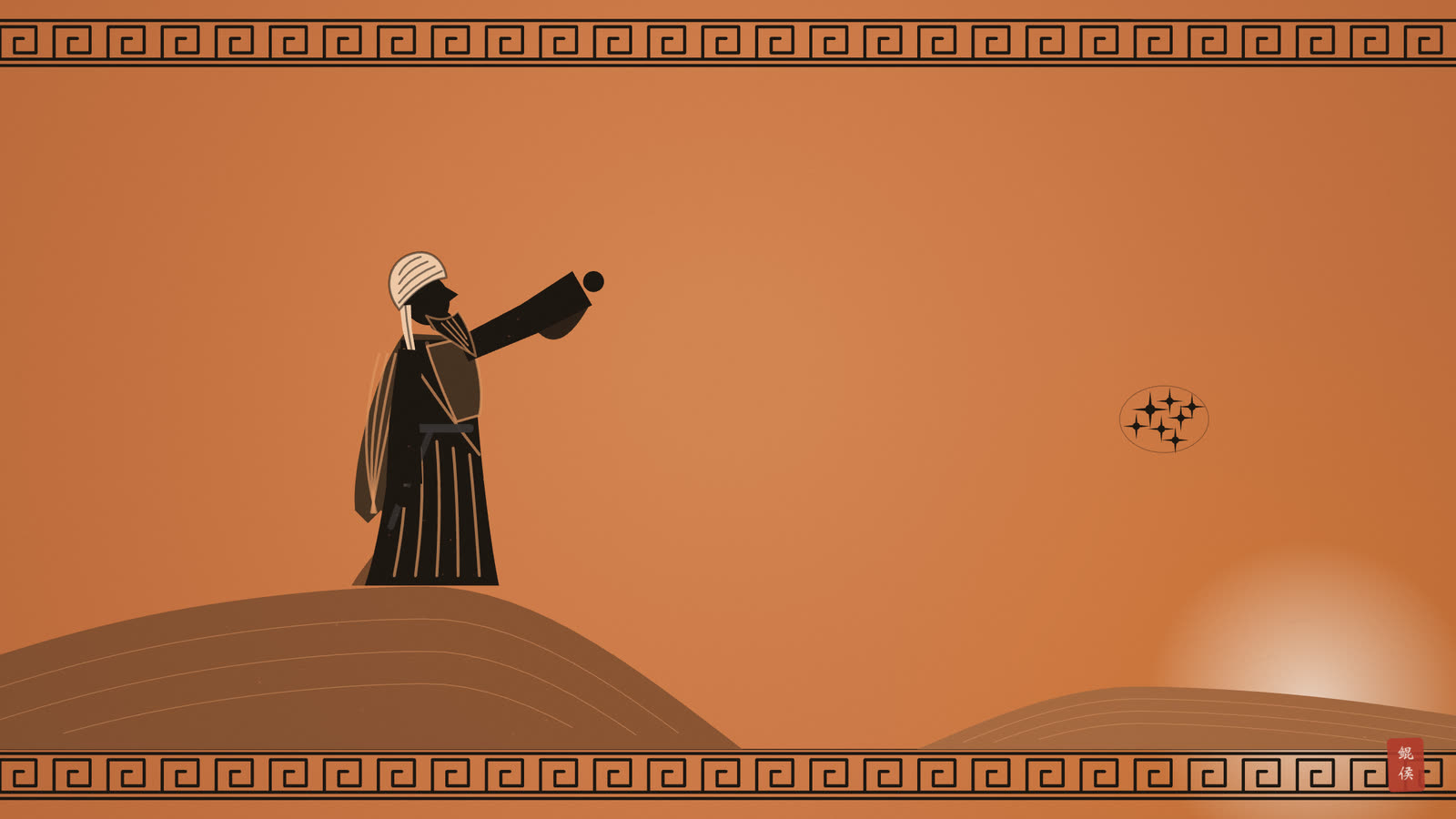
上一章列了月亮二十八站的星,这一问教人到天上去认。办法是先抓一个人人认得的:苏莱雅,就是昴星团。顺着月亮走的路向东约“一矛”找到代伯兰(毕宿的亮星一带),向西约两倍之远找到谢拉坦,再在中间找布泰因(图一)。四站一认,两站之间大约隔多远就有了数,此后一站一站向东西推,直到二十八站全部认出。“一矛”是阿拉伯人目测星距的老说法,比鲁尼照用,没有换成度数。
〔图〕从最显眼的苏莱雅出发,东找代伯兰、西找谢拉坦,再在中间找布泰因
〔图〕一站晨见东方时,对面第十四站正好晨落;约十三天轮到下一站
第一百六十六问讲月站的“升”。每天从地平线升起不算,这里的“升”是恒星离开太阳光之后,第一次在黎明前于东方露面,与上一章讲三颗上行星的“东方出现”同理(图二)。阿拉伯语称之为“瑙乌”(nawʾ),由动词“纳阿”(nāʾa,升起)而来。一站晨升时,对面的第十四站正好在西方晨落,称为“坠落”;对面那一站叫“拉齐布”(raqīb),意思是守望者。底本这里没有第一百六十七问的节号,第一百六十六问的答语直接接到第一百六十八问。
诸站之升约隔十三天:二十八站分一年,每站约十三天。比鲁尼特意说“只是大约”,因为各站的星亮度不同、纬度有南有北,晨见的日子就早晚不齐。这是天文学家的口气:民间的历法规整,天上的现象却不规整。
最后一句是比鲁尼的评断。阿拉伯半岛的老传统把雨水归于晨落之站(“安瓦”,anwāʾ,即“瑙乌”的复数),把雨季以外的风归于晨升之站(“巴瓦里赫”,bawāriḥ)。他承认这在阿拉伯人的地方有效,因为那里雨季分明;但他随即指出天气因地而异,海边与平原、低地与高地都不一样,不能把一地的经验当成普天下的规律。占星里的天气预测(卷八会讲)也要先打这个折扣。
📖 术语
| 术语 | 英文原词 | 意思 |
|---|---|---|
| 月站 | manāzil al-qamar | 月亮每夜所宿之处 |
| 苏莱雅 | al-Thurayyā | 昴星团 |
| 瑙乌 | nawʾ | 月站晨见东方 |
| 拉齐布 | raqīb | 对面第十四站,守望者 |
| 巴瓦里赫 | bawāriḥ | 归于月站之升的风 |
🧭 图解与讲解
上一章列了月亮二十八站的星,这一问教人到天上去认。办法是先抓一个人人认得的:苏莱雅,就是昴星团。顺着月亮走的路向东约“一矛”找到代伯兰(毕宿的亮星一带),向西约两倍之远找到谢拉坦,再在中间找布泰因(图一)。四站一认,两站之间大约隔多远就有了数,此后一站一站向东西推,直到二十八站全部认出。“一矛”是阿拉伯人目测星距的老说法,比鲁尼照用,没有换成度数。
第一百六十六问讲月站的“升”。每天从地平线升起不算,这里的“升”是恒星离开太阳光之后,第一次在黎明前于东方露面,与上一章讲三颗上行星的“东方出现”同理(图二)。阿拉伯语称之为“瑙乌”(nawʾ),由动词“纳阿”(nāʾa,升起)而来。一站晨升时,对面的第十四站正好在西方晨落,称为“坠落”;对面那一站叫“拉齐布”(raqīb),意思是守望者。底本这里没有第一百六十七问的节号,第一百六十六问的答语直接接到第一百六十八问。
诸站之升约隔十三天:二十八站分一年,每站约十三天。比鲁尼特意说“只是大约”,因为各站的星亮度不同、纬度有南有北,晨见的日子就早晚不齐。这是天文学家的口气:民间的历法规整,天上的现象却不规整。
最后一句是比鲁尼的评断。阿拉伯半岛的老传统把雨水归于晨落之站(“安瓦”,anwāʾ,即“瑙乌”的复数),把雨季以外的风归于晨升之站(“巴瓦里赫”,bawāriḥ)。他承认这在阿拉伯人的地方有效,因为那里雨季分明;但他随即指出天气因地而异,海边与平原、低地与高地都不一样,不能把一地的经验当成普天下的规律。占星里的天气预测(卷八会讲)也要先打这个折扣。
§168. What is the Milky Way?
It is a collection of many patches of the kind of the nebulous stars, the whole lying approximately on the circumference of a great circle that passes through Gemini and Sagittarius, although it is dense in some places and thin in others, narrow in some and broad in others, and sometimes it branches so as to have forks. Aristotle held that it arises in the air from smoky vapour, opposite many stars gathered there, just as haloes and comets arise in the air opposite them.
翻译点开
§168. What is the Milky Way?
第一百六十八问 何谓银河?
It is a collection of many patches of the kind of the nebulous stars, the whole lying approximately on the circumference of a great circle that passes through Gemini and Sagittarius, although it is dense in some places and thin in others, narrow in some and broad in others, and sometimes it branches so as to have forks. Aristotle held that it arises in the air from smoky vapour, opposite many stars gathered there, just as haloes and comets arise in the air opposite them.
它是许多斑块的集合,属于云状之星一类,整体大致落在一个经过双子与射手的大圆的圆周上,只是有的地方密、有的地方稀,有的地方窄、有的地方宽,有时还分出枝杈,成为有岔的样子。亚里士多德认为它是在空气中由烟状的蒸汽生成的,正对着聚集在那里的许多星,就像晕与彗星在空气中正对着星而生成一样。
大意与图解点开
🔎 大意:银河是许多云状斑块连成的带,大致沿着一个经过双子与射手的大圆,宽窄疏密不一;亚里士多德则以为它生于空气中的烟气。
📖 术语
| 术语 | 英文原词 | 意思 |
|---|---|---|
| 银河 | al-majarra | 天上一道光带 |
| 云状的星 | nebulous stars | 看来如云的星斑 |
| 烟状的蒸汽 | smoky vapour | 亚里士多德说的成因 |
🧭 图解与讲解
比鲁尼先照眼见描述银河:它由许多“云状之星”一类的斑块连成,大体沿着天上一个大圆,这个大圆经过黄道上的双子与射手(图二);它疏密宽窄不一,有些地方还分岔。这些都是夜里抬头就能验证的观察。
〔图〕比鲁尼照所见描述银河,又引亚里士多德的气象学解释,两说并列
〔图〕银河大致沿着一个大圆,与黄道相交于双子与射手两处
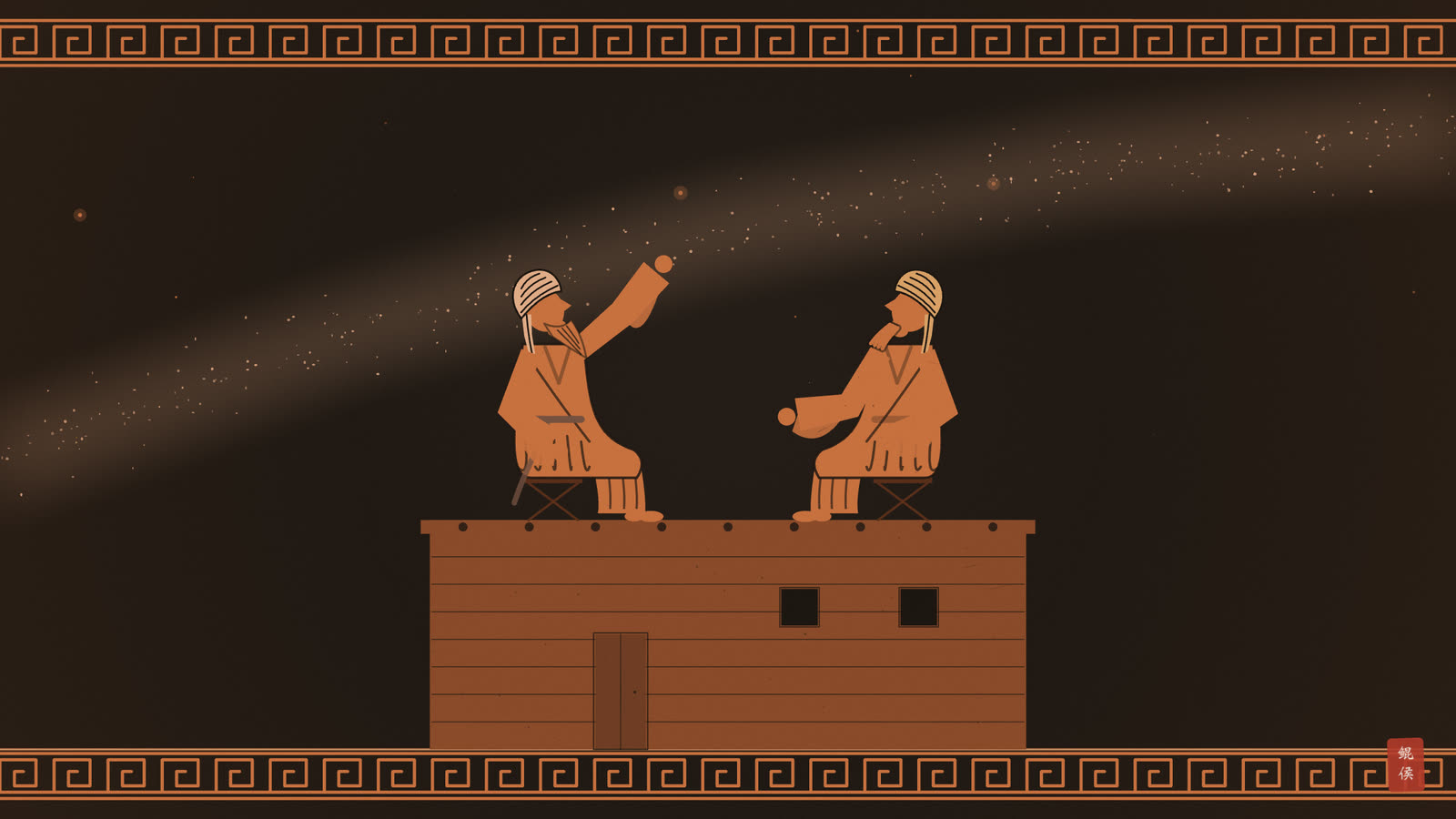
接着他转述亚里士多德的说法:银河不在天上,而在空气里,是烟状的蒸汽正对着一大群星聚起来的,和晕、彗星的成因一样。这是希腊气象学的见解(图一)。比鲁尼没有表态,但他把银河归入“云状之星一类”,口气已偏向它属于星空。这正是本书的一贯做法:几家说法并陈,让读者自己比较。
银河本身在占星里不算一个要素,比鲁尼放在这里,是因为讲完恒星、星座与月站,要交代天上还有这样一道光带,免得初学者把它误认作某个星座。从下一问起,话题转回黄道上的方向与次序,为下面讲日月五星的运动模型作准备。
📖 术语
| 术语 | 英文原词 | 意思 |
|---|---|---|
| 银河 | al-majarra | 天上一道光带 |
| 云状的星 | nebulous stars | 看来如云的星斑 |
| 烟状的蒸汽 | smoky vapour | 亚里士多德说的成因 |
🧭 图解与讲解
比鲁尼先照眼见描述银河:它由许多“云状之星”一类的斑块连成,大体沿着天上一个大圆,这个大圆经过黄道上的双子与射手(图二);它疏密宽窄不一,有些地方还分岔。这些都是夜里抬头就能验证的观察。
接着他转述亚里士多德的说法:银河不在天上,而在空气里,是烟状的蒸汽正对着一大群星聚起来的,和晕、彗星的成因一样。这是希腊气象学的见解(图一)。比鲁尼没有表态,但他把银河归入“云状之星一类”,口气已偏向它属于星空。这正是本书的一贯做法:几家说法并陈,让读者自己比较。
银河本身在占星里不算一个要素,比鲁尼放在这里,是因为讲完恒星、星座与月站,要交代天上还有这样一道光带,免得初学者把它误认作某个星座。从下一问起,话题转回黄道上的方向与次序,为下面讲日月五星的运动模型作准备。
§169. What are 'in the order of the signs' and 'against the order'?
When you go from a sign to the one that follows it towards the east, for example among the signs from Aries to Taurus, then Gemini, then Cancer, and among the mansions from al-Sharaṭān to al-Buṭayn, then al-Thurayyā, then al-Dabarān, that is the order of the signs. If you go among the signs from Aries to Pisces, then Aquarius, then Capricorn, and among the mansions from al-Sharaṭān to Baṭn al-Ḥūt, then the Hind Fargh, then the Fore [corrected: MS has the Fore, then the Hind], that is against the order of the signs. It is understood that this is meant with reference to the second, eastward motion. 'Preceding' and 'following', however, are judged by the first, westward motion: the preceding among the stars is what lies towards the west, which is against the order, and the following is what lies towards the east, which is the order.
§170. What are the northern and the southern signs and mansions?
The northern signs are six, namely Aries, Taurus, Gemini, Cancer, Leo and Virgo, because in them the zodiac lies north of the equator; the remaining six are the southern. Of the mansions, fourteen are northern, namely those that fall in the northern signs, from the beginning of al-Sharaṭān to the end of al-Simāk; the remaining fourteen are the southern.
翻译点开
§169. What are 'in the order of the signs' and 'against the order'?
第一百六十九问 何谓“顺星座次序”与“逆星座次序”?
When you go from a sign to the one that follows it towards the east, for example among the signs from Aries to Taurus, then Gemini, then Cancer, and among the mansions from al-Sharaṭān to al-Buṭayn, then al-Thurayyā, then al-Dabarān, that is the order of the signs. If you go among the signs from Aries to Pisces, then Aquarius, then Capricorn, and among the mansions from al-Sharaṭān to Baṭn al-Ḥūt, then the Hind Fargh, then the Fore [corrected: MS has the Fore, then the Hind], that is against the order of the signs. It is understood that this is meant with reference to the second, eastward motion. 'Preceding' and 'following', however, are judged by the first, westward motion: the preceding among the stars is what lies towards the west, which is against the order, and the following is what lies towards the east, which is the order.
当你从一个星座走到向东紧随其后的那个星座,例如星座中从白羊到金牛、再到双子、再到巨蟹,月站中从谢拉坦到布泰因、再到苏莱雅、再到代伯兰,这就是顺星座次序。如果你在星座中从白羊走到双鱼、再到水瓶、再到摩羯,在月站中从谢拉坦走到鱼腹、再到后法尔格、再到前法尔格〔抄本作“前法尔格,再到后法尔格”,据文义改正〕,这就是逆星座次序。须知这是就第二种运动、即向东的运动而言的。至于“在前”与“在后”,则按第一种运动、即向西的运动来判定:星之中在前的,是位于西边的,也就是逆次序一方;在后的,是位于东边的,也就是顺次序一方。
§170. What are the northern and the southern signs and mansions?
第一百七十问 何谓北方与南方的星座和月站?
The northern signs are six, namely Aries, Taurus, Gemini, Cancer, Leo and Virgo, because in them the zodiac lies north of the equator; the remaining six are the southern. Of the mansions, fourteen are northern, namely those that fall in the northern signs, from the beginning of al-Sharaṭān to the end of al-Simāk; the remaining fourteen are the southern.
北方星座有六个,即白羊、金牛、双子、巨蟹、狮子、处女,因为在这些星座里黄道位于赤道之北;其余六个是南方星座。月站之中,十四个是北方的,即落在北方星座里的那些,从谢拉坦之首到西马克之末;其余十四个是南方的。
大意与图解点开
🔎 大意:向东依次为顺星座次序,向西为逆;“在前”“在后”却按每日西行来判,在前者偏西。白羊至处女六座及其中十四站在赤道北。
📖 术语
| 术语 | 英文原词 | 意思 |
|---|---|---|
| 顺星座次序 | in the order of the signs | 自白羊向金牛,向东 |
| 逆星座次序 | against the order | 自白羊向双鱼,向西 |
| 在前、在后 | preceding / following | 按每日西行判先后 |
| 鱼腹 | Baṭn al-Ḥūt | 第二十八站 |
| 西马克 | al-Simāk | 第十四站 |
🧭 图解与讲解
卷三前面讲过天有两种运动:第一种是全天每日自东向西的旋转,第二种是日月五星沿黄道自西向东的运行。“顺星座次序”就以第二种为准:白羊到金牛、到双子,向东走;反过来白羊到双鱼、到水瓶,就是“逆”(表一)。月站也一样,谢拉坦、布泰因、苏莱雅、代伯兰是顺序。
| 说法 | 方向 | 星座之例 | 月站之例 | 依哪种运动 |
|---|---|---|---|---|
| 顺星座次序 | 向东 | 白羊→金牛→双子→巨蟹 | 谢拉坦→布泰因→苏莱雅→代伯兰 | 第二种(向东) |
| 逆星座次序 | 向西 | 白羊→双鱼→水瓶→摩羯 | 谢拉坦→鱼腹→后法尔格→前法尔格 | 第二种(向东) |
| 在前 | 西边 | — | — | 第一种(每日西行) |
| 在后 | 东边 | — | — | 第一种(每日西行) |
〔图〕白羊至处女六座在赤道之北,天秤至双鱼六座在赤道之南
抄本在逆序一例里把“前法尔格”放在“后法尔格”之前。逆着走,从第一站谢拉坦退到第二十八站鱼腹,再退应先到第二十七站后法尔格、再到第二十六站前法尔格,所以本站据上一章的站序把次序改正,并注“据文义改正”。
“在前”“在后”却要按第一种运动来判:天每日向西转,偏西的星先到中天、先落下,所以称“在前”,偏东的称“在后”。于是“在前”恰好是逆次序的一方,“在后”是顺次序的一方。读托勒密以来的星表时,“前星”“后星”都按这个意思。
第一百七十问把黄道分为南北两半:白羊到处女六座在赤道之北,天秤到双鱼在赤道之南(图二)。月站随之分成两半,从谢拉坦之首到西马克之末十四站在北。这一分法对后面讲赤纬、昼夜长短、各地上升时间都有用;占星里说某星“在北方星座”,也就是指这六座。
📖 术语
| 术语 | 英文原词 | 意思 |
|---|---|---|
| 顺星座次序 | in the order of the signs | 自白羊向金牛,向东 |
| 逆星座次序 | against the order | 自白羊向双鱼,向西 |
| 在前、在后 | preceding / following | 按每日西行判先后 |
| 鱼腹 | Baṭn al-Ḥūt | 第二十八站 |
| 西马克 | al-Simāk | 第十四站 |
🧭 图解与讲解
卷三前面讲过天有两种运动:第一种是全天每日自东向西的旋转,第二种是日月五星沿黄道自西向东的运行。“顺星座次序”就以第二种为准:白羊到金牛、到双子,向东走;反过来白羊到双鱼、到水瓶,就是“逆”(表一)。月站也一样,谢拉坦、布泰因、苏莱雅、代伯兰是顺序。
| 说法 | 方向 | 星座之例 | 月站之例 | 依哪种运动 |
|---|---|---|---|---|
| 顺星座次序 | 向东 | 白羊→金牛→双子→巨蟹 | 谢拉坦→布泰因→苏莱雅→代伯兰 | 第二种(向东) |
| 逆星座次序 | 向西 | 白羊→双鱼→水瓶→摩羯 | 谢拉坦→鱼腹→后法尔格→前法尔格 | 第二种(向东) |
| 在前 | 西边 | — | — | 第一种(每日西行) |
| 在后 | 东边 | — | — | 第一种(每日西行) |
抄本在逆序一例里把“前法尔格”放在“后法尔格”之前。逆着走,从第一站谢拉坦退到第二十八站鱼腹,再退应先到第二十七站后法尔格、再到第二十六站前法尔格,所以本站据上一章的站序把次序改正,并注“据文义改正”。
“在前”“在后”却要按第一种运动来判:天每日向西转,偏西的星先到中天、先落下,所以称“在前”,偏东的称“在后”。于是“在前”恰好是逆次序的一方,“在后”是顺次序的一方。读托勒密以来的星表时,“前星”“后星”都按这个意思。
第一百七十问把黄道分为南北两半:白羊到处女六座在赤道之北,天秤到双鱼在赤道之南(图二)。月站随之分成两半,从谢拉坦之首到西马克之末十四站在北。这一分法对后面讲赤纬、昼夜长短、各地上升时间都有用;占星里说某星“在北方星座”,也就是指这六座。
§171. What is the parecliptic orb?
When the plane of the zodiac cuts the spheres of the planets, its cutting of each of them produces a circle parallel to the zodiac, which is the parecliptic orb of the planet of that sphere. It is called parecliptic (mumaththal, 'made like') with reference to the orb of the signs because it is parallel to it and in its plane; it is therefore divided by its divisions and fixed in all its states, because of the likeness between them.
§172. What is the apogee of the Sun?
The apogee is the highest place the Sun reaches in its sphere. For it moves not on the circumference of its parecliptic orb but on the circumference of another orb, which lies in its plane and whose centre is outside its centre, with the earth inside it. Necessarily, then, one point of it is the nearest of all its points to the centre of the earth, that is, the centre of the world, and the point opposite it is the farthest from it. The far point is called in Indian awj, which is derived from 'height', and likewise it is called in Greek afjūn, that is, the farthest distance; it is the summit of that eccentric orb, which is called the apogee orb. The near point is called in Greek afrījiyūn, that is, the nearest distance, which is the perigee of that orb. Inevitably there is in it a distance midway between the two distances mentioned, falling short of the farthest and exceeding the nearest by one and the same amount; this is what is called the mean distance. This is the figure of the eccentric apogee orb.
翻译点开
§171. What is the parecliptic orb?
第一百七十一问 何谓拟黄道圈?
When the plane of the zodiac cuts the spheres of the planets, its cutting of each of them produces a circle parallel to the zodiac, which is the parecliptic orb of the planet of that sphere. It is called parecliptic (mumaththal, 'made like') with reference to the orb of the signs because it is parallel to it and in its plane; it is therefore divided by its divisions and fixed in all its states, because of the likeness between them.
当黄道的平面切割诸行星的天球时,它在每一个天球上都切出一个与黄道平行的圆,这就是那个天球所属行星的拟黄道圈。它是就黄道之圈而称为“仿造的”,因为它与黄道平行、又在黄道的平面上;所以它按黄道的分度来划分,在一切状态上都固定不变,这是由于两者相似。
§172. What is the apogee of the Sun?
第一百七十二问 何谓太阳的远地点?
The apogee is the highest place the Sun reaches in its sphere. For it moves not on the circumference of its parecliptic orb but on the circumference of another orb, which lies in its plane and whose centre is outside its centre, with the earth inside it. Necessarily, then, one point of it is the nearest of all its points to the centre of the earth, that is, the centre of the world, and the point opposite it is the farthest from it. The far point is called in Indian awj, which is derived from 'height', and likewise it is called in Greek afjūn, that is, the farthest distance; it is the summit of that eccentric orb, which is called the apogee orb. The near point is called in Greek afrījiyūn, that is, the nearest distance, which is the perigee of that orb. Inevitably there is in it a distance midway between the two distances mentioned, falling short of the farthest and exceeding the nearest by one and the same amount; this is what is called the mean distance. This is the figure of the eccentric apogee orb.
远地点是太阳在它的天球中所到的最高之处。因为太阳不是在它的拟黄道圈的圆周上运行,而是在另一个圈的圆周上运行;这个圈在拟黄道圈的平面上,圆心在拟黄道圈的圆心之外,大地在它里面。因此它必定有一点,是它所有的点中离大地中心、即世界中心最近的,与之相对的一点则离世界中心最远。远的那一点,印度语称为“奥季”,是从“高”一词派生的;希腊语同样称为“阿弗容”,意思是最远的距离;它是那个偏心圈的顶端,这个圈称为远地点圈。近的那一点,希腊语称为“阿弗里吉云”,意思是最近的距离,就是那个圈的近地点。在上述两个距离之间,必然有一个居中的距离,比最远者少、比最近者多,少与多是同一个量,这就是所谓平均距离。这是偏心的远地点圈的图。
大意与图解点开
🔎 大意:黄道平面在各行星天球上切出同心的拟黄道圈;太阳却走在偏心的远地点圈上,离大地最远处为远地点,最近处为近地点。
📖 术语
| 术语 | 英文原词 | 意思 |
|---|---|---|
| 拟黄道圈 | the parecliptic orb | 各天球上与黄道同心的圈 |
| 远地点 | awj / apogee | 离大地最远之点 |
| 近地点 | perigee | 离大地最近之点 |
| 远地点圈 | the apogee orb | 太阳所行的偏心圈 |
| 平均距离 | the mean distance | 远近两距的正中 |
🧭 图解与讲解
从这一问起,比鲁尼把前面讲的“天球”拆开来看里面的构造。黄道的平面横切每颗行星的天球,切出一个与黄道同心、同面的圈,叫“拟黄道圈”,阿拉伯语“穆马塔勒”(mumaththal),本义是“仿造的”:它照着黄道分成十二座、三百六十度,永远不动,是每颗行星量位置用的刻度盘。
〔图〕太阳绕的是偏心圈:离大地最远的一点是远地点,最近的一点是近地点
| 名称 | 语源 | 意思 |
|---|---|---|
| 奥季(awj) | 印度语,阿拉伯语沿用 | 由“高”派生 |
| 阿弗容(afjūn) | 希腊语 | 最远的距离 |
| 阿弗里吉云(afrījiyūn) | 希腊语 | 最近的距离,即近地点 |
太阳却不在这个刻度盘上走,而在另一个圈上走:同一平面,但圆心偏离大地(图一,据抄本此问下的图示意)。于是太阳离大地有远有近,最远处叫远地点,最近处叫近地点,两者之间离大地恰好等于半径之处叫平均距离。两圈等大时,它们的交点正好就是平均距离之点,图中可以看出来。
名称上又见比鲁尼的比较功夫(表二):远地点在阿拉伯天文学里叫“奥季”(awj),他指出这是印度语,从“高”派生;希腊人叫“阿弗容”(apogeion),即最远距离;近地点叫“阿弗里吉云”(perigeion),即最近距离。阿拉伯天文学的术语,一半来自印度、波斯的历书,一半来自希腊的托勒密,他在这里把两条来路都点明。
偏心圈的用处,是解释太阳为什么一年中走得有快有慢:离大地远时看来慢,近时看来快。占星排盘要的是太阳在黄道上的真实位置,就得先把这个快慢算出来,这正是下面几问要讲的平位置与均差。
📖 术语
| 术语 | 英文原词 | 意思 |
|---|---|---|
| 拟黄道圈 | the parecliptic orb | 各天球上与黄道同心的圈 |
| 远地点 | awj / apogee | 离大地最远之点 |
| 近地点 | perigee | 离大地最近之点 |
| 远地点圈 | the apogee orb | 太阳所行的偏心圈 |
| 平均距离 | the mean distance | 远近两距的正中 |
🧭 图解与讲解
从这一问起,比鲁尼把前面讲的“天球”拆开来看里面的构造。黄道的平面横切每颗行星的天球,切出一个与黄道同心、同面的圈,叫“拟黄道圈”,阿拉伯语“穆马塔勒”(mumaththal),本义是“仿造的”:它照着黄道分成十二座、三百六十度,永远不动,是每颗行星量位置用的刻度盘。
| 名称 | 语源 | 意思 |
|---|---|---|
| 奥季(awj) | 印度语,阿拉伯语沿用 | 由“高”派生 |
| 阿弗容(afjūn) | 希腊语 | 最远的距离 |
| 阿弗里吉云(afrījiyūn) | 希腊语 | 最近的距离,即近地点 |
太阳却不在这个刻度盘上走,而在另一个圈上走:同一平面,但圆心偏离大地(图一,据抄本此问下的图示意)。于是太阳离大地有远有近,最远处叫远地点,最近处叫近地点,两者之间离大地恰好等于半径之处叫平均距离。两圈等大时,它们的交点正好就是平均距离之点,图中可以看出来。
名称上又见比鲁尼的比较功夫(表二):远地点在阿拉伯天文学里叫“奥季”(awj),他指出这是印度语,从“高”派生;希腊人叫“阿弗容”(apogeion),即最远距离;近地点叫“阿弗里吉云”(perigeion),即最近距离。阿拉伯天文学的术语,一半来自印度、波斯的历书,一半来自希腊的托勒密,他在这里把两条来路都点明。
偏心圈的用处,是解释太阳为什么一年中走得有快有慢:离大地远时看来慢,近时看来快。占星排盘要的是太阳在黄道上的真实位置,就得先把这个快慢算出来,这正是下面几问要讲的平位置与均差。
§173. What is the mean position of the Sun?
The Sun moves with varying motions, going fast at one time and slowly at another, and between the speed and the slowness there is inevitably a mean, uniform motion, by which its course over periods of time is measured. This motion takes place on the circumference of the apogee orb, and the arc on it from the point facing the head of Aries in the parecliptic orb up to the body of the Sun is called its mean position. The mean portion of the Sun is the Sun's distance in the eccentric orb from the point of the apogee; therefore, when the distance of the apogee from the beginning of Aries is subtracted from the mean position of the Sun, this portion remains.
翻译点开
§173. What is the mean position of the Sun?
第一百七十三问 何谓太阳的平位置?
The Sun moves with varying motions, going fast at one time and slowly at another, and between the speed and the slowness there is inevitably a mean, uniform motion, by which its course over periods of time is measured. This motion takes place on the circumference of the apogee orb, and the arc on it from the point facing the head of Aries in the parecliptic orb up to the body of the Sun is called its mean position. The mean portion of the Sun is the Sun's distance in the eccentric orb from the point of the apogee; therefore, when the distance of the apogee from the beginning of Aries is subtracted from the mean position of the Sun, this portion remains.
太阳以不均的运动运行,时而快、时而慢,在快与慢之间必然有一个平均而均匀的运动,用它来度量太阳在各段时间中的行程。这一运动发生在远地点圈的圆周上;在这个圈上,从正对拟黄道圈中白羊之首的那一点到太阳本体的弧,称为太阳的平位置。太阳的平均份,是太阳在偏心圈中距远地点之点的距离;因此,从太阳的平位置中减去远地点距白羊起点的距离,剩下的就是这一份。
大意与图解点开
🔎 大意:太阳快慢不一,取其平均而均匀的运动计时;在远地点圈上自白羊之首量到太阳的弧是平位置,减去远地点黄经,得平均份。
📖 术语
| 术语 | 英文原词 | 意思 |
|---|---|---|
| 平位置 | mean position (wasaṭ) | 按匀速算出的位置 |
| 平均份 | the mean portion (ḥiṣṣa) | 太阳距远地点的弧 |
| 白羊之首 | the head of Aries | 黄道起点 |
🧭 图解与讲解
太阳看来时快时慢,但比鲁尼说,快慢之间“必然”有一个平均、均匀的运动。天文学家先按这个匀速推算,得到的位置叫“平位置”:在远地点圈上,从正对白羊之首的那一点量到太阳的弧。因为它是匀速的,只要知道起算时刻与经过的日数,乘一乘就有,天文表的第一栏都是这个。
| 量 | 从哪里量起 | 量到哪里 | 例(示意) |
|---|---|---|---|
| 平位置 | 正对白羊之首的点 | 太阳(在远地点圈上,匀速) | 150° |
| 远地点 | 白羊起点 | 远地点 | 84;30(双子 24;30) |
| 平均份 | 远地点 | 太阳 | 150° − 84;30 = 65;30 |
〔图〕先求平位置,减去远地点,便得平均份,下一问再由它求均差
“平均份”则改从远地点量起:平位置减去远地点的黄经(表一)。例如照下文第一百九十五问,伊历四百二十年太阳远地点在双子二十四度三十分,即自白羊起八十四度半;若平位置是一百五十度,平均份就是六十五度半。平均份告诉我们太阳在偏心圈上走到了离远地点多远,快慢如何,由此才能查出该加减多少。
这套“先平后真”的算法,是整个托勒密天文学的骨架:日、月、五星都先求平位置,再用一两次均差修正成真位置。比鲁尼用太阳这个最简单的情形先立规矩,下一章就讲均差本身。
📖 术语
| 术语 | 英文原词 | 意思 |
|---|---|---|
| 平位置 | mean position (wasaṭ) | 按匀速算出的位置 |
| 平均份 | the mean portion (ḥiṣṣa) | 太阳距远地点的弧 |
| 白羊之首 | the head of Aries | 黄道起点 |
🧭 图解与讲解
太阳看来时快时慢,但比鲁尼说,快慢之间“必然”有一个平均、均匀的运动。天文学家先按这个匀速推算,得到的位置叫“平位置”:在远地点圈上,从正对白羊之首的那一点量到太阳的弧。因为它是匀速的,只要知道起算时刻与经过的日数,乘一乘就有,天文表的第一栏都是这个。
| 量 | 从哪里量起 | 量到哪里 | 例(示意) |
|---|---|---|---|
| 平位置 | 正对白羊之首的点 | 太阳(在远地点圈上,匀速) | 150° |
| 远地点 | 白羊起点 | 远地点 | 84;30(双子 24;30) |
| 平均份 | 远地点 | 太阳 | 150° − 84;30 = 65;30 |
“平均份”则改从远地点量起:平位置减去远地点的黄经(表一)。例如照下文第一百九十五问,伊历四百二十年太阳远地点在双子二十四度三十分,即自白羊起八十四度半;若平位置是一百五十度,平均份就是六十五度半。平均份告诉我们太阳在偏心圈上走到了离远地点多远,快慢如何,由此才能查出该加减多少。
这套“先平后真”的算法,是整个托勒密天文学的骨架:日、月、五星都先求平位置,再用一两次均差修正成真位置。比鲁尼用太阳这个最简单的情形先立规矩,下一章就讲均差本身。
原文为公有领域古籍;翻译、印象画与图文解读由 AI 辅助生成,鲲侯审校。