卷九·第十七至十九章 日月晷针;强制与自然的时辰;两块图版
日月余度相加求晷针;按埃及月份单双查表得出生时辰;末以月亮行程与七带时辰大小两块图版,用两脚规量出月亮度数。
XVII. Method for the Length of Life in Relation to the Sun and the Moon.
This too is natural and harmonious: adding together the remaining degrees of the Sun and of the Moon and subtracting a whole number of signs, take the remaining degree as powerful, and also its partner; and take the degree remaining toward the thirty, with the addition or subtraction of the equinoctial magnitude, as the lunar gnomon; adding this to the solar and taking half of the periods, take them as the vital periods. Often, however, the gnomon of the Sun or of the Moon on its own, with the addition or subtraction of the equinoctial magnitude, the 2 places being added together, gives half of the sign, according to their timely or productive positions. It is better, then, to reckon the intervals by degree and by sign by rising time; but if the gnomon on its own is productive, one should reckon the periods of it alone.
翻译点开
XVII. Method for the Length of Life in Relation to the Sun and the Moon.
第十七章 从太阳与月亮求生命长度之法。
This too is natural and harmonious: adding together the remaining degrees of the Sun and of the Moon and subtracting a whole number of signs, take the remaining degree as powerful, and also its partner; and take the degree remaining toward the thirty, with the addition or subtraction of the equinoctial magnitude, as the lunar gnomon; adding this to the solar and taking half of the periods, take them as the vital periods. Often, however, the gnomon of the Sun or of the Moon on its own, with the addition or subtraction of the equinoctial magnitude, the 2 places being added together, gives half of the sign, according to their timely or productive positions. It is better, then, to reckon the intervals by degree and by sign by rising time; but if the gnomon on its own is productive, one should reckon the periods of it alone.
这一法也是合乎自然而和谐的:把太阳与月亮剩余的度数加在一起,减去整数个星座,把剩下的那一度当作有力的,也当作它的伙伴;把朝向三十剩下的度数,加上或减去分点的大小,当作月亮晷针;把它加到太阳晷针上,取时期的一半,把它们当作生命的时期。不过常常,太阳或月亮的晷针单独地,加上或减去分点的大小,两个位置加在一起,按它们合时的或得力的位置,给出星座的一半。所以,最好按上升时间,按度数与按星座计算间隔;但若晷针单独是得力的,就应只计算它的时期。
大意与图解点开
🔎 大意:日月余度相加去整座,余度及其伙伴有力;以朝三十的余度加减分点大小为月亮晷针,与太阳晷针相加取半为寿;单个得力则只用它。
📖 术语
| 术语 | 英文原词 | 意思 |
|---|---|---|
| 剩余的度数 | remaining degrees | 到本座末尾的度数 |
| 伙伴 | partner | 相配的一度 |
| 月亮晷针 | lunar gnomon | 由月亮求得之数 |
| 分点的大小 | equinoctial magnitude | 一小时十五时度 |
| 合时的 | timely | 当令的 |
🧭 图解与讲解
卷九第十七章又是一种「从日月求寿」之法(图一):把太阳与月亮剩余的度数相加,减去整数个星座,剩下的那一度与它的伙伴是有力的;朝向三十剩下的度数加减「分点的大小」,作为月亮晷针,与太阳晷针相加,取时期的一半,作为生命的时期。这与卷九第十五章「两个晷针相加取半」的说法一致。
〔图〕第十七章:两个晷针取半
〔图〕计算间隔的两种方式
作者又说,有时单个的晷针加减分点的大小就已得力,这时只算它的时期;计算间隔最好按上升时间,度数与星座都算(图二)。章中一句说两个位置相加给出星座的一半,Kroll 只校了一个冠词,意思不变。
📖 术语
| 术语 | 英文原词 | 意思 |
|---|---|---|
| 剩余的度数 | remaining degrees | 到本座末尾的度数 |
| 伙伴 | partner | 相配的一度 |
| 月亮晷针 | lunar gnomon | 由月亮求得之数 |
| 分点的大小 | equinoctial magnitude | 一小时十五时度 |
| 合时的 | timely | 当令的 |
🧭 图解与讲解
卷九第十七章又是一种「从日月求寿」之法(图一):把太阳与月亮剩余的度数相加,减去整数个星座,剩下的那一度与它的伙伴是有力的;朝向三十剩下的度数加减「分点的大小」,作为月亮晷针,与太阳晷针相加,取时期的一半,作为生命的时期。这与卷九第十五章「两个晷针相加取半」的说法一致。
作者又说,有时单个的晷针加减分点的大小就已得力,这时只算它的时期;计算间隔最好按上升时间,度数与星座都算(图二)。章中一句说两个位置相加给出星座的一半,Kroll 只校了一个冠词,意思不变。
XVIII. On the Sign in the Ascendant and on the Compulsory and Natural Hour.
The instrument set out below has its construction for the sign in the Ascendant and for the compulsory and natural hour, as the King too hinted, roughly, from the Sun at conception. But I have done it in finer detail, making the beginning from the month of Thoth, which is odd because of the monad, while Phaophi is even because of the dyad, Hathyr likewise odd, and Choiak even; and so in sequence one must examine the remaining signs alternately. Entering the table below at the night or day sought and the productive month, we shall find directly the hours of birth for those born by night and by day.
翻译点开
XVIII. On the Sign in the Ascendant and on the Compulsory and Natural Hour.
第十八章 论上升星座与强制的、自然的时辰。
The instrument set out below has its construction for the sign in the Ascendant and for the compulsory and natural hour, as the King too hinted, roughly, from the Sun at conception. But I have done it in finer detail, making the beginning from the month of Thoth, which is odd because of the monad, while Phaophi is even because of the dyad, Hathyr likewise odd, and Choiak even; and so in sequence one must examine the remaining signs alternately. Entering the table below at the night or day sought and the productive month, we shall find directly the hours of birth for those born by night and by day.
下面列出的仪表,其构造是为上升的星座与强制的、自然的时辰而设,正如王也粗略地暗示过的,从受孕时的太阳出发。但我把它做得更细,从托特月开始,它因为一而是单数,法奥菲因为二而是双数,哈蒂尔同样是单数,霍亚克是双数;这样依次,必须交替查看其余的星座。在所求的夜或日以及得力的月份进入下面的表,我们就会直接找到夜生与昼生之人的出生时辰。
大意与图解点开
🔎 大意:一张求出生时辰的仪表:从托特月起,单数月、双数月交替,按所求的昼夜与得力之月查表,直接得出生时辰;表已不存。
📖 术语
| 术语 | 英文原词 | 意思 |
|---|---|---|
| 强制的时辰 | compulsory hour | 推算上的时辰 |
| 自然的时辰 | natural hour | 真正的时辰 |
| 托特月 | Thoth | 埃及历第一月 |
| 法奥菲月 | Phaophi | 埃及历第二月 |
| 受孕时的太阳 | Sun at conception | 王所用的起点 |
🧭 图解与讲解
第十八章说「下面列出」一张仪表,用来求上升星座与「强制的、自然的时辰」(表一)。王曾从受孕时的太阳粗略暗示过这种方法,作者做得更细:从托特月起,托特因为「一」而是单数,法奥菲因为「二」而是双数,哈蒂尔单、霍亚克双,依次交替;按所求的昼或夜与得力的月份进入表中,就能直接得出出生时辰。
| 埃及月份 | 单双 | 说明 |
|---|---|---|
| 托特 | 单数 | 因为一 |
| 法奥菲 | 双数 | 因为二 |
| 哈蒂尔 | 单数 | 同样 |
| 霍亚克 | 双数 | 其余依次交替 |
〔图〕查表得出生时辰
可惜这张表在传本中没有留下,章文只剩说明(图二)。「强制的时辰」与「自然的时辰」,与卷八第六章「强制的上升」「自然的上升」相应:前者是推算上不得不先用的时辰,后者是真正的出生时辰。
📖 术语
| 术语 | 英文原词 | 意思 |
|---|---|---|
| 强制的时辰 | compulsory hour | 推算上的时辰 |
| 自然的时辰 | natural hour | 真正的时辰 |
| 托特月 | Thoth | 埃及历第一月 |
| 法奥菲月 | Phaophi | 埃及历第二月 |
| 受孕时的太阳 | Sun at conception | 王所用的起点 |
🧭 图解与讲解
第十八章说「下面列出」一张仪表,用来求上升星座与「强制的、自然的时辰」(表一)。王曾从受孕时的太阳粗略暗示过这种方法,作者做得更细:从托特月起,托特因为「一」而是单数,法奥菲因为「二」而是双数,哈蒂尔单、霍亚克双,依次交替;按所求的昼或夜与得力的月份进入表中,就能直接得出出生时辰。
| 埃及月份 | 单双 | 说明 |
|---|---|---|
| 托特 | 单数 | 因为一 |
| 法奥菲 | 双数 | 因为二 |
| 哈蒂尔 | 单数 | 同样 |
| 霍亚克 | 双数 | 其余依次交替 |
可惜这张表在传本中没有留下,章文只剩说明(图二)。「强制的时辰」与「自然的时辰」,与卷八第六章「强制的上升」「自然的上升」相应:前者是推算上不得不先用的时辰,后者是真正的出生时辰。
XIX. The Compulsory Lunar Degree in Relation to the Hourly Course, Which I Found.
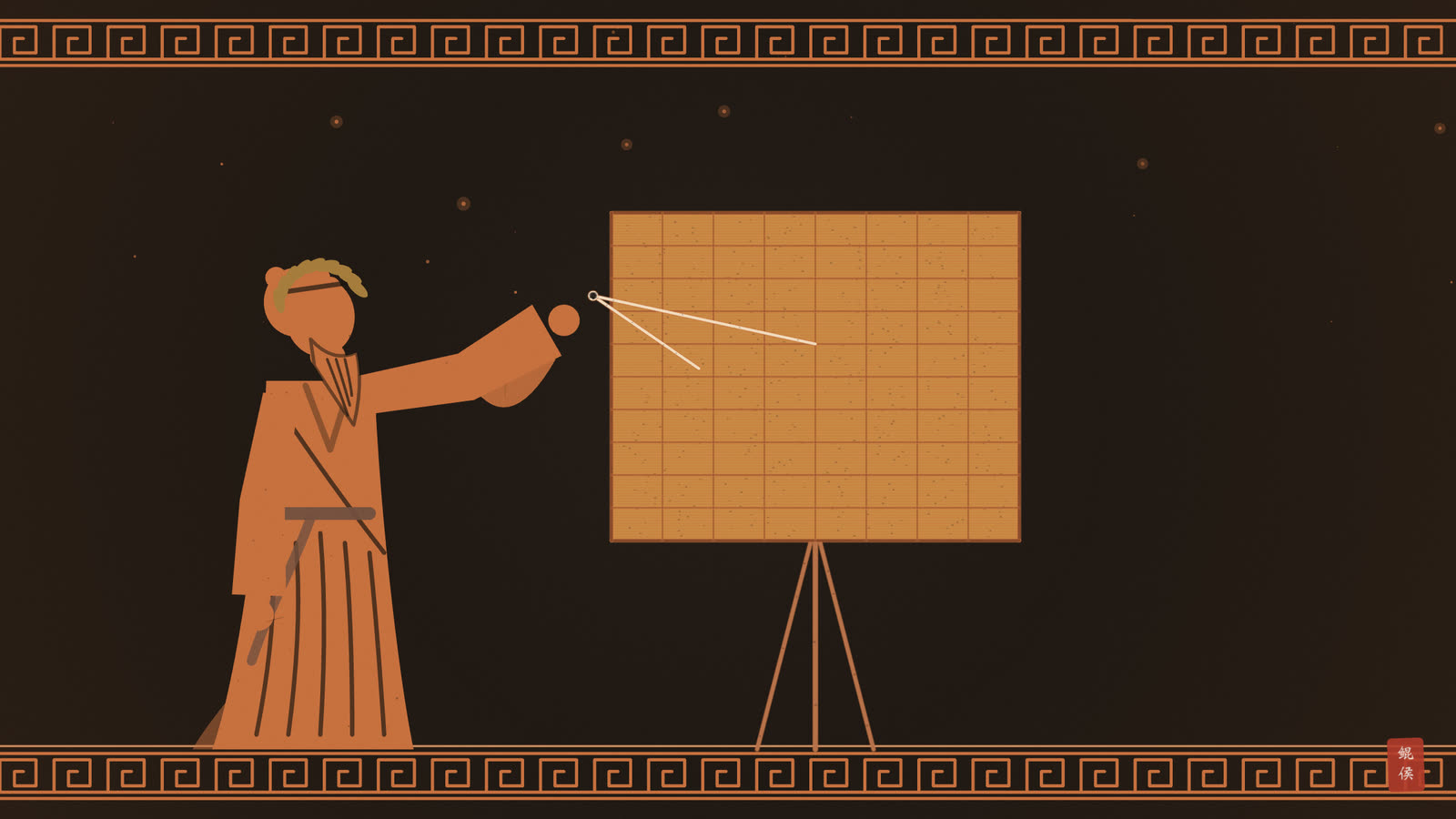
Wishing to conceal nothing of what I have laboured over, I bring in yet another fine thing ungrudgingly for those devoted to such matters, as to legitimate children. The tables set out will be those of the 2 plates; they were again fitted together at an equal interval of breadth. The first one set out is that of the Moon, having the daily course from the least limit of 11 years [text uncertain], going out still in the first row; and the same interval in the bottom row, to 15 hours of the complete limit; from top to bottom there are 48 rows. Since, then, from the 11, with the minutes increasing by 5, the 4 is full at the 48th row, this is the excess. Where the sixty is filled, it is written over in cinnabar, signifying the beginning of another course. And so the course of the Moon is completed. The other table is that of the magnitude of the hours for the 7 climes; for this also has the numbers of the remaining climes from least to greatest, that is, from the 11 set out in the 1st row to the 19 30 placed in the outer row. I carry down beforehand, then, in the 1st row from 10 30 to the bottom row 0; and for the minutes, by increment, I found them ending at 15 in the bottom row, which signifies the equinoctial time; likewise, opposite the 15, the years being added again in the upward direction, 19 30 is filled at the 1st row. The lines across the breadth are divided into 2 hours in succession, when it is equalized at the equinoctial semicircle; or let it be reckoned by night by the opposite. The dividing line is double. Whatever ratio the night has to the day, the magnitude of hour to hour will have the same ratio. For example, 17 to 13: twelve times seventeen makes 204 and twelve times 13 makes 156; it fills out the 360. Both tables, then, will reveal the degrees of the Moon and her phases; if, then, we wish to learn of how many degrees the Moon is in a nativity according to hourly motion, we shall work thus. One must always first enter the table of the climes, having an open pair of compasses, and, having recognized at the solar degree, in the 2nd hemisphere, the magnitude of the hours, place one point of the compasses at it [text uncertain]; then extend the other as far as the hour sought; for the 12 hours of the night have been laid out on the table. If the nativity is diurnal, transferring the interval of the nocturnal hemisphere onto the compasses, extend them again as far as the diurnal hour sought; then, having measured out the whole number of hours, bring the compasses to the table of the Moon, and, setting the point likewise at the course, observe at which degree the magnitude ends. The degrees will be clear in sequence according to the layout of the course; these one must add, after sunset, to the degrees of the Moon found before, and outside these add again the differences of the climes, and reckon the Moon to be of so many degrees. One must therefore know the hemispheres precisely, and always especially the nocturnal one; it is possible, indeed, also from the diurnal semicircle, measuring out the hours remaining until sunset, to bring them into the table of the Moon, reckon that interval, and give the degrees found. But if we proceed thus, the whole table of the Moon will not be productive across its breadth, but only part of it; hence one must use the nocturnal one.
翻译点开
XIX. The Compulsory Lunar Degree in Relation to the Hourly Course, Which I Found.
第十九章 按每时的行程、我所找到的强制的月亮度数。
Wishing to conceal nothing of what I have laboured over, I bring in yet another fine thing ungrudgingly for those devoted to such matters, as to legitimate children. The tables set out will be those of the 2 plates; they were again fitted together at an equal interval of breadth. The first one set out is that of the Moon, having the daily course from the least limit of 11 years [text uncertain], going out still in the first row; and the same interval in the bottom row, to 15 hours of the complete limit; from top to bottom there are 48 rows. Since, then, from the 11, with the minutes increasing by 5, the 4 is full at the 48th row, this is the excess. Where the sixty is filled, it is written over in cinnabar, signifying the beginning of another course. And so the course of the Moon is completed. The other table is that of the magnitude of the hours for the 7 climes; for this also has the numbers of the remaining climes from least to greatest, that is, from the 11 set out in the 1st row to the 19 30 placed in the outer row. I carry down beforehand, then, in the 1st row from 10 30 to the bottom row 0; and for the minutes, by increment, I found them ending at 15 in the bottom row, which signifies the equinoctial time; likewise, opposite the 15, the years being added again in the upward direction, 19 30 is filled at the 1st row. The lines across the breadth are divided into 2 hours in succession, when it is equalized at the equinoctial semicircle; or let it be reckoned by night by the opposite. The dividing line is double. Whatever ratio the night has to the day, the magnitude of hour to hour will have the same ratio. For example, 17 to 13: twelve times seventeen makes 204 and twelve times 13 makes 156; it fills out the 360. Both tables, then, will reveal the degrees of the Moon and her phases; if, then, we wish to learn of how many degrees the Moon is in a nativity according to hourly motion, we shall work thus. One must always first enter the table of the climes, having an open pair of compasses, and, having recognized at the solar degree, in the 2nd hemisphere, the magnitude of the hours, place one point of the compasses at it [text uncertain]; then extend the other as far as the hour sought; for the 12 hours of the night have been laid out on the table. If the nativity is diurnal, transferring the interval of the nocturnal hemisphere onto the compasses, extend them again as far as the diurnal hour sought; then, having measured out the whole number of hours, bring the compasses to the table of the Moon, and, setting the point likewise at the course, observe at which degree the magnitude ends. The degrees will be clear in sequence according to the layout of the course; these one must add, after sunset, to the degrees of the Moon found before, and outside these add again the differences of the climes, and reckon the Moon to be of so many degrees. One must therefore know the hemispheres precisely, and always especially the nocturnal one; it is possible, indeed, also from the diurnal semicircle, measuring out the hours remaining until sunset, to bring them into the table of the Moon, reckon that interval, and give the degrees found. But if we proceed thus, the whole table of the Moon will not be productive across its breadth, but only part of it; hence one must use the nocturnal one.
我想不隐藏我所辛劳的任何东西,就再毫不吝惜地为致力于这类事的人带进另一件好东西,如同给合法的子女。所列的表将是两块图版的;它们又以相等的宽度间隔配合在一起。列在前面的第一块是月亮的,有从最小界限十一年〔原文疑有讹误〕起的每日行程,仍在第一行出发;在最下一行是同样的间隔,到完整界限的十五小时;从上到下有四十八行。所以,既然从十一起,分数每次增加五,到第四十八行四就满了,这就是超出之数。在六十满了的地方,用朱砂写在上面,表示另一段行程的开始。这样月亮的行程就完成了。另一块表是七个气候带的时辰大小的;因为它也有其余诸气候带从最小到最大的数,即从第一行所列的十一,到放在外行的十九、三十。所以我预先在第一行从十、三十往下推到最下一行的零;至于分数,按递增,我发现它们在最下一行终止于十五,这表示赤道时间;同样,在十五的对面,年数〔原文如此〕又按向上的方向加回去,在第一行满了十九、三十。横贯宽度的线被分成依次的两小时,当它在赤道的半圆上被拉平时;或者让它在夜里按相对的来算。分隔线是双线。夜与日之比是多少,时辰与时辰的大小之比也就是多少。例如,十七比十三:十二乘十七得二百零四,十二乘十三得一百五十六;它满三百六十。所以两块表都会显示月亮的度数与她的相态;所以若我们想得知一个本命中月亮按每时的运动是多少度,我们就这样做。必须总是先进入诸气候带的表,拿着张开的两脚规,在第二个半球中、在太阳的度数处认出时辰的大小之后,把两脚规的一个尖放在那里〔原文疑有讹误〕;然后把另一个尖张开到所求的时辰;因为夜里的十二个时辰已在表上排开。若本命在白天,就把夜半球的间隔移到两脚规上,再把它们张开到所求的白天的时辰;然后,量出全部的时辰数之后,把两脚规带到月亮的表上,把尖同样放在行程处,观察大小终止在哪一度。度数会按行程的排列依次清楚;这些必须在日落之后加到先前找到的月亮度数上,在这些之外再加上诸气候带的差别,就把月亮算作有这么多度。所以必须精确地知道诸半球,总是尤其要知道夜半球;确实,也可以从白天的半圆,量出到日落为止剩下的时辰,把它们带进月亮的表,算出那个间隔,给出找到的度数。但若我们这样做,月亮的整块表在宽度上就不全是得力的,而只是一部分;所以必须用夜里的那一块。
大意与图解点开
🔎 大意:两块图版:月亮每日行程表与七个气候带的时辰大小表。用两脚规在后者量出时数,移到前者,读出月亮所行之度。
📖 术语
| 术语 | 英文原词 | 意思 |
|---|---|---|
| 图版 | plates | 刻表的版 |
| 朱砂 | cinnabar | 红色标记 |
| 两脚规 | compasses | 量距的器具 |
| 半球 | hemisphere | 昼或夜的半圈 |
| 赤道时间 | equinoctial time | 十五时度一小时 |
🧭 图解与讲解
第十九章介绍一套「两块图版」的仪器(表一),作者说是他自己找到的,「如同给合法的子女」毫不吝惜地交出。第一块是月亮的行程表:从上到下四十八行,每行的分数加五,满六十处用朱砂标出,表示另一段行程的开始。第二块是七个气候带的「时辰大小」表,从最小的十一到最大的十九、三十,最下一行是十五,即赤道时间(昼夜平分时一小时十五时度)。横线每两小时一段,夜里按相对的来算。
| 图版 | 内容(第六行) | 排列 |
|---|---|---|
| 第一块:月亮 | 每日行程,从最小界限十一起(疑讹),到完整界限十五 | 上下四十八行;分数每行加五,六十满处以朱砂标出 |
| 第二块:七个气候带 | 时辰的大小,从最小十一到最大十九、三十 | 第一行十、三十往下到零;分数到最下一行终于十五(赤道时间) |
| 横线 | 依次分成两小时一段 | 夜里按相对来算;分隔线为双线 |
| 比例 | 夜比日如十七比十三 | 十二乘十七得二百零四,十二乘十三得一百五十六,合三百六十 |
〔图〕用两脚规量出月亮的度数
他还说明昼夜长短与时辰大小成比例:夜比日为十七比十三,十二乘十七得二百零四,十二乘十三得一百五十六,两者合三百六十。用法是一种几何的「模拟计算」(图二):先在气候带的图版上,在太阳度数处找出时辰的大小,把两脚规的一尖放在那里,另一尖张开到所求的时辰;然后把两脚规原样移到月亮的图版上,一尖放在当天月亮的行程处,看另一尖落在第几度,就是月亮这段时间所行的度数,日落后加到先前的月亮度数上,再加气候带的差别。
这是全书少见的对实物仪器的描述。两块图版本身没有流传下来,本站只能按文字列出它们的结构,不作复原。作者建议总用夜里的那一块,因为若从白天半圆量起,月亮的表在宽度上只有一部分得力。
📖 术语
| 术语 | 英文原词 | 意思 |
|---|---|---|
| 图版 | plates | 刻表的版 |
| 朱砂 | cinnabar | 红色标记 |
| 两脚规 | compasses | 量距的器具 |
| 半球 | hemisphere | 昼或夜的半圈 |
| 赤道时间 | equinoctial time | 十五时度一小时 |
🧭 图解与讲解
第十九章介绍一套「两块图版」的仪器(表一),作者说是他自己找到的,「如同给合法的子女」毫不吝惜地交出。第一块是月亮的行程表:从上到下四十八行,每行的分数加五,满六十处用朱砂标出,表示另一段行程的开始。第二块是七个气候带的「时辰大小」表,从最小的十一到最大的十九、三十,最下一行是十五,即赤道时间(昼夜平分时一小时十五时度)。横线每两小时一段,夜里按相对的来算。
| 图版 | 内容(第六行) | 排列 |
|---|---|---|
| 第一块:月亮 | 每日行程,从最小界限十一起(疑讹),到完整界限十五 | 上下四十八行;分数每行加五,六十满处以朱砂标出 |
| 第二块:七个气候带 | 时辰的大小,从最小十一到最大十九、三十 | 第一行十、三十往下到零;分数到最下一行终于十五(赤道时间) |
| 横线 | 依次分成两小时一段 | 夜里按相对来算;分隔线为双线 |
| 比例 | 夜比日如十七比十三 | 十二乘十七得二百零四,十二乘十三得一百五十六,合三百六十 |
他还说明昼夜长短与时辰大小成比例:夜比日为十七比十三,十二乘十七得二百零四,十二乘十三得一百五十六,两者合三百六十。用法是一种几何的「模拟计算」(图二):先在气候带的图版上,在太阳度数处找出时辰的大小,把两脚规的一尖放在那里,另一尖张开到所求的时辰;然后把两脚规原样移到月亮的图版上,一尖放在当天月亮的行程处,看另一尖落在第几度,就是月亮这段时间所行的度数,日落后加到先前的月亮度数上,再加气候带的差别。
这是全书少见的对实物仪器的描述。两块图版本身没有流传下来,本站只能按文字列出它们的结构,不作复原。作者建议总用夜里的那一块,因为若从白天半圆量起,月亮的表在宽度上只有一部分得力。
We shall make the entry clearer by examples. Let there be a nativity in year 3 of Hadrian, Hathyr 30, the 4th hour of the day; the Sun in Scorpio, degree 7; the Moon in Virgo, degree 30; the course until evening 14 15 degrees. The magnitude from the equinoctial for the 20th degree of the day [text uncertain] was found to be 12 degrees. Entering the column of the climes at the 11 degrees and finding 11 42, I use this row. Since, then, it is the diurnal hemisphere, entering the one opposite to it, which is the nocturnal, at 18 degrees and 18 minutes, the 11 42 fills out the thirty; I placed, then, the point of the compasses at the 18 degrees and extended them as far as the other hours of the day, beyond the line, at 11 45 in all. And this magnitude of the opening of the compasses I brought into the instrument of the Moon set out above, at the course. In the nativity set out it ran at 14 15; I entered, then, at these and placed the point of the compasses there and examined across the whole space where the other point of the compasses ends. And I found it at the tenth, at about a fourth part. Since, then, each space indicates a degree, I added these to the degrees found up to sunset, Virgo 30; and the Moon was found to be at about Libra, degree 21 [sic]. And otherwise, entering the diurnal semicircle at the 11 42 of the magnitude of the solar degree, I extended the compasses as far as the 8 hours remaining in the nativity up to sunset, and the same magnitude resulted.
翻译点开
We shall make the entry clearer by examples. Let there be a nativity in year 3 of Hadrian, Hathyr 30, the 4th hour of the day; the Sun in Scorpio, degree 7; the Moon in Virgo, degree 30; the course until evening 14 15 degrees. The magnitude from the equinoctial for the 20th degree of the day [text uncertain] was found to be 12 degrees. Entering the column of the climes at the 11 degrees and finding 11 42, I use this row. Since, then, it is the diurnal hemisphere, entering the one opposite to it, which is the nocturnal, at 18 degrees and 18 minutes, the 11 42 fills out the thirty; I placed, then, the point of the compasses at the 18 degrees and extended them as far as the other hours of the day, beyond the line, at 11 45 in all. And this magnitude of the opening of the compasses I brought into the instrument of the Moon set out above, at the course. In the nativity set out it ran at 14 15; I entered, then, at these and placed the point of the compasses there and examined across the whole space where the other point of the compasses ends. And I found it at the tenth, at about a fourth part. Since, then, each space indicates a degree, I added these to the degrees found up to sunset, Virgo 30; and the Moon was found to be at about Libra, degree 21 [sic]. And otherwise, entering the diurnal semicircle at the 11 42 of the magnitude of the solar degree, I extended the compasses as far as the 8 hours remaining in the nativity up to sunset, and the same magnitude resulted.
我们将用例子把进入的方法讲得更清楚。设一个本命在哈德良三年哈蒂尔月三十日,白天第四小时;太阳在天蝎第七度;月亮在处女第三十度;直到傍晚的行程是十四、十五度。从赤道起算,白天第二十度〔原文疑有讹误〕的大小,发现是十二度。在十一度处进入诸气候带的那一栏,找到十一、四十二,我就用这一行。所以,既然是白天的半球,我就进入与它相对的那个,即夜的半球,在十八度十八分处,十一、四十二凑满三十;于是我把两脚规的尖放在十八度处,把它们张开到白天其余的时辰,越过那条线,总共到十一、四十五。我把两脚规张开的这个大小带进上面列出的月亮的仪表,在行程处。在所列的本命中,它走在十四、十五;所以我在这些处进入,把两脚规的尖放在那里,查看在整个空间中两脚规的另一个尖终止在哪里。我发现它在第十格,约四分之一处。所以,既然每一格表示一度,我就把这些加到到日落为止找到的度数,即处女三十度上;月亮被发现约在天秤第二十一度〔原文如此〕。另外,在白天的半圆中,在太阳度数的大小十一、四十二处进入,我把两脚规张开到本命中直到日落剩下的八个小时,得到同样的大小。
大意与图解点开
🔎 大意:例:日天蝎七度,月处女三十度,白天第四小时;两脚规量得约十又四分之一格,加到处女三十度,原文作天秤二十一度。
📖 术语
| 术语 | 英文原词 | 意思 |
|---|---|---|
| 格 | space | 图版上一度一格 |
| 行程 | course | 月亮一日所行 |
| 越过那条线 | beyond the line | 跨过分隔线 |
| 哈蒂尔月 | Hathyr | 埃及历第三月 |
| 日落 | sunset | 傍晚 |
🧭 图解与讲解
第七行用一个例子演示两脚规(表一):哈德良三年哈蒂尔月三十日白天第四小时,太阳天蝎七度,月亮处女三十度,到傍晚的行程是十四、十五度。在气候带图版上找到时辰大小十一、四十二;因为是昼生,改入夜半球,三十减十一度四十二分得十八度十八分,把两脚规一尖放在十八度处,另一尖张到白天其余时辰,共十一、四十五。
| 步骤 | 哈德良三年之例(第七行) | 数值 |
|---|---|---|
| 一 | 太阳天蝎 7,月亮处女 30,白天第四小时 | 到傍晚的行程 14、15 |
| 二 | 时辰的大小(「第二十度」疑讹) | 12 |
| 三 | 气候带一栏 11 度处 | 11、42 |
| 四 | 昼生,改入夜半球:30 − 11°42′ | 18°18′ |
| 五 | 两脚规一尖在 18,张到白天其余时辰 | 合 11、45 |
| 六 | 移到月亮图版,尖放在行程 14、15 | 另一尖落在第十格约 1/4 |
| 七 | 每格一度,加到处女 30 | 约 10¼ 度 |
| 结论 | 原文作「天秤 21 度」 | 〔原书如此〕;按所加之数约当天秤 10 |
| 验算 | 白天半圆:张到日落前剩下的 8 小时 | 同样的大小 |
〔图〕原书星盘(照录):IX 19 两脚规例:哈德良三年哈蒂尔月三十日
〔图〕实算星盘:公元 118 年 11 月 26 日(儒略历)UT 07:40
| 星 | 原书 | 实算 | 差 | 原因 |
|---|---|---|---|---|
| 太阳 | 天蝎 7° | 射手 3°20′ | −26°20′ | 盘面抄错格 |
| 月亮 | 处女 29°30′ | 天秤 2°38′ | −3°08′ | 古表系统误差 |
再把两脚规移到月亮图版上,一尖放在行程十四、十五处,另一尖落在第十格约四分之一处(图二);每格一度,加到日落时的处女三十度上。按这个加法,月亮应在天秤十度左右,原文却说「约在天秤第二十一度」,英译标「原书如此」。最后作者用白天半圆另量一次:从太阳度数的大小十一、四十二张到日落前剩下的八个小时,得到同样的大小,算是验算。
本站定年:公元 118 年 11 月 26 日(儒略历),亚历山大地方时约 09:40,把握中高。哈德良三年 = 118/119 年,哈蒂尔月三十日 = 118 年 11 月 26 日(本站换算)。白天第四小时(UT 07:16–08:08)实算月亮天秤 2.6°,原书「处女第三十度」只差约 3°;太阳实在射手 3.3°,原书「天蝎第七度」的度数合乎星表偏差(+3.7°),星座却差一座,当是射手误作天蝎。若照写天蝎 7°,日期要提前到 10 月 29 日(哈蒂尔月二日),那天月亮在处女 24°,也说得通;但卷七第二章例四(上升摩羯,日火金射手,月亮天秤)正合 11 月 26 日这一时刻,同一人互证,所以取原书日期,取 UT 07:40。原书与实算不同的共 2 处:太阳(盘面抄错格);月亮(古表系统误差);差异表逐项列出(差=原书减实算),不同的星在两盘上都加红色虚圈。
📖 术语
| 术语 | 英文原词 | 意思 |
|---|---|---|
| 格 | space | 图版上一度一格 |
| 行程 | course | 月亮一日所行 |
| 越过那条线 | beyond the line | 跨过分隔线 |
| 哈蒂尔月 | Hathyr | 埃及历第三月 |
| 日落 | sunset | 傍晚 |
🧭 图解与讲解
第七行用一个例子演示两脚规(表一):哈德良三年哈蒂尔月三十日白天第四小时,太阳天蝎七度,月亮处女三十度,到傍晚的行程是十四、十五度。在气候带图版上找到时辰大小十一、四十二;因为是昼生,改入夜半球,三十减十一度四十二分得十八度十八分,把两脚规一尖放在十八度处,另一尖张到白天其余时辰,共十一、四十五。
| 步骤 | 哈德良三年之例(第七行) | 数值 |
|---|---|---|
| 一 | 太阳天蝎 7,月亮处女 30,白天第四小时 | 到傍晚的行程 14、15 |
| 二 | 时辰的大小(「第二十度」疑讹) | 12 |
| 三 | 气候带一栏 11 度处 | 11、42 |
| 四 | 昼生,改入夜半球:30 − 11°42′ | 18°18′ |
| 五 | 两脚规一尖在 18,张到白天其余时辰 | 合 11、45 |
| 六 | 移到月亮图版,尖放在行程 14、15 | 另一尖落在第十格约 1/4 |
| 七 | 每格一度,加到处女 30 | 约 10¼ 度 |
| 结论 | 原文作「天秤 21 度」 | 〔原书如此〕;按所加之数约当天秤 10 |
| 验算 | 白天半圆:张到日落前剩下的 8 小时 | 同样的大小 |
| 星 | 原书 | 实算 | 差 | 原因 |
|---|---|---|---|---|
| 太阳 | 天蝎 7° | 射手 3°20′ | −26°20′ | 盘面抄错格 |
| 月亮 | 处女 29°30′ | 天秤 2°38′ | −3°08′ | 古表系统误差 |
再把两脚规移到月亮图版上,一尖放在行程十四、十五处,另一尖落在第十格约四分之一处(图二);每格一度,加到日落时的处女三十度上。按这个加法,月亮应在天秤十度左右,原文却说「约在天秤第二十一度」,英译标「原书如此」。最后作者用白天半圆另量一次:从太阳度数的大小十一、四十二张到日落前剩下的八个小时,得到同样的大小,算是验算。
本站定年:公元 118 年 11 月 26 日(儒略历),亚历山大地方时约 09:40,把握中高。哈德良三年 = 118/119 年,哈蒂尔月三十日 = 118 年 11 月 26 日(本站换算)。白天第四小时(UT 07:16–08:08)实算月亮天秤 2.6°,原书「处女第三十度」只差约 3°;太阳实在射手 3.3°,原书「天蝎第七度」的度数合乎星表偏差(+3.7°),星座却差一座,当是射手误作天蝎。若照写天蝎 7°,日期要提前到 10 月 29 日(哈蒂尔月二日),那天月亮在处女 24°,也说得通;但卷七第二章例四(上升摩羯,日火金射手,月亮天秤)正合 11 月 26 日这一时刻,同一人互证,所以取原书日期,取 UT 07:40。原书与实算不同的共 2 处:太阳(盘面抄错格);月亮(古表系统误差);差异表逐项列出(差=原书减实算),不同的星在两盘上都加红色虚圈。
原文为公有领域古籍;翻译、印象画与图文解读由 AI 辅助生成,鲲侯审校。